News related to
world’s

ENOC Group and DP World have formalised a significant Memorandum of Understanding today in Dubai to enhance emergency response capabilities across the emirate’s energy and logistics infrastructure. The agreement mandates an annual coordinated drill and shared updates to crisis protocols, underlining a commitment to reducing response times and bolstering resilience.

The pact was signed at ENOC’s headquarters by Saif Humaid Al Falasi, Group CEO of ENOC, and Abdulla Bin Damithan, CEO and Managing Director of DP World GCC. Al Falasi commented that the MoU “marks a significant stride forward in solidifying our commitment to the highest safety standards and emergency preparedness”, while Bin Damithan emphasised that safety “underpins everything we do at DP World”.

Under the MoU, ENOC and DP World will conduct a yearly joint exercise involving both companies’ emergency teams. This drill aims to sharpen training, preparedness and coordination. Additionally, both firms will regularly revise emergency response plans and align on external engagement protocols for rapid and unified action.

The agreement builds on ENOC’s ongoing investment in emergency readiness. In 2022, the company launched an Emergency Response Centre in Jebel Ali in collaboration with Dubai Civil Defence. Its personnel have also undergone advanced HAZMAT and fire-risk assessment training at the International Fire Training Centre in the UK—equipping first responders to handle complex rescue operations in high-risk settings.

Industry observers note that this partnership addresses key vulnerabilities in energy and logistics sectors—areas crucial to Dubai’s economic stability. By synchronising emergency plans and conducting joint drills, both entities aim to strengthen institutional preparedness and minimise disruption.

From a strategic standpoint, DP World’s endorsement of this MoU underscores its broader resilience agenda. The global ports and logistics firm has in the past engaged in humanitarian logistics initiatives, such as disaster-relief coordination via its Logistics Emergency Team in crises like Ukraine and Haiti. Aligning with ENOC’s fire and hazmat capabilities provides the potential for a more comprehensive emergency response ecosystem.

Public safety experts say coordinated exercises are vital for effective crisis management, as they test systems, highlight operational shortcomings, and reinforce communication between organisations—especially in high-stakes environments like oil terminals and container ports.

Dubai continues to elevate its emergency preparedness. Government entities regularly collaborate with corporate partners to mount drills and capacity building, aiming to keep pace with the complexities of rapid urban growth and sectoral interdependence.

With this MoU, ENOC and DP World are not merely aiming to improve reactive measures; they are fostering a forward-looking culture of continuous preparedness. Regular joint drills, shared emergency planning and cross-company collaboration set a benchmark for crisis readiness across the UAE’s critical infrastructure sectors.

Saudi Arabia will export about 47 million barrels of crude to China in July, marking a modest decline of one million barrels compared with June allocations. Despite the slight reduction, this remains the third consecutive month of elevated shipments to the world’s largest crude importer, underscoring Riyadh’s resurgence in securing market share. This shift follows a decision by OPEC+—a coalition of the Organisation of the Petroleum Exporting […]

Dubai Police has achieved the highest possible worldwide ranking in policing reputation, securing a prestigious AAA+ rating and a score of 9.2 out of 10 in the Brand Finance Institutional Brand Value Index. This accolade eclipsed law enforcement agencies across ten countries, drawing on insights from over 8,000 stakeholders and institutions. The evaluation focused on core measures such as professionalism, integrity, effectiveness, fairness and transparency, marking a clear leadership position for the force.

Public perception placed Dubai Police well above global averages in eleven reputation metrics. In categories like safety and security assurance, fair treatment of individuals, commitment and integrity, and ethical conduct, the force significantly outperformed its peers. Excellence was also noted in professional engagement, field performance, innovation in crime prevention, and its presence on social media.

This endorsement builds on the findings of Brand Finance’s National Brand Report, placing Dubai Police at a brand valuation of AED 57.9 billion. The contribution made by the force represents a sizeable portion of the UAE’s total national brand value, estimated at AED 4.48 trillion. Brand Finance highlighted how the institution’s reputation enhances the country’s soft power, improving perceptions of Dubai and the UAE as preferred destinations for tourism, investment and residency.

Lieutenant General Abdulla Khalifa Al Marri, Commander‑in‑Chief of Dubai Police, credited the recognition to visionary guidance from President His Highness Sheikh Mohamed bin Zayed Al Nahyan and Vice‑President and Prime Minister Sheikh Mohammed bin Rashid Al Maktoum. He said, “This recognition reflects the trust placed in police institutions across the UAE and highlights Dubai Police’s commitment to public safety, wellbeing, and quality of life.” He described the achievement as the result of “visionary leadership and an unwavering pursuit of excellence”, pointing to the force’s transition into a forward‑thinking, intelligent and sustainable policing model.

A variety of strategic initiatives have driven this transformation. Smart Police Stations, the SWAT Challenge, e‑sports tournaments and the Esaad programme are among the flagship projects cited. The adoption of artificial intelligence for crime prediction and the roll‑out of Smart Police Stations reflect a commitment to modernising public service delivery. Community engagement and outreach efforts have also improved trust between citizens and law enforcement.

David Haigh, CEO and Chairman of Brand Finance, highlighted the link between perception and influence: “Perceptions drive behaviour. The Brand Finance Global Soft Power Index is the world’s largest study of soft power perceptions.” The institute used existing city and nation brand metrics as a foundation, supplemented with a bespoke public survey to assess the force across ten global markets.

Dubai Police outperformed global benchmarks in key areas:

* Safety and security assurance: 67%
* Effective duty performance: 64%
* Strong operational field presence: 63%
* Transparent communication: 51%
* Modern, progressive development: 54%

These figures confirm the force’s positioning as both a law enforcement body and an instrument of national branding and soft power.

The emphasis on innovative service delivery through digital channels and media engagement also featured prominently in the assessment. Dubai Police maintains an active digital footprint, using platforms such as Twitter and Instagram to foster transparency and proactive public communication.

Stakeholders from government and community sectors described the force’s branding as inclusive and human‑centric, praising its alignment with universal values—justice, innovation and transparency—and its ability to humanise policing.

Brand Finance’s report also quantified the economic impact of reputation. Dubai Police’s brand contributes an estimated AED 57.9 billion to the UAE’s soft power value, reinforcing the UAE’s attractiveness on the global stage.

Dubai’s Crown Prince Sheikh Mohammed bin Rashid Al Maktoum has marked the commencement of work on the long-planned Dubai Metro Blue Line, laying the foundation stone for its first station—an architectural masterpiece poised to become the world’s highest metro stop at 74 metres. The AED 56 billion project will see construction of a 30 km rail corridor featuring 14 stations and 15.5 km of tunnels. When completed in 2029, it will extend Dubai’s transit network to 131 km with 78 stations, serviced by 168 trains.

Laying out the design, Sheikh Mohammed described the station—named ‘Emaar Properties’—as an “architectural icon” that aligns with Dubai’s cultural landmarks. Designed by Skidmore, Owings & Merrill, the station spans approximately 11,000 m² and is expected to handle 160,000 passengers daily, rising to 70,000 by 2040. Built to bridge Dubai Creek via a 1.3 km viaduct, the alignment also encompasses advanced sustainable features and full Platinum-level green building certification.

The Blue Line will connect nine key districts, from Bur Dubai/Deira through Dubai Silicon Oasis to Academic City, also establishing interchanges with the existing Red and Green lines at Al Rashidiya and Al Jaddaf respectively. Travel time is expected to be between 10 and 25 minutes, with a projected ridership of 200,000 by 2030 and up to 320,000 by 2040.

Oversight for the project was awarded five months ago to a consortium led by Turkey’s MAPA and Limak, with China’s CRRC delivering rail systems. The contract, valued at AED 20.5 billion, follows an international tender detailed by the Roads and Transport Authority. Construction began in April under RTA supervision and is slated to complete by September 2029, coinciding with the Metro’s 20th anniversary.

The Blue Line is not only a transport project but also a key driver of Dubai’s broader economic and urban strategy, under the Dubai 2040 Urban Master Plan. Analysts predict it could deliver AED 2.60 in economic, social, and environmental benefits for every dirham invested by 2040, with potential reduction of road congestion by 20% and a 25% uplift in land values near stations.

At a ceremony held on June 9 2025, Sheikh Mohammed was accompanied by Mattar Al Tayer, RTA Director‑General, and representatives from the MAPA-Limak-CRRC group, as he laid the foundation stone for the Emaar Properties Station in Dubai Creek Harbour. The station’s design reflects a fusion of traditional stone, bronze, and glass to evoke a modern heritage, with natural lighting enhancing passenger experience.

Beyond the landmark station, the Blue Line includes Dubai’s largest underground interchange station at International City 1, covering 44,000 m² and capable of processing 350,000 passengers per day. The elevated–subterranean route is engineered for flexibility: a Y‑junction system allows trains to run directly from Academic City to either Creek or Centrepoint without passenger transfers.

An important feature of the new line is the metro’s first-ever bridge spanning Dubai Creek—a 1.3 km link set to provide scenic and efficient connectivity between the city’s burgeoning north‑east and the urban core.

Emaar Properties has secured naming rights for the iconic station under a ten-year agreement beginning at its 2029 inauguration. Similar agreements for other stations are expected to follow.

Since opening in 2009, the Dubai Metro has carried over 2.5 billion passengers, averaging 900,000 day-to-day users. With the Blue Line operational, that figure is projected to only grow—annual ridership is expected to surpass 300 million by 2026.

SOM’s involvement as design lead brings a legacy of landmark architecture—its portfolio includes global icons such as the Burj Khalifa, New York’s Olympic Tower, and Chicago’s Willis Tower. The firm’s concept of a “crossing gateway” symbolises Dubai’s ambition to blend aesthetics and connectivity in its infrastructural projects.

As Dubai develops rapidly under its 2040 plan, transport-oriented infrastructure such as the Blue Line serves multiple objectives: reducing road travel times, supporting high-density developments like Dubai Creek Harbour and Academic City, and promoting sustainable urban growth. Amenities across Blue Line stations will include bus bays, taxi ranks, bike and e-scooter zones, and full accessibility provisions tailored to ‘people of determination’.

The $5.6 billion deal for the Blue Line contract, confirmed by Reuters in December 2024, sets high expectations for the consortium’s delivery through to 2029. Monthly monitoring by the RTA forecasts a phased construction schedule that aligns with urban expansion milestones tied to Expo City Dubai and continuing population growth.

By 2040, the RTA projects that the Metro network will serve 320,000 riders per day on the Blue Line alone, integrated with over 80% of city services reachable within a 20-minute public transit ride—supporting the ‘20‑Minute City’ goal.

The Blue Line is expected to be a catalyst for new patterns of mobility, shaping development in under-served districts like Mirdif, Al Warqa, and Ras Al Khor, while reinforcing Dubai’s status as a testbed for smart and sustainable infrastructure. The combination of landmark design, intermodal connectivity, and environmental ambition positions the line as a model for future metro expansions globally.

Ethiopia has surged ahead to become Africa’s largest wheat producer, with output surpassing that of Egypt by a factor of three, according to Prime Minister Abiy Ahmed. This achievement marks a significant milestone in Ethiopia’s agricultural sector, underscoring its rising role in continental food security and economic development. Prime Minister Abiy announced this development during a national address, highlighting the government’s concerted efforts to boost domestic wheat […]

Arabian Post Staff -Dubai DP World Trade Finance and JPMorgan have struck an alliance designed to improve working capital availability in emerging economies, responding to an estimated global trade finance shortfall of US $2.5 trillion. The partnership combines DP World’s logistics capabilities with JPMorgan’s financial services to distribute risk on trade finance deals, ensuring underserved enterprises can access vital credit. The signature transaction under this collaboration financed a leading food company’s […]

MONTE CARLO, MONACO – Media OutReach Newswire – 6 June 2025 – During the 2025 Monaco Grand Prix, EKOUAER debuted as the Exclusive VIP Gifting Partner aboard the Titania yacht—a milestone in its evolution from trusted loungewear brand to symbol of modern, elevated luxury. Against the backdrop of one of motorsport’s most prestigious events, EKOUAER shared its vision: that comfort and elegance can seamlessly coexist. Guests aboard […]

Advertisements
By Nitya Chakraborty 26 days have passed since the temporary truce in the limited four day war between India and Pakistan taking effect on May 10 this year. Prime Minister Narendra Modi has been talking of his three point doctrine since then, the most important of which is no dialogue with Pakistan unless the ruling […]

Tether, the issuer of the world’s most widely used stablecoin USDT, is intensifying its focus on emerging markets across Asia and Latin America, as U.S. lawmakers advance stringent legislation that could reshape the digital asset landscape.

From January 2024 to February 2025, USDT accounted for between 62% and 91% of global stablecoin payment volumes, with Asia and Latin America leading adoption. Singapore, Hong Kong, and Japan collectively represented 36.3% of global stablecoin traffic, while the United States trailed at 18.7%.

Tether CEO Paolo Ardoino reaffirmed the company’s commitment to these regions, stating that the firm will continue prioritizing emerging markets outside the U.S., despite regulatory progress and a pro-crypto administration. Ardoino emphasized that the company sees more opportunity abroad than under strict upcoming U.S. laws.

In a strategic move to deepen its presence in Latin America, Tether announced a significant investment in Orionx, a Chile-based cryptocurrency exchange and financial infrastructure firm. Orionx operates across Chile, Peru, Colombia, and Mexico, offering services such as cross-border payments, remittances, and treasury solutions. The investment aims to enhance Orionx’s technological capabilities and scale stablecoin-powered infrastructure throughout the region.

Ardoino highlighted the importance of this partnership, noting that the investment supports a high-impact company and advances Tether’s broader vision of making stablecoin-powered financial tools accessible to underserved communities across Latin America.

The surge in stablecoin adoption in Latin America is attributed to economic instability and high inflation rates in countries like Argentina and Brazil. Stablecoins offer a more stable store of value and a means to conduct transactions without relying on volatile local currencies. Tether’s USDT has become a preferred option for everyday needs such as saving, sending money to family, and conducting business transactions.

Meanwhile, in the United States, the regulatory landscape for stablecoins is undergoing significant changes. The Senate is advancing the Guiding and Establishing National Innovation for U.S. Stablecoins Act, which introduces stricter regulations on stablecoin issuers, focusing on consumer protection, national security, and financial system integrity. Key provisions include prohibiting yield offerings by stablecoins, mandating audits, and enhancing anti-money laundering protocols.

Despite the U.S. administration’s pro-crypto stance, with President Donald Trump and Vice President JD Vance advocating for the industry, the GENIUS Act reflects a bipartisan effort to establish a robust regulatory framework. The act has garnered support in the Senate, passing a motion to proceed with a 69-31 vote.

However, the legislation has sparked debate among lawmakers. Some Democrats express concerns over potential conflicts of interest due to the Trump family’s direct involvement in crypto ventures. Senators Chris Murphy and Elizabeth Warren have opposed the bill on ethical grounds, while others like Senators Cory Booker and Kirsten Gillibrand support it, emphasizing the need for consumer protection and clearer crypto regulations.

Royal Challengers Bengaluru clinched their maiden Indian Premier League trophy in a dramatic final that showcased resilience and strategic brilliance. Punjab Kings fought valiantly, propelled by Shashank Singh’s determined unbeaten 61 off 30 balls, which pushed the contest into the final over, but Bengaluru’s composed chase secured a narrow victory that ended their long-standing title drought.

The final was held at the Narendra Modi Stadium in Ahmedabad, a venue known for its electric atmosphere and capacity to host large crowds, intensifying the stakes for both teams. Royal Challengers Bengaluru, having faced near-misses in past editions, approached the match with a balanced squad and a clear focus on executing their game plan.

Bengaluru’s opening batter, Faf du Plessis, delivered a crucial start with a measured innings that kept the scoreboard ticking, while Virat Kohli, the team’s captain, demonstrated exceptional leadership and composure under pressure. Kohli’s emotional response after the victory reflected the significance of this win, marking a landmark achievement in his illustrious career and for the franchise as a whole.

Punjab Kings’ campaign was bolstered by consistent performances throughout the tournament, with Shashank Singh emerging as a key figure in the final stages. His aggressive hitting in the final over rekindled Punjab’s hopes, underscoring his ability to perform in high-pressure situations despite being a less experienced player compared to some of the tournament’s big names.

The match unfolded with Bengaluru setting a competitive total, thanks to disciplined bowling and tight fielding that disrupted Punjab’s batting rhythm. The team’s bowling unit, featuring young pace talents and seasoned spinners, executed their plans effectively, exploiting pitch conditions that favoured variation and accuracy over sheer pace.

Punjab’s chase was anchored by Shashank Singh’s late surge, supported by contributions from seasoned campaigners in the middle order. The game’s intensity escalated in the final overs as both teams exchanged momentum shifts. Bengaluru’s fielding unit rose to the occasion with sharp catches and crucial run-outs, demonstrating the importance of athleticism in T20 cricket.

Kohli’s leadership was pivotal throughout the tournament and especially in the final, where his tactical decisions—such as bowling changes and field placements—proved decisive. His decision to trust emerging players and balance the bowling attack between spin and pace showcased his evolving captaincy style, blending experience with youth.

This victory holds particular weight for Royal Challengers Bengaluru, who had faced criticism for their inability to convert strong squads into championship wins despite featuring some of the world’s best cricketers over the years. Their perseverance and strategic adjustments reflect the franchise’s commitment to learning from past shortcomings and building a cohesive team culture.

On the other side, Punjab Kings’ performance signals their growing stature in the IPL landscape. Their squad, combining experienced international stars and dynamic local talent, has laid the groundwork for sustained competitiveness in future seasons. Shashank Singh’s emergence as a clutch player adds a new dimension to their batting arsenal.

The tournament itself highlighted evolving trends in the IPL, such as the increasing value of all-rounders who can contribute in multiple facets of the game, and the growing importance of data analytics in shaping team strategies. Teams that adapted quickly to pitch variations and managed player workloads effectively gained a competitive edge.

Royal Challengers Bengaluru’s triumph also reflects the broader trend of franchises investing in nurturing young talent alongside marquee signings. The blend of youth and experience in their squad created a balanced dynamic, enabling flexibility in match situations and resilience during pressure moments.

Virat Kohli’s emotional celebration after the victory symbolised not just personal triumph but also the fulfilment of collective team ambition. His dedication and on-field performances throughout the tournament served as inspiration to his teammates and fans alike, reaffirming his status as one of the modern era’s leading cricketers.

The success of the final, both in terms of competitive quality and spectator engagement, underscores the IPL’s position as a premier cricket league that blends entertainment with high-performance sport. It also sets a precedent for future editions, where teams will look to replicate Bengaluru’s model of combining strategic planning with individual brilliance.

This landmark title for Royal Challengers Bengaluru may well signal a shift in the IPL’s competitive balance, encouraging franchises to prioritise long-term team-building and leadership stability. The franchise’s journey from perennial runners-up to champions illustrates the evolving nature of T20 cricket, where adaptability and mental toughness are as vital as raw talent.

With the IPL continuing to attract global stars and expanding its audience, the implications of this final extend beyond the trophy itself. It provides valuable insights into how teams can harness both data-driven decision-making and traditional cricketing skills to succeed in a highly competitive environment.

BlackRock’s iShares Bitcoin Trust ETF has surged into the ranks of the world’s 25 largest exchange-traded funds , reaching $72.4 billion in assets under management just 1.4 years after its launch. This rapid ascent positions IBIT as the youngest ETF among the top 25 by a significant margin, with the next youngest fund being over 12 years old.

Launched on January 5, 2024, IBIT has demonstrated unprecedented growth in the ETF landscape. Its swift accumulation of assets reflects a strong institutional appetite for regulated exposure to Bitcoin, coupled with investor confidence in BlackRock’s management capabilities.

The fund’s impressive performance is further highlighted by its consistent inflows. IBIT recorded net inflows on 29 of the past 30 trading days, including a 32-day streak without any outflows. Notably, on April 28, the ETF experienced its highest single-day inflow of the year at $970.93 million, even as Bitcoin’s price saw only a modest increase of 1.36%, closing at $95,000. This trend underscores the strong institutional demand for Bitcoin exposure through regulated investment vehicles.

IBIT’s rapid growth has also positioned it as the second-largest holder of Bitcoin globally, with holdings amounting to approximately 660,842 BTC. This places it just behind the pseudonymous creator of Bitcoin, Satoshi Nakamoto, in terms of holdings. The ETF’s success is attributed to its low fees and the trust investors place in BlackRock’s institutional framework.

The fund’s benchmark, the CME CF Bitcoin Reference Rate – New York Variant, provides a reliable and regulated pricing mechanism, further enhancing investor confidence. IBIT trades on the NASDAQ exchange, offering investors a familiar and accessible platform for Bitcoin exposure.

BlackRock’s foray into the cryptocurrency space with IBIT marks a significant shift in the financial industry’s approach to digital assets. The ETF’s success may pave the way for broader acceptance and integration of cryptocurrencies into mainstream investment portfolios.

The United Arab Emirates has long established itself as a vibrant meeting point of cultures, ideas, and innovation — a country where talent from every corner of the world is celebrated. Among the creative figures making their mark on the UAE’s cultural landscape is Zia Ur Rehman Shaikh, a dynamic filmmaker, storyteller, and cultural ambassador whose work continues to inspire and connect communities through the power of […]

Emerging markets are pushing higher again, and this time, the momentum isn’t misplaced. Behind the move is a growing body of evidence that the world’s most dynamic developing economies are demonstrating real economic resilience, despite a chaotic external backdrop. For investors, it’s a signal that deserves immediate attention. The surge in sentiment has been supported by improved financial market conditions, stronger currencies, and narrowing bond spreads. Business […]

By Nantoo Banerjee Gaza’s Hamas militants face an unmitigated disaster as Israel is all set to take full control over Gaza strip after a gap of almost 20 years. Simultaneously, Israel seems to be gearing up to annex a substantial portion (Area C) of West Bank ignoring protests from France, the United Kingdom and Sweden […]

South Korea’s cryptocurrency industry appears poised for continued expansion despite uncertainties surrounding the upcoming presidential election. Analysts and market insiders suggest that while the election outcome may influence regulatory approaches, the overall trajectory for crypto adoption and innovation in the country remains largely positive. The nation, known for its advanced digital infrastructure and high rate of technology adoption, continues to be a key global hub for cryptocurrency trading and blockchain development.

Voters are set to choose their next president amid growing public interest in digital assets, a sector that has become deeply embedded in South Korea’s financial landscape. The outgoing administration has maintained a cautious but constructive stance on crypto, emphasising investor protection and regulation to curb speculative risks. However, there is widespread anticipation that the new leadership, regardless of political affiliation, will aim to strike a balance between fostering innovation and ensuring financial stability.

The South Korean crypto market ranks among the world’s largest, with retail investors accounting for a significant share of trading volumes. According to market data, the country’s exchanges handle billions of dollars in daily transactions, reflecting robust participation despite bouts of global market volatility. Industry experts highlight that the presence of a tech-savvy population and extensive mobile connectivity continues to drive demand for cryptocurrencies and related services such as decentralized finance and non-fungible tokens .

Recent policy discussions have centred on enhancing regulatory clarity without stifling growth. Authorities have been moving toward implementing stricter anti-money laundering measures and introducing licensing regimes for crypto exchanges. These steps are designed to increase transparency and build trust among investors, especially after high-profile hacks and fraud cases shook confidence in past years. Nonetheless, crypto entrepreneurs argue that overly rigid rules could hinder South Korea’s competitive edge in the fast-evolving digital economy.

The election campaign itself has seen varying perspectives on how best to approach the burgeoning crypto sector. Some candidates advocate for a more innovation-friendly environment, proposing incentives for blockchain startups and easing certain regulatory burdens. Others emphasise the need for rigorous oversight, citing concerns about market manipulation and consumer protection. This diversity of viewpoints underscores the complexity of integrating crypto assets into mainstream financial systems while safeguarding public interests.

South Korea’s financial regulators are also coordinating with international bodies to align standards and promote cross-border cooperation. This global approach aims to mitigate risks associated with illicit finance and to support legitimate crypto ventures. Moreover, collaboration with major markets like the United States and European Union seeks to harmonise regulatory frameworks, which could facilitate smoother operations for South Korean crypto firms on the world stage.

Despite occasional regulatory headwinds, venture capital funding in South Korea’s blockchain and crypto technology startups has surged. Investments are being channelled into innovative projects that range from smart contract platforms to digital identity solutions and tokenisation of real-world assets. This capital influx is driving research and development, helping local firms compete with international giants in areas such as security, scalability, and user experience.

Market participants also point to South Korea’s well-established IT infrastructure and educational emphasis on STEM disciplines as critical factors supporting the crypto ecosystem’s growth. The country’s universities and research institutions are actively engaging in blockchain research, producing talent that feeds into both the private sector and regulatory agencies. This synergy between academia, government, and industry forms a backbone for sustainable technological advancement.

Consumer attitudes toward cryptocurrencies have evolved significantly, with increasing acceptance among younger demographics. Surveys indicate that digital assets are now viewed not only as speculative tools but also as legitimate instruments for payments, savings, and investment diversification. This cultural shift has encouraged mainstream financial institutions to explore crypto-related products, including custody services, exchange-traded funds , and blockchain-based payment networks.

However, risks remain inherent in the sector, with price volatility, regulatory uncertainty, and cybersecurity threats continuing to challenge market stability. Industry leaders have called for ongoing dialogue with policymakers to ensure that emerging regulations are well-informed and adaptable. Transparency and investor education are emphasised as vital to fostering a resilient market capable of weathering shocks and sustaining public confidence.

The intersection of cryptocurrency and South Korea’s broader economic policy objectives is also under scrutiny. The government aims to position the country as a global innovation hub, leveraging digital technologies to boost productivity and competitiveness. Cryptocurrency and blockchain are seen as integral components of this strategy, with potential to revolutionise areas such as supply chain management, finance, healthcare, and public administration.

Global geopolitical tensions and financial market fluctuations have added layers of complexity to South Korea’s crypto landscape. Supply chain disruptions and inflation concerns worldwide have driven some investors toward digital assets as alternative stores of value. Yet, the international nature of cryptocurrencies requires regulatory frameworks that can keep pace with rapid technological changes and evolving market dynamics.

NetActuate has unveiled a new point of presence in Dublin, Ireland, marking its tenth operational site in Europe. Situated within Equinix’s DB1 Dublin IBX Data Center, this expansion aims to bolster the company’s capacity to deliver low-latency, high-performance connectivity across the continent. The Dublin facility offers direct access to major digital exchange points, including the Equinix Internet Exchange and the Internet Neutral Exchange , facilitating seamless interconnection […]

By K Raveendran Brent crude oil futures continue to hover around the $65 per barrel mark, a level that reflects the push and pull of market forces clouded by a cocktail of geopolitical tensions, environmental disruptions, and strategic production decisions. As prices hold steady, the broader sentiment among traders and analysts leans toward caution, with […]

Morgan Stanley has firmly denied accusations from the Dutch Public Prosecution Service alleging the financial giant evaded tax on dividends worth nearly $1 billion more than ten years ago. The dispute centres on complex tax structures employed by the bank that Dutch authorities contend were designed to avoid paying the appropriate tax on substantial dividend income. Dutch prosecutors assert that the investment bank engaged in schemes dating […]

Revolutionizing Brain Health with CUHK Spin-off’s Cutting-Edge Technology to Enable Early Detection and Prevention HONG KONG SAR- Media OutReach Newswire – 29 May 2025 – Humansa, Asia’s leading health and longevity center, is proud to announce the launch of its ground-breaking BrainSpark Program, a brain health program in collaboration with i-Cognitio Sciences, a spin-off company from the Chinese University of Hong Kong (CUHK) founded by Prof. Vincent […]

Dubai’s employment landscape continues to attract job seekers from across Asia, Europe, and Africa, with South Asians among the most visible presence. From tax-free salaries to a safe, cosmopolitan lifestyle and fast-track digital governance, the emirate is steadily reinforcing its image as a global work destination with an accessible entry point for skilled professionals.

Dubai’s appeal is anchored in a combination of economic liberalism and aggressive infrastructure development, which has made the city one of the busiest hubs for aviation, logistics, finance, hospitality, and tech. For those seeking employment from outside the UAE, Dubai offers two main routes: applying for positions remotely, or entering on a short-term tourist visa with the hope of converting that stay into full-time employment. While the latter path involves risk and financial outlay, it remains the most widely taken route for candidates without existing work permits.

The city’s population is made up of nearly 90% expatriates, with professionals from India, Pakistan, the Philippines, Bangladesh, and the UK dominating several industries. Recruiters in Dubai confirm that demand remains steady for roles in sales, marketing, IT, logistics, real estate, engineering, healthcare, and hospitality. According to hiring trends tracked by regional recruitment firms, companies in free zone jurisdictions are particularly active, often targeting foreign candidates who bring sector-specific experience.

Dubai’s tax structure is a major driver of migration. With no personal income tax and a salary-based remuneration system, employees receive their full contracted pay without statutory deductions. This setup increases the net earnings of professionals, particularly those coming from high-tax jurisdictions. However, the city’s high cost of living — with real estate, private schooling, and transport costs — offsets some of the financial advantage, making proper salary negotiations crucial before signing contracts.

For prospective applicants based outside the UAE, the digital ecosystem built around Dubai’s employment market is an essential resource. Company career pages, job portals such as Dubizzle and Bayt, and professional networks like LinkedIn are widely used by HR departments and hiring managers. LinkedIn in particular has emerged as a preferred screening tool, where recruiters assess candidates’ professional branding even before calling for interviews. A well-structured profile featuring quantifiable achievements, skills endorsements, and updated CV attachments is now considered essential.

Recruitment agencies based in Dubai and in neighbouring countries also play an intermediary role. Many global firms with a presence in the UAE outsource their talent acquisition to specialist agencies. These agencies have formal tie-ups with employers to fill positions across levels, from blue-collar to senior management. In India, for instance, manpower firms with UAE licenses are regularly approached for hospitality, construction, medical, and logistics roles. Candidates approaching these agencies are advised to verify accreditation details and ensure the agency operates under UAE labour ministry guidelines.

A significant portion of those who eventually land jobs in Dubai do so by entering on a 60-day or 90-day visit visa. This visa allows job seekers to attend interviews, network with prospective employers, and explore options in person. While this method can be effective for confident candidates with solid credentials, the costs — including visa fees, accommodation, and living expenses — must be budgeted in advance. Moreover, there is no guarantee of securing employment during this window, making it a calculated gamble for many families.

An alternative is to enter Dubai on a student visa. Universities and training institutions in Dubai offer various professional development courses, and part-time work is permitted in certain free zone jurisdictions. While this route also involves significant upfront costs, it has become popular among young graduates aiming to break into the UAE market through education-led migration. However, strict visa compliance rules and limited working hours under student permits make it less appealing for mid-career professionals.

Once an individual secures a job offer, the employer typically initiates the work visa and residency sponsorship process. This includes submission of documents such as educational certificates, previous employment references, and medical fitness results. Once approved, a UAE resident permit is issued, which then allows the individual to bring in dependents under family sponsorship. The entire onboarding and visa stamping process usually takes two to four weeks, depending on the company’s internal HR process and jurisdiction.

Dubai’s strategic geographical position — within a 4-hour flight radius from major South Asian cities — adds another layer of practicality for job seekers. With only a two-hour time difference from India and Sri Lanka, many multinational firms operate regional back-offices or satellite centres in Dubai, recruiting bilingual and culturally adaptive professionals who can bridge operations between West Asia and South Asia.

Climate compatibility is another subtle advantage for those relocating from tropical or semi-arid regions. Temperatures and humidity levels, while extreme during peak summer months, mirror weather conditions in parts of South Asia and the Gulf, reducing the cultural adjustment curve for new migrants.

Safety and rule of law remain among the top reasons cited by working professionals and families relocating to Dubai. The UAE consistently ranks among the world’s safest countries, with low crime rates and a strong police presence. For women professionals and young students, this perception of security plays a pivotal role in relocation decisions.

Another factor contributing to Dubai’s growing job market is its economic diversification programme. With Vision 2030 and associated sectoral strategies, the city is investing in AI, clean energy, space technology, and digital banking. These emerging sectors have triggered a wave of high-skilled job openings, especially for engineers, data analysts, fintech specialists, and regulatory professionals. Start-up hubs like Dubai Internet City and Dubai Silicon Oasis are witnessing increased hiring, backed by funding incentives and incubator schemes.

However, competition remains high, with thousands of applications flooding each job posting. Recruiters advise applicants to focus on niche skills, international certifications, and sector-specific experience. A generic application or a poorly crafted CV has minimal chance of clearing the initial screening stage. Instead, candidates are urged to tailor their applications to each role, use keywords matching the job description, and attach short, results-oriented cover letters.


By Nantoo Banerjee Pakistan is back in the business of pushing Jihadists into India. It is the same old story. Last week, barely 12 days after the announcement of a ceasefire on 10 May, Pakistani terrorists in Jammu & Kashmir’s Kishtwar district killed an Indian soldier in an encounter with the security forces. When were […]

SINGAPORE – Media OutReach Newswire – 26 May 2025 – Woodfibre LNG, a subsidiary of Pacific Energy which is a member of the Royal Golden Eagle (RGE) group of companies, is setting a new benchmark for responsible natural gas export. At its new liquefied natural gas (LNG) facility under development in British Columbia, the company is on track to become the world’s first net zero LNG export […]

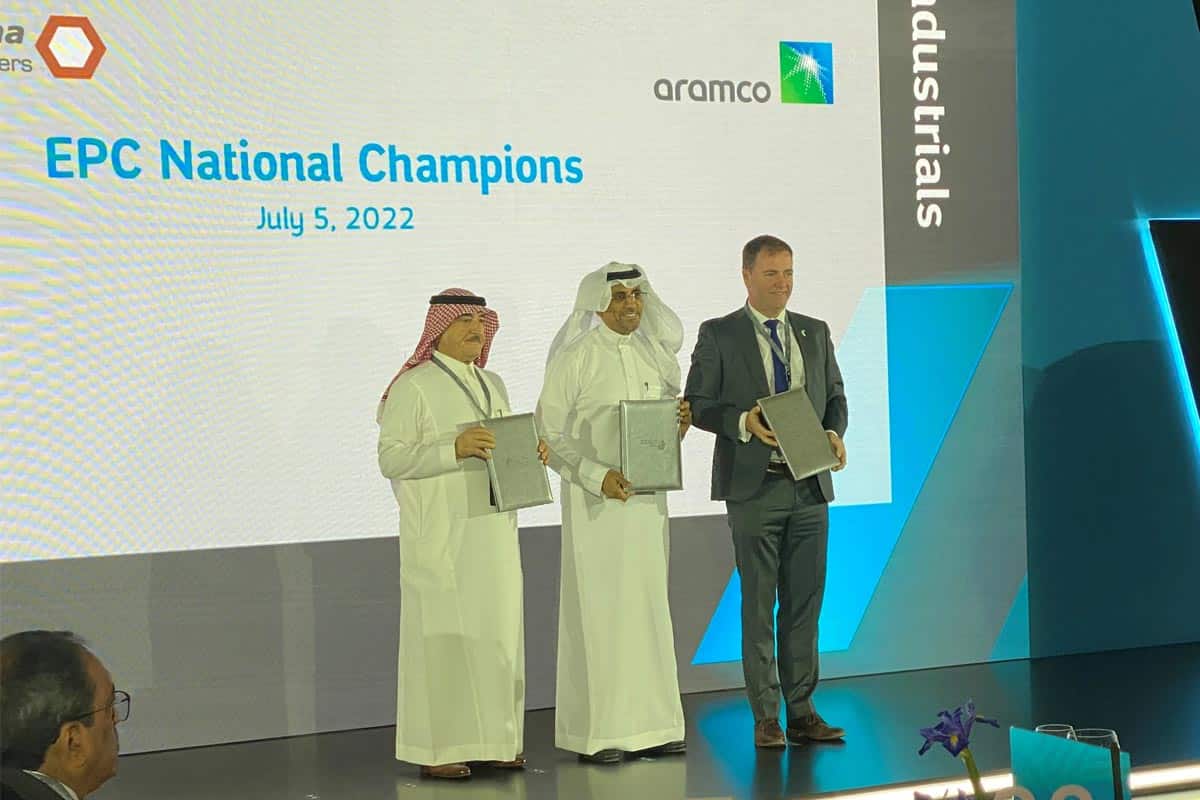
NesmaKent Energy Company , the joint venture between Saudi Arabia’s Nesma & Partners and the international engineering firm Kent, has secured a significant project management consultancy contract with Saudi Aramco. This contract marks a milestone for NKJV, positioning the partnership as a crucial player in the kingdom’s energy infrastructure development amid expanding ambitions in the energy sector.

The PMC contract involves comprehensive project oversight and management services for one of Saudi Aramco’s large-scale energy initiatives. NKJV’s responsibilities will span across planning, execution monitoring, quality control, cost management, and ensuring adherence to safety and environmental standards. This contract is part of Aramco’s broader strategy to engage specialised joint ventures that combine local expertise with international engineering standards, reinforcing Saudi Arabia’s Vision 2030 objectives to diversify and modernise its energy sector.

Nesma & Partners, well-established for its construction and engineering projects within the kingdom and region, has brought extensive local market knowledge and regulatory experience to the partnership. Kent, recognised for its global engineering and project consultancy portfolio, contributes advanced technical capabilities and international project management best practices. Together, the joint venture is expected to deliver high-quality consultancy services that meet Aramco’s stringent operational and environmental benchmarks.

The contract signals the growing trend among Saudi energy entities to engage collaborative partnerships that marry domestic strengths with foreign technological expertise. This aligns with the kingdom’s policy to increase localisation and private sector participation in mega projects. NKJV’s role as a PMC will extend beyond traditional supervisory functions, encompassing risk mitigation, technical advisory, and integration of innovative engineering solutions aimed at optimising project delivery and operational efficiency.

Saudi Aramco’s selection of NKJV follows a competitive tender process where multiple firms vied for the contract. The award underscores Aramco’s confidence in NKJV’s combined capabilities and track record. The project itself forms part of a wider portfolio of energy infrastructure investments by Aramco, which include enhancements in oil production facilities, downstream expansions, and renewable energy projects as the company transitions towards sustainable energy sources.

NesmaKent Energy’s contract exemplifies the shifting dynamics within the Saudi energy sector, where engineering consultancy and project management are gaining prominence as critical factors in successful project execution. The emphasis on specialised joint ventures highlights the kingdom’s commitment to leveraging cross-border partnerships to accelerate technological transfer and capacity building.

Industry experts note that the contract reinforces the strategic positioning of Nesma & Partners and Kent in the Middle East’s energy market. Nesma’s long-standing presence in Saudi Arabia has enabled it to navigate complex regulatory environments and develop robust relationships with government entities and private sector clients. Kent’s engineering pedigree, with a portfolio spanning oil and gas, petrochemicals, and infrastructure, complements Nesma’s regional experience with global standards.

The joint venture’s involvement in this Aramco project is expected to generate significant employment opportunities and skill development programmes in line with Saudi Arabia’s localisation agenda, known as Saudisation. NKJV plans to incorporate training modules and knowledge transfer frameworks to build local competencies in project management and engineering consultancy.

The energy project under NKJV’s management consultancy contract is critical to Aramco’s operational goals, encompassing upgrades to production capacity and the integration of advanced monitoring and control technologies. These developments are part of Aramco’s efforts to maintain its position as the world’s leading energy producer while adapting to evolving global energy demands and environmental regulations.

The scope of NKJV’s mandate also includes coordinating with multiple contractors, subcontractors, and regulatory bodies to ensure seamless execution. This requires a high level of technical expertise, project coordination skills, and compliance with international safety and quality certifications. NKJV’s approach reportedly emphasises sustainability and innovation, incorporating digital tools such as Building Information Modelling and real-time project analytics to enhance transparency and decision-making.

As Saudi Arabia intensifies its focus on energy diversification, including the expansion of renewable energy projects alongside traditional hydrocarbon investments, the expertise of joint ventures like NKJV will be crucial. Their ability to deliver complex projects efficiently and within budget will be pivotal in meeting the kingdom’s long-term strategic targets.

NesmaKent Energy’s success in securing this contract may open doors for further collaborations between Saudi and international firms in the energy consultancy sector. This contract reflects a broader trend of joint ventures becoming key conduits for technology transfer and knowledge exchange in the Gulf’s infrastructure and energy projects.

The UAE’s real estate sector recorded transactions exceeding AED239 billion in the first quarter of 2025, driven by investor confidence, regulatory reforms, and a robust pipeline of developments. A total of 94,719 sales, purchase, and mortgage deals were registered across Abu Dhabi, Dubai, Sharjah, Ajman, and Ras Al Khaimah, signalling a strong start to the year for the property market.

Dubai led the surge with 45,474 transactions valued at AED142.7 billion, marking a 22% increase in volume and a 30% rise in value compared to the same period in 2024. The ready property segment achieved its highest quarterly performance in over a decade, with 20,034 transactions worth AED87.5 billion. Off-plan sales also remained robust, accounting for 25,440 transactions valued at AED55.2 billion. This growth reflects sustained demand from both end-users and investors, supported by a shift from renting to owning amid rising rental prices.

Abu Dhabi’s real estate market also demonstrated significant growth, with transaction values increasing by 34.5% to AED25.3 billion across 6,896 deals. Saadiyat Island emerged as the leading area for real estate transactions, recording deals amounting to AED5.6 billion, followed by Yas Island with AED3.6 billion and Mohammed Bin Zayed City with AED2.1 billion. The emirate’s focus on high-value existing homes indicates a maturing and strategic market movement.

Sharjah reported a 31.9% increase in real estate transactions, totaling AED13.2 billion across 24,597 deals. Muwailih Commercial led the sales with 1,787 transactions worth AED1.9 billion. The growth is attributed to legislative changes allowing foreign ownership in specific areas, enhancing the emirate’s position on the global real estate investment map.

Ajman recorded 15,125 real estate transactions in 2024, with a value totaling AED20.5 billion, marking a 21% growth compared to 2023. The numbers indicate the emirate’s upward trajectory in real estate, supported by modern infrastructure and a wide array of investment opportunities.

Talal Al Dhiyebi, Group Chief Executive Officer at Aldar Properties, noted that the UAE’s real estate boom is fuelled by the country’s broader economic and cultural progress, making it one of the world’s most attractive destinations for living, working, and investing. He highlighted that 40% of property buyers are international, reflecting the growing interest in the region.

VISHNU RAJA
RYO YAMADA
HITORI GOTOH
IKUYO KITA
Just in:
European refrigeration hacks expose Gulf retail security risks // PhotonPay Strengthens North American Regulatory Footprint with Canada’s RPAA Registration // BJP leader condemns cyber attacks over Mammootty wedding visit // Sber announces results of GigaArt AI-art festival: Nearly half a million images // Google patches actively exploited Chrome XML security flaw // Lula commits to budget discipline after election victory // Recognition under the U.S. Green Building Council’s rating system confirms the 22-residence tower is on track for full certification on completion // NIA Highlights Three Exemplary Breakthroughs from National Innovation Awards, Driving Thailand Toward a Global ‘Innovation Nation’ // Gulf states formalise joint railway operating framework // EU challenges TikTok video rankings over harmful content loops // LNG tanker exits through Hormuz reach wartime peak // UAE non-oil trade climbs to AED 2.945 trillion // Republicans Struggling To Come Out Of Nov 3 Debacle To Prepare For 2028 Prez Polls // Trump’s Defeat In Midterm May Lead To Both Challenges And Opportunities For Indian Economy // Nexawork AI Launches Custom Software for SMEs From RM19,900.00 // AutoSwift secures close to A$10 million from Singapore’s X Star Technology to scale AI WINGMAN // Vasavan alleges one-man show by CM Satheesan // Bank of England flags sharper AI share correction risks // AI stock rout erodes sovereign and pension holdings // Japan’s Nikkei advances as buyers return after sell-off //