News related to
world’s

The third edition of the AlUla Desert Blaze concluded on Saturday night, with more than 500 runners from Saudi Arabia and across the globe competing in one of the most gruelling desert races in the region. Held at the UNESCO World Heritage site of Hegra, the event offered a choice of four race categories: 5 km, 10 km, 21.1 km, and 42.2 km. Starting early at 8:00 […]

HANOI, VIETNAM – Media OutReach Newswire – 19 August 2025 – Vingroup was awarded the First-Class Labor Order in recognition of its exceptional achievements in developing the National Exhibition Fair Center. This prestigious award acknowledges the Group’s breakthrough efforts and determination in completing the project 15 months ahead of schedule, celebrating the 80th National Day of the Socialist Republic of Vietnam and making a significant contribution to […]

HANOI, VIETNAM – Media OutReach Newswire – 19 August 2025 – Vingroup was awarded the First-Class Labor Order in recognition of its exceptional achievements in developing the National Exhibition and Convention Center. This prestigious award acknowledges the Group’s breakthrough efforts and determination in completing the project 15 months ahead of schedule, celebrating the 80th National Day of the Socialist Republic of Vietnam and making a significant contribution […]

China has lifted export restrictions on rare earth minerals and fertilisers to India, easing supply pressures across high-tech, agricultural, and infrastructure sectors. The curbs, linked to national security concerns amid lingering border tensions, were rescinded following high-level diplomacy. Indian supplies of essential rare earth magnets—vital for electronics, renewable energy, and defence manufacturing—along with fertilisers and tunnel-boring equipment, are now poised to increase.

Lines of communication between the two capitals have reopened. During the latest India-China border talks, Chinese officials pledged to address New Delhi’s urgent demands, including expedited access to these items. Rare earth exports to India were previously down by 58 per cent compared to January levels, signalling a serious disruption for industries dependent on these critical inputs.

Manufacturing sectors—spanning automobiles, electronics, renewable energy, and defence—stand to benefit directly. These industries were particularly vulnerable due to India’s heavy reliance on Chinese rare earths and fertilisers; the absence of domestic magnet production compounded the supply gap despite India holding the world’s fifth-largest rare earth reserves.

Officials confirmed that China has begun implementing the export changes, with shipments of fertilisers, rare earth magnets, and tunnel-boring machines already underway. The commitments were made by a visiting Chinese Foreign Minister during discussions with Indian counterparts, setting the stage for smoother deliveries ahead of an upcoming high-level summit.

This trade shift follows months of disruption. Earlier in the year, China imposed stringent licensing requirements and delays on rare earth exports—especially seven heavy rare earth elements—affecting global supply chains. That move had compounded export issues affecting not only India but also manufacturers in Europe and the United States, underlining the strategic importance of rare earth materials.

On the fertiliser front, China had halted exports of specialty fertilisers for several months, causing concern across India’s high-value agriculture sector. Indian agribusinesses endured supply constraints as processes such as inspections and inspections delays were used to restrict deliveries. India responded with a resilient mix of domestic ramp-ups, diversification of import sources, and building strategic stockpiles—mitigation that has now yielded tangible benefits.

Diplomatic analysts interpret China’s decision as a calibrated move toward stabilising bilateral trade, particularly ahead of expected discussions at an international summit. While the easing of restrictions is welcomed, longstanding geopolitical mistrust and unresolved border issues suggest that the normalization remains cautious. This trade reprieve signals a pragmatic shift, but not a full thaw in relations.

India, meanwhile, is accelerating its critical minerals strategy. Domestic initiatives—including exploration incentives, production-linked schemes, and global partnerships—are being fast-tracked to reduce strategic dependencies. The National Critical Mineral Mission, launched earlier this year, continues to mobilise efforts across the supply chain, while overseas resource acquisitions and collaborations are gaining momentum.

TAIPEI, TAIWAN – Media OutReach Newswire – 19 August 2025 – Solid State Storage Technology Corporation (SSSTC) proudly announces the launch of the SSSTC CA8 Series, the world’s first industrial M.2 SSD built with BiCS FLASH™ generation 8 3D flash memory technology and a PCIe® Gen5 x4 interface. Offered in the industry-standard M.2 2280 form factor, the SSSTC CA8 Series is available in 512 GB, 1 TB, […]

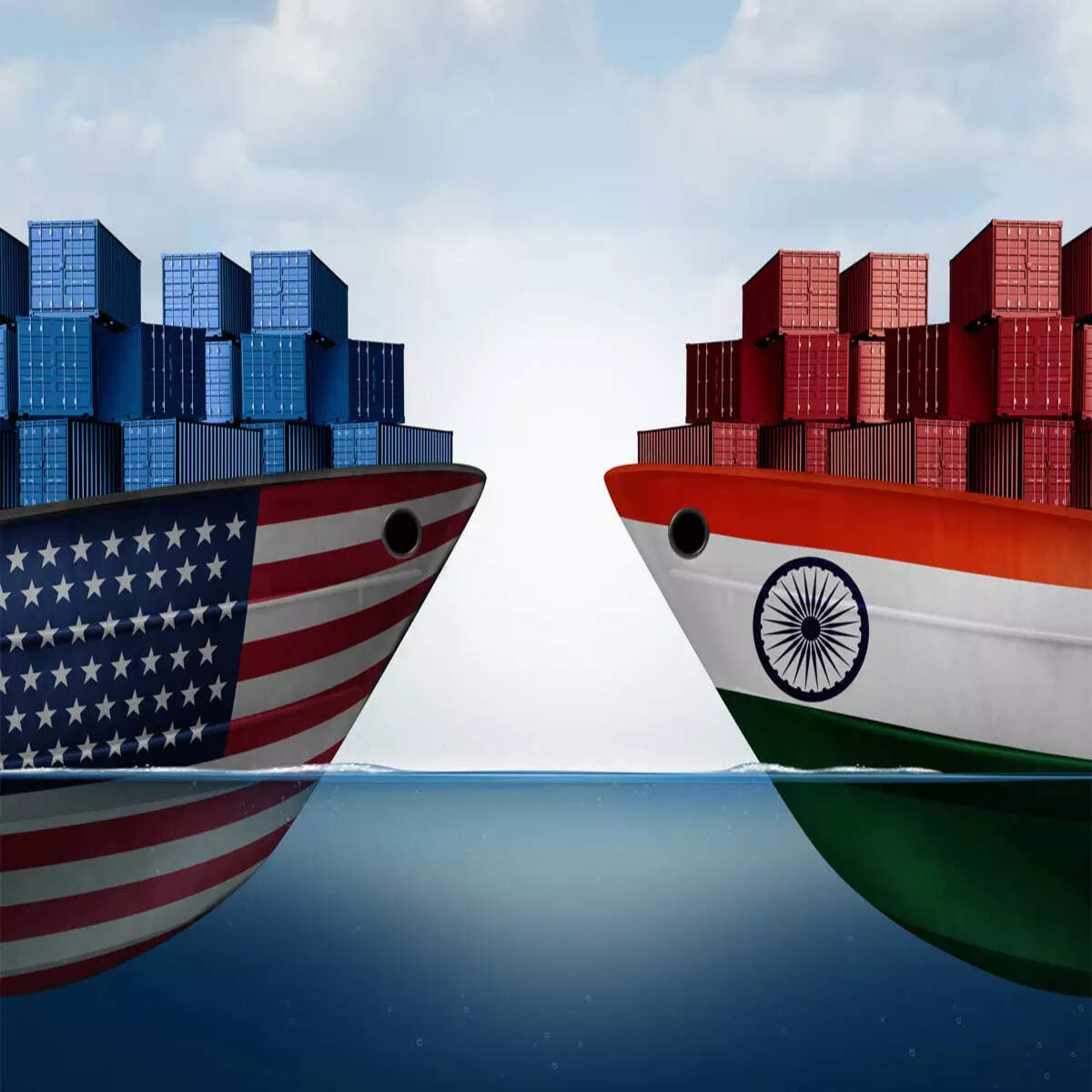
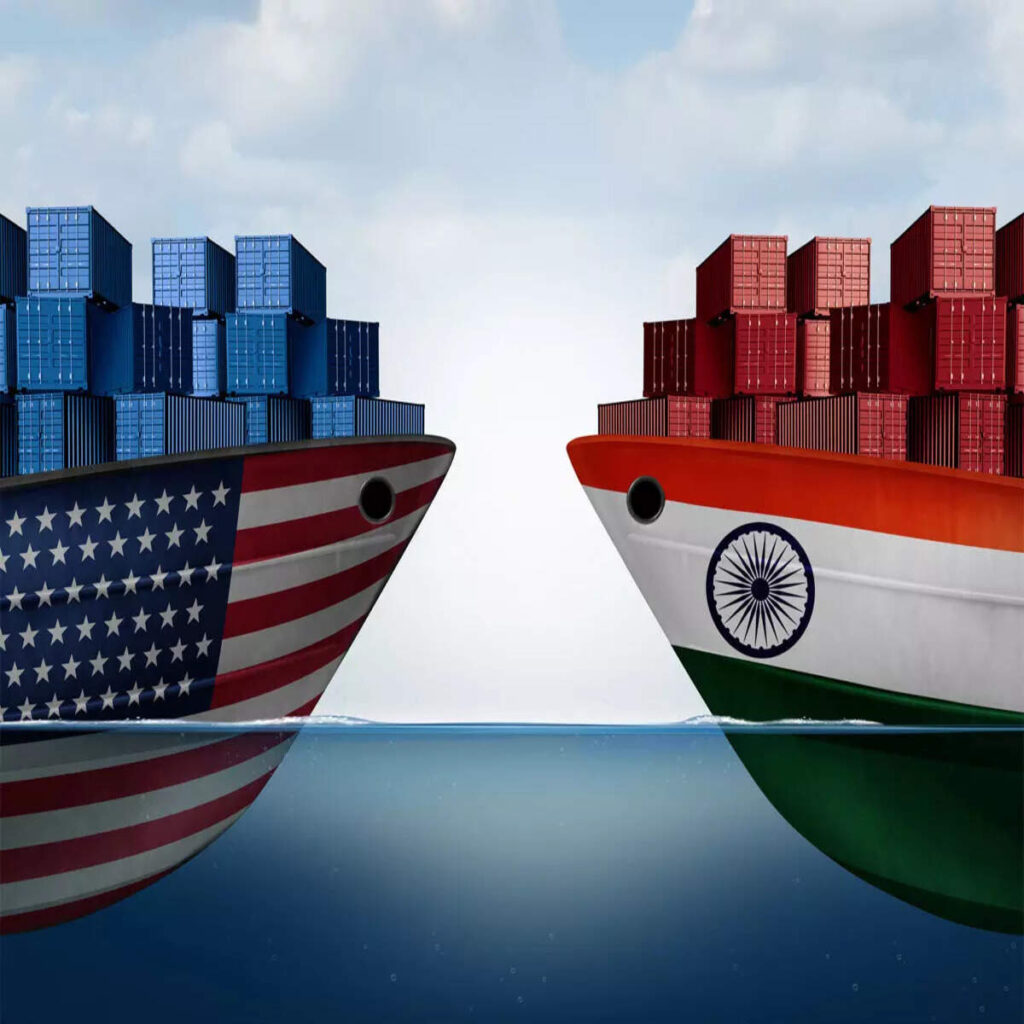
By Nantoo Banerjee Come August 27, the picture of the Indo-US trade may show a considerable change. India’s merchandise exports to the US will be generally subjected to a 50 percent import tax from that date. A few categories, including drugs and pharmaceuticals, have been exempted. The reason advanced by US President Donald Trump for […]

SINGAPORE – Media OutReach Newswire – 18 August 2025 – Macaron AI, the world’s first Personal Agent, has officially launched, a category-defining AI product that reimagines how artificial intelligence fits into daily life, not just work faster. Macaron AI marks a pivotal shift from productivity AI to what experts now call Experience AI—It is a companion that understands your personality, preferences, and habits to support daily life. […]

Advertisements
Saudi Aramco has concluded an $11 billion deal for the lease and leaseback of its Jafurah natural gas processing facilities with a consortium led by Global Infrastructure Partners, a subsidiary of BlackRock. This significant agreement marks a major milestone in Aramco’s strategy to expand its natural gas production and diversify its energy portfolio.

The Jafurah field, located in the Eastern Province of Saudi Arabia, is one of the largest non-associated gas developments globally, with estimated reserves of 229 trillion standard cubic feet of raw gas and 75 billion barrels of condensate. Aramco has long prioritised Jafurah as a key part of its energy transition efforts and broader plans to bolster the Kingdom’s gas capacity, aiming for a 60% increase in gas production by 2030.

The consortium, which includes some of the world’s most prominent investment funds, will provide substantial capital to help accelerate the development of the Jafurah field. The deal enables Aramco to monetise its midstream assets while maintaining operational control over the gas reserves. This transaction is seen as a strategic move to finance the development of Saudi Arabia’s gas infrastructure without sacrificing long-term ownership or production rights.

Jafurah plays a pivotal role in Saudi Arabia’s Vision 2030, the ambitious blueprint to diversify its economy and reduce reliance on oil exports. With natural gas being seen as a cleaner alternative to oil, it is a cornerstone of the Kingdom’s strategy to increase domestic energy production and meet rising demand for electricity and industrial use.

Under the terms of the agreement, Aramco will continue to oversee the development and operation of the field, while the international consortium will take on responsibility for the infrastructure, including gas pipelines and processing plants. This partnership is seen as a win-win for both parties, as it enables Aramco to raise capital for further investments in energy projects, while the consortium gains access to one of the most valuable energy assets in the world.

GIP’s involvement in the deal signals its growing interest in the energy sector, particularly in large-scale infrastructure projects. The firm’s experience in managing complex, long-term investments in global infrastructure positions it well to handle the technical and financial challenges associated with Jafurah. As part of BlackRock’s broader investment strategy, the deal also aligns with the company’s focus on sustainable energy and infrastructure development.

The Jafurah field’s importance to Saudi Arabia’s economic future cannot be overstated. The natural gas produced from Jafurah will support the Kingdom’s power generation capacity, which is projected to increase significantly in the coming years. By tapping into the untapped potential of Jafurah, Aramco aims to reduce its reliance on crude oil for domestic power generation, freeing up more oil for export.

Saudi Arabia’s push for gas development has garnered attention from global investors, eager to tap into the Kingdom’s rich natural resources and growing energy sector. This agreement with GIP is a testament to the global interest in the Middle East’s energy markets, and the broader trend of institutional investors seeking long-term, stable returns from the region’s energy infrastructure.

The deal’s financial structure, involving both lease and leaseback elements, is designed to provide Aramco with flexibility while enabling the consortium to generate revenue from the gas assets over time. The leaseback aspect allows Aramco to retain ownership of the gas reserves, while the lease portion provides the consortium with a stable revenue stream from the operations of the Jafurah facilities.

DP World has reported a significant rise in revenue for the first half of 2025, with figures climbing 20.4 per cent to reach $11.24 billion. This growth was primarily driven by strong performance in its Ports & Terminals division, as well as the positive impact of acquisitions completed in recent months. The company’s adjusted EBITDA also saw an impressive increase, up by 21.4 per cent to $3.03 […]

Dubai’s Burj Khalifa illuminated the night sky on Friday, August 15, 2025, with the vibrant hues of the Indian flag—saffron, white, and green—to commemorate India’s 79th Independence Day. The world’s tallest building became a beacon of unity and cultural pride, drawing large crowds of Indian expatriates and residents who gathered to witness the spectacular light show.

The Indian Consulate in Dubai confirmed that the display commenced at 7:50 PM local time, marking the occasion with a visual tribute that resonated deeply with the Indian community in the UAE. The illumination was accompanied by the instrumental rendition of India’s national anthem, “Jana Gana Mana,” amplifying the emotional significance of the moment.

Spectators, many of whom were capturing the event on their smartphones, expressed their pride and joy through cheers and applause. The display not only celebrated India’s independence but also underscored the strong and enduring ties between India and the United Arab Emirates. Social media platforms were abuzz with videos and messages, with many sharing the experience and extending their Independence Day wishes.

The Burj Khalifa’s annual tribute to India’s Independence Day has become a cherished tradition, symbolising the deep-rooted friendship between the two nations. This gesture is part of a broader initiative where the UAE’s landmarks light up in the colours of various countries’ flags to honour their national days, reflecting the UAE’s commitment to fostering international camaraderie and cultural appreciation.

In addition to the Burj Khalifa’s illumination, the Indian missions in the UAE organised flag-hoisting ceremonies and cultural events to mark the day. The Indian Consulate in Dubai held its flag-hoisting ceremony at 6:30 AM, while the Indian Embassy in Abu Dhabi conducted theirs at 7:15 AM, accommodating the early morning hours to avoid the intense summer heat. These ceremonies were attended by members of the Indian community, dignitaries, and friends of India, all coming together to celebrate the nation’s journey towards independence and its achievements over the years.

The celebrations were further enriched by cultural performances showcasing India’s diverse heritage, including traditional dances, music, and art exhibitions. These events provided an opportunity for attendees to connect with their cultural roots and share in the collective pride of India’s progress and unity.

Saudi Arabia’s Public Investment Fund, one of the world’s largest sovereign wealth funds with nearly $1 trillion in assets, has completely divested from six prominent U. S.-listed firms during the second quarter of 2025. Filings reveal that PIF no longer holds any shares in Meta, Shopify, PayPal, Alibaba, Nu Holdings or FedEx. At the end of March, the fund still held significant stakes—for example, nearly 668,000 class […]

Binance’s Chief Security Officer, Jimmy Su, has identified North Korean hacking groups as one of the most significant threats facing the cryptocurrency sector in 2025. As the world’s largest cryptocurrency exchange, Binance has been at the forefront of monitoring and responding to cyber threats. Su’s recent statements have highlighted the urgency of addressing the escalating risk posed by North Korean cyber actors targeting the crypto industry.

The North Korean government has long been linked to a series of cyberattacks aimed at funding its regime through illicit means, with cryptocurrency exchanges being prime targets. These attacks have become more sophisticated over time, with state-backed hackers employing advanced techniques to infiltrate systems and steal millions of dollars’ worth of digital assets. Experts argue that this is part of a broader strategy to bypass international sanctions imposed on North Korea.

Su’s comments, made during an industry event in early 2025, point to a clear rise in the volume and sophistication of these attacks. According to Binance’s internal threat intelligence, these cybercriminals are using increasingly advanced malware, social engineering tactics, and even direct network intrusions to steal sensitive data and crypto assets.

An ongoing investigation by Binance’s security team revealed that these hackers have been exploiting vulnerabilities in the infrastructure of crypto exchanges and DeFi platforms. In some cases, they have used phishing emails and fake job offers to target employees of key financial institutions, hoping to gain access to privileged systems. Such tactics are a clear indication of a well-coordinated operation with global ambitions.

One of the most concerning trends identified is the use of sophisticated ransomware attacks, which have forced some exchanges to pay hefty ransoms to prevent the loss of critical data. The high-profile hacks have raised questions about the resilience of the global financial ecosystem to such breaches, especially as more governments and institutions begin to integrate blockchain technology into their operations.

North Korean actors, according to cybersecurity experts, have also shown an increasing willingness to attack smaller and lesser-known exchanges. This shift in focus comes as these platforms often lack the robust security protocols that larger exchanges like Binance and Coinbase have implemented. As a result, they are seen as softer targets, vulnerable to exploitation.

The financial implications of these attacks are staggering. Since 2019, estimates suggest that North Korean hackers have stolen over $2 billion in cryptocurrency. This is in addition to the $250 million reportedly taken from a major South Korean exchange in 2023. The stolen funds are typically laundered through complex networks of wallets and mixers, making it challenging for authorities to track and recover the stolen assets.

Su’s remarks have sparked a broader discussion about the need for improved cybersecurity measures within the cryptocurrency sector. Many industry leaders have called for a more collaborative approach, involving private companies, governments, and international law enforcement agencies. A unified strategy could help create a more secure environment for the rapidly expanding digital asset market.

The North Korean government has long denied any involvement in cyberattacks. However, international cybersecurity firms have linked numerous incidents to Pyongyang’s operatives, underscoring the persistent threat posed by the country’s cyber espionage efforts. Furthermore, it is widely believed that these hacking groups are funded by the regime to help finance its nuclear weapons programme and other illicit activities.

Efforts to combat these threats have led to increased investment in security technology, including more advanced encryption methods, real-time monitoring tools, and fraud detection systems. In addition to these technological solutions, some exchanges are considering implementing stricter Know-Your-Customer regulations to combat money laundering and ensure compliance with international financial rules.

As the stakes continue to rise, both industry players and regulators face a significant challenge. The rapid growth of blockchain technologies, along with the increasing use of decentralised finance applications, has created a complex and evolving landscape where traditional security measures are often inadequate. As a result, companies must remain vigilant and proactive in defending against cyber threats from state-sponsored actors like North Korea.

While North Korea’s cyber campaign remains a major concern, it is not the only threat facing the cryptocurrency sector. Other nation-states, including Iran and Russia, have been linked to similar activities, further complicating efforts to secure the digital assets market. However, the ongoing attention on North Korean actors serves as a reminder of the global reach and scale of the problem.

Greenlogue/AP Emirates Water & Electricity Company has formally invited bids for a new combined-cycle gas turbine power plant—dubbed Taweelah C—designed to be carbon-capture ready. The facility, to be located within the Al Taweelah Power and Desalination Complex around 50 kilometres north-east of Abu Dhabi, is slated to deliver up to 2.5 gigawatts of electricity and is expected to commence commercial operations in the third quarter of 2028. […]

Sentient has rolled out The GRID, an open-source network for artificial general intelligence enabling developers to build, share and monetise AI agents. The launch introduces a decentralised alternative to closed AI platforms such as OpenAI, offering token-based monetisation and interoperability across Web2, Web3 and multiple blockchain ecosystems. At launch, The GRID presents over 40 AI agents, 50 data sources and more than 10 distinct models. Developers gain […]

BAODING, CHINA – Media OutReach Newswire – 12 August 2025 – Great Wall Motor (GWM) has combined sport, technology, and industrial pride in a landmark event—the 2025 GWM Smart Factory Half Marathon—held inside its Xushui Smart Factory in Baoding, Hebei Province. Over 10,000 runners raced through stamping, welding, and assembly workshops, surrounded by a living showcase of China’s cutting-edge automotive manufacturing. From the rhythmic movements of robotic […]

Jumbo Enterprise has entered into a strategic partnership with Jio Haptik to offer next-generation Agentic AI solutions to enterprises across the GCC. This collaboration brings together the regional reach and IT expertise of Jumbo with Jio Haptik’s advanced AI-driven customer experience technology. The agreement positions both companies to transform enterprise operations in the Gulf region. By integrating Agentic AI, businesses will benefit from more efficient customer engagement, […]

“More Than Pumping” will amplify trusted voices, offer emotional support, and provide expert guidance to create a breastfeeding-friendly environment where mothers feel understood and supported SINGAPORE – Media OutReach Newswire – 12 August 2025 – As Breastfeeding Awarenesss Month begins, Momcozy, the global No.1 wearable breast pump brand, proudly launches its newest initiative “More Than Pumping, Real Support with Trusted Voices“. The initiative highlights the company’s mission […]

Dr Divya Malhotra Across Europe, the United States, and even parts of Asia, Jewish communities and Israeli citizens are facing a wave of renewed hostility, not because of their religion, but because of Israeli government’s devastating actions in Gaza. What began as a war of self-defense following the October 2023 Hamas attacks has transformed into a prolonged humanitarian catastrophe. With over 50,000 Palestinians killed, Gaza is not […]

Gold’s steadfast position as a safe haven for investors in the UAE has withstood the test of rising prices, continuing to attract attention amid a global economic landscape marked by inflationary pressures and market volatility. Despite record-high valuations, the precious metal remains a symbol of financial security for those seeking stability in uncertain times. The price of gold has been climbing steadily, driven by a combination of […]

Reliance Industries, one of India’s largest conglomerates, faces significant decisions about its oil sourcing strategy amid increasing pressure from the United States to reduce its reliance on Russian crude. The Indian government, which became a major purchaser of seaborne Russian oil following Moscow’s 2022 invasion of Ukraine, is now under mounting diplomatic pressure from Washington to cut its energy ties with Russia. The shift in policy would have substantial implications for the global oil market and India’s refining industry.

Reliance, which operates the world’s largest refining complex in Jamnagar, Gujarat, is central to this decision. With the capacity to process 1.4 million barrels per day, Reliance’s massive refining operation plays a pivotal role in India’s energy landscape. Historically, the company has sourced significant volumes of Russian crude oil, a practice that began in earnest after the geopolitical upheaval caused by Russia’s invasion.

However, as the US ramps up its diplomatic efforts, India faces a delicate balancing act. Although India has repeatedly asserted its right to make independent decisions on energy imports, the US has been clear in its stance, urging the country to align with Western sanctions that limit Russian energy purchases. Washington’s pressure is focused not only on the political ramifications but also on the global strategy to curtail Moscow’s economic resilience through these sanctions.

Energy trade sources indicate that should Reliance cease purchasing Russian crude, the company would likely revert to Middle Eastern suppliers. The Middle East’s geographical proximity to India and its robust oil production capabilities make it an ideal alternative for Reliance’s vast refining operations. As global oil markets fluctuate, the alignment with Middle Eastern suppliers could allow Reliance to maintain its production capacity without significant disruptions.

Industry experts note that the Organisation of the Petroleum Exporting Countries has been adjusting its output to accommodate changing demand patterns. OPEC’s decision to unwind its voluntary cuts has already resulted in increased crude oil production, providing more flexibility to companies like Reliance. This additional supply from the Middle East would likely ease the transition if Reliance moves away from Russian crude, experts suggest.

Nevertheless, shifting reliance back to Middle Eastern oil is not without its own set of challenges. While this move might reduce geopolitical tensions, it would also expose Reliance and other Indian refiners to fluctuations in Middle Eastern production and pricing. Additionally, the cost dynamics could differ, especially given the complexities of supply chain logistics, transportation costs, and currency fluctuations that could affect the price of crude oil sourced from the Gulf.

For India, the implications go beyond just the refiners. The country’s broader energy strategy could come under scrutiny as it seeks to maintain a balance between meeting domestic demand and adhering to international diplomatic pressures. As a major energy consumer, India has long sought to diversify its sources of crude oil to ensure stable supply chains, and the shifting sands of global politics only heighten the complexity of these decisions.

The pushback from Russia, meanwhile, is likely to become more pronounced. Moscow’s strategy in the face of sanctions has been to maintain its role in global energy markets by finding alternative buyers, including India and China, for its oil exports. With the growing Western pressure, Russia is expected to explore additional avenues for securing energy trade relationships, potentially targeting markets in Asia that are less susceptible to US-led sanctions.

DP World has significantly boosted its automotive logistics capacity at Jebel Ali Port with the opening of a new 2.6 million square foot vehicle storage yard at Terminal 4. This expansion is a strategic move to cater to the increasing demand for global vehicle trade and further solidifies Dubai’s position as a leading automotive hub in the region.

The development adds an additional 13,000 car equivalent units to the port’s storage capacity, bringing the total to 75,000 CEUs. This increase comes as Dubai seeks to accommodate the growing flow of vehicles through its primary maritime gateway. The modern facility is equipped to handle a wide range of vehicles, ensuring smoother logistics and faster turnaround times for automobile shipments.

In tandem with the storage space, the upgrade also features an 800-metre quay. This quay is designed to support three roll-on/roll-off vessels simultaneously, improving the port’s efficiency and handling capacity for large-scale vehicle shipments. RoRo vessels are commonly used for transporting automobiles due to their ability to load and unload vehicles quickly and safely. The expanded quay capacity significantly enhances Jebel Ali’s ability to meet the demands of car manufacturers, traders, and logistics companies, both regionally and globally.

Dubai’s Jebel Ali Port has long been recognised as a pivotal trade and logistics hub, playing a crucial role in the region’s supply chain. The port’s strategic location, coupled with its extensive infrastructure, has made it a preferred gateway for trade in the Middle East, Africa, and Asia. The automotive sector, in particular, has seen exponential growth, with Dubai acting as a key transit point for vehicles moving between markets in Europe, Asia, and Africa. This new development aims to support the growing needs of global car manufacturers who rely on Dubai’s connectivity and efficiency to reach a broader market.

DP World’s expansion aligns with the UAE’s broader strategy to diversify its economy and reduce dependence on oil revenues by strengthening other sectors such as logistics and trade. The automotive logistics market has witnessed an upward trajectory in recent years, with rising demand for vehicle imports and exports. In response, DP World has invested in this infrastructure to support automotive trade and contribute to the broader economic goals of Dubai and the UAE.

With the automotive trade forecasted to grow, Jebel Ali Port’s enhanced capacity provides a critical edge in a competitive global market. The integration of cutting-edge technology and modern facilities within the new yard also supports the port’s commitment to sustainability and operational efficiency. The facility will implement eco-friendly practices such as energy-efficient lighting, and the quay will utilise advanced mooring systems to ensure safer and faster vessel turnaround.

The expansion also comes at a time when global trade flows are undergoing rapid changes, with new markets emerging in Asia, Africa, and Latin America. Dubai’s strategic location on the Arabian Peninsula offers a unique advantage, acting as a natural conduit for goods moving between these markets. DP World’s investment in Jebel Ali Port ensures that the UAE remains at the forefront of global trade, particularly in sectors like automotive logistics, where speed and efficiency are paramount.

As Dubai continues to enhance its infrastructure and trade capacity, it attracts increasing attention from international car manufacturers, logistics companies, and global shipping lines. The city’s status as a central automotive hub within the region is further cemented with such projects that not only increase capacity but also enhance the overall operational flow, making it a prime location for companies seeking to expand their footprint in the Middle East and beyond.

By R. Suryamurthy Prime Minister Narendra Modi’s declaration that he is willing to “pay a heavy price” to stand by Indian farmers in the face of escalating U.S. trade tariffs has captured headlines—but not necessarily for the right reasons. It is a speech crafted more for the political stage than the policy war room. Beneath […]

The University of Sharjah has entered into a strategic partnership with Binance Academy, aiming to foster innovation and education in blockchain technology. The Memorandum of Understanding between UOS and Binance’s educational arm marks a significant step towards creating new opportunities in blockchain research and talent development. This collaboration aligns with both parties’ commitment to equipping students and researchers with the necessary tools and knowledge to excel in the rapidly advancing Web3 ecosystem.

The MoU was officially signed by Professor Maamar Bettayeb, Vice Chancellor for Research and Graduate Studies at UOS, and Rachel Conlan, Chief Marketing Officer at Binance, in a move designed to pave the way for long-term cooperation. The agreement will see both entities working together to enhance blockchain education, research, and skills development across a range of fields related to emerging technologies.

This initiative underscores the growing demand for expertise in blockchain, a field that continues to disrupt various sectors, from finance to logistics and beyond. UOS, known for its robust academic offerings, will integrate blockchain curriculum and training into its programs, ensuring that students are equipped with cutting-edge knowledge. Binance Academy, leveraging its global blockchain ecosystem, will provide support with educational materials, workshops, and expert-led sessions to ensure students and researchers have access to the latest industry insights and tools.

The partnership between UOS and Binance is set to contribute to the development of a highly skilled workforce capable of navigating the complexities of blockchain, cryptocurrency, and decentralized systems. With Web3 technologies rapidly transforming industries, it is essential for academic institutions and tech companies to collaborate in developing a skilled workforce capable of driving these innovations forward.

Experts predict that blockchain technology will play a key role in shaping the future of digital transactions, governance, and online security. As such, universities like UOS are increasingly looking to align their curricula with industry needs, preparing students for the evolving demands of the global job market. By working with Binance Academy, UOS hopes to offer an advanced understanding of these transformative technologies, with a focus on real-world applications.

The partnership will facilitate knowledge exchange, where UOS faculty and researchers can engage with blockchain pioneers and industry leaders. This two-way collaboration is expected to foster an environment where academic research can influence real-world blockchain solutions, while industry innovations can be tested and refined within the academic sphere. The ultimate goal is to create a pipeline of talent that is both theoretically grounded and practically skilled in blockchain technologies.

This agreement comes as blockchain adoption continues to accelerate across multiple sectors, with a particular focus on financial services, supply chain management, and data security. As governments and businesses explore the potential of blockchain to enhance transparency, efficiency, and security, the need for skilled professionals in the field is more critical than ever.

Binance, the world’s largest cryptocurrency exchange, has been a strong proponent of blockchain education through its Binance Academy. This initiative is designed to help users and institutions navigate the complexities of blockchain technology. Binance Academy offers free courses, educational resources, and hands-on training on topics such as decentralised finance, blockchain protocols, and crypto assets, all aimed at empowering the next generation of blockchain innovators.

For UOS, this partnership aligns with its broader mission of driving research excellence and innovation within the UAE’s educational landscape. The university has long been at the forefront of integrating emerging technologies into its academic offerings, and this collaboration with Binance marks a new chapter in its pursuit of excellence in research and education.

UOS also stands to benefit from Binance’s deep expertise in the blockchain space, providing students with access to a global network of professionals, innovators, and technologists. Through this collaboration, UOS aims to position itself as a leader in blockchain education within the region, attracting students and researchers who are eager to develop their expertise in a field that is shaping the future of technology.

Blockchain’s potential to decentralise systems and increase transparency has made it one of the most transformative technologies of the modern age. With widespread adoption expected across both developed and developing nations, educational institutions that focus on blockchain research and development are set to play a pivotal role in fostering the next generation of leaders in the space.


Chris Rokos, the founder of Rokos Capital Management, is making strategic moves to expand his $22 billion hedge fund by setting up an office in Abu Dhabi next year. This step signals a growing trend of financial institutions establishing a foothold in the Middle East as they aim to tap into the region’s increasing significance in global finance.

Abu Dhabi’s financial ecosystem has become a key destination for international money managers, with its combination of tax incentives, a favourable regulatory environment, and proximity to key investment markets. By establishing an office in the UAE capital, Rokos Capital aims to leverage these advantages and enhance its trading strategies across various global markets. This expansion also aligns with a broader push by the hedge fund to diversify its operations and build closer ties with key investors in the region.

The decision to set up an office in Abu Dhabi is expected to attract top-tier talent from around the world, as the region continues to see an influx of skilled professionals seeking new opportunities. Furthermore, the move places Rokos Capital in a prime position to access an increasingly wealthy investor base in the Gulf Cooperation Council states, particularly those with significant holdings in sectors like energy and real estate.

The UAE’s capital is rapidly evolving into a financial hub, with its offerings including some of the world’s most competitive tax rates, an open economic environment, and a growing number of financial services firms. Many hedge funds, private equity firms, and sovereign wealth funds are establishing regional offices in Abu Dhabi to capitalise on these benefits and strengthen their connections with the lucrative markets of the Middle East and North Africa.

Several global players have already set up in the UAE as the emirate works to position itself as an alternative to traditional finance centres like London and New York. The UAE government has introduced various reforms designed to attract international investment, including more relaxed laws on foreign ownership and easier access to its financial markets.

Rokos Capital’s decision reflects a broader trend in the industry, with more asset managers shifting focus to the Middle East as an emerging centre of financial activity. The UAE’s commitment to fostering a dynamic business environment, combined with its strategic geographic location, makes it an attractive option for firms looking to strengthen their global presence.

Despite this, the move also indicates the growing competition among global financial firms to establish a footprint in the Middle East. As the region’s financial market continues to expand, the demand for skilled workers and high-quality investment opportunities is expected to grow, making it an essential market for international hedge funds like Rokos Capital.

By establishing operations in Abu Dhabi, Rokos Capital will be better positioned to manage its diverse portfolio, which spans various asset classes and global markets. This move could also bolster the firm’s trading operations in the region and provide increased access to the considerable liquidity available in local financial markets.

While the details of the office’s specific location and operations are yet to be fully disclosed, this expansion is likely to further cement the UAE’s growing role in global finance. As the financial landscape in the Middle East evolves, the presence of international players such as Rokos Capital will play a crucial role in shaping the future of finance in the region.

VISHNU RAJA
RYO YAMADA
HITORI GOTOH
IKUYO KITA