News related to
world’s

Abu Dhabi-based renewable energy giant Masdar has announced a significant milestone in its efforts to expand global clean energy projects, with its 1-gigawatt (GW) wind farm in Kazakhstan nearing its final stages of development. This marks a crucial step in the Middle Eastern energy company’s continued push into the renewable sector, aligning with Kazakhstan’s commitment to transition toward more sustainable energy sources. The wind farm, which is […]

Bitcoin has surpassed $90,000 this week for the first time, marking yet another significant milestone for the cryptocurrency. The surge comes amid growing discussions about using Bitcoin to address America’s escalating national debt. Tesla, X, and SpaceX CEO Elon Musk, and vocal proponent of cryptocurrency, recently endorsed the idea of deploying digital assets to alleviate the United States’ debt burden—a sentiment echoed by President-Elect Donald Trump. Musk, […]

Emaar Properties, one of the largest real estate developers in the UAE, has reported a modest growth in its profits for the first nine months of the year. The company’s net income rose compared to the same period last year, driven primarily by strong performance in its core real estate development and retail segments. The Dubai-based developer, which operates a diverse portfolio of real estate and hospitality […]

DAMAC Properties, the UAE-based real estate giant, has ventured into the world of premium travel with the launch of DAMAC Air, a luxury airline designed for high-end tourists seeking bespoke experiences in some of the world’s most exotic destinations. This new venture comes as part of the company’s expansion from real estate and hospitality into the luxury travel sector, continuing its tradition of offering elite services. DAMAC […]

The growing financial links between Asia and the Middle East are poised to significantly influence global capital flows, according to new insights from HSBC. The accelerating collaboration between these two regions is already reshaping the landscape of international investments, with both sides benefitting from a convergence of economic goals, financial strategies, and geopolitical interests. With Asia’s expanding markets and the Middle East’s substantial financial resources, the deepening […]

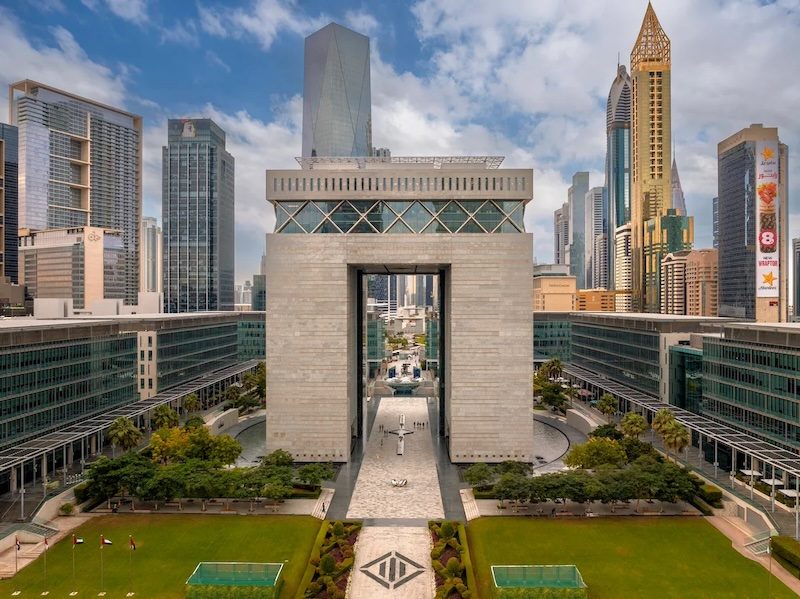
The Dubai International Financial Centre (DIFC) has repaid a $700 million sukuk, a significant milestone in its ongoing development efforts. This bond, originally issued to finance the expansion of the DIFC, helped fund key infrastructure projects, including the growth of its real estate sector and the development of the Gate Avenue retail precinct, which has become a central feature of the financial hub.

The repayment of the sukuk demonstrates the DIFC’s strong financial position, underscoring its ability to service its debt while continuing its mission to evolve as a global financial hub. The sukuk was part of a broader strategy to enhance the DIFC’s infrastructure and attract further investment to the region, reinforcing its status as one of the world’s leading financial centers.

Launched in 2004, the DIFC has seen exponential growth over the past two decades, with its strategic location and favorable business environment making it an attractive destination for international and regional firms. The expansion of DIFC’s real estate and retail offerings, particularly the Gate Avenue precinct, aligns with broader efforts to diversify its revenue streams and cement its position as a global business and lifestyle destination.

The Gate Avenue project, which was central to the sukuk issuance, transformed the DIFC area into a vibrant, mixed-use space combining commercial, retail, and residential offerings. The development has played a critical role in supporting the growth of the financial district, not only as a hub for businesses but also as a dynamic space for leisure and commerce. Gate Avenue features high-end retail outlets, restaurants, art galleries, and a host of premium office spaces, positioning the DIFC as a global destination for business and tourism alike.

The financial success of the sukuk reflects the increasing confidence in the DIFC’s ability to attract investment, maintain a strong credit rating, and manage large-scale projects effectively. The successful completion of the sukuk repayment follows a broader trend of fiscal responsibility within the Dubai government and its key development areas, including the Dubai Economic Agenda and the vision for the city’s continued diversification into non-oil sectors.

Dubai has steadily strengthened its position as a financial center, not just regionally but globally, through strategic investments in infrastructure, fintech, and real estate development. By repaying the sukuk, DIFC reaffirms its reputation as a key pillar of Dubai’s ambitious economic agenda. This action signals to both international investors and local stakeholders that DIFC remains a secure and attractive investment destination.

The sukuk’s issuance and repayment were also a part of the larger trend of Islamic financing mechanisms that have been growing in popularity in the UAE and other parts of the Gulf region. Sukuk, a Sharia-compliant alternative to conventional bonds, are increasingly viewed as an effective tool for raising capital for large-scale infrastructure and development projects. With the growing interest in sustainable finance, sukuk structures are adapting to include green and socially responsible investment components, further broadening their appeal.

The DIFC’s continued investment in its infrastructure is also reflected in its increasing number of financial firms, including major international banks, wealth management firms, and insurance companies, which have made the center their regional base. This is a testament to DIFC’s ability to provide a competitive and secure environment for financial operations, from asset management to fintech innovation.

The development of Gate Avenue, which connects the DIFC’s two main buildings with a series of bridges and corridors, offers not only commercial and office spaces but also cultural experiences that draw visitors and residents alike. This expansion helps differentiate the DIFC from other global financial hubs by offering a comprehensive lifestyle experience beyond the traditional financial operations. Its blend of culture, art, and luxury retail spaces makes it a unique offering in the competitive global financial landscape.

The repayment of the sukuk comes at a time when Dubai is positioning itself as a major player in the global financial and fintech sectors. As part of the Dubai 2040 Urban Master Plan, the city is focused on further expanding its financial infrastructure, which aligns with the UAE’s broader goal of diversifying its economy and attracting foreign investment. Projects like the DIFC’s development and the Gate Avenue precinct are designed to support this long-term vision and are expected to continue to bolster the UAE’s competitive edge.

DIFC’s financial success, evidenced by its ability to meet debt obligations, is closely tied to the broader economic strategies set out by Dubai and the UAE. The city has made substantial investments in becoming a global leader in fintech, with regulatory frameworks designed to foster innovation, while also strengthening its existing financial infrastructure. These efforts are part of a greater strategy to ensure Dubai’s place at the center of international finance, even as global markets face uncertainty.

As the DIFC looks to the future, it will likely continue its focus on sustainable development, leveraging its strategic location to attract global financial institutions and investors. The success of the sukuk repayment highlights the district’s ongoing stability and growth, which in turn strengthens Dubai’s position as a critical financial and business hub in the Middle East and beyond.


Nakheel, a leading Dubai-based developer, has unveiled plans for a collection of luxury waterfront villas located on the iconic Palm Jebel Ali. The development is set to redefine high-end living, with exclusive designs aimed at offering a prestigious lifestyle on one of the world’s most sought-after real estate locations. The new project will feature a series of ultra-luxurious homes, offering sweeping views of the Arabian Gulf. The […]

Advertisements

FTX, the embattled cryptocurrency exchange that collapsed in late 2022, has filed a lawsuit against Binance and its former CEO, Changpeng Zhao, demanding $1.8 billion in damages. The legal action, filed in a U.S. federal court, alleges that Binance played a pivotal role in the downfall of FTX by intentionally causing its financial collapse through market manipulation and unlawful actions.

The lawsuit represents the latest chapter in a protracted battle over the events that led to FTX’s implosion, a scandal that shook the global cryptocurrency sector. FTX, once valued at $32 billion, went bankrupt following a series of liquidity crises and allegations of mismanagement under its founder Sam Bankman-Fried. The exchange’s failure led to severe financial losses for investors, customers, and partners across the world.

According to the court filing, FTX accuses Binance of orchestrating a series of aggressive actions designed to destabilize the exchange. These included the manipulation of the price of FTX’s native token, FTT, and the deliberate withholding of funds owed to FTX. The lawsuit claims that these moves not only harmed FTX financially but also undermined customer confidence in the exchange, ultimately triggering its collapse.

Binance, the world’s largest cryptocurrency exchange by volume, has yet to publicly respond to the lawsuit. However, Zhao, who has been a central figure in the global crypto industry, previously denied any wrongdoing in the events surrounding FTX’s demise. Binance has consistently maintained that it acted in the best interest of its customers and the broader market during its dealings with FTX.

FTX’s claim of $1.8 billion in damages is significant, representing a substantial portion of the losses it suffered during the collapse. The amount includes both direct financial losses and a broader impact on FTX’s reputation, as the lawsuit argues that Binance’s actions were directly responsible for FTX’s bankruptcy filing.

The legal dispute between FTX and Binance traces its roots back to the days leading up to FTX’s bankruptcy in November 2022. As one of FTX’s biggest competitors, Binance initially offered to acquire FTX in the face of mounting financial issues. However, the deal fell apart after Binance conducted due diligence and raised concerns about FTX’s financial stability. This precipitated a massive withdrawal of funds by FTX customers, which ultimately forced the company to declare bankruptcy.

At the heart of the lawsuit is an allegation that Binance and its executives conspired to manipulate the market for FTX’s token, FTT. FTX claims that Binance intentionally sold off its holdings of the token, which caused its value to plummet. This triggered a chain reaction, undermining FTX’s ability to cover customer withdrawals and leading to a liquidity crisis. The lawsuit suggests that Binance’s actions were premeditated and aimed at causing maximum financial harm to its competitor.

FTX also points to the actions of Zhao, who is accused of not only engaging in market manipulation but also of exerting undue influence over FTX’s operations. The lawsuit alleges that Zhao’s involvement in the broader crypto industry allowed him to orchestrate a campaign that led to the downfall of one of Binance’s major rivals.

Legal experts have weighed in on the potential outcomes of the case, noting that while the lawsuit represents a significant challenge for both FTX and Binance, the legal complexities surrounding cryptocurrency markets make the resolution uncertain. Cryptocurrencies and exchanges like Binance and FTX operate in a largely unregulated space, and the legal framework surrounding them remains murky. This creates challenges for courts when determining liability in cases of market manipulation or fraud.

The FTX-Binance lawsuit is part of a broader pattern of legal and regulatory scrutiny facing the cryptocurrency industry, which has struggled to establish a consistent legal framework across jurisdictions. U.S. regulators, including the Securities and Exchange Commission (SEC) and the Commodity Futures Trading Commission (CFTC), have ramped up their efforts to bring cryptocurrency exchanges and companies into compliance with financial laws. These efforts have been motivated by concerns about the potential for fraud, money laundering, and investor protection failures in the unregulated crypto space.

As the case progresses, the broader implications for the crypto industry are becoming clear. The outcome could set a precedent for how similar legal disputes are handled in the future, particularly in the context of exchanges and market manipulation. Additionally, the legal battle highlights the ongoing challenges in ensuring consumer protection and maintaining trust in an industry rife with volatility.

FTX’s lawsuit comes as part of a broader effort to recover assets for its creditors and investors following its bankruptcy. The exchange’s new leadership, appointed after the collapse, has been working to reclaim assets and hold accountable those responsible for the collapse. The lawsuit against Binance and Zhao is one of several legal actions the company has taken to address the financial losses and reputational damage caused by the downfall.

FTX’s founder, Sam Bankman-Fried, is also facing criminal charges related to the collapse of the exchange. He has pleaded not guilty to charges of fraud, money laundering, and conspiracy, with his trial set to begin in 2024. The outcome of this case could have far-reaching consequences for the future of cryptocurrency regulation and the legal responsibilities of executives in the sector.

Dubai’s morning peak traffic has seen a significant reduction, with travel times decreasing by as much as 30%. This shift comes in the wake of widespread adoption of flexible working hours and remote work policies that have reshaped daily commutes across the city. The transformation highlights the growing impact of workplace changes on urban mobility patterns and traffic congestion.

The move towards more adaptable work schedules, accelerated by the pandemic, has seen a marked decline in the number of commuters rushing to the office during traditional hours. As companies continue to embrace hybrid work models, employees have greater autonomy over when they begin their workday, thus spreading out peak travel times.

Dubai, one of the world’s most bustling cities, had long struggled with traffic congestion. The morning rush hour often brought gridlock to key roads, with long waits on highways and delays in public transportation. However, the integration of flexible hours has provided a unique solution. According to traffic management experts, the reduction in office-bound commuters during the congested morning period has relieved pressure on the city’s infrastructure.

The Dubai government’s push for digital transformation and work flexibility has been central to this change. Various private and public sector organizations implemented remote work and staggered hours as part of their long-term business strategies. These policies have allowed workers to avoid the intense traffic rush typical of the early morning commute, particularly along major roads like Sheikh Zayed Road and Emirates Road.

For commuters, the effects of these changes are tangible. Daily travel times have shortened, not only for those who work from home but also for individuals who now choose to drive or take public transportation during non-peak hours. Traffic reports indicate a steady decline in congestion around office-heavy districts such as Business Bay and Dubai International Financial Centre (DIFC).

Dubai’s government has also introduced new traffic management strategies, which include rerouting certain traffic flows and expanding the metro network. These measures, combined with flexible work policies, have created a more efficient and less stressful commuting experience. Authorities have noted that traffic data collected over the past few months shows improved traffic speeds during the early hours of the workday, corroborating the positive effects of these adjustments.

Experts argue that this shift could have long-term benefits for the city’s infrastructure. By spreading out commuting times and reducing the number of vehicles on the road at any given moment, Dubai may be able to delay or even avoid costly investments in road expansions or additional public transport services. Furthermore, the environmental impact is expected to be favorable, with fewer vehicles idling during peak hours, reducing emissions and contributing to the city’s sustainability goals.

Flexibility in the workplace is also expected to continue influencing the way people travel. While Dubai has long been known for its emphasis on innovation, the trend of remote and hybrid working is likely to become a permanent fixture in the city’s labor landscape. This shift also aligns with global trends, as more businesses worldwide adopt similar policies in response to employee demands for better work-life balance.

Local businesses have taken notice of these changes and adjusted their operations accordingly. Companies are increasingly offering employees the option to work from home or choose flexible hours as part of their standard benefits packages. As a result, more people are opting to work remotely for at least part of the week, which further contributes to the reduction in commuter traffic during the busiest hours.

Public transport systems have also seen a positive shift, with trains, buses, and taxis benefiting from a more balanced distribution of passengers throughout the day. The Dubai Metro, which serves as a key mode of transportation for many, has experienced less overcrowding in the morning, offering a more comfortable ride for those who continue to commute to work.

The shift to remote work and flexible hours has also led to noticeable changes in the behavior of businesses. Firms in sectors like technology, finance, and consulting have been quick to embrace hybrid work models, recognizing both the benefits to employee satisfaction and the reduction in operational costs. For employees, this new approach to work offers greater autonomy, allowing them to optimize their schedules for productivity and personal well-being.

Despite these successes, some challenges remain. Although traffic congestion has been alleviated, certain areas of Dubai, particularly near popular commercial hubs, continue to see significant numbers of commuters at specific times of the day. Some business owners worry that widespread adoption of remote work could have unintended consequences, such as a decline in in-person collaboration and innovation. However, many firms are mitigating these concerns by establishing clear guidelines for when employees should be in the office, ensuring that face-to-face meetings and team-building activities continue to play a vital role in business operations.

Deyaar Development has announced plans to launch a new real estate project in Dubai, with a projected investment value of Dh1.5 billion. This project, set for completion by the end of the year, marks a significant milestone for the company, which is renowned for its high-profile developments across the emirate. The initiative is part of Deyaar’s broader strategy to strengthen its presence in the competitive Dubai property […]

Arabian Post Staff Dubai state-owned Emirates Group that operates the world’s largest international carrier, Emirates Airline, reported a record profit before tax of Dh10.4 billion (US$2.8 billion) for the first six months of 2024-25, its best-ever half-year financial performance, surpassing its record profit before tax for the same period last year. This is the first financial year that the UAE corporate income tax, enacted in 2023, is […]

The world’s most successful investor, Warren Buffett, is making headlines again by significantly reducing his stake in Apple, selling approximately 100 million shares—about 25% of his company’s holdings. This move, which brought Berkshire Hathaway’s holdings of Apple shares down to roughly 300 million, is emblematic of Buffett’s long-standing philosophy of risk management and prudent investing. As of now, Berkshire’s remaining stake in Apple is valued at $69.9 […]

By Nantoo Banerjee With geopolitical tensions rising in Europe and Asia and central banks across the world buying gold like never before are mainly behind the near continuous rise in gold prices since last year. The surging gold price trend may continue through the coming months unless peace and economic stability soon return to the […]

Blockchain infrastructure provider Ankr has announced a significant new integration with The Open Network (TON) blockchain, enabling developers to build decentralized applications (DApps) directly for Telegram, one of the world’s largest messaging platforms. With this integration, Ankr is expected to facilitate the development process, allowing programmers to streamline the creation of apps and mini-games, further expanding the use of decentralized technology on a platform boasting nearly 950 million users.

The integration, unveiled by Ankr on October 24, introduces a robust Remote Procedure Call (RPC) gateway that connects developers to the TON network. This gateway enables them to interact with the blockchain’s ecosystem without the technical hurdles of setting up nodes. Through this, developers can execute transactions, check wallet balances, and retrieve ownership information, optimizing their workflow and eliminating the need for extensive blockchain-specific setup. This new feature is part of Ankr’s Web3 API suite, making it more accessible for developers to integrate TON’s blockchain technology directly into their applications.

Telegram’s use of the TON blockchain, originally developed to support a cryptocurrency ecosystem within its platform, has evolved since Telegram’s founders, Pavel and Nikolai Durov, introduced it in 2018. Although the initial launch faced regulatory challenges in the United States, resulting in Telegram stepping back from the project, the technology continued under the governance of the TON Foundation, which has maintained its focus on decentralized application development. The ecosystem, now seeing renewed momentum, is positioned as a decentralized Web3 solution closely aligned with Telegram’s commitment to privacy and user control over data.

Ankr’s integration with TON arrives amid a broader surge of interest in decentralized applications and blockchain-based services across social platforms. In September, TON received a $30 million investment from crypto firms Bitget and Foresight Ventures, an injection aimed at accelerating TON’s infrastructure and developer engagement. This financial boost underscores the increasing viability and competitive positioning of TON as a blockchain choice within Web3 development.

Incorporating Ankr’s RPC service for TON enhances accessibility for developers seeking to tap into Telegram’s extensive user base. This service, now integrated with Ankr’s Web3 API, simplifies decentralized application workflows, allowing for seamless deployment of applications, wallet management, and transaction processing. As developers build tools on TON, they can leverage these capabilities to integrate applications, mini-games, and utility tools, enhancing user engagement within Telegram and expanding the use of digital assets through TON’s ecosystem.

Saudi Arabia, as host of the 16th United Nations Convention to Combat Desertification (UNCCD) Conference of the Parties (COP16), is intensifying its call for comprehensive global efforts to address the escalating crises of land degradation, desertification, and drought. With a staggering 40% of the world’s land already classified as degraded, impacting around 3.2 billion people, Saudi officials have underscored the pivotal role COP16 could play in reshaping […]

The partnership will support the global growth of Chinese brands by enhancing the cross-border payment solutions available to merchants. LONDON, UNITED KINGDOM – Media OutReach Newswire – 31 October 2024 – Global fintech Unlimit has formed a strategic partnership with SHOPLINE, a rapidly growing Software-as-a-Service (SaaS) provider, to assist Chinese merchants in expanding their global reach through the integration of new payment processes. Unlimit X SHOPLINE SHOPLINE […]

Dubai International Airport (DXB) has attained a significant milestone in its sustainability efforts by receiving the Airport Carbon Accreditation (ACA) certification at the “Level 3+ Neutrality” stage. This recognition places DXB among a select group of international airports committed to environmental responsibility and carbon neutrality. The certification underscores the airport’s ongoing commitment to reducing its carbon footprint and enhancing sustainable practices in its operations. The Airport Carbon […]

A landmark budget for 2025 to 2027 has been approved by the Dubai Government, marking a pivotal step in its economic strategy. This new budget is set at an unprecedented AED 69.5 billion, representing a significant increase over the previous budget cycle, which focused on robust investment in infrastructure, education, and sustainability initiatives. The plan reflects Dubai’s ambition to enhance its status as a global economic hub and to foster innovation and growth across various sectors.

The approved budget highlights an allocation of AED 20.4 billion for infrastructure development, aimed at enhancing the city’s transport systems, public facilities, and digital infrastructure. This investment is expected to not only improve the quality of life for residents but also attract further investments and tourism. Additionally, AED 11 billion is earmarked for social development programs, emphasizing education and healthcare, ensuring that the benefits of growth reach all segments of society.

Economic recovery remains a central theme within the budget, as Dubai continues to rebound from the impacts of the global pandemic. The government anticipates an economic growth rate of 3.5% over the next three years, supported by strategic investments and initiatives that will bolster various sectors including tourism, trade, and technology. The commitment to a diversified economy is reflected in the emphasis on supporting small and medium-sized enterprises (SMEs), which are considered crucial for job creation and innovation.

The budget also prioritizes sustainability, with a dedicated allocation for green initiatives and projects that align with Dubai’s long-term vision of becoming one of the world’s most sustainable cities. Plans include the expansion of renewable energy sources and investments in waste management technologies, which aim to minimize environmental impact while promoting economic efficiency.

The budget includes provisions to enhance public services, particularly in areas such as education and healthcare. Investments in education are designed to equip the workforce with skills necessary for a rapidly changing global market. Healthcare spending is set to improve facilities and services, ensuring a high standard of living for all residents.

This ambitious budget reflects the government’s confidence in Dubai’s resilience and adaptability in the face of global challenges. The leadership aims to create a dynamic economic environment that fosters innovation, nurtures talent, and attracts international businesses. The government has actively engaged stakeholders across sectors to ensure that the budget meets the needs of the community while aligning with long-term strategic goals.

The tourism sector, a vital component of Dubai’s economy, is poised for a significant revival, bolstered by new attractions and events planned for the coming years. With major global events such as Expo 2020 having laid a foundation for increased international visibility, the government is keen on leveraging this momentum to further boost tourism and hospitality.

In terms of governance, the budget introduces measures aimed at enhancing transparency and accountability in financial management. The Dubai Government emphasizes its commitment to responsible spending and efficient use of resources, ensuring that public funds are utilized effectively to achieve the outlined objectives. This aligns with broader efforts to build trust among citizens and investors alike.

Experts have noted that the budget’s focus on innovation and technology is particularly relevant in today’s rapidly evolving global landscape. The allocation for digital transformation initiatives highlights the government’s recognition of technology as a key driver of economic growth. Investment in smart city projects is expected to enhance urban living while providing seamless services to residents and visitors.

The approval of this budget has been met with optimism among business leaders and economists, who see it as a signal of Dubai’s ongoing commitment to economic development and diversification. With an eye towards future challenges and opportunities, the government’s financial plan positions the emirate to navigate shifts in global markets effectively.

By Nantoo Banerjee Domestic issues often override international commitments in diplomacy. China’s preference of Kamala Harris to Donald Trump as the next US president may look unusual but not entirely illogical from the world’s second largest economy’s business point of view. China may not mind if such a possibility could enhance diplomatic discomfort to its […]

By Anjan Roy Although ice has apparently been broken between India and China over conflicts and confrontations in Demchok and Depsang areas in eastern Ladakh, tensions have not been eliminated fully. The hurriedly announced agreement, in the hours before BRICS summit in Russia’s Kazan on October 22-24, was directed more at the international audiences than […]

Tether, the prominent stablecoin issuer, has presented a groundbreaking proposal to the Turkish government, aiming to tokenize the country’s vast boron reserves. Turkey controls over 70% of the world’s boron, a key mineral used in industries such as glass, ceramics, and detergents, making the potential of tokenization a significant step toward enhancing global trade and accessibility.

The initiative reflects growing interest in tokenizing real-world assets (RWA) across various sectors, including commodities. By converting boron into digital tokens, Tether envisions creating a more liquid and accessible market for this valuable resource, attracting international investment and streamlining the supply chain. This proposal aligns with Turkey’s increasing focus on blockchain technology and digital assets, as seen in its evolving regulatory framework for cryptocurrencies and blockchain applications.

Boron has long been a strategic resource for Turkey, given its extensive industrial applications, ranging from fertilizers to high-tech industries like aerospace. The ability to tokenize boron could potentially make it easier for international businesses to invest in and trade the commodity, reducing barriers associated with traditional supply chains.

This initiative follows Tether’s broader efforts to expand its influence in Turkey. The company has been deepening its presence in the country through partnerships and collaborations, particularly with BTguru, a Turkish think tank, to explore various real-world asset tokenization cases. By leveraging Turkey’s regulatory advancements, Tether hopes to create a sustainable model for tokenizing commodities like boron, further integrating blockchain technology into the country’s financial and industrial ecosystems.

Tokenization of boron also introduces the possibility of fractional ownership, where smaller investors could participate in the boron market, which has historically been reserved for large corporations and governments. Through blockchain technology, these tokens would be securely traded on digital platforms, offering transparency and efficiency that traditional commodity markets lack. The potential benefits for Turkey could be substantial, as it could position the nation as a leader in both the boron market and blockchain innovation.

Tether’s exploration of tokenized commodities aligns with a broader trend in the cryptocurrency sector, where companies are increasingly looking at RWAs as a major growth avenue. Industry analysts suggest that real-world asset tokenization could unlock trillions of dollars in value globally by making traditionally illiquid assets more accessible. Turkey’s boron, due to its critical industrial applications and strategic importance, represents an ideal candidate for tokenization.

The proposal comes at a time when Turkey is actively reforming its regulatory environment for digital assets. The country’s parliament recently passed a crypto bill that aims to regulate the use of digital assets, requiring exchanges to obtain licenses from the Capital Markets Board, Turkey’s financial regulator. This move indicates Turkey’s growing commitment to fostering a secure and transparent digital economy, laying the groundwork for future initiatives like the tokenization of boron.

Tokenization could also offer Turkey new revenue streams. By opening the boron market to a wider array of international investors and reducing trading barriers, the government could generate additional capital, which could be used to support infrastructure and development projects. However, the success of such an initiative would depend on regulatory clarity and the establishment of secure digital marketplaces that protect investor interests.

Though Tether has not provided a specific timeline for the implementation of this project, the company has expressed optimism about the potential for its success. By collaborating with Turkish entities and aligning with the government’s regulatory framework, Tether hopes to create a seamless transition from traditional boron markets to a tokenized future.

MACAU SAR – Media OutReach Newswire – 23 October 2024 – Galaxy Macau™ announced the completion of Raffles at Galaxy Macau today, officially opening the doors to the preeminent luxury hospitality experience of Raffles. A true standard-bearer of refinement, Raffles at Galaxy Macau is an all-suites property complemented by unparalleled guest services, a stellar line-up of world class dining establishments including Sushi Kissho; the first international restaurant […]

SHENZHEN, CHINA – Media OutReach Newswire – 23 October 2024 – Global leading smart device brand OPPO has achieved a significant breakthrough by becoming the first company to implement the Mixture of Experts (MoE) architecture on-device. This milestone enhances AI processing efficiency, opens new possibilities for more advanced and flexible on-device AI, laying the groundwork for future innovations in AI’s integration with mobile hardware. As AI technology […]

A landmark agreement between the UAE and the Government of Rajasthan has been signed, marking a significant development in India’s renewable energy sector. The Memorandum of Understanding (MoU) involves a massive ₹3 lakh crore ($36 billion) investment by the UAE, with the goal of developing 60 gigawatts (GW) of renewable energy capacity in western Rajasthan. This venture is primarily focused on solar, wind, and hybrid energy projects, […]

VISHNU RAJA
RYO YAMADA
HITORI GOTOH
IKUYO KITA