News related to
world’s

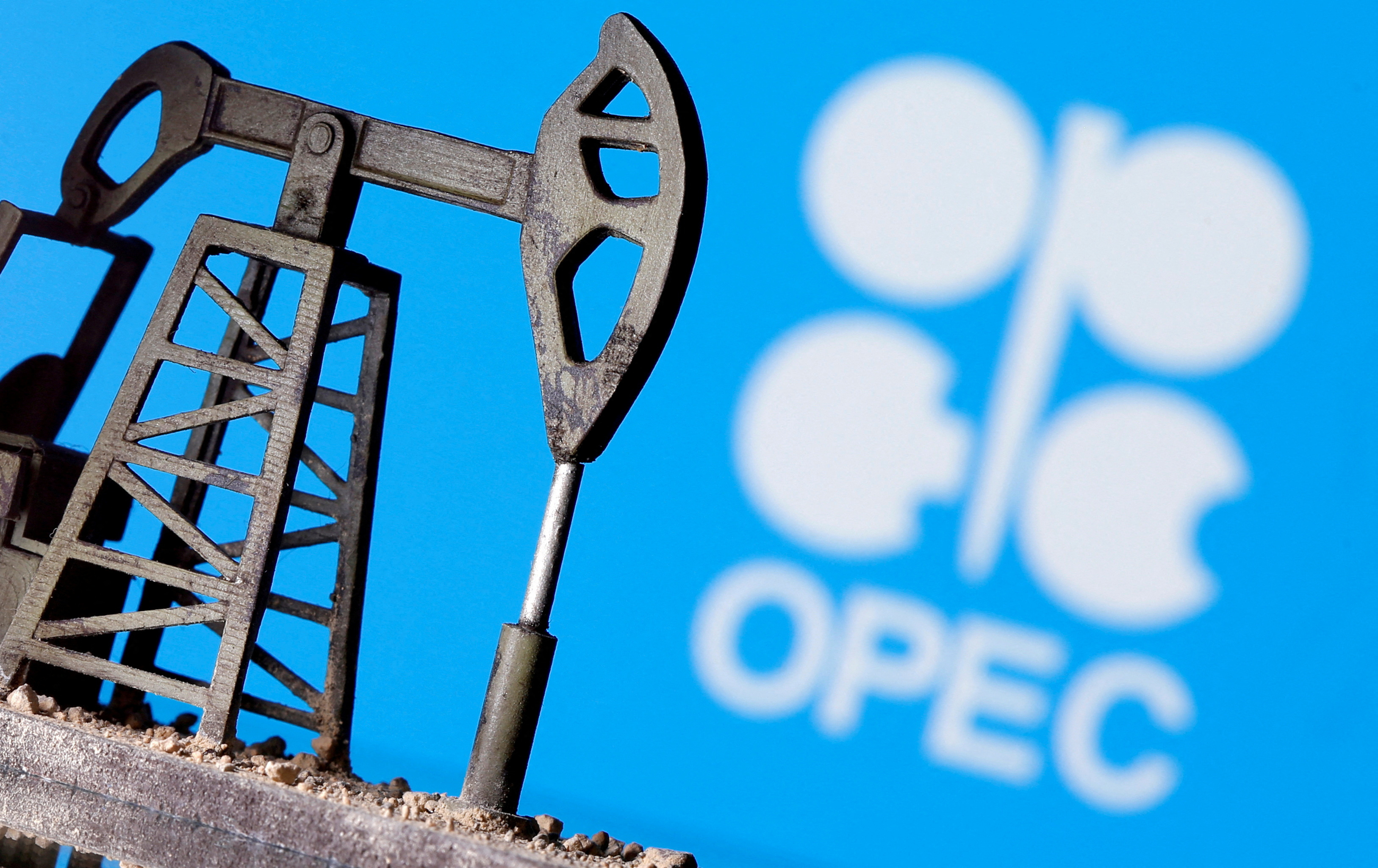
Oil-producing nations in the OPEC+ alliance have decided to maintain the current output policy following a key meeting. The gathering of ministers, which occurred as global energy markets continue to experience volatility, focused on compliance with production cuts and compensatory measures for countries that have exceeded their allocated quotas. As tensions persist over global supply and demand dynamics, this decision underscores OPEC+’s cautious approach in navigating the uncertain landscape.

The meeting, involving some of the world’s largest oil producers, was closely watched by analysts and industry leaders. Observers had anticipated possible adjustments to production levels, but the alliance chose to keep its policy steady for the time being. A source close to the talks confirmed the decision, emphasizing the group’s intent to maintain stability amid unpredictable economic conditions. OPEC+ has long been the primary driver behind oil supply strategies, and its decisions significantly impact global oil prices.

Attention was also directed at countries that have been overproducing relative to their targets. The meeting delved into how these nations might adjust their production in the coming months to align with the overall quotas set by the group. According to one of the sources within OPEC+, ministers discussed altering the schedules for compensating the excess oil production. While compliance remains a key issue, the group’s commitment to ensuring market equilibrium is evident through its continued discussions on corrective actions for overproducers.

OPEC+ includes the 13-member Organization of the Petroleum Exporting Countries (OPEC) along with other major oil producers, including Russia, forming an extended alliance that has managed global oil production since 2016. The group’s coordinated efforts in limiting production have played a critical role in managing global oil supply, especially after demand shocks like the COVID-19 pandemic. OPEC+ agreements, including the output cuts initiated in response to these shocks, have helped stabilize the market, albeit with ongoing challenges.

The current production cuts are part of a broader strategy adopted by OPEC+ to counterbalance the global oil supply. This strategy was designed to address the fluctuating demand patterns caused by economic slowdowns, geopolitical conflicts, and environmental concerns. Although many expected the group to consider tightening production further, the decision to maintain the status quo suggests that ministers are awaiting clearer market signals before making significant adjustments.

Concerns over compliance have surfaced repeatedly within the OPEC+ framework, particularly regarding the member nations that have consistently exceeded their production targets. The alliance had previously implemented a compensation mechanism that allows such countries to compensate for their overproduction by reducing future outputs. Discussions during the latest meeting reiterated the importance of this mechanism, with proposals to recalibrate the compensation schedules for non-compliant members gaining traction.

Market analysts are closely evaluating how these compensation schedules might influence oil prices in the coming months. For many overproducing countries, the challenge lies in balancing domestic energy demands with international commitments. The talks have underscored the need for greater transparency and enforcement within the OPEC+ framework, as stricter compliance will be crucial for the alliance’s long-term credibility and effectiveness.

The broader geopolitical context remains an important factor in OPEC+’s decision-making. Ongoing concerns over global inflation, coupled with fears of economic recessions in key markets, continue to shape the group’s cautious approach. Energy prices have become a focal point of debate in several regions, with governments under pressure to address rising costs while maintaining economic growth. OPEC+, mindful of these dynamics, is likely to continue adjusting its strategies in response to global macroeconomic shifts.

Despite the current output freeze, many industry experts believe that OPEC+ may consider changing its production policies in future meetings, especially if market conditions warrant it. The delicate balance between supply and demand remains a persistent challenge for oil producers, who must navigate not only the economics of energy but also the geopolitical pressures associated with oil dependency.

The global energy landscape continues to evolve, driven by factors such as the transition to renewable energy, geopolitical tensions, and the demand recovery in major economies. OPEC+ is increasingly viewed not just as a traditional oil cartel but as a central player in global energy governance. This meeting further highlights the alliance’s critical role in shaping the future of oil production and pricing.

OPEC+’s production strategies are also being influenced by longer-term shifts in the global energy mix. As the world gradually pivots toward more sustainable energy sources, fossil fuel producers face mounting pressure to diversify their portfolios while continuing to meet the immediate energy needs of a growing global population. For many OPEC+ members, the dual challenge of meeting these short-term and long-term goals will define the future of oil production policy.

TECOM Group, a prominent developer and operator of business parks in the UAE, has announced plans to acquire a commercial asset in Dubai Internet City for Dhs720 million. This strategic move is expected to enhance TECOM’s portfolio and strengthen its position in the burgeoning tech and innovation sector of the emirate. The acquisition is part of a broader strategy to attract and support businesses in the technology […]

Ripple has secured in-principle approval from the Dubai Financial Services Authority (DFSA), marking a pivotal step in its global expansion. The approval allows Ripple, a prominent digital asset infrastructure provider, to extend its operations within the Dubai International Financial Centre (DIFC), one of the world’s leading financial hubs. This regulatory nod signals the continued embrace of blockchain-based financial solutions in the Middle East, further positioning Dubai as […]

DP World, the global logistics giant headquartered in Dubai, is preparing to make a significant contribution to Mozambique’s economic landscape by expanding its operations in the country. This development follows a high-profile meeting between Sultan Ahmed bin Sulayem, the CEO and Chairman of DP World Group, and Mozambique’s President, Filipe Nyusi, during the United Nations General Assembly (UNGA) in New York. The two discussed a range of new investment initiatives aimed at enhancing Mozambique’s logistics and industrial capabilities, with DP World confirming its intention to deepen its involvement in the nation’s infrastructure projects.

The company’s new plans come amid Mozambique’s efforts to become a critical player in regional trade, particularly as it seeks to leverage its strategic location along the southeastern coast of Africa. DP World’s planned investments focus primarily on the development of ports and related infrastructure, with an emphasis on increasing trade capacity, boosting local employment, and fostering economic growth.

DP World has long viewed Africa as a key area for growth, and Mozambique represents a strategic link in the company’s broader ambitions across the continent. The nation’s ports, including Maputo and Nacala, serve as vital gateways for international trade, facilitating the movement of goods to and from landlocked countries in southern Africa. By enhancing these logistics hubs, DP World aims to further integrate Mozambique into global trade routes, making it a more attractive destination for foreign investment and positioning the country as a regional logistics hub.

The meeting between DP World’s leadership and President Nyusi underscores the importance of Mozambique’s logistics sector in regional economic development. According to sources familiar with the discussion, both parties are committed to ensuring that the planned investments align with Mozambique’s national development strategy. This includes improving the efficiency of port operations, upgrading existing facilities, and constructing new logistics centers to meet the growing demand for trade services.

Mozambique has already benefited from DP World’s presence in the region. The company operates several ports and terminals across Africa, and its involvement in Mozambique is expected to bring similar benefits. This expansion is part of a broader strategy by DP World to strengthen its footprint across Africa, where it has already made substantial investments in countries like Senegal, Egypt, and Somaliland. In these nations, DP World has transformed local port infrastructure, increasing trade volumes and creating thousands of jobs.

For Mozambique, the focus on infrastructure investment comes at a critical time. The country has been recovering from economic disruptions caused by natural disasters and regional instability, and the development of its logistics sector is seen as vital to ensuring long-term growth. By improving trade routes and modernizing ports, Mozambique hopes to attract more foreign investors, stimulate job creation, and diversify its economy beyond natural resource extraction.

DP World’s involvement in Mozambique could also serve as a catalyst for the country’s broader development goals. In addition to the direct economic benefits of improved logistics infrastructure, there are potential spillover effects in areas like industrial development, transportation, and tourism. The expansion of port facilities could, for example, lead to the growth of ancillary industries such as manufacturing and processing, which in turn would create further job opportunities for the local population.

The partnership between DP World and Mozambique is expected to support regional trade by facilitating the movement of goods across borders. Mozambique’s ports play a critical role in serving landlocked countries like Zimbabwe, Malawi, and Zambia, which rely on Mozambique’s transportation networks to access global markets. With DP World’s expertise in logistics and port management, these networks could become more efficient, reducing transportation costs and speeding up trade flows.

Mozambique’s growing importance as a logistics hub is also evident in the increasing number of global players looking to invest in the country. Aside from DP World, other international companies have shown interest in Mozambique’s ports, attracted by the country’s geographical position and the potential for growth in regional and international trade. The expansion of logistics services in Mozambique not only benefits the local economy but also contributes to the wider African Continental Free Trade Area (AfCFTA) initiative, which seeks to create a single market for goods and services across the continent.

DP World’s investment in Mozambique is part of a long-term strategy to strengthen its presence in emerging markets. The company has been expanding aggressively across Asia, Latin America, and Africa, focusing on regions with high growth potential and strategic importance. Mozambique fits well into this strategy, given its natural resources, growing population, and proximity to major international trade routes.

Qatar Airways has solidified its global presence by purchasing a 25% stake in Virgin Australia, marking a significant move in its bid to expand its footprint in the Asia-Pacific region. The Gulf-based carrier’s acquisition was announced on Tuesday, following an agreement with Bain Capital, the U.S. private equity firm that owns the majority stake in the Australian airline. This investment signals Qatar Airways’ strategic ambitions to leverage the Australian market while bolstering Virgin Australia’s competitive edge in the aviation industry.

The acquisition comes as Virgin Australia seeks to recover from its challenging financial history. Having previously entered voluntary administration during the pandemic, Virgin Australia was restructured under Bain Capital’s ownership, focusing on a leaner business model. The airline is now positioning itself for growth, and Qatar Airways’ investment is expected to inject fresh capital into its operations, aiding in recovery and expansion efforts.

Qatar Airways, which is known for its vast global network and premium service, views this partnership as an opportunity to enhance its services to and from Australia. The Gulf airline has long sought greater access to the Australian market, one of the most competitive and lucrative aviation sectors in the world. By securing a stake in Virgin Australia, Qatar Airways gains an ally in navigating the regulatory and operational complexities of expanding services to Australian cities, including Sydney, Melbourne, and Brisbane.

While Virgin Australia’s domestic market share is strong, the airline has faced stiff competition from rival Qantas. The Australian aviation market, dominated by Qantas domestically and internationally, offers limited space for competing carriers. Virgin Australia has typically targeted the budget-conscious traveler, but the tie-up with Qatar Airways suggests that it may look to differentiate itself with an upgraded premium offering. Qatar Airways is known for its luxury service standards, and its involvement could lead to a redefined experience for Virgin Australia’s passengers.

This move is not Qatar Airways’ first attempt to break into the Australian market. The airline has been active in lobbying for more flight routes to Australia, seeking to operate more than the currently approved services under Australia’s strict bilateral air service agreements. Australian regulators have maintained a cautious approach in granting additional air traffic rights, particularly given Qantas’ dominant position. However, with this partnership, Qatar Airways may now benefit from Virgin Australia’s existing infrastructure, potentially allowing it to expand its reach without the need for extensive regulatory approvals.

Industry experts suggest that Qatar Airways’ investment aligns with a broader trend in the aviation sector, where carriers are seeking partnerships to weather market volatility. The global airline industry has undergone significant shifts due to the pandemic, with many companies looking for strategic alliances to survive and thrive in the post-pandemic world. Virgin Australia’s restructuring and focus on core markets make it an attractive partner for Qatar Airways, which is always looking to diversify its revenue streams and increase its influence in key markets.

As part of the acquisition agreement, Virgin Australia will retain operational independence, continuing to manage its fleet, staff, and branding. Bain Capital will also retain a majority stake, with its representatives remaining actively involved in the airline’s governance. Qatar Airways’ role is expected to be that of a strategic partner, offering financial support, technical expertise, and perhaps most importantly, access to its extensive network of international destinations.

Analysts believe that Qatar Airways’ involvement could also open up more long-haul routes from Australia to the Middle East, Europe, and beyond. Virgin Australia’s limited long-haul capacity has been one of its weaknesses, particularly compared to Qantas, which dominates the international space with its extensive network. Qatar Airways, with its globally recognized hub in Doha, can offer Virgin Australia passengers access to a wide range of destinations, providing new travel opportunities for both leisure and business travelers.

The timing of the deal is significant, as the global aviation industry is recovering from the pandemic’s devastating effects. Passenger demand is rebounding, but airlines face new challenges, including rising fuel costs and the need for more sustainable practices. Qatar Airways has been at the forefront of adopting fuel-efficient aircraft and promoting greener operations, and its partnership with Virgin Australia could bring similar advancements to the Australian carrier.

While this acquisition has drawn attention from industry watchers, it also highlights the growing trend of consolidation and partnership within the airline industry. As carriers face increasing competition and mounting operational costs, collaborations like this one are seen as vital for survival and growth. For Qatar Airways, the stake in Virgin Australia is more than just a financial investment – it is a strategic step towards expanding its reach in one of the world’s most competitive aviation markets.

The announcement has also prompted speculation about how this partnership could impact Virgin Australia’s relationship with other global alliances. Virgin Australia has historically partnered with several international carriers, including Delta Air Lines and Singapore Airlines, to provide international connectivity. Qatar Airways is a member of the oneworld alliance, which raises questions about whether Virgin Australia will eventually move towards joining a global airline alliance, potentially enhancing its ability to compete on the world stage.

A significant $13 billion investment is set to transform the UK’s tech infrastructure with Blackstone, one of the world’s largest alternative investment firms, committing to develop a state-of-the-art artificial intelligence (AI) data center in Blyth, Northumberland. The development, announced by Blackstone’s president Jon Gray, will be situated at Northumberland Energy Park Phase 3, repurposing a site that was once slated for Britishvolt’s electric vehicle battery plant. This […]

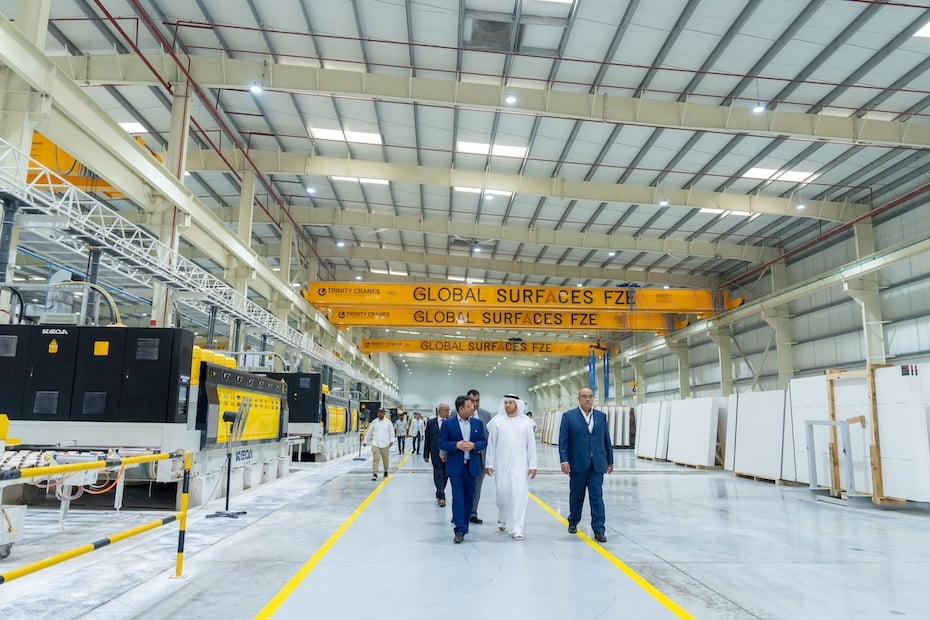
Global Surfaces, a key player in the artificial quartz market, has inaugurated a manufacturing facility in the Jebel Ali Free Zone (Jafza), marking a significant step in the region’s industrial expansion. The state-of-the-art facility, with a price tag of Dhs100 million, is poised to become the largest of its kind in the Middle East, focusing on advanced production processes to meet the surging demand for engineered quartz across the Gulf region and beyond.

The new facility is expected to drastically enhance the company’s production capacity and solidify its market leadership in the region. The plant has been equipped with the latest technology to manufacture artificial quartz and other surface materials, positioning Global Surfaces to capitalize on the growing trend of sustainable and resilient building materials in real estate and construction projects.

Global Surfaces’ decision to base its manufacturing hub in Jafza aligns with Dubai’s strategy to position itself as a global manufacturing and logistics center. This strategic location will allow the company to serve both regional and international markets with greater efficiency. Dubai’s well-established infrastructure, combined with its connectivity through Jafza and proximity to the Jebel Ali Port, was a critical factor in Global Surfaces’ choice of location. The facility will not only boost the company’s operational capabilities but will also create new employment opportunities, contributing to the local economy.

Jafza, part of DP World’s expansive logistics network, is home to over 7,500 businesses from around 135 countries. It has long been a magnet for global manufacturing and trading enterprises due to its integrated infrastructure and streamlined processes for global trade. The free zone’s strategic location offers easy access to key markets across the Middle East, Asia, and Europe, making it an ideal base for companies like Global Surfaces, which aims to scale its production and distribution networks across multiple continents.

Artificial quartz, a popular alternative to natural stone, is increasingly in demand for both commercial and residential projects due to its durability, low maintenance, and eco-friendly properties. The market for quartz surfaces has seen steady growth as developers and architects prefer engineered materials for high-traffic areas such as kitchens and bathrooms. Additionally, advancements in manufacturing technologies have made artificial quartz more customizable, offering a wider range of aesthetic options compared to traditional materials like marble or granite.

The global market for artificial quartz is projected to grow significantly in the coming years, with demand fueled by a resurgence in construction activity, urbanization trends, and the shift towards sustainable building materials. The Middle East, particularly the UAE, has been at the forefront of adopting these innovations, driven by ambitious infrastructure and real estate projects. Global Surfaces’ new facility in Jafza is positioned to tap into this rising demand, enabling faster production cycles and reduced lead times for clients.

While artificial quartz is a key focus of the new plant, the facility will also produce a variety of surface materials to cater to diverse industry needs. With the advanced capabilities of this plant, Global Surfaces will be able to cater to custom specifications, offering clients a broad spectrum of colors, textures, and finishes.

As Global Surfaces scales its production output, the company is expected to strengthen its ties with key developers and contractors in the region. By ensuring a steady supply of high-quality artificial quartz surfaces, the firm is likely to play a vital role in some of the region’s most prestigious construction projects, particularly in the UAE and Saudi Arabia, where demand for cutting-edge building materials remains robust.

The company’s commitment to sustainability is another significant aspect of this expansion. The new facility in Jafza is designed to minimize environmental impact through energy-efficient processes and the use of sustainable raw materials. Global Surfaces has pledged to reduce its carbon footprint by incorporating green technologies into its production line, aligning with the broader industry shift towards environmentally responsible manufacturing practices.

Global Surfaces has also hinted at potential future expansions, both in terms of product offerings and geographical reach. The Jafza facility is seen as a cornerstone of the company’s long-term growth strategy, enabling it to serve not only the Middle East but also other global markets, including Europe and North America.

This latest development from Global Surfaces highlights the company’s ambition to become a leading name in the global artificial quartz industry. The Jafza facility, with its advanced technological capabilities and strategic location, will be instrumental in achieving this goal. The company’s leadership expressed optimism about the future, emphasizing that the new plant would enable them to better meet the needs of their clients while supporting the UAE’s industrial and economic growth.

Advertisements

Abu Dhabi-based clean energy giant Masdar is expanding its footprint in the renewable energy sector with a major acquisition in the Iberian Peninsula. The company announced a $1.4 billion deal to acquire Saeta Yield, a renewables firm with significant wind and solar energy assets in Spain and Portugal. This strategic move is part of Masdar’s ambitious goal of reaching 100 GW of renewable energy capacity by 2030, […]

A significant investment has been made by Saudi Aramco Ventures in the off-gas technology firm Utility Global, marking a critical step in advancing innovative solutions in the energy sector. This funding round, totaling $53 million, aims to enhance the development of technologies designed to convert natural gas and other off-gases into cleaner, more sustainable energy sources.

Utility Global, founded in 2021, has been at the forefront of creating integrated systems that enable the efficient conversion of waste gas into valuable energy products. The company’s innovative approach focuses on utilizing carbon capture and utilization technology, which aligns well with global efforts to reduce greenhouse gas emissions. By capturing carbon dioxide emissions and converting them into useful products, Utility Global addresses both energy efficiency and environmental sustainability.

The investment by Saudi Aramco Ventures, the venture capital arm of Saudi Aramco, underscores the growing interest among major oil and gas companies in diversifying their portfolios to include more sustainable technologies. Saudi Aramco, recognized as one of the world’s largest producers of oil and gas, has been making strides towards reducing its carbon footprint while simultaneously enhancing its market competitiveness. This partnership is seen as a strategic move to integrate innovative energy solutions into Saudi Aramco’s broader business model.

Utility Global plans to use the funding to scale its operations and accelerate the commercialization of its technologies. The company’s proprietary processes promise to unlock significant efficiencies in energy production while minimizing environmental impact. This investment positions Utility Global not only as a key player in the clean energy transition but also as a potential leader in the emerging market for off-gas technologies.

The global energy landscape is rapidly evolving, driven by the pressing need to address climate change and the push for cleaner energy alternatives. As governments and businesses worldwide commit to reducing carbon emissions, the demand for innovative technologies capable of transforming waste into energy is expected to grow substantially. This trend is reflected in the increasing number of investments directed toward companies that specialize in sustainable energy solutions.

The financial backing from Saudi Aramco Ventures also highlights the importance of collaboration between traditional energy giants and innovative startups. By investing in Utility Global, Saudi Aramco is not only securing access to cutting-edge technology but also fostering an ecosystem that encourages the development of sustainable practices within the energy sector. This partnership exemplifies the potential for synergy between established industry players and emerging tech firms focused on sustainability.

Industry analysts view this investment as a positive signal for the future of off-gas conversion technologies. With the potential to reduce reliance on fossil fuels and lower overall emissions, Utility Global’s innovations could play a pivotal role in the global transition towards cleaner energy sources. The company’s approach to leveraging off-gases offers a pathway for industries seeking to enhance their sustainability profiles while maintaining operational efficiency.

Utility Global’s growth trajectory is supported by a team of experts in engineering, environmental science, and business strategy, ensuring that the company is well-equipped to navigate the complexities of the energy market. The leadership’s commitment to innovation and sustainability aligns with the increasing pressure on industries to adopt cleaner practices. This shared vision between Utility Global and Saudi Aramco Ventures positions them as critical players in shaping the future of energy.

In the broader context of energy transition, investments like those from Saudi Aramco Ventures are crucial in facilitating the shift from traditional fossil fuels to more sustainable energy solutions. The momentum generated by this funding round may catalyze further investments in similar technologies, fostering a competitive landscape that prioritizes sustainability. As more companies recognize the value of integrating clean technology into their business models, the industry can expect to see a proliferation of innovative solutions that address both energy needs and environmental concerns.

The United Arab Emirates has secured its position as the top-ranking country in North Africa and Western Asia in the World Intellectual Property Organization’s (WIPO) 2024 Global Innovation Index (GII), underscoring its growing influence in innovation, technology, and intellectual property rights. The GII report highlights the UAE’s continued success in fostering an innovation-friendly ecosystem, advancing its regional leadership in a competitive global landscape. The country’s rise in […]

Malaysia’s state-owned oil and gas company, PETRONAS, has successfully entered into a new exploration agreement with the Abu Dhabi National Oil Company (ADNOC). This landmark deal marks a significant milestone for both entities as they aim to bolster their energy portfolios amid shifting global market dynamics. The agreement involves PETRONAS participating in the exploration and production of oil and gas resources in the Al Dhafra region of […]

The global push for reducing industrial carbon emissions is gaining momentum as EMSTEEL Group has been named as a co-chair for the newly formed ‘Alliance for Industry Decarbonisation’ spearheaded by the International Renewable Energy Agency (IRENA). The alliance aims to unite global industry leaders in a bid to expedite decarbonisation efforts across various sectors, a key initiative toward meeting global climate goals. Decarbonising industries is one of […]

 Symbiosis International (Deemed University), one of India’s most esteemed academic institutions, has successfully launched its first international campus in Dubai, officially licensed by the UAE Ministry of Education (MOE) and Knowledge and Human Development Authority (KHDA). 

All the academic programmes are accredited by the Commission for Academic Accreditation under the Ministry of Education UAE.

With over 50 years of academic excellence and a legacy rooted in global education, Symbiosis is bringing world-class education to the UAE, strengthening bilateral ties between India and the UAE.

With its Vedic principle, Vasudhaiva Kutumbakam—’The’World is One’Family’—Symbiosis has bridged global cultures and promoted inclusive education. Now, with the Dubai campus already in operation after officially commencing classes in the first week of September, Symbiosis is ready to make its mark on one of the world’s most dynamic cities.

The academic programmes include BBA in Accounting and Finance; MBA, BCA in AI and ML, Cloud Computing, Data Science and Data Analytics; BA in Media and Communication  with Digital marketing, Public Relations, Advertising and Corporate communications. 

Symbiosis’ establishment in Dubai strengthens the partnership between India and the UAE, contributing to both nations’ strategic goals. The move aligns with the UAE’s D33  Economic Agenda, which focuses on doubling the economy by 2033, with a strong emphasis on education and talent development. It also reinforces the Comprehensive Economic Partnership Agreement (CEPA) between India and the UAE, promoting educational and economic ties.

World’s Biggest Book Sale Returns with Unbeatable Prices, Exciting Promotions, and Fun Contest from 26 September to 7 October 2024 at Sutera Mall JOHOR BAHRU, MALAYSIA – Media OutReach Newswire – 25 September 2024 – Big Bad Wolf (BBW) announces its return to Johor with the Big Bad Wolf Book Sale Johor 2024. Known for offering an extensive range of books at incredible discounts, BBW Johor 2024 […]

SINGAPORE – Media OutReach Newswire – 25 September 2024 – Singapore-based lifestyle brand SKINARMA has unveiled its newest iPhone case collection following the iPhone 16 release. Reintroducing old favorites and debuting fresh designs, the latest lineup explores themes inspired by mecha, cyberpunk, industrial and minimalist aesthetics, capturing the world’s growing fascination with futuristic design. Each case is fashioned to complement and highlight the updated iPhone 16 features. […]

A surge in institutional interest is significantly advancing cryptocurrency adoption in the United Arab Emirates, positioning the region as a pivotal player in the global digital assets market. Major financial institutions, including banks and investment firms, are increasingly embracing blockchain technology and digital currencies, which is reshaping the traditional financial landscape. The UAE government has long fostered a progressive regulatory framework aimed at enhancing financial innovation, making […]

Oman’s strategic efforts to position itself as a key player in the global low-carbon fuel bunkering market are gaining momentum. The collaboration between Asyad Group, OQ Alternative Energy, and Sumitomo Corporation Middle East marks a significant development in this drive, aiming to transform Oman into a pivotal hub for low-carbon fuel. This ambitious initiative aligns with the country’s broader vision of achieving sustainability and economic diversification, positioning […]

Brian Cox, known for his formidable roles on screen, has taken on a new persona to address a growing health crisis in modern workplaces. As part of a public service announcement (PSA) for ASICS, Cox portrays “the world’s scariest boss” to highlight the mental health risks associated with prolonged desk-based work. The PSA, timed to coincide with World Mental Health Day, aims to spread awareness about the […]

Brookfield Asset Management has successfully raised $2.4 billion for its inaugural climate-focused fund, with backing from Abu Dhabi’s Mubadala Investment Company. This marks a pivotal step in Brookfield’s efforts to support global decarbonization projects. The first phase of fundraising, which is part of a larger initiative to reach a $15 billion goal, underscores the growing international commitment to addressing climate change through substantial private investment. Brookfield’s new […]

Dubai-based real estate developer Nakheel has awarded a significant $490 million (AED 1.8 billion) contract to ALEC Engineering & Contracting for the construction of Como Residences, a high-end residential tower on Palm Jumeirah. The 75-storey project, set to rise over 300 meters, will feature only 81 exclusive residences, with a handover scheduled for the second quarter of 2028. This development underscores Nakheel’s reputation for shaping iconic landmarks in Dubai, enhancing the city’s luxury real estate sector through ambitious architectural ventures.

Como Residences will cater to Dubai’s elite with spacious, opulent apartments ranging from two to seven bedrooms, including an expansive duplex penthouse. With only two units per floor and direct elevator access to private lobbies, each residence offers unrivaled privacy. Apartments from level 23 upwards will boast panoramic 360-degree views, spanning the Jumeirah coastline, Burj Al Arab, and Ain Dubai, offering residents an exceptional visual experience.

Nakheel, part of Dubai Holding Real Estate, envisions the tower as more than just a residential project. According to Dubai Holding Real Estate’s CEO Khalid Al Malik, Como Residences represents the ambition of the city, cementing its status as a global leader in waterfront luxury. The building’s design and amenities reflect a commitment to world-class development, creating a new benchmark for urban living in the region.

The project will also feature lavish shared spaces and curated amenities. With ALEC at the helm of construction, the developer is confident in delivering a property that rivals some of the world’s most prestigious residential addresses. Barry Lewis, CEO of ALEC, emphasized that Como Residences will further elevate Dubai’s skyline with its premium finishes and top-tier facilities.

Palm Jumeirah, already an icon of Dubai’s innovation in land reclamation, has been continuously expanding its portfolio of high-end properties. Nakheel, the company responsible for the man-made island, has a history of delivering signature projects that define the city’s luxury real estate market. Como Residences is set to add another layer of exclusivity to this prestigious address.

Azerbaijan’s announcement of a new climate fund aimed at addressing global climate challenges has sparked debate among experts and policymakers. While the initiative reflects a growing awareness of the need for urgent action in combating climate change, skepticism remains over whether it will significantly narrow the persistent climate finance gap facing developing nations. As pressure mounts on both industrialized and emerging economies to contribute to global climate […]

Polus Capital Management announced a significant capital commitment from the Abu Dhabi Investment Authority (ADIA) for its Special Situations strategy, increasing the assets under management for this strategy to approximately $5 billion. This development underscores a strategic alignment between Polus and ADIA, which is seeking to diversify its portfolio and leverage opportunities in distressed asset classes.

The investment comes on the heels of a pivotal shift in U.S. monetary policy, marked by the Federal Reserve’s first interest rate cut in four years. This change is anticipated to enhance liquidity and provide much-needed support for companies grappling with balance sheet issues, which aligns closely with the focus of Polus Capital’s investment strategy. The firm specializes in identifying and capitalizing on undervalued companies that may benefit from restructuring or operational improvements.

Polus Capital, known for its expertise in special situations investing, plans to deploy this new capital to target a range of distressed assets across various sectors. The firm’s strategy includes acquiring equity stakes in companies that are undergoing significant transformations or facing financial difficulties. Such investments not only aim to deliver attractive returns but also to assist these companies in their recovery processes.

ADIA’s decision to commit capital to Polus Capital reflects a growing trend among sovereign wealth funds to diversify their investments into specialized asset classes. With the current economic landscape presenting both challenges and opportunities, institutional investors are increasingly turning to experienced asset managers who can navigate complex market conditions.

The Federal Reserve’s rate cut is expected to have broad implications for the market. Lower interest rates typically reduce borrowing costs for companies, making it easier for them to finance operations and restructure debts. This environment is particularly conducive for special situations investing, as it enhances the prospects for companies that have been struggling financially but possess strong underlying business models.

Polus Capital’s leadership has expressed confidence that the partnership with ADIA will enable the firm to scale its operations significantly. This collaboration not only brings additional capital but also positions Polus to capitalize on potential investment opportunities in both established and emerging markets. The firm has outlined a commitment to rigorous due diligence processes, ensuring that every investment aligns with its strategic objectives and risk management frameworks.

Moreover, Polus Capital is poised to benefit from the expertise of ADIA, one of the world’s largest sovereign wealth funds, which manages a diverse portfolio across various asset classes. The insights and resources that ADIA brings to the table could prove invaluable in identifying high-potential investment opportunities, particularly in markets where Polus seeks to expand its footprint.

As global economic conditions evolve, the role of specialized investment firms like Polus Capital becomes increasingly significant. Investors are becoming more discerning, seeking out managers who can deliver value through innovative strategies and a deep understanding of market dynamics. Polus’ approach to special situations aligns well with this trend, as it focuses on navigating complexities to unearth investment potential.

Polus Capital’s recent capital commitment signals a broader shift in the investment landscape, where institutional investors are gravitating towards specialized strategies that offer unique value propositions. As the firm prepares to deploy the new capital, stakeholders are watching closely to see how it will leverage this opportunity to enhance its portfolio and achieve its investment goals.

MGM Resorts, one of the world’s most prominent gaming and hospitality operators, has officially confirmed plans to expand its reach into the UAE by seeking a gaming license in Abu Dhabi. The move marks a significant development in the global gaming industry, as MGM becomes one of the first major players to explore the opportunity to establish gaming operations in the UAE. This announcement follows growing interest from international casino operators looking to enter the Gulf market, as regional governments consider diversifying their economies.

MGM Resorts CEO Bill Hornbuckle confirmed the company’s intent during a shareholders’ meeting, outlining how the expansion aligns with the company’s global strategy. While the UAE is traditionally known for its conservative stance on gambling, this marks a shift in the region’s approach to attracting global tourism. Hornbuckle expressed optimism about Abu Dhabi’s potential to become a key destination for luxury gaming resorts, similar to what MGM has established in locations such as Las Vegas and Macau.

The UAE has increasingly been recognized for its willingness to explore new avenues to enhance its tourism offerings. Abu Dhabi, in particular, has become a focal point for luxury hospitality, and MGM’s entry into this market could reshape the entertainment landscape. The capital city is already home to a number of world-class resorts, and the addition of MGM would likely attract a new demographic of tourists and international business.

Hornbuckle highlighted Abu Dhabi’s strategic location and reputation for high-end tourism as key factors in the decision. He also emphasized the Emirate’s growing status as a global hub for both leisure and business, noting the potential for MGM to contribute to the evolving landscape. The company aims to bring its signature blend of gaming, luxury accommodations, and entertainment to the region, further bolstering Abu Dhabi’s attractiveness to affluent travelers.

While specific details of the proposal are still under wraps, industry insiders suggest that the license would likely involve a large-scale integrated resort, combining gaming with a range of luxury amenities. This could include high-end restaurants, entertainment venues, and shopping, which are all hallmarks of MGM’s international projects. Should the license be granted, it would represent a pivotal moment for the gaming industry, marking the UAE as one of the few countries in the Middle East to allow such operations.

The UAE’s move toward legalizing gaming is seen as part of a broader effort to diversify its economy, which has long been reliant on oil revenues. In an era where tourism and entertainment are becoming key economic drivers, gaming could prove to be a significant contributor to Abu Dhabi’s growth. Many experts believe that introducing regulated gaming could further solidify the Emirate’s status as a global tourist destination, similar to Las Vegas or Singapore, both of which have leveraged integrated resorts to boost their economies.

Although the UAE has not yet officially confirmed the legalization of gaming, there have been several indicators that the government is exploring the possibility. Earlier this year, Wynn Resorts announced plans for an integrated resort in Ras Al Khaimah that would feature gaming facilities, signaling that the groundwork for regulated gaming might already be in place. The UAE’s consideration of such projects points to a broader trend of Gulf nations opening up to more liberal forms of entertainment and tourism to attract international visitors.

Market analysts are optimistic about MGM’s potential success in the region, citing the company’s track record of delivering high-quality resorts and entertainment experiences worldwide. Abu Dhabi, with its blend of cultural heritage and modern attractions, is seen as a fitting destination for MGM’s brand, which is synonymous with luxury and world-class service. Analysts have also pointed out that MGM’s expertise in navigating regulated gaming markets could give the company an advantage as the UAE considers introducing gaming regulations.

Despite the optimism, there remain challenges and uncertainties about how gaming will be regulated in the UAE, particularly in a region where cultural and religious factors play a significant role in governance. Analysts have noted that any gaming operations in Abu Dhabi would likely be subject to strict regulatory oversight and would need to cater to both local sensitivities and international standards. Hornbuckle acknowledged these complexities but expressed confidence in MGM’s ability to adapt to different markets while respecting local laws and customs.

As the region inches closer to potentially legalizing gaming, other international operators are also eyeing the UAE for expansion. Alongside MGM and Wynn Resorts, there has been speculation that Las Vegas Sands is also interested in entering the UAE market. These developments suggest that the UAE could become a new frontier for the global gaming industry, attracting billions in investments and creating thousands of jobs.

Bitcoin’s surge past $62,000 has rekindled interest in the cryptocurrency market, with growing attention from major financial institutions. As fears of a U.S. dollar crisis mount, BlackRock, one of the world’s largest asset management firms, has issued warnings about the potential fallout from America’s rising debt burden. The firm has indicated that this escalating debt, now towering over $35 trillion, could erode confidence in the U.S. dollar, pushing investors toward alternative assets like Bitcoin.

A sharp 0.5% interest rate cut by the U.S. Federal Reserve shocked the financial world, marking a significant policy shift. This surprise move has added momentum to Bitcoin’s rally, with many investors interpreting it as a sign that traditional financial systems may be under strain. The combination of surging inflation, monetary easing, and ballooning U.S. debt levels is seen by some as a perfect storm for institutional investors to seek refuge in digital assets. BlackRock’s growing focus on Bitcoin reflects this sentiment, as it positions itself ahead of potential macroeconomic upheavals.

The asset manager’s shift towards Bitcoin marks a noteworthy moment in the broader adoption of cryptocurrencies by institutional players. Bitcoin, long regarded as a fringe asset or speculative plaything, is increasingly being viewed as a credible alternative to traditional stores of value. The rise of digital currencies is not just a retail phenomenon anymore; institutional investors like BlackRock are finding it prudent to diversify their portfolios in the face of looming economic uncertainty.

Fears over the stability of the U.S. dollar are not unfounded. Analysts have pointed out that the Federal Reserve’s dovish stance, combined with government borrowing, is creating an environment where the dollar could weaken further. With interest rates low and inflation persisting, the purchasing power of the dollar faces increasing pressure. BlackRock has underscored the importance of preparing for such scenarios, highlighting Bitcoin’s distinct potential as a hedge against currency depreciation.

Bitcoin’s unique characteristics are drawing institutional attention. Unlike gold or other traditional safe-haven assets, Bitcoin offers a blend of scarcity, decentralization, and growing utility in global financial systems. As central banks worldwide grapple with inflation and currency fluctuations, Bitcoin’s role as a hedge has gained legitimacy among institutional investors. BlackRock’s analysts have stressed that Bitcoin’s fixed supply—capped at 21 million coins—makes it a robust alternative to fiat currencies, which can be devalued by excessive monetary policies.

The cryptocurrency’s surge past $62,000 has only strengthened the case for its adoption. A combination of factors, including institutional buying and a broader acceptance of Bitcoin as a financial asset, have contributed to its price rally. Analysts believe that Bitcoin’s newfound appeal as a long-term hedge could propel it further, especially as central banks continue to implement aggressive monetary easing measures.

One of the key drivers behind Bitcoin’s rise is the increasing participation of institutional investors. BlackRock’s move signals a broader trend where traditional financial players, who once viewed Bitcoin with skepticism, are now embracing it as part of their risk management strategies. The company’s endorsement of Bitcoin comes at a time when more hedge funds, pension funds, and asset managers are looking to incorporate digital assets into their portfolios. This growing interest marks a pivotal shift in the financial landscape, with Bitcoin no longer confined to niche markets or retail traders.

BlackRock’s leadership in asset management means its endorsement of Bitcoin is likely to resonate across the financial industry. As one of the largest and most influential firms, BlackRock’s insights often set the tone for broader market trends. Its acknowledgment of Bitcoin as a viable hedge against U.S. dollar risks may spur other institutions to reconsider their stance on digital currencies, further driving adoption in the months to come.

Despite the positive momentum surrounding Bitcoin, the cryptocurrency market remains volatile. Bitcoin’s price swings are still more pronounced compared to traditional assets, and some investors are cautious about jumping in. However, BlackRock has argued that Bitcoin’s volatility may be a risk worth taking in the current macroeconomic climate. The firm’s analysts suggest that as long as the U.S. government continues to accumulate debt and rely on monetary easing, Bitcoin’s role as a hedge will become more valuable.

Institutional investors are also looking beyond Bitcoin’s price movements. The underlying technology of blockchain, which supports Bitcoin and other cryptocurrencies, is increasingly being explored for its potential in financial systems. BlackRock has recognized the long-term value of blockchain technology, acknowledging its potential to revolutionize sectors beyond just finance. The company’s interest in Bitcoin can be seen as part of a broader strategy to position itself at the forefront of technological innovation in finance.

Bitcoin’s status as a “digital gold” is being cemented by its growing adoption. BlackRock’s focus on Bitcoin is a reflection of the wider belief that the world’s oldest cryptocurrency could play a significant role in future financial markets. As the U.S. dollar faces challenges from both domestic and international forces, institutional players like BlackRock are preparing for scenarios where traditional assets might underperform. By including Bitcoin in their portfolios, they are hedging against a potential loss of confidence in the world’s reserve currency.

VISHNU RAJA
RYO YAMADA
HITORI GOTOH
IKUYO KITA