News related to
world’s

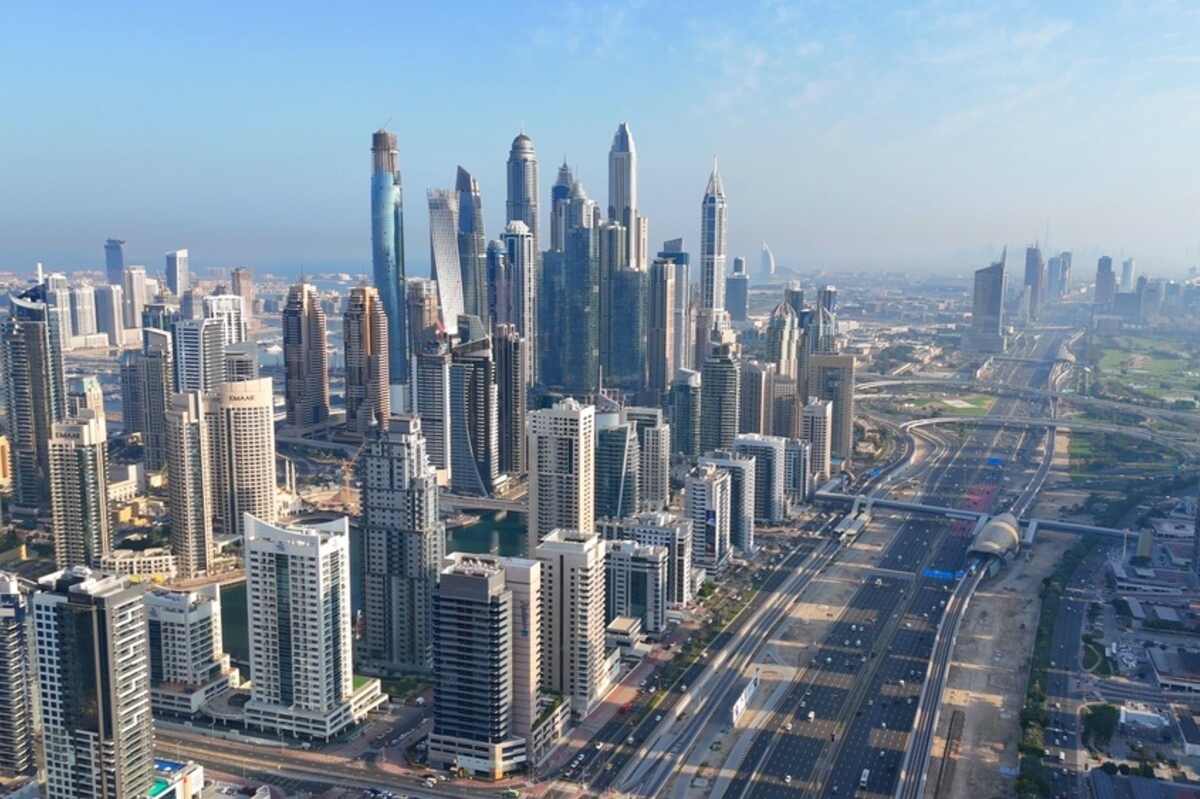
Dubai has launched the world’s largest visa application centre, a sprawling 150,000-square-foot facility located in Wafi City. Operated by VFS Global, the centre is designed to process up to 10,000 visa applications daily, serving as a centralised hub for travellers seeking entry to 37 countries. The centre boasts over 200 service counters and employs more than 400 staff members from 25 different nationalities, reflecting the emirate’s commitment […]

Drone and robotics are evolving industry worldwide as well as in the Middle East where the UAE has taken a leadership role in gradually deploying them in government departments and public facilities – in addition to bringing in driver less vehicles and flying taxis – to transform its urban infrastructure into smart cities where drones, machines, robotics and AI will play a crucial role. The UAE’s General […]

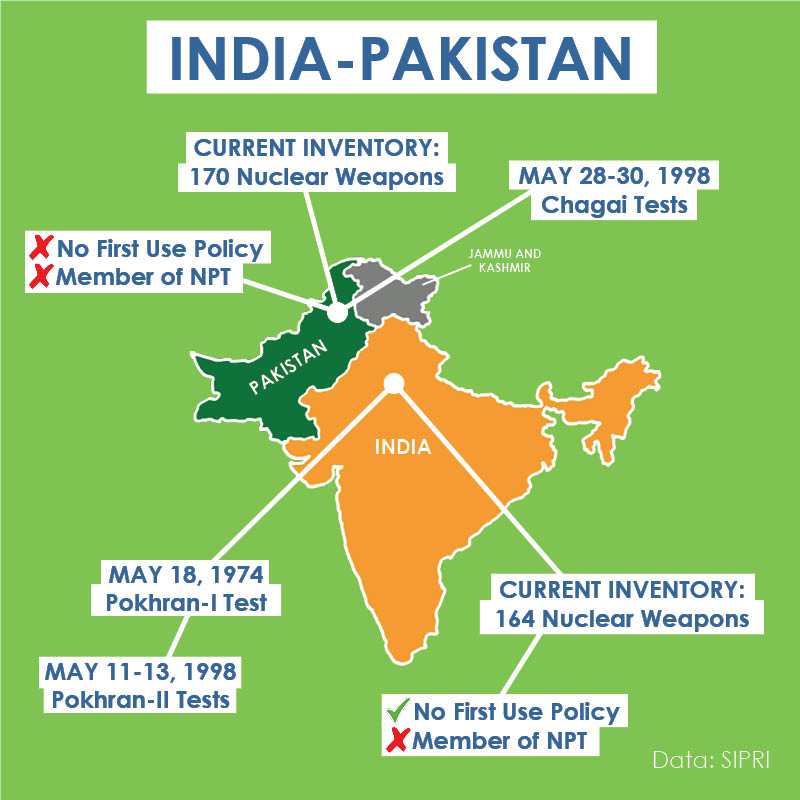
By Nantoo Banerjee It may be good that the latest armed conflict between India and Pakistan ended quickly before it could blow up into a full-scale war leading to massive destruction of life and property and economic disaster in both the countries – maybe more so in Pakistan than in India. However, the abrupt end […]

Saudi Basic Industries Corporation is advancing plans to list its gas subsidiary, National Industrial Gases Company , potentially within the current year. The Riyadh-based industrial giant is in early-stage talks with major financial advisers, including Lazard Inc., HSBC Holdings, JPMorgan Chase & Co., and Morgan Stanley, aiming to navigate the initial public offering process. This move reflects SABIC’s strategic intent to unlock value from its non-core assets […]

The United Arab Emirates has committed to increasing its energy sector investments in the United States to $440 billion over the next decade, a significant expansion from the current $70 billion. This strategic move was announced by Sultan Al Jaber, chief executive of Abu Dhabi National Oil Company , during a high-profile meeting with US President Donald Trump amid his Gulf tour aimed at fostering major business […]

Apple continues to hold its position as the world’s most valuable brand, maintaining a dominant lead in the annual Kantar BrandZ rankings. The technology giant’s brand value remains firmly ahead of its competitors, driven by sustained innovation, strong consumer loyalty, and expanding services. Among the global giants, Saudi Aramco stands out as the only company from the Gulf Cooperation Council and Middle East region to secure a spot within the Top 100, reflecting its growing international recognition amid shifting energy markets.

The Kantar BrandZ report evaluates thousands of brands worldwide based on consumer perceptions, financial performance, and market presence. Apple, which has consistently topped the rankings for several years, saw its brand value strengthen further due to its diversified product ecosystem and significant investments in augmented reality, artificial intelligence, and subscription services. Its ability to integrate hardware, software, and services continues to set it apart, contributing to record-breaking revenues and reinforcing customer engagement across the globe.

The inclusion of Saudi Aramco in the Top 100 highlights the resilience and strategic positioning of this energy giant amid global transitions. As the world accelerates its shift towards renewable energy, Saudi Aramco’s presence in the rankings underscores its efforts to diversify and adapt to evolving demands. The company has been investing heavily in cleaner energy technologies and sustainability initiatives, while still capitalising on its vast oil reserves and refining capabilities. This dual approach has helped maintain its strong financial standing and global brand stature.

Saudi Aramco’s entry into the list marks an important milestone for the GCC and the Middle East, regions that have been working to boost their global business profiles beyond the traditional hydrocarbon sector. The company’s brand value benefits from its critical role in global energy supply chains and its status as one of the largest integrated energy and chemicals companies worldwide. Its prominence in the BrandZ ranking reflects the ongoing transformation of the regional economy and the growing importance of Gulf-based enterprises in international markets.

Technology companies dominate the upper echelons of the BrandZ Top 100, with Apple’s closest rivals including Microsoft, Amazon, Google, and Samsung. These brands owe their high valuations to their broad global reach, innovation pipelines, and ability to capture consumer attention in a fast-evolving digital landscape. The report shows a marked increase in the value of brands involved in cloud computing, software services, and digital entertainment, signalling shifts in consumer behaviour and business investment.

Financial services and luxury goods brands also feature prominently, with firms such as Visa, Mastercard, and Louis Vuitton holding strong positions. These sectors benefit from sustained consumer demand and adaptation to digital channels, including e-commerce and fintech innovations. Luxury brands have further capitalised on expanding affluent markets in Asia and the Middle East, contributing to their steady brand valuation growth.

Saudi Aramco’s inclusion is particularly notable given the absence of other Middle Eastern brands in the Top 100, illustrating the challenging environment for regional companies in competing at this global scale. Despite high national revenues and significant economic influence, many Gulf firms have yet to establish the kind of global brand recognition needed to appear alongside the world’s largest multinational corporations. This reflects broader economic and strategic factors, including the diversification efforts underway across GCC countries and their focus on building competitive industries beyond energy.

The report also highlights evolving consumer expectations around sustainability and corporate responsibility, with brands that demonstrate genuine commitment to environmental and social governance increasingly favoured in valuation metrics. For energy companies like Saudi Aramco, this presents both challenges and opportunities, as stakeholders scrutinise their environmental impact and transition strategies. The company’s public commitments to reducing carbon emissions and investing in alternative energy projects are critical to its ongoing reputation and brand strength.

Among the factors contributing to Apple’s sustained brand leadership is its capacity to maintain premium pricing while expanding its user base globally. Its flagship products such as the iPhone, iPad, and Mac continue to enjoy strong demand, while services like Apple Music, iCloud, and the App Store generate consistent recurring revenue streams. Innovations in health technology, privacy features, and integration with smart home devices further deepen consumer engagement and brand loyalty.

The Kantar BrandZ rankings serve as a barometer for global business trends, reflecting shifts in consumer sentiment, technological advancement, and economic power distribution. Apple’s dominance underlines the continuing importance of technology innovation as a driver of brand value, while Saudi Aramco’s position signals the evolving role of energy companies in the global economy. As the world grapples with climate change and digital transformation, these rankings highlight how adaptability and strategic vision underpin the most valuable brands.

The presence of Saudi Aramco in the Top 100 is likely to inspire other Gulf-based companies to pursue greater international brand recognition through strategic investments, partnerships, and innovation. Governments across the region have increasingly prioritised economic diversification and global competitiveness, aiming to foster industries such as technology, finance, tourism, and renewable energy. Building strong, globally respected brands will be essential to this long-term vision.

This year’s BrandZ report underscores the growing concentration of brand value among a relatively small group of global leaders, with the top 10 brands accounting for a significant share of total valuation. While new entrants occasionally disrupt the rankings, the core list remains dominated by technology firms and consumer-focused corporations with expansive ecosystems and high consumer trust.

Saudi Aramco’s performance within this competitive context is a testament to its strategic management and financial robustness. It reflects its ability to navigate geopolitical uncertainties, market volatility, and the pressures of a shifting energy paradigm. As international investors and consumers become more conscious of sustainability, Saudi Aramco’s ongoing brand strategy will likely focus on balancing its traditional strengths with innovation in low-carbon energy solutions.

The Kantar BrandZ Top 100 also illustrates broader global economic trends, including the rise of Asian brands and the shifting influence of different markets. Chinese companies such as Tencent, Alibaba, and Huawei continue to climb the rankings, leveraging vast domestic markets and aggressive expansion strategies. Meanwhile, European brands have seen mixed fortunes amid economic challenges and regulatory shifts, emphasising the competitive pressures on established global players.


Tim Draper, a billionaire venture capitalist and early supporter of Bitcoin, has made a bold prediction that the world’s leading cryptocurrency will eclipse the US dollar within the next decade. Draper, renowned for his investments in companies like Skype and Tesla, has long been a vocal proponent of Bitcoin and blockchain technology. His latest remarks, shared in an interview with CoinDesk, suggest a dramatic shift in the global financial landscape, one that could fundamentally change the way economies operate.

Draper’s prediction stems from his belief in Bitcoin’s ability to outpace traditional fiat currencies, including the US dollar. He envisions a future where Bitcoin not only becomes the dominant currency but also where the US dollar, as it exists today, is no longer in circulation. According to Draper, Bitcoin will continue to climb “to infinity” against the dollar, reflecting his confidence in the cryptocurrency’s long-term potential.

The venture capitalist’s faith in Bitcoin is rooted in the unique advantages he believes it holds over traditional money. Draper argues that Bitcoin, unlike the dollar, is not subject to inflationary pressures or government intervention. With a fixed supply of 21 million coins, Bitcoin is designed to be deflationary, which he sees as an essential feature for ensuring the stability of its value over time. This attribute, Draper suggests, makes Bitcoin a far more secure store of value than the dollar, which is increasingly vulnerable to the impacts of monetary policy and national debt.

Bitcoin’s volatility has been one of the major concerns for those sceptical about its potential to replace traditional currencies. However, Draper remains undeterred by such criticisms. He notes that while Bitcoin has experienced significant fluctuations in price since its inception, these swings are a natural part of its maturation process. As more institutional investors and retail traders adopt Bitcoin, Draper expects its volatility to decrease, paving the way for it to become a mainstream currency.

Draper’s confidence in Bitcoin’s future is not just about its potential as a store of value but also about its capacity to facilitate global transactions. With growing concerns over the cost and inefficiency of traditional banking systems, Bitcoin offers a fast, low-cost alternative for transferring money across borders. The cryptocurrency operates on a decentralised network, allowing individuals to bypass centralised banks and governments. Draper believes that as the world becomes more interconnected, Bitcoin’s advantages will become increasingly apparent, particularly in regions where access to traditional banking services is limited.

In his conversation with CoinDesk, Draper also touched upon other technological developments that he believes will shape the future of human communication. Among these, he highlighted advancements in artificial intelligence and genetics, which he predicts will revolutionise the way humans interact with animals. Draper imagines a world where AI enables people to communicate with animals in a way that was once thought impossible. Such advancements, while still in the realm of science fiction for now, reflect Draper’s broader vision of a future where technology breaks down barriers between humans, animals, and even machines.

While Draper’s vision of a Bitcoin-dominated financial system may seem far-fetched to some, it aligns with a growing trend in the cryptocurrency world. The increasing institutional interest in Bitcoin, with large corporations and financial firms adding the cryptocurrency to their portfolios, is seen as a key indicator of its growing legitimacy. Additionally, the global shift towards digital currencies, spurred by the rise of central bank digital currencies , suggests that traditional financial systems may be on the brink of significant transformation.

Countries like El Salvador have already made Bitcoin a legal tender, and other nations are considering similar moves. Meanwhile, in the US, there is ongoing debate over the regulation of cryptocurrencies, with lawmakers grappling with how to create a legal framework that supports innovation while protecting investors. Draper’s prediction, however, suggests that Bitcoin will eventually render such debates moot, as it becomes the global standard for digital transactions.

Despite the optimism surrounding Bitcoin’s potential, there are still significant hurdles that must be overcome before Draper’s vision can be realised. Regulatory uncertainty remains a major obstacle, with governments around the world seeking to impose stricter controls on cryptocurrencies to combat illegal activities like money laundering and tax evasion. Furthermore, the environmental impact of Bitcoin mining has raised concerns among environmentalists, who argue that the energy consumption of Bitcoin’s proof-of-work consensus mechanism is unsustainable.

Advertisements

The US Federal Reserve has stopped sugar-coating it: stagflation is no longer a fringe fear. It’s a looming threat. Last week’s sharp warning from Chair Jerome Powell confirmed what many of us in the global financial community have anticipated for months. Slower growth, persistent inflation, and rising unemployment are converging in a way that should set off alarm bells for investors worldwide. Make no mistake—this isn’t an […]

As the first of its kind in Hong Kong and Macau, the record-breaking fleet of legendary limousines was officially launched at the Galaxy Macau Forecourt, with all nine vehicles on magnificent display. MACAU SAR – Media OutReach Newswire – 9 May 2025 – In keeping with its commitment to providing ultra-luxurious comfort with unparalleled experiences, Galaxy Macau™, the award-winning integrated resort, last week unveiled nine “Galaxy Collection […]

By Saifur Rahman The Emirates Group reported an 18 percent growth in profit before tax exceeding US$6.2 billion (Dh22.7 billion) – a new record – in the financial year 2024-25. This is the first financial year that the UAE corporate tax, enacted in 2023, is applied to the Emirates Group. After accounting for the 9 percent tax charge, the Group’s profit after tax reached US$5.6 billion (Dh20.5 […]

Coinbase has officially added Worldcoin to its asset listing roadmap, marking a significant step toward integrating the controversial biometric-based cryptocurrency into one of the world’s most prominent digital asset exchanges. While the inclusion does not guarantee immediate trading, it signals Coinbase’s intent to support the token, pending liquidity and compliance reviews.

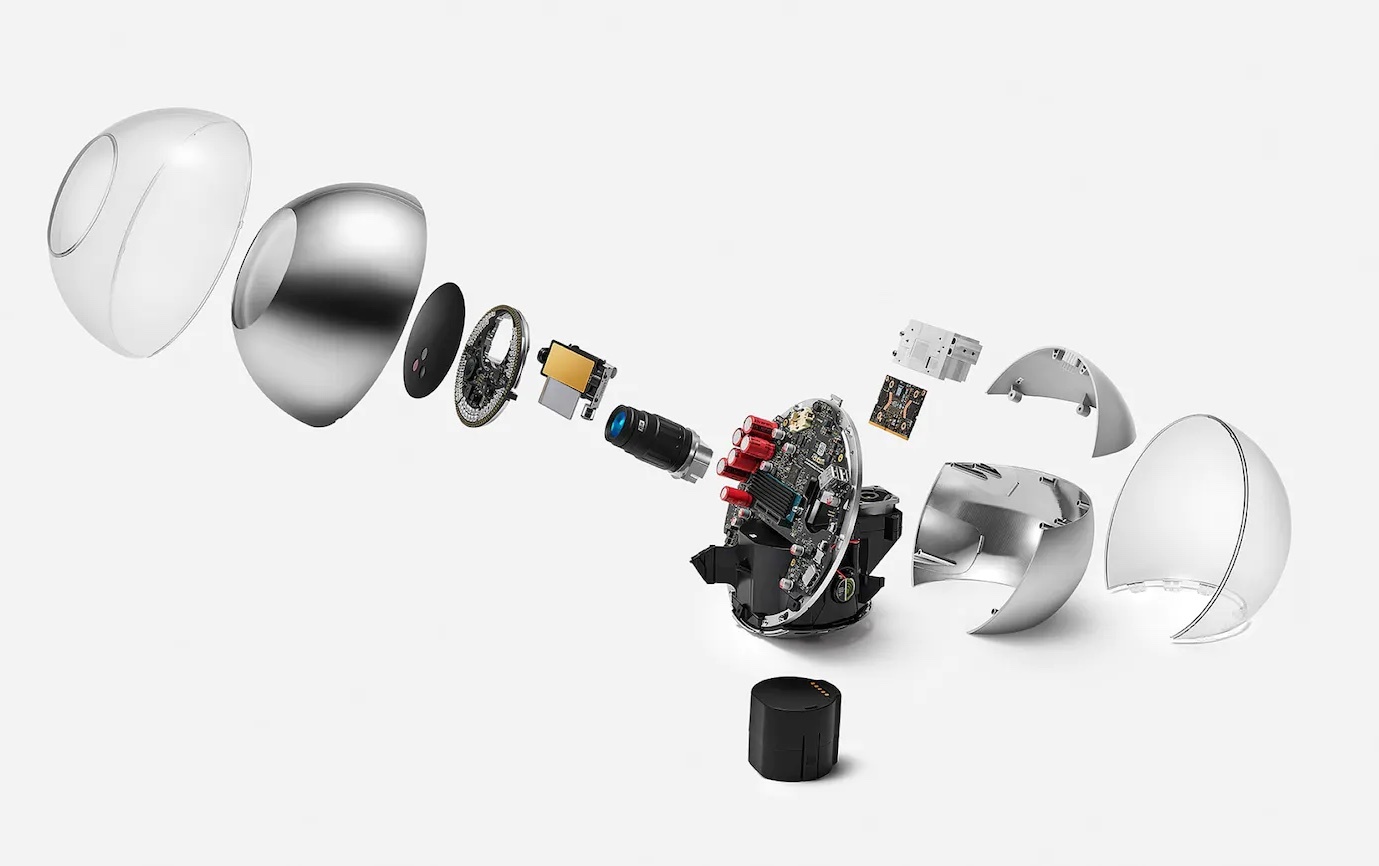
Worldcoin, spearheaded by OpenAI CEO Sam Altman, aims to establish a global digital identity system through iris-scanning devices known as “Orbs.” These devices verify users’ identities, granting them a unique World ID and distributing WLD tokens as part of an initiative to promote universal basic income in an AI-driven economy. The project, developed by Tools for Humanity, has already verified over 12 million users across more than 100 countries, despite facing scrutiny over privacy concerns.

The recent U.S. launch of Worldcoin has expanded its reach, with over 7,000 Orbs deployed in cities including Atlanta, Austin, Los Angeles, Miami, Nashville, and San Francisco. New users receive 16 WLD upon iris verification, while early adopters are granted 150 WLD, incentivizing participation in the burgeoning digital identity ecosystem.

Coinbase’s support for WLD extends to the Optimism network, an Ethereum Layer 2 scaling solution, enhancing transaction efficiency and reducing costs for users. This integration is expected to bolster liquidity and market volume for Worldcoin, potentially increasing its adoption and utility within the broader cryptocurrency landscape.

The listing aligns with Coinbase’s strategy to diversify its asset offerings and support innovative projects that address real-world challenges. However, Worldcoin’s approach has not been without controversy. Regulatory bodies in countries like Spain have raised concerns over the collection and storage of biometric data, leading to temporary suspensions and calls for stricter oversight.

Despite these challenges, Worldcoin’s proponents argue that the project offers a viable solution to the growing issue of online identity verification, particularly in distinguishing humans from AI-generated entities. The integration with Coinbase could serve as a catalyst for broader acceptance and implementation of biometric-based digital identities.

As the cryptocurrency market continues to evolve, the inclusion of Worldcoin on Coinbase’s roadmap underscores the exchange’s commitment to embracing novel technologies while navigating the complex regulatory landscape. The move also reflects a growing interest in leveraging blockchain solutions to address societal issues, such as income inequality and digital identity verification.

Worldcoin’s current market performance indicates a trading price of approximately $0.93, with a market capitalization of around $1.3 billion. The token has experienced fluctuations, reflecting investor sentiment and broader market trends. Its all-time high reached $11.80 in March 2024, highlighting the volatility inherent in emerging digital assets.

By Saifur Rahman When Ho Kwon Ping, a young Stanford drop-out, saw an abandoned tin mine in Thailand’s Bang Tao Bay in Laguna Phuket area in 1984, he didn’t know what to do with it as the land that was dimmed ‘useless’ by its former occupiers. It was a patch of a waste land with no activities then. In his Stanford days, he was a firebrand social […]

G42, an AI powerhouse based in Abu Dhabi, is embarking on an ambitious expansion into the United States. This move signals the UAE’s broader strategy to solidify its role as a global leader in artificial intelligence, a sector that has become a cornerstone of its economic vision for the future. The company, founded in 2018, has grown swiftly into a major player in the Middle East’s rapidly […]

A high-level delegation from Abu Dhabi has arrived in Tokyo for the inaugural Abu Dhabi Investment Forum, marking a significant step towards deepening the economic ties between the UAE capital and Japan. The four-day visit, running from May 6 to 9, sees top officials and private sector leaders from Abu Dhabi engaging with their Japanese counterparts to explore new areas of collaboration, particularly in advanced industries such […]

Dubai Multi Commodities Centre has unveiled two new business licence categories designed to offer greater flexibility and efficiency for companies operating in the UAE. The newly introduced Special Purpose Vehicle and Holding Company licences are aimed at providing businesses with enhanced options for structuring investments, managing assets, and overseeing operations across the region. The initiative reflects DMCC’s continued efforts to adapt to the evolving needs of the […]

Dubai Holding, a leading global investment conglomerate, has announced the listing of its Dubai Residential Real Estate Investment Trust on the Dubai Financial Market . This marks the first initial public offering in Dubai for the year, reflecting the continuing strength of the emirate’s thriving property sector.

The Dubai Residential Reit, a sharia-compliant fund that generates income through investments in residential real estate, is set to offer 1.625 billion units, representing 12.5 per cent of the total stake in the trust. Dham Investments, a fully owned subsidiary of Dubai Holding, is behind the move, aiming to diversify the company’s portfolio and expand its reach in the regional real estate market.

The subscription period for the offering will run from May 13 to May 20, 2025. After this, the final offer price will be disclosed on May 21, with the trading of the Reit’s units expected to commence on the Dubai Financial Market on May 28, 2025. The offer is poised to attract a wide range of investors, from institutional to retail, as the Dubai property market continues to attract significant interest from global investors.

The Dubai property market has shown remarkable resilience in the face of global economic challenges, with both residential and commercial segments witnessing robust growth. With high demand for luxury homes, rental properties, and mixed-use developments, the Reit presents a strategic opportunity for investors to gain exposure to the lucrative Dubai real estate market.

This IPO comes amid a boom in the emirate’s property market, fuelled by strong investor confidence, favourable government policies, and an influx of expatriates looking to secure a foothold in one of the world’s most dynamic cities. Dubai’s real estate market has been one of the most resilient globally, thanks to a range of measures introduced by the government to attract foreign investment, including long-term residency options for investors and property owners.

The listing is also significant for Dubai Holding, which has consistently sought to diversify its investment portfolio across various sectors, including real estate, hospitality, and technology. As one of the largest investment companies in the UAE, Dubai Holding’s strategic shift into the publicly traded real estate space could potentially open doors for further capital raising and market expansion in the region.

The offering is expected to draw attention not only from regional investors but also from international funds, as Dubai continues to be a top destination for global real estate investments. With property prices expected to maintain upward momentum in the coming months, the timing of the IPO could prove advantageous, particularly as Dubai continues to grow as an international business hub.

The Dubai Residential Reit has a strong portfolio of residential assets, strategically located in prime areas across the emirate. These properties are anticipated to generate consistent rental income, making the Reit an attractive investment for those seeking exposure to Dubai’s booming property market without the complexity of direct property ownership. Investors will also benefit from the fund’s income-distributing structure, with regular dividend payouts projected over time.

The IPO follows Dubai Holding’s broader strategy of strengthening its presence in key sectors and diversifying its investment base. With the growing demand for real estate in the region, Dubai Holding’s decision to list the Reit is seen as a move to unlock value from its high-quality assets while expanding its footprint in the public capital markets.

As with all public offerings, the success of this IPO will depend on the investor appetite, market conditions, and the overall economic landscape. Despite this, Dubai’s real estate sector remains resilient, buoyed by strong fundamentals and continuous infrastructure development that supports both residential and commercial property demand.

The Dubai Financial Market has positioned itself as a key player in the region’s capital markets, and the listing of Dubai Residential Reit is expected to contribute to further growth in market activity. It marks a significant milestone for the DFM, which has seen a series of successful listings in recent years, strengthening its position as a leading financial hub in the Middle East.

Oil prices fell sharply following OPEC+’s decision to boost output, sparking fears of a global supply glut as demand struggles under the weight of ongoing trade tensions. The agreement reached at the group’s meeting on Saturday saw leaders of the alliance, which includes key producers like Saudi Arabia, Russia, and others, pushing for a significant increase in production. This shift aims to penalise nations that have exceeded their production quotas, notably Kazakhstan. The move, however, has drawn concern from analysts, who warn that further supply increases could exacerbate an already fragile market.

Brent crude, the global benchmark, plummeted by as much as 4.6% at the start of the week, dipping to around $58 a barrel. Meanwhile, West Texas Intermediate saw similar losses, nearing $56 per barrel. This decline marks a significant departure from the earlier momentum in the oil markets, where prices had seen steady gains amid hopes for recovery from global economic slowdowns.

The decision to raise output comes amid an already oversupplied market, with oil producers grappling with the dual challenges of muted demand and an ongoing trade war between major economies. Experts point to the trade dispute between the United States and China as a key factor driving global uncertainty. The tension has disrupted trade flows, suppressed consumer confidence, and led to a slowdown in economic growth, all of which have negatively impacted demand for oil.

The OPEC+ agreement was driven by a desire to exert control over the oil market and curb overproduction by certain members. Kazakhstan, in particular, had been producing more than its share of the agreed output, prompting OPEC+ to take action. While the group has long sought to enforce production limits to stabilise prices, the recent decision to increase supply—at a time when demand remains weak—has raised questions about the balance between supply and demand.

Experts are now analysing the long-term consequences of this policy shift, with many cautioning that the extra supply could further depress prices if demand fails to pick up in the coming months. Economists note that the global trade environment remains volatile, with growth projections for key oil-consuming nations being revised downward. The trade war between the US and China, the world’s two largest economies, continues to overshadow the global outlook, weighing heavily on both manufacturing and consumer demand.

Another factor adding to the complexity of the oil market is the shifting energy landscape. As countries transition toward renewable energy sources and electric vehicles, the traditional demand for fossil fuels is being redefined. Oil companies are already facing mounting pressure from governments and environmental groups to reduce their carbon footprints, which could further dampen future demand for oil.

In response to these challenges, OPEC+ has stated that it will continue to monitor the market and adjust its policies accordingly. However, the recent price drop has raised doubts about whether the group’s strategy is sustainable in the long term. While the alliance has managed to keep oil prices relatively stable over the past few years, there are concerns that the increasing production targets could lead to a supply glut that could destabilise the market further.

At the same time, the decision to increase output is likely to put additional strain on oil-producing countries that rely heavily on revenue from fossil fuels. Nations such as Saudi Arabia, which has been the leading force behind OPEC+, are particularly sensitive to fluctuations in oil prices, as the commodity is a major driver of their economies. The possibility of continued price volatility could prompt these nations to reassess their production strategies, especially if revenue from oil exports falls short of expectations.

India’s participation in the World Expo 2025 in Osaka is positioned to create significant opportunities for economic growth, cultural diplomacy, and increased tourism. With an expected influx of international visitors and the ongoing globalisation of markets, the country is focusing on leveraging the expo’s global platform to showcase its economic potential, rich cultural heritage, and expanding technological prowess.

The India Pavilion, a standout feature of the event, has already seen a remarkable turnout, attracting thousands of visitors in its first few days. The pavilion highlights India’s thriving industries, cutting-edge innovations, and its growing stature as a global player in sectors such as technology, manufacturing, and renewable energy. Designed to embody the country’s vision of “Vasudhaiva Kutumbakam” or “the world is one family,” the exhibition is offering a glimpse into India’s future trajectory while celebrating its deep-rooted cultural heritage.

Trade experts and diplomats view the expo as an essential event for fostering international business partnerships. India, which is already a key player in the global economy, is focusing on utilising the Expo as a gateway to expand its trade relations with countries across Asia, Europe, and beyond. Several large-scale business events and networking sessions are planned as part of India’s participation, aiming to facilitate collaborations in diverse sectors such as information technology, pharmaceuticals, agriculture, and automotive manufacturing.

India’s robust trade agenda at the Expo 2025 comes in the context of its ongoing efforts to bolster its position as one of the world’s leading economic powers. The country has made significant strides in trade agreements over the past few years, particularly with Japan and other East Asian nations, further cementing its importance in regional and global trade networks. Key sectors such as fintech, e-commerce, and artificial intelligence are expected to be key points of focus for business leaders and innovators visiting the pavilion.

The Expo provides a unique opportunity for India to present its achievements in these fields and attract foreign investments. India’s Information Technology sector, for instance, will have a prominent role in the pavilion, with showcases of groundbreaking developments in software solutions, cybersecurity, and digital infrastructure. Additionally, the Indian government’s “Make in India” initiative, aimed at encouraging domestic manufacturing, is set to take centre stage, signalling India’s commitment to increasing its share in global production.

Tourism plays a central role in India’s strategy to maximise the impact of its World Expo 2025 presence. As part of its outreach efforts, the country is promoting its diverse tourist destinations, cultural festivals, and unique culinary traditions. Travel experts believe that the Expo could serve as a catalyst for an uptick in Japanese and international visitors to India, especially as the world emerges from the pandemic and travel restrictions ease globally. By highlighting the country’s natural beauty, heritage sites, and contemporary attractions, India is seeking to attract a new wave of tourists, especially from Japan, a country with deep historical ties to India.

The Indian tourism sector is also looking to benefit from the growing interest in wellness and eco-tourism, with the Expo providing an ideal venue to promote these niche segments. India’s yoga, spiritual retreats, and eco-tourism initiatives are expected to be highlighted, appealing to international visitors seeking sustainable and enriching travel experiences.

The Expo’s theme of “Designing Future Society for Our Lives” aligns well with India’s strategic focus on sustainable development, innovation, and inclusivity. The country’s growing emphasis on green technologies, clean energy, and sustainable infrastructure will be showcased as part of India’s vision for a future society that balances economic growth with environmental responsibility. India’s active participation in global climate initiatives, coupled with its ambitious renewable energy goals, forms an essential part of the pavilion’s messaging.

Key players in India’s participation include the Ministry of Commerce and Industry, the Ministry of Tourism, and various state governments, each working in tandem to ensure a comprehensive and impactful presence. Government officials have expressed confidence that the Expo will not only strengthen bilateral ties with Japan but also serve as a platform for new partnerships in other regions. The Indian government’s proactive engagement with global stakeholders is expected to position India as a leader in international trade, investment, and cultural exchange.

Cultural diplomacy will be another critical aspect of India’s participation. The pavilion will feature a mix of live performances, art exhibitions, and traditional crafts, providing visitors with a vibrant and immersive experience. India’s diverse art forms, including classical dance, music, and theatre, will take centre stage, showcasing the country’s rich heritage while also highlighting contemporary Indian artists who are gaining international recognition. These cultural exchanges are set to build bridges between India and the rest of the world, fostering mutual understanding and respect.

India’s presence at the World Expo is also expected to highlight the country’s aspirations as a global thought leader, particularly in the fields of technology, education, and innovation. The country’s booming startup ecosystem, with its expanding network of unicorns and innovators, will also be on display. India’s young, dynamic workforce is increasingly seen as a major driver of its growth, and the Expo offers an opportunity to demonstrate how the country’s demographic advantage is transforming it into a global hub for innovation and entrepreneurship.

World’s Most MICHELIN-Starred Gastronomic Icon returns to a stunning new space in LANDMARK ATRIUM HONG KONG SAR – Media OutReach Newswire – 2 May 2025 – LANDMARK is delighted to announce the highly anticipated return of gastronomic legend L’ATELIER DE JOËL ROBUCHON HONG KONG as the cornerstone of its refined Central dining portfolio this summer. The iconic restaurant has been located at LANDMARK for 18 years and […]

Saudi Arabia, the leading member of OPEC, has been pursuing an unconventional strategy in recent months, opting to lower oil prices in an effort to restore discipline within the group. The move marks a stark contrast to the traditional approach of pushing prices higher, a tactic long favoured by OPEC to maximise revenue. However, Riyadh’s shift in approach reflects the kingdom’s growing frustration with certain OPEC+ members, […]

Dubai International Airport is expected to cease operations in the near future, with Dubai Airports CEO Paul Griffiths confirming that Al Maktoum International Airport will eventually replace DXB as the city’s primary air travel hub. Griffiths revealed the plan at the Arabian Travel Market this week, indicating that DWC’s expansion would pave the way for the closure of DXB. As Dubai continues to experience rapid growth in […]

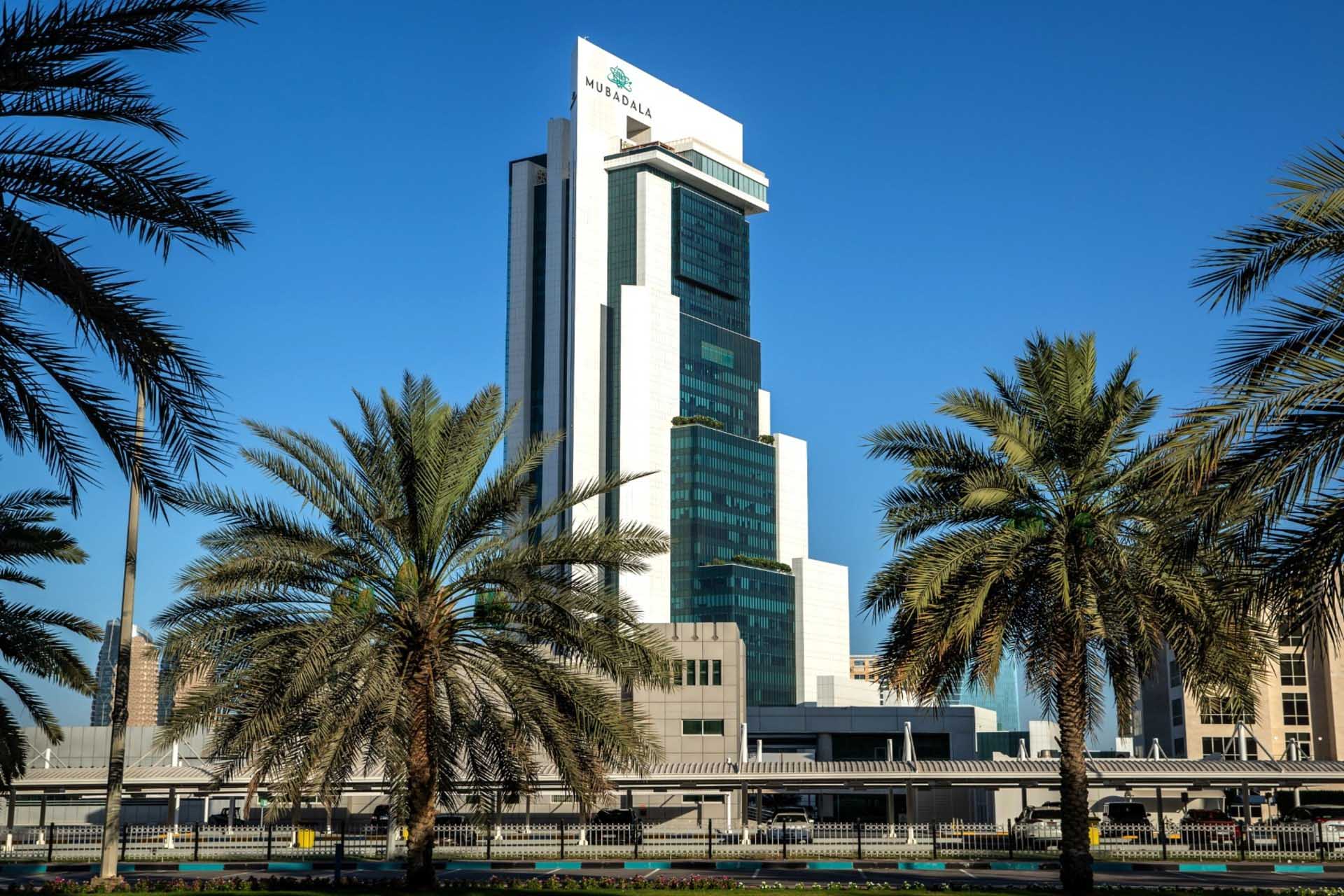
Abu Dhabi’s Mubadala Capital is set to lead a $10 billion syndicated investment into TWG Global, marking a significant move into the global sports and entertainment sector. This partnership not only positions Mubadala at the forefront of high-value sports investments but also reflects a broader trend among Gulf sovereign wealth funds diversifying their portfolios beyond traditional assets.

TWG Global, co-chaired by Mark Walter and Thomas Tull, manages a diverse portfolio that includes stakes in prominent sports franchises such as the Los Angeles Dodgers, Los Angeles Lakers, and Chelsea FC. The conglomerate, valued at approximately $40 billion, also invests in sectors like artificial intelligence, biotechnology, and media. Walter, known for his role in Guggenheim Partners, and Tull, former owner of Legendary Entertainment, bring extensive experience in both finance and entertainment to the venture.

The investment deal includes TWG Global acquiring a minority stake in Mubadala’s asset management platform for $2.5 billion. This strategic move aims to increase commitments to an additional $20 billion of investment capital, signaling a deepening collaboration between private investment firms and sovereign wealth funds.

Global SWF, a sovereign fund tracker, described the partnership as “a new chapter in global finance,” highlighting the innovative nature of a private firm acquiring a stake in a sovereign wealth fund’s asset management arm. This arrangement provides Mubadala with indirect ownership exposure to iconic Western sports franchises, aligning with the rising valuations of global sports assets and the convergence of content, fan engagement, and streaming monetisation.

Mubadala’s move mirrors strategies employed by other Gulf sovereign wealth funds, such as Saudi Arabia’s Public Investment Fund , which has been actively building its sports and leisure portfolio. However, through this partnership with TWG Global, Mubadala gains immediate access to established sports entities, bypassing the need to build its portfolio from scratch.

In 2024, Mubadala emerged as the world’s largest sovereign wealth fund spender, deploying $29.2 billion across 52 transactions—a 67% increase from the previous year. This surge in investment activity underscores the fund’s commitment to diversifying its holdings and capitalising on emerging market opportunities.

  Findings from independent study support existing aerosol chemistry analyses that suggest waterpipe use may result in lower exposure to harmful chemicals than cigarette smoking  The world’s first charcoal-free shisha product, OOKA, emits substantially lower levels of harmful and potentially harmful constituents (HPHCs) than both traditional charcoal-heated waterpipes and combustible cigarettes, according to a new peer reviewed study published  in Nature’s Scientific Reports.   The study provides substantive new […]

Gold reached an all-time high of $3,432.77 per ounce in April 2025. The climb has been steady, underpinned by sustained demand and fundamental global shifts. The next milestone, $5,000, is firmly in sight, I believe. Capital is realigning. Central banks, institutions, and private investors are adjusting their positioning in response to clear macro realities: weakening currencies, structural inflation, declining real yields, and geopolitical instability. In this environment, […]

VISHNU RAJA
RYO YAMADA
HITORI GOTOH
IKUYO KITA
Just in:
Vijayan seeks immediate reversal of decision // Trump directs Justice Department scrutiny of Democratic threats // Bank of England flags sharper AI share correction risks // Basheer sets Feb deadline for delayed ULCCS projects // Deemed status for high-performing aided colleges // Setback for Usha in Olympic body // Rubio rejects prospect of imminent Iran peace breakthrough // Sber announces results of GigaArt AI-art festival: Nearly half a million images // BJP leader condemns cyber attacks over Mammootty wedding visit // From Seoul to Wuzhen: Korean Celebrities and Creators Spark a Water Town Slow-Living Trend // Republicans Struggling To Come Out Of Nov 3 Debacle To Prepare For 2028 Prez Polls // NIA Highlights Three Exemplary Breakthroughs from National Innovation Awards, Driving Thailand Toward a Global ‘Innovation Nation’ // Trump’s Defeat In Midterm May Lead To Both Challenges And Opportunities For Indian Economy // AutoSwift secures close to A$10 million from Singapore’s X Star Technology to scale AI WINGMAN // Vasavan alleges one-man show by CM Satheesan // Nexawork AI Launches Custom Software for SMEs From RM19,900.00 // Setback for Usha in Olympic body // Abu Dhabi property transaction value climbs 76.1 percent // Recognition under the U.S. Green Building Council’s rating system confirms the 22-residence tower is on track for full certification on completion // PhotonPay Strengthens North American Regulatory Footprint with Canada’s RPAA Registration //