News related to
world’s

Matein Khalid t is significant that President Trump, despite his bluff and brinkmanship with 25 percent tariff threats against Mexico and Canada, chose only to impose a 10 percent tariff on China. China is Washington’s only real peer competitor in great power realpolitik and its preeminent rival in Cold War 2.0. A 10 percent tariff is not a threat to global economic stability as would have been the 60 percent […]

DP World has achieved a significant milestone in 2024, with its container handling volumes soaring to new heights. The global trade enabler announced that its ports and terminals have surpassed previous records, signalling a recovery in the global supply chain and a positive outlook for the industry’s future. The company’s strategic expansion and continued investment in infrastructure have positioned it as a leading player in the global […]

The UAE has set a remarkable record, achieving a significant milestone in foreign trade with a total of Dhs3 trillion in 2024. This accomplishment comes as the UAE’s foreign trade expanded by an impressive 14.6 per cent, far outstripping the global trade growth, which only saw a modest 2 per cent increase. This surge in foreign trade marks a continuing trend for the UAE, solidifying its position […]

Saudi Aramco, the world’s largest oil producer, has significantly increased its official selling price for Arab Light crude oil destined for Asia. This move has sent ripples through the global energy markets, raising questions about the potential impacts on supply, demand, and the broader oil market dynamics. The price adjustment comes as the global oil market continues to face various challenges, including fluctuating demand, geopolitical tensions, and […]

Blue bonds, designed to finance marine conservation projects, are fast emerging as a promising avenue for investors and governments looking to meet environmental, social, and governance objectives. These financial instruments, closely linked to sustainable finance, hold great potential in the context of global climate change strategies. However, their effectiveness hinges on ensuring they align with broader net-zero policies and address the multifaceted challenges of marine ecosystems. In […]

New Jersey’s AI ecosystem has received a significant boost with the addition of Microsoft and CoreWeave as founding partners of the New Jersey Artificial Intelligence Hub . The initiative, which launched in winter 2024 under the leadership of Governor Phil Murphy and Princeton University President Christopher L. Eisgruber, aims to solidify the state’s position as a frontrunner in artificial intelligence research and development. The collaboration between Microsoft, […]

By K Raveendran OPEC+ is once again at the centre of a global energy crisis as it grapples with a new challenge posed by President Donald Trump’s tariffs on major crude oil suppliers. The tariffs, which include a 10 percent levy on Canadian oil and 25 percent on US imports into Canada in retaliation, threaten […]
Advertisements

Elon Musk’s comments at a rally for Germany’s far-right Alternative for Germany party last weekend have sparked controversy and raised concerns over the tech mogul’s increasing involvement in global politics. Musk’s participation in the rally, which coincided with a surge in populist sentiment across Europe, was seen by many as an overt signal of his growing political influence outside the United States, particularly in Europe and Canada. Critics argue that Musk’s public endorsements and actions could amplify political divisions and contribute to the undermining of democratic processes in these nations.

Musk, who has been involved in numerous controversies and political statements over the years, appears to have intensified his political footprint with this latest move. At the rally, the Tesla and SpaceX CEO expressed support for AfD’s anti-immigration stance, which aligns with Musk’s previously stated preferences for limited government intervention and a more libertarian approach to policy. While Musk’s comments were framed as an endorsement of the AfD’s platform, they also touched on broader themes of individual freedom and skepticism toward governmental power, which have resonated with populist movements in various regions.

Musk’s involvement with far-right groups in Europe follows a similar pattern in North America. His outspoken political views have also made waves in Canada, where he has commented on the country’s handling of freedom of speech and its handling of protests in the past. Musk’s growing influence in foreign political spheres is raising alarms about the consequences of billionaire-led political activism, particularly in countries where political systems are grappling with rising extremism and division.

While many view Musk’s commentary as a sign of his personal beliefs, others see it as part of a wider trend of corporate elites exerting increasing power over political agendas globally. Musk’s companies, including Tesla, SpaceX, and Twitter , wield considerable influence in both the business and political realms, making his actions noteworthy beyond the realm of business. His comments on political matters, which some claim could shape elections and sway public opinion, have the potential to further erode public trust in political systems that are already fraught with challenges.

The AfD, a party that has been labeled as far-right and often criticized for its nationalist and anti-immigration rhetoric, has seen its support base grow in recent years. The party’s platform includes policies that have drawn support from voters disillusioned with the political establishment and its handling of issues like immigration, the European Union, and national identity. By aligning himself with the AfD, Musk has attracted both praise and condemnation. Supporters argue that Musk’s advocacy for personal freedom and his criticisms of government policies are aligned with broader values of individual autonomy and free markets. Critics, however, warn that his association with far-right groups could amplify extremist ideologies and fuel anti-democratic movements.

Musk’s remarks about the AfD echo his long-standing criticism of government regulations and his advocacy for deregulation in various sectors, from technology to energy. His stance on political issues has often been controversial, especially given his vast business empire, which includes electric vehicles, aerospace, and social media. The risk of his influence shaping national political agendas is amplified by his vast wealth and the global reach of his companies. Critics argue that such unchecked power poses a threat to the balance of power within democratic societies, potentially skewing political discourse and undermining the sovereignty of foreign governments.

The billionaire’s involvement in politics is not confined to his statements alone. Musk has previously made headlines for his public endorsements of political candidates and his support for controversial political initiatives in both the United States and abroad. His backing of certain candidates and policies, particularly in Europe, has fueled concerns about the corporate world’s increasing control over political landscapes, especially as populist movements gain momentum.

In Canada, Musk’s rhetoric about free speech and government overreach has been scrutinized, with some questioning whether his remarks will influence the country’s political climate, especially as tensions surrounding freedom of expression have become a prominent issue. Musk’s comments have drawn attention to the global nature of political discourse in the digital age, where the actions of influential business leaders can cross national borders and impact the political fabric of other nations.

While Musk’s supporters argue that his views on government regulation and individual liberties align with democratic ideals, his critics contend that his actions and words contribute to the growing polarization of global politics. Some view his influence as detrimental to political discourse, particularly in democracies that are already grappling with rising extremism and populism. The question remains whether Musk’s increasing political involvement will continue to shape public opinion in a way that exacerbates these issues or whether his influence will eventually wane as governments and citizens respond to his calls for more direct involvement in politics.

Dubai is continuing to strengthen its position as a global luxury real estate hub with the introduction of new $100 million mansions aimed at attracting the world’s ultra-wealthy buyers. These high-end properties, designed with a blend of opulence and cutting-edge technology, offer unparalleled luxury and exclusivity, reinforcing the city’s appeal among high-net-worth individuals seeking a lavish lifestyle in one of the most cosmopolitan cities in the world.

The move comes amid Dubai’s ongoing efforts to diversify its economy and reduce dependence on oil. By creating an environment conducive to wealth generation, the city aims to secure its place as a key player in the global luxury real estate market, appealing to billionaires and other affluent individuals from various industries such as finance, technology, and entertainment. The launch of these multimillion-dollar homes aligns with Dubai’s broader strategy to foster growth in its property sector while attracting international investors.

The new mansions are situated in some of the city’s most prestigious neighborhoods, including Palm Jumeirah and Emirates Hills, both of which are synonymous with opulence and sophistication. These locations are well-established as the prime residential areas for Dubai’s elite, boasting spectacular views, private beach access, and proximity to world-class facilities such as five-star hotels, shopping malls, and golf courses. The homes, which range in size from 20,000 to 30,000 square feet, offer unmatched privacy and security, with residents benefiting from state-of-the-art surveillance systems and 24-hour concierge services.

Architecturally, the mansions represent a fusion of traditional Arabian design with modern, minimalist aesthetics. The developers have incorporated advanced technologies such as home automation systems, environmental sustainability features, and even artificial intelligence-driven energy efficiency, ensuring that the properties meet the highest standards of luxury and functionality. Many of these homes also come with private pools, spas, cinemas, and expansive outdoor spaces designed for both relaxation and entertainment.

Another attractive feature is the availability of bespoke services tailored to the needs of each buyer. Personalized interior design, exclusive art collections, and even custom-built furniture are part of the package, allowing wealthy residents to create a space that reflects their individual tastes and lifestyles. The presence of renowned luxury brands like Rolls-Royce and Lamborghini further enhances the appeal, with private showrooms and exclusive car services available to residents.

Dubai’s real estate market has been resilient even in the face of global economic challenges. The city’s stable political environment, tax-free policies, and world-class infrastructure make it an attractive destination for the ultra-wealthy, particularly in light of geopolitical uncertainties elsewhere. The luxury sector has seen steady growth, fueled by a consistent influx of foreign investors seeking safe havens for their wealth. The introduction of these new mansions is expected to build on that momentum, catering to the growing demand for extraordinary homes that offer both lavish living and a secure, high-profile address.

While the $100 million price tag may seem astronomical to many, the value proposition is clear for those looking to buy into Dubai’s elite real estate market. The growing trend of “safe haven” investments, where the ultra-wealthy look to protect their assets in politically stable environments, makes Dubai’s prime properties even more appealing. As the city continues to position itself as a beacon for global wealth, the demand for luxury residences remains high, with Dubai consistently ranking among the world’s most sought-after destinations for property investment.

In addition to the allure of luxury living, these new mansions offer buyers a unique opportunity to be part of Dubai’s thriving cultural and social scene. The city’s reputation as a global business hub, its numerous luxury shopping destinations, and its burgeoning arts and entertainment industries provide an attractive backdrop for those seeking not just a home, but an elevated lifestyle.

Despite the substantial cost, the market for Dubai’s high-end properties is seeing increasing interest from international buyers, especially from regions such as Europe, Russia, and China. These global buyers are attracted not only by the mansions themselves but by the broader appeal of Dubai as a tax-free haven, providing access to a safe, stable environment for both living and investing. The city’s legal framework, which is favorable to foreign investors, also ensures that the luxury real estate market remains competitive and attractive.

Dubai’s government has been proactive in making it easier for foreign buyers to invest in property. Recent reforms, such as offering long-term residency visas to investors and property owners, have further contributed to the growth of the luxury real estate market. The ease of doing business in the city, combined with its strategic location at the crossroads of Europe, Asia, and Africa, ensures that Dubai remains an ideal base for wealthy individuals looking to expand their global portfolios.

Abu Dhabi National Oil Company and Austria’s OMV have confirmed ongoing negotiations to establish a new global leader in the polyolefins sector. The merger, which would combine ADNOC’s Borouge, OMV’s Borealis, and Canada’s Nova Chemicals, is poised to create one of the world’s largest polyolefin groups. The two companies described the discussions as progressing in a “constructive and positive manner.”

Both ADNOC and OMV have been increasing their focus on expanding their footprint in the chemicals and petrochemicals sectors, particularly in polyolefins, which are critical for manufacturing a wide range of products, from packaging materials to automotive components. The merger would not only boost the companies’ market positions but also position the new entity as a major player in the global chemicals market.

The polyolefins industry has seen steady growth in recent years, driven by demand for packaging, consumer goods, and industrial applications. The merger, if completed, would give the combined entity a significant advantage in this competitive market, leveraging the resources and technological expertise of each participant. Experts suggest that the combined scale and enhanced capabilities could make the group a leader in producing polyethylene and polypropylene, two of the most widely used plastics globally.

ADNOC’s Borouge, based in the UAE, has been a key player in the polyolefins market for years, with a focus on high-quality, innovative products. Meanwhile, Borealis, controlled by OMV, is a leading European chemicals company with an established presence in polyolefins and advanced chemicals. Nova Chemicals, a wholly owned subsidiary of Canada’s Mubadala Investment Company, brings further expertise and production capacity to the table.

The merger would allow the three companies to capitalize on each other’s strengths. Borouge, for instance, has extensive experience in the Middle East and Asia, while Borealis has a strong European and North American footprint. Nova Chemicals’ established position in North America would be complemented by the global reach of the other two. Together, the companies would form a formidable force in both developed and emerging markets, ensuring a diversified supply chain and the ability to serve a broader range of industries.

This deal comes at a time when the polyolefins market is facing new challenges and opportunities. As the global demand for sustainable materials rises, the new entity may also benefit from growing interest in recyclable and eco-friendly plastic alternatives. Industry analysts speculate that the merger could help the group meet these demands by accelerating research into more sustainable production methods and product offerings.

The proposed combination would also be a notable shift in ADNOC’s strategy. Historically, the company has been heavily involved in the exploration and production of oil and gas. However, the increasing focus on petrochemical expansion aligns with broader regional goals to diversify the economy and reduce dependence on crude oil exports. By increasing its stake in high-value industries like polyolefins, ADNOC could secure more stable revenue streams in the coming years, particularly as global demand for petrochemicals continues to rise.

For OMV, the deal represents a significant opportunity to consolidate its position in the chemicals sector, aligning with its long-term strategy of enhancing its refining and petrochemical operations. The company has been expanding its portfolio in this space and aims to increase the contribution of chemicals to its overall business, helping to buffer against the volatility of oil and gas prices.

The announcement of the merger talks has raised questions about the potential regulatory hurdles the companies may face, particularly in Europe, where anti-trust laws are stringent. The deal would need to be assessed by competition regulators to ensure that the merger does not significantly reduce competition in the polyolefins market. Both ADNOC and OMV have stated that they are committed to ensuring compliance with all regulatory requirements.

Despite these challenges, analysts remain optimistic about the potential benefits of the deal. A merger of this scale would enable the combined company to drive innovation, improve efficiency, and leverage economies of scale. The global polyolefins market, valued at tens of billions of dollars, could see a new dominant player emerge, with the capacity to set trends and dictate pricing across key regions.

In addition to the market implications, the merger could reshape the supply chain dynamics for polyolefins. By merging production capacities and expanding global reach, the new group would be better positioned to serve large multinational customers who rely on polyolefins for various applications. This could include sectors like automotive, packaging, and construction, all of which are seeing shifts toward higher performance and more sustainable materials.

DP World, a prominent global leader in end-to-end supply chain solutions, has made history with the launch of the Middle East and North Africa’s first-ever corporate Blue Bond listing on Nasdaq Dubai. The $100 million bond, which is part of the company’s $10 billion Global Medium-Term Note Programme, signals a significant milestone in the region’s growing commitment to sustainable finance. The issuance, with a coupon rate of […]

Arabian Post Staff -Dubai Dubai International Airport achieved a remarkable milestone in 2024, handling 92.3 million passengers, marking a nearly 6 percent annual increase. This achievement further cements Dubai’s status as one of the world’s leading global tourist hubs and the busiest airport by international traffic. The figure surpasses the airport’s November forecast of 91.9 million passengers, underscoring the sustained growth of Dubai’s aviation sector. This year’s […]

Abu Dhabi sovereign wealth fund ADQ has entered into a strategic joint venture with global investment firm Orion Resource Partners to focus on investments in metals and mining. The announcement was made on Thursday, marking a significant expansion of ADQ’s portfolio in critical minerals. This partnership is expected to inject $1.2 billion over the next four years, targeting mining operations in emerging markets across Africa, Asia, and Latin America.

The 50-50 joint venture will be headquartered in Abu Dhabi, reinforcing the UAE’s growing influence in global resource investment. The capital infusion will be deployed across a wide range of asset classes, including equity, senior debt, and production-linked instruments such as royalties, enabling the partners to diversify their approach while providing flexible financial support to mining companies.

This collaboration comes as demand for critical minerals, particularly those essential for green energy and technology, continues to surge worldwide. By strategically positioning itself in emerging markets, ADQ aims to tap into the growing potential of these sectors, while also ensuring a steady supply of materials for industries such as electric vehicles, renewable energy, and technology manufacturing.

The UAE has increasingly sought to diversify its investments, with sovereign wealth funds like ADQ playing a central role in expanding the nation’s economic footprint beyond oil. This partnership with Orion represents a key step in the UAE’s strategy to enhance its global financial influence, especially in sectors aligned with future growth, such as critical minerals.

The joint venture is expected to leverage Orion’s expertise in the mining sector, with the firm’s global experience providing a competitive edge in identifying and managing investments. Orion Resource Partners, known for its investments in natural resources and energy, will bring its deep market insights and operational capabilities to ensure the success of the venture.

The partners have already identified several opportunities in the target regions, which have abundant mineral reserves but often face challenges such as political instability, infrastructure limitations, and regulatory hurdles. By focusing on emerging markets, ADQ and Orion hope to unlock value in these regions, driving economic development while securing access to essential resources.

The decision to focus on mining companies in Africa, Asia, and Latin America aligns with global trends indicating a growing shift toward these regions, which have vast untapped mineral potential. These markets are becoming increasingly attractive to investors looking to capitalize on the expanding demand for metals critical to clean energy transitions. As nations commit to reducing their carbon footprints, the need for raw materials like lithium, cobalt, and nickel is escalating, placing these regions in the spotlight.

For ADQ, the partnership with Orion reflects its broader strategy to develop a well-rounded investment portfolio that includes not only traditional assets but also strategic holdings in critical industries. This move also signals ADQ’s commitment to responsible and sustainable investments, with the fund placing a strong emphasis on environmental, social, and governance factors in its investment decisions.

The joint venture’s investments will not be limited to equity stakes but will also include senior debt and other instruments such as royalties, allowing the partners to support mining companies with the flexibility to meet their funding needs across different stages of their development. This varied approach provides opportunities for both high-growth and stable, income-generating assets.

The UAE’s growing focus on the mining sector is also linked to its efforts to enhance energy security and ensure the long-term availability of essential raw materials. By forming such partnerships and investing in mining, the UAE can build stronger links with emerging markets while ensuring that its own economic and industrial sectors are less dependent on external sources of critical minerals.

ADQ’s decision to form this venture with Orion comes at a time when other global investors are also increasing their exposure to the mining sector. With the rise of sustainable investment practices and the need to secure critical minerals for the global green energy revolution, mining is set to remain an important area for international capital flows.

Through this partnership, ADQ and Orion aim to establish themselves as key players in the global mining sector, specifically targeting regions that are expected to become increasingly central to the global supply chain for critical minerals. As the world transitions to cleaner energy and technology, the demand for these minerals is only expected to increase, making such investments highly strategic for the long-term success of the partners involved.

The venture also highlights the UAE’s growing role in shaping the future of global industries. As one of the world’s leading financial hubs, Abu Dhabi is positioning itself to attract international capital and play a key role in industries that will drive future economic growth, from sustainable energy to advanced technology.


Transak, a Web3 payment infrastructure provider, has partnered with Uranium.io, a blockchain-based uranium trading marketplace, to allow retail investors to purchase tokenized uranium using cryptocurrency. This innovative move significantly lowers the barriers to entry for uranium investments, allowing crypto users to access the market for as little as $10, a stark contrast to the previous minimum investment of $4.2 million required for over-the-counter uranium trades.

The partnership is poised to transform the way investors approach the commodity sector, specifically the uranium market, by leveraging blockchain technology. Tokenization, a process that converts physical assets into digital tokens, has been gaining traction across various industries, including real estate, fine art, and now, commodities like uranium. This collaboration between Transak and Uranium.io provides a simplified and accessible way for retail investors to buy tokenized uranium and trade it on a decentralized marketplace.

The decision to lower the minimum investment requirement is a strategic move aimed at democratizing access to a market that was once largely restricted to institutional investors and high-net-worth individuals. The ability to invest in uranium using cryptocurrencies like Bitcoin or Ethereum opens up a new avenue for crypto enthusiasts to diversify their portfolios. Uranium.io’s blockchain-based platform facilitates this process, offering a secure and transparent trading environment for both new and experienced investors.

Uranium.io, the world’s first blockchain-based uranium trading marketplace, has been at the forefront of bringing traditional commodities onto the blockchain. By tokenizing uranium, the platform aims to increase liquidity and accessibility within an otherwise opaque and illiquid market. Historically, uranium trading has been dominated by large-scale transactions, with over-the-counter trades involving millions of dollars in capital. The lack of transparency and the high financial threshold meant that retail investors were largely excluded from the market. However, tokenization allows for fractional ownership of uranium, enabling smaller-scale investments.

Through the integration with Transak, a company known for simplifying cryptocurrency payments, users can now purchase tokenized uranium in smaller amounts, enabling more people to participate. Transak’s seamless integration with various cryptocurrencies, coupled with the ability to purchase tokenized uranium, simplifies the process for users who are already familiar with crypto-based transactions. The platform supports a variety of cryptocurrencies, making it easy for users to buy tokenized uranium using their preferred digital assets.

The move towards tokenized uranium comes at a time when the commodity has gained attention due to its critical role in the global energy transition. Uranium is a key component in nuclear energy production, which has seen a resurgence as nations seek to reduce their carbon footprints and meet energy demands. As the world turns towards cleaner energy solutions, uranium’s role in powering nuclear reactors becomes increasingly important. By enabling wider access to uranium trading, the Transak-Uranium.io partnership could help facilitate investments in the sector at a time of growing demand.

The flexibility and accessibility of blockchain technology have made tokenization a powerful tool for unlocking value in traditionally illiquid markets. With the tokenization of uranium, the asset can be traded more efficiently, enabling investors to take advantage of price fluctuations and market trends in real-time. This also brings increased transparency to the uranium market, as blockchain provides an immutable ledger of transactions that can be publicly verified.

This partnership could also pave the way for other commodity markets to explore tokenization as a method of broadening access to retail investors. As the crypto ecosystem continues to expand, industries like energy, mining, and agriculture may follow suit by adopting blockchain technology to enable fractional ownership and trading of physical assets. For now, the tokenized uranium market offers a promising glimpse into the future of commodity trading.

For many investors, the tokenization of uranium is an opportunity to capitalize on the commodity’s potential growth. With the energy crisis and the global push for sustainability, uranium’s value is likely to increase as more countries invest in nuclear power. Tokenized uranium offers investors a way to gain exposure to the uranium market without having to deal with the complexities of traditional trading methods, such as securing physical uranium or navigating over-the-counter markets.

The growth of decentralized finance and the rise of blockchain-based platforms for commodity trading are part of a larger trend in which the traditional financial system is being redefined. Investors are increasingly looking for alternative investment opportunities that offer greater flexibility, transparency, and lower entry barriers. The Transak-Uranium.io partnership aligns with this trend, offering a new way to access an asset class that was previously difficult to reach.

Despite the advantages that tokenized uranium offers, there are still challenges to overcome. The regulatory landscape for tokenized commodities is evolving, and there is a need for greater clarity on how tokenized assets are classified and taxed. Additionally, the volatility of cryptocurrency markets presents risks for investors who may not be accustomed to the price swings of digital assets. However, for those willing to embrace these risks, the potential rewards could be substantial.

Dubai’s skyline is on the cusp of welcoming a groundbreaking addition that could signal a new era in urban development. On January 15, 2025, the Dubai Multi Commodities Centre and Reit Development unveiled plans for a 17-story building designed to showcase the practical applications of blockchain technology. Dubbed the “Crypto Tower,” this high-rise aims to be a centerpiece for the burgeoning decentralized finance and Web3 sectors within […]

Coinbase has recently strengthened its Advisory Board by appointing four influential political and financial experts. This move marks a strategic push by the cryptocurrency exchange to enhance its operations and reputation, particularly in navigating complex regulatory landscapes and expanding its influence in both the financial and governmental sectors.

The new appointments signal Coinbase’s ongoing commitment to improving its strategic positioning in the fast-evolving digital asset market. As the cryptocurrency industry faces heightened regulatory scrutiny, the company is keen on leveraging the expertise of these newly appointed advisors to help guide its operations through potential legislative challenges. The new advisory team consists of individuals with deep experience in policy-making, finance, and corporate governance.

The individuals appointed bring with them decades of experience in various sectors, including finance, law, and public policy. Their expertise is expected to play a pivotal role as Coinbase continues to refine its regulatory strategies while expanding its services to new markets. Their knowledge will also assist the company in strengthening its communication with regulators and policymakers, two key groups that have become increasingly important for the exchange’s future growth.

One of the notable appointments is that of a former U.S. senator, whose background in government service is expected to provide valuable insights as Coinbase works to influence and shape crypto-related legislation in Washington. This particular appointment aligns with the company’s ongoing efforts to establish strong relationships within the political sphere, a move considered vital to the success of crypto businesses in the U.S. amid growing concerns over regulatory frameworks.

Another prominent addition is a former senior executive from one of the world’s largest investment banks. The experience of this new advisory member in financial markets and risk management will likely benefit Coinbase as it navigates market volatility and continues to expand its institutional offerings. With increased institutional interest in cryptocurrencies, the advice of such an expert could prove instrumental in helping Coinbase better serve large-scale investors and ensure robust compliance practices.

The composition of the new advisory board also includes experts with vast experience in global financial markets and regulatory affairs. These appointments reflect Coinbase’s strategy to solidify its presence internationally, as the company has faced varying degrees of regulatory scrutiny in markets outside the United States, particularly in Europe and Asia. By bringing on board individuals who have worked with international regulators, Coinbase appears poised to strengthen its international operations and better understand the regulatory demands in multiple regions.

Coinbase’s decision to bolster its Advisory Board comes at a time when the cryptocurrency industry is grappling with an evolving regulatory environment. Global regulators have intensified their efforts to create clearer frameworks for digital assets, while lawmakers continue to debate the role of cryptocurrencies in the broader economy. By bringing in top-tier experts from political and financial backgrounds, Coinbase seeks to ensure that it remains at the forefront of the ongoing dialogue surrounding digital asset regulation.

As one of the largest cryptocurrency exchanges in the world, Coinbase’s moves to enhance its advisory resources come as no surprise. The company has consistently been proactive in addressing regulatory concerns and fostering relationships with policymakers. This commitment to advisory growth is part of Coinbase’s larger strategy to build a more secure and compliant foundation for its business operations while positioning itself for sustainable long-term growth.

In recent years, Coinbase has increasingly emphasized its role as a responsible market player, striving to lead the industry toward more robust standards and practices. The newly appointed members of the Advisory Board are expected to contribute significantly to the company’s efforts in this regard. Their deep insights will likely guide Coinbase in its ongoing discussions with regulators and legislators to influence the regulatory landscape, especially as governments worldwide continue to examine the broader implications of blockchain technologies and cryptocurrencies.

Coinbase’s latest move comes as the digital asset industry continues to evolve, with developments in blockchain technology and decentralized finance contributing to an increasingly complex ecosystem. As cryptocurrency adoption grows, so too does the need for clear and effective regulation. The expansion of Coinbase’s Advisory Board, particularly with such distinguished new members, demonstrates the company’s proactive approach to navigating the regulatory challenges that lie ahead.

Reliance Industries has unveiled plans to establish one of the world’s largest AI data centers in Jamnagar, India. The project, which is estimated to cost between $20 billion to $30 billion, is poised to become a significant player in the global data infrastructure sector. Once completed, it will boast a capacity of three gigawatts, supporting the growing demand for artificial intelligence and cloud computing services.

This initiative marks a monumental step in Reliance’s ongoing push into the technology and digital services sectors. The company, led by billionaire Mukesh Ambani, has consistently sought to diversify its business interests, expanding from its roots in petrochemicals and telecommunications into cutting-edge digital and tech infrastructure. With the world increasingly leaning towards AI-driven innovations, the proposed data center aims to cater to this global shift.

The AI data center in Jamnagar will serve as a cornerstone for Reliance’s plans to tap into the rising demand for AI processing and cloud services. As artificial intelligence and machine learning applications continue to surge across industries such as healthcare, finance, and manufacturing, the demand for high-performance computing facilities like data centers has never been higher. The facility in Jamnagar will provide cloud infrastructure to businesses and governments, both within India and globally, to power their AI-driven operations.

Reliance’s ambitious investment in the data center underscores the growing role of India in the global AI ecosystem. The country has long been recognized as a hub for IT outsourcing and software development, but the establishment of a state-of-the-art AI data center will further cement its place as a global player in the technology sector. This move also aligns with the Indian government’s Digital India initiative, which aims to boost digital infrastructure and make India a leader in emerging technologies.

The choice of Jamnagar as the site for the massive data center is strategic, as the city is located in close proximity to key infrastructure such as ports and highways. Additionally, the region offers a reliable power supply and favorable geographical conditions, both essential for the energy-intensive operations of a large-scale data center. The location also places the facility within reach of other key business hubs in Gujarat, one of India’s most industrialized states.

Reliance’s data center project is not only about advancing technology; it also represents a significant economic opportunity for the region. The construction and eventual operation of the facility will create thousands of jobs, ranging from construction workers to highly specialized engineers and IT professionals. The facility will also serve as a major hub for tech startups, enabling them to access advanced computing infrastructure without having to make the hefty investments in building their own data centers.

The massive scale of the data center is a reflection of Reliance’s confidence in the future of AI technologies and the increasing reliance on data processing and storage. With AI applications expected to grow exponentially in the coming years, the company’s investment positions it at the forefront of a digital revolution. The facility will also support a range of advanced technologies, including 5G networks, IoT , and edge computing, further enhancing its relevance in the evolving tech landscape.

One of the central features of the Jamnagar data center will be its emphasis on sustainability. Given the environmental concerns surrounding the energy consumption of data centers, Reliance has pledged to incorporate renewable energy sources into the facility’s operations. The company has made significant strides in transitioning towards green energy in its other business divisions, and the new data center will follow suit by integrating solar power and other renewable energy technologies to ensure its operations align with global sustainability standards.

While Reliance’s venture into AI and data infrastructure may initially appear as an expansion into a new market, it is deeply connected to the company’s broader strategy. As one of the largest conglomerates in India, Reliance has access to a vast array of resources, including capital, land, and talent, which gives it a distinct competitive advantage. Furthermore, the data center is expected to strengthen the company’s position within its digital ecosystem, complementing its existing ventures in e-commerce, telecommunications, and digital services.

The project will also further bolster the strength of Jio Platforms, Reliance’s telecom arm, which has emerged as a major player in India’s digital services sector. Jio has made significant strides in providing affordable internet access across the country, and the new data center will help to support its growing cloud services. The combination of Jio’s telecom infrastructure and the cutting-edge AI capabilities of the new data center will offer businesses the tools they need to take advantage of the latest technological developments.

Given the increasing demand for AI and cloud computing services, Reliance is also set to face stiff competition from both global tech giants and other regional players. Companies like Amazon Web Services, Microsoft Azure, and Google Cloud have already established a strong presence in India, and their advanced data center infrastructures are widely used by businesses in the region. However, Reliance’s significant investments in the sector, its strong regional presence, and its ability to offer tailored services to the Indian market may give it a competitive edge.

Saudi Arabia has announced a historic move, opening doors for foreign investments in publicly-traded companies that own real estate in the holy cities of Makkah and Madinah. This marks a significant shift in the Kingdom’s approach to foreign investment, as the government seeks to diversify its economy and attract international capital to support its ambitious Vision 2030 economic plan. The decision to allow foreign investors into one […]

By Nantoo Banerjee India’s net economic growth minus inflation during the current financial year may be well below the projections made by the government, the Reserve Bank and external agencies such as the International Monetary Fund (IMF), the Asian Development Bank and the World Bank. The net economic growth is calculated after subtracting the current […]

First-ever corporation to top Corporate Knights Global 100 twice 14th consecutive year in Global 100 index, 7th top 10 ranking Follows strong 2024 performance in other key ESG ratings HONG KONG SAR – Media OutReach Newswire – 24 January 2025 – Schneider Electric, the leader in the digital transformation of energy management and automation, has been named the World’s Most Sustainable Corporation 2025 by Corporate Knights and […]

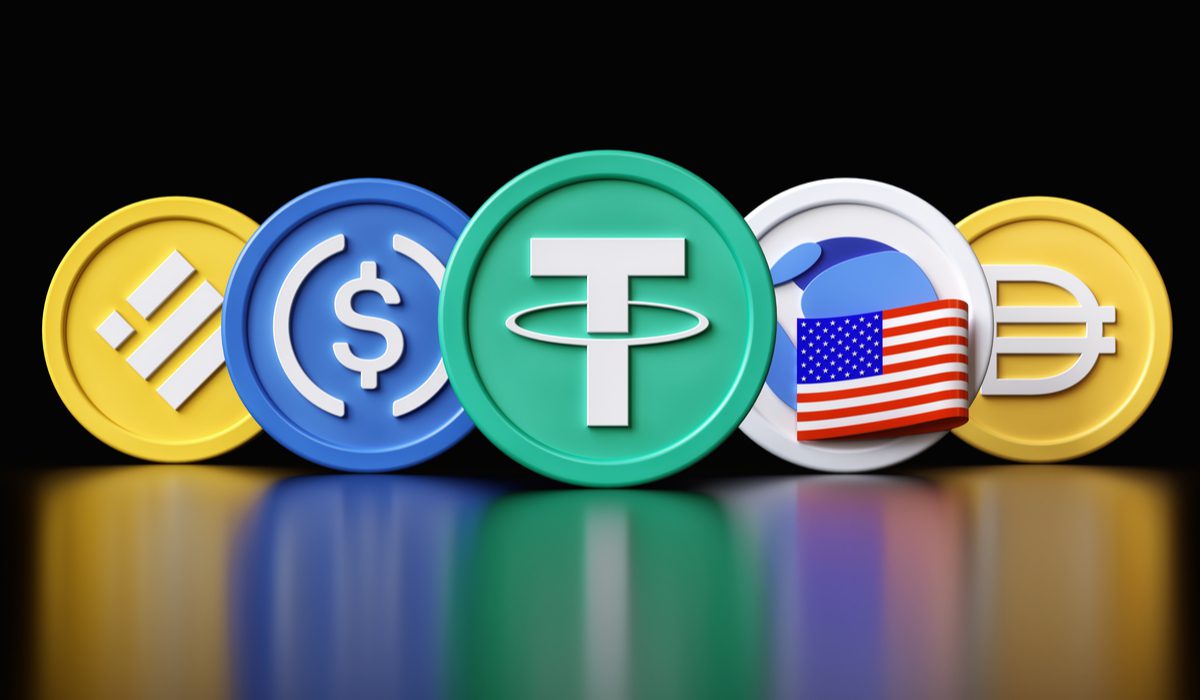
DP World has launched a multi-currency stablecoin aimed at transforming cross-border trade payments. This initiative seeks to reduce settlement costs, enhance transparency, and expedite transaction times for international businesses.

The company is collaborating with leading financial institutions and technology providers to address inefficiencies in traditional cross-border payment systems. By leveraging blockchain technology, DP World aims to offer a more efficient and secure alternative to conventional banking methods.

The stablecoin solution is designed to simplify and accelerate cross-border payments, ultimately helping businesses in emerging economies navigate the complexities of global trade and unlock new growth opportunities. This initiative is part of DP World’s broader strategy to offer end-to-end solutions for its customers and facilitate seamless global trade.

Sultan Ahmed bin Sulayem, DP World’s group chairman and CEO, emphasized the significance of this development, stating, “By introducing stablecoin-based payment options, we are not just addressing a critical gap in the trade ecosystem but also reaffirming our commitment to innovation and leadership in global commerce. This initiative aligns with DP World’s broader mission to enhance trade flows and economic development in regions that need it most.”

The new payment system is designed to drastically reduce settlement costs and times for cross-border transactions. For example, a textile manufacturer in Ethiopia that exports raw cotton to an Indian fabric producer currently faces significant delays in receiving payments due to the traditional correspondent banking systems, which require multiple intermediaries. This process often leads to settlement times extending over several days, or even weeks. By adopting stablecoin-based payments, DP World aims to streamline this process, reducing both the time and cost associated with cross-border transactions.

The initiative also seeks to improve financial accessibility for businesses of all sizes. In the Ethiopian example, the textile supplier faces cash flow constraints that limit its ability to scale operations or meet new orders. Similarly, the Indian fabric producer is often unsure whether shipments will be dispatched on time due to payment delays. The stablecoin solution will provide more predictable, real-time transactions that can help both businesses plan and manage their operations more efficiently.

Elite, Regular, and Foundation Programs Available – Top Tutors Help Students Reach Their Full Potential HONG KONG SAR – Media OutReach Newswire – 22 January 2025 – The Learn Smart Education (LSE) team, which came together during the pandemic in 2021, started with only a handful of teachers but has persevered through challenges to achieve remarkable success. By 2024, the team has nurtured numerous students who have […]

President Donald Trump’s declaration of a national energy emergency can be expected to spark seismic shifts in global markets and create a wave of opportunities for investors, predicts the CEO of one of the world’s largest independent financial advisory and asset management organizations. deVere Group’s Nigel Green’s comments come as the new administration’s focus will be on ramping up domestic energy production, particularly in Alaska, and rolling back […]

By Nantoo Banerjee Indians are travelling abroad like never before. Last year, over 30 million Indians travelled abroad, mostly on leisure trips. The number is nearly 15 percent more than that in 2023. The total expenditure rose by 25 percent. Rich and upper middle-class Indians are also increasingly sending their children for foreign studies. Over […]
VISHNU RAJA
RYO YAMADA
HITORI GOTOH
IKUYO KITA