News related to
world’s

The Liwa International Festival 2025 (LIWA 2025) will commence on December 13 in the Al Dhafra region of Abu Dhabi, running through January 4. The event, known for attracting motorsport enthusiasts from around the world, promises a captivating blend of high-octane motorsport competitions, cultural exhibitions, and family-friendly activities. With its strong focus on desert racing, LIWA 2025 is expected to offer unparalleled excitement for both competitors and spectators.

Held annually in the stunning Al Dhafra desert, the festival is a key highlight of the UAE’s motorsport calendar. This year’s event is anticipated to showcase a series of thrilling off-road racing events, including the famed Liwa Desert Challenge, where drivers compete against the harsh desert landscape in a test of skill and endurance. The challenge draws some of the world’s best off-road racers and features a range of vehicles, including 4x4s, motorcycles, and dune buggies.

LIWA 2025 will also spotlight the growing popularity of motorsports in the Middle East, a region that has increasingly become a hub for international racing events. This year’s festival is expected to be one of the largest yet, with organizers estimating that tens of thousands of visitors will flock to the desert over the course of the three-week event. The event’s success is partly attributed to its ability to attract a diverse crowd, with motorsport fans, local families, and international tourists all eager to experience the blend of speed, culture, and tradition.

One of the festival’s main draws is its ability to combine thrilling motorsports with cultural experiences. Alongside the races, LIWA 2025 will feature traditional Bedouin music and dance, local food stalls, and displays of regional crafts. This fusion of culture and sport is one of the reasons why the festival has grown in popularity over the years. Visitors can explore the region’s rich heritage while enjoying the electrifying atmosphere of the races.

The festival is not just for motorsports aficionados. The event also hosts a number of family-oriented activities, including camel races, falconry displays, and a vibrant market that showcases handicrafts and local products. These attractions offer a more immersive experience, allowing visitors to connect with the history and traditions of the UAE.

This year’s festival also aims to bring attention to sustainability efforts. Organizers have incorporated eco-friendly initiatives into the event’s planning, ensuring that it not only celebrates motorsports but also respects the fragile desert environment. This includes using solar-powered lighting, minimizing waste, and encouraging the use of electric vehicles for transportation around the festival grounds. These efforts reflect a growing trend in the region to balance high-impact events with environmental responsibility.

The Al Dhafra region, known for its vast and dramatic sand dunes, provides a spectacular backdrop for the festival. The desert’s unique landscape offers an exciting and challenging terrain for participants. The extreme conditions make it a true test of endurance, skill, and precision for drivers who face both natural and technical obstacles throughout the race. The Liwa Desert Challenge is considered one of the toughest off-road racing events globally, and it continues to attract drivers eager to test their mettle.

Beyond the races, LIWA 2025 will also feature an exhibition of cutting-edge automotive technology and innovation. Manufacturers and vendors will display the latest advancements in off-road vehicles, providing a glimpse into the future of motorsports. This expo is expected to draw significant attention from industry professionals, as well as fans eager to see the newest vehicles and gadgets designed for desert racing.

The Liwa International Festival’s reputation as a major motorsport and cultural event is not just limited to local audiences. The festival has seen increasing international attention in recent years, with visitors and competitors from across the globe making the journey to Abu Dhabi for the event. It serves as an important meeting point for motorsports enthusiasts, industry leaders, and cultural tourists alike.

The festival provides a platform for local businesses to showcase their products and services. The event offers sponsorship opportunities for a variety of brands, ranging from automotive companies to luxury goods and local hospitality services. These partnerships help fuel the growth of the event and ensure its continued success, benefiting both the motorsport industry and the local economy.

One of the key components of the festival is the opportunity it provides for networking within the motorsports community. As a hub for off-road racing, the festival allows competitors, fans, and industry professionals to meet and exchange ideas. It is an event where business, sports, and culture collide, fostering collaborations and partnerships that extend beyond the festival itself.

As the event grows in stature, the UAE continues to position itself as a major player on the global motorsports stage. With world-class facilities, a growing fan base, and a strategic location that connects East and West, the UAE is becoming a key destination for motorsport events, not just in the Middle East, but globally. This trend is expected to continue with events like the Liwa International Festival setting the standard for excellence in the region.

Organizers of LIWA 2025 are confident that the festival will be a major success, citing the growing interest in motorsports and the UAE’s strong infrastructure. With support from the government, as well as private sector partnerships, the event is set to leave a lasting impression on all who attend.

Saudi Aramco, the world’s leading energy firm, has unveiled plans to establish one of the largest carbon capture and storage (CCS) hubs in Jubail. The project is part of the company’s ambitious initiative to tackle carbon emissions and advance global decarbonization efforts. By collaborating with two major industry players, Linde and SLB, Aramco aims to position Saudi Arabia at the forefront of technological solutions addressing climate change. […]

Elon Musk’s $56 billion compensation package from Tesla has been voided by a Delaware judge, who ruled that the deal was influenced by Musk’s dominant role in the company. The court found that Tesla’s board and compensation committee failed to act independently during negotiations, citing Musk’s deep ties with board members and his control over the process. This decision follows allegations that Tesla’s shareholder vote on the […]

Solana has surged past Ethereum in decentralized exchange (DEX) trading volume, achieving nearly double Ethereum’s total in November 2024. This significant leap is attributed to an explosion in memecoin trading and a broader rally in Solana’s token value, positioning it firmly at the forefront of the decentralized finance (DeFi) landscape. Ethereum, long the leader in blockchain-based transactions, now faces competition from a variety of emerging chains, including Solana and Base, which have strengthened their positions as prominent players in the DeFi ecosystem.

Data from November 2024 shows Solana reached a trading volume of $129 billion, nearly doubling Ethereum’s $70.6 billion. This shift comes amid a broader growth in decentralized trading, driven by a variety of factors including the rise of meme tokens and investor speculation. The performance of Solana is not an isolated event but part of a trend in the DeFi space, where new and established platforms alike are seeking to tap into the booming interest in cryptocurrency trading.

Ethereum’s established dominance has been questioned in recent months, with new blockchain platforms emerging as strong competitors. Base, for instance, has reinforced its position in the DeFi market, securing third place in trading volume at $45.7 billion in November. Despite Ethereum’s strong brand and infrastructure, its slow transaction speeds and higher costs have driven users and developers to explore alternatives, particularly those offering lower fees and faster transaction times.

Solana’s remarkable rise is largely attributed to the growing popularity of memecoins, a category of cryptocurrency tokens that has gained substantial attention in the market. These coins, often based on internet memes or viral trends, have flooded decentralized exchanges, leading to a sharp increase in activity on the Solana blockchain. The platform’s high-speed transaction capabilities and relatively low transaction costs have made it an attractive venue for traders seeking to capitalize on the memecoin frenzy.

Solana’s blockchain operates with a unique consensus mechanism known as Proof of History (PoH), which allows it to process thousands of transactions per second (TPS), significantly outperforming Ethereum in terms of scalability. This has made Solana an attractive platform for decentralized applications (dApps) and exchanges, positioning it as a key competitor to Ethereum in the DeFi space.

The memecoin boom has provided a strong catalyst for Solana’s growth, as many memecoins are traded on its network. These tokens are often subject to rapid fluctuations in value and tend to attract retail investors looking for high-risk, high-reward opportunities. As such, Solana’s ability to facilitate fast and inexpensive transactions has drawn significant interest from users looking to capitalize on these volatile markets.

Base, a layer-2 blockchain solution, has also seen impressive growth. Developed by Coinbase, Base integrates seamlessly with Ethereum, offering lower transaction costs and faster processing times. Base’s trading volume in November was $45.7 billion, a solid performance that demonstrates the increasing demand for alternative platforms that improve upon Ethereum’s limitations. While still trailing behind Solana and Ethereum in terms of overall volume, Base’s growth signals a shifting preference among developers and traders towards networks that prioritize scalability and lower fees.

Other blockchain platforms such as BNB Chain, Arbitrum, and Polygon are also significant players in the DEX space, with their respective trading volumes reaching $35.3 billion, $33.6 billion, and $8.8 billion in November. These platforms are all vying for a share of the growing DeFi market, each offering unique features that cater to different types of users and applications. BNB Chain, for instance, has benefited from its association with Binance, the world’s largest cryptocurrency exchange, which has led to strong liquidity and high trading volumes.

Arbitrum, built on Ethereum’s architecture, focuses on scalability by utilizing Optimistic Rollups, a layer-2 solution designed to reduce transaction costs and increase throughput. Polygon, known for its focus on Ethereum compatibility and scalability, also attracts a large number of decentralized applications, thanks to its low fees and fast transaction speeds. As the DeFi space continues to evolve, these platforms are gaining traction, though none have yet reached the scale of Solana or Ethereum.

At the same time, newer projects such as Avalanche, Sui, and Optimism are beginning to make their presence felt, each with their own value propositions for decentralized finance. Avalanche, which reached $7.9 billion in DEX trading volume, has carved out a niche by offering high-speed transactions and low fees. Sui, a blockchain designed for high-performance applications, saw $7.8 billion in volume, while Optimism, with its focus on Ethereum scaling solutions, contributed $5 billion in trading activity.

Despite their increasing market presence, these platforms are still dwarfed by the volume of transactions on Solana and Ethereum. However, the diversity of platforms now available to users highlights the growing fragmentation of the DeFi market, with different chains catering to different use cases, transaction speeds, and cost structures.

France is shifting its focus toward harnessing the significant financial might of Saudi Arabia’s Public Investment Fund (PIF) as part of a strategic initiative to boost its economic recovery and global influence. With the PIF’s rapid expansion into diverse sectors—ranging from technology and renewable energy to infrastructure and entertainment—France sees a unique opportunity to attract capital that could be pivotal for both immediate economic growth and long-term […]

QatarEnergy and Shell have finalized a major deal to supply liquefied natural gas (LNG) to China, further bolstering the energy ties between the two global powerhouses. The long-term sale and purchase agreement (SPA), which will see the delivery of three million tons per annum (MTPA) of LNG, is set to commence in January 2025. This deal, marking a significant step in energy cooperation, reflects the growing demand for natural gas in China and underscores the ongoing shift in the global energy landscape.

The agreement between QatarEnergy, the state-owned energy giant of Qatar, and Shell, one of the largest oil and gas companies worldwide, is expected to contribute to China’s energy security as it continues to diversify its sources of natural gas. China’s reliance on natural gas as a cleaner alternative to coal has steadily increased, positioning the country as one of the world’s top LNG importers. This new deal enhances Qatar’s position as a major global LNG supplier, reinforcing its role in the international energy market.

Qatar’s strategic focus on LNG exports aligns with its long-term vision to solidify its energy footprint globally, with significant emphasis on Asia-Pacific markets. China, as a critical player in global energy demand, is an essential partner for QatarEnergy, which has rapidly expanded its LNG production capacity over the past few years. The agreement between the two companies marks a crucial milestone in Qatar’s energy diplomacy, as it seeks to solidify its market share in the Asian region.

The SPA is not only a testament to the strong commercial partnership between QatarEnergy and Shell but also signals the growing importance of collaboration between national oil and gas companies and major international energy firms. While the details of the contract terms have not been fully disclosed, industry insiders speculate that the agreement includes flexible pricing mechanisms and long-term stability clauses, designed to provide both parties with predictable revenue streams and mitigate price volatility in the global LNG market.

This deal also highlights Shell’s ongoing commitment to expanding its footprint in the global LNG market, a sector that has gained momentum in light of rising energy demand and geopolitical uncertainty. Shell has been actively increasing its LNG trading capacity and has made substantial investments in LNG infrastructure globally, including terminals and shipping. The partnership with QatarEnergy further complements Shell’s strategy to position itself as a key player in LNG, alongside its broader focus on renewable energy and transition to cleaner energy solutions.

For China, the deal is particularly timely as it continues to pivot towards natural gas to fuel its rapid urbanization and industrial expansion. Despite a focus on renewable energy, the country’s growing energy demands have made natural gas an essential component of its energy mix, particularly in regions where access to alternative energy sources remains limited. By securing a steady and reliable supply of LNG from Qatar, China aims to stabilize its energy imports and reduce its dependence on coal, which has long been a significant contributor to the country’s high carbon emissions.

The partnership also plays into broader geopolitical dynamics in the LNG market. Over the last decade, China has increasingly relied on LNG imports from a variety of suppliers, including the United States, Australia, and Russia. However, by expanding its relationship with Qatar, a country with extensive gas reserves, China is also diversifying its sources to ensure greater energy security amid potential future supply disruptions. The strategic alliance with Qatar, therefore, not only meets China’s energy needs but also strengthens its energy ties with the Middle East, an important region in the global geopolitical arena.

As LNG demand continues to rise, particularly in Asia, the supply and demand dynamics of the global LNG market are expected to shift. Asia, as the largest importer of LNG, has seen an uptick in contracts between suppliers and buyers, with long-term agreements becoming more common. This trend, underscored by the QatarEnergy-Shell deal, suggests that market players are seeking greater stability in the face of volatile energy prices, exacerbated by geopolitical tensions and supply chain uncertainties.

The deal further underscores the role of LNG as a critical energy source in the global transition towards cleaner energy alternatives. LNG has gained favor as a relatively cleaner fossil fuel compared to coal and oil, thanks to its lower carbon footprint. As countries like China ramp up their efforts to curb emissions and reduce reliance on more polluting energy sources, natural gas has been positioned as a vital bridge in the energy transition, at least in the near to medium term.

In the broader context of Qatar’s energy strategy, the new deal also aligns with the country’s growing ambitions to dominate the global LNG market. With vast reserves of natural gas, Qatar has invested heavily in expanding its LNG production and infrastructure over the past few years. The country’s North Field Expansion Project, which is expected to increase its LNG production capacity by over 40%, will further cement Qatar’s role as a top supplier of natural gas worldwide. The partnership with Shell, one of the world’s largest LNG marketers, is an essential part of Qatar’s strategy to ensure access to key markets in Asia, Europe, and beyond.

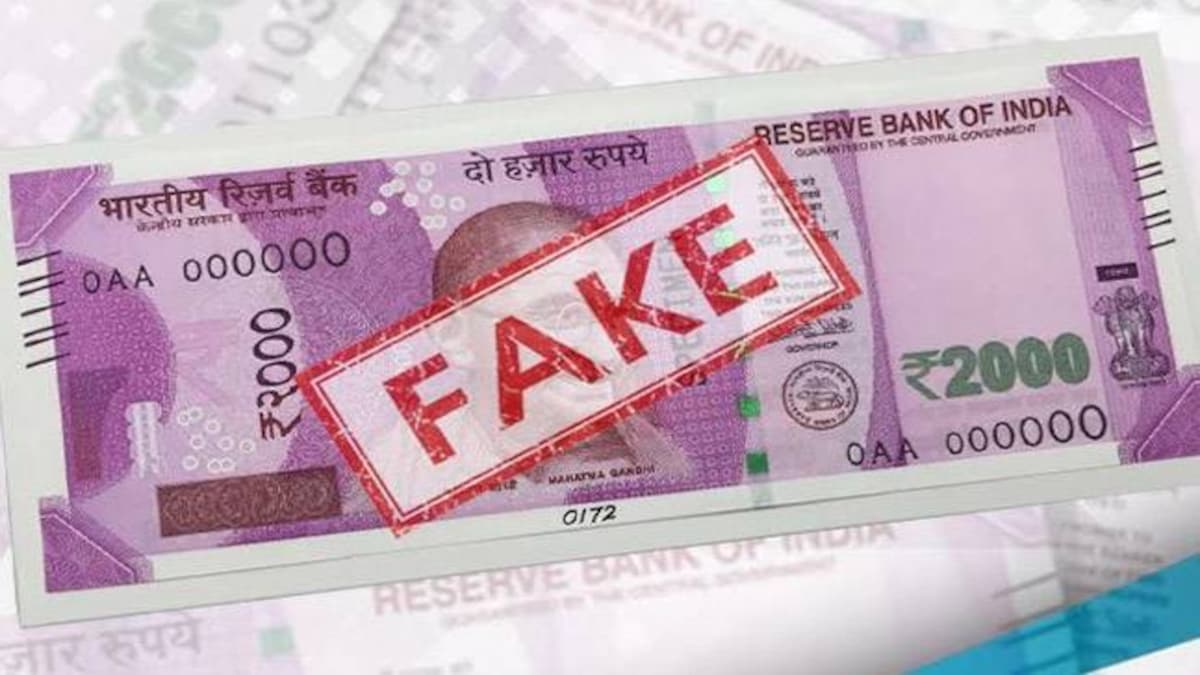
By Nantoo Banerjee It is a matter of grave concern that counterfeit Rs 500 notes from the Mahatma Gandhi (new) series have nearly quadrupled between 2018-19 and 2023-24. And, the detection of counterfeit Rs 2,000 notes has tripled since 2020-21. The Rs 2,000 notes continue to remain legal tender and can be exchanged at RBI […]
Advertisements

Elon Musk’s net worth has reached a staggering $348 billion, driven by a surge in Tesla stock and the continued growth of his artificial intelligence venture, xAI. Musk’s wealth has seen a remarkable spike, placing him at the forefront of global billionaires, surpassing key figures in both tech and finance. This surge highlights the continued influence of Musk’s ventures, particularly Tesla, as the company’s performance remains strong […]

Meta is set to undertake a groundbreaking project that could reshape global internet infrastructure. The company plans to lay down a 40,000 km subsea fiber optic cable that will encircle the globe. The estimated cost of the project exceeds $10 billion, marking it as one of the largest and most ambitious undertakings by the tech giant. This cable will be the first of its kind, owned and […]

The Emirates Nuclear Energy Corporation (ENEC) and the Abu Dhabi National Oil Company (ADNOC) have announced a strategic partnership to explore the application of nuclear energy in the oil and gas sector. This collaboration marks a significant step toward expanding the use of nuclear technology as a cleaner and more sustainable energy source in the UAE’s key industries. Both organizations, which already play vital roles in the […]

Abu Dhabi is hosting an event that has gathered leading experts, researchers, and companies to focus on the future of open-source AI technologies. The Open-Source AI Summit, organized by the Technology Innovation Institute (TII), is bringing together prominent voices from academia and the tech industry to discuss the most pressing issues facing artificial intelligence today. The event highlights the crucial role of open-source development in shaping the trajectory of AI across sectors, including healthcare, data infrastructure, and generative models.

The summit is set to provide a platform for exploring new algorithms, ethical frameworks, and cutting-edge technologies aimed at improving AI systems’ transparency and usability. The discussions will address the challenges and potential benefits of open-source contributions to the rapidly growing field of AI. A major theme of the event is how open-source AI could democratize access to powerful technologies, fostering a more inclusive approach to innovation.

Experts at the summit, including Michal Valko, Principal Llama Engineer at Meta Paris, are pushing forward the theoretical foundations of machine learning. Valko’s focus on reinforcement learning from human feedback (RLHF) is among the key topics, as it offers insights into aligning AI behaviors with human values. This approach, which combines human preference models with reinforcement learning, has gained significant traction for refining AI models like large language models (LLMs).

In parallel, Dr. June Paik, Founder and CEO of FuriosaAI, is presenting her company’s work on AI chips designed to improve energy efficiency and performance, particularly in data centers managing the growing demand for deep learning inference. The shift towards hardware specifically built for AI is another cornerstone of the discussions, addressing the challenges posed by energy consumption and scalability in AI applications.

The event is also delving into the role of AI in conversational technologies. Dr. Neil Zeghidour, co-founder of Kyutai, is showcasing their advancements in creating Moshi, the world’s first full-duplex speech-to-speech system that allows AI to engage in natural, real-time conversations with human-like emotions. This breakthrough represents a significant leap forward in human-AI interaction, promising enhanced experiences in customer service, healthcare, and education.

The diverse perspectives presented at the summit underline the importance of collaboration between open-source communities, corporations, and government institutions. Many of the featured technologies, from generative AI to AI-powered hardware, are set to play an integral role in shaping industries over the next decade. Open-source AI, with its focus on collaboration and accessibility, is positioned as a transformative force, promising to create more robust and adaptable systems.

The summit also emphasizes the role of regulatory frameworks in the future of open-source AI. With the rapid rise of generative models like ChatGPT, discussions have intensified about the need for effective governance to ensure these technologies are developed responsibly and ethically. As some experts argue for tighter regulations to manage the risks associated with AI, others emphasize the need to keep open-source AI development flexible and adaptable to meet emerging challenges.

A high-profile banker has been apprehended in Dubai, accused of orchestrating an elaborate money laundering operation by siphoning off substantial bonuses, allegedly linked to illicit activities. This arrest comes amid heightened scrutiny of the UAE’s financial sector, which has been under increasing pressure to tighten regulations against financial crimes, particularly money laundering.

Authorities in Dubai have confirmed the detention of the banker, whose name has not yet been disclosed, after a detailed investigation uncovered the manipulation of bonus payouts as part of a broader money laundering scheme. The arrest is being viewed as a significant development in the UAE’s ongoing efforts to address financial crime and uphold its reputation as a global financial hub.

According to sources familiar with the investigation, the banker, who worked at a well-known financial institution, reportedly used sophisticated methods to divert funds obtained through fraudulent bonuses into offshore accounts. The bonuses were either inflated or issued without proper documentation, allowing the banker to disguise the true source of the funds. Law enforcement officials assert that the scale of the operation was large, with millions of dollars funneled through complex financial channels.

This arrest underscores growing concerns about the financial practices in the UAE, where money laundering has been an ongoing challenge. Despite the UAE’s progress in enhancing its anti-money laundering (AML) regulations, experts have expressed doubts about the effectiveness of enforcement. In recent years, the government has been working with international bodies to strengthen its AML laws, aligning with global standards. However, critics argue that enforcement still lags behind the country’s growing financial ambitions.

The banker’s arrest is believed to be linked to a larger investigation involving multiple parties, some of whom are suspected to be accomplices. Authorities have not yet confirmed whether other individuals will be implicated or arrested in connection with the scheme. However, law enforcement has vowed to continue its scrutiny of the financial sector to identify other potential money laundering activities.

Dubai, in particular, has faced increasing pressure from global watchdogs to tighten its control over financial transactions that could be linked to illegal activities. As one of the world’s leading financial centers, the UAE has made strides to clean up its banking sector by implementing stricter reporting measures, expanding due diligence requirements, and improving transparency in financial dealings. Yet, the country continues to grapple with its image as a potential destination for illicit financial flows.

Financial experts have pointed out that the focus on bonuses and executive compensation may be a new avenue for money laundering, one that many financial institutions have yet to fully address. Bonuses, which are often tied to performance metrics, can be manipulated to create false incentives or disguise the origin of funds. In the case of the detained banker, investigators believe that the bonuses were inflated or funneled into non-transparent accounts under the guise of legitimate financial rewards.

The UAE’s government has continued to bolster its efforts in preventing money laundering, having established multiple initiatives aimed at increasing financial transparency. The country has also aligned itself with international initiatives to combat money laundering, including cooperating with global anti-corruption and financial monitoring agencies. These efforts are part of a broader push to demonstrate the UAE’s commitment to meeting international standards for financial regulation, particularly in light of growing scrutiny from the Financial Action Task Force (FATF), a global money-laundering watchdog.

However, despite the progress, challenges remain in fully eradicating financial crime. The opaque nature of some financial transactions, combined with the global flow of illicit funds, complicates efforts to ensure that the UAE’s financial system is completely clean. As such, the banker’s arrest may be a precursor to further investigations and regulatory crackdowns aimed at safeguarding the integrity of the UAE’s financial landscape.

While the case continues to unfold, it serves as a reminder of the vulnerabilities that exist within the financial sector, particularly in fast-growing global markets like Dubai. The growing focus on bonuses as a potential vehicle for illicit financial activities is expected to drive new regulatory approaches across the region, with institutions now under increased scrutiny to prevent similar cases of financial manipulation.

As the UAE works to enhance its financial systems and strengthen its anti-money laundering mechanisms, the outcome of this high-profile case may have broader implications for the future of banking practices in the region. Financial institutions operating in the UAE will likely face stricter oversight, particularly around executive compensation and the transparency of their financial dealings.

Kraken, one of the world’s largest cryptocurrency exchanges, has confirmed it will close its NFT marketplace by February 27, 2025. The move comes as the platform prepares to focus on its blockchain technology, with the marketplace halting new listings effective immediately. Users will retain the ability to withdraw NFTs to their wallets until the final closure date.

The decision follows a broader trend of declining activity in the NFT market. Despite significant growth in 2021 and early 2022, global NFT sales volumes have shown a steady decline in the last year, leading several platforms to reevaluate their strategies. Kraken’s pivot aligns with its goal to enhance its DeFi offerings and expand its blockchain ecosystem. The forthcoming blockchain, expected to launch in early 2025, will enable decentralized app development without requiring intermediary services, marking a shift in Kraken’s operational focus.

Unlike similar efforts by competitors like Binance and Coinbase, Kraken has announced it will not introduce a native token for its blockchain, opting instead to prioritize stability and user functionality. This strategy aims to differentiate Kraken’s blockchain in a highly competitive market while minimizing speculative volatility.

NEW YORK, US – Media OutReach Newswire – 26 November 2024 – From pharmaceutical manufacturing to petrochemical refinement, many industries utilize solvents for various processes, such as synthesis, extraction, purification, and more. Nevertheless, the conventional method across industries involves extensive solvent use followed by their disposal, often through incineration. This creates a never-ending cycle of vast chemical consumption that leads to significant waste streams, contributing to environmental […]

Gautam Adani, the Indian billionaire behind Adani Green Energy, is facing a significant legal challenge as U.S. authorities have charged him and two other executives in connection with a sprawling bribery scheme tied to the company’s massive renewable energy projects. On November 20, 2024, the U.S. Securities and Exchange Commission (SEC) announced charges against Gautam Adani, his nephew Sagar Adani, and Cyril Cabanes, a former director at […]

Dubai has unveiled the world’s largest mosaic artwork, an extraordinary tribute to the UAE’s Founding Fathers, Sheikh Zayed bin Sultan Al Nahyan and Sheikh Rashid bin Saeed Al Maktoum. This monumental piece, spanning 50 meters in length, is located at the Dubai International Financial Centre (DIFC) Gate, an iconic site in the city. The artwork commemorates the vision and leadership that shaped the nation, immortalizing the founding leaders in a bold and innovative display.

The mosaic, designed by Emirati artist Maitha Demithan, fuses both traditional art forms and modern technology. Demithan’s work combines intricate photographic imagery and contemporary artistic techniques, creating a three-dimensional visual experience. This piece prominently features historic photos by renowned photographer Ramesh Shukla, whose work has documented the UAE’s evolution over the past five decades.

Shaima Al Suwaidi, Director of Brand Dubai, highlighted that the artwork serves as a symbol of national unity and collective achievement. The installation is part of the #ZayedAndRashid campaign, which is aligned with national celebrations such as Flag Day and Eid Al Etihad, marking significant milestones in the UAE’s history.

The artwork also embodies the nation’s ongoing progress, set against the backdrop of Dubai’s modern skyline. By showcasing the two leaders against this backdrop, the piece highlights the enduring legacy of their leadership in shaping the UAE’s transformation into a global hub.

Arabian Post Staff -Dubai Iraqi Prime Minister Mohammed Shia al-Sudani met with Saudi Arabian Energy Minister Prince Abdulaziz bin Salman and Russian Deputy Prime Minister Alexander Novak in Baghdad to address pressing concerns in global energy markets. The discussions, held on Tuesday, centered on ensuring stability in oil markets, balancing production, and meeting international demand.The high-level talks come at a pivotal moment as fluctuating oil prices and […]

A leading Thai official has underscored the inadequacy of current measures to combat the rising global temperature, emphasizing the need for urgent action at the ongoing UN climate change conference in Baku. Chalermchai Sri-on, Thailand’s Minister of Natural Resources and the Environment, voiced strong concerns about the global response to climate change at COP29, calling on world leaders to prioritize climate financing and effective solutions for the […]

Cantor Fitzgerald, a prominent global financial services firm, is reportedly positioning itself to acquire approximately 5% ownership in Tether Holdings, the issuer of the world’s most widely used stablecoin, USDT. This move is viewed as part of Cantor’s strategy to deepen its foothold in the burgeoning cryptocurrency sector, which has seen a surge in institutional interest and regulatory scrutiny.

Tether, known for its dollar-pegged digital token, has grown into a pivotal entity in the cryptocurrency ecosystem, facilitating billions of dollars in daily transactions. The anticipated investment highlights the increasing convergence between traditional financial institutions and the crypto industry, as players like Cantor Fitzgerald seek to leverage the opportunities within blockchain technology and digital currencies.

Howard Lutnick, Cantor Fitzgerald’s CEO and a longstanding ally of President-elect Donald Trump, is expected to play a dual role in shaping these developments. Lutnick is slated to assume the role of Secretary of Commerce under Trump’s administration, raising questions about the interplay of political and business interests, particularly regarding regulatory landscapes affecting digital assets and related financial technologies.

The reported stake acquisition comes amidst broader crypto-related activities on Wall Street, as firms adopt blockchain solutions to modernize trading and record-keeping processes. Observers note that Cantor Fitzgerald’s history of resilience and adaptation, especially following its recovery from significant losses during the 9/11 attacks, positions it well to navigate the volatile but promising crypto market.

As Tether continues to face regulatory challenges globally, including concerns about its reserves’ transparency and governance, the involvement of a major Wall Street firm could signal a shift in perception and potentially bolster confidence in the stablecoin’s operational integrity. Cantor’s move could also influence other financial institutions to consider strategic investments in digital assets, underscoring a growing acceptance of cryptocurrency as a mainstream asset class.

While details about the terms of the deal remain undisclosed, industry insiders suggest that the partnership could herald increased institutionalization of the cryptocurrency market, fostering closer ties between digital finance innovators and established financial entities. This evolution aligns with a broader narrative of transformation within the financial sector, driven by technological advancements and the global adoption of digital payment solutions.

The anticipated collaboration between Cantor Fitzgerald and Tether may also have implications for regulatory policies under the Trump administration. With Lutnick at the helm of the Department of Commerce, there is speculation about potential shifts in the U.S. regulatory approach to cryptocurrencies and blockchain technologies. Some analysts believe that Lutnick’s involvement could provide Tether with a strategic advantage in addressing regulatory challenges and expanding its market reach.

Delta Dunia Group, via its indirect subsidiary BUMA International [1], will expand its presence in the Bowen Basin in Queensland, through a US$455 [2] million proposed acquisition of a 51% interest in the Dawson Complex, one of Australia’s largest metallurgical coal mines. The proposed acquisition further delivers on the Group’s multi-year strategic plan to diversify into a leading coal services provider and producer, leveraging its industry-leading capabilities. […]

Eastern Europe is quickly becoming a popular destination for ski enthusiasts seeking a thrilling adventure without the hefty price tag associated with more established resorts in the Alps. Ski resorts in countries like Poland, Slovakia, and Bulgaria are gaining attention as affordable alternatives to the high-end ski destinations in Western Europe. These lesser-known mountains provide an exhilarating experience with much lower costs, making them an attractive option for budget-conscious travelers looking for a mix of adventure and value.

The snow-capped peaks of Eastern Europe offer a diverse range of ski options that rival some of the world’s most renowned destinations. With hundreds of miles of ski slopes, well-developed infrastructure, and stunning views, these regions are poised to capitalize on the growing trend of alternative winter sports destinations. Skiers can expect varied terrain suitable for all levels of expertise, from beginner slopes to challenging off-piste runs. The range of facilities is comparable to those in the Alps, but at a fraction of the cost.

In Bulgaria, the Bansko ski resort has become a standout location, renowned for its mix of traditional culture and modern amenities. Located in the Pirin Mountains, Bansko offers over 70 kilometers of ski slopes, making it one of the largest ski areas in the Balkans. What sets it apart is its exceptional value proposition, offering ski passes, accommodations, and meals that are significantly cheaper than similar services in the Alps. The resort is known for its friendly atmosphere, combining Eastern European hospitality with high-quality ski runs. Visitors are often drawn to the lively après-ski scene, which blends cultural authenticity with vibrant nightlife. Bansko’s reputation has grown steadily over the past decade, attracting both seasoned skiers and newcomers alike.

Neighboring Romania also presents enticing options for winter sports enthusiasts, with its Carpathian Mountains offering a variety of resorts that appeal to different tastes and budgets. Poiana Brașov, for example, is one of the country’s premier ski resorts. It boasts more than 24 kilometers of well-maintained slopes, snowboarding parks, and modern cable cars, all set against a dramatic backdrop of dense forests and medieval villages. Poiana Brașov is renowned for being both a family-friendly destination and a location that provides quality skiing without breaking the bank.

Poland is another Eastern European country with an emerging ski scene. Zakopane, situated at the foot of the Tatra Mountains, has long been a favorite for Polish tourists and is gaining recognition on the international stage. Zakopane offers over 40 kilometers of skiing terrain and a lively après-ski culture that is distinctly Polish. The town is particularly appealing for its picturesque charm, offering a combination of rustic wooden cottages and modern ski resorts. Zakopane’s affordable prices, particularly in comparison to neighboring Austria and Slovakia, have made it a rising star in the Eastern European ski market.

Slovakia, with its well-maintained ski resorts such as Jasná in the Low Tatras, is another destination that offers great value. Jasná, the largest ski resort in Slovakia, is renowned for its high-standard facilities, extensive terrain, and affordability. It has rapidly become a popular choice for those looking to experience skiing in the heart of Europe, offering nearly 50 kilometers of ski slopes and a range of winter activities for visitors of all levels. The resort’s modern amenities and beautiful setting in the Low Tatras National Park make it an attractive alternative to some of the more expensive Alpine resorts.

Despite the increasing competition from other countries, these Eastern European destinations retain a unique advantage: their affordability. In many of these regions, the cost of accommodation, food, and lift passes is significantly lower than in Western European ski resorts. For example, the cost of a ski pass in Bansko can be less than half of what visitors would pay at popular Alpine resorts like Chamonix or Zermatt. Similarly, lodging and dining options in countries such as Romania and Poland are often considerably cheaper, making it easier for families and smaller groups to enjoy a ski holiday without the financial strain that typically comes with top-tier Alpine resorts.

Beyond their affordability, these resorts also offer a different cultural experience that sets them apart from the traditional Alpine destinations. Skiers in Eastern Europe can expect a blend of history, culture, and scenic beauty that is unique to this region. Traditional cuisine, charming villages, and centuries-old castles add a distinctive charm to the ski experience. Eastern European resorts are also known for their hospitality, with smaller crowds and a more relaxed atmosphere than the sometimes over-crowded slopes in Western Europe.

The Press Conference for the Event Was Held This Afternoon at the Galaxy International Convention Center. The Main Event and Co-Main Event Athletes Attended and Spoke to Media. MACAU SAR – Media OutReach Newswire – 22 November 2024 – Galaxy Macau™ is proud to host the return of UFC®, the world’s premier Mixed Martial Arts (MMA) organization, to Macau. UFC® FIGHT NIGHT MACAU: YAN vs. FIGUEIREDO will […]

A banana duct-taped to a wall, conceptualized as a satirical take on the art world’s extravagance, has achieved an astonishing sale price of $6.2 million at a Sotheby’s auction in New York. This striking artwork, titled *Comedian*, was created by Maurizio Cattelan, a contemporary artist known for blending humor, wit, and commentary on societal norms through his provocative creations. Originally displayed at Art Basel Miami Beach in […]

Climate activists disrupted a prominent event featuring Saudi Aramco’s Chief Financial Officer in the United States, underscoring mounting tensions over fossil fuels at a critical time for energy policy and environmental advocacy. During the talk, protesters interrupted, accusing the world’s largest oil producer of exacerbating the climate crisis. Chants and banners highlighted concerns about the industry’s role in carbon emissions. The incident unfolded amid a heightened global […]

VISHNU RAJA
RYO YAMADA
HITORI GOTOH
IKUYO KITA