News related to
world’s

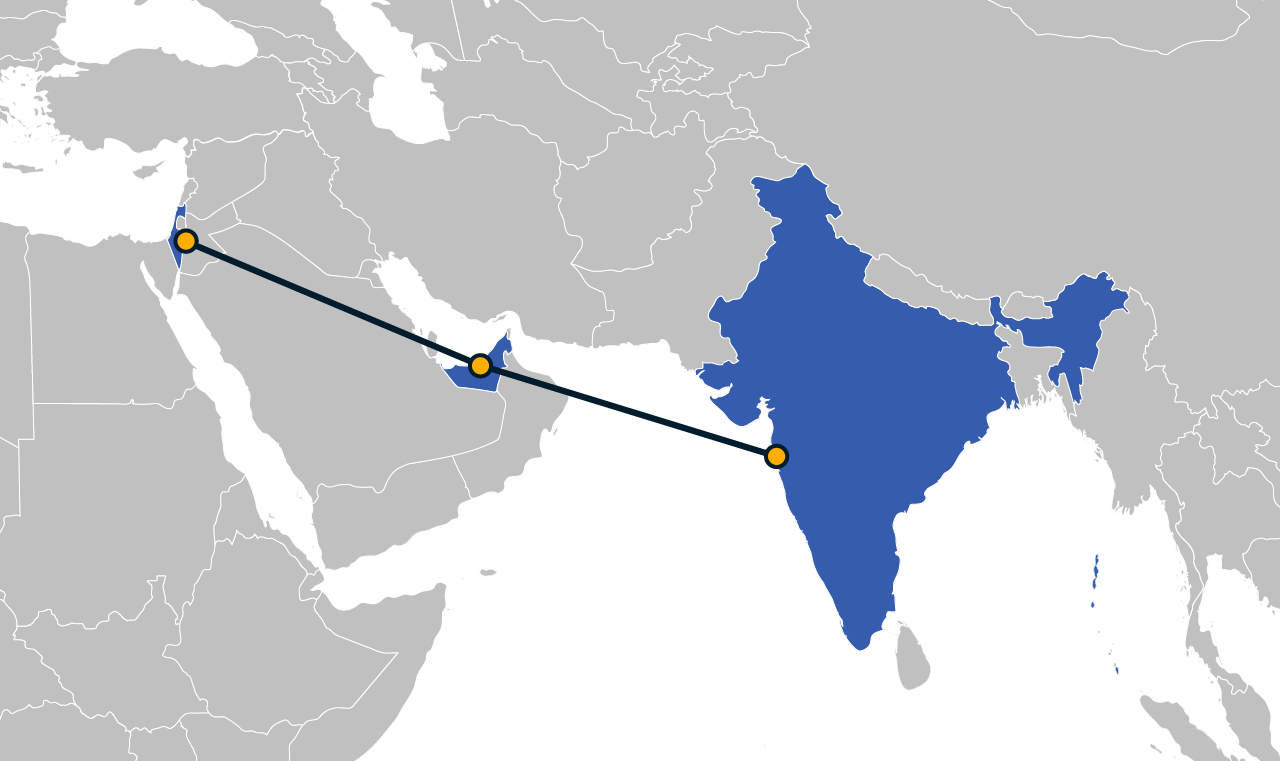
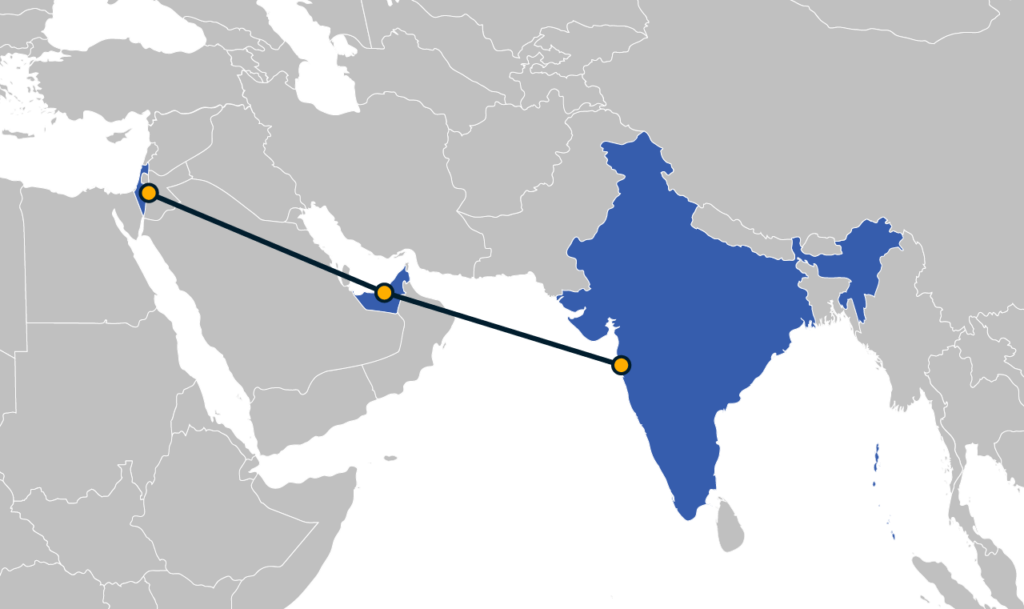
By Nantoo Banerjee It is good to note that the proposed India-UAE food corridor has already roped in a third partner, Israel. The project is expected to eventually involve the United States as well. The US was a key initiator of the historic four-nation I2U2 virtual summit in July 2022 bringing together leaders of India, […]

Chinese markets are rallying as the country’s economy demonstrates signs of improvement. While the latest data offers some optimism, significant hurdles persist. Octa Broker analyses the situation and discusses the potential implications for the People’s Bank of China’s upcoming interest rate decision. KUALA LUMPUR, MALAYSIA – Media OutReach Newswire – 19 October 2024 – China has just released a slew of macroeconomic statistics. Although it generally looks […]

A coalition of eleven nations has committed to the Middle East Green Initiative, aimed at addressing climate change and promoting sustainable development across the region. This significant expansion follows a recent summit where leaders gathered to discuss collaboration on environmental issues, further cementing the initiative’s role as a central platform for regional cooperation on sustainability. The Middle East Green Initiative, launched by Saudi Arabia, is designed to […]

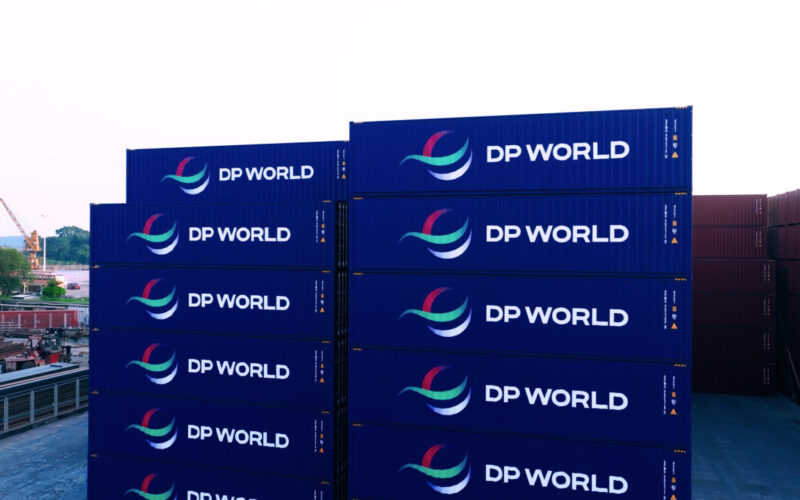
DP World has expanded its container fleet by acquiring 47,000 twenty-foot equivalent units (TEUs), positioning itself for greater flexibility in managing global trade disruptions. This strategic acquisition significantly enhances the company’s ability to serve its customers more efficiently, especially during periods of fluctuating demand. The move aligns with DP World’s broader ambitions of strengthening its integrated logistics and supply chain solutions across multiple markets.

Abu Dhabi National Oil Company (ADNOC) has enhanced its ownership in Fertiglobe, a leading producer of nitrogen fertilizers, with an aim to advance the development of low-carbon ammonia. This strategic move signals ADNOC’s commitment to reinforcing its position within the global fertilizer market and addressing the increasing demand for sustainable agricultural solutions. By increasing its stake from 67% to 80% in Fertiglobe, ADNOC is poised to play […]

The International Monetary Fund (IMF) has projected that global public debt will exceed $100 trillion by the close of 2024, underscoring the growing fiscal challenges faced by both developed and developing economies. This daunting figure reflects the accumulation of government borrowing that has escalated in the wake of various economic crises, including the pandemic and the geopolitical tensions that have rattled markets in recent years. According to the IMF, the surge in debt levels poses significant risks to global financial stability, particularly as countries grapple with inflationary pressures and rising interest rates.

At the heart of this mounting debt crisis lies the legacy of the COVID-19 pandemic, which prompted unprecedented fiscal responses from governments worldwide. In an effort to cushion their economies from the devastating effects of lockdowns and health crises, many nations significantly expanded their borrowing. The IMF noted that while the stimulus measures were necessary at the time, they left many economies vulnerable to the long-term consequences of unsustainable debt levels.

Advanced economies, in particular, contributed heavily to the rise in global debt. The IMF’s report points to countries such as the United States, Japan, and members of the European Union, which implemented expansive fiscal policies during the pandemic to stabilize their economies. These nations are now facing the challenge of managing ballooning public debt while trying to rein in inflation and stabilize financial markets. The US, for instance, has seen its national debt soar to record levels, driven by pandemic-related spending and ongoing fiscal stimulus efforts. Similarly, Japan, which already had one of the world’s highest debt-to-GDP ratios, saw its debt levels climb further as the government introduced new stimulus packages.

Emerging markets and developing economies are also experiencing rising debt burdens, albeit under different circumstances. Many of these countries took on significant loans to finance pandemic recovery efforts, but they are now struggling to repay them as global interest rates rise. The IMF’s projections suggest that without substantial economic reforms or debt restructuring, many of these nations could face a debt crisis in the near future. This is particularly concerning for countries that rely heavily on external borrowing, as rising interest rates in advanced economies increase the cost of servicing their debt.

The IMF also highlighted the role of inflation in exacerbating the global debt challenge. Central banks across the world have raised interest rates in response to persistently high inflation, making it more expensive for governments to borrow and service existing debts. This has created a precarious situation where many countries are caught between the need to curb inflation and the necessity of financing their debt obligations. The IMF’s report warns that higher interest rates could lead to a sharp rise in debt servicing costs, further straining national budgets and potentially leading to cuts in public services or social programs.

The IMF’s latest projections come amid growing concerns about the global economy’s ability to sustain high levels of public debt. While debt accumulation was seen as a necessary response to the pandemic, there is now increasing pressure on governments to find ways to reduce their fiscal deficits and bring debt levels under control. For many countries, this will require difficult policy decisions, including potential cuts to public spending, tax increases, or reforms to entitlement programs.

Despite the challenges, the IMF has called for a balanced approach to managing public debt. The organization has urged governments to prioritize structural reforms that can boost economic growth, improve fiscal management, and ensure that debt levels remain sustainable over the long term. For advanced economies, this may involve scaling back pandemic-era stimulus measures and focusing on policies that enhance productivity and competitiveness. In contrast, emerging markets and developing economies may need to seek debt restructuring or relief from international creditors to avoid default.

The IMF’s report also emphasizes the importance of multilateral cooperation in addressing the global debt crisis. With debt levels rising across the board, the organization has stressed the need for coordinated efforts among governments, international financial institutions, and private sector lenders to find sustainable solutions. This could involve a combination of debt relief, restructuring, and financial assistance to help countries manage their debt burdens and avoid a broader economic crisis.

As tensions escalate between Israel and Iran, the world is watching with bated breath, and financial markets are bracing for a potential economic shock. The deployment of additional US troops and advanced anti-missile systems to Israel highlights how serious the situation has become. Recent unprecedented attacks from Iran and Israel’s potential countermeasures, particularly targeting Iran’s vital oil or nuclear facilities, could set the stage for a global […]

Advertisements
By Nantoo Banerjee It is heartening to note that global lenders are increasingly coming forward to strongly support India’s ongoing clean and green energy expansion programmes. India, the world’s third largest energy consumer after China and the United States, has set a target to reduce the carbon intensity of the nation’s economy by less than […]

DP World is moving forward with a $1.3 billion investment in its London Gateway port, reaffirming its commitment to one of the United Kingdom’s most significant infrastructure projects. This announcement from the British government comes after concerns emerged that the UAE-based logistics giant had put the project on hold following public criticism of its subsidiary, P&O Ferries. The government’s confirmation of the investment marks a significant win for the UK as it continues to court global investors, particularly ahead of a key business conference in the coming days.

Last week, speculation surfaced that DP World had paused the expansion in response to comments made by two ministers, who condemned the handling of layoffs at P&O Ferries. The subsidiary had attracted widespread criticism in 2022 when it abruptly fired 800 workers and replaced them with cheaper agency labor. The backlash sparked intense scrutiny of the company, with government officials calling the layoffs “shameful” and questioning DP World’s role in overseeing such practices. However, the firm’s decision to proceed with the London Gateway investment suggests that the tensions have not derailed its long-term infrastructure ambitions in the UK.

DP World, which operates ports, terminals, and logistics hubs worldwide, sees London Gateway as a key part of its global strategy. The expansion is expected to boost the capacity of the UK’s busiest deep-sea container port, enhancing its ability to handle larger vessels and more cargo. London Gateway, strategically located on the Thames Estuary, serves as a major logistics hub connecting Britain to global trade routes. The additional investment will fund the construction of a fourth berth at the port, along with supporting infrastructure to improve efficiency and sustainability.

The port’s expansion is not only a significant development for the UK’s maritime sector but also a reflection of DP World’s growing footprint in Europe. Since acquiring P&O Ferries and establishing a presence in the UK, the company has been a major player in the nation’s logistics network. Its London Gateway terminal already handles millions of containers annually, and the latest investment will further increase capacity, helping to meet growing demand for international trade.

The timing of DP World’s decision to move forward is critical. The UK government has been keen to secure high-profile investments as it seeks to rebuild investor confidence following a series of economic challenges. A number of global companies had expressed concerns about the country’s post-Brexit trade environment, and the British government is eager to demonstrate that the UK remains an attractive destination for foreign capital. The upcoming Global Investment Summit, where international investors are expected to gather, will likely be framed around the message that Britain is open for business. DP World’s continued commitment to the London Gateway project is expected to serve as a highlight of that narrative.

However, while the project’s progress is a positive signal, the controversy surrounding P&O Ferries has not entirely dissipated. The government’s reaction to the layoff scandal has been under scrutiny, with some critics accusing officials of not doing enough to hold DP World accountable for its subsidiary’s actions. There were calls for the government to review DP World’s involvement in UK ports, particularly given the outcry over P&O Ferries’ labor practices. The company’s decision to move forward with the London Gateway investment, despite the tensions, suggests a pragmatic approach by both sides, focusing on economic interests rather than dwelling on past conflicts.

The expansion of the port also aligns with broader trends in the shipping and logistics industry. Global supply chains have faced unprecedented disruptions in recent years, from the COVID-19 pandemic to geopolitical tensions and environmental concerns. As a result, ports and logistics companies worldwide are looking to increase capacity and resilience. London Gateway’s expansion is a clear example of this trend, with DP World investing heavily to future-proof its operations in the UK.

The project is also expected to create hundreds of new jobs, both during construction and in the long term. As a major employer in the region, DP World has committed to working with local communities and the British government to ensure that the benefits of the investment are widely felt. This is particularly important in the context of the ongoing debates over labor rights and corporate responsibility, which have been central to the P&O Ferries controversy.

From a financial perspective, the $1.3 billion investment is a testament to DP World’s confidence in the UK market. Despite the challenges of Brexit and economic uncertainty, the company clearly views the country as a vital hub for its global operations. The expansion of London Gateway is expected to further strengthen the UK’s position as a leading player in international trade, with the port set to handle even greater volumes of cargo in the coming years.

Crown Prince Mohammed bin Salman will not participate in the upcoming BRICS summit scheduled for October 17-19 in Moscow. This decision marks a significant diplomatic moment, as Saudi Arabia engages in a complex geopolitical landscape that includes balancing relationships with both Western nations and emerging economies in the Global South. The absence of the Crown Prince at such a high-profile gathering raises questions about the Kingdom’s strategy […]

Abu Dhabi National Oil Company (ADNOC) is set to close its acquisition of a controlling stake in Fertiglobe, the joint venture it holds with Netherlands-based OCI N.V. Fertiglobe, a major player in the global nitrogen fertilizer market, produces ammonia and urea, two crucial components in agriculture and industrial applications. This strategic move will expand ADNOC’s influence in the fertilizer industry, positioning it as a significant global player […]

Adani Group, led by billionaire Gautam Adani, is reportedly engaged in discussions with a Middle Eastern sovereign wealth fund to secure a significant investment in its airport business. The move is seen as part of the conglomerate’s broader strategy to raise up to $1 billion to fund its airports division. These talks come at a critical juncture as Adani seeks to solidify its position in India’s infrastructure and aviation sector while addressing concerns over its debt levels.

Adani Airports, a subsidiary of the Adani Group, currently operates several major airports across India. It has been aggressively expanding its footprint in the country’s aviation industry, holding stakes in seven airports, including those in Mumbai, Ahmedabad, and Lucknow. This push into the airport sector is part of the group’s broader goal to diversify its operations and strengthen its presence in infrastructure, energy, and transportation. Airports have become a key focus area for Adani in recent years, reflecting the company’s long-term bet on India’s growing demand for air travel and infrastructure development.

Reports suggest that the potential deal with the Middle Eastern sovereign wealth fund could result in a capital injection that would help Adani Airports scale up its operations, reduce its debt burden, and maintain financial stability. While the identity of the sovereign wealth fund has not been publicly disclosed, sources familiar with the matter indicate that the discussions are at an advanced stage. The potential investment is expected to bolster Adani’s ability to meet its expansion goals and improve its financial health, particularly after facing scrutiny over its leverage levels following a short-seller report earlier this year.

The interest from the sovereign wealth fund also signals the growing appetite among Gulf-based investors to participate in India’s infrastructure growth. The Middle East, particularly countries like the United Arab Emirates and Saudi Arabia, has increasingly turned its attention to the Indian market, recognizing the long-term potential in sectors such as energy, logistics, and aviation. Adani’s airport business, with its strategic portfolio of assets, is an attractive proposition for investors seeking exposure to India’s booming aviation industry and infrastructure projects.

For the Adani Group, securing this investment would mark a significant milestone. The company has been under pressure to demonstrate its ability to navigate financial challenges while continuing its rapid expansion across key sectors. Earlier in 2023, Adani’s financial dealings came under intense global scrutiny after a report by the U.S.-based short seller Hindenburg Research accused the group of stock manipulation and accounting fraud. The allegations triggered a sharp decline in Adani’s share prices and forced the group to undertake damage control efforts, including scaling back its capital expenditure plans and repaying debt to allay investor concerns.

Despite these challenges, the group has maintained its aggressive growth trajectory, particularly in sectors like airports, ports, power generation, and renewable energy. Adani Airports, in particular, has been a core element of the company’s infrastructure portfolio, with the group committing substantial resources to transform its airport assets into world-class aviation hubs. The airport business is seen as a long-term growth driver for Adani, especially as India continues to witness strong growth in air passenger traffic. Pre-pandemic projections had anticipated India to become the world’s third-largest aviation market by 2025, and the post-pandemic recovery has further fueled optimism about the sector’s prospects.

Adani’s push for fresh capital comes as the Indian government intensifies its focus on modernizing and expanding the country’s airport infrastructure to meet growing demand. The government has introduced several policy reforms aimed at attracting private investment in the aviation sector, including public-private partnerships and airport privatization initiatives. Adani’s airports division has been a major beneficiary of these reforms, having won competitive bids to operate several airports under long-term concession agreements.

This potential $1 billion capital raise aligns with the company’s broader strategy of attracting foreign investments to support its infrastructure ambitions. In recent years, the Adani Group has successfully secured investments from global players, including a $6 billion investment from TotalEnergies for its renewable energy business. By bringing in a strategic partner for its airport business, Adani aims to replicate this success in aviation, further boosting its ability to scale up operations and enhance the efficiency of its airport assets.

The timing of these negotiations also coincides with increasing interest from international investors in India’s growing aviation market. India is expected to witness a rapid increase in air traffic over the next decade, driven by rising middle-class incomes, urbanization, and increased business travel. With this backdrop, Adani’s airport business is poised to capture a significant share of this growth, particularly as the company continues to expand its airport operations and invest in modernizing its existing assets.

While the final terms of the deal are yet to be finalized, industry analysts believe that the investment from the Middle Eastern sovereign wealth fund could serve as a crucial catalyst for Adani’s airport ambitions. The deal would provide much-needed liquidity to the group and enhance its ability to fund future airport projects, including terminal expansions, new runway constructions, and modernization efforts at its airports.


NANNING, CHINA – Media OutReach Newswire – 11 October 2024 – In an exciting new chapter for Cambodia, the Bay of Lights, a 934-hectare development in the Kingdom, has successfully unlocked a vibrant new market by making its debut at the 21st China-ASEAN Expo (CAEXPO) at the Nanning International Convention and Exhibition Centre. “Bay of Lights, showcased at the 21st China-ASEAN Expo, is set to transform Sihanoukville […]

Ratan Tata, a stalwart in India’s corporate landscape and a key figure in elevating the Tata Group to international prominence, has passed away at the age of 86. His leadership was marked by significant transformations within the Tata Group, extending its reach across various sectors including steel, automotive, and technology, while also prioritizing philanthropic initiatives that enhanced the group’s societal contributions. Tata’s tenure as chairman began in […]

The US Federal Aviation Administration (FAA) has issued a safety alert for operators of Boeing 737 aircraft, warning of potential rudder system malfunctions that could impact aircraft control. This alert follows several reports of restricted or jammed rudder movement due to mechanical issues. The FAA emphasized the need for immediate inspection of the rudder components to mitigate the risks of uncommanded movements that could occur during flights. The affected aircraft include models within the Boeing 737 Next Generation series, widely used across airlines globally.

The warning highlights possible defects in certain hydraulic systems responsible for controlling rudder movements. A failure in these systems can restrict rudder function, potentially causing significant directional control problems. The FAA has called on airlines to conduct thorough checks and implement enhanced monitoring protocols to ensure passenger safety. Although no major incidents have been directly linked to this issue, the FAA’s proactive alert underscores the importance of maintaining strict oversight, especially as the Boeing 737 fleet is extensively relied upon worldwide.

Boeing has responded by stating that they are collaborating with airlines to address the problem. They have emphasized that while the issue is being investigated, affected operators are advised to follow the FAA’s safety recommendations to reduce operational risks. The company is also reviewing the manufacturing and maintenance practices associated with the rudder systems to identify any contributing factors. This comes as Boeing continues to navigate the scrutiny placed on its aircraft following previous technical challenges with other models.

The alert specifically focuses on hydraulic power control units (PCUs), which regulate rudder function. These units have been implicated in past aviation safety issues, and any mechanical faults can lead to deviations from normal flight paths. The FAA’s concerns are based on data collected from maintenance logs and incidents reported by airline operators, with pilots having experienced issues during flights where rudder control was limited or unavailable. In some cases, pilots reported feeling unusual resistance in the controls, prompting them to declare an emergency landing.

For airlines, this FAA directive will likely translate into additional costs and operational delays, as planes undergo inspections and repairs. Nonetheless, ensuring compliance is critical to preventing potential airborne hazards. Airlines, including some of the largest Boeing 737 operators in the US, have already started inspecting their fleets. Southwest Airlines and American Airlines are among the carriers taking immediate steps to ensure their aircraft meet the safety standards laid out by the regulator.

The Boeing 737, which includes several variants, is one of the world’s most widely used aircraft models, particularly for short to medium-haul routes. With thousands of units in service, any technical warning affecting its fleet has the potential to disrupt global air travel schedules. However, the FAA’s alert, while serious, is viewed as a precautionary measure to avert more significant incidents. The focus now remains on rectifying the underlying issues to maintain passenger confidence in the Boeing 737 series.

Aviation experts have noted that while rudder issues are not unprecedented, modern aircraft are designed with multiple redundancies to prevent loss of control during flight. The Boeing 737 Next Generation series has faced isolated rudder-related problems in the past, leading to design changes and updated maintenance protocols. However, given the FAA’s findings, it appears that further adjustments may be necessary to address the current concerns fully.

The Saudi Red Sea Authority (SRSA) has announced an ambitious target to attract 19 million tourists to the Red Sea coast by 2030. This move aligns with the Kingdom’s broader Vision 2030 strategy, which aims to diversify its economy away from oil dependence and boost tourism as a key economic pillar. By developing the Red Sea coastline, SRSA plans to contribute over SR85 billion to the national GDP and capture a significant portion of Saudi Arabia’s leisure tourism market.

The coastal tourism sector is central to Saudi Arabia’s efforts to transform its tourism industry, with the SRSA aiming to secure 30% of the Kingdom’s leisure tourism share and 40% of entertainment spending by the end of the decade. Moreover, the plan includes the creation of more than 210,000 jobs across various sectors, including hospitality, environmental services, and infrastructure.

SRSA’s strategy is focused on promoting sustainable tourism. Protecting the marine ecosystem of the Red Sea, which boasts some of the world’s most pristine coral reefs and diverse marine life, is a top priority. The authority emphasizes that environmental conservation is critical to ensuring long-term success in tourism development. By integrating sustainable practices, SRSA hopes to preserve natural resources while simultaneously fostering economic growth.

The government and SRSA are working together to create opportunities for both local and international investors to engage in the tourism sector. The Red Sea region’s unique combination of cultural heritage, biodiversity, and adventure tourism potential is set to become a significant draw for a global audience. These development projects include high-end resorts, eco-friendly lodges, and cultural attractions that highlight the region’s history and natural beauty.

The growth of the Red Sea tourism industry is expected to be driven by several key initiatives, including substantial investment in infrastructure, streamlining regulatory frameworks, and launching global marketing campaigns aimed at showcasing the Red Sea as a world-class tourist destination. By improving accessibility, especially through transportation networks and high-end facilities, the SRSA intends to attract a diverse range of travelers, from luxury tourists to eco-conscious adventurers.

SRSA is committed to working closely with private sector stakeholders and local communities to ensure that the benefits of this development are widely shared. Part of the strategy involves involving local populations in tourism projects, thereby creating jobs and improving living standards for residents along the coast.

This push for Red Sea tourism comes amid broader national reforms intended to increase the Kingdom’s appeal as a global tourist destination. Saudi Arabia has been aggressively easing its entry restrictions and developing its tourism infrastructure as it seeks to attract 100 million visitors annually by 2030, a figure that would position it among the world’s top tourist destinations.

While tourism has traditionally played a limited role in Saudi Arabia’s economy, Vision 2030 is changing that by opening up previously restricted areas and promoting the Kingdom’s natural and cultural assets. The Red Sea Authority’s ambitious plans, backed by strong government support, are central to this transformation, positioning the region as a centerpiece of Saudi Arabia’s emerging tourism economy. The development also reflects a global trend toward coastal and eco-tourism, appealing to travelers looking for sustainable and authentic experiences.

Saudi Arabia is positioning itself at the forefront of green hydrogen production, with its Public Investment Fund (PIF) leading a $10 billion push into the sector. As part of Vision 2030, the Kingdom is leveraging its renewable energy resources—chiefly solar and wind power—to establish itself as a major global player in the emerging hydrogen market. The Kingdom’s strategic shift towards renewable energy, particularly green hydrogen, marks a […]

‘Run with ViewQwest’ Challenge Offers Over SGD 20,000 in Cash Prizes Across All Race Categories Challenge invites all non-competitive SCSM runners to join for FREE SINGAPORE – Media OutReach Newswire – 4 October 2024 – ViewQwest is sponsoring the Standard Chartered Singapore Marathon (SCSM) for the third consecutive year, aligning with its commitment to support world-class endeavours in Singapore. The SCSM is recognised as one of the […]

Dubai has maintained its position as the world’s top destination for greenfield foreign direct investment (FDI) projects in the first half of 2024, solidifying its leadership in global markets. The city attracted a high volume of investments, surpassing all other major financial hubs globally. These investments, particularly in greenfield projects, continue to play a significant role in driving the city’s economic diversification and positioning it as a […]

The International Monetary Fund (IMF) has raised serious concerns over the potential economic fallout from the escalating conflict in the Middle East. As violence spreads and tensions rise, the conflict threatens not only the region’s stability but also the global economy, particularly through disruptions in energy supplies, trade routes, and investor confidence.

The war in Gaza has intensified, drawing in multiple countries and raising fears of broader regional involvement. The IMF’s latest assessments highlight the possibility of severe economic impacts, particularly on energy markets. With the Middle East responsible for a significant portion of the world’s oil production, any disruptions could lead to increased volatility in oil prices. The IMF warned that sustained conflict could push oil prices higher, potentially surpassing $100 per barrel, a figure already approached during earlier hostilities this year. This price surge would have far-reaching consequences, especially for oil-importing nations, straining budgets and intensifying inflationary pressures.

Global financial markets have already shown signs of nervousness. Investors, traditionally wary of instability in key regions, have begun reallocating assets, with several stock indices experiencing sharp drops. Analysts suggest that if the conflict escalates further, the damage could spread beyond energy markets, affecting sectors such as manufacturing and technology that rely heavily on supply chains running through or near conflict zones.

The IMF’s mission chief underscored that while oil prices are the most immediate concern, the broader economic picture is equally troubling. Trade disruptions, particularly in critical shipping lanes like the Suez Canal, could severely impact the flow of goods, exacerbating the already fragile global supply chains. For nations in the region, the toll could be devastating. Countries like Lebanon and Egypt, already grappling with economic crises, could face further destabilization, compounding their debt issues and putting millions more at risk of poverty.

While energy exporters such as Saudi Arabia and the UAE may temporarily benefit from higher oil revenues, the broader economic instability could erode those gains, particularly if conflict spreads further across the region. Additionally, prolonged unrest could deter much-needed foreign investment in the Gulf region, which has been aggressively pursuing diversification away from oil dependency.

The IMF’s warning also extends to food security concerns, as the Middle East plays a crucial role in global grain trade. Egypt, for instance, is one of the world’s largest wheat importers, and disruptions to shipping could lead to shortages and price hikes. This would disproportionately affect lower-income nations, already struggling with inflationary food costs and economic stagnation.

As the situation continues to evolve, the IMF has urged regional governments and the international community to take immediate steps to prevent further escalation. In addition to diplomatic efforts, the IMF is advocating for emergency economic measures to protect the most vulnerable economies. These include securing financial aid, stabilizing food supply chains, and safeguarding energy markets from excessive speculation.

However, the global response remains uncertain. While Western powers and international organizations have expressed concern, efforts to mediate the conflict have so far been limited. The longer the fighting continues, the higher the economic risks become, making it crucial for governments to work towards de-escalation before the crisis spirals further out of control.

BANGKOK, THAILAND – Media OutReach Newswire – 1 October 2024 – Being a part of the non-oil business unit of PTT Oil and Retail Business Plc. (OR), Café Amazon has developed its fame at a small corner of PTT Station for a meeting place to those who are fascinated with coffee flavors. Over two decades, it has grown up to the brand that successfully builds up a […]

Guests can also look forward to refreshing ways to enjoy their favourite cuppa under Citadines brand signature ‘For the Love of Coffee’ SINGAPORE – Media OutReach Newswire – 1 October 2024 – The Ascott Limited (Ascott), the lodging business unit wholly owned by CapitaLand Investment (CLI), today announced a global brand partnership between its Citadines brand and ClassPass, a monthly subscription service providing members access to the […]

SINGAPORE – Media OutReach Newswire – 3 October 2024 – Vouch, the award-winning hotel operations management solutions provider, today announced the expansion of its product suite with innovative AI-powered features. These enhancements, designed to significantly boost operational efficiency and drive revenue growth for hotels, mark a significant step forward for the hospitality industry. Vouch – AI for Hospitality Fastest to Deploy, Easiest to Use AI Rapid Set […]

Growing concerns surrounding geopolitical instability in the Middle East are contributing to heightened volatility in the oil markets, as traders anticipate further price increases. Recent analyses indicate that the tensions between various regional players and broader global dynamics are significantly influencing supply concerns, leading to increased buying activity in oil options. This is particularly evident as major crude benchmarks, including Brent crude and West Texas Intermediate (WTI), have seen notable fluctuations driven by investor sentiment and strategic positioning.

Market data reveals a surge in options trading, suggesting that traders are preparing for potential price movements. Open interest in call options, which give the buyer the right to purchase oil at a predetermined price, has risen sharply. This indicates that market participants expect prices to climb, driven by fears of supply disruptions due to geopolitical unrest, particularly in key oil-producing countries such as Saudi Arabia, Iran, and Iraq. Analysts suggest that the current landscape is reminiscent of past crises, wherein escalating tensions have historically led to significant price spikes.

As oil prices approach the $100 per barrel mark, analysts warn that sustained increases could have broader economic implications. The International Energy Agency (IEA) has projected a potential supply shortfall if geopolitical tensions escalate, particularly with ongoing conflicts in Ukraine and regional disruptions in the Middle East. In this context, market experts emphasize the importance of monitoring geopolitical developments closely, as these factors will be critical in shaping oil price trajectories in the coming months.

The dynamics of oil trading have shifted, with many investors now viewing geopolitical events as pivotal catalysts for price changes. The strategic importance of the Middle East, often referred to as the world’s energy hub, cannot be overstated. The region accounts for a significant portion of global oil supply, and any disruptions can lead to immediate and substantial price reactions in the market.

In light of these developments, the oil market is exhibiting signs of increased speculation. Hedge funds and other large investors have ramped up their positions in oil futures and options, further reflecting the bullish sentiment permeating the market. This trend has been particularly pronounced in the context of the ongoing discussions regarding production cuts by the Organization of the Petroleum Exporting Countries (OPEC) and its allies. OPEC’s decisions will play a crucial role in determining supply levels and influencing price stability.

Saudi Arabia, a leading member of OPEC, has signaled its willingness to adjust production levels in response to market dynamics. The kingdom’s recent commitments to reducing output in order to stabilize prices have fueled discussions regarding potential collaborative efforts among OPEC members to manage supply effectively. This strategy aims to counterbalance the impact of external geopolitical risks and market volatility.

Iran’s continued efforts to revitalize its oil production in the wake of sanctions further complicates the scenario. The Iranian oil sector is poised for growth, but any increase in output is contingent upon the delicate diplomatic landscape. Investors are acutely aware that shifts in U.S. policy towards Iran can have immediate repercussions for oil supply and pricing, leading to a cautious approach in trading activities.

Market sentiment is also influenced by macroeconomic factors, including inflation and interest rates. Recent data suggest that rising inflationary pressures are leading to increased uncertainty regarding economic growth, which could, in turn, impact oil demand. Investors are weighing the potential for a slowdown in global economic activity against the backdrop of supply-side constraints. This balancing act adds another layer of complexity to trading strategies.

Analysts are observing emerging trends in the energy sector, particularly the transition towards renewable energy sources. As nations grapple with climate change initiatives, the demand for traditional fossil fuels is being challenged. However, in the short term, oil remains a critical component of the global energy mix, especially amid geopolitical uncertainties that necessitate a reliable energy supply.

The current landscape underscores the importance of strategic foresight for traders and investors. Understanding the interconnectedness of geopolitical developments, production decisions, and market sentiment will be essential in navigating the complexities of oil trading. Traders are increasingly incorporating a broader range of indicators and data points into their analyses, reflecting the dynamic nature of the oil market.

VISHNU RAJA
RYO YAMADA
HITORI GOTOH
IKUYO KITA