News related to
world’s

Iran is offering its sanctioned economy as an investment opportunity to the United States, presenting an unconventional proposition amid ongoing negotiations over its nuclear programme. With diplomatic discussions showing momentum, Iranian officials are openly pitching economic engagement with Washington as a path toward a more durable and beneficial agreement, marking a shift not seen in decades. Talks have gained ground as both sides weigh the possibility of […]

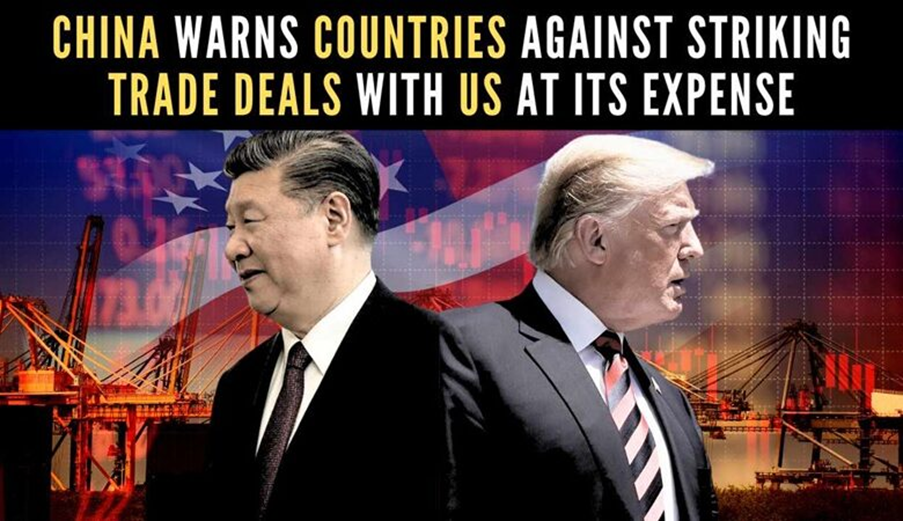
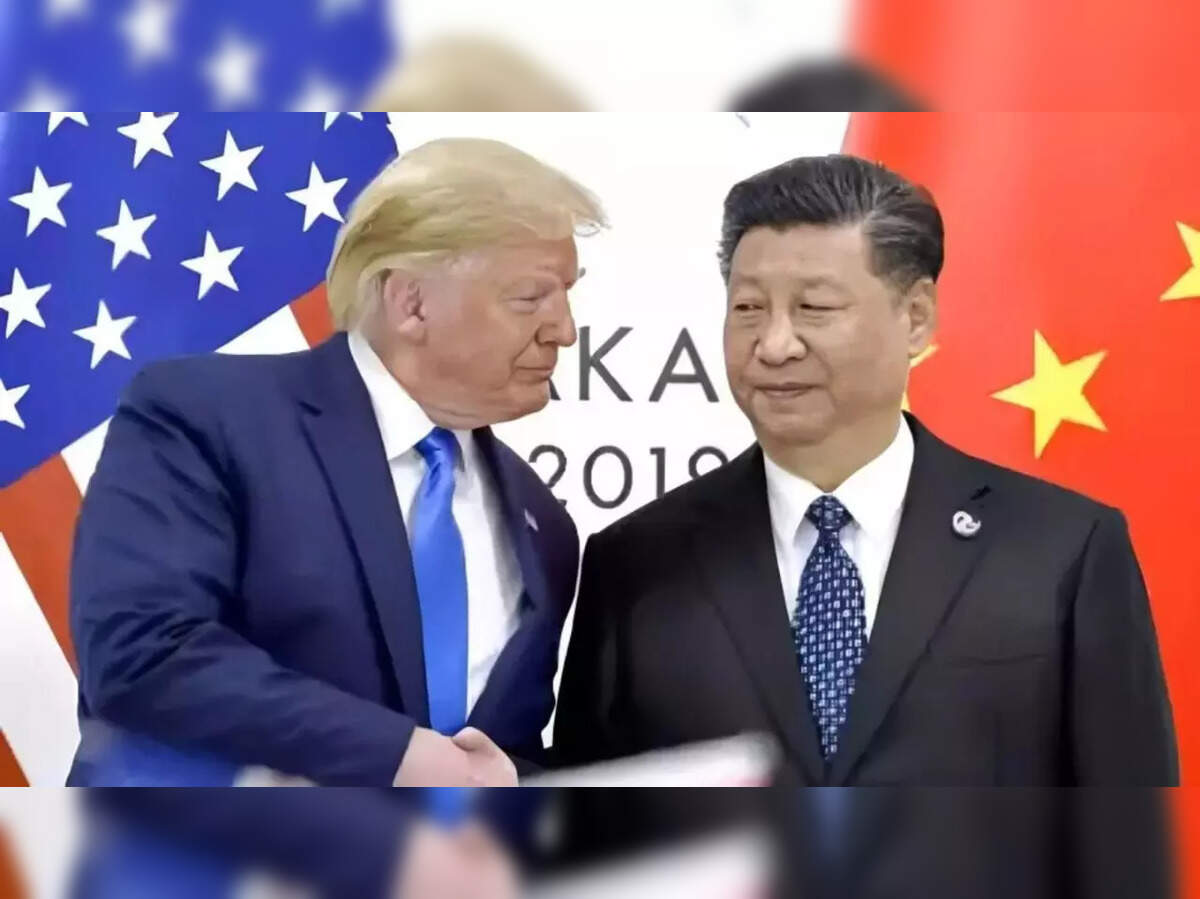
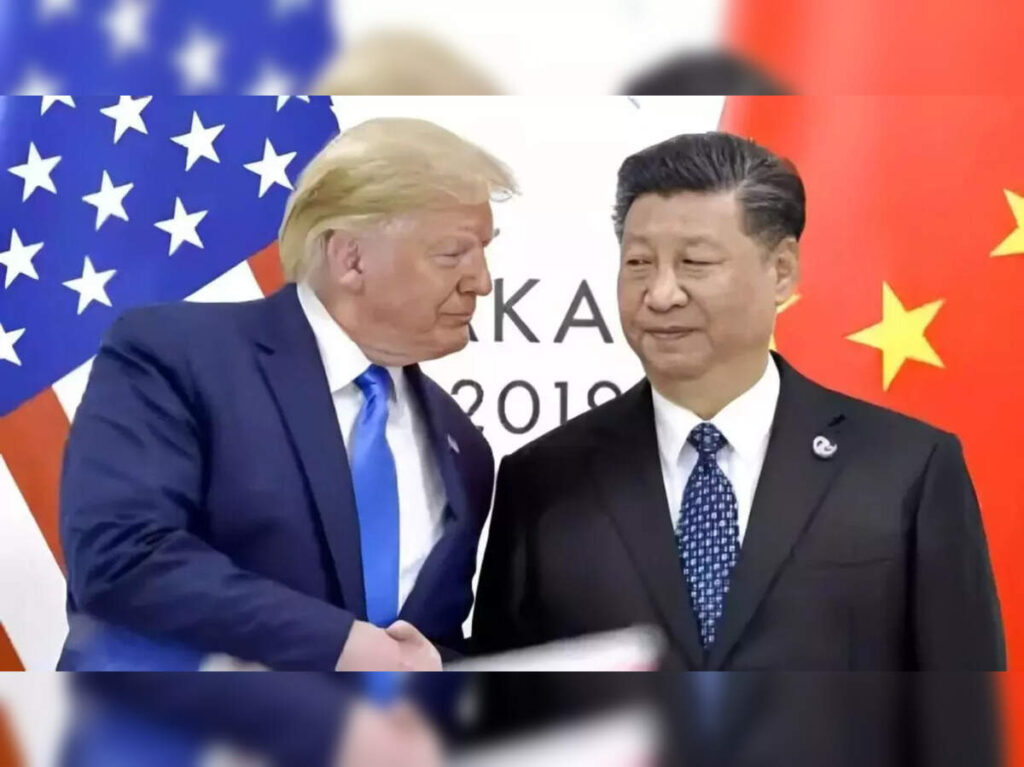
By Nantoo Banerjee Hit by the massive US import tariff, export-led China seems to have gone crazy as its No.1 export destination, the United States of America, has suddenly gone out of reach after US President Donald Trump’s prohibitive import tariff on China. Shockingly, China has issued a warning against countries seeking to strike a […]

Burj Azizi, developed by Azizi Developments, has been recognised with the ‘Iconic Design of the Year’ award at the UAE Realty Awards 2025, highlighting its remarkable architectural achievement. Positioned to become the world’s second-tallest building upon completion, the landmark project is setting new standards for structural design and innovation in Dubai’s evolving skyline. Situated on Sheikh Zayed Road in Dubai, Burj Azizi stands as a testament to […]

Saudi Arabia has achieved a major leap forward in its Vision 2030 ambitions, with a significant number of its key initiatives either completed or advancing on schedule, according to the Vision 2030 Annual Report 2024. As of the end of last year, 85 per cent of the 1,502 active projects under the reform plan are either finalised or progressing as planned, demonstrating an accelerated pace towards economic […]

Technology stocks surged on April 24, 2025, lifting broader U.S. markets as optimism grew over easing tariff tensions between the United States and China. Investors responded positively to reports suggesting that trade officials from both countries were nearing a compromise to de-escalate tariffs imposed over the past two years. The Nasdaq Composite climbed 2.5% to close at 16,012.34, marking its highest level in over five months. The […]

The SPDR Gold Shares ETF , the world’s largest gold-backed exchange-traded fund, experienced a significant outflow of $1.3 billion on April 22, 2025—the largest single-day withdrawal since 2011. This substantial movement reflects a notable shift in investor sentiment, as market participants reallocate assets in response to evolving economic indicators and geopolitical developments. Sees Largest Weekly Outflow Since 2022 on Trump Win – Bloomberg)

The outflow coincided with a decline in gold prices, which fell nearly 2% to $3,318.71 per ounce. This drop followed U.S. President Donald Trump’s decision to retract his threat to dismiss Federal Reserve Chair Jerome Powell and his expression of optimism regarding a potential trade agreement with China. These developments reduced the perceived need for safe-haven assets like gold, prompting investors to reassess their portfolios.

Simultaneously, the U.S. dollar and stock markets rebounded, further diminishing gold’s appeal. Analysts, including OANDA’s Kelvin Wong, cited these factors as triggers for the selloff, though he noted that potential upside movement in gold remains. Despite this short-term dip, gold had previously surged to a record high of $3,500 per ounce, and JP Morgan anticipates it could exceed $4,000 next year.

The broader context includes a significant surge in gold prices earlier in April, driven by investor concerns over the weakening U.S. dollar and President Trump’s economic policies. Gold reached a new peak of over $3,500 per ounce before settling at $3,426, marking a nearly 30% increase since Trump’s return to office. Analysts at JPMorgan predict gold could hit $4,000 by mid-2026, fueled by purchases from central banks and retail investors.

However, the easing of trade tensions and positive developments in U.S.-China relations have led to a reassessment of risk, with investors moving away from traditional safe havens. European gold funds, for instance, experienced significant inflows earlier in April, with approximately €1 billion poured into gold exchange-traded commodities during the week ending April 18, 2025. This marked the highest level of inflows since mid-January, reflecting rising investor demand for safe-haven assets amid escalating market volatility sparked by U.S. trade tariffs.

Despite these inflows, the subsequent outflows from GLD indicate a shift in investor strategy. The Bank of America’s April 2025 Fund Manager Survey revealed that institutional investors are adjusting their portfolios in response to global economic fears driven by U.S. tariff policies and escalating concerns of a recession. The survey indicated that investor expectations for economic growth have dropped to 30-year lows, with 82% predicting a weaker global economy this year. In response, money managers are moving away from high-risk sectors like technology and U.S. equities, instead turning to safer investments.

Gold has emerged as the top asset, with 42% of fund managers favoring it—up from 23% in March—due to its reputation as a safe haven in volatile markets and hedge against inflation. This surge in interest is mirrored by the SPDR Gold Shares ETF surpassing $100 billion in assets under management and gold prices hitting record highs above $3,300 an ounce.

  Dubai has become a premier destination for real estate investment, drawing attention from around the world due to its favorable regulatory environment, economic stability, and strategic location. The emirate’s real estate sector has consistently attracted international investors, and the regulatory changes implemented over the past few years have only strengthened its appeal. In this article, Elkhan Salikhov, CEO and co-founder of Elite Merit Real Estate LLC […]

Advertisements
By Satyaki Chakraborty Vietnam has shown how a well calibrated trade diplomacy can be conducted in the year 2025 amidst the ongoing tariff war between the two biggest economic and military powers of the world USA and China. Both countries are having best trade relations with this South East Asian nation which is a sort […]

The Department of Justice has taken an assertive step in its ongoing antitrust lawsuit against Google, urging that the company’s Chrome browser be sold off to a separate entity. This proposal is a crucial part of the remedy phase of the case, where the DOJ seeks to dismantle what it perceives as Google’s monopolistic hold over the online search and browser market. This suggestion marks a significant […]

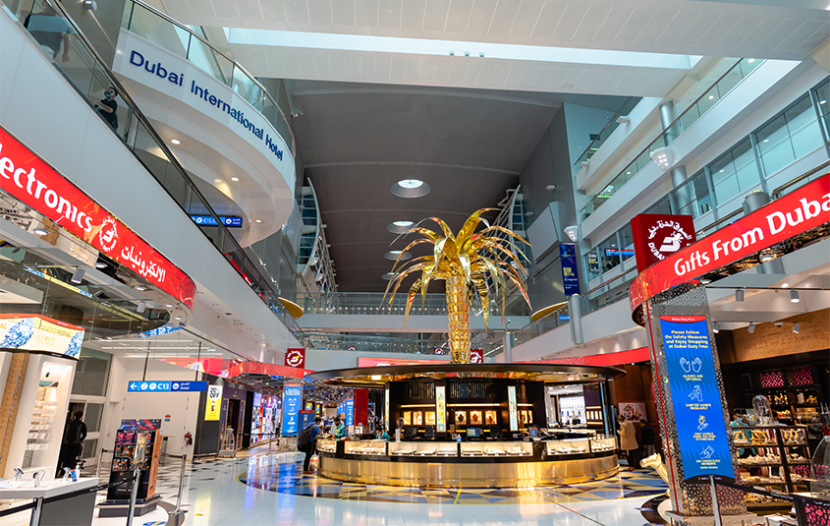
Dubai International Airport achieved a historic benchmark in 2024, welcoming 92.3 million passengers and solidifying its status as the world’s busiest international airport for the tenth consecutive year. This figure eclipses its previous high of 89.1 million set in 2018 and underscores the emirate’s strategic role in global aviation.

The surge in passenger traffic reflects Dubai’s sustained investment in infrastructure and its appeal as a nexus for international travel. December emerged as the busiest month, recording 8.2 million travellers, highlighting the city’s capacity to handle peak demand efficiently.

India remained DXB’s top destination market, contributing 12 million passengers. Saudi Arabia and the United Kingdom followed, with 7.6 million and 6.2 million passengers respectively. The airport’s extensive network now connects to 272 cities across 107 countries, serviced by 106 airlines, reinforcing its position as a global hub.

Operational efficiency has been a cornerstone of DXB’s success. Despite the increased footfall, 98.2% of departing passengers cleared passport control in under ten minutes, and 99.2% passed through security in less than five minutes. Baggage handling also saw improvements, with only 5.5 mishandled bags per 1,000 passengers, outperforming the international standard of 6.9.

Over the past decade, DXB has facilitated over 700 million passenger journeys across more than 3.3 million flights. This consistent performance is attributed to the airport’s commitment to innovation and excellence in service delivery.

Looking ahead, plans are underway to transition operations to Al Maktoum International Airport by 2032. The proposed $35 billion expansion aims to accommodate future growth, featuring five parallel runways and 400 aircraft gates. The design incorporates advanced technologies, including facial recognition systems, to streamline passenger processing and enhance the travel experience.

Dubai’s aviation sector continues to outpace traditional competitors. While London’s Heathrow Airport recorded 63.1 million passengers in the same period, DXB’s figures underscore its dominant position in international air travel.

By Nitya Chakraborty Though there is a 90 day pause in Trump’s latest unilateral imposition of reciprocal tariffs on most of the countries, the trade war between the USA and China, the two largest economies of the world is in full steam imparting tremors in global trade and economy. Close advisers of Trump were expecting […]

Banking powerhouse Standard Chartered, in collaboration with global cryptocurrency exchange OKX, has launched an innovative pilot programme in Dubai aimed at reshaping the landscape for institutional investors trading in digital assets. This new initiative, known as the collateral mirroring programme, promises to transform how cryptocurrencies and tokenised money market funds are used as collateral, potentially setting a new standard in the industry.

The programme enables institutions to use their digital assets as collateral for trading purposes without needing to transfer these assets onto an exchange. This method significantly reduces counterparty risk, one of the primary concerns in the crypto world, particularly for large investors. The model allows firms to maintain control over their assets while still participating in the market, addressing long-standing issues surrounding asset security and liquidity.

This venture marks the first time that a major global bank, a regulated crypto platform, and a traditional asset manager have come together to support secure crypto trading for institutional investors. By collaborating, the entities are not only offering a new approach to collateral management but also strengthening the framework for institutional participation in the crypto space.

Dubai, a hub for both traditional and digital finance, serves as the ideal location for this pilot programme. The city has long been at the forefront of adopting innovative financial technologies, positioning itself as a global leader in digital asset regulation. The Dubai Financial Services Authority has consistently supported initiatives that balance innovation with regulatory oversight, providing a clear framework for the crypto industry to grow within secure boundaries.

Institutional investors have traditionally been hesitant to fully engage in cryptocurrency markets due to concerns about volatility, security, and regulatory ambiguity. The new programme addresses these concerns by ensuring that assets are not exposed to the vulnerabilities of traditional exchanges. Instead of transferring assets directly onto an exchange, they remain in the custody of the institutional investors, with their value mirrored for trading purposes. This provides a layer of protection, reducing the risks associated with custodial services and enhancing capital efficiency.

Capital efficiency is another critical factor for institutional investors, who often deal with large volumes of assets. By using cryptocurrencies and tokenised funds as collateral without the need to move them onto exchanges, investors can free up their capital for additional trading opportunities. This is a significant improvement over the current model, where assets typically need to be held in exchange accounts or liquidated to meet collateral requirements.

The programme comes at a time when institutional interest in cryptocurrencies is growing. The global market for digital assets continues to expand, with more traditional financial institutions looking to integrate crypto services into their portfolios. According to industry experts, such initiatives are a necessary step to bridge the gap between the traditional financial system and the emerging world of digital currencies. The collaboration between Standard Chartered and OKX highlights how traditional financial institutions can innovate while still adhering to regulatory standards.

The partnership is also a response to the increasing demand for tokenisation in financial markets. Tokenisation, the process of converting real-world assets into digital tokens, has gained significant traction in recent years. With tokenised assets, transactions become faster, cheaper, and more transparent, making them attractive to institutional investors. This new initiative builds on the growing trend of tokenisation, offering a secure and regulated way for investors to participate in the digital asset market.

OKX, known for its compliance with global regulations, is well-positioned to offer the technological infrastructure needed for such a programme. As one of the largest cryptocurrency exchanges in the world, it provides a secure platform for trading and asset management, making it an ideal partner for institutional investors who demand reliability and transparency.

Standard Chartered’s involvement brings an additional layer of credibility to the initiative. As one of the world’s leading banking institutions, its participation signals a growing acceptance of cryptocurrencies within the mainstream financial system. By partnering with OKX, Standard Chartered is signalling its commitment to staying ahead of the curve in the rapidly evolving world of digital assets.

The collaboration also reflects a broader trend within the financial industry towards digitalisation. More and more, traditional financial institutions are recognising the potential of blockchain and cryptocurrency technologies to enhance financial services. As digital currencies continue to gain acceptance, the lines between traditional and digital finance are becoming increasingly blurred. This programme is a tangible example of how these two worlds can work together to create a more secure, efficient, and transparent financial system.

While this pilot programme represents a major step forward, the broader implications for the global financial system remain to be seen. The success of the programme will likely influence how other financial institutions and regulators approach the integration of digital assets into their operations. Should it prove successful, it could lead to similar initiatives being launched in other financial hubs around the world.

However, challenges remain. The regulatory landscape for digital assets is still evolving, with countries and jurisdictions adopting varying stances on how cryptocurrencies should be treated. This uncertainty could pose challenges for institutions looking to engage in digital asset trading. Nevertheless, Dubai’s proactive regulatory environment provides a model that other financial centres may look to replicate as they develop their own frameworks for crypto regulation.


Zambia is set to resume construction of a high-voltage transmission line connecting its power grid with Tanzania’s, a move expected to enhance energy security and foster economic integration across Eastern and Southern Africa. The Zambia–Tanzania Interconnector Project , backed by a $292 million financing package from the World Bank, the UK Foreign, Commonwealth & Development Office, and the European Union, aims to establish a 620-kilometre, 400kV double-circuit […]

Artificial intelligence is increasingly becoming a cornerstone in pharmaceutical research, with numerous companies leveraging advanced algorithms to expedite drug discovery and development. This transformative approach aims to reduce the time and cost traditionally associated with bringing new medications to market. Exscientia, headquartered in Oxford, UK, has been a pioneer in integrating AI into small-molecule drug design. The company’s platform, Centaur Chemist, combines human expertise with AI to […]

Global oil prices have fallen to their lowest levels in over four years, driven by escalating trade tensions and fears of a global economic slowdown. Brent crude dropped by 3.79% to $60.44 per barrel, while West Texas Intermediate declined by 4.13% to $57.12, marking their lowest points since February 2021. This decline follows the United States’ implementation of 104% tariffs on Chinese imports, after Beijing maintained its 34% retaliatory tariffs on U.S. goods. The escalating tit-for-tat measures have dampened hopes for a swift resolution, raising concerns about a deepening global recession and diminishing energy demand.

Compounding the situation, the Organization of the Petroleum Exporting Countries and its allies plan to increase output by 411,000 barrels per day in May, potentially leading to a supply surplus. Analysts warn that this move could further destabilize the market. Despite a slight easing from a 1.1 million-barrel decrease in U.S. crude inventories, overall sentiment remains bearish. Goldman Sachs forecasts further declines in oil prices through 2025 and 2026. Additionally, Russia’s ESPO Blend oil has, for the first time, dropped below the $60 Western price cap, underlining the global pressure on oil markets.

In Canada, oil and gas executives are adopting a cautious approach in response to the price slump. Doug Bartole, CEO of InPlay Oil, indicated that while immediate cutbacks in production or spending are not planned, sustained low prices, especially around $50 per barrel, could prompt strategic reassessments. InPlay recently completed a C$321 million acquisition of Alberta oil assets from Obsidian Energy, despite market uncertainties. Analysts from ATB Capital Markets have downgraded InPlay’s share target based on current low WTI price levels. Economist Peter Tertzakian noted that while major oil sands companies can sustain lower prices, smaller firms may need to adjust capital expenditures if the price slump continues. Meanwhile, Birchcliff Energy CEO Chris Carlsen highlighted a potential benefit for natural gas producers, as reduced oil drilling may decrease associated gas output, potentially tightening supply.

The sharp decline in oil prices poses significant challenges for Saudi Arabia’s ambitious Vision 2030 megaprojects, including the futuristic Neom city. Oil remains the backbone of the kingdom’s economy, despite efforts to diversify. With Brent crude recently falling to $62 a barrel and forecasts suggesting further declines due to global economic instability and increased OPEC+ output, the country faces a budget deficit and reduced oil-derived income. Saudi Aramco’s anticipated dividends have dropped significantly, compounding financial pressures. Analysts expect the government may scale back or delay lower-priority projects, focus on key investments like global events, or increase borrowing and taxation. Notably, plans for “The Line” have reportedly been reduced to a 1.5-mile stretch associated with the 2034 FIFA World Cup. Despite reassurances from Saudi officials, concerns persist that the ambitious Neom development, championed by Crown Prince Mohammed bin Salman, may need to be downsized unless oil revenues recover.

The U.S. administration’s tariff policies have been a significant factor in the market’s volatility. While some argue that the tariffs, impacting about 1% of the $28 trillion U.S. economy, are intended to shift global trade dynamics in favor of the United States and counter countries like China, others believe that the market’s reaction has been exaggerated. Despite the uproar, these tariffs would channel approximately $300 billion annually to the U.S. Treasury. Critics argue that the U.S., while the world’s largest importer, has a relatively low import-to-GDP ratio compared to other countries. They contend that China has more to lose in a trade war due to its export-reliant economy and employment structure. American public sentiment appears cautiously supportive of fair trade measures, especially against perceived Chinese industrial subsidies. Some suggest that markets should adopt a wait-and-see approach rather than panicking, likening the administration’s stance to the backlash faced by UK Prime Minister Liz Truss over her economic reform attempts, suggesting a resistance to market-driven pressure.

Falling oil prices, encouraged by policies aimed at reducing regulatory burdens, may bring lower gasoline costs but also discourage new oil production due to unprofitable pricing levels and economic uncertainty. Efforts to stimulate future energy production, such as expanding drilling access and reviving coal via executive order, are counterbalanced by cautious industry investment amidst global trade tensions. Additionally, March 2025 was the second-warmest on record globally, with Arctic sea ice hitting a near half-century low, continuing a concerning trend of climate anomalies. On the tech front, battery startup Bedrock Materials is shutting down due to competitiveness issues against cheaper lithium-ion technology from China. Meanwhile, Tesla alum Drew Baglino’s Heron Power is raising $50 million to develop advanced solid-state transformers, reflecting continued clean-tech investment. Furthermore, the Bezos Earth Fund and Global Methane Hub announced a $27.4 million initiative to identify and breed cattle and sheep that emit less methane, a step toward sustainable livestock farming. These developments reflect significant intersections between policy, environment, and innovation shaping global energy and climate landscapes.

By Anjan Roy In the wake of Trump’s tariffs and restrictive trade practices, a global economic warfare has been sparked off, with all major economies working up stringent measures to teach the newly elected US prescient, Donald Trump, a lesson: Tariffs are a two way instrument. If you impose tariffs on others, others can impose […]

Greenlogue/AP NEOM Green Hydrogen Company has initiated a substantial recruitment campaign to staff its forthcoming green hydrogen facility at Oxagon in Saudi Arabia’s northwestern region. This initiative seeks to attract skilled professionals across various departments, including Corporate, Environment, Health, Safety, and Security , Risk Management, Operations & Maintenance, Finance, Information Technology, and Cyber Security. The construction of this plant is progressing on schedule, with full operational capacity […]

Gears up to launch Aspire Yield SINGAPORE – Media OutReach Neswire – 3 April 2025 – ASG2 Pte Ltd, a subsidiary of Aspire, a Singapore-headquartered all-in-one finance platform for modern businesses, today announced that it has secured the Capital Markets Services Licence (CMS) from the Monetary Authority of Singapore (MAS). The licence will enable Aspire to better serve businesses in Singapore by widening its offering to include […]

Where Classical Majesty Met Modern Magic The “Voice of God” Ignites Galaxy Arena MACAU SAR – Media OutReach Newswire – 2 April 2025 – Galaxy Arena, Macau’s new cultural landmark, hosted an unforgettable evening on March 29 as the world’s most beloved tenor, Andrea Bocelli, staged his debut solo concert in the city. Presented by Galaxy Macau™, the highly anticipated event drew a sold-out crowd of adoring […]

By Nantoo Banerjee If in the United States, the world’s second largest federal democracy, the number of seats in the House of Representatives could remain capped at 435 since 1913, there is no reason to justify the latest delimitation exercise to freshly fix the number of seats and boundaries of territorial constituencies in each state […]

Pfizer has unveiled its new research and development centre in Beijing, marking a significant step in the company’s strategic expansion in China. The facility, located within the BioPark in the Beijing Economic-Technological Development Area , represents the pharmaceutical giant’s ongoing commitment to increasing its presence in the Chinese market. This development comes at a time when global healthcare companies are intensifying their focus on innovation in key Asian markets.

The opening of the R&D centre is expected to bolster Pfizer’s research capabilities, particularly in the development of cutting-edge treatments in areas such as oncology, vaccines, and rare diseases. The new centre will serve as a hub for collaborative efforts between Pfizer and local Chinese researchers, healthcare providers, and academic institutions. This collaboration is viewed as a strategic move to accelerate the discovery and delivery of new therapies tailored to both global and regional healthcare needs.

Pfizer’s decision to open a new R&D centre in Beijing underscores the company’s long-term investment in China’s growing pharmaceutical industry. It is also a response to the Chinese government’s push to modernise its healthcare infrastructure and increase the availability of advanced medical treatments to its population. China’s robust investment in healthcare innovation and its vast population present a significant opportunity for Pfizer to lead in areas of unmet medical need.

The Beijing facility will focus on the integration of new technologies, such as artificial intelligence and data analytics, into drug discovery and clinical development processes. These technologies are expected to streamline Pfizer’s ability to identify promising drug candidates more efficiently, reducing development timelines and improving outcomes for patients worldwide. The centre will also support the company’s efforts to create vaccines and treatments specifically designed for the Chinese market.

Local Chinese health experts have welcomed the initiative, highlighting the positive impact it is likely to have on the region’s pharmaceutical ecosystem. Collaborations between international pharmaceutical companies like Pfizer and domestic research institutions are seen as vital to addressing health challenges in China, including the increasing prevalence of chronic diseases and an ageing population. The government’s support of such ventures is also expected to foster a more innovative and competitive environment in the Chinese pharmaceutical sector.

Pfizer’s expansion into Beijing is not the company’s first move in the region. Over the past decade, the pharmaceutical leader has steadily increased its investments in China, with a particular focus on expanding its clinical trials and vaccine development operations. This new R&D centre further cements the company’s position as a key player in the Chinese healthcare landscape.

One of the critical drivers behind Pfizer’s decision to build the facility in Beijing is the strategic importance of the region’s role in global drug development. The Chinese market, one of the largest in the world, has seen rapid growth in demand for healthcare products, particularly in biotechnology, oncology treatments, and vaccines. With an increasingly affluent population, China’s demand for high-quality medical products has surged, presenting a strong business case for Pfizer to deepen its engagement with the market.

The opening of this facility aligns with Pfizer’s broader global strategy to strengthen its innovation pipeline and maintain its competitive edge in the pharmaceutical industry. The company has consistently emphasised the importance of R&D as a cornerstone of its business model, and this move further emphasises its commitment to discovering new therapies for complex diseases. The Beijing centre is expected to collaborate with Pfizer’s other global R&D hubs, contributing to a more interconnected and agile research network.

Pfizer’s global operations have also faced some challenges in recent years, particularly with the economic uncertainties brought on by the pandemic. However, the company’s strategy of investing in emerging markets like China reflects its resilience and focus on future growth. By establishing a physical presence in one of the world’s most dynamic pharmaceutical markets, Pfizer is positioning itself to tap into both immediate and long-term opportunities in China and beyond.

The Chinese government has been supportive of multinational companies that invest in high-tech industries such as pharmaceuticals and biotechnology. This policy environment has made it increasingly attractive for foreign companies to set up R&D centres and collaborate with Chinese firms. In return, China benefits from the influx of advanced medical technologies and expertise, further propelling its ambitions to become a leader in global healthcare innovation.

Pfizer’s Beijing R&D centre is part of a broader trend of Western pharmaceutical companies making significant investments in China. These companies are increasingly collaborating with local research institutions to foster innovation, improve patient care, and support the country’s healthcare development goals. Such investments are also aligned with China’s ongoing reforms aimed at modernising its healthcare system, ensuring broader access to innovative treatments, and addressing the nation’s rising health challenges.

The opening of the R&D centre also highlights Pfizer’s commitment to ensuring that new therapies developed in Beijing will be available not only to the Chinese market but also to the global community. With the centre poised to focus on therapies for diseases with high unmet needs, including cancer and infectious diseases, the potential for cross-border medical collaboration is immense. Pfizer’s ability to leverage the centre’s local expertise and technological advancements will play a crucial role in meeting both Chinese and global healthcare demands.

For those seeking an unforgettable vacation, The Holiday Island offers a variety of carefully designed tour packages to some of the world’s most iconic destinations. Whether you’re looking for a peaceful beach retreat, an adventurous cultural exploration, or a luxurious getaway, The Holiday Island ensures a journey that will remain in your memories for years to come. About The Holiday Island Tours & Travels LLC The Holiday […]

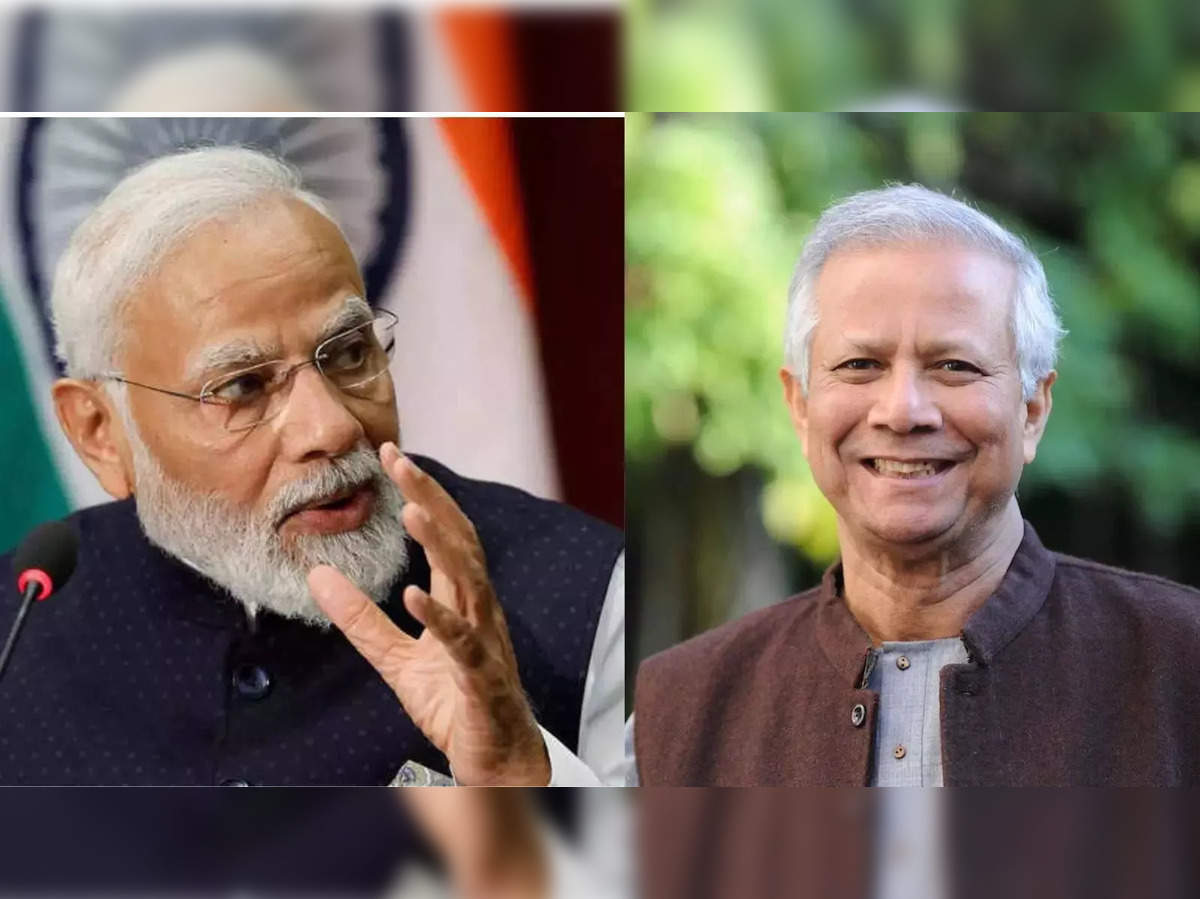
By Nitya Chakraborty Bangladesh has officially sought a meeting between their head of interim government Dr. Mohammad Yunus and the Indian Prime Minister Narendra Modi on the sidelines of the coming BIMSTEC meeting at Bangkok on April 2-4 next. Both countries are members of BIMSTEC. As per present schedule, both have confirmed their presence at […]
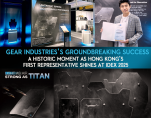

World’s Lightest Ballistic Plate HPS-4 – Award Winning Design at IDEX Innovation Trail, Revolutionary Material Leads New Era in Security Sector HONG KONG SAR – Media OutReach Newswire – 20 March 2025 – GEAR Industries Limited — a Hong Kong-based company specializing in tailored defence solutions. With a strong focus on leveraging proprietary materials, GEAR is at the forefront of innovation, dedicated to raising security and safety […]

VISHNU RAJA
RYO YAMADA
HITORI GOTOH
IKUYO KITA