News related to
Partnerships

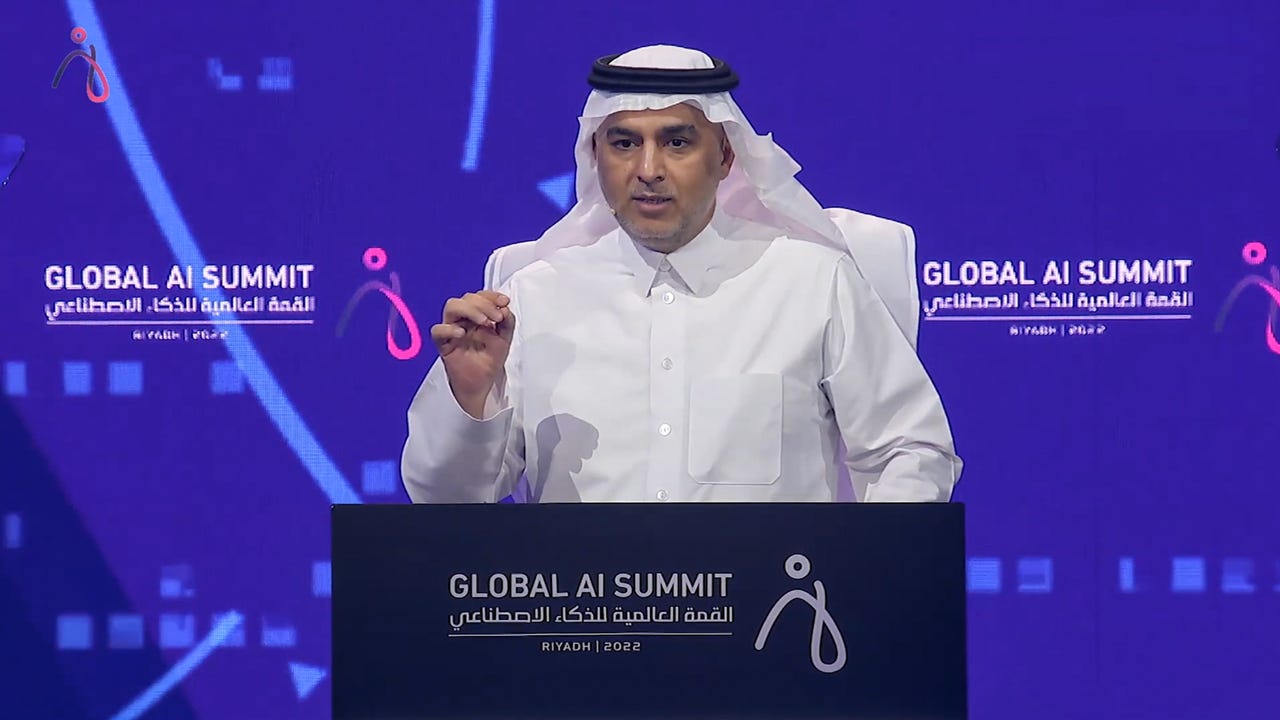
Cristiano Amon, President and CEO of Qualcomm, will deliver a keynote address at the Global AI Summit (GAIN) in Riyadh, Saudi Arabia, set to take place in October. The summit, organized by the Saudi Data and Artificial Intelligence Authority (SDAIA), aims to gather leaders and innovators from the AI industry to discuss emerging trends and breakthroughs in artificial intelligence.

GAIN, a pivotal event in the tech calendar, is expected to draw significant attention from industry experts, policymakers, and tech enthusiasts. The summit’s agenda includes discussions on the future of AI technologies, their ethical implications, and their role in transforming various sectors. This year’s event will spotlight advancements in AI that promise to drive innovation and economic growth globally.

Cristiano Amon’s participation underscores Qualcomm’s commitment to advancing AI technology. Under his leadership, Qualcomm has been at the forefront of developing cutting-edge solutions that leverage AI to enhance mobile and connected experiences. His keynote will likely address the intersection of AI with wireless technologies and the future of connected devices.

The summit will feature a diverse lineup of speakers, including AI researchers, entrepreneurs, and government officials. These sessions are designed to foster collaboration and knowledge exchange among attendees, setting the stage for future partnerships and innovations in AI.

Saudi Arabia’s investment in AI is part of its broader Vision 2030 initiative, which seeks to diversify the economy and establish the country as a leading hub for technological innovation. The GAIN summit aligns with this vision by promoting discussions on how AI can be harnessed to achieve economic and social benefits.

The event will also include panel discussions and workshops focusing on practical applications of AI in various industries, from healthcare to finance. Participants will have the opportunity to engage with cutting-edge technologies and explore how they can be applied to solve real-world problems.

As the AI landscape continues to evolve, GAIN serves as a critical platform for showcasing the latest research and applications. The summit aims to highlight how AI can drive progress across different domains and address challenges such as data privacy and ethical considerations.

In addition to Amon’s keynote, the summit will feature presentations from other prominent figures in the AI field. These sessions will provide insights into the latest developments in machine learning, robotics, and data analytics, offering attendees a comprehensive view of the current state of AI technology.

Saudi Arabia’s focus on AI and its integration into various sectors reflects a global trend towards leveraging technology for economic and social advancement. The GAIN summit represents a significant opportunity for stakeholders to engage in meaningful dialogue and shape the future of AI.

A transformative initiative by HKRITA and H&M Foundation to drive advanced technologies and global collaboration HONG KONG SAR – Media OutReach Newswire – 4 September 2024 – The Hong Kong Research Institute of Textiles and Apparel (HKRITA) and the H&M Foundation proudly announce the official unveiling of the Open Lab, a pioneering initiative designed to revolutionise the textile and fashion industry through sustainable innovation. Located at the […]

AvanStrate Inc. will chart new growth path with high-tech display products across industries to meet increasing global demand. MUMBAI, INDIA – Media OutReach Newswire – 5 September 2024 – Vedanta Limited announced that the display glass business is set to grow 10x after consolidating its holding in AvanStrate Inc. (ASI), a Japanese display glass manufacturer, to 98%, following the acquisition of 46.57% equity from Hoya Corporation. ASI […]

Saudi Arabia’s push towards sustainability and a clean energy future will take center stage at the EV Auto Show 2024, one of the most significant gatherings for the electric vehicle (EV) industry in the Middle East. From September 17th to 19th, the Riyadh International Convention and Exhibition Centre will host automakers, industry experts, and technology innovators from around the world. As the nation seeks to reduce its dependence on fossil fuels, this event marks a key moment in advancing electric mobility in the region.

The EV Auto Show 2024 is expected to attract some of the biggest names in electric vehicle manufacturing, as well as developers of charging infrastructure and related technologies. These participants will be instrumental in Saudi Arabia’s ambitious goals to become a global leader in sustainable energy. The event is more than a showcase of cutting-edge EV models; it represents a broader initiative aligned with the Kingdom’s Vision 2030 plan to diversify its economy and promote environmental responsibility.

Among the most anticipated exhibits are electric cars, commercial trucks, buses, and motorcycles that promise to reshape Saudi Arabia’s automotive landscape. Automakers from across Europe, the US, and Asia will be presenting their latest EV models, reflecting the global momentum in the shift towards electric transportation. Some companies are expected to unveil new vehicles tailored specifically to the needs of the Gulf region, focusing on extreme climate durability, high-performance batteries, and long-range capabilities that meet the challenges posed by the vast Saudi landscape.

Saudi Arabia’s commitment to electric vehicles has been clear over the past few years, as the Kingdom invests heavily in building EV infrastructure. Recent partnerships between the Saudi government and international EV manufacturers have already set the stage for increased local production and assembly of electric vehicles. The show is poised to bring these efforts into sharper focus, with an emphasis on collaborative innovation.

Several regional and international brands will showcase their EV charging solutions at the event. Saudi-based energy firms and multinational companies will demonstrate cutting-edge charging technologies and battery solutions, focusing on both residential and commercial applications. These technologies are pivotal for the growth of the EV market, as reliable and widespread charging infrastructure remains a key challenge in Saudi Arabia’s transition to electric vehicles. The event will feature panels on overcoming these hurdles, with industry leaders and government officials expected to discuss strategies for expanding the country’s EV charging network.

Energy and technology companies are increasingly looking at ways to integrate EVs with renewable energy sources such as solar power. Saudi Arabia’s abundant sunlight presents a significant opportunity to harness clean energy for EVs, reducing both emissions and energy costs in the long term. At the show, experts will discuss how solar-powered EV charging stations can support the country’s sustainability goals, especially as the Kingdom ramps up investment in its burgeoning solar industry.

Key figures in Saudi Arabia’s automotive and energy sectors have noted that the transition to electric vehicles is no longer a distant goal but an immediate priority. The EV Auto Show is expected to catalyze both consumer interest and industry momentum, with stakeholders eager to capitalize on the growing demand for sustainable transportation options. With gasoline prices fluctuating and global environmental policies tightening, EV adoption is not just a matter of preference but a strategic imperative for the Kingdom.

Public interest in electric vehicles has surged across Saudi Arabia, particularly among younger consumers who are increasingly aware of the environmental impacts of traditional gasoline-powered cars. To meet this rising demand, several local companies are making strides in EV development and marketing. In particular, Saudi Arabia’s own Public Investment Fund (PIF) has invested billions in Lucid Motors, a leading American EV manufacturer. Lucid has already established a production facility in King Abdullah Economic City (KAEC), marking a major milestone in local EV manufacturing. The partnership is seen as a crucial step in positioning the Kingdom as a future hub for electric vehicle production in the region.

Beyond private investment, government support for EVs in Saudi Arabia has been robust. In line with Vision 2030, the Saudi government has implemented policies designed to encourage both manufacturers and consumers to embrace electric mobility. Incentives such as tax breaks for EV buyers, subsidies for local manufacturers, and government contracts for EV fleets are just some of the measures aimed at fostering a supportive environment for the industry’s growth. These policies, coupled with investments in renewable energy, are part of a broader strategy to position the Kingdom as a leader in the clean energy transition.

The environmental impact of EV adoption is also a significant consideration for Saudi Arabia. While the country is one of the largest producers of oil globally, its leaders are keen to diversify its energy sources to ensure long-term sustainability. Reducing emissions from transportation is a key component of this strategy, as the sector accounts for a considerable portion of the country’s carbon footprint. With electric vehicles seen as a crucial solution to lowering emissions, the EV Auto Show serves as a platform to demonstrate the feasibility and necessity of electric mobility in achieving Saudi Arabia’s environmental goals.

PHNOM PENH, CAMBODIA – Media OutReach Newswire – 6 September 2024 – The Bay of Lights, a transformative USD 16 billion coastal township development project, took center stage at the inaugural Singapore Business Expo 2024, coinciding with Singapore’s 59th Independence Day celebrations. Showcased as the groundbreaking project, the Bay of Lights is poised to transform Cambodia’s coastal economy and create ripple effects across the Southeast Asia region. […]

Bahrain’s Economic Development Board (EDB) is set to embark on a multi-city tour across India, aiming to deepen bilateral ties and strengthen economic collaboration. The initiative, scheduled for September 9-14, comes as part of Bahrain’s broader efforts to attract investments and enhance partnerships across key sectors. Spearheaded by Noor bint Ali Al Khulaif, Bahrain’s Minister of Sustainable Development and Chief Executive of the EDB, the delegation will engage with top Indian business leaders, investors, and policymakers in Mumbai, New Delhi, Bengaluru, and Hyderabad.

Bahrain’s move to engage directly with India underscores the increasing significance of bilateral relations between the two countries. India, a rapidly growing economy and a key player in global trade, has been identified as a strategic partner for Bahrain’s economic ambitions. The tour is expected to showcase the Gulf nation’s business-friendly environment, investment opportunities, and the diverse sectors open to collaboration, including finance, manufacturing, technology, and logistics.

The Bahrain Economic Development Board, responsible for promoting investment in the Kingdom, has been working to position Bahrain as a hub for international businesses seeking a foothold in the Middle East and North Africa (MENA) region. By targeting India, Bahrain aims to tap into one of the world’s largest consumer markets and the fast-developing Indian economy, which is increasingly driven by innovation, technology, and industrial growth.

Bahrain’s strategic geographical location, coupled with its investor-friendly regulatory environment, is likely to be a focal point of discussions during the India tour. The Kingdom offers 100% foreign ownership in many sectors, low operational costs, and access to the Gulf Cooperation Council (GCC) market of over 50 million consumers. These advantages are expected to appeal to Indian companies looking to expand their presence in the Gulf region, particularly those involved in sectors such as financial services, logistics, ICT, and manufacturing.

The India visit also marks a significant opportunity for both nations to explore new areas of collaboration, particularly in emerging technologies. Bahrain has positioned itself as a leader in fintech, having launched a number of initiatives in recent years to support the sector. The Kingdom’s regulatory sandbox for fintech startups has attracted numerous international firms, and there is considerable scope for Indian technology companies to collaborate with Bahrain on financial innovation and digital services.

Moreover, Bahrain has been keen to bolster its manufacturing sector, especially in fields such as chemicals, food processing, and aluminum production. India’s robust manufacturing base makes it a natural partner for collaboration in these industries. The visit will likely focus on building synergies in these areas, with discussions centered on how Indian businesses can leverage Bahrain’s competitive edge as a production hub for the GCC market.

The tour will also provide a platform for discussions on sustainable development and climate change. Bahrain, through its Vision 2030 economic plan, has placed sustainability at the heart of its development strategy. Minister Noor bint Ali Al Khulaif, a key proponent of sustainable economic growth, is expected to highlight Bahrain’s initiatives in this area, which align with India’s own commitment to sustainable development. Both countries are signatories to the Paris Agreement and are looking to collaborate on green technologies, renewable energy, and sustainable infrastructure projects.

The Bahrain-India relationship is not limited to trade and investment. The two nations share a long history of cultural and diplomatic ties, with a sizable Indian expatriate community living in Bahrain. These deep-rooted connections are likely to be emphasized during the tour, as both sides seek to build on their historical relationship and foster stronger people-to-people ties.

On the economic front, bilateral trade between Bahrain and India has shown steady growth. According to the latest data, total trade between the two countries stood at around $1.4 billion in 2022. India is among Bahrain’s top trading partners, and there is potential for further expansion in sectors such as hydrocarbons, engineering goods, pharmaceuticals, and food products. Bahrain is also home to several prominent Indian companies, and the EDB’s tour is expected to explore new avenues for Indian firms to increase their presence in the Kingdom.

In addition to meetings with business leaders and investors, the Bahrain delegation is expected to hold discussions with Indian government officials on strengthening bilateral relations. These talks could pave the way for future cooperation agreements in areas such as trade, investment, and technology transfer. The tour aligns with India’s own foreign policy objectives of enhancing relations with Gulf countries, which have become critical economic partners for New Delhi in recent years.

The timing of Bahrain’s outreach to India is also notable, coming at a time when global economic dynamics are shifting. Both nations are looking to diversify their economies and reduce dependence on traditional industries, such as oil and gas. For Bahrain, India represents a key partner in its efforts to modernize and diversify its economic base, while for India, Bahrain provides access to the GCC and MENA markets, which are crucial for India’s energy security and trade.

Abu Dhabi’s sovereign wealth fund, ADQ, has assumed control over the emirate’s road toll and parking management systems. The acquisition includes the management, operation, and development of the DARB road toll system and the Mawaqif parking system. Although ADQ will handle these systems, they will continue to operate under the oversight of Abu Dhabi Mobility, the emirate’s transport services department.

The transition of these vital infrastructure systems to ADQ marks a strategic move aimed at streamlining operations and enhancing efficiency. The DARB system, which manages road tolls across the emirate, and Mawaqif, which oversees parking regulations, are critical components of Abu Dhabi’s urban transport infrastructure. This shift underscores ADQ’s expanding role in managing key public assets and services within the emirate.

ADQ, known for its significant investments across various sectors, is expected to leverage its resources and expertise to optimize the functionality of both the road toll and parking systems. This move is aligned with broader efforts to modernize Abu Dhabi’s infrastructure and improve urban mobility. The fund’s involvement could lead to technological upgrades and more efficient management practices, benefiting both residents and visitors.

The oversight of Abu Dhabi Mobility will ensure that regulatory standards and transport policies continue to be enforced. This arrangement aims to maintain the integrity of the toll and parking systems while benefiting from ADQ’s operational efficiencies. The regulatory body will remain responsible for the enforcement of traffic regulations and parking rules, ensuring a balanced approach to management and oversight.

The decision to transfer management to ADQ also reflects a growing trend of involving private sector entities in the administration of public services. Such moves are often intended to harness private sector efficiencies and innovation, potentially leading to improved service delivery and cost savings. In Abu Dhabi, this strategy is part of a larger initiative to enhance the quality and efficiency of public services through strategic partnerships.

The DARB toll system plays a crucial role in managing traffic flow and generating revenue for road maintenance and development. Its integration with ADQ’s management could lead to advancements in technology and user experience, including potential upgrades to electronic toll collection systems and data analytics capabilities. Similarly, the Mawaqif parking system’s management by ADQ could result in more efficient parking solutions, improved enforcement mechanisms, and enhanced convenience for users.

This change in management is also expected to have implications for the broader urban transport landscape in Abu Dhabi. The emirate has been actively pursuing various initiatives to improve its transportation infrastructure, including investments in public transit and smart city technologies. ADQ’s involvement in managing the DARB and Mawaqif systems is likely to align with these ongoing efforts and contribute to the emirate’s goals of becoming a leading global city in terms of infrastructure and livability.

Advertisements

The United Arab Emirates and Jordan have solidified a significant partnership with a landmark agreement worth $2.3 billion aimed at enhancing the regional rail network. This substantial investment underscores both nations’ commitment to improving transportation infrastructure and boosting economic connectivity in the Middle East.

Under the agreement, the UAE will lead the construction of a new railway system in Jordan, which is expected to significantly improve logistics and trade routes across the region. The project involves the development of an extensive rail network that will connect key cities in Jordan with neighboring countries, facilitating smoother movement of goods and passengers.

Jordanian officials have hailed the deal as a transformative step for the country’s infrastructure, which will not only modernize its transportation sector but also generate substantial economic benefits. The railway network is anticipated to become a crucial link between Jordan and its regional partners, supporting increased trade and investment opportunities.

The agreement reflects broader regional trends where Middle Eastern countries are increasingly investing in infrastructure projects to foster economic growth and regional integration. The UAE, with its robust track record in infrastructure development, is leveraging its expertise to drive this ambitious project, further cementing its role as a key player in the region’s development.

In addition to its economic impact, the new rail system is expected to create numerous job opportunities in Jordan. The project will involve various phases, including construction, operation, and maintenance, contributing to the local economy through job creation and skill development.

The collaboration between the UAE and Jordan also highlights the strengthening of bilateral relations between the two countries. This agreement is seen as a testament to the deepening ties and mutual commitment to enhancing regional stability and economic prosperity.

This substantial investment aligns with the UAE’s broader strategy to expand its influence in the region through strategic partnerships and infrastructure projects. By participating in high-profile development projects like this railway system, the UAE is reinforcing its position as a key regional player.

Pepe Unchained ($PEPU) has garnered significant attention in the cryptocurrency space, amassing $11.5 million during its Initial Coin Offering (ICO). This remarkable fundraising achievement underscores the growing interest in meme-based cryptocurrencies and reflects broader trends within the digital asset market. Launched as the latest iteration in the meme coin arena, Pepe Unchained aims to capitalize on the enduring popularity of meme culture and its potential to drive […]

Agility Global, a leading logistics and supply chain company listed on the Abu Dhabi Securities Exchange, is contemplating a strategic divestment of its stake in Tristar Group, a prominent fuel logistics firm. The potential sale highlights a significant shift in Agility’s focus as it seeks to optimize its portfolio and enhance its strategic positioning in the market. Agility Global’s decision to explore the sale of its shares […]

Emirates Steel Arkan has unveiled its new identity as EMSTEEL, signaling a strategic shift towards international markets. This rebranding aligns with the company’s broader ambition to cement its presence on the global stage and enhance its competitive edge in the steel industry.

Founded in 1998 and headquartered in Abu Dhabi, Emirates Steel Arkan has long been a dominant force in the Middle Eastern steel sector. The rebranding to EMSTEEL marks a pivotal moment for the company as it seeks to leverage its established reputation to tap into new markets worldwide.

The company’s decision to rebrand comes at a time when the steel industry is undergoing significant transformation. With increasing demand for infrastructure development and industrialization across various regions, EMSTEEL aims to position itself as a leading global player. This move is also in response to a rapidly evolving global steel market characterized by shifts in trade policies, technological advancements, and environmental regulations.

The rebranding effort is not merely a change in name but a reflection of a comprehensive strategic overhaul. EMSTEEL plans to expand its product portfolio, incorporating advanced steel solutions to meet diverse market needs. The company will focus on enhancing its manufacturing capabilities and exploring opportunities in emerging markets, particularly in Asia and Africa, where infrastructural development is burgeoning.

The steel industry has witnessed a surge in mergers and acquisitions, with companies consolidating to enhance their market positions. EMSTEEL’s rebranding aligns with this trend, as it seeks to strengthen its global footprint and compete effectively against other major players in the industry. By adopting a new brand identity, EMSTEEL aims to signal its readiness to embrace global challenges and opportunities, ensuring sustained growth and innovation.

Market analysts view this rebranding as a strategic move to address the increasing competition in the global steel sector. As countries worldwide invest in infrastructure and urban development, there is a growing demand for high-quality steel products. EMSTEEL’s enhanced focus on research and development is expected to drive innovation in product offerings, setting new standards in the industry.

The company’s shift towards a global market presence is also indicative of broader economic trends. Global steel consumption has been fluctuating due to various factors, including trade tensions and shifts in production capacities. EMSTEEL’s strategic repositioning aims to mitigate these challenges by diversifying its market reach and aligning its operations with global industry standards.

EMSTEEL’s rebranding is accompanied by an emphasis on sustainability and environmental stewardship. The company plans to integrate sustainable practices into its production processes, aiming to reduce its carbon footprint and adhere to international environmental regulations. This commitment to sustainability reflects a growing industry trend towards more eco-friendly operations, responding to increasing consumer and regulatory demands for environmental responsibility.

Industry experts anticipate that EMSTEEL’s rebranding will facilitate its entry into new markets and enhance its competitiveness. The company’s focus on technological advancement and product innovation is expected to attract new clients and partnerships, further solidifying its position in the global steel market.

CERT and IIT Madras have officially embarked on a landmark collaboration aimed at fostering global innovation and strengthening educational excellence. The memorandum of understanding (MoU) signed between the two entities is set to create a dynamic platform that will leverage both organizations’ strengths in cutting-edge research, academic distinction, and technological development.

This strategic alliance is expected to pave the way for a series of initiatives that will not only boost the institutions’ reputations on the global stage but also have a far-reaching impact on industries worldwide. By integrating the expertise of IIT Madras, a leader in academic research, and CERT’s proficiency in cybersecurity and technology solutions, the partnership seeks to address pressing global challenges and advance technological solutions across various sectors.

The collaboration outlines several key areas of focus, including research in artificial intelligence, cybersecurity, and advanced technology solutions, all of which are critical in today’s digital age. The MoU also emphasizes the importance of fostering innovation in education through joint efforts to develop advanced curricula and research programs that cater to the evolving needs of industries and academia alike.

Industry experts have lauded the move as a significant step towards bridging the gap between academia and industry. The combination of IIT Madras’s academic prowess and CERT’s technical expertise in cybersecurity will serve to fuel research that addresses complex global issues, especially in sectors such as healthcare, finance, and critical infrastructure. This partnership is poised to contribute to the development of solutions that could be transformative for both the education system and the industrial sector at large.

One of the primary goals of the collaboration is the establishment of a joint innovation lab that will focus on research in emerging technologies. This lab will act as a hub for students, faculty, and industry professionals to collaborate on projects that have the potential to generate innovative solutions to real-world problems. The innovation lab will facilitate the development of products and services that align with global industry standards, positioning both CERT and IIT Madras as leaders in technological advancement.

Furthermore, the partnership will work on creating academic programs that integrate real-world technological challenges into the curriculum. Students from IIT Madras will have the opportunity to collaborate with experts from CERT on cutting-edge research projects, gaining hands-on experience in fields like artificial intelligence and cybersecurity. This exchange of knowledge and expertise is expected to produce graduates who are not only academically proficient but also equipped with the practical skills required in the global workforce.

As part of the agreement, CERT and IIT Madras plan to host joint conferences, workshops, and seminars, bringing together thought leaders from various industries to discuss the latest trends in technology and innovation. These events will serve as platforms for exchanging ideas, promoting interdisciplinary collaboration, and inspiring the next generation of innovators.

The strategic partnership between CERT and IIT Madras also includes provisions for developing joint patent filings and intellectual property management. This aspect of the collaboration is particularly significant as it will encourage the commercialization of new technologies and innovations, contributing to the global tech ecosystem. Both institutions are keen on ensuring that the research and development emerging from this partnership can be translated into practical solutions that have a tangible impact on industries.

CERT, a renowned name in cybersecurity and risk management, brings a wealth of experience in handling complex cyber challenges. Its collaboration with IIT Madras, known for its expertise in technology and engineering education, represents a fusion of academia and industry that is expected to produce groundbreaking research. Both institutions have expressed their commitment to pushing the boundaries of innovation and expanding their influence beyond their respective regions to the global stage.

In addition to technological advancements, the partnership aims to enhance educational frameworks by developing new methods of teaching and learning. IIT Madras is already known for its forward-thinking approach to education, and this collaboration is expected to further enrich its programs by incorporating global industry perspectives. The collaboration will likely see a revamping of existing curricula to ensure they meet the demands of a rapidly changing technological landscape, preparing students for the challenges and opportunities of the future.

On a broader scale, this collaboration marks an important milestone in international academic and industry partnerships. The global push for innovation, particularly in the realms of artificial intelligence, cybersecurity, and advanced technology, has made partnerships like this one increasingly essential. With the global economy becoming more interconnected, the exchange of knowledge and expertise between institutions like CERT and IIT Madras will be instrumental in addressing complex global issues and driving sustainable development.

As both organizations work towards achieving their shared objectives, there is an expectation that this partnership will serve as a model for other academic and industrial collaborations. The blend of academic excellence and industry know-how is a recipe for success, not only in terms of producing world-class research but also in ensuring that the results of this research can be applied in practical and impactful ways.

Bill Gates’ seminal essay on the dominance of content—aptly titled “Content is King”—has proven remarkably prescient as we navigate the digital landscape of 2024. His prediction that the future of online attention and revenue would pivot around content creation has come to fruition, with creators becoming pivotal players in a burgeoning trillion-dollar economy. Yet, despite the centrality of creators in this landscape, SocialFi platforms, which marry social media and decentralized finance, have yet to fully capture the mainstream audience’s imagination. For the true potential of SocialFi to be realized, a hybrid approach that synergizes its inherent benefits with traditional social media mechanics may be key.

At the heart of SocialFi’s promise is its commitment to empowering Web3 natives—those who operate within the decentralized realm of blockchain and cryptocurrency. These platforms aim to reimagine how creators monetize their content by integrating financial incentives directly into the social engagement ecosystem. Theoretically, this model is compelling: creators can earn from their work not just through indirect means, such as advertising revenue or sponsorships, but through direct interactions and transactions facilitated by blockchain technology. This could revolutionize the way content creators operate, giving them more control and financial reward.

However, the promise of SocialFi remains largely untapped outside of the Web3 niche. Mainstream users, who are more accustomed to traditional social media platforms like Instagram, TikTok, and Twitter, have yet to fully embrace the benefits of decentralized finance. One reason for this hesitation is the complexity and unfamiliarity of blockchain technology for the average user. SocialFi platforms often require a degree of technical understanding and crypto-literacy that can be a barrier to entry for many potential users. Moreover, the user experience on these platforms often lacks the polish and simplicity that mainstream social media giants have perfected over the years.

To address these challenges, SocialFi platforms could benefit from adopting a hybrid approach that blends their core decentralized features with elements from established social media platforms. This would involve creating a more user-friendly interface and offering seamless integration with existing social media accounts. By lowering the barrier to entry, SocialFi platforms could potentially attract a broader audience, including those who are less familiar with blockchain technology but are interested in the financial opportunities it presents.

Moreover, incorporating features from mainstream social media could enhance user engagement on SocialFi platforms. For instance, platforms could integrate familiar content discovery algorithms and social sharing features that users have come to expect. This would not only make SocialFi more accessible but also more engaging for users who are accustomed to scrolling through content feeds and interacting with a variety of posts.

Another significant factor in boosting SocialFi’s mainstream appeal is enhancing the creator experience. While financial incentives are a compelling draw, creators also seek robust tools to manage their content and interact with their audience. SocialFi platforms need to offer comprehensive analytics, easy content management systems, and effective community-building tools. By addressing these needs, SocialFi can provide creators with a compelling reason to transition from traditional social media platforms to a decentralized model.

The hybrid approach could also involve partnerships with existing social media platforms. By collaborating with these giants, SocialFi platforms could leverage their established user bases and technological infrastructure to introduce decentralized features gradually. For instance, a partnership could involve integrating SocialFi’s financial incentives into existing social media platforms, allowing users to earn rewards for engagement without requiring them to switch platforms entirely. This could serve as a bridge for mainstream users to experience the benefits of SocialFi without the need for a complete overhaul of their online habits.

Furthermore, education plays a crucial role in this transition. For SocialFi to gain traction, there needs to be a concerted effort to demystify blockchain technology and its applications. Educational campaigns, workshops, and simplified guides can help bridge the knowledge gap and make the concept of decentralized finance more approachable to the general public. As more users become familiar with the benefits and mechanics of SocialFi, the adoption rate is likely to increase.

SocialFi platforms also have an opportunity to differentiate themselves by focusing on niche communities and specialized content. While mainstream platforms cater to a broad audience, SocialFi can carve out a space for more targeted communities and content creators. By providing a platform for niche interests and specialized content, SocialFi can attract dedicated user bases that are passionate about specific topics, thus fostering a more engaged and supportive community.

Shares of Kofola, the well-known Czech beverage producer, surged to their highest level in over two years, reflecting growing investor confidence in the company’s financial outlook. The rise comes on the heels of positive market forecasts, which project significant earnings growth in the near future. The company, which has a strong presence across Central Europe, is positioning itself for continued expansion, with eyes set on lucrative markets […]

The Abu Dhabi National Oil Company (ADNOC) has announced a significant investment in ExxonMobil’s hydrogen production facility in Texas, acquiring a 35% stake in the project. This move marks a notable expansion of ADNOC’s global footprint in the low-carbon energy sector and underscores its commitment to advancing sustainable energy solutions. The facility in question, situated in the heart of Texas, is designed to produce up to 1 […]

The UAE Cabinet has formally adopted a new National Strategy for Anti-Money Laundering, Countering the Financing of Terrorism, and Proliferation Financing (AML, CFT, and CPF) for the period 2024-2027. This strategic initiative, which received approval from the Higher Committee overseeing the National Strategy, marks a significant enhancement of the UAE’s efforts to safeguard its financial system from illegal activities.

The updated strategy introduces a multifaceted approach to address money laundering, terrorist financing, and proliferation financing. It aims to strengthen the UAE’s legal and regulatory framework, align with international standards, and improve the effectiveness of its financial oversight mechanisms. The move comes as part of the UAE’s ongoing commitment to maintain a robust financial system and to comply with global best practices in combating financial crime.

Key components of the new strategy include enhanced coordination among national and international bodies, advanced data-sharing practices, and the adoption of cutting-edge technologies for monitoring and enforcement. The strategy emphasizes a risk-based approach, focusing resources and efforts on high-risk areas to maximize the impact of preventive measures.

The UAE has been a prominent player in the global fight against financial crime, regularly updating its frameworks to reflect evolving threats and international standards. The previous strategy, which covered the years 2020-2023, laid the groundwork for significant improvements in the country’s anti-money laundering and counter-terrorism financing efforts. The new strategy builds upon these achievements by addressing identified gaps and incorporating feedback from stakeholders across the financial sector.

The implementation of the 2024-2027 strategy will involve a series of legislative and procedural updates. These include amendments to existing laws, the introduction of new regulations, and enhanced training programs for financial institutions and law enforcement agencies. By fostering a culture of compliance and vigilance, the UAE aims to further secure its financial system and bolster its reputation as a global financial hub.

International cooperation is a cornerstone of the new strategy. The UAE plans to strengthen its partnerships with other countries and international organizations to facilitate the exchange of information and best practices. This collaborative approach is essential for addressing the transnational nature of financial crimes and ensuring that the UAE’s measures are effective in a global context.

The UAE’s commitment to enhancing its anti-money laundering and counter-terrorism financing framework reflects broader global trends towards stricter regulatory environments and greater transparency. As financial crimes become increasingly sophisticated, countries worldwide are revising their strategies to stay ahead of emerging threats. The UAE’s proactive stance underscores its determination to maintain a secure and compliant financial sector.

The adoption of the new strategy also highlights the UAE’s role in supporting international efforts to combat financial crime. The country has been an active participant in global initiatives and organizations dedicated to addressing these issues. By aligning its national strategy with international standards, the UAE contributes to a unified global response to financial crime.

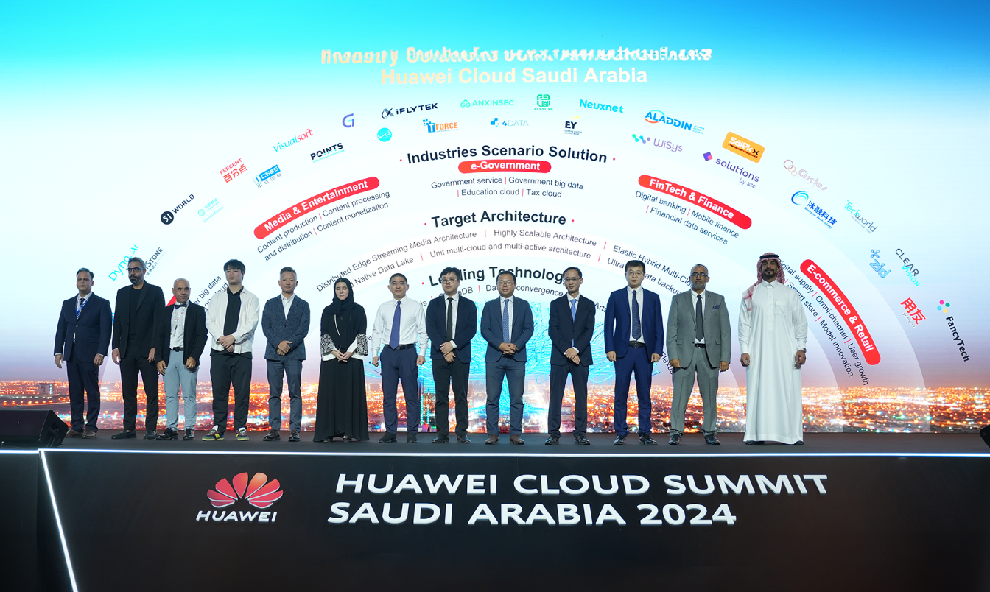
Saudi Arabia’s push towards digital modernization is gaining momentum, bolstered by Huawei Cloud’s latest technological advancements. The company’s cloud services, renowned for their high-performance and low-latency capabilities, are playing a crucial role in this transformation. Huawei Cloud’s infrastructure now offers a remarkable latency of just 25 milliseconds across the kingdom, reflecting its commitment to providing seamless and efficient AI-powered solutions.

Huawei Cloud’s robust network infrastructure has significantly enhanced the digital landscape in Saudi Arabia. This achievement is pivotal for various sectors, including finance, healthcare, and government services, which are increasingly relying on advanced technologies to improve their operations and deliver superior services. The low latency performance facilitates real-time data processing and AI applications, essential for businesses and institutions aiming to stay competitive in a fast-evolving digital environment.

The integration of Huawei Cloud’s services is expected to drive innovation and efficiency across different industries. For instance, financial institutions can leverage this technology to enhance transaction speeds and security, while healthcare providers can utilize AI for better diagnostics and patient care. Government agencies are also set to benefit, with improved data management and enhanced public service delivery.

This strategic expansion aligns with Saudi Arabia’s Vision 2030, a comprehensive plan to diversify the economy and reduce dependence on oil revenues. The initiative places a strong emphasis on technology and innovation as key drivers of economic growth. By providing cutting-edge cloud services, Huawei Cloud is positioning itself as a key player in this transformation, supporting the kingdom’s ambitious goals.

Huawei’s commitment to the region is further demonstrated through its significant investments in local data centers and partnerships with various Saudi entities. These efforts not only improve service reliability but also bolster local expertise and job creation. The company’s engagement in Saudi Arabia reflects a broader trend of global tech giants investing in the Middle East, recognizing the region’s growing importance as a tech hub.

The performance of Huawei Cloud’s network is a testament to the company’s technical prowess and dedication to meeting the needs of its clients. With a latency of 25 milliseconds, the cloud services are optimized for applications requiring high-speed data processing and minimal delays. This level of performance is crucial for businesses that rely on real-time analytics and AI-driven decision-making.

As digital transformation accelerates in Saudi Arabia, the demand for reliable and high-performance cloud services is expected to grow. Huawei Cloud’s advancements not only support this demand but also set a benchmark for other cloud service providers. The company’s focus on innovation and quality positions it well to lead the market and contribute significantly to the kingdom’s digital economy.

IIT Delhi has inaugurated its first international campus in Abu Dhabi, marking a significant milestone in the institution’s expansion strategy. The new facility, situated in the UAE capital, represents IIT Delhi’s commitment to globalizing its world-renowned STEM education and research programs. This move is part of a broader initiative to enhance international collaboration and extend the institution’s educational reach beyond India’s borders.

The campus, located within the Abu Dhabi University district, is equipped with state-of-the-art facilities designed to foster advanced research and innovation. This expansion aims to build on IIT Delhi’s established reputation for excellence in engineering and technology, bringing its expertise to a new geographical region. The initiative aligns with the UAE’s strategic goals of enhancing educational offerings and fostering innovation-driven growth.

IIT Delhi’s new international campus will offer a range of undergraduate and postgraduate programs tailored to local and regional needs, including specialized courses in artificial intelligence, data science, and sustainable engineering. The institution has emphasized that the Abu Dhabi facility will serve as a hub for collaborative research, drawing on the UAE’s growing emphasis on technological advancement and smart city development.

The decision to establish a campus in Abu Dhabi reflects both IIT Delhi’s strategic vision and the UAE’s broader educational objectives. The UAE has been making substantial investments in higher education and research, aiming to position itself as a global leader in innovation. The partnership between IIT Delhi and UAE institutions is expected to strengthen the region’s academic and technological landscape.

This expansion is also seen as a response to the increasing global demand for high-quality STEM education and research opportunities. By leveraging its established reputation and expertise, IIT Delhi seeks to attract students and researchers from around the world, thereby enhancing its global footprint and influence.

The launch of the Abu Dhabi campus comes amid growing interest in international education partnerships, with many institutions seeking to broaden their global reach. For IIT Delhi, this venture not only represents an opportunity to extend its impact but also to contribute to the UAE’s educational and technological ambitions. The partnership is expected to yield mutual benefits, including collaborative research projects, student exchange programs, and joint ventures with local industries.

The new facility has been designed with a focus on cutting-edge technology and sustainability. It includes advanced laboratories, collaborative workspaces, and high-tech classrooms, all intended to support a dynamic learning and research environment. The campus is set to become a key player in the region’s academic and technological advancements, reinforcing IIT Delhi’s role as a leading global institution.

IIT Delhi’s international campus in Abu Dhabi is poised to attract students and researchers from across the globe, positioning itself as a significant educational hub in the Middle East. This move is expected to enhance the institution’s global network and influence, while contributing to the development of the UAE’s educational infrastructure and research capabilities.

HKSTP’s 14 Park Companies Showcase Pioneering Robots, AI-Powered Safety System, Smart Building and ESG Solutions at Asia’s Most Comprehensive Built Environment Event HONG KONG SAR – Media OutReach Newswire – 4 September 2024 – Hong Kong Science and Technology Parks Corporation (HKSTP) is leading 14 innovative partner companies to the International Built Environment Week (IBEW) 2024, held from 4-6 September at Marina Bay Sands, Singapore. This participation […]

A high-level meeting between Saudi Arabia and the United States has underscored the deepening strategic partnership between the two nations, with a particular focus on the digital economy and fostering innovation. The discussions, which brought together top officials from both countries, aimed at exploring new avenues for collaboration in technology, cybersecurity, and artificial intelligence, areas that are rapidly becoming pivotal in the global economy.

Saudi Arabia, under the leadership of Crown Prince Mohammed bin Salman, has been aggressively pushing forward its Vision 2030 initiative, a comprehensive plan aimed at diversifying the nation’s economy away from its heavy reliance on oil. Central to this vision is the development of a robust digital economy, which the Kingdom views as essential for its future prosperity. The discussions with the U.S. were seen as a critical step in bolstering this aspect of Saudi Arabia’s long-term economic strategy.

The meeting, which took place in Riyadh, featured prominent figures from both the public and private sectors. Key topics included enhancing bilateral cooperation in the digital sphere, fostering innovation ecosystems, and addressing the challenges posed by the rapidly evolving technology landscape. Both sides expressed a strong commitment to working together to advance these objectives, recognizing the mutual benefits that such collaboration could bring.

Saudi officials emphasized the Kingdom’s ambitious plans to become a global leader in technology and innovation. The nation has already made significant investments in this area, including the establishment of tech hubs, the promotion of digital entrepreneurship, and the implementation of advanced technological infrastructure. The U.S., with its well-established tech industry and expertise in innovation, is seen as an ideal partner to help Saudi Arabia achieve these goals.

A key element of the discussions was cybersecurity, an area of increasing concern for both nations. With the rise of digital threats, protecting critical infrastructure and ensuring the security of digital assets have become top priorities. The U.S. has been a leader in cybersecurity innovations, and its expertise is expected to play a crucial role in helping Saudi Arabia develop its capabilities in this domain. The discussions highlighted the importance of sharing knowledge and resources to build resilient cyber defenses that can withstand sophisticated attacks.

Artificial intelligence (AI) also featured prominently in the talks. Saudi Arabia has shown a strong interest in AI, viewing it as a transformative technology that can drive economic growth and improve various sectors, including healthcare, finance, and transportation. The U.S., home to many of the world’s leading AI research institutions and companies, is well-positioned to assist Saudi Arabia in harnessing the power of AI. The two nations discussed potential joint initiatives to develop AI applications that could benefit both countries, as well as the broader global community.

Innovation ecosystems were another focal point of the meeting. Saudi Arabia has been actively working to create a supportive environment for innovation, including the development of new regulations, the promotion of research and development, and the establishment of innovation centers. The U.S. has a long history of fostering innovation through its vibrant startup culture and well-established tech industry. The discussions explored ways to integrate these strengths, with the aim of creating a dynamic innovation ecosystem in Saudi Arabia that could serve as a model for the region.

Both sides also addressed the broader implications of their collaboration on the global stage. The digital economy is increasingly seen as a critical driver of global growth, and partnerships like the one between Saudi Arabia and the U.S. could have far-reaching impacts. By working together, the two nations aim to set new standards for digital innovation and leadership, potentially influencing the direction of the global digital economy.

Saudi Aramco is set to retain its 10% stake in the joint venture between Renault and Geely, underscoring its commitment to expanding partnerships in the automotive sector. The move signifies Aramco’s strategic focus on strengthening its position within the evolving landscape of automotive technology and sustainable energy solutions.

The alliance between Renault and Geely, formed in early 2024, aims to develop advanced powertrains and enhance vehicle electrification. Aramco’s involvement, first reported in March 2024, was seen as a significant step given its expertise in energy and automotive technologies. The company’s decision to maintain its stake highlights its long-term vision of integrating its energy solutions with the automotive industry’s shift towards sustainability.

Recent industry developments indicate a growing trend of traditional energy companies investing in automotive technologies. This trend reflects a broader shift towards electrification and hybrid powertrains, as automakers and energy firms align strategies to address climate change and evolving consumer preferences.

Aramco’s decision aligns with its broader strategy to diversify its investments and reduce its reliance on traditional oil and gas revenues. The company’s engagement in the Renault-Geely venture is part of a larger effort to position itself at the forefront of energy innovation. By holding onto its stake, Aramco aims to leverage the growing market for electric and hybrid vehicles, which is expected to see substantial growth over the next decade.

The joint venture between Renault and Geely, based in China, represents a significant collaboration in the global automotive industry. Renault, a major player in European automotive markets, and Geely, a key Chinese automotive manufacturer, have combined their resources to accelerate the development of new technologies and expand their market reach. Aramco’s involvement brings additional expertise and resources to the table, enhancing the venture’s capacity for innovation.

Aramco’s focus on maintaining its stake also signals its intention to explore further partnerships within the automotive and technology sectors. The company is reportedly in discussions with other automakers and technology firms to identify new opportunities for collaboration. This strategy is in line with Aramco’s goal of integrating its energy solutions with emerging technologies to drive growth and sustainability.

Analysts view Aramco’s commitment to the Renault-Geely venture as a strategic move that positions the company favorably in the rapidly changing automotive industry. The investment aligns with global trends towards sustainable transportation and energy efficiency. As the automotive industry continues to evolve, Aramco’s role in these developments could play a crucial part in shaping future innovations.

The Renault-Geely joint venture is set to benefit from Aramco’s expertise in energy and its substantial financial resources. This partnership is expected to facilitate the development of advanced technologies and accelerate the adoption of sustainable practices in the automotive sector. The continued collaboration reflects a shared vision of addressing environmental challenges and meeting the demands of a changing market.

With the automotive industry increasingly focusing on sustainability and technology integration, Aramco’s strategic investments are likely to have a significant impact. The company’s decision to retain its stake in the Renault-Geely venture underscores its commitment to being at the forefront of these changes. As the industry progresses, Aramco’s involvement in such partnerships could enhance its influence and drive innovation across the sector.

AD Ports Group’s Noatum has launched a new rail logistics solution designed to enhance the efficiency of cargo transportation across the region. This development comes as part of a broader strategy to bolster the capabilities of the logistics sector and address increasing demands for more sustainable and reliable supply chain operations.

The new rail solution aims to streamline the movement of goods by integrating advanced technology and infrastructure improvements. It features state-of-the-art railcar systems and enhanced track management to ensure a smoother, faster, and more efficient transportation process. The initiative is expected to significantly reduce transit times and operational costs, benefiting both businesses and consumers.

Noatum’s rail logistics solution includes a comprehensive digital platform that provides real-time tracking and analytics. This platform is intended to offer greater visibility into the logistics chain, allowing businesses to monitor shipments more closely and make informed decisions based on up-to-date data. By leveraging these technological advancements, the solution aims to minimize delays and optimize cargo handling processes.

The introduction of this solution aligns with AD Ports Group’s strategic objectives to expand its logistics network and enhance its service offerings. The company has been investing heavily in modernizing its infrastructure and adopting cutting-edge technologies to meet the evolving needs of the global logistics market. The new rail solution is a testament to these efforts, reflecting the group’s commitment to driving innovation in the logistics sector.

In addition to improving operational efficiency, the rail logistics solution is also expected to have a positive environmental impact. By promoting the use of rail transport over other modes of transportation, the initiative supports AD Ports Group’s sustainability goals. Rail transport is generally considered more environmentally friendly compared to road transport due to its lower carbon emissions per ton of cargo.

The implementation of the rail solution will involve significant upgrades to existing rail infrastructure. This includes the installation of advanced signaling systems and the enhancement of railcar capabilities. These improvements are designed to increase the capacity and reliability of the rail network, addressing the growing demand for efficient freight transport.

AD Ports Group has emphasized that the new rail solution will play a crucial role in supporting the region’s economic growth. By facilitating more efficient cargo movement, the solution is expected to boost trade and contribute to the development of key industrial sectors. The initiative is also likely to create new job opportunities within the logistics and transportation industries, further supporting economic advancement.

The launch of this rail logistics solution follows a series of successful projects and partnerships that AD Ports Group has undertaken in recent years. The company has established itself as a leader in the logistics sector, with a focus on integrating innovative technologies and expanding its operational capabilities. This latest development reinforces its position as a key player in the global logistics market.

Doha, Qatar – Qatar Airways has introduced a groundbreaking commercial campaign, leveraging advanced artificial intelligence to offer a personalized viewing experience. The innovative “AI Adventure” film marks a global first by allowing viewers to become the central characters in the airline’s promotional content. This ambitious project underscores Qatar Airways’ commitment to providing unmatched, interactive experiences for its customers.

The new ad campaign utilizes cutting-edge technology to tailor the narrative to each viewer. By integrating AI-driven personalization, Qatar Airways ensures that each individual sees a version of the film that reflects their preferences and interests. This level of customization aims to create a more engaging and relevant experience, highlighting the airline’s dedication to innovation and customer satisfaction.

The “AI Adventure” film is a significant departure from traditional advertising methods. Instead of a one-size-fits-all approach, the film adapts in real-time based on viewer interactions. This not only enhances the viewer’s engagement but also reinforces Qatar Airways’ brand as a leader in technological advancements within the aviation industry.

This initiative is part of Qatar Airways’ broader strategy to set new standards in customer experience. The airline has long been known for its focus on luxury and innovation, and this new campaign builds on that reputation by incorporating the latest AI technologies. The move also aligns with a broader trend in the travel and hospitality industries, where companies are increasingly using technology to enhance customer interactions.

The development of the “AI Adventure” film involved extensive collaboration between Qatar Airways and a range of technology partners. These partnerships were crucial in creating a seamless and immersive experience that meets the high standards set by the airline. The project highlights Qatar Airways’ ability to integrate complex technologies into its marketing strategies, demonstrating the company’s forward-thinking approach.

The launch of this campaign comes at a time when the travel industry is facing significant changes. With evolving customer expectations and a growing emphasis on personalized services, airlines are seeking new ways to differentiate themselves. Qatar Airways’ use of AI in advertising is a clear response to these trends, aiming to offer a more individualized and memorable experience for travelers.

In addition to its technological innovations, Qatar Airways continues to emphasize its core values of quality and service. The airline’s commitment to excellence is evident in its ongoing investments in both customer experience and operational efficiency. By combining these elements with advanced technologies, Qatar Airways is positioning itself as a pioneer in the industry.

President Sheikh Mohamed bin Zayed Al Nahyan met with Akinwumi Adesina, the President of the African Development Bank Group (AfDB), on Tuesday to discuss enhancing cooperation between the United Arab Emirates (UAE) and the AfDB. This high-level meeting aimed to strengthen partnerships and identify new opportunities for collaboration across various development sectors.

The discussion focused on several key areas, including infrastructure development, renewable energy, and economic growth initiatives. Both leaders expressed a strong commitment to advancing sustainable development goals and addressing critical challenges facing African nations.

President Sheikh Mohamed emphasized the UAE’s dedication to supporting Africa’s development agenda, highlighting ongoing and future projects that aim to boost economic resilience and sustainable growth across the continent. He underscored the importance of aligning efforts with the AfDB’s strategic objectives to maximize impact and foster mutual benefits.

Akinwumi Adesina outlined the AfDB’s current priorities and projects, stressing the organization’s role in driving economic transformation and addressing poverty and inequality in Africa. He highlighted the bank’s focus on investing in green technologies and infrastructure to support long-term development goals.

Both leaders agreed on the necessity of leveraging their respective strengths to enhance regional stability and promote economic prosperity. The meeting also touched upon potential areas of collaboration, such as enhancing trade relations and investing in infrastructure projects that can drive economic growth and create job opportunities.

In addition to discussing bilateral cooperation, Sheikh Mohamed and Adesina explored ways to enhance the effectiveness of development aid and investment strategies. They acknowledged the importance of strategic partnerships and shared resources to achieve sustainable development outcomes.

This meeting comes as part of the UAE’s broader strategy to strengthen its role in global development and support international efforts to address pressing challenges. The UAE has been actively engaged in various development initiatives across Africa, aiming to build partnerships that contribute to economic and social advancement.

The dialogue between President Sheikh Mohamed and Akinwumi Adesina underscores the growing importance of international collaboration in addressing global development challenges. Both leaders’ commitment to enhancing cooperation reflects a shared vision of creating sustainable and inclusive growth opportunities for communities across Africa and beyond.

VISHNU RAJA
RYO YAMADA
HITORI GOTOH
IKUYO KITA