News related to
Partnerships

Nazara Technologies, a leading gaming and sports media platform, has raised $108 million in its latest funding round, signaling an aggressive push towards mergers and acquisitions. The capital injection comes at a time when the firm is looking to expand its foothold in international markets and strengthen its position as a dominant player in the digital entertainment space.

The funding round was led by major institutional investors, with support from several high-profile backers. This financial boost is expected to provide the Mumbai-based company with the necessary resources to accelerate its acquisition strategy, particularly in markets where it sees high growth potential, such as North America and the Middle East. Nazara has already established itself as a significant player in India’s gaming ecosystem, with interests spanning across esports, gamified learning, and sports-related digital content.

Nazara’s Chief Executive Officer, Nitish Mittersain, confirmed the capital raise and emphasized that the company is eyeing strategic acquisitions to enhance its product portfolio. With the global gaming industry projected to reach $340 billion by 2027, Nazara is positioning itself to be a leading player in this burgeoning market. Mittersain outlined that the funds will be primarily allocated towards acquiring companies that complement Nazara’s existing offerings in esports, mobile gaming, and digital sports media.

The $108 million funding round is one of the most significant capital raises in the Indian gaming sector this year. It underscores Nazara’s ambition to become a global player by targeting high-growth segments such as esports and interactive entertainment. The firm has previously made a series of high-profile acquisitions, including the purchase of a controlling stake in Nodwin Gaming, an esports company, and Sportskeeda, a sports content platform.

Nazara’s strategy of leveraging acquisitions to drive growth is in line with its broader mission of building a diversified digital entertainment ecosystem. Esports, in particular, remains a key focus area for the company. The esports industry has witnessed exponential growth in recent years, with a global audience expected to exceed 640 million by 2025. Nazara is banking on this surge in interest, not only through its investments in esports platforms but also by fostering partnerships with key stakeholders in the global esports ecosystem.

The latest funding round is part of Nazara’s broader vision to consolidate its market position and tap into new revenue streams. The company’s focus on esports and gamified learning aligns with the shifting preferences of younger, digitally-savvy consumers who are increasingly gravitating towards interactive entertainment. Esports, which blends gaming with competitive sports, has emerged as one of the fastest-growing entertainment segments globally, driven by the rise of streaming platforms and the increasing popularity of online gaming tournaments.

Nazara has also expanded into gamified learning through its Kiddopia app, which has gained significant traction among young learners in the U.S. market. The company sees education technology as another potential growth driver, as the demand for engaging, interactive learning tools continues to rise globally. Kiddopia’s success in North America is expected to provide Nazara with the impetus to explore other opportunities in the edtech space.

In addition to its core focus areas, Nazara has been strengthening its sports media offerings, as evidenced by its acquisition of Sportskeeda, a popular sports content platform. Sportskeeda has been instrumental in diversifying Nazara’s content offerings, providing a wide range of digital sports content, including live updates, player statistics, and expert analysis. The platform has also positioned Nazara to tap into the fast-growing sports media industry, which is increasingly becoming digital-first.

Nazara’s acquisition spree has been pivotal in its rapid growth, transforming it from a domestic gaming company into a global digital entertainment powerhouse. However, the firm has not been without its challenges. The gaming industry, particularly in India, is highly competitive, with both domestic and international players vying for market share. Nazara has managed to carve out a niche for itself by focusing on emerging sectors like esports, but the company will need to continuously innovate to stay ahead of the competition.

Despite the competitive pressures, Nazara’s strategy of expanding through targeted acquisitions has been largely successful. Its acquisition of Nodwin Gaming has provided Nazara with a significant foothold in the esports industry, while its investments in gamified learning and sports media have diversified its revenue streams and reduced its reliance on any single segment.

Nazara’s growth trajectory is further supported by its strong balance sheet and a growing portfolio of digital entertainment assets. The company has been able to maintain profitability, a rare achievement in the gaming industry, which is often characterized by high operating costs and intense competition. This has been a key factor in attracting institutional investors, who view Nazara as a solid long-term bet in the fast-evolving digital entertainment space.

As the gaming and esports industries continue to grow, Nazara is well-positioned to capitalize on the opportunities presented by this shift in consumer behavior. The $108 million capital raise will likely accelerate the company’s expansion plans, allowing it to further penetrate high-growth international markets and strengthen its competitive position globally.

Nazara’s leadership has indicated that it is already in advanced discussions with potential acquisition targets, with several deals expected to be finalized in the coming months. These acquisitions are likely to enhance Nazara’s capabilities in key areas such as content creation, digital distribution, and monetization, giving the company a competitive edge in the global digital entertainment market.


HO CHI MINH CITY, VIETNAM – Media OutReach Newswire – 19 September 2024 – The Ho Chi Minh City Development Joint Stock Commercial Bank (HDBank – HOSE: HDB) and Proparco, the private sector financing arm of Agence Française de Développement Group (AFD Group), have signed a credit facility worth US$50 million. HDBank and Proparco’s leaders at the signing ceremony for a credit facility worth US$50 million in […]

Saudi Arabia’s ambitious push toward electric vehicles (EVs) faces a significant challenge with the need to establish a comprehensive charging infrastructure. Industry leaders assert that to support the Kingdom’s transition to electric mobility, charging stations must be located approximately every 100 kilometers along major highways and urban areas. This development is crucial as Saudi Arabia, one of the world’s largest oil producers, aims to diversify its energy […]

The future of technology in the Middle East may hinge on the outcomes of the upcoming U.S. presidential election, as candidates Kamala Harris and Donald Trump present markedly different visions for foreign policy and economic engagement. Their policies could significantly influence the region’s technological landscape, which has seen accelerated growth in recent years. Kamala Harris, the current Vice President, has been a proponent of international cooperation and […]

Dubai’s strategic focus on medical tourism has intensified, driven by a new Memorandum of Understanding (MoU) signed between the Dubai Health Authority (DHA) and the Dubai Department of Economy and Tourism (DET). The MoU is set to bolster the city’s already formidable reputation in healthcare by expanding its role as a premier destination for medical tourists. This collaboration aligns with Dubai’s broader economic agenda, particularly the D33 strategy, aimed at enhancing the emirate’s position across key sectors.

One of the most significant objectives of this agreement is to attract investments into Dubai’s healthcare sector. Authorities are targeting a global audience of medical tourists by leveraging advanced healthcare facilities and promoting top-quality services. Dubai’s existing infrastructure, along with its geographic advantage at the crossroads of Europe, Asia, and Africa, plays a critical role in enhancing its attractiveness to international patients seeking high-quality medical care. The DHA’s Director General, Awadh Seghayer Al Ketbi, emphasized that this MoU is part of a broader vision to solidify Dubai’s position as a global leader in medical tourism, attracting investments and showcasing the emirate’s medical capabilities.

Dubai has already witnessed a strong surge in medical tourism over the past year, drawing 691,478 medical tourists in 2023, with expenditures on healthcare services exceeding AED 1.034 billion. This marks an increase from the previous year, demonstrating the emirate’s growing appeal in the global healthcare landscape. Dubai has positioned itself as a prime destination for advanced treatments across specialties, including orthopedics, cardiology, oncology, and cosmetic surgery. Hospitals in the city are also seeing a rise in demand for wellness programs, preventive care, and medical check-ups, catering to international patients looking for comprehensive healthcare solutions.

The impact of this surge in medical tourism extends far beyond healthcare. The influx of international visitors has fueled revenue across sectors such as aviation, hospitality, and retail, with indirect revenues surpassing AED 2.305 billion. The city’s medical tourism infrastructure is further strengthened by initiatives like the Al Safeer Congress Ambassador Programme, which works to attract major medical conferences and meetings to Dubai, solidifying its position as a medical knowledge hub. This combination of world-class facilities and strategic networking places Dubai at the forefront of the medical tourism industry globally.

As part of the DHA and DET’s collaboration, the two entities plan to establish networks of international partnerships, further driving innovation and knowledge sharing within the medical field. The collaboration also seeks to streamline investment opportunities for foreign and local stakeholders, ensuring that the healthcare sector remains a robust engine of economic growth. These efforts will likely lead to the introduction of more state-of-the-art hospitals and specialized medical centers, enhancing the overall quality of life for residents and international visitors alike.

Dubai’s continued investment in smart healthcare solutions and digital health is another critical factor contributing to its success in attracting medical tourists. By adopting advanced technology, the city is setting a benchmark for medical innovation, from AI-driven diagnostics to telemedicine and remote care services. These technological advancements offer convenience and enhanced patient care, which is a significant draw for medical tourists from around the world.

Additionally, the DHA has implemented several regulatory reforms aimed at simplifying business registration for investors and ensuring compliance with local laws, thus encouraging further growth in the medical tourism sector. These reforms are part of a broader effort to make Dubai a more attractive environment for medical professionals and investors, allowing the healthcare industry to expand rapidly and meet the demands of a growing international patient base.

In this increasingly competitive global medical tourism market, Dubai’s ability to offer a unique blend of cutting-edge medical care, luxury hospitality, and tourism experiences sets it apart. The city offers patients not only access to world-class medical treatment but also the opportunity to recover in a luxurious environment, with easy access to Dubai’s numerous leisure and cultural attractions.

BEIJING, CHINA – Media OutReach Newswire – 18 September 2024 – On September 13, the 2024 High-Quality Development Promotion Conference, themed “Invest in E-Town, Create the Future,” took place. Beijing Economic-Technological Development Area (Beijing E-Town, or BDA) showcased its achievements in high-level openness through various segments, including investment promotions, recognition of foreign enterprises, awards for international industrial parks, and signing ceremonies for enterprises entering the E-Town Comprehensive […]

Sparkle, Italy’s premier international telecommunications provider, has joined forces with Nexim Global, an Italo-American telecom firm, to enhance global internet connectivity and cybersecurity services. This partnership, announced during the IBC2024 conference, aims to offer a comprehensive suite of internet protocol (IP) services and distributed denial-of-service (DDoS) protection to clients worldwide. The collaboration between Sparkle and Nexim Global is set to significantly impact the telecommunications landscape, integrating Sparkle’s […]

Advertisements

DP World and Nedbank have announced a strategic partnership aimed at enhancing trade finance solutions across Africa. This collaboration seeks to address the continent’s working capital needs, offering a robust framework designed to support businesses engaged in import and export activities. The alliance between the global logistics giant DP World and the South African banking institution Nedbank aims to streamline financial processes and improve accessibility to trade […]

The Abu Dhabi National Energy Company (TAQA) has unveiled a major investment of Dhs150 million in a new wastewater treatment project located in Al Bahia, Al Sadr. This development marks a significant step in TAQA’s ongoing efforts to enhance infrastructure and environmental sustainability in the UAE. Scheduled for completion by early 2026, the project aims to upgrade the existing wastewater facilities to handle increased capacity and improve […]

Masdar, the UAE-based renewable energy giant, remains resolute in its commitment to an open trade policy amidst ongoing global supply chain disruptions. The company’s CEO, Mohamed Jameel Al Ramahi, emphasized that maintaining trade openness is crucial for navigating the complexities of the current international market. His statements underscore Masdar’s strategy to sustain and enhance its global partnerships despite the ongoing turbulence affecting global logistics and supply chains. […]

The United Arab Emirates (UAE) and Japan are set to begin formal discussions aimed at establishing a comprehensive trade agreement. This move reflects a strategic push by both nations to bolster their economic relationship and enhance bilateral trade flows.

The announcement of these forthcoming negotiations comes amidst a broader global trend where countries are seeking to solidify economic alliances and diversify their trade partnerships. For the UAE, a key player in the Middle Eastern economy, this deal is expected to open new avenues for trade and investment, particularly in sectors such as technology, energy, and infrastructure. Japan, renowned for its advanced technology and industrial capabilities, views this agreement as a strategic opportunity to strengthen its economic presence in the Gulf region.

Current trade between the UAE and Japan is robust, yet both countries believe that there is significant untapped potential. According to the latest figures, Japan is one of the UAE’s leading trading partners in Asia, with a notable presence in areas like automotive and electronics. However, both nations see the potential to expand their economic ties beyond these sectors, focusing on high-tech industries and sustainable development projects.

The trade discussions are expected to address a range of issues, including tariff reductions, market access, and investment protections. The goal is to create a mutually beneficial framework that not only enhances economic cooperation but also facilitates smoother business operations for companies in both countries.

Economic experts suggest that the deal could significantly impact the trade dynamics of the region. By integrating Japan’s technological advancements with the UAE’s strategic location and energy resources, the agreement may lead to innovative collaborations and investments. This aligns with the UAE’s Vision 2030, which aims to diversify its economy away from oil dependence and foster innovation and sustainability.

In recent developments, both governments have been actively preparing for these negotiations by conducting preparatory meetings and consultations with key industry stakeholders. The UAE’s Ministry of Economy and Japan’s Ministry of Foreign Affairs have been working closely to outline the negotiation framework and key areas of focus.

The potential trade agreement could also pave the way for deeper economic integration between the two nations. For Japan, which has been seeking to expand its economic footprint in the Middle East, this deal represents a significant step towards achieving greater market penetration. The UAE, on the other hand, is looking to leverage this partnership to enhance its role as a global business hub.

Additionally, the agreement is likely to cover aspects such as intellectual property rights, regulatory cooperation, and environmental standards, reflecting a modern approach to international trade agreements that goes beyond traditional tariff issues. This comprehensive approach aligns with global trade practices aimed at fostering sustainable and equitable economic growth.

Both nations are also expected to explore collaborative opportunities in emerging sectors such as renewable energy, digital technology, and advanced manufacturing. The UAE has been making substantial investments in renewable energy and technological innovation, while Japan is a global leader in high-tech industries. This alignment could lead to joint ventures and projects that benefit both economies.

As the UAE and Japan embark on these trade discussions, there is considerable optimism about the potential outcomes. The agreement is anticipated to strengthen economic ties, promote mutual investment, and contribute to regional stability. For businesses in both countries, this deal could open new markets and opportunities, further enhancing the economic relationship between these two important partners.

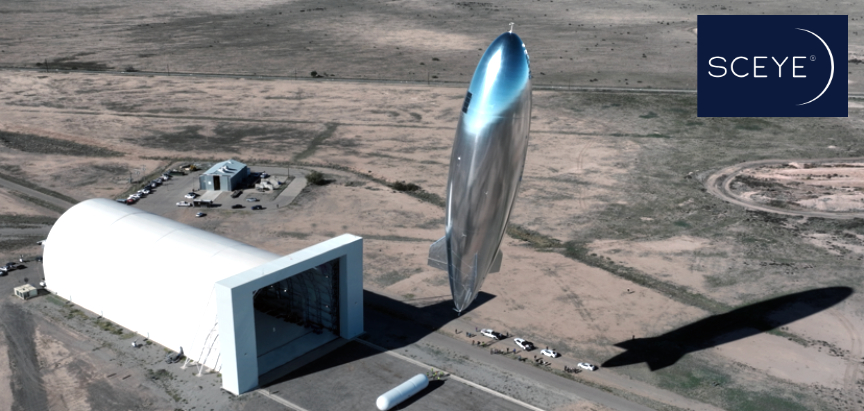
Mawarid Holding, a prominent Saudi investment firm, has spearheaded a Series C funding round for Sceye, an American company specializing in high-altitude platform systems (HAPS). The funding, announced Tuesday, values Sceye at $525 million before the latest capital influx. Although the exact amount of the investment was not disclosed, it is set to significantly advance Sceye’s capabilities in research, development, and commercial operations.

Sceye, headquartered in the United States, focuses on developing cutting-edge HAPS technology designed to operate in the stratosphere. This technology is intended to provide a range of applications, from improving communications and data collection to enhancing environmental monitoring. With this investment, Sceye plans to accelerate its flight programs and push forward with the commercial rollout of its innovative systems.

The funding from Mawarid Holding will primarily support Sceye’s R&D efforts and operational expansion. This includes advancing their ongoing projects and launching new initiatives that leverage the HAPS technology’s potential. Sceye’s CEO has highlighted that this capital injection will enable the company to refine its systems and bring its solutions to market more rapidly by 2025.

Mawarid Holding’s involvement underscores a growing trend of cross-border investment in the aerospace sector. The Saudi firm’s investment aligns with its broader strategy to diversify its portfolio and engage in high-tech industries with global impact. This move is part of Saudi Arabia’s Vision 2030, which aims to foster innovation and technological advancements within the kingdom and beyond.

The partnership is expected to enhance Sceye’s position in the aerospace industry, especially as the demand for advanced high-altitude platforms continues to rise. The firm’s high-altitude systems are poised to play a crucial role in various sectors, including telecommunications and environmental monitoring, by providing persistent, high-resolution data from the stratosphere.

The global market for HAPS technology is growing, driven by increasing interest from governments and private entities seeking to expand their data collection and communication capabilities. Sceye’s technology stands out due to its ability to offer sustained, high-altitude coverage, which is a significant advancement over traditional satellite and aerial systems.

Mawarid Holding’s strategic investment in Sceye represents a significant endorsement of the American company’s potential. It reflects a broader trend of strategic partnerships and investments in the aerospace sector, aimed at driving technological innovation and meeting the evolving demands of global markets.

As Sceye moves forward with its expanded capabilities, it is likely to attract further interest from investors and partners looking to capitalize on the growing opportunities within the high-altitude platform market. The firm’s progress will be closely watched by industry stakeholders as it continues to develop and commercialize its technology.

Government of Ajman has signed a Memorandum of Understanding (MoU) with China National Electric Engineering Co. Ltd. (CNEEC), a subsidiary of Sinomach Group to invest upto Dh5 billion in infrastructure projects that will help the emirate’s economy to grow. The MoU, signed by Sheikh Abdul Aziz bin Humaid Al Nuaimi, Chairman of the Ajman Tourism Development Department, and Yan Weihua, General Manager of CNEEC, paves the way […]

The ACI Africa conference has emerged as a pivotal platform for addressing pressing issues in the aviation sector, with a primary focus on innovation, sustainability, and regulatory frameworks. Held in Kigali, Rwanda, the conference brings together key stakeholders from across the continent to discuss and strategize on enhancing the operational efficiency and environmental impact of airports.

This year’s conference underscores a critical shift in how African airports approach technological advancements and sustainability practices. Delegates are exploring cutting-edge technologies aimed at transforming airport operations, with a notable emphasis on integrating artificial intelligence and data analytics. These innovations are designed to streamline processes, enhance passenger experience, and improve overall operational efficiency.

A significant portion of the discussions revolves around environmental sustainability. Airports across Africa are grappling with the challenge of reducing their carbon footprint while supporting the continent’s growing aviation sector. Key topics include the implementation of green technologies and sustainable practices such as the use of renewable energy sources and waste reduction strategies. The conference highlights successful case studies from various airports that have made strides in these areas, offering insights into practical approaches that others can adopt.

Economic regulatory models are also on the agenda, with a focus on creating frameworks that support airport growth while ensuring financial sustainability. Discussions include the need for innovative funding mechanisms, public-private partnerships, and policies that foster investment in airport infrastructure. Experts emphasize the importance of aligning regulatory practices with international standards to facilitate smoother operations and attract investment.

The conference features a series of panel discussions and workshops led by industry experts, including representatives from the International Civil Aviation Organization (ICAO) and prominent African airport operators. These sessions provide a platform for exchanging ideas and best practices, addressing common challenges, and forging collaborations that aim to drive the sector forward.

Technological innovation is a key theme, with numerous presentations showcasing advancements in airport management systems, passenger processing technologies, and security measures. The focus is on leveraging technology to enhance operational efficiency and passenger convenience, including the deployment of biometric systems and automated check-in processes.

Sustainability remains a top priority, with various sessions dedicated to exploring ways airports can minimize their environmental impact. Initiatives such as green building certifications, energy-efficient infrastructure, and noise reduction measures are discussed in detail. The goal is to create a more sustainable aviation sector that supports both economic growth and environmental stewardship.

Economic regulatory models are being scrutinized to develop frameworks that ensure the long-term viability of airport projects. The need for adaptive regulatory practices that accommodate rapid changes in the aviation industry is highlighted, with experts advocating for policies that support innovation and infrastructure development.

Oracle has unveiled the world’s first zettascale cloud computing cluster, a breakthrough that positions the tech giant at the forefront of artificial intelligence (AI) supercomputing. This innovative infrastructure is designed to deliver unprecedented processing power and scalability, catering to the growing demands of both enterprises and researchers.

The new zettascale cluster, named Oracle Exascale Cloud, represents a significant leap forward in cloud computing technology. This development is part of Oracle’s broader strategy to enhance its AI and machine learning capabilities, providing businesses and academic institutions with tools to handle vast datasets and perform complex calculations at an unprecedented speed.

The Oracle Exascale Cloud is equipped with cutting-edge hardware and software designed to facilitate advanced AI workloads. This includes capabilities for deep learning, real-time data processing, and large-scale simulations, which are essential for research and development in fields such as genomics, climate modeling, and financial forecasting.

Key to this cluster’s functionality is its integration with Oracle’s Autonomous Database and Oracle Cloud Infrastructure (OCI). The combination allows for seamless scalability and performance optimization, addressing the needs of diverse applications from high-frequency trading to detailed scientific research. By leveraging these advanced technologies, Oracle aims to provide a robust environment for innovation and experimentation.

The launch of the Oracle Exascale Cloud follows a series of strategic partnerships and investments by Oracle in AI and cloud computing. The company has been actively expanding its cloud services to compete with other major players in the industry, such as Amazon Web Services (AWS) and Microsoft Azure. The zettascale cluster enhances Oracle’s competitive edge by offering superior processing power and efficiency, which is crucial for managing the massive data volumes and computational requirements of today’s advanced AI models.

This development is not only a technological milestone but also a response to the increasing demand for more powerful computing resources. As AI applications become more sophisticated, the need for scalable and high-performance computing infrastructure has grown. The Oracle Exascale Cloud addresses this need by providing a platform capable of supporting the next generation of AI research and enterprise applications.

The cluster’s architecture is built on the latest advancements in processing technology, including high-performance CPUs and GPUs, which are optimized for AI workloads. Additionally, Oracle has integrated its own custom-designed hardware to maximize performance and energy efficiency. This focus on cutting-edge technology ensures that the Oracle Exascale Cloud can deliver superior results for both commercial and scientific applications.

Oracle’s announcement comes at a time when the demand for zettascale computing capabilities is rapidly increasing. The rise of big data, coupled with advancements in machine learning and AI, has driven the need for more powerful and scalable computing solutions. By introducing the world’s first zettascale cloud computing cluster, Oracle is setting a new standard in the industry and reinforcing its position as a leader in cloud technology.

In addition to its technological advancements, Oracle is emphasizing the practical applications of its new cluster. The company has highlighted several use cases, including its potential to revolutionize industries such as healthcare, finance, and energy. For instance, in healthcare, the cluster could enable researchers to analyze large-scale genomic data more quickly, leading to faster discoveries in personalized medicine. In finance, the enhanced processing power could improve risk modeling and algorithmic trading strategies. Similarly, in energy, the cluster could support simulations for optimizing renewable energy sources and reducing carbon footprints.

The introduction of the Oracle Exascale Cloud also has implications for the broader cloud computing market. It represents a shift towards more specialized and powerful cloud solutions that cater to the specific needs of AI and data-intensive applications. As other technology providers respond to this innovation, the landscape of cloud computing is expected to evolve, with an increasing focus on performance, scalability, and specialized capabilities.

Oracle’s strategic focus on zettascale computing is part of a larger trend in the tech industry towards enhancing computational power and efficiency. The company’s investment in this area underscores its commitment to driving innovation and providing cutting-edge solutions to meet the demands of modern computing.

Artificial Intelligence (AI) is rapidly transforming industries, and the mining and metals sector is no exception. With global demand for critical minerals surging as the world transitions toward clean energy, companies are under pressure to accelerate exploration and production. To meet this challenge, they are turning to AI for its ability to revolutionize how resources are discovered. However, for AI to function effectively in this context, it requires large amounts of quality data. As a result, data itself has emerged as a highly valuable asset in the sector, positioning it as the hottest non-commodity for miners and explorers alike.

Just as children learn by looking at images and being told the names of animals, AI systems require examples to identify geological anomalies. This analogy illustrates the importance of high-quality, extensive data for AI to operate effectively in mineral exploration. AI algorithms need to be trained with significant data sets so they can recognize patterns in geological structures, thereby enabling more accurate predictions and insights. For instance, detecting the presence of valuable minerals requires AI to sift through vast amounts of geophysical data. The better and more comprehensive this data is, the more efficiently AI can flag anomalies that warrant deeper investigation.

It becomes evident that data is key as technology startups and traditional mining giants alike recognize its growing importance. KoBold Metals, for example, has pioneered the use of AI to accelerate the search for battery metals crucial to the energy transition. The company utilizes a proprietary data set to guide its exploration activities, drastically reducing the time and financial cost typically associated with identifying new mineral deposits. AI-driven models at KoBold comb through existing geological data from various sources to pinpoint the most promising areas for further exploration. Such innovations underscore that data is the lifeblood of AI, and without it, these advanced technologies would be far less effective.

Established companies in the mining and metals industry are also reaping the benefits of AI-powered data analytics. Rio Tinto, one of the world’s leading mining corporations, has implemented AI to automate the logging of core samples, a critical step in understanding ore bodies. By feeding historical data into machine learning models, the company can assess mineral resources more accurately and at a faster pace. Similarly, BHP uses AI to integrate core sample data with geological information, enhancing its ability to optimize mining operations. These examples show that major industry players, sitting on decades of core samples and exploration data, have recognized the vast potential AI can unlock when paired with the right datasets.

As companies increasingly turn to AI, the value of geological data continues to rise. Data: The hottest non-commodity in the mining & metals sector? is demonstrated by transactions such as KoBold Metals’ acquisition of exploration data from Alaska Energy Metals Corporation. This deal, involving data near KoBold’s Skolai Project, highlights the premium placed on data as a critical asset in the sector. By acquiring access to rich geological datasets, KoBold can further enhance its AI-driven exploration processes, giving it a competitive edge in the hunt for minerals essential to electric vehicles and renewable energy storage.

Moreover, the growing recognition of data’s value has fostered new kinds of strategic partnerships. Traditional mining companies, with their wealth of historical data, are increasingly collaborating with technology-driven startups that bring expertise in data analysis and AI. These partnerships blend the strengths of both worlds—traditional expertise and cutting-edge technology. For instance, Ivanhoe Mines, through its subsidiary Computational Geosciences Inc., has used AI to process data collected by its proprietary Typhoon™ technology, generating 3D geological models that pinpoint drilling targets. By sharing data and leveraging advanced analytics, companies are unlocking untapped potential within their existing resources.

Yet, this transactional activity surrounding data is raising important questions within the industry. How exactly is the value of geological data determined? Often, the answer depends on the specific context of the transaction, with data being evaluated based on its uniqueness and relevance to the buyer’s objectives. Ownership of data is another complex issue. In cases of acquisition, does the seller retain any rights to use that data in the future? When it comes to partnerships, who owns the data that results from joint exploration efforts? These questions are becoming increasingly central to negotiations in the mining and metals sector, particularly as the role of data grows.

Governments are also starting to recognize the significance of data in the mining and metals industry. In many countries, natural resources are seen as national wealth, and the data generated from exploration activities is viewed in a similar light. This has led to regulations requiring companies to report their exploration data to government agencies. For example, Australia and Canada, two of the largest mining jurisdictions, mandate that companies share their data, which is then made publicly available after a set period. These policies raise the stakes for mining companies, as government control over data could impact how companies strategize their exploration efforts.

In some cases, governments are even becoming direct participants in data collection and sharing. A notable example is Zambia, where the government has launched a country-wide airborne geophysical survey to assess its mineral potential. Ivanhoe Mines has partnered with the Zambian government to share geological data, with the aim of co-developing mining projects. Such collaborations underscore the role of governments as key enablers in this new frontier of AI-driven exploration. By working closely with governments, companies can access broader datasets and benefit from public-private partnerships that enhance exploration capabilities.

Vast repositories of geological data, core samples, and exploration results are now seen as treasure troves waiting to be unlocked. Oil and gas companies, with their extensive reserves of data, could also play a significant role in the energy transition. Their historical data, originally collected for fossil fuel exploration, can be repurposed to identify critical minerals needed for renewable energy technologies. This cross-sectoral application of AI to old datasets represents a potential game-changer for both industries.

Artificial Intelligence (AI) is rapidly transforming industries, and the mining and metals sector is no exception. With global demand for critical minerals surging as the world transitions toward clean energy, companies are under pressure to accelerate exploration and production. To meet this challenge, they are turning to AI for its ability to revolutionize how resources are discovered. However, for AI to function effectively in this context, it requires large amounts of quality data. As a result, data itself has emerged as a highly valuable asset in the sector, positioning it as the hottest non-commodity for miners and explorers alike.

The Middle East is rapidly becoming a hub for renewable energy projects, with a forecast of $75 billion worth of investments in the sector. This growth is driven by regional governments’ determination to diversify energy portfolios, reduce reliance on fossil fuels, and meet global climate change commitments. Several Gulf countries, including Saudi Arabia and the UAE, are leading this charge with ambitious solar, wind, and hydrogen projects. […]

A sports investment firm, primarily backed by Saudi Arabia’s Public Investment Fund (PIF), is actively seeking to acquire a significant stake in a prominent European basketball league. The Saudi sovereign wealth fund, already a major player in global sports investments, is now looking to diversify further into the fast-growing basketball sector, expanding its portfolio that includes stakes in football, golf, and esports. This move underscores the fund’s […]

The interconnected challenges of climate change, pollution, and biodiversity loss – known collectively as the triple planetary crisis – are posing an existential threat to life on Earth. Global temperatures continue to rise, air pollution contributes to millions of premature deaths annually, and ecosystems are in decline due to habitat destruction and overexploitation. However, in the face of these alarming realities, young people around the world are stepping up with innovative, community-driven solutions that could hold the key to addressing these environmental crises.

From climate strikes to hands-on ecological projects, youth-led movements are making a measurable impact on local and global scales. These initiatives, often launched with limited resources, demonstrate the power of grassroots action in achieving sustainable environmental goals. Today’s youth are not only raising awareness about the impacts of climate change but also actively working to create tangible solutions, particularly in communities most vulnerable to the adverse effects of environmental degradation.

One example of youth leadership in this field is the global Fridays for Future movement, which has mobilized millions of students to demand stronger climate action from policymakers. Founded by Swedish climate activist Greta Thunberg, the movement advocates for achieving net-zero emissions and limiting global warming to well below 2°C, in line with the Paris Agreement. Youth participants in this and similar movements are emphasizing the urgency of the situation, highlighting how climate inaction is disproportionately impacting their future.

Beyond advocacy, many young people are also involved in community-based initiatives that tackle pollution and biodiversity loss. In Southeast Asia, a growing number of youth-led projects focus on restoring degraded mangrove forests, which act as critical carbon sinks and support marine biodiversity. In Kenya, young environmentalists have successfully lobbied for bans on single-use plastics and are spearheading reforestation projects to counter deforestation and soil erosion, vital steps in curbing biodiversity loss.

While global institutions, such as the United Nations, have recognized the role of youth in shaping climate policies, significant gaps remain in providing the necessary funding and infrastructure for these projects. Without sufficient financial support, many promising initiatives struggle to scale up and achieve wider impact. There is growing consensus that sustained investment in youth-led initiatives is essential for their success. Addressing the triple planetary crisis requires not only large-scale governmental action but also a bottom-up approach driven by the creativity and commitment of younger generations.

For youth movements to sustain momentum, partnerships between international organizations, governments, and private investors are crucial. Supporting capacity-building efforts, providing access to green technologies, and fostering mentorship opportunities can enable young leaders to expand their efforts in combating climate change, pollution, and biodiversity loss.

However, a persistent challenge remains: the lack of inclusion of young voices in formal decision-making spaces. While youth activism is gaining visibility, there is still a need for stronger representation of youth in climate negotiations, environmental policymaking, and corporate sustainability strategies. Including younger generations in these processes can provide new perspectives and ensure that policies are designed with the future in mind.

The path forward for youth-led climate action must also address the diverse challenges faced by communities in different regions. In developing countries, where the impacts of climate change and environmental degradation are felt most acutely, young people are calling for climate justice that acknowledges the disproportionate burden they bear. Many of these young leaders argue that the wealthiest nations, which contribute the most to global emissions, should play a larger role in financing mitigation and adaptation efforts in vulnerable regions.

In the Caribbean, for instance, young climate advocates are working to protect their island communities from rising sea levels and extreme weather events. Through initiatives aimed at building resilient infrastructure and restoring coastal ecosystems, these youth-driven projects are helping to safeguard livelihoods while contributing to global efforts to limit biodiversity loss. By adopting nature-based solutions, such as coral reef restoration and mangrove conservation, they are creating sustainable models that can be replicated in other regions.

Middle Eastern countries are poised to become pivotal players in the global artificial intelligence (AI) landscape, thanks to their abundant energy resources. This potential was underscored by a recent statement from a World Economic Forum (WEF) official, who highlighted how the region’s energy assets could significantly boost AI advancements.

The Middle East’s vast reserves of oil and natural gas have long been a cornerstone of its economic strategy. However, their role in supporting emerging technologies is gaining increasing attention. The WEF’s insights suggest that the region’s energy surplus offers a unique advantage for AI development, especially as the technology demands substantial computing power.

The substantial energy resources in the Gulf states, including Saudi Arabia and the United Arab Emirates, present an opportunity to power AI infrastructure that requires extensive data centers and high-performance computing capabilities. The WEF official emphasized that this energy surplus not only supports the operational needs of AI systems but also underpins investments in AI research and development.

Saudi Arabia, with its Vision 2030 initiative, is actively investing in AI and related technologies. The kingdom’s strategic investments aim to diversify its economy away from oil dependency, placing a strong emphasis on technology and innovation. Recent developments in the Saudi AI sector include partnerships with global tech giants and the establishment of research hubs focused on AI advancements.

Similarly, the UAE has launched ambitious projects to enhance its technological landscape. The country’s national AI strategy outlines plans to integrate AI into various sectors, from healthcare to transportation. Dubai’s role as a technology and innovation hub in the region is complemented by its energy resources, which support the infrastructure required for these technological advancements.

The growing synergy between the Middle East’s energy sector and AI research is evident in the region’s increasing investment in data centers and supercomputing facilities. These investments are crucial for developing and deploying AI technologies, as they provide the necessary computational power and storage capabilities.

Moreover, the WEF official pointed out that the Middle East’s focus on AI aligns with global trends where technology plays a central role in economic growth. The region’s ability to leverage its energy resources for technological progress reflects a broader strategy to enhance its global economic standing.

The rise of AI-driven industries in the Middle East also presents opportunities for job creation and economic diversification. As AI technologies advance, there is a growing need for skilled professionals in data science, machine learning, and related fields. The region’s investments in AI are likely to stimulate growth in these areas, contributing to its economic resilience and technological leadership.

In addition to these developments, the Middle East’s strategic geographic location enhances its role in the global AI ecosystem. The region’s connectivity between Europe, Asia, and Africa positions it as a crucial player in the international technology arena. The energy advantage, combined with strategic investments, enables the Middle East to act as a bridge between various global markets and technological advancements.

However, the shift towards AI and technology also presents challenges. Ensuring that the workforce is equipped with the necessary skills to thrive in an AI-driven economy is critical. Educational and training programs must evolve to meet the demands of this new technological landscape.

Furthermore, while energy resources provide a significant advantage, the transition to a technology-driven economy requires careful management of environmental impacts. Balancing energy use with sustainability goals is essential to maintain the region’s environmental and economic health.

MongoDB has taken a significant step to bridge the gap in technical education across India by partnering with the All India Council for Technical Education (AICTE). This collaboration aims to provide 500,000 students with advanced skills in cutting-edge technologies, including full-stack development and artificial intelligence (AI). As part of this initiative, MongoDB has launched virtual internships to equip students with the expertise needed to succeed in India’s […]

Dubai is set to host the inaugural Aviation Future Week, a landmark event organized by Emirates and the Museum of the Future. Scheduled to take place from September 23 to 27, 2024, the week-long conference will spotlight transformative technologies and operational strategies that promise to shape the future of aviation. This groundbreaking event aims to bridge the gap between emerging technologies and practical applications in aviation, offering a comprehensive platform for discussions on advancements in cargo, logistics, maintenance, repair, and overhaul (MRO) services, workforce development, and sustainability.

The event will bring together industry leaders, technology innovators, and key stakeholders to explore a broad spectrum of topics. Central to the conference will be discussions on the integration of artificial intelligence (AI) and machine learning in aviation operations. These technologies are expected to enhance efficiencies, reduce operational costs, and improve safety protocols. The focus will be on showcasing how AI-driven systems can revolutionize flight operations, predictive maintenance, and cargo handling.

A significant highlight of the Aviation Future Week will be the sessions dedicated to operational synergies across various segments of the aviation industry. Experts will delve into how cargo and logistics operations can be streamlined through innovative technologies, aiming to boost efficiency and reliability. The role of digital twins and simulation technologies in optimizing logistical processes will also be a key topic of discussion. These technologies offer the potential to create virtual models of physical assets, providing real-time data that can significantly enhance decision-making processes.

Workforce development will also feature prominently in the event’s agenda. As the aviation sector evolves, there is a pressing need to cultivate a new generation of skilled professionals who are adept at handling cutting-edge technologies. Workshops and panels will focus on strategies for upskilling and reskilling the workforce, ensuring that future employees are equipped to meet the demands of a rapidly changing industry. Emphasis will be placed on educational partnerships, training programs, and the integration of advanced simulation tools into educational curriculums.

Sustainability remains a crucial aspect of the event, reflecting the global shift towards greener aviation practices. Discussions will cover advancements in sustainable aviation fuels (SAFs), electrification of aircraft, and the development of more efficient propulsion systems. The goal is to identify actionable strategies for reducing the aviation industry’s carbon footprint and achieving long-term environmental goals.

One of the key components of Aviation Future Week will be the exhibit showcasing the latest innovations in aviation technology. Participants will have the opportunity to interact with pioneering solutions, ranging from next-generation aircraft designs to cutting-edge air traffic management systems. This hands-on experience is designed to provide a tangible understanding of how these technologies can be implemented in real-world scenarios.

The event will also feature keynote speeches from prominent figures in the aviation sector. These leaders will share their insights on the future of aviation, highlighting emerging trends and outlining their vision for the industry’s evolution. Their contributions are expected to offer valuable perspectives on how the industry can navigate the challenges and opportunities presented by technological advancements.

Networking opportunities will be a key aspect of the conference, enabling participants to forge connections with peers, potential collaborators, and industry influencers. These interactions are anticipated to facilitate knowledge exchange and foster collaborations that can drive innovation and growth within the aviation sector.

Beetel Teletech and Netweb Technologies have announced a strategic partnership aimed at delivering high-performance computing (HPC) solutions across multiple sectors in India. This collaboration seeks to address the growing demand for robust computing infrastructure in fields including IT, entertainment, banking, financial services and insurance (BFSI), data centers, and government agencies. The joint venture will leverage Beetel’s expertise in telecommunications and Netweb’s prowess in HPC solutions to provide […]

VISHNU RAJA
RYO YAMADA
HITORI GOTOH
IKUYO KITA