News related to
Partnerships

Bahrain’s Beyon Cyber and global cybersecurity firm Haven Cyber Technologies have entered a strategic Memorandum of Understanding to deploy advanced AI-powered Security Operations Centres across the UK and internationally, integrating Beyon’s Orryx AI platform into Haven’s managed services portfolio. Under the agreement, Haven will adopt the Orryx AI platform through its UK subsidiary, ITC Secure, and embed agentic AI workflows into its threat detection and response operations. […]

Apparel Group and Arabian Alesaar Group have struck a retail alliance to introduce 24 international brands across more than 9,000 sqm at the forthcoming Al Shubaily Grand Mall in Saudi Arabia. The agreement positions the partners to capture demand in one of the region’s fastest-growing markets and expands Apparel Group’s strategic footprint in the Kingdom.

Under the partnership, Apparel Group will bring a mix of fashion, lifestyle, beauty and F&B brands including Calvin Klein, Tommy Hilfiger, Birkenstock, Skechers, Crocs, Levi’s, Charles & Keith, Rituals, Tim Hortons, and Cold Stone Creamery among others. The range spans apparel, footwear, beauty and food & beverage, combining merchandise that appeals across categories. The deal is intended to dovetail with Saudi Arabia’s retail and tourism ambitions.

Apparel Group already has a significant presence in the Kingdom. It recently opened three new R&B outlets in Dhahran, Riyadh Gallery and Nakheel Mall — bringing the total number of R&B stores to 165 across the Middle East and India. The Nakheel location covers 2,500 sqm, making it one of the largest in Riyadh. The R&B concept covers men’s, women’s and children’s wear, footwear, accessories and home products. The expansion underscores the group’s goal of penetrating deeper into the Saudi market.

Chief Executive Officer Neeraj Teckchandani commented that the tie-up with Arabian Alesaar represents a strategic milestone in the group’s Saudi journey and will enable customers to engage with brands that combine global appeal with local relevance. He reiterated that Apparel Group is prioritising experiential retail, mall partnerships and omnichannel integration in its growth plan.

Market watchers see the deal as aligned with the accelerating growth of Saudi retail infrastructure. Analysts note that more than 30 new malls are in development across the Kingdom over the next few years, creating opportunities for global retail brands and investors. Apparel Group has earlier signed MoUs with mall developers such as Point and Mall of Dhahran to secure anchoring positions in new properties.

The partnership also reflects Apparel Group’s broader regional expansion strategy. The group now operates over 2,300 stores across 14 countries, representing more than 85 brands. It has been actively signing new labels in fashion, beauty, home and F&B segments to diversify its portfolio and diminish reliance on any single category.

Gulf Cooperation Council states are positioning themselves to tap into the projected $2 trillion global sports tourism market by 2030, with a new PwC Middle East study underlining the region’s evolving role from event host to year-round destination.

According to the report Game on for the GCC – Turning sporting ambition into lasting tourism impact, the region already boasts world-class events such as the 2022 FIFA World Cup in Qatar and a string of Formula 1 races, and now aims to leverage that prestige to build sustained tourism flows.

The global sports tourism market is estimated to account for 10 percent of all tourism spending and is expected to surpass $2 trillion by 2030. GCC nations are racing to convert episodic sporting moments into immersive fan experiences, integrated visitor journeys and continuous attraction pipelines.

Saudi Arabia is emerging as the region’s most aggressive investor in sport, with projections that its domestic sports economy may grow from about $8 billion to $22.4 billion by 2030—creating around 39,000 jobs and adding over $13 billion to GDP. The Kingdom’s Vision 2030 reforms emphasise sports as a diversifier of its oil-dependent economy.

Across the GCC, national governments, sovereign wealth funds, private investment and public-private partnerships are converging. According to PwC’s Global Sports Survey 2024, the Middle East now commands 24 percent of global sports investments, a notable shift in capital flows toward the Gulf.

To sustain momentum, the report argues, GCC states must go beyond marquee events and build a resilient sports tourism ecosystem. That means aligning infrastructure, regulation, destination branding, transport and hospitality standards—not just for big events but for ongoing seasonal and niche attractions.

Qatar’s experience is instructive. The 2022 World Cup is estimated to have generated between $2.3 billion and $4.1 billion in tourism spending and broadcast revenues, contributing $1.6 billion to $2.4 billion in GDP impact. But the challenge is to retain visitor engagement in non-World Cup years.

In that respect, the PwC analysis calls for “sport-led destinations” combining competition, culture and entertainment. The aim is to extend visitor stays, unlock repeat visitation and cross-sell other forms of tourism—heritage, wellness, sustainability and cultural experiences.

Women’s sports are emerging as a key growth frontier. In the GCC, 85 percent of sports executives expect double-digit growth in women’s sports revenues over the coming years. Investment in female participation, media rights and sponsorship is viewed as critical to widening the revenue base.

Yet several constraints loom. Many Gulf states rely heavily on imported talent in event operations, face seasonal desert climates, and must balance aggressive development with long-term maintenance costs. Ensuring accessibility, connectivity and visa ease are also essential for maintaining global appeal.

One forward move: GCC officials have greenlit a Schengen-style unified tourist visa scheme to allow seamless travel across member states—an effort aimed at boosting cross-border “bleisure” travel and strengthening regional integration of tourism flows.

Meanwhile, event diversification is underway. Saudi Arabia recently launched the Esports Nations Cup, with the inaugural edition slated for Riyadh in November 2026, expecting participation from over 100 nations and some 1,500 players across multiple titles. The country’s wider gaming and esports strategy is aligned with broader youth, technology and cultural industry goals.

Abu Dhabi’s Stargate UAE project is advancing swiftly, with G42 and its affiliate Khazna Data Centers confirming that construction has moved past preliminary stages and that the design-to-build effort is now in full execution. The first 200 MW of capacity is slated to go live in 2026, forming part of a 1 GW AI cluster within the broader 5 GW UAE–U. S. AI Campus. Civil, structural and […]

Aryaka Partner Program strengthens partner engagement, improves ease of onboarding, and positions company for accelerated channel-led growth SINGAPORE – Media OutReach Newswire – 16 October 2025 – Aryaka®, the leader in and first to deliver Unified SASE as a Service, today announced the launch of a revamped channel program. The new Aryaka Parter Program delivers added simplicity, support, and structure to Aryaka’s growing Distributor and VAR ecosystem, […]

South Africa’s township economy, long relegated to the informal fringes of growth, is now drawing deliberate attention from government, corporates and fintech innovators alike as a pivotal engine for broad-based development. The sector is increasingly viewed not as a peripheral “slack” market but as a strategic frontier offering scale, resilience and social inclusion. Analysts estimate that the township economy could be worth between R900 billion and over R1 trillion, […]

KUALA LUMPUR, MALAYSIA – Media OutReach Newswire – 15 October 2025 – Organised by the Ministry of Natural Resources and Environmental Sustainability (NRES) and co-organised by the Malaysian Green Technology and Climate Change Corporation (MGTC), the International Greentech & Eco Products Exhibition and Conference Malaysia (IGEM) 2025 opened its doors today at the Kuala Lumpur Convention Centre, marking the start of three days dedicated to innovation, collaboration, […]

Advertisements

Dubai’s Roads and Transport Authority inked three major Memoranda of Understanding this week at GITEX Global 2025, forming strategic partnerships with KHDA, Parkin PJSC, and PayPal to deepen integration of the nol card ecosystem.

Under the agreement, RTA and the Knowledge and Human Development Authority, in partnership with GTS Alive Middle East, will roll out the “Study in Dubai – nol ISIC” card, enabling students to use nol across campus services and lifestyle benefits. The nod with Parkin aligns its digital parking operations with the nol payment interface, while the PayPal deal aims to embed nol into broader digital commerce and point-of-sale systems.

Mohammed Al Mudharreb, Chief Executive Officer of RTA’s Corporate Technology Support Services Sector, led the signings on behalf of RTA. On the KHDA side, Dr Saeed Mubarak bin Kharbash and Michal Lezo signed for KHDA and GTS Alive Middle East respectively; Parkin’s participation was endorsed by Mohamed Abdulla Al Ali, and PayPal was represented by Otto Williams, SVP and General Manager for PayPal Middle East and Africa.

According to RTA, the thrust of the MoUs is to position nol as more than a public transport card — it aims to transition nol into a multifunctional payment instrument across retail outlets, restaurants, parking, entertainment venues, events, and institutional services. The authority hopes that expanding acceptance will drive convenience, reduce cash reliance, and support Dubai’s smart city ambitions.

KHDA emphasized the student-centric angle: the “Study in Dubai – nol ISIC” card is expected to be accepted across higher education institutions in the emirate, granting students access to discounts, campus services, and lifestyle perks under a unified payment mechanism. Officials stated it will enhance the student experience and streamline campus operations.

From Parkin’s standpoint, the collaboration enables interoperability between its parking systems and the nol platform — motorists may use nol directly for parking payments, potentially eliminating the need for separate digital wallets or parking apps. Meanwhile, PayPal’s role is to act as a bridge for merchants and service providers to adopt nol-based transactions, especially in digital and brick-and-mortar payment contexts.

These moves come amid a broader push by Dubai authorities to accelerate digital payment adoption and integrate city services under unified ecosystems. The expansion from transit to wider commerce mirrors trends in other global cities, where transport payment cards or mobile passes are becoming de facto urban wallets.

A challenge will lie in merchant adoption and technological integration. To be effective, retail outlets, parking operators, education institutions, and event venues must invest in infrastructure to accept nol-based payments, whether via terminals or backend systems tied to PayPal’s network. RTA has framed these partnerships as a pathway to co-developing nol-linked products and value-added services, creating new revenue streams and customer experiences.

Customer satisfaction is a recurring pillar in RTA’s narrative: by enabling one card to handle multiple daily transactions, the authority expects to reduce friction and improve uptake. Sustainability is also a stated goal — shifting transactions away from paper tickets and cash is presented as an environmental benefit.

Notably, Dubai is also spotlighting innovations in mobility at GITEX: the Trackless Tram, an AI-driven, driverless tram solution, is among projects on display. The new MoUs dovetail with such transport-led technology investments, reinforcing Dubai’s intent to integrate mobility and payments as part of its future city blueprint.

Within the education sector, KHDA’s endorsement of nol for student services signals a bridging of infrastructure between municipal systems and institutions — a model that, if successful, could serve as a template for other smart city programmes. The partnership with PayPal is particularly significant, since its global payments reach gives nol a pathway into cross-border and e-commerce transactions, beyond typical fare or local merchant payments.

Traders on the U. S. prediction market Kalshi are assigning a 55 percent chance that Bitcoin will exceed $130,000 by the end of 2025, with probabilities of 34 percent for surpassing $140,000 and 24 percent for topping $150,000. That places the market’s expected annual high at roughly $132,000.

Those figures reflect a steadily intensifying optimism about Bitcoin’s trajectory, drawing attention from institutional and retail participants alike. Kalshi’s “How high will Bitcoin get this year?” market is driving price discovery around extreme outcomes for the cryptocurrency.

That optimism today sits alongside growing institutional flows into related assets. Bitcoin spot ETF issuers have been attracting multi-billion dollar inflows across several jurisdictions; analysts view that as a cornerstone of structural demand, tightening supply in spot markets. At the same time, the derivatives market is registering sharply skewed positioning in favour of upside moves, especially in out-of-the-money call options.

Crypto research platforms note that exchange reserves of Bitcoin are at multi-year lows, meaning a smaller buffer for large sell orders to exert downward pressure. Some large holders are moving coins to cold storage or long-term custody, reducing the circulating float further. That dynamic can magnify even moderate inflows into a pronounced price rise.

Macroeconomic factors are reinforcing these tailwinds. Markets broadly expect the U. S. Federal Reserve to shift toward a less restrictive stance in the months ahead, which would lower the opportunity cost of holding a risk asset like Bitcoin. Inflation pressures, geopolitical uncertainty, and currency devaluation narratives have been pushing capital toward non-sovereign stores of value — a trend some asset allocators perceive as supportive for digital assets.

Kalshi itself has expanded rapidly. In October 2025, the company announced growth into over 140 countries following a $300 million funding round that values it at $5 billion. This capital boost is intended to improve infrastructure, broaden partnerships, and scale its product stack beyond simple yes/no event contracts. The valuation surge underscores confidence in prediction markets as a means of tapping collective foresight.

Kalshi is currently viewed as a leader in the prediction-market space, outpacing rivals like Polymarket. As of mid-October, Kalshi’s valuation exceeds that of Polymarket by a wide margin, though the latter retains star appeal in crypto circles.

Davidson Kempner Capital Management has inaugurated an office at the Abu Dhabi Global Market, marking its first physical presence in the Gulf and becoming the latest global hedge fund to deepen its footprint in the United Arab Emirates. The new office will be led by partner Chris Krishanthan together with managing director Naveen Sabharwal.

The firm, which manages approximately $37 billion in assets, aims to tap deeper into regional capital flows and align more closely with sovereign and institutional investors across the Gulf Cooperation Council. Tony Yoseloff, managing partner and chief investment officer, described the move as a step to “further expand our investable universe” and strengthen “local relationships in a highly dynamic market.”

For years, Abu Dhabi has steadily worked to position itself as a rival to Dubai in financial services. Its strategy has included tailoring tax incentives, loosening regulatory constraints, and courting global asset managers to relocate or open branches there. As part of this wave, major hedge funds such as Brevan Howard and Marshall Wace have already established bases in ADGM; Davidson Kempner joins their ranks in what is being viewed as a consolidation of the emirate’s appeal to global capital.

The timing dovetails with a broader uptick in cross-regional trading. The CME Group recently reported a 16 percent rise in average daily trading volumes from the Middle East, with hedge fund activity surging nearly 30 percent this year. The firm’s commercial officers noted the region has become its fastest-growing market. Many attributers point to favourable time zones, regulatory allure, and close proximity to sovereign wealth capital as key drivers.

Internally, the ADGM office is intended both as a regional sourcing hub and a local relationship engine. Krishanthan and Sabharwal have previously overseen Davidson Kempner’s Middle Eastern investment activity, so the new base is meant to formalise and deepen ongoing operations. The firm describes its core strategy as rooted in credit and event-driven investing, spanning public and private markets globally.

This expansion comes amid headwinds in certain corners of the firm. In 2024, Davidson Kempner moved to shutter its Distressed Opportunities fund — once managing around $2 billion — as evolving market conditions rendered that strategy less compelling in a constrained restructuring environment. The firm indicated it would reorient distressed allocations into closed-end and multi-strategy vehicles.

Observers see the firm’s Abu Dhabi entry as both adaptive and opportunistic. By embedding itself in ADGM, Davidson Kempner seeks proximity to capital allocators, deal flow, and regional intelligence — all of which matters in markets where local networks and relationships often play outsized roles.

Competition in the region is intensifying. Abu Dhabi’s Lunate recently acquired a minority stake in Brevan Howard, launching a joint investment platform with an initial commitment of $2 billion. Regional investors have also targeted global fund firms for partnerships or co-investment models. That push underscores Abu Dhabi’s ambition to evolve into a globally competitive asset management hub, alongside regulatory hubs like London, Singapore, and Hong Kong.

What first inspired you to pursue your current industry or professional path? Was there a defining moment or influence that shaped your direction? My journey into financial technology began during my early days at Banque Misr, Egypt’s second-largest bank, where I witnessed firsthand the inefficiencies of traditional paperbased banking systems. The defining moment came when I was tasked with spearheading the digital transformation initiative, converting traditional transactions […]

BERLIN, GERMANY – Newsaktuell – 14 October 2025 – Global leaders reaffirmed their commitment to health as a political priority and a cornerstone of peace and resilience on day 2 of the World Health Summit, the leading platform for global health. Against the backdrop of geopolitical crises, global leaders called for shared responsibility in shaping a healthier, more resilient world on the World Health Summit stage. World […]

Dubai Healthcare City Authority has unveiled a Dhs1.3 billion development programme for Phase 1 of Dubai Healthcare City, marking an aggressive expansion that aims to elevate its global standing in health infrastructure. Construction is set to start in December, with a targeted completion window by November 2027.

At the heart of the initiative lies a triple-pronged buildout: a LEED Platinum-certified office block, a purpose-built medical complex, and supporting infrastructure—each tailored to attract health-related investors and operators. The office building, designed by P&T Architects & Engineers, spans some 13,000 sqm across nine levels and includes flexible workspaces and ground-floor retail zones. The medical complex, by Design & Architecture Bureau, covers 5,800 sqm, with two basements and five floors, and is planned to accommodate surgical units, diagnostics, outpatient services and lab facilities.

Beyond buildings, the infrastructure scope includes multi-storey parking with electric vehicle charging points, integration with Salik for smart parking, and accessibility enhancements. The aim is to strengthen the underlying ecosystem so that the healthcare precinct becomes not just a cluster of clinics, but a fully serviced global health hub.

Issam Galadari, DHCA’s CEO, asserted that these projects reflect the authority’s ambition to combine sustainability, global investment appeal and design excellence, aligned with Dubai’s Economic Agenda and the UAE’s Net Zero Strategy 2050. Allae Almanini, COO, added that the works will “boost confidence for healthcare providers and investors” by improving efficiency, accessibility and sustainability across the community.

Phase 1 of DHCC, located in Oud Metha, currently operates within a 4.1 million sq ft footprint dedicated to medical services and education. Phase 2, by contrast, spans around 19 million sq ft at Al Jaddaf, and is oriented more toward wellness and mixed support services.

This new investment signals a sharpened focus on physical infrastructure as a differentiator. In recent years, DHCC has emphasised partnerships and innovation: its free-zone model already supports over 400 licensing entities and more than 168 clinical facilities. Earlier this year, DHCA collaborated with AI Quantum Intelligence Institute to launch an AI healthcare innovation lab in the free zone, and formed an agreement with AirMed International to deepen medical transport capabilities.

Analysts see the move as a bid to compete not only regionally, but globally. Healthcare infrastructure, especially when linked with sustainability credentials such as LEED Platinum certification, is increasingly a factor in investors’ decisions. The new build will position DHCC among the few healthcare zones worldwide that combine clinical, administrative and research capacity within one contiguous ecosystem.

However, the scale and timeline carry risks. Dubai’s construction sector is already navigating supply-chain pressures, labour constraints, and rising material costs. Ensuring timely delivery and quality control in a high-performance project will demand rigorous project management. Meanwhile, the authority must ensure that demand from healthcare operators, both local and international, matches the expanded real estate supply, lest vacancy rates rise.

More immediately, the December commencement date — just weeks away — will test DHCA’s readiness in securing contractors, tendering work packages and coordinating certifications. Delays in permitting or approvals could cascade into missed target windows. Yet, if executed successfully, the project will enable DHCC to present itself as an integrated health campus offering offices, clinical space, and support services under one sustainable umbrella.

Observers note that medical tourism in Dubai already commands significant weight, drawing patients from the GCC, the broader Arab world, Europe, and Asia. DHCA’s bet is that infrastructure sophistication will amplify that pull, especially for high-end specialty and precision medicine segments.


Dubai hosted the first public manned flight of Aridge’s Land Aircraft Carrier over Palm Jumeirah, a demonstration that showcases the vehicle’s dual-mode driving and flying capabilities and signals ambitions for the Gulf as an early adoption market.

The modular vehicle, combining a ground “mothership” with a detachable two-seat aerial unit, lifted off from the grounds near the Waldorf Astoria before reattaching and driving away. Aridge said the flight marks a milestone in its plan to roll out consumer deliveries in the Middle East by 2027.

Company executives reported that 600 units have already been pre-ordered by GCC firms, including UAE’s Ali & Sons Group, Kuwait’s Al-Sayer, and Qatar’s Almana, pushing the global tally past 7,000. The firm expects deliveries to begin in 2026 from a new facility in Guangzhou, capable of producing 10,000 vehicles annually.

Aridge’s modular design addresses a common challenge in flying car development: how to balance driving performance, storage, and aerial capability. The ground vehicle acts as a mobile energy platform and storage base, while the air module docks and undocks autonomously. The air unit’s control system uses a single-stick interface managing ascent, speed, and stability with built-in safety constraints such as geofencing.

This version is the fifth generation of the platform, evolving from earlier prototypes demonstrated in Dubai in 2022. For mass adoption, regulatory certification is pivotal: the UAE granted a special flight permit, allowing the test flights to proceed. Aridge’s air module has already received civil aviation type certification in China.

The startup forecasts a market worth of US $41 billion for China’s eVTOL sector by 2040, while projecting Middle East demand to reach about $11 billion. Executives say technological advances—shortened development cycles and lower costs—are making what once seemed science fiction increasingly viable.

Despite the showpiece flight, challenges remain. Integrating city air traffic management, ensuring safety for public use, and building air-ground infrastructure—such as landing pads, vertiports, and regulatory frameworks—are hurdles in most jurisdictions. Some analysts caution that even with promising prototypes, wide adoption may lag until certification, cost reduction, and public trust converge.

In the Gulf region, regulatory openness is proving advantageous: the UAE’s willingness to issue experimental permits positions it as a testbed, attracting innovators who might struggle to get approval elsewhere. Meanwhile, Aridge is lining up partnerships and agreements across the GCC to support sales, operations, and maintenance in local markets.

Dubai — The Syrian Pavilion will make its first appearance at GITEX Expand North Star 2025, opening from 12 to 15 October, under the banner “Syria is Online.” This marks a milestone in Syria’s efforts to reconnect with the international innovation community and attract investment for its fledgling tech ecosystem.

The pavilion is being organised by SYNC, the Syria-Next Conference network, and backed by the Syrian Business Council and the U. S.–Syria Business Council. It aims to provide Syrian startups a platform to showcase digital solutions, engage in pitching sessions, facilitate panel discussions, and establish connections with global investors and industry partners.

Bassel Yassine Ojjeh, Chairman of SYNC and project lead for the pavilion, stated that the initiative intends to generate 25,000 tech-related jobs over five years through strengthened collaboration and external funding. He emphasised that GITEX offers “a vital step … to showcase Syrian talent and build partnerships that open doors for a new generation shaping the digital future.”

The pavilion will include startup pitch showcases, interactive tech talks, and networking forums. It plans to highlight projects in sectors such as fintech, AI, e-commerce, digital health and creative tech. Several Syrian entrepreneurs have already submitted entries, and a curated selection will present on the main stages of Expand North Star.

The move aligns with a broader expansion of national pavilions in this year’s GITEX edition. Brazil is participating as the Country Partner, and new delegations from Serbia, Hong Kong, Canada and Ecuador are set to join the global tech showcase. The event is expected to host over 1,800 startups and 1,000 investors managing over USD 1 trillion AUM, turning Dubai into a tech capital for dealflow.

Despite decades of conflict and economic sanctions, Syria retains a reservoir of technical talent across its population, especially among youth and diaspora communities. SYNC was founded with the objective of bridging Syrian innovators in Silicon Valley and the diaspora with on-ground talent, thereby facilitating collaboration, mentorship, and capital flows. The 2025 edition of SYNC was held in Damascus earlier this year, bringing together local technologists and overseas experts to discuss ecosystem development.

Still, Syrian tech ambitions face significant headwinds. Infrastructure deficits, internet connectivity constraints, regulatory uncertainties, difficulties in accessing cross-border payment systems, and war-induced economic fragmentation continue to challenge the sector’s scalability. International sanctions and distrust around financial compliance also complicate foreign investment.

To mitigate these risks, the pavilion’s backers aim to frame Syria’s entry into the tech market as more than symbolic. Organisers say they are structuring due diligence frameworks, matchmaking with vetted investors, and post-event follow-up mechanisms to sustain momentum beyond the exhibition.

Southern Africa’s most influential energy and investment leaders will gather at the Zimbabwe–Zambia Energy Projects Summit (ZimZam) on 26–28 November 2025, in Livingstone, Zambia LIVINGSTONE, ZAMBIA – EQS Newswire – 10 October 2025 – ZimZam 2025 (26–28 November) will gather governments, investors, and developers to accelerate Southern Africa’s energy future. With Copperbelt Energy Corporation (CEC) as Country Host, the summit will spotlight investment opportunities, renewable projects, and […]

India is dispatching over 450 technology firms and startups to GITEX Global 2025 in Dubai, anchoring the India Pavilion under the aegis of ESC. The pavilion will span multiple halls and spotlight more than 100 Indian enterprises across sectors such as AI, cybersecurity, cloud computing, IoT, smart mobility, fintech and digital infrastructure. Organisations will also engage in high-stakes networking, investor roundtables and B2B matchmaking.

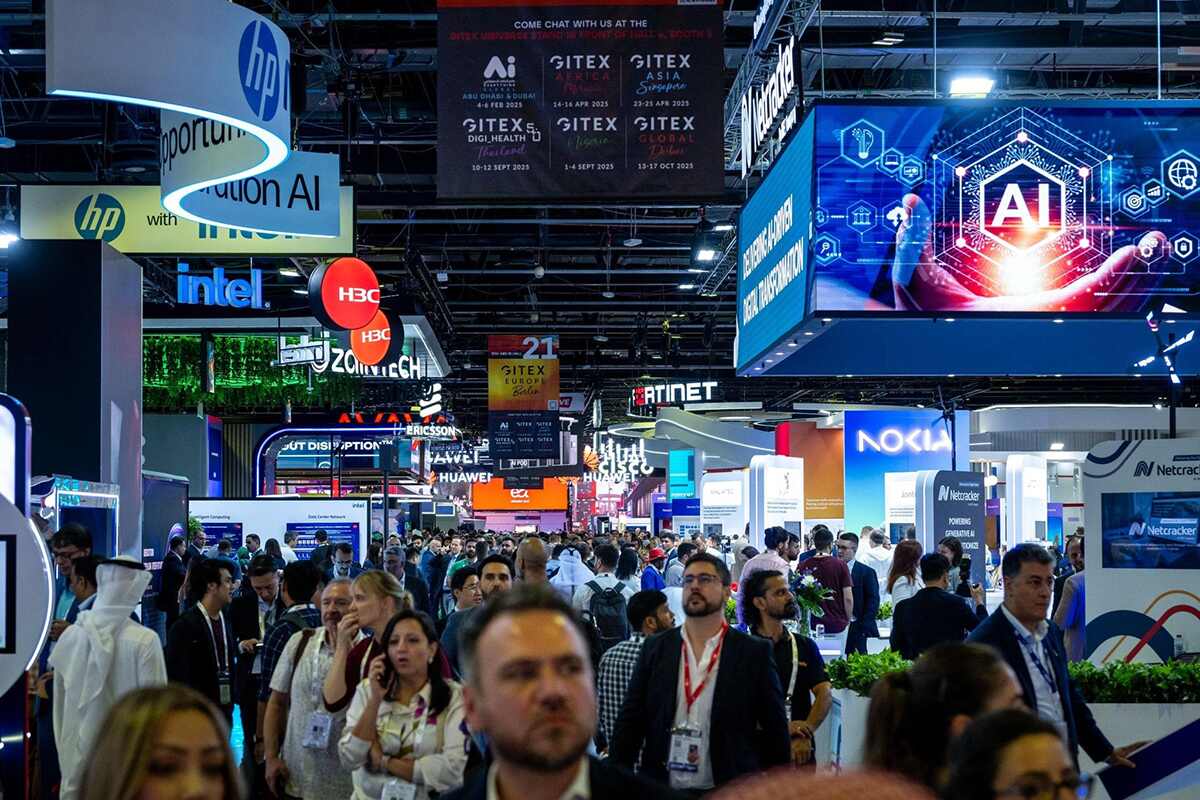
GITEX Global 2025, running from 13 to 17 October at the Dubai World Trade Centre, draws more than 6,800 tech companies and some 2,000 startups from about 180 countries. It is expected to be the largest edition to date, integrating themes such as physical AI, quantum computing, biomedicine and semiconductor innovation. Across the co-located Expand North Star event, over 1,200 investors managing assets exceeding US$1.1 trillion will scout opportunities among scale-ups and unicorns.

The India Pavilion marks a concerted push to convert India–UAE strategic frameworks into tangible tech commerce. With the India–UAE Comprehensive Economic Partnership Agreement and the Local Currency Settlement System operational, cross-border ICT trade has surged. Bilateral trade crossed US$100 billion during fiscal year 2024–25, and electronics exports alone reached US$3.7 billion, positioning the UAE as a key destination for Indian hardware shipments.

At a preparatory briefing, Kamal Vachani, ESC’s regional director for Dubai, described the pavilion as more than a display — “a living showcase of India’s tech prowess and growing synergy with the UAE.” ESC’s CEO, Gurmeet Singh, noted that many participating companies are MSMEs or first-time exporters, and that the pavilion aligns with India’s ambition to emerge as a global electronics hub.

India’s strategy at GITEX goes beyond sheer numbers. Firms are bringing solutions purpose-built for global markets — from smart city platforms to blockchain-enabled supply chains. The pavilion will host curated sessions on cross-border compliance, regulatory alignment, and scalable deployment across Middle Eastern and African markets.

For the UAE, the event reinforces its vision of acting as a global nexus for innovation and capital. Major corporate names such as G42, e&, IBM, AMD, Huawei, Microsoft, Oracle and Amazon Web Services will anchor the exhibitions. New entrants including Cerebras, Tata Electronics, Qualcomm and Tenstorrent will attempt to break in. The show also emphasises future-critical infrastructure: hyperscale data centres, quantum systems, and semiconductor roadmaps are front and centre.

Globally, one of the event’s linchpin themes is the maturation of AI into domain-specific systems. The AI Semicon track will address sovereign technology imperatives in chip design, while the Quantum Expo will present fault-tolerant architectures. At the intersection of AI and healthcare, companies like Mammoth Biosciences and Paradromics will illustrate how gene-editing and neurotech are being reimagined. Robotics firms will showcase humanoid prototypes and autonomous “robocars,” underscoring the pivot to “physical AI.”

Strategic partnerships form a parallel narrative. India and the UAE are finalising memorandum exchanges via the UAE-India Business Council to deepen collaboration across fintech, logistics, digital infrastructure and state-level investment. The CEPA Start-up Series launched earlier this year in New Delhi underscores a joint intent to foster innovation-led cross-border growth.

MACAU SAR – Media OutReach Newswire – 8 October 2025 – Organised by the Macao Government Tourism Office (“MGTO”), the “Experience Macao Mega Sale” in Malaysia will be held in Kuala Lumpur, with SJM Resorts, S.A. (“SJM”) as a key participant. This four-day tourism and cultural showcase, from 9 to 12 October at IOI City Mall, underscores SJM’s strategic collaboration with the Macao SAR Government to further […]

Nvidia Corporation has officially reached a market valuation exceeding $4.75 trillion, marking a significant milestone for the company and the broader technology sector. The chipmaker, renowned for its innovations in graphics processing units and AI technologies, has seen a rapid surge in stock value, bolstered by growing demand in areas such as gaming, data centres, and artificial intelligence.

The company’s market cap, now placing it among the most valuable companies globally, reflects its strategic positioning at the centre of critical technological trends. Nvidia’s GPU technology has become indispensable in fields ranging from gaming to machine learning and data analytics. Its leadership in AI applications, particularly in areas like autonomous driving and generative AI, has been a key driver behind its expanding market reach.

The surge in Nvidia’s market cap follows impressive quarterly earnings, which showed a substantial increase in revenue, particularly driven by its data centre segment. Analysts attribute the company’s growth to its cutting-edge products, including the A100 and H100 GPUs, which have cemented Nvidia’s reputation as the leading provider of AI computing hardware. These advancements are now crucial to many sectors, including cloud computing, gaming, and large-scale enterprise solutions.

Nvidia’s ability to capitalise on the increasing integration of AI into business processes and consumer products has been pivotal to its success. The company’s GPUs power most of the leading AI platforms, including those used in cloud data centres, where the demand for advanced computational power continues to soar. Moreover, Nvidia’s partnerships with tech giants and startups alike have positioned it as an essential player in the development of AI tools and infrastructure.

In addition to its AI-driven growth, Nvidia has capitalised on the gaming industry, where its GPUs remain a cornerstone for high-performance graphics. The booming popularity of esports and virtual reality, as well as the continual advancement of gaming hardware, has kept Nvidia in a dominant position within this sector. Its GPUs power not only personal gaming rigs but also high-end consoles and cloud-based gaming services, further amplifying its market presence.

The company’s stock performance has consistently outpaced the broader technology sector, with a remarkable acceleration in share prices following its strategic shift towards AI and machine learning. Investors have been particularly bullish on Nvidia, with many analysts forecasting continued growth driven by the company’s investments in next-generation technologies and its expanding footprint in emerging markets like AI-driven healthcare, robotics, and digital content creation.

Nvidia’s market success has also been underpinned by its robust financial health. The company’s ability to generate strong cash flows has allowed it to reinvest in cutting-edge R&D, securing its competitive edge. Nvidia has consistently delivered on innovation, with the launch of new products and the expansion of its software ecosystem, which includes AI development tools, simulation platforms, and enterprise solutions.

The market has recognised Nvidia’s potential beyond traditional GPU applications. Its recent moves into high-performance computing and the automotive sector, particularly with self-driving car technologies, have diversified its portfolio and unlocked new revenue streams. As Nvidia continues to push the boundaries of what its technology can achieve, its influence on the global tech landscape is only expected to grow.

FRANKFURT, GERMANY – Media OutReach Newswire – 9 October 2025 – allnex is taking a bold leap forward with the launch of its European Defense Materials Program. This initiative is designed to accelerate innovation and support Europe’s ambition for greater strategic autonomy in defense. Europe’s defense sector is facing urgent challenges. New solutions must be developed faster, built to last longer, and perform reliably in the harshest […]

Cyber resilience has evolved from a mere operational necessity to a core strategic focus for businesses across the globe. As cyber threats continue to escalate in complexity and volume, companies are now recognising the importance of not just preventing cyberattacks, but also ensuring they can quickly recover and continue functioning in the face of such threats. Synology, a leader in data storage and network solutions, has taken […]

Arabian Post Staff -Dubai Nirvana Travel & Tourism has entered into a partnership with Liwa University in Abu Dhabi, marking a significant step in the expansion of educational opportunities. The Memorandum of Understanding, signed between the two entities, is aimed at fostering collaboration that will strengthen the local community’s access to high-quality education, bridging gaps in the tourism and educational sectors. The agreement outlines a shared commitment […]

GITEX, the iconic technology and innovation expo, is broadening its footprint by expanding into Vietnam, heralding a new chapter for the Southeast Asian nation’s burgeoning digital economy. With the event’s successful history in the Middle East and Asia, this expansion signals a strong shift towards positioning Vietnam as a central player in the global digital arena. The launch aligns with Vietnam’s ambitious vision to develop a digital economy worth over $200 billion by 2030, driven by the country’s evolving tech ecosystem, government-backed initiatives, and an increasingly connected population.

GITEX Vietnam, set to take place in Hanoi, is expected to be a major catalyst for the nation’s digital transformation. The expo, known for showcasing the latest advancements in AI, cloud computing, cybersecurity, and smart technologies, will provide a platform for global tech giants and local startups to foster collaboration. This shift not only promises to boost local innovation but also offers international companies the opportunity to tap into Vietnam’s rapidly growing market. The country’s young, tech-savvy population and expanding digital infrastructure make it an ideal destination for the event, underscoring the symbiotic relationship between GITEX’s global platform and Vietnam’s digital future.

The expansion into Vietnam is a testament to GITEX’s strategic move to capture the rising tide of digitalisation across Southeast Asia. According to industry analysts, Vietnam’s digital economy is one of the fastest-growing in the region. With the government’s commitment to building a robust digital infrastructure, the country aims to integrate digital solutions across key sectors, including healthcare, education, logistics, and manufacturing. This government push is expected to further accelerate innovation in AI and blockchain technologies, sectors where Vietnam has begun to make notable strides.

One of the main drivers behind Vietnam’s digital economy ambitions is the government’s Digital Transformation Program, which aims to equip businesses and individuals with the tools to thrive in the new digital world. As part of this initiative, the Vietnamese government has pledged to support local startups and foster an environment conducive to technological advancements. Public-private partnerships are expected to play a pivotal role in bridging the gap between government policy and the commercial sector, ensuring that both infrastructure and innovation go hand in hand.

GITEX’s involvement in this transformation is poised to elevate Vietnam’s digital capabilities on the global stage. By offering a comprehensive view of the latest trends, technologies, and business solutions, the event will expose Vietnamese enterprises to the tools and insights needed to enhance productivity, efficiency, and innovation. As part of the expansion, Vietnam’s homegrown tech companies will also be able to showcase their capabilities, fostering collaboration with global leaders in digital technologies.

The 2025 edition of GITEX Vietnam will feature a broad spectrum of sectors, including digital health, fintech, artificial intelligence, and cybersecurity. These areas align closely with the country’s vision to modernise key industries and improve overall living standards through technology. AI, for instance, is expected to play a crucial role in enhancing Vietnam’s manufacturing sector, enabling greater automation and precision in production. Additionally, fintech’s rise in Vietnam promises to boost financial inclusion by offering innovative solutions to underserved populations, with digital payments and mobile banking expanding rapidly in urban and rural areas alike.

The growing momentum of GITEX in Southeast Asia is evident through its ongoing success in regions like the UAE, India, and Saudi Arabia, where it has served as a crucial platform for digital transformation discussions. The move into Vietnam further strengthens its position as a global tech hub, providing valuable opportunities for cross-border collaboration. Vietnamese companies, eager to expand their reach, will benefit immensely from the international exposure GITEX provides, potentially paving the way for future partnerships, investments, and technological breakthroughs.

Gemini has secured registration with AUSTRAC and formally established its Australian arm, positioning itself as a regulated digital currency provider in the country. With the move, Australians can now trade with Australian dollars through local payment rails and the firm has named a dedicated country head to lead its strategy.

The new entity, Gemini Intergalactic Australia Pty Ltd, is now recognised by AUSTRAC as a digital currency provider, enabling full operations in compliance with Australia’s anti-money laundering and counter-terror financing laws. Local deposit and withdrawal options via PayID and Australia’s New Payments Platform will be enabled, reducing reliance on cross-border transfers.

Saad Ahmed, Gemini’s head of APAC, said the expansion aligns with robust demand in Australia’s crypto market, which the company estimates at roughly 22–25 per cent adoption. He emphasised that the decision to push into Australia preceded the government’s latest regulatory proposals. The firm plans to apply for an Australian Financial Services License to roll out advanced services such as staking and lending, but these will not be available at launch.

To lead its local presence, Gemini has appointed James Logan as Head of Australia. Logan was formerly in leadership roles at Luno and Bitget in Australia, thus bringing regional experience in crypto operations and regulatory compliance. His responsibilities include building partnerships, scaling operations, and navigating evolving policy frameworks.

Gemini’s entry comes amid intensifying regulatory focus in Australia. The government recently released draft legislation that would require crypto exchanges to hold an AFSL under the Corporations Act, thus applying the same regulatory rigour to digital assets as to traditional finance firms. Some industry observers view the move as a consolidation trigger—smaller platforms may struggle to absorb compliance costs.

Beyond regulation, banking integration remains a competitive differentiator. Australian customers have long faced friction when depositing and withdrawing via crypto platforms due to banks restricting or flagging such transactions. Gemini’s local setup aims to mitigate such barriers by partnering with Australian payment systems and financial institutions.

In the competitive landscape, Gemini will go head to head with established players such as Independent Reserve, CoinSpot, Binance Australia and OKX. While some already operate under established local compliance frameworks, Gemini emphasises institutional-grade infrastructure, regulatory integrity and global liquidity as its advantages.

Analysts view the timing of Gemini’s move as strategic. The firm’s recent listing on Nasdaq, in which it raised USD 425 million, has strengthened its capital base and credibility. Establishing operations in Australia now allows it to lock in market share under current rules, ahead of any stricter licensing regime.

Australia’s crypto adoption has surged in recent years. Surveys and industry reports suggest that by 2025 nearly one in four Australians hold digital assets—a rate comparable to the U. S. This growth, along with rising institutional interest, makes the market an increasingly attractive target for global exchanges.

Gemini has had a presence in Australia since 2019, serving local users via its global platform but with limited features and higher costs. Under the new structure, native AUD deposits, enhanced trading pairs, and faster settlement are expected to improve user experience and price competitiveness.

While Gemini’s initial rollout will omit certain features like crypto-backed credit or staking, the company says it is pacing its product expansion in tandem with regulatory clarity. It is adopting a “wait-and-watch” posture with respect to the government’s consultation process, but remains confident that its operations will comply.

The Australian push is one element in Gemini’s broader global strategy. It has also moved ahead in Europe under MiCA and is exploring tokenised stock trading in key markets. The firm now claims to serve customers in over 60 jurisdictions and has processed hundreds of billions of dollars in cumulative trading volume.

VISHNU RAJA
RYO YAMADA
HITORI GOTOH
IKUYO KITA