News related to
Partnerships

Dubai is set to revolutionize its public transport system with the introduction of electric pods that will provide seamless door-to-door connectivity from the Metro stations to residences and businesses. This innovative initiative, a collaborative effort between Dubai’s Roads and Transport Authority (RTA) and various technology partners, aims to enhance urban mobility and create a more sustainable transport ecosystem. By combining the efficiency of the Metro with the convenience of electric pods, the city seeks to address the growing demand for integrated public transport solutions.

The electric pods are designed to transport passengers from Metro stations to their destinations without the need for additional transfers. Utilizing an advanced technology framework, these autonomous vehicles will operate on dedicated lanes, minimizing congestion and improving overall travel times. RTA officials have indicated that the electric pods will not only serve as an extension of the existing Metro network but will also promote a more environmentally friendly mode of transport, aligning with Dubai’s broader sustainability goals.

The introduction of electric pods is a part of Dubai’s ambitious 2040 Urban Master Plan, which envisions a city that is smarter, more connected, and environmentally conscious. The plan includes enhancing the public transport network to ensure that at least 20% of all journeys in Dubai are made via public transport. This initiative aims to reduce reliance on private vehicles, contributing to lower traffic congestion and improved air quality.

Dubai’s RTA has emphasized the importance of technological integration in this project. The electric pods will leverage advanced systems for navigation and traffic management, ensuring safe and efficient operation. These vehicles are expected to be equipped with state-of-the-art sensors and artificial intelligence capabilities, allowing for real-time data processing and responsive decision-making. This will not only enhance the user experience but will also ensure that safety remains a top priority.

As part of the pilot program, a select number of electric pods will be deployed in strategic locations around Dubai to gather data and refine the service model. Feedback from initial users will be crucial in optimizing the service, addressing any operational challenges, and enhancing passenger comfort. This phased approach is essential to ensure that the technology meets the needs of Dubai’s diverse population.

The project is anticipated to benefit a wide demographic, including residents, tourists, and those commuting for work. For residents, the convenience of an electric pod that connects directly from the Metro to their doorstep can significantly enhance daily commuting experiences. Tourists will also find this service appealing, as it offers an efficient means to navigate the city without the need for extensive travel planning.

The environmental impact of this initiative cannot be understated. By utilizing electric pods, Dubai aims to reduce the carbon footprint associated with traditional transport methods. The reliance on electric power rather than fossil fuels is a crucial step in the city’s quest to promote sustainability. With global focus shifting towards green technology and eco-friendly practices, Dubai’s initiative reflects a broader trend of urban areas seeking to embrace cleaner transport solutions.

The electric pod initiative is expected to stimulate economic growth and create new job opportunities. The demand for skilled professionals in technology, engineering, and transportation logistics will rise, fostering a more dynamic job market in these sectors. Additionally, partnerships with local businesses to facilitate charging stations and maintenance services will further support economic development.

Looking ahead, Dubai’s commitment to integrating electric pods into its transport infrastructure signifies a bold step towards smart urban living. This initiative not only aligns with the city’s strategic vision but also sets a precedent for other global cities striving to enhance public transport systems. As cities worldwide face challenges related to congestion and pollution, Dubai’s innovative approach may serve as a model for sustainable urban transport.

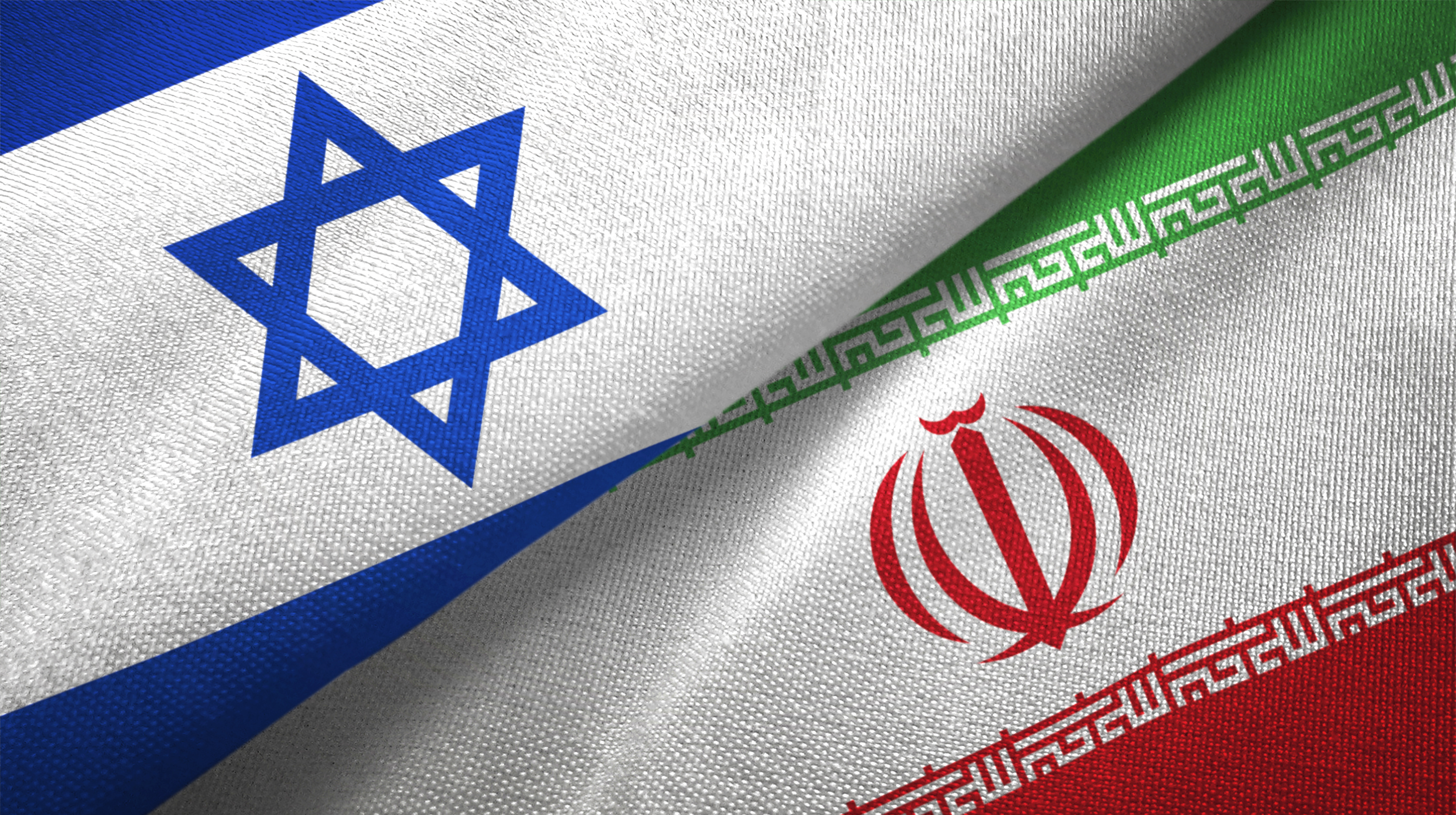
A significant shift in global oil prices has occurred, triggered by reports that Israel will not target Iranian energy facilities during its ongoing military operations. The announcement has contributed to a notable decrease in crude oil prices, with Brent crude futures falling to approximately $83.50 per barrel, a drop of nearly 5%. West Texas Intermediate (WTI) also experienced a decline, trading around $78.50 per barrel. The news of a potential de-escalation of tensions has sparked optimism among traders and analysts, prompting discussions about the implications for oil supply and regional stability.

This development follows heightened concerns about the geopolitical landscape in the Middle East, particularly since the onset of hostilities involving Israel and Hamas. Market observers had speculated that any escalation involving Iran could disrupt oil supply chains, especially given Iran’s substantial role in the global oil market. The country, a member of the Organization of the Petroleum Exporting Countries (OPEC), has consistently been a significant player in oil production, with its output averaging around 3 million barrels per day prior to the imposition of sanctions.

Analysts have noted that the decision to refrain from targeting Iranian facilities could stabilize oil prices in the short term. Such stability is crucial, as fluctuations in oil prices often reflect broader economic sentiments and can influence inflation rates worldwide. The International Energy Agency (IEA) had previously warned that any conflict in the region could lead to a supply shock, resulting in further price surges. However, the latest assurances have alleviated some of these fears, allowing for a moment of respite in oil markets.

The interplay between Israel and Iran extends beyond military engagements, encompassing significant economic implications as well. Iran’s oil exports have faced restrictions due to sanctions imposed by Western nations, limiting its ability to engage in international trade. Despite these challenges, Iran has sought to bolster its oil exports through partnerships with countries such as China, which has emerged as a primary importer of Iranian crude.

This latest news has prompted reactions from various stakeholders in the oil market. Major oil companies are closely monitoring the situation, as any potential escalation could alter their operational strategies and long-term investment plans in the region. Executives from companies like BP and Shell have expressed cautious optimism, reiterating their commitment to maintaining stable supply chains while navigating geopolitical uncertainties.

While the immediate outlook appears more favorable for oil prices, analysts caution that the situation remains fluid. The potential for conflict in the Middle East has not dissipated, and other geopolitical factors could still influence market dynamics. For instance, the ongoing conflict in Ukraine and its ramifications for global energy supply also weigh heavily on market sentiment. European countries continue to seek alternatives to Russian gas, further complicating the energy landscape and contributing to price volatility.

Market analysts are keeping a close eye on OPEC’s strategies in response to shifting demand dynamics. The organization has historically played a critical role in managing oil supply to influence prices. The group is likely to convene in the coming weeks to assess the current situation and consider adjustments to their production quotas. OPEC’s decisions are crucial for maintaining market equilibrium, especially during times of uncertainty.

In the context of these developments, there has been a renewed focus on the importance of diversifying energy sources and enhancing energy security. Nations worldwide are increasingly exploring renewable energy options as part of their long-term strategies to reduce dependence on fossil fuels. This transition has been accelerated by rising global temperatures and the urgent need to address climate change, prompting many governments to invest in sustainable energy infrastructure.

GITEX Global 2024 has drawn the attention of the global tech community, making Dubai a focal point for innovation and collaboration. Held at the Dubai World Trade Centre, this year’s event is showcasing an array of cutting-edge advancements, including artificial intelligence (AI), cybersecurity, blockchain, and more. With over 6,000 exhibitors from 180 countries, GITEX is promoting key sectors like AI-driven healthcare, fintech, and climate tech. The event has also placed a spotlight on cybersecurity challenges and solutions, attracting top industry players to discuss the future of AI in various fields.

One of the central themes of this year’s GITEX is AI’s role in reshaping industries. “AI Everything,” a major attraction at the event, is focusing on integrating AI into sectors such as digital finance, healthcare, and education. With demonstrations of AI-driven technologies, attendees are gaining insights into how AI will continue to disrupt traditional models, providing more efficiency and data-driven decision-making.

In tandem with these developments, the fintech sector is experiencing significant attention. “Fintech Surge,” another highlight of the event, is hosting global fintech leaders to explore how blockchain and AI are pushing boundaries in digital finance. Investors and startups alike are eyeing new opportunities as digital currencies, decentralized finance (DeFi), and AI-powered financial services grow in prominence. Dubai, positioning itself as a hub for innovation, offers the perfect backdrop for these transformative conversations.

Cybersecurity has emerged as a key topic, as threats in the digital space continue to escalate. GITEX’s “Cyber Valley” is addressing the intersection of AI and cybersecurity, gathering top experts to explore ways to counter cyber threats in an increasingly connected world. High-profile cybersecurity executives and government leaders are collaborating to establish frameworks that can protect sensitive data, infrastructure, and networks from sophisticated cyber-attacks.

Startups and entrepreneurs are also finding GITEX to be a launchpad for growth. “Expand North Star,” a major startup event running alongside GITEX, is connecting founders with venture capitalists and tech leaders to foster partnerships and scale new ventures. The event highlights the increasing importance of fostering an entrepreneurial ecosystem that nurtures innovative ideas and gives rise to the next generation of tech giants.

The event’s focus on sustainability is evident through “Gitex Impact,” where climate-tech innovators are unveiling solutions for environmental challenges. AI-driven sustainable technologies, including advancements in waste management and conservation, are on display, emphasizing the role of technology in addressing global climate issues.

Dubai’s ambition to be a leading global tech hub is reinforced by the diversity of participants and the scale of innovations being showcased at GITEX. Government leaders, industry experts, developers, and investors are all converging to forge partnerships and explore how emerging technologies can drive future economic growth.

GITEX Global 2024 is not just about presenting technological advancements, but also about sparking discussions around the ethical implications of such technologies. From the regulatory challenges of AI to privacy concerns, these critical issues are being debated as technology continues to evolve rapidly. The convergence of AI, cybersecurity, and fintech underlines the complex, interconnected nature of modern digital transformations.

Mubadala’s healthcare arm, KELIX Bio, has made a decisive step in boosting its presence in the life sciences sector by acquiring four pharmaceutical assets from GlobalOne Healthcare Holding. This move is part of Mubadala’s broader ambition to transform the UAE into a global hub for life sciences innovation and advanced healthcare solutions. The acquisition reflects the growing influence of the UAE’s healthcare industry as it aligns with the nation’s goals to enhance its capabilities in pharmaceuticals and biotechnology.

The deal involves four strategic pharmaceutical companies, which are expected to add substantial value to Mubadala’s existing healthcare portfolio. It also demonstrates the commitment of KELIX Bio, a key player in Mubadala’s ecosystem, to expanding its footprint across the Middle East and Africa. This acquisition is seen as an essential step toward addressing rising healthcare demands in the UAE and further establishing the nation as a leader in advanced healthcare solutions.

The UAE has been focused on expanding its healthcare infrastructure and capabilities, especially in the fields of pharmaceuticals and biotechnology. The government’s initiatives, such as the National Strategy for Wellbeing 2031, are aimed at enhancing the overall health sector in the country. Mubadala’s acquisition aligns with these initiatives, helping to create an ecosystem that fosters innovation, sustainability, and long-term economic growth.

KELIX Bio is positioned as a leader in the manufacturing and distribution of essential medicines across emerging markets, focusing on addressing the critical need for quality and affordable treatments. The latest acquisitions from GlobalOne Healthcare Holding provide KELIX Bio with advanced pharmaceutical production capabilities and access to new markets. These assets are integral to producing generic and specialized medications that will serve both the UAE’s population and neighboring regions.

Mubadala’s strategy is not limited to expanding its pharmaceutical footprint within the UAE. The acquisitions signal a broader focus on making the country a life sciences powerhouse that can influence markets across the Middle East, Africa, and beyond. By enhancing local production capabilities, KELIX Bio aims to reduce dependency on imported medicines and foster a sustainable supply chain for critical medications.

The importance of these acquisitions is further highlighted by the fact that KELIX Bio has been aggressively pursuing growth in various healthcare sectors. Prior to this deal, the company made notable investments in manufacturing facilities in Egypt and Morocco, positioning itself as a dominant force in the region’s pharmaceutical market. The addition of GlobalOne’s assets will enhance KELIX Bio’s portfolio, enabling it to meet the growing demand for medical treatments across emerging markets.

Industry experts believe that this acquisition could significantly impact the life sciences industry in the UAE. The healthcare sector in the UAE has been undergoing rapid growth, driven by government initiatives, private investments, and a strong emphasis on medical research and development. The addition of new pharmaceutical assets is expected to catalyze innovation in drug production and distribution, supporting the country’s long-term vision for a sustainable and advanced healthcare system.

Mubadala’s focus on healthcare is not new. The sovereign wealth fund has long prioritized investments in sectors that align with the UAE’s economic diversification goals. Over the years, Mubadala has played a key role in developing critical industries such as healthcare, aerospace, and renewable energy, contributing to the nation’s vision of building a knowledge-based economy. Through KELIX Bio, Mubadala is now advancing its efforts to create a self-reliant healthcare system that is less dependent on international supply chains.

The life sciences industry in the UAE is also benefiting from an influx of global talent and expertise, driven by both government policies and Mubadala’s investments. The country has established itself as an attractive destination for life sciences companies and professionals, thanks to its strategic location, favorable business environment, and robust infrastructure. The acquisition of GlobalOne Healthcare Holding’s assets further strengthens the UAE’s position as a growing center for pharmaceutical and healthcare innovation.

The UAE government’s long-term vision for the healthcare sector has laid the groundwork for a thriving life sciences ecosystem. By fostering public-private partnerships and encouraging investment in cutting-edge healthcare technologies, the country aims to become a global leader in this field. Mubadala’s acquisition is expected to contribute significantly to this vision, as it brings in new technologies, expertise, and opportunities for collaboration in the global healthcare market.

The acquired assets will help boost the production of life-saving medicines and therapies, with a particular focus on emerging markets. The deal comes at a time when the global demand for affordable and effective healthcare solutions is on the rise. By focusing on expanding its presence in pharmaceuticals, Mubadala is addressing both regional and international healthcare needs, providing essential treatments to underserved populations.

Mubadala’s acquisition is expected to spur growth in the UAE’s pharmaceutical manufacturing sector, creating new jobs and contributing to the country’s economic development. The move aligns with the UAE’s broader healthcare goals of improving access to high-quality medical treatments and fostering innovation within the industry. KELIX Bio’s acquisition strategy will likely continue as the company looks for more opportunities to strengthen its position in the Middle East and Africa.

Ethena Labs has put forward a proposal to include Solana (SOL) in the collateral pool for its stablecoin, USDe. If approved, this move would position SOL alongside Bitcoin (BTC) and Ethereum (ETH) as part of Ethena’s diversified collateral strategy. The incorporation of SOL aims to enhance the stability and utility of USDe while tapping into the growing Solana ecosystem.

The proposal reflects Ethena Labs’ ongoing efforts to strengthen its product offerings and enhance the robustness of its stablecoin. Currently, USDe is backed by BTC and ETH, both of which have established themselves as reliable digital assets within the cryptocurrency market. By adding SOL, Ethena Labs hopes to leverage the asset’s increasing popularity and the broader developments in the Solana network.

Solana has garnered significant attention in recent years for its high throughput and low transaction costs. As the demand for efficient blockchain solutions grows, Solana has positioned itself as a leading contender. This is particularly relevant as various decentralized finance (DeFi) projects increasingly look for scalable solutions. Ethena Labs’ move to integrate SOL into USDe’s collateral mix could also signal a growing acceptance of diverse assets within the stablecoin market.

The proposal has sparked discussions among stakeholders within the cryptocurrency community, with many viewing it as a strategic alignment with current market trends. Several analysts believe that including SOL could help stabilize USDe by providing an additional layer of security and liquidity. Solana’s unique consensus mechanism, which allows for faster transaction speeds, could contribute positively to the stability of USDe, particularly during times of market volatility.

Industry experts point out that the successful integration of SOL will depend on regulatory compliance and market acceptance. Ethena Labs has emphasized its commitment to maintaining high standards of compliance and risk management as it navigates the complexities of including a new asset in its collateral pool. The company has also sought feedback from its community to ensure that all perspectives are considered before moving forward with the proposal.

The growing interest in Solana has not only been driven by its technological capabilities but also by its expanding ecosystem of projects and partnerships. As more developers build on Solana, its utility and value proposition are expected to increase, making it an attractive asset for collateralization. Ethena Labs’ strategic move could also encourage other stablecoin issuers to consider similar integrations, reflecting a broader trend of diversification in the stablecoin market.

Competitors in the space are also monitoring Ethena Labs’ proposal closely, as it may set a precedent for how stablecoins can adapt to the evolving cryptocurrency landscape. With the market continually shifting, the addition of diverse assets to stablecoin collateral pools could become increasingly common. This could help to further legitimize various cryptocurrencies as viable options for collateralization, enhancing their overall market presence.

The proposal for SOL’s inclusion in USDe collateral comes at a time when the stablecoin market is experiencing significant growth. With various stablecoins gaining traction among investors and users, the demand for innovative collateral strategies is paramount. By diversifying its collateral mix, Ethena Labs aims to enhance the resilience of USDe, providing greater confidence for users seeking stability in their digital assets.

Solana’s reputation as a scalable and efficient blockchain solution aligns with Ethena Labs’ objectives of improving the performance of its stablecoin. With SOL’s potential to contribute to faster transactions and lower fees, Ethena Labs is positioning itself to capture a segment of the market that values efficiency and innovation.

As discussions surrounding the proposal unfold, Ethena Labs has reaffirmed its commitment to transparency and stakeholder engagement. The company plans to conduct a thorough analysis of community feedback and regulatory implications before finalizing its decision on including SOL in USDe’s collateral framework. This approach underscores the importance of aligning business strategies with the expectations of users and regulators in the rapidly evolving cryptocurrency ecosystem.

The addition of SOL to Ethena Labs’ collateral mix would not only signify a strategic move for USDe but could also influence broader market dynamics. As stablecoins continue to gain popularity among traders and investors, the integration of diverse assets could reshape the landscape of digital currencies. Ethena Labs’ proactive approach reflects a growing recognition of the need for stablecoins to adapt to market changes while maintaining their core functions.

Minister of Investment Khalid Al-Falih revealed plans for the management of four Saudi airports by the private sector starting in 2025. Speaking at the inaugural Global Logistics Forum held at the King Abdullah Financial Center in Riyadh, Al-Falih emphasized the initiative’s potential to enhance operational efficiency and boost the nation’s logistics and transport sectors. This announcement is part of a broader strategy aimed at transforming Saudi Arabia […]

Tamkeen, a prominent investment firm based in Bahrain, has set the price range for its upcoming initial public offering (IPO), aiming to raise as much as $106 million. The IPO is a significant step for the company, which plans to list on the Bahrain Bourse. The announced price range is set between 0.60 and 0.70 Bahraini Dinars per share, providing an attractive entry point for both retail […]

Advertisements

Goldman Sachs has revised its projection for China’s 2024 economic growth, raising the country’s GDP forecast to 4.9%, signaling renewed confidence in Beijing’s economic recovery efforts. The investment bank’s upward revision stems from several factors, including stronger-than-expected data on industrial output and increased consumer spending, coupled with the effects of more targeted policy support. These adjustments suggest that Chinese authorities are focusing on stabilizing the economy through both fiscal measures and monetary easing.

China’s economic performance in 2023 faced significant hurdles, particularly due to sluggish consumer demand following the lifting of strict pandemic-related restrictions, and a property sector in turmoil. However, signs of stabilization have emerged, leading global financial institutions, including Goldman Sachs, to reassess their outlook on the world’s second-largest economy.

The Chinese government’s approach to managing the country’s growth has evolved, reflecting a shift from aggressive pandemic-era fiscal policies toward more measured economic interventions. Goldman Sachs noted that China’s leadership has implemented strategies aimed at striking a balance between economic stimulus and long-term sustainability. This shift has helped calm investor concerns about structural issues, particularly in real estate, while stimulating sectors such as manufacturing and technology.

The revised forecast aligns with other optimistic assessments, suggesting that China is poised to achieve moderate yet sustainable growth in 2024. Goldman Sachs’ economists highlighted that China’s renewed focus on infrastructure spending, along with a gradual recovery in the property market, are likely to support the nation’s GDP growth trajectory. Additionally, the bank predicts that consumer confidence will continue to rebound, boosted by government initiatives aimed at alleviating unemployment and expanding credit availability.

Analysts also emphasize the role of China’s exports, which have benefitted from the relative strength of global demand, particularly in sectors such as electronics and machinery. While geopolitical tensions, including trade relations with the U.S., remain a potential risk, the bank noted that China’s diverse manufacturing base and strategic partnerships with emerging markets will continue to bolster its economic resilience.

However, challenges persist, particularly within the property sector. Although authorities have taken steps to stabilize the real estate market, the sector remains fragile due to high levels of debt among property developers and continued concerns about housing affordability. Goldman Sachs pointed out that resolving these issues will be critical to maintaining the momentum of China’s broader economic recovery.

The signing of the memorandum between Bpifrance, Sawari Ventures, and Flat6Labs took place within the framework of the FrancoTech exhibition for Francophonie and Innovation at Station F in Paris, alongside the Francophonie Summit CAIRO, EGYPT – EQS Newswire – 10 October 2024 – During the FrancoTech exhibition held on October 3 and 4, 2024, at Station F in Paris, alongside the Francophonie Summit, Bpifrance, Sawari Ventures, and […]

SHANGHAI, CHINA – Media OutReach Newswire – 12 October 2024 – China-based esports tournament organizer VSPO announced that it has appointed a new CEO and has engaged in an “international brand alignment,” renaming itself to “Hero Esports.” Danny Tang, co-founder and current CFO, will become the company’s new CEO, with the mission of expanding the company’s “operations and driving international growth.” Dino Ying, Founder and CEO of […]

IIT Madras has inaugurated the Centre for Cybersecurity, Trust, and Reliability (CyStar), marking a significant step towards advancing India’s cybersecurity capabilities. The newly established CyStar is expected to play a pivotal role in fortifying the nation’s cyber defenses amid growing threats across various industries, including finance, healthcare, and critical infrastructure. The Center’s focus is both broad and ambitious, covering sectors from artificial intelligence to post-quantum cryptography, while aiming to create an ecosystem of innovation and collaboration.

Speaking at the launch, IIT Madras Director Prof. V. Kamakoti emphasized the increasing prevalence of cyberattacks, which are not limited to financial motives but often target key infrastructure sectors. To counter this evolving threat landscape, CyStar will focus on developing proactive defense mechanisms to safeguard the country’s digital assets. The initiative is part of the institution’s broader strategy to contribute to the global cybersecurity ecosystem, incorporating interdisciplinary research and technological advancement to meet today’s complex security demands.

CyStar has been structured with a vision to drive innovation through fundamental and applied research, fostering collaboration between academia, industry, and government. The Center will partner with prominent organizations, including the Ministry of Electronics and Information Technology, the Ministry of Education, Kaspersky, IDBI Bank, LG India, and numerous other local and international players. These partnerships aim to tackle a range of cybersecurity issues, from data privacy to the protection of critical infrastructure.

At the heart of CyStar’s mission is the desire to address cybersecurity challenges in India’s diverse social and business environments. The Center’s multi-disciplinary team will focus on developing cutting-edge solutions, including security frameworks for artificial intelligence, blockchain technology, and quantum computing. The ultimate goal is to secure vital sectors of the economy, especially those that rely heavily on digital infrastructure.

CyStar’s key coordinators, including Prof. Shweta Agrawal and Prof. Chester Rebeiro, outlined the Center’s approach, which spans fundamental research to practical applications. Agrawal stressed the importance of a collaborative environment that brings together experts from varied fields to tackle the complex problem of cybersecurity. Rebeiro added that the Center’s outreach programs and industry-academia relationships would help foster innovation and secure India’s critical industries.

By integrating cybersecurity advancements into real-world applications, the Center also aims to contribute to startup ecosystems, helping to cultivate new companies that focus on cybersecurity solutions. This aligns with India’s broader ambition to become a global leader in technology-driven innovation. Furthermore, the center will explore advanced cybersecurity applications in sectors such as healthcare, electronics, and automotive, industries that are highly dependent on secure and reliable digital systems.

In the keynote address, internationally renowned cybersecurity experts, including Prof. Shafi Goldwasser of MIT and Prof. Christian Scheideler of Paderborn University, emphasized the importance of innovative research to counter emerging cyber threats. They noted that as technology evolves, particularly in areas such as AI and quantum computing, cyber threats will become more sophisticated, requiring a comprehensive and forward-thinking approach. CyStar’s work, they suggested, is poised to meet these challenges head-on by developing next-generation solutions for AI security, quantum encryption, and IoT security.

SureFlow, a prominent player in artificial intelligence and eco-friendly technology solutions, is gearing up for a significant presence at GITEX GLOBAL 2024. The highly anticipated event, running from October 14 to 18 at the Dubai World Trade Centre, stands as the largest technology exhibition across the Middle East, North Africa, and South Asia. SureFlow will showcase its advanced energy management devices, emphasizing the integration of artificial intelligence […]

Global attention is fixed on the Paris Motor Show as the automotive industry gears up for a showcase of innovation and design. This year, a pronounced emphasis on electric vehicles and sustainable technologies underscores the evolving landscape of the automobile sector. French manufacturers, along with their Chinese counterparts, are set to dominate the event, reflecting broader trends in the automotive market. The Paris Motor Show, a significant […]

Q-CTRL, an Australian company specializing in quantum infrastructure software, has successfully raised $113 million in its Series B funding round, marking a significant achievement in the quantum technology sector. This round, which includes an additional $59 million from notable investors, underscores growing confidence in Q-CTRL’s innovations and the broader field of quantum technology. The latest funding boost follows Q-CTRL’s previous financial successes, including $27.4 million from its […]

Network as a Service (NaaS) provider Megaport has entered the Italian market by establishing Points of Presence (PoPs) in Milan. This strategic move includes partnerships with prominent data center operators such as AtlasEdge, Data4, Equinix, and Retelit, enhancing Megaport’s ability to offer high-speed, scalable connectivity solutions to enterprises in the region. The expansion reflects Megaport’s commitment to supporting the growing demand for flexible, cloud-based networking solutions across […]

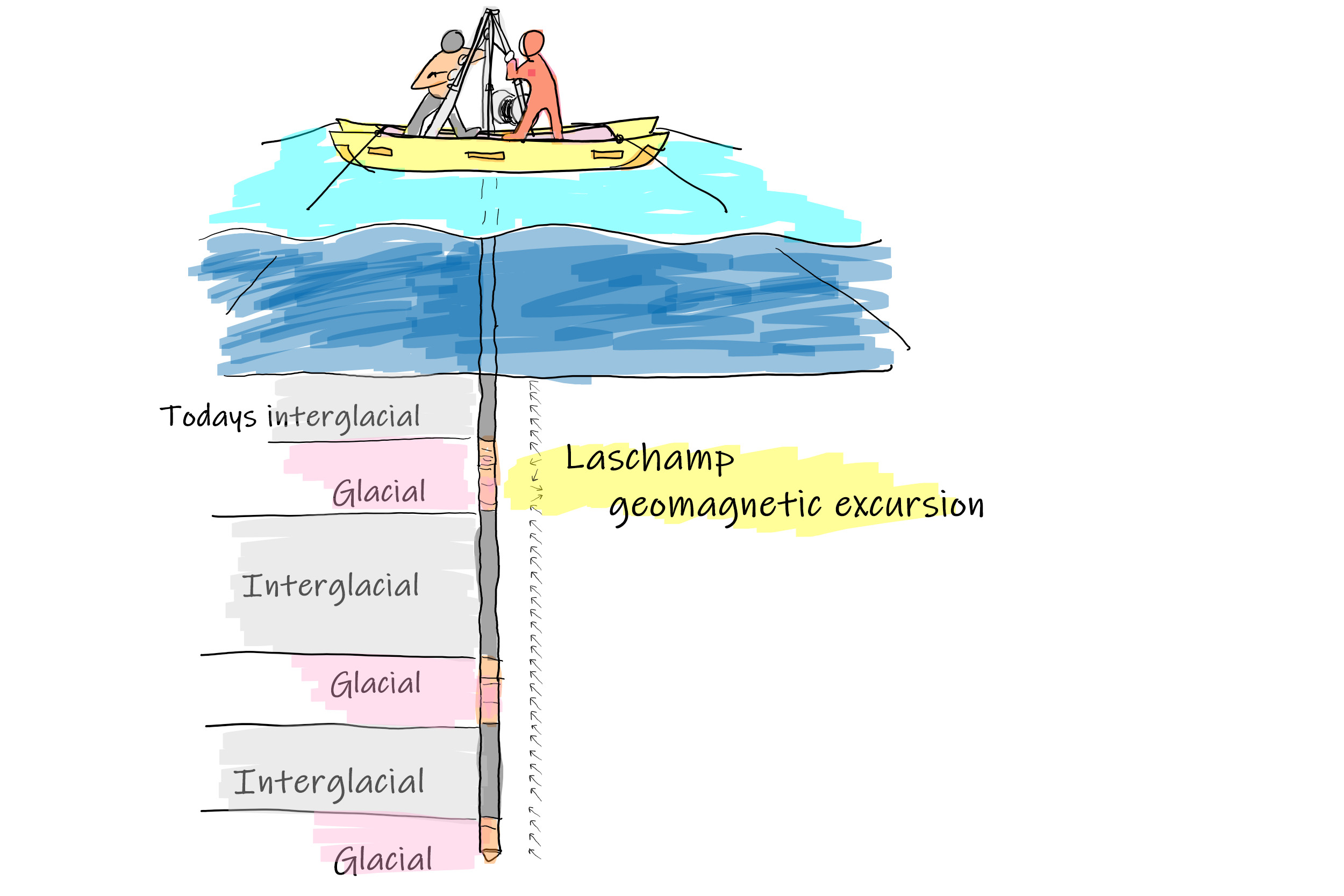
Advanced research into Earth’s magnetic field has enabled scientists to create a sound representation of the Laschamp Event, a significant geomagnetic reversal that occurred approximately 41,000 years ago. This groundbreaking work utilizes data collected by the European Space Agency’s Swarm mission, which employs three satellites to study the complexities of Earth’s magnetic environment. By converting this magnetic data into sound, researchers have offered a new auditory perspective on past geomagnetic events, enhancing our understanding of planetary processes.

The Laschamp Event is particularly notable due to its implications for the stability of Earth’s magnetic field. During this period, the magnetic field weakened significantly, which could have exposed the planet to increased levels of cosmic radiation. This weakening was accompanied by a rapid flip of the magnetic poles, a phenomenon that has piqued the interest of geophysicists and environmental scientists alike. The sound visualization project, spearheaded by a team of researchers, is seen as a novel approach to studying these complex events.

Dr. Romain L. Garret, one of the leading researchers involved in the sound mapping project, explained that the sounds created from the magnetic data capture the fluctuations in the magnetic field during the Laschamp Event. These sounds not only provide a unique listening experience but also serve as an effective tool for understanding the dynamics of geomagnetic reversals. The integration of auditory and scientific data bridges the gap between abstract scientific concepts and public understanding, enabling a more profound appreciation of Earth’s magnetic history.

The Swarm mission, launched in 2013, consists of three satellites working in tandem to gather data on the Earth’s magnetic field with unprecedented precision. The mission’s objectives include monitoring variations in magnetic intensity, mapping the gravitational field, and understanding the effects of magnetic forces on the planet’s climate and environment. The rich dataset produced by Swarm has opened new avenues for scientific inquiry, particularly in the fields of geology and climatology.

Through careful analysis of the data, researchers were able to pinpoint specific moments during the Laschamp Event when significant shifts occurred. This data was transformed into a soundscape that reflects the magnetic fluctuations over time. By listening to these sound waves, scientists and the public alike can grasp the magnitude of these changes in a more visceral manner, translating complex geophysical phenomena into an engaging auditory experience.

In addition to enhancing public engagement with scientific research, this sound mapping effort also has implications for ongoing studies related to current and future geomagnetic shifts. Understanding past magnetic reversals, such as the Laschamp Event, allows scientists to develop predictive models that may shed light on the behavior of Earth’s magnetic field today and in the future. These models are crucial for anticipating the potential impacts of geomagnetic changes, which could affect satellite operations, navigation systems, and even power grids.

Research indicates that geomagnetic reversals, while rare, can have profound effects on life on Earth. The last major reversal, the Brunhes-Matuyama transition, occurred approximately 780,000 years ago. Scientists have posited that as the magnetic field weakens, it may provide an opportunity for more solar radiation to penetrate the atmosphere, potentially affecting climate patterns and biological processes.

As the Swarm mission continues to gather data, the potential for further discoveries remains high. The ongoing analysis of Earth’s magnetic field not only aids in understanding our planet’s past but also informs preparations for its future. With advancements in technology and interdisciplinary research efforts, scientists are uncovering new insights into the interactions between the Earth’s magnetic field and various geological processes.

The sound visualization of the Laschamp Event represents a pivotal moment in Earth sciences, as it illustrates the power of innovative methodologies in presenting scientific findings. By transforming magnetic data into sound, researchers are fostering a more inclusive dialogue between the scientific community and the general public, demystifying complex scientific processes. This approach exemplifies how art and science can intersect, creating new pathways for education and engagement.

The visualization project also highlights the collaborative efforts required in modern scientific research. Teams comprising geophysicists, sound engineers, and educators worked together to develop this unique soundscape, demonstrating the benefits of interdisciplinary collaboration in advancing scientific understanding. By fostering partnerships across various fields, researchers can tackle complex questions about Earth’s past and present with a multifaceted approach.

Ambitious renewable energy goals set by the UAE have not only been met but are expected to be exceeded by 2030, according to a recent report from the International Energy Agency (IEA). The report highlights the nation’s strategic investments and policies that have accelerated the development of renewable energy sources, particularly solar and wind power. With a commitment to diversifying its energy mix and reducing reliance on […]

Crown Prince Mohammed bin Salman will not participate in the upcoming BRICS summit scheduled for October 17-19 in Moscow. This decision marks a significant diplomatic moment, as Saudi Arabia engages in a complex geopolitical landscape that includes balancing relationships with both Western nations and emerging economies in the Global South. The absence of the Crown Prince at such a high-profile gathering raises questions about the Kingdom’s strategy […]

OKX, one of the leading global cryptocurrency exchanges, has officially launched its services in Dubai, marking a significant development in the emirate’s burgeoning digital asset market. The exchange’s entry into this region is seen as a strategic move to enhance its presence in the Middle East and cater to the growing demand for cryptocurrency trading. This initiative aligns with Dubai’s ambitions to become a global hub for fintech and blockchain technologies.

The newly launched exchange offers a comprehensive suite of services, including spot and derivatives trading, which allows users to trade a variety of cryptocurrencies, including Bitcoin, Ethereum, and a wide range of altcoins. As part of its commitment to user security and regulatory compliance, OKX has implemented robust security measures and enhanced verification processes tailored to meet local regulatory requirements. This move is expected to bolster user confidence and attract a broader user base in the region.

Dubai has emerged as a favorable environment for cryptocurrency enterprises due to its progressive regulatory framework and government support for blockchain innovation. The Dubai Multi Commodities Centre (DMCC), which has developed a dedicated Crypto Centre, has been instrumental in creating an ecosystem conducive to crypto businesses. With the establishment of its exchange, OKX aims to capitalize on this supportive infrastructure and the increasing interest in digital assets among retail and institutional investors.

Industry analysts view the entrance of OKX into Dubai as a game-changer in the local cryptocurrency landscape. The exchange’s global reputation and extensive experience in the digital asset space position it well to compete with other established platforms. According to recent reports, the demand for cryptocurrency trading in the Middle East has surged, driven by a youthful population eager to explore investment opportunities in digital currencies. OKX’s offerings are expected to cater to this demographic while also attracting seasoned traders looking for a reliable and feature-rich trading platform.

OKX is committed to educational initiatives aimed at fostering a better understanding of cryptocurrencies and blockchain technology among potential users. The exchange plans to launch various educational programs, webinars, and workshops designed to equip users with the knowledge and skills necessary for safe and effective trading. This focus on education is part of a broader strategy to demystify cryptocurrencies and encourage responsible investment practices.

In addition to its trading services, OKX aims to offer a suite of advanced trading tools and features, such as algorithmic trading, margin trading, and staking options. These tools are designed to enhance the trading experience and provide users with various ways to maximize their investments. As the cryptocurrency market evolves, the introduction of such features will likely attract a diverse range of traders, from novices to experienced investors.

Competition in the UAE’s cryptocurrency market is heating up, with several exchanges vying for market share. Binance, FTX, and BitOasis are among the other prominent players that have established a presence in the region. Each platform offers unique features and services, creating a dynamic landscape for cryptocurrency trading. The entry of OKX is expected to intensify this competition, leading to better services and lower fees for users, which will ultimately benefit the growing number of investors in the region.

As digital currencies gain acceptance and regulatory frameworks evolve, the potential for further growth in the Middle East’s cryptocurrency market is immense. The UAE government has been proactive in establishing a regulatory framework that encourages innovation while ensuring investor protection. The recent introduction of the Financial Services Regulatory Authority (FSRA) regulations reflects this approach, providing clarity and guidelines for cryptocurrency operators. OKX’s adherence to these regulations signals its commitment to compliance and operational integrity.

Looking ahead, the future of cryptocurrency trading in Dubai appears promising. With the launch of its exchange, OKX aims to not only facilitate trading but also contribute to the broader fintech ecosystem in the region. The exchange is exploring partnerships with local businesses and financial institutions to enhance its service offerings and foster a collaborative environment for crypto innovation.

The exchange is leveraging Dubai’s strategic location as a gateway to other markets in the Gulf Cooperation Council (GCC) and beyond. By positioning itself in Dubai, OKX is strategically placed to attract users from neighboring countries, tapping into a larger pool of potential customers eager to explore the benefits of cryptocurrency trading.

A new study by Accenture highlights that companies embracing artificial intelligence (AI) and automation are experiencing notable performance advantages over their peers. The research indicates that 74% of firms reported their investments in automation and generative AI achieving or exceeding their expectations, with 63% planning to enhance these capabilities further by 2026. This comprehensive survey included insights from approximately 2,000 executives across various sectors. The findings underscore […]

Kronos Research has strengthened its leadership team with a focus on enhancing the firm’s commitment to innovation through collaboration and technical excellence SINGAPORE – Media OutReach Newswire – 11 October 2024 – Kronos Research, a leading quant-trading firm and market maker, has strengthened its leadership team with the appointment of Vincent Wang as Chief Technology Officer (CTO), a pivotal role focused on enhancing the firm’s commitment to […]

Abu Dhabi National Oil Company (ADNOC) is set to close its acquisition of a controlling stake in Fertiglobe, the joint venture it holds with Netherlands-based OCI N.V. Fertiglobe, a major player in the global nitrogen fertilizer market, produces ammonia and urea, two crucial components in agriculture and industrial applications. This strategic move will expand ADNOC’s influence in the fertilizer industry, positioning it as a significant global player […]

ADNOC L&S, the shipping and logistics arm of the Abu Dhabi National Oil Company (ADNOC), has signed a joint venture agreement to build two ammonia carriers valued at $250 million. This move marks a significant step in ADNOC’s growing role in the global energy transition and reflects the increasing demand for low-carbon fuel transport. The vessels, which will be used to transport blue ammonia, align with the company’s strategic objectives in clean energy, offering a glimpse into the future of shipping for energy companies worldwide.

The joint venture, formed between ADNOC L&S and the Norwegian shipping giant, Navig8, will oversee the construction of these ammonia carriers, marking an important development in the regional and international maritime landscape. This agreement signifies ADNOC’s intent to expand its green energy shipping capacity, positioning itself as a key player in the ammonia market as the world continues to shift towards cleaner energy solutions.

Blue ammonia, produced using natural gas where the resulting carbon emissions are captured and stored, has become a crucial part of ADNOC’s broader decarbonization strategy. Ammonia’s potential as a hydrogen carrier makes it a vital component in the global energy transition, and the demand for such low-carbon fuels has surged amid the drive toward net-zero emissions. These new vessels will meet international standards for transporting this form of ammonia and enhance ADNOC’s logistical capabilities, ensuring that the company can meet growing market demands.

The ships will be designed to transport ammonia safely over long distances and are expected to play a critical role in serving both regional and international markets. The ammonia trade is poised to grow, with several energy producers looking at ammonia not only as a fuel but also as a means of storing and transporting hydrogen, which is increasingly viewed as a key element in the decarbonization of heavy industries. With ADNOC’s growing emphasis on its low-carbon projects, the joint venture’s investment highlights the Middle East’s rising prominence in clean energy innovation.

This joint venture comes at a time when ADNOC is accelerating its investments in energy transition initiatives. The ammonia carriers will add to ADNOC’s existing fleet, which already plays a pivotal role in transporting various energy products, including crude oil, liquefied petroleum gas (LPG), and refined products. The company’s ongoing commitment to sustainable shipping is evident in its drive to incorporate low-carbon solutions within its broader fleet strategy.

The deal is also a milestone for Navig8, whose expertise in managing shipping assets and operations on a global scale complements ADNOC’s ambitions. Navig8 will bring its deep technical and operational expertise in the maritime sector, ensuring the successful delivery and management of the ammonia carriers. This collaboration aligns with the broader industry trend toward partnerships that bridge regional energy players with international logistics and shipping firms, furthering decarbonization efforts across supply chains.

Ammonia’s importance has been highlighted by both industry experts and governments, with many viewing it as a significant enabler in the global transition to a cleaner energy future. The International Energy Agency (IEA) has underscored ammonia’s potential, particularly in helping countries meet their climate goals by providing a versatile, storable fuel that can be used in various industries. The vessels being built under this agreement will serve a growing number of markets, enabling the secure and efficient delivery of low-carbon ammonia to key hubs around the world.

ADNOC’s investment in ammonia carriers coincides with a broader push within the company to diversify its portfolio beyond oil and gas. The company is exploring a range of clean energy initiatives, including renewable energy projects and carbon capture technologies. By investing in vessels that can transport ammonia, ADNOC is positioning itself to take advantage of the rising demand for green hydrogen and its derivatives, a market that is expected to grow exponentially over the next decade.

As the demand for cleaner energy sources increases, the global maritime industry has been under pressure to adapt to new regulations and fuel standards. The International Maritime Organization (IMO) has set ambitious targets to reduce carbon emissions from ships, pushing shipping companies to innovate and find new ways to meet these demands. The ammonia carriers being constructed through the ADNOC-Navig8 joint venture will not only support the energy industry’s needs but also contribute to the maritime sector’s efforts to lower its carbon footprint.

The vessels, scheduled for delivery by 2026, will operate under ADNOC’s clean energy logistics strategy, furthering the company’s capabilities in handling low-carbon fuels. This move signals ADNOC’s readiness to be at the forefront of the evolving global energy market, where clean fuel transport is becoming increasingly vital. The global transition toward decarbonized industries is gathering pace, and ADNOC’s latest joint venture is set to strengthen its foothold in the green fuel sector, positioning the company to meet the demands of both regional and global customers.

Adani Group, led by billionaire Gautam Adani, is reportedly engaged in discussions with a Middle Eastern sovereign wealth fund to secure a significant investment in its airport business. The move is seen as part of the conglomerate’s broader strategy to raise up to $1 billion to fund its airports division. These talks come at a critical juncture as Adani seeks to solidify its position in India’s infrastructure and aviation sector while addressing concerns over its debt levels.

Adani Airports, a subsidiary of the Adani Group, currently operates several major airports across India. It has been aggressively expanding its footprint in the country’s aviation industry, holding stakes in seven airports, including those in Mumbai, Ahmedabad, and Lucknow. This push into the airport sector is part of the group’s broader goal to diversify its operations and strengthen its presence in infrastructure, energy, and transportation. Airports have become a key focus area for Adani in recent years, reflecting the company’s long-term bet on India’s growing demand for air travel and infrastructure development.

Reports suggest that the potential deal with the Middle Eastern sovereign wealth fund could result in a capital injection that would help Adani Airports scale up its operations, reduce its debt burden, and maintain financial stability. While the identity of the sovereign wealth fund has not been publicly disclosed, sources familiar with the matter indicate that the discussions are at an advanced stage. The potential investment is expected to bolster Adani’s ability to meet its expansion goals and improve its financial health, particularly after facing scrutiny over its leverage levels following a short-seller report earlier this year.

The interest from the sovereign wealth fund also signals the growing appetite among Gulf-based investors to participate in India’s infrastructure growth. The Middle East, particularly countries like the United Arab Emirates and Saudi Arabia, has increasingly turned its attention to the Indian market, recognizing the long-term potential in sectors such as energy, logistics, and aviation. Adani’s airport business, with its strategic portfolio of assets, is an attractive proposition for investors seeking exposure to India’s booming aviation industry and infrastructure projects.

For the Adani Group, securing this investment would mark a significant milestone. The company has been under pressure to demonstrate its ability to navigate financial challenges while continuing its rapid expansion across key sectors. Earlier in 2023, Adani’s financial dealings came under intense global scrutiny after a report by the U.S.-based short seller Hindenburg Research accused the group of stock manipulation and accounting fraud. The allegations triggered a sharp decline in Adani’s share prices and forced the group to undertake damage control efforts, including scaling back its capital expenditure plans and repaying debt to allay investor concerns.

Despite these challenges, the group has maintained its aggressive growth trajectory, particularly in sectors like airports, ports, power generation, and renewable energy. Adani Airports, in particular, has been a core element of the company’s infrastructure portfolio, with the group committing substantial resources to transform its airport assets into world-class aviation hubs. The airport business is seen as a long-term growth driver for Adani, especially as India continues to witness strong growth in air passenger traffic. Pre-pandemic projections had anticipated India to become the world’s third-largest aviation market by 2025, and the post-pandemic recovery has further fueled optimism about the sector’s prospects.

Adani’s push for fresh capital comes as the Indian government intensifies its focus on modernizing and expanding the country’s airport infrastructure to meet growing demand. The government has introduced several policy reforms aimed at attracting private investment in the aviation sector, including public-private partnerships and airport privatization initiatives. Adani’s airports division has been a major beneficiary of these reforms, having won competitive bids to operate several airports under long-term concession agreements.

This potential $1 billion capital raise aligns with the company’s broader strategy of attracting foreign investments to support its infrastructure ambitions. In recent years, the Adani Group has successfully secured investments from global players, including a $6 billion investment from TotalEnergies for its renewable energy business. By bringing in a strategic partner for its airport business, Adani aims to replicate this success in aviation, further boosting its ability to scale up operations and enhance the efficiency of its airport assets.

The timing of these negotiations also coincides with increasing interest from international investors in India’s growing aviation market. India is expected to witness a rapid increase in air traffic over the next decade, driven by rising middle-class incomes, urbanization, and increased business travel. With this backdrop, Adani’s airport business is poised to capture a significant share of this growth, particularly as the company continues to expand its airport operations and invest in modernizing its existing assets.

While the final terms of the deal are yet to be finalized, industry analysts believe that the investment from the Middle Eastern sovereign wealth fund could serve as a crucial catalyst for Adani’s airport ambitions. The deal would provide much-needed liquidity to the group and enhance its ability to fund future airport projects, including terminal expansions, new runway constructions, and modernization efforts at its airports.

VISHNU RAJA
RYO YAMADA
HITORI GOTOH
IKUYO KITA