News related to
Partnerships

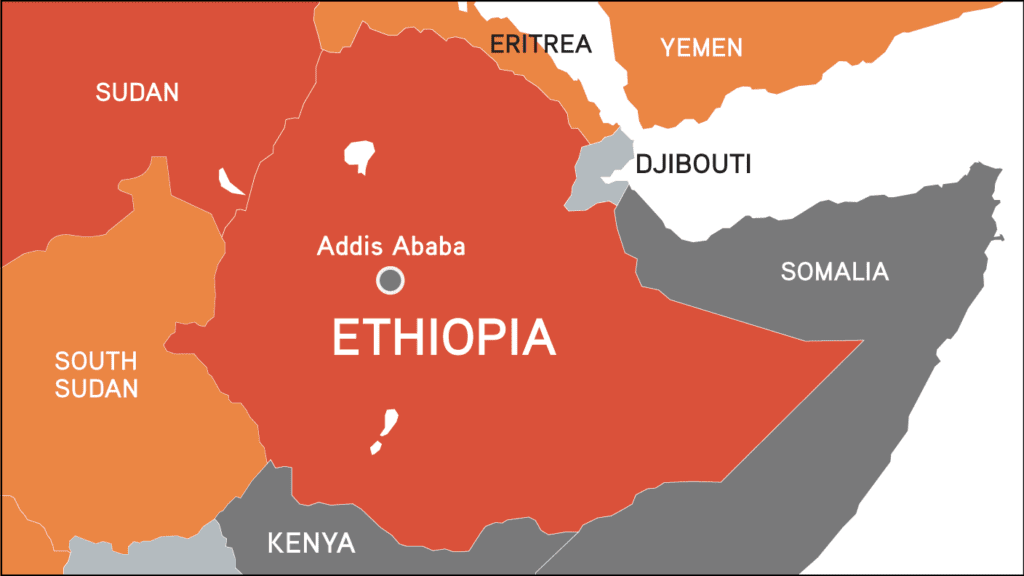
Ethiopia has made significant strides in transforming its energy resources into a digital economy powerhouse, with Bitcoin mining emerging as a key driver. The Grand Ethiopian Renaissance Dam (GERD), a major hydropower project, is central to this transformation, providing a green energy solution that is powering Bitcoin mining operations across the country. The utilization of this renewable energy has turned excess electricity into a lucrative asset, with Bitcoin mining accounting for a substantial portion of Ethiopia’s electric power revenue.

The country’s Bitcoin mining industry, which was virtually nonexistent just a few years ago, is now booming. By harnessing the abundant electricity from GERD, which is Africa’s largest hydropower plant, Ethiopia has been able to tap into the global cryptocurrency market. The country has rapidly become a destination for Bitcoin miners, leveraging low-cost and sustainable energy to make the industry viable on a large scale.

Bitcoin mining requires substantial electricity, as it involves solving complex mathematical problems in exchange for cryptocurrency rewards. However, one of the most significant challenges for miners worldwide is the cost of energy. In Ethiopia, this challenge is alleviated by the low-cost and sustainable electricity generated by GERD, which has become a powerful draw for Bitcoin mining firms looking to cut down on operational costs.

The financial impact of this burgeoning sector is already significant. According to Ethiopian Electric Power (EEP), Bitcoin mining now generates about 18% of its total revenue. This revenue stream has surpassed earnings from electricity exports, positioning the country’s energy sector in a stronger financial position. The influx of investment from Bitcoin mining firms has spurred the growth of related industries and job creation, as mining operations often require substantial infrastructure, technology, and skilled labor.

The country’s government has recognized the potential of Bitcoin mining as a key economic driver. Ethiopia has entered into agreements with at least 25 Bitcoin mining firms, which have established operations across the country. These deals are expected to further boost the economy, as the mining sector continues to grow. The partnerships are not only providing immediate economic benefits but also fostering long-term innovation in the energy and technology sectors.

Ethiopia’s shift toward using renewable energy for Bitcoin mining comes at a time when the global demand for sustainable energy solutions is rising. The country’s emphasis on green energy aligns with global trends toward environmentally friendly technologies. As Bitcoin mining faces growing scrutiny over its environmental impact, Ethiopia’s model could serve as a blueprint for other nations seeking to balance economic growth with sustainability.

However, the growth of the Bitcoin mining sector has raised some concerns. Despite the benefits, critics argue that Bitcoin mining could lead to excessive energy consumption, which could strain Ethiopia’s power grid. As the mining industry expands, there are concerns about the long-term sustainability of energy use. The government will need to monitor the sector closely to ensure that mining operations do not overburden the country’s power supply.

In response, the Ethiopian government has made efforts to manage the expansion of Bitcoin mining responsibly. Regulatory measures are being put in place to balance the growth of the sector with the need to protect the national energy grid. These measures include ensuring that Bitcoin miners do not consume more electricity than is sustainable, and promoting efficient energy use within the sector. The government has also been working to diversify its energy mix to ensure that the country’s energy needs are met in the long term.

One of the most important factors contributing to the success of Ethiopia’s Bitcoin mining industry is the country’s rich renewable energy resources. Ethiopia has one of the largest hydropower potentials in Africa, with the GERD alone providing a substantial portion of the country’s electricity. In addition to hydroelectric power, Ethiopia is investing in other renewable energy sources, such as wind and solar power, to further diversify its energy portfolio.

The growing importance of Bitcoin mining in Ethiopia has caught the attention of international investors, who are increasingly looking for opportunities in the country’s emerging digital economy. The cryptocurrency industry has been experiencing rapid growth, and Ethiopia’s strategic positioning as a low-cost, renewable energy hub for Bitcoin mining could attract significant foreign direct investment. As global demand for Bitcoin continues to rise, Ethiopia’s green energy Bitcoin mining model could become a key player in the international market.
Emirates NBD has formally joined the National Incubator Network through a newly signed memorandum of understanding (MoU) with Sandooq Al Watan, a strategic step aimed at enhancing the country’s startup ecosystem. The collaboration is expected to unlock new opportunities for entrepreneurs and further drive the UAE’s vision of fostering a dynamic, innovation-driven economy.

The MoU, signed by Yasser Al Gergawi, Director-General of Sandooq Al Watan, and representatives from Emirates NBD, marks a significant development in the UAE’s efforts to provide enhanced support for emerging businesses. This partnership will integrate Emirates NBD’s business incubator into the National Incubator Network, aligning the bank’s existing resources and expertise with a national strategy to empower local startups and entrepreneurs.

The move is seen as a direct response to the growing demand for incubators and accelerators that can help navigate the challenges faced by startups, particularly in competitive sectors such as technology, fintech, and healthcare. As the UAE continues to position itself as a hub for innovation, initiatives like this are crucial in ensuring that new businesses have the tools and networks needed to scale and succeed.

Emirates NBD’s business incubator brings a wealth of resources to the table, including access to funding, strategic mentorship, and operational support. These elements are designed to help startups refine their business models, gain market traction, and ultimately reach their potential in an increasingly complex marketplace. Through this collaboration, entrepreneurs will have the opportunity to tap into a wide range of resources from both the bank and other key players in the National Incubator Network.

Sandooq Al Watan’s involvement adds another layer of support, providing access to its vast network of investors, thought leaders, and other stakeholders crucial for business development. With its mission to drive sustainable economic growth through innovation and knowledge sharing, Sandooq Al Watan plays a pivotal role in connecting the dots between entrepreneurs and potential sources of funding and expertise. This collaboration will not only boost the prospects of individual startups but will also contribute to the broader objective of diversifying the UAE’s economy away from its traditional reliance on oil and gas.

The National Incubator Network, a key initiative under the UAE government’s broader innovation agenda, has seen growing momentum since its inception. The network’s focus on collaboration, knowledge exchange, and resource-sharing is expected to create a more robust and interconnected ecosystem for entrepreneurs. By joining this network, Emirates NBD and Sandooq Al Watan are signaling their commitment to nurturing homegrown talent and supporting the growth of startups that can drive forward the UAE’s long-term economic vision.

This initiative also aligns with the UAE’s broader vision for the future, where innovation is a cornerstone of national development. With a growing focus on sustainable industries, the UAE has been keen to promote the development of technology-driven startups that can address key challenges such as climate change, urbanization, and healthcare.

The partnership between Emirates NBD and Sandooq Al Watan is not only a win for entrepreneurs but also an indication of the increasing role that private sector institutions are playing in the UAE’s broader economic transformation. Banks and financial institutions, traditionally viewed as gatekeepers to capital, are now becoming key players in the startup ecosystem, offering more than just financial support. The collaboration between the two organizations exemplifies this shift, providing entrepreneurs with a comprehensive package of services and opportunities designed to accelerate their business growth.

One of the notable aspects of this collaboration is the focus on knowledge sharing. Both Emirates NBD and Sandooq Al Watan are well-positioned to leverage their extensive networks to connect startups with mentors, industry leaders, and investors who can provide invaluable advice and insights. This exchange of knowledge is critical in helping young companies navigate the challenges of scaling operations, managing growth, and positioning themselves for long-term success.

As the UAE moves forward with its innovation agenda, it is clear that partnerships like the one between Emirates NBD and Sandooq Al Watan will play an integral role in shaping the future of the country’s startup ecosystem. By connecting entrepreneurs with the right resources, expertise, and networks, this collaboration is set to drive forward a new wave of growth and innovation in the UAE’s economy.

HANOI, VIETNAM – Media OutReach Newswire – 26 December 2024 – While the EV industry is entering a period of sustainable but somewhat slower growth, VinFast’s long-term commitment to pure electric vehicles and the support of its parent company, Vingroup, give it a unique advantage. With a long-term vision for green mobility, VinFast has leveraged the industry slowdown to strategically expand its presence and build strong growth […]

The cryptocurrency landscape in 2024 is undergoing significant shifts, with meme coins such as Shiba Inu (SHIB) and Dogecoin (DOGE) continuing to lead the charge. Both of these tokens, fueled by viral trends and strong community backing, have positioned themselves as key players in the market. As the cryptocurrency industry moves toward 2025, however, new competitors are emerging, challenging the dominance of these meme giants. This shift presents critical questions about the future of meme coins and the strategies that will define the market.

Dogecoin, often referred to as the original meme coin, has long been associated with a strong, vocal community and celebrity endorsements. Its rise began in 2013 as a joke, based on the popular Shiba Inu dog meme. Despite its humble beginnings, Dogecoin has gained significant traction over the years. 2024 has seen a continuation of its influence, with prominent figures like Elon Musk often boosting its profile through social media. Dogecoin’s community, known for its lighthearted and inclusive ethos, has solidified its position as one of the most well-known digital assets in the crypto world.

Shiba Inu, on the other hand, has taken a more strategic approach to solidifying its place in the meme coin sector. Launched in 2020, SHIB has quickly evolved beyond a mere joke coin. Its ecosystem now includes decentralized exchanges, staking protocols, and plans for future metaverse integration. With a highly engaged user base and a decentralized community-driven approach, SHIB has proven to be more than just a meme coin, garnering support from both retail and institutional investors. Its strategy of expansion into various sectors of decentralized finance (DeFi) gives it an edge in attracting a more diversified audience.

Despite the strong presence of both SHIB and DOGE, the landscape is rapidly changing. The year 2024 has seen the emergence of new meme coins and innovative blockchain projects that are beginning to challenge the established order. These newer entrants often benefit from the lessons learned by earlier tokens, creating more robust, scalable ecosystems to better serve the DeFi community. The result is a more competitive market where no coin can rest on its laurels, no matter how well-established it may be.

As Shiba Inu and Dogecoin maintain their popularity, there is growing interest in the next big meme coin. Tokens like Floki Inu, Kishu Inu, and even smaller, community-based projects are vying for attention and investor dollars. Each of these coins is looking to replicate the viral success of their predecessors but with unique twists. Floki Inu, for example, has sought to distinguish itself by focusing on its education and charity initiatives, creating a sense of purpose beyond the typical meme coin narrative. Meanwhile, Kishu Inu has leaned into decentralized applications (dApps) and partnerships with major platforms, aiming to provide more utility for its holders.

One of the critical factors in determining the leading meme coin in 2025 will be innovation. While Shiba Inu and Dogecoin have been successful due to their strong communities, new meme coins are beginning to integrate cutting-edge technology that could give them a competitive edge. These include improved transaction speeds, enhanced security features, and better integration with DeFi protocols. The evolving nature of meme coins means that their success will no longer solely depend on community enthusiasm but also on the technical and financial value they provide.

Another significant trend is the increasing focus on regulatory compliance. As meme coins grow in prominence, they are beginning to attract the attention of regulators around the world. Countries like the United States, the European Union, and parts of Asia are exploring how to regulate digital currencies, particularly those with large and active communities. This regulatory scrutiny could have a substantial impact on the future of meme coins, forcing projects to adapt in order to comply with evolving laws. Meme coin developers will need to strike a balance between maintaining their community-driven ethos and addressing the concerns of regulators and lawmakers.

Community involvement will remain crucial for meme coin success, but as the space matures, the competition is expected to get fiercer. Dogecoin’s strong association with Musk and the internet’s viral nature has certainly helped it maintain its status, but its growth may be limited by the risk of over-reliance on a few key figures. Shiba Inu, on the other hand, has worked hard to diversify its ecosystem, offering a more sustainable model that goes beyond just hype and viral moments. This diversification will likely play a crucial role in SHIB’s continued relevance, especially as meme coins shift from being a pure speculative investment to a part of a broader digital economy.

The future of meme coins in 2025 may also be influenced by the growing trend of DeFi and the rise of decentralized autonomous organizations (DAOs). Both SHIB and DOGE have seen their communities embrace decentralized governance, where decisions about the direction of the project are made collectively by token holders. This shift toward decentralized governance could fundamentally change the way meme coins are developed and sustained. A more decentralized approach could lead to new ways of incorporating meme coins into decentralized applications, staking protocols, and other blockchain-based services.

BANGKOK, THAILAND – Media OutReach Newswire – 23 December 2024 – At the ACES Awards 2024, Singaporean companies and leaders took center stage, honored for their groundbreaking contributions to sustainability, innovation, and transformative leadership. Against a backdrop of fierce competition—90 nominations out of 682 entries from 17 countries—Singapore’s successes reflect its growing influence as a key driver of corporate excellence and progressive business practices across Asia. Recognising […]

Dubai has launched the Dubai Resilience Centre, a new entity dedicated to strengthening the city’s ability to manage risks, emergencies, crises, and disasters. This initiative, established by a decree from Sheikh Mohammed bin Rashid Al Maktoum, Vice President and Prime Minister of the UAE and Ruler of Dubai, aims to position Dubai as a global leader in operational agility and crisis response. Operating under the Supreme Committee […]

Agility Global, a leading logistics and supply chain services provider, has secured a $1.4 billion credit facility to support its ongoing operations and future growth initiatives. The financing comprises €1 billion and $370 million, with maturities of three and five years, respectively. This strategic move aims to enhance the company’s financial flexibility and fund its expansion plans across various markets. The credit facility was arranged with a […]

Advertisements

Abu Dhabi’s renewable energy company, Masdar, is significantly expanding its presence in Europe through a series of strategic acquisitions and partnerships aimed at bolstering its renewable energy portfolio. These initiatives align with Masdar’s ambitious goal to achieve 100 gigawatts (GW) of renewable energy capacity globally by 2030. In a notable transaction, Masdar has agreed to acquire Spanish renewables group Saeta Yield from Brookfield for approximately $1.4 billion. […]

Saudi Arabia is ramping up its digital transformation within the transportation sector, unveiling a series of strategic initiatives aimed at improving mobility, boosting efficiency, and fostering economic growth. As the Kingdom continues its push to modernize under Vision 2030, these efforts reflect a growing focus on technology-driven solutions that are expected to reshape the way people and goods move across the country.

The government’s latest plans involve deploying cutting-edge technologies such as artificial intelligence (AI), Internet of Things (IoT), and smart mobility solutions across various transportation systems. A key component of this digital overhaul is the integration of data analytics to optimize traffic management, enhance logistics services, and provide a seamless experience for commuters. These efforts are designed not only to address current challenges but also to position Saudi Arabia as a leader in global transportation innovation.

One of the most ambitious projects is the introduction of autonomous vehicles within the Kingdom. Saudi Arabia has already begun trials of driverless cars, with the aim of incorporating them into public transport networks in major cities like Riyadh and Jeddah. This initiative is part of a broader effort to reduce road congestion and carbon emissions while improving safety and convenience for travelers.

The digitalization of the transport sector is also closely tied to Saudi Arabia’s efforts to expand its rail network. The Haramain High-Speed Railway, which connects Mecca and Medina, is a prime example of how digital systems are enhancing the efficiency of rail travel. With the integration of AI-powered systems, the railway’s operations are becoming more streamlined, with real-time data helping to manage train schedules, predict maintenance needs, and ensure the safety of passengers.

The Kingdom is investing heavily in the development of smart airports. King Khalid International Airport in Riyadh and King Abdulaziz International Airport in Jeddah are set to undergo major digital upgrades that will introduce biometric screening, automated check-ins, and enhanced baggage tracking. These advancements aim to make air travel more efficient and secure, aligning with global trends in aviation technology.

As part of the Vision 2030 initiative, Saudi Arabia is also enhancing its maritime transport sector. Digital tools are being implemented in port management to increase efficiency in cargo handling and reduce turnaround times for ships. The adoption of blockchain technology for logistics and supply chain management is also being explored, ensuring that Saudi Arabia’s ports remain competitive on the global stage.

The private sector is playing an integral role in these transformations, with a number of tech firms collaborating with the government to develop smart transportation solutions. For instance, partnerships with international companies are bringing advanced AI technologies and IoT systems to help manage urban mobility. These collaborations are not only helping to fast-track the digitalization process but also positioning Saudi Arabia as an attractive hub for global tech investors.

The government has also launched several initiatives to promote the development of digital skills among the Saudi workforce. A growing emphasis on tech education and training programs is expected to ensure that local talent is equipped to drive the digital revolution in transportation. This focus on education and workforce development is seen as crucial to the long-term sustainability of these innovations.

While the initiatives have been met with optimism, there are challenges that Saudi Arabia will need to address to fully realize the potential of its digital transformation. Cybersecurity concerns, the need for significant infrastructure investment, and the management of large-scale data systems will be key areas to monitor as the projects progress. Moreover, ensuring equitable access to these technologies, particularly in rural areas, will be an important consideration to avoid creating digital divides.

Internationally, Saudi Arabia’s digital transport initiatives are receiving attention as a model for other nations aiming to modernize their transportation systems. The Kingdom’s strategic location as a global logistics hub is further underscored by these projects, as they are expected to strengthen its position in the broader global supply chain network. As such, these developments not only serve local needs but also contribute to Saudi Arabia’s ambitions to diversify its economy and reduce its dependency on oil revenues.

Hungarian-based technology leader underscores its commitment to education, sustainability, and innovation SINGAPORE – Media OutReach Newswire – 23 December 2024 – Graphisoft, a global leader in Building Information Modeling (BIM) software for the architecture, engineering, and construction (AEC) industry, is poised to deepen its impact in Southeast Asia, driven by surging demand for advanced digital tools amid the region’s rapid development and growing focus on sustainable construction […]

JAKARTA, INDONESIA – Media OutReach Newswire – 19 December 2024 – Xanh SM, Vietnam’s all-electric mobility service provider, announced the signing of a Memorandum of Understanding (MOU) with nine major partners in Indonesia, namely XL Axiata Business Solutions, Lippo, Bank Central Asia (BCA), ASRI, VISA, Huawei, Lotte Group, Vietjet, and FPT. This event underscores Xanh SM’s credibility and prospects for expansion in Southeast Asia, while reaffirming the […]

Despite significant challenges posed by extreme weather conditions in Indonesia and Australia, Delta Dunia Group reported a stable revenue of USD 1.35 billion during 9M 2024. EBITDA for 9M 2024 declined by 16% YoY to USD 252.3 million, impacted by weather-related production declines and planned investments. Net loss significantly improved to USD 17.4 million, down from USD 26.6 million reported in 1H 2024, despite a 20% increase […]

By K Raveendran While Prime Minister Narendra Modi’s ‘friend’, the US President-elect Donald J Trump, is set to move into White House, once again, it need not be particularly beneficial for India. If anything, Trump can be said to be “anti-India” even while remaining “pro-Modi”. The camaraderie contrasts starkly with the president-elect’s anti-India economic stance, […]

Prime Minister Narendra Modi commenced a landmark two-day visit to Kuwait on December 21, marking the first visit by an Indian prime minister to the Gulf nation in 43 years. This trip aims to strengthen bilateral relations, focusing on trade, defense, and energy cooperation. Upon arrival, Modi was received by Kuwait’s Emir, Sheikh Meshal Al-Ahmad Al-Jaber Al-Sabah, and Crown Prince Sheikh Sabah Al-Khalid Al-Sabah. Discussions are expected […]

Arabian Post Staff -Dubai Jared Kushner’s investment firm, Affinity Partners, has secured an additional $1.5 billion in funding from the Qatar Investment Authority and Abu Dhabi-based asset manager Lunate. This significant capital infusion extends the investment period of Affinity’s debut fund to 2029, positioning the firm for sustained growth in the competitive private equity landscape. Kushner, founder of the Miami-based firm, disclosed these developments during an episode […]

Hyundai Motor India has announced a strategic collaboration with Amaron to equip its domestic vehicle lineup with Amaron’s advanced Absorbent Glass Mat (AGM) battery technology. This move marks a significant milestone in the Indian automotive sector, as Hyundai becomes the first Original Equipment Manufacturer (OEM) in India to adopt locally produced AGM batteries.

The partnership signals Hyundai’s commitment to enhancing the efficiency and sustainability of its vehicles in the competitive Indian market. AGM batteries, known for their superior performance and reliability, are increasingly sought after in the automotive industry due to their ability to provide more power while being less prone to leakage and other common issues associated with traditional lead-acid batteries.

Amaron, a well-established brand in the battery manufacturing sector, has been a key player in supplying automotive batteries to both the Indian and international markets. This collaboration will not only strengthen Hyundai’s position in India but also foster a more robust domestic battery manufacturing ecosystem. The AGM battery technology is known for its durability and improved energy efficiency, which aligns with Hyundai’s focus on delivering high-performance, eco-friendly vehicles.

The shift towards AGM batteries is part of a broader industry trend to focus on renewable and sustainable technologies. The automotive sector in India has been gradually moving towards electric vehicles (EVs), and there is an increasing emphasis on energy-efficient technologies, even in internal combustion engine (ICE) vehicles. By integrating AGM batteries into its models, Hyundai aims to meet growing consumer demand for vehicles that combine performance with environmental responsibility.

For Hyundai, this strategic decision to collaborate with Amaron is also a step towards addressing the challenges posed by fluctuating global supply chains. With the introduction of locally manufactured AGM batteries, Hyundai will not only reduce its dependency on imports but also align with the Indian government’s push for ‘Atmanirbhar Bharat’ or self-reliance. This initiative is expected to provide a boost to the country’s domestic battery manufacturing capabilities and create new opportunities for job creation and technological innovation.

Hyundai Motor India’s move comes at a time when the Indian government is focusing on boosting the manufacturing sector, especially within the electric vehicle and battery domains. The government’s incentives for EV manufacturers and local battery producers are expected to drive further adoption of advanced battery technologies, such as AGM, across various segments of the automotive industry.

Amaron’s AGM batteries will be integrated into several of Hyundai’s popular models in India, offering enhanced vehicle performance, faster charging times, and longer battery life. Hyundai has emphasized that these batteries will be key in improving the overall customer experience, providing reliable performance for a variety of driving conditions and reducing maintenance costs over time.

The announcement also comes on the heels of Hyundai’s broader strategy to enhance its production capabilities and expand its product portfolio in India. With a rising middle class and increasing demand for both traditional and electric vehicles, the Indian market presents significant growth potential for Hyundai. By embracing advanced battery technology, Hyundai is positioning itself as a forward-thinking player in the automotive sector, addressing both current market needs and future sustainability goals.

Experts predict that this partnership between Hyundai and Amaron could have a ripple effect on the broader Indian automotive industry. As more OEMs look to integrate advanced technologies into their vehicles, this collaboration may set a precedent for other companies to follow suit. It is likely that Hyundai’s use of local AGM technology will encourage more automakers to explore similar partnerships with domestic battery producers, ultimately strengthening India’s position as a global manufacturing hub for automobiles.

As electric vehicle adoption continues to rise, particularly among consumers seeking greener alternatives, the automotive industry is poised to make significant strides towards more sustainable solutions. Hyundai’s collaboration with Amaron is not only about enhancing vehicle performance but also about positioning itself as a key player in the ongoing shift toward more environmentally friendly technologies. The partnership also reflects the global automotive industry’s transition toward cleaner energy sources and a more sustainable future.

Elite Group Holding, a diversified UAE-based conglomerate, has announced plans to develop a one million square foot integrated facility in Dubai Industrial City, with an investment of Dhs100 million. This strategic move aims to bolster the company’s presence in the automotive and e-commerce sectors.

The new facility is expected to support Elite Group Holding’s expansion and strengthen its foothold in these industries. The company, known for its luxury automotive dealership, The Elite Cars, holds exclusive partnerships with brands such as Zenvo Automotive, Jetour, and Soueast. Additionally, it operates ART Elite Car Rental and other subsidiaries.

Saud Abu Alshawareb, Executive Vice President of Industrial at TECOM Group, emphasized the significance of the automotive industry’s pursuit of innovation in driving economic activity, attracting investment, and creating new skill-based jobs. He noted that Elite Group Holding’s investment underscores the growing confidence in the UAE’s robust business ecosystem and its attractiveness for companies seeking to expand their regional footprint.

The project aligns with several UAE national strategies, including Operation 300bn, Make it in the Emirates, and the Dubai Economic Agenda ‘D33’. By enhancing efficiencies across vital sectors such as automotive and e-commerce, the new hub is expected to catalyze industry excellence and positively impact society and the economy.

Tamer Abu Khalaf, partner of Elite Group Holding, expressed enthusiasm about the company’s future growth and the project’s role in expanding its presence in key sectors. He stated that this investment marks a pivotal step in broadening their footprint across key sectors and solidifying their presence in the dynamic region. Khalaf highlighted that Dubai Industrial City aligns perfectly with their vision to innovate and lead in industries shaping tomorrow’s economy, offering a center of excellence to drive efficiency, sustainability, and innovation across their operations.

The group’s growth strategy includes launching new branches, expanding dealership networks, and building strategic partnerships to bring leading luxury and premium automotive brands to the UAE. Their focus on eco-friendly solutions, such as electric and hybrid vehicles, and advancing digital integration across e-commerce and automotive operations aligns with the UAE’s sustainability goals.

The facility’s strategic location within Dubai Industrial City offers several advantages, including proximity to Al Maktoum International Airport, Jebel Ali Port, and key national roadways. This positioning will allow Elite Group Holding to streamline operations and expand its reach in both local and international markets. The site will also benefit from an Etihad Rail freight terminal, further enhancing its logistics capabilities.

Arabian Post Staff -Dubai The United Arab Emirates (UAE) generates between AED 10 and 11 billion annually through indirect taxes, constituting a substantial portion of the federal budget, which totals approximately AED 65 billion. Younis Haji Al Khoori, Undersecretary of the Ministry of Finance, highlighted the pivotal role of these tax revenues in bolstering economic growth and strengthening the federal government’s financial position. Indirect taxes in the […]

Mozilla has announced a partnership with Ecosia, integrating the eco-friendly search engine as a default option in the Firefox browser. This collaboration allows users worldwide to select Ecosia directly from the URL address bar or through browser settings, enhancing user choice and promoting environmentally conscious web browsing. Ecosia, founded in 2009 by Christian Kroll, is renowned for using its ad revenue to fund tree-planting projects globally. To […]

“Global Multi-Currency Accounts” Empowers SMEs with New Market Opportunities SHANGHAI, CHINA – Media OutReach Newswire – 20 December 2024 – XTransfer, the World’s Leading & China’s No.1 B2B Cross-Border Trade Payment Platform, and OCBC, the second largest financial services group in Southeast Asia, jointly announced the comprehensive partnership. OCBC China will leverage the OCBC Group’s extensive regional network and resources in its key markets of Singapore, Hong […]

Two senior directors from Tencent have stepped down from their positions on Epic Games’ board of directors following concerns raised by the U.S. Department of Justice regarding the relationship between the two companies. This move signals escalating scrutiny of the tech giant’s investments and its potential influence over prominent gaming firms in the United States. Tencent, a Chinese multinational conglomerate with substantial investments in a range of […]

In a groundbreaking advancement for global telecommunications, New Zealand has become the first country to offer nationwide satellite text messaging services. This achievement results from a collaboration between SpaceX’s Starlink and local telecom operator One NZ, formerly known as Vodafone New Zealand. The service, branded as One NZ Satellite TXT, enables users to send and receive text messages in areas previously lacking cellular coverage. This development is […]

Amazon Web Services (AWS) has announced a significant $10 billion investment in Ohio’s data center infrastructure, aimed at transforming the state into a major technological hub by 2030. The move, which aligns with AWS’s broader expansion plans in the U.S., will lead to the creation of hundreds of new jobs and bolster the local economy while enhancing cloud services to meet growing demand. AWS’s investment will primarily […]

Google’s Tensor Processing Units (TPUs) are rapidly gaining traction in the artificial intelligence (AI) hardware market, presenting a formidable challenge to NVIDIA’s longstanding dominance. Recent analyses indicate that Google’s TPU sales have surged, with estimates ranging between $6 billion and $9 billion, contributing significantly to Broadcom’s semiconductor revenue.

NVIDIA has maintained a commanding presence in the AI hardware sector, particularly with its Graphics Processing Units (GPUs) designed for data centers. In 2023, NVIDIA shipped approximately 3.76 million data center GPUs, securing a 98% revenue share in this segment. This dominance has been largely unchallenged until the recent rise of Google’s TPUs.

Google’s TPUs, custom-designed to accelerate machine learning tasks, have been integral to the company’s AI initiatives. The introduction of TPU v4 in 2021 marked a significant advancement, coinciding with the growing adoption of large language models. This development has propelled Google to become a notable player in the data center processor market, with some reports positioning it as the third-largest entity in this space.

The increasing demand for TPUs is not only enhancing Google’s internal AI capabilities but also influencing the broader market dynamics. Broadcom, a key partner in manufacturing these chips, has repeatedly revised its AI semiconductor revenue targets upward, now aiming for $12 billion this year. This upward trajectory underscores the substantial impact of Google’s TPU orders on the semiconductor industry.

Despite this momentum, NVIDIA continues to innovate and expand its product offerings. The company unveiled its Blackwell architecture in March 2024, introducing the B100 and B200 data center accelerators designed to meet the evolving demands of generative AI applications. NVIDIA’s CEO, Jensen Huang, emphasized that these processors are tailored for the generative AI era, highlighting the company’s commitment to maintaining its leadership position.

Industry analysts observe that while Google’s TPUs are making significant inroads, NVIDIA’s established ecosystem and continuous innovation present substantial barriers to displacement. The AI chip market is poised for further growth, with projections indicating a compound annual growth rate (CAGR) of 31.9% from 2024 to 2030, potentially reaching a market size of $78.5 billion by 2027.

The competitive landscape is further intensified by other tech giants developing custom AI chips to reduce reliance on third-party suppliers. Companies like Amazon and Meta are investing in proprietary solutions, contributing to a diversified market where multiple players vie for prominence.

In this evolving scenario, NVIDIA’s market share, which has been as high as 98% in data center GPUs, may experience shifts as competitors like Google continue to expand their hardware capabilities. The AI hardware market’s future trajectory will likely be shaped by ongoing innovations, strategic partnerships, and the scalability of solutions offered by these tech behemoths.

VISHNU RAJA
RYO YAMADA
HITORI GOTOH
IKUYO KITA