News related to
Partnerships

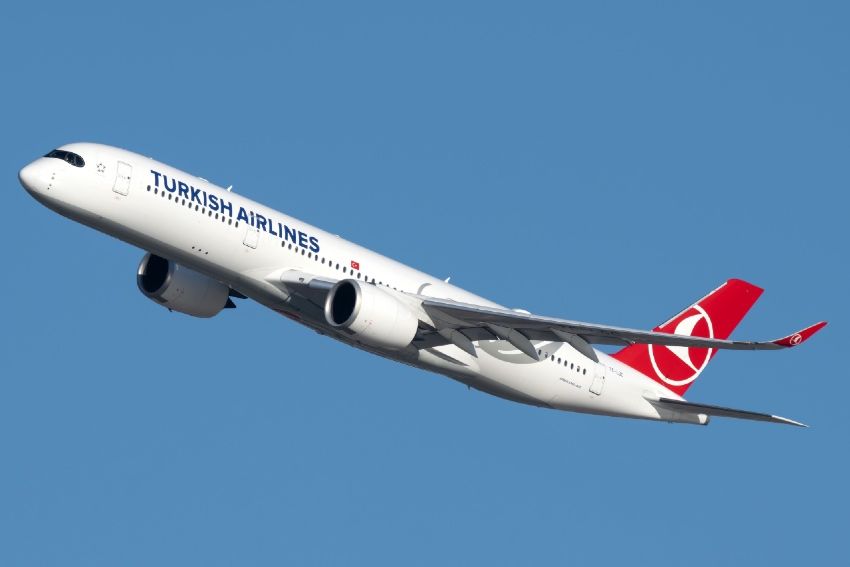
Turkish Airlines and TAP Air Portugal have deepened their codeshare collaboration, extending shared services to a host of new international destinations. Under the broadened agreement unveiled at the IATA Annual General Meeting on 4 June, travellers can now book seamless flights on routes to Brazil, Morocco, Qatar and Mauritius, while Turkish domestic holiday hotspots Dalaman and Bodrum are also integrated into the expanded arrangement.

Bilal Ekşi, chief executive of Turkish Airlines, explained that the enhanced alliance “offers greater flexibility and a wider range of travel options” and aims to bolster tourist and business connectivity between Türkiye and Portugal. TAP Air Portugal CEO Luís Rodrigues underscored that strategic partnerships are essential for extending the airline’s reach eastwards, remarking that the arrangement “provides our global passengers and our Portuguese community with increased options to visit new and exciting places using our Turkish Airlines partner”.

Both carriers are members of the Star Alliance network, which encompasses more than 1,160 airports in over 190 countries. Turkish Airlines, holding a Guinness World Record since December 2024 for servicing the largest number of countries, flies to 340 destinations across 129 countries, while TAP Air Portugal ranks as Europe’s safest airline and leads European service to Brazil.

The update enhances booking convenience and connectivity for passengers. With the codeshare, flyers can book single-ticket itineraries that combine flights operated by each carrier, gain through-check of baggage, and accrue loyalty benefits across both their Miles&Smiles and TAP Miles&Go programmes. The inclusion of Brazil responds to TAP’s strong presence in South America, where the airline operates over 1,250 weekly flights to 14 cities.

Beyond South America, the new route options into North Africa, the Middle East, and the Indian Ocean signify a strategic push to diversify leisure and business travel offerings. Dalaman and Bodrum, already popular among European tourists, have now become a seamless gateway for Portuguese travellers to experience Turkish coastlines within the shared network.

Theresa Walsh, aviation analyst at AeroInsight Strategies, noted that although codeshare agreements are common, this specific expansion stands out due to its geographical reach: “Covering holiday-centric jets like Dalaman and bridging long-haul markets from Lisbon to São Paulo or Doha offers a genuinely integrated experience.” She projected that ticket sales could rise by up to 8–10% on the newly covered routes over the next year.

Industry experts highlight that the move may also serve as a template for TAP as it navigates its planned partial privatisation. Portugal’s government is preparing to offload its 51% stake in TAP, with a 49% stake open to bids from Air France‑KLM, Lufthansa or IAG. Strengthening international partnerships may enhance TAP’s value proposition to prospective investors by showcasing expanded network synergy.

Passenger advocacy groups have raised the question of whether such agreements might introduce pricing complexity, as combining two carriers can involve disparate fare rules. Both airlines have reassured the public that prices will remain transparent, with unified booking and support frameworks across shared routes.

Operationally, the partners will synchronise schedules, optimise cabin connections, and co‑ordinate service protocols. TAP’s fleet of Airbus NEO aircraft, lauded for fuel efficiency, will fly in conjunction with Turkish Airlines’ diverse mix of modern jets.

Premier travel agents in Lisbon and Istanbul report immediate upticks in enquiries. João Ribeiro, a senior agent at Lusitano Travel, commented: “Our clients value simplicity. Booking Lisbon–Bodrum via Istanbul on one ticket, with aligned timings and baggage allowances, is exactly the evolution they want.”

The alliance extension comes as both airlines seek to rebalance portfolios in response to shifting tourism trends and evolving geopolitics. Airlines across Europe are recalibrating their route maps to lean on partnership networks, minimising standalone risk. The expanded Turkish‑TAP codeshare is among the most notable examples of this trend in 2025.


Tencent is reportedly in discussions to acquire Nexon, the developer behind MapleStory and Dungeon & Fighter, in a deal that could exceed US$15 billion, signalling a strategic push into South Korea’s gaming and Web3 sectors.

Chinese tech conglomerate Tencent has approached the family of Nexon’s late founder Kim Jung‑ju, which controls a 44.4 per cent stake through NXC Corp, to explore acquiring a substantial portion or full control of the company. The proposed transaction, valued at around 20 trillion won, aims to secure Tencent long‑term rights to Nexon’s celebrated intellectual property while bolstering its position in South Korea’s lucrative gaming market.

Nexon, founded in Seoul in 1994 and now headquartered in Tokyo, is best known for its enduring franchises MapleStory and Dungeon & Fighter. The firm has been a pioneer in integrating games with Web3 technologies, launching a blockchain division dubbed NEXPACE and rolling out MapleStory Universe—complete with NFT item mechanics, token economies and a gasless transaction system on the Avalanche network. The NXPC token was listed on major crypto exchanges, reflecting deep commitment to a decentralised gaming strategy.

While Tencent had previously tried to acquire Nexon in 2019—efforts fell through over valuation disagreements—the company has since fortified its global gaming footprint with a US$1.3 billion investment in Ubisoft and a 10 per cent stake in South Korea’s SM Entertainment, a major K‑pop label. Its renewed interest in Nexon aligns with a broader ambition to dominate both blockchain and traditional gaming domains, despite sector‑wide funding slowdowns and reduced daily active user metrics in Web3 games.

Sources emphasise that while discussions are underway, no definitive agreement has been reached and terms remain fluid. The Kim family is reportedly consulting financial advisers on the potential sale. Part of the complexity stems from their decision last year to transfer shares to settle inheritance taxes, a move that added governmental and family stakeholders into the mix.

Nexon has seen its share price rise over 10 per cent in 2025, though it remains about 30 per cent below its 2021 peak. The Tokyo‑listed firm was valued at approximately US$15–16.6 billion, depending on market conditions.

Tencent’s remote stance with acquired studios suggests that any purchase may leave Nexon’s operational autonomy largely intact. But the deal could deliver Tencent stronger access to Western and Asian markets, reinforcing its Web3 and blockchain ambitions.

For Nexon, aligning with Tencent offers capital resources to scale blockchain gaming efforts and deepen development of blockchain-enabled platforms such as MapleStory Universe. Since launching MapleStory N in May 2025, the company has leveraged its Web3 unit’s Abu Dhabi‑based NEXPACE to expand global blockchain gaming operations.

With Tencent prioritising organic growth and strategic minority investments—such as expanding its blockchain infrastructure partnerships with TON Foundation and Chainbase—this potential acquisition represents one of its most ambitious M&A moves post‑2020 Chinese regulatory tightening.

Should negotiations succeed, Tencent would gain direct control over multiple high‑value IPs and a formidable presence in South Korea’s gaming ecosystem, presenting both strategic advantages and regulatory scrutiny across jurisdictions. The deal’s complexity—woven through family, government, and market dynamics—ensures that stakeholders across the industry are closely watching every development.

G42 has unveiled a new London‑based subsidiary, G42 Europe & UK, designed to amplify its AI infrastructure and services across the United Kingdom and continental Europe. The entity, co‑chaired by Omar Mir and Marty Edelman, will deliver end‑to‑end AI offerings—from advisory and model deployment to supercomputing infrastructure—for sectors including finance, healthcare, energy and manufacturing. The launch comes as G42 continues its strategic European rollout, following the roll‑out of AI compute […]

G42 has inaugurated a London-based subsidiary, named G42 Europe & UK, marking a strategic expansion into the continent’s private and public sectors. The entity aims to deliver AI-driven solutions and collaborate with governments and industry partners to erect critical AI infrastructure across continental Europe. The new operation will be co‑chaired by Omar Mir, a board member at World Wide Technology with over 20 years’ experience in 5G, edge computing, […]

Sharjah Publishing City Free Zone has been awarded the globally recognised “Great Place to Work” certification for the second year running, underscoring its commitment to cultivating a top-tier workplace. The accolade, granted by an independent authority with over three decades of experience in measuring workplace culture, reflects outstanding performance across key employee experience metrics.

Employees gave the organisation exceptionally high ratings, with 94 per cent satisfaction in workplace hospitality, 90 per cent approval of leadership behaviour, 87 per cent for engagement and 86 per cent in innovation. Equity and fairness also scored strongly—over 70 per cent in relevant categories. A remarkable 99 per cent of staff reported feeling physically safe at work and welcomed upon arrival, while 96 per cent noted unbiased, gender-neutral treatment and approachable management. These figures speak to a supportive environment where employees feel secure, valued and motivated.

Behind these high scores lies a deliberate strategy focused on trust-building, transparent leadership and collaborative culture. Through the Great Place to Work® Trust Model™, SPC’s approach places employees as the cornerstone of its service delivery model. The environment it fosters not only benefits staff morale but also translates into superior customer experience, reflected in prompt and efficient services.

The achievement is particularly notable given the scale of SPC’s operations. The free zone hosts more than 9,600 businesses spanning over 40 countries, including more than 1,500 publishers and investors, and is a vital hub for educational and cultural content creation. Its ecosystem supports not only publishing but also broader creative, technological and entrepreneurial sectors.

SPC’s origins date back to its launch in 2017 under the guidance of Dr Sheikh Sultan bin Muhammed Al Qasimi, Ruler of Sharjah, as the world’s first dedicated publishing free zone. From the outset, it was positioned to capitalise on Sharjah’s increasing appeal as a global cultural and knowledge-based economy, offering 100 per cent foreign ownership, full capital repatriation and a broad spectrum of licensing activities.

Since its establishment, SPC has continuously upgraded both its work environment and customer services. In May 2024, it introduced 24/7 operational support and guaranteed a three-business-day turnaround for bank account openings. It also pioneered an AI-enabled “instant licence” system in collaboration with Sharjah’s Investor Services Centre, delivering trade licences in under five minutes. These initiatives demonstrate its dedication to efficiency and tech-enabled service delivery.

The free zone’s appeal stretches well beyond the publishing community. Over 2,000 Indian-owned businesses operate in SPC, drawn by its strategic location and integrated support infrastructure. These enterprises benefit from a platform that promotes global expansion and cross-border reach. SPC has also diversified licensing options to include e‑commerce, cybersecurity, AI, biotech and robotics, reflecting its ambition to cater for a wide range of creative and technological ventures.

Yet SPC has not been without critique. Some business owners on public forums have expressed frustration over service quality and administrative delays during setup. One Reddit user described licences issued “once you get the hang of things” albeit noting initial frustrations, while another labelled the free zone as “incredibly frustrating to deal with” but acknowledged smooth operation post-launch. These mixed reviews highlight areas for SPC to improve consistency in customer experience and operational support.

Despite these occasional criticisms, SPC remains a top choice for entrepreneurs and SMEs. An MoU with Amazon UAE in August 2024 aims to aid free zone businesses in scaling digitally and accessing Amazon’s e‑commerce network. Additionally, partnerships with financial institutions like Mashreq Bank provide priority banking services and support to its licensees.

The second consecutive Great Place to Work certification confirms SPC’s rising profile within Sharjah’s broader economic ecosystem. It aligns with Sharjah’s strategy to diversify its economy through nurturing creative, cultural and knowledge-based industries. Leadership at SPC points to this workplace accolade as affirming its role in attracting and retaining talent, as well as driving innovation in service delivery.

IFA Hotels & Resorts, the hospitality arm of Dubai-listed International Financial Advisors Holding Company, has received board approval to increase its capital. The move, sanctioned on 11 June, aims to address borrowings totalling more than KWD 17.3 million, according to the parent company’s announcement. The proposed capital raise follows IFA Hotels’ earlier struggles with mounting liabilities. Listing on the Kuwait Stock Exchange, IFA Hotels specialises in developing, managing and […]

HONG KONG SAR – Media OutReach Newswire – 12 June 2025 – The Hong Kong Polytechnic University (PolyU) took part in the world-renowned London Tech Week 2025 held from 9 to 11 June in London, UK, as the only participating university from Hong Kong. Four PolyU startups showcased their ground-breaking innovations in artificial intelligence (AI), advanced manufacturing technologies and healthcare solutions. The event attracted business leaders, industry […]

Advertisements

Global law enforcement has dismantled over 20,000 malicious IP addresses and domains used to serve 69 variants of information‑stealing malware, in a sweeping cybercrime operation spanning 26 countries across the Asia‑Pacific region. The coordinated effort—dubbed Operation Secure—uncovered the digital infrastructure behind credential‑harvesting malware, led to the seizure of 41 servers, over 100 GB of illicit data, and the arrest of 32 suspects, officials said. The four‑month initiative, conducted […]

Applications from African professionals to American MBA programmes are climbing sharply, driven by robust scholarship support, evolving diversity strategies, and a post-pandemic appetite for international career mobility. African candidates are finding new momentum in American business schools thanks to generous funding sources such as the TY Danjuma MBA Scholarship, established in 2011. The fund supports admissions at top‑ranked global institutions, awarding 64 students from nations including Nigeria, […]

Air India has partnered with blockchain-based loyalty specialist Loyyal to allow Maharaja Club members to earn points on everyday purchases across key brands in the United States and the United Kingdom. The collaboration enables members to accrue Maharaja Points on shopping at major retailers such as Walmart, Victoria’s Secret, New Balance, GAP, Victorinox and Alamo – marking a significant expansion of the airline’s loyalty programme.

Members now earn up to 99 Maharaja Points per USD 100 spent at Walmart, 310 points per GBP 100 at Victoria’s Secret, 300 points at Victorinox, 45 at New Balance, 180 at GAP and 64 points at Alamo. These offerings are accessible via the Maharaja Club Partner Offers page on Air India’s website, where members can select a brand and follow on-screen prompts to initiate their purchases.

Shailesh Kumar Singh, Head of Loyalty at Air India, commented that the alliance with Loyyal “makes it easier for our members to earn Maharaja Points on everyday essentials and shopping, without needing to fly frequently”. Meanwhile, Loyyal CEO Ashish Kumar Singh noted that the initiative “significantly boosts the earning potential for Maharaja Club’s members,” adding that it enriches daily experiences and complements travel benefits.

The partnership follows a broader revamp of the Maharaja Club, which adopted a simplified tier structure, updated identity and enhanced customer features. Air India has added more than 50 non-airline partners over the last 18 months, supporting its transformation under the Vihaan.AI strategy and leveraging its Star Alliance membership.

The move aligns with global loyalty trends, where airlines increasingly engage shoppers via retail partnerships. By enabling points accrual through non-travel spend, loyalty programmes become more relevant to everyday consumer behaviour, fostering engagement beyond flight activity. Consumers, meanwhile, gain tangible value even during non-travel periods.

Maharaja Club’s integration with Star Alliance further enhances its value proposition. As noted by Air India’s own commentary, elite-tier members benefit from worldwide priority check-in, lounge access at over 1,100 locations, extra baggage allowance, and the ability to accrue and redeem points across the alliance’s 25 carriers. These features remain central to the programme’s repositioning.

Industry analysts highlight that Loyyal’s blockchain-based platform offers secure, transparent point tracking and easier integration of diverse partners. Though Air India and Loyyal have not disclosed technical details publicly, Loyyal’s existing reputation in travel loyalty schemes supports confidence in seamless implementation.

Under the agreement, Air India continues to broaden access to Maharaja Points across shopping categories. The move targets customers traveling abroad or residing outside India, reinforcing Air India’s global outreach following its Tata Group-led transformation. In support, the programme emphasises that points can be redeemed for award flights and cabin upgrades through Air India or Star Alliance partners.

The timing of the launch coincides with Air India’s widened network with new interline agreements and route expansions, such as recent pacts with airlines like airBaltic, Cyprus Airways and Uzbekistan Airways, aimed at increasing global connectivity. As passengers gain more travel options, the value of earning and using loyalty points is projected to grow.

As more household and lifestyle brands are added to the programme, members could diversify their point accrual even further. Air India has indicated that additional partners will be announced in due course, though specifics have not yet been released.

Maharaja Club members benefit from streamlined user experience with clearly stated earning rates for each participating brand. For example, spending at Victoria’s Secret yields 310 points per GBP 100, while spending at Victorinox delivers 300 points per USD 100 – figures that are prominently showcased on the shopping portal.

Air India’s alignment with Loyyal fits within its hospitality-driven repositioning under Vihaan.AI, along with fleet modernisation, training investments, new routes, and enhanced premium services. The airline aims to appeal to international leisure and business travellers – particularly those based abroad – by offering points that can accrue through both travel and lifestyle spending.

Industry commentators suggest that Loyyal’s blockchain solution offers underlying benefits including transparent audit trails, fraud reduction and easy tracking of reward accrual from non-travel sources. This increases both partner and consumer confidence in the integrity of the loyalty ecosystem.

MediLink Therapeutics Ltd. is preparing to launch an initial public offering in Hong Kong, having secured China International Capital Corp., JPMorgan Chase & Co. and Morgan Stanley as its lead advisers, according to people with knowledge of the matter. The move comes as the clinical-stage biotech firm seeks to capitalise on growing investor interest in advanced tumour-targeting therapies and consolidate its platform of antibody‑drug conjugates.

Founded in 2020 and headquartered in Suzhou with R&D operations in Shanghai and Boston, MediLink has developed a proprietary ADC technology known as TMALIN®. The platform facilitates precise delivery of cytotoxic agents to tumour cells, with the intention of widening therapeutic windows for solid tumour treatments. Its pipeline includes programs that have advanced to clinical stages in both China and the United States, supported by a Series B financing round of approximately USD 70 million in 2022.

MediLink’s strategic engagement of three underwriters reflects heightened confidence in anchor investors and broader syndication. China International Capital Corp. brings deep roots in Chinese capital markets and extensive IPO experience in the biotech sector. JPMorgan and Morgan Stanley add global banking heft and access to international investors.

CICC itself is emerging as a top-tier sponsor for Hong Kong listings. It led or co-led 19 IPOs for Chinese corporates last year, raising USD 3.84 billion, positioning it as a dominant force amid market revival. The engagement of internationally renowned banks alongside CICC is likely aimed at boosting MediLink’s valuation and widening investor interest both locally and abroad.

While IPO details remain confidential, analysts suggest MediLink could seek a valuation in the mid‑to‑high hundreds of millions of dollars. That would reflect both the advanced stage of its pipeline and prevailing market multiples for ADC developers. Comparable biotech flotations in Hong Kong and the U.S. have reflected growing appetite for oncology-focused platforms.

Alongside listing ambitions, MediLink continues to advance its clinical and licensing goals. In March it unveiled preclinical data at the American Association for Cancer Research annual meeting; earlier in the year it received FDA clearance for its IND application for YL217, its lead candidate. YL201, another programme, received Breakthrough Therapy Designation in January for treatment of recurrent/metastatic nasopharyngeal carcinoma.

The company has also pursued strategic licensing agreements with global pharmaceutical firms to expand development and commercialisation capabilities. A licensing deal under discussion ahead of the IPO is believed aimed at enhancing distribution reach while reinforcing MediLink’s balance sheet.

The IPO effort is part of a broader resurgence in biotech listings in Hong Kong, where authorities have eased regulations to attract innovation-driven offerings. CICC and other banks have ramped up support for ADC and gene therapy companies, signalling a turning point after a lull in listings.

MediLink’s choice of banks aligns with a wider trend: CICC has co-sponsored blockbuster floats including the forthcoming mega‑IPO of CATL, while banks like Goldman Sachs and Morgan Stanley have also participated. In this context, MediLink is positioning itself to tap both deep domestic networks and international capital.

Stakeholder sentiment appears optimistic. MediLink’s management team, comprised of co‑founders Tony Xue and Jiaqiang Cai alongside C‑suite leaders experienced in drug development and financial strategy, has overseen steady progress in its ADC pipeline and established global partnerships. Jason Li’s appointment as CFO in 2023 reportedly strengthened the company’s capital market readiness.

Market observers highlight challenges ahead. ADC development remains capital-intensive, clinical risks high, and competition fierce among domestic and international peers. Success will hinge on late‑stage data and licensing traction. At the same time, geopolitical tensions and volatility in Hong Kong equity markets may affect investor sentiment.

MediLink must also navigate post‑IPO obligations, including regulatory reporting and corporate governance under Hong Kong’s Main Board requirements. Mitigating execution risk will be critical, underscoring the role of its chosen bankers in underwriting diligence and market support.

Analysts describe the listing as a pivotal moment: it offers the backing to fund Phase II/III efforts while elevating MediLink’s corporate profile. For banks, it reinforces Hong Kong’s appeal as a biotech capital market when compared with established centres like Nasdaq.

With its IPO process underway, MediLink now awaits market timing and regulatory clearances before formally filing a prospectus. The company is expected to continue advancing clinical data, strengthening licensing ties, and preparing investor materials aligned with regulatory requirements.

Dubai master developer Emaar Properties has introduced VYOM, a digital resale platform designed to streamline the sale of Emaar homes through secure, transparent and user‑controlled processes. Available now to global users, the platform enables homeowners and investors to manage listings, upload images, set prices and handle inquiries—all within an integrated, intuitive interface.

Mohamed Ali Alabbar, Emaar’s founder, emphasised that VYOM reflects a shift towards autonomy, trust and speed in the property market. “VYOM is more than a platform—it’s a new way of thinking about property resale,” he said, adding that it places control firmly in the hands of customers. The move addresses persistent inefficiencies in traditional resale methods, including pricing opaqueness, communication delays and fragmented processes.

VYOM emerges as part of Emaar’s broader digital transformation strategy. The platform aims to reduce friction in resale transactions, allowing direct buyer‑seller interactions without intermediaries. For users, the result is a streamlined experience: creation of personalised listings, real‑time updates, and enhanced transparency across the transaction journey.

Analysts suggest the launch positions Emaar ahead in a market increasingly adopting digital property solutions. Industry commentary notes that VYOM could prompt competitors—such as Damac Properties—to roll out similar digital resale or even rental platforms. One real estate expert reflected, “With Damac launching its e‑commerce property site, a trend is underway”—a transformation likely driven by rising online demand.

Emaar views VYOM as the first stage of a phased rollout. Future enhancements include integrated rental management and expanded analytics tools, offering marketing insights and valuation support to users. The initial launch focuses on resale, but the roadmap points to a full‑cycle platform guiding owners from purchase through resale and rental.

Market conditions in Dubai reinforce the appeal of digital platforms. Transaction volumes remain buoyant, and buyers are increasingly seeking end‑to‑end online clarity. Traditional resale has been hampered by agents’ commissions and uneven quality, often leaving sellers and buyers without real‑time updates or direct communication. VYOM seeks to bridge these gaps.

Emaar’s track record lends weight to this evolution. The company has been steadily digitising its portfolio, incorporating virtual tours, property management apps and smart home integrations in key UAE developments. VYOM aligns with these investments, reinforcing Emaar’s image as a tech‑forward developer.

Technology infrastructure behind VYOM is built on robust security and data‑protection standards, ensuring user authenticity, encrypted communications, and verified listings. This digital-first model is expected to reduce instances of fraud and misinformation that sometimes plague secondary property markets.

Investor sentiment appears optimistic. Although Emaar has not disclosed specific growth targets, experts believe VYOM could significantly boost customer retention and retention rates for repeat domestic and overseas investors. A senior property economist commented that such platforms “elevate resale liquidity and deepen buyer confidence in the Emaar brand”.

The Dubai Land Department, while not officially commenting, has previously expressed support for digitisation in property services and title registration. Platforms like VYOM may dovetail with government efforts to digitalise real estate transactions across the emirate, including escrow reforms and blockchain‑enabled land registry trials.

Homeowners who have previewed VYOM report an improved experience. One early user noted that the ability to revise prices instantly and manage viewings through the platform eliminated delays often caused by agent coordination. The user highlighted how features such as buyer messaging templates helped standardise and speed up negotiations, while integrated market insights assisted pricing strategies.

Emaar has also invested in training programmes for sales teams and customer‑care staff to ensure consistent support for VYOM users. This back‑end readiness suggests the platform will do more than merely exist online; it will be backed by human expertise and service continuity.

Financial analysts underscore the commercial implications. VYOM can retain undisclosed resale transaction fees and promote secondary market activity within Emaar’s ecosystem. Over time, data harvested from user behaviour could feed predictive tools, generating new revenue through ancillary services such as refinancing, renovation or interior design partnerships tied to resale activity.

While VYOM’s earliest phase targets the resale of Emaar properties—off‑plan and completed—broader implications may follow. Market watchers consider the platform a bellwether for digital transformation in real‑estate heavyweights, signalling a shift towards owner-empowered brokerage and vertical integration.

HANOI, VIETNAM – Media OutReach Newswire – 9 June 2025 – VinUniversity (VinUni) has officially unveiled its second-phase development strategy, with the ambitious vision of becoming one of the world’s top 100 universities. At the heart of this initiative is the “VinUni 500” program, which aims to attract 500 outstanding scholars from around the globe. The strategy is backed by a USD 372 million investment from Vingroup […]

The UAE Ministry of Finance convened an impactful awareness session in Shanghai for Emirati students pursuing studies in China, spotlighting pathways into international financial institutions and multilateral development bodies. The event, held at the Shanghai headquarters of the New Development Bank, marked a central component of the UAE’s “UAE Global Cadres” initiative aimed at preparing nationals for careers in global finance.

Attended by prominent figures including H.E. Muhannad Sulaiman Al Naqbi, Consul General in Shanghai; Thuraiya Hamid Alhashmi, Director of International Financial Relations; and Qiangwu Zhou, Vice‑President and CAO of the NDB, the session featured detailed presentations on recruitment, training mechanisms, and institutional roles in multilateral settings. Ali Abdullah Sharafi, Acting Assistant Undersecretary for International Financial Relations, highlighted the Ministry’s commitment to “creating an interactive environment that brings together young Emirati talent with influential international organisations”.

With a focus on introducing students to specific roles within institutions such as the New Development Bank, the discussion covered NDB’s core mission of financing infrastructure and sustainable development projects across member countries. Students were provided an in-depth look at the Bank’s internal functions, including strategic planning, project financing, and administrative operations—areas in which career prospects are steadily rising. Qiangwu Zhou shed light on NDB’s expansion and strengthening of its global talent pipeline, reinforcing the UAE’s active role in its leadership and operations.

The session formed part of a wider programme under the “UAE Global Cadres” framework, which seeks to empower Emirati youth with the knowledge and contacts necessary for onboarding into premier international financial institutions. The initiative offers customised introductions, tailored knowledge development, and structured partnerships with organisations like the NDB alongside other global bodies.

Ahli Emirati scholars heard how the Ministry actively forges linkages with multilateral entities, not only to open doors for internships and secondments but also to embed nationals within strategic policy and operational roles. Students were briefed on specific entry requirements, including academic credentials, language proficiency, internship prerequisites, and application timelines. The Ministry emphasised its role as a facilitator, guiding candidates from initial interest through to successful placement.

The Shanghai session aligns with similar outreach efforts previously held in London and Washington, forging a consistent global strategy. In London, Home Office-led seminars engaged Emiratis studying in the UK, while in Washington, the Ministry together with representatives from the World Bank and IMF provided insights into recruitment and professional development frameworks.

Officials confirmed that up to 100 Emirati students participated in the Shanghai event. These attendees represent a cross-section of postgraduate candidates in disciplines such as economics, finance, development studies, and public policy. The Ministry has underlined its ambition for the programme to scale further, expanding to additional locations and engaging larger cohorts.

By nurturing talent domestically and internationally, the UAE aims to enhance its representation within global financial institutions and multilateral banks. This strategy dovetails with broader national goals: positioning Emiratis as influential actors on the world stage and ensuring the nation’s contribution to international finance is both substantive and sustainable.

Strategic partnerships with institutions like the NDB are vital in this respect. Established by BRICS nations in 2014, the NDB is undergoing rapid growth, investing in global operations while seeking multilingual professionals with cross-cultural acumen. For UAE nationals, the Bank offers a rare opportunity to join a rising multilateral institution from an early stage in its trajectory. According to NDB’s Vice-President Zhou, Emirati contributions at organisational and governance levels are steadily increasing.

Students raised questions about the logistics of recruitment, including timelines, evaluation methodologies, and integration approaches. Officials emphasised the importance of early engagement, noting that securing internships during or immediately after academic studies is critical. They also recommended building competencies in project management, negotiation, and multicultural teamwork. Ministry representatives expressed that the goal extends well beyond securing roles—it is about training a generation of Emiratis capable of navigating and shaping global finance policies.

The session also included interactive elements such as Q&A panels and breakout discussions, enabling direct engagement with senior practitioners from the NDB and the Ministry. This format allowed participants to seek personalised advice on career planning, CV refinement, and interview techniques.

The broader economic context for this effort is clear: as global development finance pivots towards sustainable and inclusive projects, multilateral institutions are broadening their hiring strategies to include more diverse nationalities. Countries like the UAE are responding by investing in preparatory programmes that align local talent pipelines with evolving international demand.

This engagement echoes the Ministry’s participation in high-level forums; last August, UAE delegates attended the ninth Annual Meeting of the NDB Board of Governors in Cape Town. Thuraiya Hamid Alhashmi represented the nation on the Board alongside representatives from Egypt and Bangladesh, underscoring the UAE’s growing strategic engagement with the Bank.

Officials described the Shanghai session as “a landmark opportunity for Emirati students to learn first-hand about global finance careers” and signposted further events planned in Europe and North America. The Ministry stressed that participation is not limited to finance graduates—disciplines including law, environmental policy, and engineering are also relevant to multilateral institution operations.

The new wave of global finance, driven by sustainability goals and digital transformation, requires professionals with a hybrid skill set: technical competence, policy insight, cultural intelligence, and legal understanding. The Ministry’s programme aims to sculpt Emirati candidates who meet these multifaceted demands, thereby positioning them as competitive contenders in the international talent ecosystem.

Wipro has officially transferred its Middle East regional headquarters from Al Khobar to a new, upgraded facility in Riyadh, signalling an intensified drive to anchor itself in the Kingdom’s digital economy. Mohamed Mousa has been appointed Managing Director and Regional Head for the Middle East, steering Wipro’s regional operations from the new Riyadh base.

Vinay Firake, CEO for Asia Pacific, India, Middle East and Africa, described the move as a “reaffirmation of commitment to supporting the dynamic business landscape in the Kingdom of Saudi Arabia.” He added that Mousa’s leadership will “further advance our decades-long presence in the Middle East.”

The office, inaugurated during a high-profile ceremony attended by senior Wipro executives, staff, and clients, is part of an expanding regional footprint that already includes offices in Jeddah, Jubail, and Al Khobar.

Mohammed AlRobayan, Deputy Minister for Technology at the Ministry of Communications and Information Technology, highlighted the Riyadh move as a pivotal moment for the Kingdom’s digital ambitions, saying it “accelerates the growth of the Kingdom’s digital economy” and underlines Saudi Arabia’s appeal as a tech destination.

Furthering its strategic investment in Saudi human capital, Wipro signed a Memorandum of Understanding with Prince Mohammad Bin Fahd University to create a Centre of Excellence in Riyadh. This initiative targets hands‑on training in advanced technologies for Saudi nationals, promoting workforce readiness and helping bridge the gap between academic learning and industry demand.

Financial analysts note that the relocation aligns with Saudi Vision 2030’s objective to diversify the Kingdom’s GDP beyond oil revenues, with global tech firms increasingly anchoring themselves in Riyadh. The new headquarters offers both symbolic and practical leverage: proximity to major government stakeholders, enhanced networking opportunities, and the ability to attract public–private partnerships focused on digital transformation.

Experts acknowledge, however, that this strategy is not without challenges. Wipro must navigate intense competition from both global rivals and agile regional players, maintain cost competitiveness, and ensure the newly hired Saudi talent is integrated effectively into its global delivery model. A report by an independent business intelligence provider recently flagged uncertainties such as fluctuating revenue streams and the rigours of managing a complex international footprint.

Mousa succeeds Dalveer Kaur, who transitioned to Wipro’s global capability centre practice. Mousa’s track record includes leadership roles in regional IT consulting and digital services, with a specific focus on scaling operations and aligning with government-led digital ecosystems. His appointment is a strategic fit for Wipro’s goal of deepening ties with local institutions and sovereign-backed tech initiatives.

The Riyadh office, equipped with advanced infrastructure, is expected to house regional delivery centres and client‑management teams specialising in cloud, AI, digital engineering, cybersecurity and consulting services. These capabilities align with Wipro’s broader portfolio, which spans consulting, design, engineering and operations in both the public and private sectors.

Looking ahead, Wipro is expected to pursue further partnerships with Saudi universities and training institutions, potentially expanding the Centre of Excellence model to other al‑Majlis campuses. The company will also likely collaborate with government-backed innovation hubs and sovereign wealth funds eager to foster digital lanes within finance, healthcare, logistics, and energy sectors.

While Wipro optimises its capacity to support client transformation in the region, industry observers will monitor its ability to sustain growth amid macroeconomic volatility, emergent technologies and evolving client expectations. With Mousa at the frontline, the company aims to leverage its regional assets, integrated innovation initiatives and talent development programmes to embed deeper into the Kingdom’s digital ecosystem.

Amid global tensions and shifting supply‑chain dynamics, Wipro is banking on its regional pivot and local leadership to consolidate both government and enterprise relationships. Riyadh is increasingly viewed not only as a political capital but also as a digital-tech hub. Wipro’s investments in infrastructure, talent and strategic partnerships reflect that shift, aiming to position the firm at the centre of the Kingdom’s transformation agenda.

Harrison Street, a US-headquartered real assets investment firm with over $56 billion in assets under management, has formally expanded into the Middle East by establishing an office within the Abu Dhabi Global Market, after receiving regulatory approval from the Financial Services Regulatory Authority. The move is being viewed as a strategic step to tap into the region’s institutional capital base and aligns with Abu Dhabi’s ambitions to attract global investment managers.

The firm’s new office, located at ADGM’s Al Sila Tower, is expected to anchor its regional operations and serve as a platform for growth across the Gulf and wider MENA region. Harrison Street becomes the latest in a line of global asset managers to choose Abu Dhabi as a regional headquarters, following similar moves by BlackRock, Brevan Howard, and Apollo Global Management. The announcement underscores the appeal of ADGM as a regulated environment that offers tax benefits, legal certainty, and direct access to sovereign wealth and pension funds.

Christopher Merrill, co-founder and CEO of Harrison Street, described the expansion as a natural extension of the firm’s long-term growth strategy. He emphasised that the company is aiming to offer institutional investors across the Middle East access to thematic investment opportunities in alternative real assets, including student housing, senior living, healthcare infrastructure, and digital assets. Merrill said the firm sees “substantial appetite among Gulf-based investors for exposure to long-duration, inflation-protected assets with stable yield profiles.”

While Harrison Street has traditionally focused on North America and Europe, its new ADGM base signals an intention to deepen partnerships with investors in the Gulf region. The decision is also part of a broader effort to diversify funding sources and tailor strategies that align with regional priorities such as healthcare expansion, demographic shifts, and digital infrastructure.

The ADGM licence will enable Harrison Street to carry out regulated investment activities and offer tailored asset management services to qualified investors in the UAE and beyond. According to the firm’s regional head, who is set to be announced in the coming weeks, the Abu Dhabi office will focus on both capital raising and direct investment origination, particularly in sectors aligned with government-backed development goals across the Gulf.

Industry observers say Abu Dhabi’s financial centre has matured into a viable launchpad for international firms targeting sovereign and institutional capital. With assets under management in ADGM growing to over $1 trillion this year, the financial centre is increasingly positioning itself as a global hub for private equity, venture capital, and asset management. Harrison Street’s entry follows a regulatory trend where ADGM has been accelerating approvals for asset managers, family offices, and hedge funds in a bid to rival more established global centres.

Global interest in Middle East capital pools has surged, with firms across Europe and the US actively seeking to establish an on-the-ground presence. Harrison Street’s thematic investment strategy, focused on secular trends such as ageing populations and technological adoption, is seen to resonate well with Gulf investors pursuing diversification beyond traditional energy-linked assets.

Merrill indicated that the firm will look to build co-investment partnerships and joint ventures with local institutions, leveraging its experience in structuring real estate and infrastructure funds across developed markets. He also hinted at the possibility of localised strategies that may include greenfield development and operating partnerships in sectors like education and senior care, particularly in markets undergoing demographic transition such as Saudi Arabia and the UAE.

ADGM authorities welcomed the firm’s entry as further validation of Abu Dhabi’s rising influence in the global investment ecosystem. The financial centre has actively courted global asset managers through a mixture of regulatory reforms, dual licensing frameworks, and strategic partnerships with Abu Dhabi Investment Office and Mubadala.

Societe Generale‑Forge has introduced USD CoinVertible, a fully backed US dollar stablecoin launching on Ethereum and Solana, with BNY Mellon named as reserve custodian.

USDCV is the second stablecoin by Societe Generale‑Forge following its euro-pegged EURCV. This institutional-grade token, compliant with MiCA and issued under Societe Generale‑Forge’s EMI licence from France’s ACPR, will offer 24/7 fiat-to-crypto conversion and multi-currency utility for institutional, corporate, and retail clients—excluding US Persons. Trading is set to commence in early July.

Jean‑Marc Stenger, CEO of Societe Generale‑Forge, framed USDCV as the logical progression from EURCV: “market adoption of stablecoins is growing exponentially,” and the dollar-based token meets clients’ demands for institutional-grade stablecoin services. The token is designed to underpin a wide range of on-chain activities, including crypto trading, FX transactions, cross-border payments, and collateral or cash management—supporting seamless settlement across USD and EUR.

BNY Mellon will hold the reserves backing USDCV, reinforcing the stablecoin’s institutional foundation. Carolyn Weinberg, Chief Product & Innovation Officer at BNY Mellon, emphasised that 24/7 stablecoin capabilities could enhance operational resilience, generate efficiencies, and unlock novel opportunities across cash, collateral, investment management, and payments.

Both USDCV and its predecessor, EURCV, are categorised as Electronic‑Money Tokens, fully regulated under Europe’s Markets in Crypto‑assets regulation. Societe Generale‑Forge maintains public transparency on collateral composition, which adheres to high credit and liquidity standards and is updated daily on its website.

The MiCA-compliant tokens are poised for distribution through institutional trading venues and exchanges. Demand for fiat-backed digital assets backed by traditional financial institutions is gaining momentum across crypto, with market makers ensuring liquidity, brokers bringing user access, and payment service providers facilitating integration.

The move signifies broader momentum in the stablecoin market. Dollar-pegged stablecoins account for the bulk of the industry, with global market capitalisation in the hundreds of billions, dwarfing euro-pegged variants. Societe Generale‑Forge’s expansion into USD addresses this scale, positioning the bank as a bridge between traditional finance and decentralised finance.

Institutional stablecoins face a competitive landscape. Non-bank issuers such as Circle and Tether dominate the public blockchain scene, while banks like JPMorgan have previously issued tokens like JPM Coin on private networks. USDCV, on a public chain, allows Societe Generale to directly compete as a regulated, EU-licensed stablecoin provider.

Expanding beyond Ethereum to Solana adds a strategic dimension: offering cost-effective, diverse blockchain infrastructure to institutional clients and capitalising on Solana’s growing ecosystem.

Societe Generale‑Forge’s regulatory positioning is central. The subsidiary holds licences as an Electronic Money Institution and Digital Asset Service Provider under France’s financial regulators, aligned with MiCA’s requirements. Both tokens are not registered under the U.S. Securities Act and will only be offered to non-US persons under Regulation S.

The broader context sees European institutions cautiously entering the competitive stablecoin space. Euro-denominated tokens like EURCV remain niche, often hindered by stringent reserve rules and slower Euro adoption. Regulatory oversight via MiCA, while enhancing legal clarity, restricts operational flexibility, as highlighted by the delisting of Tether from EU platforms.

Societe Generale‑Forge’s strategic approach reflects this landscape: build on on-chain euro demand, then expand into the US dollar space where scale and liquidity are strongest. The move supports Europe’s ambitions to reduce dependency on US-dollar stablecoins and foster a regulated fiat token ecosystem.

Market reaction will hinge on liquidity, brokerage integration, and clearing mechanisms. Partnerships with market makers and payment service providers will shape adoption, alongside listings on crypto exchanges. The involvement of BNY Mellon bolsters institutional trust, signalling that banking-grade reserve practices can coexist with blockchain settlement.

Meanwhile, global payment players are integrating stablecoins into mainstream rails. Stripe’s stablecoin accounts, Visa and Mastercard’s pilot programs, and renewed interest among banks show momentum. These initiatives reflect a broader shift to tokenised fiat as infrastructure rather than niche innovation.

As USDCV enters trading next month, key questions remain: will its regulated status prompt flight from unregistered stablecoins? Can it deliver on liquidity and operational efficiency? And does it set a template for future bank-issued tokens within stringent frameworks like MiCA?

Starbucks has announced price reductions averaging 5 yuan on select iced and tea‑based beverages in China, marking a significant shift in its pricing strategy within its second‑largest market. The move, effective from this Tuesday, will place some drinks at 23 yuan, aiming to broaden appeal during afternoon hours amid mounting competitive and economic pressures.

China’s coffee landscape has grown increasingly fragmented, driven by a prolonged deflationary trend and cautious consumer sentiment. Deflation persisted into its fourth month as of May, with consumer prices dipping 0.1 per cent year‑on‑year, prompting retailers across sectors to adjust pricing. Domestic chains such as Luckin Coffee, Manner Coffee and Cotti Coffee now retail Americanos for between 14–15 yuan, while JD.com and Alibaba‑affiliated delivery services can bundle drinks via promotions for as low as 2.9 yuan. Bubble‑tea giant Mixue has entered the fray with tea coffees priced at around 6.9 yuan, following a $444 million IPO in Hong Kong.

A spokesperson closely involved with Starbucks China, speaking anonymously, maintained that the adjustments are not a capitulation to a price war but rather a strategic effort to attract more afternoon foot traffic, particularly towards non‑coffee offerings like frappuccinos and tea lattes. This follows a subtle shift over recent months, where the company introduced smaller drink sizes and more digital coupons to stimulate transactions.

As of late 2024, Starbucks operates 7,685 outlets across the mainland, having added a roasting plant in Kunshan and continued store expansion. Nonetheless, slowing China growth—4.7 per cent in Q2 2024—and deflationary trends have eroded consumer confidence, with job insecurity prompting tighter spending in discretionary areas such as cafés.

Starbucks’ appeal has long rested on its “third‑place” ambience—charging premium for experience. But critics and analysts note that domestic players emphasise product innovation and affordability. Kearney’s Sherri He described the shift: “Starbucks is targeting white‑collar professionals… but broader masses opt for lower‑cost, trend‑driven products”. Indeed, Luckin now runs more than 20,000 stores nationwide, tripling Starbucks’ footprint in major urban centres.

Luckin’s resurgence—after accounting scandals and bankruptcy—has been marked by aggressive volume strategies and rapid recovery in same‑store sales, recording triple‑digit net income growth in late 2024. That firm’s continued expansion underscores the pricing threat Starbucks faces, particularly in lower‑tier cities where cost sensitivity is acute.

Analysts point to broader strategic recalibrations within Starbucks. Last week, the company reportedly explored partnerships and divestments tied to its China operations as part of a wider turnaround push. In recent financial reports, Starbucks admitted North America and China comp store performance remained under pressure, with CEO Brian Niccol pledging menu simplification and improved customer experience.

Starbucks’ pivot seems aimed at reintroducing affordability while defending its premium image. While global chains retreat from steep discounting, in China delivering price accessibility may be essential ground‑level defence. Observers will be monitoring whether afternoon footfall increases and if lower price points sustain margins amid stiff competition.

The broader market vibrates with innovation and localisation. Domestic players are accelerating menu iterations—bubble‑tea flavours, brown sugar boba lattes, coconut‑coconut variants—tailored to Gen‑Z preferences. Mixue’s model, which prioritises ingredient and equipment revenues to franchisees, allows ultra‑low pricing and rapid store proliferation—a direct challenge to Starbucks’ directly‑operated format.

Starbucks’ push into smaller Chinese towns—far beyond tier‑one cities—is another key differentiator. With a goal of opening 9,000 outlets by end‑2025, the company is banking on long‑term expansion even as urban discretionary spending decelerates. But this scale‑up entails heightened exposure to price‑led local competitors.

BANGKOK, THAILAND – Media OutReach Newswire – 10 June 2025 – Gother, a tourism service platform, operated by Search Engine Optimization, a joint venture between Beacon Venture Capital (venture arm of Kasikornbank) and Krungthai Ventures (venture arm of Krungthai Bank) is showing strong upward momentum following a 300% business growth in just seven months since launch in the past year. Aimed at upgrading its platform, Gother is […]

Etihad Airways and Ethiopian Airlines have launched a strategic codeshare partnership designed to broaden travel options and enhance connectivity across their global networks. This collaboration enables passengers to access a wider array of destinations with seamless transfer options, utilising the complementary routes of the two carriers. The agreement allows Etihad, based in Abu Dhabi, and Ethiopian Airlines, headquartered in Addis Ababa, to offer joint flight services where […]

Red Bull is staging a groundbreaking multiplayer gaming finale in Dubai this December, where elite competitors will face off in Tetris on a dramatic canvas: the 150‑metre Dubai Frame, illuminated by more than 2,000 drones. The spectacle promises to be the largest live playable Tetris game ever, combining digital skill with live drone artistry. Red Bull’s global tournament roll‑out kicked off on World Tetris Day, drawing an […]

Dubai’s Museum of the Future has launched a vibrant series of events and interactive workshops designed to engage visitors with cutting-edge technology and innovation throughout June. This initiative aims to expand public interaction with future-forward concepts, positioning the museum as a hub for experiential learning and exploration in the region. The new programme features a blend of activities tailored to various age groups and interests, with a […]

Greenlogue/AP The European Commission has initiated a research and innovation project to develop megawatt charging systems tailored for heavy‑duty transport across the EU. Aimed at aligning with the Green Deal’s objective of 90 % CO₂ reductions for HGVs by 2040, the project supports pilot hubs combining ultra-high-power charging with operational road‑haul scenarios on major corridors. The initiative includes constructing two demonstration sites—one in the Nordic region and another […]

UAE’s car market is undergoing a fundamental shift as lifestyle-driven mobility rises to prominence, reshaping consumer choices from metal to experience. A surge in preference for digitally enabled, subscription-based, and autonomous transportation is aligning with the emirates’ drive for sustainable, high-tech urban living. Automakers and transport authorities are adapting, marking a new era for mobility in the region.

At the forefront is the uptake of connected and autonomous vehicles. A 2024 Astute Analytica report found that the UAE invested US $500 million in autonomous and connected vehicle infrastructure, and government surveys show that nearly 60 per cent of residents are open to self-driving cars once available . Dubai aims for 25 per cent of its transport network to operate autonomously by 2030, while Abu Dhabi is piloting robotaxis under a combined Dubai Roads and Transport Authority and DP World initiative . Chinese mobility pioneer WeRide has commenced fully driverless robotaxi trials in Abu Dhabi and holds significant UAE licences, further cementing the country’s status as a regional testbed .

Parallel to autonomy, digital car buying and subscription services are gaining ground. A global study by Arthur D. Little reports that UAE has the highest percentage worldwide of buyers willing to complete vehicle purchases entirely online, with 53 per cent preferring full digital transactions . It also notes more than half of car buyers intend to purchase hybrid or electric models for their next car . Major brands such as Jaguar‑Land Rover, Audi and Volvo have launched subscription models allowing flexible short‑term access to vehicles, reflecting a deeper shift from ownership to access .

Luxury meets lifestyle in a market defined by adventure and affluence. The UAE’s love for off‑road capable SUVs—icons like Land Rover, Toyota Land Cruiser and Mercedes G‑Class—remains strong, supported by driving culture and desert heritage . At the same time, social media has amplified the aspirational value of high‑performance and bespoke vehicles, prompting services offering vehicle customisation and luxury rentals to expand .

Despite their prestige, sustainable mobility options are advancing steadily. Government plans aim for EVs to account for 10 per cent of all vehicles by 2030; Dubai Electricity and Water Authority intends to install 1,000 public charging points by 2025 . Financial incentives including free parking and toll exemptions support uptake. While less than 15 per cent of buyers currently prefer full battery‑electric vehicles , more than 50 per cent plan to choose hybrid or electric options next .

Shared mobility and micro‑mobility solutions are gaining traction among urban dwellers. The UAE’s ride‑hailing market grew to US $1.3 billion in 2023, and car‑sharing usage surged by 30 per cent to over 200,000 subscribers . Platforms like Careem, ekar and others expand convenient access while supporting sustainability goals .

Pre‑owned and rental markets also reflect shifting lifestyle demands. The luxury car rental segment caters to business travellers and experience‑seeking residents, accounting for over half of regional luxury rentals . Certified pre‑owned programmes and digital platforms make premium vehicles accessible and promote circular economy models .

Industry participants are racing to adapt. Six major dealers—including Al Futtaim Motors and Al Habtoor—control more than 62 per cent of the auto market by offering hybrid and electric models, digital sales funnels, and after‑sales personalisation services . Additionally, more than 80 per cent of UAE and KSA consumers now value in‑car digital services and are willing to share data for personalised experiences .

Strategic foreign investment continues to flow. In 2024, DP World handled a record 1.3 million vehicles, up 53 per cent year‑on‑year. China led automotive investments region‑wide, with 27 projects worth US $8 billion, generating 20,000 jobs . The UAE attracted 145 automotive projects valued at US $22 billion, solidifying its regional industry leadership .

Air mobility is emerging as a bold frontier. Authorities, including the General Civil Aviation Authority and Technology Innovation Institute, are mapping aerial corridors for air taxis and drones with a view to commercial roll‑out by 2026. Vertiports are under construction as Dubai aims to launch urban air taxi operations in early 2026 . Collaborations with global developers such as Volocopter and Joby Aviation underscore UAE’s intent to lead advanced mobility innovation.

Demographic and behavioural trends are shifting expectations. UAE’s younger, tech‑savvy population demands multimodal transport, sustainable choices, and flexible ownership. European research shows Gen Z and millennials prefer compact, shared, and electric vehicles, and lease options tied to services—mirroring emerging patterns in the Emirates . The convergence of digital retail, in‑car connectivity, autonomous capabilities and lifestyle choices is now the defining feature of the market.

That convergence gives rise to dynamic policy alignment and infrastructure development. Dubai’s Autonomous Transportation Strategy ambitions to ease congestion and strengthen economic diversification, while public‑private partnerships are building the ecosystem for AI‑enabled transport .

The transformation is clear: the UAE auto sector is evolving from a conventional showroom‑focused industry to an experiential mobility ecosystem. Consumers expect seamless digital transactions, autonomous options, flexible subscriptions, and elevated experiences. Governments and businesses are aligning investment and strategy to meet these expectations, fusing luxury with sustainability, and individual desire with urban resilience.

As the 2030 horizon approaches, next‑generation mobility is no longer an aspiration but a reality rolling on UAE roads, in the air, and on digital platforms—heralding a new age for the Gulf’s automotive narrative.

VISHNU RAJA
RYO YAMADA
HITORI GOTOH
IKUYO KITA