Just in:
LiveWire flags survival doubts as cash reserves shrink // A Better Start, Ready for the Day: Green SM Elevates the Urban Mobility Experience in the U.S. // Hill’s Enhances Cat and Dog Food with Prebiotics to Support Senior Pet Health in Hong Kong // Polymarket restores trading after third-party security breach // Lancet researchers seek global health emergency recognition for climate // ZJLD Group Returns to Hong Kong Wine & Dine Festival 2026 // Crown Workspace wins Gold and special Trinity recognition at HR Vendors of the Year Awards 2026 // Lancet researchers seek global health emergency recognition for climate // Ex-Kochi police chief rejects judicial interference // Lancet researchers seek global health emergency recognition for climate // Mumbai to host global blockchain leaders at November conference // Anchored in Data Sovereignty, the Engagement Enables the Legal Sector to Adopt Generative AI Safely and Confidently // Lancet researchers seek global health emergency recognition for climate // CPM role in Mammootty cyber attacks ruled out // 10 CENTS CAPITAL Completes US$20 Million Financing and Sets Out a Phased Deployment Plan // Sharjah Islamic Bank’s $500 million sukuk joins Nasdaq Dubai // 10 CENTS CAPITAL Completes US$20 Million Financing and Sets Out a Phased Deployment Plan // US intelligence suspects Megaspeed executive of Chinese espionage // Binance estimates $6.3 billion impact from security breach // IBS Proposes HK$563 Million Acquisition of AI Chip Enterprise //

News related to
Partnerships

China has intensified its efforts to transform its education system as part of a broader national strategy aimed at becoming a global leader in academia by 2035. The latest drive aligns with the nation’s ambition to enhance innovation capacity, cultivate top-tier talent, and modernize its educational infrastructure. President Xi Jinping, speaking at a national education meeting in Beijing, reiterated the importance of strengthening the country’s educational framework as a fundamental aspect of China’s modernization and development strategy.

Since the 18th Congress of the Communist Party of China (CPC), substantial reforms have been implemented to accelerate the modernization of education. These reforms include investments in digitalization initiatives, improving access to quality education, and promoting international cooperation in academic research. The overarching goal is to narrow the disparities between rural and urban areas, and between different social groups, ensuring that education becomes more inclusive and accessible across the country.

The government has focused on fostering virtue and innovation within the education system. President Xi emphasized that a balanced and high-quality compulsory education system is critical for China’s socio-economic development. This includes enhancing cooperation between universities and enterprises, promoting interdisciplinary research, and building a high-caliber teaching workforce. Measures to improve teachers’ welfare and career development have also been prioritized, reflecting the government’s intention to make teaching one of the most respected professions in China.

A key part of this strategy involves expanding China’s international academic exchanges and strengthening partnerships in global scientific research. China seeks to position itself as a leader not only in the quantity of educational opportunities but also in the quality of research and innovation, aiming to cultivate a generation of globally competitive scholars and professionals.

These reforms come at a critical juncture, as China faces challenges such as an aging population and slowing economic growth. A modernized, robust education system is seen as essential to maintaining China’s competitive edge on the global stage, particularly in emerging fields such as artificial intelligence, biotechnology, and green technology.

The UAE-India Business Forum is set to commence tomorrow in Mumbai, focusing on strengthening economic ties between the UAE and India. Organized by the UAE Ministry of Economy in partnership with the UAE Embassy in New Delhi and India’s Ministry of Commerce and Industry, this forum marks an important step in expanding bilateral trade relationships, particularly beyond the Comprehensive Economic Partnership Agreement (CEPA) that came into effect in May 2022.

This event will gather an influential group of government officials, business leaders, and industry professionals. Key sectors under discussion include healthcare, biotechnology, renewable energy, sustainability, artificial intelligence, and logistics. The forum is expected to provide a platform for businesses from both countries to explore new partnership opportunities that align with their national growth and diversification agendas.

Dr. Thani bin Ahmed Al Zeyoudi, UAE’s Minister of State for Foreign Trade, emphasized the significance of this event, noting that it offers a vital platform for exploring new synergies, building networks, and developing mutually beneficial collaborations. The forum’s theme, “Beyond CEPA: Innovation and Future-Ready Economies,” reflects the ongoing efforts to foster innovation in industries like AI and biotechnology, which have seen growing interest from both sides.

The UAE and India have enjoyed steadily increasing non-oil trade, which reached USD 28.2 billion in the first half of 2024, marking a 9.8% rise compared to the same period in 2023. This robust growth contrasts with declining global trade figures, making the UAE-India economic partnership an exceptional case of resilience. The CEPA, which removed or reduced tariffs on over 80% of traded goods, has been instrumental in boosting industrial output, enhancing global competitiveness, and fostering job creation across both nations.

During the forum, one of the key sessions, “Healthcare and Biotechnology: Pioneering the Future of Medicine,” will delve into how the two nations can leverage CEPA to create new partnerships in genomic medicine, AI-driven healthcare, digital health solutions, and pharmaceutical research. This session aligns with the growing focus on health tech innovation in both countries.

BEIJING, CHINA – Media OutReach Newswire – 10 September 2024 – The curtains have risen once more on the China-Africa Cooperation Forum Summit, held in Beijing from the 4th to the 6th of September, 2024, is a catalyst for Africa’s economic transformation. With “Deepening Cooperation, Building the Future Together” as its theme, the summit aims to enhance exchanges and cooperation between China and Africa in various domains. […]

Taiwan welcomed the establishment of a trade office by the U.S. state of Indiana as a significant step towards expanding economic collaboration, particularly in the high-tech and semiconductor sectors. Taiwan’s Ministry of Foreign Affairs (MOFA) expressed optimism that this move will further deepen bilateral ties and open new avenues for investment and innovation, positioning both Taiwan and Indiana as key players in critical global supply chains. Taiwan’s […]

Offset8, an Abu Dhabi-based environmental organization, and iRise, a tech and sustainability company, have unveiled an ambitious initiative to restore 10 million trees in Malawi. This extensive reforestation project, which will be executed over the next decade, aims to address both environmental and socio-economic challenges in the Southern African nation. The initiative marks a significant collaboration between technology and conservation, with Offset8 focusing on the reforestation efforts […]

Tesla does not require any form of licensing from Elon Musk’s artificial intelligence company, xAI, according to a statement from Musk himself. Responding to a report by *The Wall Street Journal* that suggested the two entities were in discussions over a potential revenue-sharing agreement, Musk clarified the situation through his social media platform, X. He emphasized that while Tesla has gained valuable insights from its discussions with […]

The Ohio Child Care Resource and Referral Association (OCCRRA) has appointed Dr. Christopher Angellatta as its new Chief Executive Officer, marking a significant leadership change for the nonprofit organization. Angellatta, who brings extensive experience in early childhood education and organizational management, will assume his role effective immediately.

Dr. Angellatta’s appointment follows an extensive search process aimed at finding a leader who can drive OCCRRA’s mission to support child care professionals and improve early childhood education throughout Ohio. His background includes a robust academic and professional track record, having previously served as a senior consultant for child development programs and holding a position as an associate professor in early childhood education.

OCCRRA, known for its commitment to enhancing child care quality through training, resources, and support services, anticipates that Angellatta will play a pivotal role in advancing its strategic goals. The organization offers a range of services including professional development for child care providers, technical assistance, and statewide programs aimed at improving educational outcomes for young children.

Angellatta’s appointment is expected to usher in a new era of growth and innovation for OCCRRA. His leadership will focus on expanding existing programs, enhancing collaboration with local child care providers, and exploring new initiatives to address the evolving needs of the child care sector in Ohio.

During his career, Angellatta has been instrumental in developing and implementing evidence-based practices that promote high-quality early childhood education. His expertise includes strategic planning, stakeholder engagement, and program evaluation—skills that align with OCCRRA’s objectives to foster a supportive and effective child care environment.

The transition to Angellatta’s leadership comes at a time when the early childhood education landscape is facing increasing demands for quality improvement and accessibility. OCCRRA has been at the forefront of addressing these challenges, and Angellatta’s appointment is seen as a strategic move to strengthen the organization’s impact and outreach.

In his new role, Angellatta will be tasked with leading OCCRRA through a period of transformation, focusing on expanding partnerships with community organizations and enhancing the association’s visibility and influence in the field. His approach will involve leveraging data-driven strategies and fostering collaborative efforts to address key issues in early childhood education.

As part of his initial priorities, Angellatta plans to engage with stakeholders across Ohio to gain insights into the current challenges and opportunities within the child care sector. This approach is intended to ensure that OCCRRA’s programs and services are effectively aligned with the needs of child care providers and the families they serve.

Angellatta’s leadership is expected to bring a fresh perspective to OCCRRA’s strategic initiatives, particularly in areas related to professional development and quality enhancement. His background in research and practice will be crucial in advancing the organization’s mission and achieving its long-term goals.

Advertisements

Bank Saudi Fransi (BSF) and AstroLabs have successfully wrapped up the second cohort of their “Banker Technologist” program, a key initiative aimed at enhancing the fintech talent pool in Saudi Arabia. This development highlights the nation’s commitment to becoming a global leader in financial technology and innovation.

The “Banker Technologist” program, which launched its second cohort earlier this year, was designed to equip participants with advanced skills in fintech and related technologies. The program’s primary goal is to bolster the local talent pool, aligning with Saudi Arabia’s Vision 2030 ambitions. This vision includes a significant expansion of the fintech sector, with a target of growing the number of fintech companies from 200 in 2023 to 525 by 2030.

As Saudi Arabia continues to advance its position as a central hub for financial technology, the “Banker Technologist” program stands out as a crucial contributor to this transformation. Participants in the program benefit from hands-on training, mentorship from industry experts, and exposure to cutting-edge fintech solutions. This comprehensive approach aims to ensure that graduates are well-prepared to drive innovation and growth within the sector.

The completion of this cohort underscores a broader trend within the Saudi financial landscape. The Kingdom’s emphasis on nurturing fintech talent is a direct response to the increasing demand for skilled professionals in this burgeoning field. By investing in educational programs and partnerships, Saudi Arabia is not only addressing immediate talent needs but also setting the stage for long-term industry success.

The latest cohort has already made notable contributions to various fintech projects, with several participants successfully integrating new technologies into existing financial systems. These achievements reflect the program’s effectiveness in bridging the gap between academic knowledge and practical application. Moreover, the success of the program aligns with the broader objectives of Vision 2030, which seeks to diversify the economy and reduce dependency on oil revenue by fostering growth in sectors such as technology and innovation.

In addition to its focus on skill development, the “Banker Technologist” program also emphasizes networking and collaboration. Participants have the opportunity to engage with leading fintech companies and industry leaders, facilitating knowledge exchange and potential career opportunities. This aspect of the program is designed to enhance the overall ecosystem, creating a supportive environment for fintech professionals to thrive.

The outcomes of this program are particularly significant as Saudi Arabia continues to attract international attention as a fintech hub. The country’s strategic investments in technology and innovation are setting a precedent for other nations looking to enhance their own financial technology sectors. The successful conclusion of this cohort serves as a testament to the effectiveness of these initiatives and their alignment with broader national goals.

DBS Group Holdings Ltd. is actively seeking insurance partners in India and Taiwan as part of its strategy to broaden its financial services portfolio in the region. This move is driven by a growing demand for diversified financial products and an expanding market potential in both countries.

The Singapore-based bank, which has been consolidating its presence in Asia, is now looking to collaborate with established insurance firms to leverage their local expertise and distribution networks. The focus on India and Taiwan underscores DBS’s commitment to strengthening its foothold in key Asian markets where insurance penetration remains relatively low compared to other regions.

In India, where the insurance market has seen significant growth over the past decade, DBS aims to tap into the sector’s potential by forming alliances with local players. The Indian insurance industry, valued at approximately $80 billion, is poised for further expansion driven by increasing awareness and regulatory support. By partnering with established insurers, DBS seeks to capitalize on this growth trajectory and offer a comprehensive range of insurance products to its customers.

Similarly, Taiwan presents an attractive opportunity for DBS. The island nation boasts a well-developed insurance market with a high insurance penetration rate, making it a strategic location for DBS’s expansion. Taiwan’s mature financial services sector provides a solid foundation for DBS to introduce innovative insurance solutions and enhance its market share.

DBS’s strategy aligns with a broader trend among global banks seeking to diversify their services and capture growth in emerging markets. As financial institutions adapt to changing consumer preferences and regulatory landscapes, strategic partnerships become crucial for accessing new revenue streams and enhancing their competitive edge.

The move is also reflective of a wider trend in the financial sector, where banks are increasingly forming partnerships with insurance companies to offer integrated financial solutions. This approach not only provides customers with a one-stop shop for their financial needs but also helps banks to cross-sell products and increase customer loyalty.

While the specifics of the partnerships are still being negotiated, DBS’s focus on India and Taiwan highlights its strategic intent to build a more robust and diversified service offering in key Asian markets. The bank’s approach involves leveraging local expertise and market knowledge, which is essential for navigating the complex regulatory environments and competitive landscapes in these regions.

For India, the collaboration could involve partnerships with both private and public sector insurance companies. The country’s insurance sector has been undergoing significant reforms aimed at enhancing transparency and customer protection, creating a conducive environment for new entrants and partnerships. DBS’s entry into this market would likely involve a blend of joint ventures and strategic alliances designed to capture a share of the expanding market.

In Taiwan, DBS’s strategy may include forming joint ventures or acquiring stakes in local insurance companies. The Taiwanese insurance market is known for its high regulatory standards and competitive landscape, which requires a nuanced approach to market entry. By partnering with local firms, DBS can navigate these challenges more effectively and leverage existing market infrastructure.

The bank’s exploration of insurance partnerships reflects a broader industry trend where financial institutions are increasingly recognizing the value of integrating insurance products into their service offerings. This integration allows banks to provide comprehensive financial solutions that address a wide range of customer needs, from wealth management to risk protection.

The United Arab Emirates has completed its first-ever successful test flights of High-Altitude Pseudo-Satellites (HAPS), marking a significant milestone in the country’s efforts to become a global leader in advanced aerospace technologies. The HAPS flights, carried out in the UAE’s desert regions, offer groundbreaking potential for long-duration aerial monitoring, communication, and surveillance operations at high altitudes, a capability that could revolutionize industries ranging from agriculture to national […]

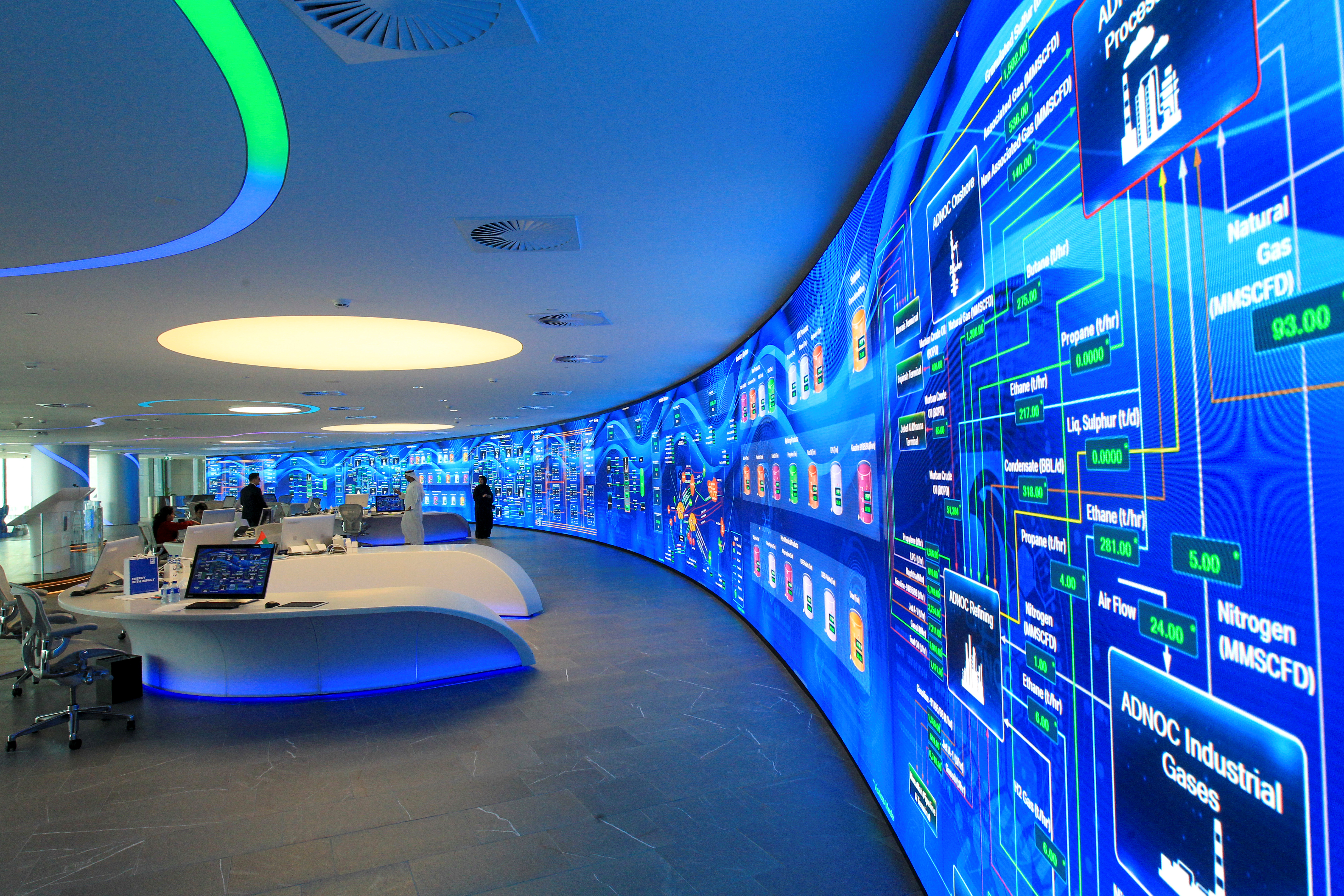
Abu Dhabi National Oil Company (Adnoc) has entered into a significant 15-year agreement with Indian Oil Corporation (IOC), aimed at supplying 1 million tonnes per year of liquefied natural gas (LNG) to India. This long-term deal highlights the strengthening energy ties between the United Arab Emirates (UAE) and India, reflecting a broader strategic partnership across various sectors.

The agreement, unveiled this week, underscores the UAE’s commitment to bolstering its role in the global energy market while addressing India’s growing energy demands. For Adnoc, the deal represents a key milestone in its international expansion strategy, reinforcing its position as a leading LNG supplier. Indian Oil, India’s largest commercial enterprise, will benefit from a stable and substantial supply of LNG, crucial for meeting the country’s increasing energy needs and supporting its transition to cleaner fuels.

This collaboration emerges amidst a backdrop of heightened energy cooperation between the UAE and India. Both nations have been working to deepen their engagement in the energy sector, aiming to enhance energy security and drive sustainable development. The deal is expected to facilitate greater stability in energy supplies for India, which is seeking to diversify its sources of energy amidst a global shift towards more sustainable practices.

Adnoc’s decision to supply LNG to India aligns with its broader strategy to secure long-term contracts and expand its footprint in key global markets. The UAE has been actively pursuing agreements with various countries to ensure a steady demand for its hydrocarbon resources, reflecting a calculated approach to navigating the evolving dynamics of global energy markets.

Indian Oil, on the other hand, is focusing on expanding its portfolio of energy sources to support India’s ambitious goals of transitioning to a greener energy mix. As the country ramps up its efforts to reduce carbon emissions and increase the use of natural gas, the partnership with Adnoc will play a pivotal role in securing a reliable supply of LNG, which is seen as a cleaner alternative to coal and oil.

The deal also reflects the strategic importance of LNG in the current global energy landscape. LNG is becoming an increasingly vital component in the global energy mix, offering a flexible and cleaner energy solution compared to traditional fossil fuels. As countries around the world seek to balance their energy needs with environmental considerations, LNG is emerging as a key player in the energy transition.

For both Adnoc and Indian Oil, this agreement represents a significant step towards achieving their long-term strategic objectives. Adnoc’s commitment to supplying LNG aligns with its vision of becoming a leading global energy player, while Indian Oil’s focus on securing reliable energy sources supports its efforts to drive sustainable growth and energy security for India.

The agreement also highlights the growing trend of energy cooperation between nations, driven by mutual interests in ensuring energy security and promoting sustainable development. As countries navigate the complexities of the global energy market, strategic partnerships like the one between Adnoc and Indian Oil are becoming increasingly important.

In addition to its strategic significance, the deal is expected to have a positive impact on the economies of both nations. For the UAE, it represents a substantial export opportunity and a means of leveraging its abundant natural resources. For India, it provides a crucial supply of LNG that will support its economic growth and energy transition goals.

Dubai has revealed plans to establish a new university, the National University of Dubai, with an ambitious budget of AED4.5 billion ($1.23 billion), in a move that aims to transform the emirate into a global education hub. His Highness Sheikh Mohammed bin Rashid Al Maktoum, Vice President and Prime Minister of the UAE and Ruler of Dubai, shared the news during a public address, outlining the long-term […]

Group Positions ‘Shama Serviced Apartments’ as Flagship to Address Long-Term Accommodation Market Demand BANGKOK, THAILAND – Media OutReach Newswire – 9 September 2024 – ONYX Hospitality Group, a leading management company renowned for its portfolio of luxury hotels, resorts, serviced apartments, and residences across Southeast Asia, has proudly announced its success in solidifying its position as the regional market leader. Shama Hub Qiantang Hangzhou Entrance Day In […]

Activity on the Cardano and Quant networks has significantly increased despite ongoing price declines for these cryptocurrencies. This uptick in network activity, coupled with a broader altcoin market at low levels, points to a potentially favorable shift in the crypto landscape.

Cardano (ADA) and Quant (QNT) have seen heightened network activity, suggesting robust engagement and development within their ecosystems. Cardano, known for its focus on scalability and sustainability, has been ramping up its smart contract functionalities and decentralized applications. Recent data reveals a surge in transaction volumes and an increase in smart contract interactions. This uptick in activity often correlates with future price adjustments, as heightened use can lead to increased value perception.

Quant, a blockchain interoperability platform, is also witnessing a rise in network engagement. The Quant network’s focus on bridging various blockchain systems is attracting significant attention, with a notable increase in transactions and interactions within its ecosystem. This growth in activity underscores the platform’s expanding role in facilitating cross-chain compatibility, which is becoming increasingly crucial in the decentralized finance (DeFi) space.

Amid this landscape, Cardano and Quant are navigating through a period of price reduction. ADA and QNT have both experienced declines in market value over recent months. However, the growing network activity might signal an underlying potential for future price recovery. Historically, periods of increased network engagement have often preceded upward price movements as projects transition from development phases to broader adoption.

The broader cryptocurrency market remains in a state of low volatility, with many altcoins trading at reduced levels. This calm period, characterized by subdued price action, is often a precursor to significant market shifts. Traders and investors are closely watching for signs of an impending altcoin season, which could be triggered by any sudden or substantial market movements.

Cardano’s recent developments are particularly noteworthy. The network has been focusing on enhancing its smart contract capabilities and expanding its DeFi ecosystem. These advancements are likely contributing to the increased network activity, as developers and users alike engage with the platform’s evolving features. The introduction of new functionalities and partnerships could further drive engagement and potentially impact ADA’s market performance in the long term.

Quant’s growing network activity aligns with its mission to address blockchain interoperability challenges. The platform’s ability to connect disparate blockchain systems positions it as a critical player in the evolving DeFi sector. As more projects and enterprises seek to leverage cross-chain solutions, Quant’s role is expected to become increasingly pivotal, driving further network interaction and engagement.

Ethereum’s value faces a potential downturn, according to a prominent cryptocurrency strategist who has shifted focus to alternative coins promising substantial short-term returns. The analyst’s forecast underscores a cautionary stance on Ethereum (ETH), advocating for strategic investment in lesser-known altcoins that are expected to yield impressive gains with comparatively lower risks. The seasoned crypto expert’s analysis suggests that Ethereum, which has seen fluctuating performance, might experience a […]

Huawei Cloud has undertaken a significant overhaul of its leadership team in a strategic move aimed at bolstering its position in the increasingly competitive artificial intelligence sector. This reshuffle comes as the company faces intensified rivalry from global tech giants and seeks to solidify its standing in a rapidly evolving market. The recent leadership changes at Huawei Cloud are part of a broader effort to enhance the […]

The Emirates Development Bank (EDB) has introduced the AGRIX Accelerator, a pivotal initiative designed to revolutionize the agricultural sector in the UAE. This flagship program aligns with the UAE’s National Food Security Strategy 2051, aiming to enhance food security by providing farmers, agribusinesses, and tech innovators with targeted financial support and advanced agricultural technologies.

Spanning a 20-week duration, the AGRIX Accelerator program offers a comprehensive package that includes funding, mentorship, and access to state-of-the-art agri-tech tools. The initiative is crafted to address the evolving needs of the agricultural sector, ensuring participants are equipped to meet the challenges of modern farming and agribusiness.

Central to the AGRIX Accelerator’s mission is its emphasis on integrating cutting-edge technology with traditional farming practices. The program will facilitate the adoption of innovative agri-tech solutions, such as precision agriculture, smart irrigation systems, and data analytics platforms. These technologies are expected to optimize resource use, increase crop yields, and improve overall efficiency in the sector.

Financial backing is a cornerstone of the AGRIX Accelerator. Participants will have the opportunity to access specialized financial solutions tailored to the unique requirements of the agricultural industry. This support aims to alleviate some of the financial barriers that often impede the adoption of new technologies and practices.

The program is structured into several phases, each focusing on different aspects of agricultural innovation. Initial stages will include workshops and training sessions led by industry experts, covering topics from advanced farming techniques to effective business management. Following these educational components, participants will receive hands-on experience with the latest agri-tech tools and solutions.

One of the key features of the AGRIX Accelerator is its mentorship component. Participants will benefit from guidance and insights provided by experienced professionals and thought leaders in the agricultural and technology sectors. This mentorship is designed to help participants navigate the complexities of integrating new technologies and developing sustainable business models.

The AGRIX Accelerator also emphasizes collaboration among stakeholders. By bringing together farmers, agribusinesses, and technology providers, the program fosters a collaborative environment where ideas can be shared, partnerships can be formed, and innovations can be developed. This collaborative approach is expected to drive significant advancements in the agricultural sector and contribute to the UAE’s broader food security goals.

The launch of the AGRIX Accelerator comes at a time when the UAE is making substantial investments in its agricultural sector to ensure long-term food security. As part of its National Food Security Strategy 2051, the UAE is focusing on enhancing domestic food production capabilities and reducing reliance on food imports. The AGRIX Accelerator is a critical component of this strategy, providing the necessary resources and support to drive innovation and sustainability in agriculture.

The program’s impact will be closely monitored throughout its duration. Success will be measured by the achievements of participating businesses and the advancements made in agricultural technology and practices. The AGRIX Accelerator aims to create a ripple effect in the sector, encouraging more farmers and agribusinesses to embrace innovative solutions and contribute to the UAE’s food security objectives.

The Dubai International Financial Centre (DIFC) has unveiled its latest strategic initiative aimed at bolstering the wealth and asset management sector. The DIFC Funds Centre is set to enhance the region’s appeal as a global hub for financial services, addressing the growing demand for sophisticated investment solutions and fostering a conducive environment for the sector’s expansion.

Designed to attract and support an increasing number of wealth and asset management firms, the DIFC Funds Centre will offer a comprehensive suite of services tailored to the needs of institutional and individual investors. This new initiative reflects DIFC’s commitment to strengthening its position as a leading financial centre in the Middle East and North Africa (MENA) region.

The DIFC Funds Centre will serve as a centralized platform for the creation and management of investment funds, facilitating seamless operations through advanced technological infrastructure and regulatory support. By integrating with existing DIFC frameworks, the Funds Centre aims to streamline fund administration processes and provide a robust regulatory environment for fund managers and investors.

This move comes in the wake of several other strategic actions by DIFC to enhance its offerings. The Centre has recently forged partnerships with prominent alternative investment firms and international financial institutions, further cementing its role as a key player in the global finance landscape. These collaborations are designed to attract a diverse range of investment strategies, including private equity, venture capital, and hedge funds.

The DIFC Funds Centre will feature a range of innovative tools and services, including bespoke fund structures, regulatory guidance, and investor relations support. This initiative is expected to significantly reduce the time and cost associated with fund setup and management, offering a competitive edge to firms operating within the DIFC ecosystem.

As part of its strategic vision, DIFC has also introduced enhanced measures to foster a more dynamic and inclusive investment environment. This includes a focus on sustainable investment strategies and the integration of advanced financial technologies. By doing so, DIFC aims to cater to the evolving preferences of investors who are increasingly seeking environmentally and socially responsible investment opportunities.

The launch of the DIFC Funds Centre aligns with broader trends in the global financial industry, where there is a growing emphasis on specialized investment solutions and bespoke financial services. The initiative reflects the shifting landscape of wealth management, where there is a heightened demand for tailored investment products and comprehensive asset management services.

The DIFC’s proactive approach in addressing these trends highlights its role as a forward-thinking financial hub, dedicated to adapting to the evolving needs of the global investment community. With its state-of-the-art facilities and strategic partnerships, the DIFC Funds Centre is poised to attract a significant influx of wealth and asset management firms seeking to leverage the Centre’s capabilities and network.

Furthermore, the DIFC’s emphasis on innovation and regulatory excellence underscores its commitment to maintaining the highest standards of financial services. By providing a platform that combines technological advancements with a strong regulatory framework, DIFC aims to ensure that its clients and partners can operate with confidence and efficiency.

The DIFC Funds Centre represents a critical component of DIFC’s broader strategy to enhance its global competitiveness and appeal. The initiative is expected to contribute to the Centre’s continued growth and success, reinforcing its status as a premier destination for financial services in the region.

China will permit foreign investors to establish wholly-owned hospitals in major cities and regions, including Beijing, Shanghai, and several others, according to a recent announcement by the Ministry of Commerce. This move marks a significant shift in China’s healthcare investment landscape and aligns with the country’s broader strategy to enhance its healthcare sector by integrating international expertise. Under the new policy, foreign entities can set up entirely […]

Virgin Galactic is expanding its reach to Asia, inviting potential customers to express interest in its upcoming space tourism flights. The company, known for its ambitious plans to make space travel accessible to private citizens, is offering a ticket price of $600,000 for a seat on its suborbital flights. The company’s strategy aims to tap into the burgeoning market of high-net-worth individuals in Asia who are eager […]

Sheikh Mohammed bin Rashid Al Maktoum, Vice President and Prime Minister of the UAE, and Ruler of Dubai, has announced a new educational initiative aimed at establishing a prestigious national university in Dubai. This project is set to be a significant milestone in the country’s drive to enhance its educational infrastructure, with a strong focus on fostering Emirati identity. The planned university will aim to provide world-class education while contributing to the UAE’s broader goals of becoming a global knowledge hub.

Sheikh Mohammed emphasized that the university will serve as a beacon for innovation and research in the region, empowering future generations and reinforcing Dubai’s commitment to education as a central pillar of development. He further highlighted that the university will reflect the nation’s values and aspirations, helping to shape the future of education in the UAE while staying aligned with international standards. This ambitious initiative is part of a broader strategy to position Dubai as a leader in the global education sector, reflecting the city’s evolving role as a destination for both higher education and research excellence.

The university’s launch comes amid growing efforts by Dubai to bolster its educational infrastructure, catering to both local and international students. The institution will aim to develop top-tier academic programs across a variety of disciplines, attracting leading scholars and educators from around the world. The ultimate goal is to produce graduates equipped with the skills and knowledge to drive the UAE’s economic and social development, contributing to the nation’s long-term vision of fostering a diversified, innovation-led economy.

This new institution is also expected to collaborate with leading global universities, fostering international partnerships to ensure the highest standards of education. The curriculum will integrate advanced technologies and research methodologies, with the aim of preparing students to address the complex challenges of the modern world. As part of the larger UAE Vision 2030, this university will align with the country’s goals of achieving sustainable development through education and human capital development.

The strategic vision behind this project mirrors Sheikh Mohammed’s longstanding efforts to enhance the UAE’s global competitiveness in key sectors such as education and research. Over the years, Dubai has made significant strides in building its reputation as a center for academic excellence, with numerous international institutions already operating in the city. The establishment of a national university will further strengthen this status, while also creating more opportunities for Emirati students to access high-quality education within their own country.

Education has long been at the heart of the UAE’s development agenda. The country has invested heavily in building a world-class education system, focusing on developing human capital to meet the demands of a rapidly evolving global economy. The creation of a national university in Dubai will provide a unique opportunity to deepen these efforts, enhancing the quality of education available to both Emiratis and expatriates.

In addition to its academic mission, the national university will also prioritize research and innovation, particularly in areas critical to the UAE’s future. It is anticipated that the institution will play a pivotal role in advancing knowledge in fields such as artificial intelligence, renewable energy, and healthcare, areas in which the UAE has been actively investing. By fostering a culture of innovation and research, the university will contribute to the UAE’s broader goals of economic diversification and sustainable growth.

Moreover, the national university is expected to provide a platform for addressing some of the key challenges faced by the UAE, such as climate change, food security, and technological transformation. It will also aim to nurture a generation of leaders capable of shaping the future of the UAE and contributing to global progress in these critical areas.

Sheikh Mohammed’s vision for the university underscores the broader ambition to place the UAE at the forefront of educational innovation on the world stage. The institution will serve as a model for other countries in the region, demonstrating the potential of higher education as a driver of national development. The university is expected to have a significant impact not only within the UAE but also across the wider region, positioning Dubai as a leader in academic excellence and innovation.

As Dubai continues to evolve as a global city, the new national university will be a cornerstone of its development strategy. The institution is set to offer a diverse range of programs, catering to the growing demand for higher education in the region. It will also serve as a bridge between East and West, attracting students and academics from around the world, and fostering cross-cultural dialogue and collaboration.


The next leap in telecommunications, 6G, is poised to redefine connectivity by 2030, according to Andreas Müller, Project Director for 6G at Bosch. Addressing attendees at IFA 2023, Müller unveiled the transformative potential of 6G, a technology expected to surpass the capabilities of 5G by integrating advanced technologies and enabling unprecedented innovations.

Müller explained that while 5G primarily focused on enhancing Internet of Things (IoT) capabilities, 6G will offer a much broader spectrum of functionalities. The upcoming generation is anticipated to deliver not only faster and more reliable connections but also to introduce new paradigms such as environmental sensing, digital twinning, and immersive experiences within the metaverse. These advancements aim to create a more interconnected and intelligent world.

A key aspect of 6G’s development is its emphasis on collaboration across various industries. Müller stressed that achieving the full potential of 6G will require partnerships between technology providers, researchers, and industry leaders. This collaborative approach will facilitate the integration of diverse technologies and applications, ultimately driving innovation and unlocking new possibilities.

One of the groundbreaking features of 6G is its ability to support advanced environmental sensing. By leveraging sophisticated sensors and communication technologies, 6G will enable real-time monitoring and analysis of environmental conditions. This capability is expected to have significant implications for fields such as disaster management, climate monitoring, and urban planning.

Digital twinning, another pivotal aspect of 6G, involves creating virtual replicas of physical objects or systems. These digital twins will allow for more precise simulations and analyses, enhancing decision-making processes across various sectors. For instance, in manufacturing, digital twins can be used to optimize production processes and predict maintenance needs, leading to increased efficiency and reduced downtime.

The metaverse, a concept gaining traction in the digital space, will also benefit from 6G’s capabilities. Müller highlighted that 6G’s high-speed and low-latency connectivity will enable more immersive and interactive experiences within the metaverse. This includes enhanced virtual reality (VR) and augmented reality (AR) applications, which are expected to revolutionize fields such as gaming, education, and remote collaboration.

As 6G technology continues to evolve, its integration with artificial intelligence (AI) will play a crucial role. Müller pointed out that AI-driven innovations will be a significant driver of 6G’s development, facilitating smarter and more adaptive networks. AI algorithms will enable more efficient network management, predictive maintenance, and personalized user experiences, further enhancing the overall connectivity experience.

The development of 6G is also expected to impact the global economy by creating new market opportunities and driving growth in various sectors. The technology’s ability to support advanced applications and services will open up new avenues for businesses and entrepreneurs, fostering economic development and technological advancement.

Despite the excitement surrounding 6G, Müller acknowledged the challenges that lie ahead. The implementation of such advanced technology requires substantial investment in research and development, infrastructure, and regulatory frameworks. Additionally, ensuring interoperability and addressing security concerns will be critical for the successful deployment of 6G networks.

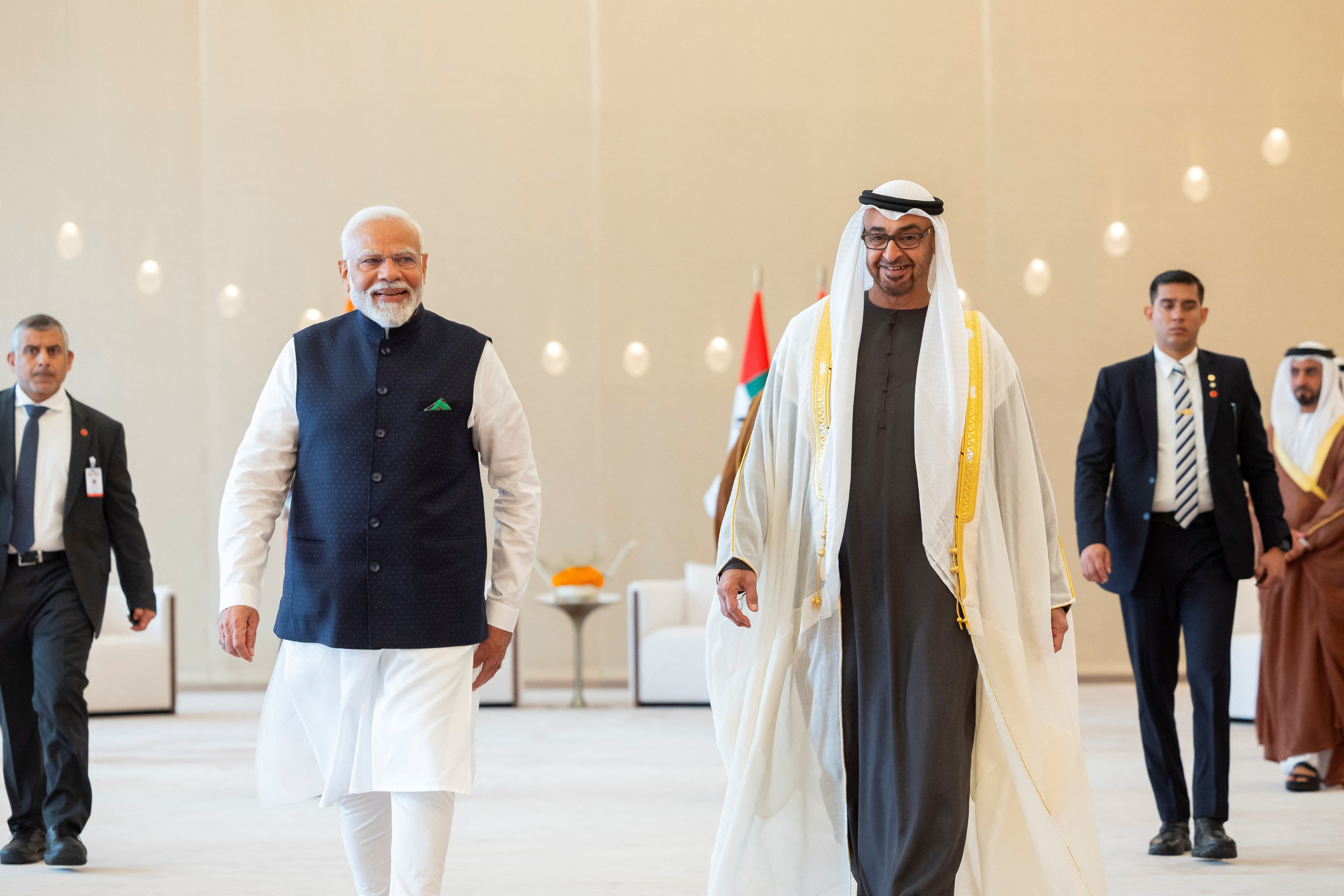
Abu Dhabi Crown Prince Sheikh Khaled bin Mohamed bin Zayed Al Nahyan is scheduled to travel to India for a state visit on Sunday, September 8, where he will engage in high-level talks with Prime Minister Narendra Modi in New Delhi. The visit marks a significant step in the growing bilateral relationship between the UAE and India, and it is Sheikh Khaled’s first visit to the country since assuming the position of Crown Prince of Abu Dhabi. The meeting will focus on advancing strategic ties, with an emphasis on key economic sectors that are mutually beneficial.

Tensions between major global powers are escalating as intelligence reports reveal a concerning deepening of military ties between Iran and Russia. Central Intelligence Agency (CIA) Director William Burns has highlighted that Iran is poised to significantly increase its support for Russia by potentially supplying ballistic missiles to aid Moscow’s ongoing conflict in Ukraine. This move, according to Burns, could represent a “dramatic escalation” in the level of […]

VISHNU RAJA
RYO YAMADA
HITORI GOTOH
IKUYO KITA