News related to
Partnerships

Shuaa Capital, a leading investment company based in Dubai, is poised to convene its board of directors to deliberate on a significant proposal for the issuance of Mandatory Convertible Bonds (MCBs) amounting to $175 million. This meeting, set against a backdrop of evolving financial strategies within the region, aims to explore potential avenues for enhancing the firm’s capital structure and investor appeal.

The proposed issuance of MCBs is seen as a strategic move to raise funds that can be deployed towards bolstering Shuaa’s core business activities and expanding its investment portfolio. These financial instruments, which offer investors the option to convert their bonds into equity after a specified period, can provide both liquidity and flexibility. MCBs have become an attractive choice for companies seeking to optimize their balance sheets while also catering to investors looking for growth opportunities.

Market analysts view this potential issuance as part of a broader trend among Gulf Cooperation Council (GCC) companies that are increasingly turning to hybrid financial instruments to navigate economic uncertainties. With oil prices stabilizing and global markets fluctuating, firms across the region are adapting their financing strategies to ensure sustainability and growth. Shuaa’s proactive approach in considering MCBs reflects its commitment to remaining competitive in a dynamic financial landscape.

Shuaa Capital’s management has expressed optimism regarding the approval of the MCB issuance, citing a favorable investment climate and the firm’s robust performance in various sectors, including asset management, capital markets, and advisory services. The company has made significant strides in enhancing its service offerings and expanding its client base, positioning itself as a key player in the regional investment space.

The decision to issue MCBs could be bolstered by Shuaa’s recent financial results, which indicate a steady growth trajectory. In its latest earnings report, the firm highlighted increased revenues driven by strong performance in its investment management division, alongside strategic partnerships and acquisitions that have expanded its market reach. This positive momentum has prompted discussions within the board about leveraging additional capital through innovative financing options.

The approval of the MCB issuance aligns with Shuaa’s long-term growth strategy, which emphasizes sustainable development and diversification of its investment portfolio. The firm has been keen on exploring new markets and sectors, particularly in technology and renewable energy, areas that are expected to experience substantial growth in the coming years. With capital raised through MCBs, Shuaa aims to capitalize on these emerging opportunities while enhancing shareholder value.

As the board meeting approaches, stakeholders and investors will be closely monitoring the outcomes and implications of the proposed bond issuance. Should the board approve the MCBs, it could signal a shift in Shuaa’s approach to capital raising, potentially influencing similar strategies among its peers in the investment sector.

Industry experts have noted that the demand for MCBs may also be driven by changing investor preferences, with many looking for securities that offer both fixed income and potential equity upside. The convertible nature of these bonds allows investors to participate in the growth of the company while still receiving periodic interest payments, making them an appealing option in uncertain market conditions.

Shuaa’s consideration of MCBs comes at a time when the GCC’s capital markets are witnessing a revival, characterized by a surge in initial public offerings (IPOs) and bond issuances. This resurgence is largely attributed to the economic recovery following the pandemic, coupled with ongoing government initiatives aimed at boosting private sector participation and foreign investment. As companies across the region assess their financing strategies, the MCB issuance could emerge as a popular choice for those looking to enhance liquidity without diluting existing equity.

The upcoming board meeting will not only address the MCB proposal but also evaluate the broader implications for Shuaa’s financial strategy moving forward. With a focus on maintaining strong governance and aligning with investor interests, the board is tasked with ensuring that any capital-raising initiative is consistent with the company’s vision and operational goals.


A landmark agreement between the UAE and the Government of Rajasthan has been signed, marking a significant development in India’s renewable energy sector. The Memorandum of Understanding (MoU) involves a massive ₹3 lakh crore ($36 billion) investment by the UAE, with the goal of developing 60 gigawatts (GW) of renewable energy capacity in western Rajasthan. This venture is primarily focused on solar, wind, and hybrid energy projects, […]

ADNEC Group has announced its intention to acquire Royal Catering, a prominent food and beverage service provider in Abu Dhabi. This strategic move is part of ADNEC’s broader goal to enhance its portfolio and strengthen its position in the hospitality and catering sector. The acquisition is expected to be finalized within the next few months, pending regulatory approvals and standard due diligence processes. Royal Catering has established […]

The world’s largest Bitcoin conference has made its debut in Abu Dhabi, attracting thousands of attendees, including influential figures from the cryptocurrency industry, investors, and blockchain enthusiasts. This event marks a significant milestone for the Middle East, emphasizing the region’s growing importance in the global cryptocurrency landscape. The conference is poised to showcase cutting-edge technologies, regulatory frameworks, and investment opportunities, while highlighting the UAE’s ambition to position itself as a key player in the digital economy.

Held at the Abu Dhabi National Exhibition Centre, the conference has brought together more than 10,000 participants from across the globe. Notable speakers included prominent figures such as Anthony Pompliano, a well-known Bitcoin advocate and investor, and Elizabeth Stark, co-founder of Lightning Labs, who addressed the potential of Bitcoin to reshape financial systems. The agenda features discussions on various topics, including Bitcoin adoption, regulatory challenges, and the future of decentralized finance (DeFi).

Abu Dhabi’s embrace of this event reflects a broader trend within the UAE to foster a conducive environment for blockchain technology and cryptocurrencies. The UAE government has actively pursued initiatives to integrate blockchain solutions across various sectors, including finance, healthcare, and logistics. This commitment is evidenced by the establishment of regulatory bodies such as the Abu Dhabi Global Market (ADGM) and the Dubai Financial Services Authority (DFSA), which have implemented frameworks to regulate cryptocurrency exchanges and Initial Coin Offerings (ICOs).

The conference is seen as a strategic opportunity for the UAE to attract international investment in the cryptocurrency sector, which has grown exponentially in recent years. With the global cryptocurrency market capitalizing at over $1 trillion, the UAE aims to position itself as a regional hub for digital assets, competing with established markets like Singapore and Hong Kong. Industry experts argue that the UAE’s favorable regulatory environment and strategic geographical location make it an ideal destination for cryptocurrency businesses seeking to expand their operations.

Amid the growing interest in cryptocurrencies, discussions surrounding regulatory frameworks have been a focal point of the conference. Panel discussions have addressed the need for a balanced approach that encourages innovation while ensuring investor protection. The UAE’s proactive stance on regulation has garnered praise from industry leaders, who emphasize the importance of clear guidelines to foster trust in the cryptocurrency ecosystem.

Emerging trends within the cryptocurrency space have also been highlighted at the conference, including the rise of non-fungible tokens (NFTs) and decentralized finance. NFT marketplaces have gained significant traction, with many artists, musicians, and creators exploring these digital assets to monetize their work. The integration of NFTs into mainstream culture has prompted discussions about the future of digital ownership and intellectual property rights.

The concept of decentralized finance, which aims to replicate traditional financial services using blockchain technology, has gained momentum. DeFi platforms offer services such as lending, borrowing, and trading without the need for intermediaries, presenting a disruptive force in the financial industry. The conference has provided a platform for DeFi project leaders to share insights on the challenges and opportunities within this rapidly evolving space.

As the conference unfolds, attendees are optimistic about the future of cryptocurrencies in the Middle East. The engagement of local businesses, government officials, and global experts underscores the UAE’s commitment to fostering innovation in the financial sector. Networking opportunities abound, with many participants expressing excitement over potential collaborations and partnerships that could emerge from this gathering.

The successful hosting of this major Bitcoin conference is expected to catalyze further interest and investment in the UAE’s cryptocurrency market. As governments worldwide grapple with the implications of digital currencies, the UAE’s proactive approach positions it as a forward-thinking leader in the sector. The conference’s impact extends beyond mere discussions, as it showcases the region’s capabilities to host significant global events, potentially attracting future conferences focused on blockchain and financial technologies.

Dubai Holding Asset Management has officially rebranded its residential portfolio as part of a strategic initiative to strengthen its position in the real estate market. This transformation reflects a commitment to enhancing customer experience and aligns with Dubai’s vision for sustainable urban living. The new branding initiative not only updates the visual identity but also integrates a more customer-centric approach, emphasizing quality and innovation in residential offerings.

The rebranding comes amid significant growth in Dubai’s real estate sector, buoyed by a surge in demand for high-quality residential properties. According to industry reports, property transactions in Dubai reached record levels, with investments from both local and international buyers driving the market’s dynamism. The rebranding of Dubai Holding’s residential portfolio positions the company to capitalize on this upward trend, aiming to attract a wider audience.

Central to the rebranding effort is the introduction of a unified identity across all residential properties managed by Dubai Holding. This includes a refreshed logo, updated marketing materials, and a commitment to innovative design and sustainable practices. The company aims to create not just living spaces but vibrant communities that foster a sense of belonging and enhance the quality of life for residents.

One key focus of this initiative is sustainability. Dubai Holding has pledged to incorporate eco-friendly features and energy-efficient technologies in its residential developments. This commitment aligns with global trends toward sustainability in real estate and responds to the increasing demand from consumers for greener living options. The company has already begun implementing these practices in several ongoing projects, setting a benchmark for future developments.

The rebranding initiative highlights Dubai Holding’s strategic partnerships with renowned architects and designers, enhancing the aesthetic appeal and functionality of its residential offerings. By collaborating with industry leaders, the company aims to deliver high-quality living environments that meet the diverse needs of residents, from families to young professionals.

As part of this initiative, Dubai Holding has also introduced enhanced customer service features. These include improved digital platforms that allow potential buyers and current residents to access information about properties, amenities, and community events. By leveraging technology, Dubai Holding seeks to provide a seamless experience, making it easier for residents to engage with their community and access essential services.

Industry analysts have noted that Dubai Holding’s rebranding comes at a pivotal moment when the global real estate market is experiencing transformative changes. The demand for flexible living spaces that cater to remote work and community-oriented lifestyles is increasing. By adapting to these trends, Dubai Holding is not only reinforcing its market position but also addressing the evolving preferences of modern residents.

The rebranding initiative is expected to enhance Dubai Holding’s competitive edge in a crowded market. With several major players in the real estate sector, establishing a distinct identity and a strong brand reputation will be crucial for attracting investors and buyers. The company is confident that its renewed focus on quality, sustainability, and customer engagement will resonate well with its target audience.

The Dubai real estate market has shown resilience in the face of global economic challenges, with many experts predicting continued growth in the coming years. The introduction of new visa regulations and ongoing investment in infrastructure are factors contributing to this optimism. Dubai Holding’s rebranding aligns with these developments, positioning the company to leverage new opportunities as the market evolves.

In light of this strategic rebranding, Dubai Holding has also indicated plans for future developments that will further expand its residential portfolio. The company is exploring innovative concepts such as mixed-use developments that integrate residential, retail, and recreational spaces. This holistic approach is designed to create vibrant neighborhoods that foster community engagement and provide residents with a comprehensive living experience.

The launch of the rebranded residential portfolio has garnered positive feedback from stakeholders within the industry. Real estate experts believe that Dubai Holding’s commitment to quality and innovation will attract discerning buyers looking for premium living spaces in the heart of Dubai. Additionally, the emphasis on sustainability and community well-being aligns with broader global trends that prioritize responsible development.

As the rebranding unfolds, Dubai Holding will focus on marketing its properties through various channels, including digital platforms and targeted outreach campaigns. Engaging potential buyers through immersive experiences and showcasing the lifestyle benefits of living in its communities will be a cornerstone of the marketing strategy.

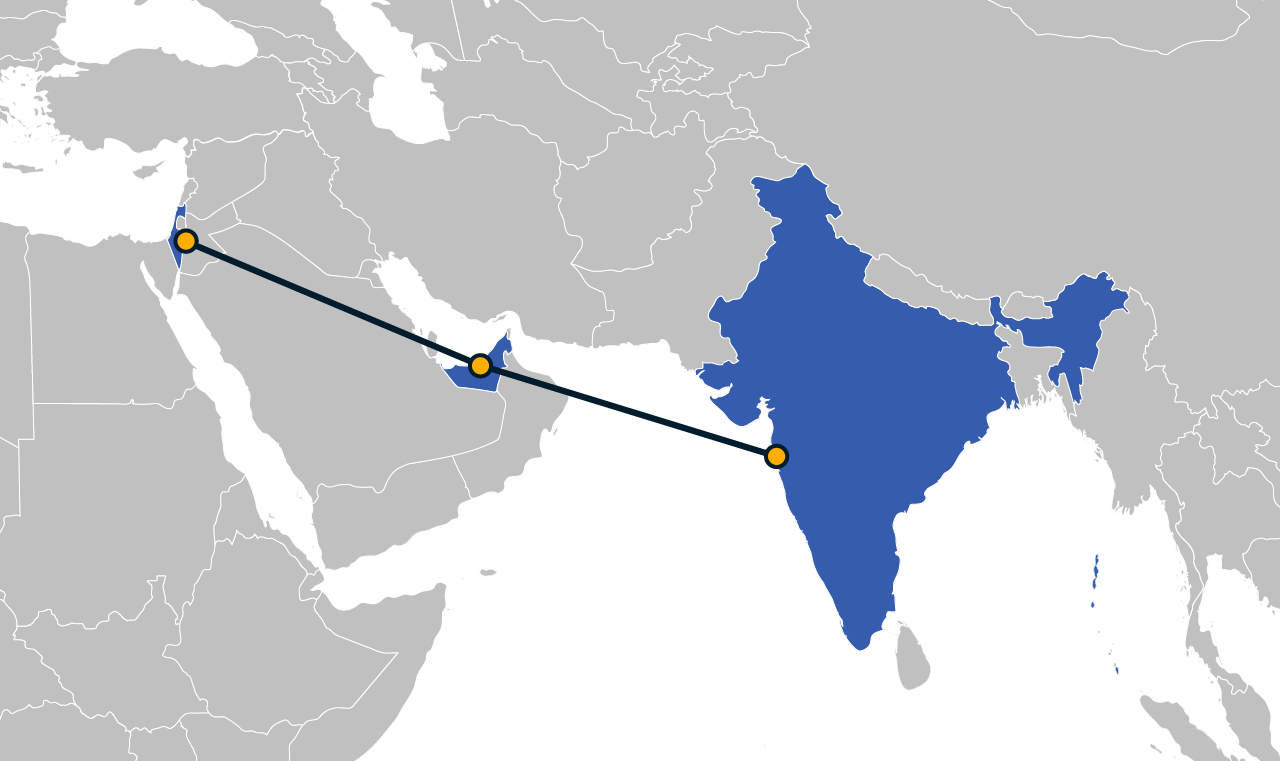
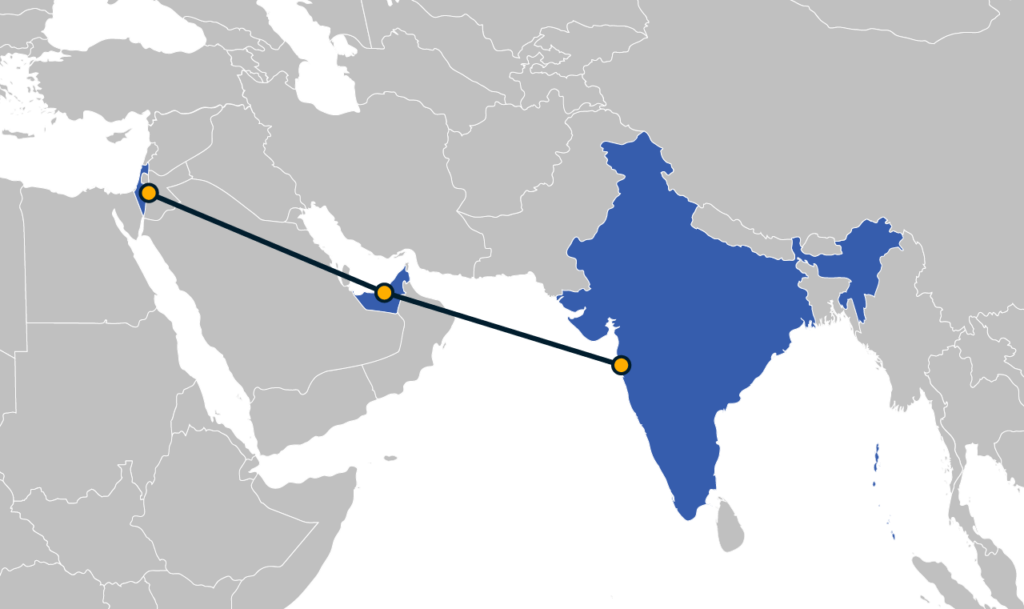
By Nantoo Banerjee It is good to note that the proposed India-UAE food corridor has already roped in a third partner, Israel. The project is expected to eventually involve the United States as well. The US was a key initiator of the historic four-nation I2U2 virtual summit in July 2022 bringing together leaders of India, […]

Growing economic ties between Russia and the United Arab Emirates (UAE) are underscored by a notable increase in trade, which has reportedly tripled over the last three years, according to President Vladimir Putin. This significant surge in bilateral commerce reflects a strengthening partnership that encompasses various sectors, including energy, agriculture, and technology. Both nations have shown a commitment to further expanding these economic relations, particularly in the […]

Advertisements

Cisco signed a Memorandum of Collaboration with the Cyber Security Agency (CSA) of Singapore to enhance the nation’s cyber and digital resilience. Key areas of the collaboration include threat intelligence sharing, capacity building, and talent development to meet Singapore’s security and economic needs. Both parties will collaborate to enhance the nation’s cyber defense capabilities under Cisco’s Country Digital Acceleration (CDA) program in Singapore. SINGAPORE – Media OutReach […]

KUALA LUMPUR, MALAYSIA – Media OutReach Newswire – 17 October 2024 – BRICS represents a formidable economic bloc that significantly influences global trade and geopolitics. In January, the alliance of Brazil, Russia, India, China, and South Africa formally welcomed Egypt, Ethiopia, Iran, and the United Arab Emirates into its fold. Recent discussions have focused on expanding BRICS to include nations like Malaysia and Indonesia, presenting these countries […]

HONG KONG SAR – Media OutReach Newswire – 18 October 2024 – Hong Kong Virtual Asset Exchange Limited (HKVAX) showcased its leadership in facilitating Security Token Offerings (STOs) for the blue economy at the Oeiras BlueTech Ocean Forum cum 10th International Forum on Clean Energy. The event, held on October 16-17, 2024, in Oeiras, Lisbon, saw HKVAX sign a Memorandum of Understanding (MoU) with Fórum Oceano and […]

SINGAPORE – Media OutReach Newswire – 18 October 2024 – NextGen.AI (NGAI), an Singapore-based AI startup founded by Frank HO and his team of former advertising, software development executives & AI researchers, has secured a strategic investment of S$450,000 from Picasso FANG, on behalf of Asiawide Print. Picasso will also serve as a strategic partner and business mentor, guiding the company in scaling AI innovation across Singapore […]

Taking Place on 24 – 25 October the Forum Brings Together Leading Venture Capitalists and Entrepreneurs to Discuss Global Venture Capital Trends and Challenges, and Explore the Future Path of Hong Kong as the International Innovation and Technology Hub with Fresh Perspectives HONG KONG SAR – Media OutReach Newswire – 19 October 2024 – In the face of the lingering global economic and geopolitical uncertainties, the annual […]

NMC Health, one of the leading healthcare providers in the United Arab Emirates, is set to invest millions of dollars in a significant expansion of its health services across the region. This initiative, announced by the company’s CEO, aims to enhance access to quality healthcare and cater to the growing demand for medical services within the UAE. The new health centers will focus on providing comprehensive healthcare […]

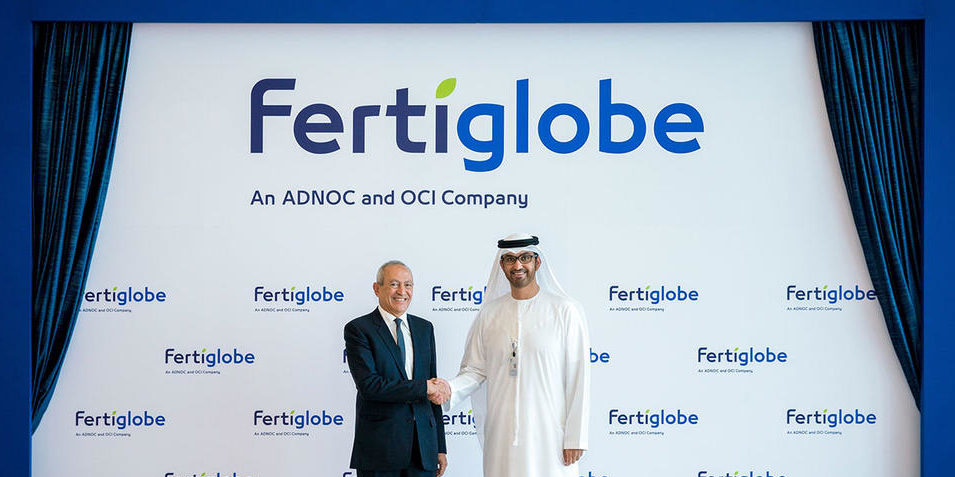
Fertiglobe, a prominent player in the nitrogen fertilizer industry, is making significant strides in securing long-term ammonia contracts, a move that could reshape its growth trajectory. The CEO, Hassan Badrawi, recently emphasized that these contracts are pivotal in bolstering the company’s market position and enhancing its profitability in an evolving landscape.

The company, a joint venture between Abu Dhabi National Oil Company (ADNOC) and OCI N.V., has been actively pursuing long-term agreements with key industrial clients globally. These contracts, spanning multiple years, are designed to provide stable pricing and guaranteed supply, allowing Fertiglobe to navigate the volatility often seen in the commodity markets. Badrawi noted that securing these contracts not only solidifies relationships with clients but also ensures a consistent revenue stream that supports long-term investments in production capacity and technology.

Fertiglobe’s approach aligns with broader industry trends, where manufacturers are increasingly prioritizing sustainability and supply chain resilience. The global ammonia market has experienced fluctuations due to geopolitical tensions, trade dynamics, and changing regulatory environments. Fertiglobe aims to mitigate these challenges by locking in long-term agreements that provide predictability in supply and pricing. This strategy is particularly crucial as countries transition towards more sustainable agricultural practices and seek reliable sources of nitrogen fertilizers.

The CEO highlighted the importance of innovation in Fertiglobe’s operations. The company has been investing heavily in technology to enhance production efficiency and reduce carbon emissions. Fertiglobe is committed to producing “green ammonia,” which is generated using renewable energy sources and is expected to play a crucial role in meeting future fertilizer demand while addressing environmental concerns. This commitment to sustainability resonates with clients who are increasingly seeking eco-friendly solutions in their supply chains.

The ammonia market is witnessing robust growth, fueled by rising global food demand and a push for more sustainable agricultural practices. As populations expand and dietary patterns shift, the need for effective fertilizers has never been more critical. Fertiglobe’s strategic focus on long-term contracts positions it favorably to capitalize on this growth, ensuring that it can meet the needs of its customers while also contributing to global food security.

Fertiglobe’s operational footprint is another factor that enhances its competitive advantage. The company’s facilities, located in the United Arab Emirates, benefit from proximity to key markets and access to essential raw materials. This geographical advantage not only reduces transportation costs but also improves supply chain efficiency. By securing long-term contracts with local and regional clients, Fertiglobe is poised to solidify its role as a reliable ammonia supplier.

Analysts are optimistic about Fertiglobe’s strategy. The company is seen as a key player in the ammonia sector, with the potential to expand its market share significantly. The move towards long-term contracts aligns with investor expectations for stability and growth, particularly in a sector characterized by fluctuations in demand and supply. As the agricultural sector increasingly emphasizes sustainability, Fertiglobe’s initiatives in producing green ammonia are likely to attract attention and investment.

Fertiglobe’s commitment to transparency and ethical practices strengthens its position in the market. As stakeholders demand greater accountability from corporations, Fertiglobe’s focus on sustainable practices and responsible sourcing is expected to enhance its reputation and foster long-term relationships with clients. This ethical approach not only appeals to consumers but also aligns with the growing expectations from investors for companies to prioritize environmental, social, and governance (ESG) factors.

Fertiglobe’s initiatives reflect a broader industry shift towards greater collaboration among key players. The establishment of long-term contracts is not just about securing sales; it also involves sharing knowledge and resources to drive innovation in fertilizer production and distribution. As Fertiglobe continues to forge strategic partnerships, the potential for collaborative projects that enhance sustainability and efficiency becomes increasingly feasible.

As the global market for ammonia evolves, Fertiglobe is well-positioned to adapt to changing dynamics. The emphasis on long-term contracts reflects a proactive strategy to ensure stability and growth, while the commitment to innovation and sustainability aligns with industry trends. With food security and environmental sustainability at the forefront of global concerns, Fertiglobe’s initiatives in securing long-term ammonia contracts underscore its role as a pivotal player in the agricultural supply chain.

Dahua Technology MENA is showcasing a range of innovative products and solutions at GITEX Global 2024, positioning itself as a key player in the region’s rapidly growing video-centric AIoT market. The company is using the prestigious Dubai event to introduce its latest advancements in artificial intelligence, the Internet of Things (IoT), and video technology. The company’s participation in GITEX comes as part of its strategic efforts to […]

At GITEX Global 2024, Huawei showcased an extensive array of industrial digital and intelligent transformation solutions, emphasizing its commitment to driving technological advancements across multiple sectors. The company hosted the Industrial Digital and Intelligent Transformation Summit, bringing together industry leaders and partners to discuss the future of digital solutions in various fields. Huawei’s strategy focuses on empowering industries through cutting-edge technology, with an emphasis on collaboration and […]

An executive program aimed at enhancing the museum sector has been established between Saudi Arabia and China. The Museums Commission, part of Saudi Arabia’s Ministry of Culture, signed a significant agreement with the National Museum of China, bolstered by support from the Chinese Ministry of Culture and Tourism. This initiative is poised to fortify cultural ties between the two nations and promote collaborative efforts in museum development, heritage preservation, and cultural exchange.

The newly signed program emphasizes the importance of cultural diplomacy in fostering mutual understanding and cooperation. Through this partnership, both countries aim to benefit from shared expertise, resources, and innovative practices in the museum field. This collaboration is part of a broader strategy by Saudi Arabia to diversify its economy and position itself as a cultural hub in the region.

Under the framework of the executive program, various activities are planned, including staff exchanges, joint exhibitions, and the development of educational programs. The goal is to enhance professional training and capacity building within the museum sector. Experts from both nations will engage in knowledge sharing to develop best practices in museum management, curation, and visitor engagement strategies.

Saudi Arabia has been making significant strides in its cultural sector as part of its Vision 2030 initiative, which seeks to reduce the country’s reliance on oil revenue and promote tourism and cultural heritage. The establishment of museums has been identified as a critical area for development, aligning with the nation’s broader goals of economic diversification and global engagement.

The National Museum of China, renowned for its vast collection of historical artifacts and exhibitions, is expected to play a pivotal role in guiding the development of Saudi Arabia’s museum sector. By leveraging China’s extensive experience in museum management, Saudi Arabia can accelerate the development of its cultural institutions, ensuring they meet international standards.

This partnership comes at a time when both countries are keen on enhancing their bilateral relations. The agreement reflects a growing trend of cultural cooperation between China and Middle Eastern nations, as countries in the region seek to leverage cultural diplomacy to strengthen ties with major global players.

Experts believe that this collaboration will lead to a mutual exchange of ideas that can benefit both countries. The focus on developing educational initiatives, particularly aimed at youth engagement in cultural heritage, is seen as a significant step toward nurturing future generations’ appreciation for history and art.

Saudi Arabia’s approach to culture has shifted dramatically in the past few years, particularly with the unveiling of several high-profile cultural projects, including the Diriyah Gate and the King Abdulaziz Center for World Culture. These projects aim to position the kingdom as a cultural leader in the Gulf region, making it a focal point for international tourists and cultural enthusiasts.

The involvement of the National Museum of China adds a layer of credibility and expertise to the program. With China’s rich history and extensive experience in museum curation and cultural preservation, the partnership stands to benefit from innovative approaches to exhibiting and interpreting cultural heritage.

The collaboration is expected to enhance visitor experiences at Saudi Arabian museums. The development of joint exhibitions that showcase the histories and cultures of both nations will create unique opportunities for cultural exchange and education. This aspect is particularly important as Saudi Arabia seeks to attract more tourists and provide them with enriching cultural experiences.

The program aligns with the broader international cultural landscape, where countries increasingly recognize the value of cultural diplomacy in building soft power. As global interest in Saudi Arabia’s cultural heritage grows, this initiative presents an opportunity for both nations to showcase their unique histories and foster greater understanding between their peoples.

In addition to these developments, the program emphasizes the importance of digital innovation in the museum sector. With technology transforming how museums operate, both countries will explore ways to integrate digital tools into exhibitions, making art and history more accessible to diverse audiences. This focus on innovation aligns with global trends in museum practices, where digital engagement has become increasingly vital.

The signing of the executive program also reflects the broader geopolitical landscape in which cultural exchanges are gaining importance. As China continues to expand its influence globally, partnerships like this one provide Saudi Arabia with an avenue to enhance its cultural visibility on the world stage while benefiting from China’s established expertise in heritage management.

The initiative illustrates the commitment of both nations to investing in their cultural futures. By fostering collaboration in the museum sector, Saudi Arabia and China are setting a precedent for similar partnerships across other cultural domains. The long-term impact of this program is expected to extend beyond museum development, influencing the broader cultural and artistic landscape of both nations.

Injective Protocol’s native token, INJ, has seen an impressive price surge of 18% as anticipation builds for its upcoming listing on the Bitfinex exchange. This increase highlights the growing interest and momentum surrounding the Injective project, which has garnered significant attention within the cryptocurrency community. Market analysts are closely monitoring this development, especially as INJ approaches the critical psychological level of $35.

The excitement surrounding the listing on Bitfinex, a leading cryptocurrency exchange known for its advanced trading features, has drawn considerable investor interest. The official announcement regarding the listing sparked a flurry of trading activity, contributing to the significant uptick in INJ’s price. As the exchange gears up for the token’s introduction, traders are eagerly speculating on the potential for further gains.

Injective Protocol is a decentralized exchange (DEX) that aims to enhance trading experiences by offering a unique layer-2 solution on the Cosmos blockchain. Its innovative technology facilitates faster transaction speeds and lower fees, making it an attractive option for traders seeking efficient decentralized trading solutions. The recent developments highlight Injective’s strategic positioning within the growing DeFi landscape.

Market analysts suggest that the price surge of INJ reflects broader trends within the cryptocurrency market, particularly the increasing adoption of DeFi protocols. The demand for decentralized trading solutions has surged as traders seek alternatives to traditional exchanges amid rising regulatory scrutiny. This trend positions Injective Protocol as a key player in the evolving crypto ecosystem.

The Cosmos Network, which serves as the foundation for Injective Protocol, has been instrumental in the project’s success. With its interchain communication capabilities, Cosmos enables seamless interaction between different blockchains, enhancing the overall user experience. This interoperability has attracted numerous projects and investors to the Cosmos ecosystem, further bolstering Injective’s growth prospects.

The INJ token’s recent price movement has prompted speculation about its potential trajectory in the near term. Many traders are eyeing the $35 mark as a crucial target, with some analysts predicting that sustained interest could propel the token even higher. However, market volatility remains a concern, and traders are advised to exercise caution amid fluctuating conditions.

In addition to the excitement surrounding its listing, Injective Protocol has been actively expanding its ecosystem through partnerships and collaborations. The project has forged strategic alliances with various blockchain projects and DeFi platforms, enhancing its visibility and reach. This expansion is expected to play a crucial role in driving user adoption and increasing liquidity within the Injective ecosystem.

The project has been focusing on enhancing its platform’s features to attract a broader user base. Recent upgrades have introduced new functionalities, including advanced trading options and improved user interfaces. These enhancements are designed to cater to the needs of both retail and institutional traders, positioning Injective as a versatile trading platform.

Community engagement also plays a significant role in the project’s growth. Injective Protocol has fostered a strong community of supporters who actively participate in discussions and contribute to the project’s development. This community-driven approach has created a sense of ownership among users, further fueling interest in the INJ token.

As the cryptocurrency market continues to evolve, the significance of governance and decentralization has gained prominence. Injective Protocol allows INJ token holders to participate in governance decisions, giving them a voice in the future direction of the platform. This emphasis on decentralization aligns with the core principles of the cryptocurrency movement and enhances user confidence in the project.

The current market conditions present both opportunities and challenges for cryptocurrency projects, including Injective Protocol. While the surge in INJ’s price reflects positive sentiment, it is essential for traders and investors to remain vigilant. The dynamic nature of the crypto market means that price fluctuations can occur rapidly, necessitating informed decision-making.

In the context of broader market trends, the performance of major cryptocurrencies such as Bitcoin and Ethereum can significantly influence altcoin prices, including INJ. The interconnectedness of the cryptocurrency market means that shifts in sentiment toward larger assets can have cascading effects on smaller tokens. As such, market participants are advised to monitor developments closely.

Megaport, a global Network-as-a-Service (NaaS) provider, has announced the strategic expansion of its European operations with the introduction of 14 new data centers across seven countries. This move marks a significant step in strengthening its European presence, aimed at meeting growing demand for flexible, high-speed connectivity to cloud services and data solutions in the region.

The new locations, spread across Germany, France, Spain, Italy, and other European nations, enhance Megaport’s existing network by offering businesses access to a broader array of connectivity options. By partnering with major data center operators like Portus Data Centers in Germany, NorthC Data Centers in the Netherlands, and Sipartech in France, Megaport has increased its capacity to provide faster and more efficient network access.

CEO Michael Reid highlighted the significance of this expansion, noting that extending into these new European markets reflects Megaport’s commitment to driving a network revolution in the region. According to Reid, this strategic growth allows customers to optimize their network infrastructure, modernize their operations, and gain access to Megaport’s extensive ecosystem of cloud providers and partners. This enables businesses to establish network connections within seconds and benefit from advanced cloud service integration.

The partnerships with European data center operators play a pivotal role in this development. Portus Data Centers, which operates a Tier IV facility in Munich, expressed excitement about working with Megaport, emphasizing how this collaboration extends Megaport’s reach in Germany, enabling businesses to access more powerful connectivity solutions. Similarly, NorthC Data Centers, with its new Point of Presence (PoP) in Almere, Netherlands, facilitates enhanced cloud and network services for its clients, pushing digital transformation efforts across the region.

Sipartech, a French provider of high-speed connectivity, has been integral to Megaport’s success in Western Europe. Its dense optical network covers major European capitals, offering last-mile connectivity that bolsters the performance of Megaport’s customers in France and surrounding countries.

This expansion coincides with a wider trend in the European tech landscape, where businesses increasingly rely on agile, scalable networking solutions to manage growing volumes of data and cloud infrastructure. The ability to establish secure, private, and direct connections to leading cloud platforms such as AWS, Google Cloud, and Microsoft Azure has become a priority for companies undergoing digital transformation.

As demand for cloud services grows, particularly in sectors such as finance, healthcare, and e-commerce, the addition of these new data centers will likely have a profound impact on how businesses in Europe manage their IT infrastructure. Vincent Lauriat, Chief Technology Officer at Veolia Water, commented that Megaport’s solutions have improved Veolia’s multicloud strategies, diversifying their data access across multiple centers in Europe and enhancing operational efficiency.

TRENDS Research and Advisory, a think tank based in the UAE, has opened a virtual office in São Paulo, Brazil, marking a significant move to foster closer ties with academic institutions in Latin America. The launch aligns with TRENDS’ ongoing expansion strategy, following its previous ventures into Africa and Asia. This virtual office is expected to enhance collaboration on research projects and scholarly exchanges, particularly focusing on areas such as geopolitical studies, climate change, and economic development, which are gaining increasing attention in the region.

Dr. Mohammed Abdullah Al-Ali, CEO of TRENDS, emphasized the importance of this office in reinforcing the think tank’s global research network. The initiative was introduced during the 2024 Brazil-Africa Forum in São Paulo, where TRENDS participated as a Diamond Sponsor. By entering the Latin American region, TRENDS seeks to expand its influence and contributions in shaping policy discussions and providing academic insights tailored to the needs of countries in the Global South.

The decision to launch in Brazil reflects the country’s growing significance as a research hub within Latin America. Brazil’s rich academic landscape and its role as a key player in regional political and economic issues made it an attractive location for TRENDS. The think tank aims to collaborate with leading Brazilian institutions to produce studies addressing shared challenges such as climate change, technology, and international trade relations. The establishment of this virtual office allows TRENDS to work closely with local experts, creating a knowledge-sharing platform that benefits both regions.

TRENDS has been pursuing an ambitious international agenda, with recent expansions into Africa, China, and South Africa, highlighting its commitment to becoming a global thought leader. Its initiatives often focus on issues like governance, social development, and security, topics that are of growing relevance across Latin America. The São Paulo office is expected to organize seminars, forums, and joint research efforts that will bridge gaps between Latin American scholars and their counterparts in the Middle East, further contributing to the global knowledge economy.

The virtual nature of the office in Brazil comes as a strategic choice, reflecting the evolving landscape of international research collaboration in a post-pandemic world. Virtual offices allow think tanks like TRENDS to operate flexibly and minimize logistical barriers, fostering intellectual exchanges without the constraints of physical borders. By leveraging technology, TRENDS aims to facilitate continuous engagement with its global partners, especially as it ventures into markets and academic communities that are becoming increasingly interconnected.

Through partnerships with local universities and research centers, TRENDS is expected to support the development of critical research initiatives on topics ranging from environmental policy to digital transformation. These collaborations are set to be an important channel for the dissemination of TRENDS’ studies, with a particular focus on topics that resonate with policymakers across both continents.

As part of its global expansion, TRENDS has also been active in organizing panels and symposiums addressing major global issues. The organization’s research output has often delved into global power shifts, technological advancements, and the implications of new political alliances. In recent years, TRENDS has notably expanded its scope by focusing on interdisciplinary research that includes experts from a range of fields, such as sociology, economics, and international relations. Its work has garnered attention for providing nuanced, data-driven insights that appeal to decision-makers worldwide.

The new office in Brazil will also enhance TRENDS’ capacity to contribute to global debates on sustainability, social justice, and innovation. The think tank’s presence in Latin America is expected to be particularly relevant in the areas of environmental research and sustainable development, which are high on Brazil’s policy agenda. Brazil’s leadership in biodiversity conservation and its role as a major economy in the region offer fertile ground for research initiatives that TRENDS is keen to explore further.

Siam Commercial Bank (SCB) has made history by becoming the first bank in Thailand to incorporate stablecoins for cross-border payments, a significant advancement in the country’s financial technology landscape. This pioneering move is part of a partnership with the fintech company Lightnet, which aims to enhance the efficiency and speed of international money transfers, particularly in the Southeast Asian region.

SCB’s initiative signals a major shift toward digital currencies in traditional banking, responding to a growing demand for more streamlined and cost-effective payment solutions in an increasingly interconnected world. The integration of stablecoins, which are digital currencies pegged to stable assets like fiat currencies, offers a way to mitigate the volatility typically associated with cryptocurrencies. By leveraging stablecoins, SCB can facilitate faster transactions and reduce fees, making it a compelling option for businesses and consumers engaged in cross-border trade.

This strategic partnership is not merely an isolated development but part of a broader trend among financial institutions worldwide embracing blockchain technology and digital currencies to remain competitive. SCB’s move aligns with the Thai government’s digital economy initiatives, which promote the adoption of innovative technologies to enhance the country’s financial infrastructure. The use of stablecoins is expected to streamline the payment processes significantly, allowing users to transfer funds in real-time, a stark contrast to traditional methods that often take several days to complete.

Lightnet, founded in 2018, has been at the forefront of integrating blockchain technology into the financial services industry. The company utilizes a decentralized network that connects various payment platforms, enabling users to send and receive funds across borders seamlessly. By collaborating with SCB, Lightnet aims to expand its operations in Thailand and enhance the overall efficiency of financial transactions within the region.

As part of this partnership, SCB will leverage Lightnet’s blockchain infrastructure to facilitate transactions in stablecoins, thus providing a secure and efficient method for cross-border payments. This approach not only positions SCB as a leader in fintech innovation within Thailand but also enhances its competitive edge against other banks and financial institutions in the region that are yet to adopt similar technologies.

The implications of this partnership extend beyond mere transactional efficiency. By adopting stablecoins, SCB is responding to the needs of businesses that require faster and more reliable payment methods to meet the demands of global trade. This move may also inspire other financial institutions in Thailand and across Southeast Asia to explore similar partnerships with fintech firms, fostering a more dynamic and competitive banking landscape.

Experts have noted that the adoption of stablecoins in the banking sector can significantly impact the remittance market, particularly in regions like Southeast Asia, where a substantial portion of the population relies on cross-border remittances for their livelihoods. Traditional remittance services often impose high fees and lengthy processing times, making stablecoin-based solutions an attractive alternative for those seeking more affordable and efficient options.

The integration of stablecoins aligns with the broader trend of digital transformation within the banking sector, as more institutions recognize the necessity of evolving to meet changing consumer expectations. The COVID-19 pandemic has accelerated the shift towards digital payments and online banking, prompting banks to adopt new technologies to enhance customer experience and streamline operations.

This development also raises questions about regulatory frameworks surrounding digital currencies in Thailand and the broader Southeast Asian region. As banks like SCB begin to incorporate stablecoins into their operations, regulators will need to establish clear guidelines to ensure the safety and security of these transactions. The Thai government has already indicated its intention to create a conducive environment for fintech innovations, but balancing regulation with the need for innovation will be crucial as the industry evolves.

The implications of SCB’s adoption of stablecoins are profound, potentially reshaping the landscape of cross-border payments in Thailand and beyond. As this initiative gains traction, it may pave the way for increased collaboration between banks and fintech companies, fostering an ecosystem where innovative solutions can thrive.

This partnership could stimulate greater interest in stablecoins among consumers and businesses, driving broader adoption across various sectors. With SCB leading the charge, it is likely that other banks will follow suit, recognizing the benefits of integrating digital currencies into their payment systems.

Ardian, a global investment firm, is reportedly evaluating potential co-investment opportunities in the green hydrogen sector alongside two prominent players: Masdar and the Public Investment Fund (PIF) of Saudi Arabia. This collaborative venture could significantly impact the renewable energy landscape, reflecting a growing commitment to sustainable investments as nations strive to meet climate goals. The interest in green hydrogen arises from its potential to serve as a […]

Microsoft’s cloud ecosystem is poised to significantly bolster the UAE’s economy, contributing over $74 billion in the next four years. This substantial impact underscores the growing role of technology in driving economic growth and digital transformation within the region. As businesses increasingly migrate to cloud platforms, the demand for advanced digital services is surging, transforming traditional business models and fostering innovation.

The projections stem from Microsoft’s commitment to enhancing its cloud infrastructure in the UAE, which aligns with the nation’s broader vision of becoming a global tech hub. The company has been actively investing in local data centers and expanding its cloud services, such as Azure, Dynamics 365, and Microsoft 365. These initiatives are expected to accelerate digital adoption among enterprises, enabling them to harness advanced analytics, artificial intelligence, and other cutting-edge technologies.

A recent report from a leading market research firm highlights that the UAE’s digital economy is on an upward trajectory, driven by initiatives such as the National Digital Economy Strategy and the Emirates Digital Economy Council. These efforts aim to create a resilient, competitive, and sustainable digital economy that supports diverse sectors, including finance, healthcare, and education.

Microsoft’s investments also play a crucial role in fostering job creation and skills development in the region. As more companies transition to cloud-based operations, the demand for skilled professionals in cloud computing, data analysis, and cybersecurity is escalating. Microsoft has pledged to provide training programs and certifications to empower local talent, addressing the skills gap and enhancing employability within the tech sector.

The collaboration between Microsoft and the UAE government signifies a robust public-private partnership that can drive economic diversification. The government’s push to embrace digital transformation aligns with Microsoft’s expertise in cloud computing and innovation, creating a synergistic relationship that enhances the overall economic landscape.

As companies in the UAE adapt to the digital age, the reliance on cloud services is becoming increasingly vital. The cloud offers flexibility, scalability, and cost-effectiveness, allowing businesses to respond swiftly to changing market dynamics. This shift not only enhances operational efficiency but also opens new avenues for innovation and collaboration.

The UAE’s strategic location as a gateway to the Middle East and North Africa (MENA) region further amplifies the significance of Microsoft’s investments. By positioning itself as a leader in cloud technology, Microsoft is not only catering to local enterprises but also targeting international businesses looking to establish a foothold in the MENA market. This approach is expected to attract foreign direct investment (FDI) and enhance the UAE’s competitiveness as a business hub.

Microsoft’s commitment to sustainability aligns with the UAE’s ambitious goals for a greener future. The company is dedicated to achieving carbon neutrality by 2030 and has initiated programs aimed at reducing the environmental impact of its data centers. This emphasis on sustainability resonates with the UAE’s vision for sustainable development, positioning Microsoft as a responsible corporate citizen in the region.

Industry experts have lauded Microsoft’s efforts in enhancing the UAE’s digital landscape. The collaboration between tech giants and governments is seen as a catalyst for innovation and economic growth. Analysts believe that the ripple effects of Microsoft’s cloud ecosystem will extend beyond direct contributions to GDP, influencing various sectors and fostering a culture of innovation among local enterprises.

As part of its cloud initiatives, Microsoft is leveraging partnerships with local startups and enterprises to drive innovation and foster entrepreneurship. These collaborations aim to create a vibrant ecosystem that nurtures creativity and supports the growth of homegrown businesses. By empowering startups with access to cutting-edge technology and resources, Microsoft is contributing to a thriving entrepreneurial landscape in the UAE.

The anticipated economic impact of Microsoft’s cloud ecosystem is not only a testament to the company’s strategic vision but also reflects the UAE’s determination to embrace digital transformation as a cornerstone of its economic future. As the nation continues to evolve into a technology-driven economy, the partnership with Microsoft positions it at the forefront of the global digital landscape.

BYD, the Chinese electric vehicle (EV) manufacturer, is making significant strides in the global automotive market, solidifying its position as a leader in producing affordable electric cars. Recent reports indicate that the company’s strategy is not just about increasing production capacity but also focuses on innovative technologies and cost-cutting measures that make electric vehicles more accessible to a broader audience.

The global electric vehicle market has been experiencing remarkable growth, driven by rising consumer demand and regulatory pressures to reduce carbon emissions. In this evolving landscape, BYD’s production capabilities and technological advancements are enabling it to offer vehicles that cater to various segments of the market. The company’s recent launch of the BYD Dolphin, a compact electric hatchback priced competitively, showcases its commitment to making EVs attainable for everyday consumers. This model is particularly noteworthy for its range of features at an entry-level price point, setting a precedent in the budget EV segment.

One of the critical factors contributing to BYD’s success is its vertically integrated supply chain. By manufacturing essential components, such as batteries and electric motors in-house, BYD has managed to reduce costs significantly. This approach allows the company to maintain control over quality and supply, which is increasingly crucial as global supply chain disruptions have affected many automakers. Furthermore, BYD’s expertise in battery technology, particularly lithium iron phosphate (LFP) batteries, has enabled the company to produce more efficient and cost-effective energy storage solutions. These batteries are not only cheaper to produce but also provide enhanced safety and longevity, making them an attractive option for consumers.

Competition in the EV market is intensifying, with established automakers and new entrants alike vying for market share. Tesla, once the undisputed leader in the electric vehicle sector, faces increasing pressure from competitors such as BYD, which are rapidly closing the gap in technology and production capabilities. Tesla’s high-end models have carved out a niche market, but BYD’s focus on affordability targets a different demographic, particularly in emerging markets where price sensitivity is paramount.

BYD’s international expansion strategy is also noteworthy. The company has been increasing its footprint in Europe, Asia, and South America, adapting its offerings to meet the local demand for electric vehicles. For example, in Europe, BYD has introduced models designed specifically for urban environments, emphasizing compact sizes and efficient performance. This tailored approach has allowed BYD to capture the attention of consumers and local governments looking to transition to greener transportation options.

The company’s efforts to enter the U.S. market have garnered significant attention. While navigating the complexities of U.S. regulations and consumer preferences presents challenges, BYD has made strides in establishing partnerships and exploring opportunities for local production. Recently, the company announced plans to invest in manufacturing facilities in North America, a move aimed at mitigating tariffs and streamlining distribution. Such initiatives signal BYD’s commitment to becoming a major player in one of the world’s most lucrative automotive markets.

The push for sustainable manufacturing practices is increasingly shaping consumer preferences and regulatory frameworks. BYD has been proactive in addressing environmental concerns, aiming to position itself as a leader in sustainable mobility. The company has committed to utilizing renewable energy sources in its manufacturing processes, further enhancing its appeal to eco-conscious consumers. This commitment aligns with global trends emphasizing sustainability and corporate responsibility, influencing purchasing decisions across demographics.

The competitive landscape is also seeing new players entering the market, notably from traditional automotive manufacturers pivoting towards electrification. Companies like Volkswagen and Ford are investing heavily in EV development, attempting to leverage their established brand recognition and distribution networks to compete with companies like BYD. The influx of capital into EV development from established players adds another layer of complexity to the industry dynamics. However, BYD’s early investments in technology and production capabilities provide it with a competitive edge.

In addition to affordability, BYD’s focus on technological innovation is crucial in attracting consumers. Features such as advanced driver-assistance systems (ADAS) and smart connectivity options are becoming increasingly expected among consumers. BYD is actively investing in research and development to enhance these features in its vehicles, aiming to meet and exceed consumer expectations. The integration of technology not only improves user experience but also serves as a differentiator in a crowded marketplace.

Industry analysts predict that the competition among EV manufacturers will intensify in the coming years, with price wars becoming more common as companies strive to capture market share. BYD’s strategy to offer high-quality, affordable vehicles positions it well to navigate these challenges. As battery technology continues to advance and production costs decrease, the feasibility of producing lower-priced electric vehicles will only increase, benefiting companies like BYD that have already established a foothold in this arena.

BYD’s commitment to enhancing its vehicle lineup is evident in its strategic partnerships and collaborations. The company has been actively engaging with various technology firms to enhance its offerings further, particularly in software development and connectivity features. By integrating cutting-edge technologies, BYD is poised to not only meet the current demands of the market but also to shape future consumer preferences in the electric vehicle sector.

VISHNU RAJA
RYO YAMADA
HITORI GOTOH
IKUYO KITA
Just in:
Oil advances towards $100 as tanker attacks persist // Meraas showcases five residential zones at Dubai Design Week // Geely’s i-HEV Intelligent Hybrid Technology Offers a New Direction Vision for Gasoline-Powered Vehicles // Technology shares plunge as Nasdaq enters correction // Dubai boat show confirms international shipyard line-up for November // Emaar approves Development buyout ahead of planned delisting // Ousted top Kochi cop gets IG post // The “1st Greater Bay Area Health and Longevity Summit & Awards Ceremony” concludes successfully in Macao // CR Longdation Aethereal Cybersecurity × Global Cybersecurity Alliance (GCSA) Join Hands to Establish the “AI and Cybersecurity Research Centre” // Trump’s Iran War Has A Share Of Contribution To His Midterm Debacle // Asia Left Behind: Ten international companies have yet to report delivering on their cage-free egg pledges across the region // UK air traffic outage inflicted £33m financial losses // Miss Universe Hong Kong Jen Zhou Departs for Puerto Rico to Compete in the 75th Miss Universe World Final // e-Crime Bureau Signs Cybersecurity Partnership With Smart Africa, Reinforcing Its Global Expansion // TVM –Mangaluru Vande Bharat claims top spot // Motorola introduces Signature 27 flagship priced at $1,599 // Ningbo Consensus on Collaborative Development released at 2026 Global Mayors Dialogue · Ningbo // Emirates Group records AED 4.1 billion half-year profit // Xi Jinping Preparing For A Trilateral Summit With Trump And Putin At APEC Summit On Nov 18-19 // OpenAI abandons secrecy agreements for future data centres //