News related to
Partnerships

The UAE’s clean energy sector has reached a significant milestone, with renewable energy now comprising 27.83% of the country’s total energy mix, as revealed by the nation’s energy minister. This development underscores the UAE’s continued commitment to diversifying its energy sources and reducing its carbon footprint amid growing global concerns about climate change. The country’s leadership has been keen on positioning itself as a pioneer in the […]

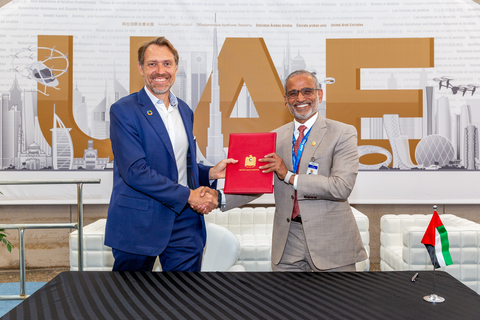
The UAE’s General Civil Aviation Authority (GCAA) has entered into an interim agreement with Hong Kong-based Volar Air Mobility to establish the Emirates’ first green aviation technology centre. The initiative is part of the UAE’s broader strategy to strengthen its environmental sustainability efforts, particularly within the aviation sector, which has seen significant investment in recent years to reduce carbon emissions and promote cleaner energy solutions.

The centre will focus on advancing clean energy technology and driving research and development in sustainable aviation solutions. Aiming to serve as a hub for collaboration between international stakeholders, regulators, and innovators, the project is positioned as a crucial step toward making aviation more eco-friendly in one of the world’s busiest air travel hubs.

Sustainability is a central pillar of the UAE’s Vision 2050, a national plan that targets a balance between economic growth and environmental responsibility. The GCAA has emphasized that the collaboration with Volar Air Mobility will not only bolster the UAE’s efforts to lead in green aviation but will also pave the way for future innovations that could be adopted globally. This initiative reflects a growing awareness among Middle Eastern nations of the need to integrate sustainable practices across various industries.

Volar Air Mobility, known for its cutting-edge technology in electric vertical take-off and landing (eVTOL) aircraft, has positioned itself at the forefront of green air mobility. The company’s expertise in developing low-emission transport solutions is expected to play a critical role in shaping the future of aviation in the Emirates. By leveraging Volar’s technology, the new centre will explore ways to integrate sustainable practices into existing aviation infrastructure, including the development of low-emission aircraft and green fuel alternatives.

The agreement comes at a time when the global aviation industry faces mounting pressure to reduce its carbon footprint. Aviation accounts for around 2-3% of global CO2 emissions, with air travel expected to grow significantly in the coming decades. Many countries are now focusing on developing green technologies to meet ambitious emission reduction targets set by international agreements such as the Paris Accord. The UAE’s green aviation technology centre is aligned with these goals and aims to address some of the most pressing challenges faced by the industry.

While the GCAA has not yet disclosed the specific location for the centre, officials have hinted that it will be based in one of the country’s major aviation hubs, likely in close proximity to Dubai or Abu Dhabi airports. Both cities are home to some of the world’s busiest airports, making them ideal candidates for a green aviation initiative that seeks to marry innovation with practicality.

The centre will also aim to attract global talent and research teams to the UAE, encouraging collaboration between local and international experts in green aviation technologies. In addition to research and development, the facility will provide a testing ground for new technologies that could eventually be implemented in commercial aviation. This is expected to include the trial of electric and hydrogen-powered aircraft, as well as the exploration of biofuels and synthetic fuels that promise lower emissions than traditional jet fuels.

The agreement between the UAE and Volar Air Mobility also underscores the importance of international partnerships in tackling the global challenges of climate change. The aviation sector, which is heavily reliant on fossil fuels, is one of the industries most in need of innovation to meet global climate goals. By teaming up with a tech leader like Volar, the UAE is positioning itself as a key player in the global push for sustainable aviation solutions.

The collaboration comes on the heels of other major sustainability initiatives within the UAE’s aviation sector. Earlier this year, Emirates Airline announced its commitment to using sustainable aviation fuel (SAF) across its fleet, while Etihad Airways has invested in the development of hybrid-electric and fully electric aircraft. Both airlines have signaled their intent to drastically cut their carbon emissions over the coming decades, aligning with the UAE’s broader environmental goals.

Sustainability has become a growing priority for the UAE government across multiple sectors, with aviation identified as a key area for transformation. The nation’s commitment to becoming a global leader in green technology is evident in its support for projects such as Masdar City, a pioneering green city designed to be a hub for clean energy companies, and its investments in renewable energy projects like solar and wind farms.

The new aviation technology centre is expected to build upon these efforts by promoting innovation that can be applied not only in the UAE but also globally. The centre’s emphasis on collaboration with international stakeholders suggests that the UAE sees this project as a stepping stone toward becoming a global leader in green aviation. The country’s strategic location as a global travel hub makes it an ideal place to test and implement new aviation technologies, which could eventually influence the practices of airports and airlines worldwide.

HONG KONG SAR – Media OutReach Newswire – 12 September 2024 – The Chinese University of Hong Kong (CUHK) proudly recognises the remarkable achievements of Mr Pran Kittivorapat, a member of the Class of 2024, who has distinguished himself in the field of Artificial Intelligence: Systems and Technologies (AISTN) while making significant contributions to the university’s vibrant community. Academic Excellence and Technological Innovation Originally from Thailand, Pran […]

Blackstone, one of the world’s largest private equity firms, is weighing the sale of its majority stake in Dubai-based visa services giant VFS Global. The move comes after several investors reportedly expressed interest in the asset, which is expected to fetch a valuation of around $7 billion. This development signals the latest shift in the global visa outsourcing industry, which has seen increased interest from financial investors […]

Hong Kong is seeking to deepen its financial and trade ties with the Gulf, focusing on attracting investment from sovereign wealth funds in Saudi Arabia and the UAE. This push comes as Hong Kong strengthens its role as a financial bridge between China and the Middle East, particularly through initiatives like the Belt and Road Initiative, which has seen significant interest from Gulf nations.

Officials in Hong Kong, including the city’s chief executive John Lee, have been actively courting Gulf investment. His visit to the UAE and Saudi Arabia earlier this year marked a significant step towards securing deeper partnerships. During his meetings, Lee emphasized Hong Kong’s potential as a gateway for Gulf capital into broader Asian markets, particularly in sectors such as technology, infrastructure, and finance.

Hong Kong’s outreach to Gulf sovereign wealth funds coincides with broader shifts in global economic alignments. As ties between China and Western economies face challenges, Hong Kong’s strategy appears focused on positioning itself as a “super-connector” linking the growing economic powerhouses of the Gulf with China’s vast market. This connection is further bolstered by the existing Belt and Road partnerships, which have laid the groundwork for increased collaboration between China and the GCC.

Both the UAE and Saudi Arabia have demonstrated keen interest in leveraging Hong Kong’s financial infrastructure to diversify their investment portfolios, particularly as part of their long-term economic visions. The Saudi Vision 2030 and the UAE’s economic diversification plans align well with Hong Kong’s offerings in sectors like fintech, biotechnology, and artificial intelligence. Sovereign wealth funds from the region, including Saudi Arabia’s Public Investment Fund and Abu Dhabi’s Mubadala Investment Company, are seen as key players in this expanded relationship.

Trade between the UAE and Hong Kong has been growing steadily, with non-oil trade reaching $11.7 billion in 2022, a 40 percent increase over the past five years. This surge in trade is part of a larger trend that sees Hong Kong acting as a vital conduit for Gulf goods flowing into China. UAE exports to Hong Kong, for instance, now exceed those to mainland China, highlighting the city’s re-export role.

The strategic importance of these partnerships is further evidenced by ongoing discussions around free trade agreements. Both Hong Kong and the UAE have expressed interest in formalizing their economic ties through a bilateral free trade agreement, which analysts believe could serve as a model for similar agreements between Hong Kong and other Gulf states. Such a deal would facilitate smoother trade and investment flows, especially in sectors like technology and infrastructure, where Gulf nations are looking to invest heavily.

As part of its efforts to strengthen ties with the Gulf, Hong Kong is also offering incentives to Gulf companies. This includes government-backed investment funds and policies aimed at making Hong Kong a more attractive destination for Gulf capital. The city’s $4 billion technology fund is a particular draw, with officials hoping to attract innovation and technological collaboration from the Middle East.

Hong Kong’s outreach to the Gulf is part of a broader effort to realign its global economic strategy. With tensions rising between China and its traditional trade partners, particularly the U.S. and Japan, Hong Kong has increasingly looked to the Middle East for new opportunities. The growth in trade and investment between China and the Gulf provides a promising alternative, and Hong Kong’s unique position as an intermediary is seen as a crucial asset.

Analysts are optimistic about the future of Hong Kong-Gulf relations, noting that the city’s role as a global financial hub aligns well with the ambitions of Gulf sovereign wealth funds. The Belt and Road Initiative, in particular, has been a key factor in strengthening these ties, offering Gulf nations a way to tap into China’s expansive infrastructure and development projects.

Astera Labs, a leading provider of semiconductor-based connectivity solutions for AI and cloud infrastructure, has opened a new research and development center in Bengaluru, further strengthening its global presence. This strategic expansion marks a critical step in the company’s mission to accelerate the deployment of AI at cloud-scale. Dr. Shivananda Koteshwar, a renowned figure in the semiconductor industry, has been appointed Managing Director of the India operations, bringing over three decades of expertise to guide the company’s growth in the region.

The announcement comes as Astera Labs, headquartered in Santa Clara, California, is riding the momentum of a successful initial public offering (IPO) earlier this year. The company’s AI-driven Intelligent Connectivity Platform has been pivotal in advancing cloud-scale technologies, and the opening of the new R&D hub in Bengaluru aligns with the company’s trajectory towards becoming a key player in the global AI ecosystem. The Bengaluru facility is set to play a vital role in expanding product development operations and establishing a world-class engineering team.

Astera Labs has positioned itself as a significant player in the semiconductor industry, particularly in creating solutions that enable AI applications to function seamlessly across cloud infrastructures. The new office in Bengaluru is part of the company’s broader strategy to meet the growing global demand for AI solutions that require robust, high-speed data connectivity.

Dr. Shivananda Koteshwar, a native of Bengaluru, brings a wealth of experience to his new role. With an extensive career spanning leadership roles at major tech companies like Synopsys and MediaTek, Dr. Koteshwar is well-equipped to lead Astera Labs’ efforts in India. His deep understanding of the semiconductor industry and his expertise in building innovative teams make him a valuable addition to Astera Labs’ leadership team.

Before joining Astera Labs, Dr. Koteshwar was the Vice President of the EDA (Electronic Design Automation) Group in South Asia at Synopsys, a global leader in electronic design automation software. During his tenure at Synopsys, he led the company’s operations in the region, creating a highly efficient organizational structure and spearheading revenue growth initiatives. His leadership was instrumental in fostering partnerships and driving thought leadership within the semiconductor ecosystem.

At MediaTek, another major player in the semiconductor space, Dr. Koteshwar was responsible for setting up the Bengaluru site as Site Head and General Manager. His work at MediaTek involved defining growth strategies, fostering innovation capabilities, and building ecosystems that supported the company’s expansion into new markets. His successful track record in establishing and scaling operations at these tech giants has positioned him as the ideal leader to oversee Astera Labs’ R&D initiatives in Bengaluru.

The Bengaluru R&D hub is expected to drive the development of innovative connectivity solutions that will further Astera Labs’ mission of enabling AI at cloud-scale. The company’s Intelligent Connectivity Platform, which has garnered widespread attention for its role in unleashing the full potential of AI applications, will be a focal point of research and development at the new facility. By leveraging Bengaluru’s status as a global technology hub, Astera Labs is poised to tap into the region’s vast talent pool of engineers and innovators.

Astera Labs’ President and Chief Operating Officer, Sanjay Gajendra, expressed his confidence in Dr. Koteshwar’s leadership and the company’s growth prospects in India. “We are in a tremendous growth phase, and the company’s trajectory is accelerating since the successful IPO earlier this year. Our Intelligent Connectivity Platform has proven essential to unleashing AI at cloud-scale. I’m thrilled to welcome Dr. Koteshwar at this critical time as he brings vast operational leadership and semiconductor expertise to the company, which will be extremely valuable as we execute on our expansion in India,” Gajendra said.

The decision to establish a research and development center in Bengaluru reflects Astera Labs’ commitment to expanding its global footprint and responding to the growing demand for advanced AI and cloud infrastructure solutions. Bengaluru, often referred to as India’s “Silicon Valley,” has become a hotspot for tech innovation, particularly in the fields of AI, cloud computing, and semiconductor technologies. The city offers access to a highly skilled workforce, a well-established tech ecosystem, and a thriving innovation culture—key factors that influenced Astera Labs’ decision to invest in the region.

Astera Labs is also positioning itself to address the increasing complexity of AI workloads that require seamless data transfer and low-latency connections across cloud infrastructures. As AI applications continue to evolve, the demand for faster, more efficient data processing capabilities is growing. Astera Labs’ solutions, including its flagship AI-driven Intelligent Connectivity Platform, are designed to address these challenges, ensuring that AI applications can scale effectively in cloud environments.

The opening of the Bengaluru R&D hub signifies the company’s commitment to innovation and its confidence in the Indian market as a key contributor to its global growth. By establishing a strong presence in one of the world’s leading technology centers, Astera Labs is well-positioned to continue its leadership in the semiconductor industry, particularly in the realm of AI and cloud infrastructure.

HONG KONG SAR – Media OutReach Newswire – 13 September 2024 – The climate crisis is an urgent issue in today’s society. To achieve the goal of carbon neutrality by 2050, CS Tech Solution Limited (CS Tech) has taken the lead in introducing and developing carbon capture and utilization (CCU) technology tailored specifically for the Asian market. CS Tech is dedicated to developing cutting-edge technology that captures […]

Advertisements

The International Digital Energy Expo 2024, held in Shenzhen, has become a key event spotlighting cutting-edge developments in smart and digital energy solutions. Drawing participants from across the globe, the expo showcases the latest in energy technology, with a strong focus on innovation, sustainability, and integration of digital solutions in the energy sector. This year’s expo has highlighted new products, partnerships, and initiatives that aim to revolutionize energy management and delivery in a world increasingly focused on carbon reduction and efficiency.

One of the primary themes of the 2024 expo has been the role of digitalization in creating more sustainable energy systems. The event features a variety of smart energy management tools, from next-generation solar panels and wind turbines to advanced AI-driven energy distribution networks. These innovations are designed to optimize the generation, storage, and consumption of energy, reducing waste and enhancing efficiency across the board. Attendees are particularly drawn to displays on smart grids, which integrate renewable energy sources with traditional power infrastructure, offering solutions to one of the biggest challenges in modern energy systems: reliability and scalability.

Digital energy innovation also extends into residential and commercial settings, with numerous companies presenting smart home and office energy systems that allow users to monitor and control their energy use through advanced apps and platforms. Devices powered by the Internet of Things (IoT) are key features at this year’s expo, enabling users to automate energy-saving strategies such as adjusting lighting and heating systems based on real-time data. This shift towards integrating smart devices in everyday energy use is being viewed as an important step toward achieving energy sustainability on a larger scale.

Another highlight of the event is the collaboration between energy companies and tech giants, particularly in the realm of artificial intelligence (AI) and big data. AI is increasingly being used to predict energy demand, optimize resource allocation, and even anticipate system failures before they occur, providing greater resilience in power grids. Leading companies are showcasing how big data analysis can streamline energy production and distribution, allowing utilities to adjust to fluctuating demands more efficiently and reduce overall operational costs.

As part of its forward-looking agenda, the expo is also hosting discussions on the intersection of energy and transport. With electric vehicles (EVs) on the rise globally, the challenge of creating infrastructure capable of supporting an all-electric future is a major focus. Exhibitors are unveiling new EV charging solutions designed to be more efficient and cost-effective, while several panel discussions address how cities can adapt to the anticipated surge in electric transportation. Some of the most notable innovations come from companies presenting wireless charging technology, which promises to further simplify the charging process for electric vehicle users.

Energy storage remains a critical issue in the push for cleaner energy. Several companies are presenting advanced battery technologies, particularly lithium-ion and solid-state batteries, which offer higher efficiency and longer life cycles compared to traditional storage solutions. Energy storage systems are seen as pivotal to balancing intermittent renewable energy sources such as wind and solar. Alongside this, hydrogen technology is gaining traction at the expo, with numerous firms showcasing hydrogen-based energy storage systems that could provide a cleaner alternative to traditional fossil fuels.

The expo isn’t solely about the technology. Experts from around the world are sharing insights into regulatory frameworks, government incentives, and public-private partnerships that can help accelerate the transition to a digital and smart energy future. Countries like China, already a global leader in renewable energy production, are seen as key players in this transition, and there is significant international interest in how policy and business are aligning to drive innovation forward. Keynote speakers emphasize the importance of global collaboration in building more resilient and sustainable energy systems, particularly as the world grapples with climate change and resource depletion.

Swedish manufacturer Heart Aerospace has taken a significant step towards revolutionizing regional air travel with the unveiling of its first full-scale demonstrator for the ES-30 hybrid-electric aircraft. Built almost entirely in the company’s Gothenburg facility, the aircraft, named Heart X1, has been designed to accommodate 30 passengers and offers an electric range of 200 kilometers. For longer journeys, a hybrid-electric system extends the range to 400 kilometers, […]

Base Therapeutics’ AccuBase® Base Editor Receives Overseas Patent Authorization HONG KONG SAR – Media Outreach Newswire – 12 September 2024 – Base Therapeutics recently announced the completion of its A2 round financing, raising tens of millions of RMB. This round of financing was led by AEF Greater Bay Area Fund, managed by Gobi Partners GBA and will be used to strengthen Base Therapeutics’ R&D team, optimize its […]

The President of the United Arab Emirates, Sheikh Mohamed bin Zayed Al Nahyan, and Premier Li Qiang of China have engaged in high-level discussions aimed at reinforcing their countries’ Comprehensive Strategic Partnership. This dialogue marks a significant step in deepening the bilateral ties between the two nations, reflecting their mutual interests in expanding cooperation across various sectors. During their meeting, Sheikh Mohamed and Premier Li underscored the […]

The Abu Dhabi Investment Authority (ADIA), one of the largest sovereign wealth funds globally, has divested 50% of its stake in Policy Expert, a UK-based insurance technology firm. The buyer is Cinven, a leading European private equity firm, which has acquired the significant shareholding in a move that reshapes the landscape of the insurance technology sector.

The transaction, valued at approximately £500 million, reflects a strategic shift for ADIA as it reallocates its investments in response to evolving market dynamics. Policy Expert, which specializes in providing digital insurance solutions, has experienced robust growth, attracting interest from major investment players.

Cinven’s acquisition is expected to bolster its portfolio in the technology sector and enhance its focus on digital innovation within financial services. The deal underscores a broader trend of increased private equity investment in technology-driven companies, as firms seek to capitalize on the burgeoning demand for digital transformation in the insurance industry.

This move aligns with ADIA’s strategy of streamlining its portfolio and focusing on high-growth areas. The sale of the Policy Expert stake allows ADIA to reinvest in sectors with greater long-term potential and diversify its global investment strategy. The sovereign fund has a history of making strategic investments across various sectors, including technology, real estate, and energy, to achieve sustainable returns.

Policy Expert, established in 2009, has emerged as a key player in the insurance technology space. Its innovative approach to digital insurance solutions has positioned it favorably in a competitive market. The company’s growth trajectory and technological advancements have made it an attractive target for investment by major financial and private equity firms.

Cinven’s investment is anticipated to drive further innovation within Policy Expert, leveraging its expertise and resources to accelerate the company’s expansion and technological enhancements. The partnership aims to enhance Policy Expert’s product offerings and expand its market reach, reinforcing its position as a leader in digital insurance solutions.

The transaction is part of a broader trend where private equity firms are increasingly targeting technology firms that offer significant growth potential and strategic value. This shift is driven by the accelerating pace of technological change and the growing importance of digital solutions in various sectors, including insurance.

As the insurance industry undergoes rapid transformation driven by technological advancements and changing consumer preferences, investments like Cinven’s in Policy Expert are poised to play a crucial role in shaping the future of the sector. The focus on digital transformation reflects a broader trend towards integrating advanced technologies to improve efficiency, customer experience, and overall business performance.

The sale is expected to have implications beyond the immediate stakeholders. It highlights the dynamic nature of investment in technology and the strategic decisions made by sovereign wealth funds and private equity firms in response to evolving market conditions. The deal also signals a continuing trend of consolidation and strategic partnerships within the technology and financial services sectors.

In the broader context of global investment trends, this transaction reflects a strategic realignment by major investors seeking to leverage opportunities in high-growth sectors. The move by ADIA and Cinven underscores the growing importance of digital innovation in shaping the future of various industries and highlights the competitive landscape of investment in technology-driven companies.

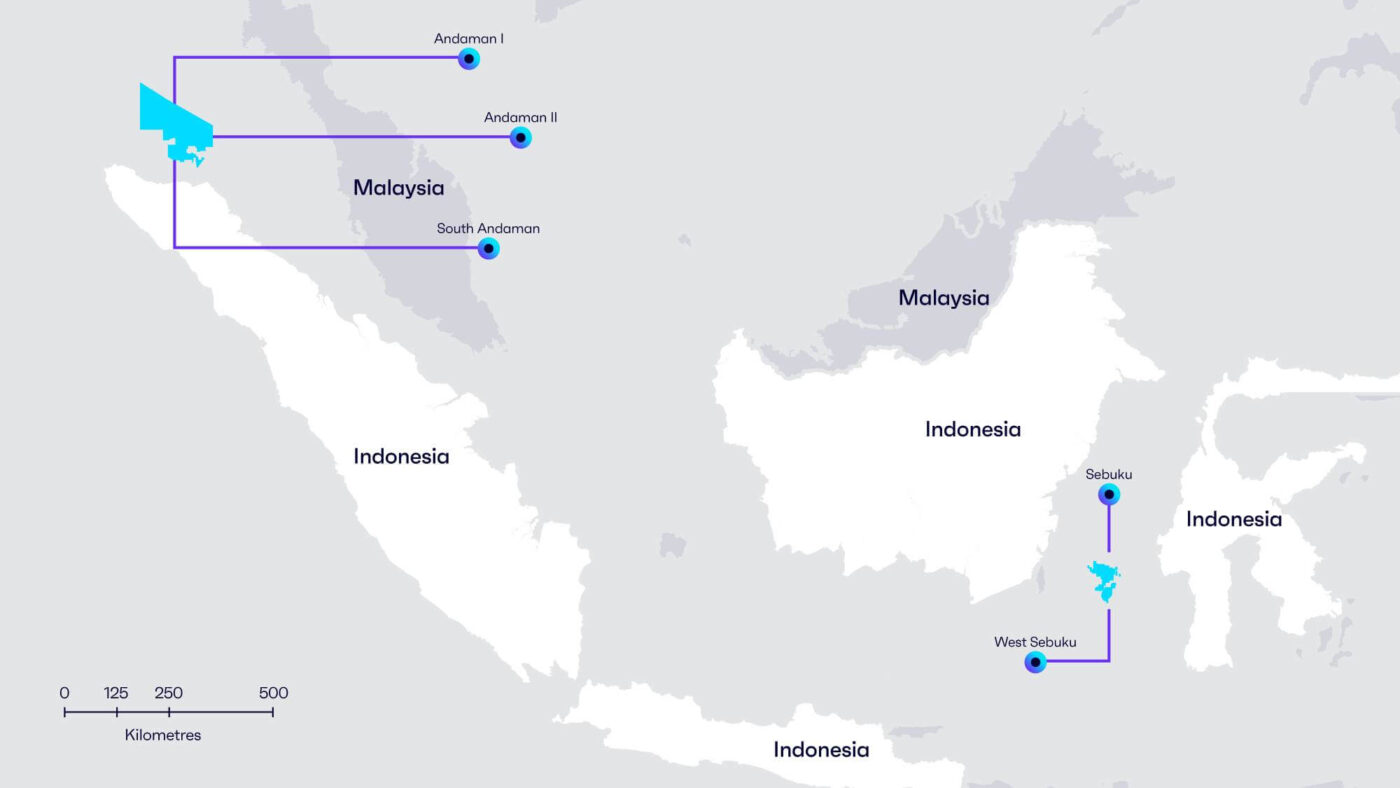
Mubadala Energy has secured a major step forward in its Andaman exploration endeavors by obtaining the Central Andaman block exploration license. This milestone, achieved in collaboration with Harbour Energy, marks a significant development in the company’s expansion within the Southeast Asian energy sector.

The Central Andaman license, granted by MIGAS, Indonesia’s oil and gas regulatory authority, assigns Harbour Energy a 60 percent operated interest while Mubadala Energy holds a 40 percent stake. This acquisition underscores Mubadala’s strategic push into promising new territories and enhances its portfolio in the region.

The Central Andaman block, located in the Andaman Sea, is viewed as a highly prospective area due to its potential for hydrocarbon resources. The license award follows a competitive bidding process and is part of Indonesia’s broader efforts to attract foreign investment into its oil and gas sector. The block’s exploration will be pivotal in evaluating its commercial viability, with significant implications for the regional energy market.

Mubadala Energy’s entry into the Central Andaman block aligns with its broader strategy to diversify its energy assets and increase its footprint in high-growth regions. The company has been actively expanding its operations across various geographies, focusing on regions with substantial untapped potential. The Andaman Sea’s geology and exploration data suggest promising opportunities, making it an attractive investment for Mubadala and its partners.

The collaboration between Mubadala Energy and Harbour Energy is expected to leverage both companies’ expertise and resources. Harbour Energy, known for its operational experience and technical capabilities, will lead the exploration activities, while Mubadala Energy will contribute its financial strength and strategic oversight. This partnership is set to optimize the exploration process and enhance the chances of discovering commercially viable hydrocarbon reserves.

Indonesia’s oil and gas sector has been increasingly open to foreign partnerships as it seeks to boost its exploration and production capabilities. The Central Andaman license is one of several new exploration opportunities being offered to international investors, reflecting Indonesia’s commitment to developing its energy resources and attracting global investment.

This development comes at a time when the global energy market is undergoing significant transformations. As countries and companies pivot towards more sustainable energy sources, traditional oil and gas exploration continues to play a critical role in meeting global energy demands. For Mubadala Energy, the Central Andaman block represents not just an expansion of its portfolio but also a strategic investment in a region with promising prospects for future growth.

The award of the Central Andaman exploration license is a testament to Mubadala Energy’s proactive approach in identifying and capitalizing on new opportunities in the energy sector. The company’s focus on strategic partnerships and investments in emerging markets reflects its broader vision of becoming a leading player in the global energy landscape.

As exploration activities commence, the focus will be on assessing the block’s potential through detailed geological surveys and drilling programs. The results of these activities will be crucial in determining the block’s commercial viability and in shaping future investment decisions. The outcomes will likely have broader implications for Mubadala Energy’s strategic direction and its role in the Southeast Asian energy market.

This license award highlights Indonesia’s ongoing efforts to foster a favorable environment for foreign investment in its oil and gas sector. By attracting reputable international companies like Mubadala Energy and Harbour Energy, Indonesia aims to enhance its exploration and production capabilities while boosting economic growth through increased foreign investment.

India and the United Arab Emirates (UAE) signed a significant nuclear cooperation agreement in New Delhi on Monday, marking a crucial step in their growing strategic partnership. The memorandum of understanding (MoU) was signed during a high-profile meeting between Indian Prime Minister Narendra Modi and UAE Crown Prince Sheikh Khaled bin Mohamed bin Zayed Al Nahyan, who was on his first official visit to India as Crown […]

Saudi Aramco has solidified its footprint in Asia with a new agreement involving China’s Rongsheng Petrochemical Co. Ltd. and Hengli Group. This strategic partnership is set to bolster Aramco’s position in the global petrochemical market while deepening ties with significant Chinese industrial players. The agreement includes a comprehensive framework for cooperation in the refining and petrochemical sectors. It encompasses both upstream and downstream activities, reinforcing Aramco’s strategy […]

Bapco Energies has completed a landmark transaction by selling a minority stake in its pipeline assets to BlackRock. This deal marks the first significant asset monetization by the Bahraini state oil company, reflecting a strategic shift toward attracting global investment while enhancing operational efficiency. The sale, announced in early September, involves a substantial investment from BlackRock, which has been increasing its footprint in the energy sector. This […]

China’s Premier Li Qiang has advocated for accelerated trade negotiations with Gulf nations during his visit to Riyadh. Li’s call for swift advancement in economic relations underscores the growing strategic importance of the Gulf region to China’s global trade network. This visit highlights a pivotal moment in the bilateral relationship between China and Gulf Cooperation Council (GCC) countries, focusing on enhancing economic cooperation and investment. Li’s remarks […]

Finstreet, the digital asset arm of Rorix Holdings, has introduced a regulated digital trading platform at the Abu Dhabi Global Market (ADGM). This move signifies a notable advancement in the Middle East’s financial technology sector, providing a platform that integrates compliance with innovative trading solutions. The new platform aims to address the growing demand for secure and regulated trading environments in the digital asset space. By leveraging […]

The gaming industry is undergoing a seismic shift as Web3 technology propels a new era of decentralized gaming. In a bold move that promises to redefine the future of the gaming world, two of the largest tech giants, traditionally fierce competitors, have now entered the Web3 gaming ecosystem, signaling a convergence of blockchain, cryptos, and gaming. This collaboration, which would have been unthinkable a few years ago, highlights the growing influence of Web3 in mainstream gaming.

Web3 gaming has captured the attention of major players across the tech and gaming industries. Leading the charge are three significant companies—two well-known gaming behemoths and a surprise third contender that has taken the gaming and tech community by surprise. While the first two companies have long been associated with the gaming industry, the third entity is a global tech powerhouse, known for selling hundreds of millions of gaming devices and software, but until now, had not made its stance on Web3 clear.

This transformation comes at a time when companies from various sectors are exploring partnerships with blockchain platforms and Web3 startups. The momentum toward decentralization and the integration of blockchain into everyday applications is reshaping business strategies, especially in industries like gaming where decentralized ownership, play-to-earn models, and enhanced user control are gaining traction.

The partnership between these two tech giants, with a combined annual revenue exceeding $400 billion, marks a historic moment in the gaming industry. This alliance was made possible through blockchain technology, which provides a neutral and decentralized platform for collaboration. The decision to integrate Web3 gaming solutions into their business models has opened new avenues for revenue generation, as well as new experiences for users, creating a dynamic ecosystem where players can own, trade, and monetize in-game assets in unprecedented ways.

Web3’s foundational principles of decentralization, transparency, and ownership align with the demands of today’s gaming community, where players are increasingly seeking greater control over their digital assets and in-game economies. As traditional gaming platforms faced challenges with centralized systems and rigid control over content, Web3 offers a flexible, user-driven alternative that empowers gamers and developers alike.

The gaming industry is no stranger to disruption. From the rise of mobile gaming to the explosion of cloud gaming, each innovation has brought with it new opportunities and challenges. But Web3 gaming represents something far more transformative. By leveraging blockchain technology, developers can create games with integrated token economies, allowing players to earn, trade, and sell digital assets in ways that were previously impossible. This has given rise to the “play-to-earn” model, where players are not just participants in the game but also stakeholders in its economy.

The two tech giants making headlines with their foray into Web3 gaming have long been at the forefront of technological innovation. One is renowned for its gaming consoles, which have sold hundreds of millions of units worldwide, while the other has established itself as a leader in cloud computing, software, and entertainment. Both companies have recognized the potential of Web3 gaming, not just as a technological novelty but as a fundamental shift in how games are developed, distributed, and played.

This partnership also underscores the growing significance of blockchain-based platforms in the gaming industry. As more traditional companies explore the possibilities of Web3, they are increasingly turning to blockchain protocols to facilitate secure, decentralized transactions and to ensure transparency in gaming ecosystems. By embracing blockchain, these companies can provide their users with a level of ownership and control that is unparalleled in traditional gaming environments.

The third player in this Web3 revolution is a tech company that has been quietly but steadily increasing its presence in the gaming sector. Known primarily for its dominance in the tech industry, this company’s decision to dive into Web3 gaming has been a surprise to many, given its previous reluctance to publicly endorse blockchain technology. However, its vast resources and extensive user base make it a formidable force in the space, and its entry into the Web3 gaming market has the potential to accelerate the adoption of blockchain-powered gaming on a global scale.

Web3 gaming is rapidly gaining popularity due to its emphasis on decentralization and player empowerment. Traditional gaming platforms, which often limit players’ ability to control and monetize their in-game assets, are being challenged by Web3 games that enable users to own, trade, and sell their digital items. This paradigm shift is leading to a new wave of innovation in game design and development, as developers create games that offer players a direct stake in the virtual worlds they inhabit.

As Web3 gaming continues to evolve, more and more traditional companies are seeking partnerships with blockchain-based platforms and Web3 startups. These partnerships are critical to the growth of the ecosystem, as they provide the necessary infrastructure and expertise to support large-scale gaming operations on the blockchain. Moreover, they help bridge the gap between traditional gaming companies and the Web3 community, fostering collaboration and innovation across both sectors.

The implications of Web3 gaming extend beyond the gaming industry. As blockchain technology becomes more integrated into gaming platforms, it has the potential to influence other industries as well. For example, the tokenization of digital assets, which is a core feature of Web3 games, could revolutionize industries such as finance, real estate, and entertainment by enabling the secure and transparent transfer of ownership.


Kia and The Ocean Cleanup have marked a significant milestone in their partnership aimed at tackling the Great Pacific Garbage Patch. This collaboration, which began in 2021, has reached a pivotal point as both entities announce their joint achievements and outline ambitious plans for future environmental efforts. Since the initiation of their partnership, Kia has leveraged its global platform to amplify The Ocean Cleanup’s mission. Through various […]

Chinese automotive giants are intensifying their efforts to establish manufacturing operations in Saudi Arabia, marking a significant shift in the global automotive landscape. This move is driven by Saudi Arabia’s Vision 2030 initiative, which aims to diversify the kingdom’s economy and reduce its dependence on oil revenues. The discussions between Chinese car manufacturers and Saudi authorities reflect a growing trend of cross-border industrial cooperation. Companies such as […]

Joby Aviation, the electric vertical takeoff and landing (eVTOL) aircraft manufacturer, has formally applied for aircraft certification in the United Arab Emirates. This strategic move marks a significant step in the company’s expansion plans, aiming to establish a presence in the Middle Eastern market for its innovative flying taxis.

The application, submitted to the General Civil Aviation Authority (GCAA) of the UAE, represents a crucial milestone for Joby Aviation, which has been at the forefront of developing urban air mobility solutions. The certification process will involve rigorous testing and compliance with the UAE’s stringent aviation regulations, designed to ensure safety and operational standards for new aircraft technologies.

Joby Aviation’s eVTOL aircraft, characterized by its all-electric propulsion and vertical takeoff capabilities, is positioned to revolutionize urban transportation by reducing travel time and congestion. The company’s push into the UAE market is part of a broader strategy to tap into emerging global markets where infrastructure and regulatory frameworks are increasingly supportive of advanced aviation technologies.

The UAE has been actively working to become a hub for cutting-edge technologies, including advancements in aviation and transportation. The government’s initiatives to support smart city projects and sustainable transport align with Joby Aviation’s mission to provide efficient and eco-friendly transport solutions. As part of its expansion strategy, Joby has engaged in discussions with various stakeholders in the UAE to explore potential partnerships and operational frameworks that would facilitate the integration of its aircraft into the local transportation network.

The certification process will require Joby Aviation to demonstrate the safety, reliability, and efficiency of its aircraft under the UAE’s aviation standards. This involves a comprehensive evaluation of the aircraft’s performance, maintenance procedures, and safety features. The GCAA will oversee this process to ensure that the aircraft meets all necessary criteria before it is allowed to operate commercially in UAE airspace.

Joby’s entry into the UAE market comes at a time when there is growing interest in urban air mobility solutions globally. Several countries and cities are exploring similar technologies, driven by the need to address urban congestion and environmental concerns. By seeking certification in the UAE, Joby is positioning itself to capitalize on the increasing demand for innovative transportation solutions in a region known for its rapid development and technological adoption.

The company has already made significant strides in its home market of the United States, where it has received substantial investment and support from various stakeholders, including government agencies and private investors. The UAE certification is seen as a key step in Joby Aviation’s international growth strategy, which aims to bring its flying taxi services to major cities around the world.

As Joby Aviation progresses through the certification process, it will likely face several challenges, including navigating the regulatory landscape and establishing operational infrastructure in a new market. However, the company’s commitment to advancing urban air mobility and its track record of innovation position it well for success in the UAE.

The outcome of this certification process will not only impact Joby Aviation but also influence the broader landscape of urban air mobility. If successful, it could pave the way for other companies in the sector to enter the UAE market and contribute to the development of a new dimension in urban transportation.

The UAE’s proactive approach to integrating advanced technologies and supporting sustainable initiatives provides a promising environment for Joby Aviation’s ambitions. The company’s application for certification is a clear indication of the growing global interest in eVTOL aircraft and the potential for such technologies to transform urban travel.

As the aviation industry continues to evolve, the introduction of eVTOL aircraft represents a significant leap forward in the quest for more efficient and environmentally friendly transportation solutions. Joby Aviation’s efforts to gain certification in the UAE underscore the importance of regulatory support and innovation in shaping the future of urban mobility.

Saudi Arabia’s Vision 2030 initiative, a comprehensive plan aimed at diversifying the nation’s economy away from oil dependency, has seen its portfolio of projects reach an impressive valuation of $1.3 trillion. This substantial figure reflects the ambitious scale and economic impact of the country’s efforts to transform its infrastructure, technology, and business sectors by 2030.

Among the most notable projects under this vision is the NEOM megacity, a $500 billion endeavor designed to be a hub for innovation, technology, and sustainable living. NEOM will stretch across 10,230 square miles, integrating artificial intelligence, robotics, and renewable energy sources to create a futuristic urban environment. The city is expected to drive significant economic growth and attract international investors and technology firms.

Another significant element is the Red Sea Project, an extensive tourism development plan set to transform the coastline into a luxury travel destination. With an estimated value of $10 billion, this project aims to develop 50 islands and a series of high-end resorts, enhancing Saudi Arabia’s position in the global tourism market. This development is aligned with the broader goal of increasing the tourism sector’s contribution to the national economy.

The King Salman Park, a $23 billion initiative, represents a major urban development project. Spanning 13.4 square miles in Riyadh, the park will feature green spaces, recreational areas, and cultural facilities, designed to improve the quality of life for residents and support Saudi Arabia’s environmental and sustainability goals.

Significant investment is also flowing into the entertainment and cultural sectors. The $15 billion Qiddiya project is set to become a leading entertainment and cultural hub, incorporating theme parks, sports facilities, and cultural venues. This project aims to diversify Saudi Arabia’s entertainment offerings and attract tourists from around the world.

In the energy sector, the Saudi Arabian Oil Company (Aramco) is spearheading several major initiatives to invest in renewable energy and technology. The company’s investments are part of a broader strategy to reduce reliance on oil and position itself as a global leader in energy innovation. This includes substantial funding towards solar and wind energy projects, as well as advancements in hydrogen fuel technology.

The development of the Saudi Arabian Industrial Investments Company (SAIIC) is another crucial aspect of Vision 2030. SAIIC’s focus is on fostering the growth of new industrial sectors and attracting foreign investment into Saudi Arabia’s manufacturing and high-tech industries. This includes significant investments in sectors such as aerospace, automotive, and electronics.

Education and research are also pivotal in the Vision 2030 framework. The establishment of new universities and research centers, such as the King Abdullah University of Science and Technology (KAUST), represents a $15 billion investment in developing a knowledge-based economy. These institutions are aimed at fostering innovation and supporting the country’s shift towards high-value industries.

The real estate sector is booming as well, with significant investments flowing into residential and commercial developments. Mega-projects like the Riyadh Metro, a $23 billion investment, are designed to address urban congestion and improve public transportation infrastructure. The metro system is expected to enhance connectivity within the city and support the broader goals of urban development and sustainability.

In addition to these major projects, the Vision 2030 initiative includes numerous smaller-scale projects aimed at improving various aspects of daily life, including healthcare, education, and public services. These projects collectively contribute to the overarching goal of transforming Saudi Arabia into a global investment powerhouse and a leading example of modern economic diversification.

The success of Vision 2030 will largely depend on the effective implementation and management of these diverse projects. The Saudi government has been actively seeking international partnerships and investments to support its ambitious plans. This includes efforts to enhance regulatory frameworks, streamline business processes, and create an environment conducive to growth and innovation.

Abu Dhabi National Oil Company (ADNOC) is poised to submit a $16 billion acquisition offer for Covestro, a leading German chemical manufacturer. This move marks ADNOC’s foray into the global chemicals market, a significant shift from its core oil and gas operations. The bid underscores ADNOC’s strategy to diversify its investment portfolio and capitalize on the growing demand for advanced materials in various industrial sectors.

Sultan Al Jaber, CEO of ADNOC, led the negotiations in Germany during August, working closely with Covestro’s executives to finalize the terms of the acquisition. This potential deal highlights ADNOC’s broader vision of expanding beyond traditional energy sectors and positioning itself as a major player in the global chemicals industry. Covestro, known for its production of high-performance polymers and coatings, presents a strategic fit for ADNOC’s diversification efforts.

The proposed acquisition comes amid a surge in mergers and acquisitions within the global chemicals sector. Companies are increasingly seeking to enhance their technological capabilities and market reach through strategic partnerships and acquisitions. For ADNOC, acquiring Covestro would not only bolster its presence in Europe but also provide access to Covestro’s cutting-edge technologies and innovation-driven business model.

ADNOC’s move into the chemicals sector aligns with its broader strategy of investment diversification. The company has been actively exploring opportunities in various sectors, including renewable energy and advanced materials, as part of its long-term growth strategy. By integrating Covestro into its portfolio, ADNOC aims to leverage the company’s expertise in polymer chemistry and expand its footprint in the global market.

Covestro, headquartered in Leverkusen, Germany, has been a significant player in the chemicals industry for decades. The company’s product portfolio includes a range of high-performance materials used in automotive, construction, and electronics industries. Covestro’s commitment to sustainability and innovation makes it an attractive acquisition target for ADNOC, which is seeking to enhance its capabilities in high-value industries.

The potential acquisition of Covestro represents a strategic shift for ADNOC, moving away from its traditional focus on oil and gas and towards more diversified investment opportunities. The deal could have significant implications for both companies, as ADNOC seeks to establish itself as a global leader in the chemicals sector, while Covestro aims to benefit from ADNOC’s financial strength and international reach.

Analysts have been closely monitoring the developments surrounding the ADNOC-Covestro deal, noting that the transaction could reshape the competitive landscape of the global chemicals industry. The acquisition would likely enhance ADNOC’s ability to compete with other major players in the sector, including BASF and Dow Chemical, by providing access to new technologies and market opportunities.

The proposed deal also highlights the growing trend of oil and gas companies diversifying their portfolios to include higher-value industries. As the energy sector faces increasing pressures to transition towards more sustainable practices, companies like ADNOC are exploring new avenues for growth and profitability. The acquisition of Covestro aligns with ADNOC’s strategy of investing in industries that are expected to experience significant growth in the coming years.

Industry experts suggest that the successful acquisition of Covestro could pave the way for further consolidation in the chemicals sector. As companies seek to enhance their technological capabilities and expand their market presence, mergers and acquisitions are expected to play a key role in shaping the industry’s future. ADNOC’s potential acquisition of Covestro could be a catalyst for further strategic moves within the sector, as other players look to position themselves for future growth.

The finalization of the deal is contingent upon regulatory approvals and due diligence processes. ADNOC and Covestro will need to navigate various regulatory requirements and ensure compliance with antitrust laws in multiple jurisdictions. However, the companies are optimistic about the prospects of the transaction and are working diligently to address any potential challenges.

VISHNU RAJA
RYO YAMADA
HITORI GOTOH
IKUYO KITA