Just in:
Ex-Kochi police chief rejects judicial interference // ZJLD Group Returns to Hong Kong Wine & Dine Festival 2026 // Mumbai to host global blockchain leaders at November conference // Crown Workspace wins Gold and special Trinity recognition at HR Vendors of the Year Awards 2026 // Hill’s Enhances Cat and Dog Food with Prebiotics to Support Senior Pet Health in Hong Kong // Sharjah Islamic Bank’s $500 million sukuk joins Nasdaq Dubai // 10 CENTS CAPITAL Completes US$20 Million Financing and Sets Out a Phased Deployment Plan // 10 CENTS CAPITAL Completes US$20 Million Financing and Sets Out a Phased Deployment Plan // High Court opens toddy shop jobs to women // Lancet researchers seek global health emergency recognition for climate // Polymarket restores trading after third-party security breach // Lancet researchers seek global health emergency recognition for climate // Lancet researchers seek global health emergency recognition for climate // Lancet researchers seek global health emergency recognition for climate // UK competition watchdog examines Meta publisher contract terms // New authentication research charts shift away from passwords // A Better Start, Ready for the Day: Green SM Elevates the Urban Mobility Experience in the U.S. // Anchored in Data Sovereignty, the Engagement Enables the Legal Sector to Adopt Generative AI Safely and Confidently // 10 CENTS CAPITAL Completes US$20 Million Financing and Sets Out a Phased Deployment Plan // Lancet researchers seek global health emergency recognition for climate //

News related to
Partnerships

Akamai Technologies has successfully secured a significant portion of Edgio’s intellectual property in a strategic acquisition that includes critical patents and contracts. This move follows Edgio’s Chapter 11 bankruptcy filing, marking a pivotal moment in Akamai’s continued expansion in the content delivery network (CDN) and cloud security sectors. As the tech industry evolves, the deal underscores Akamai’s intent to enhance its service offerings and broaden its competitive […]

Saudi Arabia is set to host a groundbreaking United Nations forum focused on combatting desertification, marking a significant step in the global fight against land degradation. This event, which will be held under the Kingdom’s presidency of the UN Convention to Combat Desertification (UNCCD) COP16, will introduce a dedicated Green Zone for the first time. The Green Zone will provide a platform for dialogue, innovation, and the […]

Arabian Post Staff -Dubai Gautam Adani’s legal struggles could have far-reaching consequences, not only for his sprawling business empire but also for the broader geopolitical landscape, particularly US-India relations. As one of the wealthiest and most influential figures in India, Adani’s companies hold substantial stakes in sectors such as energy, infrastructure, and defense. His legal battles, currently under intense scrutiny, have the potential to alter perceptions of […]

The cryptocurrency market has witnessed a remarkable shift as altcoins gain significant bullish momentum, pushing Bitcoin to the sidelines while driving substantial market activity. The latest data reveals that liquidations across the crypto market have surpassed $494 million, primarily fueled by a surge in altcoins such as Stellar Lumens (XLM), Decentraland (MANA), and The Sandbox (SAND).

Bitcoin’s recent performance has been characterized by a steady consolidation phase, with the leading cryptocurrency closing out its third consecutive week within the price discovery phase. However, this period of indecision in Bitcoin’s market action has paved the way for a growing rally among altcoins, suggesting that investors may be shifting their focus to smaller tokens as they look for promising returns. Analysts point to the altcoin market’s strong performance as a sign of growing investor confidence outside of Bitcoin, possibly indicating the start of a broader shift in market trends.

Stellar Lumens, for example, has seen its value surge by over 30% in the past week alone, driven by renewed interest in its cross-border payment solutions. Similarly, Decentraland, the virtual reality platform, and The Sandbox, which provides a decentralized gaming experience, have also posted impressive gains. These altcoins, benefiting from positive market sentiment and strong project fundamentals, have been attracting both retail and institutional investors. Experts suggest that the increased focus on the decentralized finance (DeFi) sector and non-fungible tokens (NFTs) could be contributing factors to the bullish trends seen in these specific assets.

As Bitcoin’s price remained relatively stable, hovering around the $35,000 mark for the past several weeks, the broader cryptocurrency market saw increased volatility, particularly with altcoins. Liquidations—when leveraged positions are forcibly closed out due to price movements—have been a significant aspect of the market activity. The total liquidation figure for this week alone has exceeded $494 million, with the majority stemming from short and long positions in altcoins. This high liquidation value reflects the volatility that altcoins are experiencing, driven by sudden price shifts and investor actions within these smaller tokens.

The liquidations have sparked mixed reactions among market participants. On one hand, some see these liquidations as a sign of caution, where traders who bet on price declines in altcoins have been forced to cover their positions after the sudden upward momentum in these tokens. On the other hand, others view the liquidations as a natural part of the market cycle, often marking the end of a bearish phase and signaling the potential for further gains in altcoins.

In addition to individual altcoins like XLM, MANA, and SAND, the broader DeFi ecosystem has been undergoing rapid development. The sector, which aims to replicate traditional financial services like lending, borrowing, and trading on the blockchain, has been a key driver of altcoin value growth. DeFi protocols have seen a sharp increase in user engagement, which, in turn, has led to the appreciation of tokens associated with these platforms. As institutional investors begin to show more interest in the DeFi space, many believe this sector will continue to outperform Bitcoin in the short term.

While Bitcoin continues to hold its position as the dominant cryptocurrency by market capitalization, the altcoin sector is showing signs of growth that cannot be ignored. Many analysts have pointed out that the market’s focus on altcoins could be indicative of a growing shift in investor strategy. With Bitcoin’s price action stagnating, some traders are diversifying their portfolios by increasing their holdings in smaller, high-potential coins. This shift toward altcoins is particularly noticeable in the wake of Bitcoin’s dominance in the market, with Bitcoin’s market share dipping below 50% in recent weeks as altcoins rise in prominence.

This altcoin rally, however, comes with its own set of risks. The volatility seen in the altcoin market can lead to drastic price swings, as evidenced by the liquidations in the past week. The rise of altcoins also coincides with heightened regulatory scrutiny in various jurisdictions, which could bring about new challenges for these assets. Many in the market are closely watching the regulatory landscape, especially as governments and financial authorities begin to focus more on the potential risks associated with decentralized finance and crypto assets in general.

At the same time, altcoins such as Stellar Lumens and Decentraland have benefitted from major partnerships and network upgrades. These developments, along with increasing user adoption, have played a crucial role in the altcoin market’s ongoing rise. Stellar, for example, has been making strides in the cross-border payments industry, which has been increasingly appealing to investors looking for practical use cases for their digital assets. Decentraland’s integration of virtual real estate within its metaverse platform has also attracted significant attention, with institutional players and major brands seeking to capitalize on the growing trend of digital spaces.

Elon Musk and Jeff Bezos have become embroiled in a public spat over claims involving stock predictions tied to the 2024 U.S. presidential election. The conflict centers on Musk’s assertion that Bezos had advised people to sell stock in Tesla and SpaceX, speculating that Donald Trump would lose the upcoming election. Bezos has firmly rejected the accusations, labeling them as “100% not true.”

Musk, known for his outspoken commentary and influence across industries, made these claims during an appearance on a podcast, alleging that Bezos had encouraged investors to offload Tesla and SpaceX shares, based on his belief that Trump’s re-election bid would falter. The remarks have raised eyebrows, especially given the ongoing political climate and the volatility surrounding tech stocks and the stock market in general.

The controversy gained traction quickly, with Musk’s comments drawing attention from tech industry insiders, political analysts, and investors alike. Musk’s public persona often intertwines with his ventures in both technology and space exploration, creating a unique intersection where his statements on politics and business are heavily scrutinized. While some critics see his accusations as part of a broader tension with Bezos, others have raised questions about the implications such claims might have for investor sentiment.

Bezos, for his part, has vehemently denied the allegations. The Amazon founder, whose wealth and influence are often discussed in parallel with Musk’s, responded to the accusation through a spokesperson, who conveyed his strong disagreement with Musk’s narrative. “This is 100% not true,” the statement read, emphasizing Bezos’s position and distancing him from any involvement in discussions about selling stock based on political outcomes.

The timing of Musk’s claims is crucial, as both Tesla and SpaceX are closely linked to political developments in the United States. Tesla, a global leader in electric vehicles, has been a major topic of debate in the context of environmental policy and government incentives. SpaceX, a private space exploration company, often finds itself at the crossroads of technology and political agendas, with government contracts and space policy significantly impacting its operations.

Musk’s connection to Trump has long been a subject of interest. Musk has publicly supported Trump at various points during the former president’s tenure, even receiving praise from Trump himself. However, Musk’s ties to Bezos, who has had a more neutral stance in the political realm, have often been less clear-cut. Bezos, through his ownership of The Washington Post, has been seen as more directly involved in political discourse, and his views on policy have sometimes diverged from Musk’s, especially when it comes to environmental regulations and government subsidies for private companies.

Investors in both Tesla and SpaceX, two companies that Musk and Bezos are closely linked with, were quick to react to the public dispute. Stock prices of Tesla saw some fluctuations following Musk’s comments, although they remained relatively stable in the face of the accusations. SpaceX, being a privately held company, was not directly impacted in terms of stock price. However, analysts have noted that any potential friction between the two billionaires could lead to long-term repercussions, not just for their companies but for the wider tech and space industries.

The rift between Musk and Bezos could have broader implications beyond their personal feud. The public nature of their disagreement highlights the intersection of politics, business, and media in an era of increased polarization. Both men have significant influence over public perception, and their comments often carry weight far beyond the immediate context. Musk, who frequently uses Twitter to communicate with millions of followers, has been known to influence markets and public opinion with his words, while Bezos has a more traditional media influence through his ownership of The Washington Post and his broader media endeavors.

The stakes of the 2024 U.S. presidential election also contribute to the intensity of the dispute. As the election draws nearer, the rhetoric surrounding Trump’s potential victory or defeat will become increasingly important for business leaders, investors, and policymakers. Both Musk and Bezos have positioned themselves as influential figures in the U.S. economy, and their views on political outcomes may influence broader business strategies and investment patterns.

While both billionaires have become prominent figures in the public sphere, their relationship has never been without tension. Their rivalry has been marked by competition across multiple sectors, from space exploration to electric vehicles. Musk’s SpaceX competes directly with Bezos’s Blue Origin, a private space exploration venture, for government contracts and commercial partnerships. Tesla and Amazon also operate in parallel sectors, with Tesla’s electric vehicles posing a challenge to Amazon’s ambitions in sustainable energy and transportation.

“Connecting Global Experience, Strengthening Local Partnerships” HONG KONG SAR – Media OutReach Newswire – 25 November 2024 – The Social Enterprise Summit (SES 2024) officially opened at the Hong Kong Convention and Exhibition Centre. With the theme of “Connecting Global Experience, Strengthening Local Partnerships”, it emphasised the importance of synergy through collective intelligence, leveraging global insights and expertise to cultivate local partnerships, and foster innovative and transformative […]

SAN JOSE, CALIFORNIA – Media OutReach Newswire – 22 November 2024 – MIPS, a leading developer of efficient and configurable IP compute cores, announced today the general availability (GA) launch of the MIPS P8700 Series RISC-V Processor. Designed to meet the low-latency, highly intensive data movement demands of the most advanced automotive applications such as ADAS and Autonomous Vehicles (AVs), the P8700 delivers industry-leading accelerated compute, power […]

Advertisements

Saudi Arabia has secured its first-ever credit rating upgrade from Moody’s Investors Service, a significant achievement that reflects the kingdom’s growing economic resilience and fiscal reforms. The credit rating agency raised the country’s rating from “A1” to “Aa3”, with a stable outlook, signaling enhanced investor confidence in the nation’s economic future.

This upgrade marks a turning point for Saudi Arabia, which has been actively pursuing a broad range of reforms under its Vision 2030 strategy. The country has made substantial strides in diversifying its economy away from oil dependence, focusing on non-oil sectors such as tourism, entertainment, and technology. The reforms have attracted attention from international investors and have been instrumental in Saudi Arabia’s efforts to modernize its economy.

The decision to upgrade Saudi Arabia’s rating is largely attributed to the country’s improved fiscal management and its ability to weather global economic challenges, including fluctuations in oil prices. Moody’s noted that the kingdom’s budgetary performance has been significantly strengthened by its efforts to boost non-oil revenues, such as through the implementation of a value-added tax (VAT) and reforms to its labor market and public sector.

Saudi Arabia’s efforts to diversify its revenue base have yielded positive results, according to financial analysts. Non-oil revenues have surged in recent years, providing the kingdom with a more stable financial foundation that is less reliant on volatile oil markets. Additionally, the government has made significant progress in reducing its fiscal deficits, which had been a major concern in previous years.

In a broader context, this upgrade is seen as a key indicator of the kingdom’s ongoing transition from an oil-dependent economy to one with a broader, more diversified economic base. Under Vision 2030, Saudi Arabia has committed to investing heavily in sectors like renewable energy, entertainment, and technology, with major projects such as the futuristic city of Neom and the Red Sea tourism developments receiving international attention. These initiatives are designed to boost foreign investment, create jobs, and reduce the kingdom’s economic vulnerability to oil price volatility.

The improvement in Saudi Arabia’s credit rating also comes at a time when the country has been actively pursuing strategic partnerships with global powers and international corporations. This includes strengthening its ties with the United States, China, and key European nations, as well as attracting international investment in various sectors. Moody’s noted that the kingdom’s international relationships have provided it with valuable opportunities to diversify its economic activities and deepen its global integration.

However, challenges remain as Saudi Arabia continues to navigate its ambitious reform agenda. While the country has made notable progress in certain areas, there are still concerns about the pace of some reforms and the potential for social unrest, particularly in relation to the country’s labor market and the integration of women into the workforce. Furthermore, while non-oil revenues have grown, they still represent a small fraction of the total fiscal intake, and the kingdom remains vulnerable to fluctuations in global commodity prices.

Despite these challenges, the positive shift in Saudi Arabia’s credit rating is viewed as a testament to the strength of its ongoing reforms and the successful implementation of key economic strategies. Investors have responded favorably, with some expecting further upgrades in the future as the kingdom’s economic transformation gains momentum.

The country’s sovereign wealth fund, the Public Investment Fund (PIF), is another key element of Saudi Arabia’s vision for the future. The PIF has been tasked with diversifying the kingdom’s investments beyond oil, and it has already committed to several high-profile projects in renewable energy, technology, and infrastructure development. The fund’s growing portfolio is seen as an essential component in ensuring the long-term stability of the kingdom’s economy.

While the rating upgrade offers an optimistic outlook for Saudi Arabia’s economic future, experts caution that the kingdom must remain vigilant in its efforts to reduce its dependence on oil and address lingering social and political challenges. Continued economic diversification, fiscal discipline, and the management of the nation’s growing public sector will be critical to maintaining the momentum of these reforms.

In light of these developments, it is clear that Saudi Arabia is on a transformative path, one that seeks to reshape its economic landscape and enhance its standing on the global stage. The upgrade from Moody’s is a significant milestone in this journey, and the kingdom’s leaders are now tasked with ensuring that the reforms and initiatives driving this transformation continue to produce tangible results.

Saudi Arabia and Japan have fortified their partnership through a newly signed memorandum of understanding (MoU) aimed at bolstering cultural cooperation. This agreement, finalized by Saudi Minister of Culture Prince Badr bin Abdullah bin Farhan and Japanese Minister of Education, Culture, Sports, Science, and Technology Dr. Toshiko Abe, seeks to foster mutual understanding and collaboration in areas including arts, heritage, and cultural exchange programs. The signing ceremony […]

BEIJING, CHINA – Media OutReach Newswire – 22 November 2024 – The 2024 Beijing Changping Forum on Life Science, themed “Explore Life for A Shared Future” was grandly kicked off on November 22. The forum aims to further create an innovative ecosystem that is open, international, and full of market dynamism. It will help build Beijing Zhongguancun Life Science Park into a cutting-edge “Life Science Valley”, accelerate […]

Masdar, the UAE’s leading renewable energy company, has forged a strategic partnership with China’s Silk Road Fund to advance a series of renewable energy projects. This collaboration is expected to boost global efforts in sustainable energy development, with a particular focus on wind and solar energy initiatives. By combining Masdar’s expertise in renewable energy with the Silk Road Fund’s financial capacity, the partnership is poised to drive […]

Lulu Group International has reported a remarkable leap in profits for the third quarter, marking a significant milestone in the company’s financial journey following its initial public offering (IPO). The group, known for its retail and wholesale operations across the Middle East and Asia, saw its profit more than double compared to the same period last year. This surge in earnings is the first after Lulu’s IPO, […]

HANOI, VIETNAM – Media OutReach Newswire – 22 November 2024 – By capitalizing on its first-mover advantage, Vincom Retail has had a profound impact on Vietnamese leisure culture. Over the past two decades, the company has demonstrated significant growth through a tripartite strategy: expanding its footprint, diversifying its retail real estate formats to cater to a wide range of consumer needs, and continuously pioneering to stay ahead. […]

AirAsia is charting a bold course to establish a low-cost aviation hub, inspired by the success of Dubai, in key Southeast Asian cities like Bangkok and Kuala Lumpur. The carrier’s move comes at a time when it seeks to reposition itself after enduring a series of challenges that have shaped the airline industry post-pandemic. AirAsia’s vision is to become a major player in the global air transport scene by capitalizing on the low-cost model that has become increasingly attractive to budget-conscious travelers.

The decision to target Bangkok and Kuala Lumpur reflects a strategic pivot toward optimizing the airline’s existing routes and expanding its presence in an increasingly competitive air travel market. The model aims to leverage these cities as central hubs from which passengers can access a wide range of affordable international destinations. This vision mirrors the transformative success of Dubai International Airport, which has become one of the world’s busiest transit hubs by offering extensive connections at competitive prices.

This ambitious project is not just a push for more flight routes but a larger vision of connecting key Southeast Asian cities to the world. AirAsia aims to position these locations as gateways for travelers seeking affordable access to global destinations. By doing so, AirAsia hopes to replicate the success of Dubai, which has thrived on a similar strategy of fostering global connectivity through a low-cost airline model.

The role of technology and innovative service models is central to AirAsia’s approach. The airline plans to enhance its digital capabilities, streamlining operations and customer engagement through mobile apps, online booking systems, and other digital platforms. By focusing on efficiency and customer-centric services, AirAsia intends to remain competitive in the increasingly digital world of air travel.

One of the key challenges AirAsia faces is the evolving nature of the aviation industry. While the low-cost model has proven successful, especially during times of financial instability, the airline is now contending with a new set of pressures. Rising fuel costs, inflationary pressures on travel demand, and labor shortages have all made it more difficult for low-cost carriers to maintain profitability without compromising service quality. In this challenging landscape, AirAsia’s focus on cost efficiency and technological innovation is crucial to ensuring long-term sustainability.

The airline’s pivot toward Southeast Asia as a potential low-cost hub also taps into the growing demand for regional air travel. The COVID-19 pandemic reshaped many travelers’ preferences, with a notable shift toward short-haul flights in regional markets. As countries in the Asia-Pacific region begin to recover from the pandemic, AirAsia anticipates that demand for budget-friendly travel options will surge, especially as economic uncertainty remains a significant concern for many consumers.

AirAsia’s ability to offer cheap fares while maintaining operational efficiency is critical to its long-term strategy. A key part of this strategy is maintaining a fleet of narrow-body aircraft, which are more fuel-efficient and better suited for short-haul, budget-friendly routes. AirAsia has already begun expanding its fleet in anticipation of this growth, particularly focusing on the latest aircraft models that offer lower operational costs. By doing so, the airline hopes to maintain its competitive edge while providing a seamless travel experience to its customers.

Despite the airline’s optimism, competition remains fierce in Southeast Asia’s budget airline market. Regional competitors, including Singapore Airlines’ Scoot and Jetstar Asia, have also adopted low-cost models and are expanding their services in key markets. As these rivals continue to grow, AirAsia will need to ensure that its hubs in Bangkok and Kuala Lumpur are not just affordable but also offer a unique and attractive proposition to travelers.

AirAsia’s ability to succeed in establishing itself as a global hub will depend on its partnerships with local governments, airport authorities, and tourism boards. AirAsia’s experience in fostering relationships with regional authorities will be a key advantage, as the airline seeks to integrate seamlessly into the local tourism and transportation infrastructure. By aligning its objectives with those of local stakeholders, AirAsia can position its Southeast Asian hubs as integral parts of regional and global travel networks.

The airline’s expansion also taps into broader trends in the global aviation industry, which has seen significant consolidation and a shift towards sustainability. AirAsia has committed to reducing its carbon footprint and has already introduced several initiatives to make its operations more environmentally friendly, including the purchase of more fuel-efficient aircraft and the implementation of carbon offsetting measures. While these efforts are still in their early stages, the airline’s focus on sustainability is likely to appeal to an increasingly environmentally conscious traveler base.

One aspect that could play a significant role in AirAsia’s bid to establish a low-cost hub in Southeast Asia is the region’s growing middle class. With countries like Indonesia, Thailand, and Malaysia witnessing rapid urbanization and a rise in disposable income, air travel is becoming more accessible to a wider segment of the population. As this trend continues, the potential for a low-cost hub to serve as a gateway for millions of travelers expands.

OPPO Find X8 and Find X8 Pro launched in global markets Find X8 Series delivers ultra-grade cameras, performance and battery life ColorOS 15 debuts on Find X8 Series with cutting-edge OPPO AI JAKARTA, INDONESIA – Media OutReach Newswire – 21 November 2024 – OPPO, the world’s leading smart device brand, today announced the global availability of its Find X8 and Find X8 Pro flagship smartphones. Each delivers […]

Space Perspective, the innovative space tourism company, is set to revolutionize the sector by selecting the Gulf region as a key launch site for its high-altitude flights. Scheduled for 2025, the company’s plans signal the emergence of the Middle East as a significant player in the global space tourism industry, with far-reaching implications for both the region and the future of space travel. The Gulf’s selection for […]

Saudi Aramco and its Chinese partner, Rongsheng Petrolem, have signed a pivotal agreement to expand the Sasref refinery, a key asset in the Kingdom’s petrochemical sector. The deal, valued at billions of dollars, marks a significant milestone in both companies’ strategic ambitions to bolster refining capacity and enhance the downstream oil and gas value chain. Sasref, located in Saudi Arabia’s Eastern Province, has long been a vital […]

Oil companies are intensifying their investments in biofuels as governments and industries move toward cleaner energy alternatives. Major players in the oil sector, including BP, Shell, and ExxonMobil, are expanding their biofuel production capabilities in response to a global push for decarbonization. These companies are positioning biofuels as a key component of their strategies to reduce carbon emissions while meeting the surging demand for cleaner energy solutions […]

Phantom, the Solana-based cryptocurrency wallet, has surged to become the second-highest-ranked app in the U.S. Apple App Store’s Utilities category, surpassing several competitors and leaving only Google’s suite of apps ahead. This significant rise marks a pivotal moment for Phantom, which has garnered attention as the go-to wallet for Solana and other decentralized finance (DeFi) enthusiasts. The app’s climb reflects broader trends in crypto adoption and the growing reliance on crypto-based financial tools.

Phantom’s progress has been driven by several factors, notably the increasing appeal of Solana, a blockchain praised for its speed and cost-effectiveness compared to Ethereum. As Solana’s ecosystem grows, more users are flocking to Phantom for its user-friendly interface and robust functionality. The wallet not only supports Solana-based tokens and NFTs but also allows for seamless interaction with decentralized applications (dApps). This versatility has proven critical as users seek more integrated, secure, and accessible ways to engage with the expanding crypto space.

In a market often dominated by established players, Phantom’s rise stands out. For months, the wallet has consistently ranked high within its category, a reflection of its growing influence among crypto users. However, the latest achievement places it just behind Google in the U.S. Apple App Store, indicating not only consumer interest but also the app’s increasing dominance in the mobile crypto wallet sector.

The ranking is also a testament to the larger trend of mainstream adoption of decentralized finance tools. As traditional financial services continue to evolve, more users are looking to decentralized solutions for managing their investments. In particular, Phantom’s ability to bridge Solana’s blockchain with everyday users through a mobile platform has allowed it to capture the attention of a wider audience.

However, the success of Phantom is not merely a result of its technical features but also its strategic partnerships and community-driven growth. The wallet has benefited from collaborations within the Solana ecosystem, which has cultivated a thriving user base. These partnerships have allowed Phantom to integrate seamlessly with an array of dApps and decentralized exchanges (DEXs), making it a critical tool for users looking to interact with Solana’s broader blockchain landscape.

This rise in popularity comes at a time when the crypto industry is facing increasing scrutiny and regulatory challenges, particularly in the U.S. Although crypto adoption continues to grow, concerns over security, regulation, and volatility persist. Despite these challenges, Phantom has managed to maintain its position by prioritizing security and enhancing user experience. The app features features like biometric authentication and encrypted key storage, ensuring that users’ digital assets are protected.

Phantom’s success also highlights the broader evolution of the decentralized finance landscape. With millions of users, Solana has become one of the leading smart contract platforms, offering developers a blockchain that prioritizes speed and cost-effectiveness. This has made Solana an attractive option for both decentralized applications and users looking for alternatives to Ethereum, which has often struggled with high fees and slower transaction times.

While Solana has been a major factor in Phantom’s success, the wallet’s adoption has also been spurred by its intuitive design and accessibility. In the often-complex world of cryptocurrency wallets, Phantom stands out with its sleek user interface, making it easier for new and experienced users alike to manage their assets. The wallet’s integration with popular hardware wallets like Ledger and Trezor further enhances its appeal, offering users more flexibility in managing their crypto holdings.

The surge in Phantom’s popularity also reflects the growing integration of blockchain technology into the mainstream tech ecosystem. As mobile users increasingly turn to apps that offer blockchain and cryptocurrency services, wallets like Phantom are positioned to play a crucial role in facilitating this shift. In a world where digital assets are becoming more prominent, apps that offer seamless and secure management of these assets are more important than ever.

The trajectory of Phantom, however, is not without competition. Despite being in second place in the Utilities category, Phantom faces stiff competition from other crypto wallets and DeFi platforms, many of which are vying for dominance in the expanding market. MetaMask, one of the most widely used crypto wallets, remains a formidable player, particularly within the Ethereum ecosystem. However, Phantom’s early focus on Solana has allowed it to carve out a unique space in the market.

Nvidia, the dominant force in the AI revolution, and its growth trajectory continues to outshine even the most optimistic projections. As the company prepares to release its Q3 FY2024 results, investors are not merely asking if Nvidia can sustain its extraordinary momentum—they are pondering just how much further it can climb. After all, it has already surpassed a $3.5 trillion market cap and delivered revenue growth at […]

Kyndryl, a global leader in IT infrastructure services, has introduced a specialized AI private cloud in Japan, marking a significant step in accelerating AI adoption across various industries. This innovative cloud platform is designed to provide businesses with robust, scalable, and secure infrastructure to deploy artificial intelligence applications, positioning Kyndryl at the forefront of Japan’s rapidly expanding AI market. The AI private cloud aims to address the […]

Autocraft, a leading subsidiary of Kintsugi, unveiled its innovative EVTOL (Electric Vertical Takeoff and Landing) air taxi concept, the E20⁺, at the Abu Dhabi Air Expo. The announcement marks a pivotal step toward transforming air mobility within the UAE, aiming to revolutionize urban transportation by offering a green and efficient alternative to traditional methods.

The E20⁺ is designed to address the growing demand for sustainable, on-demand air travel in urban environments. With its vertical takeoff and landing capabilities, it promises to bypass congested ground transportation routes, significantly reducing travel time and environmental impact. By integrating electric propulsion, the air taxi aligns with global efforts to decarbonize the aviation industry and provide cities with a new mobility solution that is both practical and eco-friendly.

At the unveiling, Autocraft highlighted the potential of the E20⁺ to reshape transport in the UAE, a country that is positioning itself at the forefront of futuristic technologies, particularly in the aerospace and urban mobility sectors. The company emphasized the E20⁺ as not only a leap forward in air transport but as a key component in creating a smarter, more sustainable transportation network within the region.

The unveiling comes at a time when the UAE is heavily investing in advancing its infrastructure and technological capabilities. Autocraft’s E20⁺, while still in its conceptual phase, is part of the country’s broader push to embrace cutting-edge innovations in aviation and electric vehicles. The air taxi concept aligns with the UAE’s ambitious goals to become a global hub for innovation and sustainable technologies, as outlined in its Vision 2030 initiatives.

The EVTOL aircraft features a modular design with a focus on flexibility, speed, and minimal environmental footprint. It operates on an electric powertrain, significantly lowering operational costs compared to traditional air transport while maintaining the necessary performance for urban air mobility. The cabin is designed to carry up to four passengers, making it suitable for both private and shared air taxi services.

Autocraft has also placed a strong emphasis on safety, with multiple redundancies built into the design to ensure smooth operations in various weather conditions. The vehicle’s advanced avionics and automated flight systems are intended to provide a fully autonomous flying experience, ensuring efficiency while reducing human error.

Several experts in urban air mobility have noted that the development of electric air taxis like the E20⁺ is gaining momentum globally, with companies like Autocraft positioning themselves as key players in this rapidly emerging industry. Despite facing challenges in scaling up EVTOL technology, particularly in regulatory approval and infrastructure development, the progress made by Autocraft signals strong momentum in the field.

The Abu Dhabi Air Expo also served as a platform for discussions on the practicalities of integrating air taxis into urban environments. Industry leaders and aviation authorities are focused on developing policies and regulations that would govern the operations of EVTOLs, addressing concerns ranging from airspace management to public safety. Autocraft has been actively engaging with regulators and stakeholders to ensure that the E20⁺ can be introduced in a manner that is both efficient and safe.

The UAE’s role as a global leader in aviation innovation, bolstered by its strategic investments and forward-thinking policies, makes it an ideal testing ground for such ambitious projects. The country’s already robust infrastructure, combined with its willingness to embrace disruptive technologies, positions the UAE to be one of the first in the world to fully integrate EVTOL air taxis into its transportation systems.

Autocraft is not alone in its push to develop electric air mobility solutions. Several other companies worldwide are working on similar technologies, including large aerospace firms and startups focused on air mobility. The competition is intensifying as these companies race to develop viable, scalable air taxis that can serve both urban centers and more remote areas, creating an entirely new segment in the global transportation ecosystem.

For the UAE, the E20⁺ is not just a technological feat but a symbol of the nation’s broader goals to diversify its economy, reduce its carbon footprint, and cement its position as a leader in futuristic urban mobility. The air taxi’s introduction could lead to broader partnerships between the public and private sectors, paving the way for additional innovations that will further transform the aviation and transportation sectors.

Global technology provider Gcore and Saudi-based Ezditek have forged a partnership to establish a state-of-the-art AI factory in Saudi Arabia. This collaboration underscores the country’s ambitions to position itself as a key player in the artificial intelligence (AI) industry, accelerating its technological development while reinforcing its global presence in the digital sphere.

The AI factory will serve as a major hub for the research, development, and deployment of advanced AI solutions tailored to diverse sectors, including healthcare, energy, and finance. By leveraging cutting-edge technologies and expertise from both companies, the initiative is set to drive innovation in Saudi Arabia’s rapidly evolving tech landscape.

The venture is poised to create a ripple effect across the region, contributing to Saudi Arabia’s Vision 2030, a broad initiative aimed at diversifying its economy away from oil dependency and establishing the Kingdom as a leader in various sectors, including technology. With the establishment of this AI factory, the nation seeks to solidify its role in the growing global AI market, estimated to be worth over $1 trillion by 2030.

Gcore’s reputation as a global technology provider specializing in cloud infrastructure and AI services positions the company as a pivotal force in shaping the digital future of Saudi Arabia. Its partnership with Ezditek, a prominent player in Saudi Arabia’s digital transformation sector, ensures the successful integration of world-class AI tools and platforms into the local market.

This collaboration marks a significant step in Saudi Arabia’s efforts to become a hub for innovation, not just regionally, but on the global stage. The AI factory is expected to foster partnerships with both regional and international firms, allowing for the exchange of knowledge, research, and technological advancements. By collaborating with local businesses and academic institutions, Gcore and Ezditek aim to cultivate a robust ecosystem that supports both local talent and global experts.

The project has already begun to attract attention from international investors and technology giants looking to tap into the rapidly expanding AI sector in Saudi Arabia. The Kingdom’s strategic location, combined with its vision for the future, has made it an attractive destination for technology companies looking to establish a foothold in the Middle East. The factory will serve as an incubator for AI startups and entrepreneurs, providing them with the tools and resources needed to innovate and thrive in a competitive global marketplace.

Local authorities have hailed the partnership as a crucial milestone in Saudi Arabia’s quest to become a global tech powerhouse. With a growing demand for AI-driven solutions across industries, the Kingdom’s investment in such infrastructure will likely spur further growth in the technology sector, creating new opportunities for skilled professionals and fostering the development of homegrown AI solutions.

The AI factory will not only focus on developing AI technology but will also play a key role in addressing the growing need for AI talent in Saudi Arabia and the wider Middle East. The project will prioritize the training and development of a new generation of AI experts, offering specialized educational programs and internships designed to equip the region’s workforce with the necessary skills to succeed in the digital economy. This talent development initiative is in line with Saudi Arabia’s broader goal of creating a knowledge-based economy that can compete on the global stage.

The collaboration between Gcore and Ezditek comes at a time when Saudi Arabia is expanding its digital infrastructure and investing heavily in emerging technologies. The government has made significant strides in digitalization, evidenced by the establishment of the National Data Management Office and the Digital Government Authority, both of which are tasked with driving the Kingdom’s digital transformation agenda.

The AI factory is expected to complement these efforts by introducing advanced AI systems capable of optimizing processes across various industries, including logistics, manufacturing, and telecommunications. By incorporating AI into these sectors, Saudi Arabia aims to improve efficiency, reduce costs, and enhance the overall productivity of its economy.

This venture also reflects the increasing role of artificial intelligence in shaping the future of global economies. With its vast potential to drive economic growth, AI is increasingly being seen as a critical component of national strategies for innovation and competitiveness. Saudi Arabia’s investment in AI infrastructure signals the Kingdom’s intent to be at the forefront of this technological revolution, positioning itself as a leader in the AI space in the Middle East and beyond.

As part of the collaboration, Gcore and Ezditek will focus on delivering AI-driven solutions that can tackle some of the region’s most pressing challenges, such as energy optimization, water management, and smart city development. These solutions align with the Kingdom’s commitment to sustainability, as AI technologies can significantly enhance the efficiency of resource usage, helping Saudi Arabia achieve its environmental goals while supporting economic growth.

While the AI factory is still in the early stages of development, the partnership between Gcore and Ezditek has generated significant excitement among tech industry leaders and analysts. The venture is seen as a game-changer for Saudi Arabia’s AI capabilities, potentially setting the stage for the Kingdom to become a global leader in AI innovation and application.


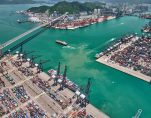
HONG KONG SAR – Media OutReach Newswire – 19 November 2024 – Global business leaders, policymakers and innovators have dropped anchor in Asia’s world city for Hong Kong Maritime Week 2024 (HKMW) (November 17 – 23), an annual flagship event comprising conferences, exhibitions and networking activities under the broad theme of “Navigating to a Greener Future”. The theme of Hong Kong Maritime Week 2024 is “Navigating to […]

VISHNU RAJA
RYO YAMADA
HITORI GOTOH
IKUYO KITA