News related to
Partnerships

Signify, a leading global lighting company, has formed a strategic alliance with Misr El Kheir Foundation to launch the “Taqat Nour” initiative. This partnership aims to enhance access to sustainable lighting solutions across underserved communities in Egypt.

The “Taqat Nour” initiative focuses on improving the quality of life in remote and economically disadvantaged areas by providing solar-powered lighting solutions. This effort addresses both energy poverty and the environmental impact of traditional energy sources. By leveraging its expertise in solar technology, Signify aims to facilitate a broader adoption of sustainable practices while supporting Misr El Kheir’s mission to empower vulnerable populations.

This initiative aligns with Signify’s commitment to advancing sustainable development goals and enhancing the well-being of communities worldwide. The collaboration brings together Signify’s technological prowess and Misr El Kheir’s deep-rooted local knowledge and outreach capabilities. The project is expected to roll out across several regions in Egypt, targeting areas that lack reliable access to electricity.

The partnership underscores a growing trend in corporate social responsibility where global enterprises collaborate with local foundations to address pressing social issues. Signify’s involvement extends beyond providing products; the company will also offer technical support and training to ensure the effective deployment and maintenance of the solar lighting systems.

Misr El Kheir Foundation, a prominent Egyptian non-governmental organization, has a long history of addressing social and economic challenges in the country. The foundation’s focus on healthcare, education, and poverty alleviation complements the goals of the “Taqat Nour” initiative. By joining forces with Signify, Misr El Kheir aims to leverage the company’s expertise to expand its impact in rural communities.

The initiative is poised to make a significant difference by addressing energy access issues, which have far-reaching implications for education, safety, and economic development. Reliable lighting can enhance study conditions for students, extend productive hours for small businesses, and improve overall safety in communities.

This collaboration highlights a growing awareness among global corporations of their role in contributing to sustainable development and social equity. By integrating advanced technology with local needs, the “Taqat Nour” initiative exemplifies a model for effective partnerships aimed at achieving meaningful social impact.

As the project progresses, both Signify and Misr El Kheir will monitor and evaluate the impact of the lighting solutions, ensuring they meet the needs of the communities they serve. This will involve gathering feedback from local beneficiaries and adjusting the approach as necessary to maximize the initiative’s effectiveness.

The “Taqat Nour” initiative is expected to serve as a benchmark for future collaborations between global companies and local organizations. It demonstrates how targeted interventions can address specific needs while promoting sustainable practices and improving living standards in underserved areas.


New server offering solidifies ASUS leadership in AI, with first deal secured SINGAPORE – Media OutReach Newswire – 3 September 2024 – ASUS today announced the latest marvel in the groundbreaking lineup of ASUS AI servers ― ESC N8-E11, featuring the intensely powerful NVIDIA® HGX™ H200 platform. With this AI titan, ASUS has secured its first industry deal, showcasing the exceptional performance, reliability and desirability of ESC […]

Shares of Premier Energies, a Hyderabad-based renewable energy company, surged on their debut in the Indian stock market, marking a successful listing fueled by substantial backing from the Abu Dhabi Investment Authority (ADIA). Opening at a price significantly above its initial public offering (IPO) price, the stock quickly doubled, reflecting strong investor confidence in the company’s prospects.

Premier Energies, which has been in the spotlight for its aggressive expansion in the solar energy sector, made its stock market debut amid considerable anticipation. The company’s IPO, which was oversubscribed multiple times, raised significant capital intended to bolster its capacity and expand its footprint in the renewable energy sector, particularly in the manufacturing of solar photovoltaic (PV) cells and modules. The robust performance of the stock on its first day of trading highlights the growing investor appetite for green energy investments in India, driven by both governmental policies and global environmental commitments.

Premier Energies has been recognized as one of the fastest-growing companies in the renewable energy space, particularly in solar manufacturing. The company’s strategic partnerships and technological advancements have positioned it as a key player in India’s renewable energy transition. Its collaboration with ADIA has provided it with the financial muscle to scale its operations, including the establishment of new manufacturing facilities and research centers focused on innovation in solar technology.

ADIA, one of the world’s largest sovereign wealth funds, has increasingly turned its attention towards sustainable and renewable energy investments, aligning with global trends favoring environmentally responsible projects. Its investment in Premier Energies is part of a broader strategy to capitalize on the rapid growth of the renewable energy market in emerging economies like India. The success of Premier Energies’ IPO and subsequent stock performance underscores the effectiveness of this strategy, as well as the growing market opportunities in the green energy sector.

The listing comes at a time when India is aggressively pushing for renewable energy expansion to meet its ambitious climate goals. The country aims to achieve 500 GW of non-fossil fuel-based capacity by 2030, with solar energy expected to play a pivotal role. Premier Energies, with its advanced manufacturing capabilities and strategic partnerships, is well-positioned to contribute significantly to this target.

Market analysts have noted that the stellar debut of Premier Energies’ stock is indicative of a broader trend where companies in the renewable energy sector are increasingly favored by investors. This shift is driven by several factors, including government incentives, the decreasing cost of renewable technologies, and rising awareness of environmental issues among both consumers and investors. The company’s strong fundamentals, combined with its strategic alliances and future growth potential, have made it a highly attractive proposition in the eyes of investors.

The doubling of Premier Energies’ share price on its first day of trading also reflects the broader confidence in the Indian stock market, particularly in sectors aligned with the government’s long-term vision of sustainable development. The success of this IPO could pave the way for more renewable energy companies to tap into the public markets, further fueling the sector’s growth and contributing to India’s renewable energy goals.

Premier Energies has announced plans to use the funds raised from the IPO to enhance its manufacturing capacity, including setting up new facilities and upgrading existing ones to incorporate the latest technologies in solar PV manufacturing. The company is also exploring opportunities to expand its product portfolio and enter new markets, both within India and internationally. This expansion strategy is expected to drive further growth and consolidate its position as a leader in the renewable energy sector.

The stock’s performance on its debut is seen as a positive indicator of the market’s confidence in Premier Energies’ business model and growth prospects. Analysts have highlighted the company’s strong order book, experienced management team, and strategic partnerships as key factors contributing to its successful listing. As the company continues to execute its expansion plans, it is expected to attract further interest from institutional and retail investors alike.

Oman’s sovereign wealth fund, the State General Reserve Fund (SGRF), has merged its subsidiaries Nitaj and the Food Development Oman (FDO) to enhance the nation’s food security strategy. This strategic consolidation aims to streamline operations and bolster the country’s agricultural and food production capabilities amid growing global uncertainties and supply chain disruptions. Nitaj, which focuses on agricultural investments and technologies, and FDO, which handles food security initiatives […]

Metaplanet has secured a significant partnership with Japan’s SBI Holdings, aiming to bolster its regional Bitcoin custody and trading capabilities. This collaboration marks a strategic move for Metaplanet as it seeks to enhance its footprint in the digital asset space, particularly in the Asian market. The partnership will integrate SBI Holdings’ extensive financial infrastructure with Metaplanet’s advanced blockchain technology. This integration is expected to streamline Bitcoin transactions […]

Saudi Arabia has mandated that all bids for its high-profile stadium construction projects be submitted by the end of September. This development is part of the country’s extensive push to revamp its sports infrastructure in line with its Vision 2030 goals, aiming to enhance its global sporting appeal and diversify its economy.

The government’s decision follows a series of strategic moves to boost investment in the nation’s sports sector. The proposed stadiums are integral to Saudi Arabia’s plan to host international sporting events and foster local talent. These projects are expected to attract significant international attention and investment, aligning with the country’s broader strategy to elevate its status as a global sports hub.

The deadline for bid submission, September 30, 2024, has been set to ensure a streamlined and competitive process. This timeline reflects the urgency and scale of the projects, which are anticipated to involve complex architectural and engineering feats. Industry insiders expect a competitive field of international and local firms vying for the opportunity to contribute to this ambitious initiative.

Saudi Arabia’s sports sector has seen substantial growth over the past few years, with investments pouring into various sporting disciplines and facilities. The new stadium projects are expected to play a pivotal role in this growth, providing state-of-the-art venues that could host major international events, including football matches, athletics, and more.

The construction of these stadiums is also expected to drive economic growth by creating job opportunities and boosting local businesses. Furthermore, the projects align with Saudi Arabia’s broader economic diversification goals, reducing its reliance on oil revenues and enhancing its global economic footprint.

Key players in the construction and sports industries are closely monitoring the bid process, anticipating a surge in activity and collaboration opportunities. The projects are likely to involve advanced technologies and sustainable practices, reflecting Saudi Arabia’s commitment to innovation and environmental stewardship.

The September deadline underscores the government’s commitment to expediting these infrastructure developments. As the bid submission period approaches, industry stakeholders are preparing to present their proposals, which will be evaluated based on criteria such as design excellence, sustainability, and project feasibility.

The successful bidders will be tasked with delivering stadiums that not only meet international standards but also contribute to the long-term vision of Saudi Arabia’s sports sector. The outcome of the bidding process will be crucial in determining how quickly and effectively these ambitious projects will progress.

The push for new stadiums is part of a larger trend of increased investment in Saudi Arabia’s sports and entertainment sectors. The country has been actively working to enhance its global sporting presence, as evidenced by its hosting of major sports events and growing interest in international partnerships.

As the deadline approaches, the sports and construction industries remain abuzz with anticipation and preparation. The next few weeks will be critical in shaping the future of Saudi Arabia’s sports infrastructure and its role on the global stage.

Adnoc Drilling, the leading oilfield services provider in the Middle East, will be incorporated into MSCI’s flagship indexes, marking a significant milestone for the company and the broader market. This inclusion reflects the company’s robust performance and growing influence in the global energy sector.

The decision by MSCI to add Adnoc Drilling to its indexes highlights the company’s solid financial standing and market position. This move is expected to enhance the visibility of Adnoc Drilling among international investors and potentially increase its stock liquidity. MSCI, a prominent global index provider, bases its selections on a variety of criteria, including market capitalization, liquidity, and sector representation.

Adnoc Drilling’s inclusion in MSCI’s flagship indexes comes as part of a broader rebalancing that MSCI undertakes periodically. The company’s strong financial results and strategic initiatives have positioned it well within the index’s criteria. Recent performance metrics indicate a steady revenue growth and operational efficiency, underscoring the company’s pivotal role in the oil and gas sector.

The company has demonstrated impressive operational capabilities and a commitment to expanding its service offerings. Its diverse portfolio of drilling services and strategic partnerships have been instrumental in its growth trajectory. Analysts have noted that Adnoc Drilling’s inclusion could attract a broader range of institutional investors who rely on MSCI indexes for their investment decisions.

In recent developments, Adnoc Drilling has been focusing on enhancing its technological capabilities and expanding its geographic reach. Investments in cutting-edge drilling technology and sustainable practices have been key components of its growth strategy. This emphasis on innovation aligns with MSCI’s criteria for inclusion, which favors companies with a forward-looking approach and strong market presence.

The impact of Adnoc Drilling’s entry into MSCI’s flagship indexes is likely to be multifaceted. Increased visibility could lead to greater investor interest and potentially boost the company’s stock performance. Moreover, as MSCI indexes are widely followed by global investment funds, Adnoc Drilling’s inclusion could result in a shift in portfolio allocations towards the company.

Industry experts suggest that this development reflects a broader trend of growing investor confidence in companies operating within the oil and gas sector, particularly those demonstrating strong financial health and a commitment to innovation. Adnoc Drilling’s successful integration into MSCI’s indexes positions it as a key player on the international stage, further solidifying its role in the global energy market.

Adnoc Drilling’s addition to MSCI’s flagship indexes is a noteworthy achievement that underscores the company’s strategic importance and operational success. This move is anticipated to have a significant impact on the company’s market presence and investor relations, highlighting its continued growth and influence within the industry.

Advertisements

Ripple has made a significant move in the blockchain sector by announcing new collaborations aimed at enhancing its infrastructure and broadening its institutional reach. These developments underscore Ripple’s ongoing commitment to advancing blockchain technology and fostering greater adoption among businesses. The company’s latest venture includes a strategic partnership with Futureverse, a prominent AI and metaverse technology firm. This alliance will focus on providing advanced secure asset custody […]

Silal, the agricultural investment firm supported by Abu Dhabi Developmental Holding Company (ADQ), has taken a major step in expanding its portfolio by acquiring a controlling interest in Al Bakrawe Holding. This acquisition reflects Silal’s strategic move to strengthen its foothold in the agricultural sector and enhance its market presence.

Al Bakrawe Holding, a diversified company with interests spanning agriculture, real estate, and industrial sectors, has seen a significant shift in its ownership structure with this transaction. Silal’s acquisition of a majority stake is poised to bring a substantial capital injection and operational expertise to Al Bakrawe’s existing ventures. The deal, valued at an undisclosed amount, is expected to drive growth and innovation within the company’s agricultural and industrial operations.

The acquisition aligns with ADQ’s broader strategy to bolster investments in key sectors that drive economic diversification and sustainable development in the UAE. Silal’s focus on agriculture, particularly in advancing technology and sustainability practices, complements Al Bakrawe’s established market position. This synergy is anticipated to yield enhanced operational efficiencies and expansion opportunities for both entities.

Industry experts note that this deal positions Silal as a pivotal player in the regional agricultural landscape. The firm’s investment is expected to facilitate the introduction of advanced agricultural technologies and practices to Al Bakrawe’s operations, thereby boosting productivity and sustainability. The integration of Silal’s resources and expertise is likely to accelerate the growth trajectory of Al Bakrawe, leveraging innovative solutions to address the evolving demands of the agriculture sector.

The acquisition also underscores ADQ’s commitment to supporting companies that contribute to the UAE’s strategic goals of food security and economic diversification. By backing Silal’s acquisition, ADQ reinforces its role in shaping the future of key industries and promoting sustainable development within the region. The investment is part of a larger trend of strategic acquisitions and partnerships aimed at fostering growth and resilience in critical sectors.

Al Bakrawe Holding, founded in 1992, has established a diverse portfolio with significant investments in agriculture, real estate, and industrial sectors. The company’s agricultural arm focuses on crop production and agro-technology, making it a fitting candidate for Silal’s investment. The acquisition is expected to enhance Al Bakrawe’s capabilities and expand its market reach, leveraging Silal’s expertise in modern agricultural practices.

Silal, on its part, continues to strengthen its investment strategy in line with its mission to revolutionize the agricultural industry. The firm has been actively pursuing opportunities to integrate advanced technology and sustainable practices across its investments. This latest acquisition is a testament to Silal’s strategic vision and its commitment to driving progress in the agricultural sector.

As the integration process unfolds, stakeholders will be keenly observing the impact of this acquisition on both Silal and Al Bakrawe Holding. The deal is likely to set a precedent for future investments in the agricultural sector and further cement ADQ’s role as a key driver of economic growth and diversification in the UAE.

With this strategic acquisition, Silal is poised to make a significant mark on the agricultural industry, enhancing its capabilities and influence in the region. The partnership between Silal and Al Bakrawe Holding is expected to bring about notable advancements and opportunities, reflecting a growing trend of investment and innovation in the UAE’s key sectors.

Saudi Arabia is streamlining its investment framework to attract more foreign capital, aiming to enhance its position as a leading investment destination in the Middle East. The Kingdom’s recent regulatory overhaul is part of a broader strategy to diversify its economy beyond oil dependency and encourage international investors.

The Saudi government has unveiled a series of reforms designed to simplify the process for foreign investors. Key changes include faster approval times for investment projects, reduced bureaucratic hurdles, and more transparent procedures. These measures are expected to lower entry barriers and provide a more predictable business environment for global investors.

This regulatory shift aligns with Saudi Arabia’s Vision 2030 plan, which seeks to transform the nation’s economic landscape by fostering a more robust private sector and reducing its reliance on oil revenues. Vision 2030 is a comprehensive blueprint aimed at diversifying the economy, enhancing public sector efficiency, and developing key industries such as tourism, entertainment, and technology.

In addition to streamlining administrative processes, the Saudi government has introduced new incentives for investors. These include tax breaks, subsidies, and support for infrastructure development in high-priority sectors. By offering such incentives, Saudi Arabia hopes to attract a broad range of international businesses, from technology firms to manufacturing giants.

The Kingdom’s push to attract foreign investment comes amid increasing competition from neighboring countries that are also vying to position themselves as investment hubs. Nations such as the United Arab Emirates and Qatar have implemented their own strategies to lure global capital, making the regional investment landscape highly competitive.

Saudi Arabia’s efforts have already shown some positive outcomes. There has been a noticeable uptick in foreign direct investment (FDI) flows into the country, particularly in sectors that align with the Vision 2030 goals. The influx of foreign capital is not only bolstering the Saudi economy but also contributing to job creation and technological advancement.

Several multinational corporations have announced plans to expand their operations in Saudi Arabia, attracted by the improved investment climate. These companies are setting up new facilities and forming partnerships with local businesses, further integrating Saudi Arabia into the global economic network.

Despite these advancements, challenges remain. Investors still face some risks related to political and economic stability, and ongoing global economic uncertainties could impact investment flows. However, the Saudi government’s proactive approach and commitment to creating a favorable business environment are seen as significant steps toward mitigating these risks.

Saudi Arabia’s regulatory reforms represent a decisive move to solidify its status as a top investment destination. By addressing key barriers to entry and offering attractive incentives, the Kingdom is positioning itself to capture a larger share of global investment flows, thereby supporting its long-term economic transformation goals.

AlephYa Education, a prominent educational provider across the Gulf Cooperation Council (GCC) region, has announced a significant majority investment from TA Associates. This strategic investment aims to accelerate AlephYa’s growth and enhance its educational offerings, reinforcing its position in the competitive GCC education market. The deal, disclosed earlier today, positions TA Associates as the majority stakeholder in AlephYa Education. This investment is anticipated to provide AlephYa with […]

SINGAPORE – Media OutReach Newswire – 2 September 2024 – Ontech Group, a global leader in electromagnetic field sensor technology, today announced a significant breakthrough with the launch of a new family of 128-channel Application-Specific Integrated Circuits (ASICs), designed to significantly enhance the technical capabilities and commercial benefits of its revolutionary Controlled Electromagnetic Field (CEMF) sensor. Designed to meet market demands in growth industries such as health […]

Armacell, a leading player in the flexible foam and engineered foams sector, has fully acquired JIOS Aerogel shares from its joint venture partner JIOS. This move marks a significant shift as JIOS refocuses on the electric vehicle market, while Armacell aims to enhance its aerogel production capabilities.

The acquisition of JIOS’s stake in Armacell JIOS Aerogels Limited (AJA) follows the joint venture’s notable success since its establishment in 2016. Initially set up to leverage JIOS’s patented silica aerogel technology, AJA has thrived under Armacell’s global sales and marketing network. The joint venture has become renowned for its ArmaGel® product line, which serves high-temperature and cryogenic insulation needs in the energy industry.

Armacell’s move to acquire full ownership of AJA aligns with its strategy to expand its presence in the aerogel market. The company’s investment aims to boost its production capabilities at AJA’s facility in Cheonan, South Korea. This plant is currently capable of producing over 700 tonnes of aerogel powder annually, with immediate plans for expansion to meet growing market demands.

The acquisition underscores a broader trend of specialized material companies realigning their business strategies. As JIOS channels its resources toward the burgeoning electric vehicle sector, Armacell is reinforcing its position in the aerogel segment, known for its unparalleled insulation properties. Aerogel, recognized as the world’s lightest solid material, offers superior thermal insulation, making it a valuable asset in various industrial applications.

Armacell’s expansion into a fully integrated aerogel producer highlights the company’s commitment to innovation and market growth. The full acquisition of AJA will enable Armacell to consolidate its position as a leading manufacturer of advanced insulation materials, leveraging the synergies of its established global network and JIOS’s technological expertise.

The move also reflects an increasing focus on strategic partnerships and acquisitions within the industrial materials sector. Companies are adapting to evolving market demands by reconfiguring their portfolios and capabilities to maintain competitive advantage.

The evolution of Armacell’s involvement in the aerogel market signifies a pivotal moment in its growth strategy, setting the stage for new developments in the field of high-performance insulation materials.

Dr. Amna bint Abdullah Al Dahak Al Shamsi, UAE’s Minister of Climate Change and the Environment, underscored the UAE’s commitment to climate collaboration during the BRICS High-Level Dialogue on Climate Change held in Moscow. This international summit, a key event in global environmental policy, focused on enhancing cooperative efforts to address climate change and promote sustainable development. The BRICS dialogue, involving Brazil, Russia, India, China, and South […]

AD Ports Group has ascended to the top 20 global port operators, according to the latest survey by a leading maritime research firm. This notable achievement reflects a significant leap for the Abu Dhabi-based company, which has rapidly expanded its operations and infrastructure to enhance its global footprint. The survey, which assesses port operators based on various metrics including cargo throughput, operational efficiency, and service diversity, highlighted […]

Egypt has given the green light to a major investment by Masdar, the UAE-based renewable energy company, for a substantial solar power project valued at $900 million. This significant move underscores Egypt’s commitment to bolstering its renewable energy sector and transitioning away from fossil fuels. The project, situated in the Benban Solar Park in Aswan, is expected to be one of the largest solar installations in the […]

Automobile prices in the UAE are experiencing notable shifts as Chinese car manufacturers increasingly penetrate the market. This change is attributed to competitive pricing strategies and an expanding presence of Chinese brands in the region. Chinese automakers have significantly disrupted the UAE car market by offering models that are both affordable and technologically advanced. Brands such as BYD, Geely, and Great Wall Motors have introduced a range […]

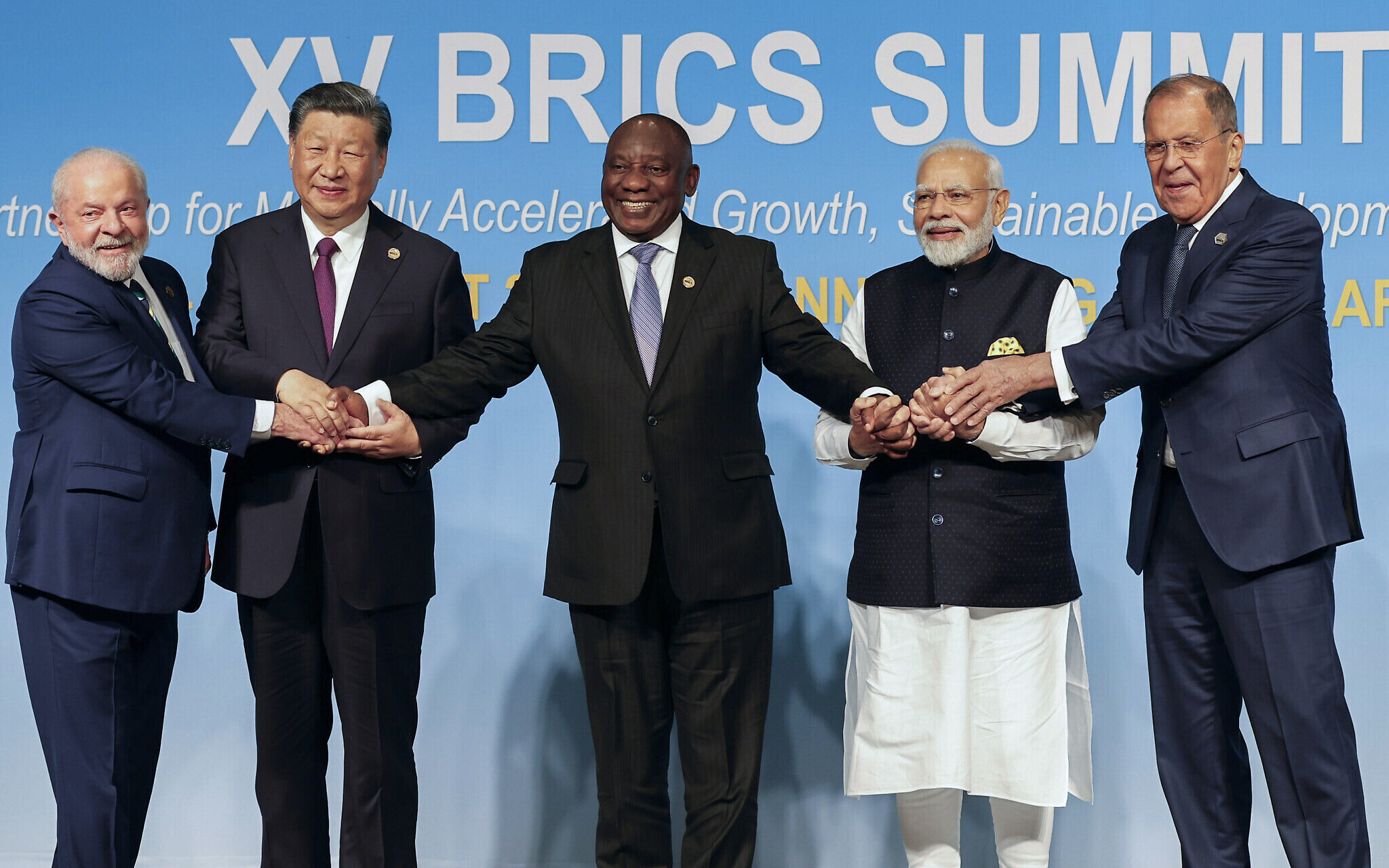
The United Arab Emirates (UAE) is expanding its global influence by deepening its relationship with the BRICS group, comprised of Brazil, Russia, India, China, and South Africa. This initiative underscores the UAE’s strategic efforts to bolster its economic competitiveness and tap into new growth avenues through international collaboration. The partnership with BRICS is poised to strengthen economic ties and foster mutual prosperity on a global scale.

The UAE’s involvement with BRICS is part of a broader strategy to diversify its economic base and enhance its role in global trade and investment. By aligning with BRICS, the UAE seeks to leverage the collective economic power of these emerging markets, which represent a significant portion of global economic activity. This partnership is expected to open new avenues for trade, investment, and technology exchange.

The UAE’s engagement with BRICS reflects its ongoing commitment to building robust partnerships that drive economic growth and sustainability. The country has consistently pursued international collaborations to enhance its economic resilience and competitiveness. This latest move with BRICS represents a continuation of this strategic approach, aimed at positioning the UAE as a key player in the evolving global economic landscape.

The BRICS group itself is undergoing significant transformations, with its members focusing on deepening economic cooperation and expanding their influence in global affairs. For the UAE, this partnership offers an opportunity to access new markets and investment opportunities, particularly in sectors such as technology, energy, and infrastructure. The collaboration is anticipated to yield benefits not only for the UAE but also for the BRICS countries, fostering a more integrated and dynamic global economy.

The UAE’s alignment with BRICS also highlights its role in advocating for a multipolar world order, where diverse economic centers contribute to global development. This approach is consistent with the UAE’s vision of being a bridge between different regions and fostering international cooperation. By working closely with BRICS, the UAE aims to contribute to a more balanced and equitable global economic system.

The partnership is set to explore joint initiatives that could include collaborative projects in technology innovation, sustainable development, and infrastructure development. These areas are crucial for driving long-term economic growth and addressing global challenges such as climate change and resource management. The UAE’s proactive stance in these domains aligns with its broader goals of advancing global sustainability and technological advancement.

In addition to economic benefits, the UAE’s partnership with BRICS could enhance cultural and educational exchanges. Such interactions are expected to foster mutual understanding and strengthen ties between the UAE and the BRICS nations. This aspect of the partnership underscores the UAE’s commitment to building comprehensive and multifaceted relationships on the global stage.

The UAE’s strategic partnership with BRICS represents a significant step in its quest to enhance global development and prosperity. This move aligns with its longstanding approach of forging international partnerships to drive economic growth and explore new opportunities. As the UAE continues to build on its relationships with key global players, the collaboration with BRICS is poised to play a pivotal role in shaping the future of international economic relations.

Emirates has significantly broadened its global network by forging partnerships that connect travellers to approximately 1,700 cities worldwide. This expansion is achieved through an extensive array of codeshare, interline, and combined rail and helicopter services.

The Dubai-based airline now offers 31 codeshare agreements, which allow passengers to seamlessly transfer between Emirates flights and those of partner airlines. These agreements enhance connectivity across continents and streamline travel experiences. Additionally, Emirates has established 118 interline agreements. These arrangements enable the integration of different airlines’ services, facilitating smoother connections and more efficient travel itineraries.

Furthermore, Emirates has introduced 13 rail and helicopter services, further enhancing its network. These services bridge the gap between airports and key urban or remote destinations, offering a comprehensive travel solution that integrates multiple modes of transportation.

This expansion reflects Emirates’ commitment to providing a seamless travel experience, leveraging its partnerships to offer unparalleled global connectivity. The airline’s strategic alliances not only extend its reach but also contribute to a more flexible and integrated travel ecosystem. This initiative aligns with the growing demand for comprehensive travel solutions that accommodate diverse and evolving passenger needs.

The global transport network now includes numerous key destinations across more than 100 countries, facilitated by these strategic partnerships. Emirates’ approach exemplifies a modern trend in the aviation industry where airlines enhance their service offerings through collaborative agreements, optimizing passenger convenience and accessibility.

As the travel landscape continues to evolve, Emirates’ extensive network of partnerships underscores the importance of connectivity and collaboration in meeting the needs of a global audience. By integrating a wide range of transport services, Emirates is positioned to offer an exceptional level of convenience and choice for international travellers.

Saudi Arabia and Ethiopia have launched a new business council to deepen economic cooperation and boost trade between the two nations. The Federation of Saudi Chambers made the announcement following the approval by the General Authority for Foreign Trade, underscoring the growing importance of bilateral ties between Riyadh and Addis Ababa. The newly established Saudi-Ethiopian Business Council is set to operate for the 2024-2028 term and will […]

Saudi Arabia’s pharmaceutical and medical device manufacturing sectors have witnessed a significant surge, with the total number of factories reaching 206 and investments exceeding SR10 billion ($2.6 billion). This rapid growth underscores the Kingdom’s commitment to expanding its healthcare infrastructure and supporting domestic production.

The Ministry of Industry and Mineral Resources revealed that out of the 206 factories, 56 are dedicated to pharmaceutical production. These pharmaceutical factories, licensed by the Saudi Food and Drug Authority (SFDA), represent investments of over SR7 billion. This expansion aligns with the Kingdom’s Vision 2030, which aims to reduce dependency on imports by bolstering local manufacturing capabilities.

The remaining 150 factories focus on the production of medical devices and equipment. These facilities have been instrumental in meeting the country’s growing healthcare needs, especially as global supply chains faced disruptions over the past few years. The investments in medical devices alone account for SR3 billion, reflecting the strategic importance of this sector in Saudi Arabia’s broader industrial diversification efforts.

A key factor driving this growth is the government’s active support for the private sector through favorable policies and incentives. These include tax exemptions, financial grants, and streamlined licensing processes. The Kingdom has also invested in infrastructure development, creating industrial zones dedicated to pharmaceutical and medical device manufacturing, which provide companies with the necessary resources to scale their operations efficiently.

The rise in local manufacturing is also attributed to the increasing demand for healthcare services in Saudi Arabia, fueled by a growing population and the government’s focus on improving public health. The healthcare sector is one of the fastest-growing segments in the Kingdom, with the government allocating substantial funds in its budget to enhance healthcare facilities, promote research and development, and attract foreign investment.

In addition to meeting domestic demand, Saudi Arabia is positioning itself as a regional hub for pharmaceutical and medical device production. The Kingdom’s strategic location and well-developed logistics network make it an ideal base for exporting products to neighboring countries and beyond. This has attracted interest from international pharmaceutical giants looking to establish a presence in the Middle East.

The local pharmaceutical industry has also benefited from partnerships with global companies, which bring in advanced technologies and expertise. These collaborations have led to the development of new products and the transfer of knowledge, further strengthening the capabilities of Saudi manufacturers. The SFDA has played a crucial role in this regard, ensuring that locally produced pharmaceuticals and medical devices meet international standards, thus enhancing their competitiveness in the global market.

Moreover, the Saudi government has launched several initiatives to support innovation and research in the pharmaceutical and medical device sectors. These include funding programs for startups and small and medium-sized enterprises (SMEs), as well as partnerships with academic institutions to foster research and development. These efforts are aimed at creating a sustainable ecosystem that encourages continuous innovation and contributes to the long-term growth of the industry.

The ongoing expansion in the pharmaceutical and medical device manufacturing sectors is expected to continue, with the government outlining ambitious plans for the coming years. These plans include increasing the number of factories, boosting production capacity, and enhancing the quality of locally produced products. The government’s emphasis on developing these sectors is seen as a crucial step towards achieving self-sufficiency in healthcare and reducing the reliance on imports, thereby ensuring the country’s resilience in the face of global challenges.

Saudi Arabia’s strides in the pharmaceutical and medical device industries reflect its broader economic transformation under Vision 2030. By fostering local manufacturing, the Kingdom is not only enhancing its healthcare capabilities but also contributing to the diversification of its economy, creating jobs, and positioning itself as a key player in the global healthcare market.

TAIPEI, TAIWAN – Media OutReach Newswire – 29 August 2024 – The Asian Sports and Leisure Online Exhibition 2024 (ASLE 2024) is a hybrid event that integrates virtual and physical elements, targeting Asian suppliers, importers, and exporters. The exhibition will run from August 29, 2024, to January 31, 2025, offering an excellent opportunity for exhibitors to showcase their brands. This transnational trade event, jointly organized by AsianNet […]

HONG KONG SAR – Media OutReach Newswire – 31 August 2024 – Rapid Project Growth Since its launch, Live4Well has steadily accumulated real users by integrating AI and blockchain technology, uniting the sports health industry with community engagement. Leading the health industry trends in the Web3 era, Live4Well has grown into a global community with over 250,000 members, primarily young sports enthusiasts aged 18-25. The platform boasts […]

Jebel Ali Port in Dubai has achieved its highest container throughput in a single month since 2015, marking a significant milestone for the UAE’s maritime industry. This surge comes amid a notable increase in non-oil foreign trade, driven by the nation’s strategic economic partnerships. The port’s container handling reached unprecedented levels, surpassing previous records and reflecting a robust growth trajectory in trade activities. This spike in volume […]

VISHNU RAJA
RYO YAMADA
HITORI GOTOH
IKUYO KITA