News related to
Partnerships

Automobile prices in the UAE are experiencing notable shifts as Chinese car manufacturers increasingly penetrate the market. This change is attributed to competitive pricing strategies and an expanding presence of Chinese brands in the region. Chinese automakers have significantly disrupted the UAE car market by offering models that are both affordable and technologically advanced. Brands such as BYD, Geely, and Great Wall Motors have introduced a range […]

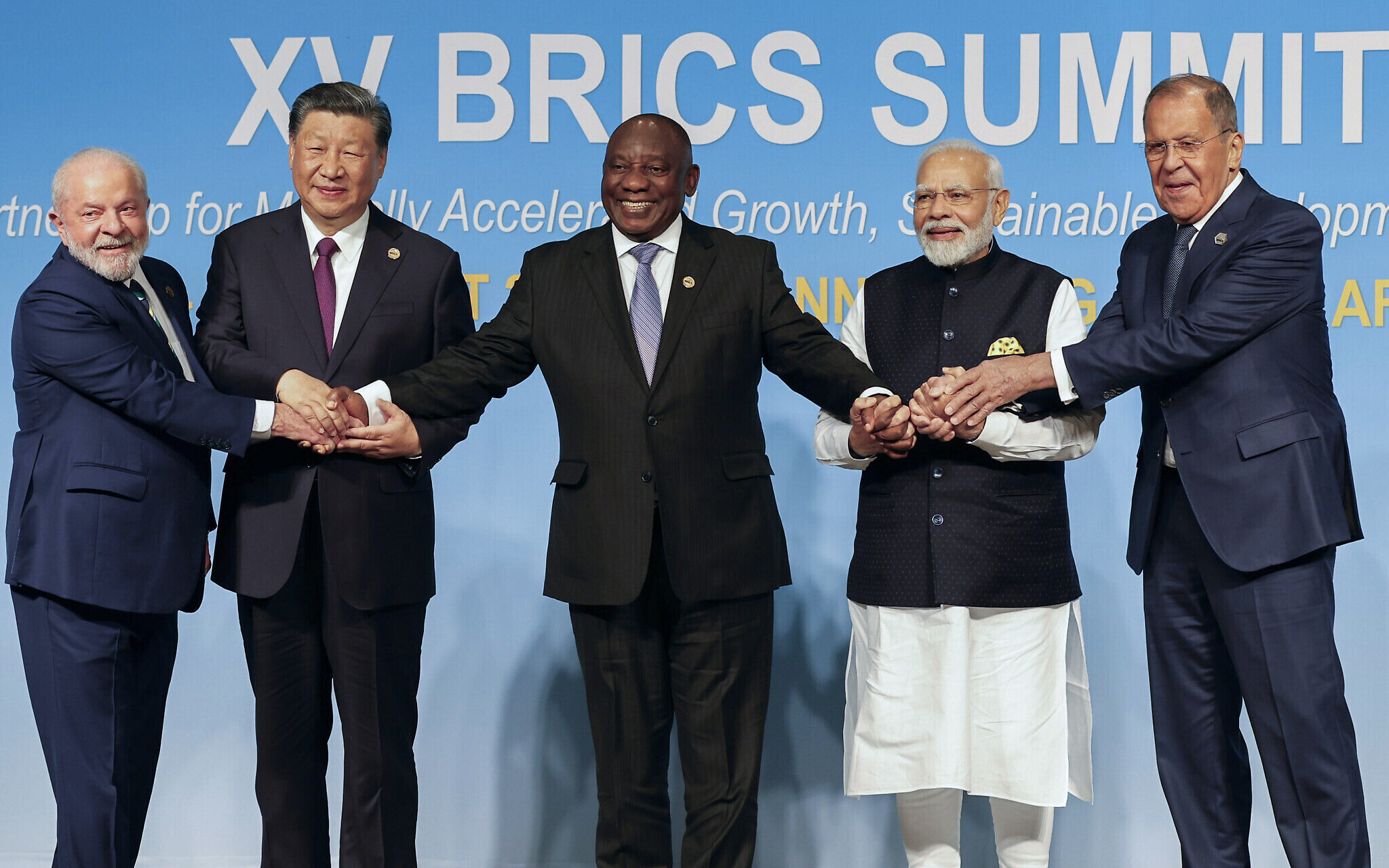
The United Arab Emirates (UAE) is expanding its global influence by deepening its relationship with the BRICS group, comprised of Brazil, Russia, India, China, and South Africa. This initiative underscores the UAE’s strategic efforts to bolster its economic competitiveness and tap into new growth avenues through international collaboration. The partnership with BRICS is poised to strengthen economic ties and foster mutual prosperity on a global scale.

The UAE’s involvement with BRICS is part of a broader strategy to diversify its economic base and enhance its role in global trade and investment. By aligning with BRICS, the UAE seeks to leverage the collective economic power of these emerging markets, which represent a significant portion of global economic activity. This partnership is expected to open new avenues for trade, investment, and technology exchange.

The UAE’s engagement with BRICS reflects its ongoing commitment to building robust partnerships that drive economic growth and sustainability. The country has consistently pursued international collaborations to enhance its economic resilience and competitiveness. This latest move with BRICS represents a continuation of this strategic approach, aimed at positioning the UAE as a key player in the evolving global economic landscape.

The BRICS group itself is undergoing significant transformations, with its members focusing on deepening economic cooperation and expanding their influence in global affairs. For the UAE, this partnership offers an opportunity to access new markets and investment opportunities, particularly in sectors such as technology, energy, and infrastructure. The collaboration is anticipated to yield benefits not only for the UAE but also for the BRICS countries, fostering a more integrated and dynamic global economy.

The UAE’s alignment with BRICS also highlights its role in advocating for a multipolar world order, where diverse economic centers contribute to global development. This approach is consistent with the UAE’s vision of being a bridge between different regions and fostering international cooperation. By working closely with BRICS, the UAE aims to contribute to a more balanced and equitable global economic system.

The partnership is set to explore joint initiatives that could include collaborative projects in technology innovation, sustainable development, and infrastructure development. These areas are crucial for driving long-term economic growth and addressing global challenges such as climate change and resource management. The UAE’s proactive stance in these domains aligns with its broader goals of advancing global sustainability and technological advancement.

In addition to economic benefits, the UAE’s partnership with BRICS could enhance cultural and educational exchanges. Such interactions are expected to foster mutual understanding and strengthen ties between the UAE and the BRICS nations. This aspect of the partnership underscores the UAE’s commitment to building comprehensive and multifaceted relationships on the global stage.

The UAE’s strategic partnership with BRICS represents a significant step in its quest to enhance global development and prosperity. This move aligns with its longstanding approach of forging international partnerships to drive economic growth and explore new opportunities. As the UAE continues to build on its relationships with key global players, the collaboration with BRICS is poised to play a pivotal role in shaping the future of international economic relations.

Emirates has significantly broadened its global network by forging partnerships that connect travellers to approximately 1,700 cities worldwide. This expansion is achieved through an extensive array of codeshare, interline, and combined rail and helicopter services.

The Dubai-based airline now offers 31 codeshare agreements, which allow passengers to seamlessly transfer between Emirates flights and those of partner airlines. These agreements enhance connectivity across continents and streamline travel experiences. Additionally, Emirates has established 118 interline agreements. These arrangements enable the integration of different airlines’ services, facilitating smoother connections and more efficient travel itineraries.

Furthermore, Emirates has introduced 13 rail and helicopter services, further enhancing its network. These services bridge the gap between airports and key urban or remote destinations, offering a comprehensive travel solution that integrates multiple modes of transportation.

This expansion reflects Emirates’ commitment to providing a seamless travel experience, leveraging its partnerships to offer unparalleled global connectivity. The airline’s strategic alliances not only extend its reach but also contribute to a more flexible and integrated travel ecosystem. This initiative aligns with the growing demand for comprehensive travel solutions that accommodate diverse and evolving passenger needs.

The global transport network now includes numerous key destinations across more than 100 countries, facilitated by these strategic partnerships. Emirates’ approach exemplifies a modern trend in the aviation industry where airlines enhance their service offerings through collaborative agreements, optimizing passenger convenience and accessibility.

As the travel landscape continues to evolve, Emirates’ extensive network of partnerships underscores the importance of connectivity and collaboration in meeting the needs of a global audience. By integrating a wide range of transport services, Emirates is positioned to offer an exceptional level of convenience and choice for international travellers.

Saudi Arabia and Ethiopia have launched a new business council to deepen economic cooperation and boost trade between the two nations. The Federation of Saudi Chambers made the announcement following the approval by the General Authority for Foreign Trade, underscoring the growing importance of bilateral ties between Riyadh and Addis Ababa. The newly established Saudi-Ethiopian Business Council is set to operate for the 2024-2028 term and will […]

Saudi Arabia’s pharmaceutical and medical device manufacturing sectors have witnessed a significant surge, with the total number of factories reaching 206 and investments exceeding SR10 billion ($2.6 billion). This rapid growth underscores the Kingdom’s commitment to expanding its healthcare infrastructure and supporting domestic production.

The Ministry of Industry and Mineral Resources revealed that out of the 206 factories, 56 are dedicated to pharmaceutical production. These pharmaceutical factories, licensed by the Saudi Food and Drug Authority (SFDA), represent investments of over SR7 billion. This expansion aligns with the Kingdom’s Vision 2030, which aims to reduce dependency on imports by bolstering local manufacturing capabilities.

The remaining 150 factories focus on the production of medical devices and equipment. These facilities have been instrumental in meeting the country’s growing healthcare needs, especially as global supply chains faced disruptions over the past few years. The investments in medical devices alone account for SR3 billion, reflecting the strategic importance of this sector in Saudi Arabia’s broader industrial diversification efforts.

A key factor driving this growth is the government’s active support for the private sector through favorable policies and incentives. These include tax exemptions, financial grants, and streamlined licensing processes. The Kingdom has also invested in infrastructure development, creating industrial zones dedicated to pharmaceutical and medical device manufacturing, which provide companies with the necessary resources to scale their operations efficiently.

The rise in local manufacturing is also attributed to the increasing demand for healthcare services in Saudi Arabia, fueled by a growing population and the government’s focus on improving public health. The healthcare sector is one of the fastest-growing segments in the Kingdom, with the government allocating substantial funds in its budget to enhance healthcare facilities, promote research and development, and attract foreign investment.

In addition to meeting domestic demand, Saudi Arabia is positioning itself as a regional hub for pharmaceutical and medical device production. The Kingdom’s strategic location and well-developed logistics network make it an ideal base for exporting products to neighboring countries and beyond. This has attracted interest from international pharmaceutical giants looking to establish a presence in the Middle East.

The local pharmaceutical industry has also benefited from partnerships with global companies, which bring in advanced technologies and expertise. These collaborations have led to the development of new products and the transfer of knowledge, further strengthening the capabilities of Saudi manufacturers. The SFDA has played a crucial role in this regard, ensuring that locally produced pharmaceuticals and medical devices meet international standards, thus enhancing their competitiveness in the global market.

Moreover, the Saudi government has launched several initiatives to support innovation and research in the pharmaceutical and medical device sectors. These include funding programs for startups and small and medium-sized enterprises (SMEs), as well as partnerships with academic institutions to foster research and development. These efforts are aimed at creating a sustainable ecosystem that encourages continuous innovation and contributes to the long-term growth of the industry.

The ongoing expansion in the pharmaceutical and medical device manufacturing sectors is expected to continue, with the government outlining ambitious plans for the coming years. These plans include increasing the number of factories, boosting production capacity, and enhancing the quality of locally produced products. The government’s emphasis on developing these sectors is seen as a crucial step towards achieving self-sufficiency in healthcare and reducing the reliance on imports, thereby ensuring the country’s resilience in the face of global challenges.

Saudi Arabia’s strides in the pharmaceutical and medical device industries reflect its broader economic transformation under Vision 2030. By fostering local manufacturing, the Kingdom is not only enhancing its healthcare capabilities but also contributing to the diversification of its economy, creating jobs, and positioning itself as a key player in the global healthcare market.


TAIPEI, TAIWAN – Media OutReach Newswire – 29 August 2024 – The Asian Sports and Leisure Online Exhibition 2024 (ASLE 2024) is a hybrid event that integrates virtual and physical elements, targeting Asian suppliers, importers, and exporters. The exhibition will run from August 29, 2024, to January 31, 2025, offering an excellent opportunity for exhibitors to showcase their brands. This transnational trade event, jointly organized by AsianNet […]

HONG KONG SAR – Media OutReach Newswire – 31 August 2024 – Rapid Project Growth Since its launch, Live4Well has steadily accumulated real users by integrating AI and blockchain technology, uniting the sports health industry with community engagement. Leading the health industry trends in the Web3 era, Live4Well has grown into a global community with over 250,000 members, primarily young sports enthusiasts aged 18-25. The platform boasts […]

Advertisements

Jebel Ali Port in Dubai has achieved its highest container throughput in a single month since 2015, marking a significant milestone for the UAE’s maritime industry. This surge comes amid a notable increase in non-oil foreign trade, driven by the nation’s strategic economic partnerships. The port’s container handling reached unprecedented levels, surpassing previous records and reflecting a robust growth trajectory in trade activities. This spike in volume […]

Saudi Arabia is making significant strides in artificial intelligence (AI) development, positioning itself as a key player in the global tech landscape. The country’s commitment to building and refining its own AI models is not only advancing its technological capabilities but also creating substantial economic opportunities for industry leaders like Nvidia. Under its Vision 2030 initiative, Saudi Arabia is investing heavily in AI research and development. The […]

Invictus Investment, a company listed on the Abu Dhabi Securities Exchange (ADX), is significantly strengthening its foothold in Africa through the acquisition of a prominent food processing entity. The acquisition, which aligns with Invictus’s broader strategy to diversify its operations across the continent, focuses on expanding its portfolio in the agribusiness sector. This move is part of a larger plan to invest over AED 1 billion across North and East Africa, with the aim of integrating further into the food processing value chain.

The company’s recent actions underscore its commitment to growing its presence in Africa, particularly in the agri-food sector. The acquisition enables Invictus to tap into the region’s rapidly expanding market for processed food products, including staples like flour, pasta, and animal feed. Invictus is not only focusing on the supply of raw agro-commodities but also on providing finished products, thereby adding significant value to its offerings.

Amir Daoud Abdellatif, CEO of Invictus, highlighted the importance of this acquisition as a pivotal step in achieving the company’s long-term goals. Abdellatif emphasized that the company is keen on forming strategic partnerships across various African markets, ensuring that Invictus remains at the forefront of the region’s food processing industry. He noted that the expansion is designed to cater to the rising consumer demand and the increasing need for food security across Africa.

In addition to this acquisition, Invictus has successfully completed over one million metric tonnes of agro-commodity exports to Egypt this year alone. This achievement reflects the company’s ability to scale its operations and manage significant volumes of trade within the region. The company’s strategic investments are expected to create a ripple effect across the African agribusiness landscape, enhancing the availability of essential food products and contributing to the continent’s economic growth.

This latest development marks a significant milestone in Invictus’s broader expansion strategy, which is set to include more acquisitions and partnerships in the coming years. As Invictus continues to diversify its portfolio and expand its market reach, the company is poised to play a crucial role in Africa’s food processing and agribusiness sectors, positioning itself as a key player in the region.

The acquisition is expected to have a positive impact on Invictus’s financial performance, with analysts predicting that it will drive revenue growth and improve the company’s market share in Africa. As the company continues to implement its ambitious expansion plans, it is likely to attract further attention from investors and stakeholders interested in the African agribusiness sector.

This strategic move by Invictus Investment underscores the growing importance of Africa as a key market for global agribusiness players, as well as the increasing demand for food processing capabilities across the continent.

Sustaining Momentum Fueled by Robust Global Demand for K-Beauty Products Results Highlights Revenue and net profit grew 80.2% to US$163.35 million and 610.6% year-on-year to US$11.1 million respectively, hitting first-half year historical high Revenue from beauty products, in particular Korean beauty (“K-Beauty”) products, increased 113.9% to US$149.4 million, contributing 91.4% of the Group’s total revenue While the US remained as the largest market, European Union became the […]

Adani Power, the energy arm of the Indian conglomerate Adani Group, has launched a new subsidiary in Abu Dhabi, marking a significant expansion into the Middle Eastern market. This strategic move highlights the company’s commitment to broadening its international footprint and tapping into the lucrative energy sector of the UAE. The newly established subsidiary, Adani Power Middle East, aims to leverage Abu Dhabi’s strategic location and growing […]

Saudi Arabia’s Public Investment Fund (PIF) has successfully secured a $15 billion revolving credit facility from a consortium of international banks. This move is a significant step in PIF’s ongoing efforts to bolster its financial capacity as it pursues an aggressive investment strategy aimed at diversifying the kingdom’s economy under the Vision 2030 plan.

The revolving credit facility, which allows the fund to borrow, repay, and borrow again up to the agreed limit, will provide PIF with greater financial flexibility as it looks to capitalize on investment opportunities across various sectors. This latest facility is in addition to the fund’s previous credit arrangements, marking a continuation of its strategy to leverage global financial markets to fund its initiatives.

PIF, which manages over $700 billion in assets, has been pivotal in spearheading Saudi Arabia’s economic diversification. The fund has made significant investments in technology, renewable energy, and other emerging industries, both within the kingdom and globally. With the new credit facility, PIF is expected to further expand its portfolio, focusing on sectors that align with the Vision 2030 goals, including tourism, entertainment, and clean energy.

The consortium of banks involved in the deal includes several of the world’s leading financial institutions, underscoring the confidence of international markets in PIF’s strategy and the broader economic reforms being undertaken in Saudi Arabia. The terms of the facility are reportedly favorable, reflecting PIF’s robust credit standing and the attractiveness of its investment portfolio.

This development is part of a broader trend where sovereign wealth funds are increasingly tapping into global financial markets to enhance their liquidity and investment capabilities. PIF’s strategy involves not only direct investments but also partnerships with international companies and institutions, aimed at bringing technology and expertise into Saudi Arabia.

As the kingdom continues its transformation, PIF’s ability to secure substantial credit facilities such as this one will be crucial in ensuring it can meet its ambitious targets. The fund’s investments are expected to play a key role in reducing Saudi Arabia’s reliance on oil revenues, fostering innovation, and creating new economic opportunities for the kingdom’s population.

This latest financial move is a clear indication of PIF’s growing influence in global markets and its commitment to achieving the long-term objectives of Vision 2030.

Majid Al Futtaim, a leading retail and leisure conglomerate, has reported a robust Dh1.6 billion profit for the first half of the year, reflecting a strong performance across its diversified portfolio. The company’s latest financial results showcase significant gains driven by strategic expansions and increased consumer spending. The company’s profitability is largely attributed to its diverse business model, which includes shopping malls, retail operations, and leisure and […]

Saudi Arabia and Ethiopia have taken a significant step towards bolstering their economic ties through the establishment of a new business council. The Federation of Saudi Chambers announced that the Saudi-Ethiopian Business Council, approved by the General Authority for Foreign Trade, will operate for the 2024-2028 term. This initiative aims to enhance trade and investment opportunities between the two nations, aligning with Saudi Arabia’s broader strategy to deepen its economic relations with Africa.

The council will be led by Abdullah bin Mohammed Al-Ajmi as president, with Omar bin Abdullah Al-Kharashi and Misfer bin Musaad Al-Shahrani serving as vice presidents. The council’s formation follows discussions held during the Saudi-Ethiopian Business Forum in June 2024, where both countries expressed a mutual interest in exploring new avenues for economic collaboration.

Ethiopia, with a GDP of approximately $205 billion in 2022, is one of Africa’s largest economies. However, trade between Saudi Arabia and Ethiopia has remained relatively modest, with bilateral trade valued at less than SR1.3 billion ($346 million). The new council aims to address this gap by fostering stronger business partnerships, particularly in key sectors such as agriculture, mining, petrochemicals, food industries, tourism, real estate, and construction.

Al-Ajmi emphasized Ethiopia’s attractive investment environment and its strategic role as a trade hub for Central Africa. The council is expected to play a pivotal role in supporting Saudi exports and targeting growth sectors in Ethiopia, potentially unlocking new economic opportunities for both nations.

This development is part of Saudi Arabia’s broader effort to expand its influence and economic reach across Africa, with Ethiopia positioned as a critical partner in this strategy. The establishment of the council marks a significant milestone in Saudi-Ethiopian relations, promising to elevate their economic ties to new heights over the next four years.

This initiative not only underscores the importance of Ethiopia in Saudi Arabia’s Africa strategy but also signals a concerted effort to diversify economic partnerships and explore untapped markets on the continent. The coming years will likely see increased Saudi investment in Ethiopia, as the council works to bridge the existing trade gap and create new opportunities for economic collaboration.

Dubai-based Web3 streaming platform Myco has raised $10 million in the first closing of its Series A funding round, pushing its post-money valuation to $80 million. This influx of capital will fuel Myco’s expansion plans and migration to blockchain technology, particularly its partnership with the Aptos Foundation to migrate the platform’s wallet infrastructure and re-launch its native utility token on the Aptos Blockchain by Q4 2024. The […]

Abu Dhabi’s Mubadala Investment Company, in partnership with Singapore-based CBC Group, has finalized a $680 million acquisition of the Chinese neurology and allergy business of Belgian pharmaceutical giant UCB. This strategic move strengthens Mubadala’s presence in the Chinese healthcare sector, a market with significant growth potential.

The deal encompasses UCB’s neurology products, including Keppra, Vimpat, and Neupro, along with its allergy medications, Zyrtec and Xyzal, in mainland China. Additionally, it includes UCB’s manufacturing facility in Zhuhai, a key asset for local production. Together, these products generated approximately €131 million ($146.5 million) in sales within China in 2023.

Mubadala’s head of China, Mohamed Albadr, emphasized that this acquisition aligns with the company’s long-term strategy to expand its healthcare investments in Asia, particularly in sectors with robust growth potential. The investment is expected to enhance UCB’s capacity to deliver innovative treatments in the region, benefiting from Mubadala’s financial backing and strategic expertise.

The transaction, currently awaiting regulatory approvals, is anticipated to be finalized by the fourth quarter of 2024. PJT Partners served as the financial advisor to Mubadala and CBC Group, while Clifford Chance provided legal counsel.

This move is part of Mubadala’s broader strategy to diversify its portfolio, particularly in the biotechnology and pharmaceutical sectors, where it has been increasingly active. The company has shown a strong commitment to expanding its influence in global healthcare, with recent investments spanning biotechnology firms and other healthcare-related ventures. The collaboration with CBC Group underscores the strategic importance of the Chinese market and highlights Mubadala’s continued focus on sectors poised for substantial growth.

As the deal progresses, it will likely influence the dynamics of the Chinese pharmaceutical industry, particularly in neurology and allergy treatments, where UCB’s products have already established a strong foothold. The integration of these assets into Mubadala’s portfolio could pave the way for future expansions and partnerships in the region, further solidifying its position as a key player in the global healthcare market.
Qatar National Bank (QNB) and Ooredoo have joined forces to introduce exclusive packages tailored for QNB First members. This collaboration, starting from August 25, 2024, and extending through December 31, 2025, aims to offer a range of enhanced services and benefits, blending financial and telecommunications perks. The partnership is designed to enhance the value proposition for QNB First members by integrating Ooredoo’s telecommunications services with the bank’s […]

SINGAPORE – Media OutReach Newswire – 27 August 2024 – To further enhance the accountancy talent pipeline in Singapore and abroad, the Institute of Singapore Chartered Accountants (ISCA) has signed Memorandums of Understanding (MOUs) with SIM Global Education, one of the core entities of the Singapore Institute of Management (SIM), and PSB Academy. Under these agreements, undergraduates pursuing accountancy at SIM Global Education and PSB Academy will […]

Dubai’s FIX Dessert Chocolatier is experiencing unprecedented global attention, thanks to a viral social media phenomenon. The luxury chocolatier’s chunky chocolate bars have captivated audiences worldwide, highlighting the profound impact of digital platforms, the allure of exclusivity, and the appeal of regional flavors. The meteoric rise of FIX Dessert Chocolatier’s products can be traced back to their strategic use of social media to create buzz around their […]

CoinMENA B.S.C., a prominent crypto asset platform regulated by the Central Bank of Bahrain, has announced a strategic partnership with Bitpanda Technology Solutions. This collaboration is set to bolster trading efficiency and diversify the range of crypto assets on CoinMENA’s platform.

The integration with Bitpanda Technology Solutions, a well-established provider of digital asset infrastructure in Europe, is expected to significantly enhance the functionality and user experience of CoinMENA’s trading services. This move aligns with CoinMENA’s strategy to cater to the growing demand for advanced trading solutions and a broader selection of cryptocurrencies.

Bitpanda’s advanced technology infrastructure will enable CoinMENA to offer improved trading features, such as faster execution times and more reliable transaction processes. The partnership also aims to expand the platform’s asset offerings, giving users access to a wider array of digital assets and trading options.

This collaboration underscores CoinMENA’s commitment to providing cutting-edge solutions and meeting the evolving needs of its users in a competitive market. By leveraging Bitpanda’s expertise, CoinMENA seeks to solidify its position as a leading player in the crypto asset industry, enhancing both the operational efficiency and the overall user experience on its platform.

The strategic alliance with Bitpanda reflects a broader trend in the cryptocurrency sector, where platforms are increasingly partnering with technology providers to enhance their services and expand their offerings. This approach not only boosts trading capabilities but also supports the integration of new and emerging digital assets into trading platforms.

As the cryptocurrency market continues to evolve, such partnerships are becoming crucial for platforms aiming to maintain a competitive edge and address the diverse needs of their user base. CoinMENA’s latest collaboration with Bitpanda is a significant step towards achieving these objectives, signaling a positive development for the platform and its users.

Mubadala Investment Company, alongside CBC Group, has finalized its acquisition of UCB Pharma’s business in China. This strategic maneuver sees Mubadala gaining complete ownership of UCB’s established pharmaceutical operations within the country, focusing primarily on neurology and immunology.

The acquisition, valued at several billion dollars, marks a significant expansion for Mubadala in the global pharmaceutical market. The deal, finalized after months of negotiation, transfers control of UCB’s mature portfolio in China, including its neurology and immunology segments. This portfolio is notable for its well-established products and strong market presence.

UCB Pharma’s Chinese business has been a significant player in the pharmaceutical sector, providing a range of treatments in neurology and immunology. The company’s portfolio in China includes key products that have garnered substantial market share and patient trust over the years. The acquisition allows Mubadala to leverage these existing assets and integrate them into its broader healthcare investment strategy.

The deal reflects Mubadala’s ongoing commitment to enhancing its global footprint in the healthcare sector. By acquiring UCB’s China operations, Mubadala gains access to a robust distribution network and an established base of healthcare professionals. This positions Mubadala to further expand its influence in the Asian pharmaceutical market.

For UCB, the sale represents a strategic realignment of its global operations. The company has been focusing on its core markets and key therapeutic areas, and this divestment aligns with its broader strategic goals. UCB’s decision to sell its China business allows it to concentrate resources and efforts on its primary markets and innovative research areas.

The completion of this transaction underscores the growing trend of consolidation and strategic partnerships in the global pharmaceutical industry. Investors and analysts have noted that such moves are becoming increasingly common as companies seek to optimize their portfolios and strengthen their market positions.

Mubadala’s acquisition aligns with its broader investment strategy, which includes a focus on high-growth sectors and emerging markets. The integration of UCB’s China operations is expected to enhance Mubadala’s position in the healthcare sector and drive further growth in its global portfolio.

The deal also highlights the dynamic nature of the global pharmaceutical market, where strategic acquisitions are key to gaining competitive advantage and expanding market presence. As Mubadala and CBC Group take control of UCB’s established operations in China, they are poised to capitalize on the growing demand for advanced medical treatments and therapies in the region.

With the transaction now complete, attention will turn to the integration process and how Mubadala plans to leverage UCB’s existing assets and capabilities. The successful management of this integration will be crucial in realizing the full potential of the acquisition and achieving the strategic objectives set out by Mubadala and its partners.

Mubadala Investment Company, the sovereign wealth fund of Abu Dhabi, has finalized a significant investment in UCB Pharma’s assets in China. This strategic move underscores Mubadala’s growing commitment to the global healthcare sector and its expanding presence in the Chinese market. The deal involves Mubadala acquiring a substantial stake in UCB Pharma’s business operations in China, which encompasses a range of pharmaceuticals and biotechnological products. The transaction […]

Saudi Electricity Company (SEC) has finalized a significant financial arrangement, securing a SAR 15 billion ($4 billion) joint syndicated revolving credit facility. This substantial credit line has been arranged with the support of 15 major regional and global banking institutions. The funds from this credit facility will be allocated towards general corporate purposes, according to a statement released by SEC on Sunday. This agreement marks a pivotal […]

VISHNU RAJA
RYO YAMADA
HITORI GOTOH
IKUYO KITA