News related to
Partnerships

Sheikh Mohammed bin Rashid Al Maktoum, Vice President and Prime Minister of the UAE and Ruler of Dubai, hosted his regular Majlis gathering at the Za’abeel Palace, focusing on economic and investment strategies for the region. This week’s event saw the attendance of Sir Mark Tucker, Group Chairman of HSBC Holdings, among various dignitaries, business leaders, and members of the Federal National Council. Sheikh Mohammed emphasized Dubai’s […]

Abu Dhabi Developmental Holding Company (ADQ) successfully completed its second bond issuance of 2024, raising a significant $2 billion. This strategic financial move aims to bolster its investment initiatives and enhance the capital structure as it navigates diverse market conditions. The issuance comprises various tranches, reflecting ADQ’s commitment to maintaining a robust financial position while capitalizing on favorable market dynamics. ADQ, which has emerged as a pivotal […]

The United Arab Emirates has secured its position as the top-ranking country in North Africa and Western Asia in the World Intellectual Property Organization’s (WIPO) 2024 Global Innovation Index (GII), underscoring its growing influence in innovation, technology, and intellectual property rights. The GII report highlights the UAE’s continued success in fostering an innovation-friendly ecosystem, advancing its regional leadership in a competitive global landscape. The country’s rise in […]

Malaysia’s state-owned oil and gas company, PETRONAS, has successfully entered into a new exploration agreement with the Abu Dhabi National Oil Company (ADNOC). This landmark deal marks a significant milestone for both entities as they aim to bolster their energy portfolios amid shifting global market dynamics. The agreement involves PETRONAS participating in the exploration and production of oil and gas resources in the Al Dhafra region of […]

Dubai-based Emirates Central Cooling Systems Corporation (Empower), a key player in the district cooling industry, is preparing to pass a board resolution that would allow the refinancing of a significant $749 million loan. The move reflects the company’s continued efforts to bolster its financial position, improve liquidity, and maintain a competitive edge in the region’s rapidly expanding energy sector. This step comes amid growing demand for sustainable energy solutions in the UAE and wider Middle East region.

Empower, known for being one of the largest district cooling providers globally, is strategically focused on enhancing its operational capacity. The proposed refinancing plan aligns with Empower’s broader objectives of reducing costs and restructuring debt to optimize its financial structure. The corporation’s board is expected to convene soon to formalize this critical financial decision. Empower’s decision follows years of steady growth, driven by increasing urbanization, coupled with the region’s heightened focus on energy efficiency and environmental sustainability.

The UAE’s district cooling sector has been growing in prominence, thanks to its energy-saving benefits and environmental sustainability. Empower, being a leading name in this industry, has been instrumental in providing large-scale cooling solutions, particularly to Dubai’s residential and commercial sectors. The upcoming refinancing is expected to streamline Empower’s financial obligations, paving the way for further expansion and operational efficiency.

District cooling systems have gained traction as an effective solution to manage the rising cooling demands in hot climates, especially in large urban centers like Dubai. Empower operates over 1.4 million Refrigeration Tons (RT) of cooling capacity, serving a diverse portfolio of clients, including commercial buildings, hotels, hospitals, and residential towers. The company’s ability to offer cooling solutions while minimizing environmental impact has made it a preferred partner for several mega-development projects in Dubai.

Empower has continuously worked towards improving its financial health, evident in its strong financial performance in recent years. The proposed refinancing of the $749 million loan is part of a broader strategy to take advantage of favorable market conditions, ensuring lower interest rates, extended repayment terms, and better liquidity management. This move is seen as an opportunity for Empower to capitalize on its existing market position while exploring potential opportunities for growth within the region.

Market experts view this refinancing deal as a testament to Empower’s sound financial strategy. By lowering its borrowing costs, the company can channel more resources toward infrastructure investments, technology upgrades, and expanding its market reach. The board resolution is expected to mark a key milestone for the company’s next phase of growth, which may include deeper involvement in public-private partnerships, regional expansion, and further investments in sustainable energy solutions.

As urbanization and infrastructure development continue to rise in the UAE, the demand for district cooling services has surged, placing companies like Empower in a prime position to expand their influence. The company’s cooling systems provide significant energy savings compared to traditional air conditioning systems, offering more efficient and sustainable solutions to cooling large urban areas. This aligns closely with the UAE’s long-term goals to achieve sustainability and reduce carbon emissions, as outlined in its national energy strategies.

Dubai’s government has been an active proponent of district cooling systems, recognizing the long-term benefits of energy efficiency and reduced electricity consumption. Empower, as a result, has secured contracts with several of the city’s most prestigious developments, including Dubai Healthcare City, Jumeirah Beach Residences, Business Bay, and the Dubai International Financial Centre. Its reputation for reliability and efficiency has earned it contracts for cooling systems in various large-scale real estate developments across Dubai.

As part of its refinancing initiative, Empower aims to secure more favorable financing terms from lenders, leveraging its strong credit rating and financial history. The deal is anticipated to extend the maturity of the existing loan and reduce its interest rate burden, allowing the company to optimize its capital allocation strategy and increase profitability. The company is also likely to use the refinanced amount to reinvest in its growing operations, including expanding its cooling infrastructure and investing in new technologies that enhance energy efficiency.

The district cooling market in the Gulf region has been expanding steadily, thanks to rising energy consumption driven by urbanization and high temperatures. Empower’s ability to meet the region’s cooling demands while maintaining operational efficiency has set it apart from competitors. As the market leader, Empower’s influence on shaping the district cooling sector in the UAE is expected to continue growing, and the refinancing deal will likely help position the company for continued success in the future.

Beyond financial restructuring, Empower has also made significant strides in promoting environmentally sustainable practices. The company has introduced several initiatives aimed at reducing its carbon footprint, optimizing water usage, and ensuring that its cooling solutions align with the UAE’s vision for a green economy. The integration of renewable energy sources into its cooling processes is among the company’s next objectives, aligning closely with Dubai’s ambitious goals under its Clean Energy Strategy 2050.


A significant collaboration between the Indian Institute of Technology Delhi (IIT Delhi) and Honda Cars India Ltd. (HCIL) is poised to reshape the future of mobility in India. The two entities have entered into a Memorandum of Understanding (MoU) aimed at advancing cooperative intelligence (CI) technologies that could pave the way for safer, more efficient transport systems. This partnership underscores the growing trend of academia-industry collaboration in the rapidly evolving field of intelligent transportation systems.

The MoU brings together the expertise of IIT Delhi’s researchers and Honda’s engineers, particularly those from HCIL and Honda R&D Co., Ltd., a subsidiary focused on research and development. The goal is to conduct joint research on CI technologies that can potentially reduce traffic collisions, enhance road safety, and enable automated driving systems. With India’s road safety record being a significant concern, such efforts to reduce human errors in driving are considered crucial for the future.

India has long struggled with high rates of traffic accidents, largely attributed to human error. The collaboration between IIT Delhi and Honda aims to address these issues through the development of advanced driver-assistance systems (ADAS) and other mobility solutions. ADAS, which involves technologies like adaptive cruise control, lane-keeping assistance, and collision avoidance systems, has the potential to significantly lower the risk of accidents and make roads safer for all users.

While Honda has been a key player in automotive innovation, this partnership marks a significant step in its efforts to explore more complex applications of artificial intelligence (AI) in driving. Honda’s engineers will work closely with IIT Delhi’s faculty and students to explore new algorithms, machine learning models, and data analytics techniques that can improve vehicle decision-making in real-time. The research will also focus on leveraging big data and connectivity technologies to anticipate traffic conditions, respond to sudden changes on the road, and ensure safer driving experiences.

IIT Delhi’s role in this collaboration is equally significant, given its strong reputation for cutting-edge research in artificial intelligence, robotics, and transportation systems. The institution’s researchers are expected to bring advanced expertise in areas like machine learning, sensor technologies, and networked vehicles. This collaboration provides a platform for academic researchers to apply theoretical knowledge to practical challenges faced by the automotive industry.

Through this MoU, both parties are set to explore the concept of cooperative intelligence, which involves enabling communication between vehicles, infrastructure, and other road users to create an interconnected transportation network. The aim is to develop intelligent transport systems that can predict traffic patterns, communicate with surrounding vehicles, and make autonomous decisions that enhance overall road safety. As automated and connected vehicles gain momentum globally, these technologies will play an essential role in the future of mobility.

Cooperative intelligence, as a concept, goes beyond traditional vehicle automation. It focuses on creating systems where vehicles not only respond to their environment but also interact with other vehicles and infrastructure to optimize the flow of traffic and prevent accidents. This vision aligns with Honda’s global initiative to develop “Safety for Everyone” technologies, which seek to eliminate road fatalities by utilizing AI and machine learning tools.

While the research aims to contribute to global advancements in automated driving, there is a particular focus on addressing India-specific challenges. Road conditions in India vary widely, with congested urban streets, rural roads, and highways posing distinct challenges for vehicles. The CI technologies developed under this MoU will need to adapt to these diverse environments. The hope is that future vehicles equipped with CI technologies will not only improve safety on India’s roads but also enhance overall driving comfort and reduce the stress associated with navigating through heavy traffic.

The collaboration also opens doors for students and researchers at IIT Delhi to gain hands-on experience working with real-world automotive challenges. By partnering with Honda, they will have the opportunity to apply their knowledge to cutting-edge projects that could have significant implications for the future of mobility. This real-world experience is expected to help prepare a new generation of engineers and researchers who can contribute to the development of safer and smarter transportation systems, both in India and globally.

As part of the agreement, IIT Delhi and Honda will jointly work on research projects and share intellectual resources. The partnership also allows for the testing and evaluation of prototypes developed as part of the research. This will ensure that the solutions developed are practical, effective, and can be scaled up for real-world application.

The MoU signifies Honda’s commitment to India, a market where it has a strong presence but faces increasing competition from both global and domestic automakers. As the automotive industry shifts towards electric vehicles (EVs) and autonomous driving technologies, partnerships like this one with IIT Delhi are crucial for staying competitive in a rapidly changing landscape. By collaborating with leading academic institutions, Honda aims to maintain its edge in innovation while contributing to the advancement of mobility technologies that are not only relevant to India but also to global markets.

An Amazon seller has filed a legal challenge against the antitrust investigations conducted by India’s Competition Commission (CCI), claiming that the probe into e-commerce giants Amazon and Flipkart is biased and unlawful. The seller, Cloudtail, a former key partner of Amazon India, argues that the watchdog’s investigation unfairly targets its business practices, while failing to take into account the competitive pressures and operational complexities of the marketplace. […]

Advertisements

LOS ANGELES, US – Media OutReach Newswire – 26 September 2024 – Vingroup has officially signed a memorandum of understanding (MOU) with renowned entertainment industry leaders, Warner Music Group and Indochina Productions. This collaboration paves the way for Vietnam to host world-class music stars, while simultaneously elevating the country’s tourism and cultural image to a global audience of hundreds of millions. These strategic partnerships were formalized within […]

WordPress.org has taken the significant step of denying service to WP Engine, a major managed WordPress hosting provider. This decision raises alarms regarding the security and operational stability of websites reliant on WP Engine’s services, as they could face challenges in maintaining performance and security without direct support from the WordPress.org team. The conflict stems from unresolved issues regarding the way WP Engine handles updates and plugins […]

Building on their successful collaboration at Dusit Princess Kathmandu hotel, both companies aim to introduce more Dusit brands and businesses in Nepal – and throughout the region. BANGKOK, THAILAND – Media OutReach Newswire – 26 September 2024 – Dusit International, one of Thailand’s leading hotel and property development companies, has signed a strategic partnership agreement with Paljor Global Corp Private Limited, a leading Nepalese investment firm and […]

Taiwan’s position as a dominant player in the global bicycle industry faces significant challenges due to shifting market dynamics. The Cycling & Health Tech Industry R&D Center (CHC) is stepping up efforts to provide essential support to local bicycle manufacturers and retailers grappling with excess inventory and fluctuating consumer demand.

The bicycle market has contracted, largely as a result of post-pandemic adjustments. Retailers are reporting high inventory levels, exacerbated by a decline in consumer purchases. This situation has created a pressing need for innovation and strategic support to revitalize the industry. CHC’s initiative aims to address these issues by fostering collaboration among key stakeholders and investing in research and development that aligns with current market needs.

Taiwan boasts a comprehensive bicycle supply chain, from raw materials to manufacturing and distribution. However, the recent downturn in the international market has prompted local companies to reevaluate their strategies. According to industry analysts, many Taiwanese firms that were once thriving are now struggling with overstock and declining orders. The pandemic-driven surge in bicycle sales appears to have plateaued, leading to a significant recalibration of production and sales strategies.

CHC’s response to this crisis includes providing financial aid, developing new technologies, and encouraging the adoption of sustainable practices within the industry. By focusing on innovative solutions, the center aims to enhance the competitiveness of Taiwanese bicycle manufacturers on the global stage. This includes initiatives to promote electric bicycles and other advanced mobility solutions, which are gaining traction worldwide.

Collaboration is a critical component of CHC’s strategy. The center is actively engaging with local manufacturers, retailers, and research institutions to share insights and best practices. This collaborative approach is designed to create a robust network that fosters innovation and drives industry growth. Experts in the field emphasize that such partnerships are vital for addressing the complex challenges facing the bicycle market.

One of the most promising trends in the industry is the increasing demand for electric bicycles (e-bikes). This segment of the market has shown resilience, with many consumers shifting toward e-bikes for commuting and leisure activities. The CHC is keen to leverage this trend by providing targeted support for e-bike development, including technical assistance and funding for R&D projects. This focus not only aligns with global sustainability goals but also positions Taiwan as a leader in the burgeoning e-bike sector.

The push for sustainability is becoming increasingly important in the bicycle industry. With consumers becoming more environmentally conscious, companies are under pressure to adopt greener practices. CHC’s initiatives include promoting the use of sustainable materials in manufacturing processes and encouraging eco-friendly transportation solutions. This commitment to sustainability is expected to resonate with consumers, potentially reinvigorating the market.

As part of its strategy, CHC is also exploring international partnerships to expand market access for Taiwanese bicycle products. By connecting local manufacturers with overseas distributors, the center aims to open new channels for growth. This global perspective is crucial as Taiwanese companies look to diversify their markets beyond traditional partners.

The focus on R&D is not limited to product innovation. CHC is also prioritizing market research to better understand consumer preferences and trends. By gathering data on market dynamics, the center hopes to provide actionable insights that local businesses can use to adapt their strategies effectively. This proactive approach is essential for navigating the evolving landscape of the bicycle industry.

Taiwan’s bicycle manufacturers have long been recognized for their quality and craftsmanship. However, in a competitive global market, maintaining this reputation requires continuous improvement and adaptation. CHC’s support is aimed at empowering these companies to enhance their production processes, invest in new technologies, and refine their marketing strategies.

The current landscape underscores the importance of resilience in the face of adversity. Taiwanese bicycle companies are being called to innovate not only to survive but also to thrive. With CHC’s initiatives providing a lifeline, there is optimism that the industry can rebound from its challenges. The integration of advanced technology, commitment to sustainability, and emphasis on collaboration are key components that could drive the next wave of growth.

SINGAPORE, Sept. 26, 2024 – The International Carbon Materials Union (ICMU) officially inaugurated its Singapore Liaison Office on September 24, 2024, marking a significant step in expanding its influence within the Southeast Asian region. The ceremony, held at the Glory Zenith Group’s office, was presided over by Liu Wei, Secretary-General of ICMU, and attended by notable advisors from the organization along with representatives from key sectors including […]

Abu Dhabi’s wealth fund ADQ has successfully raised $2 billion through the sale of bonds in an international offering. The issuance marks a significant financial maneuver by the state-owned holding company, as it aims to expand its influence and continue investing across various sectors. ADQ, fully owned by the Abu Dhabi government, is known for its diversified portfolio, including holdings in healthcare, utilities, food, and agriculture, among others. The bond sale is indicative of the fund’s strategic financial planning and its growing role as a key player in the global financial landscape.

The bond issuance saw robust demand from global investors, reflecting confidence in Abu Dhabi’s sovereign wealth funds and their ability to generate returns. ADQ’s bond sale follows a series of high-profile investment activities in sectors like logistics, technology, and food security. The successful sale comes at a time when the global economy faces inflationary pressures and geopolitical uncertainties, with many investors looking for stable assets.

ADQ’s growing influence is also part of a broader strategy by the Abu Dhabi government to diversify its economy away from oil. Abu Dhabi holds over 90 percent of the United Arab Emirates’ oil reserves, but its sovereign wealth funds, including ADQ, have been at the forefront of efforts to invest in non-oil sectors. The proceeds from the bond sale will likely be used to finance these initiatives, providing ADQ with the liquidity to pursue further acquisitions and investments in key industries.

The offering consisted of a dual-tranche structure, with bonds issued in both five-year and ten-year maturities. According to financial analysts, the decision to offer two tranches allowed ADQ to cater to a broader range of investors with varying risk appetites. The five-year tranche was priced with a yield of 4.6 percent, while the ten-year bonds carried a yield of 5.1 percent. Market participants indicated that the pricing was competitive, given the current global market conditions, and highlighted the attractiveness of Abu Dhabi’s credit rating.

ADQ, established in 2018, has rapidly become one of the region’s most important investment vehicles, supporting the UAE’s efforts to become a diversified economic hub. The wealth fund has been expanding its investments both domestically and internationally, particularly in sectors that are viewed as crucial to the country’s long-term economic growth. In the past few years, ADQ has acquired stakes in various food production companies, energy firms, and digital platforms, positioning itself as a forward-thinking entity that aligns with the UAE’s strategic goals.

The bond sale is also notable for its timing, as global financial markets experience volatility due to macroeconomic factors, such as the tightening monetary policies by major central banks. Despite this, ADQ’s successful issuance signals strong investor confidence in Abu Dhabi’s economic fundamentals. Market experts have pointed out that Abu Dhabi’s sovereign wealth funds, including ADQ, are viewed as safe havens by international investors due to their financial stability and strong government backing.

ADQ’s leadership has consistently emphasized the importance of long-term investments that align with the UAE’s Vision 2030 plan, which aims to reduce the country’s dependence on oil revenues and foster growth in sectors like healthcare, education, and renewable energy. With this bond sale, ADQ is well-positioned to continue its investment strategy, supporting key infrastructure projects and the growth of new industries within the UAE and abroad.

The wealth fund has already been involved in several strategic acquisitions and partnerships, including its move to take full control of Al Dahra Holding, a global agribusiness company, and its stake in the Abu Dhabi National Energy Company, also known as TAQA. These acquisitions have not only expanded ADQ’s portfolio but have also contributed to the UAE’s broader goals of ensuring food and energy security, which have become increasingly important in the wake of global supply chain disruptions.

ADQ’s bond issuance fits into a broader trend of Middle Eastern sovereign wealth funds tapping international debt markets to raise capital. The region’s sovereign wealth funds, including ADQ and the Abu Dhabi Investment Authority (ADIA), have become prominent players in the global financial system, frequently issuing bonds to finance both domestic and international projects. This strategy allows them to maintain liquidity while pursuing aggressive growth strategies across multiple sectors.

The UAE’s sovereign wealth funds are among the largest and most diversified in the world, managing hundreds of billions of dollars in assets. ADQ, despite being a relatively new entity compared to some of its peers, has already made significant strides in aligning itself with Abu Dhabi’s long-term economic objectives. The $2 billion raised from this bond sale will enhance the fund’s ability to continue making strategic investments that support the UAE’s vision of a diversified and sustainable economy.

As global economic conditions remain challenging, ADQ’s ability to attract significant interest from international investors underscores the confidence in Abu Dhabi’s long-term economic strategy and financial stability. The bond sale will likely serve as a blueprint for future issuances by other Middle Eastern sovereign wealth funds as they seek to balance growth with fiscal responsibility.

Sinopec, one of China’s leading oil and gas companies, has embarked on a comprehensive strategy aimed at reducing its carbon footprint while enhancing operational efficiency through innovation and collaboration with educational institutions. This initiative aligns with China’s broader goals of achieving carbon neutrality by 2060, marking a pivotal shift in the energy sector towards sustainability. The company’s low-carbon roadmap emphasizes several key initiatives designed to integrate advanced […]

A significant development in the maritime industry is underway as Oman embarks on a comprehensive study aimed at establishing low-carbon fuel bunkering facilities. This initiative aligns with the global push toward sustainability and reducing carbon emissions within the shipping sector. The Oman Maritime Authority is spearheading this effort, recognizing the increasing demand for alternative fuels amid growing environmental concerns. This study is part of a broader strategy […]

Kenya is reportedly on the verge of securing a $1.5 billion loan from the United Arab Emirates (UAE), a move aimed at bolstering the country’s struggling financial position. This financing deal, which carries an interest rate of 8.2%, comes amid a widening budget deficit and persistent fiscal challenges faced by the Kenyan government. The financing arrangement is part of Kenya’s strategy to diversify its budget support sources […]

A surge in institutional interest is significantly advancing cryptocurrency adoption in the United Arab Emirates, positioning the region as a pivotal player in the global digital assets market. Major financial institutions, including banks and investment firms, are increasingly embracing blockchain technology and digital currencies, which is reshaping the traditional financial landscape. The UAE government has long fostered a progressive regulatory framework aimed at enhancing financial innovation, making […]

Etihad Airways has announced an ambitious plan to invest $7 billion by the year 2030, signaling a significant commitment to enhancing its operations and services. The airline’s CEO, Antonoaldo Neves, emphasized that this financial injection will focus on improving customer experience, expanding the fleet, and embracing sustainability initiatives as part of a broader strategy to maintain its competitive edge in the aviation sector. The investment is part […]

Ajeej Capital and Nuwa Capital have announced the launch of a $100 million fund aimed at accelerating the growth of technology companies in the Middle East. This initiative comes amid a rapidly evolving regional tech landscape characterized by innovation and increased investment activity. The fund is designed to provide vital financial support to startups, enabling them to scale their operations and enhance their competitive edge in the global market.

The joint venture between Ajeej Capital, a private equity firm known for its focus on technology and sustainable investments, and Nuwa Capital, a venture capital firm with a robust portfolio in the MENA region, reflects a growing commitment to nurturing the technology ecosystem in the area. The fund will primarily target early-stage and growth-stage tech companies, providing them with the necessary capital, mentorship, and strategic guidance to foster innovation and drive economic development.

Several factors contribute to the burgeoning technology sector in the Middle East. Governments in the region have implemented initiatives aimed at diversifying their economies beyond oil dependency, encouraging entrepreneurship and digital transformation. The United Arab Emirates and Saudi Arabia, in particular, have introduced several policies that create a conducive environment for tech startups, including tax incentives, regulatory support, and infrastructure development. As a result, the region is witnessing a surge in venture capital investments, with more players entering the market and recognizing the potential for growth in technology.

Ajeej Capital and Nuwa Capital’s $100 million fund will not only support individual companies but also strengthen the overall technology ecosystem. The firms aim to leverage their extensive networks and industry expertise to foster collaboration among startups, established businesses, and investors. By creating a synergistic environment, they hope to facilitate knowledge sharing and accelerate innovation across various tech sectors, including fintech, health tech, and artificial intelligence.

Experts believe that this initiative is timely, as the demand for digital solutions continues to grow across the region. The COVID-19 pandemic has further highlighted the importance of technology in various sectors, prompting businesses to adopt digital strategies to remain competitive. As a result, there is an increasing appetite for investment in tech companies that can provide innovative solutions to meet these evolving demands.

The fund is expected to play a pivotal role in identifying promising startups and providing them with the resources they need to thrive. With a focus on sectors that align with the region’s economic priorities, Ajeej Capital and Nuwa Capital are poised to drive significant advancements in technology. Their commitment to supporting businesses that promote sustainability and social impact will also resonate with the values of many investors who are increasingly looking to align their investments with their ethical beliefs.

Ajeej Capital and Nuwa Capital have outlined their investment strategy as one that emphasizes not only financial returns but also the long-term sustainability of the companies they support. They plan to implement a rigorous selection process to identify startups with strong growth potential and innovative business models. Additionally, the fund will provide strategic guidance to help these companies navigate challenges and capitalize on emerging opportunities in the market.

As part of their broader mission, Ajeej Capital and Nuwa Capital are also keen on fostering a culture of innovation within the region. By providing mentorship and support to entrepreneurs, they aim to empower the next generation of leaders in the tech industry. This focus on human capital development is essential for building a robust ecosystem that can sustain growth and drive future advancements.

Investors are closely monitoring this initiative, as the successful deployment of the fund could signal a shift in the investment landscape of the Middle East. With a growing number of venture capital firms and private equity players entering the market, competition for high-potential startups is intensifying. The ability of Ajeej Capital and Nuwa Capital to identify and nurture promising ventures will be crucial in positioning them as key players in the tech investment arena.

The collaboration between Ajeej Capital and Nuwa Capital underscores a trend of partnerships among investment firms, which are increasingly recognizing the value of combining resources and expertise to maximize impact. This cooperative approach is likely to lead to more innovative funding models and investment strategies, benefiting the entire tech ecosystem in the region.

As the Middle East continues to evolve into a technology hub, the launch of this $100 million fund represents a significant step forward in supporting the growth of innovative companies. By addressing the funding gap and providing comprehensive support to startups, Ajeej Capital and Nuwa Capital are contributing to a vibrant tech landscape that has the potential to drive economic diversification and growth.

Investment flows from the Middle East into China have surged to unprecedented levels, reflecting an evolving economic partnership driven by substantial cash reserves and a shared interest in diversification and innovation. As the global economy continues to grapple with geopolitical tensions and supply chain disruptions, companies from the Gulf region are increasingly looking to capitalize on China’s robust market potential.

Several factors have contributed to this notable increase in investment. The post-pandemic recovery in China, coupled with the Belt and Road Initiative, has created fertile ground for collaboration. This initiative aims to enhance global trade routes, and Middle Eastern firms see significant opportunities in infrastructure, technology, and renewable energy sectors. Recent data indicates that investments from Gulf Cooperation Council (GCC) countries reached a record high, with a noticeable increase in transactions related to technology and logistics.

A pivotal player in this investment wave is Saudi Arabia, which has been actively seeking to diversify its economy under the Vision 2030 plan. The Kingdom’s Public Investment Fund (PIF) is increasingly channeling resources into Chinese technology firms, particularly in artificial intelligence and e-commerce. This aligns with the Saudi strategy to leverage advancements in technology to bolster local industries and foster economic growth. The PIF has made substantial investments in Alibaba and other tech giants, marking a significant shift in its investment portfolio.

UAE firms are also playing a critical role in this trend. Abu Dhabi’s Mubadala Investment Company has expanded its footprint in China, investing heavily in sectors such as healthcare, renewable energy, and telecommunications. The strategic focus on technology and innovation mirrors the UAE’s own economic diversification goals, emphasizing a move away from oil dependency. Additionally, Dubai’s position as a global trading hub enables UAE companies to act as a conduit for investments flowing into China, facilitating partnerships and joint ventures.

Emerging sectors are at the forefront of this investment boom, particularly in technology and renewable energy. Middle Eastern firms are increasingly recognizing the importance of digital transformation, leading to significant investments in Chinese tech startups. The push for innovation aligns with global trends in artificial intelligence, fintech, and e-commerce. Companies from the Middle East are particularly interested in leveraging China’s advanced technological infrastructure to enhance their own capabilities.

The renewable energy sector is another focal point for investment. As part of their commitment to sustainability, many GCC countries are investing in clean energy projects. China’s leadership in solar and wind technology presents attractive opportunities for collaboration. Recent joint ventures between Chinese and Middle Eastern firms in solar energy projects highlight a growing trend towards sustainability in their investment strategies. This synergy not only addresses the energy needs of the region but also contributes to global efforts in combating climate change.

China’s growing consumer market also attracts substantial interest from Middle Eastern companies. With a burgeoning middle class, demand for high-quality products and services is on the rise. Companies from sectors such as food and beverage, luxury goods, and health products are looking to tap into this lucrative market. The expanding trade relationship is expected to yield significant benefits for both parties, as Middle Eastern firms introduce their products and services to Chinese consumers.

The geopolitical landscape plays a crucial role in shaping these investment dynamics. As tensions between the U.S. and China escalate, Middle Eastern nations are finding themselves in a unique position to act as intermediaries. The desire for strategic partnerships allows Gulf countries to leverage their relationships with both Western and Eastern powers. This balancing act is critical for maintaining economic stability and fostering trade relationships that benefit all parties involved.

Despite the promising outlook, challenges remain. Regulatory barriers and varying business practices can complicate cross-border investments. However, many companies are finding ways to navigate these obstacles through strategic alliances and local partnerships. Building relationships with Chinese firms is essential for understanding market dynamics and ensuring successful investment outcomes.

As Middle Eastern firms continue to increase their presence in China, the implications for global trade are profound. The growing interdependence between these regions highlights a shift in the traditional investment landscape. Analysts predict that this trend will not only bolster economic ties but also create new avenues for collaboration across various sectors.

Global energy giants SUEZ, TAQA, and Siemens have joined forces in a pivotal collaboration aimed at revolutionizing desalination in emerging markets, where water scarcity continues to pose significant challenges. This consortium, blending the expertise of three industrial leaders, is positioning itself as a key player in the next wave of technological advancements in water purification and sustainable resource management. The partnership is primarily focused on addressing water […]

Work on the $2.72 billion Dubai Expo City expansion is expected to begin soon, according to officials familiar with the city’s masterplan. The project, which forms part of a broader initiative to transform the Expo 2020 site into a long-term economic and cultural hub, has drawn attention due to its scale and ambition. Key infrastructure, urban development, and residential components are part of the masterplan, aiming to […]

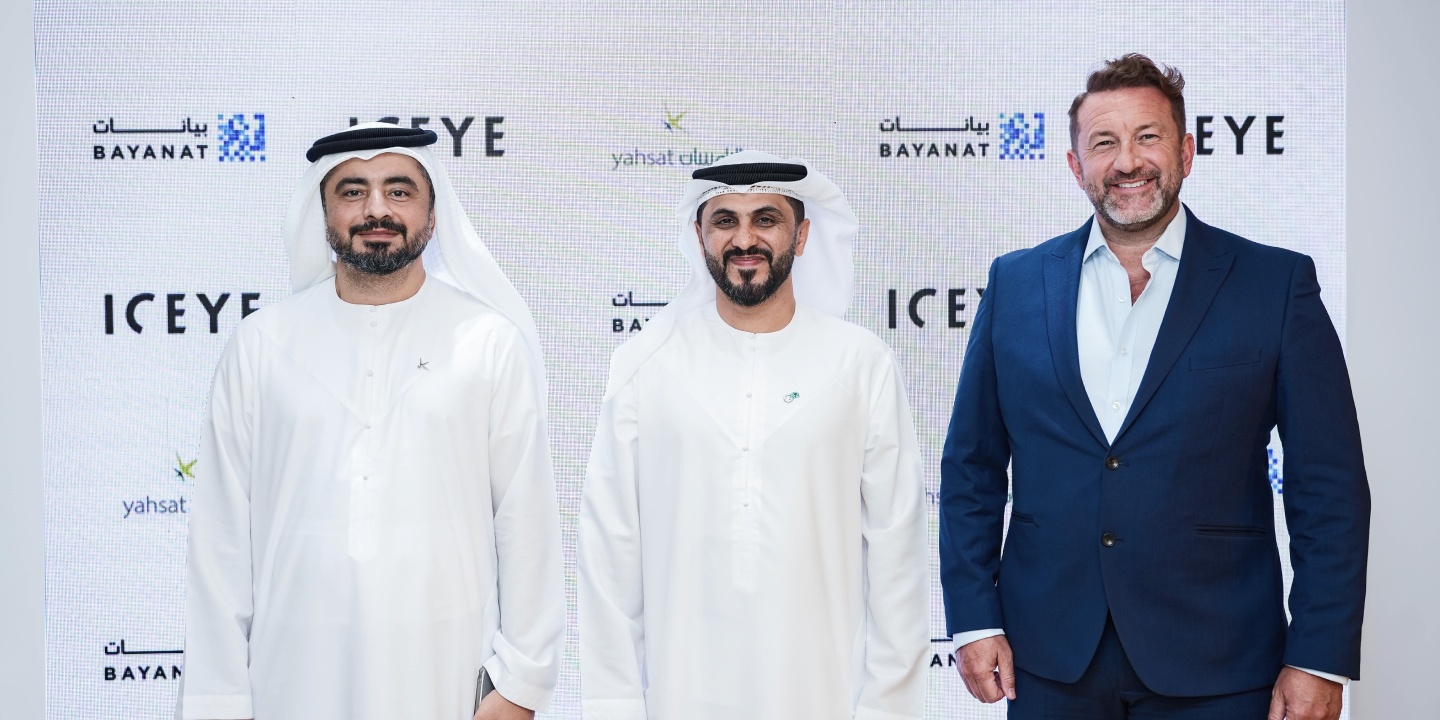
Bayanat, a prominent geospatial data analytics firm, and Yahsat, a leading satellite communications provider, are poised to finalize their merger by next month. This strategic union aims to enhance service delivery across the Middle East and North Africa (MENA) region, leveraging each company’s strengths in data analytics and satellite technology.

The merger represents a significant consolidation in the geospatial and satellite sectors, allowing the combined entity to offer a more robust suite of services. By integrating Bayanat’s advanced analytics capabilities with Yahsat’s satellite infrastructure, the companies plan to provide innovative solutions tailored to a variety of sectors, including government, defense, telecommunications, and natural resources.

As part of the merger, the leadership teams of both companies have emphasized a shared vision of fostering technological advancements and promoting digital transformation. Bayanat’s expertise in big data analytics is expected to complement Yahsat’s satellite communication services, allowing for real-time data processing and improved decision-making for clients. The collaboration is expected to facilitate enhanced services such as remote sensing, location-based services, and real-time monitoring for clients across various industries.

The merger is also positioned as a response to the increasing demand for high-quality geospatial data and reliable communication solutions in the region. As businesses and governments seek to optimize operations and improve efficiency, the ability to access and analyze geospatial information has become more crucial. Yahsat’s satellite technology will enable the delivery of data in remote areas, ensuring that organizations can benefit from Bayanat’s analytical insights regardless of their geographic location.

With this merger, the companies aim to position themselves as market leaders in the geospatial intelligence and satellite communications space. Industry analysts anticipate that the combined entity will have a significant competitive edge over its rivals due to the synergies generated from their respective technologies and expertise.

The merger has been welcomed by various stakeholders, including government entities that recognize the potential benefits of improved data services and satellite connectivity. This union aligns with broader governmental strategies focused on enhancing technological capabilities within the region. By improving access to data-driven insights, the merger is expected to support national initiatives in various sectors, from urban planning to disaster management.

Yahsat, which has been expanding its operations since its inception in 2007, has established itself as a leader in satellite communication, offering services that span the globe. The company operates multiple satellites and has formed strategic partnerships to enhance its service offerings. Bayanat, a subsidiary of the Abu Dhabi-based Group 42, specializes in AI-driven analytics, offering advanced solutions that harness big data for actionable insights. This merger marks a new chapter in both companies’ histories, combining their respective strengths to create a formidable entity in the tech landscape.

The merger has also sparked discussions regarding the future of the satellite and geospatial sectors within the MENA region. Experts highlight the importance of such consolidations in driving innovation and enhancing service delivery. As the demand for data services continues to grow, companies that can effectively integrate technology and analytics will be better positioned to meet market needs.

Looking ahead, the combined resources of Bayanat and Yahsat are expected to accelerate research and development initiatives. Both companies have indicated plans to invest in new technologies that enhance their service capabilities, focusing on next-generation satellite technologies and advanced analytical tools. This emphasis on innovation is crucial in a rapidly evolving market where clients increasingly expect sophisticated solutions.

In addition to enhancing their technological capabilities, the merger is anticipated to have significant implications for the regional job market. As the combined entity grows, it is expected to create new employment opportunities in tech development, project management, and customer support. This aligns with broader economic goals within the UAE to foster job creation in high-tech industries.

The merger has also raised questions about regulatory considerations, as the consolidation of two major players in the geospatial and satellite sectors may draw scrutiny from regulatory bodies. Ensuring compliance with local and international regulations will be essential for the newly formed entity as it seeks to navigate the complexities of the market.

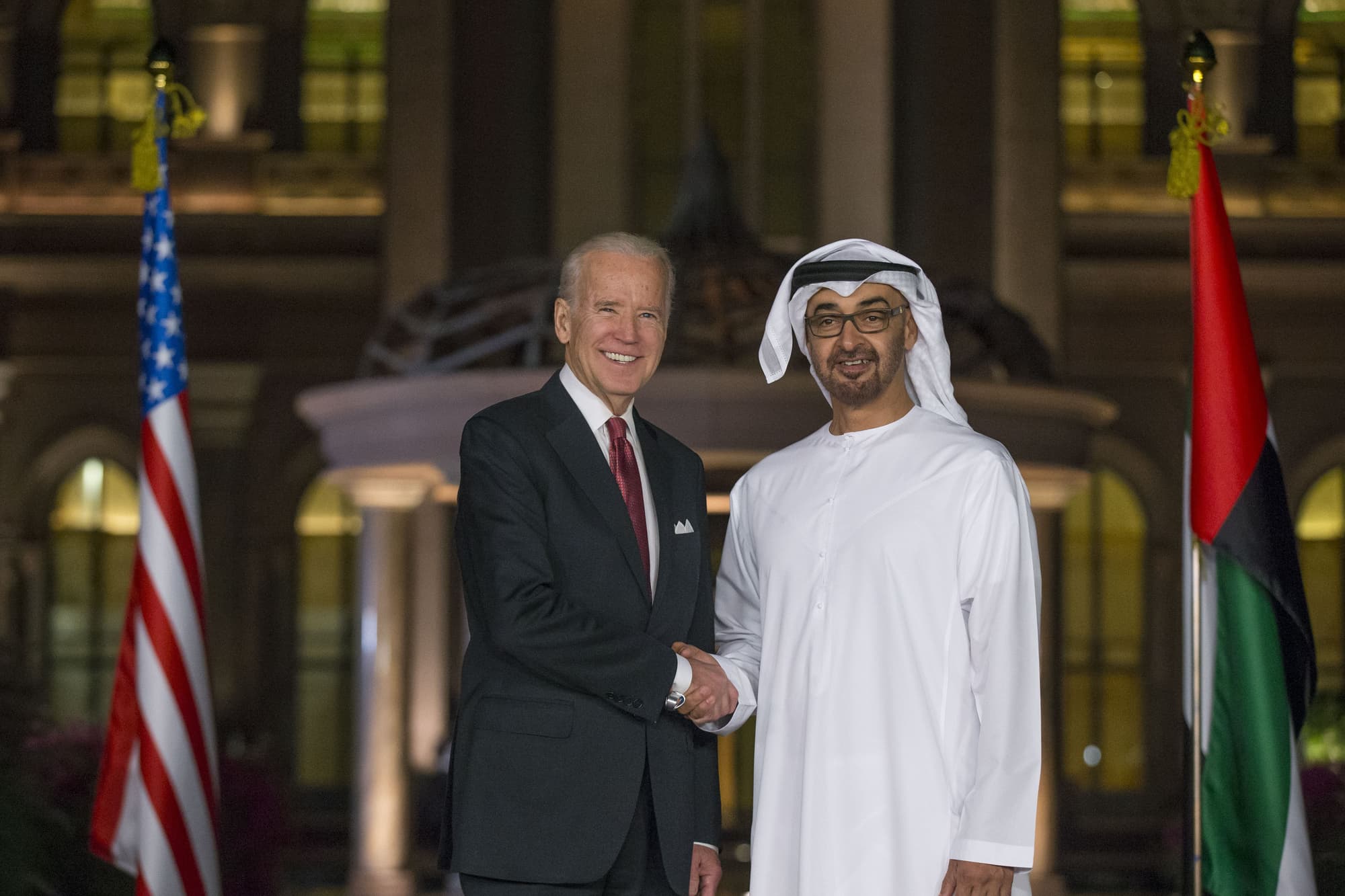
President Joe Biden has officially designated the United Arab Emirates as a major defense partner of the United States, solidifying the nation’s strategic role in the region. This move comes shortly after a similar designation was awarded to India, underscoring Washington’s efforts to build stronger alliances with Gulf and South Asian powers in the face of shifting global security dynamics. The announcement marks a significant step in US-UAE relations, enhancing defense cooperation and reaffirming the UAE’s importance in American military strategy.

The decision highlights the UAE’s evolving role as a critical player in regional security. With this designation, the UAE joins a select group of countries that enjoy preferential treatment when it comes to military cooperation with the United States. The relationship allows for greater access to advanced defense technology, streamlined military sales processes, and deeper intelligence collaboration. These developments come amid ongoing efforts by the US to recalibrate its security commitments in the Middle East, pivoting towards nations capable of contributing more significantly to their own defense.

Biden’s formal recognition of the UAE as a defense partner builds on decades of close military ties between the two nations. The UAE has long been a hub for US military operations in the region, hosting troops and serving as a staging ground for operations in neighboring conflict zones. The move is also seen as part of Washington’s broader strategy to reinforce its influence in the Gulf, where rising geopolitical tensions and the involvement of foreign powers like Russia and China continue to shape the security landscape.

For the UAE, this designation is not merely symbolic. It solidifies the nation’s status as a regional security leader and elevates its position on the global stage. It also provides the UAE with more direct access to sophisticated US defense systems, which will be critical in enhancing its defense capabilities amidst growing concerns over missile threats and other regional challenges. The UAE has long sought to upgrade its military arsenal, focusing on cutting-edge technology such as advanced fighter jets and missile defense systems. This new designation could accelerate these procurements, allowing for a faster, more seamless process.

The US government has been increasingly focused on forging deeper security ties with countries it sees as vital to countering both state and non-state actors. The UAE has been a crucial partner in US-led efforts to combat terrorism and ensure maritime security in the Gulf, particularly through its involvement in anti-piracy and anti-smuggling operations. The nation’s strategic location and military infrastructure have made it an indispensable ally in addressing threats posed by extremist groups and hostile states in the region.

Meanwhile, this development coincides with broader geopolitical shifts, as the US grapples with its role in a multipolar world. The Biden administration’s defense policy has focused on reducing its military footprint in some traditional hotspots while doubling down on partnerships that bolster regional security autonomously. The designation of both the UAE and India as major defense partners reflects a recalibrated approach to ensuring stability through cooperation, rather than direct military involvement.

The strategic importance of the UAE extends beyond the Middle East. Its influence in Africa, Central Asia, and the Indian Ocean region makes it a key player in a wider arc of geopolitical interests. With major global powers vying for influence in the Middle East, Washington’s decision to deepen its defense ties with Abu Dhabi also signals its intention to counter growing Russian and Chinese influence. China’s Belt and Road Initiative and increasing arms sales to Gulf countries, including the UAE, are clear indicators that the region is a key battleground for global influence.

The UAE’s defense relationship with the United States has grown in complexity in recent years. The two nations have regularly conducted joint military exercises, and the UAE has made substantial purchases of US-made defense equipment, including F-16 fighter jets, missile defense systems, and advanced drones. More recently, the UAE has expressed interest in acquiring next-generation US fighter jets, including the F-35, as part of its efforts to enhance its military edge. The partnership also extends to counterterrorism operations, where the two nations collaborate closely in intelligence sharing and tactical support to neutralize extremist threats.

The decision to elevate the UAE’s status comes against the backdrop of broader regional realignments. The Abraham Accords, which normalized diplomatic relations between the UAE and Israel, have reshaped the strategic landscape of the Middle East, offering new opportunities for cooperation between key US allies. This trilateral relationship between the US, UAE, and Israel is likely to deepen in the defense sphere, with potential collaborations in areas like missile defense and cybersecurity.

At the same time, the UAE faces growing security concerns closer to home. The conflict in Yemen, where the UAE has been heavily involved, continues to pose risks to regional stability. Iranian-backed Houthi rebels have launched missile and drone attacks against UAE infrastructure, raising the stakes for Abu Dhabi’s defense posture. The new designation from Washington could pave the way for more robust US support in addressing such threats, with the potential for more advanced defense systems aimed at countering missile and drone attacks.

US defense experts have praised the move, calling it a logical step in strengthening bilateral ties with a trusted partner in the Gulf. They argue that bolstering the UAE’s defense capabilities is not only in the interest of regional stability but also aligns with the US strategy of building self-reliant regional security partners. The UAE’s growing military spending and its focus on modernizing its armed forces further bolster the case for Washington’s decision.

VISHNU RAJA
RYO YAMADA
HITORI GOTOH
IKUYO KITA