Just in:
Democrats capture Senate majority with seven Republican seats // ADIA and partners establish $1.4 billion aviation venture // Pinarayi faults UDF over mounting road crashes // Arrow Electronics showcases technologies advancing intelligent robotics, mobility and digital infrastructure // Oil and chip shares retreat after Democratic victories // OpenAI identifies 948 Linux privilege escalation flaws using AI // CR Longdation Aethereal Cybersecurity × Global Cybersecurity Alliance (GCSA) Join Hands to Establish the “AI and Cybersecurity Research Centre” // Ta’ziz finalises $1.39bn funding for Ruwais industrial facilities // SC to examine students’ exam plea today // Dubai boat show confirms international shipyard line-up for November // APT29-linked campaign exploits outdated Apple and Android software // AI trust gap reveals distinct retail priorities: Divergent paths to consumer growth in Hong Kong and the GBA // Fast Just Got Fastest: STING Energy Boost™ Celebrates Kimi Antonelli’s Formula 1® World Championship and the Fan Energy Behind It // Asia Left Behind: Ten international companies have yet to report delivering on their cage-free egg pledges across the region // Govt opposes Arlekar’s PSC action // Cyberport Venture & Capital Forum 2026 Grand Opening // Meraas showcases five residential zones at Dubai Design Week // xCube Access Welcomes Entrust Capital Limited  Expanding Access to Professional Portfolio Management // Anthropic to prohibit persistent abuse of Claude chatbot // Cloudflare unveils Zero Wire vulnerability intelligence service //

News related to
Tech

Gold reached an all-time high of $3,432.77 per ounce in April 2025. The climb has been steady, underpinned by sustained demand and fundamental global shifts. The next milestone, $5,000, is firmly in sight, I believe. Capital is realigning. Central banks, institutions, and private investors are adjusting their positioning in response to clear macro realities: weakening currencies, structural inflation, declining real yields, and geopolitical instability. In this environment, […]

HANGZHOU, CHINA – Media OutReach Newswire – 30 April 2025 – From April 23 to 25, the Third UNESCO High-Level Forum for Museums was held in Hangzhou. Gathering over 190 museum directors, experts, and institutional representatives from more than 60 countries and regions around the world, the forum focused on in-depth discussions around key topics, including “The Evolution and Transformative Role of Museums”, “The Application of Digital […]

SINGAPORE – Media OutReach Newswire – 30 April 2025 – Coda, a leader in digital content monetization, today released its inaugural Environmental, Social, and Governance (ESG) Report, detailing its commitment to sustainable growth, responsible operations, and creating long-term value for its stakeholders. The report details its ESG commitments and progress to-date across three business-critical areas that align with the broader fintech and payments industry’s focus. They are […]

By K Raveendran Trump’s aggressive tariff war with China – built on a throwback protectionist logic more suited to the 1800s than today’s intertwined economy – has driven Chinese firms to redeploy their strategies. Major Chinese exporters, now facing punitive U.S. tariffs as high as 145 percent, are desperately seeking other markets and partners. Chinese […]

Telegram has partnered with Libre to tokenize $500 million worth of bonds, marking a significant step in the integration of traditional financial instruments with blockchain technology. This collaboration is set to bring Telegram’s bond offerings onto The Open Network , a blockchain designed to enable scalable and fast transactions. The move represents a noteworthy expansion of Telegram’s efforts to bridge the gap between conventional finance and decentralised finance .

The Telegram Bond Fund will serve as a platform through which these tokenized assets can be utilised within DeFi protocols. This integration allows the bonds, typically constrained to traditional markets, to become part of the rapidly growing blockchain-based financial ecosystem. By leveraging the TON network, Telegram and Libre aim to make bond trading more accessible, transparent, and efficient, tapping into the growing demand for tokenised assets in the DeFi space.

The use of blockchain technology for tokenizing bonds allows for fractional ownership, providing an opportunity for retail investors to participate in markets traditionally dominated by institutional investors. Blockchain’s inherent security and transparency features are expected to provide an additional layer of trust and legitimacy to bond markets. Investors will be able to trade these tokenized bonds with greater speed and efficiency compared to conventional methods, which often involve lengthy settlement times and high fees.

The Telegram Bond Fund’s tokenisation process will employ the TON blockchain to ensure a seamless transfer of digital assets. This process allows for bonds to be divided into smaller units, or tokens, which can be traded and transferred across the TON network. Each token will represent a share in the underlying bond, enabling investors to buy, sell, or hold them as they would any other digital asset. This could have profound implications for both the bond market and the broader DeFi space, which has long sought to integrate more traditional financial products into its decentralised framework.

For Telegram, the move is a strategic effort to expand its financial ecosystem beyond its messaging platform. Telegram has already introduced several innovative features, including its TON-based cryptocurrency wallet and TON coin. By introducing tokenised bonds, Telegram is broadening its financial services, positioning itself as a key player in the intersection of social media, messaging, and decentralised finance. The platform’s large user base offers a unique advantage, providing instant access to millions of potential investors who may be drawn to the ease of using Telegram for both social communication and financial transactions.

Libre’s role in the partnership is crucial, as it will facilitate the actual process of tokenisation and integration with DeFi protocols. The company has built its reputation by bridging traditional finance with blockchain technology, creating platforms that allow traditional assets to be digitised and traded on decentralised networks. Libre’s expertise in this area will enable the successful launch and operation of the Telegram Bond Fund, ensuring that the tokenised bonds adhere to the necessary legal and regulatory standards.

The integration of tokenised bonds into DeFi protocols opens up new possibilities for yield generation and liquidity provision. Investors will not only be able to buy and hold these digital bonds, but also engage in activities such as staking or lending within the TON network’s decentralised finance protocols. This could provide an additional avenue for users to earn returns on their investments, further increasing the appeal of tokenised bonds in the DeFi space.

As blockchain technology continues to mature, tokenisation of traditional assets like bonds is becoming increasingly common. This trend reflects a broader movement towards digitising traditional financial systems to make them more accessible, efficient, and user-friendly. For years, the potential for blockchain to revolutionise financial markets has been discussed, but the adoption of tokenisation is now gaining significant traction, with many believing that the future of finance lies in decentralised networks and digital assets.

Telegram’s entry into the bond tokenisation space is another step towards fulfilling this vision, making it possible for individuals to participate in financial markets in ways that were previously unavailable. It also signals the increasing importance of platforms like TON, which offer an infrastructure capable of supporting large-scale tokenisation projects. With the backing of a messaging platform as influential as Telegram, the success of this venture could pave the way for more established financial institutions to consider similar integrations with blockchain networks.

The regulatory landscape surrounding tokenisation remains a complex issue. While blockchain technology offers many advantages, including transparency and decentralisation, it also presents challenges in terms of legal compliance, especially when it comes to securities laws. However, Telegram’s entry into this market, along with the legal oversight provided by Libre, suggests that the project is designed to meet regulatory requirements, which may help alleviate concerns about the legality and legitimacy of tokenised bonds.

Enabling customers to make better informed sustainability and business decisions 14 environmental data attributes now covering 70% of product turnover HONG KONG SAR – Media OutReach Newswire – 30 April 2025 – Schneider Electric, the leader in the digital transformation of energy management and automation, has launched its Environmental Data Program. This initiative, which builds on the legacy Green Premium label, provides customers with unique access to […]

flynas has entered into an agreement with Safran to outfit its upcoming fleet of 60 Airbus A320neo aircraft with the latest-generation Z200 seats. The memorandum of understanding was formalised during the Arabian Travel Market in Dubai, with deliveries scheduled to commence in the latter half of 2025.

Each aircraft will feature a 174-seat configuration, comprising both Economy and Premium class sections. The Premium section, spanning four rows at the front of the cabin, will offer enhanced passenger comfort with wider seat pitch, adjustable headrests, and a middle seat blocker to provide additional personal space. The Economy class will be equipped with seats designed for medium- to long-haul flights, incorporating features such as smart cushions, portable electronic device holders, dual USB-A and USB-C power ports with 60W output, lower literature pockets, coat hooks, and cup holders.

Bander Almohanna, CEO of flynas, highlighted that this collaboration aligns with the airline’s expansion strategy, which aims to connect Saudi Arabia with 250 international destinations, accommodate 330 million passengers, and host 100 million tourists annually by 2030. He stated that the partnership with Safran is instrumental in reimagining flynas’ future cabins with smart design and advanced technologies, offering passengers a unique and comfortable travel experience.

Quentin Munier, Executive Vice President of Safran Seats France, expressed enthusiasm about the collaboration, noting that this marks Safran’s first partnership with flynas. He emphasized that the Z200 seats are designed to deliver benefits for both passengers and operators, enhancing comfort and operational efficiency.

Advertisements

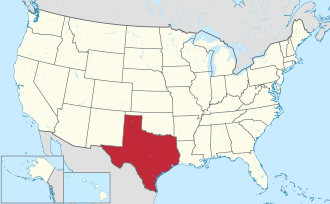
A federal judge in Texas has ruled that the U.S. Treasury Department’s Office of Foreign Assets Control acted beyond its legal authority when it sanctioned the cryptocurrency mixer Tornado Cash, permanently barring the agency from reimposing such sanctions.

Judge Robert Pitman of the U.S. District Court for the Western District of Texas issued the decision on April 28, stating that OFAC’s designation of Tornado Cash’s smart contracts in August 2022 exceeded the agency’s statutory powers. The court’s ruling follows OFAC’s earlier action on March 21, 2025, when it officially removed Tornado Cash from its Specially Designated Nationals and Blocked Persons List, effectively lifting the sanctions.

The sanctions had been imposed on Tornado Cash for allegedly facilitating the laundering of over $7 billion in virtual currencies, including funds stolen by North Korea’s Lazarus Group. However, the court found that OFAC’s action against the platform’s autonomous smart contracts was not supported by the International Emergency Economic Powers Act , which governs the agency’s sanctioning authority.

In November 2024, the U.S. Court of Appeals for the Fifth Circuit had already determined that OFAC had overstepped its authority by sanctioning Tornado Cash’s immutable smart contracts, which do not qualify as “property” under federal law. This appellate decision laid the groundwork for the Texas district court’s subsequent ruling, which emphasized that OFAC cannot reimpose sanctions on Tornado Cash in the future.

Despite the lifting of sanctions, the legal challenges for Tornado Cash’s developers persist. Roman Storm and Roman Semenov, co-founders of the platform, were indicted in August 2023 by the U.S. Department of Justice on charges including conspiracy to commit money laundering, conspiracy to operate an unlicensed money transmitting business, and conspiracy to violate the IEEPA. The DOJ alleges that Tornado Cash was used to launder more than $1 billion in criminal proceeds, including hundreds of millions of dollars for the Lazarus Group.

Roman Storm was arrested in Washington State and is currently awaiting trial, scheduled for July 2025. Roman Semenov remains at large and has been added to OFAC’s sanctions list. Additionally, Alexey Pertsev, another developer associated with Tornado Cash, was arrested in the Netherlands in August 2022 and was sentenced in May 2024 to five years and four months in prison for money laundering.

The court’s decision has significant implications for the regulation of decentralized technologies. By ruling that OFAC cannot sanction autonomous smart contracts, the judgment underscores the challenges regulators face in applying traditional legal frameworks to decentralized platforms that operate without centralized control.

MACAU SAR – Media OutReach Newswire – 30 April 2025 – In celebration of the 30th anniversary of diplomatic relations between China and Monaco, Galaxy Macau™ proudly presents the “Galaxy Music Gala: A Musical Journey from Monaco to Macau“. On May 21. This prestigious evening of classical music celebrates the deepening friendship between China and Monaco over the years with musical charm, further promoting exchanges and cooperation […]

Jollibee Group remains the sole Philippine-based company to be recognized by the prestigious award MANILA, PHILIPPINES – Media OutReach Newswire – 29 April 2025 – The Jollibee Group, one of the world’s fastest-growing restaurant companies, has once again been recognized for its commitment to fostering a joyful workplace culture. For the fourth time, the company has received the Gallup Exceptional Workplace Award (GEWA)—a prestigious global recognition given […]

Kazakhstan’s oil production from April 1 to 28 reached 1.814 million barrels per day , exceeding its OPEC+ quota of 1.473 million bpd by over 340,000 bpd, despite a 3% decline from March’s average. This overproduction continues a pattern observed in previous months, with March’s output at 1.8 million bpd, surpassing the quota by 332,000 bpd. The Chevron-led Tengiz oilfield, Kazakhstan’s largest, has been a significant contributor […]

A recent and highly sophisticated phishing campaign has exposed a critical vulnerability within Google’s infrastructure, placing Gmail users at significant risk. The attack, identified by Nick Johnson, lead developer of the Ethereum Name Service , demonstrates how cybercriminals can exploit Google’s own systems to deliver deceptive emails that appear to originate from legitimate Google sources. Johnson received an email that seemed to be a standard security alert […]

Reimagining collaborative approaches to silver economy with government, businesses and social enterprises HONG KONG SAR – Media OutReach Newswire – 29 April 2025 – As Hong Kong and other cities in the Greater Bay Area face challenges brought by an ageing population, DBS Foundation (“DBSF”) believes that a senior-friendly community can be a powerful driver for innovation and economic growth. DBSF today hosts its first-ever “GBA Impact […]

China International Capital Corp. is intensifying efforts to expand its presence beyond mainland China by establishing a new branch in Dubai and deepening its foothold in Southeast Asia, as global demand for cross-border financial services continues to grow. The Beijing-based investment bank, recognised as one of the country’s most influential financial institutions, is preparing to open a new branch in the Gulf city to cater to sovereign […]

DXC Technology has launched its new AI Workbench, designed to help businesses across various industries deploy artificial intelligence at scale. The platform, a pre-built and scalable solution, aims to accelerate AI adoption and facilitate quicker and more efficient solutions to complex business challenges. Ferrovial, the Spanish multinational infrastructure company, is the first major client to utilise this cutting-edge tool. The AI Workbench is an advanced platform that […]

Loan Assets Reach a Record High of HK$3.13 billion Customer Deposits Have Significant Growth of 74% Net Interest Income Surged 70% to over HK$130 million In 2024, PAObank achieved outstanding performance across key operational indicators, with net interest income increasing significantly by 70% year-on-year to over HK$130 million. Dedicated to empowering SMEs, PAObank remains committed to supporting their upgrade and transformation. In 2024, total loans and advances […]

Brazil has made significant strides in modernising its air cargo industry by becoming the first country in the Americas to adopt the electronic air waybill system. This shift marks a critical milestone in the global movement towards digitalisation in air freight, allowing Brazil to enhance its competitiveness in the sector while reducing operational costs. By waving the requirement for a physical air waybill, Brazil has streamlined its logistics, supporting broader efforts to foster a more efficient and environmentally friendly global supply chain.

The International Air Transport Association has hailed the move, noting that Brazil’s embrace of the eAWB is a crucial step towards the modernisation of air cargo processes. The eAWB, a fully digital version of the traditional paper-based air waybill, has already been adopted by many countries, but Brazil’s decision to implement the system nationwide positions it as a leader in the Americas. According to IATA, this adoption will not only reduce administrative costs but will also pave the way for increased speed, accuracy, and transparency in international shipping.

IATA’s Director General, Willie Walsh, stated that the digital transformation in Brazil is a testament to the growing demand for seamless, paperless operations in air cargo. By implementing the eAWB, Brazil is not only improving its own air cargo logistics but also setting a precedent for other countries in the region. “This marks a milestone in the sector’s journey towards full digitalisation, and Brazil’s leadership will inspire other nations to follow suit,” he added.

The move is part of a broader trend within the global logistics sector, where the push towards paperless systems and automation has gained momentum in recent years. Globally, the air cargo industry has faced rising demands for speed and efficiency, with digital tools like eAWB becoming essential for meeting these expectations. The switch from paper to digital air waybills reduces delays and the risk of errors that come with handling physical documents, which often contribute to bottlenecks in shipping operations.

The shift to digital documentation aligns with sustainability goals by significantly cutting down on paper use. The air cargo industry has long been criticised for its environmental impact, and digitalisation is seen as a key way to mitigate some of this damage. By reducing the need for paper air waybills, the industry will also lower its carbon footprint, contributing to global sustainability efforts.

Brazil’s adoption of the eAWB will also have direct benefits for its logistics and transportation sectors. The country’s position as one of the largest economies in South America means that its decision could reverberate throughout the region, with neighbouring countries likely to follow Brazil’s lead. According to analysts, Brazil’s air cargo market is expected to grow as it becomes more digitally connected, enhancing its ability to tap into international markets with greater ease.

The change will also have a profound impact on airlines operating in Brazil, including major players like LATAM Airlines and Gol Linhas Aéreas. Airlines will benefit from the adoption of the eAWB through lower operational costs and reduced complexity in cargo handling. As air cargo services become increasingly reliant on technology, carriers that adopt digital solutions will be better equipped to offer competitive, efficient services.

However, the transition to the eAWB system is not without its challenges. Although it offers numerous advantages, the full integration of eAWB requires significant investment in both infrastructure and training. The eAWB system is not just a technological change, but also a cultural one, as it requires all stakeholders in the air cargo ecosystem – including customs authorities, freight forwarders, and ground handling agents – to embrace digital practices. While Brazil’s government and industry leaders are committed to making the shift, the success of the transition will depend on the widespread adoption of digital tools across the sector.

The implementation of the eAWB highlights the importance of collaboration between public and private sector stakeholders. Brazil’s aviation authority, ANAC , has worked closely with airlines, freight forwarders, and IATA to ensure the smooth roll-out of the system. This partnership has been instrumental in overcoming the technical and logistical challenges associated with the transition.

As more countries in the Americas and beyond look towards digitalisation, Brazil’s move could serve as a model for other nations. The country’s efforts to modernise air cargo operations could inspire governments and industry players in other regions to adopt similar digital solutions. Latin American countries, in particular, are expected to benefit from Brazil’s leadership, as the continent seeks to bolster its air cargo capabilities.

International businesses that rely on air freight will also benefit from Brazil’s move towards digitalisation. The streamlined, paperless process reduces the time spent on paperwork and improves the accuracy of shipments, which will ultimately lead to faster, more reliable deliveries. For companies looking to expand in Latin America, this development presents an opportunity to tap into a more efficient and digitally connected market.

Etihad Airways is edging towards a decision on its much-anticipated initial public offering, with CEO Antonoaldo Neves indicating that the final call rests with the airline’s shareholder. Market speculation suggests that a formal announcement could arrive within this quarter, although the carrier has yet to confirm any official timeline.

Speaking during the Arabian Travel Market conference in Dubai, Neves reaffirmed Etihad’s commitment to a progressive expansion plan, despite persistent headwinds from global economic volatility, including US tariff pressures and fluctuating oil prices. He emphasised that while discussions around a potential listing are gaining momentum, the ultimate decision lies with the shareholder, Abu Dhabi’s state-backed holding company ADQ.

Market interest surrounding Etihad’s IPO ambitions has grown steadily over the past months, fuelled by the airline’s strong operational turnaround and ambitious future plans. Etihad reported a return to profitability in 2023, with a net profit of $143 million, reversing years of accumulated losses and restructuring challenges. The carrier’s sharp focus on operational efficiency, route network optimisation, and sustainability initiatives have been cited as key drivers behind its improved performance.

The $7 billion fleet investment programme, announced last year, underscores Etihad’s broader ambitions. Under the plan, the airline aims to double its fleet size to around 150 aircraft by the end of the decade. Neves reiterated at the conference that the expansion is designed to position Etihad as a leading global connector, with new long-haul routes to key growth markets across Asia, Africa, and Europe already in the pipeline.

Industry analysts suggest that the timing of a potential IPO would be critical, given the volatile backdrop of global markets. Aviation stocks have shown mixed performance this year, influenced by concerns over rising fuel costs, geopolitical tensions, and evolving travel demand patterns. Nevertheless, Abu Dhabi’s broader economic diversification strategy, coupled with increasing investor appetite for exposure to the Middle East’s aviation sector, provides a favourable context for Etihad’s market debut.

Etihad’s prospective IPO would follow the path set by other regional carriers such as Dubai’s Dnata Group-linked entities and Saudi Arabia’s flynas, which have either listed or are exploring listing options to tap into investor enthusiasm and raise growth capital. However, Neves made it clear that the airline’s current focus remains on executing its five-year strategy, which includes boosting load factors, enhancing customer service innovation, and advancing sustainability initiatives aimed at achieving net-zero emissions by 2050.

Over the past year, Etihad has embarked on a series of strategic partnerships and codeshare agreements with airlines such as Air France-KLM, offering it greater network reach without significantly adding to operational costs. The airline has also invested in next-generation fuel-efficient aircraft, such as the Boeing 787 Dreamliner and the Airbus A350, aligning with its green aviation objectives. These moves have not only improved the airline’s environmental credentials but have also enhanced its cost competitiveness in an increasingly price-sensitive market.

Neves’ leadership has been widely credited for steering the airline through a transformative phase, characterised by prudent financial management and targeted growth. Before joining Etihad, he served as CEO of TAP Air Portugal, where he oversaw a significant restructuring programme that returned the airline to profitability. His experience in navigating complex corporate environments has positioned him well to lead Etihad into its next phase of development, including the potential leap into public markets.

While Neves refrained from giving any concrete details about the potential size or structure of an IPO, market experts speculate that Etihad could aim for a multi-billion-dollar valuation, given its strategic importance to Abu Dhabi’s economy and the airline’s growing operational metrics. Any public offering is expected to attract significant regional and international investor interest, particularly among funds focused on infrastructure, aviation, and emerging markets.

Etihad’s evolution reflects broader shifts underway across the Gulf’s aviation sector, where legacy carriers are reorienting themselves to compete in a post-pandemic world marked by changing travel patterns, heightened sustainability pressures, and new technological disruptions. The Middle East remains a pivotal aviation hub, with Abu Dhabi investing heavily in airport infrastructure upgrades and tourism promotion to bolster its global standing.

Beyond its immediate IPO ambitions, Etihad continues to refine its customer experience offering, rolling out new premium cabin products and digital enhancements aimed at differentiating the brand in a crowded market. The airline’s loyalty programme, Etihad Guest, has also been expanded through a series of partnerships with financial institutions, retail brands, and travel service providers, adding new revenue streams and deepening customer engagement.

Although no definitive IPO timeline has been announced, analysts maintain that Etihad’s fundamentals, combined with the supportive regulatory and economic backdrop in the United Arab Emirates, create a strong foundation for a successful listing when the decision is ultimately made. Abu Dhabi’s increasing emphasis on privatisation and public-private partnerships signals a strategic shift aimed at unlocking value from key state-owned assets, with Etihad poised to be a potential flagship offering in this broader economic transformation.

As speculation builds, market participants are closely watching for signals from ADQ, whose growing portfolio of publicly listed companies reflects an ambitious strategy of capital market development and diversification. The shareholder’s decision on Etihad’s IPO will not only impact the airline’s future trajectory but also serve as a key indicator of Abu Dhabi’s evolving approach to strategic asset management.

Neves’ remarks at the Arabian Travel Market have reignited interest and speculation across industry circles and financial markets alike. His assurance that the airline is forging ahead with its aggressive expansion blueprint, even amid external challenges, suggests that Etihad is carefully laying the groundwork for a sustainable and prosperous future, whether as a privately held entity or as a publicly traded airline.

A widespread power outage disrupted large sections of Spain and Portugal, causing significant interruptions across both countries and prompting an urgent response from national electricity operators. E-Redes, which oversees grid monitoring in Spain, announced it was actively working to restore connections in stages as authorities grappled with the scale of the disruption. The blackout affected major cities including Madrid, Barcelona, Lisbon, and Porto, with local reports indicating […]

Driverless transport options are gaining ground in Abu Dhabi as authorities move to widen the reach of RoboTaxi services across the emirate. The Integrated Transport Centre, operating under Abu Dhabi Mobility, confirmed the expansion of autonomous taxi trials through a strategic collaboration with Autogo, an advanced autonomous mobility solutions provider, and Apollo Go, Baidu’s self-driving platform.

Abu Dhabi Mobility stated that the expansion marks a significant step towards integrating autonomous vehicles into everyday life, with an emphasis on both safety and sustainability. The project is part of the broader Smart Mobility strategy aimed at reducing carbon emissions and improving transport efficiency. This move follows initial successful trials on Yas Island, where RoboTaxis operated under controlled conditions to collect performance and safety data.

The latest phase extends the autonomous taxi service to additional urban areas within Abu Dhabi, including Saadiyat Island and parts of Al Reem Island. Passengers can now hail RoboTaxis through dedicated mobile applications, with the service designed to offer round-the-clock operations. The vehicles are equipped with Level 4 autonomy, meaning they can perform all driving tasks within defined operational areas without human intervention, although a safety operator remains onboard during trials as a precautionary measure.

Autogo and Apollo Go are deploying an updated fleet fitted with enhanced sensor arrays, including lidar, radar, and high-resolution cameras. These vehicles are capable of detecting and responding to complex traffic scenarios, such as pedestrian crossings, cyclist movements, and emergency vehicle prioritisation. Abu Dhabi authorities have indicated that full commercial operations are anticipated once regulatory frameworks are fully established and trial benchmarks are consistently met.

Demand for autonomous mobility services in the emirate has been steadily growing, driven by factors such as urbanisation, digitalisation, and a young, tech-savvy population open to adopting innovative transport modes. Global consultancy reports predict that the Middle East’s autonomous vehicle market will grow significantly over the next decade, with Abu Dhabi positioned to lead regional adoption given its early investment in smart city technologies.

Abu Dhabi’s Department of Municipalities and Transport, which oversees the Integrated Transport Centre, has reiterated its commitment to fostering a regulatory environment that prioritises safety while encouraging innovation. Current trials are being closely monitored, with data analytics playing a key role in assessing vehicle performance, user acceptance, and integration with traditional traffic systems.

Autogo’s Chief Executive Officer, Wang Yu, emphasised the importance of international collaboration in accelerating the adoption of autonomous technologies. Speaking at a media briefing, Yu said the partnership with Abu Dhabi Mobility was a model for how governments and technology firms could work together to bring transformative transport solutions to market. Baidu’s Apollo Go division echoed these sentiments, noting that Abu Dhabi offered favourable infrastructure conditions for high-level autonomous driving trials.

The RoboTaxi initiative forms part of Abu Dhabi’s larger plan to diversify its economy and reduce dependence on oil revenues by investing heavily in technology, innovation, and sustainable infrastructure. The expansion of the service is also aligned with the UAE’s Net Zero 2050 strategy, which targets a significant reduction in greenhouse gas emissions through a variety of initiatives, including sustainable transport solutions.

While the adoption of autonomous vehicles in Abu Dhabi has been largely welcomed, industry experts caution that challenges remain. Public trust in self-driving technology is still developing, and authorities are working to address concerns through extensive safety demonstrations, public education campaigns, and transparent data sharing. Insurance and liability frameworks are also under review, as current models must adapt to scenarios where vehicles, rather than drivers, are responsible for road incidents.

Meanwhile, competition in the global autonomous vehicle sector is intensifying. Companies such as Waymo, Cruise, and Motional have made substantial progress in cities across the United States, while Asian markets like China and Japan are moving rapidly towards large-scale RoboTaxi deployment. Abu Dhabi’s proactive approach is aimed at positioning the emirate as a leader not only regionally but also on the global stage of autonomous mobility.

Recent deployments by Apollo Go in other territories, including parts of China’s first-tier cities, have demonstrated the scalability of the technology, offering encouraging prospects for Abu Dhabi’s ambitions. Autogo’s track record in delivering commercial-scale deployments in international markets has further strengthened confidence in the success of the partnership.

The trial expansion also includes provisions for enhanced accessibility, with the vehicles designed to accommodate passengers with limited mobility. Special features such as lower step-in heights, automatic ramps, and voice-activated controls have been integrated to ensure inclusivity. Abu Dhabi Mobility confirmed that these considerations were central to the service’s design ethos, aiming to create a transport system that is equitable and user-friendly for all demographics.

As the service expands, Abu Dhabi Mobility is engaging with stakeholders across sectors including urban planning, energy, and telecommunications to ensure that the infrastructure needed to support mass autonomous vehicle adoption is in place. This includes the development of smart intersections, 5G communication networks, and dedicated pickup and drop-off zones optimised for autonomous vehicle operations.

Technological advancements are expected to drive further enhancements to the RoboTaxi experience, with future iterations promising even greater vehicle-to-infrastructure communication capabilities and improved AI decision-making models. Engineers working on the trials are also studying the impact of local environmental conditions, such as extreme heat and sandstorms, on the performance of autonomous systems to tailor solutions specifically for the region.

Public sentiment around the RoboTaxi service has so far been largely positive, with early users praising the convenience and novelty of the experience. Authorities have stressed, however, that safety remains the overriding priority, with rigorous checks in place at every stage of service delivery. Plans are underway to gradually transition the RoboTaxi fleet from supervised to fully driverless operations once confidence in system reliability is firmly established.

Abu Dhabi’s vision for a technology-driven future is steadily taking shape, with autonomous transport a key pillar in its broader innovation agenda. The expansion of the RoboTaxi service is being closely watched by global cities also exploring autonomous mobility solutions, underlining the emirate’s growing influence in shaping the next era of urban transportation.


SINGAPORE – Media OutReach Newswire – 29 April 2025 – The United Nations Development Programme (UNDP) and Trigger Asset Management (Trigger) have launched a landmark partnership aimed at unlocking capital and strengthening support for startups and businesses advancing the Sustainable Development Goals (SDGs). This collaboration brings together UNDP’s global innovation and finance expertise with Trigger’s strength in sustainable and scalable investment solutions. Led by UNDP’s Alternative Finance […]

Salesforce has introduced its autonomous AI platform, Agentforce, at GITEX Africa 2025 in Marrakech, Morocco, marking a significant advancement in customer relationship management technology. This launch underscores Salesforce’s commitment to integrating artificial intelligence into business operations across the African continent. -Powered, Data-Driven Customer Relationship Management – Voxafrica, Salesforce Soars at GITEX Africa: Unveiling Artificial Intelligence -Powered, Data-Driven Customer Relationship Management ) Agentforce is designed to enhance efficiency […]

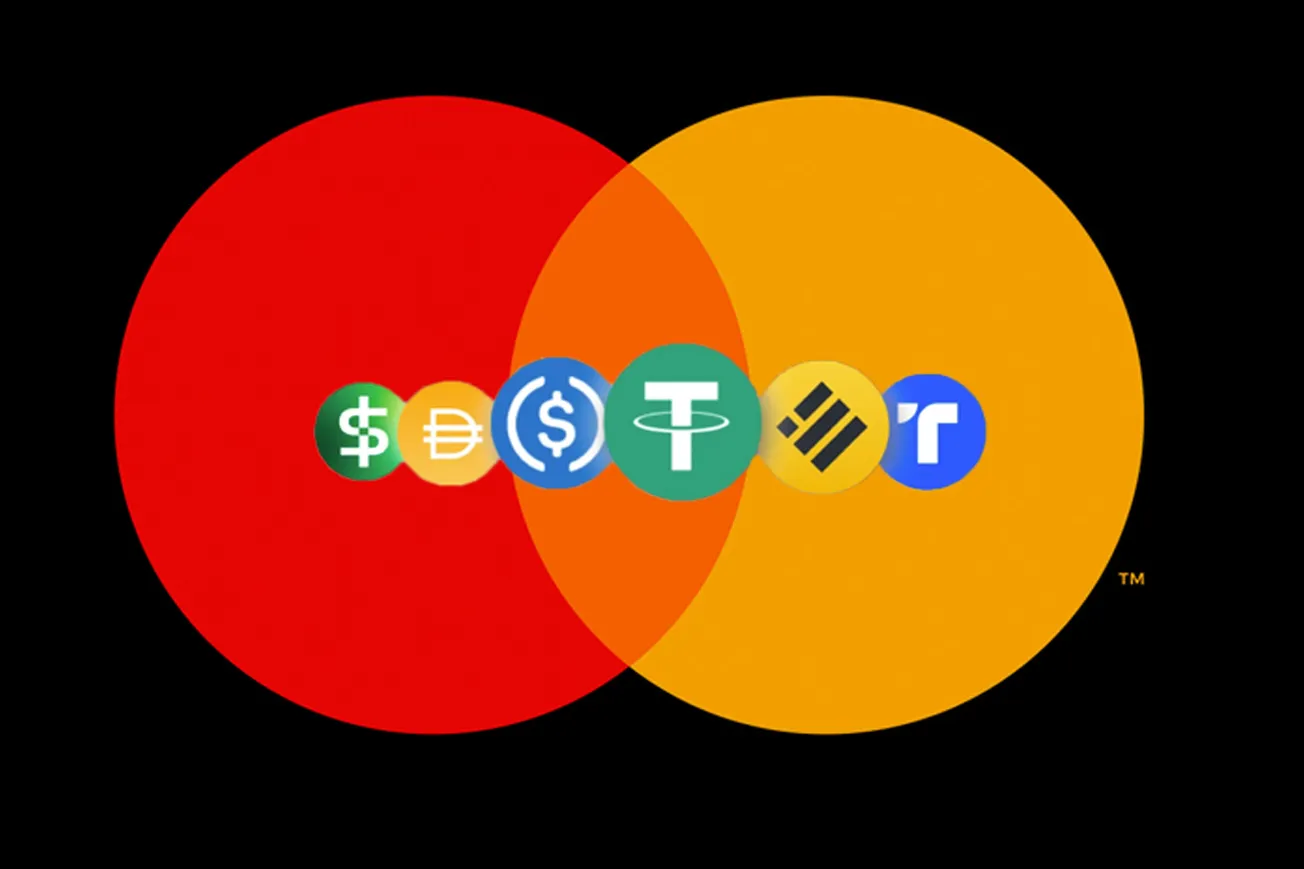
Mastercard has moved to expand its digital asset footprint by unveiling a stablecoin-powered global payment system that aims to bridge traditional finance with blockchain technology. The initiative incorporates wallet integration, card issuance, merchant settlement, and on-chain remittances, signalling a major endorsement for stablecoins within mainstream financial services.

The payments giant will partner with OKX to launch the OKX Card, offering users the ability to spend crypto assets seamlessly through Mastercard’s established infrastructure. The collaboration is positioned to provide cardholders with the option to convert their digital holdings into fiat currency at the point of sale, utilising USDC stablecoins to facilitate transactions in real time.

Mastercard’s broader collaboration also includes Circle, Nuvei, and Paxos, three key players in the stablecoin and blockchain space. The strategy centres on enabling direct merchant settlement using stablecoins, starting with USDC. The move is expected to accelerate merchant acceptance of digital currencies by eliminating the need for fiat conversions and complex intermediary processes.

Raj Dhamodharan, Mastercard’s head of crypto and blockchain, stated that the company is building a “future-proof” payments ecosystem that integrates digital assets responsibly and securely. He emphasised that Mastercard’s framework would ensure compliance with existing regulations and uphold strong consumer protection measures while offering the benefits of blockchain efficiencies.

By embedding stablecoins into payment rails, Mastercard is seeking to address long-standing challenges that have limited wider adoption of digital currencies, including volatility, liquidity management, and interoperability between financial systems. Stablecoins, which are typically pegged to fiat currencies like the US dollar, offer price stability that traditional cryptocurrencies like Bitcoin do not, making them more suitable for everyday transactions.

The OKX Card is expected to launch initially in select markets, with expansion plans to follow based on regulatory approvals and market demand. OKX’s president Hong Fang described the partnership as a “game-changer” that will “empower millions to experience the future of payments today.” The card will allow users to link their crypto wallets directly and spend their digital assets without the need to manually convert them into fiat beforehand.

Mastercard’s collaboration with Circle is particularly noteworthy as Circle’s USDC stablecoin is widely regarded for its regulatory compliance and transparency. Circle CEO Jeremy Allaire welcomed the partnership, highlighting that direct merchant settlement in USDC would reduce transaction costs, enhance speed, and provide greater transparency across payment processes.

Nuvei and Paxos will contribute to strengthening the backend settlement capabilities. Nuvei, a global payment technology firm, brings extensive experience in integrating alternative payment methods for merchants, while Paxos, a regulated blockchain infrastructure platform, provides trusted stablecoin issuance and custody solutions.

This new framework comes at a time when global financial institutions are increasingly exploring digital currencies. The Bank for International Settlements reported an upsurge in central bank digital currency projects globally, with a growing focus on how stablecoins and blockchain could complement traditional payment systems rather than disrupt them.

Mastercard has been experimenting with blockchain and digital assets for several years, conducting pilot programmes with various crypto companies and financial institutions. The company’s partnership with the Reserve Bank of Australia and the Digital Finance Cooperative Research Centre on a central bank digital currency pilot was another key step illustrating its commitment to innovating responsibly within the space.

Mastercard’s stablecoin settlement model follows a successful pilot in Australia, where live transactions using USDC and Mastercard’s network proved the technical viability and regulatory feasibility of using stablecoins for real-world transactions. The pilot included collaboration with Cuscal and Mintable, showcasing the ability to settle card transactions directly on blockchain networks.

Through these developments, Mastercard appears to be positioning itself as a leader among traditional financial service providers seeking to integrate blockchain into their core offerings. This approach not only supports digital asset adoption but also builds bridges between traditional payment providers and emerging decentralised finance ecosystems.

Industry analysts note that Mastercard’s entry into stablecoin-powered payments could force other major payment processors to accelerate their blockchain strategies. Visa, which has been running its own stablecoin settlement pilots, will likely view Mastercard’s moves as a call to action to deepen its blockchain integration efforts to remain competitive.

There are challenges ahead, particularly regarding regulatory clarity. Stablecoins have come under increasing scrutiny from regulators concerned about financial stability, money laundering, and consumer protection risks. Mastercard has indicated that its stablecoin programme will operate within regulated frameworks, ensuring that only stablecoins backed by transparent and compliant reserves are included.

The initiative also highlights growing merchant interest in accepting digital currencies without bearing volatility risks. Direct stablecoin settlement allows merchants to receive payment in a stable asset without relying on third-party crypto-to-fiat conversion services, streamlining operations and reducing costs.

As stablecoins continue to evolve beyond speculative assets into functional financial tools, Mastercard’s system reflects an understanding that digital currencies must serve real-world use cases to achieve mainstream adoption. The company’s ability to integrate stablecoin technology with traditional card networks could significantly alter how digital assets are used in daily commerce.

Mastercard’s latest announcement also underlines a broader industry shift toward interoperability. By supporting transactions across multiple blockchain networks and integrating with different stablecoin issuers, Mastercard aims to create a unified ecosystem where users, merchants, and financial institutions can interact seamlessly across both traditional and digital finance landscapes.

Tether’s tokenised gold product, XAU₮, has reached a major milestone with over 7.7 tonnes of physical gold now backing the asset, pushing its market capitalisation to $770 million as of 28 April 2025. This development marks a significant expansion of Tether’s portfolio beyond its flagship stablecoin USDT and highlights growing investor interest in digital assets secured by tangible commodities.

XAU₮, which represents ownership of one troy ounce of gold held in Swiss vaults, has seen steady accumulation over the past year amid fluctuating economic conditions and shifting investor sentiment towards inflation-resistant assets. According to market data, the token’s supply growth has mirrored increasing demand for alternative stores of value as concerns around fiat currency stability and geopolitical tensions continue to drive diversification strategies.

Tether’s disclosure that XAU₮ is now underpinned by more than 7.7 metric tonnes of physical gold signals strengthened efforts by the company to reinforce confidence in its tokenisation products. Analysts observing this trend note that digital gold products have carved a distinct niche, combining the traditional appeal of precious metals with the technological advantages of blockchain systems, including faster settlement times and greater accessibility for a global investor base.

Paolo Ardoino, CEO of Tether, stated that the surge in XAU₮’s backing reflects broader demand for hybrid assets that bridge the gap between conventional wealth preservation tools and new digital financial infrastructure. He added that Tether remains committed to transparency and robust management practices as it expands its product suite.

Since its launch, XAU₮ has distinguished itself by providing a clear legal structure for ownership claims over specific gold bars, with serial numbers and weight details disclosed through regular attestations. This level of verification has been crucial in appealing to institutional participants who require clear regulatory and custodial assurances before engaging with tokenised assets.

The achievement of a $770 million market cap also places XAU₮ among the most substantial gold-backed cryptocurrencies in circulation, competing with platforms like Paxos Gold and Perth Mint Gold Token . However, Tether’s strong brand presence and expansive network have given XAU₮ a competitive edge in terms of liquidity and market penetration.

Gold itself has continued to perform as a relatively stable asset amid volatile equity markets, stubborn inflation in key economies, and unpredictable monetary policy shifts. As of late April, gold prices hovered around $2,350 per ounce, with analysts forecasting further strength if macroeconomic uncertainty persists. This backdrop has reinforced the appeal of tokenised gold products like XAU₮, especially for investors looking for easily tradable options without the logistical challenges of physical storage.

XAU₮ has also benefited from integration with major exchanges and decentralised finance platforms, allowing users to utilise tokenised gold in broader financial applications such as lending, borrowing, and yield farming. This flexibility contrasts with traditional gold investment avenues, which typically lack interoperability with modern financial tools.

Institutional interest has played a critical role in the token’s growth trajectory. Asset managers, family offices, and corporate treasuries have increasingly explored tokenised commodities as a way to diversify their holdings while maintaining exposure to traditional safe havens. The ability to transfer ownership efficiently and transparently across jurisdictions has further bolstered the attractiveness of XAU₮.

Tether has continually faced scrutiny over its reserve management practices, particularly regarding USDT. However, the company’s detailed disclosures regarding XAU₮’s physical gold reserves appear to have mitigated similar concerns for this product. Regular attestations by third-party auditors have provided additional layers of reassurance to stakeholders wary of opaque reserve practices.

The evolving regulatory environment for stablecoins and tokenised assets may also influence the trajectory of products like XAU₮. Jurisdictions such as the European Union, the United Arab Emirates, and Singapore have introduced or are in the process of finalising frameworks aimed at ensuring greater oversight and consumer protection within the digital asset space. These regulations are expected to encourage higher standards of reporting and reserve management among issuers, benefiting products that already maintain rigorous transparency protocols.

Market participants have observed that gold tokenisation is emerging as a sector with strong fundamentals, particularly as broader adoption of blockchain technology reshapes traditional financial services. XAU₮’s growth demonstrates that tokenisation is not limited to speculative assets but can extend to historically conservative sectors such as commodities.

While challenges remain — including regulatory uncertainty, technological security risks, and the need for robust custodial solutions — the success of Tether’s XAU₮ underscores a maturing digital asset market increasingly focused on quality, transparency, and tangible backing. Observers suggest that continued institutional adoption and technological advancements could position tokenised gold as a staple component of diversified digital portfolios.

VISHNU RAJA
RYO YAMADA
HITORI GOTOH
IKUYO KITA
Just in:
CR Longdation Aethereal Cybersecurity × Global Cybersecurity Alliance (GCSA) Join Hands to Establish the “AI and Cybersecurity Research Centre” // Asia Left Behind: Ten international companies have yet to report delivering on their cage-free egg pledges across the region // ADIA and partners establish $1.4 billion aviation venture // Meraas showcases five residential zones at Dubai Design Week // Cyberport Venture & Capital Forum 2026 Grand Opening // Ta’ziz finalises $1.39bn funding for Ruwais industrial facilities // U.S. Mid Term Result Is A Clear Verdict Against Trump’s Authoritarianism // Democrats capture Senate majority with seven Republican seats // Cloudflare unveils Zero Wire vulnerability intelligence service // AI trust gap reveals distinct retail priorities: Divergent paths to consumer growth in Hong Kong and the GBA // Anthropic to prohibit persistent abuse of Claude chatbot // Arrow Electronics showcases technologies advancing intelligent robotics, mobility and digital infrastructure // Fast Just Got Fastest: STING Energy Boost™ Celebrates Kimi Antonelli’s Formula 1® World Championship and the Fan Energy Behind It // After Reaching 7 Million Users in the Philippines, Skyro Launches Transparent Cash Loans in Malaysia // Pinarayi faults UDF over mounting road crashes // xCube Access Welcomes Entrust Capital Limited  Expanding Access to Professional Portfolio Management // Middle East governments assess Iran war after US vote // Vance attributes Republican midterm defeats to Iran conflict // Hong Kong mandates crypto transaction disclosures to tax authorities // Govt opposes Arlekar’s PSC action //