Just in:
UK air traffic outage inflicted £33m financial losses // After Reaching 7 Million Users in the Philippines, Skyro Launches Transparent Cash Loans in Malaysia // Oil and chip shares retreat after Democratic victories // Vance attributes Republican midterm defeats to Iran conflict // Hong Kong mandates crypto transaction disclosures to tax authorities // Fast Just Got Fastest: STING Energy Boost™ Celebrates Kimi Antonelli’s Formula 1® World Championship and the Fan Energy Behind It // CR Longdation Aethereal Cybersecurity × Global Cybersecurity Alliance (GCSA) Join Hands to Establish the “AI and Cybersecurity Research Centre” // e-Crime Bureau Signs Cybersecurity Partnership With Smart Africa, Reinforcing Its Global Expansion // Cloudflare unveils Zero Wire vulnerability intelligence service // AI trust gap reveals distinct retail priorities: Divergent paths to consumer growth in Hong Kong and the GBA // Anthropic to prohibit persistent abuse of Claude chatbot // xCube Access Welcomes Entrust Capital Limited  Expanding Access to Professional Portfolio Management // Democrats capture Senate majority with seven Republican seats // Burying Head In “India Made Poverty Reduction” Data Is Dangerous // Emirates Group records AED 4.1 billion half-year profit // ADIA and partners establish $1.4 billion aviation venture // Pinarayi faults UDF over mounting road crashes // SC to examine students’ exam plea today // Utilities pursue ₹1,992 cr in unpaid bills // As AI Reshapes Education, Singapore Convenes Global Dialogue on the Future of Early Childhood Education //

News related to
Tech

The UAE Ministry of Finance convened an impactful awareness session in Shanghai for Emirati students pursuing studies in China, spotlighting pathways into international financial institutions and multilateral development bodies. The event, held at the Shanghai headquarters of the New Development Bank, marked a central component of the UAE’s “UAE Global Cadres” initiative aimed at preparing nationals for careers in global finance.

Attended by prominent figures including H.E. Muhannad Sulaiman Al Naqbi, Consul General in Shanghai; Thuraiya Hamid Alhashmi, Director of International Financial Relations; and Qiangwu Zhou, Vice‑President and CAO of the NDB, the session featured detailed presentations on recruitment, training mechanisms, and institutional roles in multilateral settings. Ali Abdullah Sharafi, Acting Assistant Undersecretary for International Financial Relations, highlighted the Ministry’s commitment to “creating an interactive environment that brings together young Emirati talent with influential international organisations”.

With a focus on introducing students to specific roles within institutions such as the New Development Bank, the discussion covered NDB’s core mission of financing infrastructure and sustainable development projects across member countries. Students were provided an in-depth look at the Bank’s internal functions, including strategic planning, project financing, and administrative operations—areas in which career prospects are steadily rising. Qiangwu Zhou shed light on NDB’s expansion and strengthening of its global talent pipeline, reinforcing the UAE’s active role in its leadership and operations.

The session formed part of a wider programme under the “UAE Global Cadres” framework, which seeks to empower Emirati youth with the knowledge and contacts necessary for onboarding into premier international financial institutions. The initiative offers customised introductions, tailored knowledge development, and structured partnerships with organisations like the NDB alongside other global bodies.

Ahli Emirati scholars heard how the Ministry actively forges linkages with multilateral entities, not only to open doors for internships and secondments but also to embed nationals within strategic policy and operational roles. Students were briefed on specific entry requirements, including academic credentials, language proficiency, internship prerequisites, and application timelines. The Ministry emphasised its role as a facilitator, guiding candidates from initial interest through to successful placement.

The Shanghai session aligns with similar outreach efforts previously held in London and Washington, forging a consistent global strategy. In London, Home Office-led seminars engaged Emiratis studying in the UK, while in Washington, the Ministry together with representatives from the World Bank and IMF provided insights into recruitment and professional development frameworks.

Officials confirmed that up to 100 Emirati students participated in the Shanghai event. These attendees represent a cross-section of postgraduate candidates in disciplines such as economics, finance, development studies, and public policy. The Ministry has underlined its ambition for the programme to scale further, expanding to additional locations and engaging larger cohorts.

By nurturing talent domestically and internationally, the UAE aims to enhance its representation within global financial institutions and multilateral banks. This strategy dovetails with broader national goals: positioning Emiratis as influential actors on the world stage and ensuring the nation’s contribution to international finance is both substantive and sustainable.

Strategic partnerships with institutions like the NDB are vital in this respect. Established by BRICS nations in 2014, the NDB is undergoing rapid growth, investing in global operations while seeking multilingual professionals with cross-cultural acumen. For UAE nationals, the Bank offers a rare opportunity to join a rising multilateral institution from an early stage in its trajectory. According to NDB’s Vice-President Zhou, Emirati contributions at organisational and governance levels are steadily increasing.

Students raised questions about the logistics of recruitment, including timelines, evaluation methodologies, and integration approaches. Officials emphasised the importance of early engagement, noting that securing internships during or immediately after academic studies is critical. They also recommended building competencies in project management, negotiation, and multicultural teamwork. Ministry representatives expressed that the goal extends well beyond securing roles—it is about training a generation of Emiratis capable of navigating and shaping global finance policies.

The session also included interactive elements such as Q&A panels and breakout discussions, enabling direct engagement with senior practitioners from the NDB and the Ministry. This format allowed participants to seek personalised advice on career planning, CV refinement, and interview techniques.

The broader economic context for this effort is clear: as global development finance pivots towards sustainable and inclusive projects, multilateral institutions are broadening their hiring strategies to include more diverse nationalities. Countries like the UAE are responding by investing in preparatory programmes that align local talent pipelines with evolving international demand.

This engagement echoes the Ministry’s participation in high-level forums; last August, UAE delegates attended the ninth Annual Meeting of the NDB Board of Governors in Cape Town. Thuraiya Hamid Alhashmi represented the nation on the Board alongside representatives from Egypt and Bangladesh, underscoring the UAE’s growing strategic engagement with the Bank.

Officials described the Shanghai session as “a landmark opportunity for Emirati students to learn first-hand about global finance careers” and signposted further events planned in Europe and North America. The Ministry stressed that participation is not limited to finance graduates—disciplines including law, environmental policy, and engineering are also relevant to multilateral institution operations.

The new wave of global finance, driven by sustainability goals and digital transformation, requires professionals with a hybrid skill set: technical competence, policy insight, cultural intelligence, and legal understanding. The Ministry’s programme aims to sculpt Emirati candidates who meet these multifaceted demands, thereby positioning them as competitive contenders in the international talent ecosystem.


OpenAI acknowledged an unexpected outage affecting ChatGPT and related services, leaving users across multiple regions unable to access the platform or receive responses. The disruption, which emerged late on 10 June 2025, triggered a surge in user complaints and widespread concern over the reliability of the generative‑AI tool. Disruption began unfolding as error messages such as “Hmm… something seems to have gone wrong” and “A network error […]

Miral is set to launch an interactive Ferrari-themed workshop on 21 June at Cinema Maranello in Ferrari World, Yas Island, offering young learners an immersive glimpse into automotive engineering and innovation. Open to participants aged 10 and above, the two-hour session will feature hands-on demonstrations, a quiz, and an exploration of Ferrari’s technical journey—all crafted to ignite curiosity and build skillsets in a dynamic setting.

Leading the workshop, Miral positions it as a continuation of their education and skill‑development pillar, part of the group’s broader corporate social responsibility initiatives aimed at nurturing future generations across Abu Dhabi. The session begins with an engaging overview of Ferrari’s storied past and technological breakthroughs. Participants will then transition to practical segments where they can engage with scaled-down engineering modules, deepen their understanding through interactive quizzes, and test their abilities in dynamic challenges designed to simulate real vehicle systems.

The venue, Cinema Maranello, is nestled within Ferrari World—the world’s first Ferrari-branded theme park, home to record‑breaking attractions including Formula Rossa, Flying Aces, and Mission Ferrari. Spanning over 40 rides in a climate‑controlled environment, the park is a flagship asset in Miral’s immersive entertainment portfolio.

Miral emphasises community engagement and knowledge transfer through this workshop. Registration is mandatory and limited; family attendance is encouraged, broadening the event’s appeal beyond just the learning participants. The event will run from noon to 2 pm, ensuring ample time for both instruction and hands-on involvement.

This Ferrari-themed educational initiative aligns with broader patterns in youth development programming across Yas Island. Over the last year, Miral has hosted a variety of skill‑based events, from eco‑conscious upcycling workshops to digital storytelling and STEM camps. These have targeted children aged from as young as eight through their teens, integrating creativity with sustainability and technical learning.

Ferrari World has steadily expanded its appeal as a learning hub. Family‑friendly attractions like the Junior Grand Prix, Junior Training Camp, and Made in Maranello tour blend entertainment with educational value, providing toddlers and teens alike with engaging, instructive experiences.

Miral’s broader strategy emphasises diversification of cultural, recreational, and educational offerings across Yas Island and Saadiyat Island. It continues development of projects such as the Natural History Museum Abu Dhabi, a dedicated Harry Potter land in partnership with Warner Bros. World, and integration of digital innovation through alliances like those with Microsoft and Azure OpenAI Service. Marta Zaabi, CEO of Miral, described the Yas Island learning ecosystem as “a continuously evolving platform where curiosity meets creativity,” demonstrating a focus on nurturing curiosity in diverse ways across the island.

The upcoming Ferrari workshop exemplifies Miral’s intent to merge hands-on education with its entertainment credentials. By leveraging brand prestige and technical cachet, the event speaks to a growing trend in learning-by-doing experiences, targeting youth engagement outside traditional classroom settings. The event’s orientation toward engineering aligns with regional priorities to bolster STEM education and practical skill development in alignment with the UAE’s broader educational agenda.

Although the workshop is free, spaces are limited to ensure both safety and quality of engagement. Miral has stressed the value of early registration, noting the family-friendly nature of the workshop and the likelihood of high demand given Ferrari’s iconic status and the interactivity of the experience.

The Logistics Real Estate Market on the Chinese Mainland Shows Signs of Stabilization Amid Ongoing Consumer and Industrial Demand HONG KONG SAR – Media OutReach Newswire – 10 June 2025 – Cushman & Wakefield (NYSE: CWK) has published its inaugural global logistics and industrial outlook, ‘Waypoint 2025‘, which highlights a significant shift in the sector as global supply chains are reconfigured and cost pressures evolve. Drawing on […]

Business registration has officially opened for retail and food outlets wishing to participate in Season 30 of Global Village, with organisers announcing that entrepreneurs can now apply for stalls across a wide range of high-traffic zones, including the vibrant Road of Asia and the buzzing Global Bazaar. Global Village, one of Dubai’s most prominent cultural and commercial attractions, is preparing for its 30th season by calling on […]

Eighteen crew members have been safely evacuated from the Singapore‑flagged container vessel *Wan Hai 503* following an under‑deck explosion and ensuing fire approximately 88 nautical miles off Kerala’s Beypore coast on June 9. The Indian Navy and Coast Guard, working in tandem, led the rescue operation, while four crew—two Taiwanese, one Indonesian and one Myanmarese—remain unaccounted for.

At around 09:30 IST on June 9, the ship sent out a distress signal reporting a blast within a container hold, quickly followed by flames spreading amidships. Indian Coast Guard vessels, supported by INS Surat and reconnaissance flights including Navy Dornier aircraft, responded promptly to the alert. Within hours, 18 survivors were retrieved from lifeboats and life‑rafts, and flown back to the Indian Navy vessel bound for New Mangalore Port; firefighting units remained on standby.

Upon docking late on June 9, six of the rescued were taken to AJ Hospital and Research Centre in Kuntikana, Mangaluru. Reports indicate two suffered severe inhalation injuries and burns covering 30–40% of their bodies, while four others sustained lesser trauma. Medical teams continue treating those in critical condition, and the remaining 12 survivors were accommodated in a nearby hotel under observation.

The vessel, measuring 269 metres and carrying 890 feet of cargo, had departed from Colombo on June 7 for its scheduled arrival at Nhava Sheva, Mumbai, on June 10. It was transporting approximately 1,015 containers, of which 157 held hazardous materials including flammables, combustibles and toxins—a fact that raised immediate environmental concerns after some of the containers plunged overboard during the explosion and fire. Estimates suggest as many as 50 containers were lost to the sea.

The blaze remains active, concentrated in the forward container bay. Firefighting teams aboard Coast Guard vessels such as *Samudra Prahari* and *Sachet*, along with INS Sutlej, continue boundary cooling operations. Thick smoke still billows periodically from the damaged hold. The vessel is now listing approximately 10–15 degrees to port and drifting southeast, while Indian authorities coordinate with salvors and monitor potential pollution threats near Koshi and Kochi.

The Directorate General of Shipping has directed Wan Hai Lines to engage professional salvage operators and provide updates every two hours until the fire is contained. Singapore’s Maritime and Port Authority has also been notified and dispatched a support team to assist Indian authorities.

With the fire still raging and the cause of the initial explosion undetermined, maritime traffic in the Arabian Sea has been cautioned to steer clear of the affected zone. Indian authorities maintain focus on crew safety, containment of the blaze, and environmental protection.

The precise nature of the cargo that ignited remains under investigation. The initial explosion reportedly occurred in a container designed to store high-risk materials, which ignited multiple adjacent containers. The fallout has triggered concerns regarding chemical threats and the potential for secondary eruptions.

Under official statements, the ship is being monitored by aerial surveillance flights while salvage teams prepare to board once the fire subsides. Ailerons from INS Garuda naval air station are conducting reconnaissance missions to assess structural damage and risk of sinking.

The fate of the four missing crew remains unknown. Search-and-rescue teams from the Indian Navy and Coast Guard persist in their efforts, scouring debris and sea lanes around the incident site in the hope of locating lifeboats or survivors.

The fire on *Wan Hai 503* follows closely on the sinking of the container vessel *MSC ELSA 3* off Kerala last month. In that case, the ship sank with hazardous cargo, prompting coastal safety alerts. Authorities say lessons learned from that incident are informing current protocols, particularly regarding dangerous-goods handling and maritime emergency response.

Despite growing concern over environmental impact, the immediate focus remains on extinguishing the blaze and safeguarding crew. Local governments are on guard for possible chemical pollution and have advised coastal communities to stay vigilant, including cautioning fishers to avoid the affected maritime region until the situation stabilises.

The investigation will likely examine whether container mis‑stowage, improper hazardous‑goods declaration or structural failure precipitated the explosion. Authorities, including the Directorate General of Shipping and MPA Singapore, are expected to conduct joint inspections to understand failures and improve safety standards for container shipping.

While the *Wan Hai* vessel remains afloat, drifting with limited stability, experts say timing is critical: salvage operations must begin soon to prevent sinking and increased pollution risks. Should the vessel founder, it could spell extensive marine contamination and complicate crew‑recoveries.

The Indian Navy described the operation as a demonstration of maritime readiness. INS Surat, originally en route to Kochi, was diverted within minutes of the distress call; Indian Coast Guard vessels and aircraft deployed concurrently, illustrating a synchronised sea-air rescue mission.

Despite heavy weather and smoke obscuring sight, rescue teams managed to evacuate lifesaving supplies and medical support to survivors aboard. Statements from hospital officials emphasise that psychological trauma—as much as physical injury—will become a focus in the days ahead.

The unfolding events aboard *Wan Hai 503* have cast attention on the vulnerabilities of global container shipping routes, particularly when hazardous cargo is involved. Regulatory bodies may now face fresh calls to review risk mitigation and cargo-handling standards.

Wipro has officially transferred its Middle East regional headquarters from Al Khobar to a new, upgraded facility in Riyadh, signalling an intensified drive to anchor itself in the Kingdom’s digital economy. Mohamed Mousa has been appointed Managing Director and Regional Head for the Middle East, steering Wipro’s regional operations from the new Riyadh base.

Vinay Firake, CEO for Asia Pacific, India, Middle East and Africa, described the move as a “reaffirmation of commitment to supporting the dynamic business landscape in the Kingdom of Saudi Arabia.” He added that Mousa’s leadership will “further advance our decades-long presence in the Middle East.”

The office, inaugurated during a high-profile ceremony attended by senior Wipro executives, staff, and clients, is part of an expanding regional footprint that already includes offices in Jeddah, Jubail, and Al Khobar.

Mohammed AlRobayan, Deputy Minister for Technology at the Ministry of Communications and Information Technology, highlighted the Riyadh move as a pivotal moment for the Kingdom’s digital ambitions, saying it “accelerates the growth of the Kingdom’s digital economy” and underlines Saudi Arabia’s appeal as a tech destination.

Furthering its strategic investment in Saudi human capital, Wipro signed a Memorandum of Understanding with Prince Mohammad Bin Fahd University to create a Centre of Excellence in Riyadh. This initiative targets hands‑on training in advanced technologies for Saudi nationals, promoting workforce readiness and helping bridge the gap between academic learning and industry demand.

Financial analysts note that the relocation aligns with Saudi Vision 2030’s objective to diversify the Kingdom’s GDP beyond oil revenues, with global tech firms increasingly anchoring themselves in Riyadh. The new headquarters offers both symbolic and practical leverage: proximity to major government stakeholders, enhanced networking opportunities, and the ability to attract public–private partnerships focused on digital transformation.

Experts acknowledge, however, that this strategy is not without challenges. Wipro must navigate intense competition from both global rivals and agile regional players, maintain cost competitiveness, and ensure the newly hired Saudi talent is integrated effectively into its global delivery model. A report by an independent business intelligence provider recently flagged uncertainties such as fluctuating revenue streams and the rigours of managing a complex international footprint.

Mousa succeeds Dalveer Kaur, who transitioned to Wipro’s global capability centre practice. Mousa’s track record includes leadership roles in regional IT consulting and digital services, with a specific focus on scaling operations and aligning with government-led digital ecosystems. His appointment is a strategic fit for Wipro’s goal of deepening ties with local institutions and sovereign-backed tech initiatives.

The Riyadh office, equipped with advanced infrastructure, is expected to house regional delivery centres and client‑management teams specialising in cloud, AI, digital engineering, cybersecurity and consulting services. These capabilities align with Wipro’s broader portfolio, which spans consulting, design, engineering and operations in both the public and private sectors.

Looking ahead, Wipro is expected to pursue further partnerships with Saudi universities and training institutions, potentially expanding the Centre of Excellence model to other al‑Majlis campuses. The company will also likely collaborate with government-backed innovation hubs and sovereign wealth funds eager to foster digital lanes within finance, healthcare, logistics, and energy sectors.

While Wipro optimises its capacity to support client transformation in the region, industry observers will monitor its ability to sustain growth amid macroeconomic volatility, emergent technologies and evolving client expectations. With Mousa at the frontline, the company aims to leverage its regional assets, integrated innovation initiatives and talent development programmes to embed deeper into the Kingdom’s digital ecosystem.

Amid global tensions and shifting supply‑chain dynamics, Wipro is banking on its regional pivot and local leadership to consolidate both government and enterprise relationships. Riyadh is increasingly viewed not only as a political capital but also as a digital-tech hub. Wipro’s investments in infrastructure, talent and strategic partnerships reflect that shift, aiming to position the firm at the centre of the Kingdom’s transformation agenda.

Advertisements

Harrison Street, a US-headquartered real assets investment firm with over $56 billion in assets under management, has formally expanded into the Middle East by establishing an office within the Abu Dhabi Global Market, after receiving regulatory approval from the Financial Services Regulatory Authority. The move is being viewed as a strategic step to tap into the region’s institutional capital base and aligns with Abu Dhabi’s ambitions to attract global investment managers.

The firm’s new office, located at ADGM’s Al Sila Tower, is expected to anchor its regional operations and serve as a platform for growth across the Gulf and wider MENA region. Harrison Street becomes the latest in a line of global asset managers to choose Abu Dhabi as a regional headquarters, following similar moves by BlackRock, Brevan Howard, and Apollo Global Management. The announcement underscores the appeal of ADGM as a regulated environment that offers tax benefits, legal certainty, and direct access to sovereign wealth and pension funds.

Christopher Merrill, co-founder and CEO of Harrison Street, described the expansion as a natural extension of the firm’s long-term growth strategy. He emphasised that the company is aiming to offer institutional investors across the Middle East access to thematic investment opportunities in alternative real assets, including student housing, senior living, healthcare infrastructure, and digital assets. Merrill said the firm sees “substantial appetite among Gulf-based investors for exposure to long-duration, inflation-protected assets with stable yield profiles.”

While Harrison Street has traditionally focused on North America and Europe, its new ADGM base signals an intention to deepen partnerships with investors in the Gulf region. The decision is also part of a broader effort to diversify funding sources and tailor strategies that align with regional priorities such as healthcare expansion, demographic shifts, and digital infrastructure.

The ADGM licence will enable Harrison Street to carry out regulated investment activities and offer tailored asset management services to qualified investors in the UAE and beyond. According to the firm’s regional head, who is set to be announced in the coming weeks, the Abu Dhabi office will focus on both capital raising and direct investment origination, particularly in sectors aligned with government-backed development goals across the Gulf.

Industry observers say Abu Dhabi’s financial centre has matured into a viable launchpad for international firms targeting sovereign and institutional capital. With assets under management in ADGM growing to over $1 trillion this year, the financial centre is increasingly positioning itself as a global hub for private equity, venture capital, and asset management. Harrison Street’s entry follows a regulatory trend where ADGM has been accelerating approvals for asset managers, family offices, and hedge funds in a bid to rival more established global centres.

Global interest in Middle East capital pools has surged, with firms across Europe and the US actively seeking to establish an on-the-ground presence. Harrison Street’s thematic investment strategy, focused on secular trends such as ageing populations and technological adoption, is seen to resonate well with Gulf investors pursuing diversification beyond traditional energy-linked assets.

Merrill indicated that the firm will look to build co-investment partnerships and joint ventures with local institutions, leveraging its experience in structuring real estate and infrastructure funds across developed markets. He also hinted at the possibility of localised strategies that may include greenfield development and operating partnerships in sectors like education and senior care, particularly in markets undergoing demographic transition such as Saudi Arabia and the UAE.

ADGM authorities welcomed the firm’s entry as further validation of Abu Dhabi’s rising influence in the global investment ecosystem. The financial centre has actively courted global asset managers through a mixture of regulatory reforms, dual licensing frameworks, and strategic partnerships with Abu Dhabi Investment Office and Mubadala.

Daily active users in the global cryptocurrency market have surged to 30.8 million, marking a 30-fold increase since early 2020 when the figure hovered around just one million. This extraordinary growth underscores a pivotal shift in digital finance adoption, driven by both mainstream institutional participation and decentralised finance innovations.

The five-year acceleration in user activity reflects a maturing market that has gradually moved from speculative volatility toward widespread utility and integrated applications. Analysts link this exponential climb not only to rising asset prices but also to expanding real-world use cases and adoption in emerging markets where crypto offers alternatives to unstable fiat currencies or limited banking access.

Between 2020 and 2021, crypto markets experienced a spike in retail investor interest as Bitcoin and Ethereum reached new price highs. But the subsequent years saw a more diversified set of contributors to active user growth. These included Layer-2 solutions that reduced transaction costs, central bank scrutiny that validated digital assets as long-term economic factors, and increased capital flows into decentralised applications that are now used for lending, trading, and payments.

The upswing has also been aided by a shift in demographics. Users between the ages of 18 and 35 continue to dominate, but there is a discernible rise in users over 50 participating in digital asset portfolios through robo-advisors and automated wealth apps. Fintech platforms have played a central role in onboarding new users, offering wallet services directly within traditional mobile banking interfaces, especially in Southeast Asia, Latin America, and Sub-Saharan Africa.

Regulatory tailwinds have also contributed to this surge. After years of ambiguity, several governments began laying out clearer frameworks for crypto usage and taxation. The European Union’s Markets in Crypto-Assets regulation, now in force, has created greater legal clarity for wallet providers and stablecoin issuers. Meanwhile, jurisdictions such as Singapore, the UAE, and Hong Kong have developed regulatory sandboxes that attract developers without compromising on compliance. The clarity around Know-Your-Customer norms and licensing requirements has encouraged institutional custodians and payment processors to enter the space, further legitimising its growth.

Daily active wallet addresses, which measure unique addresses interacting with blockchain networks, are now being driven by utility rather than speculation. Decentralised social media platforms, blockchain-based gaming, and metaverse transactions contribute heavily to user engagement. On-chain metrics show that average wallet-to-wallet transactions have grown in both frequency and diversity, indicating a broader shift from holding digital assets to actively using them.

Stablecoins remain a major catalyst. With daily transaction volumes frequently surpassing those of major card networks, these tokens are increasingly used for remittances, salaries, and cross-border commerce. Businesses in Argentina, Nigeria, and the Philippines now routinely accept stablecoins to hedge against inflation and currency volatility. Dollar-pegged tokens such as USDT and USDC remain dominant, but a new wave of regionally anchored stablecoins linked to the euro, yen, and dirham are gaining traction.

This growth has coincided with new product launches by global crypto service providers. Coinbase, Binance, and OKX have all introduced wallet products tailored for mobile-first users, while decentralised apps like MetaMask and Trust Wallet have streamlined onboarding by integrating fiat-to-crypto gateways and social recovery features. Wallet-as-a-service solutions have also proliferated, allowing e-commerce platforms and loyalty programmes to integrate tokenised rewards and payments.

However, the expansion hasn’t been without setbacks. Security breaches and phishing attacks continue to pose significant threats, especially on mobile wallets lacking robust encryption or biometric safeguards. In 2024 alone, more than $600 million was reportedly lost to wallet-targeted hacks. This has forced wallet providers to enhance security protocols and increase user education around seed phrase storage and recovery mechanisms.

The surge in user activity also raises questions about scalability and environmental impact. Ethereum’s successful shift to a proof-of-stake consensus has alleviated some concerns, reducing energy consumption by over 99 percent, but congestion on other chains like Solana and BNB Smart Chain persists during peak usage periods. Developers are now turning to zero-knowledge rollups and modular chain architectures to manage the growing demand without compromising on decentralisation or throughput.

Investment in wallet infrastructure has sharply increased, with venture funding in crypto wallet startups exceeding $2.5 billion over the past year. Several firms are focusing on embedded crypto solutions that operate invisibly behind e-commerce and payment interfaces, enabling crypto usage without requiring users to understand blockchain mechanics. This backend integration has become crucial to onboarding the next 100 million users, according to fintech consultants.

On the macroeconomic front, crypto wallets are increasingly being viewed as components of digital identity. National digital currency trials in countries like Brazil and India are exploring hybrid models that link sovereign wallets to decentralised ones, potentially enabling programmable money systems that maintain user agency while complying with monetary policy.

As blockchain integration deepens across sectors, from healthcare to real estate, wallet functionality is expanding beyond currency storage. New generations of wallets offer token-gated access, voting rights in decentralised autonomous organisations, and certification for digital credentials. These features are pushing crypto adoption beyond financial speculation into everyday life.

BANGKOK, THAILAND – Media OutReach Newswire – 10 June 2025 – Gother, a tourism service platform, operated by Search Engine Optimization, a joint venture between Beacon Venture Capital (venture arm of Kasikornbank) and Krungthai Ventures (venture arm of Krungthai Bank) is showing strong upward momentum following a 300% business growth in just seven months since launch in the past year. Aimed at upgrading its platform, Gother is […]

Top-level officials from Washington and Beijing convened at London’s historic Lancaster House to try to uphold a fragile trade truce. The US team—led by Treasury Secretary Scott Bessent, Commerce Secretary Howard Lutnick and Trade Representative Jamieson Greer—pressed China to lift export restrictions on rare earth minerals, a linchpin in sectors from electric vehicles to semiconductors. China’s delegation, headed by Vice‑Premier He Lifeng and joined by Commerce Minister Wang Wentao and […]

Newly Added Arlo Intelligence-Powered Feature Empowers Arlo Secure Subscribers to Make Better Informed Decisions to Protect What Matters Most SINGAPORE – Media OutReach Newswire – 10 June 2025 – Arlo Technologies, Inc. (NYSE: ARLO), a leading smart home security brand, has just announced the next evolution of Arlo’s industry-leading home security subscription service in Australia & New Zealand featuring groundbreaking AI technology, Advanced Audio Detection. “Arlo continues […]

African Union’s African Peer Review Mechanism has challenged Fitch Ratings’ downgrade of the African Export‑Import Bank, arguing the move rests on a misinterpretation of its sovereign loan portfolio. On 4 June, Fitch lowered Afreximbank’s long‑term foreign‑currency issuer rating from BBB to BBB‑—a notch above junk—with a negative outlook. The agency attributed the downgrade to elevated credit risk, citing an estimated non‑performing loan ratio of 7.1 %, primarily due […]

Red Bull is staging a groundbreaking multiplayer gaming finale in Dubai this December, where elite competitors will face off in Tetris on a dramatic canvas: the 150‑metre Dubai Frame, illuminated by more than 2,000 drones. The spectacle promises to be the largest live playable Tetris game ever, combining digital skill with live drone artistry. Red Bull’s global tournament roll‑out kicked off on World Tetris Day, drawing an […]

AixuSpeed has recorded over US $500,000 in token purchase commitments within the opening 72 hours of its pre‑sale, signalling strong early interest in this meme‑inspired digital asset. The pre‑sale commenced on 6 June 2025 and rapidly surpassed half a million dollars in pledges by 9 June 2025. The project’s emphasis on rapid transaction settlement—claimed to settle in under a second—appears to resonate with buyers seeking frictionless crypto payments.

AixuSpeed positions itself as more than a playful token, blending meme‑driven community appeal with a payment infrastructure optimised for speed and lean fees. The founders highlight a use case aimed at enabling micropayments—such as tipping for digital content or purchasing small goods—without the usual cryptocurrency delays. Co‑founder Sara “AiXuSpeed_” Akram encapsulated the mission: “People love the fun of memes but hate waiting ten minutes for a coffee on‑chain… your transaction travels faster than the joke itself.”

The start‑up combines talk of sub‑second settlements with a tokenomics model designed to incentivise both usage and community growth. The pre‑sale is capped at one billion tokens, with audited liquidity locks in place to guard against early pump‑and‑dump scenarios. These steps seek to reassure early backers of the project’s commitment to stability.

Promised transaction features include extremely low fees, gas efficiency tailored for nano‑transactions, and security via audited smart contracts. Weekly meme‑contests, NFT airdrops, and viral‑marketing strategies complement the technical value proposition, appealing to users who engage with crypto on social and entertainment platforms.

Ahead of a planned decentralised exchange listing in the third quarter of 2025, AixuSpeed expects a tighter circulating supply and intends to initiate a Speed Grants programme to support third‑party developers building integrations for games, social apps, and e‑commerce systems. A cross‑chain bridge, targeting Ethereum Layer 2 and Solana, is scheduled for deployment in the fourth quarter.

Crypto analysts confirm that the meme coin market has matured, increasingly blending narrative‑driven hype with functional attributes. The success of tokens such as Dogecoin, Shiba Inu and others has encouraged new entrants to emphasise utility—particularly in payment infrastructure, speedy confirmations, and affordable micro‑payment services.

Industry observers see AixuSpeed’s approach as reflective of broader shifts. With global crypto usage increasingly focused on everyday digital interactions—streamer tipping, pay‑per‑article access, mobile vending—tokens that can process ultra‑fast and micro‑scaled transactions may satisfy a gap left by traditional payment rails. The project’s emphasis on near‑zero fees could prove significant; historically, micropayment models struggle with high gas costs on Ethereum and similar networks.

However, the crypto sector is littered with pre‑sale projects failing to follow through. While current commitments underscore interest, delivery of speed claims will depend on robust network architecture. Audit documentation confirms that smart contracts have been reviewed, but comprehensive analysis of throughput performance remains pending independent review.

More cautious voices in the blockchain community point out that meme branding can obscure technical fragilities. A prioritisation of viral campaigns and community incentives must still be grounded in reliable infrastructure to avoid user attrition or reputational damage. Achieving sub‑second confirmation requires strong network validators and resilient consensus protocols to maintain finality and resist double‑spend attacks.

Comparisons have been drawn with Kaanch Network, a Dubai‑headquartered Layer 1 blockchain facilitating institutional tokenisation and real‑world asset frameworks. That project raised over $1.12 million in presale and emphasised sub‑second finality and high scalability. While Kaanch targets a higher‑end institutional use case with compliance and regulatory layers, AixuSpeed appears to focus on mass consumer use and community engagement. The contrast underscores diverging paths in the next wave of token presales: utility for business versus utility for consumers.

The $500,000 threshold reached by AixuSpeed is modest in absolute terms compared to multi‑million dollar raises in top‑tier projects. Nonetheless, meeting that target so quickly suggests resonance with investors seeking culturally rich tokens paired with distinct usage claims. Execution over the next six months will determine whether that initial interest solidifies into long‑term value.

Live community sentiment across crypto forums underscores excitement tempered by vigilance. One commentator in a blockchain discussion said: “They’re promising fast transactions and low fees—if they deliver it could be a breakout. But I want to see stress tests.” Such voices reflect the rational‑optimistic posture of well‑informed retail and minor institutional investors.

Analysts stress that vesting schedules, liquidity availability, and team retention will also influence long‑term health. The audit of liquidity locks must be transparent and rigorously maintained to build investor trust. Additionally, the intended Speed Grants programme must be backed by fresh capital and developer interest to generate ecosystem vibrancy, rather than serving as symbolic goodwill.

Roadmap clarity will be tested as the token approaches listing phases later in the year. Delays in bridge deployment or grant distributions could dampen sentiment. Conversely, strong integration wins—such as inclusion in a popular e‑commerce plugin or a gaming micro‑transaction pilot—could validate project potential.

Crypto‑finance observers recommend scrutiny of on‑chain metrics once the DEX listing occurs. Circulating supply figures, early holder distributions, and active wallet counts will be essential early indicators. Long term success will depend on sustained usage beyond speculative trading: on‑chain activity tied to real value exchange would elevate AixuSpeed above meme token competitors.

HONG KONG SAR – Media OutReach Newswire – 9 June 2025 – From June 12 to 15, the INTERNATIONAL AUTOMOTIVE&SUPPLY CHAIN EXPO in Hong Kong will host a major international auto show under the theme “New Car, New Journey.” The event will bring automakers, experts and media together showcasing future mobility innovation and trends. At the upcoming exhibition, BAIC Group will present both passenger and commercial lineup, […]

Vietnam is first market in Southeast Asia to embrace Click to Pay, offering unmatched convenience, security, and efficiency in e-commerce transactions. HCMC, VIETNAM – Media OutReach Newswire – 9 June 2025 – Visa, a world leader in digital payments, is introducing its issuer-offered Click to Pay solution to the market. Military Commercial Joint Stock Bank (MB), Vietnam Technological and Commercial Joint Stock Bank (Techcombank), JSC Bank for […]

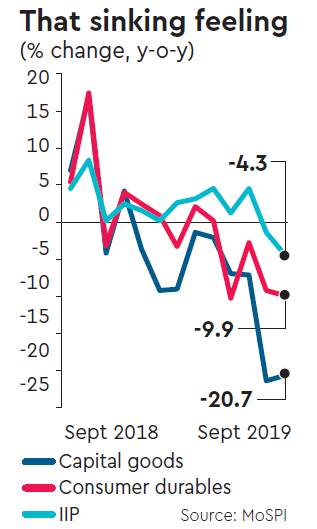
By Nantoo Banerjee India’s economic growth figures seem to be getting increasingly delinked with domestic manufacturing, industrial output, and job generation. The manufacturing sector had a very little contribution to the country’s 6.5 percent GDP growth during the last financial year, the slowest in four years. Despite a good monsoon last year, the country’s agriculture […]

Apparel Group has marked a significant milestone by launching Go Colors’ inaugural international store at Dubai’s Silicon Central Mall, signalling the brand’s entry into the global retail market. This expansion represents a strategic step for Go Colors, which has established a strong presence in India with its vibrant and affordable fashion offerings. The move aims to capitalise on Dubai’s status as a retail hub, known for its diverse, fashion-conscious clientele and high footfall of international shoppers.

Go Colors is part of the Apparel Group, a leading retail conglomerate that manages over 75 global brands across the Middle East, India, and beyond. The launch in Dubai is designed to leverage the city’s cosmopolitan market, introducing Go Colors’ distinct range of colourful apparel, accessories, and lifestyle products to a broader audience. The brand’s identity revolves around youthful, trendy designs and a commitment to affordable pricing, which has resonated well with the domestic market and is now poised to attract the diverse demographics of Dubai’s shoppers.

Dubai’s Silicon Central Mall, a recently developed retail complex situated in the heart of Dubai Silicon Oasis, was chosen for its strategic location and modern infrastructure. The mall is rapidly emerging as a key destination for technology and lifestyle retail, combining innovation with shopping experiences. This aligns with Go Colors’ dynamic brand ethos and the Apparel Group’s ambition to expand its footprint in premium retail locations. The new store covers approximately 2,000 square feet and features a wide array of products tailored to appeal to men, women, and children, maintaining the brand’s core focus on versatility and style.

The decision to launch Go Colors internationally reflects broader trends in the retail sector, where Indian-origin brands are increasingly seeking growth beyond domestic boundaries. This expansion is facilitated by Dubai’s robust economic framework, ease of doing business, and a strong retail infrastructure that attracts international brands looking to establish a presence in the Middle East. Industry experts note that the Middle East retail market continues to grow steadily, driven by a young population, rising disposable incomes, and a blend of traditional and contemporary shopping preferences.

Go Colors’ entry into the Dubai market comes amid intensifying competition among apparel brands vying for consumer attention in the region. The brand’s strategy focuses on differentiating itself through vibrant colour palettes, frequent new collections, and price accessibility. This approach is expected to attract not only the local UAE residents but also expatriates and tourists, who constitute a significant share of Dubai’s retail consumers. By emphasising a youthful and energetic brand image, Go Colors aims to fill a niche that balances trendy fashion with everyday affordability.

The Apparel Group’s leadership expressed confidence in the growth potential of the new store. The group’s CEO highlighted that the launch represents a blend of innovation, market understanding, and the ability to connect with diverse consumer groups. He underlined the importance of Dubai as a gateway for international expansion and pointed to the group’s extensive experience in managing multiple global brands as a key asset in navigating new markets. The leadership’s vision for Go Colors involves not only store expansion within the UAE but also potential future openings in other strategic locations worldwide.

Operationally, the new store employs a mix of local staff trained in customer engagement and product knowledge, ensuring a high standard of service that aligns with the brand’s values. The layout of the store is designed to offer a seamless shopping experience, combining colourful, eye-catching displays with intuitive product categorisation. This allows customers to easily navigate through seasonal collections, casual wear, and accessories. Additionally, the store integrates digital elements such as QR codes for product information and promotions, reflecting a growing trend towards blending physical and digital retail experiences.

Market analysts observe that the Apparel Group’s expansion strategy is well-timed, considering the growing appetite for fast fashion and lifestyle brands in the Middle East. The region’s retail sector is adapting rapidly to shifts in consumer behaviour, with increased demand for value-oriented yet stylish apparel. Go Colors’ proposition fits into this paradigm by offering fresh designs frequently, thus catering to consumers seeking variety without compromising affordability. This trend is underscored by data indicating increased spending on casual and lifestyle clothing across GCC countries, driven by younger demographics and evolving fashion sensibilities.

While the launch signals optimism, challenges remain for Go Colors as it enters a competitive and sophisticated market. Established international brands and regional players alike have entrenched customer bases, and consumer expectations for quality, trendiness, and service are high. Success will depend on how effectively Go Colors can localise its product offerings, adapt to cultural preferences, and sustain a compelling value proposition. The Apparel Group’s experience in the Middle East retail sector, including managing franchises and original brands, is expected to play a crucial role in mitigating these challenges.

The store opening is also part of a wider retail resurgence in Dubai, as the city continues to attract global investors and shoppers post-pandemic. Retail experts point to increased foot traffic in malls and rising consumer confidence as indicators of a robust recovery. Government initiatives promoting tourism, retail innovation, and business-friendly policies have contributed to this positive environment. For Go Colors, entering this market now could provide early mover advantages as consumer habits stabilise and purchasing power strengthens.

Ethiopia has surged ahead to become Africa’s largest wheat producer, with output surpassing that of Egypt by a factor of three, according to Prime Minister Abiy Ahmed. This achievement marks a significant milestone in Ethiopia’s agricultural sector, underscoring its rising role in continental food security and economic development. Prime Minister Abiy announced this development during a national address, highlighting the government’s concerted efforts to boost domestic wheat […]

The 2025 Infiniti QX80 marks a significant departure from its predecessor, delivering a blend of commanding presence and refined agility rarely seen in full-size luxury SUVs. Infiniti’s latest iteration sheds the bulkiness that once defined the model, replacing it with a sleeker, more aerodynamic silhouette while enhancing interior sophistication and technological integration. This transformation reflects the brand’s push to compete more aggressively within the crowded luxury SUV […]

Dubai’s Museum of the Future has launched a vibrant series of events and interactive workshops designed to engage visitors with cutting-edge technology and innovation throughout June. This initiative aims to expand public interaction with future-forward concepts, positioning the museum as a hub for experiential learning and exploration in the region. The new programme features a blend of activities tailored to various age groups and interests, with a […]

Lyntia Networks is advancing its operational support systems through the integration of Oracle’s cloud-native communications technology, aiming to automate service orchestration and enhance the speed and efficiency of its telecom service delivery. The Spanish neutral wholesale operator, known for expanding its footprint in fibre infrastructure, seeks to leverage automation to meet growing market demands and improve customer experience. The deployment of Oracle’s OSS solutions will enable Lyntia […]

Hong Kong’s Hang Seng index climbed past the 24,000 mark, reaching heights unseen since March, fuelled by renewed optimism surrounding US-China trade discussions. Investor sentiment improved as market participants weighed the possibility of easing tensions between the two largest economies, sparking a notable rally in Hong Kong’s benchmark index. However, this upbeat mood contrasted sharply with the performance of Bitcoin, which struggled amid uncertainties over inflation dynamics and broader market volatility.

The Hang Seng’s advance reflected a growing belief that US and Chinese officials are making progress toward resolving key trade disputes. Early talks aimed at addressing tariffs, technology restrictions, and investment barriers have led investors to anticipate a thawing in one of the most consequential economic standoffs globally. The improving trade dialogue appears to be encouraging capital inflows into Hong Kong-listed shares, particularly in sectors sensitive to cross-border trade such as technology, manufacturing, and finance.

Market experts highlight that investor focus remains fixed on the trajectory of these negotiations, with any breakthroughs potentially unlocking significant value in the region’s equities. The rally also aligns with a more cautious but hopeful stance among traders that a prolonged trade conflict could ease, bolstering global economic growth prospects. Notably, blue-chip stocks led the gains, signalling confidence among institutional investors betting on recovery and expansion in the Asia-Pacific markets.

Conversely, Bitcoin’s performance diverged, as the leading cryptocurrency grappled with pressure from both macroeconomic and regulatory fronts. The digital asset has faced downward momentum partly due to investor apprehensions over persistent inflationary pressures in the United States. Inflation data remains a key focal point, as higher consumer prices could prompt the Federal Reserve to sustain or accelerate interest rate hikes, tightening liquidity conditions and dampening risk appetite in speculative assets.

Bitcoin’s volatility has also been compounded by shifting regulatory attitudes worldwide. Authorities in various jurisdictions are intensifying scrutiny of digital currencies, citing concerns over money laundering, market manipulation, and financial stability risks. Such regulatory tightening has contributed to a cautious investor approach, limiting Bitcoin’s ability to capitalize on broader risk-on sentiment seen in equities.

Analysts note that while Bitcoin has often been viewed as a potential inflation hedge, its correlation with traditional risk assets has increased, causing it to react sensitively to shifts in monetary policy and global economic uncertainty. This evolving dynamic challenges the narrative of cryptocurrencies as safe havens, complicating portfolio strategies for institutional and retail investors alike.

The Hang Seng’s rally has benefited from strong performances in technology companies listed in Hong Kong. Giants in the semiconductor and telecommunications sectors saw their share prices rise amid speculation that easing trade tensions could reduce supply chain disruptions and promote cross-border business activities. Additionally, financial stocks gained momentum as optimism grew about improving economic fundamentals and potential credit growth in the region.

Meanwhile, traders are closely monitoring upcoming US inflation reports, which could significantly influence market direction. Persistent inflation could lead the Federal Reserve to maintain a hawkish stance, thereby exerting downward pressure on risk assets including equities and cryptocurrencies. Conversely, signs of easing inflation could provide further impetus for market rallies and reduce volatility.

Hong Kong’s role as a financial gateway between China and the global economy continues to underpin investor confidence. The city’s markets are seen as a barometer for broader regional economic health, and the Hang Seng’s rise signals expectations that cross-border trade and investment flows will stabilise or improve amid diplomatic progress. This optimism is tempered by awareness of ongoing geopolitical risks, including Taiwan tensions and global supply chain uncertainties.

Bitcoin’s challenges underscore the growing complexity of the global investment landscape, where traditional and emerging asset classes are influenced by an intertwined set of economic, regulatory, and geopolitical factors. While the cryptocurrency market remains dynamic, its path forward appears increasingly contingent on external economic conditions rather than solely on technological or adoption milestones.

VISHNU RAJA
RYO YAMADA
HITORI GOTOH
IKUYO KITA
Just in:
e-Crime Bureau Signs Cybersecurity Partnership With Smart Africa, Reinforcing Its Global Expansion // Asia Left Behind: Ten international companies have yet to report delivering on their cage-free egg pledges across the region // xCube Access Welcomes Entrust Capital Limited  Expanding Access to Professional Portfolio Management // Utilities pursue ₹1,992 cr in unpaid bills // ADIA and partners establish $1.4 billion aviation venture // Burying Head In “India Made Poverty Reduction” Data Is Dangerous // Oil and chip shares retreat after Democratic victories // Cloudflare unveils Zero Wire vulnerability intelligence service // Ta’ziz finalises $1.39bn funding for Ruwais industrial facilities // OpenAI identifies 948 Linux privilege escalation flaws using AI // As AI Reshapes Education, Singapore Convenes Global Dialogue on the Future of Early Childhood Education // CR Longdation Aethereal Cybersecurity × Global Cybersecurity Alliance (GCSA) Join Hands to Establish the “AI and Cybersecurity Research Centre” // After Reaching 7 Million Users in the Philippines, Skyro Launches Transparent Cash Loans in Malaysia // APT29-linked campaign exploits outdated Apple and Android software // Democrats capture Senate majority with seven Republican seats // Govt opposes Arlekar’s PSC action // Pinarayi faults UDF over mounting road crashes // SC to examine students’ exam plea today // Fast Just Got Fastest: STING Energy Boost™ Celebrates Kimi Antonelli’s Formula 1® World Championship and the Fan Energy Behind It // Dubai boat show confirms international shipyard line-up for November //