Just in:
Arrow Electronics showcases technologies advancing intelligent robotics, mobility and digital infrastructure // ADIA and partners establish $1.4 billion aviation venture // Vingroup And Legends Global Announce Strategic Partnership For VinFast – Trong Dong Stadium // Govt opposes Arlekar’s PSC action // Pinarayi faults UDF over mounting road crashes // U.S. Mid Term Result Is A Clear Verdict Against Trump’s Authoritarianism // Anthropic to prohibit persistent abuse of Claude chatbot // Utilities pursue ₹1,992 cr in unpaid bills // Cloudflare unveils Zero Wire vulnerability intelligence service // Democrats capture Senate majority with seven Republican seats // Burying Head In “India Made Poverty Reduction” Data Is Dangerous // mamun raises US$3 million to finance cross-border trade between the Gulf and Asia // As AI Reshapes Education, Singapore Convenes Global Dialogue on the Future of Early Childhood Education // Varsity jobs face quota questions // Ta’ziz finalises $1.39bn funding for Ruwais industrial facilities // BJP’s Aggressive Response Exposes Anxiety Over Opposition Unity // After Reaching 7 Million Users in the Philippines, Skyro Launches Transparent Cash Loans in Malaysia // xCube Access Welcomes Entrust Capital Limited  Expanding Access to Professional Portfolio Management // AI trust gap reveals distinct retail priorities: Divergent paths to consumer growth in Hong Kong and the GBA // Democrats secure Senate majority after Republican election losses //

News related to
Tech

India has emerged as the largest user base for ChatGPT, accounting for 13.5% of global monthly active users, surpassing the United States at 8.9% and Indonesia at 5.7%, according to the latest AI Trends Report by Mary Meeker. This milestone underscores India’s rapid adoption of AI technologies and its growing prominence in the global AI landscape.

OpenAI CEO Sam Altman has acknowledged this trend, stating that “India is outpacing the world” in AI engagement. He highlighted the country’s enthusiasm and creativity in leveraging AI tools like ChatGPT for various applications, including education and professional development.

A recent survey revealed that 60% of Indian professionals are utilizing generative AI tools such as ChatGPT and Microsoft Copilot. However, only 31% feel adequately prepared by their organizations to use these tools effectively, indicating a need for clearer policies and structured training programs to fully harness AI’s potential.

The educational sector in India has also seen significant integration of ChatGPT. Studies indicate that students and educators are increasingly adopting AI tools to enhance learning and teaching methodologies. While these technologies offer remarkable opportunities for educational innovation, they also bring forth challenges related to academic integrity and ethical use.

Despite the surge in AI adoption, Altman previously expressed skepticism about India’s ability to develop AI models comparable to ChatGPT, citing resource constraints. Nonetheless, the country’s growing engagement with AI tools suggests a strong potential for innovation and development in this field.

Inventec has partnered with Nvidia and Solomon to introduce a collaborative robotic system aimed at revolutionising server manufacturing. This initiative integrates Nvidia’s Isaac cuMotion acceleration libraries, Solomon’s AI-driven optical inspection software, and Inventec’s proprietary Manufacturing Execution System , resulting in a streamlined, intelligent production line. The collaborative robotic arm system, commonly referred to as a cobot, is designed to enhance automation in server assembly. By embedding Nvidia’s […]

GridFree AI has secured $5 million in funding to fast-track the deployment of modular artificial intelligence data centres, signalling a significant shift in how computational infrastructure will be developed and scaled worldwide. The funding round, led by Montauk Climate alongside other strategic investors, aims to support GridFree AI’s ambition to optimise the construction, operation, and scalability of AI data centres with a modular, climate-conscious approach. Emerging from […]

A cargo ship transporting approximately 3,000 vehicles, including 800 electric models, was abandoned in the North Pacific Ocean after a fire erupted on board, compelling all 22 crew members to evacuate. The vessel, identified as the Morning Midas, was en route from Yantai, China, to Lázaro Cárdenas, Mexico, when the incident occurred about 300 miles southwest of Adak Island, Alaska. Smoke was first observed emanating from a […]

Dubai’s Virtual Assets Regulatory Authority has entered into a strategic partnership with SuiHub MENA, the regional arm of the Sui blockchain ecosystem, to bolster the emirate’s position as a global hub for virtual assets. The collaboration aims to support emerging startups, nurture local talent, and provide regulatory guidance within the blockchain sector.

The agreement, formalised earlier this week, outlines a multifaceted approach to ecosystem development. Key initiatives include jointly hosted workshops to assist startups in navigating Dubai’s licensing regime, educational programs to cultivate local expertise in blockchain technology, and the establishment of advisory sessions to offer compliance support. These efforts are designed to streamline the path to market for new ventures and enhance the overall maturity of the virtual asset landscape in the region.

SuiHub MENA’s innovation centre in Dubai will serve as the focal point for these activities, with VARA providing strategic support through roundtables and engagements with government stakeholders. The partnership also encompasses collaborative research opportunities aimed at informing future virtual asset policies and contributing to the sustainable growth of the sector.

This alliance follows a similar memorandum of understanding signed between VARA and the Solana Foundation, reflecting Dubai’s commitment to fostering a conducive environment for blockchain innovation. By aligning regulatory clarity with technological advancement, these partnerships underscore the emirate’s proactive stance in embracing the potential of virtual assets while ensuring robust governance frameworks are in place.

SHENZHEN, CHINA – Media OutReach Newswire – 5 June 2025 – Leading smart device company OPPO today announced the signing of a global patent licensing agreement with Volkswagen Aktiengesellschaft (hereafter referred to as Volkswagen) to license OPPO’s cellular standard-essential patents portfolio to the group, including 5G. Under the agreement, OPPO’s cellular standard-essential patents will be licensed to Volkswagen to enhance user experiences for its connected vehicle offerings […]

Arabian Post Staff Rivers across the globe are receiving new attention with a wave of innovative technologies designed to tackle plastic and other pollutants more efficiently than ever before. These emerging systems focus on smart, targeted solutions rather than brute-force methods, achieving significant gains in waste removal while minimising harm to aquatic ecosystems. Four technologies stand out for their unique approaches and effectiveness in various water environments. […]

Advertisements

Katsina State has secured 3,500 positions in the federal government’s Technical and Vocational Education and Training programme, marking a significant step in Nigeria’s efforts to equip its youth with practical, job-ready skills. The allocation is part of a broader initiative by the Federal Ministry of Education, which has launched a nationwide TVET programme aimed at enhancing industry-relevant skill development across the country. The programme invites Skill Training […]

K Wave Media Ltd., a Nasdaq-listed Korean entertainment conglomerate, has secured a $500 million equity financing agreement with Bitcoin Strategic Reserve KWM LLC. The capital infusion is earmarked for operating Bitcoin Lightning Network nodes and investing in Bitcoin infrastructure, signalling a significant strategic shift towards digital assets.

The Lightning Network, a second-layer solution built atop the Bitcoin blockchain, facilitates faster and more cost-effective transactions by enabling off-chain settlements through payment channels. This technology addresses Bitcoin’s scalability issues, allowing for a higher volume of transactions with reduced fees.

K Wave Media’s move aligns with a broader trend of corporations integrating Bitcoin into their financial strategies. Companies like LQWD Technologies have also been expanding their Bitcoin holdings and Lightning Network operations, aiming to generate yield through transaction fees and enhance payment efficiencies.

The $500 million financing will enable K Wave Media to establish and operate Lightning Network nodes, contributing to the network’s robustness and decentralization. Additionally, the investment will support the development of Bitcoin infrastructure, potentially fostering innovation in digital payment solutions and financial services.

This strategic pivot reflects K Wave Media’s commitment to embracing emerging technologies and adapting to the evolving financial landscape. By investing in Bitcoin infrastructure, the company positions itself at the forefront of digital asset integration within the entertainment industry.

The partnership with Bitcoin Strategic Reserve KWM LLC underscores the growing institutional interest in Bitcoin and its associated technologies. As more companies explore the potential of digital assets, investments in infrastructure like the Lightning Network are becoming increasingly prevalent.

K Wave Media’s initiative may also influence other entertainment and media companies to consider similar ventures into the digital asset space. The integration of Bitcoin infrastructure could lead to new business models, revenue streams, and enhanced engagement with tech-savvy audiences.

Warnings from within the artificial intelligence industry are growing louder, as former insiders and leading researchers express deep concern over the rapid development of superintelligent systems without adequate safety measures. Daniel Kokotajlo, a former researcher at OpenAI and now executive director of the AI Futures Project, has become a prominent voice cautioning against the current trajectory. In a recent interview on GZERO World with Ian Bremmer, Kokotajlo […]

KUALA LUMPUR, MALAYSIA – Media OutReach Newswire – 5 June 2025 – May proved to be a rather challenging month for gold traders. XAUUSD, the primary financial instrument for trading gold, fluctuated in a relatively broad range between $3,120 and $3,435 per ounce (oz), but finished the month virtually unchanged, narrowly recording a fifth consecutive monthly gain. Although trading started on a bearish note, XAUUSD found support […]

Akamai Technologies has solidified its position as a major contender in the public cloud Infrastructure as a Service landscape, according to the latest vendor evaluation by a leading industry analyst. The assessment highlights Akamai’s strategic focus on expanding its datacenter footprint, advancing security technologies, and enhancing low-latency application delivery as key factors that strengthen its appeal to enterprises undergoing cloud transformation. The report underscores Akamai’s extensive expertise […]

The United Arab Emirates and Kuwait have cemented a series of bilateral agreements designed to enhance collaboration across vital sectors such as health, energy, education, and defence. These agreements were formalised during an official visit by UAE Vice President Sheikh Mansour bin Zayed Al Nahyan at Bayan Palace, where Kuwaiti Prime Minister Sheikh Ahmad Abdullah Al-Ahmad Al-Sabah also presided over the signing ceremony.

This diplomatic engagement reflects a shared commitment to deepen economic and political cooperation amid a shifting geopolitical landscape in the Gulf region. Both nations seek to leverage their strategic partnership to accelerate development goals and bolster regional stability.

The agreements encompass a broad spectrum of cooperation frameworks. In healthcare, the MoUs aim to facilitate joint initiatives in medical research, health services, and pandemic preparedness. This builds upon existing efforts to enhance public health infrastructure and improve access to advanced medical technologies within both countries. The collaboration is expected to include exchanges of expertise and the establishment of joint health projects, reinforcing resilience against future health crises.

Energy cooperation constitutes a central pillar of the accord, reflecting the growing importance of sustainable development and energy diversification in Gulf policies. Both nations have expressed intent to collaborate on clean energy projects, including renewable energy deployment and energy efficiency programmes. This aligns with wider regional ambitions to reduce carbon footprints and accelerate the energy transition, tapping into solar, wind, and hydrogen potential. The partnership aims to foster knowledge-sharing, joint investments, and innovation in sustainable energy technologies, signalling a clear move away from traditional hydrocarbon dependency.

Education and innovation sectors also feature prominently in the agreements. Kuwait and the UAE plan to develop cooperative education programmes, facilitate student and academic exchanges, and promote joint research ventures. These initiatives target strengthening human capital and nurturing a knowledge-based economy, crucial for long-term competitiveness. Special focus is placed on artificial intelligence and digital transformation, areas recognised for their transformative potential across industries.

Defence collaboration marks another significant dimension of the bilateral ties, with both countries pledging closer coordination in security and military affairs. This includes enhanced training cooperation, intelligence sharing, and joint exercises aimed at improving operational readiness and countering emerging threats in a volatile regional security environment.

Investment and infrastructure development feature heavily within the broader strategic framework. The agreements envisage boosting trade flows, encouraging cross-border investments, and facilitating infrastructure projects. These measures are expected to unlock economic opportunities, create jobs, and support broader Gulf Cooperation Council integration efforts.

Social development has not been overlooked, with the accords setting the stage for cooperative efforts in social welfare, cultural exchange, and community development. This demonstrates a recognition that sustainable progress extends beyond economic growth to encompass social cohesion and quality of life improvements.

This series of MoUs signals a concerted effort by the UAE and Kuwait to consolidate their partnership amid evolving regional and global dynamics. Both nations are navigating complex challenges, including economic diversification pressures, climate change imperatives, and shifting geopolitical alliances. The agreements reflect a proactive strategy to leverage bilateral cooperation as a stabilising and growth-enhancing force.

The visit by Sheikh Mansour underscores the UAE’s broader diplomatic outreach in the Gulf, aimed at strengthening ties with neighbouring states while advancing shared priorities. Kuwait, meanwhile, views this enhanced partnership as vital for reinforcing its role in regional affairs and securing avenues for economic resilience.

Experts note that such collaborations between Gulf states are increasingly critical as they face mounting global competition and internal transformation demands. By pooling resources, expertise, and political will, the UAE and Kuwait position themselves to address mutual challenges more effectively and harness new opportunities.

This development follows a pattern of intensified Gulf collaboration that has gained momentum following shifts in regional geopolitics. Enhanced bilateral relations are viewed as key to ensuring collective security and economic prosperity, particularly amid external uncertainties and emerging global power dynamics.

The agreements also reflect a clear alignment with the strategic visions of both countries, which prioritise innovation, sustainability, and regional integration. As the Gulf states pursue diversification and modernisation agendas, such partnerships become essential tools for advancing these objectives.

While the full scope and impact of the signed agreements will unfold over time, the foundations laid in this visit mark a significant milestone. The emphasis on critical sectors such as healthcare, clean energy, education, and defence highlights the comprehensive nature of the partnership.


Saudi Arabia is advocating for accelerated increases in oil production within the OPEC+ coalition, aiming to reclaim market share lost during past output cuts. The kingdom is reportedly pressing the group to raise supplies by more than 400,000 barrels per day for August and possibly September, signalling a clear shift in strategy amid evolving global energy demands.

The decision underscores Saudi Arabia’s intent to capitalise on high seasonal demand in the northern hemisphere summer months. By scaling back production curbs more aggressively, Riyadh seeks to boost revenue and solidify its influence over global oil markets as supply dynamics shift. This approach reflects broader geopolitical and economic calculations, especially as global economies adjust to fluctuating energy needs and the ongoing transition to cleaner energy sources.

OPEC+ has been managing oil supply carefully since 2020, following the severe demand shock caused by the pandemic and ensuing market volatility. Initial drastic cuts helped stabilise prices, but the alliance has gradually increased output to balance rising demand. Saudi Arabia, as the largest producer within OPEC+, holds substantial sway in determining the group’s production policies and has been central to managing these supply adjustments.

This move to hasten production hikes also coincides with concerns over emerging market demand and the possible impact of economic slowdowns in key economies such as China and Europe. Saudi officials appear confident that increased output will prevent rivals, including the US shale sector and other non-OPEC producers, from expanding their share amid tightening market conditions.

Industry experts highlight that Saudi Arabia’s push for faster supply growth may be aimed at pre-empting market share erosion by ensuring that OPEC+ remains the dominant supplier globally. Since mid-2022, the kingdom has carefully recalibrated its production to respond to volatile price trends and geopolitical uncertainties, including tensions in the Middle East and disruptions caused by sanctions on Russia.

The timing of the proposed output rise is critical. Summer months traditionally bring peak consumption due to higher energy needs for cooling in developed markets, which can drive up prices. Saudi Arabia’s intention to increase supply during this window suggests an effort to maximise returns while stabilising prices to avoid sharp fluctuations that could undermine consumer confidence and economic recovery.

Global oil markets remain sensitive to a variety of factors including inflationary pressures, currency fluctuations, and shifting consumer behaviour. While demand for fossil fuels is under pressure from environmental policies and the accelerating transition to renewables, oil remains a crucial commodity in the global energy mix. Saudi Arabia’s strategy to secure market share through supply management is thus seen as a pragmatic response to balancing short-term profitability with long-term market relevance.

OPEC+ member countries have historically struggled to reach consensus on output levels, with diverse national interests shaping negotiations. Saudi Arabia’s dominant position, reinforced by its vast production capacity and financial reserves, often allows it to influence group decisions. However, some members have expressed concerns about aggressive supply increases potentially undermining prices and fiscal stability.

The broader geopolitical landscape also plays a role in shaping OPEC+ policies. Tensions involving key players such as Russia, which holds a significant share in the alliance, and ongoing conflicts in the Middle East add layers of complexity to supply decisions. Riyadh’s leadership in pushing for larger hikes indicates confidence in managing these risks while maintaining its strategic goals.

Market analysts note that US shale producers have responded to higher prices by increasing output, albeit with some operational constraints. Saudi Arabia’s efforts to accelerate OPEC+ production are seen as a counterbalance to this trend, aiming to keep global supply within manageable limits and avoid price spikes that could trigger demand destruction or accelerate the shift to alternatives.

Saudi Aramco, the kingdom’s state-owned oil giant, plays a pivotal role in implementing the supply strategy. Its vast infrastructure, including refineries and export terminals, supports the planned output increases. Aramco’s ability to ramp up production rapidly without incurring excessive costs provides Saudi Arabia with a competitive edge in the global energy market.

Environmental considerations also influence production decisions. While the global push for net-zero emissions is intensifying, OPEC+ nations, led by Saudi Arabia, continue to argue for the essential role of oil in energy security and economic development. The kingdom is simultaneously investing in cleaner technologies and diversifying its economy to reduce dependence on hydrocarbons in the long term.

The interaction between Saudi Arabia’s production policy and global economic indicators remains closely monitored by investors and policymakers alike. Oil prices affect inflation rates, trade balances, and geopolitical stability, making OPEC+ decisions crucial beyond the energy sector. The kingdom’s assertive stance on output could signal a more proactive approach to managing these broader economic impacts.

Analysts emphasize that while Saudi Arabia seeks to regain market share, the volatility of global markets and uncertainties surrounding demand growth require cautious optimism. Supply increases must be balanced against potential oversupply risks, which could trigger price declines detrimental to all producers within OPEC+.

As businesses continue to evolve with the digital era, the demand for robust and efficient customer service operations has become pivotal to success. Customers now expect seamless interactions across all platforms, making omnichannel customer support essential. The ability to provide a consistent and high-quality experience, regardless of the communication channel, distinguishes leading businesses from the competition. In exploring this facet of customer relations, we delve into the […]

Tether, the issuer of the world’s most widely used stablecoin USDT, is intensifying its focus on emerging markets across Asia and Latin America, as U.S. lawmakers advance stringent legislation that could reshape the digital asset landscape.

From January 2024 to February 2025, USDT accounted for between 62% and 91% of global stablecoin payment volumes, with Asia and Latin America leading adoption. Singapore, Hong Kong, and Japan collectively represented 36.3% of global stablecoin traffic, while the United States trailed at 18.7%.

Tether CEO Paolo Ardoino reaffirmed the company’s commitment to these regions, stating that the firm will continue prioritizing emerging markets outside the U.S., despite regulatory progress and a pro-crypto administration. Ardoino emphasized that the company sees more opportunity abroad than under strict upcoming U.S. laws.

In a strategic move to deepen its presence in Latin America, Tether announced a significant investment in Orionx, a Chile-based cryptocurrency exchange and financial infrastructure firm. Orionx operates across Chile, Peru, Colombia, and Mexico, offering services such as cross-border payments, remittances, and treasury solutions. The investment aims to enhance Orionx’s technological capabilities and scale stablecoin-powered infrastructure throughout the region.

Ardoino highlighted the importance of this partnership, noting that the investment supports a high-impact company and advances Tether’s broader vision of making stablecoin-powered financial tools accessible to underserved communities across Latin America.

The surge in stablecoin adoption in Latin America is attributed to economic instability and high inflation rates in countries like Argentina and Brazil. Stablecoins offer a more stable store of value and a means to conduct transactions without relying on volatile local currencies. Tether’s USDT has become a preferred option for everyday needs such as saving, sending money to family, and conducting business transactions.

Meanwhile, in the United States, the regulatory landscape for stablecoins is undergoing significant changes. The Senate is advancing the Guiding and Establishing National Innovation for U.S. Stablecoins Act, which introduces stricter regulations on stablecoin issuers, focusing on consumer protection, national security, and financial system integrity. Key provisions include prohibiting yield offerings by stablecoins, mandating audits, and enhancing anti-money laundering protocols.

Despite the U.S. administration’s pro-crypto stance, with President Donald Trump and Vice President JD Vance advocating for the industry, the GENIUS Act reflects a bipartisan effort to establish a robust regulatory framework. The act has garnered support in the Senate, passing a motion to proceed with a 69-31 vote.

However, the legislation has sparked debate among lawmakers. Some Democrats express concerns over potential conflicts of interest due to the Trump family’s direct involvement in crypto ventures. Senators Chris Murphy and Elizabeth Warren have opposed the bill on ethical grounds, while others like Senators Cory Booker and Kirsten Gillibrand support it, emphasizing the need for consumer protection and clearer crypto regulations.

Meta and Yandex have been found to exploit a loophole in Android’s architecture, enabling them to de-anonymize users’ web browsing activities by linking them to persistent app identities. This tracking method bypasses standard privacy protections, including incognito mode and cookie clearing, raising significant concerns about user privacy. Researchers from Radboud University, IMDEA Networks, and KU Leuven discovered that Meta’s Pixel and Yandex’s Metrica tracking scripts, embedded in […]

President Bola Tinubu has bestowed Nigeria’s third-highest national honour, the Commander of the Order of the Federal Republic , on Bill Gates. The recognition acknowledges Gates’s substantial philanthropic contributions to the country, particularly through the Bill & Melinda Gates Foundation, which has invested heavily in public health and agriculture sectors across Nigeria. The conferment took place during a formal ceremony in Abuja, underscoring the Nigerian government’s appreciation […]

Dubai is poised to make a significant impact at the upcoming IMEX event, reinforcing its status as a premier destination for global meetings and events. The city’s persistent rise in the meetings and incentives travel sector has been highlighted by its sustained ranking as the top meeting destination in the Middle East and Africa, according to the latest industry data. The recognition by Cvent, a leading meetings […]

South Korea’s newly inaugurated President has signalled an intent to extend negotiations with the United States over critical trade agreements, aiming to secure more favourable terms that could shape the trajectory of the country’s export-driven economy. The administration recognises the complexity of current talks and the high stakes for sectors that form the backbone of South Korea’s global economic influence, including semiconductors, automotive manufacturing, and shipbuilding.

The president, Lee Jae-myung, who took office following a highly competitive election, has prioritised trade diplomacy with Washington as a cornerstone of his economic agenda. South Korea’s reliance on exports to the US market makes the outcome of these talks pivotal for sustaining growth and competitiveness. The decision to request additional time highlights the government’s cautious approach amid mounting international uncertainties and intensifying global supply chain disruptions.

Lee’s administration faces pressure to address contentious issues such as tariff reductions, intellectual property protections, and technology transfers that have been key sticking points in negotiations. American officials have pushed for greater access to South Korea’s semiconductor sector, a world leader in chip production, while Seoul is equally keen to safeguard its industrial strengths against onerous restrictions. Balancing these priorities requires delicate diplomacy, with the stakes heightened by rising geopolitical tensions in the Indo-Pacific region.

Economic analysts observe that the extended timeframe could provide South Korea with a strategic advantage, allowing deeper consultation with domestic industries and stakeholders. The government is expected to leverage this period to refine proposals that accommodate emerging global trends, including shifts in supply chain localisation, heightened environmental standards, and evolving digital trade frameworks.

South Korea’s chipmakers, which dominate global markets with advanced memory and logic chips, are particularly attentive to outcomes of the talks. Recent moves by the US to incentivise domestic semiconductor manufacturing through legislative packages have raised concerns about potential trade barriers and competitive disadvantages for South Korean firms. The extended negotiation window offers a chance to clarify terms and possibly negotiate exemptions or compensatory measures to protect the industry’s international standing.

Similarly, the automotive sector, a pillar of South Korea’s industrial base, stands to gain or lose significantly depending on trade terms. The rise of electric vehicles and changing regulatory regimes worldwide necessitate adaptive trade policies that accommodate new technologies and market realities. The extended talks will enable Seoul to press for provisions that support its carmakers’ access to the US market, while also addressing issues related to tariffs and environmental regulations.

Shipbuilding, another vital sector for South Korea’s economy, faces challenges from global competition and evolving demand patterns, especially as the maritime industry shifts towards greener technologies. Negotiations with the US could influence the sector’s export potential, especially if environmental standards or subsidy regulations become part of trade discussions. Lee’s government is likely to emphasise the need for fair competition frameworks that protect the industry while fostering innovation.

The broader geopolitical context also plays a significant role in shaping these negotiations. South Korea’s balancing act between its strategic alliance with the US and its economic ties with China demands a nuanced trade policy. With tensions escalating between the US and China, Seoul must navigate these complexities carefully, ensuring that its trade agreements do not alienate either partner while maximising economic benefits.

South Korea’s trade ministry has indicated a willingness to engage constructively with American counterparts, stressing the mutual benefits of a comprehensive deal. The government has also engaged business leaders and experts to gather insights and build consensus on negotiation priorities. This inclusive approach aims to ensure that trade agreements align with long-term national interests rather than short-term gains.

Lee’s outreach to Washington comes at a time when global trade dynamics are undergoing rapid transformation. Protectionist sentiments and the realignment of supply chains following the pandemic have created both risks and opportunities for export-driven economies. South Korea’s strategic response through extended negotiations seeks to position the country favourably in this new environment.

Industry observers note that while additional time may raise concerns about potential delays or uncertainties, it also reflects a pragmatic recognition of the complexities involved in modern trade agreements. The extended timeline allows for more thorough impact assessments, stakeholder engagement, and the incorporation of emerging trade issues such as digital commerce, data security, and sustainability commitments.

Lee’s government is also expected to pursue parallel initiatives to strengthen domestic competitiveness alongside trade talks. Investments in innovation, infrastructure, and workforce skills development are seen as complementary measures to enhance South Korea’s economic resilience in a volatile global market.

The trade discussions have attracted close attention from international partners and economic forums, given South Korea’s integral role in global supply chains. The outcome will not only influence bilateral relations with the US but also set precedents for future trade policies across the Asia-Pacific region.

Multi-Award Winning Development Captures International Attention with 2-Star Fitwel Certification, Asia Pacific Property Awards, and PropertyGuru Excellence Recognition BANGKOK, THAILAND – Media OutReach Newswire – 4 June 2025 – Proud Real Estate has unveiled an extraordinary investment opportunity at ROMM Convent—Bangkok’s premier wellness-integrated residence in the prestigious Sathorn-Silom CBD. The only two duplex sky penthouses available, representing the pinnacle of luxury wellness living in Southeast Asia, are […]

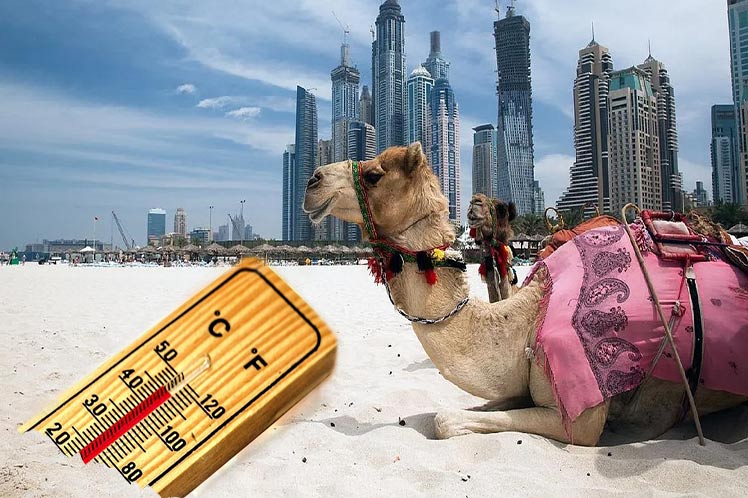
The United Arab Emirates endured an unprecedented surge in temperatures throughout May, with daily highs consistently exceeding 40ºC and several locations surpassing the 50ºC threshold. The National Centre of Meteorology confirmed this month as the hottest May in the country’s recorded history, marking a significant intensification of the region’s ongoing climate challenges.

Several emirates, including Abu Dhabi, Dubai, and Sharjah, experienced prolonged heatwaves that pushed the limits of historic temperature records. The peak temperatures, which exceeded 50ºC in some desert areas, have drawn attention from climatologists and environmental experts, highlighting the accelerated warming trend affecting the Arabian Peninsula. Such extreme heat has severe implications for public health, energy consumption, and urban infrastructure in a region already grappling with water scarcity and rapid urbanisation.

Experts indicate that the exceptional heat is linked to a combination of global climate change and localized meteorological patterns. The Arabian Peninsula’s unique geography, characterised by vast desert expanses, amplifies temperature extremes. Scientists note that climate models have long predicted a rise in heatwaves for this region, but the speed and intensity of these recent temperature spikes are causing concern among environmental analysts.

The impact on daily life has been multifaceted. Health authorities have issued warnings to vulnerable populations, particularly the elderly, children, and outdoor workers, to take precautions against heat-related illnesses. Hospitals have reported an increase in cases of heat exhaustion and dehydration, putting added pressure on healthcare services during the traditionally hot summer months. Municipalities across the UAE have accelerated measures to provide shaded areas and cooling centres to mitigate risks posed by the extreme heat.

Economic sectors dependent on outdoor labour, such as construction and agriculture, have faced operational challenges due to the intense temperatures. Labour laws have been adjusted to ensure safer working hours, often restricting outdoor activities during peak heat periods. The government’s proactive approach to safeguarding workers aligns with international labour standards, but the economic cost of these adjustments remains under evaluation.

Energy demand in the UAE has surged sharply as residents and businesses increase air conditioning usage to cope with the oppressive heat. This spike in electricity consumption raises concerns about grid stability and the environmental impact of increased fossil fuel reliance, despite the country’s ongoing investments in renewable energy. The UAE’s ambitious clean energy goals, including the development of solar power plants and nuclear energy facilities, aim to offset the environmental footprint associated with higher cooling demands.

The National Centre of Meteorology continues to monitor the evolving weather patterns closely, providing regular updates and forecasts to assist government agencies and the public in preparing for ongoing heat conditions. Advanced satellite technology and climate modelling tools are being utilised to enhance prediction accuracy and early warning systems, essential for managing risks related to extreme weather events.

Regional cooperation is becoming increasingly important as neighbouring Gulf countries face similar climatic stresses. Collaborative efforts focus on sharing data, research, and best practices for adapting to higher temperatures and mitigating environmental impacts. Multilateral discussions have emphasised the need for coordinated climate action, recognising that the Arabian Peninsula’s vulnerability to heat extremes transcends national borders.

Urban planners and architects in the UAE are responding by integrating climate-resilient designs into new developments. Innovative cooling technologies, green spaces, and heat-reflective materials are being employed to reduce the urban heat island effect, which exacerbates temperature rises in city centres. These measures are critical as the UAE’s population continues to grow, with urban expansion increasing the demand for sustainable infrastructure solutions.

Environmental groups have stressed the urgency of addressing the underlying causes of climate change, calling for stronger policies on carbon emissions and investment in sustainable technologies. While the UAE has made progress through initiatives such as the UAE Energy Strategy 2050, activists argue that more aggressive actions are required to curb the escalating frequency and severity of heatwaves.

Academic research from regional universities supports these concerns, with studies showing a marked upward trend in temperature averages and heatwave duration over the last two decades. These findings are consistent with broader global warming trends but underscore the disproportionate effects experienced in desert environments.

Public awareness campaigns have played a crucial role in educating residents about heat safety and energy conservation. Government agencies, non-profits, and community organisations collaborate to distribute information on hydration, recognising symptoms of heat stress, and reducing energy use during peak hours. These initiatives aim to enhance community resilience and promote sustainable living practices in the face of climatic shifts.

The East African Crude Oil Pipeline , stretching 1,443 kilometres from Uganda to the Tanzanian port of Tanga, has passed the 60 percent completion mark, marking a significant step forward in one of Africa’s largest infrastructure projects. This progress highlights the accelerating momentum in the development of critical energy infrastructure in the East African region, with implications for the economies and geopolitics of multiple countries. The pipeline, […]

The Alliance of Sahel States has taken a decisive legal step by establishing a regional criminal court aimed at addressing terrorism, violent extremism, and human rights violations within the Sahel region. This initiative, agreed upon at a recent interministerial meeting of justice ministers from Burkina Faso, Mali, and Niger, signals a strengthened commitment to unified judicial responses against complex security and governance challenges plaguing the region. The […]

VISHNU RAJA
RYO YAMADA
HITORI GOTOH
IKUYO KITA