Just in:
Pinarayi faults UDF over mounting road crashes // As AI Reshapes Education, Singapore Convenes Global Dialogue on the Future of Early Childhood Education // Vingroup And Legends Global Announce Strategic Partnership For VinFast – Trong Dong Stadium // BJP’s Aggressive Response Exposes Anxiety Over Opposition Unity // Middle East governments assess Iran war after US vote // DIP Holding targets Dh1.12 IPO price and $529m proceeds // SC to examine students’ exam plea today // After Reaching 7 Million Users in the Philippines, Skyro Launches Transparent Cash Loans in Malaysia // Burying Head In “India Made Poverty Reduction” Data Is Dangerous // Anthropic to prohibit persistent abuse of Claude chatbot // Vance attributes Republican midterm defeats to Iran conflict // ADIA and partners establish $1.4 billion aviation venture // Govt opposes Arlekar’s PSC action // U.S. Mid Term Result Is A Clear Verdict Against Trump’s Authoritarianism // Cloudflare unveils Zero Wire vulnerability intelligence service // Fast Just Got Fastest: STING Energy Boost™ Celebrates Kimi Antonelli’s Formula 1® World Championship and the Fan Energy Behind It // Ta’ziz finalises $1.39bn funding for Ruwais industrial facilities // AI trust gap reveals distinct retail priorities: Divergent paths to consumer growth in Hong Kong and the GBA // Arrow Electronics showcases technologies advancing intelligent robotics, mobility and digital infrastructure // Democrats secure Senate majority after Republican election losses //

News related to
Tech

Abu Dhabi – Fakih Fertility Group has achieved a historic milestone in reproductive medicine by launching the UAE’s first accredited fellowship program in Reproductive Endocrinology and Infertility. This pioneering initiative sets a new standard in medical education and training, providing obstetricians and gynecologists with advanced expertise in assisted reproductive technologies (ART). The fellowship program, accredited by the National Institute for Health Specialties (NIHS), was officially inaugurated by Dr. […]

Acwa Power has formalised Memorandums of Understanding valued at $500 million with several US companies, reinforcing its strategic collaborations in the energy sector. These agreements were signed during the Saudi-US Investment Forum held in Riyadh, aiming to bolster innovation and investment in renewable energy and infrastructure. The new MoUs build upon Acwa Power’s existing partnerships with American firms, which now collectively exceed $6 billion. The latest agreements […]

Arabian Post Staff -Dubai Qatar Airways has finalised a monumental agreement to acquire up to 210 Boeing aircraft, marking the largest wide-body order in the company’s history. The deal, valued at $96 billion, was announced during U.S. President Donald Trump’s visit to Doha, underscoring a significant enhancement in U.S.-Qatar economic relations. The order encompasses 130 Boeing 787 Dreamliners, 30 777X jets, and options for an additional 50 […]

Thailand’s Ministry of Finance has announced plans to issue 5 billion baht in digital investment tokens, dubbed “G-Tokens,” aiming to broaden public participation in government bond investments. This initiative marks a significant step in integrating digital assets into the country’s financial strategy.

Finance Minister Pichai Chunhavajira stated that the G-Tokens will be available for purchase within the next two months, following cabinet approval. The tokens are designed to offer higher returns than traditional bank deposits, making them an attractive option for retail investors. “Investors can invest with a small amount of cash for the new tokens,” Chunhavajira noted, highlighting the accessibility of the investment.

The G-Tokens will be issued under the existing Public Debt Management Act of 2005 and regulated by the Digital Asset Business Decree of 2018. The tokens are not classified as traditional debt instruments but are part of the government’s budget borrowing plan. Patchara Anuntasilpa, director-general of the Public Debt Management Office, emphasized that the tokens are an innovation in the country’s financial landscape, allowing more retail investors to become part of the digital economy.

Investors can purchase G-Tokens through licensed digital asset exchanges, brokers, and other authorized entities. The minimum investment is set at 100 baht , significantly lowering the threshold for participation in government bond investments. This move is expected to attract a broader base of investors, including those who have traditionally been excluded from such opportunities.

The digital nature of G-Tokens offers several advantages over conventional government bonds. They can be traded on specialized digital platforms, providing greater flexibility and accessibility for investors. Ownership is verified using digital systems, and the tokens can be transferred through designated digital asset platforms. Interest payments and principal redemption will be made electronically to holders via their registered accounts, following the schedule outlined in the prospectus.

The initiative aligns with Thailand’s broader efforts to modernize its financial infrastructure and promote financial inclusion. By leveraging blockchain technology, the government aims to streamline the bond issuance process, reduce costs, and enhance transparency. The G-Token issuance also serves as a pilot to test the market’s response to digital financial instruments, with the potential for future expansions based on demand.

Tether has introduced QVAC , a decentralised AI development platform designed to run autonomous agents directly on user devices, eliminating dependence on cloud infrastructure and centralised servers.

The platform enables AI models to operate entirely on local hardware, including smartphones, laptops, and embedded systems. By leveraging a modular architecture and peer-to-peer networking, QVAC facilitates direct device-to-device communication, enhancing privacy, autonomy, and resilience in AI applications.

QVAC’s design allows developers to build and extend applications using small, composable components. This approach supports scalable AI solutions that can function independently of traditional cloud services, aligning with Tether’s vision of promoting personal sovereignty in technology usage.

The initial suite of QVAC applications includes QVAC/Translate, a tool for rapid transcription and translation of text, documents, images, and audio, and QVAC/Health, a private health tracker that localises sensitive health data. Both applications are designed to run independently of cloud connectivity, ensuring user data remains on the device.

Integration with Tether’s Wallet Development Kit enables AI agents within QVAC to conduct transactions autonomously using Bitcoin and USDT. This feature supports the development of AI applications that can engage in peer-to-peer financial activities without intermediaries.

Tether CEO Paolo Ardoino highlighted the platform’s commitment to decentralisation, stating that QVAC offers a fully open-source AI runtime capable of adapting and evolving on any hardware without the need for API keys or central control points.

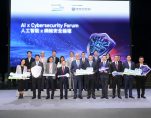
Exploring the Risks and Opportunities of AI Applications in Cybersecurity HONG KONG SAR – Media OutReach Newswire – 14 May 2025 – Co-organised by Cyberport and the Hong Kong Cybersecurity Professionals Association, the “AI x Cybersecurity Forum” took place today at Cyberport. Under the theme “Navigate the Future of AI-Powered Cybersecurity,” the forum brought together over 400 government representatives, cybersecurity experts, leaders from academia and the technology […]

Mukesh Ambani, chairman of Reliance Industries and Asia’s wealthiest individual, is set to attend a high-profile state dinner in Doha on Wednesday evening alongside U.S. President Donald Trump and Qatar’s Emir Sheikh Tamim bin Hamad Al-Thani, according to individuals familiar with the matter. The gathering is part of President Trump’s Middle East tour, which has centred on investment and economic diplomacy.

While no formal business discussions are scheduled, Ambani’s presence underscores his growing influence in global business and diplomacy. His conglomerate, Reliance Industries, has longstanding ties with the Qatar Investment Authority , which has invested in various Reliance ventures over the years. Additionally, Ambani maintains strategic partnerships with U.S. technology giants such as Google and Meta.

The state dinner is being hosted at Lusail Palace, the official residence of the Qatari Emir. Another prominent business figure, based in London and known for close ties to both the Trump administration and Qatari leadership, is also expected to attend the event. Further details of Ambani’s itinerary have not been disclosed, and Reliance Industries has not responded to queries regarding his visit.

This meeting follows the Qatari Emir’s visit to India in February, during which Qatar committed to investing $10 billion across various Indian industries. The commitment reflects the strengthening economic ties between the two nations.

President Trump’s visit to Qatar is part of a broader Middle East tour focused on fostering investment opportunities. Following his engagements in Doha, Trump is scheduled to travel to the United Arab Emirates on Thursday.

Advertisements
By Nitya Chakraborty Soon after organizing a 90 day truce last week end at Geneva through three day intensive talks between top officials of the United States and China, President Donald Trump is on a three nation tour covering Saudi Arabia, Qatar and UAE to pursue his deal making focusing on both trade and security. […]

Coinbase Canada has made a strategic investment in Stablecorp, the Toronto-based fintech firm behind QCAD, a Canadian dollar-backed stablecoin. While the investment amount remains undisclosed, the move underscores Coinbase’s commitment to expanding its footprint in the Canadian digital asset market and bolstering the adoption of QCAD as a reliable, fiat-pegged digital currency.

QCAD is designed to maintain a 1:1 peg with the Canadian dollar, backed by reserves held in cash and cash equivalents. These reserves are managed by Stablecorp Digital Currencies Inc. , a wholly owned subsidiary of Stablecorp. To ensure transparency and trust, the reserves are custodied by Tetra Trust Company, Canada’s only qualified custodian for digital assets. Monthly attestation reports, conducted by Canadian Chartered Professional Accounting firm Grewal Guyatt LLP, are publicly posted to validate the reserve volumes against the total circulation of QCAD.

Initially launched on the Ethereum blockchain, QCAD has since expanded its availability to Stellar, Algorand, and Solana blockchains. This multi-chain approach enhances accessibility and utility, allowing users to leverage QCAD across various decentralized platforms. On Solana, for instance, users can engage in foreign exchange transactions between QCAD and USDC at significantly reduced costs compared to traditional FX venues, with instant settlement capabilities.

Stablecorp distributes QCAD through an Authorized Dealer model, wherein wholesale institutional entities can purchase and sell QCAD at a fixed price of one Canadian dollar. While these Authorized Dealers have direct claims on the underlying reserves, retail holders of QCAD do not possess such claims. To mitigate currency risk, all proceeds from QCAD sales are converted into Canadian dollars before being moved into reserves.

The strategic investment by Coinbase Canada aligns with its broader efforts to enhance its offerings in the Canadian market. By supporting QCAD, Coinbase aims to provide Canadian users with a stable and transparent digital currency option that facilitates efficient cross-border transactions and on-chain foreign exchange operations.

Leaders from seven humanoid manufacturers convene with hardware experts to discuss the future of humanoid hardware standardization VANDALIA, OHIO – Media OutReach Newswire – 14 May 2025 – Johnson Electric, a global leader in motion systems, hosted the inaugural 2025 Humanoid Roundtable on April 29 in Boston, MA, USA. The event brought together C-suite and technical executives in small to large humanoid manufacturers located across North America, […]

Thailand’s Finance Ministry is set to introduce a digital investment token, dubbed the G-Token, aiming to raise approximately $150 million within the next two months. This initiative is part of the government’s budget borrowing plan and seeks to provide higher returns than traditional bank deposits.

Finance Minister Pichai Chunhavajira announced that the G-Token is designed to offer retail investors an accessible entry point into government-backed financial instruments. Unlike conventional bonds, the G-Token is not classified as a debt instrument but serves as a tool to mobilise public funds through blockchain technology.

The tokens will be available for purchase with a minimum investment of around $3, making them accessible to a broad segment of the population. This move is intended to democratise investment opportunities, traditionally dominated by institutional and high-net-worth investors.

Investors are expected to receive returns surpassing the current 12-month fixed deposit rates offered by Thai banks, which range between 1.25% and 1.5%. However, specific yield figures have not been disclosed.

The G-Token initiative aligns with Thailand’s broader strategy to integrate digital assets into its financial ecosystem. By leveraging blockchain technology, the government aims to enhance transparency, reduce costs, and increase efficiency in public fundraising efforts.

The tokens will be tradable on licensed digital asset exchanges within Thailand, although access will be restricted to Thai nationals. This measure ensures compliance with domestic financial regulations and safeguards against potential risks associated with foreign investment in government-backed digital assets.

The launch of the G-Token follows recommendations from influential political figures, including Thaksin Shinawatra, who advocated for the issuance of stablecoins backed by government bonds to broaden investment access.

Libya has formally integrated into the Medusa subsea cable system, marking a pivotal advancement in its telecommunications infrastructure. This 8,700-kilometre fibre-optic network, encompassing 24 fibre pairs and a capacity of 20 terabits per second per pair, is set to connect 11 countries across the Mediterranean, including Libya, by the end of 2025. The Medusa project, spearheaded by AFR-IX Telecom and supported by the European Union and Orange, […]

Nexchain, a United Kingdom-based blockchain startup, has raised $1.5 million in its ongoing presale, marking a significant milestone as it enters Stage 10 with its native token, $NEX, priced at $0.038. The project, which aims to integrate artificial intelligence into blockchain infrastructure, is attracting attention from investors seeking innovative opportunities in the cryptocurrency space.

Nexchain positions itself as the world’s first Layer-1 AI-powered blockchain, designed to enhance transaction speed, security, and scalability. The platform employs a hybrid consensus mechanism combining Proof-of-Stake with AI-driven algorithms, allowing for adaptive transaction validation and network management. This approach aims to process up to 400,000 transactions per second, significantly surpassing the capabilities of many existing blockchain networks.

The $NEX token serves multiple functions within the Nexchain ecosystem, including payment for transaction fees, staking rewards, and participation in governance decisions. Token holders are entitled to a share of the network’s revenue, with 10% distributed among those who stake their tokens in decentralized finance wallets. This model is designed to incentivize long-term holding and active participation in the platform’s development.

Nexchain’s roadmap outlines a series of developments aimed at enhancing the platform’s capabilities. The testnet launch is scheduled for the second quarter of 2025, featuring public testing of smart contracts and AI modules. The mainnet release is planned for the fourth quarter, introducing full AI blockchain implementation and support for decentralized AI applications across various industries, including finance, healthcare, and supply chain management.

The presale, which began on March 18, 2025, is set to continue until December 30, 2025, with a soft cap of $20 million and a hard cap of $50 million. The total token supply is capped at 2.15 billion $NEX, with allocations designated for marketing, rewards, treasury, ecosystem development, and team incentives.

Investor interest in Nexchain is bolstered by its plans for listings on major cryptocurrency exchanges, including Coinbase, Bybit, OKX, MEXC, Bitget, Gate, and KuCoin. The project accepts a diverse range of cryptocurrencies for contributions, such as BTC, ETH, BNB, TRC, TON, SOL, BASE, USDT, USDC, TRUMP, and DOGE, with a minimum investment threshold of $10.

Nexchain’s integration of AI into blockchain technology aims to address longstanding challenges in the industry, such as scalability and security. By leveraging AI for real-time data analysis and decision-making, the platform seeks to optimize operations and enhance user experience. Its AI-driven smart contracts are designed to self-optimize and respond intelligently to changing conditions, offering a dynamic approach to contract execution.

The platform’s emphasis on interoperability allows for seamless communication between different blockchain networks, facilitating the development of applications that can operate across multiple platforms. This feature is particularly relevant as the blockchain industry continues to evolve towards greater integration and collaboration among diverse ecosystems.

Security remains a focal point for Nexchain, which employs post-quantum cryptography and AI-driven security measures to safeguard the network against emerging threats. These protocols are designed to detect and respond to anomalies in real-time, enhancing the platform’s resilience and reliability.


HONG KONG SAR – Media OutReach Newswire – 14 May 2025 – Hang Lung Properties Limited (SEHK Stock Code: 00101) (the “Company” or “Hang Lung”) is pleased to announce the launch of NET•WORK, a premier coworking space in the heart of Central, Hong Kong. As Hong Kong continues to strengthen its status as an international financial center, NET•WORK’s vibrant and flexible office spaces have attracted financial institutions, […]

Supermicro, a prominent American server technology company, has entered into a transformative partnership with Saudi data centre developer DataVolt. This landmark deal, valued at $20 billion, is set to accelerate the deployment of ultra-dense GPU platforms and rack-scale systems across DataVolt’s extensive infrastructure. The collaboration signals a robust technological alliance between the United States and Saudi Arabia, with both parties committing to ambitious infrastructure projects in the […]

Arabian Post Staff -Dubai Samsung has launched its new flagship device, the Galaxy S25 Edge, designed to set a new benchmark in smartphone technology. The device features a remarkably slim 5.8mm titanium body, combining sleek aesthetics with cutting-edge performance. As part of its strategy to stay ahead in the competitive mobile market, Samsung has integrated advanced artificial intelligence capabilities, a powerful 200MP camera, and the latest Snapdragon […]

BYDFi has launched MoonX, an on-chain trading engine designed to bridge the gap between centralised and decentralised exchanges. The platform aims to provide a secure and efficient trading environment, particularly for the volatile Meme Coin market.

MoonX integrates Safeheron’s security technologies, including Multi-Party Computation and Trusted Execution Environment , to enhance asset protection and transaction integrity. These measures address the vulnerabilities highlighted by the $20 million hack of the DEXX exchange in November 2024, which exposed weaknesses in private key security.

The platform supports over 500,000 token pairs across blockchains such as Solana, Ethereum, Base, and BNB Chain. Features like take-profit and stop-loss orders, smart money tracking, and one-click trading are tailored to the needs of high-risk traders seeking rapid market movements.

HONG KONG SAR – Media OutReach Newswire – 14 May 2025 – FGA Trust, a Hong Kong-based innovative licensed digital trust platform provides comprehensive fiduciary solutions, has been officially appointed as the Eligible Introducer of ABC Bank, an leading Mauritius financial institution with over a decade of regional expertise, marking a strategic leap to empower high-net-worth individuals(HNWIs) in tapping Africa’s booming investment opportunities. This appointment aligns with […]

PENANG, MALAYSIA / SINGAPORE – Media OutReach Newswire – 14 May 2025 – The Ascott Limited (Ascott), the wholly owned lodging business unit of CapitaLand Investment (CLI), is ramping up talent development to support the opening of more than 300 new properties by 2028. This global expansion is expected to create more than 12,000 new jobs, including over 1,500 property leadership roles. To power this growth, the […]

Google has updated its iconic ‘G’ logo for the first time in a decade, introducing a gradient design that aligns with its expanding focus on artificial intelligence. The change, while subtle, reflects the company’s broader efforts to unify its visual identity across AI-driven products and services. The redesigned ‘G’ replaces the traditional solid primary colours with smooth, blended gradients, creating a more modern and dynamic appearance. This […]

Ghana is undertaking significant measures to reduce its $2.5 billion debt owed to independent power producers and gas suppliers by the end of 2025, as announced by President John Dramani Mahama. This initiative is part of a broader strategy to stabilize the country’s energy sector and ensure consistent electricity supply. The debt, which has been a persistent issue, poses a substantial threat to Ghana’s economy and energy […]

Tim Draper, a billionaire venture capitalist and early supporter of Bitcoin, has made a bold prediction that the world’s leading cryptocurrency will eclipse the US dollar within the next decade. Draper, renowned for his investments in companies like Skype and Tesla, has long been a vocal proponent of Bitcoin and blockchain technology. His latest remarks, shared in an interview with CoinDesk, suggest a dramatic shift in the global financial landscape, one that could fundamentally change the way economies operate.

Draper’s prediction stems from his belief in Bitcoin’s ability to outpace traditional fiat currencies, including the US dollar. He envisions a future where Bitcoin not only becomes the dominant currency but also where the US dollar, as it exists today, is no longer in circulation. According to Draper, Bitcoin will continue to climb “to infinity” against the dollar, reflecting his confidence in the cryptocurrency’s long-term potential.

The venture capitalist’s faith in Bitcoin is rooted in the unique advantages he believes it holds over traditional money. Draper argues that Bitcoin, unlike the dollar, is not subject to inflationary pressures or government intervention. With a fixed supply of 21 million coins, Bitcoin is designed to be deflationary, which he sees as an essential feature for ensuring the stability of its value over time. This attribute, Draper suggests, makes Bitcoin a far more secure store of value than the dollar, which is increasingly vulnerable to the impacts of monetary policy and national debt.

Bitcoin’s volatility has been one of the major concerns for those sceptical about its potential to replace traditional currencies. However, Draper remains undeterred by such criticisms. He notes that while Bitcoin has experienced significant fluctuations in price since its inception, these swings are a natural part of its maturation process. As more institutional investors and retail traders adopt Bitcoin, Draper expects its volatility to decrease, paving the way for it to become a mainstream currency.

Draper’s confidence in Bitcoin’s future is not just about its potential as a store of value but also about its capacity to facilitate global transactions. With growing concerns over the cost and inefficiency of traditional banking systems, Bitcoin offers a fast, low-cost alternative for transferring money across borders. The cryptocurrency operates on a decentralised network, allowing individuals to bypass centralised banks and governments. Draper believes that as the world becomes more interconnected, Bitcoin’s advantages will become increasingly apparent, particularly in regions where access to traditional banking services is limited.

In his conversation with CoinDesk, Draper also touched upon other technological developments that he believes will shape the future of human communication. Among these, he highlighted advancements in artificial intelligence and genetics, which he predicts will revolutionise the way humans interact with animals. Draper imagines a world where AI enables people to communicate with animals in a way that was once thought impossible. Such advancements, while still in the realm of science fiction for now, reflect Draper’s broader vision of a future where technology breaks down barriers between humans, animals, and even machines.

While Draper’s vision of a Bitcoin-dominated financial system may seem far-fetched to some, it aligns with a growing trend in the cryptocurrency world. The increasing institutional interest in Bitcoin, with large corporations and financial firms adding the cryptocurrency to their portfolios, is seen as a key indicator of its growing legitimacy. Additionally, the global shift towards digital currencies, spurred by the rise of central bank digital currencies , suggests that traditional financial systems may be on the brink of significant transformation.

Countries like El Salvador have already made Bitcoin a legal tender, and other nations are considering similar moves. Meanwhile, in the US, there is ongoing debate over the regulation of cryptocurrencies, with lawmakers grappling with how to create a legal framework that supports innovation while protecting investors. Draper’s prediction, however, suggests that Bitcoin will eventually render such debates moot, as it becomes the global standard for digital transactions.

Despite the optimism surrounding Bitcoin’s potential, there are still significant hurdles that must be overcome before Draper’s vision can be realised. Regulatory uncertainty remains a major obstacle, with governments around the world seeking to impose stricter controls on cryptocurrencies to combat illegal activities like money laundering and tax evasion. Furthermore, the environmental impact of Bitcoin mining has raised concerns among environmentalists, who argue that the energy consumption of Bitcoin’s proof-of-work consensus mechanism is unsustainable.

VeChain CEO Sunny Lu has outlined an ambitious vision to tokenise sustainable human behaviours—such as driving electric vehicles—by integrating blockchain, artificial intelligence , and real-world asset tokenisation into a unified infrastructure. This initiative was presented during the Consensus Toronto conference, where VeChain introduced its latest suite of tools aimed at making blockchain applications more accessible and impactful for mainstream users.

At the heart of this strategy is VeChain’s Marketplace-as-a-Service platform, launched in March 2024. MaaS enables users to create and brand their own customised NFT marketplaces without the need for extensive coding skills. The platform supports the integration of physical products with digital twins—referred to as “phygitals”—through NFT and chip technology. This approach simplifies participation in the NFT space and supports the global tokenisation movement by bridging the gap between physical and digital assets.

VeChain’s MaaS platform also incorporates fee-delegation technologies, allowing builders to cover transaction costs on behalf of users, thereby removing the barrier of transaction fees. Additionally, the platform has integrated an NFT checkout provider and is in discussions with a global payment service provider to enable direct fiat on/off ramps. These features aim to make the user experience similar to traditional Web2 interfaces, enhancing the platform’s usability.

Complementing MaaS is VeChain’s VeBetterDAO ecosystem, which promotes sustainability and community engagement by rewarding contributions towards environmental projects. The ecosystem reflects VeChain’s commitment to sustainability and community participation, incentivising individuals for their contributions to sustainability projects.

VeChain has also formed collaborations with AI-focused organisations such as SingularityNET, FetchAI, and Ocean Protocol to drive innovations in AI through blockchain technology. These partnerships aim to develop AI agents capable of autonomously executing blockchain-related tasks like governance voting and asset management. Such AI agents are sophisticated programs that can analyse information, learn from experience, and autonomously execute tasks on behalf of users, thereby enhancing the efficiency and effectiveness of blockchain applications.

The integration of AI agents into VeChain’s infrastructure is expected to facilitate the automation of tasks and adapt to changing environments, shaping investment decisions and operational efficiencies in the coming years. This move positions VeChain at the forefront of combining AI with blockchain technology to create more intelligent and responsive systems.

VeChain’s efforts are underpinned by its VeChainThor public blockchain, which utilises a Proof of Authority consensus mechanism. This mechanism ensures high throughput and security, making it suitable for enterprise-grade applications. The VeChainThor blockchain supports fee delegation, allowing transactions to be paid by a third-party account, thereby improving the usability of decentralised applications.

The company’s dual-token economic model, comprising VET and VTHO tokens, safeguards the long-term sustainability of the VeChainThor ecosystem. This model separates the medium of value from the cost of using the blockchain , ensuring stability and predictability in transaction costs.

VeChain’s initiatives have garnered attention from various sectors, including collaborations with organisations like WoV Labs to enhance digital ownership for readers of SNOB Non Per Tutti magazine. This collaboration utilises VeChain’s advanced tools to create a unique engagement model, allowing readers to access exclusive benefits through WoV Labs’ digital passport without needing blockchain or Web3 knowledge. Such partnerships highlight the integration of blockchain technology into traditional media and create new opportunities for user interaction and content delivery.

The company’s financial health is reflected in its reported $440 million in assets by the end of 2023, indicating its financial stability and attracting a wide user base. The growth in unique wallet addresses, now exceeding 3 million, further demonstrates VeChain’s expanding influence within the cryptocurrency community.

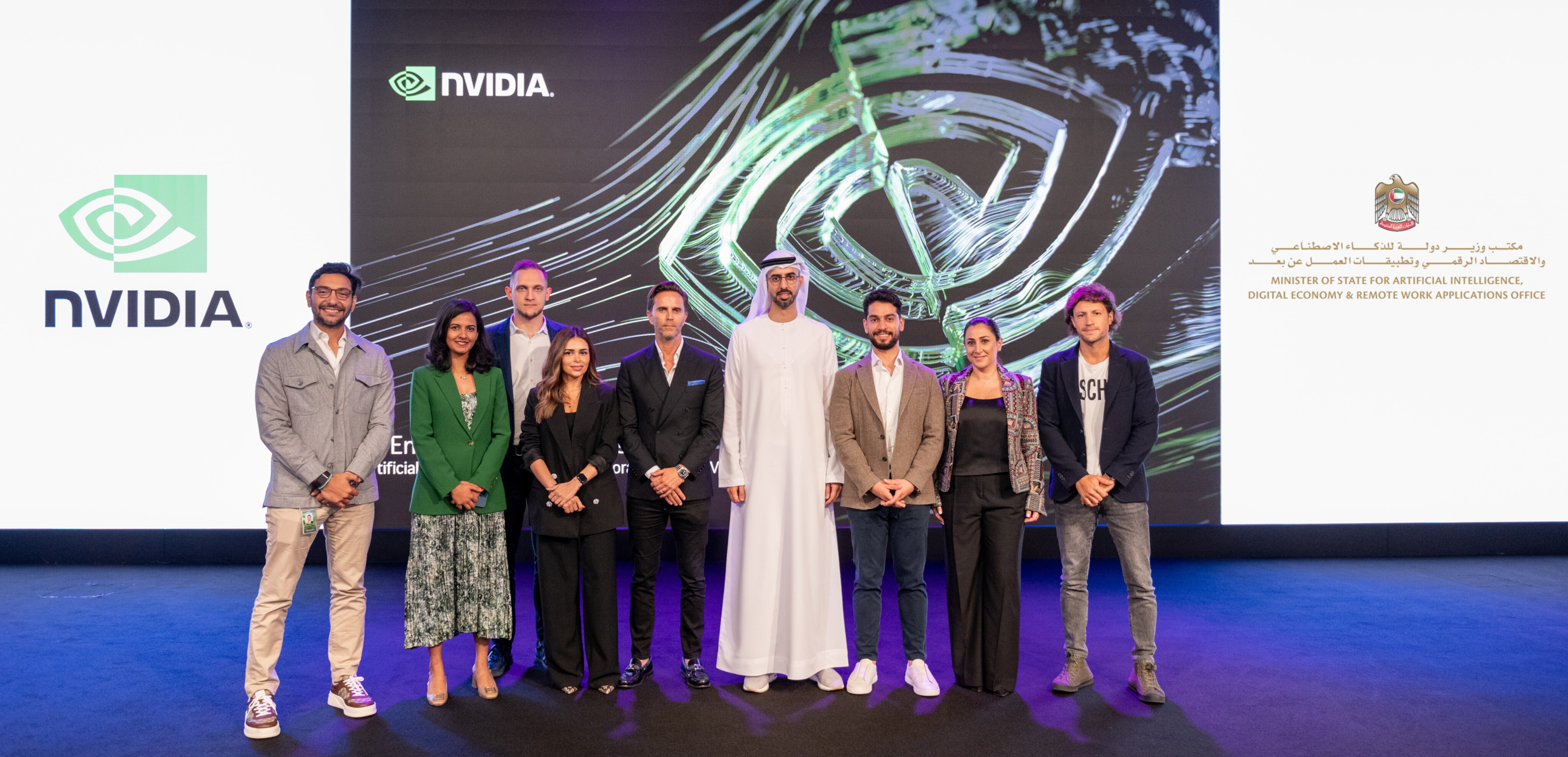
The United States is deliberating a significant agreement that would permit the United Arab Emirates to acquire over one million advanced Nvidia AI chips, a move that could reshape the technological landscape in the Gulf region. The proposed arrangement, still under negotiation, would allow the UAE to import 500,000 of Nvidia’s most sophisticated chips annually through 2027. Approximately 20% of these chips are earmarked for G42, an Abu Dhabi-based artificial intelligence firm, while the remainder would support U.S. companies establishing data centers within the UAE.

This potential deal marks a notable shift from the stringent export controls implemented during the Biden administration, which aimed to limit the proliferation of advanced AI technologies to certain regions. The Trump administration’s consideration of this agreement aligns with its broader strategy to bolster alliances and counterbalance China’s growing technological influence.

G42 has been at the forefront of the UAE’s AI ambitions, developing a bilingual Arabic-English large language model named Jais and collaborating with global tech giants to enhance its capabilities. The firm’s efforts to sever ties with Chinese entities and comply with U.S. regulations have been pivotal in facilitating this prospective deal.

The U.S. Department of Commerce’s introduction of the Validated End User program has further streamlined the export process for advanced technologies to trusted partners. Under this program, foreign data centers that meet rigorous security and compliance standards can receive AI chips without the need for individual export licenses. This initiative aims to safeguard national security while promoting international technological collaboration.

Nvidia’s advanced chips, particularly the H100 and the newer GB300 Blackwell models, are integral to the development of cutting-edge AI applications. The company’s collaboration with Saudi Arabia’s AI startup, Humain, to deliver 18,000 AI chips underscores the region’s commitment to becoming a global AI hub. These chips are set to power a 500-megawatt data center in Saudi Arabia, reflecting the Gulf’s substantial investments in AI infrastructure.

The UAE’s strategic partnerships extend beyond Nvidia. A notable collaboration between Microsoft and G42 has received U.S. approval, allowing the export of advanced AI chips to a Microsoft-operated facility in the UAE. This partnership is part of a broader U.S. effort to counter China’s Digital Silk Road initiative by strengthening technological ties with Gulf nations.

Despite these advancements, concerns persist regarding the potential for U.S. technologies to be accessed by adversarial nations. The U.S. government has imposed strict conditions on these deals, including prohibitions on the use of exported chips for model training by individuals from countries under U.S. arms embargoes, such as China. Regular audits and compliance checks are mandated to ensure adherence to these restrictions.

The UAE’s pursuit of AI sovereignty is evident in its initiatives to develop indigenous AI capabilities and infrastructure. Core42, a subsidiary of G42, has established a “regulated technology environment” to deploy Nvidia’s H100 Tensor chips securely within the country. This setup ensures that sensitive technologies are handled under strict guidelines, aligning with the UAE’s objectives to safeguard data and maintain control over its AI systems.

VISHNU RAJA
RYO YAMADA
HITORI GOTOH
IKUYO KITA