News related to
Tech

Coinbase has formally requested approval from the U.S. Securities and Exchange Commission to offer tokenised equities in the country. The scheme would let users buy and trade digital tokens representing company shares, potentially enabling 24/7, faster, and lower-cost equity trading by leveraging blockchain technology. If successful, Coinbase could directly compete with established brokerages such as Robinhood and Charles Schwab.

This strategic initiative marks a pivotal expansion beyond crypto into traditional financial markets. Coinbase’s chief legal officer Paul Grewal described the push as a “huge priority,” emphasising the potential to establish a regulated framework for tokenised securities. To proceed, the company is seeking a “no-action letter” or an exemptive relief from the SEC—mechanisms that would allow official clearance to operate without enforcement action.

The tokenisation of shares aims to reduce transaction costs, accelerate settlement and expand market accessibility. Proponents believe that blockchain-based equities could revolutionise trading. However, global regulators have flagged challenges including low secondary-market liquidity and absence of unified global standards.

Coinbase’s renewed interest follows a prior attempt to introduce a tokenised version of its own stock at the time of its 2020 direct listing—an effort ultimately blocked by the SEC. Now, with the SEC’s evolving crypto task force and indications of a more favourable regulatory environment under the Trump-appointed leadership of acting chair Mark Uyeda, Coinbase envisages a window of opportunity.

Institutional enthusiasm appears to be rising, with CFO Alesia Haas noting that prior regulatory obstacles—“brick walls,” as she put it—may now be negotiable. CEO Brian Armstrong similarly asserted the potential for round-the-clock trading innovation and applauded engagement with the SEC’s crypto task force.

Despite this optimism, regulatory hurdles remain. Coinbase is not registered as a broker-dealer, and any platform facilitating trading in tokenized equities must satisfy existing legal requirements. The SEC had previously sued Coinbase in 2023, alleging the company operated an unregistered brokerage—a lawsuit later dismissed in 2025 under the Trump-appointed SEC leadership.

If granted a no-action letter, Coinbase would gain regulatory assurance that trading tokenised equities is compliant under current laws—a reassurance deemed critical to advance institutional adoption in the sector. Some industry commentators suggest that while tokenised equities are gaining traction internationally, U.S. regulatory clarity is key to unlocking broader institutional uptake.

Globally, exchanges like those operated by Kraken are already piloting tokenised shares—known as xStocks—in international markets outside the U.S.. These moves reflect a broader shift: analysts such as Colin Butler of Polygon have predicted tokenised real‑world assets could reach a market potential of up to $30 trillion in the long term.

Within the U.S., Coinbase has sought to shape the regulatory conversation. In March, the company submitted 36 detailed recommendations to SEC Commissioner Hester Peirce, articulating a blueprint for distinguishing between digital commodities and digital securities, and calling for secondary-market clarity. The SEC also hosted roundtable discussions earlier this year with industry participants on asset tokenisation, including former Coinbase counsel Alex Zozos.

Securing approval would align Coinbase with a mosaic of international initiatives exploring tokenised share trading, potentially enabling U.S. investors to trade equities with crypto-like efficiency. Yet adoption remains tied to demonstration of adequate liquidity, interoperability, and regulatory consistency—areas where global standards are still evolving.

While no timing for product rollout has been disclosed, Paul Grewal stressed that obtaining a no-action letter is essential to injecting confidence into institutional investors, paving the way for a new class of regulated digital securities.
Seizing Global Business and Investment Opportunities for Sustainable Growth HONG KONG SAR – Media OutReach Newswire – 17 June 2025 – Hong Kong Science and Technology Parks Corporation (HKSTP), in collaboration with InvestHK, led 16 prominent life and health technology companies to BIO 2025, the world’s largest biotechnology event, held in Boston, USA, from June 16 to 19. This year marks the first time HKSTP joined forces […]

If you’re considering investing in or moving to Takaya at Motor City by Union Properties, one of the smartest first steps is reviewing the official brochure. This comprehensive document gives prospective buyers a detailed overview of the project’s master plan, unit layouts, key features, and lifestyle offerings. Whether you’re interested in Takaya apartments, Takaya villas, or Takaya townhouses, the brochure provides essential information that helps you make informed decisions — from […]

Mozilla will discontinue Pocket, its bookmarking and content-discovery service, on 8 July 2025, shifting focus to augmented Firefox browser experiences. Users can continue to access and export saved articles until 8 October 2025, after which all Pocket data will be permanently removed. Premium and annual plan subscribers will be automatically refunded or receive prorated credits as of the shutdown date. Pocket began in 2007 as Read It Later, gained popularity […]

By Nitya Chakraborty Israeli missile strikes against Teheran and Iran’s counter offensive entered its fifth day on June 17 Tuesday with U.S. President Donald Trump dramatically cutting short his stay in Canada for G-7 meeting for Washington indicating that he would be busy in peace moves in the next few hours for organizing a ceasefire […]

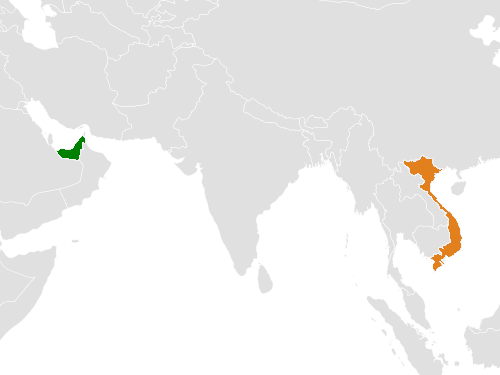
Vietnam’s Techsmart Telecom, the Institute of Information Technology and CyberSecurity, UAE’s Venom Foundation and Abu Dhabi’s GS Fund have signed a memorandum of understanding to advance a sovereign digital finance framework. The scheme centres on a national Data Centre, supervised stablecoin issuance, cross-border settlement infrastructure, cybersecurity protocols and fintech training—a landmark convergence of telecom, blockchain, finance and security sectors.

The agreement mandates Venom Foundation’s sovereign-grade Layer‑0 blockchain be deployed in Vietnam. The foundation, already liaising with central banks across Southeast Asia—including Singapore, Malaysia, the Philippines and Vietnam—will integrate ISO 20022 messaging, on‑chain KYC/AML, real-time settlements and asset tokenisation capabilities into the system. GS Fund will spearhead the data centre’s construction under a stable legal and economic regime, while IITCS tackles regulatory framework, compliance and talent development, and Techsmart manages connectivity and integration.

Work in the initial phase, set for the next 12 months, will prioritise the technical architecture, legal foundations and national infrastructure planning. Vietnam’s demographic profile—a young, technologically literate population—and its expanding cross-border fintech activities are seen as key enablers for asset tokenisation, according to Venom Foundation. Dr Hoang Phuoc Thuan of IITCS highlighted Resolution 57’s role in connecting sovereign data ambitions with e‑government and AI development.

This public–private partnership reflects Vietnam’s Digital Infrastructure Strategy, which targets universal fibre, extensive 5G coverage and advanced data centre roll-out by 2030. Venom’s Layer‑0 blockchain—already piloted in the Philippines with the Bangko Sentral ng Pilipinas—cements institutional-grade readiness for programmable finance and asset digitisation.

Regulatory progress has been underway since March’s Prime Ministerial directive, with the Ministry of Finance and State Bank of Vietnam tasked to propose a Digital Technology Infrastructure law, introduce regulated sandboxes and pilot a crypto framework by May 2025. Amid this, Vietnam’s digital asset market has grown substantially—around 17 million citizens currently hold crypto assets valued at over US $100 billion—placing the country in the top five worldwide for individual interest and top three in trading volume.

Issues remain unresolved: incomplete guidelines on exchange licensing, asset categorisation and customer protection have placed Vietnam on the Financial Action Task Force’s grey list. Integrating blockchain with conventional banking operations—spanning accounting, risk management and cybersecurity—also poses significant implementation hurdles.

Further reinforcing policy alignment, the Vietnam Blockchain Association and One Mount Group—members of the VBA—have pledged between US $200 million and US $500 million to establish a sovereign Layer‑1 blockchain, complying with Prime Ministerial Directive 05/CT‑TTg.

The final vision foresees multi-year rollout phases extending beyond initial legal and technical milestones to encompass digital payments, reduced reliance on physical cash, strengthened cybersecurity via distributed ledgers, and expanded fintech education for government and private sectors under IITCS guidance.

A landmark agreement between UAE’s Autocraft and Indonesian aerospace maintenance giant GMF AeroAsia positions the Autocraft E20+ electric vertical take‑off and landing aircraft for regional deployment, signalling a major advance in Southeast Asian air mobility. Signed on 11 June at the Indo Defence Expo in Jakarta, the memorandum of understanding enlists GMF as the official Maintenance, Repair and Overhaul partner for the E20+ platform, while establishing frameworks […]

Advertisements

SINGAPORE – Media OutReach Newswire – 17 June 2025 – Smartphones have become an everyday essential for adults. So, it’s natural for children to want one. Many parents see smartphones as useful tools for staying in touch with their children when they’re away from home, but smartphones can easily be lost, and they leave children vulnerable to the dangers of social media and too much screen time. […]

Bitcoin.com has established its first Middle East and North Africa regional headquarters at Dubai’s DMCC Crypto Centre, signalling a strategic expansion in the emirate’s blockchain ecosystem. The move secures its place among over 650 companies specialising in blockchain infrastructure, decentralised finance, tokenisation and metaverse development within the DMCC’s Crypto Centre in Uptown Tower. Dubai’s position as a global cryptocurrency hub is underscored by the establishment of the […]

Partners Group, a leading Swiss private markets investment firm managing approximately $152 billion, has inaugurated a new regional headquarters at Abu Dhabi Global Market, signalling a strategic intensification of its presence in the Middle East. Suhail Albaz, appointed Chairman of Middle East, Africa and Central Asia, will oversee the office. His brief includes deepening ties with Gulf institutions, expanding private wealth services, and targeting transformational investment opportunities […]

The United States Supreme Court has been asked to reconsider constitutional protections after the Internal Revenue Service obtained transaction records from more than 14,000 cryptocurrency users—including James Harper—without a warrant, under a sweeping “John Doe” summons aimed at Coinbase data. At issue is whether the longstanding third‑party doctrine—under which individuals forfeit Fourth Amendment privacy protections by sharing data with third parties—remains valid in the digital age.

James Harper, whose trading history dates back to 2013 and who reported all taxable gains, received notification in August 2019 that the IRS had secured his wallet and transaction data without any suspicion of wrongdoing. The agency extended its data collection to approximately 14,000 other users, sparking legal challenges in lower courts and culminating in the Supreme Court petition known as Harper v. Faulkender.

Supporters of Harper argue that the third‑party doctrine originated in a pre‑digital era, designed for narrow investigations, not mass data collection. In briefs filed on 13 June, the New Civil Liberties Alliance and Supreme Court litigator Kannon Shanmugam contended that individuals do not relinquish property or privacy rights simply by using digital platforms, and that warrant requirements should be reinstated for data access. Justice Sonia Sotomayor, in previous commentary, branded the doctrine “ill‑suited to the digital age,” a view echoed by other federal judges in the Fifth and Ninth Circuits.

In contrast, the IRS and its supporters argue that the doctrine is well‑established and necessary for effective tax enforcement, especially amid growing use of cryptocurrencies and concerns over under‑reporting. The agency says organisations like Coinbase have an obligation to furnish information when legal summonses are issued, even absent individual suspicion.

Lower courts have upheld the doctrine, dismissing Harper’s case. A district court in New Hampshire ruled that Harper lacked standing, while the First Circuit applied the third‑party doctrine in September 2024 to dismiss his Fourth Amendment claim. Now, the Supreme Court must decide whether to reverse these rulings.

Analysts suggest that a Supreme Court hearing—and eventual decision—could set a transformative legal precedent regarding digital privacy. If justices mandate search warrants under the Fourth Amendment before agencies can collect personal data—even from third parties—it would broaden protections for online financial activity and reshape the investigative landscape. Conversely, a decision upholding the status quo would affirm broad government access to digital records without judicial oversight.

The case aligns with broader judicial scrutiny over the balance between technological advancement and constitutional safeguards. As cryptocurrency adoption increases among individuals and businesses, questions loom over how traditional investigative powers should adapt. Critics fear that unchecked authority under the third‑party doctrine could pave the way for routine surveillance and erosion of civil liberties.

At the same time, law enforcement officials maintain that revised legal thresholds could complicate investigations into financial crimes and tax fraud. They argue that agencies need efficient access to data held by third-party institutions to detect under‑reported crypto gains and illicit transactions swiftly.

The Supreme Court’s decision on certiorari is expected this autumn. Should the Court agree to hear the case, oral arguments may follow early next year, offering a watershed moment for Fourth Amendment jurisprudence. The outcome will be watched by constitutional scholars, digital‑rights activists, regulators and the cryptocurrency industry.

As digital transactions become integral to everyday life, the Harper v. Faulkender decision may redefine the boundary between individual privacy and government authority. The Court’s ruling could determine whether the act of sharing financial data with a platform like Coinbase is equivalent to voluntary disclosure, or if it remains protected under constitutional standards requiring judicial oversight.

Pump.fun’s official X account and that of its co‑founder Alon Cohen have been suspended by X as part of a broader enforcement effort targeting numerous memecoin‑related accounts, according to platform observers. The action, which began on 16 June, affected dozens of handles tied to Solana‑based crypto tools—including GMGN, Bloom Trading, BullX, ElizaOS—and coincided with growing concern over platform manipulation, unauthorised data access and regulatory rumblings.

The affected accounts were removed around 19:30 UTC on 16 June, leaving followers unable to access official communications. Platforms such as GMGN and Bloom Trading also noted unexplained suspensions, prompting speculation about an “internal enforcement sweep” rather than mass reporting. Notably, X has not issued any formal explanation of policy breaches or rule changes that prompted the action.

Some within the crypto community suggest the crackdown may stem from unauthorised use of X’s API infrastructure. Observers point to tools linked to Pump.fun and others that scrape tweet data or emulate automated trading without premium API access—activities that could trigger platform enforcement. However, neither X nor any of the suspended entities have confirmed such allegations.

The broader context involves mounting regulatory and ethical pressures on the Solana‑based memecoin ecosystem. Pump.fun, launched in January 2024 by Alon Cohen, Noah Tweedale and Dylan Kerler, has been prolific in facilitating meme token launches—over 6 million coins had been created via the platform by early 2025, according to Wired. But token launches have grown increasingly controversial. A livestreaming feature, later suspended, was tied to extreme promotional tactics, including staged threats of suicide or violence during broadcasts.

Earlier this year, the platform faced a class‑action lawsuit in New York alleging it operated as an unregistered securities offering and facilitated pump‑and‑dump schemes, notably involving a token called PNUT. This suit highlights regulators’ concerns that Pump.fun may operate in a legal grey zone. In addition, the UK Financial Conduct Authority warned the platform in late 2024 about offering unlicensed financial services.

Market data following the suspensions reveals immediate ripples: within an hour of X account removals, new tokens referencing the bans flooded Pump.fun, generating over US $10 million in volume. Five such suspension‑themed tokens ranked among the top‑ten daily by trading volume.

Crypto traders and observers are divided. Some see the suspensions as overdue intervention against manipulative tools; others raise concerns about opaque enforcement and potential overreach. Affected platforms, such as GMGN, have assured users that operations remain intact while formal appeals with X are underway.

Technical analysis indicates this episode is unlikely to halt memecoin activity. Indeed, pump‑and‑dump cycles continue: behavioural studies show short‑term spikes in token value followed by longer‑term declines averaging 30 per cent over 12 months. In the absence of clear regulation or platform transparency, speculative launches keep drawing liquidity.

HostingJournalist.com has marked a notable achievement with the release of its 30,000th editorial news article, complemented by an archive of over 28,000 videos distributed across its platforms. This dual milestone affirms the outlet’s unwavering role as a leading source in cloud, hosting, and data‑centre reporting. Editor‑in‑Chief Koen Stegeman emphasised the milestone’s deeper meaning: “Reaching 30,000 published articles and 28,000 videos is more than just a numbers game.” […]

CHANGCHUN, CHINA – Media OutReach Newswire – 16 June 2025 – From June 12 to 15, FAW HONGQI unveiled its luxury vehicle lineup at the 2025 International Automotive and Supply Chain Expo(Hong Kong), showcasing its unique “Oriental Luxury” concept to the world. During the expo, HONGQI held the “Glory in Hong Kong, Shaping the Future Together” Golden Sunflower Exclusive Appreciation Event, which forged profound connections between HONGQI […]

Key Highlights Get real-life ideas for how to use Odoo ERP software in American businesses. See how Odoo ERP can help business operations by bringing project management tools and workflows together in one place. Find out about good tips, features, and best ways to set up Odoo ERP systems. Learn about answers and solutions to usual problems that can come up during the ERP implementation process. See […]

Issuing its first formal financial move beyond social media, Truth Social’s parent, Trump Media & Technology Group, has filed an S‑1 registration statement with the U.S. Securities and Exchange Commission to launch a Bitcoin and Ethereum exchange‑traded fund under the Truth Social brand. The application outlines plans to list the fund on NYSE Arca, although ticker symbols and fee structures have yet to be disclosed.

NYSE Arca initiated the process on 3 June 2025 by submitting a Form 19b‑4 on behalf of TMTG and partner Yorkville America Digital, seeking approval to list the dual‑crypto ETF. The S‑1 filing followed on 5 June and provides deeper insights into structure and risk disclosures. The filings initiate the standard dual‑review process; the SEC has a 45‑day window for initial decision and up to 240 days for final approval.

The prospectus confirms that the fund will hold spot Bitcoin and Ethereum—the first dual‑crypto vehicle under the Truth Social banner. Physical custody of assets will be handled by Foris DAX Trust Company, affiliated with Crypto.com, which will also serve as execution agent and liquidity provider. Yorkville America Digital, a Florida‑based asset manager that emphasises “Made‑in‑America” digital‑asset products, is named as the sponsor.

Eric Balchunas, senior ETF analyst at Bloomberg Intelligence, noted the risk disclosures reference President Trump’s crypto‑favourable posture—highlighting regulatory shifts, the SEC’s newly launched crypto task force, and a strategic U.S. Bitcoin reserve executive order—marking the first time an ETF filing openly tied a sitting president’s actions to fund risk.

The launch is part of a broader the strategic pivot by Truth Social into financial services. Earlier this year, Trump Media announced a $2.5 billion Bitcoin treasury initiative and submitted trademark applications under its Truth.Fi brand for various crypto‑focused products. The move aligns with similar industry trends—11 spot Bitcoin ETFs have been approved since January 2024 by providers including BlackRock, Fidelity and Grayscale—a venue drawing billions in investor capital.

Yet the dual‑crypto ETF enters a saturated market, and analysts caution that without distinctive value, it may not draw substantial flows despite its political branding. Market watchers observe that assets under management in competing spot Bitcoin ETFs are heavily concentrated—with BlackRock’s IBIT holding approximately $69 billion, followed by Fidelity’s fund at around $21 billion.

The filings also highlight potential conflicts of interest. Yorkville America has financial ties with TMTG, including advising on Truth.Fi and investing in both the firm’s stock and private placement used to bolster the Bitcoin treasury. The application explicitly acknowledges these links may pose risks to investors.

Timing is politically significant, with the SEC’s current leadership under Paul Atkins perceived as taking a more crypto‑friendly stance. SEC deregulation efforts under President Trump’s administration also form part of the context.

Should the ETF be approved, it will enable investors to gain regulated exposure to Bitcoin and Ethereum—devoid of managing digital wallets or crypto‑exchange accounts—via traditional brokerage channels. The fund is poised to calculate daily net asset values, with intraday quotations updated every 15 seconds and comprehensive transparency on holdings, premiums and discounts.

However, regulatory clarity remains pending. Absent from the filings are critical operational details, including ticker symbols, expense ratios and seed capital levels. Until the S‑1 becomes effective, the ETF cannot be marketed to investors.

This marks a strategic landmark in Truth Social’s quest to diversify beyond digital media. Its expansion into crypto finance brings together political influence, regulatory momentum and mainstream investor demand, potentially reshaping its corporate identity. At stake is the fund’s ability to carve a credible and competitive space among established crypto‑ETF leaders.

Commercial real estate operators are pivoting beyond traditional boardroom focuses to harness AI-driven insights from their facility and lease management data to boost profitability and operational performance. JLL’s latest research finds that nine out of ten companies plan to deploy AI tools over the next five years to aid human experts in commercial real estate decision‑making. JLL’s Global Future of Work survey, conducted among more than 2,300 […]

Greenlogue/AP Dubai will host the 11th World Green Economy Summit on 1 and 2 October 2025 at the Dubai World Trade Centre, underlining its ambition to accelerate global climate action and sustainable innovation. This flagship event, convened by the Dubai Supreme Council of Energy, Dubai Electricity and Water Authority and the World Green Economy Organisation, will gather industry leaders, policymakers and technical experts around the theme ‘Innovating […]

Hybrid DNA Brand Accelerates Globalization Strategy HONG KONG SAR – Media OutReach Newswire – 16 June 2025 – On May 20, 2025, Premium derma-cosmetic brand Oganacell named Maye Musk as Cleansing/Mask Ambassador and Song Seung Heon as Brand Ambassador at its global launch in Hangzhou. The event showcased Oganacell’s fusion of technology and skin aesthetics. Ambassador – Maye Musk Ambassador – Song Seong Heon Ambassador Campaign Maye […]

Chinese nuclear forces are expanding at a pace unmatched by other countries, with the Stockholm International Peace Research Institute reporting an annual increase of approximately 100 warheads since 2023. The nation now possesses at least 600 nuclear warheads and is constructing around 350 intercontinental ballistic missile silos—developments projected to put China on par with the United States and Russia in ICBM capability by the end of the decade.

SIPRI’s latest yearbook, issued on 16 June, emphasises that global nuclear arsenals are returning to growth after decades of contraction. The combined military stockpiles of nuclear warheads now total around 9,614, while approximately 2,100 warheads—mostly held by the United States and Russia—remain on high alert.

Although China’s nuclear stockpile remains modest compared to the U.S. and Russia—each holding over 5,000 warheads—the momentum behind its expansion marks a strategic shift. SIPRI forecasts that China could field up to 1,500 warheads by 2035, with its ICBM network rivalling that of the established nuclear powers by 2030. The rapid rise in Beijing’s deterrent capacity signals a deeper global arms competition, exacerbated by a breakdown in arms-control agreements.

China’s nuclear modernisation encompasses land-, sea-, and air-based delivery systems. The PLA Rocket Force has deployed a mix of silo-based and mobile ICBMs, including the potent DF-41 system capable of carrying multiple independently targetable re-entry vehicles. Simultaneously, China is advancing a nuclear triad, with bombers like the H‑6K equipped for long-range missions and an expanding fleet of Jin‑class ballistic missile submarines.

Pentagon estimates align with SIPRI’s findings. A U.S. Defence Department report placed China’s warhead count at over 600 and predicts over 1,000 operational warheads by 2030. Analysts note that while many of China’s warheads are stored separately from delivery systems, the growth in silo infrastructure indicates a potential shift towards higher operational readiness.

China maintains its nuclear policy centres on minimum deterrence and no‑first‑use. A spokesperson reaffirmed that its buildup is defensive and that global nuclear reductions should be led by the U.S. and Russia. Yet, the introduction of launch-on-warning capabilities, expansion of missile silos, and pairing of warheads with ICBMs suggest a more assertive posture.

The international ramifications are considerable. SIPRI warns that with diminishing arms controls and growing arsenals, the world faces a dangerous escalation. The concentration of high-alert warheads in U.S. and Russian hands, combined with China’s acceleration, elevates risk profiles significantly. Moreover, emerging technologies such as AI integration in nuclear command-and-control raise alarms about stability and inadvertent escalation.

China’s rise spurs debate among military analysts and policymakers. Supporters view the deepening triad and ICBM deployment as necessary to counter U.S. strategic capabilities. Critics argue that rapid armament undermines global non‑proliferation efforts and threatens to trigger competitive buildups among established nuclear powers. Calls for renewed arms control dialogues now include China, challenging historical norms where Beijing was often excluded from global negotiations.

Meanwhile, other nuclear-armed states—India, Pakistan, the UK, France, North Korea and Israel—continue modernisation programs. India and Pakistan are increasing their stockpiles; the UK has announced an expansion; North Korea is pursuing missile tests; and Israel maintains opacity under its policy of nuclear ambiguity.

Global security experts warn that the dismantling of arms-control institutions, such as the withdrawal from the INF Treaty and uncertainty around New START, has created a vacuum. Amid rising nuclear rhetoric, SIPRI urges urgent diplomatic engagement and the strengthening of verification and non‑proliferation regimes. As nuclear power parity becomes conceivable, the need for inclusive multilateral frameworks has grown acute.

A pioneering device, the MouthPad by Augmental, now enables users with paralysis or limited mobility to control digital devices using only tongue and head movements. Introduced this year, the device combines a tongue‑sensitive touchpad and motion sensors embedded into a custom dental retainer, delivering seamless Bluetooth cursor control and click functions across phones, tablets, and computers. Developed by MIT alumnus and CEO Tomás Vega, the MouthPad capitalises on […]

EdgeCortix has launched its SAKURA‑II M.2 AI accelerator for the Raspberry Pi 5 and other Arm‑based platforms, enabling high‑performance, energy‑efficient execution of generative AI at the device edge. With 60 TOPS and 30 TFLOPS performance within an 8–10 W power envelope, the SAKURA‑II module supports advanced models including Llama 2, Stable Diffusion, Vision Transformers and VLMs on compact, affordable hardware. Dr Sakyasingha Dasgupta, EdgeCortix founder and CEO, highlighted that the integration “opens […]

Iran launched a coordinated attack using ballistic missiles and combat drones against Israel, marking a significant intensification of hostilities and signalling a tactical shift in its military posture. A new guided ballistic missile—named ‘Haj Qassem’ after the late Major‑General Qasem Soleimani—was deployed alongside swarms of drones, striking central Israel including Tel Aviv and Haifa. Iranian state media described the operation as a hybrid assault, showcasing advanced navigation capabilities […]

Amazon Web Services has secured a landmark 20‑year power purchase agreement with Talen Energy, guaranteeing 1,920 MW of carbon‑free electricity from the Susquehanna nuclear plant in Pennsylvania. The contract, lasting until 2042 with extension options, positions nuclear energy as a pillar of Amazon’s strategy to meet surging demand from its AI and cloud operations. Talen will gradually ramp up delivery, starting with 840–1,200 MW by 2029 and reaching full […]

VISHNU RAJA
RYO YAMADA
HITORI GOTOH
IKUYO KITA