Just in:
Ta’ziz finalises $1.39bn funding for Ruwais industrial facilities // Vance attributes Republican midterm defeats to Iran conflict // OpenAI identifies 948 Linux privilege escalation flaws using AI // Govt opposes Arlekar’s PSC action // Pinarayi faults UDF over mounting road crashes // Cyberport Venture & Capital Forum 2026 Grand Opening // Meraas showcases five residential zones at Dubai Design Week // AI trust gap reveals distinct retail priorities: Divergent paths to consumer growth in Hong Kong and the GBA // Emirates Group records AED 4.1 billion half-year profit // U.S. Mid Term Result Is A Clear Verdict Against Trump’s Authoritarianism // Oil and chip shares retreat after Democratic victories // Anthropic to prohibit persistent abuse of Claude chatbot // Burying Head In “India Made Poverty Reduction” Data Is Dangerous // CR Longdation Aethereal Cybersecurity × Global Cybersecurity Alliance (GCSA) Join Hands to Establish the “AI and Cybersecurity Research Centre” // APT29-linked campaign exploits outdated Apple and Android software // Asia Left Behind: Ten international companies have yet to report delivering on their cage-free egg pledges across the region // ADIA and partners establish $1.4 billion aviation venture // Hong Kong mandates crypto transaction disclosures to tax authorities // Fast Just Got Fastest: STING Energy Boost™ Celebrates Kimi Antonelli’s Formula 1® World Championship and the Fan Energy Behind It // SC to examine students’ exam plea today //

News related to
Tech

Major corporations Walmart and Amazon are understood to be mulling the launch of their own stablecoins as part of a broader trend among retailers and tech companies seeking to streamline payment systems and reduce transaction costs. With the U.S. Congress advancing the GENIUS Act—legislation to regulate stablecoin issuance—the moment now appears opportune for these private-sector experiments.

Both Walmart and Amazon are reportedly evaluating the regulatory environment and potential use cases for proprietary stablecoins. Sources suggest these could be integrated with payment platforms, loyalty schemes and digital marketplaces. Such a move would allow these companies to bypass conventional card rails and intermediaries that currently levy high fees on merchants and slow settlement times.

Walmart’s ongoing fintech ambitions align with the exploration of stablecoin applications. The retailer has already lobbied for regulatory changes aimed at bringing greater competition into credit card networks, indicating a broader shift towards alternative payment mechanisms. Amazon, though in the preliminary assessment stage, is also understood to be considering whether a branded stablecoin might enhance the convenience of online transactions.

The GENIUS Act currently under Senate review is central to this evolution. It delineates a framework for “permitted payment stablecoin issuers” and mandates reserve requirements, redemption rules and federal oversight. While enabling banks, non-banks and subsidiaries to issue stablecoins, it permits notable flexibility across different sectors.

Critics are already voicing concerns. Legislators such as Senator Elizabeth Warren and Rep. Maxine Waters caution against allowing large non-financial firms to enter the payments landscape, fearing an erosion of banking safeguards and potential intensified corporate dominance. Academic voices, including law professor Hilary Allen, warn that Big Tech’s entry into finance could “entrench corporate power” and compromise consumer data privacy.

A key sticking point lies in a proposed amendment to prohibit non-financial corporations from issuing stablecoins unless they meet stringent criteria around financial stability, data protection and consumer welfare. This amendment would cover tech behemoths like Amazon, Meta and Apple. In contrast, proponents argue that allowing these companies in could foster innovation and enhance market competition.

Merchant industries are lobbying hard for clarity. The Merchants Payments Coalition argues that a stablecoin framework could disrupt the dominance of established payment networks and deliver substantial cost savings. Stakeholders have highlighted how cross-border payments could benefit from low-cost, near-instant settlement, echoing the broader fintech industry’s embrace of stablecoins as programmable rails for digital commerce.

Opposition remains robust, however. Critics warn that unbridled stablecoin issuance by non-financial corporations could introduce systemic risks. The GENIUS Act’s provisions are aimed at managing these risks through requirements for reserves, transparency, anti-money laundering compliance and state-federal coordination. Still, there is unease that enforcement mechanisms may not sufficiently address deep-seated concerns over financial stability and consumer safety.

Proponents believe stablecoins could transform how commerce operates, by speeding up settlements, reducing fees and enabling more fluid integration across digital platforms. With adoption driven by both large merchants and smaller enterprises, the innovation rather than consolidation of money systems could mark a significant shift.

Walmart and Amazon appear poised to test these boundaries. As the GENIUS Act moves closer to a Senate floor vote, the exact role that private-sector stablecoins will play remains uncertain. The decision by Congress to permit non-bank issuers is a strategic pivot, opening regulatory pathways that could redefine how money flows through the global payments ecosystem.

Sharjah Publishing City Free Zone has been awarded the globally recognised “Great Place to Work” certification for the second year running, underscoring its commitment to cultivating a top-tier workplace. The accolade, granted by an independent authority with over three decades of experience in measuring workplace culture, reflects outstanding performance across key employee experience metrics.

Employees gave the organisation exceptionally high ratings, with 94 per cent satisfaction in workplace hospitality, 90 per cent approval of leadership behaviour, 87 per cent for engagement and 86 per cent in innovation. Equity and fairness also scored strongly—over 70 per cent in relevant categories. A remarkable 99 per cent of staff reported feeling physically safe at work and welcomed upon arrival, while 96 per cent noted unbiased, gender-neutral treatment and approachable management. These figures speak to a supportive environment where employees feel secure, valued and motivated.

Behind these high scores lies a deliberate strategy focused on trust-building, transparent leadership and collaborative culture. Through the Great Place to Work® Trust Model™, SPC’s approach places employees as the cornerstone of its service delivery model. The environment it fosters not only benefits staff morale but also translates into superior customer experience, reflected in prompt and efficient services.

The achievement is particularly notable given the scale of SPC’s operations. The free zone hosts more than 9,600 businesses spanning over 40 countries, including more than 1,500 publishers and investors, and is a vital hub for educational and cultural content creation. Its ecosystem supports not only publishing but also broader creative, technological and entrepreneurial sectors.

SPC’s origins date back to its launch in 2017 under the guidance of Dr Sheikh Sultan bin Muhammed Al Qasimi, Ruler of Sharjah, as the world’s first dedicated publishing free zone. From the outset, it was positioned to capitalise on Sharjah’s increasing appeal as a global cultural and knowledge-based economy, offering 100 per cent foreign ownership, full capital repatriation and a broad spectrum of licensing activities.

Since its establishment, SPC has continuously upgraded both its work environment and customer services. In May 2024, it introduced 24/7 operational support and guaranteed a three-business-day turnaround for bank account openings. It also pioneered an AI-enabled “instant licence” system in collaboration with Sharjah’s Investor Services Centre, delivering trade licences in under five minutes. These initiatives demonstrate its dedication to efficiency and tech-enabled service delivery.

The free zone’s appeal stretches well beyond the publishing community. Over 2,000 Indian-owned businesses operate in SPC, drawn by its strategic location and integrated support infrastructure. These enterprises benefit from a platform that promotes global expansion and cross-border reach. SPC has also diversified licensing options to include e‑commerce, cybersecurity, AI, biotech and robotics, reflecting its ambition to cater for a wide range of creative and technological ventures.

Yet SPC has not been without critique. Some business owners on public forums have expressed frustration over service quality and administrative delays during setup. One Reddit user described licences issued “once you get the hang of things” albeit noting initial frustrations, while another labelled the free zone as “incredibly frustrating to deal with” but acknowledged smooth operation post-launch. These mixed reviews highlight areas for SPC to improve consistency in customer experience and operational support.

Despite these occasional criticisms, SPC remains a top choice for entrepreneurs and SMEs. An MoU with Amazon UAE in August 2024 aims to aid free zone businesses in scaling digitally and accessing Amazon’s e‑commerce network. Additionally, partnerships with financial institutions like Mashreq Bank provide priority banking services and support to its licensees.

The second consecutive Great Place to Work certification confirms SPC’s rising profile within Sharjah’s broader economic ecosystem. It aligns with Sharjah’s strategy to diversify its economy through nurturing creative, cultural and knowledge-based industries. Leadership at SPC points to this workplace accolade as affirming its role in attracting and retaining talent, as well as driving innovation in service delivery.

5 Finalists Each in the Bread & Viennoiseries and Cake Categories Compete for Top Honours SELANGOR, MALAYSIA – Media OutReach Newswire – 13 June 2025 – The Anchor Pastry Challenge 2025, organised by Anchor Food Professionals Malaysia & Brunei, celebrated Malaysia’s most promising young pastry chefs, offering them a platform to showcase creativity and technical mastery. Winners of the Cake Category, alongside Chef Jean-François Arnaud, Head Judge […]

Apple has unveiled a breakthrough open‑source framework, Containerization, during its WWDC 2025 keynote, enabling developers to create, run and manage Linux containers directly on macOS. The Container CLI, a companion command‑line tool, operates each container as a lightweight virtual machine, bypassing the need for third‑party platforms like Docker. This marks a strategic shift in Apple’s support for cross‑platform workflows, particularly for developers working on server‑side and cloud‑native […]

A surge in Adversary‑in‑the‑Middle phishing attacks exploiting Phishing‑as‑a‑Service frameworks has been recorded in 2025, allowing cybercriminals to systematically bypass multi‑factor authentication and harvest corporate credentials at industrial scale. Researchers from Sekoia and Barracuda warn that tools like Tycoon 2FA, EvilProxy and Sneaky 2FA are being rapidly refined, embedding advanced evasion techniques and automation that make detection increasingly challenging. AiTM phishing campaigns leverage reverse proxies that intercept login credentials and […]

Dubai has unveiled a landmark recruitment drive, inviting skilled expatriates to fill key roles across public-sector departments with monthly salaries reaching AED 40,000. The official Dubai Careers Portal currently lists ten positions spanning healthcare, education, IT, infrastructure, social welfare and urban planning, signalling a strategic move to diversify talent in government ranks. Audit Manager roles in energy and industry auditing, Air Traffic Controller posts at Dubai International Airport, […]

A leading news magazine has issued an unreserved apology after provoking ire with an airplane cartoon linked to the tragic Air India crash on 12 June in Ahmedabad, when flight AI171 went down shortly after take‑off carrying over 240 passengers. The sketch, which many saw as insensitive and lacking compassion, appeared in the aftermath of the catastrophe—and has since drawn widespread condemnation. The cartoon, featuring a minimalist aeroplane […]

Advertisements

E‑commerce platform Shopify will launch a pilot in late June allowing select U.S. and European merchants to accept USDC stablecoin payments, marking its first native integration of crypto payments into the platform-wide setup. Developed in partnership with Coinbase and integrated through Stripe, the initiative leverages Coinbase’s Base blockchain and supports essential e‑commerce features, including refunds, chargebacks and delayed payment capture.

The opt‑out model means USDC acceptance will be enabled by default for participating merchants, who can also access up to 0.5 per cent cashback on USDC transactions. Shopify CEO Tobias Lütke, also a Coinbase board member, highlighted that the platform aspires to expand the pilot to all merchants across the U.S. and Europe by end‑2025.

Coinbase head of blockchain Jesse Pollak described the level of integration as “holy crap” compared to existing solutions, noting that the custom protocol built on Base addresses operational challenges previously unmet by third‑party crypto plug‑ins. Stripe’s role is central in embedding stablecoin functionality into Shopify Payments, enabling merchants to receive USDC or convert funds into local currency seamlessly.

Stablecoins such as USDC offer the stability of a dollar‑pegged asset while enabling near‑instant, low‑cost transactions via Layer‑2 networks like Base. Stripe cites a surge in monthly stablecoin payment volume from $2 billion to $6.3 billion over the past two years. Shopify’s integration now brings that rail within reach of over a million merchants based in 34 countries.

The e‑commerce industry’s attention to stablecoins has intensified, with major financial institutions and tech companies—including Visa, PayPal, JPMorgan, Deutsche Bank, Apple, Meta, Airbnb and Google—either building or experimenting with stablecoin infrastructure. Shopify’s entry at this scale signals a significant shift in digital commerce towards crypto‑native settlement methods.

Operationally, the rollout addresses common e‑commerce pain points. The bespoke smart contract protocol supports standard payment flows—authorisation, capture, refund, tax processing and inventory reservation—aligning cryptocurrency transactions with merchant back‑end operations.

Merchants can choose to receive USDC directly into their crypto wallets or automatically convert to local currency with zero foreign‑exchange fees. Additionally, U.S. customers will start receiving a 1 per cent cashback incentive on USDC payments later this year.

Industry analysts suggest that embedding stablecoin capability into mainstream platforms like Shopify could accelerate global digital currency adoption. It lowers technical barriers for merchants and broadens spending options for customers holding crypto assets.

While credit cards and traditional rails remain dominant, the integration demonstrates that stablecoin payments are maturing into a reliable option for commercial transactions. The pilot will effectively test merchant and consumer appetite for crypto payments on a large scale.

Pending successful outcomes, Shopify plans to roll out access to all merchants using Shopify Payments across the U.S. and Europe by the end of 2025, with potential further extension globally.

Foxconn’s latest customs data confirms that from 1 March to 31 May 2025, an overwhelming 97 per cent of all iPhones assembled in India were destined for the United States, totalling $3.2 billion in exports—nearly double the 50 per cent average seen throughout 2024. May alone accounted for almost $1 billion, the second‑highest monthly export value ever recorded—just behind March’s $1.3 billion. This sharp shift reflects Apple’s concerted effort to navigate escalating U.S. tariffs targeting Chinese […]

Emaar Properties today unveiled VYOM, its global digital platform for reselling homes, offering users a streamlined, secure and transparent alternative to conventional resale methods. The platform enables homeowners and investors to list properties, upload images and directly manage buyer inquiries through a single online portal, granting full autonomy over the resale process. Emaar’s founder, Mohamed Ali Alabbar, described VYOM as more than a tool—it represents a shift in resale […]

Bridging French and Hong Kong innovation ecosystems to supercharge global tech development HONG KONG SAR / PARIS,FRANCE – Media OutReach Newswire – 13 June 2025 – Hong Kong Science and Technology Parks Corporation (HKSTP) is leading 18 of Hong Kong’s brightest innovators in AI and robotics, healthtech, greentech and fintech in its first-ever delegation to VivaTech 2025, Europe’s largest startup and tech showcase held in Paris. The […]

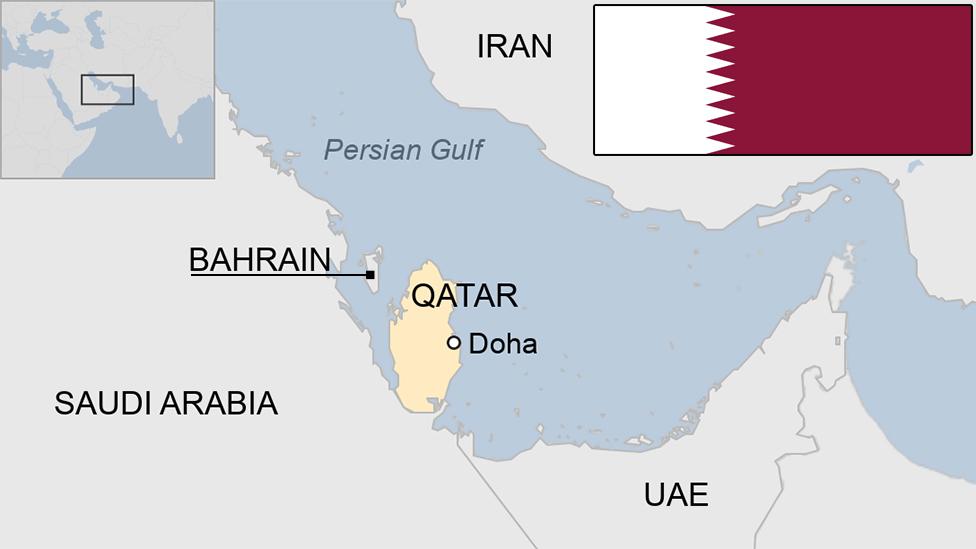
Qatar has embarked on the printing stage of an ambitious architectural endeavour, deploying what are now the world’s largest 3D construction printers to build two public schools. Spearheaded by UCC Holding alongside the Public Works Authority, Ashghal, the project forms part of a broader plan to erect 14 new educational facilities under a public–private partnership, but these two structures alone span 40,000 m²—roughly 40 times larger than any previous 3D‑printed building worldwide.

Two custom-built BODXL printers supplied by Denmark’s COBOD each measure 50 m in length, 30 m in width and 15 m in height—dimensions comparable to a Boeing 737 hangar—making them the largest construction printers ever deployed. The twin schools, each covering 20,000 m² on 100 × 100 m plots, are two-storey edifices designed to showcase scalable, next-gen educational infrastructure.

Extensive preparatory work preceded the launch, including site development, printer assembly and more than 100 full‑scale test prints at a Doha-based trial site using a BOD2 printer. These trials refined concrete mix formulations suited to Qatar’s hot climate and developed bespoke nozzles to enhance precision. In May 2025, UCC engineers trained with COBOD specialists in print sequencing, structural layering and on‑site quality management, cementing Qatar’s local expertise in advanced construction technology.

The project offers clear environmental and operational benefits over conventional construction. By reducing raw material waste, lowering concrete consumption and cutting carbon emissions, 3D printing aligns with sustainable development goals. On‑site production cuts transport requirements and supply chain risk, while round‑the‑clock printing—including overnight operations—helps avoid thermal stress, minimises dust and noise and accelerates timelines.

Architectural design draws inspiration from Qatar’s landscape: sweeping, dune‑inspired curves are possible only through 3D printing’s geometric flexibility—a feat difficult and costly via traditional means. Scheduled to be completed by December 2025, the initiative is expected to redefine sustainable infrastructure while fortifying Qatar’s position as a global innovation hub.

Co‑founder of COBOD, Henrik Lund‑Nielsen, remarked that this marks both a technological milestone and an environmental turning point in building methodology. A spokesperson at UCC Holding said the venture “sets a global benchmark” in construction, as Qatar continues to drive pioneering engineering projects across the Gulf.

All countries under DHL Supply Chain APAC are now certified DHL Supply Chain Japan becomes the newest office to achieve certification SINGAPORE – Media OutReach Newswire – 13 June 2025 – DHL Supply Chain, the global leader in contract logistics, has been certified as a Great Place to Work® across Asia Pacific. DHL Supply Chain Japan is the latest country office to achieve this certification, bringing the […]

HONG KONG SAR – Media OutReach Newswire – 13 June 2025 – The International Automotive & Supply Chain Expo (Hong Kong) 2025 opened on June 12, bringing together global industry leaders. Seizing this strategic opportunity in Hong Kong, Dongfeng Motor is showcasing its technological edge and promoting nine flagship models covering both passenger and commercial vehicle segments. Dongfeng Motor aims to rank among the top three Chinese […]

Swiss pharmaceutical firm Roche has advanced its antibiotic candidate, zosurabalpin, into Phase 3 clinical trials, representing a potential landmark in the fight against Gram-negative bacterial infections. Targeting carbapenem-resistant Acinetobacter baumannii, the drug could mark the first approval of a novel antibiotic class in more than 50 years. Zosurabalpin, a tethered macrocyclic peptide developed in collaboration with Harvard University, disrupts the outer lipopolysaccharide membrane essential for bacterial survival. […]

An Air India Boeing 787‑8 Dreamliner operating as Flight 171 bound for London Gatwick took off from Ahmedabad’s Sardar Vallabhbhai Patel International Airport at 13:38 IST on 12 June 2025, issued a mayday call shortly after lift‑off, lost contact at approximately 625 ft altitude and plummeted into a doctors’ hostel at B.J. Medical College in the Meghani Nagar neighbourhood. Authorities confirm that at least 204 bodies have been recovered from the crash site, with numerous fatalities among residents on the ground.

The passenger manifest listed 242 occupants—230 passengers and 12 crew, comprising two pilots and ten cabin attendants. Nationalities aboard included 169 Indian citizens, 53 British nationals, seven Portuguese and a Canadian. Though initial reports suggested no survivors, one individual reportedly escaped; several building residents and medical students also suffered injuries as rescue operations intensified amid thick smoke and scattered wreckage.

Flight tracking data from Flightradar24 and eyewitness descriptions indicated that the aircraft was flying unusually low, with the landing gear still extended and flaps in abnormal positions, heightening concerns of possible mechanical malfunction or human error. US aviation consultant Anthony Brickhouse noted the landing gear remained deployed at a stage in the climb when it should have retracted, underscoring anomalies observed before impact.

Boeing and GM Aerospace have dispatched technical teams to assist Indian investigators, working alongside the Directorate General of Civil Aviation, the Aircraft Accident Investigation Bureau and experts from the US National Transportation Safety Board. Weather conditions at the time were reported as clear, with no adverse meteorological factors contributing to the incident.

Prime Minister Narendra Modi described the tragedy as “heartbreaking beyond words,” pledging to coordinate relief efforts, while UK Prime Minister Keir Starmer, King Charles III and Canadian officials offered their condolences and consular aid. Ahmedabad’s airport, managed by the Adani Group, briefly halted operations before resuming limited flights; civil hospitals have established emergency corridors to transport the injured.

Flight 171 marks the first fatal crash involving a Boeing 787 since the Dreamliner entered service in 2011, prompting heightened scrutiny of one of the world’s most advanced long‑haul airliners and raising urgent questions around maintenance, training and design vulnerabilities. The aircraft, tail number VT‑ANB, was delivered to Air India in January 2014 and had completed long‑haul rotations the previous week.

This catastrophe compounds Air India’s legacy of accidents, most notably the 2020 Air India Express Kozhikode runway overrun. Following its acquisition by the Tata Group—completed in 2022—and fleet modernisation efforts, including a $70 billion aircraft order in 2023, the airline’s safety record will now be intensely evaluated.

Boeing’s share value fell by over 6% in pre‑market trading in the US, and analysts suggest this may jeopardise confidence amidst its ongoing recovery from earlier quality and delivery issues. In Ahmedabad, emergency services continue to investigate the building’s collapse and the toll of ground casualties—some reports indicate five hospital beds were destroyed in the crash—while DNA matching and victim identification efforts proceed at affected medical facilities.

Flight 171 is currently the deadliest aviation incident of 2025, surpassing the Jeju Air accident in December, and registers as the first hull‑loss of a 787 aircraft.

– Launch a commemorative campaign by celebrating the Japanese app “TRIMA” surpassing 22 million downloads in Japan and its US version “GeoSmile” reaching 1 million downloads – TOKYO, JAPAN – Media OutReach Newswire – 12 June 2025 – GeoTechnologies, Inc. (Headquarters: Tokyo Japan, President & CEO: Yoichiro Yatsurugi), has announced that move-to-earn apps “TRIMA” and “GeoSmile” surpassed twenty-three million cumulative downloads worldwide. Expanding the Japanese move-to-earn app […]

HONG KONG SAR – Media OutReach Newswire – 12 June 2025 – ShopBack, Asia’s leading cashback shopping platform, has announced a strategic partnership with Mastercard to introduce an exclusive cashback promotion, empowering Hong Kong shoppers with enhanced savings when they link their eligible Mastercard cards and purchase at selected merchants via the ShopBack app. ShopBack collaborates with Mastercard to unveil an exclusive cashback promotion, offering shoppers a […]

The newly announced trade agreement between the United States and China offers temporary relief from economic tensions, but it does not resolve the deep strategic rift between the world’s two largest economies. For investors, I believe, this is a short-term fix within a long-term rivalry, and portfolios must be positioned accordingly. President Donald Trump’s statement that a deal is “done” follows two days of talks in London. […]

Africa’s ageing oilfields are undergoing a transformation as artificial intelligence technologies unlock new opportunities for enhanced oil recovery. Operators across the continent are leveraging data-driven systems, machine‑learning and regional policy incentives to revive mature reservoirs, boost output and improve efficiency. Major energy firms have spearheaded this push. SLB opened a 3,200 sq ft Africa Performance Centre in Luanda, Angola on 28 January 2025, designed to offer a collaborative platform for digital […]

OpenAI is holding discussions with a range of international investors—including Saudi Arabia’s Public Investment Fund, Reliance Industries of India, and Abu Dhabi’s MGX—to raise around $40 billion in fresh equity. The move marks a pivotal effort to underwrite its ambitious next-generation AI models and the expansive Stargate infrastructure initiative. The round is being led by Japan’s SoftBank, which aims to shepherd significant capital into artificial intelligence advancements. At […]

HONG KONG SAR – Media OutReach Newswire – 12 June 2025 – The Hong Kong Polytechnic University (PolyU) took part in the world-renowned London Tech Week 2025 held from 9 to 11 June in London, UK, as the only participating university from Hong Kong. Four PolyU startups showcased their ground-breaking innovations in artificial intelligence (AI), advanced manufacturing technologies and healthcare solutions. The event attracted business leaders, industry […]

Brussels has moved to recalibrate its anti-money laundering framework with a significant update to its high‑risk third‑country list. The European Commission has put forward a delegated regulation that, pending a one-month scrutiny by the European Parliament and member states, would remove the United Arab Emirates from the bloc’s “high‑risk” list under the Fourth Anti‑Money Laundering Directive. Simultaneously, Algeria and Lebanon—alongside eight others—will be newly classified as jurisdictions with “strategic deficiencies” in their national AML and counter‑terrorism financing frameworks.

The UAE, delisted in tandem with Barbados, Gibraltar, Jamaica, Panama, the Philippines, Senegal and Uganda, has undergone a sequence of reforms aimed at strengthening judicial oversight, regulatory compliance, and enforcement against illicit financial flows. Its exit from the FATF’s grey list in February 2024 marked the start of a broader crackdown that included the creation of specialised courts for financial crimes and a succession of heavy penalties—most recently, a ₫3.3 million fine imposed by the Central Bank on multiple currency exchange houses for compliance violations.

In Brussels, Commissioner Maria Luís Albuquerque emphasised that the overhaul aligns with global standards and is based on rigorous evaluations involving FATF findings, bilateral dialogues and onsite assessments. The process reflects a broader ambition to shore up the integrity of Europe’s financial system by enforcing transparency and curbing illicit financial flows.

The inclusion of Algeria, Lebanon, Angola, Côte d’Ivoire, Kenya, Laos, Monaco, Namibia, Nepal and Venezuela signals rising concern about governance standards in these jurisdictions. Algeria’s entry follows high-profile anti-corruption prosecutions and its low standing in Transparency International’s Corruption Perceptions Index. Lebanon’s designation reflects ongoing socioeconomic volatility and persistent finance networks linked to non-state armed actors.

Monaco, already on the FATF grey list since mid‑2024, was also added to the EU’s high‑risk list despite its recent enhancements to its financial intelligence unit and AML supervisor. The Commission acknowledged its progress while noting unresolved weaknesses.

The dynamics surrounding the UAE’s delisting, however, are not without controversy. Previously, the European Parliament blocked the move, echoing concerns voiced by Transparency International, citing insufficient progress. Opposition is noted to persist among MEPs, particularly from Spain and its stance on Gibraltar, complicating consensus.

From an economic standpoint, the delistings carry tangible incentives. Banks and financial institutions across the EU will scale back enhanced due diligence on transactions linked to the UAE, reducing compliance burdens and speeding up capital flows. Analysts suggest this could enhance foreign investment, signalling confidence in the UAE’s reputation as a global financial hub and factoring into ongoing free-trade negotiations with the EU.

Despite the acknowledged legislative reforms in the UAE, dissent persists. German Green MEP Rasmus Andresen criticised the move as premature, warning that regulatory gaps remain that could be exploited for illicit financial activities. Commission spokespersons framed the update as technical, decoupled from trade ambitions, though the timing follows the launch of EU–UAE trade negotiations in April.

On the other side, proponents speak of a “reputational course correction” for the UAE, part of a sweeping strategy since 2022 that included legislative overhauls, enforcement operations and judicial mechanisms to reinforce compliance with FATF standards.

Should no objections arise during the legislative review, the updated list will come into force in late July. Transaction oversight requirements across EU financial institutions will adjust accordingly, with the UAE reclassified and new protocols applying to the newly added jurisdictions.

Defense Secretary Pete Hegseth informed the Senate Appropriations Committee on 11 June 2025 that the United States and Qatar have not yet formalised any agreement transferring a Boeing 747‑8 jetliner gifted by the Qatari royal family for potential use as Air Force One. Lawmakers pressing for details were met with repeated deferrals, as Hegseth invoked security and confidentiality concerns.

Senators voiced concern over the lack of transparency surrounding the gift. Senator Jack Reed of Rhode Island demanded insight into contractual terms and timeframe for retrofitting the aircraft to meet presidential standards, only to be told such information was “not for public consumption”. The Pentagon has neither disclosed cost estimates nor identified a specific US contractor for the extensive upgrade work required, including secure communications, defensive capabilities and airworthiness certification.

Despite earlier assurances from Air Force Secretary Troy Meink that retrofitting expenses could remain under USD 400 million, Democrats remain sceptical. Senator Chris Murphy pointed out that past Air Force One modernisation efforts have encountered significant budget escalations, sometimes reaching billions, and questioned the wisdom of funding work on a foreign jet when replacement aircraft are already in production.

Republicans, including Senators Jim Risch and Roger Marshall, defended the deal, asserting that Qatar and the UAE are strong US allies and that the jet donation alleviates procurement delays with Boeing. Secretary Hegseth echoed this view, suggesting that accepting Qatar’s jet could temporarily ease reliance on delayed Boeing‑built VC‑25B aircraft, though he declined to specify projected completion dates or key benchmarks.

Ethical concerns persist across party lines. Opponents argue that accepting a luxury aircraft from a foreign government may trigger Foreign Emoluments Clause issues or at least generate the appearance of impropriety. Qatar, meanwhile, has maintained that the nature of the transaction is under review—possibly a lease or outright purchase rather than a gift—though final details remain unresolved.

The Boeing 747‑8 in question, approximately 13 years old, features lavish interiors and advanced technology, earning it the nickname “palace in the sky.” Converting it to a presidential transport requires secure communications suites, defensive countermeasures, and structural modifications—a process estimated to span years. While Pentagon officials suggest costs may be contained beneath USD 400 million, analysts warn that upgrades for classified systems and nuclear safety could push costs well above one billion dollars.

Beyond the technical and ethical dimensions, questions remain over how accepting Qatar’s jet might affect broader US defence priorities. Some argue that prioritising resources for a foreign-made interim aircraft could detract from funding the delayed VC‑25B programme, which is pivotal to modernising the presidential fleet.

At the same hearing, Hegseth also dismissed calls for transparency, stating that budgetary and negotiating processes must remain classified for national security. This response intensified criticism from Democratic senators, who claim taxpayers deserve clarity on military expenditures and foreign transfers of high-value assets.

Meanwhile, Senate Republicans rejected two resolutions aiming to pause arms sales to Qatar and the UAE, signalling ongoing bipartisan support for the Gulf states despite growing unease over Trump administration’s foreign dealings. Republicans emphasised the strategic importance of maintaining strong defence cooperation, downplaying concerns over the aircraft gift.

The debate is set to continue as the Air Force advances planning and preliminary feasibility studies. Key upcoming moments include formalisation of the memorandum of understanding, selection of retrofit contractors, and disclosure of cost and timeline projections. The outcome will test the administration’s balance between diplomatic expediency, financial responsibility, and institutional transparency.

VISHNU RAJA
RYO YAMADA
HITORI GOTOH
IKUYO KITA
Just in:
After Reaching 7 Million Users in the Philippines, Skyro Launches Transparent Cash Loans in Malaysia // As AI Reshapes Education, Singapore Convenes Global Dialogue on the Future of Early Childhood Education // CR Longdation Aethereal Cybersecurity × Global Cybersecurity Alliance (GCSA) Join Hands to Establish the “AI and Cybersecurity Research Centre” // Hong Kong mandates crypto transaction disclosures to tax authorities // U.S. Mid Term Result Is A Clear Verdict Against Trump’s Authoritarianism // Pinarayi faults UDF over mounting road crashes // AI trust gap reveals distinct retail priorities: Divergent paths to consumer growth in Hong Kong and the GBA // Democrats capture Senate majority with seven Republican seats // Asia Left Behind: Ten international companies have yet to report delivering on their cage-free egg pledges across the region // OpenAI identifies 948 Linux privilege escalation flaws using AI // Burying Head In “India Made Poverty Reduction” Data Is Dangerous // e-Crime Bureau Signs Cybersecurity Partnership With Smart Africa, Reinforcing Its Global Expansion // Dubai boat show confirms international shipyard line-up for November // UK air traffic outage inflicted £33m financial losses // SC to examine students’ exam plea today // ADIA and partners establish $1.4 billion aviation venture // Meraas showcases five residential zones at Dubai Design Week // Fast Just Got Fastest: STING Energy Boost™ Celebrates Kimi Antonelli’s Formula 1® World Championship and the Fan Energy Behind It // Cyberport Venture & Capital Forum 2026 Grand Opening // Govt opposes Arlekar’s PSC action //