Just in:
Burying Head In “India Made Poverty Reduction” Data Is Dangerous // DIP Holding targets Dh1.12 IPO price and $529m proceeds // Asia Left Behind: Ten international companies have yet to report delivering on their cage-free egg pledges across the region // Ta’ziz finalises $1.39bn funding for Ruwais industrial facilities // Dubai boat show confirms international shipyard line-up for November // After Reaching 7 Million Users in the Philippines, Skyro Launches Transparent Cash Loans in Malaysia // Meraas showcases five residential zones at Dubai Design Week // Arrow Electronics showcases technologies advancing intelligent robotics, mobility and digital infrastructure // APT29-linked campaign exploits outdated Apple and Android software // Emirates Group records AED 4.1 billion half-year profit // U.S. Mid Term Result Is A Clear Verdict Against Trump’s Authoritarianism // Anthropic to prohibit persistent abuse of Claude chatbot // Pinarayi faults UDF over mounting road crashes // Oil and chip shares retreat after Democratic victories // xCube Access Welcomes Entrust Capital Limited  Expanding Access to Professional Portfolio Management // Utilities pursue ₹1,992 cr in unpaid bills // Democrats capture Senate majority with seven Republican seats // As AI Reshapes Education, Singapore Convenes Global Dialogue on the Future of Early Childhood Education // ADIA and partners establish $1.4 billion aviation venture // Vance attributes Republican midterm defeats to Iran conflict //

News related to
Tech

Samsung Electronics has announced the sudden passing of its co-chief executive officer, Han Jong-Hee, who died on Tuesday at the age of 63 due to cardiac arrest. Han was instrumental in overseeing the company’s consumer electronics and mobile devices divisions.

Han’s tenure at Samsung began in 1988, with a significant portion of his career dedicated to the television sector. Under his leadership, Samsung ascended to become the world’s leading TV manufacturer. In 2022, he was appointed as co-vice chairman and CEO, roles in which he continued to drive innovation and market dominance in consumer electronics.

His unexpected death comes at a challenging time for Samsung. The company has been grappling with declining earnings and a decrease in share prices, having lost its leading position in smartphone sales to Apple in 2024. Additionally, Samsung has faced setbacks in the advanced memory chip market, trailing behind competitors such as SK Hynix and TSMC.

The company’s leadership had previously acknowledged these difficulties, describing the current period as a “crisis” for Samsung. Factors contributing to this situation include losing AI chip supply contracts to rivals and ceding the top smartphone sales position to Apple.

In light of Han’s passing, co-CEO Jun Young-Hyun, who has been leading the semiconductor division, is set to assume the role of sole CEO. Jun’s leadership will be pivotal as Samsung navigates these turbulent times, aiming to reclaim its competitive edge in the technology sector.

Han’s contributions to Samsung were profound, particularly his efforts in transforming the company’s television business into a global powerhouse. His strategic vision and dedication have left an indelible mark on the company and the broader consumer electronics industry.

The Ministry of Electronics and Information Technology is set to host the Nano Electronics Roadshow and Conference on Semiconductor Ecosystem in India on March 27, 2025, at the National Science Seminar Complex, Indian Institute of Science Bengaluru. This initiative aims to unite key stakeholders from government, industry, academia, strategic sectors, startups, and the venture capital ecosystem to foster innovation and collaboration within the semiconductor domain.

Organized by MeitY’s Nanotechnology Initiatives Division in collaboration with premier institutions including IISc Bengaluru, IIT Bombay, IIT Madras, IIT Delhi, IIT Kharagpur, and IIT Guwahati, the event underscores the government’s commitment to advancing the semiconductor industry. Shri S. Krishnan, Secretary of MeitY, will lead the conference, highlighting the pivotal role of nanoelectronics in shaping the future of technology.

The conference will serve as a platform to showcase cutting-edge innovations in nanoelectronics, featuring pioneering research and ambitious startups poised to become significant players in the industry. Attendees can anticipate in-depth discussions on breakthroughs in quantum technology, neuromorphic computing, artificial intelligence, information technology, and indigenous advancements in nanoelectronics.

India’s semiconductor market is on a trajectory of significant growth. According to the India Electronics and Semiconductor Association , the market is projected to expand from $52 billion in 2024 to $103.4 billion by 2030. This growth is driven by increasing demand across various sectors, including consumer electronics, automotive, and telecommunications. The government’s proactive initiatives, such as the $10 billion incentive package to attract semiconductor investments, further bolster this upward trend.

In alignment with these efforts, several semiconductor manufacturing units have been approved, with construction expected to commence within the next 100 days. These developments are poised to enhance India’s manufacturing capabilities and reduce dependency on imports.

Artificial intelligence initiatives are increasingly central to corporate strategies, yet a significant proportion falter before reaching fruition. Estimates indicate that over 80% of AI projects fail—twice the failure rate of other IT projects. A primary factor in these failures is inadequate data management, encompassing issues such as poor data quality, fragmented data sources, and insufficient governance. Organizations often grapple with integrating data from diverse sources, a challenge […]

Netflix has expanded its high dynamic range offerings by integrating HDR10+ support into its streaming platform. This advancement aims to deliver improved picture quality, featuring enhanced clarity and more vibrant colours for viewers with compatible devices. Previously, Netflix’s HDR content was predominantly available in Dolby Vision, a format not supported by Samsung televisions. This limitation meant that Samsung users were restricted to the standard HDR10 format, which […]

Understanding Permanent Makeup Permanent makeup, also known as cosmetic tattooing or micropigmentation, is a beauty-enhancing technique that involves implanting pigment into the upper layers of the skin. This technique is used for defining eyebrows, enhancing lip color, and adding semi-permanent eyeliner. The result is a long-lasting, natural-looking enhancement that eliminates the need for daily makeup application. This procedure has gained immense popularity worldwide, particularly in Dubai, where […]

MANILA, PHILIPPINES – Media OutReach Newswire – 25 March 2025 – VinFast and MGA.414 Corporation (which operates the JIGA auto service chain) have officially signed a Memorandum of Understanding (MOU) to expand the network of service centers for VinFast electric vehicles (EVs) in the Philippines, aiming to establish over 100 service workshops across the country by the end of this year. VinFast aims to establish over 100 […]

Ola Electric Technologies Pvt Ltd has settled outstanding dues totaling ₹26.75 crore with its former vehicle registration service provider, Rosmerta Group, leading to the withdrawal of insolvency proceedings initiated against the company.

The resolution comes after Rosmerta Digital Services filed an insolvency petition on March 16 under Section 9 of the Insolvency and Bankruptcy Code, alleging payment defaults by Ola Electric Technologies. The petition sought to initiate a corporate insolvency resolution process against the company. In response, Ola Electric confirmed that all outstanding payments have been cleared, and Rosmerta has subsequently filed for the withdrawal of the case from the National Company Law Tribunal in Bengaluru. The company emphasized that there are no further disputes between the parties and reiterated its commitment to maintaining strong business partnerships and resolving issues promptly.

The financial dispute had broader implications, particularly concerning the registration data of Ola Electric’s vehicles. In February, the company reported sales of over 25,000 electric two-wheelers, maintaining a 28% market share in the segment. However, discrepancies emerged between these figures and the data available on Vahan, the government database managed by the Ministry of Road Transport and Highways. Ola Electric attributed this mismatch to ongoing negotiations with its vehicle registration vendors, including Rosmerta. The company has since addressed the backlog resulting from this data discrepancy, although the government has requested further information on the matter.

The settlement has had a noticeable impact on Ola Electric’s stock performance. Following the announcement, the company’s shares experienced a 4% increase during Tuesday’s trading session. However, this surge was short-lived, as the stock later declined by 6.34% from its day’s high, reflecting the volatile nature of the market’s response to the news. Despite this fluctuation, the resolution of the dispute is seen as a positive development for the company, potentially stabilizing its market position.

This incident underscores the challenges faced by companies in the rapidly evolving electric vehicle sector, where operational issues can have significant financial and reputational repercussions. Ola Electric’s swift action to settle the dispute highlights the importance of maintaining robust relationships with service providers and addressing contractual obligations promptly to avoid legal entanglements that could disrupt business operations.

The EV industry in India is witnessing rapid growth, with companies like Ola Electric playing a pivotal role in promoting sustainable transportation solutions. However, as the industry expands, companies must navigate complex operational landscapes, including vendor relationships, regulatory compliance, and market competition. The recent dispute and its resolution serve as a reminder of the intricacies involved in scaling operations while ensuring that all aspects of the business are managed effectively.

Advertisements

Saudi Aramco is actively seeking to expand its investments in China, focusing on energy, chemicals, and technology sectors, as part of its global growth strategy. President and CEO Amin H. Nasser highlighted this commitment during his address at the China Development Forum in Beijing. Nasser emphasized that China remains a pivotal investment destination for Aramco, with ongoing projects in Fujian, Liaoning, Zhejiang, and Tianjin. He noted that […]

Airbus has announced a delay in the development of its hydrogen-powered commercial aircraft, originally slated for introduction by 2035. The postponement, expected to extend the timeline by five to ten years, underscores the formidable technological and infrastructural challenges associated with hydrogen propulsion in aviation. The company cited slower-than-anticipated advancements in critical technologies and the absence of a comprehensive regulatory framework for certifying hydrogen-powered aircraft as primary reasons […]

The Abu Dhabi Investment Authority , through a wholly owned subsidiary, has agreed to acquire a significant minority stake in European Camping Group , a leading provider of outdoor accommodation in Europe. PAI Partners, the France-based private equity firm, will retain its majority shareholding in ECG following the completion of this transaction, which is subject to customary regulatory approvals.

Established as a prominent entity in the outdoor hospitality sector, ECG operates an extensive portfolio of 4- and 5-star campsites across prime tourist destinations in Europe. The group has been instrumental in elevating the camping experience by offering high-end facilities and services, catering to a diverse clientele seeking quality outdoor lodging options.

PAI Partners initially invested in ECG in 2021 and has since played a pivotal role in the company’s expansion and enhancement initiatives. In 2023, PAI Partners reinforced its commitment to ECG by facilitating the acquisition of Vacanceselect, a move that solidified ECG’s position as a pan-European platform in the outdoor accommodation sector. This strategic acquisition expanded ECG’s footprint and diversified its service offerings, aligning with the evolving preferences of modern travelers.

The entry of ADIA as a significant minority stakeholder is poised to further bolster ECG’s growth trajectory. ADIA’s investment is expected to provide additional capital and strategic support, enabling ECG to explore new opportunities and strengthen its market presence. This collaboration underscores the attractiveness of the outdoor hospitality industry to global investors, reflecting confidence in its resilience and potential for sustained growth.

The outdoor accommodation sector has witnessed a surge in demand, driven by travelers’ increasing inclination towards nature-centric and socially distanced vacation options. ECG’s commitment to offering premium camping experiences has positioned it well to capitalize on these trends, making it an appealing prospect for investors like ADIA.

While the financial specifics of the transaction have not been publicly disclosed, the partnership between ADIA and PAI Partners signifies a strategic alignment aimed at leveraging ECG’s established market position and operational expertise. The infusion of resources and insights from ADIA is anticipated to accelerate ECG’s initiatives in enhancing guest experiences, expanding its campsite network, and integrating innovative technologies to meet the evolving demands of the hospitality industry.

A technical issue within Google Maps has resulted in the inadvertent deletion of some users’ Timeline data, with recovery options limited to those who had previously enabled encrypted backups. Google acknowledged the problem, stating that users without encrypted backups will be unable to recover their lost data. Genevieve Park, a Google spokesperson, confirmed the issue, noting that while most users with backups can restore their information, those […]

PHNOM PENH, CAMBODIA – Media OutReach Newswire – 25 March 2025 – Prince Foundation, the philanthropic arm of Prince Holding Group, celebrated the selection of 100 Cambodian students for Batch 4 of the Chen Zhi Scholarship at a ceremony held at Prince Holding Group Headquarters. His Excellency Dr. Hang Chuon Naron, Deputy Prime Minister and Minister of Education, Youth and Sport, attended as guest of honor alongside […]

Linux Kernel 6.14 has been officially released, bringing notable performance improvements and expanded hardware support for AMD, Intel, and RISC-V architectures. This update introduces several key enhancements aimed at optimizing system efficiency and broadening compatibility with emerging technologies. A significant addition in this release is the introduction of the AMDXDNA driver, which supports AMD’s Neural Processing Units . These NPUs, integrated into AMD client CPUs, are designed […]

Arabian Post Staff -Dubai Casio Computer Co., Ltd. has unveiled a new addition to its G-SHOCK line: a limited edition watch designed in collaboration with the iconic Barbie™ brand. This partnership brings together G-SHOCK’s renowned durability and Barbie’s signature style, resulting in a timepiece that celebrates both toughness and fashion. The new model, GMA-S110BE, is based on Casio’s GMA-S110 series, known for its combination analog-digital display and […]

The Washington Nationals have entered into a partnership with TicketOS, designating the company as their Official Corporate Ticket Management Partner. This collaboration aims to streamline the ticket management process for the Nationals’ Premium Partners, offering a more efficient and integrated experience. TicketOS specializes in providing advanced ticket management solutions tailored for corporate clients. By integrating with the Nationals’ existing ticketing platform and Tickets.com, TicketOS enables businesses to […]

Tata Communications has unveiled Tata Communications Vayu, a next-generation cloud fabric designed to address the escalating challenges faced by enterprises in managing multi-cloud environments, rising costs, and the growing demands of artificial intelligence infrastructure. This integrated solution aims to simplify cloud operations, reduce expenses, and foster scalable innovation for businesses navigating the complexities of the digital era.

Vayu integrates Infrastructure as a Service , Platform as a Service , AI platforms, security, and cloud connectivity into a unified ecosystem. This consolidation eliminates management complexities, reduces operational costs, and enables enterprises to scale seamlessly without vendor lock-in. The platform’s transparent pricing model and built-in financial operations automation promise cost savings of up to 30%, with reductions of 15-25% compared to major cloud service providers, and notably, without data egress charges or hidden fees.

To support the increasing adoption of AI applications, Vayu offers on-demand access to high-performance NVIDIA GPUs, facilitating AI model training, fine-tuning, and deployment without substantial infrastructure investments. The inclusion of an AI Studio—comprising an AI workbench, model garden, and responsible AI frameworks—further accelerates innovation by providing essential tools for enterprises to develop and implement AI solutions effectively.

The platform’s PaaS services simplify application deployment through serverless computing, auto-scaling, and managed databases. Integrated DevOps tools, API management, and microservices architecture automate workflows, enabling rapid innovation without the burden of infrastructure management. This vendor-agnostic approach ensures cross-platform interoperability, allowing businesses to operate across various cloud environments, including on-premises, multi-tenant, edge, public, or private clouds.

Security remains a cornerstone of Vayu, featuring a zero-trust security framework, advanced identity and access controls, and compliance with key regulations such as the Digital Personal Data Protection Rules 2025, Reserve Bank of India , Securities and Exchange Board of India , Insurance Regulatory and Development Authority of India , and the Ministry of Electronics and Information Technology . Data encryption both at rest and in transit ensures protection against evolving cyber threats, providing enterprises with confidence in their data security.

Sustainability is also a key focus for Vayu, offering carbon-neutral cloud options and energy-efficient data centres. Tata Communications plans to implement direct liquid cooling technology to optimise heat management for high-performance computing, aligning with environmental, social, and governance goals while delivering superior cloud performance.

A.S. Lakshminarayanan, Managing Director and CEO of Tata Communications, highlighted the platform’s significance: “As the digital era accelerates, the need for enterprise cloud and AI solutions that balance performance, cost, and sustainability has never been greater. Tata Communications Vayu is more than a product—it will pioneer a new way forward for businesses to integrate, uncomplicate, and innovate.”

Bhaskar Gorti, Executive Vice President of Cloud and Cybersecurity Services at Tata Communications, emphasised the transformative nature of Vayu: “Tata Communications Vayu signifies a transformational shift. Enterprises today need more than just basic cloud services, and our latest offering is the beginning of a new chapter in cloud evolution—one where technology is no longer an obstacle but an enabler of limitless possibilities.”

The introduction of Vayu positions Tata Communications to compete directly with established cloud service providers such as Google Cloud, Microsoft Azure, and Amazon Web Services . By focusing on cross-platform interoperability, cost predictability, and leveraging its own network infrastructure, Tata Communications aims to differentiate itself in the competitive cloud market. The platform’s emphasis on reducing cloud expenditure by 15-25%, coupled with the absence of data egress charges, presents a compelling value proposition for enterprises seeking efficient and flexible cloud solutions.

Industry analysts note that the Indian public cloud services market is projected to reach $24.2 billion by 2028, growing at a compound annual growth rate of 23.8% from 2023 to 2028. This growth is driven by factors such as digital transformation initiatives, a preference for as-a-service models, and the increasing adoption of AI technologies. Tata Communications’ strategic focus on large enterprises, startups, and academic institutions positions Vayu to capitalise on this expanding market by providing tailored solutions that address the unique needs of these segments.


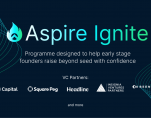
Aspire partners with global top tier VCs to launch a programme to empower early stage founders with the knowledge, resources and investor connections to fundraise with confidence. SINGAPORE – Media OutReach Neswire – 25 March 2025 – Aspire, the all-in-one finance platform for modern businesses, today announces the launch of Aspire Ignite, a programme designed to help early stage startup founders overcome one of the biggest challenges […]

The European Union is considering the development of a Linux-based operating system tailored for use across its public sector institutions. This initiative aims to reduce reliance on proprietary software, enhance digital sovereignty, and ensure compliance with data protection regulations. The proposed system, referred to as “EU OS,” is envisioned as a Fedora-based Linux distribution featuring the KDE Plasma desktop environment. According to the project’s documentation, EU OS […]

President Donald J. Trump has initiated a significant overhaul of the United States Agency for International Development , rebranding it as the U.S. International Humanitarian Assistance and integrating blockchain technology into its operations. This restructuring places the agency under the direct authority of Secretary of State Marco Rubio, aiming to enhance transparency and efficiency in foreign aid distribution.

An internal memo circulating within the State Department outlines the administration’s plan to utilize blockchain technology to secure and trace aid disbursements. The objective is to improve the transparency, security, and efficiency of aid distribution by leveraging blockchain’s immutable ledger capabilities. However, the specifics of this integration—whether it involves the use of cryptocurrencies or solely blockchain ledgers—remain unclear. The administration emphasizes a shift towards outcomes-based funding, intending to ensure that aid programs deliver measurable results.

Despite these intentions, the proposed reorganization has encountered legal challenges. A federal judge recently ruled that the dismantling of USAID by the Department of Government Efficiency , led by Elon Musk, likely violates the Constitution. The court issued an indefinite injunction blocking further actions against USAID and mandated the reinstatement of email and computer access to affected employees. This ruling does not reverse all personnel changes or fully restore the agency but highlights concerns over the administration’s approach to restructuring.

Critics argue that while blockchain technology offers potential benefits, its application in humanitarian contexts may not be necessary or cost-effective. Some experts caution that such technological solutions could impose additional burdens on smaller non-governmental organizations and may not provide substantial advantages over existing systems. They suggest that the focus should remain on addressing the immediate needs of aid recipients rather than implementing complex technological frameworks.

The administration’s broader strategy includes reducing the size of the federal government and reallocating resources to align more closely with American geopolitical interests. This involves concentrating on areas such as global health, food security, and disaster response, while politically oriented programs may be redirected to other sections within the State Department. The restructuring plan also proposes the elimination of multiple regional bureaus, aiming to streamline operations and enhance efficiency.

Secretary of State Marco Rubio has indicated that the reorganization will proceed with input from Congress, underscoring the administration’s commitment to aligning foreign aid programs with the interests of U.S. taxpayers and strategic objectives. However, the legal setbacks and critiques from various stakeholders suggest that the path forward may be complex and contentious.

The U.S. Department of the Treasury has lifted sanctions against Tornado Cash, a cryptocurrency mixer previously accused of facilitating extensive money laundering activities, including transactions linked to North Korean cybercriminals. This decision follows a series of legal challenges questioning the Treasury’s authority to impose such sanctions on decentralized software protocols.

In August 2022, the Treasury’s Office of Foreign Assets Control sanctioned Tornado Cash, alleging its involvement in laundering over $7 billion since its inception in 2019. Notably, OFAC claimed that the North Korean hacking group Lazarus utilized the platform to launder more than $455 million. The sanctions marked a significant move by the U.S. government to regulate the use of cryptocurrency mixers, which are designed to obfuscate transaction trails on blockchain networks.

The sanctions faced immediate opposition from various quarters of the cryptocurrency community. Six users of Tornado Cash, with financial backing from the cryptocurrency exchange Coinbase, filed a lawsuit challenging OFAC’s action. They argued that sanctioning open-source, self-executing software exceeded the agency’s statutory authority under the International Emergency Economic Powers Act . The plaintiffs contended that the immutable smart contracts constituting Tornado Cash could not be considered property subject to sanctions.

In November 2024, the U.S. Court of Appeals for the Fifth Circuit ruled in favor of the plaintiffs, stating that OFAC had overstepped its authority. The court held that the smart contracts underlying Tornado Cash were not property and, therefore, not subject to sanctions under IEEPA. This ruling underscored the challenges regulators face when applying traditional legal frameworks to decentralized technologies.

Following the court’s decision, the Treasury conducted a review of the legal and policy issues surrounding the use of sanctions in the context of evolving technologies. On March 21, 2025, the Treasury announced the removal of Tornado Cash and associated Ethereum wallet addresses from the Specially Designated Nationals list. In a statement, Treasury Secretary Scott Bessent emphasized the department’s commitment to combating illicit activities in the digital asset space while acknowledging the need to adapt regulatory approaches to technological advancements.

Despite the delisting, the Treasury reiterated its concerns about North Korea’s state-sponsored hacking and money laundering campaigns. The department stressed the importance of securing the digital asset industry from abuse by illicit actors to maintain U.S. leadership in financial innovation and inclusion. The Treasury also indicated that it would continue to monitor transactions that could benefit malicious cyber actors or the North Korean regime.

The legal proceedings against individuals associated with Tornado Cash have also been noteworthy. In 2023, two co-founders of Tornado Cash were charged with facilitating over $1 billion in money laundering, including transactions linked to the Lazarus Group. One of the co-founders, Roman Storm, is awaiting trial and has denied any criminal activity. Additionally, in May 2024, developer Alexey Pertsev was sentenced to five years and four months in prison in the Netherlands for money laundering related to his involvement with Tornado Cash.

The removal of sanctions against Tornado Cash has elicited varied reactions from the cryptocurrency community and regulatory observers. Proponents of decentralized technologies view the court’s decision and subsequent delisting as a victory for open-source software development and financial privacy. They argue that sanctioning code rather than individuals or entities sets a concerning precedent for technological innovation.

Conversely, critics express apprehension that the delisting could embolden malicious actors to exploit similar platforms for illicit purposes. They emphasize the necessity for regulatory frameworks that effectively address the misuse of privacy-enhancing technologies without stifling innovation. The case of Tornado Cash highlights the complexities regulators face in balancing the promotion of technological advancement with the imperative to prevent criminal exploitation of emerging technologies.

The Treasury’s decision to lift sanctions against Tornado Cash underscores the dynamic nature of regulatory approaches to decentralized technologies. As the digital asset landscape continues to evolve, regulatory bodies worldwide are grappling with the challenge of applying existing legal frameworks to novel technological constructs. The outcome of the Tornado Cash case may serve as a reference point for future policy discussions on regulating decentralized platforms and the broader implications for financial privacy and security.

In the wake of the delisting, stakeholders in the cryptocurrency industry are closely monitoring potential regulatory responses and the development of new guidelines tailored to address the unique attributes of decentralized technologies. The balance between fostering innovation and ensuring robust safeguards against illicit activities remains a central theme in the ongoing discourse on cryptocurrency regulation.

The United Arab Emirates has announced an unprecedented commitment to invest $1.4 trillion in the United States over the next decade, marking a significant deepening of economic ties between the two nations. This ambitious investment framework aims to bolster key sectors of the U.S. economy, including artificial intelligence infrastructure, semiconductors, energy, and manufacturing. The announcement follows a series of high-level meetings in Washington, D.C., where UAE National […]

Ripple Labs has secured a significant legal victory as the U.S. Securities and Exchange Commission officially dropped its lawsuit against the company, concluding a four-year legal battle that has had profound implications for the cryptocurrency industry. Ripple’s CEO, Brad Garlinghouse, announced the development, marking a pivotal moment for both the company and the broader digital asset market.

The SEC initiated legal proceedings against Ripple in December 2020, alleging that the company’s sale of its native cryptocurrency, XRP, constituted an unregistered securities offering. This action cast a shadow over XRP and raised concerns about the regulatory status of similar digital assets. However, the SEC’s decision to dismiss the case signifies a notable shift in the regulatory landscape, potentially setting a precedent for how cryptocurrencies are classified and regulated in the United States.

In response to the news, XRP experienced a notable price surge. The cryptocurrency’s value increased by approximately 8%, reaching $2.56, as investors reacted positively to the resolution of the legal uncertainty that had long surrounded Ripple and its digital token. This price movement reflects renewed investor confidence and suggests a more favorable outlook for XRP’s future.

The conclusion of the lawsuit comes amid broader regulatory developments under President Donald Trump’s administration, which has adopted a more accommodating stance toward the cryptocurrency industry. The administration’s efforts to ease regulatory pressures have included the dismissal of multiple lawsuits against crypto companies and the establishment of a task force aimed at fostering innovation within the digital asset space. These measures underscore a strategic shift toward embracing the potential of cryptocurrencies and blockchain technology within the U.S. financial system.

President Trump’s engagement with the cryptocurrency sector was further highlighted by his recent address at the Digital Asset Summit 2025, where he acknowledged the growing importance of digital assets in the global economy. This marked the first time a sitting U.S. president has spoken at a cryptocurrency conference, signaling a significant endorsement of the industry’s legitimacy and potential. During his speech, President Trump emphasized his administration’s commitment to positioning the United States as a leader in the crypto space, advocating for legislative reforms to support the growth of crypto institutions and the broader adoption of digital assets.

The resolution of the Ripple lawsuit is expected to have far-reaching implications for the cryptocurrency market. By clarifying the regulatory status of XRP, the decision may influence how other digital assets are perceived and regulated, potentially paving the way for increased institutional investment and mainstream adoption. Market analysts suggest that this outcome could serve as a catalyst for further innovation and growth within the crypto industry, as regulatory clarity is often cited as a critical factor for broader acceptance and integration of digital assets into traditional financial systems.

Despite the positive developments, some analysts caution that the cryptocurrency market remains inherently volatile. While the dismissal of the SEC’s case against Ripple removes a significant overhang, investors are advised to remain vigilant and consider the inherent risks associated with digital asset investments. Market dynamics can be influenced by various factors, including regulatory changes, technological advancements, and macroeconomic trends, all of which can contribute to price fluctuations and investment risks.

Ripple’s legal victory also has implications for other cryptocurrency platforms and tokens facing regulatory scrutiny. The outcome of this case may serve as a reference point for future legal interpretations and enforcement actions by regulatory bodies, potentially influencing the development of more comprehensive and clear regulatory frameworks for the cryptocurrency industry. This could lead to a more predictable and stable environment for both crypto companies and investors, fostering greater confidence and participation in the digital asset market.

Royal Private Offices across the Gulf Cooperation Council nations have rapidly accumulated assets totaling approximately $500 billion, emerging as pivotal players in the region’s financial landscape. This substantial growth has been instrumental in the creation of new sovereign wealth funds , reshaping investment strategies and economic diversification efforts within the Gulf states.

A recent report by Deloitte highlights the significant influence of RPOs, noting their role in establishing additional or parallel entities in countries where sovereign funds already exist. This trend is particularly evident in the GCC, where new funds linked to specific individuals or extended families have emerged in recent years.

The GCC’s sovereign wealth funds currently manage assets estimated at $4.9 trillion, with projections suggesting this figure will surpass $5 trillion by early 2025 and could reach $7 trillion by 2030. The integration of RPOs into the financial ecosystem has not only expanded the asset base but also diversified investment portfolios, encompassing sectors such as technology, infrastructure, and renewable energy.

One notable development is the establishment of a $500 million family office in Hong Kong by Sheikh Ali Al Maktoum, a member of Dubai’s ruling family. This move underscores the strategic intent of Gulf royals to explore investment opportunities across Asia, focusing on sectors like artificial intelligence, construction, electric vehicles, tourism, and fintech.

The emergence of RPOs has also led to increased competition among GCC cities to attract global wealth managers. Both Dubai and Abu Dhabi are vying to become the region’s premier financial hubs, offering favorable business regulations, tax incentives, and access to substantial sovereign wealth. Abu Dhabi, for instance, is leveraging its sovereign wealth funds, which manage nearly $2 trillion, to boost non-oil growth and position itself alongside Dubai as a prominent financial center.

This competitive landscape has attracted numerous international finance and law firms to the Middle East. Prominent entities such as Marshall Wace, Rothschild, and Skadden have expanded their operations into the region, drawn by the burgeoning opportunities presented by RPOs and SWFs.

The strategic investments by RPOs are not confined to traditional sectors. Sheikh Tahnoun bin Zayed al Nahyan, the UAE’s national security adviser, controls an estimated $1.5 trillion in assets and is focusing on transforming Abu Dhabi into an artificial intelligence superpower. Through his control over tech conglomerate G42, Sheikh Tahnoun aims to position the UAE at the forefront of the global AI industry, reflecting the region’s ambition to lead in cutting-edge technologies.

The rise of RPOs has also influenced the asset management landscape. In 2024, major firms aggressively expanded in the Middle East to engage local investors, driven by sovereign wealth funds’ demand for local investment. This expansion reflects the growing appeal and strategic importance of the Middle East for global finance and legal entities.

HONG KONG SAR – Media OuReach Newswire – 24 March 2025 – Economist Impact successfully concluded its 5th annual Technology for Change Asia on March 12th and 13th at the Hopewell Hotel in Hong Kong, bringing together over 570 leaders to explore the transformative power of emerging technologies for business and society. Photo caption: Albert Wong Hak-keung, chief executive officer of Hong Kong Science & Technology Parks […]

VISHNU RAJA
RYO YAMADA
HITORI GOTOH
IKUYO KITA
Just in:
Pinarayi faults UDF over mounting road crashes // Democrats capture Senate majority with seven Republican seats // Cloudflare unveils Zero Wire vulnerability intelligence service // Oil and chip shares retreat after Democratic victories // After Reaching 7 Million Users in the Philippines, Skyro Launches Transparent Cash Loans in Malaysia // Fast Just Got Fastest: STING Energy Boost™ Celebrates Kimi Antonelli’s Formula 1® World Championship and the Fan Energy Behind It // Dubai boat show confirms international shipyard line-up for November // SC to examine students’ exam plea today // Cyberport Venture & Capital Forum 2026 Grand Opening // Anthropic to prohibit persistent abuse of Claude chatbot // Asia Left Behind: Ten international companies have yet to report delivering on their cage-free egg pledges across the region // Vance attributes Republican midterm defeats to Iran conflict // APT29-linked campaign exploits outdated Apple and Android software // As AI Reshapes Education, Singapore Convenes Global Dialogue on the Future of Early Childhood Education // Meraas showcases five residential zones at Dubai Design Week // AI trust gap reveals distinct retail priorities: Divergent paths to consumer growth in Hong Kong and the GBA // OpenAI identifies 948 Linux privilege escalation flaws using AI // Ta’ziz finalises $1.39bn funding for Ruwais industrial facilities // DIP Holding targets Dh1.12 IPO price and $529m proceeds // Emirates Group records AED 4.1 billion half-year profit //