Just in:
As AI Reshapes Education, Singapore Convenes Global Dialogue on the Future of Early Childhood Education // Dubai boat show confirms international shipyard line-up for November // DIP Holding targets Dh1.12 IPO price and $529m proceeds // Utilities pursue ₹1,992 cr in unpaid bills // xCube Access Welcomes Entrust Capital Limited  Expanding Access to Professional Portfolio Management // Meraas showcases five residential zones at Dubai Design Week // U.S. Mid Term Result Is A Clear Verdict Against Trump’s Authoritarianism // Cloudflare unveils Zero Wire vulnerability intelligence service // Arrow Electronics showcases technologies advancing intelligent robotics, mobility and digital infrastructure // APT29-linked campaign exploits outdated Apple and Android software // AI trust gap reveals distinct retail priorities: Divergent paths to consumer growth in Hong Kong and the GBA // Hong Kong mandates crypto transaction disclosures to tax authorities // ADIA and partners establish $1.4 billion aviation venture // Cyberport Venture & Capital Forum 2026 Grand Opening // Emirates Group records AED 4.1 billion half-year profit // After Reaching 7 Million Users in the Philippines, Skyro Launches Transparent Cash Loans in Malaysia // Anthropic to prohibit persistent abuse of Claude chatbot // SC to examine students’ exam plea today // Govt opposes Arlekar’s PSC action // Fast Just Got Fastest: STING Energy Boost™ Celebrates Kimi Antonelli’s Formula 1® World Championship and the Fan Energy Behind It //

News related to
Tech

WASHINGTON, DC and ULAANBAATAR, MONGOLIA – Media OutReach Newswire – 23 April 2025 – Delphos, a premier advisor in private emerging markets, proudly announces its role as the exclusive financial advisor for LendMN’s landmark $20 million USD debt financing. This strategic financial move marks the first significant milestone for a Mongolian fintech company, positioning LendMN and Mongolia on the international stage for fintech innovation and investment. Delphos […]

Ubuntu 25.04 users can now install the Ghostty terminal emulator via DEB packages, thanks to a community-led packaging initiative spearheaded by software engineer Mike Kasberg. This development simplifies access to Ghostty, a cross-platform terminal application that has garnered attention for its native user interface and GPU-accelerated performance. Ghostty, developed by Mitchell Hashimoto, co-founder of HashiCorp, aims to provide a fast, feature-rich, and native experience across macOS, Linux, […]

Promoting the Development and Heritance of Sports, Advocating the Spirit of “Fearless against Challenges and Pursuing Excellence” HONG KONG SAR – Media OutReach Newswire – 23 April 2025 – Hong Kong, geographically surrounded by the sea, is an ideal venue for water sports events, while sailing is being one of the most focused water sports events. This year, Hong Kong Life sponsors the local sailing team B.L.U. […]

Whale.io, a blockchain-powered gaming platform, has unveiled Battlepass Season 2, introducing enhanced features aimed at deepening user engagement and expanding its digital ecosystem. This latest iteration builds upon the platform’s fusion of casino gaming and blockchain technology, offering players a more immersive and rewarding experience.

Season 2 introduces a revamped progression system, allowing players to earn exclusive rewards through daily, weekly, and seasonal challenges. These challenges are designed to encourage consistent participation, with incentives such as bonus spins, cashback offers, and early access to new games. The integration of the $WHALE token remains central, enabling players to utilize their earnings for in-game benefits and participate in the platform’s governance.

A notable addition is the enhanced Tribe system, fostering community engagement by allowing players to form groups, collaborate on challenges, and compete for collective rewards. This feature aims to cultivate a sense of camaraderie and competition, further enriching the gaming experience.

Whale.io continues to leverage blockchain technology to ensure transparency and security across its platform. All transactions and reward distributions are recorded on-chain, providing verifiable proof of fairness and fostering trust among users.

Global markets have been jolted by the ongoing trade dispute between the United States and China, with far-reaching consequences on global economies. Amid this financial instability, India stands out as one of the countries managing the storm with resilience, both politically and economically. While several nations have seen their stock markets fluctuate and their economies face setbacks, India’s performance remains relatively stable, prompting analysts to look closer […]

Emirates Integrated Telecommunications Company has entered into a landmark agreement with Microsoft to construct a state-of-the-art hyperscale data centre in the UAE. The project, valued at approximately 2 billion dirhams , marks a significant development in the country’s growing data infrastructure sector.

This collaboration, unveiled during Dubai AI Week, aims to create a cutting-edge facility that will offer cloud computing and data storage solutions for businesses across the region. With Microsoft as the primary tenant, the data centre is expected to scale its operations in phases, enhancing the UAE’s digital landscape over time.

Hyperscale data centres, like the one planned in partnership with Microsoft, are vast facilities designed to handle massive amounts of data, providing essential services for enterprises in various sectors, from finance to telecommunications. These centres are vital for enabling cloud-based operations and the increasing reliance on digital platforms.

Fahad Al Hassawi, CEO of du, highlighted the significance of the project, stating that the development represents a major step forward in the UAE’s ambition to lead in the global digital economy. “This deal marks a pivotal leap in our strategic goal to revolutionise the digital ecosystem of the UAE,” Al Hassawi said in his statement.

As the demand for cloud services continues to rise across the Middle East, this hyperscale data centre is poised to address the growing need for data storage, backup, and processing power. The centre will serve as a critical hub, supporting both local businesses and multinational companies looking to expand their presence in the region.

The data centre is also expected to help drive advancements in artificial intelligence , a technology that is rapidly gaining traction across various industries. By providing a robust infrastructure for AI development, the facility will bolster the UAE’s position as a leader in digital innovation. Microsoft’s involvement will bring in not only expertise in cloud technologies but also access to their vast network of global services, including Azure, which powers a wide range of enterprise solutions.

This partnership highlights the UAE’s commitment to investing in next-generation technologies to support the region’s economic diversification. With cloud computing continuing to be a fundamental driver of the digital economy, the development of such facilities is a clear reflection of the country’s long-term strategy to enhance its technological capabilities and attract international investment.

The project will further contribute to the UAE’s broader vision of becoming a global tech hub. The strategic location of the data centre in Dubai offers a significant advantage, given the city’s status as a business and logistics hub connecting Europe, Asia, and Africa. The development of this data centre aligns with the UAE’s long-standing goals of promoting innovation, sustainability, and digital transformation across multiple sectors.

The deal underscores the UAE’s efforts to improve its digital infrastructure in line with global standards. The hyperscale facility will provide businesses with enhanced access to cloud-based services, ensuring that they have the flexibility to scale operations efficiently. This is expected to benefit sectors like finance, e-commerce, and telecommunications, which are increasingly dependent on cloud technology.

The hyperscale data centre also aligns with the UAE’s broader ambitions to become a global leader in technology and digital services. As the country moves towards a knowledge-based economy, investments in data infrastructure are seen as critical to sustaining long-term economic growth. The UAE’s strategic investments in this sector are expected to have far-reaching effects on both local and international markets, with businesses set to benefit from enhanced access to cloud services and data storage.

The scale and scope of the partnership between du and Microsoft also reflect the increasing importance of international collaborations in the tech industry. Such collaborations are essential for fostering innovation and ensuring that businesses in the UAE have access to world-class technologies. By partnering with a global tech leader like Microsoft, du is positioning itself to be at the forefront of the digital revolution in the region.

As the UAE continues to expand its digital footprint, this project represents a significant step in its journey towards becoming a hub for advanced technologies in the Middle East. The hyperscale data centre will not only meet the growing demand for cloud services but also play a pivotal role in the broader development of AI and digital transformation initiatives in the region.


As the ongoing antitrust case against Google progresses, OpenAI has expressed interest in acquiring Google Chrome, should the US Department of Justice force the tech giant to divest the browser as part of its antitrust settlement. The revelations came during a recent hearing in which Nick Turley, the head of OpenAI’s ChatGPT division, provided insights into the company’s potential strategic moves. OpenAI’s interest in Chrome highlights the […]

Advertisements

Emirates Islamic Bank recorded a significant upswing in profitability in the first quarter of 2025, with net profits rising to AED 1 billion, marking a 23% year-on-year increase from AED 811 million in the corresponding period of 2024. The performance was driven by robust income from both funded and non-funded sources, underlining the bank’s strengthened position in the UAE’s competitive banking sector.

Earnings per share reached AED 0.18, up from AED 0.14 a year earlier. Total income for the quarter climbed to AED 1.7 billion, an 18% increase from the same period last year. This upturn in revenue stemmed from higher financing and investment income, as well as growth in fee and commission income, which points to a broader recovery in consumer and business activity.

The bank’s managing director and CEO, Salah Mohammed Amin, attributed the strong financial performance to disciplined cost management, enhanced digital adoption, and sustained growth across key segments. He also noted that the bank’s strategic alignment with Emirates NBD Group objectives, including digital transformation and innovation, continues to yield tangible results.

Operating profit rose by 20% year-on-year to AED 1.1 billion, while the cost-to-income ratio improved to 36%, reflecting operational efficiency. Provisioning for credit losses was AED 129 million, a figure that remains within manageable limits and signals prudent risk management amid ongoing macroeconomic fluctuations.

The bank’s asset base expanded to AED 92 billion, a 9% growth compared to the first quarter of 2024. Customer deposits increased by 5% to AED 70 billion, with current and savings account balances forming 78% of total deposits, indicating continued customer confidence and loyalty. Financing receivables stood at AED 51 billion, up 6% from the previous year, signalling strong demand for retail and corporate financing.

Islamic banking products across consumer, SME, and corporate segments registered healthy uptake, supported by product innovation and the bank’s expanding digital footprint. Emirates Islamic has also ramped up investments in technology infrastructure to improve service delivery and enhance customer engagement through mobile and online platforms.

Emirates Islamic’s focus on ethical finance and Shariah-compliant services has positioned it well within the UAE’s growing Islamic finance ecosystem. The country continues to be a major hub for Islamic banking, which is gaining traction both regionally and globally. The bank’s growth mirrors broader trends in the sector, where increasing customer preference for Shariah-compliant solutions and strong regulatory support are bolstering market expansion.

Emirates Islamic’s capital adequacy ratio stood at a comfortable 18.4%, well above regulatory requirements, ensuring resilience and capacity for future growth. Liquidity coverage ratio remained strong at 161%, reflecting a solid funding base and proactive balance sheet management.

The bank’s digital strategy remains a core pillar of its long-term growth plans. Over the past year, Emirates Islamic has launched multiple enhancements to its mobile banking app, introduced AI-driven features for personalised financial services, and partnered with fintech players to expand its service offerings. These efforts have not only improved customer experience but have also helped in capturing a younger, tech-savvy demographic.

As part of its sustainability agenda, the bank reported progress on green finance initiatives and continues to integrate environmental, social, and governance principles into its lending and operational frameworks. The bank also highlighted its support for SMEs and community initiatives as part of its broader commitment to social responsibility.

Looking ahead, Emirates Islamic anticipates continued positive momentum, supported by favourable economic conditions in the UAE, ongoing investment in innovation, and a resilient customer base. The leadership expects the bank to remain well-positioned to navigate emerging challenges while delivering strong returns.

Bitcoin has surged past the $90,000 threshold, reaching $90,468 across major exchanges. This marks a significant rebound, occurring 46 days after the cryptocurrency last touched this level on March 7, 2025.

The rally is attributed to a combination of factors, including renewed institutional interest and favourable policy signals. The inauguration of President Donald Trump has introduced a more crypto-friendly regulatory environment. Notably, the administration’s proposal to establish a strategic Bitcoin reserve has been perceived as a bullish indicator by market participants.

Analysts have observed that the approval of multiple spot Bitcoin exchange-traded funds earlier this year has played a pivotal role in attracting substantial capital inflows. These ETFs have provided traditional investors with a regulated avenue to gain exposure to Bitcoin, thereby enhancing its legitimacy and appeal.

Market sentiment has also been influenced by macroeconomic indicators. The Consumer Price Index data released this month aligned with market expectations, suggesting a stabilising inflationary environment. This has bolstered investor confidence in risk assets, including cryptocurrencies.

Despite the upward trajectory, some caution remains. Betting markets indicate a 61% probability of Bitcoin reaching $110,000 within the year, with diminishing confidence in higher targets. Conversely, there is a notable expectation of potential pullbacks, with some forecasts suggesting a dip to around $70,000.

Technical analysts are closely monitoring key support and resistance levels. The $90,000–$91,000 range is identified as a critical support zone, while resistance is anticipated near the $95,000 mark. Momentum indicators, such as the Relative Strength Index , currently reflect a neutral stance, indicating a balanced market sentiment.

A pioneering lithium-ion battery that can stretch, self-repair after being cut, and maintain power output under extreme conditions has been developed by researchers at Jilin University in China. This innovation addresses longstanding challenges in flexible electronics, offering a robust energy solution for applications ranging from wearable devices to soft robotics. Traditional lithium-ion batteries are encased in rigid structures to prevent moisture ingress and contain flammable electrolytes, limiting […]

Bitcoin’s price movement remains largely unaffected by Strategy’s multibillion-dollar buying activity, new data reveals. Despite making significant purchases in the cryptocurrency market, Strategy’s impact on Bitcoin’s value has been minimal. The company’s acquisitions, representing approximately 3.3% of the weekly trading volume on average, have not significantly correlated with price fluctuations, underscoring the limited influence of even large-scale institutional players in this volatile market.

The findings raise questions about the extent to which individual institutional actors can sway the broader cryptocurrency market. Despite the scale of its investments, Strategy’s influence seems relatively muted, suggesting that other factors might be driving Bitcoin’s price rather than institutional buying alone. This information highlights the complex dynamics of the cryptocurrency market, where a variety of elements – including market sentiment, global macroeconomic trends, and technological developments – play a more substantial role in influencing price movements.

Bitcoin’s price is often seen as a barometer for the health of the broader cryptocurrency market. As one of the most highly traded and well-known digital assets, it attracts significant institutional interest. Many firms, including Strategy, have made headlines for their sizable acquisitions of Bitcoin in recent years. However, despite the widespread belief that such purchases would lead to substantial price increases, the latest data paints a different picture. Strategy’s involvement represents a fraction of Bitcoin’s total trading volume, suggesting that the asset’s price is driven by a combination of factors beyond just institutional purchases.

Even though Strategy’s purchases are worth billions of dollars, their influence has proven to be minimal in terms of price impact. The data shows that their buying activity correlates weakly with Bitcoin’s price changes, challenging the notion that institutional purchases alone can lead to sustained price rallies or dips. As Bitcoin continues to mature, its price dynamics appear to be governed by a more complex set of interactions involving retail traders, market sentiment, and external economic events.

This revelation is significant for investors and analysts who closely monitor the relationship between institutional investment and Bitcoin’s value. In the past, large-scale acquisitions by firms like Strategy were seen as a potential signal of future price growth. However, the data now suggests that these purchases may be less influential than originally anticipated. With institutional money playing a less decisive role than expected, the spotlight has turned to other factors that could be shaping Bitcoin’s trajectory.

Many experts are beginning to reconsider the role of institutional players in the Bitcoin market. The influence of such firms may not be as potent as initially assumed, as institutional players like Strategy account for a small portion of the total trading volume. The remaining market activity is largely driven by individual traders, speculators, and the broader sentiment in the financial markets. This shift underscores the evolving nature of Bitcoin’s market structure, where retail investors and global economic trends seem to have a more pronounced effect on price fluctuations than institutional purchases.

At the same time, the relatively modest effect of Strategy’s Bitcoin buying also highlights a critical point for investors. Despite the growing interest in Bitcoin and other cryptocurrencies from institutional investors, it is clear that these players may not possess the same level of market-moving power as traditional financial institutions in more established asset classes. For Bitcoin to experience the kind of price surges that some market participants expect, other catalysts – such as widespread adoption, regulatory clarity, or innovations in blockchain technology – may need to come into play.

The data also calls into question the long-term viability of institutional investors as a primary driver for Bitcoin’s price. While these firms are undoubtedly helping to bolster Bitcoin’s credibility as an asset class, their influence on daily price action remains limited. This may shift as institutional investment grows in the coming years, but for now, Bitcoin’s price remains vulnerable to factors outside the control of even the largest buyers.

The World Trade Organization has projected a 0.2% decline in global merchandise trade volume for 2025, a significant downgrade from earlier forecasts. This contraction is attributed to escalating tariff disputes and increasing policy uncertainties, particularly between major economies. The WTO’s latest Global Trade Outlook and Statistics report, based on policies effective as of April 14, indicates that the anticipated decline is nearly three percentage points lower than […]

Greenlogue/AP Dubai is set to host the 11th World Green Economy Summit on 1–2 October 2025 at the Dubai World Trade Centre. Organised by the Dubai Supreme Council of Energy, Dubai Electricity and Water Authority , and the World Green Economy Organization , the summit will convene global leaders, policymakers, and experts to discuss strategies for advancing sustainable development and climate resilience. Held under the patronage of […]

Dubai General Properties, a subsidiary of Al Ali Property Investments, has launched Mews Mansions, an ultra-luxury residential project in the Meydan district, with an estimated investment exceeding AED 950 million . The development comprises ten bespoke five-bedroom villas, each designed to offer opulent living experiences and set new standards in the high-end real estate market. Situated in the prestigious Nad Al Sheba area within Meydan, Mews Mansions […]

The Department of Justice has taken an assertive step in its ongoing antitrust lawsuit against Google, urging that the company’s Chrome browser be sold off to a separate entity. This proposal is a crucial part of the remedy phase of the case, where the DOJ seeks to dismantle what it perceives as Google’s monopolistic hold over the online search and browser market. This suggestion marks a significant […]

Aramco and BYD, two giants in their respective industries, have entered into a strategic partnership aimed at advancing new energy vehicle technologies. The collaboration is expected to drive innovation in the electric vehicle sector, integrating Aramco’s expertise in energy and BYD’s cutting-edge solutions in battery technology.

The partnership comes at a time when the global shift toward clean energy solutions is gaining momentum. With governments around the world pushing for reduced carbon emissions and an increasing focus on sustainable transportation, companies like Aramco and BYD are well-positioned to lead the way. The collaboration between these two firms will not only leverage their individual strengths but also contribute significantly to the transition toward a low-carbon future.

Aramco, long known for its dominance in the oil and gas sector, has increasingly invested in renewable energy technologies, recognising the growing importance of sustainable practices in the energy industry. As part of its diversification strategy, the company has ventured into hydrogen production, solar energy, and, more recently, electric vehicles. This move signals a shift in Aramco’s approach, with an eye on future-proofing its operations against an ever-evolving energy landscape.

BYD, based in China, has made remarkable strides in the development of electric vehicles and energy storage systems. Known for its innovation in power batteries, BYD has become a leader in the NEV space, developing everything from electric buses to passenger cars. Its established foothold in both the automotive and energy sectors gives it a significant advantage in pushing the boundaries of green technology. The company’s electric vehicles have gained a loyal customer base globally, particularly in markets like China and Europe, where demand for eco-friendly transportation solutions is surging.

The two companies are aiming to explore a wide range of opportunities within the electric vehicle market, including advancements in battery technology, energy storage, and vehicle charging infrastructure. Aramco’s expertise in the energy sector, particularly in the areas of refining, chemicals, and fuel technology, complements BYD’s proficiency in EV manufacturing and power batteries. By combining forces, the partnership aims to accelerate the deployment of high-performance, energy-efficient vehicles that can meet the demands of a more sustainable future.

As part of the agreement, Aramco and BYD will also look into the development of renewable energy-powered charging stations, further enhancing the sustainability of electric vehicles. This would involve the integration of solar power solutions into EV charging networks, reducing reliance on conventional grid power and cutting down on emissions associated with vehicle charging.

The collaboration between Aramco and BYD is poised to support the growing global adoption of electric vehicles. With transportation being one of the largest contributors to greenhouse gas emissions, the push for cleaner vehicles is essential in mitigating the effects of climate change. Governments worldwide are introducing stricter emission standards and providing incentives for electric vehicle adoption, creating a fertile environment for partnerships like the one between Aramco and BYD to flourish.

In addition to its environmental benefits, this collaboration also promises to have significant economic implications. The electric vehicle market is expected to experience substantial growth in the coming years, driven by technological advancements, government incentives, and increasing consumer demand for greener alternatives. By investing in electric vehicle infrastructure and technology, Aramco and BYD are positioning themselves to capitalise on this rapidly expanding market.

Aramco’s involvement in the electric vehicle sector also signals the company’s recognition of the need to diversify its business model. As the world moves toward a more sustainable energy future, companies in the fossil fuel industry are under increasing pressure to reduce their carbon footprints and adapt to new market realities. Through its partnership with BYD, Aramco is working to align itself with global energy transition trends, aiming to maintain its relevance in an energy landscape that is rapidly shifting away from traditional fossil fuels.

For BYD, the partnership with Aramco provides access to crucial resources and expertise, allowing the company to scale up its operations and expand its presence in new markets. Aramco’s extensive network and experience in the energy sector, along with its significant financial resources, will enable BYD to enhance its technological capabilities and accelerate the development of next-generation electric vehicles.

Cardano founder Charles Hoskinson has reaffirmed his commitment to foundational principles over market valuations, emphasising that the long-term success of cryptocurrencies hinges on decentralisation, transparency, and real-world utility rather than short-term price movements.

In a series of public statements and interviews, Hoskinson has consistently highlighted the importance of adhering to the core values that underpin the cryptocurrency movement. He argues that the true potential of blockchain technology lies in its ability to empower individuals and foster global inclusivity, rather than serving as a vehicle for speculative gains.

Hoskinson’s perspective is shaped by his extensive experience in the crypto industry, having co-founded Ethereum before establishing Cardano. He has witnessed the volatility and hype cycles that often dominate the market, cautioning against the distractions they pose. Instead, he advocates for a focus on building robust, scalable systems that can deliver tangible benefits across various sectors, including finance, education, and healthcare.

Central to Cardano’s philosophy is the emphasis on scientific research and peer-reviewed development. This approach aims to ensure that the platform’s evolution is grounded in rigorous analysis and long-term viability. Hoskinson believes that such a foundation is essential for achieving “perfect operability,” where information, value, and state can seamlessly move across different blockchain networks.

However, he acknowledges that regulatory challenges remain a significant hurdle. Hoskinson points out that inconsistent and often restrictive policies across jurisdictions can impede innovation and adoption. He calls for a more harmonised regulatory framework that balances oversight with the need to foster technological advancement.

In line with his vision for a decentralised future, Hoskinson has been vocal about the importance of community governance. He envisions a system where stakeholders have a direct say in the protocol’s development, ensuring that the network evolves in a manner that reflects the collective interests of its users. This democratic approach is exemplified by Cardano’s ongoing efforts to implement on-chain governance mechanisms.

Hoskinson’s commitment to principles over price is further evident in his stance on market speculation. He warns against the dangers of equating a cryptocurrency’s value solely with its market price, arguing that such a narrow focus can lead to unsustainable practices and undermine the technology’s broader potential. Instead, he urges the community to consider the societal impact and transformative capabilities of blockchain solutions.

This ethos is reflected in Cardano’s initiatives aimed at driving real-world adoption. The platform has been actively involved in projects across Africa, seeking to provide decentralised solutions for identity verification, supply chain management, and financial inclusion. Hoskinson views these efforts as critical steps toward demonstrating the practical benefits of blockchain technology.

France’s National Assembly has rejected a legislative proposal that would have mandated encrypted messaging platforms to provide law enforcement with access to private communications. The measure, known as Article 8 of the Drug Trafficking Act, was previously approved by the Senate but faced significant opposition from privacy advocates, cybersecurity experts, and the National Commission on Informatics and Liberty . Critics argued that such backdoors could be exploited […]

Bybit, the Dubai-based cryptocurrency exchange, is grappling with the aftermath of a massive cyberattack that resulted in the theft of approximately $1.4 billion worth of digital assets. The breach, attributed to the North Korean-linked Lazarus Group, has been described as the largest in the history of the crypto industry.

The hackers exploited vulnerabilities in Bybit’s cold wallet infrastructure, which is typically considered more secure than online hot wallets. Bybit’s CEO, Ben Zhou, disclosed that the attackers manipulated transaction interfaces and hijacked the cold wallet, redirecting its contents to unidentified addresses. The stolen assets, primarily Ethereum, have been rapidly converted into Bitcoin and dispersed across thousands of wallets to obfuscate their trail.

Zhou provided a detailed breakdown of the stolen funds: approximately 77% remain traceable, 20% have “gone dark,” and 3% have been successfully frozen. The term “gone dark” refers to funds that have been laundered through complex methods, making them untraceable. The traceable portion, roughly $1.07 billion, offers a glimmer of hope for recovery efforts.

The hackers employed sophisticated techniques to launder the stolen assets, including the use of decentralized exchanges like THORChain. Approximately 83% of the stolen Ethereum was converted into Bitcoin and distributed across nearly 7,000 wallets, each holding an average of 1.71 BTC. This fragmentation strategy complicates tracking and recovery efforts.

Bybit has initiated a bounty program to incentivize the recovery of stolen funds, offering up to 10% of the recovered assets to individuals who assist in freezing or retrieving the stolen cryptocurrencies. The exchange has also assured its users that it remains solvent and is taking measures to compensate for any unrecovered coins.

The incident has raised significant concerns about the security of cryptocurrency exchanges and the evolving tactics of cybercriminals. The Lazarus Group, known for its cybercrime operations linked to North Korea, has been implicated in several high-profile crypto thefts in recent years. Their methods often involve spear-phishing attacks and the use of malware to infiltrate systems.

Dubai is set to commence trials of 50 autonomous taxis in 2025, marking a significant advancement in the city’s transportation landscape. The initiative, led by the Roads and Transport Authority , aims for a broader public rollout by 2026, aligning with Dubai’s ambition to have 25% of all transport journeys conducted via autonomous means by 2030. The trial phase will involve a fleet of 50 self-driving vehicles, […]

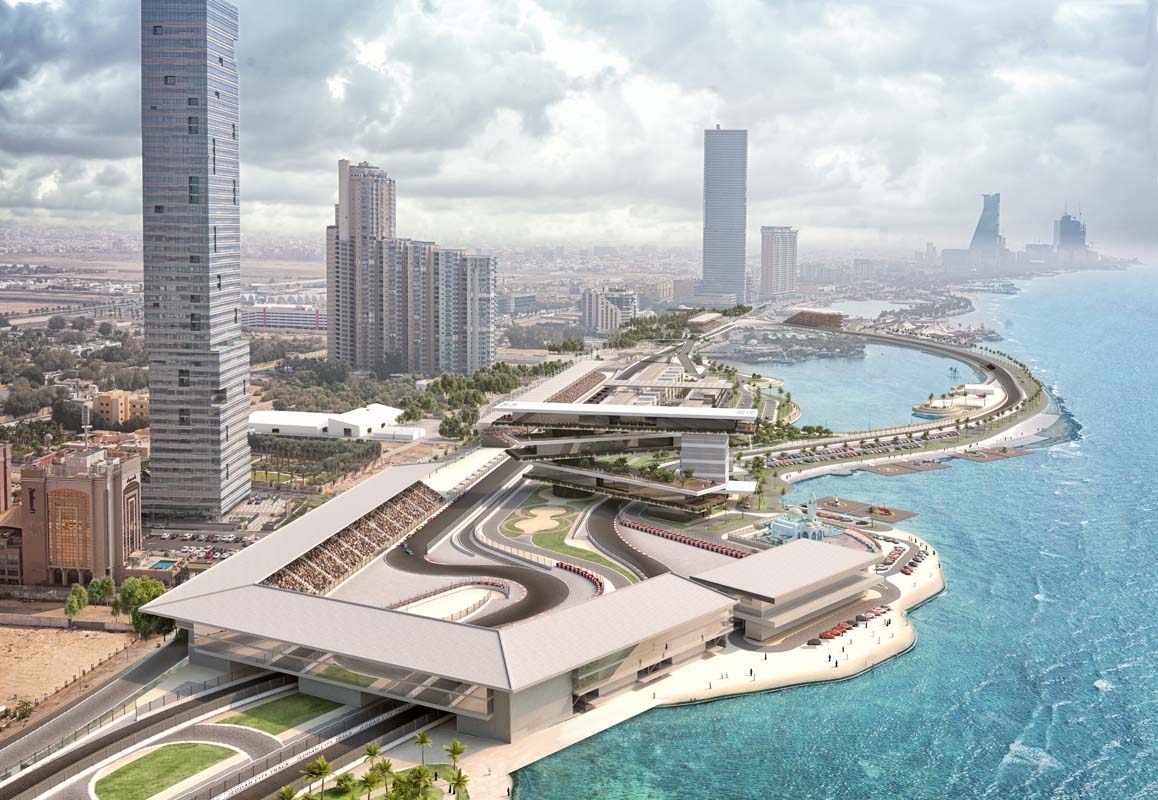
stc Group has reaffirmed its commitment to motorsport by extending its title sponsorship of the Formula 1 Saudi Arabian Grand Prix for a fifth consecutive year. The telecommunications giant continues to play a pivotal role in enhancing the race experience through cutting-edge digital solutions.

The renewed partnership underscores stc’s dedication to integrating advanced technologies into the event. By deploying fixed mobile 5G communication towers, the company ensures internet speeds reaching up to 1.5 gigabytes per second. This infrastructure not only benefits the teams and drivers but also enriches the experience for fans attending the race.

Olayan Alwetaid, CEO of stc Group, expressed enthusiasm about the continued collaboration. He highlighted the company’s role in driving digital transformation across various sectors and emphasized the importance of providing seamless connectivity at major events. The theme “limitless drive” encapsulates stc’s vision for the Grand Prix, aiming to connect racers, teams, and fans in unprecedented ways.

Stefano Domenicali, President and CEO of Formula 1, acknowledged the significance of high-quality technology partners in the sport’s global growth. He noted that fans attending the race weekend in Jeddah can anticipate not only high-speed action on the track but also an exceptional experience off it, thanks to stc’s contributions.

The 2025 edition of the Formula 1 stc Saudi Arabian Grand Prix is scheduled to take place at the Jeddah Corniche Circuit from April 18 to 20. This event marks the fourth time the city has hosted the Grand Prix, with stc’s sponsorship playing a central role since the race’s inception in the Kingdom.

China’s Ministry of Industry and Information Technology has implemented stringent regulations on the marketing and deployment of advanced driver assistance systems , following a fatal accident involving Xiaomi’s SU7 sedan. Automakers are now prohibited from using terms like “smart driving” and “autonomous driving” in advertisements for vehicles equipped with ADAS features. This directive was communicated during a meeting with nearly 60 automobile manufacturers, aiming to address safety concerns associated with the rapid advancement of driving technologies.

The fatal incident involving the Xiaomi SU7, which crashed and caught fire shortly after the driver resumed control from the ADAS system, has intensified scrutiny over the safety of such technologies. Preliminary investigations suggest that the transition between automated and manual control may have contributed to the accident, highlighting potential risks in current ADAS implementations.

In response to these concerns, the MIIT has clarified regulations introduced in February, mandating that automakers complete extensive testing and receive official approval before deploying over-the-air upgrades related to driving software. These measures aim to prevent manufacturers from using OTA updates to conceal defects or evade liability, ensuring that any software changes undergo rigorous evaluation before implementation.

The regulatory crackdown extends to the broader electric vehicle market, which now accounts for over half of total vehicle sales in China. The MIIT has announced that, starting July 2026, stricter safety regulations for EV and plug-in hybrid batteries will be enforced to reduce the risk of fires and explosions. These new technical standards will require rigorous testing to ensure batteries can withstand conditions that typically lead to “thermal runaway,” a primary cause of battery fires.

Amid these regulatory changes, automakers like BYD, Leapmotor, and Toyota are offering affordable models with ADAS to gain market share in China’s rapidly growing EV sector. However, the enhanced scrutiny may increase costs and slow innovation, potentially prompting necessary consolidation in China’s oversaturated auto industry.

Tesla, for instance, has announced plans to release its Full Self-Driving feature in China only after completing regulatory approval. This decision follows complaints about a temporary pause of a limited-time free trial of the driving-assistance software. Tesla’s customer support acknowledged the pause, promising to expedite the approval process. The FSD, developed using generative artificial intelligence, aims to handle complex traffic conditions, but faces challenges in China due to local data laws that prevent the use of data from its 2 million EVs for system training.

In addition to national regulations, over 50 Chinese cities, including Beijing and Wuhan, have introduced rules for autonomous driving and intelligent connected vehicles. These regulations encompass infrastructure requirements, operational management, and standardized testing protocols, reflecting China’s commitment to promoting the use of self-driving technology while ensuring safety and compliance.

HONG KONG SAR – Media OutReach Neswire – 20 April 2025 – The 2025 World Internet Conference Asia-Pacific Summit successfully took place from April 14 to 15 at the Hong Kong Convention and Exhibition Centre. This marks the first international summit of the World Internet Conference held in Hong Kong in its 11-year history, attracting nearly a thousand government officials, experts, scholars, and business representatives from over […]

Saudi Arabia has unveiled a $100 billion initiative, Project Transcendence, to establish itself as a dominant force in artificial intelligence and advanced technology. Spearheaded by the Public Investment Fund in collaboration with Google, this ambitious project seeks to transform the Kingdom into a global tech powerhouse, challenging regional competitors and aligning with its Vision 2030 economic diversification strategy.

Project Transcendence focuses on developing a comprehensive AI ecosystem within Saudi Arabia. Key components include the construction of state-of-the-art data centers, support for local tech startups, and the creation of employment opportunities in the technology sector. The initiative also emphasizes fostering collaborations with international technology firms to position the Kingdom at the forefront of regional innovation.

A significant aspect of the project is the development of Arabic-language AI models, addressing a substantial gap in AI accessibility for the region. This endeavor aims to enhance digital inclusion and literacy, enabling broader participation in the digital economy. By investing in localized AI applications tailored to Saudi Arabia’s needs, the project seeks to bridge the technological divide and promote inclusive growth.

The initiative is part of a broader strategy to reduce the Kingdom’s reliance on oil revenues by investing in emerging technologies and industries. By cultivating a robust AI ecosystem, Saudi Arabia aims to diversify its economy and create new revenue streams. This approach aligns with the Vision 2030 plan, which outlines a roadmap for economic transformation and sustainable development.

To support the growth of the AI sector, the Kingdom is investing in education and training programs to develop a skilled workforce. Institutions like the King Abdullah University of Science and Technology are playing a pivotal role in this effort by offering specialized courses and research opportunities in AI and related fields. These initiatives aim to equip Saudi citizens with the skills necessary to thrive in a technology-driven economy.

In addition to educational investments, Saudi Arabia is actively seeking to attract global AI talent to the Kingdom. By offering competitive incentives and fostering a conducive environment for innovation, the project aims to position Saudi Arabia as a preferred destination for AI professionals and researchers. This strategy is intended to enhance the Kingdom’s capacity for technological innovation and accelerate the development of its AI industry.

The Kingdom’s commitment to AI is further demonstrated by its hosting of high-profile events, such as the Global AI Summit. These gatherings bring together industry leaders, policymakers, and researchers to discuss advancements in AI and explore opportunities for collaboration. By positioning itself as a hub for AI discourse and innovation, Saudi Arabia seeks to influence the global AI agenda and attract further investment.

Project Transcendence also includes plans for significant infrastructure development to support AI applications. This encompasses the establishment of advanced computing facilities and the enhancement of digital connectivity across the Kingdom. By building a robust technological infrastructure, Saudi Arabia aims to facilitate the deployment of AI solutions across various sectors, including healthcare, education, and transportation.

The healthcare sector, in particular, stands to benefit from the integration of AI technologies. By leveraging AI for diagnostics, treatment planning, and patient monitoring, the Kingdom aims to improve healthcare outcomes and efficiency. This aligns with broader efforts to enhance the quality of life for Saudi citizens and modernize public services.

In the realm of transportation, AI applications are expected to optimize traffic management, enhance public transit systems, and support the development of autonomous vehicles. These advancements are anticipated to contribute to the Kingdom’s goals of sustainability and urban development, as outlined in Vision 2030.

VISHNU RAJA
RYO YAMADA
HITORI GOTOH
IKUYO KITA