HONG KONG SAR – Media OutReach Newswire – 18 September 2026 – Hong Kong’s Chief Executive, John Lee, took part in a radio phone-in programme this morning (September 18), fielding questions about the First Five-Year Plan for Economic and Social Development of the Hong Kong Special Administrative Region (HKSAR) (2026-2030) and his fifth Policy Address, which were unveiled on Wednesday (September 16).
Quizzed on various aspects of the HKSAR Government’s new blueprint for economic and social development, Mr Lee said the inaugural Five-Year Plan set out five main objectives for Hong Kong: better livelihoods for all; breakthroughs in economic development; expanding global competitiveness and influence; faster development of the Northern Metropolis; and to better serve the country.
On expanding global competitiveness, Mr Lee said the Government would make good use of its international networks.
“The strength of Hong Kong is its international status, and we have been emphasising on how we ensure the internationalism or the ‘internationalness’ of Hong Kong. We are expanding to cover every part of the world where we can reach,” Mr Lee said, noting that the Government had offices, including Economic and Trade Offices, and the offices of Invest Hong Kong and the Hong Kong Trade Development Council, in countries around the world. “I’m very serious about expanding our network.”
Since taking office four years ago, Mr Lee has led delegation visits to regions, including ASEAN Member States, the Middle East, and recently Central Asia. “And my colleagues really go more often to different parts of the world, so for South Africa, and also Kenya and these are the very popular African places that my colleagues go to visit,” he added.
To boost Hong Kong’s influence in overseas markets, Mr Lee highlighted the example of the International Organization for Mediation (IOMed).
“We are very proud to have the headquarters of IOMed set up in Hong Kong, because this is an organisation which is of United Nations status,” Mr Lee said. He added that an international office would be set up in Hong Kong under the global network of corruption prevention authorities. “Hong Kong is an international city, which not just is very good at doing business, but is exercising its responsibility as a global participator, and also, we really can contribute.”
“And this is also very important, because it just means how, in different areas, Hong Kong is doing very well, and also very connected to the world. And not just being a member, but being a contributor, being really a driver, and we want to share our good experiences, and also learn from other experiences.”
The First Five-Year Plan and the 2026 Policy Address placed strong focus on speeding up the development of the Northern Metropolis (NM) project, so as to boost long-term economic development, improve people’s livelihoods and help the city to further integrate into overall national development.
“The Northern Metropolis represents about one third of our geographical area. So it is a big piece of land that gives us new opportunities. An opportunity to upgrade ourselves, both from the accommodation angle as well as development angle,” Mr Lee said.
Beyond the city’s core economic strengths such as finance, shipping and trade, Mr Lee said the NM would provide room for diversifying local industries, creating new jobs and a brighter future as more development opportunities emerge from different kinds of industries as well as closer alignment with national development.
“The NM is actually mentioned in our country’s 15th Five-Year Plan. That means it is not just a Hong Kong development, it has been elevated as a state-driven project. And with the elevation of position, we will have to work hard. And I am sure that the Central Government will also help us to ensure that this will be a success story.
“And so, doing the Five-Year Plan has this advantage. We will capitalise on all the opportunities that the state can give us. At the same time, we will remain very fully connected to the international world. So we have the beauty of both worlds.”
Asked about Hong Kong’s approach to adopting artificial intelligence (AI), Mr Lee stressed the need to take advantage of the opportunities brought by AI, while also protecting against the risks of AI, in areas such as crime, fraud, sexual abuse and potential negative impacts on younger people.
“Last year, we talk very much about how we should benefit from the application of AI, how it will do things faster, and how it will also do things more correctly,” Mr Lee said.
“So while we develop and ensure people understand and use it, we also need to tell everybody the potential risks that it will bring.”
Mr Lee said the Government would create a post of Commissioner for AI, with a mandate that he is “the chief for the whole government, in terms of AI. It means setting the policy. It means coordinating resources, identify problems for them, setting the best practices, issuing guidelines. And also, very importantly, is developing AI for the whole of government with a view to, after we have developed our experience, let the world also learn from these experiences.”
By T N Ashok The passage by the US Congress of the Lindsey O. Graham Sanctioning Russia and Iran Act of 2026 has confronted India with a problem that is simultaneously diplomatic, economic and strategic. The immediate headline is stark: the legislation creates a statutory pathway allowing President Donald Trump to impose tariffs of up […]
Cybersecurity researchers have identified a new Android malware strain that uses generative artificial intelligence to help attackers navigate infected devices and steal banking credentials, payment information and authentication codes. Zimperium’s zLabs team disclosed the malware, named RatHat, on September 16, saying its technical indicators point to threat actors who appear to be operating from China. The researchers stopped short of definitively attributing the campaign, basing the assessment […]
OpenAI has asked a federal judge in California to dismiss lawsuits brought by survivors and families affected by the Tumbler Ridge mass shooting, arguing that British Columbia is the appropriate forum for claims arising from the February attack. Motions filed in the US District Court for the Northern District of California invoke the doctrine of forum non conveniens, which allows a court to decline a case when […]
Best Things to Do in Bangkok This Golden Week: Discover Authentic Thai Cuisine, Luxury Shopping, Cultural Experiences and Iconic Chao Phraya River Attractions at ICONSIAM
BANGKOK, THAILAND – Media OutReach Newswire – 18 September 2026 – As Golden Week inspires millions of travelers across Asia to embark on international journeys, ICONSIAM, the global landmark on the Chao Phraya River, is inviting visitors to discover why Bangkok continues to rank among Asia’s most revisited destinations, offering an unrivaled blend of luxury shopping, cultural immersion, world-class gastronomy and distinctive riverside experiences in one destination.
ICONSIAM_ A Global Landmark Along the Chao Phraya River
As travel trends shift from traditional sightseeing toward more immersive and experience-led journeys, destinations that offer a strong sense of place and a diverse range of experiences are increasingly capturing the attention of global travelers. In this landscape, ICONSIAM embodies The Best of Thailand Meets the Best of the World, bringing together the country’s cultural heritage, creativity and craftsmanship with international luxury, gastronomy and lifestyle. Set along the historic Chao Phraya River, ICONSIAM offers visitors a distinctive perspective on contemporary Thailand, where the country’s traditions and global influences come together in one iconic waterfront destination.
SOOKSIAM_ Thailand’s first co-creation space to empower local communities from all 77 provinces of Thailand across the nation’s four regions
“Today’s travelers are looking for destinations that offer a deeper connection to the places they visit—experiences that are authentic, memorable and meaningful,” said Mrs. Suma Wongphan, Executive Vice President and Division Head of Marketing at ICONSIAM Company Limited. “Bangkok has a unique ability to inspire repeat visits because there is always another side of the city to discover. As a Global Experiential Destination, ICONSIAM is proud to contribute to this appeal by creating a platform where visitors can experience the many facets of Thailand while enjoying the standards and diversity of a truly international destination. This Golden Week, we look forward to welcoming travelers from around the world and giving them even more reasons to make ICONSIAM a highlight of their Bangkok journey.”
A Culinary Journey Through Thailand and Beyond
Food remains one of the strongest motivations for travelers returning to Bangkok, and ICONSIAM offers a diverse culinary journey that reflects the city’s reputation as one of Asia’s leading gastronomic capitals. At SOOKSIAM on the G Floor, visitors can experience the atmosphere of Thailand’s floating market where visitors can explore the flavors of Thailand’s four regions through authentic cuisine. Beyond SOOKSIAM, ICONSIAM’s culinary offering extends from the acclaimed flavors of Nara Thai Cuisine and ThongSmith to beloved Thai favorites such as After You, Cha Tra Mue and Pang Cha, giving visitors the opportunity to discover the diverse tastes and culinary traditions that continue to make Bangkok a compelling destination for food lovers.
Complementing its retail and dining offerings are ICONSIAM’s signature riverside attractions along the legendary Chao Phraya River. Visitors can enjoy sweeping waterfront views, experience the spectacular ICONIC Multimedia Water Features Show (G Floor), marvel at the iconic Alangkarn Waterfall (6th Floor), and discover art exhibitions, cultural showcases and immersive attractions throughout ICONSIAM.
Discovering Thailand Through Creativity and Craftsmanship
For travelers looking to bring home a meaningful piece of Thailand, ICONCRAFT located on the 4th and 5th floors, offers a carefully curated showcase of contemporary Thai craftsmanship, artisan products and creative enterprises from across the country. The immersive retail concept celebrates local creativity while providing visitors with unique souvenirs and design-led products that reflect Thailand’s rich cultural heritage and evolving creative landscape.
Discover ICONLUXE, Home to Global Fashion Houses, Fine Jewelry and Prestigious Watchmakers
At the center of this offering is ICONLUXE, one of Southeast Asia’s premier luxury hubs, home to an extraordinary collection of internationally renowned luxury houses and flagship boutiques, including Bottega Veneta, Celine, Dior, Gucci, Hermès and Loewe, alongside prestigious jewelry and watchmakers such as Breguet, Bvlgari, Cartier, Chopard, Chaumet, Jaeger-LeCoultre, Omega and Patek Philippe. Complementing its luxury offering is an extensive selection of international lifestyle and fashion brands, including ALO, LOFT, MUJI, UNIQLO, ZARA as well as leading Thai wellness and fragrance brands such as Antidotes, PANPURI and THANN. Together, these offerings underscore ICONSIAM’s ability to curate an exceptional mix of international luxury, contemporary lifestyle and distinctive Thai brands, creating a destination that continues to elevate Bangkok’s position as a leading global shopping and lifestyle capital.
A destination of ‘firsts’ flagship store and ‘bests’ that brings immediate global attention to Bangkok
At the heart of Bangkok’s dynamic riverside lies ICONSIAM, a destination of “firsts” and “bests” that continues to attract global attention to Thailand. Recognized as Thailand’s Firstism Leader, ICONSIAM has introduced some of the world’s most sought-after first-to-Thailand brands and experiences, including the country’s first flagship Apple Store, Thailand’s first Blue by Alain Ducasse, a Michelin-starred restaurant by Alain Ducasse, and the POP MART BANGKOK ICONSIAM FLAGSHIP STORE, and HAUS NOWHERE Bangkok, the first HAUS NOWHERE destination in Southeast Asia, home to TAMBURINS’ first Southeast Asia store and Thailand’s largest Gentle Monster store. Together, these globally recognized brands and flagship experiences continue to reinforce ICONSIAM’s position as a leading destination where international culture, innovation, fashion and lifestyle converge on Bangkok’s iconic Chao Phraya River waterfront.
Exclusive Golden Week Privileges for Tourists visiting ICONSIAM
To make the Golden Week experience even more memorable, ICONSIAM is launching “Discover Thailand at ICONSIAM“, an interactive social media campaign taking place from 25 September to 7 October 2026 at the ONESIAM Global Visitor Lounge (1st Floor). International visitors are invited to share their favorite moments at ICONSIAM, from food and cultural discoveries to shopping finds, local craftsmanship and iconic riverside experiences, by posting at least 2 original photos or 1 video on social media. Participants who complete the challenge will have the opportunity to play a capsule machine and receive complimentary Thai-inspired souvenirs, including ICONSIAM’s exclusive scarf, ICONCRAFT’s Thai-Inspired Mini Bag, handheld electronic fan, bracelet and a Siam Gift Card voucher. The campaign is designed to encourage travelers to explore, experience and share the many dimensions of Thailand that come together at ICONSIAM.
As Bangkok continues to attract travelers seeking meaningful, experience-led journeys, ICONSIAM stands at the heart of the city’s appeal, offering an unparalleled blend of shopping, dining, culture and riverside experiences. This Golden Week, visitors are invited to discover why Bangkok remains one of Asia’s most beloved and revisited destinations, and to experience the very best of modern Thailand in one extraordinary destination.
HONG KONG SAR – Media OutReach Newswire – 18 September 2026 – Hong Kong’s standing as a global financial centre is turning the city into a magnet for internationally minded business students. For Aashni Rungta, a second-year Integrated BBA student from India, that pull became a decision to study at The Chinese University of Hong Kong (CUHK), where finance and data analytics sit at the core of her degree. Her story shows how a rigorous curriculum and a diverse campus can turn an unfamiliar city into a second home.
Indian Student Aashni Rungta Pursues Business Excellence at CUHK
Hong Kong: A Gateway to Global Business
Aashni Rungta’s journey to The Chinese University of Hong Kong (CUHK) began with a clear vision: to study in the East’s most dynamic educational hubs. As a second-year Integrated BBA student from India, Aashni was drawn to Hong Kong’s unique position as a global financial centre. “I was always sure I wanted to study in the East—places like Hong Kong or Singapore,” she reflects. For Aashni, CUHK stood out not just for its academic reputation, but for its holistic approach to student development and its vibrant international community.
Balancing Academic Rigour with Personal Growth
Choosing CUHK meant embracing both comfort and challenge. Aashni found that the university’s environment pushed her beyond her comfort zone while providing the necessary support to thrive. Specialising in Finance and Data Analytics, she has quickly adapted to the rigorous curriculum. “CUHK has pushed me academically, but more than that, it has helped me grow as a person,” she notes. The transition from a close-knit family in India to independent life in Hong Kong was made easier by the supportive campus atmosphere, where every corner now carries a special memory of her first year.
Leading the International Student Community
Aashni’s impact extends far beyond the classroom. Recently elected as the President of the International Student Association (ISA), she has taken on a significant leadership role to give back to the community that welcomed her. “Being elected as the ISA President has been one of the most meaningful experiences,” Aashni shares. Through this role, she aims to foster a sense of belonging for international students, organizing events like BBQs and late-night campus walks that define the unique CUHK experience.
Building a Future in Finance and Analytics
Looking ahead, Aashni is eager to explore internship opportunities in Hong Kong’s thriving business and finance world. Her first year has already instilled a newfound sense of independence and confidence. “CUHK has made Hong Kong feel a little more like home,” she says. With a focus on finance and data analytics, she is well-positioned to contribute to the city’s tech-driven economy, carrying with her the friendships and challenges that have shaped her transformative first year.
The Integrated BBA (IBBA) programme at CUHK is designed to equip students with a broad-based business education while allowing for deep specialisation. Key highlights include:
Flexible Curriculum: Students can choose from nine concentrations, including Finance, Data Analytics, and Marketing.
Global Recognition: Consistently ranked among the top business schools in Asia and the world.
Practical Training: Strong emphasis on internships, mentorship, and practical training with industry leaders.
Diverse Community: A vibrant international student body fostering global perspectives and networks.
SpaceX has held informal discussions about buying customer and operational data from troubled or defunct startups to train artificial intelligence models, people familiar with the talks say, as the company looks for lower-cost information beyond material available on the public internet. The discussions are taking place within SpaceXAI, the artificial intelligence operation created after SpaceX acquired Elon Musk’s xAI business in February. No transaction has been announced, […]
Dubai is set to gain a mixed-use development where robots are planned to handle reception, security, cleaning, deliveries, coffee service and selected wellness functions, as Fakhruddin Properties advances a Dh700 million project in Dubai Land Residence Complex. The development, called Tréppan Vision, was unveiled at IPS 2026 and is scheduled for completion in the fourth quarter of 2029. Fakhruddin Properties says the scheme is designed to extend […]
OpenAI chief Sam Altman, Anthropic chief Dario Amodei and xAI owner Elon Musk have publicly backed a slower pace for frontier artificial intelligence development, an unusual alignment among fierce rivals as safety concerns intensify and Altman says OpenAI will not pursue a stock-market listing in 2026. The convergence followed an essay by Amodei calling for the industry to “pace the frontier” rather than continue scaling advanced models […]
The Africa Women Innovation and Entrepreneurship Forum has named Rania Al-Mashat, Magda Wierzycka and Judy Dlamini as keynote speakers for its 2026 conference in Cape Town, setting the headline line-up for the annual gathering focused on women-led enterprise and economic participation. The two-day Conference, Expo and Awards will take place on November 10 and 11 at the Cape Town International Convention Centre, with organisers expecting more than […]
The model supports multimodal inputs including text, images and video, and generates high-fidelity 1080p videos of 5 to 20 seconds with natively synchronized audio
BEIJING, CHINA – Media OutReach Newswire – 17 September 2026 – HiDream.ai, an AI company specializing in foundation models and generative AI, announced the launch of HiDream-O1-Video-1.0, or HiDream V1, its native omnimodal video generation model.
Designed around a deeper understanding of creative intent and real-world physics, HiDream V1 supports multimodal inputs including text, images and video. It can generate high-fidelity 1080p videos ranging from 5 to 20 seconds, with enhanced narrative planning, character consistency, physical plausibility and audiovisual synchronization.
In its debut on two independent international benchmarks, HiDream V1 ranked No. 4 globally on the Artificial Analysis Image to Video Leaderboard (With Audio) and No. 8 on the Arena.ai Image-to-Video leaderboard, placing it among the world’s leading video generation models.
A Strong Debut on Two International AI Benchmarks
Artificial Analysis independently evaluates leading AI models through standardized and reproducible benchmark testing. Arena.ai uses anonymous head-to-head comparisons and user voting to assess model outputs. Together, the two platforms provide third-party perspectives on model performance based on both standardized testing and real-world user preferences.
HiDream V1’s results demonstrate its competitiveness across key dimensions including visual quality, prompt adherence, motion quality, narrative coherence and audiovisual coordination.
The global AI video generation market has become increasingly competitive, with models developed by Chinese teams—including Seedance and MiniMax H3—maintaining strong positions on international leaderboards. HiDream V1’s top-tier debut further expands China’s presence among the world’s leading video generation models.
“The next generation of video models will not be defined solely by higher resolution or longer duration,” said Yao Ting, Chief Technology Officer of HiDream.ai. “What matters is whether a model can genuinely understand a creator’s intent and how objects, actions and sounds interact in the real world. HiDream V1 was designed from the outset to represent text, video and audio within a unified framework. Our goal is to move video generation beyond simply looking sharp and moving smoothly toward understanding instructions, sustaining coherent performances and keeping sound aligned with visuals. Its performance on two independent international benchmarks provides encouraging validation of our native omnimodal approach.”
Upgrades in Visual Fidelity, Narrative Coherence and Character Consistency HiDream V1 introduces broad improvements in high-fidelity rendering, narrative continuity and character consistency. Rather than optimizing only for the quality of individual frames, the model is designed to maintain coherence across an entire video sequence.
Once characters, emotions, motivations and physical rules are placed within a continuous sequence, each element can affect the others. HiDream therefore uses a technical framework built around three stages: planning first, followed by joint generation, and then alignment through multimodal reward signals.
Under this approach, the model first plans the narrative and character states at a global level. It then jointly constrains visuals, movement and semantics during generation, before using multimodal reward signals to align visual quality, continuity and physical plausibility.
Native Omnimodal Architecture for Better Intent and Physics Understanding The central challenge in AI video generation is shifting from the quality of individual frames to a broader understanding of complex instructions, continuous motion and the rules governing the physical world.
User prompts often contain multiple layers of information, including characters, actions, settings, camera directions, dialogue and sound. To handle these requirements more effectively, HiDream V1 incorporates multimodal intent understanding and planning. Before generation begins, the model structures the user’s request across elements such as shot duration, setting, character state, movement, facial expression, composition, camera motion, dialogue and ambient sound.
Through this “understand, plan and generate” workflow, HiDream V1 plans narrative development and character states at a global level, while coordinating visuals, motion, semantics and audio during generation. This is designed to improve content completeness, character consistency and continuity between shots.
Physical reasoning is another core capability of HiDream V1. The model incorporates factors such as gravity, inertia, collisions, deformation, materials, lighting and spatial continuity into the generation process. As a result, object movement, character actions and environmental responses can more closely reflect the behavior of the real world.
This approach moves video generation beyond reproducing visual appearances and toward modeling how a dynamic world operates over time.
Content-Adaptive Video Duration Most current video generation models require users to specify a fixed duration in advance, forcing the content to fit within a predetermined time window. This can lead to unnecessary pauses after an action has ended or the use of slow motion to fill the remaining time.
HiDream V1 instead incorporates duration into its narrative planning process. Within a range of 5 to 20 seconds, the model can determine an appropriate video length based on how an event unfolds, how long an action takes to complete and the pacing required by the content.
The capability is not simply a matter of adding or removing frames. It is designed to make duration serve the narrative, producing more natural pacing and more complete sequences. Users can focus on describing the event and intended outcome, while the model plans the corresponding temporal structure.
Joint Modeling of Text, Video and Audio
Conventional AI video generation systems often follow a staged workflow in which visuals are generated first and sound is added afterward. This can lead to mismatches between lip movements, physical actions, ambient sound and sound effects.
HiDream V1 uses a native omnimodal architecture to jointly model text, video and audio signals. The three modalities constrain and inform one another within a single generation process. Visual motion influences sound timing, dialogue and sound effects contribute to the emotional tone of a scene, and text conditions guide the generation process throughout.
This unified approach is designed to improve synchronization across character performance, environmental changes and physical actions.
During post-training, HiDream uses Diffusion Reinforcement Learning and a multimodal reward model aligned with human perception and aesthetic preferences. Generated content is evaluated across multiple dimensions, including visual quality, semantics, motion, physical plausibility and sound, helping improve overall consistency and realism.
Completing HiDream’s Native Omnimodal World Model Portfolio HiDream V1 is not a standalone model. It is a core component of HiDream’s native omnimodal world model strategy.
Built on a unified UiT, or Unified Transformer, foundation, the company’s portfolio now comprises four major model families:
HiDream-O1-Image, for image understanding and generation;
HiDream-O1-Video, for dynamic content generation and temporal storytelling;
HiDream-O1-World, for 3D environment simulation and real-time interaction; and
HiDream-O1-Embodied, for spatial reasoning, action planning and feedback in embodied AI.
Rather than operating as four separate technology stacks, the models are designed to evolve from the same unified architecture. Together, they cover spatial understanding, temporal modeling, 3D interaction and embodied action, creating an integrated system for perceiving, understanding, generating, interacting with and acting upon the physical world.
HiDream’s models have previously achieved leading results on several independent benchmarks. HiDream-O1-Image 1.5, the commercial version of the company’s image model, ranked No. 2 globally and No. 1 among Chinese models on the Artificial Analysis text-to-image leaderboard, while its open-source edition also reached No. 2. HiDream-O1-World ranked No. 1 overall on WBench, a benchmark for interactive world models. HiDream-O1-Embodied achieved first-place results in the disturbance adaptation and spatial reasoning categories of RoboColiseum.
“We are not building four isolated model product lines,” said Dr. Mei Tao, founder and CEO of HiDream.ai. “We are building a native omnimodal system that shares a unified technical foundation and continues to evolve toward a deeper understanding of the real world. Competition among the next generation of foundation models will depend not only on improvements in individual capabilities, but also on whether different modalities can understand, generate and interact within a unified architecture.”
From understanding and generating the world to simulating and acting within it, the launch of HiDream V1 completes a key part of HiDream’s native omnimodal world model portfolio.
HiDream Completes Series C+ Financing
Alongside the launch of HiDream V1, HiDream announced the completion of a Series C+ financing round backed by New Micro Capital, Jiaozi Capital and ICBC Capital. The proceeds will support native omnimodal model research and development, product iteration, AI computing infrastructure and the expansion of industry applications.
New Micro Capital was jointly established by Shanghai New Micro Technology Group, Shanghai Science and Technology Venture Capital Group and its management team. The firm manages nearly RMB 10 billion in assets.
As the corporate venture capital arm of New Micro Technology Group, New Micro Capital is expanding its investments in artificial intelligence. Drawing on the group’s industrial capabilities in specialty integrated-circuit manufacturing, it seeks to advance collaboration across AI infrastructure, model technologies and end-user applications.
Jiaozi Capital is a wholly owned state-backed equity investment platform under Chengdu Jiaozi Financial Holding Group. The firm focuses on artificial intelligence and other strategic technology sectors, using long-term capital and industrial resources to accelerate technology commercialization and ecosystem development.
With the launch of HiDream V1, HiDream’s native omnimodal world model strategy is moving from a technical roadmap toward an integrated system supported by a unified foundation, a coordinated model portfolio and deployable product capabilities.
Availability
HiDream V1 is currently in internal testing and is expected to become available in the near future. Users can learn more at: https://hiharness.ai/
Hashtag: #HiDreamAI
The issuer is solely responsible for the content of this announcement.
About HiDream.ai
HiDream.ai is an artificial intelligence company focused on generative AI and native omnimodal world models. Built on its unified UiT architecture, the company’s model portfolio spans image generation, video generation, interactive world simulation and embodied intelligence. HiDream aims to develop AI systems capable of understanding, generating, simulating and acting upon the real world.
Leaderboard disclaimer: Rankings cited in this release reflect publicly available results at the time of publication and may change as participating models, evaluation data or platform methodologies are updated.
Two security flaws in TP-Link Tapo cameras can let attackers bypass authentication, gain administrator access and potentially view live video or stored recordings, security researchers have disclosed. Cybersecurity company OPSWAT said the vulnerabilities, tracked as CVE-2026-15315 and CVE-2026-15316, were identified during research into the Tapo C200 security camera. TP-Link has issued firmware fixes for affected models and urged users to install the latest available updates. The more […]
PayitFast has signed a memorandum of understanding with Dubai-based luxury travel company Zameera to give members access to curated high-end journeys through Verati, its lifestyle and concierge platform. The agreement, announced in Dubai on September 16, brings Zameera’s travel portfolio into the PayitFast ecosystem, extending the digital payments company’s member offering beyond financial services. The companies said the first selection will include a private safari camp in […]
CoinEx will shut its cryptocurrency exchange on December 22 after nine years of operation, citing a prolonged market downturn, falling trading activity and mounting regulatory and compliance costs. The platform began an orderly wind-down on September 15, halting new user registrations and restricting several services, while allowing customers to withdraw assets until 02:00 UTC on December 22. CoinEx said all user assets were fully backed and that […]
Blockstream has refused to pay a ransom for nearly 600 bitcoin still controlled by the actors behind the $320 million exploit of its Liquid Network, saying it will pursue recovery through law enforcement, exchanges and forensic specialists if the funds are not returned. The Bitcoin infrastructure company said on September 11 that it had engaged with those responsible in an effort to recover user assets but would […]
Arabian Post Staff -Dubai Oil prices fell on Wednesday after Saudi Arabia offered additional crude cargoes to Asian refiners through Oman, easing fears that Middle East disruptions would remove more barrels from the market. Brent crude settled $2.92, or 2.7 per cent, lower at $105.83 a barrel, while US West Texas Intermediate dropped $3.40, or 3.2 per cent, to $102.43. The decline followed a rally driven by […]
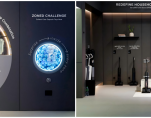
BERLIN, GERMANY – Media OutReach Newswire – 17 September 2026 – At IFA 2026, Midea’s Fabric and Floor Care division presented its latest innovations in laundry and floor-cleaning technologies themed at “Zoned Care, Omni Clean”.
With the Omni Trio washing machine and AT8 Ultra wet-and-dry floor cleaner as key highlights, the showcase addressed a wide range of everyday home-care challenges, including separate laundry care, noise and vibration reduction, stubborn stain removal and the cleaning of tangled hair from floors.
During the exhibition, the products drew attention from German technology and smart-home media and also received recognition from industry bodies. The showcase innovations were honoured with the YD Best Design Award, while the Omni Trio received VDE A-10% low-noise certification, highlighting Midea’s continued strengths in both industrial design and product engineering.
Two Products, One Home-Care Direction
The Omni Trio brings a different approach to laundry separation. Its three independently operated drums—a 10 kg main drum and two 0.5 kg smaller drums—allow different loads to be washed separately at the same time. Everyday clothing, baby garments, socks and underwear can be handled without waiting for one cycle to finish before starting another.
Independent water inlets and Auto Dose systems, Foam & Flow DualSpray technology and low-noise performance support the same objective: making categorized laundry care easier to integrate into daily routines.
For floor care, the AT8 Ultra addresses another set of frequent cleaning tasks. Its technologies include Easy Foam cleaning, 60°C hot water on demand, a mechanical arm for improved water pickup, anti-tangle technology, and automated roller cleaning and drying. Each targets a practical issue, whether it is a stubborn stain, residual water or hair wrapped around the roller.
Together, Omni Trio and AT8 Ultra demonstrate how “Zoned Care, Omni Clean” extends beyond individual product features. Different cleaning tasks call for different solutions, and Midea FFC is applying its experience across laundry care and floor cleaning to address these needs with greater precision.
From European Needs to Global Development
IFA 2026 also provided Midea with an opportunity to observe how these innovations respond to expectations in the European market, where quieter operation, efficiency, flexibility and ease of use remain key considerations for home appliances.
These local insights also contribute into Midea FFC’s global product development. Learnings from different markets help shape technologies that can be adapted to diverse homes, daily routines and cleaning habits.
For the home-care category, the next stage of innovation is not simply adding more functions. It is about enabling appliances to better understand and handling specific household tasks, with greater automation and less effort from the user. For Midea FFC, the response at IFA 2026 offers a valuable reference point as the company continues to develop home-care technologies for markets around the world.
Hashtag: #Midea #OmniTrio #AT8Ultra
The issuer is solely responsible for the content of this announcement.
ABOUT MIDEA & MIDEA GROUP
Midea is a global technology company specializing in smart home appliances, climate solutions and floor-care technologies, with a focus on user-centric design, energy efficiency and sustainable innovation.
Nigeria’s fixed-income market appears to be crossing an important threshold. For much of the past two years, yields were principally shaped by a familiar combination of aggressive government borrowing, restrictive monetary policy and investors demanding substantial compensation for inflation and currency risk. That hierarchy is changing. AAG Capital argues that liquidity is becoming the more powerful force behind pricing, potentially pushing government yields lower even while fiscal […]
Meta Platforms is preparing a camera-free pair of smart glasses, internally code-named Luna, for an expected autumn debut, with shipments targeted for October, according to people familiar with the company’s plans. The glasses are designed around voice-based artificial intelligence rather than photography or video, marking a notable departure from Meta’s existing camera-equipped eyewear. People familiar with the product say Luna will contain six microphones, open-ear speakers and […]
HANOVER, GERMANY – Media OutReach Newswire – 16 September 2026 – JAC Motors is making its second appearance at IAA Transportation At Hall 12, Stand C08. The line-up is headlined by the European premiere of the electric van SUNRAY PRO. JAC Motors’ commercial vehicle business is moving beyond vehicle supply to become a partner in Europe’s green logistics ecosystem—supporting the electrification of European commercial fleets and delivering low-carbon, intelligent solutions for urban logistics in Europe.
Press Conference: For Greener Cities, NOW!
On Press Day, 14 September, JAC Motors held a press conference at its booth under the theme “For Greener Cities, NOW!,” presenting four electrified models to the European market. Partners, fleet operators, and trade media from Germany, France, Spain, Italy, Poland, and other countries attended.
At the press conference, Oscar Yu, General Manager of JAC International, stated that Europe is a key market in the company’s global expansion. JAC commercial vehicles are already present in Germany, Spain, France, Norway, Denmark, Sweden, and Switzerland, with a target of full European coverage by 2028. Since IAA Transportation 2024, JAC has established one subsidiary in Europe and built a localised marketing and service system covering 13 countries, including 8 regional strategic partners, over 50 authorised sales outlets, and more than 100 after-sales service outlets. In Spain, JAC holds a 41% market share in the medium-duty electric truck segment, ranking first. (Source: Spanish Directorate-General for Traffic (DGT) registration data, Jan–Jun 2026.)
The solutions JAC offers European customers go beyond the vehicles themselves. JAC’s subsidiary in Italy serves as a regional parts centre, covering warehousing, service and technical support, customer operations, and marketing. On financing, JAC has partnered with Santander and others to offer finance leasing, operating leasing, PCP (Personal Contract Purchase)/TCM (Trade Cycle Management), and flexible instalment plans, covering needs from fleets to individual users. On complete vehicle solutions, JAC works with bodybuilder partners such as Infore Environment to cover refrigerated transport, municipal sanitation, rescue, and other specialist applications.
The press conference also showcased JAC’s progress in Europe: JAC Motors Italy is now operational, the German dealer network is taking shape, and the parts logistics system already covers all of Germany. As JAC’s European business gradually moves from building its footprint to day-to-day operations, the atmosphere of conversations at this year’s booth has changed noticeably compared with 2024. Conversations at the booth now go straight to operations: Is the range enough? How long does charging take? Can this vehicle save the fleet money?
Looking ahead, JAC will continue to advance product introduction and channel expansion, targeting full coverage of the European market by 2028, participating in Europe’s urban green logistics transition with a complete electrified product portfolio and localised service capabilities.
Hashtag: #JACMOTORS
The issuer is solely responsible for the content of this announcement.
Response by KK Chiu, International Director, Chief Executive, Greater China, Cushman & Wakefield:
Optimising the Housing Ladder and Improving Living Conditions
We welcome the Government’s commitment to increase housing supply, shorten the Composite Waiting Time for public rental housing and further strengthen the housing ladder. The adoption of a long-term housing supply framework comprising 40% public rental housing, 30% subsidised sale housing and 30% private housing, together with the delivery of approximately 196,000 public housing units over the next five years, will provide a clearer housing and homeownership pathway for different income groups.
We believe that increasing the supply of subsidised sale housing and enhancing the housing ladder will help more public housing tenants progress towards homeownership, accelerate housing mobility and enable families with genuine housing needs to gain access to public housing more quickly.
We support the Government’s efforts to increase public housing supply, continue the Light Public Housing programme and implement the Basic Housing Units regime in an orderly manner to phase out substandard subdivided units. This approach is consistent with our long-held view that increasing housing supply is the fundamental solution to improving inadequate housing conditions. With the Government targeting the resolution of substandard subdivided units in domestic buildings by 2030, we expect living conditions for grassroots households to improve progressively.
Urban Renewal Incentives
We support the Government’s more flexible approach to urban renewal, including transferable plot ratio arrangements and measures to unlock redevelopment potential. These initiatives will help enhance market participation, accelerate renewal in areas with pressing redevelopment needs and contribute to overall housing supply growth. We recommend the Government provide clearer guidance on application requirements and further streamline cross-departmental approval procedures to facilitate implementation.
Advancing the Yacht Economy
We welcome the Government’s continued efforts to promote the yacht economy. Beyond increasing marina berth supply and enhancing supporting infrastructure, we believe it is equally important to further facilitate cross-boundary initiatives, allowing greater mobility of yachts within the Greater Bay Area and fostering regional collaboration.
As more superyachts and high-net-worth visitors arrive in Hong Kong, demand is expected to rise across luxury tourism, hospitality, food and beverage, retail, marine services and waterfront commercial facilities, helping unlock the economic potential of Hong Kong’s coastline and island resources. At the same time, Hong Kong has the potential to develop a more comprehensive marine industry ecosystem encompassing yacht repair and maintenance, refitting services and specialised professional services. The development of a holistic marine services value chain will further strengthen Hong Kong’s competitiveness as a regional and international yachting hub.
Response by John Siu, Managing Director, Hong Kong, Cushman & Wakefield:
Planning Ahead for AI and Data Centre Infrastructure
We welcome the Government’s commitment to accelerate the development of the Sandy Ridge Data Facility Cluster, which is expected to provide computing power equivalent to 36 times Hong Kong’s current capacity by 2032, alongside a HK$1 billion injection into the Artificial Intelligence Subsidy Scheme. These initiatives will provide important support for the development of Hong Kong’s artificial intelligence and data centre sectors, further strengthening the city’s position as a regional digital and innovation hub.
However, with rapid advancements in artificial intelligence, large language models and cloud computing, demand for computing power is expected to grow significantly in the coming years. We believe that, in addition to planning data centre sites, the Government should proactively review long-term requirements for power supply, electricity grid capacity and related infrastructure. As AI adoption becomes more widespread, access to reliable power and supporting infrastructure will be a key factor in maintaining Hong Kong’s competitiveness as a technology and data centre hub.
We support the Government’s stated direction of pursuing “high-efficiency computing power, stable electricity supply and low-carbon transition”. Looking ahead, we recommend that the Government regularly review future demand for land, power supply and supporting infrastructure arising from the growth of artificial intelligence and data centre activities, particularly within the Northern Metropolis and other strategic development areas. A coordinated approach to computing, energy and digital infrastructure planning will help attract more data centre operators and technology companies to Hong Kong, while supporting the city’s long-term development as a regional hub for data and artificial intelligence.
Response to the Budget 2026/2027 by Rosanna Tang,Deputy Managing Director, Head of Research, Hong Kong, Cushman & Wakefield:
Clear Industry Positioning for the University Towns
We welcome the Government’s efforts under Hong Kong’s First Five-Year Plan to further define the positioning of the three university towns in the Northern Metropolis University Town, and are encouraged by its strategy to promote synergy among the university towns, the San Tin Technopole and surrounding industry parks. As the only city in the world with five universities ranked among the global top 100, Hong Kong possesses a strong foundation in higher education and research. At the same time, the San Tin Technopole is set to become a key innovation and technology hub. The complementary strengths of these two pillars, both geographically and strategically, provide a solid foundation for building a globally competitive innovation ecosystem in Hong Kong.
We are particularly encouraged by the Government’s emphasis on integrated industry-academia-research collaboration. The university towns should not be viewed merely as educational developments, but as strategic platforms for research commercialisation, international talent attraction and the cultivation of emerging industries. Closer collaboration among universities, research institutes, innovation and technology enterprises and industry parks will help establish a complete innovation value chain covering talent development, scientific research, technology transfer and industrial implementation.
In addition, the Plan proposes approximately 300 hectares of educational facilities as the core of the university towns, connected with adjacent strategic industry areas, distinctive conservation areas, sports and cultural facilities, and surrounding communities, bringing the overall development footprint to more than 1,000 hectares. Such a large-scale integrated education and industry development model is rare in Hong Kong’s urban planning history and clearly demonstrates the Government’s long-term vision of creating a knowledge-based city cluster and an international education hub in the Northern Metropolis.
Attracting Signature Industry Projects and Anchor Institutions to Enhance the Northern Metropolis’ Global Appeal
We welcome the Government’s efforts to establish differentiated industry positioning through the three university towns, while integrating key development nodes such as the San Tin Technopole, the Hong Kong Park of the Hetao Shenzhen-Hong Kong Science and Technology Innovation Co-operation Zone, the Hung Shui Kiu Industry Park and Ta Kwu Ling. This provides a clearer direction for industrial development in the Northern Metropolis and helps address long-standing market concerns regarding overlapping functions and unclear district positioning.
As highlighted in our previous research, we believe the next critical stage for the Northern Metropolis will be its ability to attract influential anchor institutions and leading enterprises. By bringing together universities, research institutes and industry leaders, Hong Kong can foster the clustering of businesses, talent and capital, gradually forming industry clusters with scale and international competitiveness. Hong Kong should also capitalise on its common law system, international financial centre status, intellectual property protection framework and global talent network by focusing on high value-added segments such as research and testing, intellectual property management, fundraising and listing activities, and international accreditation services. This will help Hong Kong establish an irreplaceable role within the Greater Bay Area industrial value chain.
Beyond strategic industries, we believe the Northern Metropolis could also explore internationally recognised and iconic industry projects to further enhance its global profile and attractiveness. For example, the Government may consider developing initiatives around new energy vehicles, smart mobility and advanced technologies, while exploring the feasibility of internationally recognised racing events, testing facilities or technology R&D platforms, such as those associated with Formula One. By leveraging motorsport-related economic activities and innovation-led development, Hong Kong could attract international automotive manufacturers, mobility technology companies and research institutions to establish regional headquarters, R&D centres or testing facilities in the city. This would in turn support the growth of engineering, intelligent transport, advanced manufacturing, tourism, hospitality, retail and convention and exhibition industries, further enriching the Northern Metropolis industrial ecosystem.
Accelerating Land Supply While Advancing Industries and Infrastructure in Parallel
We note that Hong Kong’s First Five-Year Plan proposes a significant acceleration in land and housing supply within the Northern Metropolis. Residential completions are expected to increase substantially from approximately 11,000 units during 2021/22 to 2025/26 to around 70,000 units during 2026/27 to 2030/31. Over the same period, the supply of “spade-ready sites” will rise from approximately 120 hectares to around 900 hectares, representing an increase of around 7.5 times. These figures demonstrate that the Northern Metropolis is transitioning from a planning and land formation phase to a new stage characterised by large-scale development, industrial implementation and population intake.
However, we believe the success of the Northern Metropolis should not be measured solely by the volume of land or housing delivered. As substantial residential, innovation and technology, and industrial sites come on stream, the focus should gradually shift from land supply to city-building. The Government should ensure the coordinated delivery of railway and cross-boundary infrastructure networks, industry parks, commercial facilities, public services and community amenities, while accelerating the introduction of leading enterprises and strategic industries to create sufficient, high-quality employment opportunities and achieve a genuine jobs-housing balance.
In particular, we believe the Northern Metropolis should be driven by industry-led development, with the San Tin Technopole, the Hetao Shenzhen-Hong Kong Science and Technology Innovation Co-operation Zone, the university towns and major industry parks serving as key growth engines. This would create a virtuous cycle in which industry attracts population, population supports consumption, and consumption drives urban development. Only through the coordinated growth of industry, talent, infrastructure and communities can the Northern Metropolis evolve from a large-scale land development project into a modern metropolitan district integrating industry, education, living and international exchange.
Response by Tom Ko, Executive Director, Head of Capital Markets, Hong Kong of Cushman & Wakefield:
New Opportunities for Student Accommodation Market
We welcome the Government’s initiatives to deepen Hong Kong’s development as an international hub for post-secondary education through the “Hong Kong: Your World-class Campus” campaign, expanded global student recruitment efforts and the extension of the Immigration Arrangements for Non-local Graduates pilot arrangement to graduates from Greater Bay Area campuses of Hong Kong universities. These initiatives will further enhance Hong Kong’s attractiveness to overseas students and talent while reinforcing the “Study in Hong Kong” brand.
We are encouraged by the continued progress of the Hostels in the City Scheme. The scheme has already received 41 confirmed applications, providing approximately 10,800 bed spaces and demonstrating strong market confidence in the long-term growth of Hong Kong’s education sector.
The scheme has opened up a new supply channel for converting commercial buildings into student accommodation. At a time when hotel conversion opportunities are becoming more limited as tourism continues to recover, it provides an alternative pathway for investors while helping unlock the value of underutilised commercial assets and meet rising demand for student housing. As the Government prepares to tender the first dedicated student hostel site, we believe purpose-built student accommodation will gradually emerge as a distinct and scalable asset class within Hong Kong’s real estate market.
To further increase supply, we recommend that the Government continue reviewing and refining approval procedures for student hostel conversions. Greater flexibility and streamlined processes, while maintaining appropriate safety and operating standards, would encourage wider market participation and support Hong Kong’s ambition to become a leading international education destination.
The issuer is solely responsible for the content of this announcement.
About Cushman & Wakefield
Cushman & Wakefield (NYSE: CWK) is a leading global commercial real estate services firm for occupiers and investors with approximately 53,000 employees in over 350 offices and nearly 60 countries. In Greater China, a network of 23 offices serves local markets across the region. In 2025, the firm reported revenue of $10.3 billion across its core services of Valuation, Consulting, Project & Development Services, Capital Markets, Project & Occupier Services, Industrial & Logistics, Retail, and others. Built around the belief that Better never settles, the firm receives numerous industry and business accolades for its award-winning culture. For additional information, visit www.cushmanwakefield.com.hk or follow us on LinkedIn (www.linkedin.com/company/cushman-&-wakefield-greater-china).
Cybersecurity shares surged to the top of the S&P 500 on Monday as investors shifted towards digital-defence companies after fresh warnings about the risks of rapidly advancing artificial intelligence unsettled the broader technology trade. CrowdStrike jumped 13.8 per cent to a record closing high of $235.38, while Palo Alto Networks gained 13.1 per cent and Fortinet rose about 9 per cent. The gains stood out in a […]
India summoned Pakistan’s top diplomat in New Delhi on Wednesday after naval vessels from the two countries collided in international waters of the northern Arabian Sea, escalating friction more than a year after their last military confrontation.
The Ministry of External Affairs said Pakistan’s Charge d’Affaires was called in and a strong protest lodged over what it described as “unacceptable and unprofessional conduct” by Pakistani naval units. The ministry said the conduct led to a collision with a unit of the Indian Navy and urged Pakistan’s authorities to ensure that military units exercise due care and observe existing bilateral agreements.
The collision occurred on Tuesday while a frontline warship from India was conducting what officials described as a routine surveillance mission. Officials from India said a Pakistan Navy vessel approached at high speed before the vessels collided. No major damage was reported, and there was no immediate public statement from Pakistan’s government or military responding to New Delhi’s account.
India also instructed its top diplomat in Islamabad to lodge a similar protest with Pakistan’s Foreign Ministry. The exchange elevated what could otherwise have remained a maritime safety incident into a formal diplomatic dispute between two nuclear-armed neighbours whose military contacts are governed by a series of confidence-building arrangements.
New Delhi said the episode breached a 1991 bilateral agreement covering military exercises, manoeuvres and troop movements. Under that agreement, naval ships and submarines of the two countries are required to remain at least three nautical miles apart in international waters to reduce the risk of accidents. India’s foreign ministry said the Charge d’Affaires had been asked to convey the need for all military units to respect those provisions and prevent a recurrence.
Pakistan had not, as of Wednesday afternoon, issued its own description of the encounter, leaving key operational details — including the precise movements of the vessels before impact — based on India’s official account. No ship names, casualty reports or detailed damage assessments were released publicly by either side.
The incident is the clearest publicly acknowledged military encounter between the neighbours since four days of hostilities in May 2025. That fighting followed an April 22 attack on tourists in Pahalgam, in Jammu and Kashmir, that killed 26 people. India blamed Pakistan for supporting cross-border terrorism, an allegation Islamabad rejected, and the crisis developed into missile, drone and artillery exchanges before both sides announced an understanding to halt the fighting.
Relations have remained strained since then despite the cessation of large-scale hostilities. Diplomatic ties had already been downgraded in 2019 amid disagreements over Kashmir, and neither country currently posts an ambassador in the other’s capital, with missions headed by Charges d’Affaires.
The latest protest focused narrowly on maritime conduct rather than broader political disputes. India’s statement did not announce retaliatory military measures or new diplomatic restrictions, and it called instead for compliance with the bilateral framework designed to prevent accidents between armed forces operating near one another.
The northern Arabian Sea is routinely used by both navies for patrols, exercises and surveillance. The 1991 agreement was intended to create practical safeguards at times of tension, alongside notification procedures for certain military activities. Its distance requirement gives commanders a defined separation standard when vessels or submarines from the two countries encounter each other beyond territorial waters.
The military relationship remains sensitive because both countries maintain forces across the Line of Control in Kashmir and continue to accuse each other of hostile activity. Their 2025 confrontation demonstrated how quickly a security incident can widen across domains, although neither government indicated on Wednesday that the naval collision had triggered wider force movements or changes in military posture.
Tuesday’s collision did not produce the kind of damage that would normally force a ship out of service, according to India’s account. The absence of reported casualties limited the immediate operational consequences, but the diplomatic summons ensured the episode received attention at the highest working level between the two foreign ministries.
Clinicians from Singapore and South Korea have called for more individualised, evidence-based postnatal care as women enter motherhood later, arguing that recovery plans should reflect each mother’s health, delivery experience, family support and preferences.
The call emerged from DeRAMA Singapore’s Joint Postnatal Recovery Seminar, held at The Singapore EDITION on August 17. Obstetrician and gynaecologist Dr Ho Ping Ling of Ascensus Health @ Mount Alvernia and Dr Park Jeong-mi, founder and medical director of Garden of Her Women’s Clinic in South Korea, compared the two countries’ approaches to postpartum recovery.
Their discussion comes as Singapore’s maternal profile changes. Government data show the median age of citizen mothers at first birth reached 31.6 years in 2024, up from 30.3 in 2014. Dr Ho said mothers aged 35 and above may have a greater likelihood of pre-existing conditions, pregnancy complications and Caesarean delivery, factors that can influence recovery.
“There is no one-size-fits-all approach. All women deserve individualised care, regardless of whether they are younger or older mothers,” Ho said. She added that assessment should consider a woman’s medical condition, pregnancy course, mode of delivery, available support and preferences. Although the postpartum period is commonly defined clinically as about six weeks, the time needed to regain health can differ substantially.
The seminar examined how professional services might complement rather than replace confinement traditions. Home-based support from relatives and confinement nannies remains common, offering practical help. The doctors, however, said some inherited rules lack a clear medical basis and should be reconsidered where they conflict with hygiene, nutrition or other evidence-based care.
Ho cited prolonged avoidance of bathing or washing hair as an example of a traditional restriction that may run against sound hygiene and infection-control principles. The broader approach advocated by the speakers was not to dismiss cultural customs but to distinguish supportive practices from those that may be unnecessary or unsuitable for a mother.
Park said South Korea had also moved from predominantly family-provided postpartum care towards a more structured model as nuclear households expanded, women participated more widely in the workforce and fewer relatives were available as full-time caregivers. This helped establish sanhujoriwon, postpartum recovery centres offering coordinated assistance with maternal recovery, meals, breastfeeding and newborn care.
She said 85.5 per cent of mothers in South Korea use a postpartum recovery centre after childbirth. Programmes vary in cost and scope, but trained maternal and newborn-care staff are typically available around the clock. Park said modern programmes increasingly address pain, swelling, musculoskeletal changes, sleep, feeding and emotional wellbeing, with support adjusted to the mother’s condition and delivery method.
Evidence also supports avoiding simplistic assumptions about age alone. A South Korean study of 528 postpartum women published in 2020 found no significant age-related difference in several self-reported postpartum symptoms, while delivery method and other factors were associated with differences. Caesarean delivery became more common with age in that study, reinforcing the case for recovery plans based on clinical circumstances rather than age by itself.
The World Health Organization similarly recommends postnatal care that provides women, newborns and families with consistent information, reassurance and support while recognising individual needs and cultural context. Its guidance frames a positive postnatal experience as extending beyond physical checks to include emotional wellbeing, newborn care, breastfeeding support and responsive health services.
Singapore’s Ministry of Health said on September 8 that polyclinics already provide subsidised postnatal services, while childhood developmental screening is fully subsidised. The ministry is also reviewing fertility health and maternity policies with the Prime Minister’s Office, including possible additional support for postpartum care in due course.
A separate ministry response in January noted that some mothers need outpatient services such as lactation assistance or screening for postnatal depression. It said women facing affordability problems with medically necessary postnatal care can approach medical social workers at public hospitals for assessment for financial help.




 https://www.brandhk.gov.hk/
 https://www.linkedin.com/company/brand-hong-kong/
 https://x.com/Brand_HK/
 https://www.facebook.com/brandhk.isd
 https://www.instagram.com/brandhongkong