Just in:
Hong Kong mandates crypto transaction disclosures to tax authorities // Ta’ziz finalises $1.39bn funding for Ruwais industrial facilities // The “1st Greater Bay Area Health and Longevity Summit & Awards Ceremony” concludes successfully in Macao // Asia Left Behind: Ten international companies have yet to report delivering on their cage-free egg pledges across the region // e-Crime Bureau Signs Cybersecurity Partnership With Smart Africa, Reinforcing Its Global Expansion // Cloudflare unveils Zero Wire vulnerability intelligence service // ADIA and partners establish $1.4 billion aviation venture // Trump’s Iran War Has A Share Of Contribution To His Midterm Debacle // Meraas showcases five residential zones at Dubai Design Week // Private varsities bill all set to face the axe // Miss Universe Hong Kong Jen Zhou Departs for Puerto Rico to Compete in the 75th Miss Universe World Final // Ousted top Kochi cop gets IG post // Geely’s i-HEV Intelligent Hybrid Technology Offers a New Direction for Gasoline-Powered Vehicles // Emirates Group records AED 4.1 billion half-year profit // Oil and chip shares retreat after Democratic victories // SC to examine students’ exam plea today // OpenAI identifies 948 Linux privilege escalation flaws using AI // Fast Just Got Fastest: STING Energy Boost™ Celebrates Kimi Antonelli’s Formula 1® World Championship and the Fan Energy Behind It // Middle East governments assess Iran war after US vote // Cyberport Venture & Capital Forum 2026 Grand Opening //

News related to
business

Dubai’s government has unveiled plans for a radical upgrade to its “Invest in Dubai” digital platform, enabling business licences to be granted in as little as 17 seconds. The platform’s new version, featuring Agentic AI capabilities, was introduced at GITEX Global 2025 and is expected to go live by the end of 2026. Ahmad Khalifa AlQaizi AlFalasi, CEO of Dubai Business Registration and Licensing Corporation, explained that […]

Kigali has become the launchpad for the Rwanda chapter of the Africa Trade Gateway, a comprehensive digital trade ecosystem developed by the African Export-Import Bank in partnership with the African Continental Free Trade Area Secretariat. The rollout aims to accelerate uptake of the platform across the nation and integrate Rwandan firms more closely into Africa’s digital trade networks. The ATG combines five integrated modules—including PAPSS, MANSA, ATEX, […]

What first inspired you to pursue your current industry or professional path? Was there a defining moment or influence that shaped your direction? My journey into financial technology began during my early days at Banque Misr, Egypt’s second-largest bank, where I witnessed firsthand the inefficiencies of traditional paperbased banking systems. The defining moment came when I was tasked with spearheading the digital transformation initiative, converting traditional transactions […]

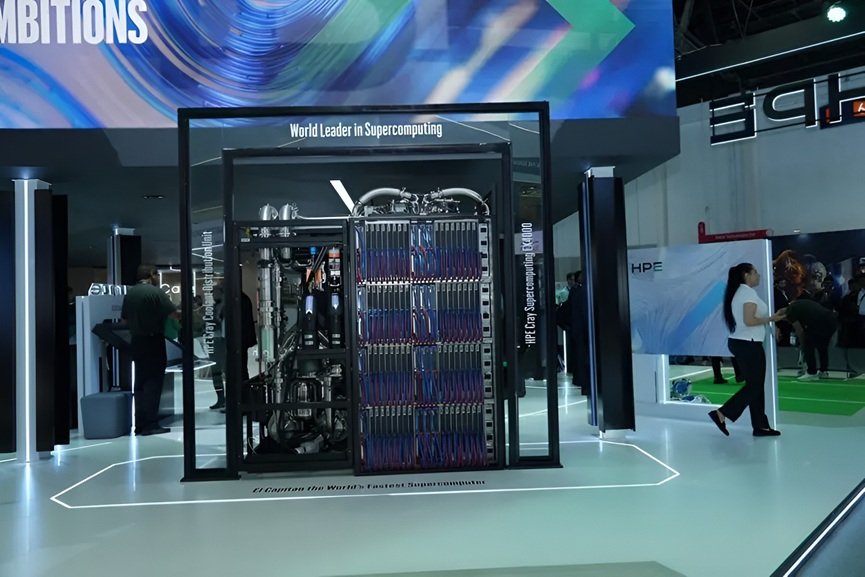
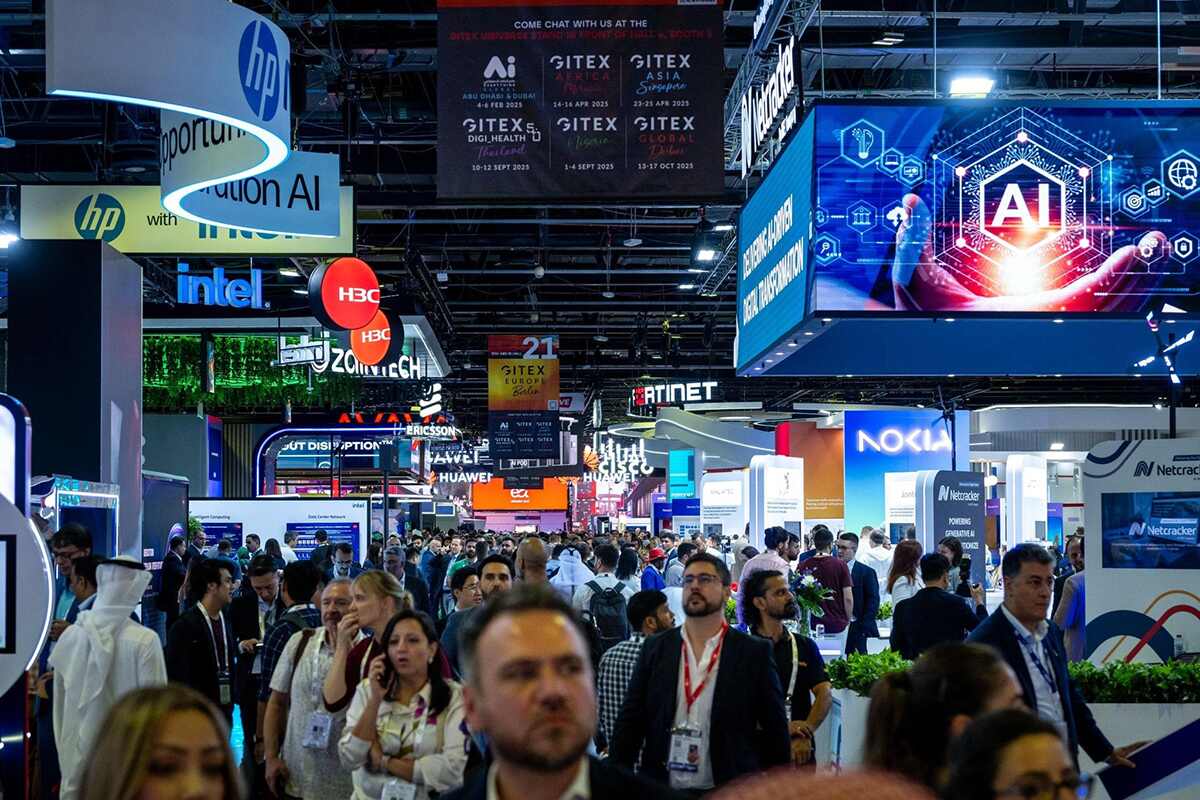
Dubai’s 45th edition of GITEX GLOBAL opened on 13 October at the Dubai World Trade Centre, attracting what organisers call unprecedented global participation. The event hosts more than 6,800 exhibitors, 2,000 startups and 1,200 investors from over 180 countries. Sheikh Mohammed bin Rashid Al Maktoum inaugurated the event, underscoring the UAE’s ambition to lead in AI-driven economies. Dubai’s leadership has signalled this edition will be the last […]

Mohammed Bin Rashid Housing Establishment is spotlighting a suite of digital housing solutions at GITEX Global 2025, announcing strategic tie-ups aimed at advancing smart infrastructure and inclusive living. The initiative underscores Dubai’s push to fuse technology with urban development amid intensifying global competition in digital transformation.

MBRHE is presenting new digital services engineered to optimise housing operations, energy efficiency and resident experience. At GITEX, the entity finalised a partnership with Emirates Islamic Bank to develop financing and digital payment tools tailored for homeowners, and earlier inked an agreement with AI Smart to retrofit housing units with assistive technologies for People of Determination. The latter includes deploying smart systems in five identified residences to enhance mobility and independence. These deals complement an existing MoU with Emirates Gas to supply next-generation LPG composite cylinders across MBRHE communities, complete with annual maintenance services.

As part of Dubai’s government ecosystem at GITEX, MBRHE is listed among Gold Partners in the Digital Dubai pavilion, joining over 50 public and private entities promoting the emirate’s City-as-a-Service model. This placement gives MBRHE visibility amid hundreds of technology players from more than 180 countries. The pavilion is intended to demonstrate cross-sector digital synergies across health, energy, mobility and governance spheres.

MBRHE officials emphasise a multipronged strategy. The partnership with Emirates Islamic is geared toward embedding embedded financial tools into housing services. The AI Smart alliance is positioned as a step toward inclusive smart homes. Meanwhile, the collaboration with Emirates Gas addresses energy reliability and safety in residential zones under MBRHE’s purview. In announcing the AI Smart engagement, MBRHE described it as aligning with UAE leadership’s agenda to empower all segments of society, especially People of Determination.

The move follows MBRHE’s earlier commitment with GFS Developments to launch the Smart Housing Forum 2025, a platform to convene global experts on sustainable housing innovation. That partnership, formalised in late September, frames GITEX as a conduit for showcasing outcomes and inviting further collaboration.

Industry analysts say MBRHE’s integration of housing, finance, energy and assistive technology is representative of a wider trend in the Gulf: public agencies are no longer viewing infrastructure in isolation but as an integrated service ecosystem. State-linked housing bodies are increasingly collaborating with fintech, cleantech, proptech and social inclusion tech firms to convert static assets into responsive, data-enabled platforms.

Critics caution that the true test lies in execution, particularly in integrating legacy systems, ensuring cybersecurity across interconnected modules, and managing equitable access across lower-income beneficiary groups. For instance, retrofitting older housing stock with IoT or assistive systems often requires structural upgrades, which carry cost and logistical burdens.

At GITEX, MBRHE is expected to demonstrate live pilot models of smart home systems, energy monitoring dashboards, and resident apps that tie into real estate finance. These demos will act as proof points to entice further private sector engagement and scaling. MBRHE’s role as both regulator and operator gives it leverage but also raises accountability for outcomes.

HONG KONG SAR – Media OutReach Newswire – 14 October 2025 – During the National Day holiday, the Hong Kong SAR Government partnered with various sectors to launch a series of cultural and leisure initiatives aimed at celebrating the festive season with the public. Among these, the “Half-Price Movie Day” campaign, organized by commercial cinemas citywide on October 1, sparked a surge in demand. Several cinema ticketing […]

Investcorp Capital, listed on the Abu Dhabi Securities Exchange, has pledged to commit $750 million to the Investcorp Golden Horizon platform, a strategic growth-stage vehicle that supports pre-IPO companies across the Gulf Cooperation Council and China. Golden Horizon was launched by Investcorp in conjunction with China Investment Corporation and is anchored by CIC as the lead institutional investor. The platform is structured to channel capital into high-growth […]

Advertisements

Dubai — The Syrian Pavilion will make its first appearance at GITEX Expand North Star 2025, opening from 12 to 15 October, under the banner “Syria is Online.” This marks a milestone in Syria’s efforts to reconnect with the international innovation community and attract investment for its fledgling tech ecosystem.

The pavilion is being organised by SYNC, the Syria-Next Conference network, and backed by the Syrian Business Council and the U. S.–Syria Business Council. It aims to provide Syrian startups a platform to showcase digital solutions, engage in pitching sessions, facilitate panel discussions, and establish connections with global investors and industry partners.

Bassel Yassine Ojjeh, Chairman of SYNC and project lead for the pavilion, stated that the initiative intends to generate 25,000 tech-related jobs over five years through strengthened collaboration and external funding. He emphasised that GITEX offers “a vital step … to showcase Syrian talent and build partnerships that open doors for a new generation shaping the digital future.”

The pavilion will include startup pitch showcases, interactive tech talks, and networking forums. It plans to highlight projects in sectors such as fintech, AI, e-commerce, digital health and creative tech. Several Syrian entrepreneurs have already submitted entries, and a curated selection will present on the main stages of Expand North Star.

The move aligns with a broader expansion of national pavilions in this year’s GITEX edition. Brazil is participating as the Country Partner, and new delegations from Serbia, Hong Kong, Canada and Ecuador are set to join the global tech showcase. The event is expected to host over 1,800 startups and 1,000 investors managing over USD 1 trillion AUM, turning Dubai into a tech capital for dealflow.

Despite decades of conflict and economic sanctions, Syria retains a reservoir of technical talent across its population, especially among youth and diaspora communities. SYNC was founded with the objective of bridging Syrian innovators in Silicon Valley and the diaspora with on-ground talent, thereby facilitating collaboration, mentorship, and capital flows. The 2025 edition of SYNC was held in Damascus earlier this year, bringing together local technologists and overseas experts to discuss ecosystem development.

Still, Syrian tech ambitions face significant headwinds. Infrastructure deficits, internet connectivity constraints, regulatory uncertainties, difficulties in accessing cross-border payment systems, and war-induced economic fragmentation continue to challenge the sector’s scalability. International sanctions and distrust around financial compliance also complicate foreign investment.

To mitigate these risks, the pavilion’s backers aim to frame Syria’s entry into the tech market as more than symbolic. Organisers say they are structuring due diligence frameworks, matchmaking with vetted investors, and post-event follow-up mechanisms to sustain momentum beyond the exhibition.

Dubai has launched a new permit scheme that enables free-zone companies to conduct business within its mainland, a move designed to dismantle long-standing regulatory barriers between jurisdictions and unlock new commercial opportunities.

Under Executive Council Decision No. 11 of 2025, the “Free Zone Mainland Operating Permit” allows companies already holding a Dubai Unified Licence to apply for mainland access digitally via the Invest in Dubai platform. The permit spans six months, priced at AED 5,000, and may be renewed under the same terms. The scheme applies initially to non-regulated sectors such as technology, consulting, design, professional services and trading. Companies granted the permit must maintain distinct financial records for mainland operations and will incur a 9 per cent corporate tax on revenues generated onshore.

Dubai Business Registration and Licensing Corporation, part of the Dubai Department of Economy and Tourism, has partnered with the Dubai Free Zone Council to administer the framework. Ahmad Khalifa Al Qaizi Al Falasi, CEO of DBLC, described the initiative as a step toward “regulatory modernisation” and a more seamless investor experience. Dr Juma Al Matrooshi, Assistant Secretary-General at the Free Zones Council, said the permit enhances Dubai’s competitiveness by combining the flexibility of free zones with access to domestic markets.

Authorities expect the permit to benefit over 10,000 existing free-zone firms, adding 15–20 per cent to cross-jurisdiction business activity in its first year. Businesses can now tap domestic trading avenues and contend for government tenders previously off-limits to entities without a mainland presence. Existing free-zone staff may serve mainland operations, eliminating the need for new hiring under those permits.

Though the permit removes many structural hurdles, certain limitations and compliance obligations remain. Firms dealing in regulated activities—such as banking, healthcare, education or financial services—must still secure approvals from relevant regulators. The new scheme prohibits its use for entities within the Dubai International Financial Centre, which remains under a distinct legal regime.

The resolution introduces three permitted pathways: establishing a branch physically in the mainland, setting up a branch that operates out of the free zone, or obtaining a temporary permit for limited operations. All applications require consent from both DET and the corresponding free-zone authority. The permit regime mirrors the requirements of Resolution No. 11, which mandates separate bookkeeping and compliance under federal and local laws.

Dubai’s regulatory architecture has evolved in recent years: free zones traditionally offered full foreign ownership and streamlined processes, but lacked direct access to local markets. To counter that gap, companies often had to replicate operations via separate mainland entities or dual licences—a burden that increased costs and administrative duplication.

The new permit scheme thus signals a strategic pivot toward harmonising the city’s jurisdictional divide. Corporate law specialists note that simpler structures reduce overhead, ease governance challenges and mitigate tax or substance-test scrutiny. As one regional legal adviser put it, “Businesses can now use a single platform to expand rather than duplicating corporate filings.”

The pricing and validity terms are notable. The six-month, AED 5,000 permit is significantly more affordable and flexible than establishing a full mainland company, lowering the threshold for smaller firms and startups to experiment with onshore operations. The 9 per cent tax rate aligns with federal rules that apply to mainland income, while free-zone revenues remain eligible for preferential regimes.

DP World has struck a joint venture with Tashkent Invest, a firm under the Tashkent City Administration, to build and manage a multimodal logistics terminal in the Yangi Avlod Special Industrial Zone in the Yangihayot district on the outskirts of Tashkent. Under the deal, DP World will own 85 percent of the venture and Tashkent Invest will contribute 15 percent. The overall investment across three phases is […]

HANOI, VIETNAM – Media OutReach Newswire – 11 October 2025 – VinFast has officially become the first automobile brand in Vietnam to surpass 100,000 vehicle sales within the first three quarters of a single year. The milestone follows 11 consecutive months as the nation’s best-selling carmaker, underscoring VinFast’s unchallenged leadership in the domestic automotive market. VinFast sets national record, surpasses 100,000 vehicles sold in just three quarters […]

Saudia’s inaugural direct passenger flight from Riyadh to Moscow landed on Friday at Sheremetyevo airport, signalling a new chapter in Saudi–Russian air connectivity. The airline plans to operate three weekly round-trip services, integrating tourism, business and diplomatic traffic between the two capitals.

The launch positions Saudia alongside Flynas, which commenced direct operations between Riyadh and Moscow’s Vnukovo airport in August with three weekly flights. Flynas is also slated to begin a Jeddah–Moscow route come December. The twin developments reflect a concerted push by both states to deepen bilateral ties through aviation links.

The Riyadh–Moscow air bridge is underpinned by the Saudi Tourism Authority and the Air Connectivity Program, designed to promote cross-border mobility and support Saudi Vision 2030. Saudia officials say ticketing and scheduling are aligned to accommodate business travellers, diplomats and leisure tourists. The route’s launch was celebrated in both capitals, where it was honoured with a water cannon salute at Sheremetyevo and a gala in Moscow attended by diplomatic representatives and aviation executives.

Russia has experienced a surge in travellers from Saudi Arabia. In 2024, over 52,400 Saudis visited Russia, a leap from just 9,300 the previous year, following Moscow’s August 2023 e-visa reform that enabled Saudis easier access. Likewise, Russian visitors to the Kingdom have grown steadily, aided by anticipatory visa liberalisation and reciprocal travel facilitation efforts.

Russian Foreign Minister Sergey Lavrov, during talks with his Saudi counterpart, described the launch as an enabler of “tourist exchanges and business contacts,” citing that growing demand warranted direct air links. On the ground, Sheremetyevo’s scheduling system already lists flights to Riyadh beginning mid-October, operating up to five times weekly.

The timing dovetails with a broader recalibration in Saudi foreign policy and energy diplomacy. The personal rapport between Crown Prince Mohammed bin Salman and President Vladimir Putin has been instrumental in facilitating cooperation within the OPEC+ framework. Cooperation in trade, energy and security has steadily flourished in recent years, and aviation ties now offer a tangible bridge between economies.

Saudia’s fleet expansion and network strategy underscore that the Moscow link is more than symbolic. The airline now serves over 100 destinations across four continents, with plans to expand to 145 destinations by 2030. Performance figures underscore ambition: in the first half of 2025, Saudia carried 17.5 million passengers and operated 100,000 flights.

The route is expected to spur ancillary sectors. Saudi tour operators are preparing Russia-focused packages including Moscow, St Petersburg, and beyond, while Russian travel agencies are packaging Saudi cities and pilgrimage circuits. Pilgrim traffic is especially significant: the Moscow launch could funnel more Russian pilgrims directly to Mecca or Medina via Riyadh.

Dubai’s GITEX GLOBAL 2025 is turning the spotlight on East Africa as a rising force in the artificial intelligence landscape, with regional governments and private players leveraging the event to signal ambition across infrastructure, AI research and startup ecosystems. More than 6,800 tech enterprises and 2,000 startups from 180 countries will convene in Dubai from 13 to 17 October under the GITEX banner, showcasing breakthroughs in biotech, […]

India is dispatching over 450 technology firms and startups to GITEX Global 2025 in Dubai, anchoring the India Pavilion under the aegis of ESC. The pavilion will span multiple halls and spotlight more than 100 Indian enterprises across sectors such as AI, cybersecurity, cloud computing, IoT, smart mobility, fintech and digital infrastructure. Organisations will also engage in high-stakes networking, investor roundtables and B2B matchmaking.

GITEX Global 2025, running from 13 to 17 October at the Dubai World Trade Centre, draws more than 6,800 tech companies and some 2,000 startups from about 180 countries. It is expected to be the largest edition to date, integrating themes such as physical AI, quantum computing, biomedicine and semiconductor innovation. Across the co-located Expand North Star event, over 1,200 investors managing assets exceeding US$1.1 trillion will scout opportunities among scale-ups and unicorns.

The India Pavilion marks a concerted push to convert India–UAE strategic frameworks into tangible tech commerce. With the India–UAE Comprehensive Economic Partnership Agreement and the Local Currency Settlement System operational, cross-border ICT trade has surged. Bilateral trade crossed US$100 billion during fiscal year 2024–25, and electronics exports alone reached US$3.7 billion, positioning the UAE as a key destination for Indian hardware shipments.

At a preparatory briefing, Kamal Vachani, ESC’s regional director for Dubai, described the pavilion as more than a display — “a living showcase of India’s tech prowess and growing synergy with the UAE.” ESC’s CEO, Gurmeet Singh, noted that many participating companies are MSMEs or first-time exporters, and that the pavilion aligns with India’s ambition to emerge as a global electronics hub.

India’s strategy at GITEX goes beyond sheer numbers. Firms are bringing solutions purpose-built for global markets — from smart city platforms to blockchain-enabled supply chains. The pavilion will host curated sessions on cross-border compliance, regulatory alignment, and scalable deployment across Middle Eastern and African markets.

For the UAE, the event reinforces its vision of acting as a global nexus for innovation and capital. Major corporate names such as G42, e&, IBM, AMD, Huawei, Microsoft, Oracle and Amazon Web Services will anchor the exhibitions. New entrants including Cerebras, Tata Electronics, Qualcomm and Tenstorrent will attempt to break in. The show also emphasises future-critical infrastructure: hyperscale data centres, quantum systems, and semiconductor roadmaps are front and centre.

Globally, one of the event’s linchpin themes is the maturation of AI into domain-specific systems. The AI Semicon track will address sovereign technology imperatives in chip design, while the Quantum Expo will present fault-tolerant architectures. At the intersection of AI and healthcare, companies like Mammoth Biosciences and Paradromics will illustrate how gene-editing and neurotech are being reimagined. Robotics firms will showcase humanoid prototypes and autonomous “robocars,” underscoring the pivot to “physical AI.”

Strategic partnerships form a parallel narrative. India and the UAE are finalising memorandum exchanges via the UAE-India Business Council to deepen collaboration across fintech, logistics, digital infrastructure and state-level investment. The CEPA Start-up Series launched earlier this year in New Delhi underscores a joint intent to foster innovation-led cross-border growth.

Cameroonian fintech startup REasy has secured a $1.8 million pre-seed investment to expand its cross-border payment and trade infrastructure for small and medium enterprises. The funding was led by Ingressive Capital, Launch Africa, 54 Collective and Digital Africa, alongside fintech angels including Christophe Chausson, Mathias Léopoldie and Joël Nana Kontchou. REasy intends to deploy the capital toward technology development, regulatory licensing across new markets and accelerated customer […]

Linh Tran The Dow Jones (US30) recorded its fourth consecutive decline, reflecting the growing caution across financial markets as the U.S. government remains partially shut down and a series of key economic data releases have been delayed. This disruption has made investors more defensive, as crucial reports such as Nonfarm Payrolls (NFP), CPI, and GDP have yet to be published. The absence of clear economic signals has […]

BANGKOK, THAILAND – Media OutReach Newswire – 10 October 2025 – Amari Bangsaen, the newly launched hotel by ONYX Hospitality Group—a leading hospitality company in Southeast Asia managing hotels, resorts, serviced apartments, and luxury residences—has received a warm welcome since its opening in June. Rapidly emerging as a favoured destination for short breaks, the hotel appeals to travellers seeking a retreat within close distance of Bangkok, to […]

GITEX GLOBAL 2025 is primed to showcase groundbreaking developments in artificial intelligence, drawing attention from industry leaders and innovators worldwide. The event is expected to play a pivotal role in shaping the future of AI, as a growing number of companies and startups highlight AI’s transformative capabilities across multiple sectors.

The spotlight will be on the innovative use-cases that AI offers, from healthcare and finance to transportation and beyond. AI’s potential to revolutionise industries is set to dominate discussions, as the event will feature a plethora of demonstrations, seminars, and cutting-edge technologies aimed at propelling AI to new heights. The highly anticipated conference will also address the challenges AI faces, particularly concerning data privacy, security, and the ethical implications of rapidly evolving technologies.

Several leading AI-driven companies are expected to debut next-generation products and services that will redefine the way businesses and consumers interact with technology. The launch of AI tools designed to optimise workflows, enhance customer experiences, and boost operational efficiency will take centre stage, underscoring AI’s growing role in the business world. Key players such as tech giants and emerging startups are preparing to demonstrate solutions that leverage AI for better decision-making, automation, and personalised services.

One of the most anticipated announcements is the unveiling of AI-powered healthcare technologies. AI’s ability to accelerate diagnostics, enhance patient care, and streamline administrative tasks is generating immense interest in the medical field. Exhibitors at GITEX GLOBAL 2025 will present AI-powered tools that use machine learning algorithms to analyse medical images, predict health risks, and support doctors in making faster and more accurate decisions. Such advancements have the potential to revolutionise healthcare delivery globally, improving outcomes and reducing costs in the process.

The financial services industry is also embracing AI, with a growing number of companies leveraging AI to enhance fraud detection, improve risk management, and optimise investment strategies. AI’s capabilities in analysing vast amounts of financial data in real-time are being used to identify patterns and trends that would be difficult for human analysts to detect. During GITEX GLOBAL 2025, financial institutions and fintech startups are set to demonstrate how AI is reshaping the way investments are managed and how consumers interact with their financial institutions.

Another key area where AI is making waves is autonomous transportation. From self-driving cars to AI-assisted logistics, the transport sector is undergoing a dramatic shift. At GITEX GLOBAL 2025, industry leaders will reveal advancements in AI-driven transportation solutions that promise to improve safety, reduce traffic congestion, and make travel more efficient. AI’s ability to process vast amounts of real-time data and make split-second decisions is crucial to the development of autonomous vehicles and their integration into the wider transportation ecosystem.

AI’s role in cybersecurity is also a hot topic at GITEX GLOBAL 2025. As cyber threats become more sophisticated, AI is increasingly being used to detect, prevent, and respond to security breaches. By analysing patterns in network traffic and identifying anomalies, AI-powered cybersecurity systems can rapidly identify and mitigate threats, offering a new level of protection for organisations and consumers alike. The growing importance of AI in safeguarding sensitive information and ensuring secure digital environments will be a central theme during the event.

Sustainability is another area where AI is being leveraged to drive change. From optimising energy usage in smart cities to improving the efficiency of manufacturing processes, AI is helping industries become more sustainable. GITEX GLOBAL 2025 will showcase AI technologies that are not only transforming industries but also contributing to global sustainability goals. These solutions promise to reduce carbon footprints, lower energy consumption, and make industries more efficient and environmentally friendly.

Nvidia Corporation has officially reached a market valuation exceeding $4.75 trillion, marking a significant milestone for the company and the broader technology sector. The chipmaker, renowned for its innovations in graphics processing units and AI technologies, has seen a rapid surge in stock value, bolstered by growing demand in areas such as gaming, data centres, and artificial intelligence.

The company’s market cap, now placing it among the most valuable companies globally, reflects its strategic positioning at the centre of critical technological trends. Nvidia’s GPU technology has become indispensable in fields ranging from gaming to machine learning and data analytics. Its leadership in AI applications, particularly in areas like autonomous driving and generative AI, has been a key driver behind its expanding market reach.

The surge in Nvidia’s market cap follows impressive quarterly earnings, which showed a substantial increase in revenue, particularly driven by its data centre segment. Analysts attribute the company’s growth to its cutting-edge products, including the A100 and H100 GPUs, which have cemented Nvidia’s reputation as the leading provider of AI computing hardware. These advancements are now crucial to many sectors, including cloud computing, gaming, and large-scale enterprise solutions.

Nvidia’s ability to capitalise on the increasing integration of AI into business processes and consumer products has been pivotal to its success. The company’s GPUs power most of the leading AI platforms, including those used in cloud data centres, where the demand for advanced computational power continues to soar. Moreover, Nvidia’s partnerships with tech giants and startups alike have positioned it as an essential player in the development of AI tools and infrastructure.

In addition to its AI-driven growth, Nvidia has capitalised on the gaming industry, where its GPUs remain a cornerstone for high-performance graphics. The booming popularity of esports and virtual reality, as well as the continual advancement of gaming hardware, has kept Nvidia in a dominant position within this sector. Its GPUs power not only personal gaming rigs but also high-end consoles and cloud-based gaming services, further amplifying its market presence.

The company’s stock performance has consistently outpaced the broader technology sector, with a remarkable acceleration in share prices following its strategic shift towards AI and machine learning. Investors have been particularly bullish on Nvidia, with many analysts forecasting continued growth driven by the company’s investments in next-generation technologies and its expanding footprint in emerging markets like AI-driven healthcare, robotics, and digital content creation.

Nvidia’s market success has also been underpinned by its robust financial health. The company’s ability to generate strong cash flows has allowed it to reinvest in cutting-edge R&D, securing its competitive edge. Nvidia has consistently delivered on innovation, with the launch of new products and the expansion of its software ecosystem, which includes AI development tools, simulation platforms, and enterprise solutions.

The market has recognised Nvidia’s potential beyond traditional GPU applications. Its recent moves into high-performance computing and the automotive sector, particularly with self-driving car technologies, have diversified its portfolio and unlocked new revenue streams. As Nvidia continues to push the boundaries of what its technology can achieve, its influence on the global tech landscape is only expected to grow.

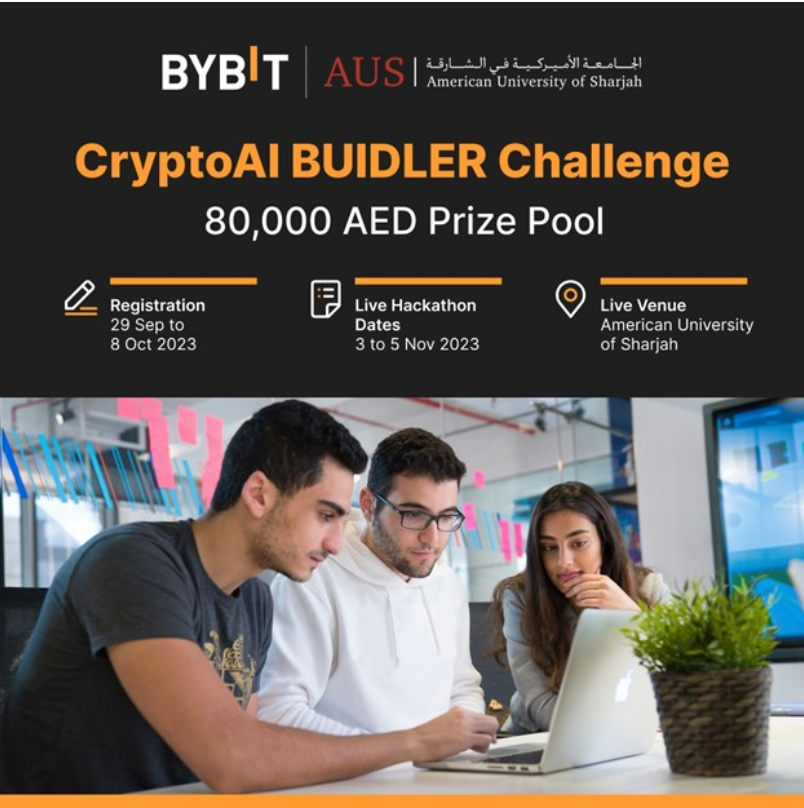
Bybit, a leading cryptocurrency exchange, has achieved a significant milestone by becoming the first fully licensed crypto exchange to operate in the UAE. This breakthrough comes amid the UAE’s ongoing efforts to establish itself as a global hub for digital assets and blockchain technology.

The UAE has long been a proponent of embracing emerging technologies, particularly in the fintech and blockchain sectors. The government’s progressive stance has attracted numerous cryptocurrency firms looking to establish a foothold in the region. Bybit’s licensing by the UAE’s Financial Services Regulatory Authority solidifies its position within this growing market.

The FSRA’s approval marks a crucial development, as it provides Bybit with a clear regulatory framework to offer crypto trading services to customers in the UAE. The exchange, which has previously operated under regulatory frameworks in other jurisdictions, will now operate in full compliance with local laws. This licensing allows Bybit to offer a wide range of digital asset services, including spot and derivatives trading, to both institutional and retail investors.

The approval is a testament to the UAE’s regulatory efforts to integrate the cryptocurrency sector into its broader financial ecosystem. The country has been proactive in ensuring that regulations keep pace with the rapid evolution of digital assets, making it an attractive destination for crypto companies seeking a compliant and stable environment.

Bybit’s decision to seek a licence in the UAE comes at a time when the global crypto market faces heightened scrutiny and regulatory challenges. In a climate where several countries have been introducing stringent regulatory measures, the UAE’s more flexible approach to crypto regulation has set it apart. This has resulted in an influx of international crypto firms looking to operate in the region, as they see the UAE as a secure base from which to expand their services.

The approval process for Bybit was rigorous and comprehensive, ensuring that the exchange adhered to strict security measures, anti-money laundering protocols, and customer protection standards. The FSRA has been meticulous in its review, demonstrating its commitment to fostering a secure and transparent environment for digital asset trading.

UAE officials have long spoken about their vision to turn the country into a leader in the global digital economy, with blockchain and cryptocurrency playing key roles in that vision. The emirate of Dubai, in particular, has been a front-runner in attracting cryptocurrency firms, with its Dubai International Financial Centre and the Dubai Financial Services Authority offering frameworks tailored to the needs of digital asset businesses.

The Bybit licensing follows a series of initiatives launched by the UAE government, including the establishment of the Dubai Virtual Asset Regulatory Authority. VARA’s creation was designed to regulate virtual assets, ensuring that companies operating within the region meet stringent compliance standards. This regulatory framework has been instrumental in bringing crypto companies into the fold, offering a more secure trading environment for users and businesses alike.

Bybit’s entry into the UAE market has also brought attention to the broader trends shaping the cryptocurrency industry in the Middle East. The UAE has become one of the leading markets for blockchain innovation, with numerous projects underway to integrate blockchain technology into sectors such as real estate, logistics, and finance. As the region’s appetite for digital innovation grows, companies like Bybit are poised to capitalise on this evolving landscape.

The licensing of Bybit is also expected to have a ripple effect on the wider cryptocurrency ecosystem. With the exchange now authorised to operate legally in the UAE, it may pave the way for other platforms to follow suit, thereby increasing the variety of options available to investors. This will likely enhance the overall appeal of the UAE as a destination for cryptocurrency trading and investment.

Despite the current global volatility in the crypto market, Bybit’s expansion into the UAE market reflects its long-term confidence in the future of digital assets. As the company continues to expand its services worldwide, the UAE’s stable regulatory environment offers a solid foundation for its growth in the Middle East.

Cyber resilience has evolved from a mere operational necessity to a core strategic focus for businesses across the globe. As cyber threats continue to escalate in complexity and volume, companies are now recognising the importance of not just preventing cyberattacks, but also ensuring they can quickly recover and continue functioning in the face of such threats. Synology, a leader in data storage and network solutions, has taken […]

LearningCrypto has emerged as a leading force in the intersection of cryptocurrency and artificial intelligence, capitalising on the growing interest in crypto education. As more individuals seek to understand the complexities of digital currencies, platforms like LearningCrypto are responding to an urgent demand for in-depth knowledge in the ever-evolving crypto space.

The expansion of AI-driven educational tools has significantly reshaped how cryptocurrency is taught. LearningCrypto, which has grown rapidly over the past year, leverages AI to personalise the learning experience for its users. The platform uses AI algorithms to track a learner’s progress, adapt content, and recommend courses based on individual learning preferences and gaps in knowledge. By tapping into AI, the platform aims to bridge the knowledge gap, enabling people of all levels—from beginners to seasoned investors—to enhance their understanding of crypto assets.

Market trends show an overwhelming shift toward digital learning, especially in niche fields like cryptocurrency. As blockchain technology continues to disrupt traditional industries, there is a growing need for professional development courses tailored to the crypto world. This demand is being fuelled by a surge in cryptocurrency adoption and institutional interest, coupled with an increase in regulatory scrutiny. Individuals and businesses alike are eager to stay ahead of the curve, making crypto education a crucial priority.

LearningCrypto’s rise highlights a broader trend in the education sector, where AI is being harnessed not only for customised learning experiences but also for its potential to simulate real-world trading scenarios. This feature appeals to both new investors looking to explore the market and seasoned professionals wanting to test their strategies without the risk of losing capital. The ability to create simulated trading environments has proven to be a game-changer, giving users a safe space to learn and practice their skills.

Several factors contribute to the rapid adoption of crypto education platforms, with accessibility being at the forefront. These platforms offer an array of resources, from video tutorials and webinars to live sessions with industry experts. The inclusion of AI-driven assistance allows users to receive real-time feedback, enhancing their ability to grasp intricate concepts at their own pace. With many courses offered online, learners have the flexibility to study on their terms, making education more accessible than ever before.

The integration of AI also addresses one of the key challenges in cryptocurrency education—keeping up with the pace of change in the crypto market. AI tools can quickly adapt content to reflect the latest developments, market trends, and regulatory updates. This ability to provide up-to-date information ensures that learners are not left behind as the landscape shifts. For example, new developments such as the rise of central bank digital currencies and the ongoing discussions around the regulation of stablecoins are integrated into course materials in real-time.

The success of LearningCrypto is also a testament to the broader trend of the digital transformation of education. As traditional educational models struggle to keep up with technological advancements, online learning platforms powered by AI are becoming the go-to option for learners. Cryptocurrency, once viewed as a niche market, has gone mainstream, and its educational demand reflects this shift. By leveraging AI, platforms like LearningCrypto are positioning themselves at the forefront of this digital revolution in finance education.

Key players in the crypto education space have also taken note of this trend, with many developing their own AI-powered features to enhance the learning experience. Some platforms offer AI chatbots that provide instant answers to users’ queries, while others employ predictive analytics to help learners anticipate and prepare for market trends. This evolving landscape has raised the bar for crypto education, pushing platforms to integrate cutting-edge technology to remain competitive.

In today’s fast-paced world, keeping your space impeccably clean takes time and effort. Bookaclean is an innovative cleaning platform that makes cleanliness simple, reliable, and effortless. More than just a cleaning company, Bookaclean represents a new philosophy of care — for your home, your time, and your peace of mind.  It combines advanced technologies, environmentally friendly products, and the work of experts to provide a new standard of […]

Google has broadened the accessibility of its AI-powered search feature, now available in 35 additional languages and 40 more countries. This global expansion brings cutting-edge search capabilities to millions more users, further solidifying the tech giant’s position in the evolving digital landscape.

The search engine’s AI mode, which has already been integrated into several regions, is designed to enhance user experience by delivering more nuanced, contextually aware responses. It leverages advanced machine learning algorithms to provide users with relevant, personalised information based on their search queries. As a result, users now receive more accurate results and immediate answers, whether they’re looking for detailed technical data, news, or casual information.

The expansion into 35 new languages, including Bengali, Malay, and Persian, marks a significant milestone in Google’s ambition to create a more universally accessible search engine. The company’s efforts to make its AI-powered features more inclusive have resonated with a global audience, particularly in regions with high numbers of native speakers who had previously been underrepresented in AI-driven services.

This development is part of Google’s broader strategy to strengthen its competitive edge in the search market. With AI now becoming a central element in search functionality, the company aims to differentiate itself from other players, such as Microsoft’s Bing, which has also integrated AI technology into its search engine.

Google’s move aligns with its ongoing efforts to prioritise artificial intelligence across its platforms. AI’s role in search has evolved beyond simple query-based responses to complex problem-solving and semantic understanding. By deploying AI in this expanded format, the company is setting a new benchmark for how search engines should interact with users. The introduction of more languages ensures that users worldwide benefit from a more intuitive and responsive search experience.

The roll-out is also designed to capture the attention of non-English-speaking markets, where Google has faced competition from regional players. For example, in countries where local languages dominate, such as parts of Southeast Asia and the Middle East, the ability to use AI-driven search in native languages is a crucial step towards maintaining user loyalty. Google’s strategy appears to be not only about providing relevant information but also tailoring responses in ways that reflect cultural and linguistic contexts.

Industry analysts note that the deployment of AI in search is becoming increasingly vital for tech companies looking to stay ahead in the digital space. By bringing AI to more languages, Google is ensuring its search platform remains at the forefront of technological innovation, offering greater value to users around the globe. Furthermore, the technology promises to assist businesses in connecting with customers more effectively by improving discoverability and delivering content more suited to regional and linguistic preferences.

This step towards universal AI integration is also a response to the growing demand for more accessible, user-centric services. As artificial intelligence continues to mature, users expect it to provide not only immediate answers but also solutions that are tailored to their individual needs and linguistic background.

However, the move is not without its challenges. Ensuring that AI algorithms perform optimally in diverse languages, including those with complex grammatical structures and dialects, remains a significant hurdle. For instance, languages like Bengali or Malay pose unique challenges due to their rich vocabulary and varied sentence structures. Google’s AI team is likely to continue refining its models to handle these nuances, improving accuracy and overall user satisfaction.

The growing global reach of AI-powered search further emphasises the broader trend of AI’s role in shaping future technology. With machine learning increasingly being embedded into everyday tasks, from search engines to digital assistants, the evolution of AI represents both an opportunity and a responsibility for companies like Google. The company must balance rapid innovation with ethical considerations, ensuring that its AI systems are transparent, equitable, and accountable.


VISHNU RAJA
RYO YAMADA
HITORI GOTOH
IKUYO KITA
Just in:
e-Crime Bureau Signs Cybersecurity Partnership With Smart Africa, Reinforcing Its Global Expansion // Xi Jinping Preparing For A Trilateral Summit With Trump And Putin At APEC Summit On Nov 18-19 // SC to examine students’ exam plea today // OpenAI identifies 948 Linux privilege escalation flaws using AI // ADIA and partners establish $1.4 billion aviation venture // APT29-linked campaign exploits outdated Apple and Android software // Dubai boat show confirms international shipyard line-up for November // Private varsities bill all set to face the axe // Oil and chip shares retreat after Democratic victories // Kochi police detain two actors over bid to honey trap doctor // Millions Of Indians May Soon Be Deprived Of Government Assistance // TVM –Mangaluru Vande Bharat claims top spot // Hong Kong mandates crypto transaction disclosures to tax authorities // Miss Universe Hong Kong Jen Zhou Departs for Puerto Rico to Compete in the 75th Miss Universe World Final // Fast Just Got Fastest: STING Energy Boost™ Celebrates Kimi Antonelli’s Formula 1® World Championship and the Fan Energy Behind It // Meraas showcases five residential zones at Dubai Design Week // After Reaching 7 Million Users in the Philippines, Skyro Launches Transparent Cash Loans in Malaysia // Emirates Group records AED 4.1 billion half-year profit // The “1st Greater Bay Area Health and Longevity Summit & Awards Ceremony” concludes successfully in Macao // Trump’s Iran War Has A Share Of Contribution To His Midterm Debacle //