New York Stock Exchange plans to introduce continuous, 24-hour trading for United States equities through a newly designed on-chain, tokenised exchange, marking a structural shift in how shares could be issued, traded and settled across time zones. The proposal, disclosed by people familiar with the exchange’s roadmap and echoed in public briefings around digital market infrastructure, would extend trading beyond traditional hours while keeping securities within a […]
Arabian Post Staff -Dubai Two students from Georgetown University in Qatar have secured places in the highly selective Schwartzman Scholars programme, marking a notable academic milestone for the Doha-based campus and underscoring the growing links between Middle East institutions and leading centres of study in China. Kingwell Ma and Zarrish Ahmed have been awarded fully funded, one-year master’s degrees in Global Affairs at Tsinghua University in Beijing, […]
By Nitya Chakraborty The annual summit of World Economic Forum began in the Alpine hills of Davos in Switzerland on January 19 with the European leaders and the businessmen rattled over the confrontationist approach taken by the U.S. President Donald Trump on Greenland annexation. After imposing 10 per cent tariff on the EU countries taking […]
ESET MDR delivers industry-leading real-time detection and a mean-time-to-respond (MTTR) of 6 minutes to keep businesses secure
SINGAPORE – Media OutReach Newswire – 19 January 2026 –ESET, a global leader in cybersecurity solutions, today announced the launch of two Managed Detection and Response (MDR) subscription tiers: ESET PROTECT MDR for small and medium businesses (SMBs) and ESET PROTECT MDR Ultimate for enterprises in Singapore.
Bridging the gap with MDR
ESET PROTECT MDR delivers a comprehensive cybersecurity package, offering 24/7/365 superior protection. This includes modern protection for endpoints, email, and cloud applications, vulnerability detection and patching, and managed threat monitoring, hunting, and response. For enterprises, ESET PROTECT MDR Ultimate offers continuous proactive protection and enhanced visibility, coupled with customised threat hunting and remote digital forensic incident response assistance.
ESET’s APAC SMB Cybersecurity Report 2024 revealed that 49% rate lacking a dedicated cybersecurity team and 52% rated keeping up with the latest threats as one of the top three cybersecurity challenges in Singapore. 31% also cited alert fatigue as the biggest challenge. Incidentally, APAC also faces the largest shortage of cybersecurity experts in the world. These highlight the urgent need for skilled cybersecurity professionals and managed services that can help bridge the country’s growing talent gap. ESET’s MDR services ensure organisations of all sizes and cybersecurity maturity to stay one step ahead of all known and emerging threats, effectively closing the cybersecurity talent gap, and facilitating expert consultations for incident management and containment in a fully managed experience.
ESET MDR delivers a remarkable 6-minute Mean Time to Respond (MTTR) — the fastest in the industry*. In comparison, the median time for organizations to detect a breach is 24 days**, leaving critical systems and data exposed for weeks. Every hour that a breach goes undetected dramatically increases the risk of data loss, operational disruption, and financial damage.
“Cyber threats are becoming more sophisticated and more time-critical, especially in highly connected digital economies like Singapore,” said Pamela Ong, Country Manager of Asia and Singapore at ESET. “Our AI-powered MDR services combine automation, human expertise, and global threat intelligence to help organisations move beyond reactive security. The ability to detect and respond within minutes can make the difference between a contained incident and a major breach.”
ESET’s MDR services Meet the Unique Challenges of MSPs
ESET recognises the growing pressures facing MSPs who must balance the critical task of securing clients’ complex IT environments with their own business growth and operations. With threat actors going heavy on supply-chain attacks and abusing MSP tooling, MSPs too find themselves fixed in the crosshairs of cybercriminals. Simply put, MSPs are not only potential victims, but also potential accessories to a crime. To help MSPs fulfill their security potential, ESET’s MDR is also designed to be deployed in an MSP environment with a single solitary security service, available 24/7 that help MSPs to secure themselves as well as their clients.
*Based on publicly available information as of 1 October 2025. **Verizon 2025 Data Breach Investigations Report Hashtag: #ESET
The issuer is solely responsible for the content of this announcement.
About ESET
ESET® provides cutting-edge digital security to prevent attacks before they happen. By combining the power of AI and human expertise, ESET stays ahead of known and emerging cyberthreats — securing businesses, critical infrastructure, and individuals. Whether it’s endpoint, cloud, or mobile protection, our AI-native, cloud-first solutions and services remain highly effective and easy to use. ESET technology includes robust detection and response, ultra-secure encryption, and multifactor authentication. With 24/7 real-time defense and strong local support, we keep users safe and businesses running without interruption. An ever-evolving digital landscape demands a progressive approach to security: ESET is committed to world-class research and powerful threat intelligence, backed by R&D centers and a strong global partner network. For more information, visit www.eset.com or follow us on LinkedIn, Facebook, and X.
Pioneering Logistics Data Connectivity to Empower SME Financing
HONG KONG SAR – Media OutReach Newswire – 19 January 2026 – In response to the evolving global trade landscape and accelerating digital transformation, Hong Kong is consolidating its strength and reinforcing its position as an International Trade Centre while driving industry digitalisation. PAO Bank Limited (“PAObank”) has actively support the HKSAR Government’s initiatives to promote data-sharing infrastructure and financial technology development. PAObank adopted data from “Port Community System” (“PCS”), serving as a pilot case to explore the potential of the PCS data in replacing traditional freight documentation. PAObank has been invited to join PCS Rollout Ceremony, sharing professional insights on leveraging cargo data to promote digital trade finance.
The PCS enables interoperability of logistics data across sea, land and air transport, establishing a comprehensive and reliable logistics footprint for cargo transiting through Hong Kong. PAObank, as the first digital bank to participate in the Commercial Data Interchange initiative, has become a leader in harnessing alternative data to streamline financing process. PAObank was invited to PCS Rollout Ceremony on 16 January to share its practical experience in utilising PCS for trade finance. The real-time import/export customs declaration and cargo data provided by PCS empower banks to better understand the trade and capital flows of SMEs, thereby reducing credit costs and enhancing the efficiency of trade finance.
Mr. Ambrose Wong, Alternate Chief Executive & Chief Risk Officer of PAObank, remarked in the panel discussion, “As one of the Ping An Group’s integrated financial platforms in Hong Kong, PAObank is driven by the vision of empowering finance through technology. We are at the forefront of utilising alternative data to simplify SME financing and establishing industry benchmarks. Traditional port information is often fragmented, and banks lack access to consolidated trade data, making it difficult to assess business operations and credit risks in a timely and accurate manner, which affects financing efficiency. PCS provides unified, reliable, and comprehensive logistics data, further breaking down industry data barriers. This enables banks to access real-time data, quickly and accurately evaluate SME business conditions, and conduct more precise credit approvals to meet SMEs’ funding needs and help them seize business opportunities.”
Mr Ambrose Wong continued, “PAObank is honoured to serve as one of the pilot cases for the PCS, contributing to system optimisation and the realisation of cross-sector data sharing. PAObank will continue to support the HKSAR Government in jointly promoting the digitalisation of trade finance, deepening application scenarios, and enabling more SMEs to benefit from robust data-sharing infrastructure, contributing to strengthening Hong Kong’s position as an international financial and trade centre.”
Looking ahead, as part of Ping An Group’s integrated financial platforms in Hong Kong, PAObank will continue to strengthen its commercial data utilisation, integrating diverse data from trade, logistics and finance to unlock data potential. The bank will continue to be the trade partner, offering banking services including foreign currency deposits, cross-border remittance, and foreign currency exchange to help SMEs unlock their business potential. In addition, PAObank is actively developing innovative financial technologies to provide more diversified services for SMEs and individual customers, working together to promote the sustainable and healthy development of Hong Kong’s economy. Hashtag: #PAObank #PCS #TradeFinancing
The issuer is solely responsible for the content of this announcement.
PAO Bank Limited
PAO Bank Limited (“PAObank”), a wholly-owned subsidiary of Lufax Holding Ltd (“Lufax”) (SEHK: 6623; NYSE: LU) and a member of Ping An Insurance (Group) Company of China, Ltd. (“Ping An”) (SEHK: 2318; SSE: 601318), is committed to fostering financial inclusion and establishing a digital banking ecosystem by leveraging its extensive experience in SME banking services and its leading financial technology advantages. PAObank was granted a banking licence by the Hong Kong Monetary Authority in May 2019 to offer banking services via virtual channels. PAObank is expanding diverse business segments including retail banking and SME banking, serving customers in Hong Kong and the Greater Bay Area, establishing itself as one of the Ping An Group’s comprehensive financial platforms in Hong Kong.
President Donald Trump has moved to reshape how the United States pays for the explosive growth in electricity demand driven by artificial intelligence, backing a plan to use 2026 capacity auctions in the PJM Interconnection to force large technology companies to shoulder a greater share of grid expansion costs. The proposal, framed as a way to protect households and small businesses from higher power bills, places AI […]
HONG KONG SAR – Media OutReach Newswire – 19 January 2026 – Storefriendly Self Storage Group held an award presentation ceremony at Storefriendly Tower (Peninsula West) in Lai Chi Kok and was honoured with an Excellent grade in the Management aspect of BEAM Plus EB V2.1 Selective Scheme by Portfolio Assessment Mechanism. The award was presented by Dr CHEUNG Tin-cheung, SBS (Chairman of Hong Kong Green Building Council Limited), recognising the Group’s sustained commitment and performance in advancing sustainable building operations management—through robust governance, structured systems, and consistent execution.
A Milestone in Sustainable Operations & Facility Management
Storefriendly stated: “Achieving this Excellent rating reinforces our commitment to ESG goals. By optimizing our operations management, we ensure that our self-storage facilities are not only efficient but also environmentally responsible, providing our customers with a superior and greener storage experience.”
Selective Scheme Focuses on Building Performance Across Key Assessment Areas
BEAM Plus EB reviews a building’s sustainability performance through multiple assessment areas, including Site, Management, Materials & Waste, Energy Use, Water, Indoor Environmental Quality, and Innovation. Within these, the Management aspect places strong emphasis on responsible management practices and measures that promote the sustainable operation of building spaces. Achieving an Excellent rating in this aspect further validates Storefriendly’s ongoing investment and results in day-to-day operations management and its broader sustainability strategy.
Integrating Smart Technology with Green Logistics
Storefriendly continues to invest in cutting-edge technology—including AI-powered customer service systems and Safety Box. By combining smart access controls with energy-efficient facility management, the Group enhances both security and operational performance. This HKGBC recognition serves as a roadmap for the Group’s future, as it strives to modernize the mini storage industry with forward-thinking, sustainable solutions for both personal and business clients.
The following five Storefriendly Tower properties have been certified by HKGBC and included in the Existing Buildings portfolio assessment: 1. Storefriendly Tower (Peninsula East): 82 Hung To Road, Kwun Tong 2. Storefriendly Tower (Metropolis East): 13 Yip Cheong Street, Fanling, New Territories 3. Storefriendly Tower (Island East): 8 A Kung Ngam Village Road, Shau Kei Wan 4. Storefriendly Tower (Peninsula West): 850-870 Lai Chi Kok Road, Cheung Sha Wan 5. Storefriendly Tower (Metropolis West): 22-28 Tai Chung Road, Tsuen Wan
Hashtag: #Storefriendly
The issuer is solely responsible for the content of this announcement.
About Storefriendly Self Storage Group
Founded in 2002, Storefriendly Self Storage Group is one of Asia’s leading self-storage brands, with operations across Hong Kong, Macau, Singapore, and Taiwan. The Group operates over 90 branches and more than 40,000 storage units. Over half of its branches are self-owned properties, conveniently located and equipped with 24-hour smart access and comprehensive security systems, providing safe and flexible storage solutions for both individual and business customers. The Group continues to invest in technology—including AI-powered customer service, wine storage, and smart safety boxes—to elevate service quality through innovation and deliver an enhanced storage experience.
Allegations of labour exploitation have emerged at factories in China producing Labubu figurines, a globally popular designer toy line, prompting scrutiny of working conditions within a supply chain tied to one of the country’s fastest-growing collectibles businesses. Workers interviewed by labour rights groups and regional media describe shifts stretching well beyond legal limits, pay that barely meets local minimum standards, and employment practices that rely heavily on […]
Dubai has opened its first Ramadan-themed market of 2026 with the launch of Ramadan Souq in Deira, positioning the initiative as both a cultural showcase and a seasonal retail platform ahead of the fasting month expected to begin on February 19, based on astronomical calculations. The market, located at the Grand Souq in Deira, began welcoming visitors this week and will run until February 15, operating daily […]
Malaysia’s United Malays National Organization, long the central pillar of the country’s political establishment, has begun working with erstwhile rivals from the Malay-Muslim opposition, signalling a recalibration that underscores how far the nation’s politics has shifted since the party’s electoral dominance fractured.
The cooperation, confirmed through parallel statements and joint appearances by party leaders, reflects UMNO’s attempt to consolidate Malay political influence at a time when its authority has been diluted by years of electoral setbacks, internal splits and the rise of competing blocs. While the party remains a key component of the ruling coalition led by Prime Minister Anwar Ibrahim, its outreach to former adversaries has fuelled debate about whether Malaysia is entering a new phase of pragmatic alliances driven less by ideology and more by survival.
UMNO governed Malaysia almost uninterrupted for more than six decades after independence in 1957, anchoring the Barisan Nasional coalition and shaping state institutions. That grip was broken in 2018 when voters punished the party over corruption scandals and governance concerns, leading to a series of unstable administrations. Since then, UMNO has struggled to define its role in a crowded political field that includes Anwar’s reformist bloc and the Malay-Muslim opposition alliance led by Parti Islam Se-Malaysia and Parti Pribumi Bersatu Malaysia.
The current cooperation has emerged against that backdrop. Senior figures from UMNO have acknowledged coordination with opposition leaders on issues framed as safeguarding Malay-Muslim interests, including economic equity policies and the position of Islam in public life. Though party officials have stopped short of describing the engagement as a formal pact, they have not ruled out deeper collaboration if it serves what they describe as national stability and communal interests.
This posture has drawn mixed reactions within UMNO itself. Reform-minded members argue that aligning, even tactically, with parties that have attacked UMNO in past campaigns risks alienating centrist voters and undermining the party’s commitment to multiracial governance within the current administration. Others counter that the political landscape no longer allows rigid red lines, pointing to successive elections that showed Malay votes splintering among multiple parties.
Political analysts say the outreach reflects both opportunity and vulnerability. UMNO’s share of parliamentary seats has shrunk sharply compared with its peak years, reducing its leverage inside the ruling coalition. By engaging with rivals who command strong grassroots support in rural and conservative constituencies, the party may be seeking to reassert relevance and prevent further erosion of its base.
At the same time, the move complicates Prime Minister Anwar’s delicate balancing act. His coalition spans ideologically diverse partners, from UMNO’s traditionalists to reform-oriented parties and regional allies from East Malaysia. Any perception that UMNO is hedging its bets with the opposition could strain internal trust, even as Anwar has publicly emphasised unity and policy-driven governance.
The opposition, for its part, has responded cautiously. Leaders have framed the cooperation as issue-based rather than strategic, mindful that their core supporters view UMNO as emblematic of past excesses. Yet the willingness to engage suggests an acknowledgment that Malaysia’s fragmented politics makes absolute isolation costly.
Electoral arithmetic also looms large. Several state and parliamentary contests are approaching, and past results have shown that three-cornered fights often benefit Anwar’s coalition or regional parties, leaving Malay-based rivals divided. Limited coordination could alter outcomes in closely contested seats, though it also risks backlash from voters wary of perceived opportunism.
Beyond elections, the discussions point to broader questions about Malaysia’s political trajectory. The country’s multiracial framework has historically rested on bargaining among communal parties, with UMNO as the dominant broker. Its weakened position has opened space for ideological competition and policy debate, but also for sharper identity politics. Whether UMNO’s outreach tempers or intensifies those dynamics remains uncertain.
Business groups and civil society organisations have reacted with caution, urging political leaders to prioritise economic reform and institutional stability over tactical manoeuvring. Malaysia’s economy faces pressures from global volatility, fiscal constraints and the need to attract investment, issues that many argue require coherent policymaking rather than shifting alliances.
Arabian Post Staff -Dubai A high-level delegation from Saudi Arabia, led by Minister of Foreign Affairs Prince Faisal bin Farhan bin Abdullah, is set to take part in the World Economic Forum Annual Meeting 2026, underlining Riyadh’s effort to shape global economic and political debates at a time of shifting trade patterns, energy transitions and geopolitical uncertainty. Officials familiar with the plans said the delegation would include […]
Goldman Sachs is examining whether to engage with the fast-growing prediction-markets sector, a move that could reshape how Wall Street views platforms long seen as niche or legally ambiguous. Chief executive David Solomon has confirmed that the bank has held discussions with executives from Polymarket and Kalshi, describing these venues as sophisticated markets that resemble derivatives trading more than online betting. The conversations underscore a strategic recalibration […]
Dubai’s financial regulator has rolled out a strengthened framework for crypto tokens in the Dubai International Financial Centre, marking a significant step in the evolution of the emirate’s digital assets oversight as global scrutiny of the sector intensifies. The updated regime, announced on Tuesday by the Dubai Financial Services Authority, replaces and expands the rules introduced in 2022 and applies to all crypto token activities conducted within […]
Arabian Post Staff -Dubai Dubai is preparing to introduce electric air taxis into commercial service before the end of the year, marking a pivotal step in the emirate’s push to reshape urban mobility through cleaner, faster transport options. The timeline was outlined by Mattar Al Tayer, chairman of the Dubai Roads and Transport Authority, who said regulatory approvals and infrastructure preparations are advancing in parallel with […]
Google has rolled out Flow, an artificial intelligence-powered video creation tool designed for Workspace users, marking a significant expansion of the company’s generative AI offerings for businesses and educators. Announced on January 16, 2026, Flow allows users to create high-definition, cinematic-style videos from simple text prompts embedded directly within familiar productivity applications such as Docs and Sheets. The launch places video creation alongside text, data and presentation […]
WhatsApp has reversed restrictions on third-party artificial intelligence chatbots for users in Brazil, allowing services such as ChatGPT to continue operating after regulatory pressure forced a rethink of its earlier stance. The change follows scrutiny from Brazil’s antitrust authority, Administrative Council for Economic Defense, which raised concerns that limits imposed through WhatsApp’s Business API could harm competition and innovation. The messaging platform, owned by Meta Platforms, had […]
Meta Platforms has exempted Brazil from a policy that barred third-party artificial intelligence chatbots from operating through WhatsApp’s Business API, adjusting its global stance after intervention by the country’s competition authority. The decision allows businesses in Brazil to continue deploying external AI tools on WhatsApp, reversing a restriction that had drawn complaints from technology firms and raised concerns about market foreclosure. The change follows scrutiny by Brazil’s […]
BANGKOK, THAILAND – Media OutReach Newswire – 16 January 2026– ONYX Hospitality Group, a leading Southeast Asian hospitality management company specialising in hotels, resorts, serviced apartments, and luxury residences, is proud to announce its new partnership with Yee Fung Group to operate Y Hotel Nanshan in Shenzhen, People’s Republic of China.
ONYX Hospitality Group oversees renowned brands including Amari, OZO, Shama, and Oriental Residence across key destinations in the Asia–Pacific region. This agreement marks another significant milestone in strengthening ONYX’s presence in the Chinese market. Scheduled to open in Q4 2026, the hotel supports ONYX’s long-term growth strategy as it works toward its target of managing more than 75 properties by 2030.
Mr Yuthachai Charanachitta, Chief Executive Officer of ONYX Hospitality Group, commented: “This collaboration reflects the strong confidence Yee Fung Group has in ONYX, following our successful partnership in managing Y Hotel Hong Kong. It represents a significant step forward in building on that success and further expanding ONYX’s presence in the Greater China market. At the same time, this partnership reinforces ONYX’s position as a distinctive ‘Regional Player’, well-positioned for stable and sustainable growth across the region.”
Y Hotel Nanshan Shenzhen featuring 82 thoughtfully designed guest rooms and suites, located within YEE FUNG PLACE on a strategically significant site surrounded by key national infrastructure. The area is supported by five major national sea and land ports, including Shekou, Chiwan and Mawan, servicing more than 150 shipping routes. It is also situated at the heart of one of China’s leading innovation and industrial hubs, home to sectors such as integrated circuits, artificial intelligence, biomedicine and the marine economy, alongside more than 50 specialised industrial parks.
Y Hotel NanshanShenzhen is ideally suited for leisure travellers, offering convenient accessibility just 35 minutes from Shenzhen Baoan International Airport and 31 minutes from Shenzhen North Railway Station, and only 650 metres from Lilin Subway Station. The surrounding area features vibrant food markets and nightlife destinations such as Nanyi Fang, Shekou Sea World, Green World and Houhai, as well as cultural and recreational attractions including Shenzhen Poly Theatre, Shenzhen Talent Park, Nanshan Museum, Nanshan Park and Shenzhen Bay Park. Guests will also find leading shopping centres nearby, including Walmart, Xinhe Shopping Plaza, Garden City, Haiya Mega Mall, Coastal City and Shenzhen Bay MixC.
Furthermore, the hotel is located close to the headquarters of major national technology companies such as ZTE, Tencent, Huawei, Alibaba, Han’s Laser and Mindray, as well as Shenzhen University, positioning it as both a relaxing retreat and a strategic hub for business travellers seeking comfort alongside a distinctive lifestyle experience.Hashtag: #ONYXHospitalityGroup #YeeFungGroup #YHotel #HospitalityManagement #HotelManagement #LifestyleHotel
The issuer is solely responsible for the content of this announcement.
About ONYX Hospitality Group:
ONYX Hospitality Group, a reputable force in Southeast Asia’s hospitality industry, operates a collection of comprehensive yet complementary brands – Amari, OZO, Shama and Oriental Residence – catering to the distinctive needs of discerning business and leisure travellers in Southeast Asia where their expertise lies. In addition to its brand portfolio, ONYX Hospitality Group also operates additional hospitality services across spa and food and beverage. With over five decades of management experience, the company extends its innovative solutions throughout the region, upholding internationally recognised standards and ensuring optimal operational manoeuvrability. By fostering enduring relationships with like-minded business partners, ONYX Hospitality Group delivers unparalleled experiences in a dynamic and competitive market, meeting the ever-evolving demands of travellers.
Accelerated overseas strategy as an integral part of brand transformation
HONG KONG/BANGKOK – EQS Newswire – 16 January 2026 – Chow Tai Fook Jewellery Group Limited (“Chow Tai Fook Jewellery Group”, the “Group” or the “Company”; SEHK stock code: 1929), the global Chinese luxury group built on a nearly-century old legacy of trust and innovation, announces the opening of a key strategic store in Bangkok, Thailand, within the iconic Siam Paragon, as well as the appointment of acclaimed Chinese actor Yang Yang as its Global Brand Ambassador. These initiatives mark significant milestones in the Group’s brand transformation journey as it redefines global luxury through Chinese craftmanship and artistry.
The Group, which operates over 5,000 stores globally with a market capitalisation of approximately HK$122 billion, equivalent to US$16 billion, (as of 31 December 2025), is strengthening its presence in luxury destinations across international markets as part of its brand transformation. The new store at a Southeast Asian luxury retail landmark showcases Chow Tai Fook Jewellery’s blend of modern sophistication with the richness imbued by cultural heritage.
In addition, the appointment of Global Brand Ambassador Yang Yang reflects the commitment to engaging new audiences and deepening emotional resonance with overseas consumers. Yang Yang, a renowned globally recognised Chinese actor, is set to strengthen the brand’s presence in key international markets, positioning it as a modern, elegant embodiment of Chinese luxury on the world stage.
A New Expression of Heritage and Modern Luxury
The new Siam Paragon store features the brand’s iconic “Chow Tai Fook Timeless Red” throughout. The space celebrates the beauty of Chinese craftsmanship and artistry with the use of refined materials and thoughtful lighting that create a warm, gallery-like ambience. To build connections and emotional resonance, the Group is introducing a selection of Thai-exclusive pieces that honour local culture.
“As we advance our dynamic brand transformation journey, curating exceptional retail experiences in international markets is pivotal in Chow Tai Fook Jewellery’s overseas expansion strategy. This expansion is part of our ambition to establish Chow Tai Fook Jewellery as a leading force in global luxury, while reinforcing our legacy of innovation, excellence, and cultural resonance,” said Ms Sonia Cheng, Vice-chairman of Chow Tai Fook Jewellery Group.
She further remarked: “Another key aspect of our strategic vision is the appointment of Yang Yang as our Global Brand Ambassador. Through this alliance, we will cultivate a refined and contemporary identity for a Chinese luxury brand on the world stage.”
Accelerating Global Reach to Redefine Luxury Across Borders
Chow Tai Fook Jewellery’s international business expansion is guided by a two-pronged approach: revitalising key existing markets and expanding into high-potential new territories for sustainable growth. With around 60 points of sales across international markets in 1HFY2026 (April to September 2025), the Group’s retail sales in Other Markets segment (including China duty-free) grew nearly 17% year-on-year.
The opening of the Siam Paragon store follows the debut of the Group’s first newly designed store in Southeast Asia, which opened at Singapore Changi Airport in November 2025. Building on this momentum, Chow Tai Fook Jewellery is set to further expand its international retail network, with plans to open its first store in Australia and an additional store in Canada by the end of June 2026. The Group also intends to expand into the Middle East market within two years.
Redefining Global Luxury Through Chinese Artistry
In celebration of its 95th anniversary, the Group embarked on a brand transformation journey in 2024 to redefine global luxury. By blending heritage with contemporary iconic designs, the Group showcases the beauty of China to the world through exquisite jewellery that honours tradition while embracing modern elegance.
Chow Tai Fook Jewellery is the first Chinese jewellery brand to appoint a Creative Director with international perspectives and exposure, underscoring its commitment to innovative design and narrative-driven branding. Led by Creative Director of High Jewellery, Nicholas Lieou, the Group introduced its signature collections, including the CTF Rouge and CTF Joie Collections.
Hashtag: #ChowTaiFook
The issuer is solely responsible for the content of this announcement.
MNA Ventures, a premier diversified holding group and “one-stop-shop” conglomerate, today released its 2025 Year-End Summary. The report details a transformative period of internal optimization and aggressive international growth, reinforcing the group’s position as a global parent entity across the UAE, Europe, and emerging markets. Throughout 2025, MNA Ventures continued to execute its “solutions-first” strategy—developing internal tools to resolve complex corporate challenges before scaling them into market-leading subsidiaries. […]
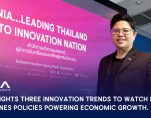
BANGKOK , THAILAND – Media OutReach Newswire – 16 January 2026 – The National Innovation Agency (Public Organization), or NIA, under the Ministry of Higher Education, Science, Research and Innovation (MHESI), is encouraging Thai entrepreneurs to keep a close eye on three key innovation trends for 2026: technology trends, market trends, and consumer trends. NIA also unveiled four major innovation policy directions: promoting investment in innovative businesses, strengthening innovation linkages across sectors, advancing regional innovation development, and enhancing national innovation competencies. These policies aim to accelerate the growth, capability development, and diffusion of innovative businesses, positioning them as key drivers of Thailand’s sustainable economic and social development.
Dr. Krithpaka Boonfueng, Executive Director of NIA
Dr. Krithpaka Boonfueng, Executive Director of NIA, said that rapid advances in artificial intelligence, escalating geopolitical tensions across multiple regions, trade decoupling and reciprocal tariff measures that create uncertainty in the global economy and value chains, as well as environmental issues and natural disasters, were major forces shaping change in 2025. ‘Innovation’ remains a critical tool for coping with these disruptions and uncertainties.
Looking ahead to 2026, Thai entrepreneurs will need to continue closely monitoring and adapting to change. Key innovation trends present both opportunities and challenges, starting with technology trends that help reduce costs and build long-term competitiveness. Notable technologies include Agentic AI, which can autonomously perform tasks such as customer chat responses, sales closure, order management, queue booking, price comparison, and automated purchasing; Hyper-Automation, which integrates bots and systems to reduce repetitive tasks, improve efficiency and accuracy, and enable real-time data-driven decision-making; and Carbon Accounting, which is becoming essential for SMEs involved in exports or global supply chains. Businesses are increasingly required to measure carbon footprints across energy use, production, logistics, and waste, in response to stricter global regulations such as the EU’s CBAM and Thailand’s forthcoming Climate Change Act.
Business trends highlight growth opportunities across several sectors. These include Health and Wellness, covering not only treatment but also prevention and therapy, particularly for working-age populations facing stress, office syndrome, and sleep disorders. Opportunities span physical therapy clinics, aromatherapy and sleep-aid products, herbal supplements, wellness tourism, yoga, and meditation. Another fast-growing area is the Pet Economy, as the Thai pet market continues to expand despite economic headwinds. This sector now includes holistic and organic pet food, fresh pet meals, fashion apparel, multifunctional pet furniture, and premium services such as pet spas, hotels, and condominiums. Additionally, Green and Circular Businesses are gaining traction, with upcycling and recycling ventures transforming waste and local materials into higher-value products. Although costs may be higher, sustainability-driven products can command premium prices, creating opportunities for community-based SMEs through innovative design aligned with environmental and fashion trends.
Consumer trends reveal a shift toward value-for-money and self-care. Hyper-Personalization is increasingly important, as consumers seek products tailored to individual needs, supported by advanced data analytics—such as supplements based on blood test results or skincare customized to personal skin conditions. Silver Solutions address the needs of Thailand’s aging society, with services focused on convenience, safety, and quality of life, including home modifications, slow-life travel programs, and assisted healthcare services. Meanwhile, Muketing or the Magic Economy reflects the enduring role of belief, spirituality, and cultural traditions in Thai society, creating economic value through religious tourism, spiritually inspired products, and design-driven items that blend art with faith.
Dr. Krithpaka added that NIA’s long-term mission is to transform Thailand into an innovation-driven economy, with startups and innovation-based entrepreneurs at its core. This requires the creation of new industries to drive growth and position Thailand as an “Innovation Nation” through three key objectives: developing innovations based on advanced and deep technologies that are difficult to replicate; creating high-value products and services rooted in creativity and cultural capital; and preparing a highly skilled workforcecapable of keeping pace with rapid technological change and evolving demographic and labor market structures.NIA works closely with domestic and international partners in its role as a Focal Conductor of Innovation, supporting innovative businesses through the 4G framework: Groom (incubation and capability building), Grant (funding support), Growth (market expansion and access to capital), and Global (international market entry).In 2026, NIA will drive Thailand’s economy and society through four key innovation policy pillars.
The first focuses on promoting investment in innovative businesses, offering a range of financial mechanisms including grants for early-stage ventures and co-investment schemes for growth-stage firms, such as corporate co-funding, public venture mechanisms (NIA Venture), global investment link programs, and capital gains tax exemptions to support startup fundraising.The second pillar emphasizes innovation linkages, strengthening collaboration between academia and industry to translate research into real-world applications through acceleration programs, innovation hubs, ecosystem platforms, tax incentives, and future mechanisms such as intellectual property financing.The third pillar supports regional innovation development, enhancing local economies and quality of life through Social Innovation Driving units (SID), Open Innovation programs, City and Community Challenge, Social Innovation Villages, and Ninmungkornth The Reality, which inspires new or small entrepreneurs to become local economic champions.The final pillar aims to enhance national innovation competencies, cultivating innovation mindsets, technological and business skills, entrepreneurial thinking, and global readiness across youth, startups, SMEs, and organizations. Key initiatives include STEAM4INNOVATOR, Startup Thailand League, NIA Academy training programs, and productivity-focused projects such as INNOProductivity for SMEs, aligned with international innovation management standards like ISO 56001.
Through these integrated efforts, NIA seeks to strengthen Thailand’s innovation ecosystem and ensure that innovative businesses can grow resiliently and compete on the global stage.
SINGAPORE – Media OutReach Newswire – 15 January 2026 – Franchising & Licensing Asia (FLAsia), Asia’s leading franchising and licensing trade event, will return from 13–15 August 2026 at Sands Expo and Convention Centre, Singapore.
Organised by MP Singapore, and presented by the Franchising & Licensing Association (Singapore), FLAsia 2026 marks a new chapter for the long-running industry event as it enters its 21st edition under a new organiser partnership. The appointment of MP Singapore brings expanded regional reach, deeper industry engagement and a strengthened focus on business outcomes for exhibitors and visitors across Asia.
FLAsia 2026 is expected to welcome more than 7,000 trade visitors and over 250 exhibiting brands from franchising, licensing, character IP, retail concepts and emerging business models. The event will continue to serve as a central marketplace for brand owners, franchisors, licensors, investors and entrepreneurs to connect, explore partnerships and identify expansion opportunities across regional and international markets.
Building on the momentum from previous edition, the Brand Licensing Village will return in 2026. The dedicated zone will spotlight locally developed intellectual property that has already been successfully commercialised, offering visitors a focused platform to discover market-ready IP, connect with licensing experts and explore collaboration opportunities across categories. The Licensing Village reinforces FLAsia’s role in supporting IP growth and brand extension within the region’s licensing ecosystem.
On the franchising front, the Chinese Franchise Conference will make a return, reflecting continued interest from Chinese brands and investors seeking expansion opportunities across Southeast Asia and beyond. Curated in collaboration with key industry stakeholders, the conference will provide targeted insights, market perspectives and networking opportunities for Chinese franchise brands and regional partners.
FLAsia 2026 will also feature international pavilions and brand participation from key markets, with brands from Korea, Thailand and other regional economies expected to be present, further strengthening the show’s international profile. Alongside the exhibition showcase, the event will include curated business sessions, industry sharing, talent and career touchpoints, and dedicated zones highlighting innovation, IP development and brand growth, reinforcing FLAsia’s position as a leading gateway for franchising and licensing opportunities in Asia.
“Partnering with MP Singapore marks a dynamic leap forward for FLAsia. Together, we’re amplifying the event’s influence and reach, ensuring the franchising and licensing community thrives as the industry surges across Asia.” Mr Gan Shee Wen, President, Franchising & Licensing Association (Singapore).
“FLAsia is a well-established platform with strong industry trust, and we are pleased to be organising the event for the first time. By leveraging on MP’s global network, we will connect brands, partners and stakeholders in a way that will foster an environment that encourages collaboration, supports quality participation and drives tangible outcomes for both exhibitors and visitors. We are excited to grow FLAsia alongside the industry in the years ahead.” Jason Ng, Managing Director of MP Group.
Franchising & Licensing Asia has, over the years, established itself as a key business platform for brands seeking growth, market entry and partnership opportunities in Asia. With Singapore as its springboard, the event continues to attract regional and international participation, reinforcing its role as a gateway to Asian markets.
The issuer is solely responsible for the content of this announcement.
About FLAsia
Franchising & Licensing Asia (FLAsia) – 21st Edition – Asia’s leading marketplace for franchising and licensing, FLAsia brings together reputable brand owners, business leaders, investors, and entrepreneurs to create a dynamic platform for accelerating business growth, expanding professional networks, and increasing brand visibility across the vibrant Asian market. FLAsia provides the chance for exhibitors to showcase unique business concepts, engage in face-to-face meetings with high quality visitors and create meaningful business connections. Visitors get to connect directly with brand owners, franchisors, licensors, industry experts, and like-minded leaders, attend insightful conferences, and access high quality business opportunities.
About Franchising and Licensing Association (Singapore)
Franchising and Licensing Association (FLA Singapore), one of the founding members of the World Franchise Council, was established in 1993 with the mission to nurture and develop Singapore’s franchising industry. An essential component of Singapore’s knowledge-based economy, FLA Singapore promotes and facilitates the use of franchising, licensing and branding as a growth strategy for Singapore enterprises, thus contributing to turning Singapore into a regional franchise and license hub.
Through its partnership with Singapore government agencies and international franchise and license bodies, FLA Singapore also assists its members in their international development programmes. With an active growing membership of close to 150 companies, representing more than 250 strong brands, FLA (Singapore) is led and managed by a dedicated team of advisors, committee members and a full-time secretariat with the goal of supporting Singapore companies to expand internationally.
About MP Singapore
The MP Singapore (MP) is a global full-service agency that specialises in connecting and building eco-systems, industry engagement, events management and marketing. Established since 1987, MP embodies more than a quarter century of event building, marketing and management experience in both Eastern and Western cultures, practices, and business philosophies. We bring world-class talent, industry expertise, and incredible enthusiasm into the design and management of extraordinary online-to-offline experiences for your organisation.
MP is part of Pico Group, a global group of agencies specialising in engaging people, creating experiences and activating brands for businesses, institutions and governments. As part of the Pico group, MP has unlimited access to a wide network of industry contacts and resources. Pico Far East Holdings has been listed on the Hong Kong Stock Exchange since 1992.
United States authorities will suspend the processing of immigrant visas for applicants from 75 countries later this month, marking a significant tightening of the pathway to permanent residency as Washington undertakes a sweeping review of immigration screening and eligibility rules. The move, announced by the US Department of State, applies only to immigrant visas and does not affect non-immigrant categories such as tourist, student or business visas, […]
HONG KONG SAR – Media OutReach Newswire – 15 January 2026 – HKU Business School unveiled the “Hong Kong Economic Policy Green Paper 2026” (“Green Paper”). This comprehensive document delves into various facets of Hong Kong’s economic domain, covering everything from trade finance and Hong Kong’s role in the Greater Bay Area (GBA) startup ecosystem to green finance, the IP economy, social and shareholder value for Hong Kong-listed companies, and pressing social issues such as housing affordability and overcrowding in emergency departments. Moreover, with the emergence of AI, the Green Paper examines the impact of AI on the labour market, cybersecurity, and the development of a Web 3.0 ecosystem.
This is the fifth edition of the Hong Kong Economic Policy Green Paper, released by HKU Business School, with the aim of providing recommendations on how Hong Kong can effectively tackle these challenges.
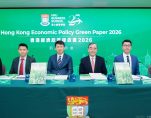
HKU Business School today unveils the Hong Kong Economic Policy Green Paper 2026. From left: Prof. Huiyin Ouyang, Associate Professor in Innovation and Information Management of HKU Business School, Prof. Dragon Tang, Professor in Finance in HKU Business School, Professor Hongbin CAI, Dean and Chair of Economics of HKU Business School, Prof. Richard Wong, Provost and Deputy Vice-Chancellor of The University of Hong Kong and Director, Hong Kong Institute of Economics and Business Strategy, Prof. Heiwai Tang, Associate Vice-President of The University of Hong Kong and Associate Dean of HKU Business School, and Dr. Tingting Fan, Principal Lecturer in Marketing of HKU Business School.
Prof. Richard Wong, Provost and Deputy Vice-Chancellor of The University of Hong Kong and Director, Hong Kong Institute of Economics and Business Strategy said, “This Green Paper was released after months of rigorous research by the scholars from HKU Business School. Grounded in an academic perspective and guided by a pragmatic, problem-solving approach, we have conducted objective analyses and in-depth investigations into core issues and real-world challenges currently facing Hong Kong’s development in political and economic operations, people’s livelihood, and industrial upgrading. Our aim is to provide the Government and relevant authorities with valuable insights and actionable policy recommendations.”
Professor Hongbin Cai, Dean and Chair of Economics of HKU Business School, said, “As a ‘super-connector’ bridging China and the world, Hong Kong’s unique role remains indispensable. Looking ahead, Hong Kong must deeply integrate into China’s national development plans, and also take a more prominent role on the international stage, with an in-depth understanding of the global market and active engagement with its international collaborators.
With campuses in Beijing, Shanghai, and Shenzhen, and an expanding presence in Vietnam and Europe, HKU Business School embodies our unique proposition: deeply rooted in Hong Kong, fully engaged with the Chinese Mainland, and truly international. This year’s Green Paper reflects our dedication to inspiring solutions based on rigorous research. As a world-class institute of higher education, we are committed to enabling Hong Kong to further unleash its core values and usher in a new era of high-quality development.”
Prof. Heiwai Tang, Associate Vice-President of The University of Hong Kong and Associate Dean of HKU Business School, added, “This Green Paper features research papers from ten teams of scholars with diverse backgrounds and varied expertise. Based on profound insights into Hong Kong’s development, they offer unique and targeted policy recommendations, building a rich and multifaceted framework of issues for the Green Paper. At the same time, behind these research achievements lies the scholars’ deep affection for and sense of responsibility toward Hong Kong.”
Regarding how digital technology can boost Hong Kong’s trade finance, he emphasised: “Both data and industry feedback clearly demonstrate the core value of trade finance. However, we need more synergy in the trade finance ecosystem and to catch up in digitisation. To address this, we must strengthen the governance and standard promotion of digital trade platforms and tools, deepen the cross-border interoperability of trade data, expand the functions of the Hong Kong Export Credit Insurance Corporation, focus on high-value-added trade enterprises, extend the coverage of Free Trade and Double Taxation Avoidance agreements, and promote responsible stablecoin adoption and Renminbi internationalisation.”
Prof. Dragon Tang, Professor in Finance at HKU Business School, stated, “Hong Kong is uniquely positioned to lead in the integration of blockchain technology within green finance, exemplified by our pioneering issuance of the world’s first tokenised green bonds, totalling HKD 6 billion in February 2024. With green finance representing a critical avenue for sustainable development, the global market is projected to grow significantly, emphasising the importance of transparency and trust. To capitalise on this opportunity, we must enhance our blockchain infrastructure, establish clear regulatory standards, and promote cross-border integration with initiatives like Core Climate. By leveraging blockchain’s capabilities, we can significantly reduce costs, improve transparency, and engage a broader investor base, ultimately driving our transition to a sustainable finance future.”
Prof. Huiyin Ouyang, Associate Professor in Innovation and Information Management, HKU Business School, commented on her study, saying, “Two weeks post-implementation of the hospital fee reform, the media reported no significant change in emergency department crowding, which aligns with what our analysis predicted. Overcrowding isn’t simply about patient behaviour – it’s a structural issue. Demographics are shifting, capacity is constrained, and alternative treatment options remain limited. What we now need is a careful, systematic evaluation of the fee changes. Where are vulnerable patients going for care? Are some patients delaying treatment? What unintended effects are emerging? Effective reform requires pairing fee adjustments with expanded primary care access. We can’t solve a capacity problem with pricing alone.”
Dr. Tingting Fan, Principal Lecturer in Marketing at HKU Business School, presented as well, spoke on her study and asked, “Why did Pop Mart go public in Hong Kong but register IP in Singapore? Or why was Molly ‘born’ in Hong Kong but did not go viral from Hong Kong? Why have local companies not managed to turn these homegrown IPs into major business triumphs? Learning from the past and looking forward, Hong Kong can leverage its financial market, legal system, as well as talents to build a comprehensive IP industry infrastructure and become an IP hub.”
The Green Paper includes ten articles; the key points are as follows:
Empowering Merchandise Trade Finance with Digital Technology in Hong Kong Author: Prof. Heiwai Tang, Associate Vice-President (Global), The University of Hong Kong; Associate Dean (External Relations), HKU Business School; Associate Director, Hong Kong Institute of Economics and Business Strategy; Victor and William Fung Professor in Economics
Trade is an essential lifeline for Hong Kong; its total merchandise trade was three times the city’s HKD3.2 trillion GDP in 2024. Trade finance is thus equally important, yet research shows that the total loans extended for trade finance have been declining.
As geopolitical and technological shifts reshape trade, Hong Kong must upgrade its trade finance services. With consumer-goods trade shifting to smaller, more frequent orders and shorter cycles, financial institutions need to streamline approvals and develop flexible products for e-commerce and logistics-driven cash cycles. Banks also need to digitise core processes in fund settlement. The article cautions that platforms directly connecting mainland manufacturers with overseas buyers disintermediate Hong Kong’s traditional hub-and-spoke role.
To address this, the article suggests the government leverage digital technologies to elevate the adoption of Hong Kong’s digital trade platforms through unifying core digital trade functions. Moreover, speeding up interoperability of trade data platforms with the Chinese Mainland and other economies will enable seamless data exchange.
Rebuilding Hong Kong as the Catalyst to the Greater Bay Area (GBA) Startup Ecosystem Prof. Alberto Moel, Professor of Practice in Finance, HKU Business School Prof. Joseph Chan, Associate Professor of Practice in Management and Strategy, HKU Business School; Associate Director, Centre for Innovation and Entrepreneurship
Offering a quantitative analysis of the evolution of Hong Kong’s startup landscape, the article found that post-2019 activity has slowed, mirroring global venture capital trends, with most failing to grow beyond 50 employees due to scarce late-stage capital despite early-stage availability. While fintech and logistics dominate and AI/blockchain grow quickly, deep tech lags—authors view this as temporary and highlight Hong Kong’s alignment in financial innovation, regtech, and GBA supply chains to attract investment and support corporate transformation.
To strengthen Hong Kong as the GBA’s premier startup hub and international financial centre, the article recommends nine policies—including fixing funding gaps, closing academia-market divides through industry-focused research for tech transfer, attracting/retaining talent, integrating Northern Metropolis with GBA supply chains, pivoting to high-value services, and drawing large tech platforms to incubate local startups.
The Applications of Blockchain in Green Finance: Hong Kong’s Experience and Opportunities Author: Prof. Dragon Tang, Professor in Finance, HKU Business School; Associate Director, Centre for Financial Innovation and Development
The green finance market has entered an important new phase. Hong Kong became the world’s first issuer of sovereign tokenised green bond when it priced an HKD800 million one-year note in February 2023. Despite this, Hong Kong faces several challenges in the practical implementation of using blockchain to advance green finance. This is due to the limited interoperability between blockchain platforms and existing financial infrastructure, which hinders cross-market transactions. Real-time settlement for tokenised assets is also difficult because of scalability constraints.
The article argues that the future success of blockchain development in green finance will depend on progress in three areas: standardisation, scalability, and security. Clear regulatory frameworks and common technical protocols are needed to provide legal certainty and interoperability across platforms. While collaboration among regulators, technology providers, and energy-market participants can align rules for tokenisation. Blockchain can also connect Hong Kong’s Core Climate platform with overseas counterparts, as cross-border integration is crucial to the inherently international nature of climate finance.
Can Hong Kong be an IP hub for Future Labubu? An Overview of Hong Kong’s IP Industry Dr. Tingting Fan, Principal Lecturer in Marketing, HKU Business School Prof. Heiwai Tang, Associate Vice-President (Global), The University of Hong Kong; Associate Dean (External Relations), HKU Business School; Associate Director, Hong Kong Institute of Economics and Business Strategy; Victor and William Fung Professor in Economics
As Labubu’s success turns the spotlight on the growing importance of the IP industry, the authors propose that this can inspire more creators and businesses to invest in branding, licensing, and cross-border collaborations. This can also attract policymakers’ attention to the emerging IP sector as a key driver of innovation and economic growth.
To position Hong Kong as a leading regional IP trading centre, the authors recommend that stakeholders—including IP developers, entrepreneurs, and government agencies—coordinate efforts across key areas. These include building a robust IP financing ecosystem, such as through government-issued IP bonds replicating the green finance model; enhancing infrastructure and platforms to support IP development; developing specialised talent and professional services in the IP sector; promoting IP initiatives throughout the Greater Bay Area; and strengthening IP protection alongside a solid legal framework.
Thematic Research: Maximisation of Social Value and Shareholder Value – Insights from Hong Kong-listed Companies Across Sectors Author: Prof. Sean Chang, Associate Professor of Practice in Finance, HKU Business School
Through a triangulation research approach, the article examines how social policies, international frameworks, and corporate social responsibility influence a company’s valuation and capital budgeting decisions. Using insights from major Hong Kong-listed companies across nine sectors—spanning transport, utilities, financials, banking, conglomerates, technology, real estate, consumer, and hotel servicing—the research highlights CSR’s role in enhancing long-term firm performance.
Key findings show that corporate risk assessment, company valuation, and stock performance are significantly influenced by CSR-linked socially responsible investing (SRI) factors. Hong Kong-specific social values, such as equality and sustainability, shape investor preferences, guiding finance managers to tailor solutions and adapt regulatory standards. While conventional metrics remain dominant, incorporating social value boosts long-term firm value by building shareholder trust and mitigating risks; companies can pursue CSR projects financed via SRI bonds to create dual economic and societal benefits.
The study recommends embedding core values like equality and sustainability into corporate strategies, aligning budgeting processes with social objectives to pinpoint investments yielding both returns and positive impacts, and urging Hong Kong-listed firms to sustain capital budgeting aligned with enduring societal values.
Housing Affordability and Homeownership in Hong Kong, 1985-2023 Mr. Allen W. Huang, Student Researcher, Hong Kong Future Economy Institute Mr. Alex Ngau, Research Associate, Hong Kong Future Economy Institute Prof. Michael B. Wong, Assistant Professor in Economics, Management and Strategy, HKU Business School
Hong Kong’s housing market has grown increasingly unaffordable, hindering upward mobility for younger generations. Main findings from the research reveal that since the 2002 suspension of the Home Ownership Scheme (HOS), homeownership has declined sharply, rendering private housing “impossibly unaffordable” for median-income households. A wide public-private rent gap drives young people to accept lower-paying or part-time jobs to qualify for public rental housing (PRH), distorting labour supply, stifling human capital investment, and fuelling a surge in adult co-living with parents; younger cohorts (born 1980-1999) face far lower access to public housing and ownership than prior generations at the same age.
Taking Hong Kong Island as an example, between 2003 and 2024, the rent-to-income ratio for a typical 400-sq-ft private unit jumped from 35% to 60% of median household income, peaking at 65% in 2015 and 2019—far exceeding the UN-Habitat and World Bank’s 30% affordability threshold. Public housing rents stayed dramatically lower at just 7%–11% of median household income from 1985 to 2024. For home purchases, it now takes 18.2 years of median income to buy a 500-sq-ft private unit (up from 7.4 years in 2003), placing it in the “impossibly unaffordable” zone per the Demographia International Housing Affordability report, where ≤3.0 years is considered affordable and 9.0+ years is impossibly unaffordable. After the 2002 Home Ownership Scheme suspension, even subsidised HOS units now require 15.8 years of income on Hong Kong Island (up from 7.4 years in 2007), shifting them from moderately unaffordable to severely or impossibly unaffordable in urban cores.
To reverse these trends, the authors recommend ramping up production of high-quality ownership units, easing resale and leasing restrictions on existing subsidised sale flats to boost residential mobility and enable “trading up” the housing ladder, setting housing price and affordability targets over mere supply goals, and adopting responsive mechanisms to balance demand and supply.
Beyond Crisis Management: Structural Reform for the Overcrowding in Hong Kong’s Emergency Departments Prof. Huiyin Ouyang, Associate Professor in Innovation and Information Management, HKU Business School Ms. Yiran Zhang, PhD student, HKU Business School
Hong Kong’s public emergency departments (EDs) handle over 2.14 million annual attendances. This crisis, exacerbated by an ageing population, results from a structural mismatch: the majority of the attendances are for non-emergency conditions, leading to staff burnout and compromised care.
The article proposes three comprehensive structural reforms. First, improving operational efficiency with accurate wait time information systems is crucial. Second, increasing the ED fee (categories III–V) aims to divert non-critical patients. Success for this hinges on assumptions about patient responses, particularly how varied population segments will react to the price signal. International evidence raises concerns, showing that higher ED fees can reduce overall utilisation, but with the decrease primarily occurring among price-sensitive groups who may risk delays in receiving serious care. Therefore, for this reform to succeed, the public must have genuine access to alternative care pathways that can accommodate acute but non-emergency needs outside regular business hours, with pricing acceptable to price-sensitive populations. Third, AI can augment the workforce and manage demand (e.g., through telemedicine).
Ultimately, sustainable reform demands robust evaluation, political courage, and a commitment to address root causes, not just symptoms.
Initial Efforts to Empirically Measure AI Activity and Its Impacts on Hong Kong’s Labour Market Prof. Alan Kwan, Associate Professor in Finance, HKU Business School Prof. Mingzhu Tai, Associate Professor in Finance, HKU Business School; Associate Director, Institute of Behavioural and Decision Science Mr. Zihan Wang, Master student, HKU Business School
In an effort to empirically measure the impact of AI on Hong Kong’s labour force, the researchers observe that firms with a higher adoption of AI experience lower headcount growth. However, the scale of impact appears small in the city, which could be due to several potential reasons. One of these is the different composition of Hong Kong’s labour force compared with other countries. For instance, Hong Kong has a high proportion of finance or managerial talent, which is harder to displace; the city also features older or more elite workers. On the other hand, much of the impact of AI, particularly generative AI, is on the less elite and younger populations.
As such, the authors recommend policymakers produce more labour market statistics that track the impact of AI, particularly by occupation. On the rate of AI adoption in Hong Kong through innovation, the authors find that the city is heavily skewed towards research, but not commercialisation. This means that the quality and quantity of academic research is not translating to commercial use. To address this decoupling, the authors propose that the government tweak its existing early-stage startup funding platforms to encourage streamlining and higher utilisation of existing government resources.
The Impact of Generative Artificial Intelligence on Cybersecurity in Hong Kong Author: Prof. Michael Chau, Professor in Innovation and Information Management, HKU Business School
As GenAI can produce human-like text, code, images, and audio, cybersecurity crimes have become easier and faster to perpetrate. Not only have data leaks and hacks into security systems led to significant financial losses in Hong Kong, but they also hurt confidence in the city’s digital infrastructure.
The article recommends using AI to fortify Hong Kong’s cyber defence, such as using biometric verification and deepfake detection technologies, especially in areas involving critical infrastructure and high financial stakes. It is also important to prevent data leakage and other threats in using GenAI.
Hong Kong’s Next Growth: Pioneering the Web 3.0 Ecosystem Prof. Yulin Fang, Professor in Innovation and Information Management, HKU Business School; Director, Institute of Digital Economy and Innovation Mr. Yangchen Mou, PhD student, HKU Business School
Given the inherent risks in Web 3.0 operational models—most notably within Decentralised Finance (DeFi) systems—striking a balance between fostering the development of the Web 3.0 ecosystem and implementing appropriate regulation to maintain financial stability is and should be a key priority for Hong Kong authorities. To support this, the article categorises the industry into three distinct systems—Centralised Finance (CeFi), the integration of Traditional Finance and Centralised Finance (TradFi-CeFi), and Decentralised Finance (DeFi)—and put forward targeted policy recommendations for each.
For the CeFi system, the authors recommend creating a more conducive environment for development by refining specialised auditing frameworks, promoting a local Web 3.0 talent certification system, and introducing global leading CeFi institutions to the local market. For the TradFi-CeFi system, they suggest upgrading audit standards for traditional firms holding digital assets and upskilling traditional finance professionals with Web 3.0 expertise. In contrast, for the DeFi system, which carries higher inherent risks and poses greater regulatory challenges, the authors advise authorities to adopt a prudent stance while keeping monitoring its latest technological developments.
The full version of the Green Paper can be accessed here. Hi-res photos are available here.
Hashtag: #HKUBS
The issuer is solely responsible for the content of this announcement.
About HKU Business School
Established in 2001, HKU Business School is one of the youngest and most dynamic members of The University of Hong Kong (HKU). The School strives to nurture first-class business leaders and foster academic and relevant research that serves the needs of Hong Kong, China and the rest of the world in the new Asia-led economy. As a top international business school, the School has established its place as a globally impactful institution that leads the way through timely thought leadership, pioneering research, and educational excellence. Deeply rooted in Hong Kong and fully engaged with China, the School’s world-class faculty equip students with global knowledge and perspectives.
HKU Business School offers business education across a full range of disciplines, while achieving remarkable growth in faculty strength and research capabilities. The School ranks Asia’s No.1 in Financial Times’ Aggregated Research Ranking for two consecutive years, 2024 and 2025, while the University of Hong Kong ranked 11th in the world and No. 1 in Asia according to the QS World University Rankings 2026. The School has strategic partnerships with world-renowned universities and corporate partners, providing market-oriented content, superior learning, and instrumental resources.
To better serve our students and alumni in various cities and regions, and to facilitate collaboration opportunities with business communities around the globe, HKU Business School has established a unique international network that extends to Beijing, Shanghai, Shenzhen and Ho Chi Minh City.
HKU Business School is fully accredited by the European Quality Improvement Systems (EQUIS) and the Association to Advance Collegiate Schools of Business (AACSB).



 www.eset.com
 LinkedIn
 Facebook
 X






 https://www.instagram.com/onyxhospitalitygroup/