News related to
business

HONG KONG SAR – Media OutReach Newswire – 10 November 2025 – DL Holdings Group Limited (Stock Code: 1709.HK) today issued a positive profit alert, announcing that based on a preliminary review of the Group’s unaudited management accounts for the six months ended September 30, 2025. It is expected to record a profit of approximately HK$180 million to HK$220 million, compared with a net profit of about […]

International Holding Company, a prominent Abu Dhabi-based conglomerate, has posted significant financial results for the first nine months of 2025, driven by operational efficiency and a diversified investment portfolio. The company reported a 32.3 per cent increase in revenue, which reached Dhs84.6 billion, compared to the same period last year. The impressive growth in revenue was accompanied by an 8.3 per cent rise in net profit, which […]

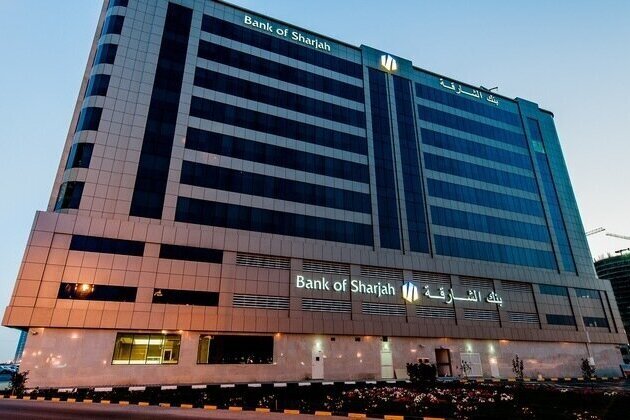
Bank of Sharjah played a key role in Ittihad International Investment LLC’s latest financing success, serving as Joint Lead Manager and Bookrunner in a US$550 million senior unsecured Sukuk issuance. The five-year bond offering attracted overwhelming investor interest, with the order book oversubscribed more than four times, peaking at US$2 billion. This level of demand highlights the strong confidence investors have in Ittihad International’s financial health and future growth prospects.

The Sukuk issuance represents a major milestone for Ittihad International Investment LLC, a prominent UAE-based investment group. With a focus on diversified investments across various sectors, Ittihad International has consistently shown its ability to adapt to market changes and maintain robust financial fundamentals. The success of the Sukuk offering is a clear reflection of the group’s strategic vision, which continues to resonate well with both regional and international investors.

The issuance attracted a diverse mix of institutional investors, including sovereign wealth funds, banks, and asset managers from across the globe. The appetite for the bond offering was not only driven by Ittihad’s strong credit profile but also by the stability and potential growth of the UAE’s economy, which remains a key driver for investment in the region. The overwhelming demand for the Sukuk underscores the high level of trust investors place in Ittihad’s long-term business strategies.

This successful transaction is a significant achievement for Bank of Sharjah, which has built a strong reputation in the financial sector for its role in leading major capital market deals in the region. The bank’s involvement as Joint Lead Manager and Bookrunner further solidifies its position as a leading financial institution in the UAE and the broader Middle Eastern market. Bank of Sharjah’s role in this high-profile Sukuk offering is seen as an endorsement of its deep understanding of regional markets and its ability to facilitate complex transactions for clients in a competitive environment.

The Sukuk, which is based on a Sharia-compliant structure, offers investors an attractive return while supporting Ittihad International’s strategic initiatives. The proceeds from the issuance are expected to be used for general corporate purposes, which include financing new investments and expanding the company’s portfolio in the UAE and beyond. The success of the transaction is a testament to Ittihad’s ongoing efforts to strengthen its financial position and drive long-term value for its stakeholders.

The Sukuk market in the Middle East has been thriving in recent years, with increasing interest from both local and international investors in Islamic finance products. The demand for Sukuk remains strong due to the region’s large and growing investor base, as well as the broader appeal of Sharia-compliant financial instruments. The Ittihad Sukuk transaction highlights the continued maturity of the Middle East’s debt capital markets and reinforces the role of Islamic finance in diversifying global investment opportunities.

The deal’s success also comes at a time when investor confidence in the UAE remains high, bolstered by the country’s continued economic recovery, business-friendly policies, and strong infrastructure development. These factors have contributed to the UAE’s attractiveness as a destination for both regional and international investors looking to capitalise on the country’s growth potential.

Dubai’s economy has demonstrated remarkable strength in the first half of 2025, with growth surpassing projections and reaffirming the emirate’s status as a global economic powerhouse. The city’s GDP expanded by 4.4 percent, reaching AED 241 billion, while the second quarter saw a notable 4.7 percent growth, bringing the total GDP for Q2 to AED 122 billion.

Key sectors played a pivotal role in driving this impressive performance. Dubai’s diversified economy, marked by a robust blend of finance, tourism, real estate, and trade, continues to thrive despite global uncertainties. The construction sector also witnessed significant growth, with an influx of infrastructure projects reflecting Dubai’s ambition to maintain its position as a leading global business hub.

One of the standout performers has been Dubai’s financial services industry, which has grown by a substantial margin. This sector’s success is largely attributed to Dubai International Financial Centre, which continues to attract a global clientele seeking access to the region’s thriving markets. With new regulatory reforms and the expansion of digital financial services, the financial services sector remains a cornerstone of Dubai’s economic resilience.

In addition, the real estate sector has shown signs of recovery after a few years of downturn, with both residential and commercial properties seeing increased demand. This growth can be linked to Dubai’s competitive positioning within the global property market, particularly in the luxury and hospitality segments. The city’s focus on international investors and high-net-worth individuals, combined with attractive incentives such as long-term visas and ease of doing business, has further bolstered investor confidence.

Tourism has also been a driving force behind Dubai’s economic growth. The city has seen a steady rise in international visitors, who are drawn to its world-class attractions, shopping festivals, and hospitality offerings. The Dubai Expo 2020, now extended into 2025, has had a ripple effect on the tourism sector, generating further investments and exposure to new global markets. Events and conferences have continued to bring in significant numbers of international guests, contributing to growth in the hospitality, retail, and leisure sectors.

The transportation and logistics sectors have been equally important to Dubai’s continued success. Dubai’s strategic location as a transport and logistics hub for the Middle East, Africa, and Asia continues to give it a competitive edge. Dubai International Airport, which consistently ranks among the world’s busiest airports, has witnessed a surge in passenger traffic, further solidifying its position as a key global aviation hub. Meanwhile, the port sector remains robust, with Dubai Ports World continuing to expand its reach internationally through strategic acquisitions and partnerships.

The emirate’s government has played a significant role in fostering a business-friendly environment, attracting foreign investment and enhancing the ease of doing business. New initiatives such as the Dubai Future Foundation and Dubai 2040 Urban Master Plan have injected fresh momentum into the city’s long-term growth trajectory. Dubai’s commitment to sustainable development, with a focus on green energy and technological innovation, ensures its competitiveness in a rapidly changing global economy.

Dubai’s resilience in the face of global economic challenges speaks to the emirate’s strategic focus on diversification and innovation. The city has managed to stay ahead of the curve by adopting advanced technologies in sectors like finance, healthcare, and education. In particular, the embrace of artificial intelligence, blockchain, and digital innovation has helped Dubai stay at the forefront of global economic trends.

A powerful tornado has caused widespread destruction across southern Brazil, with Parana state bearing the brunt of the damage. The violent storm, which struck unexpectedly, left thousands of residents in peril, forcing local authorities to declare a state of emergency as recovery efforts began. The tornado touched down in multiple regions of Parana, particularly affecting towns and rural communities. High winds, reaching speeds of up to 180 […]

Visa and Mastercard are reportedly nearing a resolution in a two-decade-long legal dispute with a group of merchants over the fees associated with their payment systems. Sources familiar with the ongoing negotiations indicate that both companies, along with the merchants involved, are working towards an agreement that could put an end to the protracted legal battle, which has caused significant tension in the payments industry.

The legal issue dates back to the early 2000s when merchants accused the payment giants of anti-competitive practices, specifically their practice of setting high interchange fees for card transactions. These fees, paid by merchants to card issuers, have been a point of contention for years, with many arguing that the pricing structures imposed by Visa and Mastercard were unfairly high and limited competition within the payments market.

This dispute first gained public attention when large retailers and other business associations banded together, alleging that the card networks were using their market dominance to maintain inflated fees. Over time, the case expanded to include a wide range of merchants, from small businesses to multinational corporations, who collectively argued that the financial burden of interchange fees was ultimately passed on to consumers in the form of higher prices.

Throughout the years, both Visa and Mastercard have faced legal challenges, and a series of class-action lawsuits have been filed. These lawsuits have not only focused on the fees themselves but also on the lack of transparency in how they were determined and enforced. Merchants claimed that the payment networks’ practices amounted to price-fixing, a violation of antitrust laws. The legal battle escalated over time, with both sides digging in their heels.

The talks have reportedly intensified in recent months, with both Visa and Mastercard keen to resolve the matter without further litigation. According to the sources, the settlement under discussion would likely result in a significant financial payout to merchants, though the exact amount remains undisclosed. The agreement could also include changes to the way interchange fees are structured, potentially leading to lower costs for businesses that accept card payments.

For Visa and Mastercard, the prospect of a settlement would bring an end to a costly and divisive legal fight. Both companies have defended their practices throughout the proceedings, maintaining that the fees they charge are justified by the value they provide in terms of security, convenience, and innovation in the payments ecosystem. However, they also face growing pressure from lawmakers, regulators, and consumers to address the issue of interchange fees, which have been a sticking point in the broader debate on financial services.

For merchants, the settlement represents a significant potential win. Many business owners, particularly in sectors like retail and hospitality, have long argued that interchange fees represent a hidden tax on their operations, undermining their ability to compete. Lowering these fees could provide financial relief, particularly for smaller businesses that often face the highest costs in the payment system.

If the settlement is reached, it could have a ripple effect across the payments industry, influencing how other payment processors and financial institutions structure their fees. Moreover, it could pave the way for further regulatory scrutiny of the broader payments ecosystem, with calls for greater transparency and fairness in the way card networks operate.

In addition to the financial terms, the settlement is also expected to address broader issues within the payments sector. Changes to the way interchange fees are communicated to merchants, improvements in fee structures, and possible new regulations could be part of any final agreement. These changes could not only benefit merchants but also lead to a more competitive environment in the payment processing industry.


Dubai’s property market is grappling with a widening supply-demand gap, as the number of completed units lags behind the increasing volume of new project announcements. While developers continue to launch projects at an accelerated pace, experts warn that this could lead to a critical imbalance in the coming years. According to real estate agency Allsopp & Allsopp, a significant discrepancy is emerging between the number of new […]

Advertisements

Two-day forum explores AI and blockchain venture capital landscape, unveiling new global capital trends HONG KONG SAR – Media OutReach Newswire – 7 November 2025 – Cyberport’s flagship event, the Cyberport Venture Capital Forum 2025 (CVCF), achieved a record-breaking over 500 deal flows, with more than 2,700 attendees and over 180,000 online views. Themed “The Innovation-Venture Nexus: Igniting Transformative Success”, the two-day forum, together with highlight events […]

A fresh roster of innovators, and increased sums of investment, had global innovators eyeing Hong Kong’s I&T capabilities HONG KONG SAR – Media OutReach Newswire – 7 November 2025 – Hong Kong Science and Technology Parks Corporation (HKSTP) has successfully concluded EPIC 2025 Presented by Cathay and HSBC. Ideas took flight at today’s Grand Finale; NEU Battery Materials brought home the Overall Championship and won the Green […]

Kazakh authorities have initiated the establishment of a national digital-asset reserve fund valued at between US$500 million and US$1 billion, drawing in part on virtual assets seized or repatriated from abroad. The country’s central bank governor, Timur Suleimenov, stated in a London-based interview that the fund will steer clear of direct cryptocurrency holdings, instead placing capital into exchange-traded funds and shares in firms tied to digital assets. The aim is to have operational readiness by year-end or early January.

The planned vehicle is part of a broader push by the government and financial regulators to formalise the role of digital assets within the national economy. President Kassym‑Jomart Tokayev previously called for a dedicated State Fund of Digital Assets and draft legislation for a digital-asset law in his address to the legislature, signalling targets for implementation in 2026. Meanwhile, the central bank’s deputy governor, Berik Sholpankulov, confirmed to parliament that the fund will receive seized crypto assets from criminal proceedings and may also draw on portions of gold and foreign-exchange reserves.

Analysts note that the decision reflects a cautious yet strategic approach: by investing in regulated instruments such as ETFs rather than acquiring tokens directly, Kazakhstan aims to capture value from the digital-asset ecosystem while limiting exposure to price volatility, custody risks and regulatory ambiguity. The fund’s structure may serve as a model for other states exploring sovereign digital-asset exposure.

The initiative also aligns with Kazakhstan’s existing digital-finance agenda. The government has launched the Alem Crypto Fund, a state-backed vehicle that purchased the BNB token of the Binance network through a local partnership, marking one of the first publicly disclosed state-level digital-asset investments in the country. This fund, managed under the Astana International Financial Centre framework, is viewed as a precursor to the larger sovereign reserve vehicle. Kazakhstan has also announced plans for a so-called “CryptoCity” special zone in the Alatau region, intended to embed digital-asset payments, Web3 businesses and new financial-technology infrastructure.

The use of seized assets as a funding source underscores the interplay between regulatory enforcement and strategic investment. Kazakhstan’s law-enforcement agencies reported shutting down 130 unlicensed crypto exchanges suspected of money-laundering activity and seizing virtual assets worth US$16.7 million. These confiscated assets are earmarked for the fund according to public filings.

Financial-market participants view the reserve fund as serving multiple potential roles: diversification of state reserves, hedging against inflation or currency risk, and positioning Kazakhstan as a regional hub for digital-asset finance. One market strategist noted that “sovereign states are increasingly treating digital-asset exposure as part of long-term strategic reserve management rather than purely speculative allocation.”

Nevertheless, the plan is not without challenges. The absence of a clear regulatory framework for digital assets remains an obstacle: although legislation is under development, the timing and specific provisions are still vague. Market observers highlight that without robust custody, auditing and governance mechanisms, the sovereign reserve could prove vulnerable to volatility or operational failures. Further, the reliance on indirect exposure—through ETFs and equities—limits the fund’s upside in the event of a digital-asset price surge, while still subjecting it to broader capital-market risks.

Bad Brain Game Studios, a Canada-based video game developer, has confirmed its closure following a strategic decision by its parent company, NetEase. The shutdown marks a significant shift in NetEase’s gaming portfolio, reflecting broader industry trends and company priorities. Founded in 2018, Bad Brain Game Studios garnered attention for its innovative approach to game development, focusing on immersive experiences and pushing boundaries within the gaming landscape. The […]

Kenya’s leading telecommunications provider, Safaricom, has announced a significant 55 per cent increase in its half-year profits for 2025, driven by robust growth in data services and mobile transactions. The company, which holds a dominant position in East Africa’s telecom market, has seen a notable recovery in its performance following challenges in its Ethiopian venture. The surge in profits comes as Safaricom has navigated through the hurdles […]

A landmark agreement has been signed by the UAE clean-energy firm Masdar and Austrian integrated energy company OMV to establish a joint venture for the financing, construction and operation of a 140 MW green-hydrogen electrolyser plant at Bruck an der Leitha, Austria. The plant is expected to commence operations in 2027, following the commencement of construction in September 2025. OMV will hold a 51 per cent majority […]

Shareholders of Tesla, Inc. approved a compensation package for Chief Executive Officer Elon Musk that could deliver up to US $1 trillion in stock over the next decade, with more than 75 per cent of votes cast in favour at the company’s annual meeting in Austin, Texas. The package, contingent on a string of ambitious performance targets, is described by the board and supporters as essential to retain Musk’s leadership and drive the firm’s pivot towards artificial intelligence and robotics.

The award hinges on milestones including delivering 20 million vehicles, deploying 1 million robotaxis, selling 1 million humanoid robots and reaching a market valuation of US $8.5 trillion. If all targets are met, Musk stands to earn shares representing up to 12 per cent of Tesla’s stock, though the net value is estimated at around US $878 billion after accounting for share price and vesting conditions. The package’s approval ends months of debate among institutional investors and proxy advisers who raised concerns about scope, governance and dilution.

The approval signals confidence among many investors in Musk’s capacity to steer Tesla into a future beyond electric vehicles, emphasising his role at the centre of the company’s strategy. Musk, who holds approximately 15 per cent of Tesla shares, made clear on stage that his focus is not merely on compensation but on maintaining influence over the company’s direction, particularly as Tesla deepens its involvement in robotics and chip manufacturing. “What we are about to embark upon is not merely a new chapter of the future of Tesla, but a whole new book,” he said following the vote.

Critics, however, warn that the structure grants Musk exceptional power and exposes shareholders to significant risk. Among those voting against the package was Norges Bank Investment Management, manager of the world’s largest sovereign wealth fund, which cited the award’s sheer size, potential dilution for other investors and the concentration of decision-making authority in a single individual as key objections. Proxy advisory firms such as Institutional Shareholder Services and Glass Lewis had also advised against the plan on similar grounds.

Tesla’s board chair Robyn Denholm had issued a letter urging shareholders to support the proposal, warning that rejection could risk losing Musk’s time, talent and vision at a pivotal moment for the firm. The board has defended the compensation plan as milestone-based and aligned with shareholder interests because the payout only occurs if Tesla meets rigorous performance thresholds. Supporters argue that Musk’s vision—extending Tesla’s footprint into autonomous mobility, humanoid robotics and AI infrastructure—requires long-term incentives that align his interests with the company’s breakthrough goals.

Even as investors backed the package, many emphasised that achieving the required targets remains a tall order. Tesla’s current market capitalisation sits well below the US $8.5 trillion target, and its robot- and self-driving ambitions face regulatory, technical and competitive headwinds. Some analysts regard the pledge to deliver millions of humanoid robots and robotaxis as speculative, pointing out that Tesla has yet to mass-produce such products. Others observe that Musk’s prior promises—including fully autonomous cars and rapid ramp-ups of production—have been met with delays and regulatory challenges, prompting scepticism among governance watchers.

The vote also underscores Musk’s increasingly prominent role across multiple business ventures including xAI and SpaceX, and the extent to which Tesla’s governance is intertwined with his broader ambitions. The compensation plan’s structure gives Musk additional voting control tied to his share stake, a move applauded by advocates who say it ensures continuity of leadership, and criticised by opponents who say it entangles corporate oversight and creates “key-person risk”.

Quantinuum, a leading quantum computing company, has officially launched Helios, a cutting-edge quantum system that it claims to be the most precise general-purpose commercial quantum computer globally. This milestone is seen as a significant development in the quantum computing industry, offering businesses the potential to solve complex computational problems with unprecedented accuracy and efficiency. Helios is powered by advanced quantum technology that allows it to solve problems […]

Pine Labs, a prominent Indian fintech firm, has raised a substantial Rs 1,754 crore from anchor investors in preparation for its initial public offering. The move signals strong investor interest ahead of the opening of the IPO on November 7, where shares will be priced within a range of Rs 210 to Rs 221 each.

The anchor investors, who are typically large institutional entities, have been allocated a significant portion of the shares to help stabilise demand for the listing. Among these investors are major domestic and international institutions, including mutual funds, insurance companies, and global financial entities. These strategic investments are expected to provide a solid foundation for Pine Labs’ public debut, further solidifying its position as a leader in the digital payments space.

The company, which is known for providing payment solutions to merchants across Asia and the Middle East, has seen significant growth in recent years, driven by the increasing adoption of cashless transactions and digital payment technologies. The funds raised from the anchor investors will enable Pine Labs to expand its offerings and continue developing cutting-edge solutions for a rapidly evolving market.

The upcoming IPO, which marks a key milestone in the company’s growth trajectory, is expected to attract substantial attention from retail and institutional investors alike. Pine Labs’ business model, which focuses on providing a wide range of payment solutions, has become increasingly relevant in a time when businesses and consumers alike are moving towards digital and contactless payment methods.

Pine Labs is well-positioned to capitalise on the growing demand for digital payment infrastructure. The company has a broad customer base that spans a wide array of industries, including retail, travel, and hospitality. This diverse portfolio allows Pine Labs to weather fluctuations in specific sectors while benefiting from overall trends towards digital transformation.

The funds raised will also support Pine Labs’ ongoing efforts to expand its geographical footprint and penetrate new markets. The company plans to increase its presence in Southeast Asia and the Middle East, where digital payment adoption is growing rapidly. This expansion is part of a broader strategy to become a leading player in the global digital payments ecosystem.

In addition to its core payment services, Pine Labs has been investing in expanding its offerings to include more advanced financial products. The company has introduced services like BNPL, which has garnered attention as a growing trend in the consumer finance space. By diversifying its product range, Pine Labs aims to attract new customers and deepen its relationships with existing clients.

Despite the competitive nature of the fintech industry, Pine Labs has demonstrated a strong track record of financial performance, which has helped to bolster investor confidence in its upcoming IPO. The firm has managed to build solid relationships with leading financial institutions and tech companies, giving it access to capital, resources, and cutting-edge technologies.

Kyndryl, a leading IT services provider, has announced its acquisition of Solvinity Group, a prominent Dutch cloud services company known for its expertise in secure managed and hybrid cloud environments. This strategic move, pending regulatory approval, will significantly enhance Kyndryl’s ability to deliver cutting-edge cloud solutions, with a particular focus on strengthening its security offerings. Solvinity, founded in 2000, has built a strong reputation for its secure […]

DeAgentAI has surged by an astounding 722% in price, captivating the attention of the cryptocurrency market and piquing the interest of investors and traders alike. The token, built within the Sui ecosystem, is designed to power autonomous on-chain agents, a feature crucial for the next-generation automation in Web3. This explosive price rally comes despite an overall downturn in the crypto sector, highlighting the unique drivers behind AIA’s success.

The rally began with an announcement of a strategic partnership with Pieverse, a move that has sent ripples through both the AI and blockchain communities. The Pieverse collaboration promises to extend the utility of AIA beyond its initial Web3 integration, offering new opportunities for developers and businesses alike to leverage autonomous agents for smart contract execution and decentralized applications. Pieverse’s backing adds a significant layer of credibility and exposure to the project, attracting both institutional and retail investors looking to capitalise on the convergence of AI and blockchain technologies.

A key component in AIA’s rapid growth has been its technical breakout, surpassing significant Fibonacci retracement levels. These price levels, commonly used in technical analysis to predict potential areas of support and resistance, indicated a strong bullish momentum for AIA. The breakout above these levels signified to market participants that the token was primed for further price gains, encouraging both short-term traders and long-term investors to buy into the upward movement.

The growing interest in AI technologies has played a critical role in driving demand for DeAgentAI. As artificial intelligence becomes increasingly embedded in various sectors, from finance to healthcare, the crypto market has been eager to incorporate AI capabilities into blockchain networks. AIA’s offering of autonomous agents that operate on the blockchain fits neatly into this emerging trend. Investors are keen to position themselves in projects that aim to bridge the gap between AI advancements and decentralized systems, with DeAgentAI being one of the most prominent players at the intersection of these two fields.

Despite the sharp upward movement in AIA’s price, some analysts have raised questions about the sustainability of the rally. With the broader cryptocurrency market experiencing a dip, many are cautious about the potential for a price correction. The recent surge in AIA’s value, although impressive, has prompted concerns that the rapid increase may have been driven by speculative interest rather than long-term fundamentals. As is often the case with explosive price movements, questions about the stability and longevity of such rallies remain a focal point for both traders and analysts.

The market’s focus on DeAgentAI, however, reflects a growing interest in the broader Sui ecosystem, which has seen increased activity as more projects develop on its platform. Sui’s architecture, designed to scale quickly and efficiently, is drawing attention from developers looking for a robust foundation to build decentralized applications. As the ecosystem grows, projects like DeAgentAI are well-positioned to benefit from the network’s increasing user base and infrastructure.

Investors have also noted that the rise of DeAgentAI is indicative of a broader trend where tokens associated with new and innovative technologies, particularly in AI and Web3, are attracting significant capital. As the blockchain space continues to evolve, more investors are looking to identify the next wave of groundbreaking projects. DeAgentAI’s dramatic price increase positions it as one of the key players in this space, sparking conversations about its future potential and the broader implications for the AI-focused crypto market.

Abu Dhabi-based alternative investment group Ittihad International Investment LLC has priced a benchmark five-year, non-call two years, Reg S sukuk of USD 550 million at par, with a coupon of 7.375 per cent. It carries a make-whole call provision at T+50 basis points. The final book exceeded USD 2 billion, excluding lead manager interest, signalling strong investor demand. The issuance marks a significant milestone for Ittihad, which […]

Google Finance is set to incorporate prediction market data directly into its search results, expanding the range of financial insights it offers to users. This new feature will initially be available to users of Google’s Labs platform before a wider rollout. The collaboration with Polymarket and Kalshi, two major players in the prediction market space, will allow Google to display real-time data on market-based forecasts in various sectors, such as political events, economic trends, and sports outcomes.

The integration of such data into Google’s search engine marks a significant step towards broadening the accessibility of prediction markets, a growing segment of the financial landscape. Users will now be able to view aggregated predictions and their associated probabilities directly within the search interface, providing more granular insights on topics such as election outcomes, corporate performance, and macroeconomic indicators.

Polymarket, which is known for its focus on a wide array of topics, including politics, entertainment, and global events, will provide its data to Google’s search engine. Kalshi, on the other hand, is a US-based platform that focuses specifically on financial events, making it a complementary addition for users seeking predictions about market movements and economic indicators.

The shift towards integrating prediction market data into mainstream platforms such as Google is likely to make these markets more visible and accessible to a broader audience. Prediction markets themselves allow participants to trade on the outcomes of specific events, with the market prices reflecting the collective judgment of participants about the probability of certain events occurring. This type of market has been seen as a powerful tool for forecasting, given its ability to aggregate diverse opinions and form an accurate collective forecast.

For Google, this move fits within its broader strategy of incorporating more dynamic and diverse data into its search results. The company has a long-standing goal of making its platform not only a repository of information but also a tool for deeper engagement with users. By showcasing data from prediction markets, Google is enhancing its offerings in the financial information space and providing users with the tools to make better-informed decisions.

Although prediction markets have been around for some time, they have historically been niche platforms, often requiring a deep understanding of the markets and the underlying mechanics to participate effectively. With this new integration into Google’s platform, however, the data will be made more accessible, potentially attracting a new wave of users who are curious about using prediction markets for a range of applications, from understanding political trends to making investment decisions.

The potential for prediction markets to become a mainstream tool for forecasting has been a topic of interest among economists and financial analysts alike. As more platforms like Polymarket and Kalshi gain traction, there is growing optimism that prediction markets can offer valuable insights into a wide range of global issues. Google’s move to display such data directly within search results could accelerate the adoption of these markets, positioning them as a central part of the decision-making process for individuals and businesses alike.

Shareholders of Tesla, Inc. approved a landmark compensation package for CEO Elon Musk that could ultimately be worth as much as $1 trillion, should the firm hit a series of ambitious milestones over the coming decade. Over 75 % of shares were cast in favour of the plan during the company’s annual meeting in Austin, Texas, signalling continued investor faith in Musk’s leadership. The package ties Musk’s […]

Greenlogue/AP A partnership between clean-energy pioneer Masdar and integrated fuels and chemicals company OMV will create a 140 megawatt green-hydrogen electrolyser plant in Bruck an der Leitha, Austria, with operations targeted for 2027. The binding agreement grants Masdar a 49 per cent stake while OMV retains 51 per cent and oversees day-to-day operations. The venture is projected to produce up to 23,000 tonnes of green hydrogen annually, […]

A consortium led by the Abu Dhabi-supported investment firm Aquarian has agreed to acquire the U. S. life insurance and annuity provider Brighthouse Financial in an all-cash deal valued at approximately $4.1 billion. Aquarian will pay $70 per share, representing a premium of about 37 per cent over the company’s closing price on 27 January, the day before media reports of a potential sale surfaced. Shares in Brighthouse rose sharply following the announcement.

Brighthouse Financial, which spun off from MetLife in 2017, manages well over $100 billion in assets, giving the purchaser access to substantial investment capital and forming part of a growing surge of private-capital firms acquiring U. S. insurers to fuel credit platforms. Aquarian, a specialist in insurance and asset management backed by investors including RedBird Capital and Mubadala Capital, sees the acquisition as a strategic entry into the U. S. retirement-income market.

Negotiations faced multiple bidders, with TPG identified as the other final contender before Aquarian secured the deal. Sources say that other major players such as Apollo and Carlyle withdrew during due-diligence, citing Brighthouse’s legacy exposures—particularly its heavy footprint in variable annuities, which carry high hedging costs and capital charges for the company.

Brighthouse’s management will remain in place, with CEO Eric Steigerwalt set to continue leading the business after the transaction closes—expected in 2026. Aquarian has indicated no immediate plans to break up Brighthouse, instead intending to focus on its fixed indexed annuities and registered index-linked annuities lines, while winding down or re-insuring portions of the higher-risk variable annuity and life-insurance businesses.

Industry analysts say the deal underscores a broader trend: private investment firms are increasingly acquiring insurers not only for distribution or underwriting advantages but primarily for their long-dated liabilities and the investment income they generate, which can be deployed into higher-return credit strategies. The structural economics of insurers—steady premium inflows, long durations and regulated capital-intensive businesses—make them attractive targets for asset managers seeking stable funding sources and yield.

For Brighthouse, the acquisition offers a way out of its status as a publicly-listed firm weighed down by volatile earnings and investor skepticism about its variable-annuity portfolio. Despite its size and franchise, Brighthouse’s share price has lagged its book value, driven in part by hedge-related losses and regulatory capital burdens. By moving private, it may gain flexibility in capital management and strategic repositioning.

From Aquarian’s perspective, the deal leverages its insurance platform, which already manages about $25 billion in assets, and positions it to escalate into a major player in insurance-for-capital business globally. The backing of large Middle Eastern investment pools gives Aquarian the muscle to undertake such a large transaction and signals the continuing export of Gulf-region investment capital into U. S. financial-services infrastructure.

Showcasing a Strong Workplace Culture and Genuine Care for Its People BANGKOK, THAILAND – Media OutReach Newswire – 7 November 2025 – SC Asset Corporation Public Company Limited has been honored with the HR Asia Best Companies to Work for in Asia 2025 award—one of the region’s most prestigious recognitions. The award reflects the company’s success in human resource management, its strong organizational culture, and its commitment […]

VISHNU RAJA
RYO YAMADA
HITORI GOTOH
IKUYO KITA
Just in: