News related to
crypto

The United States has witnessed a dramatic decline in cryptocurrency trading volumes, with figures dropping over 80% since mid-March. On March 14, US exchanges recorded $3.22 billion in trading volume; by April 2, this had fallen to $621 million, marking a significant contraction in market activity.

This downturn aligns with a broader global trend. In January 2025, global cryptocurrency exchange spot volumes experienced a 19.5% decrease, falling to $1.73 trillion from December 2024’s record-breaking $2.14 trillion. Factors contributing to this decline include increased regulatory scrutiny and market volatility.

Coinbase, a major US-based cryptocurrency exchange, has seen its market share diminish as smaller exchanges gain ground. This shift reflects a changing landscape where traders are exploring alternative platforms, possibly due to varying fee structures, user experiences, or perceptions of security.

Despite these challenges, the global cryptocurrency market maintains substantial activity. As of now, the total market capitalization stands at $2.72 trillion, with Bitcoin dominating at $1.61 trillion, representing 59.34% of the market. Stablecoins collectively hold a market cap of $237 billion, accounting for 8.72% of the total crypto market cap.

The decline in US trading volumes may also be influenced by recent events affecting major exchanges. For instance, in February, a significant security breach resulted in the theft of $1.5 billion from Bybit, the world’s second-largest crypto exchange. Such incidents underscore the vulnerabilities within the crypto industry and may contribute to reduced trading activity as investors reassess risks.

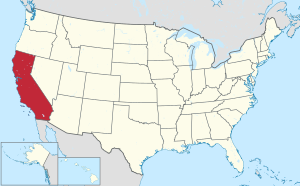
The California State Assembly has introduced Assembly Bill 1052 , a legislative measure aimed at providing legal protections for individuals engaging with digital assets such as Bitcoin. The bill, spearheaded by Assemblymember Juan Carrillo Valencia, Chair of the Assembly Banking and Finance Committee, seeks to affirm the rights of Californians to self-custody digital assets and to use them as a valid form of payment.

AB-1052 explicitly recognizes the right of individuals and businesses within the state to accept digital financial assets for the sale of goods and services. It deems the use of such assets in private transactions as valid and legal consideration. Furthermore, the bill prohibits public entities from imposing taxes, withholdings, assessments, or other charges solely based on the use of digital assets as a method of payment. This provision aims to prevent discrimination against digital asset transactions by governmental bodies.

In addition to payment considerations, the bill addresses the management of unclaimed digital assets. It stipulates that intangible property held in a digital asset account will escheat to the state three years after certain conditions are met, such as the return of undelivered communication to the owner or the last exercise of ownership interest by the owner. Holders of private keys for such escheated digital assets are required to transfer them to a custodian designated by the Controller, ensuring that these assets are managed appropriately and securely.

AB-1052 also seeks to amend the Political Reform Act of 1974 by prohibiting public officials from issuing, sponsoring, or promoting any digital assets, securities, or commodities. This measure is intended to reduce potential conflicts of interest and political influence over emerging financial technologies. Public officials are further restricted from engaging in transactions or conduct related to digital assets that could create conflicts with their public duties.

The United Arab Emirates has ascended to the forefront of global cryptocurrency adoption, marked by a 41% year-on-year increase in crypto app downloads, totaling 15 million in 2024. In January 2025 alone, the nation recorded 3.55 million installations of crypto applications, underscoring a robust and growing interest in digital assets. Projections indicate that user penetration will reach 39.1% by the end of 2025, signifying the transition of cryptocurrency from a niche interest to a mainstream financial instrument within the country.

This surge is underpinned by a proactive regulatory environment. The Dubai Financial Services Authority has expanded its list of recognized crypto tokens, while the Abu Dhabi Global Market introduced the world’s first Distributed Ledger Technology Foundations Framework, providing legal structures for blockchain-based organizations. Furthermore, the Central Bank of the UAE approved AE Coin, the nation’s inaugural dirham-pegged stablecoin, facilitating faster and more cost-effective digital transactions.

A study by Atmos, a proprietary trading platform by Taurex, highlights the UAE’s leadership in the crypto space. The research indicates a cryptocurrency ownership rate of 25.3% among the UAE population, coupled with an adoption growth rate of 210%. Despite the presence of only one Bitcoin ATM, the UAE secured the top position in the study’s rankings, reflecting the country’s deep integration of digital assets into its financial ecosystem.

The UAE’s commitment to fostering a crypto-friendly environment is further evidenced by substantial institutional investments. Abu Dhabi’s MGX, a $330 billion investment vehicle backed by Mubadala, recently acquired a $2 billion minority stake in Binance, one of the world’s leading cryptocurrency exchanges. This move aligns with the UAE’s ambition to become a global crypto hub and demonstrates confidence in the transformative potential of blockchain technology.

On a regional scale, the Middle East and North Africa have experienced significant growth in the crypto sector. Between July 2023 and June 2024, the UAE received over $30 billion in cryptocurrency, ranking among the top 40 globally and establishing itself as MENA’s third-largest crypto economy. This influx underscores the UAE’s pivotal role in the regional digital asset landscape.

A surge in Studio Ghibli-style AI-generated images has ignited a significant uptick in the creation and valuation of related meme coins within the cryptocurrency market. This trend follows the introduction of OpenAI’s ChatGPT-4o model, which enables users to produce images emulating the distinctive aesthetic of the renowned Japanese animation studio.

On March 25, OpenAI unveiled the ChatGPT-4o model’s image generation feature, allowing users to craft visuals reminiscent of Studio Ghibli’s celebrated films such as “Spirited Away” and “My Neighbor Totoro.” This capability quickly gained traction on social media platforms, with individuals sharing their AI-generated Ghibli-style portraits. Notably, OpenAI CEO Sam Altman participated by posting an image of himself rendered in this style, describing the release as “a new high-water mark” for creative freedom.

The trend garnered further momentum as prominent figures in the tech industry joined in. Entrepreneur Elon Musk shared his own Ghibli-inspired portrait, while Ripple executives Brad Garlinghouse and David Schwartz also posted similar images. Their involvement amplified the visibility of the Ghibli-style AI imagery movement across various online communities.

This widespread fascination with Ghibli-style AI art has translated into the cryptocurrency sphere, leading to the emergence of several Ghibli-themed meme coins. Tokens such as “Ghiblification” and “GhibliCZ” have experienced remarkable surges in market capitalization. Ghiblification, for instance, reportedly achieved a market cap of $20.8 million within 19 hours of its launch, marking a 39,010% increase in value.

The Solana blockchain has become a notable platform for these tokens, with several Ghibli-inspired meme coins experiencing rapid gains. The integration of AI-generated art trends with cryptocurrency ventures has attracted both investors and enthusiasts, leading to heightened trading activity and speculative interest.

However, the rapid proliferation of these tokens has raised concerns regarding their legitimacy and the potential for market manipulation. The cryptocurrency market is known for its volatility, and the sudden popularity of themed meme coins can lead to speculative bubbles. Investors are advised to exercise caution and conduct thorough research before engaging with such assets.

Matein Khalid The auguries for the CoreWeave (CRWV) IPO on Nasdaq are not too bright. Nvidia is down 10% in the last two trading sessions, the grapevine on the Street suggests that the pricing on CRWV will be below the $47-$55 range. While revenue growth has been spectacular since 2022, margins, accounting and loan repayments are a red flag. If this IPO flops, the ripple effect will […]

Shiba Inu , the cryptocurrency that emerged as a meme coin, has demonstrated a remarkable trend in investor behavior, with a significant majority of its holders displaying long-term commitment. Data from IntoTheBlock reveals that 76% of SHIB holders have maintained their positions for over a year, surpassing the long-term holder percentages of both Bitcoin and Ethereum , which stand at 74% and 73% respectively.

This development is particularly noteworthy given Shiba Inu’s relatively recent entry into the cryptocurrency market compared to its more established counterparts. The data suggests a growing confidence among investors in SHIB’s potential, despite its origins as a meme-based digital asset.

Further analysis indicates that 22% of SHIB holders have retained their tokens for a period ranging from one to twelve months, while a mere 2% have held their assets for less than a month. This distribution underscores a trend toward long-term investment strategies within the SHIB community.

The average holding period for SHIB is reported at 2.6 years, which is notable when compared to Ethereum’s 2.4 years and Bitcoin’s 4.4 years. This metric reflects the duration investors are willing to hold onto their assets, indicating a level of patience and belief in the token’s future appreciation.

Despite this positive indicator of investor confidence, Shiba Inu’s price has experienced fluctuations. At the time of reporting, SHIB was trading at $0.00001616, marking a 3% decline over the past 24 hours. Such volatility is not uncommon in the cryptocurrency market, especially among tokens that originated from internet culture and memes.

The concentration of SHIB holdings among a few large investors, often referred to as “whales,” remains a point of discussion within the community. While high whale concentration can lead to concerns about market manipulation and liquidity, the increasing number of long-term holders may contribute to a more stable market environment for SHIB.

The Shiba Inu ecosystem has been expanding, with developments such as Shibarium, a Layer-2 blockchain solution, and ShibaSwap, a decentralized exchange. These initiatives aim to enhance the utility and adoption of SHIB, potentially influencing investor sentiment and contributing to the observed holding patterns.

In the broader context, the cryptocurrency market has seen a decline in the value of meme coins, with the market capitalization dropping from a peak of $137 billion in December to $56.2 billion by late February 2025. Despite this trend, SHIB’s strong long-term holder ratio suggests a resilient investor base that remains optimistic about the token’s prospects.

The increasing holding times among SHIB investors may also reflect a strategic response to market conditions, with holders opting to retain their assets in anticipation of future value appreciation. This behavior aligns with a broader trend in the cryptocurrency market, where investors are becoming more discerning and adopting long-term perspectives.

Meta Earth, a modular blockchain platform, is set to officially launch ME Network v2.0 during Token2049 Dubai, scheduled for April 30 to May 1, 2025. The event will take place at Madinat Jumeirah, Al Sufouh 1, Dubai.

As the sole modular blockchain among the title and platinum sponsors, Meta Earth has experienced significant growth, with over one million users participating in public testing and nearly 600,000 completing KYC verification within its inaugural year.

The launch event will feature discussions on core innovations in ME Network v2.0, global strategic plans, and future ecosystem developments. Attendees will have the opportunity to engage with more than 300 key opinion leaders and representatives from top-tier media outlets, focusing on blockchain adoption, decentralized ecosystems, and the future of Web3.

To incentivize participation, Meta Earth is introducing an airdrop campaign, offering on-site giveaways that include 1,000 mystery prizes valued at over $1,000 each, contributing to a total prize pool exceeding $1 million.

Following the main event, Meta Earth will host an official launch gathering on May 1, 2025, from 16:30 to 19:30 at the Ballroom, Address Sky View, Downtown Dubai. This session aims to provide deeper insights into the project’s vision, journey, and strategic initiatives, featuring direct engagement with Meta Earth’s founding team.

Meta Earth is dedicated to reshaping Web3 through its decentralized identity system and Unconditional Basic Income vision. The upgrade to ME Network v2.0 introduces a modular architecture designed to enhance scalability, reduce transaction costs, and provide a compliance-ready infrastructure.

The platform’s approach addresses longstanding challenges in traditional blockchain systems, such as interoperability and transaction speed, positioning Meta Earth as a significant player in the evolving blockchain landscape.

Token2049 Dubai is anticipated to be the world’s largest crypto event, providing a platform for industry leaders, investors, and technology enthusiasts to explore the latest trends and innovations in the blockchain space. Meta Earth’s participation underscores its commitment to advancing blockchain technology and fostering a more robust and versatile ecosystem.

The event is expected to generate considerable interest within the blockchain community, highlighting Meta Earth’s dedication to innovation, sustainability, and community engagement. By addressing critical issues such as interoperability and scalability, Meta Earth aims to contribute to the broader adoption and evolution of blockchain technology.

Attendees can anticipate a comprehensive presentation covering the technical framework and innovation roadmap of ME Network v2.0, as well as discussions on community growth and future initiatives. The event will also feature a live music and dance performance, offering a blend of informative sessions and networking opportunities.

Advertisements

Galaxy Digital, a prominent cryptocurrency investment firm led by Michael Novogratz, has agreed to a $200 million settlement with the New York Attorney General’s office. The settlement addresses allegations that the firm promoted the cryptocurrency LUNA without adequately disclosing its financial interests, while simultaneously selling substantial holdings of the token at a profit prior to its collapse.

The Terra ecosystem, which included the algorithmic stablecoin TerraUSD and its sister token LUNA, experienced a catastrophic collapse in May 2022. At its peak, LUNA boasted a market capitalization of approximately $40 billion, ranking among the top cryptocurrencies globally. The collapse of UST and LUNA resulted in significant financial losses for investors and raised concerns about the stability of algorithmic stablecoins.

According to the settlement details, Galaxy Digital actively promoted LUNA to investors while concurrently liquidating its own holdings without proper disclosure of these transactions. This dual action allegedly misled investors regarding the firm’s financial interests and the stability of the Terra ecosystem. The New York Attorney General’s office emphasized that such practices undermine market integrity and investor trust.

The $200 million settlement is structured to be paid over a three-year period. Notably, while Galaxy Digital has agreed to the financial terms, the firm has neither admitted nor denied the allegations put forth by the Attorney General’s office.

The collapse of Terra’s tokens had far-reaching implications beyond individual investor losses. The event triggered a broader market downturn, leading to increased scrutiny of the cryptocurrency industry by regulators worldwide. In the aftermath, several firms associated with Terra faced legal actions and financial penalties. For instance, Jump Trading Group agreed to a $123 million settlement with the U.S. Securities and Exchange Commission over allegations related to misleading investors about the stability of TerraUSD.

Terraform Labs, the company behind the Terra blockchain, filed for bankruptcy in January 2024. Subsequently, the firm reached a $4.47 billion settlement with the SEC to address allegations of fraud related to the collapse of TerraUSD and LUNA. The bankruptcy proceedings are ongoing, with efforts focused on winding down operations and compensating affected stakeholders.

Do Kwon, co-founder of Terraform Labs, has also faced legal challenges. After being detained in Montenegro in March 2023, Kwon was extradited to the United States to face federal fraud charges related to the collapse of TerraUSD and LUNA. The charges include wire fraud, commodities fraud, securities fraud, and conspiracy.

The Terra incident has prompted regulators to intensify their oversight of the cryptocurrency industry, particularly concerning the promotion and stability of digital assets. The SEC and other regulatory bodies have been actively investigating and, in some cases, penalizing firms that fail to provide transparent disclosures to investors or engage in misleading promotional activities.

Galaxy Digital’s settlement underscores the importance of transparency and ethical practices within the cryptocurrency sector. As digital assets continue to gain mainstream adoption, regulatory authorities are likely to maintain rigorous enforcement to protect investors and ensure market integrity. Firms operating in this space are increasingly expected to adhere to stringent disclosure requirements and ethical standards to foster trust and stability in the evolving financial landscape.

The repercussions of the Terra collapse serve as a cautionary tale for both investors and firms within the cryptocurrency industry. Investors are urged to conduct thorough due diligence and remain cautious of high-yield investment opportunities that lack transparency. Simultaneously, firms are reminded of the critical need to maintain ethical standards and comply with regulatory requirements to sustain the industry’s credibility and foster long-term growth.

As the cryptocurrency market continues to evolve, the balance between innovation and regulation remains a focal point. The outcomes of legal actions, such as the settlement involving Galaxy Digital, highlight the ongoing efforts by authorities to establish a regulatory framework that protects investors while accommodating the dynamic nature of digital assets.

Terraform Labs has announced the launch of a claims portal aimed at compensating creditors who incurred losses during the collapse of the TerraUSD token and the company’s subsequent bankruptcy. The portal, accessible at claims.terra.money, will be open for submissions from March 31 until April 30, 2025, with a deadline of 11:59 p.m. Eastern Time on the closing date.

To file a claim, creditors must register on the portal and provide proof of ownership of their crypto assets. For assets held within the Terra Ecosystem or supported networks, users are required to sign a transaction through the portal at no cost. For holdings on other platforms, creditors should supply a read-only API key or submit manual evidence such as transaction logs and account statements. It is important to note that assets with on-chain liquidity below $100 and certain holdings, including Luna 2.0 on Terra 2.0, are not eligible for claims.

The Plan Administrator will assess claim amounts based on eligible cryptocurrency holdings. Claims supported by manual evidence may undergo a longer review process and risk disallowance if preferred evidence, like API keys, is available but not provided. Within 90 days of the claim deadline, creditors will receive an initial determination or notification of extended review through the portal.

Gold prices have surged to a historic high, reaching $3,077 per ounce on March 28, 2025, marking a significant milestone in the precious metal’s valuation. This ascent comes just two weeks after gold surpassed the $3,000 threshold on March 14, 2025, reflecting a 15.76% increase year-to-date.

The imposition of a 25% tariff on auto imports by U.S. President Donald Trump has intensified fears of a global trade war, prompting investors to seek refuge in safe-haven assets like gold. The tariffs have particularly impacted the auto industries in Japan and South Korea, leading to notable declines in their stock markets. Japan’s Nikkei index dropped over 2%, while South Korea’s benchmark index fell to a two-week low. In contrast, Hong Kong’s Hang Seng index remained relatively stable, rising by 0.6%. The auto sector, vital to both South Korea and Japan, faces significant challenges, with some manufacturers considering production relocations or price adjustments.

The escalating trade tensions have heightened investor anxiety, leading to increased demand for gold as a safe-haven asset. Analysts attribute the surge in gold prices to factors such as U.S. trade and fiscal policies, slowing economic growth, and geopolitical conflicts. Financial analyst Kyle Rodda emphasized that these elements collectively bolster gold’s appeal. Additionally, gold tends to benefit in low-interest-rate environments and during periods of political and economic uncertainty.

In response to the rising gold prices, Goldman Sachs has revised its year-end forecast for the metal from $3,100 to $3,300 per ounce. Analysts Lina Thomas and Daan Struyven cited higher-than-expected inflows into gold exchange-traded funds and robust central bank demand, particularly from large Asian central banks, as key drivers for the upward revision. They anticipate that these central banks will continue aggressive gold purchases over the next three to six years. The analysts also suggested potential entry points for investors, including a resolution to the Russia-Ukraine conflict or a significant equity market downturn.

The surge in gold prices has led to a notable increase in the sale of old jewelry and coins in major markets across Asia and the Middle East. Consumers in countries like India, China, and the United Arab Emirates are capitalizing on the high prices to liquidate their gold holdings, potentially reducing imports and tempering the gold rally. In India, domestic gold prices have risen more than 32%, prompting many to sell rather than purchase new jewelry. Similar trends are observed in Dubai and China, where high prices have led consumers to sell or hold onto their gold assets.

Ethereum is currently trading at approximately $2,001.24, reflecting a decrease of $34.67 from the previous close. The day’s trading saw a high of $2,038.00 and a low of $1,985.14.

In contrast to Ethereum’s market challenges, Coldware is actively expanding its blockchain ecosystem. A notable addition is the introduction of Freeze.Mint, a Layer-2 service that enables users to create and launch their own tokens on the Coldware blockchain. This tool is designed to simplify token creation, offering a cost-effective solution for businesses and developers aiming to engage with customers, manage loyalty programs, raise funds, and foster community growth. By facilitating the minting of custom tokens, Coldware positions itself as a versatile platform for diverse blockchain applications.

Ethereum’s recent price decline has been attributed to several factors, including increased competition from alternative blockchains like Solana and Cardano, which offer faster and more cost-effective transactions. Additionally, the rise of memecoins has diverted investor attention, and internal challenges within Ethereum’s development community have contributed to market uncertainty. These dynamics have led to a 40% drop in Ether’s value over the past three months, with the cryptocurrency underperforming compared to major tokens such as Bitcoin.

OpenAI is on the verge of finalizing a landmark $40 billion funding round, spearheaded by Japan’s SoftBank Group. This substantial infusion of capital is poised to nearly double the artificial intelligence company’s valuation to $300 billion, marking a significant milestone in the tech industry’s financial landscape.

SoftBank’s commitment to OpenAI underscores its strategic focus on AI advancements. The conglomerate plans an initial investment of $7.5 billion, with an additional $2.5 billion sourced from a syndicate of investors. A subsequent tranche later this year is expected to see SoftBank contribute another $22.5 billion, complemented by $7.5 billion from syndicated partners. This structured approach reflects a calculated effort to bolster OpenAI’s capabilities and market position.

The funding round has attracted a consortium of prominent investors, including Magnetar Capital, Coatue Management, Founders Fund, and Altimeter Capital Management. Magnetar Capital, based in Evanston, Illinois, is reportedly considering an investment of up to $1 billion, highlighting the high level of interest and confidence in OpenAI’s potential.

This financial milestone follows OpenAI’s $6.6 billion funding round in October 2024, which valued the company at $157 billion. The current investment nearly doubles that valuation, reflecting the rapid growth and escalating significance of AI technologies in various sectors.

A substantial portion of the newly acquired funds is earmarked for the “Stargate” project, an ambitious $500 billion initiative aimed at constructing a network of data centers to support AI workloads. This project is a collaborative effort involving OpenAI, SoftBank, and Oracle, and is expected to significantly enhance the United States’ AI computing capacity to meet future demand. The financing strategy for Stargate heavily relies on debt, with SoftBank targeting a 90% debt funding ratio, a move that underscores the project’s massive scale and the financial engineering involved.

The partnership between SoftBank’s CEO Masayoshi Son and OpenAI’s CEO Sam Altman has been instrumental in advancing these initiatives. Their collaboration dates back to 2017, evolving over the years into a robust alliance focused on AI development. The joint efforts have culminated in significant projects like Stargate, positioning both companies at the forefront of the AI revolution.

Despite this substantial investment, SoftBank has reported a quarterly loss of 369.2 billion yen for the three months ending in December. The loss is attributed to investment setbacks in its Vision Funds and unfavorable foreign exchange impacts. Nevertheless, SoftBank remains committed to its AI-focused investments, viewing them as pivotal to its long-term strategy.

Rumble Inc., the video-sharing platform and cloud services provider, has reported a 48% increase in fourth-quarter 2024 revenue, reaching $30.2 million. This growth coincides with a $775 million strategic investment from Tether, a prominent entity in the digital assets industry. The platform’s average global Monthly Active Users maintained a steady presence at 68 million during this period, marking the twelfth consecutive quarter surpassing 40 million MAUs. Notably, […]

GameStop Corp. has unveiled plans to raise $1.3 billion through a private offering of 0.00% Convertible Senior Notes due in 2030, with intentions to utilize the proceeds for general corporate purposes, including the acquisition of Bitcoin. This strategic move underscores the company’s commitment to integrating cryptocurrency into its financial strategy.

The announcement led to a 13% surge in GameStop’s stock during premarket trading, reflecting investor optimism. However, the stock experienced a 5.7% decline in after-hours trading following the detailed disclosure of the bond offering. This volatility highlights the market’s mixed reactions to the company’s cryptocurrency endeavors.

GameStop’s board has unanimously approved an update to its investment policy, incorporating Bitcoin as a treasury reserve asset without specifying a maximum investment limit. The investment committee, chaired by CEO Ryan Cohen, is tasked with balancing liquidity and investment returns. This initiative aligns GameStop with other corporations adopting Bitcoin as part of their treasury management strategies.

In the fourth quarter, GameStop reported earnings of 30 cents per share, surpassing analysts’ expectations. However, revenue fell short at $1.28 billion against the anticipated $1.48 billion. The company held $4.775 billion in cash and equivalents by the end of the quarter, following the divestiture of its Italy operations and store closures in Germany.

Analysts have expressed caution regarding GameStop’s pivot towards cryptocurrency. Michael Pachter, an analyst at Wedbush Securities, questioned the rationale behind investing in GameStop stock for Bitcoin exposure, suggesting that direct Bitcoin ETFs might be more appealing. Wedbush has maintained an “Underperform” rating for GameStop, adjusting the price target from $10 to $11.50, reflecting the company’s cash balance and operating value.

This move follows a proposal from Strive Asset Management, led by CEO Matt Cole, urging GameStop to invest its cash reserves into Bitcoin. The proposal highlighted Bitcoin’s potential as a hedge against inflation and a strategic reserve asset. CEO Ryan Cohen acknowledged receipt of the proposal, indicating consideration of the strategy.

GameStop’s foray into cryptocurrency is part of a broader effort to revitalize its business model amid declining sales and increased competition from digital gaming platforms. The company’s strategic direction includes closing physical stores and exploring new markets such as trading cards and cryptocurrencies. Despite these initiatives, analysts remain skeptical about the long-term sustainability of such moves.

South Korea’s Financial Intelligence Unit has directed Google to restrict domestic access to 17 unregistered cryptocurrency exchange applications on the Google Play Store. Effective March 25, users in South Korea are unable to install or update apps from platforms including KuCoin, MEXC, Phemex, Poloniex, and BitMart.

The FIU’s action targets foreign virtual asset service providers operating without proper registration, as mandated by the Act on Reporting and Using Specified Financial Transaction Information. This legislation requires all VASPs conducting business in South Korea to register with the authorities to ensure compliance with anti-money laundering and know-your-customer regulations.

The 17 affected exchanges are KuCoin, MEXC, Phemex, XT, Bitrue, CoinW, CoinEx, ZoomEX, Poloniex, BTCC, DigiFinex, Pionex, Blofin, Apex Pro, CoinCatch, WEEX, and BitMart. Users attempting to access these platforms via their mobile applications will encounter restrictions, preventing new installations and updates.

The FIU has been actively identifying and addressing unregistered foreign exchanges targeting South Korean investors. In 2022, the agency identified 16 such operators, followed by six more in 2023. The current enforcement action reflects the government’s commitment to safeguarding its financial system from potential risks associated with unregulated cryptocurrency trading.

Operators of unregistered exchanges face legal consequences, including up to five years in prison or fines of up to 50 million won . The FIU is collaborating with Apple Korea and the Korea Communications Standards Commission to extend these restrictions to the Apple App Store and to block associated websites, further curbing access to unregistered platforms.

This crackdown is part of South Korea’s ongoing efforts to balance innovation in the cryptocurrency sector with the need for regulatory oversight. By targeting unregistered exchanges, the government aims to protect investors and maintain the integrity of its financial system.

The U.S. Securities and Exchange Commission has officially concluded its investigation into Immutable, a prominent player in the Web3 gaming sector, without finding any wrongdoing or pursuing enforcement actions. This development follows the Wells notice issued to Immutable in November 2024, which had signaled potential enforcement proceedings.

Robbie Ferguson, co-founder and president of Immutable, expressed satisfaction with the SEC’s decision, stating, “We are pleased the SEC has concluded its inquiry. This marks a significant milestone for the crypto industry and gaming as we advance towards a future with regulatory clarity.”

The SEC’s investigation was primarily focused on the 2021 “listing and private sales” of Immutable’s native token, IMX. The issuance of the Wells notice had raised concerns within the company and the broader cryptocurrency community about potential regulatory repercussions.

The closure of this investigation is seen as part of a broader shift in the SEC’s approach to cryptocurrency regulation under Acting Chair Mark Uyeda. The commission has recently ended probes into several crypto entities, including Gemini, Robinhood, OpenSea, Yuga Labs, and Ripple. This shift includes the establishment of a Crypto Task Force led by Commissioner Hester Peirce, aiming to develop comprehensive regulatory frameworks for digital assets.

Industry observers view the SEC’s decision as a positive signal for the Web3 gaming sector. Regulatory clarity is anticipated to encourage further innovation and investment in blockchain-based gaming platforms. Immutable has been at the forefront of integrating blockchain technology into gaming, offering solutions that enable true digital ownership for players.

In the wake of the SEC’s announcement, the IMX token experienced a notable surge in value. Market data indicates that IMX’s price increased by approximately 15%, reflecting investor optimism and confidence in Immutable’s future prospects.

While the SEC has closed its investigation into Immutable, other crypto firms continue to navigate regulatory challenges. Companies such as Unicoin and Crypto.com are still under scrutiny, highlighting the evolving and complex landscape of cryptocurrency regulation.

Australian cryptocurrency investors are facing substantial financial threats due to an elaborate scam where fraudsters impersonate representatives from Binance, one of the world’s leading cryptocurrency exchanges. The Australian Federal Police , in collaboration with the National Anti-Scam Centre and Binance Australia, have initiated Operation Firestorm to combat these fraudulent activities. This operation has identified over 130 Australian victims targeted through sophisticated phishing techniques.

Scammers have been sending text messages that closely mimic legitimate communications from Binance. These messages often include false verification codes and direct recipients to counterfeit customer service hotlines. Once contact is made, victims are manipulated into transferring their cryptocurrency assets into so-called “trust wallets” controlled by the scammers. The fraudulent messages are particularly deceptive, appearing within existing Binance communication threads, exploiting vulnerabilities in telecommunications systems that allow sender IDs to be spoofed.

AFP Commander of Cybercrime Operations, Graeme Marshall, emphasized the challenges in recovering stolen funds, noting that once assets are transferred to accounts under the scammers’ control, they are swiftly moved through a network of wallets and money laundering channels, complicating seizure or recovery efforts. Marshall advised individuals who suspect they have been targeted to report the incident to their financial institution or cryptocurrency exchange and to file a report with law enforcement via ReportCyber.

Binance’s Chief Security Officer, Jimmy Su, highlighted the importance of user education and verification to combat such scams. He recommended that users verify communications through official channels and remain cautious of unsolicited messages, especially those prompting urgent actions. Su also mentioned that Binance is developing new security features aimed at helping users identify and avoid phishing scams.

The Australian Competition and Consumer Commission’s Deputy Chair, Catriona Lowe, echoed these sentiments, urging the public to authenticate any communications through official channels to avoid falling victim to impersonation scams. She stressed the importance of vigilance and thorough verification of investment opportunities to prevent financial losses.

CoreSky, a platform dedicated to the incubation of meme coins, has successfully raised $15 million in a Series A funding round. This infusion of capital aims to accelerate the development of its platform, which facilitates user engagement in the early stages of meme token creation.

The funding round was led by Tido Capital, with participation from WAGMI Ventures, CoPilot Ventures Studio, Web3vision, and Parallel Ventures. This investment brings CoreSky’s total funding to $21 million; however, the company’s valuation remains undisclosed.

CoreSky’s platform introduces a community-driven approach to meme coin development. By enabling user voting, it gauges public opinion during the initial phases of a meme token’s lifecycle. This mechanism aims to foster fair distribution and grassroots involvement, addressing challenges often associated with the meme coin market.

BlackRock, the world’s largest asset manager, has launched its inaugural Bitcoin exchange-traded product in Europe, marking a significant expansion into the continent’s cryptocurrency investment landscape. The iShares Bitcoin ETP is now trading on Xetra and Euronext Paris under the ticker IB1T, and on Euronext Amsterdam as BTCN.

This strategic move follows the firm’s notable success in the United States, where its iShares Bitcoin Trust has amassed over $50 billion in net assets since its debut in January 2024. The European launch underscores BlackRock’s commitment to meeting the growing demand for cryptocurrency exposure among both institutional and retail investors across diverse markets.

To encourage adoption, BlackRock is offering a temporary fee waiver of 10 basis points, effectively reducing the expense ratio to 0.15% until the end of the year. This competitive pricing positions the iShares Bitcoin ETP as one of the most cost-effective options for European investors seeking direct exposure to Bitcoin’s price movements.

Manuela Sperandeo, BlackRock’s Head of iShares Product for Europe and the Middle East, highlighted the significance of this development, stating that the launch represents a “tipping point” for the industry as institutional and retail demand for crypto investment products continues to rise.

The European cryptocurrency ETP market, while smaller than its U.S. counterpart, has been steadily growing. Over 160 crypto ETPs are currently trading on European exchanges, collectively commanding over $13 billion in net assets. BlackRock’s entry is poised to significantly influence this market, potentially enhancing liquidity and attracting a broader investor base.

Coinbase, a leading cryptocurrency exchange, will serve as the custodian for the physical Bitcoin backing the ETP, ensuring institutional-grade security for investors. Bank of New York Mellon has been appointed as the administrator, further underscoring the product’s robust operational framework.

The introduction of the iShares Bitcoin ETP aligns with BlackRock’s broader strategy to expand its $1 trillion European market share and increase its customer base from 9 million to 19 million over the next three years. This initiative also reflects the firm’s responsiveness to evolving investor interests and its commitment to providing diverse investment solutions.

The Dogecoin Foundation’s corporate arm, House of Doge, has initiated the “Official Dogecoin Reserve” with an initial acquisition of 10 million Dogecoin , valued at approximately $1.8 million. This strategic move aims to bolster DOGE’s liquidity and facilitate its adoption as a mainstream payment currency.

House of Doge was established in February through a five-year partnership with the Dogecoin Foundation, designating it as the official commercialization partner for DOGE. The organization’s primary objective is to transition Dogecoin from its origins as a meme coin to a widely accepted medium for everyday transactions. By maintaining a substantial reserve, House of Doge intends to bridge the gap between transaction processing times and real-world usability, thereby enhancing the practicality of Dogecoin for daily purchases.

Michael Galloro, a member of the Board-Elect of House of Doge, emphasized the significance of this initiative, stating that by maintaining a reserve, they can bridge the gap between transaction processing times and real-world usability, making Dogecoin extremely practical for everyday purchases. This approach seeks to address one of the longstanding challenges in the cryptocurrency space: ensuring sufficient liquidity to support seamless transactions.

In addition to establishing the reserve, House of Doge plans to announce partnerships with various payment processors in the coming months. These collaborations are expected to further integrate Dogecoin into existing payment systems, making it more accessible for merchants and consumers alike. The organization’s efforts align with Dogecoin’s inflationary model, which ensures ongoing liquidity and supports its use as a true medium of exchange.

DE-CIX, a prominent global operator of Internet Exchanges , has inaugurated two new IXs in Brazil—DE-CIX São Paulo and DE-CIX Rio de Janeiro—marking a significant enhancement to the country’s digital connectivity landscape.

The launch event took place at Villaggio JK in São Paulo, attended by industry representatives and organizations from Brazil and beyond. These IXs, operated by DE-CIX Brazil, a wholly-owned subsidiary of the DE-CIX Group, are both carrier and data center neutral, ensuring broad accessibility for various network operators.

Strategically distributed across multiple data centers, DE-CIX São Paulo is housed in Elea Data Centers SPO1, Ascenty SP4, and Equinix SP4, while DE-CIX Rio de Janeiro operates from Elea Data Centers RJO1 and Equinix RJ2. This multi-location approach enhances redundancy and resilience for Brazilian network operators, addressing a critical need in the nation’s digital infrastructure.

A notable feature of these IXs is their interconnection from the outset, a first for Brazil. This setup facilitates both local and remote peering, allowing seamless data exchange within and between the two cities. Furthermore, DE-CIX Brazil integrates into the company’s global IX ecosystem, connecting with exchanges in New York, Lisbon, Madrid, Frankfurt, and beyond. This integration leverages both north-south and south-south Atlantic connectivity corridors, providing Brazilian customers with direct access to thousands of networks worldwide.

Ivo Ivanov, CEO of DE-CIX, emphasized the importance of this development: “With DE-CIX São Paulo and DE-CIX Rio de Janeiro open for business, customers can now benefit from a more resilient and globally integrated digital interconnection ecosystem in Brazil.” He highlighted the company’s commitment to enhancing local interconnection, attracting international participants, and strengthening the country’s digital infrastructure by offering high-performance, secure, and scalable interconnection services.

Brazil, as the second-largest market globally by network count, stands to gain significantly from these advancements. The growing digital economy demands state-of-the-art connectivity to ensure efficient local data exchange. The presence of DE-CIX in São Paulo and Rio de Janeiro is poised to play a crucial role in driving efficiency, performance, and innovation within the country’s digital economy.

The establishment of these IXs is expected to attract international players to the Brazilian market, fostering a more vibrant and competitive digital ecosystem. By providing SLA-backed, enterprise-grade interconnection solutions, DE-CIX addresses the increasing demand for reliable, high-speed connectivity essential for cloud computing, artificial intelligence, and content localization.

DE-CIX’s expansion into Brazil aligns with its broader strategy of enhancing global interconnection services. With operations in nearly 60 locations across Europe, Africa, the Americas, the Middle East, and Asia, DE-CIX connects thousands of network operators, Internet service providers, content providers, and enterprise networks from over 100 countries. The company’s Frankfurt exchange is among the largest globally, handling almost 45 exabytes of data annually as of 2024, with close to 1,100 connected networks.

The collaboration with local data centers underscores DE-CIX’s commitment to strengthening Brazil’s digital backbone. By integrating into DE-CIX’s global ecosystem, Brazilian businesses gain direct access to a vast array of networks, enhancing their connectivity strategies and supporting digital transformation initiatives.


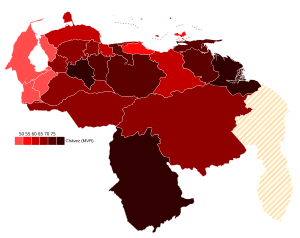
President Donald Trump has declared that, effective April 2, the United States will impose a 25% tariff on all imports from countries purchasing oil or gas from Venezuela. This measure, announced via his Truth Social platform, is aimed at penalizing nations that continue energy trade with Venezuela, which the administration accuses of covertly sending violent criminals into the U.S.

The President’s decision introduces a “secondary tariff” targeting nations engaging in energy transactions with Venezuela. He asserted that Venezuela has “purposefully and deceitfully” sent “tens of thousands” of high-level criminals, including members of the Tren de Aragua gang, into the United States. This gang has been designated as a Foreign Terrorist Organization by the U.S. government.

The impending tariffs are set to affect major importers of Venezuelan oil, notably China and India. India’s significant corporations, such as Reliance Industries Limited and Indian Oil Corporation , which have resumed importing Venezuelan crude following the easing of previous U.S. sanctions, may now face substantial economic repercussions.

This development marks a significant escalation in the U.S.’s economic measures against Venezuela. In August 2017, the Trump administration imposed sanctions targeting Venezuela’s petroleum industry by restricting the trading of Venezuelan bonds in U.S. markets. Further sanctions in January 2019 aimed to pressure President Nicolás Maduro to resign, freezing $7 billion of PDVSA’s U.S. assets and preventing U.S. firms from exporting naphtha to Venezuela.

The President’s announcement has already influenced global oil markets, with Brent crude prices rising by 1% following the news. This surge reflects concerns over potential disruptions in the global oil supply chain and the broader implications of the new tariffs.

The administration’s stance is that these measures are necessary to protect national security and address the alleged threats posed by Venezuela. However, critics argue that such broad tariffs could strain diplomatic relations and have unintended economic consequences for U.S. allies. The lack of detailed implementation plans has also raised questions about the practical enforcement of these tariffs and their impact on ongoing energy contracts.

Strategy, formerly known as MicroStrategy, has significantly expanded its Bitcoin portfolio by acquiring 6,911 bitcoins between March 17 and March 23, 2025. The purchase, totaling approximately $584.1 million, was made at an average price of $84,529 per bitcoin. This acquisition elevates the company’s total holdings to 506,137 bitcoins, acquired at an aggregate purchase price of approximately $33.7 billion, averaging $66,608 per bitcoin.

This move underscores Strategy’s ongoing commitment to Bitcoin as a primary treasury reserve asset. The company’s aggressive accumulation strategy has positioned it as the largest corporate holder of Bitcoin, now controlling nearly 2.4% of the total 21 million bitcoins that will ever exist.

To finance this substantial acquisition, Strategy raised approximately $711.2 million through the issuance of 8.5 million shares of its 10.00% Series A Perpetual Strife Preferred Stock, priced at $85.00 per share. The offering was upsized due to strong investor demand, reflecting confidence in the company’s Bitcoin-focused strategy. The net proceeds from this offering were earmarked for general corporate purposes, including the acquisition of additional Bitcoin and working capital needs.

Michael Saylor, Strategy’s Executive Chairman, hinted at the impending Bitcoin purchase through a cryptic social media post featuring a Bitcoin price chart captioned “needs more orange.” This subtle indication preceded the official announcement of the acquisition, aligning with the company’s pattern of strategic and timely Bitcoin investments.

The company’s approach involves leveraging financial instruments to fund its Bitcoin acquisitions. The Series A Perpetual Strife Preferred Stock offers a fixed annual dividend of 10%, increasing by 1% per year if payments are deferred, capped at 18%. This structure is designed to attract fixed-income investors while providing Strategy with the necessary capital to continue its Bitcoin accumulation.

Despite the substantial investment in Bitcoin, Strategy’s stock experienced a decline of 6.8% to $274.13, amid a broader downturn in the cryptocurrency market. Bitcoin’s price decreased by 2.2% to $82,620 during the same period. This volatility highlights the inherent risks associated with the company’s Bitcoin-centric strategy, as its stock performance remains closely tied to fluctuations in the cryptocurrency market.

In the broader context, the cryptocurrency landscape is experiencing significant developments. President Donald Trump has pledged to transform the United States into the leading Bitcoin superpower and global cryptocurrency hub. In a pre-recorded address to the Blockworks Digital Assets Summit in New York, President Trump criticized previous administrations for their restrictive stance on crypto and announced plans to introduce clear regulations for stablecoins and market structures. These initiatives aim to stimulate investment and innovation in the crypto sector, potentially influencing corporate strategies like that of Strategy.

President Donald J. Trump has initiated a significant overhaul of the United States Agency for International Development , rebranding it as the U.S. International Humanitarian Assistance and integrating blockchain technology into its operations. This restructuring places the agency under the direct authority of Secretary of State Marco Rubio, aiming to enhance transparency and efficiency in foreign aid distribution.

An internal memo circulating within the State Department outlines the administration’s plan to utilize blockchain technology to secure and trace aid disbursements. The objective is to improve the transparency, security, and efficiency of aid distribution by leveraging blockchain’s immutable ledger capabilities. However, the specifics of this integration—whether it involves the use of cryptocurrencies or solely blockchain ledgers—remain unclear. The administration emphasizes a shift towards outcomes-based funding, intending to ensure that aid programs deliver measurable results.

Despite these intentions, the proposed reorganization has encountered legal challenges. A federal judge recently ruled that the dismantling of USAID by the Department of Government Efficiency , led by Elon Musk, likely violates the Constitution. The court issued an indefinite injunction blocking further actions against USAID and mandated the reinstatement of email and computer access to affected employees. This ruling does not reverse all personnel changes or fully restore the agency but highlights concerns over the administration’s approach to restructuring.

Critics argue that while blockchain technology offers potential benefits, its application in humanitarian contexts may not be necessary or cost-effective. Some experts caution that such technological solutions could impose additional burdens on smaller non-governmental organizations and may not provide substantial advantages over existing systems. They suggest that the focus should remain on addressing the immediate needs of aid recipients rather than implementing complex technological frameworks.

The administration’s broader strategy includes reducing the size of the federal government and reallocating resources to align more closely with American geopolitical interests. This involves concentrating on areas such as global health, food security, and disaster response, while politically oriented programs may be redirected to other sections within the State Department. The restructuring plan also proposes the elimination of multiple regional bureaus, aiming to streamline operations and enhance efficiency.

Secretary of State Marco Rubio has indicated that the reorganization will proceed with input from Congress, underscoring the administration’s commitment to aligning foreign aid programs with the interests of U.S. taxpayers and strategic objectives. However, the legal setbacks and critiques from various stakeholders suggest that the path forward may be complex and contentious.

VISHNU RAJA
RYO YAMADA
HITORI GOTOH
IKUYO KITA