News related to
crypto

Base Network, the layer-2 blockchain backed by Coinbase, has faced its first service interruption in over a year, halting its operations for 29 minutes due to a block production issue. This event marks a significant moment for the blockchain, which has enjoyed a relatively smooth run since its launch in 2023.

The disruption began shortly after 1:00 UTC, with users and developers quickly reporting that transactions were no longer being processed. Blockchain explorers confirmed the halt, with validators unable to produce new blocks for nearly half an hour. The Base Network team acknowledged the issue on its official communication channels, assuring users that the problem was being resolved.

This downtime is the first major service disruption for Base Network since its debut in 2023, a period during which the blockchain has attracted significant attention. It is part of a growing trend of scaling solutions in the Ethereum ecosystem, designed to reduce transaction costs and improve speed, all while leveraging the security of the Ethereum mainnet.

Base, developed by Coinbase, has rapidly gained traction among developers and users alike, particularly due to its integration with the broader Ethereum ecosystem. The blockchain’s promise of low-cost transactions and seamless scalability has made it an attractive option for decentralised finance applications and non-fungible token projects.

For many users and developers, the interruption comes as an unwelcome surprise, especially given the increasing reliance on the blockchain for transactions. The timing of the downtime was also notable, as it occurred during a busy period for crypto markets, leading to further frustration among traders who were unable to execute transactions on the network.

The interruption was linked to an issue with the block production process, which caused delays in adding new blocks to the chain. While Base Network is designed to function as a layer-2 solution, relying on Ethereum’s mainnet for security, the block production issue seems to have been specific to the protocol’s internal mechanics.

Following the disruption, Base Network’s team worked to identify the root cause and restore functionality as quickly as possible. They credited a swift response from the community of validators for preventing a longer service outage, highlighting the collaborative nature of the platform’s decentralised ecosystem.

Despite the temporary setback, Base Network’s broader goals remain intact. The platform is still one of the most anticipated and widely used layer-2 blockchains in the market. It continues to gain support, particularly with Coinbase’s backing, which has provided it with a degree of credibility and a strong user base.

Base Network’s performance is often compared to other layer-2 solutions in the Ethereum space, such as Arbitrum and Optimism. While these blockchains have had their share of issues, including downtime and network congestion, Base’s relatively short disruption marks a rare hiccup in its operation.

The broader implications of the downtime for the blockchain ecosystem remain to be seen, but it serves as a reminder of the ongoing challenges that even the most established projects face in maintaining uptime and reliability. For users, the incident underscores the importance of decentralised infrastructures that can respond quickly to unforeseen technical challenges.

Coinbase, which has long advocated for the benefits of blockchain technology and its potential to revolutionise various industries, will likely use this incident as a learning opportunity. It remains committed to improving the platform’s infrastructure to avoid such disruptions in the future, particularly as the demand for scalable solutions grows.

While the network’s downtime was brief, the event highlights the complexities of operating a layer-2 blockchain that interacts closely with the Ethereum mainnet. Base Network, like other blockchain projects, must navigate the technical and operational challenges of scaling while maintaining trust within the user community.

Base has outpaced Solana in the number of newly launched tokens, marking a significant shift in the blockchain space. On July 27, Base recorded over 54,000 newly launched tokens, surpassing Solana, which had just 25,000. This surge has been largely attributed to platforms like Farcaster and Zora, where every post generates a liquid token, further accelerating the trend of token migration.

The momentum on Base has been further bolstered by its unique design, which allows a broader, more accessible environment for token creation. This makes it an attractive platform for the influx of new meme coins and so-called “shitcoins.” These tokens, often driven by speculative trading rather than tangible utility, have seen a sharp rise in numbers and trading activity, particularly on decentralized exchanges. Base’s network appears to be more conducive to this type of activity, offering lower transaction fees and faster processing times.

Meanwhile, Solana is facing a decline in the number of meme coins and other low-value tokens being created. Platforms such as Pump. fun and LetsBonk, which once saw massive trading volumes, have seen a dramatic drop in both trading activity and revenues. Analysts suggest that this decline may be the result of waning interest in Solana’s ecosystem, particularly in the meme token space, as investors and creators seek more profitable or stable alternatives.

The cooling off of meme tokens across the broader market is also evident. The total market capitalisation of these tokens has fallen by approximately 15%, while trading volumes have dipped by more than 50%. This decline reflects a broader trend in the cryptocurrency market, where speculative trading has become less profitable amid increased regulation and a general shift towards more sustainable blockchain projects.

The market for meme coins, often referred to as “shitcoins,” is heavily influenced by social media trends and the speculative nature of investors. Meme tokens are typically not backed by any underlying technology or use case, which makes them volatile and prone to sudden surges or declines. The launch of tokens on platforms like Base has further inflated the meme coin market, though it remains to be seen whether these tokens will have any lasting value.

Farcaster and Zora have become central to this shift in token creation. Both platforms offer users the ability to mint tokens tied to their posts, leading to a rapid increase in the number of tokens being minted. On Zora, every tweet or post can become a tradable token, and this feature has contributed to the surge in tokens on Base. These platforms’ decentralised nature and innovative tokenomics have provided a fertile ground for the growth of these low-value assets.

Solana, on the other hand, is facing stiff competition from other blockchain platforms. The ecosystem that once thrived on high-speed transactions and low costs is now grappling with diminishing enthusiasm for meme tokens. As the market evolves, platforms like Solana, once a leader in decentralized finance and non-fungible tokens, are losing their edge. Despite attempts to rejuvenate its ecosystem through partnerships and updates, Solana has yet to recover the lost momentum in the meme token space.

Crypto scams are becoming more sophisticated, and one of the most common tricks involves scammers attempting to manipulate users into believing they have received fake Bitcoin transactions. While it may sound far-fetched, such scams are far from uncommon. These fraudulent practices can take on various forms, such as dusting, fake screenshots, or misleading tokens, all designed to cause confusion and exploit trust.

A common scam method involves sending small amounts of Bitcoin, often referred to as “dust,” to a victim’s wallet. The amount is intentionally small and seemingly inconsequential, but the scammer’s goal is to make the recipient believe a larger, more significant transaction has occurred. After this initial “deposit,” the fraudster might follow up with a message claiming the deposit was a mistake or part of an investment payout. The victim is then encouraged to send money back, often under the guise of needing to resolve an error.

In other cases, scammers may not even make any transaction at all. Instead, they will provide fabricated screenshots or manipulated receipts that appear to show a Bitcoin deposit on platforms like Coinbase. These images can be easily crafted, making it difficult for an untrained eye to spot the scam. The intent here is simple: to create the illusion of a legitimate transaction, pressuring the victim into acting quickly.

Another tactic that has gained traction involves scammers sending tokens on networks like Ethereum or Tron, which are designed to look like Bitcoin. These tokens often have names similar to Bitcoin or other reputable cryptocurrencies, tricking the user into thinking they are legitimate. However, these tokens hold no actual value and are simply used as part of the scam.

While these methods are designed to deceive, they are not foolproof. Platforms like Coinbase only allow verified blockchain transactions to be displayed within users’ wallets. Thus, it is highly unlikely that scammers can actually deposit fake Bitcoin into your Coinbase account in the form of a legitimate transaction. The key to avoiding falling victim to such scams lies in how you verify and interpret these transactions.

To protect yourself, always cross-check the authenticity of any transactions using the official platform. For Coinbase users, this means verifying the transaction through Coinbase’s platform itself. If something doesn’t look right or feels off, it’s essential to trust your instincts. Never engage with unsolicited messages, and certainly never share your private information or login credentials with anyone who contacts you unsolicited, claiming to be from the support team.

If you suspect that you have fallen victim to a scam or have received a suspicious transaction, it’s important to act quickly. Report the incident to Coinbase or the relevant platform’s support team, and disregard any further communication from the suspected scammer. These fraudulent actors thrive on confusion and manipulation, so staying informed and cautious is essential in protecting yourself.

eToro, the globally recognised trading platform, revealed plans to introduce tokenized US stocks and exchange-traded funds on Ethereum. This announcement, made during a global webinar titled ‘eToro Unlocked: Trade Without Boundaries’, marks a significant development in the integration of traditional financial assets with blockchain technology.

The initiative aims to bridge the gap between conventional finance and the burgeoning world of decentralised finance. By utilising Ethereum’s blockchain, eToro will allow users to trade tokenized versions of US stocks and ETFs. This move follows the growing trend of decentralised financial products that provide greater accessibility and transparency to global markets. The tokenisation of these assets is expected to enable fractional ownership, meaning investors can hold and trade portions of stocks and ETFs without the need for a large capital outlay.

This shift is in line with a wider industry push towards blockchain adoption. Major financial institutions, including banks and asset managers, have explored tokenisation as a way to simplify processes, reduce costs, and make trading more efficient. By offering these products on a platform like eToro, which boasts millions of active users, the company is positioning itself as a key player in the digital asset space.

As of now, traditional trading platforms have been somewhat slow to incorporate blockchain technologies, particularly when it comes to mainstream products like equities and ETFs. However, tokenisation is rapidly gaining traction, with the promise of faster transactions, lower fees, and enhanced security. Ethereum, due to its widespread use and robust smart contract capabilities, has emerged as a leading blockchain for such innovations.

The rollout of tokenized US stocks and ETFs will occur in phases. Initially, a select group of eToro users will be given early access to these digital assets, with the plan for a broader launch depending on regulatory approval and market demand. Despite the novelty of tokenised equities, the platform’s offering will be fully compliant with the relevant financial regulations, ensuring that users can trade with confidence.

eToro’s move to embrace Ethereum-based tokenisation comes at a time when other financial services firms are also investigating blockchain’s potential in transforming asset management. For instance, firms like Fidelity and Grayscale have pioneered offerings that allow traditional investment in cryptocurrency, while companies such as JP Morgan and Goldman Sachs have been integrating blockchain technologies into their existing infrastructure.

However, it remains to be seen whether tokenised assets can truly revolutionise the way investors interact with traditional financial products. While blockchain technology offers numerous advantages, including faster settlement times and reduced friction in cross-border trading, the challenge lies in widespread adoption. Regulatory hurdles and market acceptance will play key roles in determining whether tokenisation becomes mainstream or remains a niche offering.

Nonetheless, the trend is gaining momentum. Tokenisation is seen as a way to democratise access to high-value assets that were previously reserved for wealthier investors or institutions. By breaking down these assets into smaller, more affordable fractions, eToro aims to give a wider audience the opportunity to diversify their portfolios, gain exposure to US stocks and ETFs, and participate in a global marketplace.

As eToro has expanded its offerings in recent years, it has positioned itself as a platform that seeks to empower users by providing more trading options and access to a range of global financial products. This tokenisation project is part of eToro’s broader vision of a more open and inclusive financial ecosystem, where geographical and financial barriers are diminished through technological advancements.

A statue honouring Satoshi Nakamoto, the elusive figure behind Bitcoin, has been stolen from its site in Lugano, Switzerland. The monument, unveiled in late 2024, had become an iconic representation of the enigmatic creator of the cryptocurrency, whose true identity remains one of the tech world’s greatest mysteries.

The statue, a large sculpture depicting the name “Satoshi Nakamoto” etched into a series of metallic layers, had captivated visitors and crypto enthusiasts alike since its installation. Situated in the heart of Lugano, it symbolised the city’s growing embrace of blockchain technology and cryptocurrency. For many, the statue was more than just art; it was a tribute to the digital revolution that Bitcoin sparked more than a decade ago.

Authorities were alerted to the theft in the early hours of the morning, when a security guard noticed the conspicuous absence of the monument, which had previously stood proudly at the centre of a public park. The area, which had been carefully monitored by surveillance cameras, now bears only the faint traces of the statue’s former presence, leaving behind a curious and eerie emptiness.

Lugano, a city with strong ties to the cryptocurrency world, had seen significant developments in recent years to become a leading hub for blockchain-based businesses. The city’s proactive approach in fostering crypto-related innovation was epitomised by the statue’s unveiling in 2024, making the theft a significant blow to the region’s reputation.

Local police have launched an investigation into the incident, with officials suggesting that the thieves may have targeted the statue for its material value, given its considerable worth as a work of art. The theft of public art is not uncommon, but the involvement of a high-profile piece linked to one of the most famous figures in tech history has drawn international attention.

Security experts have raised concerns over the vulnerability of public art installations, particularly those linked to high-profile and controversial figures. While the statue’s theft may have been opportunistic, some speculate that it could have been taken as a statement against the pervasive influence of cryptocurrency in traditional finance sectors. Others argue that the absence of the statue only reinforces the mystery of Nakamoto’s identity, highlighting the growing divide between Bitcoin’s revolutionary vision and the material world it inhabits.

A spokesperson for the city’s municipal government expressed their regret over the theft and assured the public that they would work closely with law enforcement to identify the perpetrators. “We are committed to preserving our city’s artistic and technological heritage, and we will take all necessary steps to ensure that such an incident does not occur again,” they said in a statement.

The statue’s disappearance has ignited conversations within the cryptocurrency community, with many speculating on the reasons behind its removal. Some see it as an attempt to erase the legacy of Nakamoto, who has long remained an enigma. Others argue that the theft could be a commentary on the volatile and unpredictable nature of cryptocurrency itself.

Lugano had embraced Bitcoin and blockchain technology with open arms, with the city offering various incentives to crypto companies and developers. It became one of the first cities in the world to allow its citizens to pay for public services with Bitcoin. With this deep connection to the digital currency, the theft of Nakamoto’s statue could be seen as a blow to the city’s ambitions to be at the forefront of the global cryptocurrency movement.

While authorities have not yet identified any suspects, there has been no shortage of theories circulating within the tech community. Some believe that the statue could resurface on the black market, where it might fetch a significant price. Others suggest that the theft could be part of a larger movement aimed at discrediting or disrupting the cryptocurrency space.

Major Ethereum holders, often referred to as “whales,” have amassed more than 200,000 ETH in the past 48 hours, pushing their total accumulation to nearly 2 million ETH since the start of July, according to on-chain data firm Santiment. This sharp uptick in activity has caught the attention of market analysts, suggesting that large investors are showing increasing confidence in Ethereum’s long-term price trajectory.

The surge in whale accumulation comes as Ethereum has experienced notable price fluctuations. Following a period of volatility, Ethereum’s price appears to be stabilising, with these strategic accumulations indicating that whales foresee potential price growth. Data from Santiment reveals that these large holders, who hold a significant portion of the total ETH supply, have been acquiring tokens at a rapid pace. Their actions are seen as a signal of confidence in Ethereum’s future, particularly as the network continues to develop and mature.

Ethereum’s ongoing network upgrades, such as the transition to Ethereum 2.0, are likely a contributing factor to this growing bullish sentiment. The shift towards a Proof-of-Stake consensus mechanism has been a long-awaited move, expected to improve scalability, reduce energy consumption, and enhance security. The successful deployment of key upgrades has sparked renewed optimism in the community, particularly among institutional investors who are looking to gain exposure to Ethereum while aligning with broader trends in sustainability.

The shift in sentiment is also reflected in Ethereum’s growing adoption across various sectors. From decentralized finance to non-fungible tokens, Ethereum’s ecosystem continues to expand, driving demand for ETH. As the Ethereum network becomes increasingly entrenched in the broader financial landscape, it is likely that whales view this as a strong indicator of the asset’s potential for long-term appreciation.

The broader cryptocurrency market has been seeing a general trend of institutional involvement, with large-scale investors increasingly allocating capital towards digital assets. Ethereum, as the second-largest cryptocurrency by market capitalisation, stands as a prime target for these investors. The accumulation by whales, many of whom are institutional investors or wealthy individuals, underscores Ethereum’s growing position within the digital asset class.

Despite the positive sentiment surrounding Ethereum, the market remains volatile, with regulatory concerns and global economic factors continuing to influence price movements. However, the heavy accumulation by whales suggests that these investors are more focused on the long-term value proposition of Ethereum rather than short-term price swings. Many believe that as Ethereum’s use cases expand, its value will grow, potentially leading to greater market stability and increasing institutional adoption.

The increasing concentration of ETH in the hands of a few large holders has also raised questions about decentralisation and the potential risks of market manipulation. Critics argue that such accumulation could lead to a situation where a small group of investors has disproportionate control over Ethereum’s price. However, proponents of Ethereum argue that the network’s decentralisation mechanisms and the broader community’s engagement provide a counterbalance to this concentration of power.

The Ethereum Foundation and other key stakeholders have been working diligently to foster an environment that encourages decentralised participation. Community governance, a hallmark of Ethereum’s design, continues to evolve, with decisions about protocol upgrades being made through a collaborative process. As a result, the growing dominance of whales, while notable, is not seen as a fundamental threat to Ethereum’s decentralised nature.

With major upgrades and developments on the horizon, including the anticipated roll-out of sharding to further scale the network, Ethereum’s prospects remain positive. These technological advancements are expected to bolster Ethereum’s position as a leader in the blockchain space, potentially increasing demand for ETH from both institutional and retail investors.

CoinShares has introduced an exchange-traded product designed to offer investors exposure to the SEI token, with a unique value proposition: zero management fees and staking rewards. The ETP, set to launch across multiple European markets, aims to attract both retail and institutional investors who are keen to participate in the burgeoning sector of digital assets.

The SEI ETP is being heralded as a groundbreaking development within the cryptocurrency investment space, as it lowers the barriers to entry for investors looking to capitalise on the SEI token. By eliminating management fees, CoinShares has created a highly competitive product that promises higher returns for investors. Moreover, the staking rewards component adds a unique dimension to the offering, allowing investors to earn additional yield from their SEI holdings, further enhancing the attractiveness of the ETP.

This launch comes at a time when cryptocurrency investment products are experiencing increasing demand across Europe. With growing interest from institutional investors, particularly in the wake of global market fluctuations and economic uncertainty, innovative financial products like the SEI ETP are gaining significant traction. The move by CoinShares is a response to this rising demand, reflecting the company’s commitment to making digital asset investments more accessible and cost-effective.

CoinShares has long been a prominent player in the digital asset investment space. Known for its strong track record in launching exchange-traded products, the company has consistently pushed the boundaries of what is possible in terms of product innovation. The SEI ETP is part of the firm’s broader strategy to expand its range of offerings, catering to a diverse array of investors, including those who are new to the world of digital assets.

The SEI token, the underlying asset of the new ETP, is a relatively new entrant to the cryptocurrency market. However, it has been gaining momentum due to its strong fundamentals and the innovative approach behind its creation. The staking rewards aspect is particularly appealing, as it provides investors with an additional income stream beyond the typical price appreciation of the token.

Europe’s regulatory environment for cryptocurrencies has played a pivotal role in enabling the successful launch of such products. With the European Union’s comprehensive framework for digital assets gaining momentum, including the MiCA regulation, investors have greater confidence in the safety and legitimacy of cryptocurrency investment products. CoinShares, leveraging its expertise and reputation, is well-positioned to navigate this complex regulatory landscape, providing assurance to investors.

The ETP will be listed on major European exchanges, making it easily accessible to a broad spectrum of investors. The zero-fee structure makes it highly appealing to those looking to reduce the cost of investment, while the staking rewards make it an attractive option for those seeking passive income opportunities in the digital asset space. Furthermore, the ETP is designed to cater to both institutional and retail investors, broadening its potential market reach.

While the SEI ETP promises to be an attractive product for a wide range of investors, some industry experts caution that investors should remain mindful of the volatility that typically accompanies cryptocurrency markets. Although the SEI token has shown promising growth potential, like all digital assets, it is subject to significant price fluctuations. Staking rewards, while appealing, also come with their own set of risks, particularly if the underlying asset’s value decreases.

Despite these risks, the growing demand for innovative, low-cost cryptocurrency products remains a driving force in the market. CoinShares’ zero-fee SEI ETP is expected to capture a significant share of the market, particularly as investors look for new ways to participate in the digital asset space without incurring high management fees. By offering a product that aligns with investor desires for yield and low-cost access, CoinShares has further cemented its position as a leader in the digital asset investment space.

Advertisements

Ethereum’s price may reach as high as $13,000 by the end of 2024, according to a prominent cryptocurrency analyst on social media platform X. The expert, widely followed in crypto circles, has outlined two potential scenarios for ETH’s price trajectory, citing a range between $8,000 and $13,000. This forecast has sparked significant interest, particularly as market dynamics shift and institutional involvement continues to rise.

The analyst’s prediction is rooted in the growing institutional interest in Ethereum and its increasing use cases in decentralized finance, gaming, and non-fungible tokens. Ethereum’s network upgrade, Ethereum 2.0, is expected to play a key role in stabilizing the cryptocurrency’s value, with faster transaction speeds and more efficient energy consumption. Additionally, the increasing institutional capital in the crypto ecosystem is expected to contribute to upward price momentum, especially for Ethereum, which is widely considered to have a more versatile infrastructure compared to other cryptocurrencies.

One key development that could push Ethereum’s price upwards is its ongoing integration into traditional finance. Large-scale investments and Ethereum-backed projects have begun gaining traction, particularly in sectors like real estate and finance, which are increasingly experimenting with blockchain technologies. Moreover, some analysts suggest that Ethereum’s role in the expanding NFT market, alongside its functionality in DeFi applications, might drive the token’s adoption further.

Meanwhile, the latest news about SharpLink Gaming highlights another potential bullish catalyst for Ethereum. SharpLink, a company focused on sports gaming and technology, has reportedly added approximately $295 million worth of Ether to its corporate treasury. This acquisition signals a significant move by a traditional company embracing the blockchain revolution. The firm’s decision to hold such a large sum of Ether reflects the growing confidence in the long-term viability of Ethereum, particularly as its use cases expand.

The addition of $295 million worth of Ether to SharpLink Gaming’s treasury is noteworthy for several reasons. For one, it represents a shift from traditional finance to a more decentralized digital asset base. Companies like SharpLink, operating within the gaming and tech sectors, are recognizing the potential for blockchain technologies to enhance security, transparency, and efficiency in their operations. Ethereum’s smart contract capabilities are especially attractive to businesses seeking decentralized solutions for contract execution and asset management.

SharpLink’s investment comes at a time when Ethereum is experiencing heightened market attention. The gaming industry, a major force in cryptocurrency adoption, is one of the key areas where Ethereum has carved out a significant niche. Ethereum’s blockchain supports various gaming protocols and platforms, allowing for the creation and trade of in-game assets, which has positioned it as a leader in the play-to-earn sector.

SharpLink’s commitment to Ethereum also aligns with the broader trend of corporate adoption of cryptocurrency. As more companies diversify their investment portfolios to include digital assets, Ethereum stands out as a long-term option for blockchain infrastructure. Its network upgrade to Ethereum 2.0 is expected to make the network more scalable, making it an attractive option for enterprises looking to leverage blockchain technology.

The analyst’s prediction of Ethereum hitting $8,000 to $13,000 also comes at a time when other factors are shaping market dynamics. As inflationary pressures persist, alternative assets like cryptocurrencies are being increasingly considered as a hedge against traditional market volatility. In particular, Ethereum’s deflationary mechanisms introduced by Ethereum 2.0, such as EIP-1559, which burns a portion of transaction fees, further contribute to its appeal as a store of value.

However, not all market participants are convinced that Ethereum will reach these ambitious price targets in the near future. Critics point to potential regulatory hurdles and competition from other blockchain networks, including Binance Smart Chain and Solana, which have gained traction for offering faster and cheaper transactions than Ethereum. Additionally, Ethereum’s scalability remains a key concern for some users, despite the anticipated improvements with Ethereum 2.0.

Cryptocurrency markets are in a constant state of flux, where tokens that once seemed promising can easily lose their edge while others rise to prominence. Ruvi AI, a token that has gained substantial attention, is emerging as a noteworthy competitor in the blockchain space. With a solid foundation built on audited technology, strategic partnerships, and a utility-driven approach, RUVI is positioning itself as a serious player that could challenge the dominance of long-established tokens like Cardano.

Ruvi AI stands apart from the many volatile coins and tokens in the cryptocurrency landscape due to its thorough audit and the robust technology underpinning its ecosystem. Unlike many projects that rely heavily on speculative interest, RUVI’s development has been focused on creating a genuinely useful product. The token leverages AI-driven solutions to bring enhanced functionality to blockchain applications, with its goal being to optimize the efficiency and accuracy of blockchain networks. This focus on practical, utility-driven innovation has already caught the attention of both investors and developers, making the token an attractive proposition.

At the core of RUVI’s strategy is its commitment to delivering a platform that offers scalable and secure AI solutions across various industries. Unlike other tokens that focus on speculative trading, Ruvi AI is designed to integrate artificial intelligence with blockchain to create a decentralized ecosystem. This combination has the potential to revolutionise sectors such as finance, healthcare, and supply chain management by making transactions more secure, transparent, and efficient. By focusing on AI-driven decentralisation, Ruvi AI is positioning itself as more than just another cryptocurrency – it is presenting itself as a long-term technological innovation.

A key feature that differentiates Ruvi AI from its competitors is the token’s transparency. The platform has been subjected to a thorough audit process, ensuring that its codebase and underlying infrastructure meet the highest standards of security. This is crucial in a market where trust and transparency are often in short supply, and projects that fail to adhere to rigorous auditing processes can fall victim to hacking or mismanagement. Ruvi AI’s commitment to transparency not only boosts its credibility but also instills confidence in investors who are wary of the risks associated with less-regulated tokens.

Ruvi AI’s strategic partnerships further enhance its prospects. By aligning itself with established players in the tech and blockchain industries, the token has gained credibility and access to vital networks. These partnerships are vital for any emerging blockchain project, as they offer a pathway to mass adoption and use cases that extend beyond speculation. Through these collaborations, Ruvi AI has been able to tap into a broader market, positioning itself as a token with real-world utility rather than just a speculative asset.

The token’s utility-driven approach has already set it apart from major players like Cardano, which has long been a frontrunner in the blockchain space. Cardano’s focus on creating a secure and scalable platform for decentralised applications has made it a popular choice among investors, but its primary appeal lies in its technical capabilities rather than the tangible applications of its technology. In contrast, Ruvi AI’s emphasis on providing AI-powered solutions that solve practical problems across various industries makes it a more attractive proposition for those seeking long-term utility in blockchain technology.

In terms of market performance, Ruvi AI has shown impressive growth, and its increasing adoption among developers and businesses further solidifies its potential. While Cardano remains a strong contender in the crypto market, the AI-driven nature of Ruvi AI gives it a significant edge, particularly as industries across the globe continue to embrace artificial intelligence. With AI expected to play a critical role in the next phase of blockchain’s evolution, Ruvi AI’s focus on leveraging this technology positions it ahead of many of its competitors, including Cardano, which has yet to fully integrate AI into its platform.

The broader crypto community has taken note of Ruvi AI’s innovative approach, and its potential to disrupt the market is becoming more widely recognised. The token has gained a strong following among developers and investors who see the long-term value in its utility-focused approach. As the blockchain ecosystem continues to evolve, tokens like Ruvi AI that prioritise practical applications and technological advancements will likely be the ones that thrive.

Meme stocks, which experienced a meteoric rise in 2021, are once again attracting the attention of retail investors. Stocks like Opendoor Technologies and Krispy Kreme are leading the charge as individual traders rally behind companies driven by online communities, pushing their values to impressive highs. As the market continues to shift, these speculative stocks are emerging as high-risk, high-reward plays for those seeking the next big win. But with history showing how quickly these stocks can plummet, questions abound regarding their long-term viability.

Retail investors have proven their power over the stock market once more, with a newfound enthusiasm for meme stocks. Driven largely by platforms like Reddit’s WallStreetBets and Twitter, investors are taking cues from social media discussions rather than traditional financial analysis. The renewed fascination has led to dramatic fluctuations in stock prices, catching the eyes of seasoned traders and new entrants alike.

While meme stocks are nothing new, the latest resurgence has more to do with a potent blend of internet culture, technology, and the psychology of collective action. Retail investors have learned valuable lessons from the explosive growth seen in companies like GameStop and AMC, both of which were propelled by social media communities in 2021. With those successes still fresh in their minds, many are hoping to replicate that same level of market manipulation—albeit with a different set of companies.

Opendoor Technologies, a company in the real estate sector, has seen a sharp rise in its stock price. The online home-buying platform’s stock has surged as it draws support from online traders who are betting on the company’s growth. Despite an overall market downturn in the broader real estate industry, Opendoor’s stock continues to garner attention, largely driven by the aggressive campaigns and memes shared across various social media outlets.

Krispy Kreme, the iconic doughnut chain, has also found itself back in the meme-stock spotlight. After being listed on the New York Stock Exchange in 2021, the stock price fluctuated dramatically before finding its place once again among retail investor portfolios. With social media memes pumping its stock, Krispy Kreme is once more benefiting from the heightened attention, although some market analysts remain sceptical of the sustainability of such speculative investments.

This wave of meme-stock activity has reignited debates about the role of social media in stock market movements. Retail traders, empowered by apps like Robinhood and Webull, are driving stock rallies in a way that was once only possible for institutional investors. The ability to access real-time data, combined with the viral nature of social media, creates an environment ripe for high volatility, where stocks can be rapidly inflated or deflated based on collective sentiment rather than fundamentals.

However, the meme-stock trend has its detractors. Critics argue that the hype surrounding these stocks is little more than market manipulation. The financial world has seen examples where retail investors’ speculative actions have caused large fluctuations in stock prices, benefiting those who were able to capitalise early. For those who enter too late, the results can be financially disastrous.

Regulators, too, are keeping a close eye on the situation. The US Securities and Exchange Commission has previously warned against the dangers of trading based on social media trends. The agency has indicated that it is considering tightening regulations to curb the impact of online communities on stock prices. Given that some meme-stock rallies have led to significant losses for investors who jumped in without doing due diligence, further scrutiny from regulators is likely in the near future.

Many market analysts urge caution when it comes to meme stocks. The price fluctuations are unpredictable, and while some traders have been able to profit from these rapid spikes, others have been left holding the bag when stocks suddenly plummet. The volatility associated with meme stocks makes them highly speculative, with little in the way of traditional metrics such as earnings reports or long-term growth prospects to support the valuations.

Yet, despite the inherent risks, meme stocks remain a captivating prospect for retail investors, particularly as the broader market continues to see slower growth. The allure of a quick profit, amplified by social media influencers and viral campaigns, is simply too enticing for many to resist. As this trend continues to evolve, it is clear that meme stocks will remain a significant part of the conversation on Wall Street.

A landmark federal framework for stablecoins became law on 18 July 2025, when President Donald Trump signed the Guiding and Establishing National Innovation for U. S. Stablecoins Act. The legislation mandates that stablecoins — digital currencies pegged one‑to‑one to the U. S. dollar or short‑term Treasury bills — must be fully backed by liquid reserves, publicly disclose holdings monthly, and comply with anti‑money laundering and consumer protection rules.

The Act clears a path for both banks and approved non‑bank entities to issue payment stablecoins under a dual licensing system, encompassing federal and state oversight. It also creates a formal category for such assets, offering legal clarity that had eluded stablecoin issuers until now.

Despite bipartisan support in Congress — with Senate approval on 17 June and House passage on 17 July — the new law has drawn criticism. Some lawmakers and experts argue it falls short on stricter anti‑money laundering measures and allows big tech firms to issue stablecoins with fewer regulatory hurdles than traditional banks.

Trump lauded the Act during the White House signing ceremony, calling it “a hell of an act” and asserting it will solidify American crypto leadership and support the dollar’s global primacy. He noted the GENIUS Act “creates a clear and simple regulatory framework” capable of unleashing innovation and enhancing payment systems.

Stakeholders across finance and fintech are re-evaluating their strategies. Traditional banks are preparing pilot programmes and exploring partnerships to issue or facilitate stablecoins, while crypto firms like Circle and Coinbase, which have backed U. S. stablecoin issuance earlier, have seen share prices rise following the law’s enactment.

In parallel, the law aims to channel demand into U. S. Treasuries, reinforcing the dollar’s global role. Treasury Secretary Scott Bessent highlighted that requiring asset backing in government debt would deepen Treasury markets. Financial institutions are bracing for increased reserve purchases and adjustments in asset allocation strategies.

The Act introduces rigorous governance: stablecoin issuers must implement reserve audits, adhere to marketing restrictions—such as avoiding government endorsement claims—and prioritise redeeming customer claims ahead of other creditors in insolvency scenarios. It also extends anti‑money laundering obligations under the Bank Secrecy Act, granting treasury authorities power to freeze illicit funds.

Though heralded as a milestone, implementation remains complex. Regulators are expected to issue detailed rules within a year, and the Act’s “effective date” is projected for late 2026, contingent on final regulatory actions or an 18‑month grace period.

Global central banks and fintech players are watching closely. Some expect U. S. leadership in regulated digital currencies could spur innovation overseas, while others warn that insufficient guardrails may encourage regulatory arbitrage. Foreign issuers may enter the U. S. market if they meet rigorous Treasury approval, including comparable home‑jurisdiction oversight and U. S.-based reserve management.

Market response has been immediate: global crypto valuations have surged past $4 trillion, led by strong gains in bitcoin and ether amidst expectations of broader stablecoin integration. Industry experts suggest stablecoins may soon become mainstream payment tools, with major retailers and tech giants like Google, Uber and Apple exploring adoption.

However, voices of caution persist. Critics say the framework could permit big tech to bypass stricter banking regulations, heightening systemic risks, and that consumer safeguards remain inadequate. Transparency International warned the law might provide loopholes exploitable by criminals or hostile regimes.

As rule‑making proceeds and industry adapts, the GENIUS Act marks a fundamental shift in U. S. crypto policy — ushering stablecoins from regulatory limbo into a legalised, structured, but contested future.

KUALA LUMPUR, MALAYSIA – Media OutReach Newswire – 24 July 2025 – Bitcoin (BTC) has been rising almost uninterruptedly over the past three months, setting new all-time highs (ATH) essentially every week since mid-May. According to Coinbase, BTCUSD surpassed the crucial $112,000 mark on 10 July and went on to touch the $123,200 level on 14 July. Since then, the market seems to have entered a period […]

Abu Dhabi has claimed the top spot among the world’s most tax-friendly cities, followed closely by Dubai, highlighting the UAE’s ascendancy as a magnet for affluent individuals seeking fiscally efficient jurisdictions with legal and political stability. According to Multipolitan’s Wealth Report 2025: The Taxed Generation, the UAE capital outperformed 163 other jurisdictions globally in the newly introduced Tax Friendly Cities Index. Dubai, a longtime competitor in the […]

A sophisticated phishing campaign orchestrated by the cybercrime group known as LARVA‑208 is actively targeting Web3 developers through fake AI platforms, according to cybersecurity firm PRODAFT. Victims are lured with job offers and portfolio review requests, directed to counterfeit workspaces like “Norlax AI” and fake Teampilot clones, where they unwittingly download credential‑stealing malware—an evolution in the group’s tactics aimed at exploiting emerging decentralised technology ecosystems. The operation unfolds […]

A critical vulnerability in on‑premise Microsoft SharePoint servers is being actively exploited, enabling unauthenticated remote code execution and full server takeover, cybersecurity agencies and independent researchers have confirmed. The flaw, tracked as CVE‑2025‑53770, allows attackers to bypass authentication entirely by exploiting a deserialization weakness in SharePoint server code. They can upload malicious ASPX web‑shells, extract machine and cryptographic keys and gain persistent access—even after patches are applied. […]

A significant majority of sovereign wealth funds from the Middle East are poised to increase their investments in Chinese assets over the coming five years, according to the latest findings from Invesco’s Global Sovereign Asset Management Study. This shift places China at the forefront of strategic allocation decisions, reflecting growing confidence in its innovation-led sectors.

The study, conducted between January and March and covering funds and central banks managing a combined US$27 trillion, reveals that around 60% of Middle Eastern sovereign wealth funds are planning to boost exposure to China. This places the region only behind Asia‑Pacific and Africa, where 88% and 80% of funds respectively intend to raise allocations. North American counterparts also show strong interest, with approximately 73% signalling intent to increase investment in China.

Funds across regions cited strong returns—identified by 71% of respondents—as a key motivator, alongside diversification goals cited by 63% and improved market access for foreigners mentioned by 45%. Chinese innovation sectors, including digital technology, software, advanced manufacturing, automation, and clean energy, are particularly attractive, with 89% indicating interest in digital tech and software, and 70% each for manufacturing and green energy.

Participants in the study included 141 senior investment professionals—chief investment officers, asset-class heads and portfolio strategists—drawn from 83 sovereign wealth funds and 58 central banks globally. The high participation rate lends weight to the findings: China is now ranked as a high or moderate priority for 59% of funds, a notable jump from the previous year.

Despite geopolitical tensions between Washington and Beijing, sovereign funds appear more focused on structural opportunities. North American allocations towards China are framed as strategic, long-term bets in innovation rather than reactive moves to policy friction. As one Invesco executive described, investors appear driven by fear of missing out on China’s strides in semiconductors, AI, EVs and renewable energy—“a strategic urgency they once directed toward Silicon Valley”.

A regional lens reveals the Middle Eastern shift as part of a larger recalibration. Sovereign funds in the Gulf and from oil-rich neighbours are increasingly turning to China not just for commodity trades but for diversified returns and access to high-growth sectors. One Middle Eastern fund commented that the credit spectrum in fixed income markets currently offers more attractive risk-adjusted returns than public equities, underlining a broader repositioning.

Globally, sovereign investors are embracing active management, allocating more to fixed income and private credit as markets normalise post ultra-low interest rate era. Thirty‑nine per cent of funds plan to increase fixed income exposure, underscoring a pivot towards liquidity management and resilience. Private credit usage has expanded sharply, from 30% to 44% in direct or co-investments, reflecting growing appetite for yield and portfolio diversification.

Central banks are also reshaping strategy, with 64% planning to grow reserve holdings and 53% aiming to diversify further within two years. Gold remains a popular hedge: almost half intend to expand allocations over the next three years. The dominance of the US dollar persists, with 78% expecting no credible alternative supply within the next two decades.

A modest entrant in the digital asset space, sovereign wealth funds are gradually increasing exposure to digital currencies. Direct allocations rose to 11% from 7% in 2022, most pronounced in the Middle East, Asia‑Pacific and North America. Stablecoins, viewed as more accessible than traditional crypto, are gaining attention among emerging market funds.

China remains a focal point for global sovereign investors seeking exposure to growth-critical sectors and structural diversification. The convergence of strong returns, market access improvements, and sectoral opportunities is driving Middle Eastern and other funds to recalibrate their portfolios. China has transitioned from an optional allocation into a central pillar of future-focused asset strategies, marking a calculated investment pivot amid an evolving global landscape.

Ripple has formalised a partnership with UAE-based tokenisation platform Ctrl Alt to deliver institutional-grade digital asset custody services as part of a landmark initiative by the Dubai Land Department to digitise property ownership using blockchain infrastructure.

The agreement will enable Ctrl Alt to leverage Ripple’s custody solution to store and manage tokenised property title deeds on the XRP Ledger, as Dubai intensifies its push to integrate advanced digital frameworks into its real estate sector. The project marks a significant stride in DLD’s broader strategy to streamline property transactions and increase market transparency by replacing conventional title documentation with blockchain-native digital representations.

Ripple’s institutional custody platform, designed for banks and financial institutions, will play a central role in securing and scaling the digital assets underlying Dubai’s real estate tokenisation programme. Ripple’s solution will ensure regulatory compliance, operational efficiency, and asset security as property titles are issued and exchanged through blockchain mechanisms.

The announcement positions Ripple as a key player in the UAE’s drive toward regulated digital asset ecosystems. The partnership also represents Ripple’s first custody deployment in the UAE, expanding its global digital asset custody network into the Middle East and further solidifying its presence across EMEA, Asia Pacific, and Latin America.

Ctrl Alt, which had disclosed its participation in the DLD project earlier, is building tokenisation infrastructure tailored for real-world assets such as real estate. The firm will integrate Ripple’s technology to facilitate the issuance, transfer, and management of tokenised property deeds while ensuring institutional-grade security standards.

The Real Estate Tokenisation Project aims to transform Dubai’s property registry system by offering a fully digital framework that eliminates physical documentation and manual recordkeeping. Through the initiative, the DLD intends to increase efficiency in property ownership transfers, reduce fraud risks, and create a foundation for smart contract-enabled real estate solutions. By leveraging the XRP Ledger’s speed and cost efficiency, the project also seeks to attract global investors and developers to participate in tokenised real estate offerings governed by transparent, immutable ledger protocols.

Ripple’s expansion into the UAE’s digital asset space follows its broader global strategy to deliver enterprise-grade blockchain tools tailored to financial infrastructure, a focus that has intensified as global regulators and institutions begin adopting tokenisation at scale. Ripple’s digital custody division — established through its acquisition of Metaco in 2023 — has emerged as a core offering, providing secure storage infrastructure for tokenised assets in both public and permissioned blockchain environments.

Metaco’s digital asset custody platform, which now underpins Ripple’s institutional offering, was originally designed to meet the requirements of global banks and has been adopted by several financial institutions in Europe and Asia. Its integration with Ripple’s payment and liquidity tools enables a seamless experience for enterprises managing digital asset portfolios alongside tokenisation and cross-border payment rails.

Ripple’s custodial framework offers support for a wide range of tokenised assets, including stablecoins, real-world assets, and CBDCs. It provides multi-tier security, granular permission controls, and compliance features needed for institutional applications. The company’s leadership has highlighted tokenisation as a core theme in the evolution of financial infrastructure, predicting that trillions of dollars worth of real-world assets will migrate to blockchain ecosystems in the coming decade.

Ctrl Alt’s involvement in the DLD-led project comes as Dubai cements its role as a global testbed for blockchain innovation, with a supportive regulatory regime, ambitious smart city initiatives, and a growing appetite for Web3 integration. The company has built its platform to allow regulators, issuers, and investors to interact within a compliant digital asset ecosystem. Its participation in the project is expected to open the door for additional applications of tokenisation beyond real estate, including commodities, equities, and infrastructure.

Dubai’s real estate market, historically characterised by high-value transactions and global investor interest, is seen as an ideal candidate for tokenisation. By converting ownership documents into digital tokens recorded on a blockchain, authorities aim to offer fractional ownership models, enhance liquidity, and enable secondary market trading. The shift could also reduce costs and settlement times, while allowing retail and institutional investors to access real estate markets with lower capital thresholds.

Ripple’s role in the project is expected to be pivotal in meeting security, governance, and compliance requirements for digital custody. The partnership strengthens Ripple’s position as a go-to infrastructure provider for tokenisation use cases and reflects its strategic intent to deepen engagement in jurisdictions with progressive digital asset frameworks.

The U. S. House of Representatives has approved the GENIUS Act, the inaugural federal regulatory framework targeting fiat‑backed stablecoins, with a decisive 308–122 bipartisan vote on 17 July 2025. With Senate approval secured in June by a 68–30 margin, the legislation now advances to President Trump’s desk for signature, anticipated as early as tomorrow.

The GENIUS Act mandates that issuers—including banks, credit unions, fintech firms, and select non‑bank entities—maintain one‑to‑one reserves in cash or low‑risk assets such as U. S. Treasury bills, with mandatory monthly public disclosures of reserve composition. It also institutes anti‑money laundering controls, requires issuance organisations to obtain licences from federal or state financial regulators, and prohibits paying interest directly to stablecoin holders.

The legislation forms part of a broader “Crypto Week” effort in the House, which also included passage of the CLARITY Act—allocating oversight of digital asset classification between the SEC and CFTC—and the Anti‑CBDC Surveillance State Act, barring the Federal Reserve from issuing a central bank digital currency. Both now await Senate consideration.

Advocates argue that the GENIUS Act addresses long-standing regulatory uncertainty, providing market stability and consumer safeguards within a $260 billion-plus stablecoin ecosystem. Senior figures from institutions such as JPMorgan Chase, Bank of America, Citi, Walmart, and Amazon have reportedly expressed interest in issuing stablecoins under the new regime. Market sentiment reflects optimism: crypto‑linked equities and assets rose when the House vote was finalised, with Bitcoin nearing record highs above $119,000.

Nonetheless, critics highlight significant concerns. Consumer advocates emphasise that stablecoins remain outside FDIC protection and could pose redemption risks or obscure hidden fees. Others express unease over potential weak guardrails: the SEC’s Paul Atkins cautioned that regulatory innovation must still ensure sufficient market safeguards.

Ethics debates spotlight former President Trump’s extensive ties to the crypto industry, including investments in World Liberty Financial and a meme coin touted as generating over $300 million in related revenues. Opponents claim this raises conflict‑of‑interest questions and risks favouring Trump‑linked enterprises, though the White House has asserted asset segregation via a family trust.

In Congress, both Democratic and Republican proponents defended the legislation for delivering much‑needed structure. Democratic Rep. Josh Gottheimer remarked that introducing “some rules of the road” was preferable to having none. Opposing voices like Rep. Maxine Waters cautioned that the law might “signal tolerance for corruption” without closing presidential exemptions from conflict‑of‑interest prohibitions. Meanwhile, Senate Democrats, including Richard Blumenthal, criticised the bill’s failure to eliminate loopholes or demand stronger consumer protection standards.

Beyond federal oversight, the GENIUS Act introduces a layered supervisory model: federal agencies will regulate larger issuers and interstate entities, while state regulators handle smaller players—those issuing under $10 billion annually. The legislation sets out implementation timelines, including one‑year deadlines for rule‑making and an 18‑month effective date, with a three‑year transition period before enforcement on custody and transaction restrictions.

Industry stakeholders anticipate dramatic market growth. Scott Bessent, Treasury secretary, projected the stablecoin market could swell from around $195 billion to over $2 trillion following the GENIUS Act’s implementation. Christian Catalini of the MIT Cryptoeconomics Lab predicted fierce competition as banks and fintechs join traditional issuers with consumer trust bolstered by regulation.

The crypto sector, stung by past regulatory setbacks under the prior administration’s enforcement actions, now views the GENIUS Act as a turning point. Major players like Circle and Coinbase backed the measure after directing substantial lobbying resources toward lawmakers. Jennifer Nolan, head of the Blockchain Association, described it as a “defining moment in the evolution of U. S. digital asset policy”.

With presidential signature expected imminently, the GENIUS Act is poised to redefine the U. S. approach to stablecoins—ushering in regulated issuance, enhanced transparency, and heightened institutional involvement. Its progress also spotlights ongoing debates about market oversight, political influence, and financial stability in an increasingly digital economy.

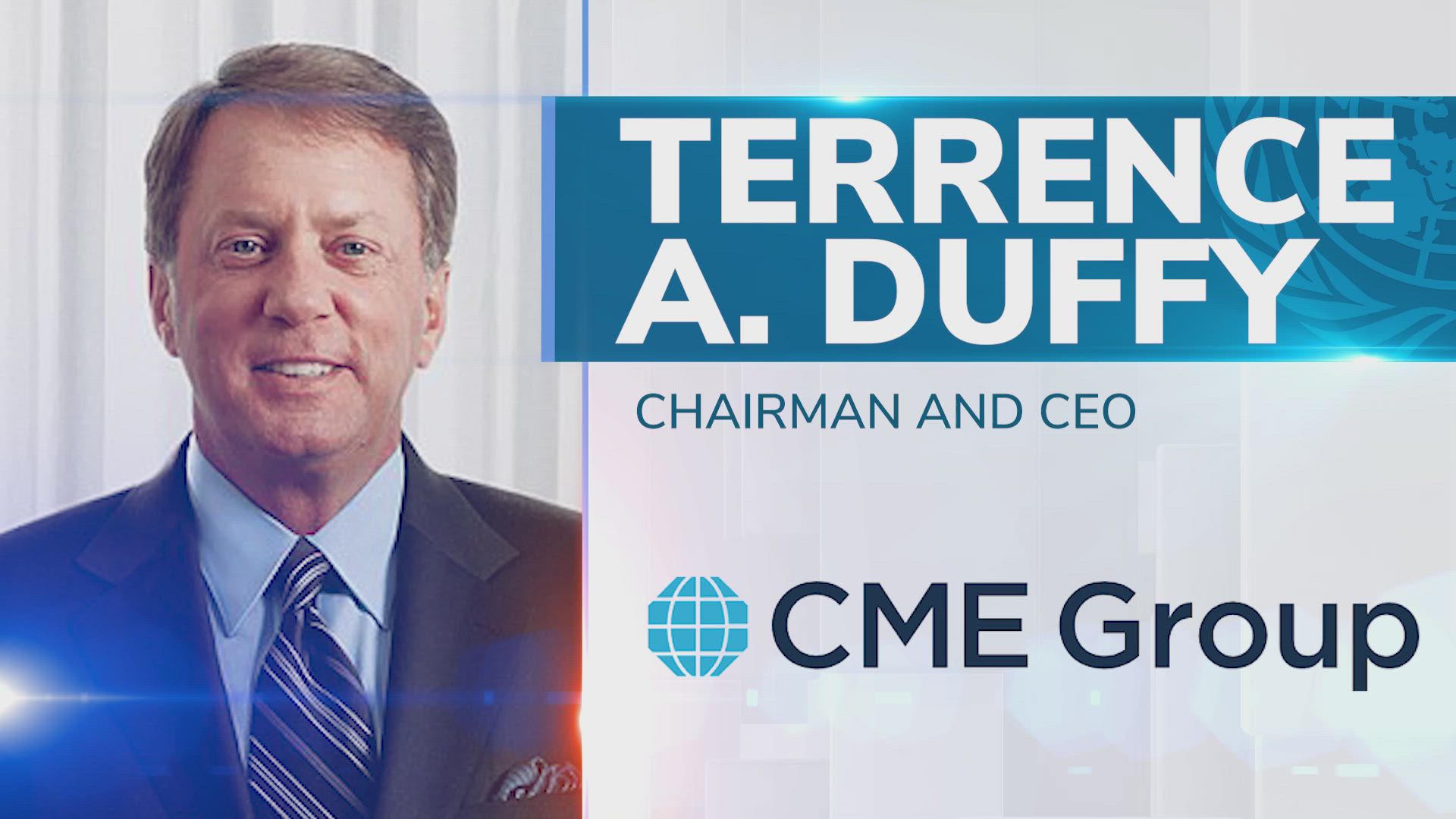
The Chicago Mercantile Exchange has made a definitive statement against creating derivatives linked to memecoins, asserting that the tokens do not possess inherent value or utility. This decision comes amid growing interest in digital currencies and the increased popularity of cryptocurrencies, which has sparked debates over the legitimacy and long-term viability of memecoins.

CME, a prominent player in the derivatives market, has expressed concern that while the meme-based digital currencies have attracted significant attention, they fail to meet the criteria required for listing on traditional financial markets. Their stance underscores a broader caution within institutional financial circles regarding the speculative nature of memecoins. CME’s focus remains on assets with clearer, more defined purposes, distancing itself from assets that could be perceived as largely driven by speculation and hype.

Memecoins, such as Dogecoin and Shiba Inu, have surged in popularity, largely driven by social media trends and celebrity endorsements. These coins, often launched with minimal technical backing or distinct use cases, have raised questions among regulators and traditional financial institutions about their sustainability. While some investors have profited from these speculative assets, others argue that their volatility and lack of utility make them unsuitable for the establishment of regulated financial products.

CME’s decision to avoid memecoin derivatives highlights the ongoing tension between traditional financial institutions and the emerging cryptocurrency market. Many institutional investors and financial services firms have taken a cautious approach toward digital assets, particularly those without a clear underlying economic purpose. Unlike Bitcoin or Ethereum, which have garnered institutional support due to their use cases in decentralized finance and blockchain technology, memecoins continue to be seen as speculative and unpredictable investments.

The CME, which is known for offering a wide range of financial products, has historically been careful about embracing digital assets. While the exchange has launched products for Bitcoin and Ether futures, it has been much more reserved in its approach to other forms of cryptocurrency. This stance reflects a broader hesitancy within traditional finance to integrate speculative digital assets into the established financial ecosystem.

Despite the speculative frenzy surrounding memecoins, their adoption among mainstream financial institutions has been slow. Critics argue that memecoins present significant risks due to their volatility and lack of regulatory oversight. With the absence of tangible utility or real-world applications, the long-term viability of these coins remains uncertain. However, the rapid rise in their value and their appeal to retail investors suggest that the digital asset market is evolving in ways that many traditional institutions struggle to fully grasp.

Meanwhile, the debate surrounding memecoins is far from settled. Some proponents argue that memecoins serve as an entry point into the broader cryptocurrency ecosystem, particularly for newcomers who may be drawn to the coins’ viral and community-driven nature. These supporters contend that the social aspect of memecoins, driven by online communities and internet culture, is a valuable phenomenon in itself. The connection between digital assets and social influence is undeniable, as evidenced by the involvement of high-profile figures such as Elon Musk in promoting Dogecoin.

BitMine Immersion Technologies has amassed 163,142 ETH, valued at roughly $500 million, marking the culmination of a newly launched treasury-driven strategy centred on Ethereum. The company raised $250 million via a private placement on July 9 and swiftly deployed the funds, achieving the milestone just five days later. The announcement triggered a surge in its share price—up by more than 40%, erasing prior losses linked to a stock offering.

Tom Lee of Fundstrat, newly appointed chairman, likens the approach to MicroStrategy’s bitcoin strategy, suggesting large Ethereum reserves could confer a “Wall Street put” by accumulating a noticeable slice of supply. At $3,072.67 per ETH, the treasury is positioned to generate upside from both price appreciation and staking rewards.

BitMine’s shift from Bitcoin mining to a dual treasury model hinges on three levers: reinvestment of operational cash flow, capital-market activities, and staking yield. CEO Jonathan Bates emphasises that ETH-per-share will be a key performance metric as the firm expands its treasury holdings.

The broader commercial embrace of Ethereum as a treasury asset is gaining momentum, with decentralised organisations and listed companies now collectively holding around 1.5 million ETH. BitMine is among the heaviest publicly traded Ether holders, joining peers such as Coinbase, SharpLink Gaming, and Bit Digital in staking Ethereum as a productive asset.

Market reaction has been volatile. BitMine shares shot up 3,000% over five trading days by early July following the raise, though the stock later retraced approximately 25% after a market dip. Its market valuation now stands near US$2.4 billion—reflecting a speculative premium on its treasury profile.

Ethereum’s value proposition as a central hub for smart contracts, DeFi applications and stablecoins underpins the strategy. BitMine positions itself as capitalising on the infrastructure layer beneath an expanding $250 billion-plus stablecoin market. Staking offers a yield-generating mechanism that differentiates Ether from Bitcoin, allowing the firm to extract returns while holding the asset.

However, the approach carries risks. Ethereum remains volatile—down roughly 9% year-to-date—raising concerns over treasury valuation swings. Regulatory scrutiny of large crypto holdings also looms, and the firm’s reliance on a single digital asset exposes it to concentration risk.

BitMine operates mining facilities in Trinidad, Texas and Las Vegas, but its identity is now steering towards being an institutional Ethereum treasury vehicle. Analysts note that staking infrastructure providers, such as Galaxy Digital and Alluvia, are launching yield-based products tailored for corporate crypto treasuries.

Investor interest appears to reflect a broader shift. Companies with regulatory barriers to direct crypto holdings are gaining exposure by investing in treasury-oriented businesses. That convergence of traditional finance and decentralised assets is central to BitMine’s narrative as it targets more ETH accumulation per share.

Rumble has unveiled its new “Rumble Wallet” in collaboration with crypto‑payments specialist MoonPay, designed to empower content creators by enabling them to monetise and manage earnings with Bitcoin and other digital assets directly on the platform. The wallet, slated for launch in the third quarter of 2025, will feature seamless on‑ and off‑ramps for buying, selling and swapping cryptocurrency—a move aimed at reducing dependence on traditional banking […]

Tokyo-listed Metaplanet has bolstered its treasury by buying 797 additional bitcoins, worth approximately $96 million, raising its total holdings to 16,352 BTC—valued near $2 billion—as Bitcoin surged past $120,000. The move mirrors the blueprint of US-based Strategy: leverage equity and debt issuance to accumulate crypto assets, which can then be used as collateral for broader expansion.

CEO Simon Gerovich reiterated that Metaplanet intends to use its growing Bitcoin reserves not for trading or liquidation, but to underpin financing for acquisitions in cash-generating sectors—particularly digital banking and financial services. The company plans to tap into traditional financing channels, including zero-interest bonds and preferred-share issuance, while steering clear of convertible debt. This purchase follows a series of substantial bond financings: earlier this month, Metaplanet issued 30 billion yen in zero‑coupon bonds to acquire an additional 1,005 BTC, bringing total holdings to around 13,350 BTC.

Industry analysts say Metaplanet now ranks as Asia’s largest and the world’s fifth-largest corporate Bitcoin holder, outranking companies such as Tesla, Coinbase, and Block Inc.. The firm has set ambitious targets: 100,000 BTC by end‑2026 and 210,000 BTC by end‑2027—accounting for nearly 1% of the global Bitcoin supply.

Boosted by these strategic shifts, the company’s market capitalisation surpassed ¥1 trillion, and its stock has climbed more than 345% this year. The pivot, originally a hotel chain, to a Bitcoin treasury vehicle began in 2024 and has drawn parallels to MicroStrategy’s transformation into a crypto-centric enterprise.

While bitcoin-backed financing is still in its infancy among mainstream banks, select institutions—such as Standard Chartered and OKX—have begun piloting crypto as collateral. Gerovich emphasised that once accumulation reaches “escape velocity,” Metaplanet’s holdings could be leveraged similarly to traditional assets to secure financing for acquisitions.

Sceptics voice concerns around volatility and the sustainability of the “bitcoin yield” model. Veteran short-seller Jim Chanos dismissed these valuations as “financial gibberish,” yet Gerovich welcomes critics, stating he invites them to short the stock if they are not convinced of the strategy.

Metaplanet is exploring acquisitions of digital banks and financial services companies that align with its strategy. The company is also aiming to strengthen its treasury infrastructure through asset-backed financing, including bond issuances, preferred equity deals and a planned $5 billion capital raise targeting expansion into its Florida subsidiary.

Cybersecurity firm Darktrace has revealed a sophisticated social engineering campaign targeting cryptocurrency users on Windows and macOS. The scheme employs fake start‑up companies themed around AI, gaming, Web3, video conferencing, and social media to trick individuals into downloading malware disguised as legitimate software. Darktrace’s analysis shows threat actors are establishing plausible digital identities using compromised or spoofed X accounts—sometimes verified—for both companies and employees, hosted on platforms […]

A growing number of market analysts predict Ruvi AI’s RUVI token will outperform speculative memecoins like Shiba Inu in the forthcoming crypto bull cycle. They highlight RUVI’s audited smart contracts, real-world AI and blockchain utility, robust presale metrics, and VIP incentives as evidence of its potential to deliver returns far beyond meme-driven tokens.

RUVI recently secured an independent audit from CyberScope, addressing smart-contract vulnerabilities and enhancing investor confidence. The project has also onboarded WEEX Exchange to ensure post-presale liquidity, further bolstering trust among institutional and retail backers. With $2.2–$2.3 million raised and approximately 180–185 million tokens sold to over 2,100 holders in Phase 2, analysts suggest the foundation has been laid for a significant market debut.

RUVI’s utility-first design distinguishes it from memecoins. Integrated AI tools aim to improve marketing campaign efficacy, while blockchain-secured payments support content creators. In finance, the token underpins fraud detection and cross-border payment services. This multifaceted approach suggests sustained demand beyond speculative interest.

Analysts anticipate an increase from the presale price of $0.015 to $0.07 upon listing, yielding an initial ~5× gain. Post-listing projections place RUVI at $1—implying a 66× return from current prices. Some estimate upside reaching 13,500–13,800% over a full bull cycle—figures drawn by comparing RUVI to early-stage tokens like Ripple’s XRP and Cardano’s ADA.

RUVI’s VIP tiers amplify these potential gains. A $750 investment yields 70,000 tokens; a $2,100 stake offers 224,000 tokens; and a $9,600 commitment doubles token allocation with a 100% bonus. At a $1 valuation, these tiers could translate into $70,000, $224,000, and $1.28 million respectively.

Critics caution against early-stage token exuberance. They note reliance on bull market conditions and warn that memecoin popularity can surge unpredictably. Shiba Inu, though lacking intrinsic utility, has navigated volatile market cycles before. Sustainable success for RUVI will depend on seamless platform deployment, AI adoption across industries, and execution of its roadmap.

That said, analysts emphasise RUVI’s structured growth path—completed audits, exchange partnerships, utility-based ecosystem—and contrast it with the hype-centric nature of memecoins. Drawing parallels with Ripple’s early journey, they see RUVI carving out a role among next-gen crypto major players.

As global attention shifts from memecoins to purpose-built crypto infrastructure, RUVI is gaining traction among sophisticated investors seeking risk-reward clarity. With its presale in full swing, the token’s performance will show whether the project can translate early promise into lasting market impact.

VISHNU RAJA
RYO YAMADA
HITORI GOTOH
IKUYO KITA