News related to
crypto

Bitcoin, the pioneering cryptocurrency, has experienced a remarkable ascent over the past decade, culminating in unprecedented valuations. As of December 31, 2024, Bitcoin’s price reached approximately $94,805, marking a significant milestone in its volatile journey.

In 2014, Bitcoin was valued at $317.38, reflecting its nascent stage and limited mainstream acceptance. The subsequent years saw a gradual increase, with prices rising to $431.14 in 2015 and $966.57 in 2016. The year 2017 marked a pivotal moment, as Bitcoin’s value surged to $14,839, driven by heightened media attention and a surge of retail investors entering the market.

However, 2018 brought a significant correction, with prices plummeting to $3,668, underscoring the cryptocurrency’s inherent volatility. The market rebounded in 2019, with Bitcoin climbing to $7,175, and this upward trajectory continued into 2020, closing at $28,971. The bullish trend persisted in 2021, with Bitcoin reaching $45,987, fueled by increased institutional adoption and growing recognition as a digital asset.

The year 2022 witnessed a downturn, with prices declining to $16,581, reflecting broader market uncertainties and regulatory concerns. Nonetheless, Bitcoin demonstrated resilience, rebounding to $42,625 in 2023. The culmination of this decade-long journey is evident in 2024, with Bitcoin attaining a record high of approximately $94,805, representing a substantial appreciation from its early valuations.

Several factors have contributed to Bitcoin’s meteoric rise. The increasing acceptance of cryptocurrencies by institutional investors has played a pivotal role. The introduction of Bitcoin exchange-traded funds (ETFs) has provided traditional investors with more accessible avenues to gain exposure to the cryptocurrency market, thereby driving demand.

Macroeconomic factors have influenced Bitcoin’s valuation. Concerns over inflation and currency devaluation have led investors to seek alternative stores of value, with Bitcoin emerging as a digital counterpart to gold. This perception has been bolstered by its decentralized nature and limited supply, appealing to those wary of traditional financial systems.

Technological advancements within the cryptocurrency ecosystem have also played a significant role. The development of second-layer solutions, such as the Lightning Network, has addressed scalability issues, enhancing transaction speeds and reducing costs. These improvements have increased Bitcoin’s utility as a medium of exchange, further solidifying its position in the financial landscape.

However, Bitcoin’s journey has not been without challenges. Regulatory scrutiny remains a persistent concern, with governments worldwide grappling with the implications of decentralized digital currencies. Market volatility continues to be a defining characteristic, with significant price fluctuations occurring over short periods. Security issues, including exchange hacks and fraud, have also posed risks to investors.

Despite these challenges, the overall trajectory of Bitcoin over the past decade underscores its growing significance in the global financial system. The cryptocurrency’s ability to recover from downturns and achieve new heights reflects a maturation of the market and increasing confidence among investors.


Dubai’s law enforcement agencies have successfully dismantled two major international money laundering networks, collectively responsible for illicit transactions exceeding AED 641 million. The Dubai Public Prosecution has charged 26 individuals, including a 21-year-old Emirati national, 21 British nationals, two Americans, a Czech national, and two companies owned by the Emirati, with laundering AED 461 million, forgery of official documents, and their use.

Investigations revealed that the networks smuggled funds from the United Kingdom into the United Arab Emirates, disguising the illicit money as legitimate business transactions. The funds were funneled through two local companies owned by the Emirati national, who is among those charged.

Dubai Police, in collaboration with international counterparts, conducted extensive surveillance and intelligence operations to uncover the complex financial activities of these networks. The accused employed sophisticated methods, including the use of cryptocurrencies and forged trade documents, to obscure the origins of the funds and integrate them into the financial system.

The successful operation underscores Dubai’s commitment to combating financial crimes and maintaining the integrity of its financial system. Authorities have emphasized that the UAE will not tolerate the misuse of its financial infrastructure for illicit activities and will continue to work closely with international partners to detect and dismantle such networks.

This crackdown is part of a broader initiative by Dubai to enhance its anti-money laundering (AML) and counter-terrorist financing (CTF) measures. The UAE has been under increased scrutiny by international bodies, such as the Financial Action Task Force (FATF), to strengthen its regulatory frameworks and enforcement actions against financial crimes.

In recent years, Dubai has been perceived as a hub for international money laundering activities, attracting criminal organizations seeking to exploit its financial system. The city’s strategic location, coupled with its status as a global financial center, has made it an attractive destination for illicit financial flows.

The dismantling of these networks serves as a warning to other criminal organizations that Dubai is intensifying its efforts to detect and prosecute financial crimes. Authorities have reiterated their commitment to implementing stringent AML and CTF measures, including enhanced due diligence procedures, increased transparency in financial transactions, and robust enforcement actions against violators.

The accused individuals are currently awaiting trial in the Dubai Criminal Court of First Instance. If convicted, they face severe penalties, including substantial fines and lengthy prison sentences, reflecting the serious nature of their offenses. The authorities have also initiated procedures to confiscate the illicit funds and any assets acquired through these criminal activities.

This operation highlights the importance of international cooperation in combating money laundering and other financial crimes. Dubai’s collaboration with foreign law enforcement agencies was instrumental in uncovering the complex operations of these networks, demonstrating the effectiveness of coordinated efforts in addressing transnational criminal activities.

The UAE has been taking significant steps to align its financial regulations with international standards. Recent legislative reforms have been introduced to enhance the country’s ability to prevent, detect, and prosecute financial crimes. These measures are aimed at reinforcing the UAE’s position as a secure and transparent global financial hub.

Financial institutions operating within the UAE are also being urged to strengthen their internal controls and compliance programs. Authorities have issued guidelines to ensure that banks and other financial entities implement effective customer due diligence, monitor transactions for suspicious activities, and report any potential violations to the relevant authorities.

Dubai’s law enforcement agencies have dismantled two international money-laundering operations involving the illicit transfer of funds and cryptocurrencies, leading to multiple arrests, according to official statements.

The first operation targeted a syndicate responsible for laundering approximately Dh400 million through a complex network of front companies and digital currency exchanges. Investigators revealed that the group utilized unlicensed platforms to convert illicit funds into cryptocurrencies, facilitating anonymous cross-border transfers. This method allowed the perpetrators to obscure the origins of the money, complicating detection efforts.

In the second operation, authorities intercepted a scheme involving the laundering of Dh240 million. This network employed traditional banking channels alongside shell corporations to move funds across multiple jurisdictions. The conspirators exploited regulatory gaps in international financial systems to evade scrutiny, making the trail difficult to trace.

Dubai’s Financial Intelligence Unit (FIU) played a pivotal role in these investigations, analyzing suspicious transaction reports and coordinating with international counterparts. The FIU’s enhanced monitoring capabilities have been instrumental in identifying and disrupting sophisticated money-laundering activities.

The arrested individuals, whose identities have not been disclosed pending further investigation, face charges under the UAE’s stringent anti-money laundering (AML) laws. Convictions could result in substantial fines and lengthy prison sentences, reflecting the country’s commitment to combating financial crimes.

These operations underscore Dubai’s ongoing efforts to strengthen its financial regulatory framework. In 2023, the UAE seized assets worth $639 million linked to money-laundering violations, demonstrating a robust stance against financial misconduct.

The UAE has also intensified scrutiny of high-risk sectors, including real estate and precious metals, which are often exploited for money-laundering purposes. Recent enforcement actions have targeted non-compliant entities within these industries, resulting in fines and operational suspensions.

International collaboration remains a cornerstone of the UAE’s AML strategy. The country has entered into multiple mutual legal assistance treaties to facilitate cross-border cooperation in financial crime investigations. These agreements enable the exchange of information and joint operations, enhancing the effectiveness of enforcement actions.

Experts note that while significant progress has been made, challenges persist due to the evolving nature of financial crimes. The increasing use of digital currencies and complex corporate structures necessitates continuous adaptation of regulatory and enforcement mechanisms.

The UAE’s commitment to combating money laundering is further evidenced by its efforts to align with international standards set by organizations such as the Financial Action Task Force (FATF). Ongoing legislative reforms aim to address identified vulnerabilities and enhance the transparency of financial transactions.

Bitwise Asset Management has filed with the U.S. Securities and Exchange Commission (SEC) to introduce the “Bitcoin Standard Corporations ETF,” aiming to provide investors with exposure to publicly traded companies that hold substantial Bitcoin reserves.

According to the SEC filing, the ETF will focus on firms that maintain a minimum of 1,000 BTC in their corporate treasuries. Eligible companies must also meet specific financial criteria, including a market capitalization of at least $100 million, average daily trading liquidity of $1 million or more, and a public free float of less than 10%. The fund plans to invest at least 80% of its net assets in these corporations, utilizing a full replication approach to mirror the performance of the underlying index.

The index, managed by Bitwise Index Services, LLC, will be rebalanced and reconstituted quarterly, relying on quarterly and annual corporate reports to identify eligible companies. Each company’s weight in the index will be determined by the market value of its Bitcoin holdings, with a single constituent’s weight capped at 25% to ensure diversification.

This initiative reflects a growing trend among asset managers to offer investment products that provide indirect exposure to Bitcoin through equities of companies with significant cryptocurrency holdings. Notably, firms like MicroStrategy lead this space, holding substantial Bitcoin reserves.

The move comes amid increasing institutional interest in Bitcoin and related investment vehicles. Earlier this year, several hedge funds and asset managers, including Millennium Management and the Wisconsin Retirement System, acquired stakes in U.S. exchange-traded funds tied to Bitcoin, signaling a broader acceptance of cryptocurrency assets in traditional finance.

The South Korean won has plunged to its lowest level against the U.S. dollar in over 15 years, trading at approximately 1,471.8 won per dollar. This significant depreciation is attributed to escalating political instability following President Yoon Suk Yeol’s declaration of martial law and subsequent impeachment.

The currency’s decline has had a pronounced impact on the cryptocurrency market, particularly on Upbit, South Korea’s leading exchange. Korean investors are now paying a premium of 3% to 5% to exchange won for Bitcoin (BTC) and Tether (USDT) on the platform.

This premium, often referred to as the “Kimchi Premium,” indicates a higher trading price for cryptocurrencies in South Korea compared to global markets. Such disparities typically emerge during periods of heightened demand or market volatility. The current economic and political climate has intensified investor interest in digital assets as alternative investment vehicles.

The Bank of Korea has expressed concerns over the rapid depreciation of the won, highlighting potential risks to economic growth. In response, the central bank is considering measures to stabilize the financial markets, including flexible management of foreign exchange transactions and expanding foreign exchange swap lines.

The cryptocurrency market in South Korea has historically been influenced by domestic economic conditions and regulatory developments. The current premiums on Upbit suggest a surge in demand for digital assets, possibly as a hedge against the weakening won and the prevailing political uncertainties.

The casino industry is undergoing a significant transformation as emerging technologies reshape traditional gaming experiences. Artificial intelligence (AI), virtual reality (VR), augmented reality (AR), blockchain, and 5G connectivity are at the forefront of this evolution, enhancing player engagement, security, and operational efficiency. Artificial intelligence is revolutionizing casino operations by enabling personalized gaming experiences and improving customer service. AI algorithms analyze player behavior to tailor game recommendations, promotions, […]

Ethiopia has made significant strides in transforming its energy resources into a digital economy powerhouse, with Bitcoin mining emerging as a key driver. The Grand Ethiopian Renaissance Dam (GERD), a major hydropower project, is central to this transformation, providing a green energy solution that is powering Bitcoin mining operations across the country. The utilization of this renewable energy has turned excess electricity into a lucrative asset, with Bitcoin mining accounting for a substantial portion of Ethiopia’s electric power revenue.

The country’s Bitcoin mining industry, which was virtually nonexistent just a few years ago, is now booming. By harnessing the abundant electricity from GERD, which is Africa’s largest hydropower plant, Ethiopia has been able to tap into the global cryptocurrency market. The country has rapidly become a destination for Bitcoin miners, leveraging low-cost and sustainable energy to make the industry viable on a large scale.

Bitcoin mining requires substantial electricity, as it involves solving complex mathematical problems in exchange for cryptocurrency rewards. However, one of the most significant challenges for miners worldwide is the cost of energy. In Ethiopia, this challenge is alleviated by the low-cost and sustainable electricity generated by GERD, which has become a powerful draw for Bitcoin mining firms looking to cut down on operational costs.

The financial impact of this burgeoning sector is already significant. According to Ethiopian Electric Power (EEP), Bitcoin mining now generates about 18% of its total revenue. This revenue stream has surpassed earnings from electricity exports, positioning the country’s energy sector in a stronger financial position. The influx of investment from Bitcoin mining firms has spurred the growth of related industries and job creation, as mining operations often require substantial infrastructure, technology, and skilled labor.

The country’s government has recognized the potential of Bitcoin mining as a key economic driver. Ethiopia has entered into agreements with at least 25 Bitcoin mining firms, which have established operations across the country. These deals are expected to further boost the economy, as the mining sector continues to grow. The partnerships are not only providing immediate economic benefits but also fostering long-term innovation in the energy and technology sectors.

Ethiopia’s shift toward using renewable energy for Bitcoin mining comes at a time when the global demand for sustainable energy solutions is rising. The country’s emphasis on green energy aligns with global trends toward environmentally friendly technologies. As Bitcoin mining faces growing scrutiny over its environmental impact, Ethiopia’s model could serve as a blueprint for other nations seeking to balance economic growth with sustainability.

However, the growth of the Bitcoin mining sector has raised some concerns. Despite the benefits, critics argue that Bitcoin mining could lead to excessive energy consumption, which could strain Ethiopia’s power grid. As the mining industry expands, there are concerns about the long-term sustainability of energy use. The government will need to monitor the sector closely to ensure that mining operations do not overburden the country’s power supply.

In response, the Ethiopian government has made efforts to manage the expansion of Bitcoin mining responsibly. Regulatory measures are being put in place to balance the growth of the sector with the need to protect the national energy grid. These measures include ensuring that Bitcoin miners do not consume more electricity than is sustainable, and promoting efficient energy use within the sector. The government has also been working to diversify its energy mix to ensure that the country’s energy needs are met in the long term.

One of the most important factors contributing to the success of Ethiopia’s Bitcoin mining industry is the country’s rich renewable energy resources. Ethiopia has one of the largest hydropower potentials in Africa, with the GERD alone providing a substantial portion of the country’s electricity. In addition to hydroelectric power, Ethiopia is investing in other renewable energy sources, such as wind and solar power, to further diversify its energy portfolio.

The growing importance of Bitcoin mining in Ethiopia has caught the attention of international investors, who are increasingly looking for opportunities in the country’s emerging digital economy. The cryptocurrency industry has been experiencing rapid growth, and Ethiopia’s strategic positioning as a low-cost, renewable energy hub for Bitcoin mining could attract significant foreign direct investment. As global demand for Bitcoin continues to rise, Ethiopia’s green energy Bitcoin mining model could become a key player in the international market.

Advertisements

Binance, a leading global cryptocurrency exchange, has projected that India will spearhead international cryptocurrency regulation by 2025. This perspective follows Binance’s registration with India’s Financial Intelligence Unit (FIU-IND) as a reporting entity, marking its 19th regulatory achievement worldwide.

The registration underscores Binance’s commitment to adhering to anti-money laundering (AML) standards and enhancing security within the digital asset ecosystem. By aligning with India’s regulatory framework, Binance aims to offer services tailored to Indian users, contributing to the global evolution of digital assets.

India’s proactive approach to cryptocurrency regulation is evident through its recent initiatives. The Securities and Exchange Board of India (SEBI) has expressed openness to overseeing cryptocurrency trade, proposing a multi-regulatory approach. This stance contrasts with the Reserve Bank of India’s preference for a ban, highlighting a divergence in regulatory perspectives within the country.

Despite stringent regulations and high taxes on crypto trading, India has led the world in cryptocurrency adoption for the second consecutive year. A report by Chainalysis indicates extensive usage of both centralized exchange and decentralized finance assets in the country. This widespread adoption reflects the resilience and adaptability of the Indian crypto community.

Binance’s registration with FIU-IND comes after a period of regulatory challenges in India. In June 2024, the Financial Intelligence Unit imposed a fine of approximately $2.25 million on Binance for operating in the country without proper registration, violating local anti-money laundering regulations. Following this, Binance took corrective measures to comply with Indian laws, leading to its current registered status.

The Indian government’s stance on cryptocurrencies has evolved over time. While the Reserve Bank of India had previously imposed a ban on crypto dealings in 2018, this was overturned by the Supreme Court. Subsequently, the government implemented a tax on crypto transactions and required exchanges to register locally, indicating a shift towards regulation rather than prohibition.

Industry experts predict that by 2025, the crypto industry will experience mainstream adoption, regulatory clarity, and financial integration. This anticipated evolution underscores the importance of robust regulatory frameworks to ensure the safe and efficient operation of digital asset markets.

Binance’s commitment to compliance is further demonstrated by its substantial investments in compliance programs. In 2023, the company spent $213 million on compliance, a 35% increase from the previous year. This investment includes expanding staffing and incorporating artificial intelligence to enhance efficiency, reflecting Binance’s dedication to turning compliance into a competitive edge.

In a remarkable turn of events, the cryptocurrency market has witnessed the emergence of DOGEN, a new digital asset that has achieved a staggering 500-fold increase in value during its presale phase. This unprecedented growth has positioned DOGEN ahead of established cryptocurrencies such as Solana and Avalanche, capturing the attention of investors and analysts alike.

DOGEN, a meme-inspired token, has been marketed as catering to individuals seeking luxury and success. Its presale has garnered significant interest, with reports indicating that it has raised over $4 million, reflecting strong investor confidence in its potential.

The token’s appeal is further enhanced by its community-driven approach, offering features such as airdrop rewards, staking options, and a multi-level referral program. These incentives have been designed to build a robust community of early adopters and alpha leaders, aiming to dominate the market.

Analysts have noted that DOGEN’s growth trajectory mirrors the explosive rises of other meme tokens like BONK, WIF, and Popcat, which have previously achieved substantial gains. However, DOGEN’s rapid ascent during its presale phase has set it apart, with some experts predicting that it could surpass well-known cryptocurrencies like Dogecoin by 2024.

Despite its impressive performance, some experts caution that the meme token market is highly volatile and speculative. They advise potential investors to conduct thorough research and exercise caution, as the rapid gains associated with such tokens can be accompanied by significant risks.

The cryptocurrency landscape in 2024 is undergoing significant shifts, with meme coins such as Shiba Inu (SHIB) and Dogecoin (DOGE) continuing to lead the charge. Both of these tokens, fueled by viral trends and strong community backing, have positioned themselves as key players in the market. As the cryptocurrency industry moves toward 2025, however, new competitors are emerging, challenging the dominance of these meme giants. This shift presents critical questions about the future of meme coins and the strategies that will define the market.

Dogecoin, often referred to as the original meme coin, has long been associated with a strong, vocal community and celebrity endorsements. Its rise began in 2013 as a joke, based on the popular Shiba Inu dog meme. Despite its humble beginnings, Dogecoin has gained significant traction over the years. 2024 has seen a continuation of its influence, with prominent figures like Elon Musk often boosting its profile through social media. Dogecoin’s community, known for its lighthearted and inclusive ethos, has solidified its position as one of the most well-known digital assets in the crypto world.

Shiba Inu, on the other hand, has taken a more strategic approach to solidifying its place in the meme coin sector. Launched in 2020, SHIB has quickly evolved beyond a mere joke coin. Its ecosystem now includes decentralized exchanges, staking protocols, and plans for future metaverse integration. With a highly engaged user base and a decentralized community-driven approach, SHIB has proven to be more than just a meme coin, garnering support from both retail and institutional investors. Its strategy of expansion into various sectors of decentralized finance (DeFi) gives it an edge in attracting a more diversified audience.

Despite the strong presence of both SHIB and DOGE, the landscape is rapidly changing. The year 2024 has seen the emergence of new meme coins and innovative blockchain projects that are beginning to challenge the established order. These newer entrants often benefit from the lessons learned by earlier tokens, creating more robust, scalable ecosystems to better serve the DeFi community. The result is a more competitive market where no coin can rest on its laurels, no matter how well-established it may be.

As Shiba Inu and Dogecoin maintain their popularity, there is growing interest in the next big meme coin. Tokens like Floki Inu, Kishu Inu, and even smaller, community-based projects are vying for attention and investor dollars. Each of these coins is looking to replicate the viral success of their predecessors but with unique twists. Floki Inu, for example, has sought to distinguish itself by focusing on its education and charity initiatives, creating a sense of purpose beyond the typical meme coin narrative. Meanwhile, Kishu Inu has leaned into decentralized applications (dApps) and partnerships with major platforms, aiming to provide more utility for its holders.

One of the critical factors in determining the leading meme coin in 2025 will be innovation. While Shiba Inu and Dogecoin have been successful due to their strong communities, new meme coins are beginning to integrate cutting-edge technology that could give them a competitive edge. These include improved transaction speeds, enhanced security features, and better integration with DeFi protocols. The evolving nature of meme coins means that their success will no longer solely depend on community enthusiasm but also on the technical and financial value they provide.

Another significant trend is the increasing focus on regulatory compliance. As meme coins grow in prominence, they are beginning to attract the attention of regulators around the world. Countries like the United States, the European Union, and parts of Asia are exploring how to regulate digital currencies, particularly those with large and active communities. This regulatory scrutiny could have a substantial impact on the future of meme coins, forcing projects to adapt in order to comply with evolving laws. Meme coin developers will need to strike a balance between maintaining their community-driven ethos and addressing the concerns of regulators and lawmakers.

Community involvement will remain crucial for meme coin success, but as the space matures, the competition is expected to get fiercer. Dogecoin’s strong association with Musk and the internet’s viral nature has certainly helped it maintain its status, but its growth may be limited by the risk of over-reliance on a few key figures. Shiba Inu, on the other hand, has worked hard to diversify its ecosystem, offering a more sustainable model that goes beyond just hype and viral moments. This diversification will likely play a crucial role in SHIB’s continued relevance, especially as meme coins shift from being a pure speculative investment to a part of a broader digital economy.

The future of meme coins in 2025 may also be influenced by the growing trend of DeFi and the rise of decentralized autonomous organizations (DAOs). Both SHIB and DOGE have seen their communities embrace decentralized governance, where decisions about the direction of the project are made collectively by token holders. This shift toward decentralized governance could fundamentally change the way meme coins are developed and sustained. A more decentralized approach could lead to new ways of incorporating meme coins into decentralized applications, staking protocols, and other blockchain-based services.

Bitcoin has been hovering near significant price levels, prompting traders and investors to closely monitor market movements. As the cryptocurrency approaches the psychological $100,000 mark, many speculate whether it will maintain its upward momentum or face another setback. While numerous indicators are used to predict Bitcoin’s movements, experts agree that none can guarantee precise timing. The challenge lies in deciphering the market’s sentiments and understanding the underlying factors that influence its volatility.

Historically, Bitcoin has been subject to dramatic fluctuations, with traders attempting to predict its movements based on a range of technical and fundamental factors. While lagging indicators, such as moving averages and relative strength indices (RSI), offer some guidance, they often fail to provide real-time insights that would allow investors to capitalize on price swings before they occur. For this reason, market sentiment remains a crucial yet elusive factor in forecasting Bitcoin’s next move.

One of the key elements that influence Bitcoin’s price is investor sentiment, driven by factors like macroeconomic conditions, regulatory developments, and institutional adoption. As Bitcoin’s price has grown, so has interest from major financial institutions, leading to a surge in demand. Institutional investors have been particularly attracted to Bitcoin’s potential as a hedge against inflation and a store of value amid uncertain economic conditions.

Over the past several years, Bitcoin has increasingly been viewed as “digital gold” by some of the world’s largest financial institutions. This shift in perception has played a significant role in driving up Bitcoin’s price, as companies like Tesla and Square, along with numerous hedge funds, have invested heavily in the cryptocurrency. This institutional buy-in has sparked further bullish sentiment, making Bitcoin’s potential for reaching new highs a frequent topic of discussion in financial circles.

However, this optimism is tempered by ongoing regulatory challenges. Governments around the world have expressed concerns about the volatility of cryptocurrencies, prompting regulatory scrutiny. Recently, there has been a wave of regulatory developments, particularly in the United States and Europe, aimed at increasing transparency and reducing the risk of illegal activities associated with cryptocurrency transactions. While these regulations are still evolving, many believe that they will eventually offer greater clarity and stability for Bitcoin’s future growth.

Bitcoin faces challenges in maintaining its value amidst the increasing popularity of decentralized finance (DeFi) and alternative cryptocurrencies. Ethereum, the second-largest cryptocurrency by market capitalization, continues to dominate the smart contract space, while newer blockchain platforms are pushing for increased scalability and efficiency. As investors explore other projects, Bitcoin’s role in the cryptocurrency ecosystem faces some competition, though its dominance remains strong.

On the technical side, several analysts point to the upcoming halving event in 2024 as a potential catalyst for Bitcoin’s price surge. Halving occurs approximately every four years and reduces the reward miners receive for verifying transactions, effectively decreasing the rate at which new Bitcoin enters circulation. Historically, halving events have been followed by significant price increases, although there are no guarantees that this pattern will repeat.

As the $100,000 mark approaches, Bitcoin’s price movements are being closely watched by both retail investors and professionals. The psychological impact of hitting this milestone could influence market behavior, with some speculating that it may trigger another wave of FOMO (fear of missing out) as traders rush to capitalize on the upward trend. However, others caution that Bitcoin’s price may face resistance at this level, with profit-taking occurring among long-term holders who may choose to lock in gains.

Despite the uncertainty, Bitcoin’s long-term outlook remains optimistic. The cryptocurrency continues to gain mainstream recognition, with major companies and investors continuing to enter the space. Furthermore, Bitcoin’s decentralized nature and limited supply make it an attractive asset in a world where inflationary pressures continue to rise. As more people view Bitcoin as a store of value rather than just a speculative investment, its role in the global financial system becomes increasingly significant.

Toncoin has remained a key player in the cryptocurrency market, consistently showing strength as a utility coin and a solid investment for long-term holders. However, with the market’s rapid evolution and shifting investor sentiments, some Toncoin holders are now pivoting their attention to a new contender: FXGuys ($FXG). This emerging DeFi token is garnering significant attention due to its innovative features and bold predictions of a potential 20x growth in the near future.

FXGuys, which recently gained traction within the decentralized finance (DeFi) space, is being recognized for its groundbreaking approach to how cryptocurrencies are traded and invested in. The platform’s model, which includes a Trade2Earn system, a unique Trader Funding Program, and staking opportunities, has captivated investors seeking the next big opportunity within a competitive and ever-changing landscape.

The growth of FXGuys comes at a time when investors are increasingly wary of inflationary assets and are actively exploring decentralized finance as a potential hedge. DeFi projects have grown exponentially, with the promise of disrupting traditional financial systems and providing users with more control over their investments. FXGuys stands out in this sector by offering an integrated approach that blends trading, staking, and reward incentives, all while maintaining a high level of transparency and security for its users.

A significant appeal of FXGuys is its Trade2Earn system, which allows users to earn tokens through trading activities. This model has drawn comparisons to successful crypto platforms like PancakeSwap, which have similarly incentivized trading through token rewards. FXGuys aims to replicate this success but with additional features like the Trader Funding Program, which helps users secure capital for trading strategies. This funding mechanism is particularly attractive to newer or less experienced traders who may lack the initial capital to make significant trades but still want to participate in the market’s potential gains.

Beyond its innovative business model, FXGuys has attracted the attention of some of the most prominent figures in DeFi. Analysts and influencers are increasingly betting on the potential of the $FXG token to surge, with some predicting a 20x growth in the upcoming months. While these predictions are based on market trends and growing interest in the platform, many investors see them as speculative at this stage, urging caution. However, the consensus among experts is that the fundamentals of the project are strong, and its ability to attract users and investors is already proving successful.

The project’s focus on sustainable tokenomics is another factor that sets FXGuys apart from other DeFi platforms. By introducing mechanisms that are designed to support long-term growth and stability, FXGuys aims to ensure that the token’s value is not subject to the volatile swings that have plagued other cryptocurrencies in the past. This long-term vision is attractive to both institutional investors and those seeking more than just quick returns from the volatile crypto space.

Staking is another key element of FXGuys’ offering, which has captured the interest of seasoned investors in the DeFi community. Staking provides users with the opportunity to lock in their tokens and earn rewards over time, giving them a passive income stream that supports the platform’s long-term vision. With the rise of staking across various blockchain networks, FXGuys has managed to carve out its niche by providing competitive rewards and leveraging its other unique features.

Despite its early stages, FXGuys is already making strides within the cryptocurrency market, challenging some of the larger, more established tokens in the DeFi space. It has attracted a growing user base, with many noting that the platform’s user-friendly interface, transparency, and innovative features are key reasons for its appeal. The platform has made it a point to prioritize security, ensuring that all trades and investments are protected against fraud and manipulation, which has helped it gain the trust of its rapidly expanding community.

The timing of FXGuys’ rise is significant, as the DeFi market has witnessed an influx of institutional investors, driven by the search for alternative financial solutions. This trend is expected to continue, with major financial institutions and tech companies exploring the potential of blockchain-based financial services. In this environment, FXGuys appears well-positioned to capitalize on the growing demand for decentralized financial platforms that offer both reliability and growth potential.

As the crypto market continues to evolve, the competition among DeFi projects is intensifying. While Toncoin has remained a strong asset for many, the arrival of new, innovative platforms like FXGuys is prompting investors to reassess their portfolios. With a projected 20x growth and a distinctive approach to DeFi, FXGuys is fast becoming a focal point for those looking to stay ahead of the curve.

HONG KONG SAR – Media OutReach Newswire – 25 December 2024 – On December 14th, VT Markets took centre stage at the 2024 Traders Fair financial expo in Hong Kong, marking yet another milestone as a leading global financial trading service provider. Showcasing its industry-leading innovations and services, the award-winning brokerage garnered significant attention for its unique market insights and forward-thinking solutions. Knowledge is Power VT Markets […]

HO CHI MINH CITY, VIETNAM – Media OutReach Newswire – 24 December 2024 – JustMarkets concludes 2024 with notable achievements that highlight their ongoing focus on reliable and smart solutions for the worldwide trading community. The outgoing year marked the company’s 12th anniversary, a milestone underscoring JustMarkets‘ long-standing presence in the financial sector. Over these years, the broker achieved numerous victories, earned 50+ awards, and welcomed more […]

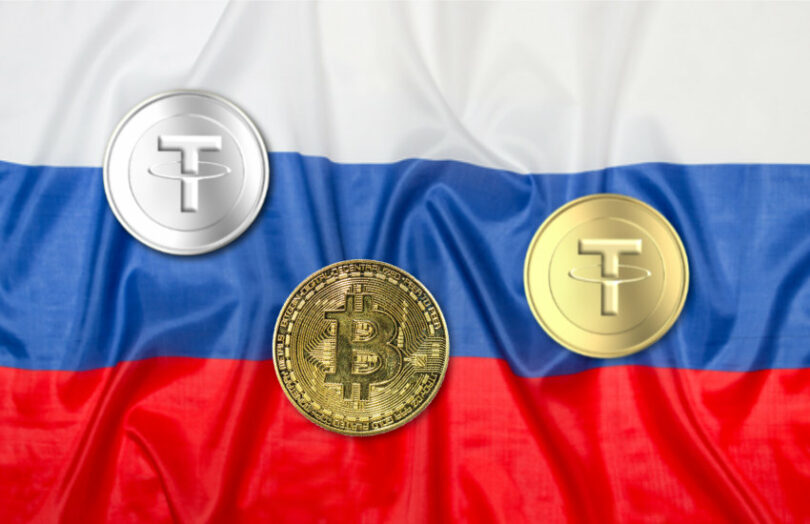
Russia has decided to suspend cryptocurrency mining operations in 10 regions, including Dagestan, Chechnya, and the Kherson regions, starting January 1, 2025. This ban will remain in effect until 2031. The move is part of the government’s broader strategy to address energy consumption issues across the country, particularly during peak usage times. Furthermore, new restrictions on mining will also be imposed in areas like Irkutsk, Buryatia, and the Trans-Baikal Territory during high energy demand periods.

This decision comes as part of a concerted effort by the Russian authorities to reduce energy consumption and manage national power grids more effectively. The increase in energy use from mining activities has been a concern for years, with crypto mining operations consuming significant amounts of electricity in some regions. By imposing the ban, the government aims to ensure that the national grid can accommodate the growing demand for energy, especially during the winter months when heating needs are at their peak.

In some areas, the restrictions will specifically target high-demand periods, such as evenings or cold spells, when power consumption spikes. The Irkutsk region, Buryatia, and Trans-Baikal Territory, which have historically been major hubs for cryptocurrency mining due to their relatively low electricity prices, will see these localized restrictions as part of an ongoing effort to stabilize the energy supply.

The ban also underscores the growing tension between the Russian government and the cryptocurrency industry. While Russia has been one of the world’s largest markets for crypto mining, it has also faced increasing criticism from environmental groups due to the high energy consumption required for mining operations. This new measure is likely to spark further debates about the environmental impact of cryptocurrencies, particularly Bitcoin, which is notorious for its energy-intensive mining process.

The Russian government has made no secret of its desire to regulate the cryptocurrency sector more strictly. A range of legislative actions, including stricter anti-money laundering measures and limitations on the use of crypto for payments, have been introduced in the past few years. By implementing these mining restrictions, the government is taking another step toward curbing the influence of the industry while reinforcing its control over the economy.

The decision to impose the mining ban for such an extended period is a significant development. It is expected to have a lasting impact on the mining sector in the country, especially in areas where cryptocurrency operations have become a substantial part of the local economy. Dagestan and Chechnya, for example, have seen a rise in mining activities due to the availability of cheap electricity. The halt in these regions could lead to significant economic disruptions for miners who rely on these locations for their operations.

Local authorities in the affected regions have expressed mixed reactions to the government’s plan. Some local leaders have welcomed the move, citing concerns about energy shortages and environmental degradation. Others, particularly those with financial interests in the mining industry, have voiced their opposition, arguing that the ban could result in job losses and economic hardship for those dependent on mining operations.

The Russian authorities have yet to provide specific details about enforcement mechanisms or the penalties for violating the ban. However, it is clear that the government intends to take a firm stance on this issue. Given the scale of the crypto mining operations in Russia, the impact of these restrictions is expected to be far-reaching, affecting thousands of miners and businesses involved in the industry.

The Russian crypto mining landscape has been shifting in recent years. As global regulatory pressures on cryptocurrencies have increased, many miners have moved operations to more crypto-friendly jurisdictions. In response, Russian authorities have taken steps to discourage mining activities within the country, seeking to ensure that the nation does not become a haven for unregulated crypto operations. The latest move to ban mining in key regions is part of a broader strategy to curb the growth of the industry, align with international regulatory trends, and preserve national energy resources.

While the ban will significantly impact mining operations in the affected regions, it is unclear whether it will lead to a broader shift in Russia’s stance on cryptocurrency regulation. Crypto miners are likely to explore alternative locations within Russia or abroad, where regulations may be less restrictive. This could result in a shift in global mining patterns, with other countries becoming more attractive destinations for mining operations.

At the same time, the Russian government’s actions could accelerate the development of other sectors related to blockchain and cryptocurrency technologies. These include blockchain-based financial services, which the government has shown an interest in fostering. However, the suspension of mining activities in key regions could undermine the overall growth of the industry within Russia.

A significant rise in criminal activities linked to cryptocurrency has become evident as digital assets continue to attract widespread attention. Fraud, hacking, and illicit transactions are taking advantage of the growing market, drawing the focus of law enforcement agencies worldwide. The allure of cryptocurrencies for both investors and criminals has generated a rapidly expanding industry that remains vulnerable to abuse. In 2024, the global cryptocurrency market’s value […]

Video-sharing platform Rumble has announced a $775 million strategic investment from cryptocurrency firm Tether, marking a significant collaboration between the digital content and crypto sectors.

Tether has agreed to purchase approximately 103.3 million shares of Rumble at $7.50 per share, totaling $775 million. Rumble plans to allocate $250 million of this investment to support growth initiatives, with the remaining funds designated for a self-tender offer to repurchase up to 70 million shares of its Class A common stock at the same price.

Following the transaction, CEO Chris Pavlovski will retain his controlling stake in Rumble. Pavlovski has committed to tendering shares but does not intend to sell more than 10 million. The investment and tender offer are expected to close in the first quarter of 2025.

Rumble’s shares responded positively to the announcement, rising 41% to $10.17 in after-hours trading.

Tether, known for issuing the world’s largest stablecoin by market capitalization, has faced regulatory scrutiny in the past. Despite this, the company continues to expand its influence in the digital finance sector.

Rumble, positioning itself as a free-speech alternative to platforms like YouTube, has experienced growth in user engagement and revenue. In the third quarter, the company reported a 39% year-over-year increase in revenue, reaching $25.1 million, alongside a rise in monthly active users and narrowed losses.

This investment aligns with Rumble’s recent strategic decisions, including plans to add Bitcoin to its balance sheet, reflecting a deeper integration with the cryptocurrency ecosystem.

The Central Bank of the United Arab Emirates (CBUAE) and the Hong Kong Monetary Authority (HKMA) have formalized an agreement to enhance cooperation between their financial markets. This development follows a bilateral meeting held in Hong Kong on December 20, 2024, where both institutions signed a Memorandum of Understanding (MoU) aimed at establishing connectivity between their debt capital markets and related financial infrastructures. The MoU focuses on […]

Cryptocurrency exchanges across the European Union are preparing to delist stablecoins that fail to comply with the forthcoming Markets in Crypto-Assets (MiCA) regulations, set to be fully enforced by December 30, 2024. Notably, Tether’s USDT, the world’s largest stablecoin by market capitalization, is among those facing delisting due to non-compliance with MiCA’s stringent requirements.

MiCA aims to establish a comprehensive regulatory framework for crypto-assets within the EU, enhancing transparency, consumer protection, and market integrity. A key provision mandates that stablecoin issuers obtain an e-money license, ensuring tokens are fully backed by reserves held in independent banks and that issuers maintain robust transaction monitoring systems. Tether has not yet secured this license, rendering USDT non-compliant under the new regulations.

In response, major cryptocurrency exchanges operating in the EU have announced plans to delist USDT and other non-compliant stablecoins. Coinbase Europe, for instance, has informed its users of the impending delisting, advising them to convert their USDT holdings into compliant alternatives such as USD Coin (USDC) or Euro Coin (EURC), both issued by Circle and fully compliant with MiCA standards. This move is in line with Coinbase’s commitment to adhere to regulatory requirements and ensure the security of its users’ assets.

The delisting of USDT is expected to have significant implications for the European cryptocurrency market. USDT has been a cornerstone of crypto trading, providing liquidity and a stable store of value for traders and investors. Its removal could lead to reduced liquidity, increased trading costs, and potential disruptions in the market. Market participants are concerned that the absence of USDT may hinder trading activities and slow the growth of the crypto ecosystem within the EU.

Tether’s non-compliance stems from its current operational structure, which does not align with MiCA’s requirements for reserve backing and regulatory oversight. The company has faced scrutiny over the transparency and adequacy of its reserves, with critics alleging insufficient backing for the tokens in circulation. Tether has previously defended its practices, asserting that its tokens are fully backed and that it operates with a commitment to transparency and regulatory compliance.

The implementation of MiCA represents a significant step toward the formalization and regulation of the cryptocurrency industry within the EU. By enforcing strict compliance standards, the EU aims to mitigate risks associated with crypto-assets, including fraud, money laundering, and market manipulation. The regulation also seeks to foster innovation by providing clear guidelines and a stable regulatory environment for businesses and investors.

However, the delisting of prominent stablecoins like USDT raises questions about the balance between regulation and market dynamics. While regulatory compliance is essential for market integrity and consumer protection, the sudden removal of widely used assets could disrupt market operations and negatively impact users who rely on these tokens for trading and value transfer.

Exchanges are taking steps to minimize disruption by offering users options to convert their USDT holdings into compliant alternatives. For example, Coinbase has facilitated the transition by providing seamless conversion services and detailed guidance to its users. Other exchanges are expected to implement similar measures to ensure a smooth transition and maintain user trust.

Dogecoin’s 11% decline has positioned it as the leading loser among major cryptocurrencies, reflecting broader market concerns as Bitcoin also experiences notable drops. These movements have cast a shadow over the crypto sector during the holiday season, stirring unease in an industry already grappling with volatility and uncertainty.

Market experts attributed the downturn to a combination of factors, with QCP Capital, a trading firm, pointing to an overconfidence in market positioning. Their analysis, shared in a Friday report, suggests that traders had adopted overly bullish strategies, which backfired as the market sentiment shifted. This pattern is not isolated to Dogecoin alone but has been echoed across other key cryptocurrencies, with Bitcoin and Ethereum also facing downward pressure.

While Bitcoin remains the dominant player in the market, its decline has been significant, with the cryptocurrency losing ground as investor sentiment wavers. Experts have raised concerns about the future direction of the market, particularly as Bitcoin struggles to regain its footing. Dogecoin’s movement, which often follows trends set by Bitcoin, adds to the growing anxiety about the sector’s stability. The dip is widely seen as part of the broader correction phase that has affected digital currencies in the last few weeks.

The relationship between Bitcoin and altcoins like Dogecoin remains closely intertwined. Historically, shifts in Bitcoin’s price have had a ripple effect, influencing altcoin trends. As Bitcoin’s performance falters, smaller cryptocurrencies, including Dogecoin, often experience more pronounced fluctuations. This pattern appears to be playing out once again, with Dogecoin feeling the brunt of the market’s uncertainty. Traders had previously shown increasing optimism, but now face a sudden correction that has thrown off short-term projections.

Several factors have contributed to the market’s current mood. The ongoing scrutiny of crypto regulations globally has created an environment of caution among investors. As regulators consider tighter controls over digital assets, some market players are reconsidering their positions. For Dogecoin, a currency that has been driven in part by social media sentiment and celebrity endorsements, the external pressures are especially pronounced. Unlike Bitcoin, which is seen as a store of value by many, Dogecoin has struggled to maintain consistent long-term investor confidence.

Investor enthusiasm for digital currencies had been buoyed by the promise of blockchain technology and decentralized finance, but now, market corrections are bringing those expectations into sharper focus. Cryptocurrencies, once seen as the future of finance, are increasingly viewed as speculative assets vulnerable to short-term sentiment shifts. These developments come as the global economy faces uncertainty, with inflationary pressures and geopolitical tensions contributing to the overall risk appetite in the markets.

The combination of technical factors and macroeconomic concerns has created a more cautious environment for crypto trading. As a result, some investors are choosing to hold off on major positions until the market stabilizes. This cautious outlook has been exacerbated by the holiday season, traditionally a time when market activity can be less predictable due to lower trading volumes.

As the crypto industry navigates these challenges, market analysts are keeping a close eye on the broader trends. While Bitcoin and Dogecoin face immediate hurdles, many experts continue to view the long-term potential of cryptocurrencies as promising. However, in the short term, the volatility is likely to persist, leaving many traders to reassess their strategies. The ability of Dogecoin and other altcoins to recover will depend on several factors, including Bitcoin’s price trajectory and the ongoing regulatory landscape.

The ripple effect of Bitcoin’s struggles has also been felt among smaller crypto projects, with many seeing similar patterns of decline. However, some market observers are cautious about the depth of these corrections, noting that the crypto space has a history of bouncing back after sharp declines. While Dogecoin’s fall has been steep, it is far from the first time the currency has experienced significant volatility.

Cryptopia, the New Zealand-based cryptocurrency exchange that was forced into liquidation following a 2019 hack and a 2021 employee theft, has initiated the process of returning millions of dollars in cryptocurrency to its users. So far, the exchange has repaid over NZ$400 million (approximately $224.9 million) to 10,000 verified account holders, with plans to distribute further amounts in the coming year.

The exchange, once one of the largest in the country, had a tumultuous few years after the hack, which saw the loss of millions in cryptocurrency from user accounts. Despite attempts to recover from the breach, Cryptopia was unable to regain trust and was ultimately placed into liquidation in 2019.

Since the liquidation, efforts have been underway to recover and redistribute the funds owed to users, as the exchange’s liquidators worked through the complexities of returning assets from the frozen and compromised accounts.

Cryptopia’s situation has been a key example of the challenges faced by cryptocurrency exchanges when confronted with security breaches and internal fraud. The combination of the hack, followed by the theft of additional funds by a former employee, left the exchange struggling to meet its obligations to users. While liquidators have been able to recover significant portions of the stolen cryptocurrency, the process of returning funds to account holders has been slow, as the legal and financial hurdles surrounding such cases are often intricate and time-consuming.

The decision to liquidate the exchange followed an extensive investigation into the breach and the theft. Liquidators were tasked with identifying and recovering the stolen cryptocurrency, while also determining how to fairly distribute the recovered assets among the thousands of affected account holders.

Cryptopia’s repaid funds represent a significant portion of what users lost during the breaches. For many, the payout marks a long-awaited resolution to years of uncertainty. However, the process has been slow, and some users still await their full compensation.

The return of these funds is significant not only for the users who have been directly affected but also for the wider cryptocurrency community. It highlights the complexities of ensuring secure exchanges and the challenges of managing asset recovery after a breach. While no system can be completely foolproof, the incident underscores the importance of robust security measures and vigilant oversight in the cryptocurrency sector.

As the distribution continues into 2024, Cryptopia’s case will likely serve as a reference point for future regulatory and security measures in the cryptocurrency exchange industry. The liquidation process itself is also likely to be closely studied as an example of how the legal frameworks surrounding cryptocurrency asset recovery evolve.

The exchange’s repayment process has raised questions about how other crypto exchanges could better protect user assets and respond in the event of a breach. The emergence of new regulations for cryptocurrency exchanges in various countries may help prevent similar situations, although the industry remains largely unregulated in many areas.

This case also draws attention to the evolving nature of cryptocurrency regulations, particularly regarding the responsibilities of exchanges in safeguarding user funds. Regulatory bodies worldwide are working toward creating standards that would compel crypto exchanges to adopt stronger security practices, further ensuring that users’ assets are better protected.

While some have praised Cryptopia’s efforts to repay users, others remain critical of the delay in compensation, especially for those whose funds were tied up for years. The distribution process itself has been meticulous and slow, as the liquidators work to ensure that payouts are fair and based on the exact amounts owed to each individual.

Despite these challenges, the successful repayment to 10,000 account holders has offered hope that, even in cases where exchanges are compromised, users can still recover their assets, albeit after considerable time and effort. The unfolding process continues to unfold in New Zealand courts, with further payouts expected in the next year.

El Salvador has announced plans to persist with, and potentially accelerate, its Bitcoin acquisitions, even after securing a $1.4 billion loan agreement with the International Monetary Fund (IMF) that advises limiting exposure to the cryptocurrency. Stacy Herbert, director of the National Bitcoin Office, confirmed the government’s intention to continue buying Bitcoin for its Strategic Bitcoin Reserve, indicating that purchases might proceed at an increased pace.

This development follows the IMF’s recommendation for El Salvador to scale back its Bitcoin-related activities. The loan agreement stipulates that acceptance of Bitcoin by the private sector should be voluntary, and the public sector’s involvement in Bitcoin-related economic activities and transactions should be confined.

Despite these stipulations, the Salvadoran government remains steadfast in its commitment to Bitcoin. Herbert emphasized that Bitcoin would continue to be recognized as legal tender in the country, and the government would persist in its daily Bitcoin purchases. President Nayib Bukele had previously stated that the government would continue this practice until Bitcoin becomes unaffordable with fiat currencies.

As part of the IMF agreement, El Salvador has agreed to make acceptance of Bitcoin by businesses optional, rather than mandatory, and to limit public sector involvement in Bitcoin-related activities. Additionally, the government plans to phase out its official cryptocurrency wallet, Chivo, by either selling it or discontinuing its use.

The IMF had previously expressed concerns over El Salvador’s adoption of Bitcoin as legal tender, citing potential risks to financial stability and consumer protection. The recent agreement aims to mitigate these risks while providing financial support to the country’s economy.

El Salvador’s pioneering move to adopt Bitcoin as legal tender in September 2021 has been met with both praise and criticism. While the government argues that the cryptocurrency can boost financial inclusion and attract investment, critics point to its volatility and the potential for facilitating illicit activities.

Despite the IMF’s recommendations, the Salvadoran government’s decision to continue its Bitcoin purchases underscores its commitment to integrating cryptocurrency into the nation’s financial system. This stance highlights the ongoing tension between traditional financial institutions and the emerging world of digital currencies.

Marathon Digital Holdings, a leading cryptocurrency mining company, has significantly increased its Bitcoin reserves through strategic financial maneuvers. In November and December 2024, the firm raised approximately $1.93 billion via zero-coupon convertible senior notes. These funds facilitated the acquisition of 15,574 Bitcoins at an average price of $98,529 per coin, totaling around $1.53 billion. Additionally, Marathon repurchased approximately $263 million of its existing convertible notes maturing in 2026. As of December 18, 2024, the company holds 44,394 Bitcoins, valued at approximately $4.45 billion, based on the spot price of $100,151 per Bitcoin.

The initial offering, completed on December 4, 2024, involved $850 million in zero-coupon convertible senior notes due 2031. Marathon granted initial purchasers an option to buy an additional $150 million in notes, potentially increasing the total to $1 billion. The net proceeds of approximately $835.1 million were designated primarily for Bitcoin acquisitions and repurchasing existing convertible notes due in 2026.

Subsequent to this offering, Marathon continued its strategy by raising additional funds through similar financial instruments. The company utilized these proceeds to purchase 11,774 Bitcoins for about $1.1 billion, averaging $96,000 per Bitcoin. This purchase increased Marathon’s total Bitcoin holdings to 40,435, valued at approximately $3.9 billion, based on a Bitcoin price of $96,500 at the time.

Marathon’s aggressive accumulation of Bitcoin aligns with a broader trend among major corporations integrating cryptocurrency into their financial strategies. Companies like MicroStrategy and Riot Platforms have similarly expanded their Bitcoin holdings, viewing the digital asset as a viable store of value and a hedge against traditional market fluctuations. This corporate adoption reflects growing confidence in Bitcoin’s long-term potential and its role in diversified investment portfolios.

The use of convertible notes has become a favored method for companies to raise capital for cryptocurrency investments. These financial instruments allow firms to secure funds at low or zero interest rates, with the option to convert debt into equity under specific conditions. This approach provides flexibility in capital management and aligns with the dynamic nature of the cryptocurrency market.

Marathon’s strategic investments have also been accompanied by efforts to enhance its mining operations. The company has entered into agreements to acquire renewable energy assets, such as a wind farm in Hansford County, Texas, with 240 MW of interconnection capacity and 114 MW of nameplate wind capacity. This initiative reflects Marathon’s commitment to integrating sustainable energy sources into its mining activities, addressing environmental concerns associated with cryptocurrency mining.

Despite these advancements, Marathon has faced challenges in the financial markets. The announcement of convertible debt offerings has led to stock price volatility, with shares experiencing declines due to potential shareholder dilution. For instance, following the announcement of a $250 million convertible debt offering in August 2024, Marathon’s stock dropped over 10%.

Nevertheless, Marathon’s leadership remains optimistic about the company’s strategic direction. By leveraging convertible notes to finance Bitcoin acquisitions and repurchase existing debt, Marathon aims to strengthen its balance sheet and enhance shareholder value. The company’s substantial Bitcoin holdings position it favorably to capitalize on potential future appreciation of the digital asset.

A parliamentary session in Abkhazia’s capital, Sokhumi, turned deadly as lawmakers debated a bill to ban cryptocurrency mining. Deputy Vakhthang Golandzia was fatally shot, and Deputy Kan Kvartchia sustained injuries during the altercation. The primary suspect, Deputy Adgur Khazaria, fled the scene and remains at large.

The incident unfolded during discussions on prohibiting cryptocurrency mining, a practice that has exacerbated Abkhazia’s ongoing electricity crisis. Despite previous bans, illegal mining operations have persisted, straining the region’s power infrastructure. Authorities have intensified efforts to enforce the ban, seizing over 600 mining devices this year.

Abkhazia’s energy challenges are compounded by its reliance on the Inguri hydroelectric power station, which has faced operational issues. The region has experienced severe electricity shortages, leading to rolling blackouts and limited daily power supply. Efforts to secure additional energy resources from Russia have been complicated by financial constraints and geopolitical tensions.

The fatal shooting has intensified scrutiny of Abkhazia’s internal political dynamics and the influence of illicit economic activities. The parliament’s debate over the cryptocurrency mining ban reflects broader concerns about the region’s economic stability and governance challenges. As authorities search for the suspect, the incident underscores the volatility surrounding contentious policy discussions in the region.

VISHNU RAJA
RYO YAMADA
HITORI GOTOH
IKUYO KITA