News related to
crypto

The U.S. Senate has enacted the GENIUS Act, the first-ever federal framework for regulating dollar‑pegged stablecoins, with a decisive 68–30 bipartisan vote on 17 June 2025. Eighteen Democrats joined Republicans in supporting the legislation, which now advances to the House and is expected to reshape Washington’s digital asset rules.

The bill mandates that stablecoin issuers back tokens with liquid assets such as U.S. Treasuries, require regular financial disclosures and adhere to anti‑money‑laundering measures. It grants banks the authority to issue stablecoins, while explicitly restricting executive branch officials and legislators from sharing in their profits—a direct response to concerns over conflicts of interest.

A surge in crypto-sector investment in political campaigns appears to have shifted momentum. Industry spending topped $119 million in support of pro‑crypto congressional candidates during the 2024 cycle. Lobbyists then intensified efforts to engage Democratic lawmakers, viewed as essential for reaching the 60-vote threshold in the evenly divided Senate.

Internal communications among Democratic operatives reveal strategic alignment with crypto backers. In a private group chat described in reporting by the Lever, coalition members acknowledged that, despite ethical concerns, opposing the industry would be “political suicide.” One member reportedly observed that any amendment targeting Trump‑family conflicts would be “DOA,” suggesting token amendments offered for optics rather than impact.

Legislators including Senator Elizabeth Warren have voiced misgivings, arguing that the bill inadequately shields consumers or addresses risks associated with big‑tech or foreign‑issued stablecoins. She contends it grants too much leeway to the likes of former President Donald Trump’s crypto ventures, such as the Trump memecoin and World Liberty Financial.

The crypto lobby’s efforts have extended beyond campaign funding to retention of influential political operatives. Coinbase, for instance, recently appointed veteran Democratic strategist David Plouffe to its advisory board, joining a roster of insiders from both parties. Observers note this reflects crypto’s emerging status as a “politically competitive” constituency.

The political dynamic has shifted decisively. As AP reports, Democrats are balancing distrust of Trump-linked crypto enterprises with newfound recognition of the sector’s electoral influence. Backing the GENIUS Act became for many a strategic necessity, notwithstanding deep ideological resistance to deregulation.

The Senate vote occurred amid broader legislative discussions. The CLARITY Act—aimed at clarifying agency jurisdiction across the SEC and CFTC—is under consideration in the House Financial Services Committee. Some lawmakers propose merging the stablecoin and authority-defining bills, though others caution it could delay the GENIUS Act’s passage.

Crypto industry leaders view the GENIUS Act as a critical precursor to more comprehensive legislation. Ledger’s Head of Global Policy, Seth Hertline, described the Senate’s action as “a political bellwether” for the sector’s broader legislative agenda.

The bill’s passage also intersects with Trump’s personal crypto interests. His family’s stablecoin projects have sparked accusations of profiteering and lobbying for relaxed oversight. Critics warn that current legislative safeguards fall short of preventing conflicts of interest.

The next phase lies in the House, where Republican leadership must reconcile the Senate’s GENIUS Act with its own STABLE Act or integrate it into broader regulatory plans. Some Republicans advocate adding provisions to limit central bank digital currency initiatives, though such measures may complicate Senate approval.

Major stablecoin issuers such as Tether and Circle —together controlling over $200 billion in supply—stand to gain regulatory clarity and legitimacy if the GENIUS Act becomes law. Recent moves by major corporates, including JPMorgan’s planned stablecoin on Coinbase’s Base chain and indications that Amazon and Walmart are exploring token issuance, signal growing private‑sector enthusiasm.

As the House deliberates, questions remain whether the Senate’s bipartisan vote marks the start of a fully fleshed-out U.S. crypto regulatory regime—or the culmination of a high-stakes battle between policy integrity and political pragmatism.

Coinbase has formally requested approval from the U.S. Securities and Exchange Commission to offer tokenised equities in the country. The scheme would let users buy and trade digital tokens representing company shares, potentially enabling 24/7, faster, and lower-cost equity trading by leveraging blockchain technology. If successful, Coinbase could directly compete with established brokerages such as Robinhood and Charles Schwab.

This strategic initiative marks a pivotal expansion beyond crypto into traditional financial markets. Coinbase’s chief legal officer Paul Grewal described the push as a “huge priority,” emphasising the potential to establish a regulated framework for tokenised securities. To proceed, the company is seeking a “no-action letter” or an exemptive relief from the SEC—mechanisms that would allow official clearance to operate without enforcement action.

The tokenisation of shares aims to reduce transaction costs, accelerate settlement and expand market accessibility. Proponents believe that blockchain-based equities could revolutionise trading. However, global regulators have flagged challenges including low secondary-market liquidity and absence of unified global standards.

Coinbase’s renewed interest follows a prior attempt to introduce a tokenised version of its own stock at the time of its 2020 direct listing—an effort ultimately blocked by the SEC. Now, with the SEC’s evolving crypto task force and indications of a more favourable regulatory environment under the Trump-appointed leadership of acting chair Mark Uyeda, Coinbase envisages a window of opportunity.

Institutional enthusiasm appears to be rising, with CFO Alesia Haas noting that prior regulatory obstacles—“brick walls,” as she put it—may now be negotiable. CEO Brian Armstrong similarly asserted the potential for round-the-clock trading innovation and applauded engagement with the SEC’s crypto task force.

Despite this optimism, regulatory hurdles remain. Coinbase is not registered as a broker-dealer, and any platform facilitating trading in tokenized equities must satisfy existing legal requirements. The SEC had previously sued Coinbase in 2023, alleging the company operated an unregistered brokerage—a lawsuit later dismissed in 2025 under the Trump-appointed SEC leadership.

If granted a no-action letter, Coinbase would gain regulatory assurance that trading tokenised equities is compliant under current laws—a reassurance deemed critical to advance institutional adoption in the sector. Some industry commentators suggest that while tokenised equities are gaining traction internationally, U.S. regulatory clarity is key to unlocking broader institutional uptake.

Globally, exchanges like those operated by Kraken are already piloting tokenised shares—known as xStocks—in international markets outside the U.S.. These moves reflect a broader shift: analysts such as Colin Butler of Polygon have predicted tokenised real‑world assets could reach a market potential of up to $30 trillion in the long term.

Within the U.S., Coinbase has sought to shape the regulatory conversation. In March, the company submitted 36 detailed recommendations to SEC Commissioner Hester Peirce, articulating a blueprint for distinguishing between digital commodities and digital securities, and calling for secondary-market clarity. The SEC also hosted roundtable discussions earlier this year with industry participants on asset tokenisation, including former Coinbase counsel Alex Zozos.

Securing approval would align Coinbase with a mosaic of international initiatives exploring tokenised share trading, potentially enabling U.S. investors to trade equities with crypto-like efficiency. Yet adoption remains tied to demonstration of adequate liquidity, interoperability, and regulatory consistency—areas where global standards are still evolving.

While no timing for product rollout has been disclosed, Paul Grewal stressed that obtaining a no-action letter is essential to injecting confidence into institutional investors, paving the way for a new class of regulated digital securities.

Thailand has authorised a five‑year exemption from capital gains tax for digital asset sales conducted through SEC‑licensed platforms, functioning from 1 January 2025 until 31 December 2029. The legislation aims to sharpen the country’s advantage in the regional crypto landscape by lowering investor costs and enticing increased trading activity.

Under the measure, individuals realising gains from digital assets via regulated exchanges will face zero capital gains tax throughout the five‑year window. Prior to this, profits were subject to personal income tax rates—reaching up to 35 per cent depending on annual earnings—alongside a 15 per cent withholding tax on gains from non‑licensed platforms. VAT on cryptocurrency trading had already been abolished as of 1 January 2024.

Analysts believe the tax holiday is designed to reinforce Thailand’s appeal in Southeast Asia’s intensely competitive digital asset territory. With exchanges like Bitkub and Binance vying for market share, and tourists soon enabled to use crypto‑linked credit cards for local spending, Thai policymakers are signalling a strong commitment to bolster innovation while preserving investor protections.

Officials from the Thai Securities and Exchange Commission stress that the exemption applies strictly to transactions performed on SEC‑approved exchanges. Revenues from crypto trades outside those platforms will not be covered and remain taxable. Licensed operators must continue observing related regulations: comprehensive transaction reporting, watch‑lists for suspicious activity, custody rules, and coordination with law‑enforcement as stipulated under the Digital Asset Business Law.

Investor responses so far have been mixed. Market participants report that some will likely postpone realising gains until the exemption period begins. One Bangkok‑based trader remarked that the tax relief “reduces effective cost by around 15 to 35 per cent depending on your income bracket,” reinforcing Thailand’s status as Asia’s most favourable crypto tax jurisdiction for the coming years.

Critics caution that the measure may disproportionately benefit higher‑earning investors while diluting future tax revenue. Government officials argue the policy forms part of a larger strategy to boost capital market reform, as evidenced by parallel legislative updates—including measures enabling tourists to spend crypto, supporting retail access to digital government bond tokens, and enhanced SEC authority over foreign exchanges operating domestically.

The incoming regulation also supplements Thailand’s earlier decisions to exempt crypto trading from VAT from January 2024, amend withholding tax rules for licensed platforms, and permit offsetting of capital losses against gains. Expectations are rising for further alignment of digital asset rules with traditional financial regulations, part of a broader financial modernisation initiative led by the Ministry of Finance and Bank of Thailand.

As the deadline for implementation approaches, licensed exchanges are working on upgrading systems to clearly segregate tax‑exempt transactions and produce compliant audit trails. The revenue department has indicated it will deploy random checks and compliance audits, with penalties ready for any lapses in record‑keeping or reporting.

With the exemption set to begin next year, attention has swiftly shifted to whether Thailand will extend or widen the tax holiday when 2030 nears, and whether parallel measures such as tax incentives for crypto firms, custody providers, or investment token offerings will be introduced. The current package already ranks among the most incentive‑heavy digital asset tax regimes globally, likely reshaping investor allocations in the short to medium term.

South Korea’s Seoul Southern District Court on 17 June acquitted Haru Invest CEO Lee Hyung‑soo of fraud charges linked to the collapse of withdrawal services that triggered investor losses of approximately $650 million. The court determined there was no deliberate intention to mislead the 6,000-plus affected depositors, citing legitimate business activity that merely suffered collapse from contagion stemming from the FTX collapse.

Prosecutors had alleged Lee orchestrated a $650 million fraud scheme by misleading investors and misappropriating user funds. They argued that the firm, owned by parent company Blockcrafters, presented itself as secure and sustainable before halting withdrawals in mid‑2023, inflicting financial hardship on users. Nonetheless, the court concluded that while Haru Invest’s model carried high risk, it was not inherently deceptive.

The court’s ruling also cleared the company’s co‑CEOs at Blockcrafters, who faced similar allegations. In contrast, Haru’s chief operating officer, Kang, received a two‑year prison sentence after being found guilty of embezzlement. The court determined Kang had transferred client funds to his personal accounts, a charge distinct from the fraud accusations directed at Lee and other executives.

Judges noted connections between Haru’s difficulties and the broader collapse of the cryptocurrency ecosystem following the FTX failure. They observed that Haru deployed a legitimate yield‑earning model using third‑party counterparties, including B&S Holdings, but that the sudden disruption in liquidity markets amplified losses. There was no evidence, the ruling held, that Lee intentionally misrepresented Haru’s operations or risk profile to investors.

Concurrently, prosecution testimonials during closing arguments revealed that Haru marketed its platform as capable of delivering annual interest rates exceeding 10 per cent on deposits of Bitcoin, Ethereum and USDT. Investor expectations were inflated, yet those losses, believed to be exacerbated by exposure to over‑leveraged counterparty relationships, were judged to result from systemic failure rather than criminal intent.

Throughout the proceedings the defence emphasised Lee’s commitment to asset return. Lee personally told the court that investors retained ownership of their crypto assets and that Haru operated legally under custody arrangements. He insisted that financial setbacks resulted from Bernard Bang’s mismanagement at B&S, a company entrusted with executing Haru’s yield‑earning strategy. The defence maintained that Haru’s abrupt withdrawal suspension in June 2023 was a reactive measure to liquidity pressure, not an attempt to defraud.

Meanwhile, the court confirmed that Kang, the COO, diverted funds into accounts unrelated to Haru’s operations, violating fiduciary responsibility, and meriting his conviction. His sentence reflected the separation in responsibility between him and senior management, who genuinely believed in and operated under a legitimate model.

The financial aftermath continues: Haru has appointed an insolvency administrator and launched a creditor claims process affecting thousands of both domestic and overseas investors. According to user‑submitted civil filings, the firm is pursuing recovery of assets tied to the FTX bankruptcy estate, including staking returns and counterparties’ restitution. Victims are filing asset‑recognition claims under Korean bankruptcy law, arguing that deposited tokens belong to them and should be returned outside Haru’s bankrupt estate.

In parallel, appellate proceedings are expected for Kang, whose sentence may be modified as his embezzlement involved funds beyond his legal authority. Lee and his co‑CEOs are also preparing appeals, emphasising that Haru’s structure and disclosures conformed with regulations at the time of operation.

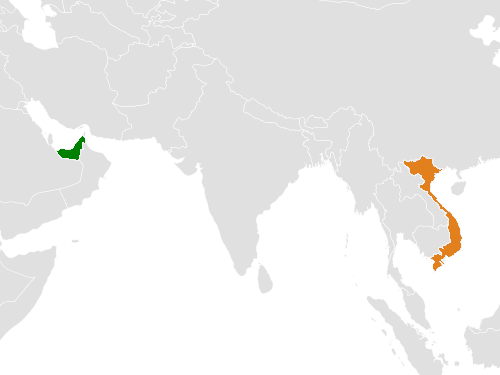
Vietnam’s Techsmart Telecom, the Institute of Information Technology and CyberSecurity, UAE’s Venom Foundation and Abu Dhabi’s GS Fund have signed a memorandum of understanding to advance a sovereign digital finance framework. The scheme centres on a national Data Centre, supervised stablecoin issuance, cross-border settlement infrastructure, cybersecurity protocols and fintech training—a landmark convergence of telecom, blockchain, finance and security sectors.

The agreement mandates Venom Foundation’s sovereign-grade Layer‑0 blockchain be deployed in Vietnam. The foundation, already liaising with central banks across Southeast Asia—including Singapore, Malaysia, the Philippines and Vietnam—will integrate ISO 20022 messaging, on‑chain KYC/AML, real-time settlements and asset tokenisation capabilities into the system. GS Fund will spearhead the data centre’s construction under a stable legal and economic regime, while IITCS tackles regulatory framework, compliance and talent development, and Techsmart manages connectivity and integration.

Work in the initial phase, set for the next 12 months, will prioritise the technical architecture, legal foundations and national infrastructure planning. Vietnam’s demographic profile—a young, technologically literate population—and its expanding cross-border fintech activities are seen as key enablers for asset tokenisation, according to Venom Foundation. Dr Hoang Phuoc Thuan of IITCS highlighted Resolution 57’s role in connecting sovereign data ambitions with e‑government and AI development.

This public–private partnership reflects Vietnam’s Digital Infrastructure Strategy, which targets universal fibre, extensive 5G coverage and advanced data centre roll-out by 2030. Venom’s Layer‑0 blockchain—already piloted in the Philippines with the Bangko Sentral ng Pilipinas—cements institutional-grade readiness for programmable finance and asset digitisation.

Regulatory progress has been underway since March’s Prime Ministerial directive, with the Ministry of Finance and State Bank of Vietnam tasked to propose a Digital Technology Infrastructure law, introduce regulated sandboxes and pilot a crypto framework by May 2025. Amid this, Vietnam’s digital asset market has grown substantially—around 17 million citizens currently hold crypto assets valued at over US $100 billion—placing the country in the top five worldwide for individual interest and top three in trading volume.

Issues remain unresolved: incomplete guidelines on exchange licensing, asset categorisation and customer protection have placed Vietnam on the Financial Action Task Force’s grey list. Integrating blockchain with conventional banking operations—spanning accounting, risk management and cybersecurity—also poses significant implementation hurdles.

Further reinforcing policy alignment, the Vietnam Blockchain Association and One Mount Group—members of the VBA—have pledged between US $200 million and US $500 million to establish a sovereign Layer‑1 blockchain, complying with Prime Ministerial Directive 05/CT‑TTg.

The final vision foresees multi-year rollout phases extending beyond initial legal and technical milestones to encompass digital payments, reduced reliance on physical cash, strengthened cybersecurity via distributed ledgers, and expanded fintech education for government and private sectors under IITCS guidance.

Bitcoin.com has established its first Middle East and North Africa regional headquarters at Dubai’s DMCC Crypto Centre, signalling a strategic expansion in the emirate’s blockchain ecosystem. The move secures its place among over 650 companies specialising in blockchain infrastructure, decentralised finance, tokenisation and metaverse development within the DMCC’s Crypto Centre in Uptown Tower. Dubai’s position as a global cryptocurrency hub is underscored by the establishment of the […]

Ripple Labs and the Securities and Exchange Commission have submitted a joint motion to the Second Circuit Court of Appeals, aiming to extend a pause on their appellate proceedings while awaiting a decision in district court. Both parties agree to maintain the hold on appeals and propose that the SEC file its next status update by 15 August 2025.

The motion, filed on 16 June, builds on a previous pause granted under Federal Rule of Civil Procedure 60, intended to allow the district court, led by Judge Analisa Torres, sufficient time to rule on an updated motion seeking an indicative ruling. The initial request was denied in May due to a lack of “exceptional circumstances,” prompting Ripple and the SEC to bolster their arguments in a new joint filing dated 12 June.

District court approval is crucial. Such a ruling would compel the Second Circuit to remand the case for settlement finalisation. Conversely, if the district court declines, the case could remain stalled until early 2026, prolonging regulatory ambiguity for XRP.

This procedural pause has broader consequences. Market sentiment remains cautious, with XRP trading troubled by sustained legal uncertainty. Amid earlier pauses, XRP dipped roughly 5% over the past month before a modest recovery, though volatility remains pronounced. Eleanor Terrett, reporting for Fox Business, noted the pause preserves ongoing ambiguity over XRP’s classification in US markets.

Within the industry, analysts describe this pause as a strategic placeholder. Ripple aims to dissolve the injunction and reduce its financial penalties, while the SEC hopes to maintain enforcement leverage. The updated motion supports this tactic by supplying additional context to substantiate an “exceptional circumstance” argument.

If Judge Torres reaches a decision before the SEC’s proposed 15 August deadline, both parties will reconvene in the Second Circuit. Should she approve the motion, the path would be clearer for finalising a settlement reportedly around a $50 million penalty, down from the original $125 million. A denial would likely defer matters to appeal, extending uncertainty.

Legal observers note that the partnership reflected in these joint motions points to shared interests in resolving the protracted case—the SEC appears willing to collaborate, and Ripple seems ready to capitulate on key issues, notably procedural compliance.

Absent the structural clarity generated by this motion, the case risks being sidelined. The 60-day pause ensures both sides step through established procedural channels, preserving appellate integrity while advancing towards resolution.

Advertisements

The United States Supreme Court has been asked to reconsider constitutional protections after the Internal Revenue Service obtained transaction records from more than 14,000 cryptocurrency users—including James Harper—without a warrant, under a sweeping “John Doe” summons aimed at Coinbase data. At issue is whether the longstanding third‑party doctrine—under which individuals forfeit Fourth Amendment privacy protections by sharing data with third parties—remains valid in the digital age.

James Harper, whose trading history dates back to 2013 and who reported all taxable gains, received notification in August 2019 that the IRS had secured his wallet and transaction data without any suspicion of wrongdoing. The agency extended its data collection to approximately 14,000 other users, sparking legal challenges in lower courts and culminating in the Supreme Court petition known as Harper v. Faulkender.

Supporters of Harper argue that the third‑party doctrine originated in a pre‑digital era, designed for narrow investigations, not mass data collection. In briefs filed on 13 June, the New Civil Liberties Alliance and Supreme Court litigator Kannon Shanmugam contended that individuals do not relinquish property or privacy rights simply by using digital platforms, and that warrant requirements should be reinstated for data access. Justice Sonia Sotomayor, in previous commentary, branded the doctrine “ill‑suited to the digital age,” a view echoed by other federal judges in the Fifth and Ninth Circuits.

In contrast, the IRS and its supporters argue that the doctrine is well‑established and necessary for effective tax enforcement, especially amid growing use of cryptocurrencies and concerns over under‑reporting. The agency says organisations like Coinbase have an obligation to furnish information when legal summonses are issued, even absent individual suspicion.

Lower courts have upheld the doctrine, dismissing Harper’s case. A district court in New Hampshire ruled that Harper lacked standing, while the First Circuit applied the third‑party doctrine in September 2024 to dismiss his Fourth Amendment claim. Now, the Supreme Court must decide whether to reverse these rulings.

Analysts suggest that a Supreme Court hearing—and eventual decision—could set a transformative legal precedent regarding digital privacy. If justices mandate search warrants under the Fourth Amendment before agencies can collect personal data—even from third parties—it would broaden protections for online financial activity and reshape the investigative landscape. Conversely, a decision upholding the status quo would affirm broad government access to digital records without judicial oversight.

The case aligns with broader judicial scrutiny over the balance between technological advancement and constitutional safeguards. As cryptocurrency adoption increases among individuals and businesses, questions loom over how traditional investigative powers should adapt. Critics fear that unchecked authority under the third‑party doctrine could pave the way for routine surveillance and erosion of civil liberties.

At the same time, law enforcement officials maintain that revised legal thresholds could complicate investigations into financial crimes and tax fraud. They argue that agencies need efficient access to data held by third-party institutions to detect under‑reported crypto gains and illicit transactions swiftly.

The Supreme Court’s decision on certiorari is expected this autumn. Should the Court agree to hear the case, oral arguments may follow early next year, offering a watershed moment for Fourth Amendment jurisprudence. The outcome will be watched by constitutional scholars, digital‑rights activists, regulators and the cryptocurrency industry.

As digital transactions become integral to everyday life, the Harper v. Faulkender decision may redefine the boundary between individual privacy and government authority. The Court’s ruling could determine whether the act of sharing financial data with a platform like Coinbase is equivalent to voluntary disclosure, or if it remains protected under constitutional standards requiring judicial oversight.

Pump.fun’s official X account and that of its co‑founder Alon Cohen have been suspended by X as part of a broader enforcement effort targeting numerous memecoin‑related accounts, according to platform observers. The action, which began on 16 June, affected dozens of handles tied to Solana‑based crypto tools—including GMGN, Bloom Trading, BullX, ElizaOS—and coincided with growing concern over platform manipulation, unauthorised data access and regulatory rumblings.

The affected accounts were removed around 19:30 UTC on 16 June, leaving followers unable to access official communications. Platforms such as GMGN and Bloom Trading also noted unexplained suspensions, prompting speculation about an “internal enforcement sweep” rather than mass reporting. Notably, X has not issued any formal explanation of policy breaches or rule changes that prompted the action.

Some within the crypto community suggest the crackdown may stem from unauthorised use of X’s API infrastructure. Observers point to tools linked to Pump.fun and others that scrape tweet data or emulate automated trading without premium API access—activities that could trigger platform enforcement. However, neither X nor any of the suspended entities have confirmed such allegations.

The broader context involves mounting regulatory and ethical pressures on the Solana‑based memecoin ecosystem. Pump.fun, launched in January 2024 by Alon Cohen, Noah Tweedale and Dylan Kerler, has been prolific in facilitating meme token launches—over 6 million coins had been created via the platform by early 2025, according to Wired. But token launches have grown increasingly controversial. A livestreaming feature, later suspended, was tied to extreme promotional tactics, including staged threats of suicide or violence during broadcasts.

Earlier this year, the platform faced a class‑action lawsuit in New York alleging it operated as an unregistered securities offering and facilitated pump‑and‑dump schemes, notably involving a token called PNUT. This suit highlights regulators’ concerns that Pump.fun may operate in a legal grey zone. In addition, the UK Financial Conduct Authority warned the platform in late 2024 about offering unlicensed financial services.

Market data following the suspensions reveals immediate ripples: within an hour of X account removals, new tokens referencing the bans flooded Pump.fun, generating over US $10 million in volume. Five such suspension‑themed tokens ranked among the top‑ten daily by trading volume.

Crypto traders and observers are divided. Some see the suspensions as overdue intervention against manipulative tools; others raise concerns about opaque enforcement and potential overreach. Affected platforms, such as GMGN, have assured users that operations remain intact while formal appeals with X are underway.

Technical analysis indicates this episode is unlikely to halt memecoin activity. Indeed, pump‑and‑dump cycles continue: behavioural studies show short‑term spikes in token value followed by longer‑term declines averaging 30 per cent over 12 months. In the absence of clear regulation or platform transparency, speculative launches keep drawing liquidity.

The Trump Organisation has unveiled Trump Mobile, featuring a $499 gold-hued T1 smartphone and a monthly “47 Plan” priced at $47.45. Designed to target conservative consumers disenchanted with mainstream providers, the offering promises an American‑branded telecommunications package with US‑based customer support and domestically produced handsets. Donald Trump Jr and Eric Trump introduced the venture on 16 June 2025 at Trump Tower, emphasising the use of US‑made phones […]

Issuing its first formal financial move beyond social media, Truth Social’s parent, Trump Media & Technology Group, has filed an S‑1 registration statement with the U.S. Securities and Exchange Commission to launch a Bitcoin and Ethereum exchange‑traded fund under the Truth Social brand. The application outlines plans to list the fund on NYSE Arca, although ticker symbols and fee structures have yet to be disclosed.

NYSE Arca initiated the process on 3 June 2025 by submitting a Form 19b‑4 on behalf of TMTG and partner Yorkville America Digital, seeking approval to list the dual‑crypto ETF. The S‑1 filing followed on 5 June and provides deeper insights into structure and risk disclosures. The filings initiate the standard dual‑review process; the SEC has a 45‑day window for initial decision and up to 240 days for final approval.

The prospectus confirms that the fund will hold spot Bitcoin and Ethereum—the first dual‑crypto vehicle under the Truth Social banner. Physical custody of assets will be handled by Foris DAX Trust Company, affiliated with Crypto.com, which will also serve as execution agent and liquidity provider. Yorkville America Digital, a Florida‑based asset manager that emphasises “Made‑in‑America” digital‑asset products, is named as the sponsor.

Eric Balchunas, senior ETF analyst at Bloomberg Intelligence, noted the risk disclosures reference President Trump’s crypto‑favourable posture—highlighting regulatory shifts, the SEC’s newly launched crypto task force, and a strategic U.S. Bitcoin reserve executive order—marking the first time an ETF filing openly tied a sitting president’s actions to fund risk.

The launch is part of a broader the strategic pivot by Truth Social into financial services. Earlier this year, Trump Media announced a $2.5 billion Bitcoin treasury initiative and submitted trademark applications under its Truth.Fi brand for various crypto‑focused products. The move aligns with similar industry trends—11 spot Bitcoin ETFs have been approved since January 2024 by providers including BlackRock, Fidelity and Grayscale—a venue drawing billions in investor capital.

Yet the dual‑crypto ETF enters a saturated market, and analysts caution that without distinctive value, it may not draw substantial flows despite its political branding. Market watchers observe that assets under management in competing spot Bitcoin ETFs are heavily concentrated—with BlackRock’s IBIT holding approximately $69 billion, followed by Fidelity’s fund at around $21 billion.

The filings also highlight potential conflicts of interest. Yorkville America has financial ties with TMTG, including advising on Truth.Fi and investing in both the firm’s stock and private placement used to bolster the Bitcoin treasury. The application explicitly acknowledges these links may pose risks to investors.

Timing is politically significant, with the SEC’s current leadership under Paul Atkins perceived as taking a more crypto‑friendly stance. SEC deregulation efforts under President Trump’s administration also form part of the context.

Should the ETF be approved, it will enable investors to gain regulated exposure to Bitcoin and Ethereum—devoid of managing digital wallets or crypto‑exchange accounts—via traditional brokerage channels. The fund is poised to calculate daily net asset values, with intraday quotations updated every 15 seconds and comprehensive transparency on holdings, premiums and discounts.

However, regulatory clarity remains pending. Absent from the filings are critical operational details, including ticker symbols, expense ratios and seed capital levels. Until the S‑1 becomes effective, the ETF cannot be marketed to investors.

This marks a strategic landmark in Truth Social’s quest to diversify beyond digital media. Its expansion into crypto finance brings together political influence, regulatory momentum and mainstream investor demand, potentially reshaping its corporate identity. At stake is the fund’s ability to carve a credible and competitive space among established crypto‑ETF leaders.

Grayscale Investments LLC is a fund in the USA market.
The price is 82.83 USD currently with a change of -1.33 USD from the previous close.
The latest trade time is Monday, June 16, 17:15:21 +0530.

Grayscale Expands Bitcoin Holdings with $1.05 B Investment

Grayscale Investments has acquired an additional 10,100 BTC, spending approximately $1.05 billion at an average rate of $104,080 per coin, boosting its total holdings to 592,100 BTC, with an average acquisition price of roughly $70,666 per coin. This move aligns with the firm’s year-to-date BTC return, which sits at 19.1 per cent.

The company now holds Bitcoin valued at approximately $41.84 billion, underpinning its reputation as one of the world’s largest institutional holders. Market watchers have noted that Grayscale’s significant expansion at this price point reflects confidence in Bitcoin’s current valuation and medium‑term outlook, even amidst broader cryptocurrency volatility.

This accumulation comes as institutional appetite for Bitcoin evolves. Grayscale, which transformed its Bitcoin Trust into a spot ETF via its GBTC product, continues to command a substantial fee structure—1.5 per cent—that supports yearly revenues exceeding $268 million, despite competitors offering cheaper options. The premium yield underscores its established presence and the loyalty of seasoned investors bound by legacy holds, tax considerations and brand trust.

Earlier this year, Grayscale launched the Bitcoin Mini Trust with a far lower fee of 0.15 per cent, explicitly targeting cost-sensitive investors. The mini‑trust currently holds around 43,572 BTC under management. Despite attracting inflows, its impact on Grayscale’s total AUM remains modest relative to the flagship GBTC.

Analysts suggest that Grayscale’s dual‑product strategy allows it to hedge against fee‑driven outflows while maintaining revenue through GBTC’s premium fee structure. Its sizeable Bitcoin accumulation adds weight to this approach. As one strategist remarked, institutional investors often exhibit inertia from legacy holdings and taxable events, making high‑fee products persistent revenue generators.

This latest purchase follows Grayscale’s broader pattern of capitalising on dips in Bitcoin price, reinforcing its average cost basis. With Bitcoin hovering near $105,000, this strategic buy expands holdings while keeping average cost significantly lower, positioning the firm favourably for market swings.

The acquisition also contrasts with broader market behaviour. Other institutions, particularly newer spot ETFs like those from BlackRock and Fidelity, have recorded substantial inflows thanks to much lower fees—commonly around 0.25 per cent—but display less aggressive accumulation strategies. Their collective AUM exceeds $100 billion, yet individually their daily volume and yields trail Grayscale’s monumental revenue draw.

Grayscale’s current average buy price—$70,666—reveals a long‑term investment horizon and deep conviction in Bitcoin’s trajectory. This cost average gives Grayscale a comfortable buffer versus price dips, which in turn sustains its willingness to deepen its position at current price levels. As volatility returns to crypto markets, Grayscale’s scale and cost discipline may offer smoother entry and exit tactics.

Market responses to the latest move have been mixed. Proponents argue that institutional accumulation of this magnitude is bullish for sentiment and price stability. Critics caution that such centralised concentration exposes Grayscale to regulatory and enterprise risk.

Regulatory scrutiny remains a key consideration. As one of the first and largest Bitcoin spot ETPs in the US, Grayscale continues to navigate evolving SEC policies, compliance obligations and heightened operational transparency. Its ability to sustain growth depends on navigating these frameworks while differentiating GBTC and BTC in a crowded ETF market.

Brazil has revoked its exemption for small-scale cryptocurrency gains, imposing a uniform 17.5% capital gains tax on all digital asset profits, effective from 12 June under Provisional Measure 1303. The measure replaces the previous tiered system—which allowed monthly tax-free crypto gains of up to R$35,000 and progressive rates of 15–22.5% for larger profits—and now applies to all holders, regardless of volume or wallet type.

The overhaul extends beyond exchange-traded assets to include self-custodied holdings and offshore crypto portfolios. Taxation occurs quarterly, with losses offsettable against gains over a rolling five-quarter period, although this allowance will narrow in 2026.

Smaller retail investors, previously shielded from taxes on modest gains, now face a significant shift. Under the old system, a casual trader earning R$30,000 in profits paid no tax; the new regime means a payable R$5,250—a leap from zero to 17.5%. Conversely, high-net-worth individuals stand to benefit: gains previously taxed at up to 22.5%—notably on trades above R$30 million—will now bear the lower flat rate.

This tax reform is part of a wider fiscal realignment aimed at broadening revenue sources. Previously untaxed fixed-income instruments like LCIs, LCAs, CRIs and CRAs are now subject to a 5% profit tax. Operators within online betting are also affected, with tax rates rising from 12% to 18%. The government had initially attempted to raise the IOF financial transaction tax, but withdrew following resistance.

The shift reflects Brazil’s position as Latin America’s largest crypto market, ranked among the world’s top ten in adoption. Government officials say the move is designed to simplify taxation, close loopholes—particularly for self-custody and offshore holdings—and treat crypto assets on par with traditional investments.

In March, Brazil’s Congress debated legislation to permit partial wage payments in Bitcoin, allowing up to 50% of salaries to be paid in crypto for domestic workers, and 100% for foreign contractors, under central bank supervision. While still under review, this bill indicates a dual approach: while levying stricter taxes, the state is also exploring broader integration of crypto into economic life.

Analysts suggest that while this latest policy may place increased pressure on small-scale traders, it could attract institutional investors seeking tax certainty. “Brazil now offers a clear, flat tax regime” for asset managers, said a financial strategist in São Paulo, referring to the capped 17.5% rate for large holdings.

Market observers caution, however, that the removal of tax-free gains may cool participation among casual investors, potentially reducing liquidity. With the reform’s full implementation and impact on compliance still unfolding, the crypto sector is bracing for a recalibration in trading dynamics.

Pi Network’s native token, PI, plunged to a low of approximately $0.40 following a sudden unlock and broader market sell‑off, but recent developments indicate a tentative rebound that may reshape its trajectory.

The token had tumbled roughly 35% over a short timeframe, bottoming out at $0.40 before rebounding near $0.60—marking a swift 40% recovery since June 13. Technical indicators show that PI found support at a critical $0.39 level, considered a “value area low,” which triggered aggressive buying and a solid recovery candle.

Market analysts attribute the initial crash to a dual catalyst: the unlocking of some 280 million tokens on 11 June and escalating geopolitical tensions affecting global cryptomarkets. The influx of new supply triggered panic selling, exacerbated by macro‑market uncertainty—echoing patterns seen in earlier altcoin sell‑offs amid the Israel‑Iran tensions.

Further pressure stemmed from technical sell signals. PI dipped beneath its value area low but recovered swiftly—reflecting a classic false breakdown scenario that often precedes rebounds in trader psychology. Analysts highlight the critical resistance zone between $0.65 and $0.80: clearing $0.65 could pave the way for a push to $0.80, but failure to hold above $0.61 risks another drop toward $0.57–$0.60.

Broader technical sentiment remains mixed. On one hand, bullish patterns suggest floor levels have been re‑established; on the other, indicators like MACD remain bearish with death crosses and moving averages still overhead—signalling ongoing downward bias unless momentum shifts. The Relative Strength Index hovering below neutral levels hints at entrenched selling pressure.

Longer‑term forecasts for PI vary widely. Some platforms model a gradual climb toward $2–5 by 2027–2028, potentially reaching $10 only in the 2030s, contingent on substantial ecosystem growth—particularly from apps, PiAds, verified users, and major exchange listings. For example, CoinCodex’s algorithm estimates a $10 target as far off as November 2045.

Real‑world applications and mainstream exchange listings are viewed as pivotal. A Binance listing, for instance, could trigger a rally toward $8–$10, but such speculation remains unverified. Conversely, persistent unlock schedules and wallet‑to‑exchange flows continue to weigh on sentiment.

Tokenomics pose another challenge. With a potential maximum supply reaching dozens of billions, PI requires sustained demand—via decentralised apps, micropayments, or adverts—to absorb incoming supply and sustain valuations.

Despite turbulence, the Pi ecosystem is forging ahead. The launch of a $100 million Pi Network Ventures fund aims to support startups across AI, gaming, fintech, and e‑commerce. Meanwhile, the core network continues onboarding users, though some report frustration over KYC bottlenecks, wallet migration issues, and delays in accessing the mainnet.

The community appears split. On‑chain revelations show leverage derivatives listings on platforms like Kraken Pro—a possible sign of institutional curiosity—while sentiment indicators reflect rising caution.

Short‑term outlook hinges on whether PI can maintain support above $0.61 and break through the $0.65 resistance. If momentum continues from the rebound, the token could extend toward $0.80 and potentially $1. Conversely, a failure to hold onto current gains might push it back toward the low‑$0.50s.

Though the narrative of PI reaching $10 persists—driven by long‑term believers—most analysts agree such futures rely on meaningful network adoption, ecosystem maturity, and clear-cut exchange integrations. For now, the market is focused on stabilising around the $0.60–$0.80 band and resolving token unlock uncertainties to foster a credible case for sustained growth.

Donald Trump’s financial disclosure for the 2024 calendar year reveals more than $600 million in gross income and at least $1.6 billion in assets, offering a detailed window into the former president’s expansive business empire and the diversification of his revenue streams. The filing, submitted on 13 June 2025, highlights a sharp rise in earnings derived from cryptocurrency ventures, numerous golf and hospitality properties, global licensing agreements, and an […]

Tencent is reportedly in discussions to acquire Nexon, the developer behind MapleStory and Dungeon & Fighter, in a deal that could exceed US$15 billion, signalling a strategic push into South Korea’s gaming and Web3 sectors.

Chinese tech conglomerate Tencent has approached the family of Nexon’s late founder Kim Jung‑ju, which controls a 44.4 per cent stake through NXC Corp, to explore acquiring a substantial portion or full control of the company. The proposed transaction, valued at around 20 trillion won, aims to secure Tencent long‑term rights to Nexon’s celebrated intellectual property while bolstering its position in South Korea’s lucrative gaming market.

Nexon, founded in Seoul in 1994 and now headquartered in Tokyo, is best known for its enduring franchises MapleStory and Dungeon & Fighter. The firm has been a pioneer in integrating games with Web3 technologies, launching a blockchain division dubbed NEXPACE and rolling out MapleStory Universe—complete with NFT item mechanics, token economies and a gasless transaction system on the Avalanche network. The NXPC token was listed on major crypto exchanges, reflecting deep commitment to a decentralised gaming strategy.

While Tencent had previously tried to acquire Nexon in 2019—efforts fell through over valuation disagreements—the company has since fortified its global gaming footprint with a US$1.3 billion investment in Ubisoft and a 10 per cent stake in South Korea’s SM Entertainment, a major K‑pop label. Its renewed interest in Nexon aligns with a broader ambition to dominate both blockchain and traditional gaming domains, despite sector‑wide funding slowdowns and reduced daily active user metrics in Web3 games.

Sources emphasise that while discussions are underway, no definitive agreement has been reached and terms remain fluid. The Kim family is reportedly consulting financial advisers on the potential sale. Part of the complexity stems from their decision last year to transfer shares to settle inheritance taxes, a move that added governmental and family stakeholders into the mix.

Nexon has seen its share price rise over 10 per cent in 2025, though it remains about 30 per cent below its 2021 peak. The Tokyo‑listed firm was valued at approximately US$15–16.6 billion, depending on market conditions.

Tencent’s remote stance with acquired studios suggests that any purchase may leave Nexon’s operational autonomy largely intact. But the deal could deliver Tencent stronger access to Western and Asian markets, reinforcing its Web3 and blockchain ambitions.

For Nexon, aligning with Tencent offers capital resources to scale blockchain gaming efforts and deepen development of blockchain-enabled platforms such as MapleStory Universe. Since launching MapleStory N in May 2025, the company has leveraged its Web3 unit’s Abu Dhabi‑based NEXPACE to expand global blockchain gaming operations.

With Tencent prioritising organic growth and strategic minority investments—such as expanding its blockchain infrastructure partnerships with TON Foundation and Chainbase—this potential acquisition represents one of its most ambitious M&A moves post‑2020 Chinese regulatory tightening.

Should negotiations succeed, Tencent would gain direct control over multiple high‑value IPs and a formidable presence in South Korea’s gaming ecosystem, presenting both strategic advantages and regulatory scrutiny across jurisdictions. The deal’s complexity—woven through family, government, and market dynamics—ensures that stakeholders across the industry are closely watching every development.

WazirX has unveiled a revised restructuring plan under Singapore High Court oversight that proposes to repay approximately 85% of users’ pre‑hack balances, while the remaining 15% would be settled over time through a Recovery Token mechanism. A final court decision is expected by 20 June, setting the stage for ensuing repayments.

A hack that occurred on 18 July 2024 led to the theft of nearly US $235 million from the exchange’s wallets, widely attributed to North Korean Lazarus Group operatives. WazirX parent company Zettai Pte Ltd subsequently secured a moratorium in Singapore and initiated a formal Scheme of Arrangement allowing creditors to vote on recovery proposals.

By April, rebalancing of assets was completed, enabling the exchange to present each affected user’s USD and INR valuations based on their 18 July 2024 holdings. Around 93% of creditors voted in favour of this plan in April, far exceeding the 75% threshold required by law.

Under the scheme, the initial payment—estimated at 85% of the original holdings—would be disbursed in either the original asset or USDT within ten business days of court approval. The remaining 15% would be issued as RTs, tradable tokens redeemable via quarterly buybacks funded from WazirX’s profits or recovered assets.

Risks remain, however: if creditors reject the plan, the court may order liquidation under Section 301 of the Singapore Companies Act. That scenario could trigger asset fire‑sales, reducing recovery potential and extending the timeline until 2030.

Community reaction is mixed. Many users have expressed doubts over the exchange’s transparency and the partial compensation model. Subreddits suggest a collective legal response is forming in Kerala and beyond. One user asserted:

“If anyone still believes that WazirX will return our funds without us taking any action — that hope is gone after yesterday’s court decision.”

Meanwhile, creditor‑activist voices have argued the restructuring represents a better outcome than liquidation. As one FTX creditor remarked, it is “far superior to liquidation” for preserving value.

CoinSwitch has also launched a parallel initiative named CoinSwitch Cares, offering affected users a potential path to full recovery—up to ₹600 crore—with added incentives for sign‑ups and referrals. However, that scheme depends on WazirX restoring withdrawal functionality.

The Singapore High Court’s deadline of 20 June will determine whether the court grants final sanction to WazirX’s Scheme of Arrangement. Should it proceed, initial disbursements would begin between late June and July. If it’s rejected, WazirX would head into liquidation—triggering a protracted, uncertain payout stretching possibly until 2030, with potentially deep losses.

WazirX’s recovery architecture combines immediate restitution and long‑term tools designed to align creditor outcomes with the firm’s future performance. The RT buyback mechanism underscores this approach, offering users potential upside linked to the exchange’s profitability and asset recovery.

Users must act to verify claims through WazirX’s Claim Tracker, accept the rebalanced valuations, and monitor further updates. Approval hinges on the court’s formal order and the willingness of creditors to embrace a controlled, phased repayment versus the uncertain prospects of full liquidation.

Brazil is charting a potential first for any G20 economy by moving through its legislature a proposal to allocate up to 5 per cent of its approximately $370 billion foreign‑exchange reserves into Bitcoin. Bill PL 4501/2023, currently advanced by the Economic Development Committee, would establish a Sovereign Strategic Bitcoin Reserve—dubbed “RESBit”—under the joint oversight of the Central Bank and the Ministry of Finance, with stringent storage protocols and biannual audits.

The bill’s sponsor, Federal Deputy Eros Biondini, argues the measure would reinforce Brazil’s financial sovereignty and diversify its reserve holdings beyond traditional assets. Parliamentarian Luis Gastão, acting as rapporteur, emphasises a cautious, phased implementation aimed at managing volatility exposure while boosting institutional resilience. This contrasts with El Salvador’s executive decree model; the Brazilian plan proceeds through parliamentary channels, potentially setting a more enduring legal precedent.

Storage and transparency are at the core of the proposal: BTC holdings would be secured via cold wallets, underpinned by mandated audits every six months, and reported directly to Congress. Advocates hope this methodical governance framework will ease institutional apprehensions while allowing crypto assets to form part of state‑backed fiscal strategy.

Market reaction has been swift. Analysts highlight the timing, noting that Bitcoin trades near $107,500, with a market capitalisation exceeding $2.1 trillion and a 30 percent rise over 90 days. Within Latin America, Brazil would stand alongside El Salvador as a pioneer, but its parliamentary route marks a significant departure, offering a scalable model potentially attractive to larger economies.

Experts say integration of Bitcoin into sovereign reserves could unlock strategic advantages. Proponents highlight potential hedging against inflation and dollar dependency, while warning of crypto’s inherent risk. Central Bank and finance ministry coordination could foster system-level stability, aligning with policy objectives such as the issuance of a central bank digital currency.

A global ripple effect may follow. Brazil’s initiative has garnered attention across financial and crypto communities; social‑media commentators suggest it may herald the second phase of sovereign Bitcoin adoption, one grounded in legislative legitimacy rather than executive fiat.

Opposition voices within the finance sector remain vigilant. Critics question Bitcoin’s volatility and liquidity as state assets, urging robust risk frameworks before proceeding. Analysts stress the need for comprehensive impact assessments, including stress‑testing against currency and gold reserves.

The Ethereum Foundation has pledged a significant $500,000 to support the legal defence of Roman Storm, co-founder of Tornado Cash, a cryptocurrency privacy mixer under legal scrutiny. The funds are designated for Storm’s upcoming trial in the United States, where he faces charges related to facilitating money laundering.

EF maintains that Storm’s actions—creating computer code to enable financial privacy—should not be criminalised. According to their position, penalising code that protects user privacy sets a dangerous legal precedent, potentially criminalising open-source software development.

Complementing its own contribution, the Eastern blockchain non‑profit has also committed to matching up to $750,000 in community donations. This initiative highlights a growing trend among privacy advocates and open‑source groups rallying behind the principle that privacy-preserving tools like Tornado Cash are legitimate forms of expression.

Storm was sanctioned by the US Office of Foreign Assets Control in 2022 following accusations of facilitating transactions for illicit actors. Prosecutors allege that he developed and operated the protocol despite knowing it could be used for crime. EF’s funding underscores a global debate over the legality of cryptographic tools and the boundary between code development and criminal liability.

Legal scholars warn that punishing software developers for downstream misuse of their code risks criminalising a broad array of programmers. EF counsel Mark Richardson stated that the Foundation views the case as emblematic: “Drawing a line at coding privacy tools criminalises essential computer science.”

Meanwhile, Storm’s defence team asserts he has complied with all legal sanctions since 2022 and is legally entitled to defend himself. His lawyers argue that code is not money, and that the US charges threaten basic digital rights globally.

The donation has triggered mixed reactions across the crypto ecosystem. Privacy-focused developers and activists have welcomed the move, viewing it as a bulwark against overreach. Others caution that aligning with a figure sanctioned for money-laundering may tarnish the reputations of supportive institutions.

Industry analysis shows similar defence funds are emerging. After Tornado Cash co-founder Alexey Pertsev was indicted in 2023, a contingent of blockchain attorneys and developers established a legal support fund that raised over $1 million. That effort helped secure pro bono counsel and led to a plea deal later that year, avoiding jail time.

This pattern reflects an emerging ecosystem of legal defence organisations in crypto. Legal incubators like the Blockchain Advocacy Group are also gaining prominence. Their efforts underscore how the infrastructure behind open‑source development is evolving—from purely technical endeavours to encompassing legal and policy support.

Globally, courts are increasingly confronting the tension between code as speech and legal responsibility for misuse. In the US, landmark cases such as Bernstein v. US DOJ recognised source code as protected expression under the First Amendment. However, the legal landscape remains uncertain as more privacy tools face legal action.

Ethereum’s own legacy in decentralisation and censorship-resistance makes this move philosophically consistent. Other projects, including Monero and Zcash, have similarly supported neutral stances on privacy technologies while discouraging illicit misuse. Some funders in the Ethereum ecosystem have previously financed legal defences for developers under regulatory pressure.

Legal experts caution that outcomes in Storm’s trial could have far-reaching implications. If the prosecution succeeds, it may embolden regulators to pursue software developers in other jurisdictions—potentially chilling innovation in cryptography and privacy tools.

EF’s donation also coincides with debates in Europe and the US over privacy regulation. In the EU, digital privacy laws are being reformed; shielding cryptographic tools may soon gain legislative clarity. In the US, government task forces are evaluating whether sanctions should extend to software developers whose code is used unlawfully.

Public reaction has been vocal. Twitter and Telegram forums dedicated to crypto privacy have confirmed that EF’s announcement prompted a surge in community donations. Some analysts estimate over $200,000 has been raised within just 24 hours of the announcement.

Major corporations Walmart and Amazon are understood to be mulling the launch of their own stablecoins as part of a broader trend among retailers and tech companies seeking to streamline payment systems and reduce transaction costs. With the U.S. Congress advancing the GENIUS Act—legislation to regulate stablecoin issuance—the moment now appears opportune for these private-sector experiments.

Both Walmart and Amazon are reportedly evaluating the regulatory environment and potential use cases for proprietary stablecoins. Sources suggest these could be integrated with payment platforms, loyalty schemes and digital marketplaces. Such a move would allow these companies to bypass conventional card rails and intermediaries that currently levy high fees on merchants and slow settlement times.

Walmart’s ongoing fintech ambitions align with the exploration of stablecoin applications. The retailer has already lobbied for regulatory changes aimed at bringing greater competition into credit card networks, indicating a broader shift towards alternative payment mechanisms. Amazon, though in the preliminary assessment stage, is also understood to be considering whether a branded stablecoin might enhance the convenience of online transactions.

The GENIUS Act currently under Senate review is central to this evolution. It delineates a framework for “permitted payment stablecoin issuers” and mandates reserve requirements, redemption rules and federal oversight. While enabling banks, non-banks and subsidiaries to issue stablecoins, it permits notable flexibility across different sectors.

Critics are already voicing concerns. Legislators such as Senator Elizabeth Warren and Rep. Maxine Waters caution against allowing large non-financial firms to enter the payments landscape, fearing an erosion of banking safeguards and potential intensified corporate dominance. Academic voices, including law professor Hilary Allen, warn that Big Tech’s entry into finance could “entrench corporate power” and compromise consumer data privacy.

A key sticking point lies in a proposed amendment to prohibit non-financial corporations from issuing stablecoins unless they meet stringent criteria around financial stability, data protection and consumer welfare. This amendment would cover tech behemoths like Amazon, Meta and Apple. In contrast, proponents argue that allowing these companies in could foster innovation and enhance market competition.

Merchant industries are lobbying hard for clarity. The Merchants Payments Coalition argues that a stablecoin framework could disrupt the dominance of established payment networks and deliver substantial cost savings. Stakeholders have highlighted how cross-border payments could benefit from low-cost, near-instant settlement, echoing the broader fintech industry’s embrace of stablecoins as programmable rails for digital commerce.

Opposition remains robust, however. Critics warn that unbridled stablecoin issuance by non-financial corporations could introduce systemic risks. The GENIUS Act’s provisions are aimed at managing these risks through requirements for reserves, transparency, anti-money laundering compliance and state-federal coordination. Still, there is unease that enforcement mechanisms may not sufficiently address deep-seated concerns over financial stability and consumer safety.

Proponents believe stablecoins could transform how commerce operates, by speeding up settlements, reducing fees and enabling more fluid integration across digital platforms. With adoption driven by both large merchants and smaller enterprises, the innovation rather than consolidation of money systems could mark a significant shift.

Walmart and Amazon appear poised to test these boundaries. As the GENIUS Act moves closer to a Senate floor vote, the exact role that private-sector stablecoins will play remains uncertain. The decision by Congress to permit non-bank issuers is a strategic pivot, opening regulatory pathways that could redefine how money flows through the global payments ecosystem.

U.S. Securities and Exchange Commission chair Paul Atkins has formally withdrawn several cryptocurrency-focused rule proposals initiated under former chair Gary Gensler, representing a decisive shift in regulatory strategy.

At the centre of the SEC’s action are two major proposals: amendments to Exchange Act Rule 3b‑16, which sought to classify decentralized finance protocols as securities exchanges, and the implementation of enhanced custody requirements under the Investment Advisers Act for client crypto assets. The withdrawal, confirmed on 13 June 2025, reflects a broader deregulatory drive under the current administration.

Rule 3b‑16 had been poised to expand the SEC’s definition of “exchange” to include systems bringing together buyers and sellers of securities via smart contracts and other DeFi mechanisms. The proposal would have subjected many decentralised platforms to full regulatory oversight, unsettling industry participants and drawing criticism from blockchain developers and legal experts. Many in the crypto sector argued the move would permanently conflate DeFi infrastructure with traditional securities exchanges, hampering innovation.

The custody rule aimed to require investment advisers to deposit all client crypto assets with “qualified custodians” such as banks or registered broker‑dealers. That would have effectively sidelined many crypto-native custodians that don’t meet these standards. Proponents cited the need for robust safeguards, while opponents warned the rule would force clients into a narrow pool of custodians and increase costs.

The SEC’s withdrawal announcement emphasised that it will not pursue finalisation of these proposals and may “consider new rulemaking in the future.” The reversals are part of a broader retreat from Gensler-era initiatives, including planned ESG reporting mandates and cybersecurity obligations. Acting chair Mark Uyeda had suspended both the DeFi exchange and custody rules in March, and this withdrawal gives that decision official effect.

Market reaction was swift. Coinbase’s chief legal officer, Paul Grewal, declared on X that the agency had scrapped “3b16, qualified custodian, and all other unfinished Gensler rule proposals.” Crypto platforms welcomed the rollback, viewing it as a reaffirmation of self‑custody and decentralised financial innovation.

Institutional stakeholders also voiced support. Brian Laverdure, Senior VP of Digital Assets and Innovation Policy at ICBA, noted the agency’s publication had “withdraws several NPRMs” including definition of “exchange” changes and safeguarding rules, sending confidence ripples through community banks and investment advisers.

The shift in posture follows President Donald Trump’s commitment to reducing regulatory burdens on markets. In tandem, SEC staff and FINRA dismantled a long-standing 2019 joint statement on broker‑dealer custody of digital asset securities on 15 May, paving the way for regulated intermediaries to offer crypto custody services under established rules.

The SEC’s deregulatory drive is echoed in recent comments from Uyeda, who in March announced the agency might scrap or significantly amend crypto custody rules introduced during the previous administration. He emphasised a pivot towards “effective and cost‑efficient regulations that respect the limits of our statutory authority”.

Critics caution that this pivot could expose clients to risks. While standards for DeFi governance, custodial integrity, and cybersecurity remain under voluntary frameworks, there are concerns that stripping formal oversight could open institutional and retail investors to vulnerabilities. Legal analysts predict renewed debate over the SEC’s authority to classify new financial structures as securities.

DeFi proponents, for their part, argue the withdrawal presents an opportunity. With regulatory certainty withdrawn, startups and developers may double down on innovation, integrating hybrid compliance models that rely on decentralised autonomy rather than central oversight. Meanwhile, traditional custodians and broker‑dealers are expected to enter the crypto space more aggressively, now freed from the obligation of specialist “qualified custodian” status.

Remaining questions include whether Congress will move to impose legislative frameworks on digital assets and whether the SEC will pursue fresh proposals under a different legal theory. Commissioner Hester Peirce has signalled support for further dialogue and interpretative guidance, reinforcing a more incremental, consultative regulatory model.

The SEC is now scheduled to hold stakeholder forums and public consultations in the coming months. Industry watchers are closely tracking these developments to assess whether the rollback represents a long-term deregulatory reorientation or a temporary reprieve preceding fresh oversight efforts.

E‑commerce platform Shopify will launch a pilot in late June allowing select U.S. and European merchants to accept USDC stablecoin payments, marking its first native integration of crypto payments into the platform-wide setup. Developed in partnership with Coinbase and integrated through Stripe, the initiative leverages Coinbase’s Base blockchain and supports essential e‑commerce features, including refunds, chargebacks and delayed payment capture.

The opt‑out model means USDC acceptance will be enabled by default for participating merchants, who can also access up to 0.5 per cent cashback on USDC transactions. Shopify CEO Tobias Lütke, also a Coinbase board member, highlighted that the platform aspires to expand the pilot to all merchants across the U.S. and Europe by end‑2025.

Coinbase head of blockchain Jesse Pollak described the level of integration as “holy crap” compared to existing solutions, noting that the custom protocol built on Base addresses operational challenges previously unmet by third‑party crypto plug‑ins. Stripe’s role is central in embedding stablecoin functionality into Shopify Payments, enabling merchants to receive USDC or convert funds into local currency seamlessly.

Stablecoins such as USDC offer the stability of a dollar‑pegged asset while enabling near‑instant, low‑cost transactions via Layer‑2 networks like Base. Stripe cites a surge in monthly stablecoin payment volume from $2 billion to $6.3 billion over the past two years. Shopify’s integration now brings that rail within reach of over a million merchants based in 34 countries.

The e‑commerce industry’s attention to stablecoins has intensified, with major financial institutions and tech companies—including Visa, PayPal, JPMorgan, Deutsche Bank, Apple, Meta, Airbnb and Google—either building or experimenting with stablecoin infrastructure. Shopify’s entry at this scale signals a significant shift in digital commerce towards crypto‑native settlement methods.

Operationally, the rollout addresses common e‑commerce pain points. The bespoke smart contract protocol supports standard payment flows—authorisation, capture, refund, tax processing and inventory reservation—aligning cryptocurrency transactions with merchant back‑end operations.

Merchants can choose to receive USDC directly into their crypto wallets or automatically convert to local currency with zero foreign‑exchange fees. Additionally, U.S. customers will start receiving a 1 per cent cashback incentive on USDC payments later this year.

Industry analysts suggest that embedding stablecoin capability into mainstream platforms like Shopify could accelerate global digital currency adoption. It lowers technical barriers for merchants and broadens spending options for customers holding crypto assets.

While credit cards and traditional rails remain dominant, the integration demonstrates that stablecoin payments are maturing into a reliable option for commercial transactions. The pilot will effectively test merchant and consumer appetite for crypto payments on a large scale.

Pending successful outcomes, Shopify plans to roll out access to all merchants using Shopify Payments across the U.S. and Europe by the end of 2025, with potential further extension globally.

Crypto WINNAZ has rolled out an on‑chain yield engine aimed at meme coins, promising returns between 20× and 300× for participants who lock tokens into its lottery‑style prize pool starting 15 June. The initiative seeks to inject utility into tokens that traditionally rely on community hype, offering holders an alternative to sell‑driven volatility.

Meme coins have long suffered from a fundamental flaw: lacking intrinsic utility, they depend solely on speculative interest. This often leads to boom‑and‑bust cycles that leave latecomers holding the bag. Crypto WINNAZ’s model, however, introduces a structured yield mechanism. Participants lock in their meme coins, entering a provably fair lottery that rewards winners with a share of the prize pool—effectively turning stagnant holdings into yield‑bearing positions.

By embedding this financial gameplay at the smart‑contract level, WINNAZ separates itself from conventional meme‑coin launches that prioritise hype over structure. Industry analysts note this innovation addresses the “utility gap” that plagues such assets. Instead of value being purely speculative, holders gain access to periodic payouts, creating behavioural incentives around long‑term holding and moderating the hyper‑volatility typical of pump‑and‑dump schemes.

The timing of the launch coincides with broader meme‑coin ecosystem trends. Platforms such as Solana’s Pump.​fun and Justin Sun’s SunPump have pioneered meme‑coin launch infrastructure, underscoring growing demand for structured token launch engines. WINNAZ adds to the wave by focusing on yield—a pivot emphasised in a 2024 sector analysis which identified “launchpads” and liquidity engines as defining features of the current meme‑coin cycle.

Critics highlight potential risks: lottery models entail asymmetric payoff structures that may favour early or large liquidity contributors. Smaller investors face low probabilities of winning, and on‑chain yield frameworks have occasionally been undermined by exploit attempts. Crypto WINNAZ asserts its lottery contracts are transparent and secured via third‑party audits, although full external verification is pending.

Front‑line voices in the sector emphasise the importance of incentives aligned with holder interests. An HTX Research report on meme‑coin platform evolution underscores that sustainability hinges on blending cultural momentum with financial structure. WINNAZ exemplifies this hybrid, pairing community excitement with measurable yield.

Market reception to the launch announcement is mixed. Early presale interest suggests enthusiasm among yield‑chasing investors, yet sceptics note that without broader ecosystem integration—such as staking utility, cross‑chain interoperability or DAO governance—the yield engine may function fleetingly as a novelty.

Crypto WINNAZ has unveiled a roadmap that outlines evolving functionality, including integration with DeFi protocols and launchpad collaborations. These enhancements could expand utility beyond prize pools and foster secondary‑market liquidity, a recognised challenge for meme coins according to analytics platforms like Artemis, which found meme tokens delivered returns six times higher than average in 30‑day windows, but often lack persistent demand.

As part of its social engagement strategy, WINNAZ is introducing community initiatives and giveaways, aiming to sustain interest across diverse token sub‑communities. In line with developer insights from meme‑coin launch ecosystems, community traction is critical to underpinning utility mechanisms.

Crypto WINNAZ’s experiment brings together two volatile elements: meme‑coin culture and on‑chain yield mechanics. If successful, this hybrid defines a new meme‑coin archetype—one where token holders are rewarded for participation, not just speculation. Its launch could prompt rival projects to consider similar on‑chain utility frameworks when building meme economies.

Basketball legend Shaquille O’Neal has reached a tentative settlement to resolve claims in a class‑action lawsuit filed by investors over his involvement with FTX, agreeing to pay $1.8 million. The deal, pending court approval, would shield him from any future legal actions and prevent him from seeking repayment from FTX’s bankruptcy estate.

O’Neal had been among a number of high‑profile figures accused of promoting FTX as a safe investment, acting in contrast to other endorsers who have dropped out of the case. Though he did not admit wrongdoing, the settlement stipulates his payment in exchange for legal closure.

Lawyers for the plaintiffs argued that O’Neal’s public statements—through social media and other media appearances—played a role in encouraging investors to view FTX as secure. The settlement documents reportedly assert that his endorsement carried weight and may have influenced investment decisions.

FTX collapsed spectacularly in late 2022, with founder Sam Bankman‑Fried’s empire crumbling under scrutiny over misappropriated customer funds and questionable internal controls. Backers like O’Neal, who appeared in ads and social media campaigns, have faced growing legal scrutiny as regulators and civil claimants try to establish accountability.

Earlier in the proceedings, several defendants were dismissed from the lawsuit, either through court rulings or individual settlements. This latest proposal ensures O’Neal will exit the litigation entirely once the $1.8 million is paid, with neither party admitting liability. It also blocks him from filing any future claims against the FTX estate, consolidating the resolution of his legal obligations in one definitive agreement.

Experts suggest the settlement reflects a broader trend of high‑net‑worth endorsers seeking to distance themselves swiftly from legal exposure linked to FTX. By settling, O’Neal may avoid burdensome depositions, prolonged litigation, and unpredictable jury verdicts.

Legal analysts note that the sum paid by O’Neal is modest compared to his estimated net worth, but legally sufficient to satisfy the criteria for settlement under class‑action rules. It also sets a benchmark; similar deals could be expected for other prominent individuals named in the suit.

Representatives for O’Neal declined to comment on the matter. Investor and plaintiff attorneys, while welcoming the proposed deal, are continuing litigation against other endorsers. They highlighted the need to hold accountable those whose promotional efforts may have contributed to widespread investor losses.

FTX’s bankruptcy proceedings remain ongoing. The estate is attempting to maximise recoveries for defrauded investors, including pursuing litigation against companies and individuals believed to have benefited from or enabled the exchange’s operations. The exclusion of O’Neal from future claims ensures one less claim the estate must monitor.

Court filings indicate that a judge will hold a hearing in the coming weeks to approve or modify the terms of the settlement. If endorsed, O’Neal’s payment will be directed to a fund for distribution to class‑action members, in line with established legal protocols.

The outcome of this deal will likely shape the strategy of other defendants in the class action. Some may follow O’Neal’s lead, opting to settle quickly to avoid long‑term exposure, while others may choose to litigate further, challenging allegations in court.

VISHNU RAJA
RYO YAMADA
HITORI GOTOH
IKUYO KITA