News related to
crypto

Cryptocurrency markets are recalibrating as TRON’s USDT reserves climb to an unprecedented $80.7 billion, eclipsing Ethereum’s $73.8 billion—a record milestone for 2025. Data from blockchain analytics firm CryptoQuant highlights that TRON’s share of the Tether stablecoin ecosystem has entered previously uncharted territory.

This expansion further cements TRON as the dominant platform for USDT issuance. Tether’s circulation on TRON—branded as TRC‑20 tokens—has surged sharply since the beginning of the year, jumping from approximately $59.8 billion in January to over $80 billion by mid‑June. In comparison, Ethereum’s ERC‑20 USDT remains below TRON’s benchmark, highlighting a structural shift in network preference.

Market observers attribute TRON’s gains to its lower fees and faster transaction times. A report from NFTEvening confirms that, as of mid‑May, TRON commanded nearly 50 per cent of global USDT supply, while Ethereum’s share hovered around 41 per cent. TRON’s blockchain now processes more than 2.4 million USDT transactions daily, dwarfing Ethereum’s roughly 280 000 transfers.

TRON’s performance in 2021 was already notable, with USDT supply expanding from $6.7 billion to $39.4 billion—an increase of nearly 487 per cent. Stakeholder confidence accelerated through 2024, with TRON first overtaking Ethereum in USDT issuance in November.

While TRON’s stablecoin dominance grows, its total value locked in DeFi has declined—from roughly $7.5 billion in January to about $4.3 billion by mid‑year—according to DefiLlama statistics. However, decentralised exchange activity on TRON is rising; trading volume increased from $4.9 billion in April to $5.5 billion in May. Analysts argue that users may prefer flexible, liquid trading over locking capital in yield‑farming protocols.

TRX, TRON’s native token, has gained approximately 2.2 per cent in the past 24 hours to $0.2729, yet remains some 36 per cent beneath its December 2024 peak of $0.4313. Technical charting shows consolidation below the 20‑day simple moving average and strength above key exponential moving averages, indicating latent bullish potential.

CryptoQuant reports that TRON’s agenda is now largely centred on payments rather than advanced DeFi, noting a distinct mix of tokens like Wrapped TRX and USDD on the network. The network’s recurring USDT mints are viewed as part of a strategic buildup. In mid‑May, Tether authorised another $1 billion mint on TRON, pushing its authorised supply well beyond Ethereum’s at $73.7 billion compared with $74.5 billion.

TRON’s growing role in Asia and emerging markets may be another driver. The platform appeals to users and exchanges that prioritise low cost and swift settlement—features that align with cross‑border remittance and retail payments. However, questions around TRON’s longstanding association with illicit transactions continue to cast a shadow over its rising stature.

Ethereum retains significant traction within DeFi due to its robust ecosystem and broader stablecoin diversity. Nevertheless, ongoing surcharges and network congestion are prompting shifts towards alternate chains like TRON. The competition reflects a broader evolution towards a multi‑chain infrastructure where each blockchain plays to its strengths: Ethereum for advanced financial apps, TRON for efficient payments.

Regulators are also watching this competition. Policy discussions around stablecoin frameworks in the United States, Europe and Asia could reshape how tokens are issued and used. TRON’s dominance in USDT may prompt further scrutiny and prompt Tether to reassess its minting cadence and reserve disclosures across different chains.


The Federal Reserve has directed its supervisors to eliminate reputational risk as a standalone factor in bank examination programmes, shifting scrutiny instead to concrete financial metrics.

The Fed’s decision, announced on 23 June 2025, reforms supervisory frameworks by removing all references to reputational risk from examination manuals and related materials. This places greater emphasis on tangible financial exposures—credit, liquidity, market, operational and legal risks—mirroring the stance already adopted by the Office of the Comptroller of the Currency and the Federal Deposit Insurance Corporation.

In its official statement, the Fed clarified that examiners will undergo training to uniformly implement this adjustment across banks under its oversight and to ensure alignment with other federal regulators. While reputational considerations will no longer guide supervisory assessments, banks are still expected to maintain strong internal risk-management mechanisms and may incorporate reputational factors in their own decision-making processes.

Market analysts say the move addresses long-standing industry concerns. Bankers had argued that the concept of reputational risk was too subjective—allowing for arbitrary judgements over lawful, financially sound activities—potentially chilling innovation or prompting unwarranted corrective actions. The Fed’s pivot to more specific financial criteria is seen as a bid to enhance transparency and reduce regulatory ambiguity.

Nevertheless, the Fed insists that the policy adjustment does not weaken its commitment to safety and soundness. It affirmed that the shift is procedural—about refining supervisory focus—not a relaxation of oversight standards. The Board emphasised that its expectations for robust risk governance remain unchanged.

In parallel, this recalibration may affect emerging sectors like cryptocurrency. Observers suggest the de-emphasis on reputational risk could lower compliance barriers for banks seeking to engage in digital asset services. However, the Fed has made no direct reference to crypto in its announcement. It remains unclear whether other regulators, such as the Securities and Exchange Commission, will follow suit in adopting similar adjustments.

Critics caution that removing reputational risk from the supervisory toolkit may overlook the broader implications of public trust. While financial measures remain central, reputational damage—stemming from scandals, data breaches or environmental and social controversies—can lead to litigation, customer attrition and systemic instability, even if immediate financial indicators appear stable. Some analysts argue a comprehensive risk approach should balance quantifiable metrics with qualitative reputational insights.

The Fed’s timeline for implementation spans several months. Examiners must be retrained and supervisory documents updated across all Reserve Banks. Coordination with fellow regulators remains key to maintaining consistent supervisory practices nationwide.

As the Fed charts its new supervisory trajectory, attention now turns to how institutions recalibrate. Will banks reduce spend on communications and brand monitoring? Or will they independently sustain reputational frameworks to safeguard stakeholder confidence? The answer may shape the future of reputational governance in the financial sector.

Bitcoin continues to hover above the US $100,000 mark, yet the network’s on‑chain activity tells a contrasting story. Overall transaction counts have declined sharply—from over 730,000 daily in 2023–24 to between 320,000 and 500,000 so far in 2025—while average transaction values surge, indicating that large investors are driving activity.

Despite fewer overall movements, the economic weight of each transaction remains high. Daily on‑chain settlement averages around US $7.5 billion, peaking at US $16 billion when Bitcoin briefly pierced its all‑time high of US $111.7 thousand. That amounts to an average transaction value of about US $36.2 thousand—dramatically higher than before.

The evidence points to a concentration in high‑value transfers. Transactions exceeding US $100,000 now account for nearly 89 percent of on‑chain volume—a stark increase from around 66 percent in late 2022—while transfers under that threshold have dwindled. Smaller wallets and lower‑value senders are increasingly absent from the blockchain.

Transaction fees are also bucking historical trends. In previous bull markets, network congestion drove fees higher. Now, with Bitcoin nearing all‑time highs, miner fee revenue has dropped to just US $558,000 per day—markedly low in comparison to past cycles. This divergence demonstrates muted block‑space demand despite soaring prices.

Meanwhile, trading activity is shifting decisively off‑chain. Centralised exchanges now dominate, with combined spot, futures and options volumes estimated at seven to 16 times greater than on‑chain settlement values. Futures markets alone trade roughly US $57 billion per day on average, peaking at US $122 billion in November 2024. Spot volumes, although smaller, remain robust, averaging US $10 billion daily.

Total open interest in Bitcoin futures and options has reached about US $96.2 billion. Notably, collateral structures have improved; stablecoin‑margined positions now dominate the derivatives landscape—an encouraging sign of reduced systemic risk following the collapse of FTX.

The on‑chain/off‑chain divergence shapes a nuanced picture: Bitcoin’s price resilience stems less from broad public usage and more from concentrated institutional flows and leveraged activity in centralised markets. While large holders continue to shift substantial sums on‑chain, much of the ecosystem’s vitality lies within off‑chain derivatives.

When it comes to choosing a broker, it’s essential to consider not only the trading conditions but also how convenient and safe it is to work with the platform every single day. After all, trading isn’t just about placing orders—it’s also about comfort, support, and confidence in tomorrow. That’s exactly why more and more traders are choosing Rock-West. Every element of the service here is designed with […]

Strategy, the publicly traded firm led by Michael Saylor, increased its Bitcoin reserve, purchasing 245 BTC for US $26 million during the week ending 22 June, at an average price of US $105,856 per coin. This augments the company’s holdings to 592,345 BTC, acquired at a cumulative cost of approximately US $41.87 billion and an average cost of US $70,681 per coin. Year‑to‑date, the firm has realised a yield of 19.2% on its Bitcoin portfolio.

Buying at the tail end of a dip—from highs near US $108,900 down to lows just below US $99,000—Strategy appeared undeterred by broader macroeconomic anxieties weighing on crypto markets. The timing underscores a deep conviction in Bitcoin’s long‑term trajectory, reinforced by Saylor’s forecast that the asset could reach US $21 million within 21 years, presented on 21 June.

This additional acquisition keeps Strategy on track with its 2025 target of a 25% annual yield, recently raised from an earlier goal of 15%. As of this purchase, the return-on-holding stands at 19.2%, offering a clear path toward the revised objective.

Despite a broad sentiment shift toward caution in the crypto space—manifest in an estimated US $5.5 billion inflow into institutional products in the three weeks through early May—the decision by Strategy to double down highlights a contrasting stance. Institutional inflows have been largely concentrated in Bitcoin, accounting for US $1.8 billion of the total amid a surge in interest.

Crypto analysts suggest that volatility triggered by geopolitical risks and shifting macroeconomic dynamics, including trade tensions and Federal Reserve policy, is creating opportunities for long‑term players. AInvest noted a “volatility window” in mid‑2025 that may set the stage for a fresh bull run towards US $200,000, drawing in investors anticipating US foreign‑trade and rate‑cut shifts.

Blockchain data firm Glassnode reports that on‑chain accumulation continues steadily, with long‑term holders increasing their reserves despite price swings. This suggests ongoing confidence among institutional and retail actors alike.

Strategy’s accumulation strategy exemplifies a bet on mean reversion and broader adoption of Bitcoin as a hedge against currency debasement and inflation. Saylor has consistently argued that Bitcoin is “hard money” with inherent scarcity, likening it to digital gold—an argument echoed in institutional flows and strategic investor behavior.

OKX is considering a US initial public offering following its April relaunch in America, which came after the exchange paid a total of $505 million to settle Department of Justice charges for operating without a money-transmitting licence. The settlement comprised an $84 million fine and the forfeiture of $421 million in earnings, predominantly drawn from institutional activity.

The Seychelles-based platform formally pleaded guilty to US anti‑money‑laundering and Know Your Customer deficiencies, marking a significant compliance turnaround. Its re-entry strategy included appointing Roshan Robert, former Barclays director, as its US CEO and establishing a regional headquarters in San Jose, California. The focus is on a phased rollout of a centralised exchange and the OKX Wallet, which supports 130 blockchains and a DEX aggregator with access to more than 10 million tokens.

Insiders suggest that buoyed by regained US compliance and growing user demand, OKX is now assessing an IPO as early as the first quarter of 2026. Such a move would mark its shift from a privately held crypto entity to a publicly accountable company, increasing transparency and potentially assuring investors and regulators alike of its commitment to best practice.

Industry observers note that OKX’s ambition aligns with broader trends in the crypto space. Rivals such as Coinbase underwent similar transitions, leveraging IPOs to enhance visibility and unlock capital for product development. OKX’s path, however, is distinguished by its heavier regulatory baggage and the scale of its US re-entry, which could either strengthen its credibility or raise fresh scrutiny.

Market analysts highlight several factors that could influence the success of an IPO. These include OKX’s ability to sustain compliance upgrades, the performance of its US exchange and wallet division, and the overall sentiment in financial markets towards regulated crypto firms. The firm’s leadership anticipates that demonstrating stringent compliance and deep liquidity will be pivotal in securing investor confidence.

According to statements from OKX’s Star Xu, the exchange aspires to become “the gold standard of global compliance at scale,” an ambition underscored by its decision to engage a compliance consultant post‑settlement.

The timing of the potential IPO is crucial. Market conditions in early 2026 will determine valuation and investor appetite, particularly if macroeconomic headwinds or equity market volatility persist. OKX will also compete for attention with other crypto entrants, including those preparing to go public or seeking regulatory approval for spot Bitcoin ETFs.

OKX insiders stress that success hinges on execution in several areas: maintaining licence approvals in multiple jurisdictions, expanding US user adoption, and integrating fiat ramps to bolster accessibility. The San Jose hub is positioned as a central node for regulatory engagement, staff expansion, and innovation, with the US team reportedly growing aggressively since April.

Should OKX proceed with an IPO, it will signal a full-circle moment—from prosecution and penalties to listing on a major US exchange. The move would also put it in direct competition with publicly traded peers, raising expectations for quarterly reporting, rigorous audits, and adherence to US securities law.

Regulators will likely scrutinise OKX’s filings, probing its past compliance gaps and evaluating its new internal controls. Investors and analysts will examine user metrics, trading volumes, fee structures, and the viability of the wallet service as revenue drivers. The success or failure of OKX’s US debut could shape the narrative for other non-US crypto exchanges contemplating public listings.

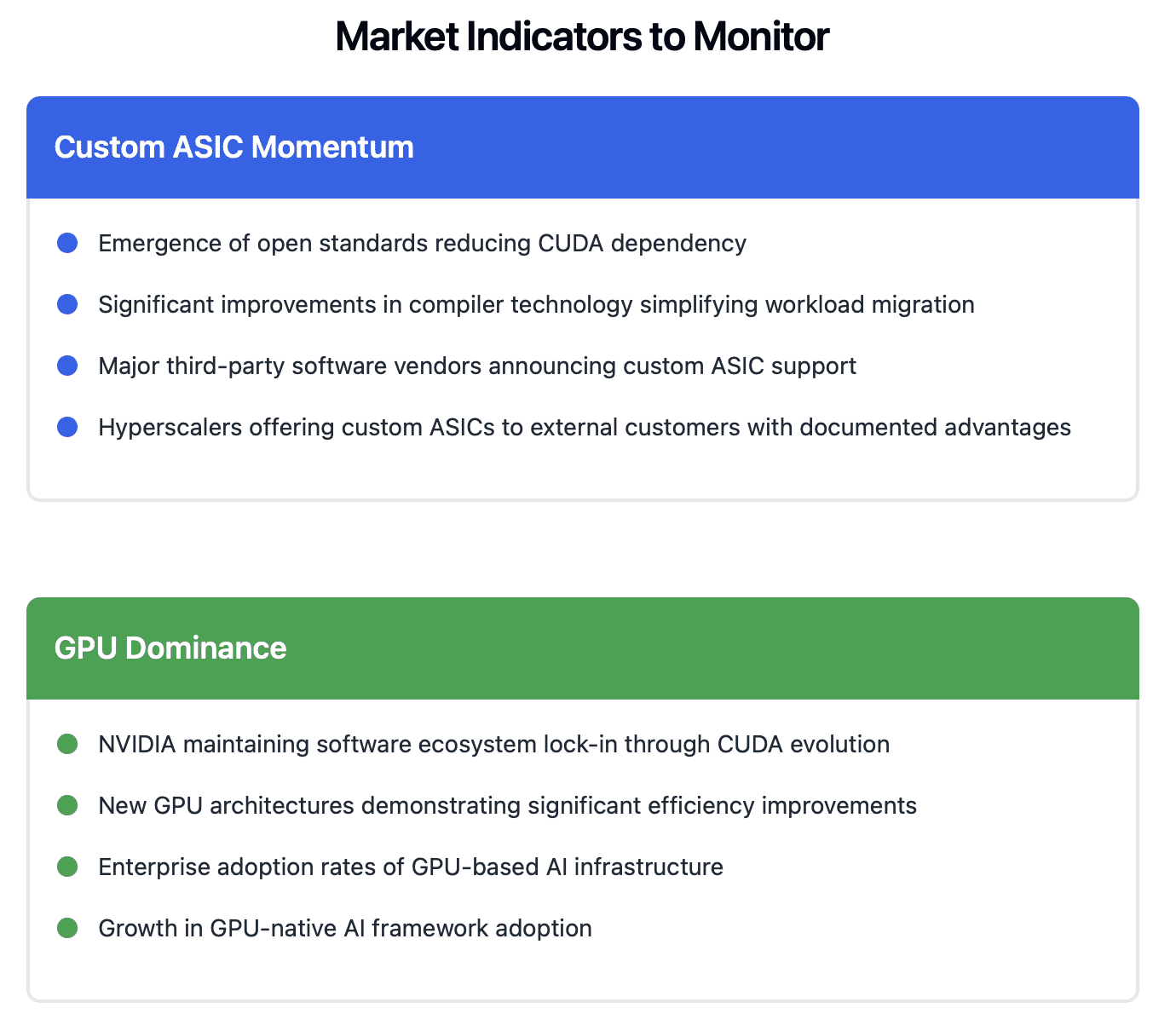
Cloud computing giants AWS, Google, Microsoft, Meta and OpenAI are accelerating in-house development of custom application‑specific integrated circuits, aiming to erode NVIDIA’s dominance in high‑performance AI datacentres. Industry reports highlight a projected annual growth rate of around 50% for ASIC purchases by hyperscalers, marking a strategic pivot in the AI hardware landscape.

NVIDIA’s premium-priced solutions—including Blackwell GPUs—have placed pressure on hyperscalers to secure more cost‑efficient, scalable systems. With single GPUs ranging from $70,000 to $80,000 and fully configured servers tallying up to $3 million, these companies are betting on internal design to manage costs and supply risks.

Amazon Web Services has notably moved ahead with its in‑house chips—Trainium for training and Inferentia for inference—reporting 30 – 40% greater cost efficiency compared with NVIDIA hardware. AWS is also collaborating with Marvell and Taiwan’s Alchip on next‑generation Trainium versions. Internal indications suggest AWS may deploy as many as half‑a‑million ASIC units in its data centres, an expansive scale‑up that could rival NVIDIA’s installed base.

Google, meanwhile, has scaled its TPU v6 Trillium chips, transitioning from single‑supplier to dual‑supplier design by partnering with MediaTek. With deployments reportedly hitting 100,000‑unit clusters to support Gemini 2.0 workloads, Google claims competitive cost-performance metrics relative to NVIDIA GPUs. Microsoft’s forthcoming Maia 200 chip, co‑designed with GUC using TSMC’s 3 nm process, is scheduled for commercial release in 2026.

Meta’s Meta Training and Inference Accelerator, developed alongside Broadcom, Socionext and GUC, is expected in early 2026 on TSMC’s 3 nm node, featuring HBM3e memory—another step towards self‑sufficiency in AI compute. OpenAI has also announced a proprietary training processor, with mass production anticipated at TSMC by 2026.

Market projections reflect this tectonic shift. ASICs are poised to claim between $100 billion and $130 billion of custom AI accelerator spend by 2030, with Broadcom estimating a market of $60 billion to $90 billion by 2027. Traditional ASIC powerhouses—Broadcom, Marvell, MediaTek, Alchip and GUC—are experiencing surging demand as they support hyperscaler transitions.

Despite these developments, hyperscalers continue to reserve capacity for NVIDIA chips, recognising the GPU giant’s entrenched ecosystem—especially its CUDA software stack—and the steep technical barriers to immediate elimination of GPU dependencies.

The trend resembles historical transitions in specialised compute. Just as cryptocurrency mining moved from GPUs to ASICs for lower costs and greater efficiency, hyperscalers now aim to fragment the AI compute supply chain and diversify their hardware portfolios.

TSMC stands to benefit significantly, serving as the foundry for both NVIDIA’s mass‑market GPUs and hyperscaler ASICs. Its chairman emphasises that the competition between NVIDIA and cloud‑designed chips is ultimately beneficial to TSMC, ensuring a broad customer base.

Broadcom has emerged as a frontrunner, with its ASIC and networking chipset revenues soaring 220% to $12.2 billion in 2024. Hyperscalers are investing in clusters featuring up to one million custom XPUs over open‑Ethernet networks—an architecture that places Broadcom and Marvell in strategic positions. Networking ASICs are expected to account for 15–20% of AI data‑centre silicon budgets, rising from the 5–10% range.

Revenue trends reflect these structural shifts. Marvell has secured a multi‑year AI chip deal with AWS and anticipates its AI silicon revenue jumping from $550 million in 2024 to over $2.5 billion in 2026. Broadcom, similarly, is redirecting significant investment toward hyperscaler ASIC demand.

Nevertheless, NVIDIA retains a commanding lead in AI training and general‑purpose GPU compute. Its end‑to‑end platform—from hardware to software—remains deeply embedded in the AI ecosystem. Custom ASICs, by contrast, offer task‑specific gains but lack the breadth of software compatibility that NVIDIA enables.

Analysts caution that the AI compute landscape is evolving toward a more fragmented, mixed‑architecture model combining GPUs and ASICs. Hyperscalers’ shift signals strategic recognition of rising costs, supply constraints, and performance demands. Yet, they also underscore persistent obstacles: software ecosystem maturity, long development cycles, and the complexity of large‑scale deployment.

Questions remain regarding the timeframe in which hyperscalers can meaningfully shift workloads away from NVIDIA GPUs. Industry roadmaps project new ASIC deployments through 2026–27. Analysts expect GPU market share erosion may begin toward the end of the decade, provided in-house ASICs deliver consistent performance and efficiency.

The stage is set for a multi‑year contest in datacentre compute. NVIDIA faces increasing pressure from hyperscalers building bespoke chips to optimise workloads and control supply. The next evolution of AI infrastructure may look less like a GPU‑centric world and more like a diverse ecosystem of specialised, interlocking processors.

Advertisements

An Estonian-based blockchain project is upending traditional cryptocurrency mining by enabling everyday mobile users to mine Bitcoin Solaris via a smartphone app. The Solaris Nova App, currently in its private beta, allows earning tokens through adaptive, low‑energy background processes—sidestepping the need for ASIC rigs and high electricity costs.

The platform combines conventional Proof‑of‑Work with Delegated Proof‑of‑Stake, boasting energy efficiency nearly 99.95% lower than Bitcoin yet capable of processing over 10,000 transactions per second with two‑second finality. It includes built‑in wallet features, real‑time analytics, gamified leaderboards and a marketplace for leasing computational power, aiming for a secure but user‑friendly experience.

Engagement has surged. Over 11,500 users have joined the presale, contributing more than $5 million, at an average price of $8 a token, with scheduled price increases to $9 ahead of a $20 launch value. Phase 7 is underway, confirming momentum as the project enters its final presale phase.

Independent audits from Cyberscope and Freshcoins, plus KYC verification, reinforce security credibility. Market analysts such as Ainvest note the platform’s one‑tap mining and liquid staking features as transformational for retail traders.

Bitcoin Solaris’s dual‑layer architecture merges SHA‑256 Proof‑of‑Work with a high-speed Delegated Proof‑of‑Stake layer. This enables smartphone‑based mining via the Nova App, steering the network’s validation duties to unused storage and CPU cycles—a model described as authentic on-chain participation rather than gamified simulation.

Device‑level mining accommodates Android, iOS, desktop and browser setups. It adjusts load according to hardware: simpler algorithmic backend for phones, scalable tasks for laptops. Energy consumption remains negligible compared to traditional setups. These advancements allow earning BTC‑S tokens immediately, even enabling leasing of computing capacity via smart contracts, and fostering deeper DeFi involvement through liquid staking.

Tokenomics emulate Bitcoin’s scarcity: 21 million total tokens, with 66.7% allocated to mining over 90 years, 20% set aside for presale, and 5% for liquidity. Early presale investors also access bonus slots—up to 10% in earlier phases—highlighting the company’s emphasis on accessible wealth-building.

Crypto commentators highlight its egalitarian potential. Coin World describes it as aimed at making mining accessible to average traders. Analytics Insight suggests mobile mining is generating a wave of new crypto millionaires. Observers such as Crypto Nitro, Crypto Infinity and Crypto Show emphasise its blend of energy efficiency with scalability and inclusivity.

Technical infrastructure rests on security measures, including zero‑knowledge proofs, rotating smart validator sets and continuous audits. Developers argue this permits afforded decentralisation without sacrificing speed or integrity.

Operationally, the project is on a tight timeline: the private beta is active, presale entering its final stage, and full exchange listing expected by July–August. Marketing strategies include referral bonuses, token rewards and daily spins, designed to sustain engagement as broader exposure looms.

Critics note that presale hype may inflate expectations and urge diligence. But Bitcoin Solaris counters with transparent audits, robust KYC, and smart contract evidence of functioning architecture. The simplicity of an app‑based mining system breaks from older models that few retail users can access profitably.

Industry significance could be profound. By transforming everyday devices into contributors to blockchain consensus, Bitcoin Solaris substantially lowers barriers. This may redefine early‑phase crypto wealth dynamics, where first movers historically held advantage via specialist mining investments.

As global attention turns to scalable, eco‑conscious blockchain models, Bitcoin Solaris positions itself at the intersection of accessibility and utility. With the Nova App reaching beta testers and node count rising, the platform is providing tangible participation alternatives for small investors.

Reddit is exploring integration of Worldcoin’s iris‑scanning Orb technology to verify that account holders are genuine, unique individuals while preserving user anonymity. The move aims to curb bot activity and AI‑generated content, and to comply with emerging age‑verification regulations. In discussions with Tools for Humanity, the Orb would capture an encrypted representation of a user’s iris—known as an IrisCode—to assign a secure, anonymous World ID. That identifier confirms […]

Texas Governor Greg Abbott has enacted Senate Bill 21, empowering the creation of the Texas Strategic Bitcoin Reserve, making it the third US state to legislate a formal Bitcoin reserve following Arizona and New Hampshire. For the first time among its peers, Texas will finance this dedicated fund with public money, distinguishing it from Arizona’s and New Hampshire’s models.

Under the terms of SB 21, the reserve will operate independently of Texas’s treasury and be managed by the Texas Comptroller of Public Accounts, guided by an advisory committee of crypto investment professionals. Only assets with an average market capitalisation exceeding US $500 billion over two years qualify for inclusion—Bitcoin currently stands alone in meeting that benchmark. The fund’s flexibility extends to growth through forks, airdrops, investment returns and public donations, with biennial public disclosures required.

Companion legislation, House Bill 4488, shields the reserve from routine transfer into the general revenue fund and ensures its legal continuity regardless of whether it holds Bitcoin by summer 2025. The Senate passed SB 21 by 25 votes to 5, and the House by 9 to 4; the law will take effect on 1 September 2025.

Proponents frame the reserve as a strategic hedge against inflation and economic volatility, aligning with Texas’s broader approach to diversify its assets. Senator Charles Schwertner, the bill’s author, observed that if the state can invest in gold or land, it should also have the option to invest in Bitcoin—“the best-performing asset of the last 10 years”.

Governor Abbott has been a vocal supporter of cryptocurrency integration, remarking last year that Texas was already home to crypto mining and “should become the crypto capital”. The inclusion of a state fund aligns with his pro-crypto stance and the passage of HB 4488, which he signed shortly after, enhances the law’s stability.

Texas’s approach diverges notably from Arizona and New Hampshire. Arizona’s law permits establishment of a reserve but prohibits spending public funds on asset purchases, whereas New Hampshire enables investment through the treasury—but neither allocates separate, publicly funded funds. By committing public funds and creating a segregated structure, Texas establishes a more robust and intentional framework.

Financial analysts and policymakers have reacted with a mixture of cautious interest and concern. While some view the move as a progressive diversification strategy, sceptics warn of Bitcoin’s price volatility and uncertain long-term value. Reports from the European Central Bank and ECB president have criticised similar shifts by US governments, saying they could undermine monetary sovereignty and disrupt digital euro initiatives. Meanwhile, a February 2025 University of Chicago economist survey found no consensus that borrowing to fund a crypto reserve would be beneficial.

Globally, the action has prompted varied governmental responses. Belarus has emphasised crypto mining; South Korea and Switzerland have explicitly rejected adding Bitcoin to central reserves, citing volatility; India has announced it is reassessing its crypto stance in light of global shifts.

The legislative milestone occurs amid mounting institutional interest in Bitcoin. Public companies such as MicroStrategy, Marathon Digital and Tesla continue to invest heavily, contributing to a surge in corporate holdings—more than 819,000 BTC held across 223 firms, representing nearly 3.9 per cent of total supply. Notable large-scale investments have included Paris-listed The Blockchain Group’s purchase of 182 BTC for US $19.6 million, and Nakamoto Holdings securing US $51.5 million via PIPE funding for further Bitcoin acquisitions.

Coinbase has received authorisation under the EU’s Markets in Crypto‑Assets regulation through Luxembourg, designating the country as its primary European hub and shifting focus away from Ireland. The approval — the first of its kind for a major U.S. exchange — grants Coinbase a passport to operate across all 27 EU member states.

Luxembourg’s growing financial stature and regulatory strength made it a logical choice, according to Coinbase, which already employs around 200 staff across Europe. The exchange plans to expand its Luxembourg team by at least 20 personnel by year-end. Luxembourg’s regulator declined to comment, but insiders say the jurisdiction sets a “high‑bar” for entry — a stance that counters concerns from other nations about lax standards in smaller markets.

This move underscores a broader shift in the EU crypto ecosystem. Gemini, founded by Tyler and Cameron Winklevoss, is expected to be granted its MiCA licence by Malta, following earlier approvals of OKX and Crypto.com. These licensing decisions highlight the increasing competition among EU member states to attract digital‑asset firms.

Meanwhile, Ireland — previously heralded as Coinbase’s launchpad with an e‑money licence and Virtual Asset Service Provider registration — has lost momentum. Its central bank governor previously warned that crypto often operates like a Ponzi scheme, reflecting a cooler official attitude toward the industry.

MiCA’s passport system allows a single licence to provide regulatory cover throughout the bloc, but some EU financial watchdogs are raising concerns. They argue that rapid approvals in smaller jurisdictions like Malta or Luxembourg could lead to uneven regulatory enforcement, undermining the very protections the framework aims to provide. The European Securities and Markets Authority is reportedly monitoring these developments amid internal discussions about its oversight role.

Luxembourg’s emerging appeal as a crypto gateway appears rooted in its established reputation as a financial centre with robust supervision. In contrast, Ireland’s more sceptical posture may have made it less attractive for firms seeking clearly defined regulatory environments under the new rules.

Market analysts say these MiCA approvals could significantly increase institutional confidence in European digital‑asset markets, offering a model for compliance and consumer protection. However, they warn that inconsistent national implementation could result in “regulatory arbitrage,” where firms exploit jurisdictional loopholes.

The global crypto market, valued at around US $3.3 trillion, is still navigating the fallout from major collapses like FTX in 2022. MiCA marks a pivotal shift toward formal oversight in the EU, aiming to safeguard investors while fostering innovation. The licensing of high‑profile U.S. exchanges such as Coinbase and Gemini represents a critical test of whether this new continental regime can deliver both growth and stability.

Hackers claiming affiliation with Predatory Sparrow, possibly linked to Israel, have executed a cyber‑strike against Nobitex, Iran’s leading cryptocurrency exchange, erasing approximately $90 million worth of digital assets. The assault began in the early hours of 18 June 2025, when the group transferred diverse cryptocurrencies—including Bitcoin, Ethereum and Dogecoin—into vanishing crypto‑wallets designed without private keys, effectively “burning” the funds to send a deliberate political message.

Blockchain analytics firms, including Elliptic and TRM Labs, analysed the transactions and found the emptied addresses bore anti‑IRGC messages, confirming the operation was ideologically motivated rather than financially driven. Elliptic noted that the assets were moved into vanity addresses with embedded slogans denouncing the IRGC, and that the group leaking the funds would not retain the keys, ensuring permanent loss.

Noble objective remains politically charged

The group, using its Farsi‑named moniker Gonjeshke Darande—or “Predatory Sparrow”—publicly accused Nobitex of facilitating Iran’s sanctions evasion and funding militant groups, claiming the platform had enabled transactions for IRGC‑linked factions such as Hamas and Yemen’s Houthis. Elliptic has traced past ties between Nobitex and IRGC‑affiliated actors, including sanctioned individuals like Amir Hossein Niakeen Ravari and Ahmad Khatibi Aghada.

The hack comes amid heightened Israel‑Iran tensions. Reports indicate that Predatory Sparrow also targeted Iran’s state‑owned Bank Sepah on 17 June, triggering widespread service disruption, including to ATMs and fuel stations. Analysts interpret these cyber‑operations as extensions of conventional military retaliations between the two nations.

Nobitex disruptions raise alarm

Nobitex admitted to unauthorised access affecting both its app and website, temporarily shutting services while conducting assessments. Public updates from the exchange have been sparse, and customer inquiries have reportedly gone unanswered. Plans to recover or rebuild lost assets remain unclear, raising concerns among its claimed user base of over 7 million.

Despite accusations, Israel has not officially claimed responsibility. Media speculation within the country suggests government backing, but no formal confirmation has been issued. Predatory Sparrow, noted for previous impactful operations—from collapsing gas station networks in 2021 to prompting major fires at a steel mill in 2022—added this attack to its growing list of cyber engagements against Iranian infrastructure.

Impact and implications for crypto ecosystem

Cyber‑security analysts have labelled the hack “particularly significant given the comparatively modest size of Iran’s cryptocurrency market,” with Chainalysis intelligence chief Andrew Fierman underscoring the political overtones. The operation exemplifies how digital currencies and blockchain platforms are becoming tactical assets and vulnerabilities within geopolitical conflicts.

U.S. legislators, including Senators Elizabeth Warren and Angus King, previously raised concerns over Nobitex’s facilitation of sanctions avoidance, highlighting its role in enabling Iran’s IRGC and related proxies to move financial resources. This attack may intensify scrutiny on crypto exchanges suspected of abetting questionable transactions in sanctioned jurisdictions.

Decline of Iran’s crypto defences

Crypto adoption in Iran has long served as a hedge against economic instability, with citizens and state‑linked groups alike using digital currencies to escape inflationary pressures and circumvent banking restrictions. Nobitex, in particular, developed significant traction, drawing millions of users seeking alternative financial tools.

However, analysts warn this sabotage could erode investor trust, disrupt public confidence in digital assets, and invite heightened regulatory oversight. Exchanges in politically sensitive regions may now face new security standards and sanctions compliance demands.

A new frontier in cyber‑warfare

This development underlines a shift where cyber‑warfare transcends state boundaries, now targeting third‑party financial networks with tangible consequences. By obliterating rather than stealing funds, Predatory Sparrow signalled that its operation aimed to disrupt Iran’s crypto‑financing rather than profit from it.

Officials tracking these patterns warn that similar tactics may emerge as cyber‑tools of statecraft evolve, affecting financial systems across volatile regions. Experts suggest exchanges handling high‑risk jurisdictions should shore up defences and improve transparency around asset provenance and network resilience.

As Nobitex works to restore functionality, regulators, crypto stakeholders and intelligence services will closely examine the incident. The breach draws attention to the critical role of exchanges in global geopolitics, raising complex questions about neutrality, compliance and cybersecurity in an increasingly fraught digital economy.

ImFact today unveiled its “Blockchain Anywhere” infrastructure, enabling 6.8 billion devices—from smartphones to IoT hardware—to operate individual blockchain instances. Dubbed Personal Blockchain and On‑Device Blockchain, the rollout promises cryptographic data verification embedded directly within devices, marking a pivotal shift in trust architecture for artificial intelligence applications. The launch was showcased through Korea’s DaeguChain deployment across Daegu city and supported by a global testnet.

Personal Blockchain runs as a standalone blockchain on smartphones via mobile apps such as MyChain and Fact Stamp, allowing users to verify image authenticity, certify legal documents and complete offline transactions. In parallel, On‑Device Blockchain embeds blockchain functionality into internet-connected hardware—security cameras, autonomous vehicles, industrial sensors—assuring tamper-evident data creation at the source. Together, they integrate with ImFact’s Layer‑1 mainnet through a proprietary Station protocol.

These innovations build on six years of development and have undergone trials within DaeguChain, the civic blockchain network of Daegu city—South Korea’s fourth largest—with a population of 2.5 million. ImFact confirmed the system has proven reliable at enterprise scale. A dual‑track Testnet 2.0 currently supports more than 50,000 users across 97 countries, with participants incentivised via device mining rewards and verification incentives. The team aims to launch the Layer‑1 mainnet in Q4 2025.

Driving ImFact’s initiative is a leadership team comprising Professor Minkyu Je from KAIST—previously with Samsung—as head of hardware blockchain integration; Professor Yasin Ceran of San Jose State University and Stanford Medical School, focusing on privacy-sensitive health data verification on-device; and David Woong Jin Yoon, ex‑CEO of Gravity, steering strategic market deployment. Senior Ecosystem Builder San Jun described the development as the group’s solution to embedding blockchain functionality wherever computing power exists.

The announcement arrives against a backdrop of broader technological investment in South Korea. The government has pledged 16.1 trillion KRW over five years to boost artificial intelligence infrastructure, including data centres and GPU capacity, as outlined in a policy paper presented to the Presidential Policy Planning Committee on 18 June 2025. Key objectives include constructing AI data centres and offering open‑model development to citizens.

Industry analysts suggest that while South Korea’s blockchain strategy originated in controlled, closed networks, the growth of AI demands public and verifiable data systems. Infrastructure such as ImFact’s aligns with this strategic shift, seamlessly enabling decentralised trust within traditionally siloed environments.

ImFact positions its infrastructure as DePIN, distinct from existing offerings that rely on external validation. Instead, their data integrity is assured at the point of generation—whether it be a camera capturing footage or a sensor logging readings—with cryptographic proof to prevent tampering. The embedded nature enhances security and auditability, crucial for sectors like healthcare, autonomous vehicles, legal systems, and industrial monitoring.

While ImFact’s public roadmap outlines the L1 mainnet launch in late 2025, it is already actively engaging early adopters through Testnet 2.0. Users are deploying personal blockchain nodes on smartphones and integrating on-device blockchain chips in IoT hardware, generating token rewards and engaging in verifiable proof tasks. These early-stage validators are cultivating a nascent ecosystem that could mature rapidly ahead of commercial stage.

South Korea’s public sector stance and investment in AI and related infrastructure create a favourable landscape for projects like ImFact. The 16.1 trillion KRW policy emphasises open‑source AI models and GPU availability—initiatives that align with ImFact’s objective to offload cryptographic verification tasks to the edge of the network. The convergence of national policy and device-level trust architecture underscores an ecosystem designed to support AI at scale.

ImFact’s strategy hinges on the deployment and interoperability of three layers: personal blockchains for users, on-device blockchains for hardware, and an L1 mainnet offering global anchoring. Success depends on adoption rates of its mobile apps and IoT kits, regulatory acceptance of on-device verification for legal and medical use cases, and demonstration of clear ROI for participants in device mining.

Zurich-based 21Shares AG has extended its reach in the Nordic financial market by adding five cryptocurrency exchange-traded products to Nasdaq Stockholm, taking its total offerings on the Swedish exchange to ten. The newly cross-listed products—Uniswap, Avalanche, Bitcoin Gold, Solana Core Staking and Ethereum Core —join the firm’s existing Bitcoin, Ethereum, Solana, XRP and Bitcoin Core ETPs.

This move reflects mounting interest among both retail and institutional investors in regulated access to a broader range of digital assets via established trading venues. With the latest additions, 21Shares reinforces its position as a leading provider of physically backed, transparent crypto investment products in Europe.

Mandy Chiu, Head of Financial Product Development at 21Shares, highlighted that the expansion enables investors to craft more bespoke portfolios. “By offering a broader selection of single‑asset and thematic crypto ETPs, we’re empowering investors to build more customised and resilient portfolios through a familiar exchange environment,” she said. Nasdaq’s European ETF & ETP head, Helena Wedin, welcomed the new suite, noting such innovation as shaping the future of capital markets.

The newly listed ETPs offer exposure to distinct niches within the crypto ecosystem. AUNI provides a stake in Uniswap, the leading decentralised exchange. AVAX tracks Avalanche, a platform noted for its scalability. BOLD focuses on Bitcoin Gold—a fork designed to democratise mining. CSOL delivers both Solana price exposure and staking yield, while ETHC covers Ethereum’s core asset. These additions allow investors to target specific segments, from DeFi protocols to next‑generation blockchains and staking-enabled assets.

All 21Shares ETPs are physically collateralised and traded under regulated frameworks, removing the burden of wallet management and key custody. Fees range from 0.21% to 2.50% annually, offering a competitive alternative to direct crypto exchange transactions. The firm’s products are also listed on Euronext Paris, Amsterdam, London and SIX Swiss Exchange, contributing to a diversified pan-European presence.

This latest development comes as Europe prepares for implementation of the Markets in Crypto‑Assets Regulation, aimed at standardising crypto oversight. More listings on regulated exchanges help issuers align with the evolving regulatory landscape.

21Shares’ strategy compares with best-in-class players in traditional finance pushing crypto integration. From Bitcoin and Ethereum to platforms like Solana and Avalanche, the firm’s growing suite meets demand both for mainstream exposure and thematic investment strategies.

Despite these advances, some challenges persist. Liquidity conditions for less‑traded tokens such as Bitcoin Gold can be thin, and tracking discrepancies may emerge between product performance and spot prices. Fees, while competitive, can vary significantly: niche products may carry noticeably higher rates, impacting returns.

Nevertheless, for investors seeking regulated and familiar vehicles, the benefits are tangible. ETPs provide access through existing brokerages, transparency under established compliance standards and relief from the technical complexity of self-custody.

This expansion also underscores Nasdaq Stockholm’s evolving role as a hub for crypto‑linked financial instruments. Stockholm’s regulatory environment and market infrastructure make it attractive for issuers and investors alike. The increased product diversity enhances its appeal to both domestic and regional markets.

Beyond booming local interest, 21Shares continues to push forward globally. In the US, the firm is pursuing approvals for a suite of spot crypto exchange-traded funds—including for Solana, XRP, Dogecoin, Polkadot, and Sui—as it seeks to replicate its European success. Additionally, its ARK 21Shares Bitcoin ETF underwent a 3‑for‑1 stock split on 16 June to enhance accessibility.

Since launching the first physically backed crypto ETP in 2018, 21Shares has built a track record of innovation and adaptation. Backed by deep market expertise and proprietary custody systems, the company now manages approximately US $9.15 billion in assets under management. Leadership changes—including new CEO Russell Barlow—reflect an evolving operational structure focused on scalability.

Donald Trump’s family has quietly reduced its stake in World Liberty Financial, the crypto venture closely tied to his business and political interests, trimming its holding from 60 per cent to 40 per cent after June 8. The move marks a significant shift in the family’s involvement in the blockchain sector.

The reduction in equity coincided with a rising valuation for WLF, which earlier sold US$550 million in its native $WLFI tokens and has attracted substantial foreign investments, including a US$2 billion infusion from a UAE-backed entity using its stablecoin USD1 for Binance transactions. Analysts estimate the 20 per cent stake sale could have fetched around US$190 million, with approximately US$135 million potentially going to Donald Trump personally.

World Liberty Financial, launched during the 2024 election cycle, has been a central hub of the Trump family’s crypto strategy. The firm is a decentralised finance protocol that aggressively markets its connection to Trump, listing him as “chief crypto advocate” and involving his sons in senior Web3 roles. Under its structure, Trump-linked entities capture 60 per cent of ownership and 75 per cent of token sale revenues.

The firm’s high-profile stablecoin USD1, launched in March 2025, swiftly became one of the top five global stablecoins, with a circulating supply exceeding US$2 billion by April. In May, the WLF stablecoin was chosen by an Abu Dhabi investment fund to purchase US$2 billion in Binance shares—a deal criticised for merging private enterprise and diplomatic influence.

Critics have raised concerns that the share reduction, lacking any formal announcement, typifies the project’s secretive nature and the family’s opaque handling of crypto profits. DT Marks DEFI LLC—an entity renamed from DT Tower II LLC in 2024 and fully owned by Trump family—holds the WLF stake. Ownership structure has branched out to include Don Jr., Eric, and Barron Trump, each holding minor positions alongside their father within the DEFI entity.

The lack of disclosure prompted scrutiny, and no official response has emerged from the Trump Organisation or WLF regarding the transaction. This latest move mirrors an earlier reduction in January 2025, when the family lowered its control from 75 per cent to 60 per cent.

The pivot comes amid intensifying criticism of World Liberty’s entanglement with state and family interests. Steve Witkoff—Trump’s Middle East envoy—is linked to key dealmaking, with his son Zach co-founding WLF. Their collaborative efforts to court foreign investment from UAE and Pakistan have sparked concern over potential conflicts between diplomatic roles and private profit. Legal experts and ethicists question the blending of public service and personal gain in a venture that funnels income to the Trump and Witkoff families while concurrently lifting Trump administration deregulatory actions on digital assets.

The share reduction enters a broader regulatory moment. The US Senate recently passed stablecoin legislation that may reshape legal frameworks around such assets, while Circle, a peer stablecoin issuer, saw its valuation spike—heightening investor comparisons with WLF. With global crypto markets in flux and the Trump-linked coin ecosystem expanding, the timing of the sale aligns with strategic portfolio recalibration.

World Liberty continues to promote itself as the “official” Trump crypto brand, prompting its legal team to issue cease-and-desist directives against unauthorised token imitations. There is no indication that the stake reduction signals a retreat; rather, it appears to be a calculated liquidity event amid heightened scrutiny and shifting valuations.

Bitcoin Solaris is gaining rapid momentum, positioning itself as a potential outperformer of Polkadot’s early expansion. Analysts and on‑chain metrics highlight growth indicators that not only replicate Polkadot’s debut phase but in several cases significantly surpass it. Market observers attribute this shift to Solaris’s mobile‑first mining approach, hybrid consensus architecture, and aggressive presale execution.

Polkadot established its reputation through multi‑chain interoperability and shared security via parachains—a design emphasising developer adoption over mainstream user engagement. In contrast, Bitcoin Solaris is scaling through mass inclusivity. Its Solaris Nova app enables users to mine with everyday smartphones or PCs, eliminating the need for costly ASICs or complex infrastructure—barriers that still restrict Polkadot validator participation. This strategy has sparked an influx of retail interest, including among existing Polkadot investors turning to BTC‑S presale phases in search of higher short‑term returns.

Solaris’s roadmap reflects an ambition to execute where Polkadot encountered slowdowns. From launching testnet and mobile wallet in early 2026 to a full mainnet and exchange listings by late 2026, the timeline is concrete and time‑bound. In contrast, Polkadot’s parachain roll‑out, while pioneering, has been criticised for complexity and slower-than-expected mainstream uptake.

Technically, Solaris combines foundational Proof‑of‑Work for security with Delegated Proof‑of‑Stake for instant transactions and smart contracts. Its target throughput—10,000 to 100,000 TPS with finality in as little as two seconds—edges ahead of both Polkadot and competing layer‑1 networks. Validators rotate daily to enhance decentralisation, and its Helios security layer brings protocol-level safeguards comparable with Bitcoin’s scarcity model and Solana’s performance.

Energy consumption is also a focal point. Solaris claims 99%+ savings in power usage compared with legacy mining operations. With escalating scrutiny of crypto’s environmental impact, that low‑energy design resonates with both regulators and eco‑conscious investors.

The presale narrative underscores urgency. Currently in mid‑phases, token pricing has ranged from US $2–8, with anticipated exchange‑launch pricing plateauing near US $20. This structure has already attracted over US $4–5 million in capital, and presale bonuses approach 12–14% per phase.

Comparisons to Bitcoin’s early growth phase are emerging. Financial analysts argue that Bitcoin Solaris’s fixed supply, mobile mining model, and early‑stage presale echo crypto’s 2013 dynamics. Even modest investments—US $1,000 today—are being framed as having potential to outperform multi‑thousand‑dollar Bitcoin buys over a similar timeframe.

However, such enthusiasm is not without admonitions. As a relatively new protocol, Solaris remains in development, with adoption hinging upon mainstream acceptance of the Nova app, audit outcomes, smart contract integrity, and exchange listings. Polkadot’s longevity and proven ecosystem via robust parachain deployment stand as a counterpoint—Solaris must demonstrate resilience under live load.

The academic and developer communities have taken note of Polkadot’s strengths—shared security via NPoS consensus, governance frameworks, and scholarly analysis of its sharding mechanisms. Yet critiques surrounding complexity, validator cost thresholds, and centralisation risks persist. By contrast, Solaris is proactively targeting those criticisms with user‑centric design, streamlined entry, and full audit transparency.

Early data from presale participants suggests substantial uptake. West African and Southeast Asian communities—traditionally underrepresented in high‑end mining—are increasingly engaging through mobile mining accessibility. While precise regional figures are opaque, anecdotal evidence and community growth metrics from Solaris’s Telegram and X channels point to significant global traction.

Institutional interest remains unsubstantiated. Vertex Ventures and other blockchain‑focused funds have yet to announce allocations. Solaris’s validation remains retail‑driven, though its governance plan includes institutional play in later roadmap phases. By contrast, Polkadot has cultivated grants via Web3 Foundation and tapped institutional bonds for parachain funding.

As of now, the crypto community stands at a divergence point. One path reflects Polkadot’s methodical but slower‑burn strategy, centred on developer utilisation and cross‑chain infrastructure. The other is a sprint toward inclusion, speed, and mobile participation via Bitcoin Solaris.

The market capitalisation of tokenised Real‑World Assets has soared to over $23 billion, marking a surge of more than 260% since the start of the year, with private credit and US Treasury tokens accounting for the bulk of the growth.

Leading the charge, tokenised private credit comprises roughly 58% of the total market, while tokenised US Treasuries make up about 34% of the overall valuation. The dramatic expansion reflects increasing demand for on‑chain exposure to established asset classes beyond cryptocurrencies, as investors seek yield and diversification within a regulated digital framework.

Market participants have highlighted the clarity in evolving regulatory frameworks as a crucial catalyst. The enhanced transparency and legal recognition of tokenised assets in jurisdictions such as Abu Dhabi Global Market are encouraging institutional players to engage more actively. Concurrently, technology platforms and traditional finance firms are racing to establish token issuance and trading infrastructure.

One of the most prominent sector players, Securitize Inc., provides a full-stack platform enabling compliant tokenisation across asset types. As of May 2025, the firm has issued over $4 billion on‑chain, including $2.8 billion in tokenised US Treasury exposure, commanding more than 70% share of tokenised US Treasury products. Its leadership on tokenised private credit is also significant, with major asset managers like Apollo and BlackRock utilising the platform for their tokenised offerings.

Private credit, defined as non‑bank lending embedded in project, corporate, and direct lending vehicles, has long been one of the fastest‑growing alternative asset classes. Currently valued at an estimated $2–3 trillion globally, private credit forms a natural fit for tokenisation, enabling fractionated access, faster settlement, and enhanced transparency. By bridging direct lending with blockchain infrastructure, tokenisation platforms are opening access to smaller investors and unlocking liquidity for traditionally illiquid instruments.

US Treasury tokens have also gained rapid traction. In October 2024, Abu Dhabi‑based Realize launched a tokenised US Treasury ETF fund targeting $200 million assets. This initiative marked the first tokenised Treasury fund domiciled in Abu Dhabi Global Market, reflecting the growing confidence in sovereign debt tokens.

Growth to date appears driven by institutional interest, but emerging trends suggest growing participation from global wealth firms, family offices, and retail platforms. Securitize has onboarded numerous institutional investors and is planning retail channels in collaboration with custodians like Anchorage Digital, BitGo, and Copper.

Regulatory clarity is playing a defining role. US leadership from figures such as Securitize’s CEO appearing before House Financial Services, along with the Commodities Futures Trading Commission and Securities and Exchange Commission’s deliberations, is building a foundation for mainstream adoption. Internationally, regulatory sandbox setups—like Abu Dhabi’s—are providing live environments for tokenised asset experimentation.

As the total market cap moves beyond $23 billion, key drivers include mature tokenisation platforms, growing regulator engagement, and rising investor demand for yield-bearing digital assets within compliant frameworks. Whether private credit and Treasury tokens continue to dominate depends on lasting improvements in interoperability, standardisation, and token issuance efficiency.

Going forward, momentum may attract tokenisation of other asset types—real estate, commodities, infrastructure debt and equity. Yet challenges such as secondary market liquidity, cross‑chain compatibility, and investor education remain to be addressed. Leading infrastructure providers and asset managers appear intent on solving these, which may mutate tokenised RWAs from a niche tool into a mainstream financial innovation.

U.S. President Donald Trump has appealed directly to the House of Representatives to pass the GENIUS Act—a bipartisan stablecoin regulation bill cleared by the Senate—without any amendments or delays, stressing that it will position the country as the “undisputed leader” in digital assets.

The Senate passed the bill on 17 June with a decisive 68‑30 vote, supported by senators from both parties. It introduces stringent rules for stablecoin issuance, including full backing of coins with liquid reserves and monthly disclosures of reserve compositions, alongside audit and Treasury oversight provisions. Trump openly praised the legislation, calling it “pure genius” and urging House Republicans to advance a “clean” version so it reaches his desk before Congress breaks for its August recess.

Major market players reacted positively. The approval spurred significant gains in related equities: shares of Circle Internet, issuer of the USDC stablecoin, surged between 16% and 27%, reflecting investor optimism for regulatory clarity and mainstream token adoption.

The GENIUS Act’s framework mandates that only permitted issuers—such as banks or federally approved payment companies—may issue stablecoins for U.S. users. It requires a one‑to‑one reserve ratio in U.S. dollars or Treasuries and monthly public disclosures about reserve composition. Additionally, it introduces safeguards for consumer protection and bankruptcy protocols prioritising stablecoin holders. Large issuers will have to undergo annual audits, and the bill prohibits stabilecoin ownership by Congress members, though it excludes the President and Vice President.

While Trump’s endorsement reflects his broader pro-crypto pivot—underscored by investments like Bitcoin, policy appointments, and support from his digital-assets advisory council—critics have flagged potential conflicts of interest. Trump and his family hold substantial stakes in crypto ventures including World Liberty Financial and its USD1 stablecoin, having earned tens of millions in 2024. Critics stress that exemption of the President from the bill’s conflict-of-interest ban leaves a loophole that some fear could be exploited.

Senators on both sides celebrated the bill. Republican sponsor Bill Hagerty described it as a “paradigm-shifting development” that moves the U.S. toward global leadership in crypto. Senate Banking Chair Tim Scott described it as “the most significant digital assets legislation ever to pass the U.S. Senate”. Treasury Secretary Scott Bessent projected that the bill could expand the stablecoin market to $3 trillion‑plus by decade’s end.

Nonetheless, the path ahead is not without hurdles. Some Democrats, including Elizabeth Warren, Jeff Merkley and others, raised objections during Senate negotiations, warning the bill could grant a “super‑highway for corruption” and fails to curtail potential for big tech firms entering the stablecoin market. Senate negotiators incorporated numerous amendments to secure support, but key concerns remain unresolved.

FalconX, a leading cryptocurrency prime brokerage, has initiated informal talks with bankers and advisers to explore an initial public offering in 2025, signalling a significant move to satisfy burgeoning institutional demand for digital assets. The firm, which last raised $150 million in 2022 at an $8 billion valuation, is not yet retaining an underwriter—an early but strategic step toward going public.

Founded in 2018, FalconX began as a crypto-focused prime broker, enabling clients to trade directly on exchanges. Today it spans three verticals—markets, custody and staking, and direct market access prime brokerage—positioning itself as a full-spectrum financial services provider for institutional clients. This evolution reflects growing investor interest in digital assets and the firm’s expansion through deals and strategic integration.

In early 2025, FalconX acquired Arbelos Markets, marking its entry into the derivatives segment, a lucrative but highly competitive space. It also forges partnerships with established players such as Standard Chartered, integrating global banking and foreign-exchange capabilities, and with Cantor Fitzgerald, accessing a credit facility collateralised by Bitcoin—its “first step in a broader credit framework” to bolster institutional offerings.

The broader crypto sector is experiencing an IPO wave. Several digital-asset platforms, including Fold, Exodus and eToro, have listed in 2025. Notably, stablecoin issuer Circle achieved a landmark $1.1 billion IPO on 5 June, marking the largest crypto-market debut in history and fuelling expectations of further listings. Following Circle’s success, firms such as Bullish and Gemini filed for public listings, with Kraken and Justin Sun’s Tron Group also preparing filings.

Amid this sector-wide momentum, FalconX is working to enhance its public profile, seeking to craft a compelling narrative ahead of a potential IPO. The firm’s strategy, according to one insider, emphasises readiness to appeal to public-market investors, including both strategic partnerships and public relations positioning.

The firm’s track record underpins its IPO ambition. In June 2022, it secured a $150 million Series D led by Singapore’s GIC and B Capital at an $8 billion valuation. That round also involved Thoma Bravo, Wellington Management, Adams Street Partners and Tiger Global Management. CEO Raghu Yarlagadda emphasised FalconX’s market‑neutral model, rigorous risk‑management and profitability amid volatility—a rarity in the crypto space.

With over $430 million in capital raised to date, FalconX has demonstrated resilience, continuing to hire and expand services even as competitors retrench. GIC’s commitment and the firm’s strategic posture reflect stable investor confidence.

Institutional demand for crypto is rapidly growing, and FalconX’s moves align with this shift. The acquisition of Arbelos, banking collaboration and credit facility signal a broader ambition to integrate traditional and digital finance infrastructures, broaden offerings and close service gaps. As co-head of markets Joshua Lim observed, strategic partnerships and acquisitions enable FalconX to fill missing links that would otherwise force customers to assemble services piecemeal.

Within this context, launching an IPO emerges as both a capital‑raising tool and a visibility lever. As one adviser noted, “When you launch an IPO, you need to have a story…. You’re selling yourself to the investing public”. FalconX’s groundwork suggests readiness to craft that narrative, aligning with its strong financial position and strategic trajectory.

Nivex, formerly known as Nx.one, has re-emerged in 2025 with a strategic repositioning as a cutting‑edge AI‑powered trading platform, signalling a major transformation from its Web3 origins into a global crypto‑finance innovator. Leveraging generative algorithms as the operational core, Nivex aims to elevate trading from human‑driven execution to autonomous, intelligent systems.

Powered by over 45 AI‑based strategies spanning arbitrage, trend‑following and swing trading, the platform reports impressive performance metrics. Annualised returns range from 60 % to 3 500 %, win rates hover between 85 % and 95 %, maximum drawdowns are tightly controlled at 15–70 %, and Sharpe ratios exceed 2.6 — all underpinning over USD 1 billion in assets under strategy management as of Q2 2025. One standout offering, “BTC Grid Arbitrage + AI Risk Control”, executed 540 trades in 2024 with a 92 % success rate and yielded a total return of 272 %.

At its heart, Nivex purports AI is not simply a feature, but the platform’s operating system. Users define goals and the AI assumes responsibility for detecting trends, assembling strategies, allocating capital, managing risk and executing trades at millisecond speeds. Combined with a suite of tools including spot and futures trading, dollar‑cost averaging and grid trading, the platform positions itself not as an exchange, but an intelligent asset engine.

A central component of Nivex’s offering is its AI Strategy Engine, which supports customizable parameters—such as leverage, stop‑loss, DCA and drawdown limits—and integrates institutional-grade strategies. Complemented by Smart Yield and AI Lending systems, users can earn APYs of up to 60 % on fixed terms, while automated lending tools continually optimise on‑chain opportunities.

Critical to its ambitions is delivery of institutional‑grade signal copying. By aggregating signals from global quant funds, Nivex enables retail users to subscribe and replicate live trades via automated execution, stop‑loss and performance tracking—without any coding. The company asserts this approach raises win rates by 30 % and improves execution speed by 80 % compared with manual trading.

Nivex is also developing an “Institutional Buying Heat Index” based on fusion of ETF flows, on‑chain transfers, CEX‑DEX liquidity movements and sentiment signals. This engine converts macro and micro market trends into actionable portfolios for both retail users and institutional clients via APIs and data subscriptions.

Compliance and geographic expansion underpin Nivex’s credibility. The platform operates service centres in North America, Dubai, Hong Kong, Singapore and Southeast Asia, holding licences with FinCEN and MSB, and pursuing approvals from MAS, VARA and AUSTRAC. It also hosted AI‑driven closed‑door summits at Token2049 Singapore, attracting industry leaders such as Justin Sun of TRON.

Industry analysts highlight a growing shift in trading infrastructure—from simple order‑matching to data‑driven, strategy‑oriented platforms. Nivex exemplifies this trend, providing automated AI‑based strategy execution at a time when global investment in AI surpassed USD 350 billion in 2024.

The AI trading platform market is projected to grow from USD 11.5 billion in 2024 to USD 75.5 billion by 2034, at a CAGR of 20.7 %, driven by high demand for automation, faster decision‑making and cost reduction. Within this context, major players include Kavout, Numerai and Algotraders — yet Nivex’s rapid integration of AI, compliance and global deployment positions it as a formidable contender.

Yet adoption of AI in trading brings challenges. Regulatory regimes struggle to keep pace, raising concerns about algorithmic opacity, data integrity and algorithmic bias. Nivex appears conscious of such risks, emphasising transparency, backtesting via a Strategy Lab, risk‑control features and strict KYC/AML protocols.

From a user experience angle, Nx.one’s prior focus on intuitive interface design, multi‑language support, real‑time analytics and security layer architecture—including multi‑signature wallets, cold storage, encryption, firewall defences and audit transparency—appears retained under Nivex.

CEO Simon highlighted Nivex’s core vision: “We’re not building a cheaper exchange—we’re building a smarter platform. Let the system trade for you. Let AI manage risk. Let data create wealth,” adding, “In the next five years, the most valuable asset won’t be trading skills. It’ll be your connection to a system that improves itself”.

JD.com is preparing to deploy a regulated stablecoin through its Hong Kong arm as part of a significant expansion into digital payments. Its subsidiary, Jingdong Coinlink Technology Hong Kong, entered the Hong Kong Monetary Authority’s stablecoin sandbox in July 2024. The project is testing tokens pegged to the Hong Kong dollar and other major currencies, aiming for a wider rollout in the fourth quarter of 2025.

Tests performed by JD Coinlink have covered cross-border payment mechanisms, retail use cases—initially in JD Global’s Hong Kong and Macau markets—and investment applications on a public blockchain, ensuring transparency and regulatory compliance. JD is targeting integration across its extensive e-commerce ecosystem, including fast‑settling transactions for global trade, M&A deals, B2B settlements and consumer checkouts.

Richard Liu, JD’s founder and chairman, highlighted the company’s aim to secure stablecoin licences across major currency jurisdictions, citing the potential to cut cross‑border payment costs by up to 90 per cent and reduce settlement times to approximately 10 seconds. Liu underlined that once B2B applications prove viable, JD intends to broaden the stablecoin’s use to everyday consumer purchases within its platform.

The HKMA granted licences only to firms demonstrating robust risk controls and consumer protections. Under the Stablecoins Ordinance, which passed on 21 May 2025, issuers using or referencing the Hong Kong dollar must obtain formal approval and meet stringent obligations including reserve backing, redemption rights, transparent governance and segregation of client assets.

Jingdong Coinlink is complemented by parallel efforts to issue an offshore yuan stablecoin, though its launch hinges on regulatory authorisation from mainland authorities. This aligns with wider interest in the stablecoin market: Ant Group is also pursuing Hong Kong licences, and Western giants including JPMorgan, PayPal and Standard Chartered are racing to launch stablecoins.

Hong Kong’s regulatory clarity gives JD.com and its peers a regional advantage. The sandbox initiative, begun in March 2024, enabled live testing under HKMA supervision prior to licence application. With the Ordinance’s full force due on 1 August 2025, JD appears well aligned to capitalise on a rapidly evolving framework.

JD’s stablecoin will be issued on a public blockchain, enabling open verification of issuance volume and reserve data. CEO Liu Peng confirmed that the second phase of testing concluded in May, focusing on cross-border, retail and investment use cases. Assuming regulatory approval, licensing and integration plans are on track for Q4 2025.

These efforts form part of JD’s broader strategy to become a fintech powerhouse. The company recently expanded in food delivery and consumer finance, acknowledging a “lost” five‑year stretch of innovation. Its current push builds on JD’s in‑house blockchain infrastructure—Zhizhen Chain—which already facilitates roughly US $7 billion annually in supply‑chain finance.

Industry analysts observe that JD’s combination of logistics, e‑commerce reach and blockchain technology positions it uniquely among digital‑asset issuers. With nearly 600 million active users and operations spanning over 20 countries, the company could accelerate stablecoin adoption by integrating token payments into its merchant network.

As global stablecoin activity accelerates—fuelled by regulatory developments like the U.S. GENIUS Act and Hong Kong’s licensing framework—JD.com may emerge as one of Asia’s first large-scale retail-facing stablecoin providers.

Depending on its licensing trajectory, JD plans to list its stablecoin on regulated exchanges and deploy it on a public blockchain in Q4 2025. Beyond the HKD coin, the company is developing offshore yuan functionality, pending mainland approval.

Bitcoin has surged to command approximately 64 per cent of the global cryptocurrency market, a dominance level unseen since January 2021 and propelled by heavy institutional inflows following the U.S. Securities and Exchange Commission’s approval of Bitcoin ETFs in January 2024. This increased dominance has coincided with a resurgence in confidence for Ethereum, which has seen its share climb from around 7.1 per cent in April to approximately 9.3 per cent today.

This shift marks a turning point in crypto capital flows. For many investors, Bitcoin remains the safe harbour amid global market volatility and rising macroeconomic uncertainty. According to the Financial Times, heightened Bitcoin dominance is underpinned by “heightened institutional investment,” with major hedge funds such as Millennium Management and Brevan Howard among top ETF holders. Smaller tokens have lost ground as smart money funnels into the more established and liquid assets.

Ethereum’s revival reflects this evolving dynamic. Once languishing with just over 7 per cent market share in April, it has rebounded to 9.3 per cent. Analysts attribute the rise to improving investor sentiment and increasing adoption of Ethereum-based applications. Technical indicators also support a bullish outlook: Ethereum’s market value has risen nearly 48 per cent over the past three months, compared to Bitcoin’s 31 per cent.

Chart patterns signal a potential inflection. Bitcoin dominance has encountered resistance at around 64–65 per cent, hinting at a possible reversal. Analysts such as “Astronomer” on social platforms point out that Bitcoin’s market share is approaching a critical ceiling and may soon recede—a shift that historically precedes renewed altcoin activity.

Investor behaviour appears to reflect this emerging balance. Spot Ethereum ETFs have attracted sustained inflows, with over US$1.3 billion entering ETH products across 19 consecutive days. Additionally, ‘smart money’ whale activity in ETH protocols indicates a strategic accumulation, even as retail traders step back. These large-scale holders are said to control nearly 27 per cent of the total ETH supply—an indication of growing institutional confidence.

Market analysts underscore that Bitcoin dominance near 64 per cent still keeps altcoins marginalised. Daan Crypto warns that unless Bitcoin dominance dips below this level, funds will remain weighted toward Bitcoin. The Altcoin Season Index—a metric tracking the performance of top altcoins relative to Bitcoin—currently sits in the 30s, suggesting a fading but not yet full-blown move into altcoins. Historically, a shift above 75 triggers more substantive altcoin rallies.

Nevertheless, proponents argue that liquidity rotation is underway. Ethereum’s rise is seen as the vanguard, often signalling broader market rotation into high-cap alternatives. As Maxwell Mutuma noted, “Altcoins have spent a good part of 2025 playing catch‑up…with Bitcoin’s dominance at 64 per cent, it’s certainly raised some concerns,” even as “Ethereum’s recent surge hints at a broader altcoin rotation”.

Despite current trends, caution remains. Analyst Severino has advised that although technical indicators support a pullback in Bitcoin’s dominance, any full-scale altcoin rally is not yet assured. He emphasises that meaningful declines below 62 per cent in Bitcoin dominance would be needed to confirm a structural shift in asset allocation.

Ethereum stands at the centre of this crossroads. With its market share approaching 9.3 per cent, ongoing technological updates such as the upcoming Pectra upgrade may reinforce investor confidence and drive further capital inflows.

The current scene paints a narrative of cautious optimism. Bitcoin remains firmly dominant, buoyed by institutional demand, but Ethereum’s resurgence signals that capital is beginning to trickle back into the altcoin space. Whether this marks the vanguard of a broader altcoin resurgence or simply a temporary reprieve will depend on whether Bitcoin dominance retreats from its 64 per cent plateau.

China’s central bank governor, Pan Gongsheng, announced at the Lujiazui Forum on 18 June that a dedicated international operations centre for the e‑CNY will be established in Shanghai. The move signals Beijing’s renewed push to extend the digital yuan’s reach in global transactions and shift the balance of currency power. Pan described stablecoins and central bank digital currencies as “reshaping cross‑border payments”, emphasising that global financial infrastructure needs […]

Lawmakers in Ohio’s House Technology and Innovation Committee have approved House Bill 116 — dubbed the “Bitcoin Rights” measure — with a unanimous 13‑0 vote. The legislation safeguards personal control over encrypted digital assets, explicitly legalises individual and corporate mining and node operation, and provides a state income‑tax break of up to US $200 per transaction in capital gains from digital assets.

The bill, formally titled the Ohio Blockchain Basics Act, moves to the full House for a vote as part of an initiative to position the state as a hub for blockchain and cryptocurrency operations.

At the heart of the measure is the protection of self‑custody rights, allowing citizens to keep their crypto in hardware or self‑hosted wallets without interference from state or local authorities. It also shields miners and node operators from regulatory burdens. Individuals may mine at home, in residential zones, and businesses may operate industrial‑scale mining farms where zoning rules permit. Additionally, digital‑asset activities such as mining, staking, token swaps and node‑running would not trigger money‑transmitter or investment licensing requirements.

Another key component is the $200 per transaction exclusion from Ohio state income tax on capital gains from digital assets used as payment. That threshold is set to rise annually with inflation, offering relief to small‑scale users and encouraging routine use of cryptocurrency in commerce. Local governments, including municipalities and charter counties, would also be barred from imposing their own taxes or fees on such transactions.

The legislative analysis explains that the bill prevents state or locality from prohibiting acceptance of crypto as payment or from confiscating hardware or wallets. In industrial zones, mining operations enjoy protections from discriminatory rezoning, though noise and zoning regulations still apply.

Proponents, including the bill’s primary sponsor, Representative Steve Demetriou, have framed the bill as a foundational move to foster technology innovation, champion financial autonomy and attract blockchain businesses to Ohio. The bipartisan, unanimous committee vote reflects broad political willingness to embed crypto‑friendly measures at state level.

Supporters argue Ohio will benefit economically by drawing in infrastructure investment and fostering public familiarity with digital assets — especially with enhanced legal certainty and tax incentives in place.

However, critics caution that the bill may leave regulatory gaps, presenting consumer‑protection and environmental challenges. Concerns have been raised over potential disregard for energy‑intensive mining’s impact on local power grids and carbon emissions. Others warn that dubbing activities like mining and staking as outside the scope of money‑transmitter laws could allow for unmonitored financial operations.

Industry experts and legal analysts note that the bill’s nuanced definitions — covering digital assets, hardware wallets, self‑hosted wallets, nodes and mining operations — constitute one of the more comprehensive legal frameworks for crypto in the US. Its allowance for pension funds to study digital‑asset ETF investment is also seen as a significant institutional development.

Under the bill, each state retirement system must submit a report within a year assessing the viability, advantages and risks of investing in digital‑asset ETFs, and offer recommendations to reduce exposure in case of such investments.

Should the full House and Senate pass the bill and the governor sign it, Ohio will rank among the most crypto‑welcoming states. Observers suggest that its balanced approach — mixing legal clarity, tax relief and targeted environmental zoning controls — may serve as a model for other jurisdictions exploring blockchain policy frameworks.

With the committee stage complete, attention now turns to the legislature’s upper chamber, where further amendments or debates may arise. Policy‑wonks will be watching for potential changes on environmental stipulations and consumer protections, as well as alterations to the tax‑exemption levels.

VISHNU RAJA
RYO YAMADA
HITORI GOTOH
IKUYO KITA