News related to
crypto

Cybersecurity firm Darktrace has revealed a sophisticated social engineering campaign targeting cryptocurrency users on Windows and macOS. The scheme employs fake start‑up companies themed around AI, gaming, Web3, video conferencing, and social media to trick individuals into downloading malware disguised as legitimate software. Darktrace’s analysis shows threat actors are establishing plausible digital identities using compromised or spoofed X accounts—sometimes verified—for both companies and employees, hosted on platforms […]

A growing number of market analysts predict Ruvi AI’s RUVI token will outperform speculative memecoins like Shiba Inu in the forthcoming crypto bull cycle. They highlight RUVI’s audited smart contracts, real-world AI and blockchain utility, robust presale metrics, and VIP incentives as evidence of its potential to deliver returns far beyond meme-driven tokens.

RUVI recently secured an independent audit from CyberScope, addressing smart-contract vulnerabilities and enhancing investor confidence. The project has also onboarded WEEX Exchange to ensure post-presale liquidity, further bolstering trust among institutional and retail backers. With $2.2–$2.3 million raised and approximately 180–185 million tokens sold to over 2,100 holders in Phase 2, analysts suggest the foundation has been laid for a significant market debut.

RUVI’s utility-first design distinguishes it from memecoins. Integrated AI tools aim to improve marketing campaign efficacy, while blockchain-secured payments support content creators. In finance, the token underpins fraud detection and cross-border payment services. This multifaceted approach suggests sustained demand beyond speculative interest.

Analysts anticipate an increase from the presale price of $0.015 to $0.07 upon listing, yielding an initial ~5× gain. Post-listing projections place RUVI at $1—implying a 66× return from current prices. Some estimate upside reaching 13,500–13,800% over a full bull cycle—figures drawn by comparing RUVI to early-stage tokens like Ripple’s XRP and Cardano’s ADA.

RUVI’s VIP tiers amplify these potential gains. A $750 investment yields 70,000 tokens; a $2,100 stake offers 224,000 tokens; and a $9,600 commitment doubles token allocation with a 100% bonus. At a $1 valuation, these tiers could translate into $70,000, $224,000, and $1.28 million respectively.

Critics caution against early-stage token exuberance. They note reliance on bull market conditions and warn that memecoin popularity can surge unpredictably. Shiba Inu, though lacking intrinsic utility, has navigated volatile market cycles before. Sustainable success for RUVI will depend on seamless platform deployment, AI adoption across industries, and execution of its roadmap.

That said, analysts emphasise RUVI’s structured growth path—completed audits, exchange partnerships, utility-based ecosystem—and contrast it with the hype-centric nature of memecoins. Drawing parallels with Ripple’s early journey, they see RUVI carving out a role among next-gen crypto major players.

As global attention shifts from memecoins to purpose-built crypto infrastructure, RUVI is gaining traction among sophisticated investors seeking risk-reward clarity. With its presale in full swing, the token’s performance will show whether the project can translate early promise into lasting market impact.

Bitcoin surged past $118,000 this week, driven by booming ETF inflows and institutional adoption. Bitwise Asset Management’s CIO Matt Hougan forecasted that the leading cryptocurrency could reach $200,000 by year‑end, citing intensified demand and structural momentum.

Industry momentum is underpinned by record ETF inflows. As of Thursday, bitcoin exchange‑traded funds saw $1.18 billion of daily inflows, with total net inflows in 2025 reaching approximately $51 billion. Hougan emphasises that this flood of investment—coupled with restricted supply—is driving a new price discovery phase for BTC. BlackRock’s IBIT, the fastest‑growing spot ETF in history, exceeded $80 billion AUM shortly after its launch.

On‑chain metrics bolster the institutional narrative. Marta technical analyst Katie Stockton of Fairlead Strategies identified a cup‑and‑handle pattern following the breakout above $111,000, projecting a potential climb to around $134,500—an upside of nearly 14 percent from current levels. Additional evidence of a short‑squeeze emerged: over $1 billion in short positions were liquidated within 24 hours as bitcoin surpassed $118,000.

Corporate treasury adoption continues apace. Firms beyond MicroStrategy are increasingly allocating bitcoin holdings. Q2 saw a 23 percent surge in corporate bitcoin ownership, reaching approximately 847,000 coins. Alongside MicroStrategy’s substantial position, companies like GameStop and Figma initiated purchases, with Sequans Communications acquiring 370 coins. This trend reflects a deepening conviction in bitcoin’s strategic value amid macroeconomic uncertainty.

Political developments have also shaped sentiment. The U. S. Senate approved the GENIUS Act in June, defining regulatory frameworks for stablecoins and crypto platforms. Congressional discussions continue on the CLARITY Act and the Anti‑CBDC Surveillance State Act. Meanwhile, an executive order issued on 6 March 2025 established a Strategic Bitcoin Reserve, mandating government retention of forfeited bitcoin and signalling federal endorsement.

Global macro conditions are another tailwind. Federal debt expansion and a weaker dollar, driven by U. S. fiscal policy and potential monetary easing, reinforce bitcoin’s appeal as an inflation hedge. Hougan argues that supply limitations combined with persistent ETF and corporate demand create a compelling bull case.

Closer analysis reveals technical resilience. Support now lies around previous resistance levels—between $108,300 and $112,000. BTC’s consolidation above these benchmarks, paired with strong volume and bullish MACD readings, suggests sustained momentum.

Analysts from Citi, Hashdex, and Kraken echo the bullish tone. Citi describes bitcoin’s behaviour as akin to a physical commodity and part of a diversified risk-on portfolio. Trade Nation’s David Morrison attributes the uptick to widespread investor appetite for risk, while Kraken’s Thomas Perfumo ties the rally to strength in US equities and cascading liquidation of short positions.

Ethereum and other altcoins are not left behind: Ethereum surpassed $3,040 this week, buoyed by its own ETF inflows, while Solana hit $167 driven by increasing trading volume. However, bitcoin remains the primary focus, reflecting its entrenched role in institutional strategies.

Matt Hougan’s forecast of $200,000 rests on three pillars: ETF demand, corporate accumulation, and constrained supply. “Bitcoin is no longer a speculative asset,” he stated; “It’s now a cornerstone in institutional portfolios. This trend is just beginning”. Even if volatility persists, the convergence of demand-side forces underscores a paradigm shift in how bitcoin is perceived by policymakers and capital allocators alike.

The Bank of England is evaluating the role of stablecoins in wholesale payments and tokenised asset infrastructure via its UK Digital Securities Sandbox, at a pivotal juncture for financial market innovation. Sasha Mills, Executive Director of Financial Market Infrastructure, outlined this approach during her keynote at City Week in London on 2 July. The central bank is focusing on blending stability, regulatory clarity, and interoperability as it reshapes post-trade and settlement systems.

Mills emphasised that the digitalisation of wholesale financial markets—driven by tokenisation, distributed ledger technology, smart contracts and programmable ledgers—has the potential to enhance market depth, reduce friction, and mobilise capital more efficiently. Yet she stressed that any emerging system must preserve the bedrock of financial stability: confidence in finality of settlement and risk parity across new and legacy platforms.

The Digital Securities Sandbox has emerged as a cornerstone of the Bank’s strategy. Since its inception, the sandbox has attracted both incumbents and new market entrants. A notable early application has been the UK Government’s Digital Gilt pilot—nicknamed DIGIT—where debt issuance occurs on a distributed ledger. Mills noted it has catalysed broader interest in using tokenisation to simplify asset mobility, enable intraday repo operations and improve collateral utilisation.

Crucially, the Bank is exploring the integration of stablecoins within this sandbox framework. While central bank money remains the preferred settlement asset, Mills described the Bank’s position as “open‑minded” to stablecoins’ potential utility in wholesale markets. The Bank plans to provide further clarity on stablecoin roles and standards later this year.

In its consultation approach to systemic stablecoins—launched with a discussion document in November 2023—the central bank is considering reforms such as permitting a percentage of reserves to be held in high-quality liquid assets, rather than unremunerated central bank balances. It is also contemplating transitional holding limits: for individuals, between £10,000 and £20,000; for businesses, up to £10 million. These measures aim to curb stability risks from sudden large outflows.

Beyond stablecoins, tokenised deposits are highlighted as a promising vehicle to merge regulatory safeguards of traditional deposits with the efficiency of real-time, on‑chain settlement. Mills confirmed the Bank is working to integrate tokenised deposits across DSS initiatives and its broader National Payments Vision.

Complementing these developments, the Bank continues to elevate its core infrastructure. Its Real‑Time Gross Settlement system is undergoing major upgrades under the RT2 programme. Upcoming enhancements include broader access, extended operating hours, and a synchronisation interface. This interface is designed to facilitate conditional settlement—in which transfers within the RTGS can be synchronised with transactions on external DLT systems.

The Bank has joined the BIS Innovation Hub’s DLT Innovation Challenge to test whether wholesale central bank money can be transacted and settled on external programmable ledgers. Mills described this as an experiment into how wholesale central bank monies, stablecoins, and tokenised deposits can co-exist safely.

The BoE maintains that a mixed infrastructure ecosystem—where traditional and emerging systems operate side by side—is the foreseeable outcome. Ensuring interoperability across public and private, permissioned and permissionless ledgers is essential to prevent liquidity fragmentation and support seamless transfer of capital. Public blockchains may offer connectivity solutions, provided they meet security and regulatory standards.

Mills cautioned that while technological adoption is important, regulators must integrate hard-earned lessons on confidence and stability. “Money requires confidence to support economic activity and growth in good times and bad,” she said, warning that failures in settlement finality could erode trust and trigger cascading market events.

With its “secondary innovation objective”, the Bank is actively reviewing existing regulations that pose barriers to digital finance, engaging continuously with industry participants. The DSS, tokenised deposits, upgraded RTGS, stablecoin framework, and experimental alignment with DLT signal a coordinated strategy to modernise UK wholesale finance.

HONG KONG SAR – Media OutReach Newswire – 11 July 2025 – Today, IX Asia Indexes announced the 2025 2nd quarter review of the ixCrypto Index Series and the IX Digital Asset Industry Index Series. The constituent changes will be implemented on the effective date of 18th July 2025 (Friday). The results of the constituent review and exchange review are as follows: 1. Constituent Review – ixCrypto […]

European Parliament approved the removal of the United Arab Emirates from its “high-risk third countries” list for money laundering and terrorist financing, a decision aligned with its earlier removal by the Financial Action Task Force in February 2024 and marking a pivotal regulatory victory. This shift reduces the compliance burden on trade and financial flows, enhancing Abu Dhabi’s ambitions to deepen ties with Brussels and attract global investors.

Parliament’s vote endorsed the European Commission’s update to the list, which also saw the UAE’s delisting alongside jurisdictions like Gibraltar, Barbados and Panama, while new entries such as Monaco and Kenya were added. The move followed intense technical dialogue between Emirati authorities and EU institutions, satisfying the bloc’s concerns with enhanced cooperation on financial intelligence sharing and asset recovery.

Mohamed bin Hadi Al Hussaini, the Minister of State for Financial Affairs, described the decision as a “strategic milestone” that underscores global recognition of the UAE’s robust framework. He emphasised that this represents a shift toward positioning the UAE as a transparent, resilient and globally trusted financial centre – a foundation for attracting sustained investment.

These reforms follow a sweeping crackdown on non-compliance, with over AED 339 million in fines levied by the Central Bank on exchange houses, banks and insurers. The fines were part of a wider national strategy enacted under Federal Decree‑Law 20/2018 and its amendments, stretching regulatory oversight to real estate, precious metals, auditing and digital asset sectors.

Hamid Saif Al Zaabi, Secretary‑General of the National Anti‑Money Laundering and Combating the Financing of Terrorism Committee, told WAM that the EU’s removal affirms successful system‑wide integration across public and private sectors. He described the outcome as the result of a sustained national strategy dating back to 2014, supported by Cabinet-approved action plans and ongoing capacity‑building initiatives.

Despite commendations for its progress, Transparency International cautioned that delisting should not be interpreted as full clearance. The organisation noted persistent challenges in real estate safeguards and oversight of politically exposed persons, calling for ongoing vigilance and structured dialogue.

Financial experts note that removal from the EU’s list could yield significant economic dividends. The International Monetary Fund estimates capital inflows may surge by as much as 7.6 per cent of GDP, with foreign direct investment potentially rising by around 3 per cent. Gulf region analysts view delisting as unlocking smoother trade with Europe across sectors such as renewable energy, fintech and digital infrastructure.

Diplomatic messaging framed the delisting as a mutual strategic victory. UAE Minister Ahmed bin Ali Al Sayegh called it “independent recognition” of Abu Dhabi’s dedication to high international standards. EU Ambassador to the UAE Lucie Berger described it as deepening trust and advancing a shared commitment to economic safeguard and global security. Simultaneously, EU trade officials suggested that the move removes political and regulatory barriers ahead of ongoing free trade agreement negotiations with the UAE.

While the FATF had cleared the UAE in early 2024, the EU’s delayed action mirrored its own rigorous oversight cycle. In March 2023, the EU flagged the UAE for strategic deficiencies before launching a renewed process that incorporated enhanced inter-agency cooperation and legal reform.

Next on the UAE’s reform agenda is ensuring resilience in emerging risk domains such as cryptocurrency laundering and cross-border terror financing. Analysts emphasise that maintaining international trust will require sustained enforcement, legislative updates scheduled for later this year and deeper public–private collaboration.

Spanish café operator Vanadi Coffee has approved a plan to allocate up to €1 billion of its treasury into Bitcoin, marking a striking pivot from its core hospitality business into crypto‑asset accumulation. The decision, ratified by shareholders on 29 June, seeks to position the firm—currently loss‑making and operating just six outlets—as one of Spain’s largest Bitcoin holders.

Vanadi already owns 54 BTC, acquired at an average price of around €93,444 per coin, valued today at approximately €5.8 million. Its share price surged over 25 per cent following the announcement, a staggering boost for a business that reported €3.3 million in losses during 2024. Market observers note the stock has rallied more than 400 per cent year‑to‑date on hopes that crypto‑oriented balance sheets can act as alternative stores of value.

The strategic shift draws inspiration from established Bitcoin treasury pioneers such as MicroStrategy, which holds nearly 500,000 BTC and has leveraged convertible equity vehicles to fund its crypto purchases. Likewise, Japanese firm Metaplanet is acquiring Bitcoin aggressively as part of its acquisition-backed model. Vanadi’s leadership believes this approach can appeal to institutional investors seeking inflation hedges without disrupting conventional asset portfolios.

Analysts warn the company faces elevated risk. Vanadi operates at a negative equity of around €600,000, and auditors have flagged uncertainty over its going‑concern status. Critics argue a small café chain with slender margins and negligible exposure to financial markets may lack the sophistication to withstand Bitcoin’s volatility and regulatory scrutiny.

Financing the Bitcoin ramp‑up will involve issuing convertible bonds and equity, leveraging commitments from niche funders including Patblasc Software Consulting and Alpha Blue Ocean’s Global Tech Opportunities 10. Some question both the provenance and capacity of these investors, given their prior backing of distressed asset plays such as Intercity and Substrate AI.

Vanadi acknowledges the gamble may redefine its identity: “We aim to become the largest listed Bitcoin‑holding company in Spain,” it said, equating its structural transformation to precedent‑setting players in the sector. Nonetheless, it has had to scale back expansion ambitions, cutting its growth pipeline amid constrained resources and shifting priorities.

Vanadi’s strategy forms part of a broader wave of crypto treasury activity. A growing number of under‑the‑radar firms in Europe—from chipmakers to fintech startups—are joining major players in the US and Asia investing heavily in Bitcoin. Collectively, these firms moved over 10,000 BTC onto their books in late June, totalling several billion dollars in accumulated digital assets.

Experts suggest this trend follows Gartner’s classic hype‑cycle pattern: as Bitcoin becomes easier to acquire and gain public approval, doubt gives way to widespread optimism—driving speculative surges across new sectors. Vanadi’s move, while surprising due to its modest scale, fits squarely within this wave of enthusiasm.

London‑listed Strategy recently launched a $21 billion preferred stock offering to fund more Bitcoin purchases, underscoring how corporate balance sheets are being reconfigured around digital assets. Vanadi hopes to replicate this formula, albeit with far fewer resources and heightened risk exposure.

Vanadi’s management calls the transition a “long‑term bet on a decentralised financial model,” arguing that crypto reserves provide institutional credibility and operational transparency under existing market regulations. Yet, whether this approach offers sustainable upside or represents a peak‑hype miscalculation remains under intense debate among analysts and investors.

Advertisements

Major technology firms and start‑ups are racing to adopt the Model Context Protocol, the open‑source standard that streamlines communication between large language models and external tools. Since its debut in November 2024, Anthropic’s creation has gained swift endorsement from OpenAI, Google DeepMind, Microsoft and others and is now being adopted to power the next wave of agent‑based AI. However, the protocol’s rapid integration has exposed serious vulnerabilities—forcing […]

HONG KONG SAR – Media OutReach Newswire – 9 July 2025 – On July 9, DL Holdings Group (HKEX:1709) announced via the Hong Kong Stock Exchange that its Real-World Asset (RWA) tokenization project in collaboration with leading fintech company Asseto Fintech Limited (Asseto) has achieved substantial progress. Following the signing of a Strategic Memorandum of Understanding (MOU) on June 30, DL Holdings is poised to become Hong […]

Jack Dorsey, the co‑founder of Twitter and current head of Block, has introduced Bitchat, a peer‑to‑peer encrypted messaging tool that operates entirely without internet or cellular networks, relying instead on Bluetooth Low Energy mesh technology within a 300‑metre radius. It is currently available in beta via Apple’s TestFlight, which has already reached its 10,000‑user capacity. The app enables fully decentralised communication: messages hop from device to device […]

Ruvi AI, a blockchain-based utility token enhanced with artificial intelligence, is garnering considerable attention, with analysts forecasting returns that echo the early days of Ethereum. The presale has raised over $2.2 million, with approximately 180 million tokens sold and more than 2,000 holders already onboard. Priced at $0.015 during Phase 2, the token is expected to rise to $0.07 post-presale, offering investors a near five-fold gain before public trading begins. Market watchers anticipate a $1 valuation after listing—a potential 66× return—or even projections of 104× to 137× in a full bull market.

Security and transparency are strong points. Ruvi AI has undergone a third-party audit from CyberScope, confirming its smart contracts are free from vulnerabilities. A partnership with WEEX Exchange ensures liquidity once the token hits public markets, addressing key investor concerns.

Beyond hype, Ruvi AI distinguishes itself through concrete use cases. In marketing, its AI-driven tools enable precise ad targeting and smarter budget allocation. Within entertainment, blockchain-secured payments and AI audience analytics support content creators. The token also addresses fintech, with applications in fraud detection and secure transactions.

VIP tiers offer additional incentives: Tier 2 at $750 with a 40% bonus, Tier 3 at $2,100 with 60%, and Tier 5 at $9,600 with 100%. These tiers significantly enhance token allocation and potential returns.

Comparisons to established platforms underscore the excitement. Analysts position Ruvi AI as more purpose‑driven than meme coins like Shiba Inu, and liken its structure and transparency to Ethereum’s early roadmap. It is also being cast as a challenger to Ripple and Tron, thanks to its utility-first model and robust security credentials.

Despite enthusiastic projections, sceptics warn that such forecasts often rely on promotional narratives and may underestimate typical crypto volatility. Many articles encouraging investment are sponsored, necessitating cautious interpretation and thorough due diligence.

Market analysts note that Ruvi AI’s clear presale roadmap—starting at $0.015, locked at $0.07, with target of $1—offers an unusually transparent growth trajectory for early investors. Still, experts emphasise that projections of 66× to 137× assume robust market conditions and widespread adoption of AI‑enabled blockchain technology.

Institutional interest is still nascent, yet alignment with AI and blockchain sectors reflects broader tech trends. Continued platform development, ecosystem partnerships, and adoption by key industries will be crucial to validating current projections.

With Bitcoin prices soaring past $100,000 again and investor optimism at a high, the UAE’s strategic push into crypto is paying off. But what does this bull market really mean for the country’s economy, its investors, and its long-term financial future? The UAE has spent the last few years laying the groundwork to become a global crypto capital. While some countries have struggled to regulate or simply […]

Emirates Airline has formalised a strategic alliance with Crypto. com aimed at integrating Crypto. com Pay into its digital payment systems, underscoring a strong commitment to security and regulatory compliance. The partnership, set to activate next year, was marked by a Memorandum of Understanding signed by Adnan Kazim, Emirates’ Deputy President and Chief Commercial Officer, alongside Mohammed Al Hakim, President of Crypto. com’s UAE operations. The signing took place under the witness of Sheikh Ahmed bin Saeed Al Maktoum, Chairman and Chief Executive of Emirates Airline & Group, and Michael Doersam, Emirates’ Chief Financial & Group Services Officer.

Emirates’ leadership highlighted the rationale behind the move: embracing the growing demand among tech-savvy travellers and aligning with Dubai’s broader ambition to lead in financial innovation. Adnan Kazim emphasised the airline’s dedication to “meeting evolving customer preferences” and offering travelers more flexibility in payments. The integration also positions Emirates to engage with a younger demographic increasingly comfortable with digital currencies.

Crypto. com echoed this forward-looking sentiment. Eric Anziani, President and COO, described the agreement as a catalyst for wider cryptocurrency adoption in consumer finance. He welcomed Emirates as “an exceptional partner,” stressing that the integration will push momentum across the digital asset sector in the Gulf region.

The MoU outlines not only the technical integration of Crypto. com Pay but also joint marketing initiatives to increase awareness and encourage uptake. Emirates and Crypto. com intend to launch promotional campaigns aimed at customers, educating them on the convenience and security of paying with digital assets.

This collaboration reflects a broader trend within the UAE, where regulators have implemented a notable framework to encourage blockchain innovation while maintaining robust investor protection and financial system integrity. Dubai, in particular, has seen a surge in cryptocurrency utility across multiple sectors, including property, retail, and telecommunications. The MoU aligns with this ecosystem, reinforcing Dubai’s vision to be a global hub for crypto innovation.

Financial experts observing the region note that infrastructure investments, regulatory clarity, and consumer interest have driven a significant crypto inflow—valued at approximately US$34 billion between July 2023 and June 2024—suggesting strong institutional confidence. Adoption of digital payments by major consumer-facing corporations such as Emirates is seen as a transformative step in normalising cryptocurrencies as mainstream payment options.

Emirates’ approach to this partnership has been cautious yet calculated. Emphasis on security, compliance, and regulatory alignment indicates a measured strategy that places integrity at the forefront. The airline assures customers that the integration will meet “the highest security and compliance standards,” a crucial reassurance in light of global scrutiny surrounding crypto-related risks.

This is not Emirates’ first foray into strategic payment alliances. Earlier this year, the airline partnered with American Express Middle East to enhance offerings for small and medium‑sized enterprises across the Middle East and North Africa regions. The Crypto. com collaboration signals a parallel move into the emerging digital asset sphere, indicating Emirates’ growing appetite for financial innovation beyond traditional banking channels.

Industry analysts observe that including crypto payments could broaden Emirates’ appeal among adventurous travellers and those engaged in the digital economy. For Crypto. com, the partnership adds to a burgeoning presence in the GCC, enabling the company to showcase real-use cases with a prestigious flag-carrier.

The path ahead involves critical integration steps, including system upgrades, staff training, customer education, and regulatory coordination. Both parties have set a goal for full deployment by next year, providing a practical timeline for technology deployment and market engagement strategies.

Federal Authority for Identity, Citizenship, Customs and Port Security has issued a strong and authoritative rebuttal to claims circulating that the United Arab Emirates is offering lifetime Golden Visas to certain nationalities. In its statement on 8 July, ICP emphasised that Golden Visa eligibility is strictly governed by existing laws, ministerial decisions, and official regulations. Applications are processed only via UAE government channels—no consultancy firm, internal or external, has legitimate authority to promise visa grants under simplified conditions.

The statement was prompted by alleged press releases from a foreign consultancy office claiming applicants could secure lifetime Golden Visas for all categories from abroad. ICP characterised these claims as legally baseless and made without coordination with UAE authorities. Following these claims, several Indian and UAE-based outlets reportedly published the information before the ICP clarified its position.

While ICP refrains from naming the specific consultancy, it has warned of impending legal action against entities using false promises to extract money from individuals seeking long-term residency in the UAE. “Entities spreading such false information [are] exploiting [people’s] hopes for a dignified life,” the authority stated. It urged the public to verify procedures through official sources, including its website and app, or by contacting the designated call centre at 600522222.

The ICP insisted that the Golden Visa framework remains unchanged: eligibility criteria, procedural regulations, and visa categories continue to be defined by UAE law and ministerial orders alone. The visa remains accessible only to those meeting these statutory provisions, and all processes must follow the established, government-operated digital platforms.

This response comes amid a broader pattern of misinformation regarding Golden Visa eligibility. Earlier this month, another wave of misleading reports claimed investors in digital currencies—particularly in Toncoin—had qualified for a ten-year Golden Visa by staking cryptocurrency. In response, ICP, alongside the Securities and Commodities Authority and the Virtual Assets Regulatory Authority, issued a joint statement rejecting those claims and reminded the public that cryptocurrency investment is not a recognised category for Golden Visa issuance.

Under the official programme, Golden Visa eligibility remains targeted to specific categories: real-estate investors, entrepreneurs, exceptional talents, qualified professionals, scientists and researchers, high-performing graduates and students, frontline workers, humanitarian pioneers, and notable maritime asset holders. The ICP reaffirmed that these criteria are set in accordance with legal frameworks and are unchanged by the rumours.

Despite the cross-border spread of misinformation, UAE authorities appear resolute in their commitment to transparency, integrity, and regulatory enforcement. The ICP has stated that all application processes must occur through official digital services, and only those platforms bear the authority to collect fees or accept documentation. Third-party entities claiming to facilitate visa applications risk legal consequences.

Experts underscore the potential fallout from such false claims. “Misleading promises fuel public confusion and pose reputational risks for the UAE’s visa systems,” noted one legal analyst based in Dubai, requesting anonymity. Misinformation casts doubt on the authenticity of the Golden Visa programme and could encourage fraud. UAE authorities increasingly rely on legal measures and public advisories to counteract false narratives.

The timing of this clarification aligns with heightened international interest in UAE residency schemes. In early July, news emerged that the UAE was piloting a streamlined lifetime Golden Visa pathway for Indian nationals under the UAE‑India Comprehensive Economic Partnership Agreement. Under the pilot, eligible Indian applicants could receive life-long residency without property investment, upon nomination and the payment of AED 100,000. This development appears to have driven a surge in media attention and consultation requests aimed at service providers.

While the ICP has not confirmed or elaborated on a pilot programme specific to any nationality, it advised the public to seek information strictly through official platforms. Interested parties are encouraged to consult the ICP website or app for updates on visa categories, including any new arrangements introduced under international agreements.

Signals from the UAE government reflect a dual strategy: expanding its talent- and investment-focused Golden Visa system, while firmly safeguarding procedural integrity. Through legislative collaboration, digital transformation, and cross-border trade agreements, the UAE continues to enhance its residency framework. However, officials remain vigilant against exploitation and fraudulent intermediaries.

As the visa environment evolves, clarity from ICP and associated authorities remains vital. Their recent intervention serves to remind the public that any deviations from established criteria are unauthorised and legally questionable. For those pursuing Golden Visa status, due diligence and reliance on official channels are indispensable.

Bitcoin held in exchange wallets has plunged to levels not seen in years, data from Coinglass and Glassnode indicate, underlining a shift towards long‑term holding and tightening liquidity.

According to Coinglass, total Bitcoin reserves across centralised exchanges have fallen to approximately 2.07 million BTC, marking a fresh low measured in this multi‑year timeframe. Glassnode data confirms that exchange-held Bitcoin as a percentage of total supply has dipped below 15%—a level unseen since 2018.

The depletion has been rapid: Coinglass reports that around 65,000 BTC exited major exchanges last week, pushing exchange balances down to near record lows. CryptoQuant analysis shows hot OTC reserves have also shrunk to roughly 146,000 BTC—declining from 480,000 BTC in September 2021—signalling broader supply erosion across both exchange and OTC channels.

Market analysts interpret these metrics as evidence of sustained accumulation by both retail and institutional investors. Transfers to cold storage and self‑custody wallets are rising sharply, coinciding with surging inflows to spot Bitcoin exchange‑traded funds since early 2024. Long‑standing holders and whales appear to be shifting their assets off‑platform, leading to what many describe as a looming supply shock.

This supply constriction factors into Bitcoin’s recent upside, where the price has rallied above the US $100,000 threshold and briefly touched US $110,000. Reduced available supply on exchanges dampens immediate selling pressure, while rising demand—particularly from ETF vehicles—supports upward momentum. Sentiment indicators reinforce this stance: CryptoQuant notes more than 85% of Bitcoin holders are in profit, suggesting limited incentive to sell.

Institutional trends underpin the narrative. Major asset managers such as BlackRock and Fidelity are funneling substantial reserves into ETF custody, moving assets off‑exchange and altering the liquidity dynamic. Corporates including MicroStrategy continue on‑chain accumulation as part of treasury strategies, while some national financial bodies are exploring Bitcoin holdings.

Analysts warn, however, that reduced float may lead to heightened volatility. A supply shock typically amplifies price moves—up and down—with heavy liquidations already observed: Coinglass data shows US $203 million of Bitcoin short positions were liquidated in under 24 hours during the brief rally above US $110,000. At the same time, positive global factors such as easing US–China trade tensions and expectations of interest‑rate cuts are adding fuel to risk assets, including Bitcoin.

Examining the wider picture, the halving event of April 2024, which halved block rewards to 3.125 BTC, continues to weigh on supply dynamics. With new issuance curtailed and existing supply migrating into private custody, on‑chain metrics show persistent outflows from exchanges. CryptoQuant’s Fund Flow Ratio also points to historic levels of “hodling” behaviour.

Whale activity mirrors the shift. Over the past month, Coinglass recorded withdrawals totalling more than 56,000 BTC from centralised exchanges. At the same time, metrics from CryptoQuant show centralised exchange reserves falling by roughly 550,000 BTC since mid‑2024, tightening the supply significantly.

While most analysts interpret the current balance trends as bullish, some caution is warranted. If investor sentiment reverses or macro‑economic shocks trigger rapid sell‑off, the thin on‑exchange liquidity could exacerbate price swings. Still, the dominant view frames the phenomenon as a structural supply retraction, particularly intensified by institutional demand.

Bitcoin Core developer Jon Atack was briefly arrested in El Salvador this weekend after his neighbour lodged a complaint stemming from a heated dispute over property boundaries. Police detained Atack under a statute protecting women from violence, but released him about an hour later, returning his phone and passport. He described the officers as “professional and friendly”, emphasising the incident was unrelated to his work in cryptocurrency.

Atack, a long‑time contributor to Bitcoin Core and a United States citizen, said the altercation began when he and a neighbour argued over perceived encroachment on property lines. During the exchange, he allegedly used insulting language, prompting the neighbour to report him for “violence against women”—an offence under El Salvador’s Special Comprehensive Law for a Life Free of Violence for Women, introduced in 2012.

Law enforcement briefly held Atack. He posted on X that officers confiscated his phone and passport, which he said cut him off from communication. The neighbour’s allegation triggered the arrest, which could have led to imprisonment according to the law invoked. However, no charges were formally pressed, and he was released within the hour.

Atack explained the conversation escalated when he referred to the neighbour as “stupid”, a comment she perceived as aggressive. Under local defamation statutes, such insults can carry severe legal consequences, including up to eight years in prison.

Communication from the Bitcoin community amplified concern over Atack’s detainment. Prominent developers expressed support on social media, viewing the suspension of his civil liberties—even temporarily—as disproportionate to the circumstances. One post highlighted that the law in question is often criticised for its broad and punitive scope.

The incident has reignited debate in the crypto ecosystem regarding legal vulnerability when community figures travel abroad. Advocates argue that Atack’s detainment underscores the importance of cultural and legal awareness for global actors, particularly in jurisdictions known for rigorous enforcement of social protection measures.

El Salvador’s government has actively positioned the country as a beacon for Bitcoin regulation since adopting the cryptocurrency as legal tender in 2021. Yet critics have argued that reliance on strict social legislation could introduce uncertainty for international visitors, investors and developers. Atack’s predicament brought this into stark focus, especially as he noted the incident was rooted in personal disagreement rather than political or financial motivations.

During the brief detention, Atack described the authorities as courteous, with one officer telling him he “might have to stay in jail”, but ultimately releasing him after confirmation that no threats had been made. He said he was relieved and treated fairly, though the experience left him shaken.

Atack is now back with his belongings and resuming his work, having reaffirmed his gratitude online. He wrote: “This was the first time I’ve been in cuffs and God willing also the last time.”

Legal experts in El Salvador note that the LEIV law was intended to address a persistent issue of gender‑based violence. However, its application to verbal altercations—including insults—has drawn criticism as overly broad. The law’s defenders argue that it safeguards women’s dignity, while detractors claim it grants excessive prosecutorial discretion over matters that could be resolved civilly.

The crypto community is watching closely as this story unfolds. For developers and investors engaged in global travel, Atack’s experience serves as a cautionary tale about how social and legal norms interact with professional mobility. While El Salvador markets itself as a forward‑looking nation for digital assets, Atack’s case suggests that everyday disputes can escalate swiftly under local statutes.

Atack has no ongoing legal proceeding and intends to remain in the country. He said his focus remains on his Bitcoin Core contributions, and he expressed hope that the episode would spur discussion over legal clarity for international tech practitioners operating under unfamiliar jurisdictions.

Observers stress that Atack’s swift release and the respectful treatment he received may reflect positively on the impartiality of Salvadoran law enforcement. Yet, they also warn that the preventive seizure of personal documents and potential for detention highlight essential areas for legal and diplomatic safeguards to protect visiting professionals.

Elon Musk stated that his newly formed America Party will officially support Bitcoin, branding traditional fiat currency as “hopeless.” He responded succinctly on X to a user asking whether his party would embrace the flagship cryptocurrency: “Fiat is hopeless, so yes.” Musk’s announcement aligns with the party’s broader platform of fiscal conservatism, deficit reduction and modernisation of government, which is packaged alongside calls for balanced budgets and […]

UAE authorities have categorically dismissed claims that cryptocurrency investors can secure a 10‑year golden residency visa, stating that such privileges are reserved for specific sectors such as real-estate investors, entrepreneurs, top-tier talents, scientists, specialists, leading students and graduates, humanitarian pioneers and frontline workers.

In a joint statement, the Federal Authority for Identity, Citizenship, Customs and Port Security, the Securities and Commodities Authority and the Virtual Assets Regulatory Authority made clear that no visa pathway exists based solely on digital asset investment. The clarification, issued in response to social media promotions tied to TON coin staking, noted that licensed companies dealing in virtual assets must follow standard visa procedures set by Dubai authorities—contradicting any assertion of automatic long-term residency for such investors.

The declaration emphasised that golden residencies, formally known as “golden visas,” are awarded selectively. Eligible recipients include individuals contributing significantly through real-estate acquisition, entrepreneurship, exceptional professional or academic achievements, humanitarian efforts, scientific innovation and frontline services. Digital asset holders, including those with TON coin, are not part of this framework.

VARA underscored that any licensed firm engaged in virtual assets must adhere strictly to visa regulations approved by Dubai’s government. The authority explicitly stated that TON is not among the licensed virtual asset service providers regulated by VARA—which serves as a reminder that third-party programme claims cannot confer regulatory endorsement or visa rights.

Market reactions were swift. TON’s market value dropped roughly 6% after the regulators’ denial, reversing an earlier 10% rally sparked by reports suggesting that staking over $100,000 of the cryptocurrency for three years would qualify investors for golden residency. The dip reflects investor recalibration, as participants digest the official position.

Crypto-focused platforms including Cointelegraph and CryptoBriefing reported that the golden visa narrative around TON did not originate from UAE government entities, but from promotional efforts tied to TON itself or affiliates. Such promotions framed virtual-asset investments as viable residency routes, a stance regulators assert is misleading.

Historically, the UAE has granted golden visas to boost innovation and long-term commitment within its economic ecosystem. Introduced in 2019, the visa allows extended residency ranging from five to ten years for designated groups, including investors, researchers, medical professionals, outstanding students, frontline responders and humanitarian workers. The UAE’s focus has been on attracting tangible economic and social capital—not speculative virtual-asset portfolios.

The political economy of the golden visa scheme underscores the government’s desire to diversify its talent pool while retaining high-calibre individuals. Notably, real-estate investors must typically commit AED 2 million or more, and entrepreneurs require projects valued at least AED 500,000, alongside approved incubator backing. There is no parallel threshold for cryptocurrency holdings.

VARA’s clarification additionally served as a broader caution to the public, urging consumers to engage only with fully licensed and regulated entities in the virtual-asset space. This aligns with the authority’s ongoing efforts to mitigate risk, prevent fraud, and ensure compliance within the rapidly evolving crypto sector.

Legal analysts note that agencies like ICP, SCA and VARA carry statutory authority over immigration, securities and virtual asset regulation, respectively—a strong indicator that their joint statement holds legal weight. Any company or platform claiming otherwise could face regulatory investigation for misleading representations.

Industry experts praised the clarity of the communication, saying it helps dispel misconceptions among investors attracted by sensational claims. “Regulation must keep pace with innovation,” commented one Dubai-based compliance specialist. “But investors also bear responsibility to verify claims, particularly when residency and investment are involved.”

Within the wider crypto ecosystem, this development is neither isolated nor unexpected. Regulators across jurisdictions have increasingly emphasised that digital-asset holdings alone rarely guarantee immigration benefits. The UAE’s decisive response may serve as a model for governments balancing openness to innovation with prudence in immigration policy.

Moving forward, observers will watch closely whether the UAE institutes any formal framework for crypto-linked residency benefits. VARA and SCA have previously launched licensing regimes for exchanges and service providers, hinting at a broader regulatory ecosystem under development. However, until there is explicit policy inclusion, golden visa eligibility remains restricted to well-defined categories.

Legal scholars suggest that should UAE authorities wish to incorporate virtual-asset investment into residency policy, formal amendments would need to be tabled via corporate regulations and immigration law. Meanwhile, the current guidelines offer clear instruction: digital asset investment, regardless of size, is not sufficient to obtain a golden residency in the UAE.


Dubai Land Department has formalised an agreement with global cryptocurrency firm Crypto. com to establish a blockchain‑driven ecosystem enabling property purchases and sales using digital currencies. The memorandum of cooperation, signed on 6 July, aims to streamline investor verification, custody and settlement processes while advancing real estate tokenisation—supporting the emirate’s Real Estate Strategy 2033 and its AED 1 trillion transaction goal. At the heart of the partnership is the […]

Toncoin has unveiled a trailblazing ten-year Golden Visa programme in collaboration with the United Arab Emirates, allowing high-net-worth crypto investors to secure long-term residency by staking TON tokens. Applicants must commit US $100,000 worth of TON for a fixed period of three years and pay a one-time processing fee of US $35,000. The staked assets remain under holders’ control in a decentralised smart contract and may be withdrawn in full at the end of the lock‑in term.

Approved applicants are expected to obtain a ten-year residency permit within approximately seven weeks, considerably faster and more cost-effective than traditional real estate investment routes that often require more than US $500,000. Visa privileges extend to spouses, children and parents, subject to standard government charges. During the lock‑in period, investors can benefit from annualised returns estimated between 3–4 per cent.

This marks the UAE’s first blockchain‑native residency initiative, reflecting a strategic shift towards attracting high‑calibre digital‑asset investors. By tying long‑term staking of TON to visa access, the initiative aims to fortify the TON network via sustained investment while reinforcing the UAE’s reputation as an innovative, crypto‑friendly jurisdiction.

Experts suggest this move may herald a new model of residency-by-investment, linking public policy with decentralised finance. It could prompt other nations to pursue blockchain‑based residency pathways, reshaping global strategies in investment migration.

The programme addresses legal and regulatory concerns: staking occurs through a decentralised smart contract verifiable on the TON blockchain, and all application and staking procedures take place exclusively via Toncoin’s official website to protect against fraud.

For participants, the appeal lies in combining stable residency with liquidity and yield. Unlike property‑based Golden Visas—which demand large capital and tie up assets—the TON pathway offers asset flexibility. Investors retain control of their tokens, receive modest returns, and avoid holding illiquid real estate.

The partnership arrives at a critical stage for both parties. The TON network is actively seeking to expand its user base and institutional credibility, while the UAE continues to promote itself as a global hub for digital asset innovation. Leveraging the visa incentive may draw both high‑net‑worth individuals and entrepreneurial crypto talent to contribute to the local blockchain ecosystem.

Initial market response has been positive. TON’s price reportedly rose by around 5 per cent following news of the partnership, signalling investor optimism about both demand for TON and confidence in the UAE’s adoption strategy. Trading volume also spiked, indicating intensified market activity around the token.

Analysts caution, however, that crypto‑volatility could affect returns. The estimated 3–4 per cent APY depends on token price stability during the staking period. A significant market downturn could erode incentive value, potentially discouraging participants.

Long‑term credibility will hinge on seamless visa processing and continued operational transparency. While seven‑week approval is promising, execution must consistently match the timeline. The emphasis on official platforms and smart‑contract security aims to build user trust, but the unknown remains whether demand will justify sustained asset flow into staking.

Backers of the initiative view it as a strategic alliance between public sector and crypto innovation. The UAE gains by attracting financial and intellectual capital; TON benefits from enhanced staking support and elevated legitimacy. The broader blockchain community may see this as a template for combining financial incentives with regulatory alignment.

Dogecoin is a crypto in the CRYPTO market.
The price is 0.164341 USD currently with a change of -0.00 USD from the previous close.
The intraday high is 0.167214 USD and the intraday low is 0.161817 USD.

Memecoin Resilience: Dogecoin Holds Firm at $0.16 Level

Dogecoin bounced off the $0.16 mark after a sharp intraday decline, signalling that bulls are defending this multi‑week floor. Trading volume surged near these levels, indicating accumulation and potential consolidation ahead.

The memecoin dropped around 5 per cent intraday, bottoming at approximately $0.161 before recovering to about $0.163, according to CoinDesk’s data. Volume during the bounce doubled the daily average, underscoring robust buyer interest around this critical price band. Market observers note that holding above $0.160 could pave the way for a sustained recovery.

Technical analysts suggest Dogecoin may be forming a base around this level. CoinDesk’s Shaurya Malwa points out that the token remained in a narrow range between $0.162 and $0.164 after the bounce—a pattern often associated with consolidation and trend reversals.

The broader cryptocurrency landscape remains volatile. Macroeconomic pressures—particularly global trade tensions and central bank policy uncertainty—have triggered risk‑off sentiment. That volatility tends to amplify swings in meme‑style tokens like Dogecoin, yet it also creates value opportunities for strategic buyers.

On‑chain interest appears healthy. Cryptocurrency analytics platform CoinGecko reports substantial trading activity across centralised exchanges, with 24‑hour turnover exceeding $900 million, although this reflects a slight dip from the previous week’s average. Coinbase indicates Dogecoin remains the top memecoin by trading volume, commanding approximately 1 per cent of the total crypto market cap.

In European trading on 3 July, Dogecoin climbed close to $0.174 following a defence of the $0.16 region. Analysts caution that this rebound, representing an 11 per cent gain from the low, may end up corrective rather than reflecting a confirmed trend shift. More Crypto Online, a technical analyst, contends the price movement fits an ABC diagonal wave pattern, warning that failure to hold $0.16 could invalidate bullish outlooks. Should the token maintain support, targets around $0.196 appear plausible; yet a break below $0.151 may trigger renewed weakness.

Amid this backdrop, speculation builds around a possible Dogecoin‑based ETF. Amendments filed by Bitwise for a spot‑DOGE ETF have increased optimism, with analysts estimating a high probability of SEC approval by the year‑end. A green light could invite fresh institutional capital and broader market legitimacy, although timing expectations remain uncertain.

Social media and celebrity influence continue to play a strong role. Elon Musk’s intermittent endorsements and jovial online commentary have historically driven surges in trading volume and public interest.

At present, Dogecoin remains range‑bound, with the $0.16 level acting as both a psychological and technical barrier. A sustained break above $0.164—coupled with upticks in volume—could signal a reversal toward mid‑$0.18 or even $0.20. Conversely, capitulation below the $0.16 threshold may re‑test June lows and weaken broader memecoin sentiment.

Traders await forthcoming macroeconomic signals—US inflation data, central bank communications—and updates on ETF applications, all of which could determine whether Dogecoin’s floor holds or fractures.

Bitcoin is a crypto in the CRYPTO market.
The price is 107761.0 USD currently with a change of -1627.00 USD from the previous close.
The intraday high is 110000.0 USD and the intraday low is 107741.0 USD.

Whale Exodus, Institutional Surge Define Bitcoin Landscape

A profound shift in Bitcoin ownership is underway as early large holders—or “whales”—have offloaded more than 500,000 BTC over the past year, while institutions such as spot ETFs, corporate treasuries and asset managers have collectively swooped up nearly 900,000 BTC. That haul now places institutional ownership at roughly 4.8 million BTC, equivalent to 25% of the total ~20 million supply.

This reshaping of ownership has already led to a marked decrease in price volatility. Deribit’s 30-day BTC Volatility Index sits at its lowest point in around two years, a trend noted by industry figures such as DRW’s Rob Strebel and Arca’s Jeff Dorman, who have characterised Bitcoin’s market as transitioning from a speculative instrument to “slow‑burn” portfolio allocation. As a result, analysts are revising expectations downward, now forecasting restrained annual returns in the region of 10–20%, rather than expecting sharp bull‑run surges.

The price has stabilised around US $110,000, reflecting the dampening effect of institutional inflows against whale outflows. However, experts caution that this equilibrium may be fragile: if whales continue to sell and institutional inflows cool, Bitcoin could become vulnerable to abrupt corrections, echoing past events when relatively modest outflows of 2% in 2018 and 9% in 2022 triggered collapses of 74% and 64% respectively.

The implications of this structural change extend beyond price mechanics. When whales use institutional venues as an exit route—via ETF conversions or corporate treasuries—they secure liquidity that can facilitate large-scale unwinds without triggering immediate volatility. Critics like Hilary Allen argue this may leave smaller stakeholders exposed in the event of a broader downturn.

Regulatory evolution has played a pivotal role. The introduction of U. S. spot BTC ETFs in January 2024 and subsequent inflows have legitimised institutional participation, with major asset managers—BlackRock, Fidelity and MicroStrategy among them—establishing significant positions, enhancing market depth and resilience.

Interlinked macroeconomic conditions have further shaped trends. A weaker U. S. dollar, increased money supply, rising equity markets and higher mining costs—due to energy pricing—have slowed new issuance, tilting supply‑demand dynamics in Bitcoin’s favour and reinforcing institutional demand.

Nonetheless, the transformation is not without nuance. The repricing of Bitcoin—as volatility subsides—could dampen the appeal among short‑term traders and retail participants who previously thrived on speculative swings. Meanwhile, institutional models of “faster money” mean that large‑scale monthly or quarterly rebalancing could trigger intermittent volatility spikes.

Market observers are now closely monitoring whale behavioural patterns and ETF flow data to gauge whether institutional appetite will sustain. Markus Thielen from 10x Research suggests this transition could define Bitcoin’s identity for years, positioning it for steady, long‑term growth at 10–20% annually—but warns that the absence of new inflows may precipitate sharp market corrections.

Russian state-owned conglomerate Rostec is set to introduce RUBx—a stablecoin pegged directly to the ruble—and RT‑Pay, a payment platform, before the end of 2025. These innovations aim to empower businesses and individuals with secure and compliant digital transaction tools.

RUBx will be launched on the Tron blockchain and strictly pegged 1:1 to the ruble, backed by legally governed obligations maintained in a treasury account. Rostec will act as the sole issuer, with the structure codified by law to ensure robustness and transparency. The smart-contract code is expected to be made available on GitHub and independently audited by CertiK, reinforcing compliance with Russian financial regulations.

RT‑Pay, designed to integrate seamlessly with Russia’s existing banking rails, will enable transactions outside standard banking hours and facilitate smart-contract functions. Rostec says it has built the platform to adhere to anti‑money‑laundering and counter‑terrorism financing norms and to satisfy all Bank of Russia requirements.

A phased launch is anticipated, initially targeting sectors where efficiency gains can be rapidly realised before expansion to broader corporate and retail use. The move dovetails with Russia’s broader strategy to enhance crypto infrastructure, including the central bank’s separate digital ruble pilot and the recent authorisation for institutions to offer crypto-related investment products.

Rostec, known for its significant role in defence and high-tech manufacturing, leveraged its credentials as a trusted state entity to assure users of RUBx’s legitimacy. “Each RUBx is backed by real obligations in rubles,” Rostec officials emphasise, underscoring the token’s legal anchor.

This initiative aligns with a trend of expanding digital payment solutions amid geopolitical and economic pressures. Russian financial institutions such as Sberbank and Moscow Exchange have already introduced crypto-linked offerings, and some state entities reportedly used crypto instruments to facilitate oil trade and bypass sanctions.

Economists and fintech experts note that the introduction of state-backed digital infrastructure like RUBx and RT‑Pay marks a departure from pilot programs. They highlight the potential for stablecoins—with legal and technological safeguards—to provide a credible alternative to traditional payment systems. By utilising a blockchain infrastructure like Tron, Rostec leans on a mature ecosystem, which may support rapid adoption.

Nevertheless, independent analysts caution that integration risks remain. They point to the need for robust cybersecurity measures, systemic risk controls, and interoperability standards with domestic and international payment systems. Successful implementation will require coordinated efforts among regulators, banks, and end users.

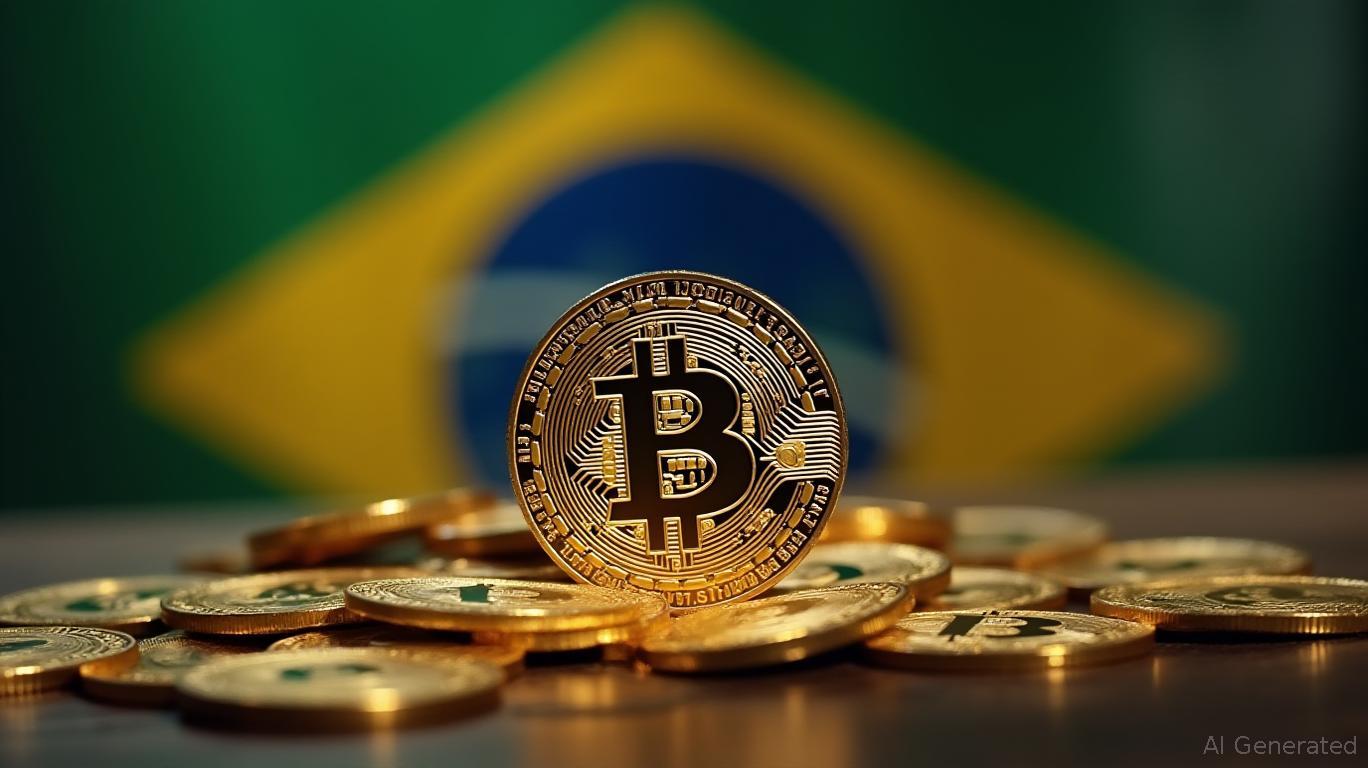
Brazil has enacted sweeping tax reforms, imposing a 17.5% flat levy on all cryptocurrency capital gains from 12 June 2025 under Provisional Measure 1303. This marks a stark shift from the former progressive system with a monthly exemption, now replaced by a single rate that applies to any crypto profit—trade, swap, DeFi yield, NFT sale—even via offshore exchanges or self-custody wallets.

Casual traders previously exempted on gains up to R$35,000 per month will now face taxation. A modest R$30,000 profit previously carried a zero burden; today, the same yield triggers a R$5,250 tax under the uniform rate. Medium-scale investors face a slight rise from the previous 15%, while the wealthy—who once paid up to 22.5%—now benefit from reduced liability.

The reform extends the tax net to assets held outside Brazil or in private wallets: all gains, regardless of custody location, fall under the 17.5% rule. Gains from decentralised finance activities, staking rewards, NFT transactions and token swaps are subject to the same flat regime.

Capital gains must now be reported and paid quarterly. Taxpayers may carry forward losses for up to five prior quarters—a benefit that will be curtailed in 2026 under proposed legal adjustments.

The reform’s scope is broader than crypto. Fixed‑income investments previously exempt—such as LCIs, LCAs, CRIs and CRAs—will now face a 5% tax on earnings. Meanwhile, gross revenue from online betting will be taxed at 18%, rising from 12% this coming October.

Brazil’s decision mirrors its wider fiscal strategy. With the nation’s overall tax-to-GDP ratio peaking above 32% in 2024, the government seems intent on widening the tax base and closing enforcement gaps. By bringing offshore holdings and DeFi into scope, authorities signal enhanced oversight and a tightening grip on previously opaque financial flows.

Advocates highlight the new system’s simplicity. A flat rate streamlines compliance, eliminating thresholds and multiple brackets, potentially reducing disputes and administrative complexity. Critics argue it disproportionately affects small investors and gig‑economy earners, who lose prior exemptions with little recourse.

Financial institutions and crypto‑focused service providers are preparing advisory tools to assist taxpayers with new obligations. Tax‑tracking platforms, accounting software and professional guidance are expected to surge in demand as individuals and small enterprises strive for compliance.

Looking ahead, the government plans to reduce the loss carry‑forward period in 2026 and explore pilot schemes to permit up to 50% of salaries to be paid in cryptocurrencies, particularly for remote work and contractors. Some fintech firms are already eyeing the change, examining crypto payroll and treasury integration.

Investors and citizen‑taxpayers must now track all crypto movements—onshore and offshore, centralised or decentralised. Each taxable event requires precise record‑keeping of acquisition cost, sale value, platform or exchange used, and timing. Errors or omissions could trigger penalties, including fines and interest charges.

Brazil’s audit agency intends to intensify scrutiny using on‑chain analytics, cross‑referencing declarations with blockchain records. Collaboration with international tax authorities may further bolster enforcement capacity.

The flat 17.5% tax places Brazil in a middling position globally—higher than zero‑tax jurisdictions like the UAE and Switzerland, but considerably lower than India’s 30% flat or Japan’s top marginal rates exceeding 50%.

VISHNU RAJA
RYO YAMADA
HITORI GOTOH
IKUYO KITA