News related to
crypto

As the cryptocurrency market sees new highs, two distinct sectors are catching the attention of investors seeking the next big 100x opportunity: Telegram gaming and Solana meme coins. While meme coins like BONK and dogwifhat have garnered significant attention, a rising contender—Dogizen—stands out in the Telegram gaming space, presenting its unique offering.

Dogizen, currently in the midst of its presale, has already raised over $1.4 million, sparking intense speculation about its potential to become the next breakout cryptocurrency. This project leverages the massively popular Telegram platform to create an immersive gaming experience, combining the growing GameFi sector with the expansive reach of Telegram’s global user base. By integrating cryptocurrency directly into games hosted within Telegram, Dogizen capitalizes on the addictive nature of gaming while offering players a chance to earn real-time rewards.

One of the most promising aspects of Dogizen’s model is its focus on long-term sustainability and ecosystem growth. Unlike its competitors—such as Hamster Kombat and Catizen, which have suffered from price declines due to token dumps—Dogizen is focusing on building a strong community by offering an initial coin offering (ICO) rather than relying on airdrops. The platform’s creation of the Dogizen Universe, a Telegram gaming arcade where developers can launch games for its expanding community, positions it as a potential leader in the growing Telegram gaming niche.

Despite the popularity of Solana-based meme coins, Dogizen’s strategy offers a more stable, long-term growth outlook. While meme coins like BONK have benefited from hype and viral trends, their price volatility remains a major concern for investors looking for more consistent returns. Dogizen, in contrast, is crafting its value proposition through a robust gaming ecosystem and its positioning as the first Telegram ICO project—an opportunity that could bring millions of crypto users into its fold.

The Telegram gaming sector, although still emerging, shows substantial promise. As of late 2024, this market has already surpassed a $1 billion market cap, and platforms like Dogizen are leading the charge by combining gaming and crypto in ways that are appealing to both crypto enthusiasts and traditional gamers. With experts forecasting an impressive growth trajectory for GameFi and Telegram-based projects, many are looking to Dogizen as the future leader in this space.

While both sectors—Solana meme coins and Telegram gaming—offer opportunities for investors, they come with differing risk profiles. Meme coins tend to ride on trends, and their value can fluctuate drastically with market sentiment. Telegram gaming, however, provides a unique blend of entertainment and financial opportunity, offering a more resilient model driven by community engagement and platform development.

The increasing interest in Telegram gaming is also being fueled by the broader adoption of blockchain technology. With more developers integrating crypto into gaming platforms, the appeal of earning tokens through play is hard to ignore. As platforms like Dogizen build out their ecosystems, they offer not only potential for returns but also a chance to participate in a rapidly expanding sector that blends entertainment with real-world utility.
The blockchain landscape is on the cusp of a transformative shift as new contenders challenge the dominance of established platforms like Ethereum and Solana. While Ethereum and Solana have carved out prominent positions with their focus on scalability, smart contracts, and decentralized applications, emerging blockchain networks are beginning to capture the attention of investors, developers, and enthusiasts alike.

Ethereum, long regarded as the king of smart contracts, has faced challenges in scaling its network to handle growing demand. Solana, with its high-speed transactions and low fees, quickly gained popularity but has encountered its own set of technical issues. In response to these pain points, several new blockchain projects are positioning themselves as solutions that could disrupt the current hierarchy and change the way blockchain technology is used.

At the forefront of this potential revolution is the development of layer-2 solutions, next-generation consensus mechanisms, and other blockchain innovations designed to address the scalability issues that have hindered Ethereum’s progress and Solana’s network stability. These new technologies promise to enhance transaction speed, reduce fees, and improve overall network performance.

The race is on to build a blockchain that not only scales efficiently but also remains decentralized and secure. New protocols are leveraging cutting-edge cryptographic techniques and modular designs to allow for greater flexibility in handling various types of blockchain applications, from decentralized finance (DeFi) to non-fungible tokens (NFTs). These protocols promise to deliver faster transaction times without sacrificing the security and decentralization that blockchain users expect.

One of the most talked-about developments in this space is the rise of *modular blockchains*. These blockchains, in contrast to the monolithic models used by Ethereum and Solana, separate the execution layer from the consensus layer, creating a more flexible, scalable architecture. This modular approach allows for tailored solutions that can better accommodate specific use cases, whether it be for enterprise adoption, decentralized finance, or other blockchain-based innovations. Projects like Celestia and Polkadot are leading the charge in this area, drawing significant interest from both developers and investors.

Modular blockchains allow for enhanced interoperability between different blockchains, a crucial factor in ensuring that the blockchain ecosystem remains open and accessible. Unlike the more isolated ecosystems of Ethereum or Solana, modular solutions enable smoother communication and asset transfers between multiple blockchain networks. This approach has the potential to address some of the interoperability issues that have plagued the space, making cross-chain transactions more seamless and efficient.

In addition to modular blockchains, the rise of *zero-knowledge proofs* (ZKPs) is also gaining momentum. ZKPs are cryptographic tools that allow one party to prove to another that a statement is true without revealing any underlying information. These proofs can be used to significantly improve privacy and scalability in blockchain systems. ZKPs are already being integrated into several promising blockchain platforms, with zk-SNARKs (a specific type of zero-knowledge proof) playing a pivotal role in projects like zkSync and StarkNet.

As these technological advancements continue to take shape, the conversation around blockchain’s future has become even more nuanced. Traditional giants like Ethereum and Solana are not standing still in response to these challenges. Ethereum is moving towards Ethereum 2.0, a major upgrade designed to improve scalability, security, and sustainability through a shift from proof-of-work (PoW) to proof-of-stake (PoS). While this transition has been slow, it is expected to significantly reduce Ethereum’s energy consumption and increase its overall capacity.

Solana, too, is doubling down on its efforts to solidify its position as a leading blockchain for decentralized applications. Despite its technical setbacks, the network’s lightning-fast transaction speeds and low fees continue to attract developers, especially those building decentralized finance (DeFi) applications and non-fungible tokens (NFTs). However, Solana’s ability to maintain network stability amid high transaction volumes will be crucial to its long-term success in the space.

The evolving blockchain ecosystem has brought with it the rise of decentralized autonomous organizations (DAOs), community-driven governance models that give token holders a voice in decision-making. These decentralized governance models, in which users have a say in protocol updates and network upgrades, are becoming more popular as users seek more control over the platforms they use. As DAOs continue to gain traction, the shift towards decentralized governance is poised to challenge traditional models of centralized control in blockchain development.

A major cryptocurrency transaction occurred today when a whale deposited 1.2 million Dogwifhat (WIF) meme coins, valued at approximately $3.47 million, into the Coinbase exchange. This move has drawn attention to the coin’s substantial price surge over the past year.

The whale originally acquired the 1.2 million Dogwifhat tokens 11 months ago for $393,000, purchasing them at an average price of $0.3275 per token. At the time, Dogwifhat was still in its early stages of market entry. However, the meme coin has since experienced a significant rise in value, leading to a remarkable profit for the whale, who is now looking at a return of over $3 million—equating to a 790.58% increase.

This development highlights the continuing volatility and speculative nature of the meme coin market, where such trades can yield enormous returns or losses in short periods. Dogwifhat, like other meme coins, has gained traction largely through social media and online communities, where the power of viral marketing often dictates price movements more than traditional fundamentals.

The surge in Dogwifhat’s value can be attributed to a variety of factors. One significant influence has been the active promotion of the token by its community, bolstered by celebrity endorsements and viral internet trends that have propelled its visibility. As with other meme-based cryptocurrencies, there is often a heightened sense of community-driven hype, which can cause rapid and dramatic price fluctuations.

While some investors and traders view these kinds of investments as speculative, the recent deposit into Coinbase brings attention to the larger narrative surrounding meme coins. These tokens often operate on the fringes of the cryptocurrency market, with value driven less by underlying technology and more by community sentiment, social media influence, and market speculation.

Dogwifhat is part of a growing category of meme coins that includes more prominent examples like Dogecoin and Shiba Inu. Both coins have seen dramatic rises in value, thanks in large part to high-profile endorsements from figures such as Elon Musk, who has referred to Dogecoin as “the people’s crypto.” Despite their volatile nature, meme coins continue to attract investors looking for high-risk, high-reward opportunities in the crypto space.

The Coinbase transaction is also notable because it points to a broader trend of meme coins gaining institutional recognition. As cryptocurrency exchanges like Coinbase continue to list more meme coins, the legitimacy of these tokens in the eyes of institutional investors is being solidified. This shift is reflective of the growing maturity of the digital asset space, where regulatory clarity and mainstream adoption are becoming more prevalent.

However, despite the hype surrounding meme coins, many experts caution against treating these tokens as long-term investments. The lack of fundamental value and heavy reliance on speculative trading can lead to rapid losses, particularly when the market sentiment shifts or when broader economic factors affect cryptocurrency valuations.

The continued rise of meme coins like Dogwifhat underscores a larger theme in the crypto market—the blending of internet culture and digital finance. Social media-driven tokens are attracting an increasingly diverse range of investors, from seasoned traders looking for quick profits to retail investors hoping to capitalize on the next big trend. This phenomenon has raised questions about the sustainability of meme coin markets and their place in the future of digital finance.

Some critics argue that meme coins can be dangerous, as they promote a speculative environment where price surges may not always correlate with any real-world use case or technological advancement. Additionally, the decentralized nature of cryptocurrency markets means that whale traders and large holders can have an outsized impact on the price, leading to unpredictable volatility.

Nonetheless, meme coins continue to play a significant role in the overall cryptocurrency ecosystem. They contribute to the diversity of digital assets available on the market and have become a way for individuals to engage with the rapidly evolving world of blockchain and cryptocurrency without the traditional barriers to entry.

For the whale who made the $3 million profit from their Dogwifhat investment, today’s move represents the culmination of months of speculative trading. It also highlights a growing trend of early investors in meme coins reaping substantial rewards. However, it remains unclear whether the price of Dogwifhat will continue to rise, or if it will eventually face a downturn as market trends shift.

MicroStrategy, a software firm underpinned by a strong Bitcoin investment strategy, is set to be included in the prestigious Nasdaq 100 Index. This significant milestone comes as the firm continues to outperform expectations, particularly driven by its large Bitcoin holdings. The inclusion of MicroStrategy, expected to be announced soon, would replace other underperforming firms within the Nasdaq 100, such as Moderna, with an anticipated integration as early as December.

Since 2020, MicroStrategy has made an ambitious and controversial bet on Bitcoin. Under the leadership of Executive Chairman Michael Saylor, the company has accumulated over 331,000 Bitcoins, making it the largest corporate holder of the cryptocurrency globally. These holdings, worth billions, were acquired through a strategic balance sheet manipulation involving bond issuances, allowing the company to leverage Bitcoin’s volatile yet profitable nature. This strategy has paid off handsomely, with the company’s stock surging 634% over the past year, outpacing Bitcoin’s own growth by a significant margin.

The company’s Bitcoin holdings now account for roughly 1.3% of the entire Bitcoin supply, and with Bitcoin nearing its all-time high, MicroStrategy’s stock is poised to continue benefiting from the asset’s upward trajectory. At the time of writing, the firm’s Bitcoin holdings are valued at approximately $95,775 per Bitcoin, far exceeding the $49,874 average purchase price. This profitable strategy has positioned MicroStrategy as an outlier in the software industry, highlighting the growing intersection between traditional businesses and the evolving cryptocurrency market.

Despite skepticism around Bitcoin’s volatility and long-term prospects, MicroStrategy’s strategy has found favor among investors. Its stock has consistently outperformed not only Bitcoin but also the broader market, making it an attractive option for risk-tolerant investors looking to capitalize on the cryptocurrency boom. However, the company’s reliance on Bitcoin introduces inherent risks, with market fluctuations directly impacting its financial health. Nonetheless, the firm’s performance is undeniable, and its decision to embrace Bitcoin has reshaped its market profile.

The Nasdaq 100 index is known for including the most significant non-financial companies, and MicroStrategy’s upcoming inclusion is a testament to its success in turning a bold investment strategy into tangible financial performance. The firm’s Bitcoin holdings have transformed it from a niche software company into a high-profile entity with a growing influence in the tech and financial sectors.

Riot Platforms has significantly expanded its cryptocurrency holdings with the acquisition of 705 Bitcoin (BTC) tokens, valued at approximately $68.45 million. This move underscores the company’s ongoing strategy to strengthen its position in the cryptocurrency market, particularly amidst volatile market conditions. The purchase, made during the early hours of the Asian market on December 9, comes in the wake of an announcement regarding Riot’s plans for a private offering of convertible senior notes worth around $500 million.

The recent acquisition aligns with Riot’s broader strategy to boost its Bitcoin holdings as part of its corporate goals. In a statement released shortly after the purchase, Riot outlined that the funds raised from the senior notes offering would be primarily directed toward acquiring additional Bitcoin and supporting general corporate activities. The company has been steadily increasing its Bitcoin inventory, furthering its commitment to becoming a major player in the crypto space.

Riot’s decision to acquire the additional 705 BTC at this time may reflect the company’s confidence in Bitcoin’s long-term growth prospects, despite the ongoing fluctuations in its value. Bitcoin’s price has been prone to volatility, but major players like Riot continue to view the asset as a strategic reserve. By purchasing at this stage, Riot positions itself to capitalize on any potential upswing in Bitcoin prices while adding to its balance sheet.

The company’s foray into the cryptocurrency market began with a focus on Bitcoin mining but has increasingly encompassed broader crypto-related ventures. Riot Platforms, formerly known as Riot Blockchain, has made headlines for its ambitious investments in the Bitcoin ecosystem, including the development of mining facilities and the acquisition of digital assets. With this latest acquisition, Riot now holds over 10,000 Bitcoin, reinforcing its status as one of the largest publicly traded Bitcoin holders in the U.S.

Riot’s focus on Bitcoin is not unique within the industry, as other major firms also look to bolster their holdings of the cryptocurrency. Companies such as MicroStrategy and Tesla have similarly accumulated large Bitcoin reserves, viewing the asset not just as a store of value, but as a hedge against inflation and economic uncertainty. The competition for Bitcoin among institutional investors has intensified, with several firms eyeing the potential for significant long-term gains, even as the price of Bitcoin continues to experience short-term volatility.

Despite its optimism surrounding Bitcoin, Riot has also been preparing for potential risks. The company has diversified its operations, and the senior notes offering is designed to ensure financial flexibility. This move provides Riot with the ability to raise capital without diluting its shareholders through equity offerings. The issuance of convertible senior notes also offers investors the potential to convert their debt into equity under favorable conditions, making it an attractive proposition for both the company and investors.

Riot’s growth strategy appears to be driven by a mix of organic expansion and strategic acquisitions. The company has consistently reinvested its earnings into scaling its operations, including purchasing more mining equipment and enhancing its infrastructure. Riot’s growth trajectory is closely tied to the price of Bitcoin, which has seen significant fluctuations over the past year. As such, the company’s financial outlook depends in part on the broader trends in the cryptocurrency market.

The private offering of the senior notes is part of Riot’s broader plan to maintain flexibility in its financial structure. With an eye on further acquisitions, the company is positioning itself for future growth in the cryptocurrency space. As more institutional players enter the market, the demand for Bitcoin and other digital assets is expected to rise, and Riot’s strategic investments could pay off in the coming years.

In the context of the current market landscape, Riot’s purchase also serves as a signal to other investors about the company’s confidence in Bitcoin’s future potential. While many traditional financial institutions have been cautious about entering the cryptocurrency space, firms like Riot are leading the way by integrating digital assets into their core business models. This represents a shift in how mainstream corporations view Bitcoin—not as a speculative asset, but as a key component of their investment strategies.

Riot’s expansion into Bitcoin holdings is part of a broader trend in which companies are increasingly incorporating digital currencies into their balance sheets. As the regulatory environment for cryptocurrencies continues to evolve, Riot and other players in the market will likely face new challenges, particularly concerning the classification and taxation of digital assets. However, with the company’s recent moves, Riot is positioning itself at the forefront of a rapidly changing industry.

Riot’s actions are also reflective of the broader evolution of the cryptocurrency mining industry. As competition increases, mining operations are becoming more sophisticated, and companies like Riot are investing heavily in both hardware and digital assets. Riot’s expansion is an example of how miners are diversifying their business models, not just by mining Bitcoin but also by acquiring large quantities of the asset itself.

XRP saw a significant boost, climbing by 10%, following the announcement that Ripple’s stablecoin, RLUSD, received regulatory approval. This step marks a key moment in Ripple’s journey to bring its digital dollar to market, after months of regulatory scrutiny. With RLUSD’s approval, Ripple is one step closer to launching the stablecoin to the public, marking a significant development in the intersection of blockchain technology and financial services.

Ripple CEO Brad Garlinghouse confirmed the approval in a statement, emphasizing that the token’s regulatory green light would serve as a critical foundation for the company’s plans. The stablecoin, which is designed to be tied to the U.S. dollar, is still in test mode, currently running on both Ethereum and the XRP Ledger. The approval signifies a pivotal moment for Ripple as it navigates through complex financial regulations, aiming to integrate blockchain-based solutions more deeply into mainstream financial systems.

The launch of RLUSD, however, is not just about creating another stablecoin but positioning Ripple at the forefront of blockchain’s mainstream adoption. The market for stablecoins has expanded rapidly in recent years, driven by demand from investors, financial institutions, and governments seeking blockchain-based solutions with minimal volatility. Unlike cryptocurrencies such as Bitcoin or Ethereum, stablecoins aim to maintain a consistent value by being pegged to traditional assets like fiat currency. For Ripple, RLUSD represents not only an innovation in stablecoins but a potential step towards increasing its presence in the global digital asset ecosystem.

Ripple’s engagement with stablecoins comes at a time when the regulatory environment for cryptocurrency and digital assets is evolving. The United States, in particular, has seen increased regulatory oversight, as lawmakers and financial authorities seek to establish frameworks that both foster innovation and protect investors. Stablecoins have come under heightened scrutiny in these discussions, as their use in various financial transactions—from remittances to cross-border payments—raises concerns about their potential to destabilize financial markets if left unregulated.

The approval of RLUSD could be seen as a key win for Ripple in this challenging regulatory landscape. Ripple, which has faced a prolonged legal battle with the U.S. Securities and Exchange Commission (SEC) over its previous token offerings, may now find itself on firmer ground as it develops new products like RLUSD. The company’s previous legal difficulties, stemming from the classification of XRP as a security, have influenced its approach to ensuring compliance with financial regulations in future projects. The successful passage of RLUSD through regulatory channels could enhance Ripple’s reputation with both regulators and market participants.

Garlinghouse has previously expressed confidence in the future of blockchain and stablecoins, particularly in their potential to enhance cross-border payments. He believes that blockchain technology could eventually replace traditional payment networks, making transactions faster, cheaper, and more secure. RLUSD is expected to play a crucial role in this vision, facilitating faster transfers of value across borders and providing financial institutions with a stable digital asset for transactions.

The test phase for RLUSD, operating on both Ethereum and the XRP Ledger, underscores Ripple’s strategy of leveraging multiple blockchain platforms. While Ethereum has become the dominant blockchain for decentralized applications and stablecoins, the XRP Ledger offers distinct advantages, particularly in terms of transaction speed and cost. Ripple’s stablecoin could eventually be used by a range of financial institutions and businesses to handle everyday transactions, potentially competing with other major stablecoins such as Tether (USDT) and USD Coin (USDC), which have already established themselves as industry standards.

Despite the regulatory challenges Ripple has faced, the broader cryptocurrency market has welcomed the news of RLUSD’s approval. XRP’s price increase of 10% signals that the market views Ripple’s stablecoin development as a positive sign for the company’s future. Investors are hopeful that the approval will pave the way for more widespread adoption of Ripple’s blockchain solutions, positioning the company for long-term growth as it continues to expand into new markets and products.

The regulatory approval of RLUSD is also seen as a potential catalyst for further developments in the stablecoin space. As Ripple navigates its regulatory landscape, its success with RLUSD could set a precedent for other blockchain companies seeking to introduce stablecoins in compliance with global financial regulations. The pressure is now on other digital asset companies to follow suit, ensuring that their products meet stringent regulatory requirements. However, the trajectory of stablecoins, particularly those that aim to be fully regulated, remains uncertain, as different jurisdictions continue to explore their role in the global financial system.

The cryptocurrency market is experiencing a downturn, but Turbo has defied the trend with a remarkable 50% price surge this week. The rapid uptick in its value has caught the attention of traders and investors alike, prompting a discussion about whether this is the ideal moment to buy or if a deeper dip could offer a more favorable entry point.

Turbo’s surge is mainly attributed to its recent listing on Coinbase, a move that has significantly increased its exposure to a wider pool of investors. Coinbase is known for providing access to major institutional players and a broad user base, which has led to a surge in trading volume and price action for the token. The timing of this listing aligns with growing interest in the AI sector, which has given a further boost to Turbo’s value. AI-driven innovations have sparked increased interest in digital currencies linked to technological advancements, making Turbo particularly appealing to investors looking for speculative growth.

However, market volatility remains a key concern for many investors. The overall crypto market is still facing pressure, and while Turbo’s price is up significantly this week, the future remains uncertain. Experts have noted that short-term fluctuations in the cryptocurrency space are common, and despite Turbo’s promising performance, the broader market conditions could lead to corrections or consolidation in the coming days or weeks.

In terms of price predictions, some forecasts suggest Turbo could continue its upward trajectory. For example, Turbo’s price is projected to reach $0.027 by 2025, with a maximum potential of $0.055 by 2029. These predictions are based on a combination of Turbo’s growth, its market positioning, and the broader adoption of blockchain and AI technologiesose considering entering the market now, the key question is whether the current price reflects a sustainable trend or is simply a result of hype. Market sentiment is often a strong driver of crypto prices, and with heightened speculation around AI and the token’s new Coinbase listing, there is potential for further gains. However, it’s also possible that a correction will occur as the initial excitement wanes, leading to lower entry points for future buyers.

Advertisements

A proposal urging Microsoft to integrate Bitcoin into its financial reserves faced rejection during the company’s shareholder meeting, reflecting a cautious stance toward cryptocurrency adoption among major corporate players. The resolution, championed by MicroStrategy’s Michael Saylor, highlighted Bitcoin’s potential to augment shareholder value and align with broader technological trends. However, Microsoft’s leadership and a significant majority of its investors opposed the move, signaling concerns about volatility and strategic misalignment.

Michael Saylor, known for steering MicroStrategy toward aggressive Bitcoin investments, presented a compelling case during the meeting. He suggested that Microsoft could enhance its valuation by leveraging Bitcoin as a strategic asset, proposing a reallocation of the company’s $80 billion in cash reserves toward cryptocurrency acquisitions. Saylor argued that this shift could potentially add trillions of dollars to the company’s market value, citing the broader acceptance of Bitcoin among institutional investors and governments.

The proposal drew mixed reactions. While some retail investors, constituting approximately 23.5% of Microsoft’s shareholder base, expressed interest in exploring Bitcoin’s long-term benefits, institutional investors, who hold nearly 70% of Microsoft shares, were more reserved. Prominent shareholders, including Vanguard Group, BlackRock, and State Street, echoed concerns about Bitcoin’s price volatility, regulatory uncertainties, and its alignment with Microsoft’s core business strategy.

Microsoft’s executive team, led by CEO Satya Nadella, also maintained a cautious approach. Despite acknowledging the transformative potential of blockchain and decentralized technologies, the leadership emphasized the importance of prudent financial management and alignment with shareholder expectations. The decision to reject the proposal was reinforced by the belief that Microsoft’s current capital allocation strategies, such as stock buybacks and dividend payouts, deliver more predictable and stable returns.

Michael Saylor’s advocacy for Bitcoin stems from his own company’s extensive experience in cryptocurrency investments. MicroStrategy has acquired over 386,000 Bitcoins since 2020, with its holdings significantly appreciating in value during Bitcoin’s bullish phases. However, this strategy has also exposed the company to criticism and financial risks during market downturns.

The debate surrounding Microsoft’s potential adoption of Bitcoin highlights a broader discussion within corporate America about cryptocurrency’s role in financial and technological ecosystems. While tech-focused companies like Tesla and Square have embraced Bitcoin as a reserve asset, others remain hesitant, prioritizing stability and regulatory compliance over speculative gains.

This shareholder decision underscores the growing polarization over cryptocurrency in corporate governance. While proponents argue that Bitcoin can serve as a hedge against inflation and a catalyst for technological innovation, skeptics warn of its inherent risks and regulatory challenges. As Microsoft moves forward, its rejection of this proposal reaffirms its commitment to traditional financial prudence, signaling a reluctance to adopt untested financial strategies despite evolving market trends.

The rejection may influence broader corporate sentiment toward cryptocurrency adoption, especially among technology giants. It reflects a prevailing view that while blockchain technologies may hold significant promise, their integration into mainstream financial operations remains fraught with challenges. This decision will likely serve as a reference point for other corporations evaluating Bitcoin’s role in their financial frameworks.

Bitcoin experienced one of its sharpest market corrections since 2021, with over $1.6 billion liquidated across the crypto ecosystem in a single day. The cascade of sell-offs led Bitcoin to tumble by more than 10% at its peak, sparking widespread volatility among major cryptocurrencies.

Aggressive selling activity on platforms like Coinbase set the stage for the plunge, beginning just an hour before Bitcoin entered critical price zones. These levels triggered mass liquidations of highly leveraged positions, amplifying the market’s decline. Analysts have pointed to indicators such as surging funding rates and open interest in derivatives markets as evidence of an overheated market ripe for correction.

Ethereum also faced heightened volatility but rebounded with significant buying pressure, signaling continued interest from institutional players. Meanwhile, XRP recorded a sharp 5% drop, with market watchers attributing the decline to concentrated sell-offs, possibly by a major player reducing their holdings. This triggered further liquidations across derivatives platforms, compounding the downward momentum.

The overall liquidity in the market remains a challenge despite the high market caps of leading tokens. The thin order books exacerbated price swings, yet also allowed for rapid recoveries as buyers capitalized on the dip. This trend was particularly evident in Bitcoin, which regained key levels shortly after the drop, trading near $96,500 at press time. Similarly, altcoins like Solana and Cardano saw significant trading activity, reflecting investor optimism despite the turbulence.

The TON DLT Foundation has officially announced its incorporation under the Abu Dhabi Global Market’s (ADGM) Distributed Ledger Technology (DLT) Foundations Framework. This strategic move marks a pivotal step in advancing blockchain innovation and regulation within a globally recognized hub for financial and technological development.

As part of its ambitious plan to facilitate widespread adoption of the TON Blockchain, the foundation has set a clear target to empower 500 million users by 2028. To achieve this, it will focus on accelerating core technological advancements and expanding the blockchain’s footprint across the Middle East, North Africa (MENA), and Asia-Pacific (APAC) regions. The foundation’s operations will emphasize enhancing TON’s scalability, usability, and developer ecosystem.

ADGM has emerged as a leading jurisdiction for DLT entities, fostering an ecosystem that combines progressive regulatory measures with robust compliance standards. Its DLT Foundations Framework has been instrumental in attracting innovative blockchain projects, positioning Abu Dhabi as a key player in global blockchain adoption. The TON DLT Foundation’s decision to establish itself within ADGM underscores the market’s reputation as a conducive environment for growth and innovation in the blockchain sector.

The foundation’s presence in the MENA and APAC regions aims to capitalize on the rapid digital transformation underway in these areas. By focusing on these markets, TON seeks to tap into the burgeoning interest in blockchain technology, driven by both public and private sector initiatives. The foundation is expected to work closely with regional stakeholders to promote blockchain adoption, highlighting its potential to streamline financial services, enhance transparency, and foster innovation.

Argentina has approved the use of cryptocurrency-based exchange-traded funds (ETFs), signaling a transformative step in the nation’s financial sector. This move permits investors to engage in assets like Bitcoin, Ethereum, and gold, broadening Argentina’s investment landscape and aligning it with global market standards.

The introduction of these ETFs comes under the libertarian leadership of President Javier Milei, whose policies emphasize decentralization and financial innovation. By embracing crypto ETFs, Argentina positions itself as a forward-thinking player in a rapidly evolving global financial ecosystem. The initiative aims to attract both domestic and international investors, diversifying portfolio options and fostering economic growth.

Crypto ETFs provide a structured way to invest in volatile assets by bundling cryptocurrencies into a single financial product traded on exchanges. This development holds particular significance in a country grappling with inflation and limited access to traditional foreign investment instruments. By enabling the public to invest in alternative assets, the measure seeks to empower individuals and enhance market participation.

The country’s Comisión Nacional de Valores (CNV) played a central role in approving these ETFs, marking a pivotal regulatory shift. The CNV has outlined strict compliance measures to ensure transparency and mitigate risks associated with cryptocurrencies. These steps reflect a balancing act between innovation and safeguarding investor interests, particularly amid global concerns about the volatility and regulatory challenges of digital currencies.

Market analysts view this decision as a strategic alignment with international financial trends, where cryptocurrency ETFs have gained traction in regions like North America and Europe. Argentina now joins a league of nations pioneering regulated access to digital assets, furthering its ambition to modernize its financial infrastructure.

This approval aligns with President Milei’s broader economic agenda, which includes fostering a free-market economy and reducing state intervention. His administration’s focus on financial decentralization resonates with the ethos of cryptocurrency, which advocates for autonomy and borderless transactions. The president has frequently highlighted the potential of digital currencies to address economic challenges, including hyperinflation and currency devaluation, issues that have long plagued the Argentine economy.

Cryptocurrency adoption in Argentina has seen substantial growth in recent years, driven by a combination of economic instability and technological advancements. With limited trust in traditional banking systems, many Argentines have turned to cryptocurrencies as a hedge against inflation and currency depreciation. The legalization of crypto ETFs is expected to amplify this trend, making digital assets more accessible to a broader audience.

The move also aligns with the global shift towards integrating blockchain technology into traditional finance. Experts suggest that Argentina’s adoption of crypto ETFs could catalyze further innovations in the Latin American financial market, setting a precedent for neighboring countries to follow. This regional influence could spur economic collaboration and attract tech-focused investments across borders.

Binance has disclosed its 25th proof of reserves, showing mixed movements in the assets held by users. As of December 1, the crypto exchange’s report highlighted shifts across multiple currencies, with some showing significant increases while others experienced declines.

According to the latest data, Bitcoin (BTC) holdings on the platform decreased by 4.68% compared to the previous month, dropping to 580,000 BTC. Ethereum (ETH), however, saw a notable increase of 5.24%, with the total Ethereum reserve rising to 4.9 million ETH. The rise in Ethereum’s balance suggests a continued confidence in the second-largest cryptocurrency, which has maintained its relevance in the market amid shifting investor preferences.

In stark contrast to the fluctuations in BTC and ETH, Tether (USDT) reserves on Binance surged by 20.93%, reaching $25.2 billion. This growth highlights the continued demand for stablecoins, with USDT maintaining its status as a preferred stablecoin for traders and investors seeking to hedge against volatility in the broader crypto market.

Binance’s native token, Binance Coin (BNB), saw a slight decline of 2.15%, bringing the total BNB balance to 37.1 million. Despite this dip, BNB remains one of the key assets on the platform, closely tied to various Binance services and offerings.

The exchange’s regular release of proof of reserves has been part of its ongoing efforts to assure users of the safety and transparency of their holdings. This initiative was initially implemented following the collapse of FTX in late 2022, which triggered widespread concerns over the solvency of cryptocurrency exchanges. Binance, as one of the largest players in the space, has consistently aimed to bolster user trust through these detailed reports, which are generated in collaboration with independent auditors.

The latest proof of reserves report comes at a time when the global crypto market has seen fluctuating trends. After a year of turbulence, some market participants are showing increased caution, while others are taking the opportunity to reinvest in leading assets like Ethereum. The surge in stablecoin reserves, particularly USDT, reflects the market’s ongoing uncertainty and the preference for liquidity that stablecoins provide in volatile conditions.

While Binance has provided more transparency than many of its competitors, the report does not fully dispel concerns about market dynamics. Experts continue to stress the need for enhanced regulatory oversight in the crypto industry, particularly around proof of reserves and the way exchanges report their holdings. Some analysts have raised questions about the accuracy of the data provided in such reports, suggesting that further scrutiny may be necessary to fully ensure the security of user assets.

Binance’s disclosure of its reserves also aligns with broader industry trends. Following FTX’s collapse, exchanges worldwide have been under pressure to increase their transparency and undergo regular audits to prove they hold sufficient assets to cover user deposits. As the crypto market matures, regulatory frameworks are evolving to address concerns over liquidity, security, and the overall stability of the ecosystem.

The Department of Government Efficiency (DOGE) disclosed that a significant portion of the U.S. federal government’s annual IT budget, approximately 80% of the total $100 billion, is allocated to maintaining outdated technology systems. This allocation raises concerns about the long-term sustainability of the federal IT infrastructure and its vulnerability to security threats.

Despite the substantial budget, the government faces a challenge in modernizing its technology while managing legacy systems that have become both inefficient and costly to maintain. Many of these systems were initially developed decades ago and have struggled to keep pace with rapid advancements in technology. As a result, maintaining these aging systems has grown more expensive, consuming a disproportionate share of the federal IT budget.

The situation has sparked debates about the federal government’s ability to balance its technological needs with its security priorities. Outdated systems are not only more costly to maintain but are also significantly more vulnerable to cyberattacks, raising concerns about national security risks. Experts argue that continued reliance on legacy systems could expose sensitive government data to increasing cybersecurity threats, further straining the government’s IT security efforts.

The revelation by DOGE comes at a time when federal agencies have faced criticism for their inability to modernize critical infrastructure quickly enough. A number of high-profile cyberattacks in recent years have underscored the urgency of addressing vulnerabilities in government systems. These incidents, which have targeted various agencies, have raised alarms about the resilience of federal IT networks and their capacity to defend against modern-day threats.

A primary issue is the government’s inability to fully transition from legacy technology to more secure, efficient, and adaptable systems. Experts argue that the high costs associated with maintaining outdated systems may be hindering the government’s ability to invest in cutting-edge technologies like artificial intelligence, cloud computing, and blockchain, all of which have the potential to enhance government operations and improve security.

There are concerns about the lack of skilled personnel required to manage these older systems effectively. Many IT professionals with expertise in outdated technologies are retiring or leaving the workforce, creating a knowledge gap that is challenging to fill. This lack of qualified personnel further complicates the effort to modernize federal IT infrastructure.

The burden of maintaining legacy systems has also led to inefficiencies within government operations. Modern systems are typically more agile, cost-effective, and scalable, which allows for improved service delivery and greater responsiveness to changing needs. However, due to the reliance on outdated systems, government agencies are often unable to take advantage of the efficiencies offered by newer technologies, leading to delays and increased operational costs.

In response to these challenges, DOGE has called for a reevaluation of how federal IT budgets are allocated. The department has urged a shift towards prioritizing investments in modernization initiatives, which could provide long-term savings by reducing the costs of maintaining legacy systems. Some experts suggest that adopting a more incremental approach to modernization—updating critical systems first while gradually phasing out older technologies—may offer a more practical solution.

The federal government’s struggle with outdated technology systems is not unique to the United States. Many governments around the world are facing similar issues as they attempt to navigate the complex landscape of digital transformation. However, given the scale of the U.S. government’s operations, the consequences of failing to modernize could have far-reaching implications, both in terms of efficiency and security.

Despite the challenges, there have been some steps taken towards modernization. Federal agencies have begun pilot programs to experiment with new technologies and test their applicability in government operations. Some agencies are already seeing positive results from these efforts, although the pace of change remains slow.

The financial implications of maintaining outdated systems are significant. According to estimates, the government spends billions annually on software upgrades, hardware maintenance, and security patches for legacy systems. As these systems continue to age, the costs associated with upkeep are expected to rise, further straining the federal IT budget.

As the government moves forward with its modernization efforts, the success of these initiatives will depend largely on the ability to balance cost, security, and innovation. A comprehensive, long-term strategy will be required to overhaul the federal IT infrastructure while addressing the immediate needs of maintaining legacy systems.

In light of the revelations by DOGE, there are growing calls for more transparency in the government’s IT spending, with some lawmakers pushing for increased oversight of federal IT contracts. Critics argue that without greater accountability, the government may continue to waste taxpayer dollars on outdated systems, undermining efforts to modernize and secure its infrastructure.

Dubai-based fintech platform Stake has officially launched its operations in Saudi Arabia, marking a significant step in its expansion strategy across the Middle East. This move is set to bolster the company’s position in the region’s growing digital financial landscape, which has seen rapid growth amid Saudi Arabia’s push to diversify its economy under the Vision 2030 framework. Stake, which has established itself as a leading player […]

Cryptocurrency, particularly Bitcoin, is increasingly seen as a disruptive force across global financial systems, with a potential to reshape even the most traditional sectors. In the Middle East and North Africa (MENA) region, where Islamic finance principles govern a large portion of financial activities, Bitcoin could signal a fundamental shift. Islamic finance, based on Sharia law, prohibits earning income from interest or investments in businesses that conflict […]

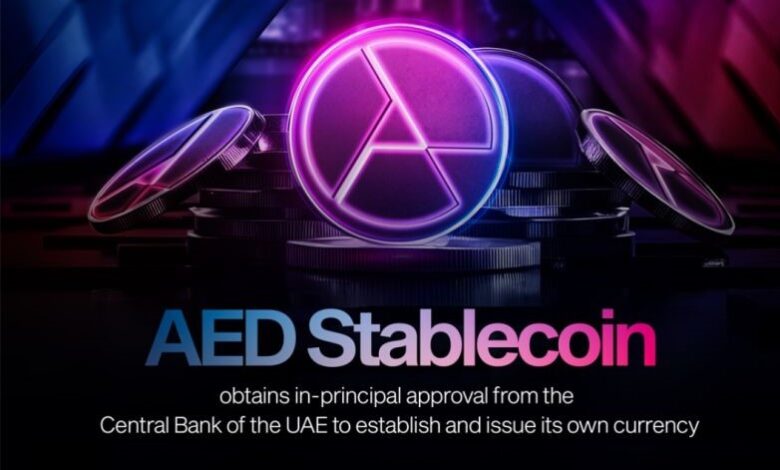
The UAE’s first regulated stablecoin has officially received the final green light from authorities, setting the stage for its anticipated launch across the country. This milestone marks a significant development in the UAE’s push to establish itself as a leading player in the global cryptocurrency market. With this approval, the stablecoin is poised to offer greater security and transparency in digital transactions, contributing to the growth of the digital economy in the region.

The UAE’s financial sector has undergone a significant transformation in recent years, driven by the government’s efforts to modernize its financial infrastructure. This stablecoin approval reflects the country’s ambition to integrate blockchain technology into its financial system and attract global investors looking for a secure digital asset to support transactions. The approval was granted by the UAE’s Financial Services Regulatory Authority (FSRA), which oversees all financial products and services in the Abu Dhabi Global Market (ADGM). This move is seen as part of a broader strategy to encourage the growth of fintech and blockchain-related ventures in the region.

The stablecoin, designed to be pegged to the value of the US dollar, will provide an alternative to more volatile cryptocurrencies such as Bitcoin and Ethereum. By pegging the value of the digital currency to a stable asset, the UAE’s stablecoin aims to mitigate the price fluctuations that often make other cryptocurrencies less attractive for everyday transactions. This stablecoin will be available to both businesses and consumers within the UAE, offering them a more secure, stable, and efficient way to carry out digital payments and trade.

The approval of the stablecoin also aligns with the UAE’s broader goals of expanding its digital economy. The UAE government has placed considerable emphasis on developing blockchain technologies, with the country’s leaders recognizing the potential for these innovations to revolutionize industries such as finance, real estate, and logistics. As part of the UAE’s “Vision 2021” initiative, there have been efforts to establish Dubai as a global hub for blockchain technology and cryptocurrency. These efforts have been amplified by the Dubai International Financial Centre (DIFC), which has introduced new regulations to govern the use of blockchain and cryptocurrency assets.

Industry experts view this approval as a major step forward for the UAE’s financial landscape. With the introduction of the stablecoin, businesses in the UAE will be able to make international transactions more efficiently, with fewer delays and reduced risks compared to traditional banking systems. Additionally, consumers will be able to use the stablecoin to pay for goods and services, facilitating everyday transactions in a secure and stable manner.

The issuance of a regulated stablecoin also brings the UAE in line with other countries that have moved forward with digital currencies. As countries around the world begin to recognize the need for secure, regulated digital currencies, the UAE’s stablecoin will likely gain traction as a reliable alternative for those seeking to move away from unstable fiat currencies. The stablecoin approval comes on the back of similar developments in countries such as China, where the People’s Bank of China has developed its own digital currency, and in Europe, where the European Central Bank has been exploring the creation of a digital euro.

UAE regulators have indicated that the stablecoin will undergo rigorous monitoring to ensure its stability and compliance with the country’s financial regulations. This will involve ongoing audits and checks to ensure that the stablecoin remains fully backed by the US dollar and that it adheres to anti-money laundering (AML) and know-your-customer (KYC) standards. The FSRA’s regulatory oversight is expected to instill greater confidence in users and investors, making the stablecoin a secure asset for transactions and investments.

With its stablecoin now officially approved, the UAE is positioning itself at the forefront of the cryptocurrency revolution. The development signals the country’s commitment to creating a forward-thinking financial system that embraces innovation while ensuring that new technologies are regulated in a way that protects consumers and businesses alike. The stablecoin is expected to become a key component of the UAE’s broader strategy to promote digital transformation, particularly in sectors such as finance, e-commerce, and international trade.

As the UAE becomes one of the first countries in the region to offer a regulated stablecoin, it sets a precedent for other countries in the Middle East and North Africa (MENA) to follow. The move could also position the UAE as a key player in the global cryptocurrency market, attracting international investors and businesses seeking a secure and regulated environment for their digital assets.

Several key figures from the Trump family and its network gathered at a high-profile cryptocurrency event in the Gulf region, where the convergence of digital currencies and the ever-growing market for crypto investments was on full display. The event, widely attended by industry leaders, investors, and political figures, provided a platform to discuss the emerging landscape of cryptocurrency, with a particular focus on Bitcoin, blockchain technology, and their future within global markets.

As the world navigates the evolving world of cryptocurrencies, the Gulf has become a hotspot for discussions around Bitcoin’s potential and the rising interest among both investors and political figures in the region. The event served as a reflection of broader global trends, where prominent political and business figures are increasingly aligning themselves with the digital currency space. For the Trump family and its allies, this marks an intensified involvement in the ever-growing crypto economy, a sector that has captured the attention of major global investors.

Donald Trump’s family members and political allies, including former White House officials and business partners, were seen attending various sessions during the gathering. These figures have been closely linked with the cryptocurrency movement for years, and their participation at the Gulf event highlights the increasing intersection between the digital currency world and high-profile political figures. Their presence not only signals a growing interest in the sector but also indicates how crypto has evolved from a niche technology to a mainstream financial asset.

The Trump family’s involvement in crypto aligns with broader Republican Party figures, some of whom have advocated for fewer regulations and a more lenient approach to crypto markets. Trump himself, while not overtly endorsing cryptocurrency in public statements, has repeatedly shown an interest in economic policies that benefit digital assets, often commenting on the need for more favorable conditions for businesses in the U.S. crypto space.

This growing alignment between the Trump family and cryptocurrency advocates has led to discussions regarding how the family’s network could further influence digital asset regulations. It is an environment that is ripe for policy lobbying and potential investment opportunities, making it a key area of focus for those gathered at the Gulf conference.

The Gulf region, particularly countries like the UAE and Saudi Arabia, has increasingly emerged as a global center for cryptocurrency innovation and regulation. These nations have been proactive in cultivating a crypto-friendly environment, with numerous free zones and financial hubs aimed at attracting digital asset companies and investors. Their push to position themselves as leaders in the digital finance sector is evident through initiatives aimed at creating regulatory frameworks that are conducive to cryptocurrency ventures.

For the Trump family and its allies, the event in the Gulf represents not just an opportunity to network, but also a deeper engagement with the region’s cryptocurrency potential. A number of Gulf-based investors have been vocal about their interest in Bitcoin, often citing its promise as a store of value amidst global economic instability. This is a view that aligns closely with statements made by key Trump allies, who see Bitcoin as a hedge against inflation and a safeguard for the future of financial systems.

While the Trump family’s direct involvement in crypto investments remains largely speculative, many members of their political network are increasingly vocal in advocating for the integration of cryptocurrency into mainstream financial markets. At the Gulf gathering, several key figures in the Trump camp discussed the potential for digital currencies to be integrated into broader financial systems, from asset management to cross-border payments, and even within the governance structures of central banks.

The event also highlighted the expanding role of cryptocurrency in global political and economic spheres. From the Trump family’s interactions with regional investors to the broader geopolitical implications of a burgeoning crypto economy, it is clear that the Gulf is positioning itself as a critical player in the digital finance space. For countries seeking to diversify their economies and establish dominance in future technologies, cryptocurrencies present an undeniable opportunity.

This expansion of crypto’s influence has not gone unnoticed among policy-makers. With growing calls for clearer regulations to protect both investors and the integrity of the financial system, the Gulf event also shed light on the regulatory challenges that come with rapid crypto adoption. Many industry leaders, alongside political figures, are discussing the importance of establishing global standards that could guide the industry in its growth while ensuring that digital currencies do not pose systemic risks to the financial ecosystem.

The Gulf event also served as a backdrop to discussions about the broader economic implications of cryptocurrencies, especially Bitcoin. As more global corporations and governments consider how to integrate digital assets into their financial systems, the Trump family’s growing involvement signals a broader shift in how political figures engage with the crypto industry. This is not just about investment but also about shaping the future of digital finance through favorable policies and regulatory measures.

As the cryptocurrency market continues to mature, it is clear that the involvement of key political figures, such as those from the Trump family, will play a crucial role in influencing both the regulatory landscape and the direction of investment in digital assets. The event in the Gulf was a clear demonstration of the growing interconnections between political figures, investors, and the rapidly evolving world of cryptocurrencies.

Eric Trump, the son of former U.S. President Donald Trump, is set to deliver a keynote address at the Bitcoin MENA conference in Abu Dhabi, marking his debut at a major cryptocurrency event. The conference, one of the most anticipated gatherings of cryptocurrency enthusiasts and investors in the Middle East and North Africa (MENA) region, comes at a time when the global digital asset market is experiencing a surge in both interest and investment.

Bitcoin MENA, which is scheduled to take place in Abu Dhabi in the coming weeks, will bring together industry leaders, investors, regulators, and developers from around the world to discuss the future of digital currencies and blockchain technology. The event is expected to focus on the rapid developments in the cryptocurrency space, regulatory changes, and opportunities for growth, especially in emerging markets.

Eric Trump’s involvement is seen as significant given his family’s established prominence in the political and business arenas. As the executive vice president of the Trump Organization, Eric Trump has been involved in several business ventures, though this marks a rare public appearance in the cryptocurrency sector. His participation is seen as part of a broader trend where mainstream business figures are increasingly engaging with digital assets as part of their investment strategies.

The cryptocurrency market has seen explosive growth over the past few years, with Bitcoin and other digital currencies reaching all-time highs in value. The MENA region, in particular, has emerged as a key player in the global crypto space, with several countries, including the UAE, creating favorable environments for blockchain and cryptocurrency innovations. Abu Dhabi, with its burgeoning tech infrastructure and regulatory framework, has positioned itself as a hub for fintech and digital finance in the region.

The UAE, where Bitcoin MENA is taking place, has been proactive in adopting blockchain technology. The UAE government’s initiative to integrate blockchain into various sectors, including finance, real estate, and healthcare, has been a driving force in the rise of digital assets within the region. The UAE’s progressive stance on cryptocurrencies has attracted significant foreign investment and a growing number of startups focused on blockchain technology.

In particular, the Abu Dhabi Global Market (ADGM), a financial free zone, has been pivotal in shaping the regulatory landscape for cryptocurrencies in the region. ADGM has implemented clear regulations for cryptocurrency exchanges and trading, creating a safer and more attractive environment for investors and businesses. The UAE’s leadership has also signaled its intent to develop the nation into a leading global fintech center, with blockchain technology at the forefront of these ambitions.

The timing of the Bitcoin MENA conference is particularly notable given the broader context of the cryptocurrency market’s performance. Bitcoin, the largest cryptocurrency by market capitalization, recently surpassed $35,000, reaching new heights despite some ongoing concerns around regulatory scrutiny and market volatility. Analysts suggest that the market is entering a new phase, characterized by institutional adoption and growing acceptance of cryptocurrencies as a legitimate asset class.

Several factors have contributed to the rise of cryptocurrency, including the increasing institutional interest in digital assets, as well as the growing recognition of blockchain technology’s potential to revolutionize various industries. Investment firms, hedge funds, and even governments are increasingly looking at ways to incorporate digital currencies into their portfolios, with some countries exploring the creation of central bank digital currencies (CBDCs) as part of their financial strategies.

For Eric Trump, his appearance at the Bitcoin MENA conference aligns with his family’s broader interest in global business opportunities, including those in the tech and finance sectors. Though primarily known for his family’s real estate business, the Trump Organization has diversified its interests into various fields over the years. Eric Trump’s participation is also likely to draw attention from investors who are looking to connect the worlds of traditional business and cryptocurrency.

The UAE’s role as a key player in the digital economy is also attracting increasing interest from global investors, particularly those looking for opportunities in the cryptocurrency and blockchain sectors. The country’s focus on diversifying its economy away from oil dependence has led to a greater emphasis on tech-driven industries, including fintech, artificial intelligence, and digital assets. This approach aligns with the global trend toward digitization and offers promising prospects for growth in the cryptocurrency market.

As Bitcoin and other cryptocurrencies continue to gain traction across the globe, the role of events like Bitcoin MENA will be crucial in shaping the discourse around regulation, innovation, and market development. The conference will provide an opportunity for thought leaders and experts to engage in discussions on the future of digital currencies, including their impact on global financial systems and their potential to disrupt traditional industries.

Abu Dhabi is steadily positioning itself as a global financial hub, attracting an increasing number of international bankers, investors, and financial institutions. The capital of the United Arab Emirates (UAE) has long been known for its oil wealth, but in recent years, its economic diversification strategies have begun to bear fruit, transforming it into a key player in the world’s financial markets. This shift is no longer just a future possibility; it is happening now, with rising interest from top-tier banking executives seeking to leverage the city’s infrastructure, favorable regulatory environment, and strategic position at the crossroads of Europe, Asia, and Africa.

As part of its ambition to become a leader in global finance, Abu Dhabi has made significant strides in enhancing its financial services ecosystem. Financial institutions, including major international banks, are increasingly opening branches and expanding operations in the city, attracted by its strategic location and investor-friendly policies. The UAE capital has also established itself as a center for private equity, wealth management, and Islamic finance, sectors where it continues to see consistent growth.

The financial sector in Abu Dhabi has grown rapidly, not just due to its historical advantages but because of deliberate policy decisions made by the government. For example, the Abu Dhabi Global Market (ADGM), a financial free zone established in 2015, has been pivotal in attracting foreign investment. ADGM offers a robust regulatory framework, tax exemptions, and a business-friendly environment that allows for greater ease of doing business compared to other regions in the Middle East.

Another factor drawing attention is Abu Dhabi’s growing role as a leading center for sustainable finance. The UAE has positioned itself as a key player in the global push towards greener investments, with Abu Dhabi at the forefront of green bonds and other sustainable financial products. In addition to the nation’s investment in renewable energy projects like the massive solar farm at Mohammed bin Rashid Al Maktoum Solar Park, the UAE has been a significant proponent of integrating environmental, social, and governance (ESG) criteria into investment strategies.

Abu Dhabi’s rise as a financial powerhouse is not only benefiting the city’s banks but also drawing the attention of global investment funds, particularly those looking to invest in markets with high growth potential. Financial giants from New York to London are setting up operations to tap into the rapidly growing wealth in the Gulf region, with Abu Dhabi being a prime location. The city’s appeal is also reinforced by its relatively low tax environment, particularly for foreign businesses, and the increased liberalization of the banking sector. This has helped make Abu Dhabi a go-to destination for global funds seeking to access emerging markets with fewer barriers.

The UAE government has long supported policies that encourage the diversification of the economy beyond oil, and banking and finance have become pivotal to this transformation. The establishment of the Financial Services Regulatory Authority (FSRA) has played an essential role in strengthening the regulatory framework, providing international businesses with confidence in operating within the emirate’s borders. This system offers a well-defined legal framework, based on international best practices, which ensures transparency and stability in the financial sector.

Abu Dhabi is seeking to capitalize on the global demand for fintech, especially with the increased adoption of digital financial services. Many leading global fintech companies have established a presence in the emirate, while government-backed initiatives continue to promote innovation in the sector. The growth of digital banking, blockchain technologies, and cryptocurrency is becoming more pronounced, positioning the city as an attractive destination for tech-driven financial services. The authorities in Abu Dhabi are keen to foster an ecosystem conducive to fintech startups, leveraging the city’s burgeoning tech infrastructure and access to venture capital funding.

In addition to financial services, Abu Dhabi’s ambitions are evident in its wealth management strategies. With a high concentration of wealthy individuals and families, Abu Dhabi has seen a surge in the demand for sophisticated wealth management services. The city’s wealth managers, private banks, and family offices are increasingly seeking to provide tailored services that cater to the unique needs of their clients. As such, Abu Dhabi is establishing itself as a key player in the high-net-worth individual (HNWI) market, attracting wealthy clients from the Gulf region and beyond.

International investors, particularly from Europe and Asia, are closely monitoring the developments in Abu Dhabi as they seek to capitalize on the economic growth that the emirate is experiencing. Many analysts view the city as one of the best places to invest in the Middle East, noting its ability to offer competitive returns and stability, especially in comparison to other regional markets that have seen geopolitical instability in recent years. Moreover, the city’s efforts to embrace innovation, sustainability, and diversification are making it an increasingly attractive destination for both traditional investors and those seeking to invest in cutting-edge sectors like green technologies and digital finance.

IonQ, a prominent player in quantum computing, has officially entered the European market with the launch of its first quantum computer on the continent. The company’s new Forte Enterprise system has been delivered to QuantumBasel’s uptownBasel site in Arlesheim, Switzerland, marking a significant milestone in the global expansion of its quantum computing operations. This partnership underscores the growing demand for quantum technologies in Europe and the increasing importance of quantum computing in addressing complex industrial and scientific challenges.

The delivery of the Forte Enterprise system to uptownBasel is a major step for IonQ, which has previously focused on expanding its presence in North America. The installation at Arlesheim is expected to further solidify Switzerland’s position as a key player in the European quantum ecosystem. QuantumBasel, a prominent quantum technology research and development hub, has partnered with IonQ to make the system available to a variety of businesses and academic institutions across Europe. This collaboration is set to accelerate quantum research and applications in fields ranging from pharmaceuticals to finance, with a particular focus on developing quantum algorithms that can outperform classical computing systems.

IonQ’s Forte Enterprise is among the most advanced quantum computers in the world, offering enhanced performance and scalability. The system leverages IonQ’s trapped-ion technology, which uses ions trapped in electromagnetic fields to perform quantum operations. Unlike traditional computing methods, which rely on binary data represented by 0s and 1s, quantum computing uses quantum bits (qubits), which can exist in multiple states simultaneously. This enables quantum computers to solve certain problems much faster than classical supercomputers, particularly in fields requiring high-level computational power, such as drug discovery, cryptography, and complex system simulations.

The launch of the Forte Enterprise system in Europe comes at a time when the quantum computing industry is experiencing rapid growth. Major tech companies, governments, and startups around the world are investing heavily in quantum research, recognizing its potential to revolutionize various industries. The European Union has also been increasing its efforts to develop a quantum computing strategy, with initiatives like the Quantum Flagship, a long-term program aimed at advancing the continent’s quantum technology capabilities.

IonQ’s decision to partner with QuantumBasel is a strategic move designed to leverage Switzerland’s favorable position within Europe’s growing quantum landscape. Switzerland has long been a hub for innovation in science and technology, with institutions like ETH Zurich and the University of Basel leading in quantum research. The uptownBasel site, located in Arlesheim, is a key location within this ecosystem, offering the ideal environment for deploying cutting-edge technologies like IonQ’s quantum systems.

The Forte Enterprise system’s installation is not only a technical achievement but also a significant step toward the commercialization of quantum computing. As quantum computing continues to evolve, businesses and academic institutions are increasingly seeking practical applications for the technology. The deployment of IonQ’s quantum systems is part of a broader effort to democratize access to quantum computing, enabling more organizations to experiment with quantum algorithms and explore the potential benefits for their specific industries.

One of the key areas where IonQ is focusing its efforts is quantum networking. Quantum computers, with their ability to process vast amounts of data in parallel, are poised to play a central role in the development of quantum networks that can enable ultra-secure communication and highly efficient data processing. The partnership with QuantumBasel is expected to facilitate the development of these networks, as quantum computing and quantum networking are expected to be closely intertwined in future technological advancements.

Quantum computing’s commercial potential is becoming increasingly apparent. Large corporations in industries like pharmaceuticals, aerospace, and energy are keenly interested in using quantum computing to solve problems that are currently intractable for classical computers. For example, quantum simulations could revolutionize the way new drugs are discovered by modeling complex molecular structures that traditional supercomputers cannot simulate in a reasonable time frame. Similarly, quantum computers could dramatically enhance the optimization of supply chains, improve financial modeling, and provide unprecedented breakthroughs in artificial intelligence.

Despite its promise, quantum computing is still in the early stages of development. The systems that have been developed thus far are mostly experimental, and significant challenges remain in scaling quantum computers to handle practical, real-world problems. However, companies like IonQ are making substantial progress in refining their systems and increasing the accessibility of quantum technology. The deployment of IonQ’s Forte Enterprise system in Switzerland signals a major step in the industry’s evolution from research-oriented to commercially viable solutions.

Looking ahead, the presence of IonQ’s quantum computer in Europe could help catalyze further collaboration between European academic institutions, technology companies, and government agencies. By providing access to powerful quantum systems, IonQ aims to foster innovation and drive the development of quantum applications across a wide array of industries. As quantum computing continues to mature, it is likely that Switzerland, along with other European nations, will play a pivotal role in the global race to harness the transformative potential of quantum technologies.

Bitcoin’s monumental climb to $100,000 had all the trappings of a historic achievement. The cryptocurrency’s value soared as market analysts predicted continued growth, and investors dreamed of an even greater financial revolution. Despite the fanfare surrounding Bitcoin’s rally, an unexpected event in the world of altcoins quickly drew significant attention: the sudden collapse of Hawk Tuah, a cryptocurrency that had captivated many. What was once seen as a promising token has now raised questions about the stability of digital assets and the volatile nature of the crypto space.

Bitcoin’s $100K achievement was anticipated for years by its most ardent supporters, who argue that the cryptocurrency is poised to disrupt traditional finance. Many analysts view Bitcoin as a store of value akin to gold, especially during times of economic instability. A surge in institutional investment and public interest contributed to the rise in Bitcoin’s price, spurred by fears of inflation, the erosion of traditional financial systems, and growing support from government-backed institutions worldwide. As Bitcoin breached the $100K mark, enthusiasts celebrated, hoping the moment would mark the beginning of a new era for digital currencies.

However, while Bitcoin was grabbing the headlines, an altcoin—Hawk Tuah—was making waves for a completely different reason. A social media frenzy about Hawk Tuah’s potential led to an influx of retail investors, many of whom viewed the coin as a shortcut to quick profits. Cryptocurrency enthusiasts, seeking new opportunities outside Bitcoin, were drawn to Hawk Tuah’s marketing promises, with influencers and self-styled financial gurus touting it as a major up-and-comer.

The coin’s rapid ascent was fueled by hype and speculation, yet the rapid downfall was equally abrupt. Less than a week after Hawk Tuah reached its all-time high, it became clear that the project was riddled with issues: broken promises, questionable development practices, and, in some cases, fraud allegations. In an industry plagued by instability and a lack of regulation, the Hawk Tuah crash was a stark reminder of the risks involved in crypto investments.

In many online communities, the collapse of Hawk Tuah overshadowed Bitcoin’s milestone. Enthusiasts who had once been excited about Bitcoin’s price surge seemed far more engaged in analyzing the rise and fall of the altcoin. Even conversations among casual investors and retail participants shifted focus toward the sudden evaporation of Hawk Tuah’s market capitalization. Some even compared the situation to the famous “pump and dump” schemes that have plagued the crypto space for years.

Experts have weighed in on why the drama surrounding Hawk Tuah stole attention from Bitcoin’s $100K moment. For one, the crypto space remains largely unregulated, making it difficult for investors to distinguish between legitimate projects and speculative ventures. As Bitcoin gains more mainstream acceptance, smaller projects like Hawk Tuah leverage social media and influencer marketing to attract the attention of everyday investors, often without offering a transparent roadmap or fundamental utility. These tactics have raised alarms among financial experts, who caution that the lack of due diligence can lead to catastrophic losses.

The emotional allure of altcoins often leads to impulsive decisions, driven by the fear of missing out on the next big thing. Retail investors, many of whom lack the expertise to fully assess the long-term viability of a crypto asset, tend to be drawn in by short-term price movements rather than evaluating the coin’s underlying technology and use case. Hawk Tuah was no exception. As news of its rapid price escalation spread across social media platforms, inexperienced traders piled in, hoping for a fast return.

While Bitcoin’s position as the leader of the cryptocurrency market remains undisputed, the Hawk Tuah debacle serves as a cautionary tale for investors. Even as Bitcoin’s market cap continues to soar, the volatility of altcoins like Hawk Tuah shows that the crypto landscape is still filled with uncertainty. The success of a few digital currencies can overshadow the broader, more dangerous realities of the market. While Bitcoin may continue to rise, the price of altcoins often remains susceptible to the whims of influencers, market sentiment, and, more ominously, scam artists.

For many, the Hawk Tuah disaster is emblematic of a larger issue in the crypto world: the lack of regulation and investor protections. Unlike traditional stocks, which are subject to stringent rules and oversight, the cryptocurrency market operates in a gray area, with minimal regulatory frameworks in place. This allows for rapid price fluctuations and allows unverified projects to thrive. With the crypto sector continually drawing new participants, questions surrounding accountability, transparency, and investor safety are growing louder.

Despite the turbulence in the altcoin market, Bitcoin’s fundamentals remain strong. Institutional adoption, continued mainstream integration, and growing interest from governments around the world are signs that Bitcoin’s rise may not be a fleeting moment but the start of a more stable, established financial instrument. Yet, even with Bitcoin’s increasing legitimacy, the volatility of the broader market continues to pose challenges for investors looking for consistent returns.

Pump.Fun, a popular platform known for facilitating memecoin trading, has taken the controversial step of blocking access for users in the United Kingdom. This move comes on the heels of a stark warning issued by the Financial Conduct Authority (FCA), which claimed that Pump.Fun was operating without the necessary regulatory approvals. The FCA’s directive, issued earlier this week, has raised significant concerns within the cryptocurrency community, sparking discussions about the future of crypto exchanges and their compliance with national regulations.

The FCA’s intervention highlights growing scrutiny over crypto platforms in the U.K., where authorities have been tightening their grip on cryptocurrency trading operations. While memecoins like Dogecoin and Shiba Inu have surged in popularity, the regulatory landscape surrounding these speculative assets remains unclear, particularly in markets like the U.K., where authorities have been more proactive in shaping crypto laws.

Pump.Fun, which markets itself as a fun, decentralized trading platform for memecoins, swiftly responded to the FCA’s notice by suspending services for U.K. residents. This action has been met with mixed reactions, with some praising the platform for taking swift action to comply with regulations, while others view it as an unnecessary restriction on the freedom of crypto users. The move also underscores the challenges faced by global platforms that wish to serve customers in highly regulated markets.

Industry experts have speculated that this may be part of a larger trend where regulators worldwide are increasingly targeting crypto firms that operate in jurisdictions without clear or consistent oversight. The U.K., in particular, has been tightening its crypto regulations as part of a broader effort to prevent financial crimes, such as money laundering and fraud, that could be facilitated by the anonymous nature of cryptocurrencies.

Although Pump.Fun’s abrupt decision to block U.K. traders may seem harsh, it also serves as a stark reminder of the ongoing regulatory challenges that crypto platforms face. The sector has long struggled to reconcile its decentralized ethos with the increasingly complex and stringent regulatory frameworks being imposed by governments around the world. For many platforms, this balancing act remains one of the most difficult aspects of doing business internationally.

The FCA’s warning is part of its ongoing efforts to clamp down on unregulated crypto operations in the U.K. The regulator has been vocal about the risks associated with cryptocurrency trading, particularly regarding platforms that operate without appropriate licenses or protections for consumers. For platforms like Pump.Fun, which rely on offering quick and user-friendly access to the volatile world of memecoins, the inability to operate in major markets like the U.K. could lead to significant business disruptions.

Some market analysts have noted that this ban could potentially trigger a broader shift in how other U.K.-based traders engage with crypto markets. Platforms that do not meet the FCA’s standards may find themselves facing similar restrictions or being forced to alter their business models. It also raises the issue of cross-border crypto exchanges, which may struggle to comply with local regulations while maintaining their operations globally.

The situation has prompted a debate about the future of crypto regulation in the U.K. Some believe that the government is taking a pragmatic approach to safeguarding consumer interests and protecting the financial system. Others, however, argue that such interventions stifle innovation and hinder the growth of the cryptocurrency sector. With crypto trading volumes continuing to grow globally, especially in markets like Asia and North America, the U.K. faces a delicate balancing act in regulating the sector without pushing it away from its borders.

For now, Pump.Fun’s actions serve as a case study of the challenges that crypto firms must navigate as they attempt to serve a global market while complying with an increasingly complex regulatory environment. The platform has not issued further comments on whether it intends to resolve the situation or permanently restrict U.K. users. For now, the ban remains in place, and traders in the U.K. will need to find alternative platforms for engaging with memecoins and other crypto assets.

The U.S. financial regulators have directed banks to avoid offering services to cryptocurrency companies, a practice that could severely impact the sector’s integration with traditional financial systems. Coinbase, one of the largest cryptocurrency exchanges in the world, has disclosed this information through a set of letters obtained from the authorities, further escalating the tensions between the crypto industry and U.S. regulators.

The letters, which were sent by the Federal Reserve and the Office of the Comptroller of the Currency (OCC), allegedly instruct banks to carefully assess the risks associated with doing business with crypto firms. The regulatory bodies have raised concerns about the volatility of digital assets, the potential for money laundering, and the sector’s limited consumer protections. According to Coinbase, these communications suggest a systemic effort by U.S. regulators to limit the reach and influence of cryptocurrencies by preventing them from gaining access to essential banking services.

Coinbase’s Chief Legal Officer, Paul Grewal, reacted strongly to the revelations. He described the letters as “hard evidence” supporting the claims that U.S. regulators were deliberately pushing the cryptocurrency industry out of the traditional banking ecosystem. Grewal emphasized that the industry’s concerns about being unfairly targeted had previously been dismissed by some as conspiracy theories. However, the disclosed letters now provide tangible proof that such fears were well-founded, he said.

The controversy highlights an ongoing and intensifying battle between the U.S. government and the rapidly expanding cryptocurrency sector. Over the past year, several high-profile crypto companies, including Coinbase, have faced increased scrutiny from U.S. regulators, which have argued that the industry operates in a legal gray area. The push for clearer regulatory frameworks has been met with resistance by crypto advocates, who argue that these measures are overly restrictive and stifle innovation.

While the U.S. Securities and Exchange Commission (SEC) has been particularly vocal in its efforts to regulate crypto exchanges, the Federal Reserve and OCC have focused their attention on the relationships between traditional banks and crypto firms. According to the letters obtained by Coinbase, regulators have been cautious about exposing banks to the risk of crypto-related assets and transactions. Banks have been warned that they must be prepared to mitigate any risks associated with crypto partnerships, especially given the unpredictable nature of digital currencies.

In response to these developments, several U.S.-based crypto companies have publicly criticized the regulatory stance. They argue that the lack of clarity around regulations is stifling innovation in the space and pushing U.S. businesses abroad to more crypto-friendly jurisdictions. Coinbase, in particular, has been at the forefront of this battle, with Grewal and CEO Brian Armstrong both making public statements against what they view as an overly aggressive regulatory push.

The U.S. has long been seen as a global leader in technological innovation, but the cryptocurrency industry’s struggle with regulators may signal a shift. As crypto adoption continues to rise, the tension between innovation and regulation appears to be deepening. Proponents of digital assets argue that regulatory actions are forcing the industry to move offshore, depriving the U.S. economy of a significant opportunity for job creation and technological growth. Meanwhile, those in favor of strict oversight claim that more regulation is needed to protect consumers and maintain financial stability.

The legal battles between U.S. regulators and the cryptocurrency industry are far from over. Coinbase, along with other companies in the sector, has vowed to continue its fight for clearer, fairer regulations. The company’s legal team is already preparing to challenge the restrictions imposed by the SEC and other financial watchdogs, aiming to shift the regulatory landscape in a more favorable direction for the industry.

As the debate unfolds, the broader financial sector is closely watching the outcome. Financial institutions are weighing the risks of entering the crypto space, and some are hesitant to move forward without clearer regulatory guidelines. Others have already taken steps to engage with crypto assets, setting up special units to deal with the growing demand for blockchain-based services. The next phase of the regulatory discourse could determine the future role of cryptocurrencies within the global financial system.

The confrontation between regulators and crypto advocates also brings attention to the U.S. political environment. While some lawmakers have expressed concerns about the lack of oversight, others have called for a more hands-off approach, recognizing the potential of blockchain technology and its implications for sectors such as finance, healthcare, and supply chain management.

Pasqal, a prominent player in the quantum computing industry, has delivered a 100-qubit quantum computer to the Jülich Supercomputing Centre (JSC) at Forschungszentrum Jülich, marking a significant advancement in European quantum research. The delivery is a major step toward harnessing the power of quantum computing to address complex scientific and industrial challenges. The new quantum system, built on Pasqal’s pioneering neutral-atom quantum technology, is expected to enable […]

VISHNU RAJA
RYO YAMADA
HITORI GOTOH
IKUYO KITA