News related to
crypto

The U.S. Securities and Exchange Commission is set to overhaul its regional offices, eliminating top leadership positions in a bid to streamline operations and reduce costs. As part of a broader initiative to focus on efficiency, the SEC will remove leaders from its 10 regional offices. This restructuring comes as part of a cost-cutting strategy influenced by the rising use of cryptocurrencies, specifically Dogecoin, in the broader market.

The decision marks a significant shift in the SEC’s internal operations, with some industry experts speculating that the move reflects a broader shift towards modernizing the regulatory body. The restructuring process, which is expected to take effect within the next few months, will see regional directors and other senior officials in these offices losing their jobs. The SEC has been facing mounting pressure to address the growing costs associated with regulatory functions and to adapt its approach to a rapidly evolving financial environment, particularly within the cryptocurrency space.

The decision follows a series of budget constraints and operational reviews that have highlighted inefficiencies within the SEC’s regional structure. One of the key drivers for this restructuring is the increasing role of digital currencies in financial markets, with some reports indicating that the SEC’s existing framework has struggled to keep pace with new technologies and digital asset regulations. The increasing focus on cryptocurrencies like Dogecoin, and the expansion of digital finance, has led to a demand for more targeted and technologically advanced regulatory mechanisms.

The removal of these leadership roles is not the first sign of restructuring at the SEC. Previous attempts have included efforts to modernize its approach to oversight in the digital age. While the elimination of top regional positions may cause some disruption in the short term, experts argue that this is part of a long-term strategy to enhance the commission’s responsiveness to emerging sectors like cryptocurrency and blockchain technology.

Several critics have questioned the effectiveness of this cost-cutting measure, arguing that reducing leadership roles in regional offices may lead to a loss of expertise and reduce the SEC’s capacity to oversee complex financial activities effectively. Some industry veterans, however, believe that this move is necessary for the SEC to remain relevant in a fast-changing landscape. They point out that the traditional approach to regulating financial markets is being increasingly challenged by technological advancements, and the SEC must adapt to these changes in order to maintain its position as a leading regulatory authority.

The impact of the changes on the day-to-day operations of the SEC is still unclear, with some predicting that the agency will need to rely more on centralised teams and automated systems to perform tasks that were previously handled by regional offices. It remains to be seen how the commission will manage the transition and whether it will be able to maintain its level of oversight across the U.S. financial markets without the extensive network of regional offices.

The SEC’s decision comes amid increasing scrutiny of its role in overseeing the cryptocurrency sector, which has seen explosive growth in recent years. While some digital asset markets like Bitcoin and Ethereum have reached high levels of institutional adoption, Dogecoin has become particularly popular among retail investors, driven by social media trends and celebrity endorsements. The SEC has faced challenges in formulating clear and consistent regulatory frameworks for digital assets, with questions about whether cryptocurrencies should be classified as commodities or securities.

Critics argue that the SEC’s delay in defining its stance on cryptocurrencies has created uncertainty in the market, which has hindered innovation. Proponents of a more aggressive regulatory approach, however, believe that stronger oversight is necessary to prevent fraud and market manipulation, particularly in volatile assets like Dogecoin.

The cost-cutting plan also reflects broader trends in U.S. government agencies seeking to optimise spending and streamline operations. As federal agencies grapple with limited budgets and an expanding range of regulatory responsibilities, efficiency has become a key focus. The SEC’s restructuring may also be seen as part of a larger push towards consolidating regulatory functions in an era of tightening fiscal policies.

While the full extent of the SEC’s plans remains unclear, the announcement has raised questions about the future of the agency’s regional offices and their ability to respond to emerging market trends. As the cryptocurrency sector continues to grow, the SEC will need to strike a delicate balance between reducing costs and ensuring that it can effectively regulate new and evolving markets.

Pi Coin has experienced significant volatility following its Open Mainnet launch on 20 February 2025. The cryptocurrency’s price surged to $1.97 before plummeting over 60% to $0.737. Subsequently, it rebounded by approximately 80%, trading at $1.55 as of 24 February 2025. This fluctuation has drawn considerable attention from investors and analysts, prompting discussions about its future trajectory.

The initial price drop was attributed to heavy sell-offs from early adopters capitalizing on gains. However, renewed interest and speculative trading have contributed to the recent recovery. Analysts remain divided on Pi Coin’s potential, with some forecasting substantial growth and others urging caution due to market volatility.

Projections for Pi Coin’s value in 2025 vary widely. Some forecasts suggest the cryptocurrency could trade between $93.41 and $220.46, with an average price around $141.64. Another analysis anticipates a range from $75 to $110 in the first quarter of 2025, driven by speculation surrounding the Open Network launch. Conversely, more conservative estimates predict a trading range of $10.74 to $143.51, with an average price of approximately $24.63 in 2025.

Cryptocurrency markets have witnessed a sharp downturn, with major tokens such as Solana , XRP, and Dogecoin experiencing significant losses. The market has plunged by double digits, with Solana seeing a drop of 14%, while XRP and Dogecoin both fell by 8%. Analysts are pointing to a combination of macroeconomic factors and market sentiment driving the sell-off, which has left many traders and investors anxious about the future of digital assets.

The sell-off marks another chapter in a volatile year for the cryptocurrency market, which has been heavily impacted by shifts in investor confidence, regulatory pressure, and broader economic conditions. Despite the immediate losses, experts suggest that the bearish sentiment may be overblown and that the situation could improve if broader market conditions stabilise. A significant aspect of the downturn stems from macroeconomic decisions, particularly those related to interest rates and inflationary concerns, which continue to affect global financial markets.

A closer examination of the data reveals that Solana’s decline of 14% has been the most pronounced, as the token has struggled to maintain momentum amid broader market turmoil. Solana, once hailed as a promising competitor to Ethereum due to its high transaction speeds and lower fees, had seen significant growth earlier in the year. However, a combination of investor uncertainty and technical setbacks has prompted a sharp pullback. The cryptocurrency, which had been making strides in various sectors including decentralized finance and NFTs, now faces questions about its long-term prospects.

XRP, the token associated with Ripple Labs, also saw a notable decline. XRP’s price had been particularly sensitive to ongoing regulatory scrutiny. The US Securities and Exchange Commission had filed a lawsuit against Ripple Labs, alleging that XRP was being sold as an unregistered security. While the case has experienced some legal setbacks for the SEC, the uncertainty surrounding its final resolution continues to weigh heavily on XRP’s price. The overall decline of XRP further demonstrates the market’s vulnerability to legal and regulatory challenges.

Dogecoin, once considered a meme coin but now one of the most widely recognised cryptocurrencies, also experienced a sharp decline. Dogecoin has largely been buoyed by its strong community and celebrity endorsements, particularly from Elon Musk, who has been a vocal supporter of the coin. However, the broader market sentiment has put pressure on Dogecoin, and its reliance on external factors such as Musk’s influence has led some analysts to question its sustainability as a long-term investment.

Traders and analysts are divided on the cause of the ongoing market plunge. Many argue that the market is simply undergoing a correction after a period of speculative excess, while others point to external macroeconomic factors such as rising inflation and concerns over central bank policies. The US Federal Reserve’s interest rate hikes have been a particular point of concern, as higher rates tend to increase the cost of borrowing, which can reduce risk appetite among investors.

On the other hand, some market participants suggest that the negative sentiment is exaggerated. “The cryptocurrency market is inherently volatile, and these sharp sell-offs are not unusual,” said one experienced trader. “While the market is facing headwinds, there are still significant opportunities for growth if the macroeconomic landscape improves.” According to these traders, the market may bounce back once investors regain confidence, and the ongoing regulatory developments around cryptocurrencies are clarified.

Market watchers are also considering the role of technological advancements and institutional adoption in shaping the future of digital assets. There has been a growing trend of large institutional players becoming more involved in the cryptocurrency space. Companies such as Tesla and MicroStrategy have been buying up Bitcoin, while various traditional financial institutions have been exploring blockchain-based solutions for their clients. The continued expansion of blockchain technology, particularly in areas like supply chain management and cross-border payments, is expected to contribute to long-term growth in the sector.

However, the current sell-off raises important questions about the underlying value of digital assets. Many investors are beginning to question whether the price levels of cryptocurrencies can sustain themselves without broader economic support. The fear of further regulatory crackdowns and the uncertainty surrounding potential government intervention in the space has left many feeling wary of long-term investments in cryptocurrencies.

In light of the current downturn, some analysts believe that the market could stabilise over the coming months, especially if global financial conditions improve. While the sell-off is painful for many investors, it could also present opportunities for those with a longer-term outlook. “These types of corrections are painful, but they are also a natural part of any market cycle,” said one economist specialising in digital currencies. “If the macroeconomic situation stabilises and governments and regulators take a more balanced approach, the market could bounce back.”

The rise of central bank digital currencies is another aspect that could impact the cryptocurrency landscape. Several countries, including China and the European Union, are actively exploring or testing CBDCs, which could potentially reduce demand for private cryptocurrencies. However, experts believe that CBDCs and cryptocurrencies could coexist, with central banks using digital currencies for state-backed transactions and private cryptocurrencies continuing to serve as alternatives for more speculative or peer-to-peer transactions.

In an unprecedented security breach, cryptocurrency exchange Bybit has fallen victim to a sophisticated cyberattack, resulting in the theft of approximately $1.5 billion worth of Ethereum . The notorious North Korean hacking collective, Lazarus Group, has been identified as the primary suspect behind this monumental heist. In the wake of the attack, industry leaders, including billionaire investor Mike Novogratz, have voiced strong opposition to proposals for an Ethereum hard fork as a remedial measure, instead calling for coordinated international efforts to combat such cyber threats.

The breach occurred during a routine transfer of funds from Bybit’s cold wallet to its hot wallet, a process intended to enhance security by keeping the majority of assets offline. However, attackers managed to intercept this transfer, redirecting 401,000 ETH—valued at approximately $1.5 billion—to an unknown address. This incident now stands as the largest cryptocurrency theft on record, surpassing previous high-profile hacks in the digital asset sector.

Bybit’s CEO, Ben Zhou, promptly addressed the situation, assuring clients that their assets remain secure despite the breach. Zhou emphasized that the company possesses sufficient reserves to cover the losses, stating that even if the stolen funds are not recovered, Bybit’s solvency remains intact. The exchange has initiated measures to restore its Ethereum reserves, securing 446,870 ETH through strategic acquisitions and loans, thereby ensuring all assets are backed on a one-to-one basis. Additionally, Bybit is collaborating with law enforcement agencies and cybersecurity experts to track and recover the stolen assets, while also offering a 10% bounty for information leading to the successful retrieval of the funds.

In response to the theft, some members of the cryptocurrency community have suggested implementing a hard fork in the Ethereum blockchain to invalidate the stolen funds. A hard fork involves creating a divergent path in the blockchain, effectively reversing specific transactions. This approach was previously employed in 2016 following the DAO hack, leading to the creation of Ethereum Classic. However, such a measure is contentious, as it challenges the principle of blockchain immutability and could undermine trust in the network’s integrity.

Mike Novogratz, CEO of Galaxy Digital and a prominent figure in the crypto industry, has publicly rejected the notion of an Ethereum hard fork as a solution to the Bybit hack. Novogratz argues that altering the blockchain’s history sets a dangerous precedent and could erode confidence in decentralized systems. Instead, he advocates for a unified global response to address the root cause of such attacks. Novogratz emphasizes the necessity for world leaders to take decisive action against state-sponsored hacking groups like Lazarus, which have been implicated in numerous cybercrimes aimed at destabilizing financial systems and funding illicit activities.

The Lazarus Group, linked to the North Korean government, has a notorious history of executing elaborate cyberattacks, particularly targeting financial institutions and cryptocurrency platforms. Their operations are believed to generate significant revenue used to support North Korea’s nuclear weapons program. The group’s involvement in the Bybit hack underscores the escalating threat posed by state-sponsored cybercriminals to the global financial ecosystem.

The Bybit incident has reignited discussions about the security vulnerabilities inherent in centralized cryptocurrency exchanges. While cold wallets are designed to offer enhanced protection by keeping assets offline, the process of transferring funds to hot wallets introduces potential attack vectors. This event highlights the critical need for exchanges to implement robust security protocols and for the industry to develop more resilient infrastructure to safeguard digital assets.

In the aftermath of the hack, Bybit has pledged to bolster its security measures to prevent future breaches. The exchange is conducting a comprehensive review of its internal processes and has engaged third-party cybersecurity firms to audit its systems. Bybit’s swift response aims to restore user confidence and set a precedent for how cryptocurrency platforms should address and manage security incidents.

The broader cryptocurrency market has also felt the impact of the Bybit hack. Following the news, Ethereum’s price experienced a temporary decline, reflecting investor concerns over the security of digital assets. Market analysts suggest that while such incidents can cause short-term volatility, the long-term implications depend on the industry’s ability to enhance security measures and prevent similar occurrences in the future.

BlockDAG, a pioneering Layer 1 blockchain network, is making significant strides in the cryptocurrency landscape by integrating the security and decentralization of Bitcoin with the speed and scalability of Directed Acyclic Graph technology. This innovative approach aims to address the longstanding challenges of scalability and transaction speed that have hindered traditional blockchain platforms.

At the core of BlockDAG’s architecture is its unique consensus mechanism, which diverges from the conventional linear chain of blocks. Instead, it employs a DAG structure, allowing for parallel processing of transactions. This design enables the network to achieve remarkable speeds, reportedly reaching up to 10 blocks per second, with aspirations to surpass 100 blocks per second in the near future. Such capabilities position BlockDAG as a formidable contender in the race to develop scalable and efficient blockchain solutions.

The native cryptocurrency of the BlockDAG network, BDAG, plays a pivotal role in its ecosystem. BDAG serves multiple functions, including covering transaction fees, facilitating peer-to-peer transfers, and providing staking rewards for validators who contribute to network security. The total supply of BDAG is capped at 150 billion coins, with a halving event scheduled every 12 months to control inflation and maintain value. Notably, 50 billion BDAG coins have been allocated for the presale phase, aiming to attract early supporters and enhance the network’s visibility in the competitive crypto market.

Mining BDAG is accessible to a broad audience, thanks to BlockDAG’s suite of mining solutions tailored to various user needs. The X1 Miner app, available on both iOS and Android platforms, has garnered significant attention, attracting over 500,000 users who mine BDAG coins daily. This mobile application allows individuals to mine up to 20 BDAG coins per day without taxing their device’s resources, making crypto mining more approachable for the general public. For more intensive mining operations, BlockDAG offers hardware solutions such as the X10, X30, and X100 miners, catering to small-scale miners and large industrial operations alike.

Security remains a cornerstone of BlockDAG’s design. By utilizing a Proof-of-Work consensus mechanism, the network ensures robust protection against potential threats, including double-spend attacks. The integration of advanced cryptographic algorithms further fortifies the network’s defenses, maintaining the integrity and trustworthiness of transactions. This commitment to security, combined with its scalable architecture, positions BlockDAG as a promising platform for decentralized applications and other blockchain-based services.

HTXMining, a prominent liquidity staking platform, is gaining recognition for its innovative approach to enabling passive income within the cryptocurrency sector. Offering advanced staking solutions, HTXMining is empowering investors to grow their digital asset portfolios through its user-friendly and highly efficient model. By leveraging blockchain technology and decentralised finance principles, HTXMining is providing a fresh avenue for crypto enthusiasts seeking steady returns without the complexities typically associated with traditional investment methods.

At the core of HTXMining’s appeal is its seamless integration of liquidity staking. Unlike conventional staking, which locks up digital assets in a particular blockchain network, liquidity staking allows users to stake their crypto assets without sacrificing liquidity. This means that investors can earn rewards from staking while retaining the ability to access their funds at any given moment, giving them the flexibility to respond to market conditions swiftly. This feature has already attracted a significant user base, with many turning to HTXMining to diversify their portfolios and enhance their passive income potential.

HTXMining’s staking solutions are built on the back of a robust and scalable infrastructure designed to handle large volumes of transactions with minimal risk. The platform supports a range of leading cryptocurrencies, including Ethereum , Binance Coin , and others, allowing users to participate in staking opportunities across multiple networks. By utilising cutting-edge algorithms, HTXMining optimises reward generation, ensuring that users maximise returns on their investments while mitigating the risks of price volatility that can be inherent in the crypto market.

One of the platform’s key features is its focus on decentralisation. HTXMining operates under a decentralised governance model, enabling token holders to have a say in platform decisions, such as staking rewards, upgrades, and community incentives. This fosters a sense of ownership and participation among users, which is a growing trend in the broader DeFi space. Through its democratic approach, HTXMining sets itself apart from other platforms that remain under centralised control, offering transparency and community-driven development.

Security is another critical aspect of HTXMining’s offerings. Recognising the importance of protecting users’ digital assets, the platform employs industry-leading security measures, including multi-signature wallets, encrypted data transmission, and regular audits. These protocols are designed to safeguard investors’ funds, providing them with peace of mind as they engage in staking activities.

HTXMining’s value proposition also extends beyond passive income generation. The platform is actively involved in the research and development of new staking models, aiming to improve the efficiency and scalability of the broader liquidity staking ecosystem. By collaborating with leading blockchain developers and participating in industry forums, HTXMining is positioning itself as a key player in shaping the future of decentralised finance.

The platform offers a comprehensive suite of tools and analytics for users to track their staking performance. These features enable investors to monitor their rewards, assess market trends, and adjust their staking strategies accordingly. For those new to crypto staking, HTXMining provides educational resources and support, ensuring that users of all experience levels can engage with the platform confidently and effectively.

As the demand for passive income opportunities in the crypto space continues to grow, HTXMining is capitalising on this trend by expanding its product offerings and building strategic partnerships. Its commitment to user-centric solutions, combined with its focus on decentralisation, security, and scalability, positions HTXMining as a standout platform in the rapidly evolving DeFi landscape. With the increasing adoption of cryptocurrencies and the growing interest in yield-generating assets, the platform is well-positioned to attract further investment and continue driving innovation within the space.

While HTXMining’s impact on passive income generation is undeniable, the broader implications of its success could extend to the mainstream adoption of decentralised finance. As more users recognise the benefits of liquidity staking and become comfortable with crypto-based investment strategies, platforms like HTXMining could play a pivotal role in bringing DeFi into the financial mainstream. However, challenges remain, particularly in terms of regulatory uncertainty and market fluctuations, which could impact the platform’s long-term sustainability.

KUALA LUMPUR, MALAYSIA – Media OutReach Newswire – 25 February 2025 – Over the past few years, the strategic endorsements, enigmatic tweets, and business manoeuvres of Elon Musk have caused shock waves in the cryptocurrency market with wild price fluctuations. Today, he is creating a native cryptocurrency on the X platform under the temporary name, X Money. Source: Shutterstock When and if it happens, the project can […]

Advertisements

Citadel Securities, the prominent market-making firm led by Ken Griffin, is set to expand its operations into the cryptocurrency sector. The firm plans to provide liquidity on major digital asset exchanges, including Coinbase, Binance, and Crypto.com. This strategic move comes as President Donald Trump’s administration signals a more favorable regulatory environment for digital assets.

Historically, Citadel Securities has exercised caution regarding cryptocurrencies, primarily due to regulatory uncertainties in the United States. The recent political shift, however, has prompted the firm to reconsider its stance. By establishing market-making teams outside the U.S., Citadel aims to navigate potential domestic regulatory challenges while capitalizing on the burgeoning global crypto market.

As of October 1, 2024, Citadel manages approximately $64 billion in assets, reflecting significant growth from $43 billion at the end of 2023. This expansion into digital assets aligns with the firm’s broader strategy to diversify its trading portfolio and adapt to evolving market dynamics.

The decision to engage with platforms like Coinbase, Binance, and Crypto.com underscores Citadel’s commitment to integrating with established cryptocurrency ecosystems. These exchanges are among the largest in the industry, facilitating substantial daily trading volumes. By acting as a liquidity provider, Citadel aims to enhance trading efficiency and stability within these platforms.

Market-making involves quoting both buy and sell prices for assets, profiting from the spread between these prices. In the context of cryptocurrencies, effective market-making can reduce volatility and improve price discovery, benefiting both traders and the broader market. Citadel’s entry into this space is poised to bring increased liquidity and professionalism, potentially attracting more institutional investors to digital assets.

This move also reflects a broader trend of traditional financial institutions embracing cryptocurrencies. Firms such as Fidelity Digital Assets and Charles Schwab have made inroads into the crypto sector, indicating growing mainstream acceptance. Citadel’s participation is expected to further legitimize the market and encourage regulatory frameworks that support innovation while ensuring investor protection.

The Dubai International Financial Centre has officially recognised USDC and EURC as approved stablecoins, marking a significant advancement in the integration of digital currencies within the region’s financial ecosystem. This move aligns with DIFC’s commitment to fostering innovation while ensuring robust regulatory oversight in the rapidly evolving digital asset landscape.

USDC and EURC, issued by Circle, are stablecoins pegged to the US dollar and the euro, respectively. They are designed to maintain a stable value by being fully backed by their respective fiat currencies, providing a reliable medium of exchange in the digital economy. Circle has ensured that both USDC and EURC comply with the European Union’s Markets in Crypto-Assets regulations, obtaining an Electronic Money Institution licence from France’s Autorité de Contrôle Prudentiel et de Résolution . This compliance underscores Circle’s commitment to adhering to stringent regulatory standards, enhancing the credibility and acceptance of its stablecoins in global markets.

The recognition of these stablecoins by DIFC is a strategic move to position Dubai as a leading hub for digital finance. By incorporating USDC and EURC into its financial framework, DIFC aims to attract a broader spectrum of fintech companies and investors seeking a regulated environment for digital asset transactions. This initiative is expected to facilitate seamless cross-border transactions, reduce reliance on traditional banking systems, and promote financial inclusion by providing accessible digital payment solutions.

Dubai’s proactive approach to digital asset regulation is evident in its comprehensive framework governing crypto tokens. The Dubai Financial Services Authority has established clear guidelines for the issuance and use of crypto tokens within DIFC, ensuring that only recognised tokens meeting specific criteria are permitted. This regulatory clarity is designed to mitigate risks associated with digital assets, such as fraud and market volatility, thereby fostering a secure environment for investors and users.

The inclusion of USDC and EURC in DIFC’s recognised list of stablecoins is anticipated to have a profound impact on the financial landscape of the United Arab Emirates . It offers businesses and consumers a stable and efficient medium for transactions, potentially reducing transaction costs and enhancing the speed of financial operations. Moreover, it aligns with the UAE’s broader vision of embracing digital transformation and becoming a global leader in fintech innovation.

Industry experts view this development as a positive step towards the mainstream adoption of digital currencies in the region. The regulatory endorsement by a reputable financial centre like DIFC not only boosts confidence among existing crypto enthusiasts but also encourages traditional financial institutions to explore and integrate digital assets into their services. This convergence of traditional and digital finance is poised to unlock new opportunities for economic growth and diversification in the UAE.

However, the integration of stablecoins into the financial system is not without challenges. Regulatory bodies must continuously monitor and adapt to the dynamic nature of digital assets to address potential risks such as money laundering, cybersecurity threats, and market manipulation. Collaborative efforts between regulators, financial institutions, and technology providers are essential to establish robust safeguards and ensure the integrity of the financial system.

In the global context, the recognition of USDC and EURC by DIFC reflects a growing trend of regulatory acceptance of stablecoins. Jurisdictions worldwide are acknowledging the potential benefits of stablecoins in enhancing payment systems and promoting financial inclusion. The European Union’s MiCA regulations, for instance, provide a harmonised regulatory framework for crypto assets, aiming to protect consumers and ensure financial stability. Circle’s compliance with these regulations and its subsequent recognition by DIFC exemplify how adherence to regulatory standards can facilitate the integration of digital assets into mainstream finance.

GamerBoom, an AI-driven gaming data platform, has successfully raised $9 million in its latest funding round, elevating its total capital to $11 million. This infusion of funds is poised to accelerate the company’s mission to enhance gaming experiences through advanced data analytics and seamless Web3 integration.

The funding round attracted prominent investors, including NVIDIA, Solana, Bing Ventures, Mask Network, Digital Finance Group , and Jsquare. Their collective investment underscores a growing confidence in GamerBoom’s innovative approach to merging artificial intelligence with gaming data solutions.

Zino, the Chief Executive Officer of GamerBoom, expressed enthusiasm about the investment, stating, “This funding will enable us to scale our AI-driven gaming data solutions and unlock new opportunities for the Web3 gaming space.” The company aims to utilise the capital to refine its AI models, expand its suite of analytical tools, and broaden its reach within the gaming community.

GamerBoom’s platform functions as a data layer that integrates seamlessly with popular Web2 games, such as “League of Legends.” By employing AI-driven data tagging, the platform meticulously tracks in-game actions, transforming them into valuable insights. This process not only aids in training AI models but also rewards players through an innovative “Train-to-Earn” system, fostering a symbiotic relationship between gamers and developers.

The platform boasts nearly one million registered users, reflecting its growing popularity among both gamers and developers. By incentivising data labelling, GamerBoom ensures the continuous influx of high-quality, real-time gaming data, which is crucial for the development of responsive AI applications in the gaming industry.

Key features of GamerBoom include:

– Gamified Incentive Layer & AI Tagging: Enhances traditional gaming by rewarding players for completing specific tasks, while AI tagging converts in-game actions into tokenised assets.

– Broad Compatibility: Supports a wide range of PC and mobile games, allowing for effortless integration without necessitating significant changes to existing gaming setups.

– AI Agent-as-a-Service: Introduces AI agents that simplify blockchain interactions, such as wallet creation and cryptocurrency management, thereby making Web3 gaming more accessible to a broader audience.

– User-Friendly Interface: Offers a familiar user experience akin to platforms like Steam and Epic Games, facilitating easy adoption by gamers.

NVIDIA’s participation in the funding round is particularly noteworthy. As a leader in AI technology, NVIDIA’s backing is expected to bolster GamerBoom’s capabilities in delivering sophisticated gaming analytics. This partnership signifies a strategic alignment aimed at pushing the boundaries of AI-powered gaming solutions.

GamerBoom’s inclusion in Binance’s Most Valuable Builder Accelerator Program and its shortlisting for the Solana AI Hackathon further highlight its prominence in the AI gaming sector. These accolades reflect the company’s commitment to innovation and its potential to set new standards in the industry.

Looking ahead, GamerBoom plans to expand its ecosystem by introducing features such as an entry portal that enables users to create personalised gaming AI agents. This initiative will allow gamers to interact with intelligent virtual assistants, simultaneously contributing to the training and refinement of AI models.

Raydium’s RAY token experienced a significant decline of 25% as Pump.Fun initiated tests on its own Automated Market Maker exchange. This development has raised concerns among investors regarding the future of Raydium’s platform and its competitive positioning within the decentralized finance ecosystem.

Pump.Fun, a prominent tool within the Solana blockchain network, has been instrumental in facilitating various DeFi activities. The testing of its proprietary AMM exchange signifies a strategic move to expand its service offerings, potentially positioning itself as a direct competitor to existing platforms like Raydium. This strategic shift has introduced uncertainty into the market, leading to a notable sell-off of RAY tokens.

The introduction of a new AMM by Pump.Fun could lead to a redistribution of liquidity within the Solana ecosystem. Investors are closely monitoring how this development might impact Raydium’s market share and user engagement. The potential for increased competition has prompted a reassessment of RAY’s valuation, contributing to its sharp price decline.

Market analysts suggest that the testing phase of Pump.Fun’s AMM exchange is a critical period that could reshape the dynamics of DeFi platforms on the Solana network. The outcome of these tests may influence user preferences and liquidity flows, thereby affecting the operational viability of existing platforms like Raydium.

In a staggering blow to the cryptocurrency industry, Dubai-based exchange Bybit has fallen victim to a cyberattack resulting in the theft of approximately $1.5 billion in Ethereum tokens. This incident, occurring during a routine transfer between digital wallets, is now considered the largest digital heist in history.

The breach transpired as Bybit conducted a standard operation, moving assets from a cold wallet—offline storage designed to safeguard funds—to a warm wallet used for daily transactions. During this process, malicious actors manipulated the transfer, seizing control of the cold wallet and diverting 401,000 Ethereum tokens to an unidentified address. Blockchain analytics firms, including Arkham Intelligence, have traced the stolen funds, revealing that $1.36 billion in Ethereum was swiftly liquidated from associated accounts.

Bybit’s CEO, Ben Zhou, addressed the crisis, assuring clients that the exchange remains solvent and that all customer assets are backed on a one-to-one basis. He emphasized that unaffected wallets and withdrawal processes continue to operate normally. To mitigate the impact on users, Bybit has implemented bridge loans to cover any unrecovered funds and has launched a recovery bounty program, offering up to 10% of the reclaimed amount to ethical hackers assisting in the retrieval efforts.

The magnitude of this theft has prompted a surge in withdrawal requests, with over 350,000 submissions flooding the platform. While this influx has the potential to cause processing delays, Zhou noted that the rate of withdrawals has begun to decelerate. In response to the breach, Bybit is collaborating with law enforcement agencies and cybersecurity experts to trace the perpetrators and enhance its security infrastructure to prevent future incidents.

Speculation regarding the identity of the attackers has intensified, with some experts pointing towards North Korea’s notorious Lazarus Group. This collective has been implicated in previous high-profile cryptocurrency thefts, including the pilfering of $1.7 billion in 2022 and $800 million in 2024. While these allegations remain unconfirmed, the pattern of large-scale crypto heists attributed to state-sponsored actors raises significant concerns about the security of digital assets on global trading platforms.

In a related development, cybersecurity firm CertiK has identified another suspicious transfer involving approximately $49.5 million from an unverified Ethereum contract. The recipient address has been observed converting these funds into the stablecoin DAI. The community speculates that this incident may be connected to the Infini platform, a stablecoin digital bank, though official confirmation is pending.

These consecutive breaches underscore the vulnerabilities inherent in the rapidly evolving cryptocurrency landscape. As digital assets become increasingly mainstream, the imperative for robust security measures and regulatory oversight grows more pressing. The Bybit hack serves as a stark reminder of the potential risks investors face and the necessity for exchanges to implement stringent protective protocols to safeguard user funds.

In the wake of these events, the cryptocurrency market has experienced notable fluctuations. Ethereum’s value witnessed a temporary decline of approximately 4%, reflecting investor apprehension following the breach. Market analysts advise stakeholders to exercise caution and remain informed about security practices employed by exchanges to mitigate exposure to such risks.

Bybit’s commitment to reimbursing affected users and bolstering its security framework aims to restore confidence among its clientele. However, the broader implications of this unprecedented theft continue to reverberate throughout the digital currency ecosystem, prompting a reevaluation of security standards and the adoption of more resilient measures to combat the escalating threat of cyberattacks targeting cryptocurrency platforms.

As investigations proceed, the collaboration between cryptocurrency exchanges, cybersecurity firms, and regulatory bodies will be crucial in addressing the challenges posed by increasingly sophisticated cyber threats. The lessons gleaned from the Bybit incident are poised to inform future strategies aimed at fortifying the security of digital assets and ensuring the integrity of the burgeoning cryptocurrency market.

A heated dispute has erupted between cryptocurrency exchange OX.FUN and NFT artist collective JefeDAO, centering on accusations of fraud and the freezing of substantial funds. The conflict has escalated publicly, with both parties presenting conflicting narratives regarding the events.

JefeDAO has publicly accused OX.FUN of fraudulent activities, alleging that a member of their collective is unable to withdraw $1 million in USDC from the exchange. They claim that OX.FUN is engaging in extortion by withholding these funds without valid justification. This accusation has been disseminated across various social media platforms, amplifying concerns within the cryptocurrency community about the exchange’s practices.

In response, OX.FUN has refuted these allegations, asserting that the funds were frozen due to JefeDAO’s attempt to manipulate the platform’s oracle system. The exchange contends that this action was a deliberate effort to tarnish its reputation and disrupt its operations. OX.FUN maintains that all other users’ withdrawals are being processed without issues and emphasizes its commitment to user fund security and adherence to service terms.

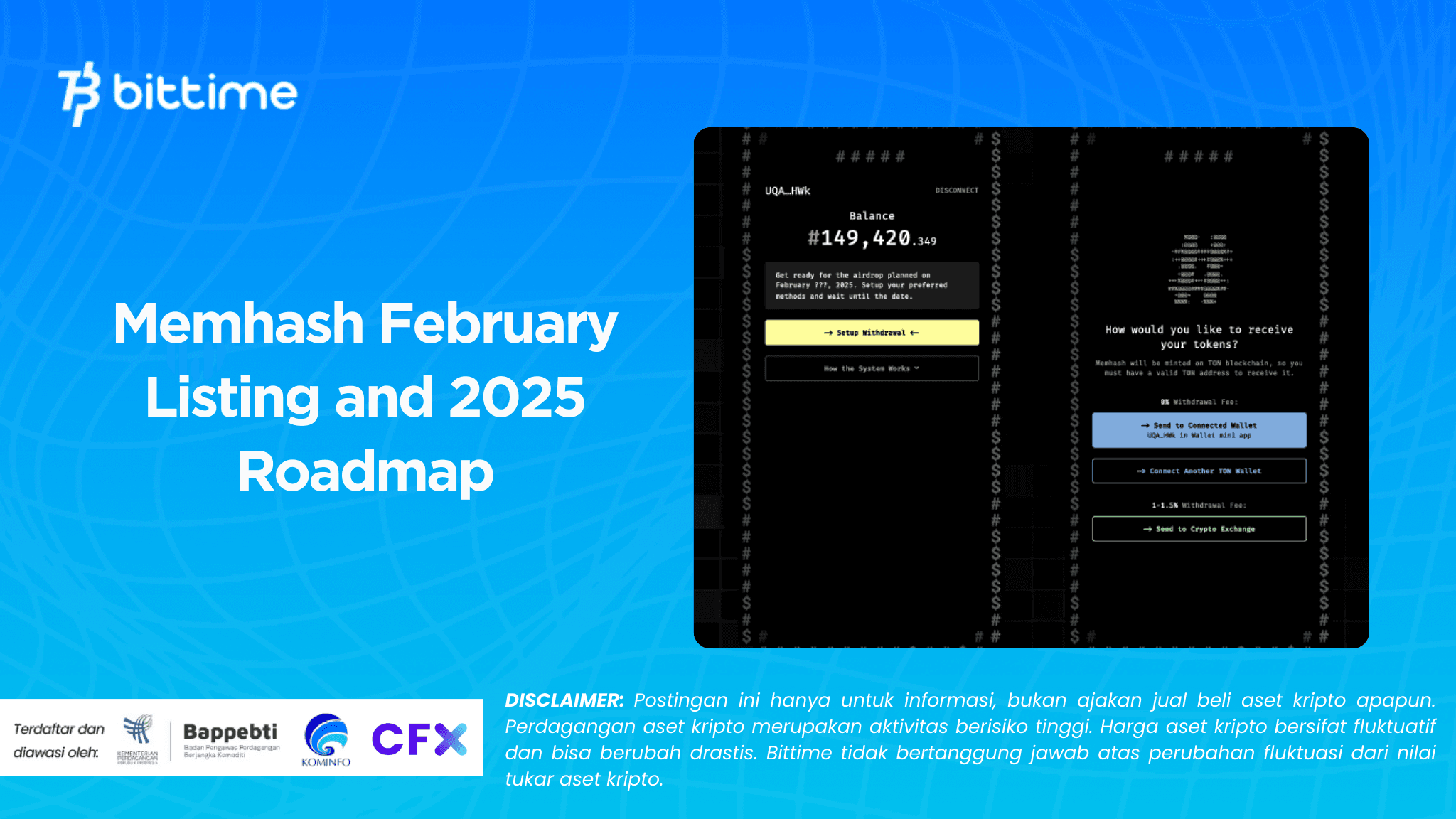
Memhash , a novel cryptocurrency that merges gaming simplicity with blockchain technology, is poised for its official debut on several prominent exchanges. Trading is scheduled to commence at 09:00 UTC on 28 February 2025, offering enthusiasts and investors an opportunity to engage with this innovative digital asset.

KuCoin, a leading cryptocurrency exchange, has confirmed the listing of MEMHASH on its platform. Deposits are currently open via the TON-Jetton network, allowing users to prepare ahead of the trading launch. The MEMHASH/USDT trading pair will be available, with withdrawals becoming accessible from 10:00 UTC on 1 March 2025. To enhance user experience, KuCoin will support various trading bots, including Spot Grid and AI Spot Trend, facilitating automated trading strategies.

In addition to KuCoin, MEXC Global has announced the inclusion of MEMHASH in its Innovation Zone. This segment is dedicated to high-potential assets, providing traders with early access to emerging cryptocurrencies. Deposits on MEXC are already open, with trading set to begin simultaneously at 09:00 UTC on 28 February 2025. Withdrawals will be enabled from 09:00 UTC on 1 March 2025, ensuring seamless transactions for users.

Bitget, another major exchange, is also preparing to list MEMHASH. While specific details regarding trading pairs and exact timings are yet to be disclosed, the exchange has indicated that the listing will occur concurrently with other platforms on 28 February 2025. This simultaneous launch across multiple exchanges is expected to provide substantial liquidity and trading opportunities for MEMHASH participants.

The journey of Memhash began with an airdrop event that ran from 29 October 2024 to 1 January 2025. During this period, participants engaged in a simulated mining process via Telegram, earning MEMHASH tokens. Approximately 43% of the total token supply was mined during the airdrop, with the remaining 57% allocated for future mining activities and community incentives.

Dubai-based cryptocurrency exchange Bybit has successfully replenished its Ethereum reserves following a massive security breach that resulted in the theft of approximately $1.5 billion worth of Ether . CEO Ben Zhou announced that the exchange has “fully closed the ETH gap,” ensuring all client assets are backed 1:1.

The unprecedented hack occurred during a routine transfer from Bybit’s cold wallet to a warm wallet. Hackers exploited vulnerabilities in the process, gaining control of the cold wallet and siphoning 401,000 ETH to an unknown address. This incident is considered the largest cryptocurrency theft to date, surpassing previous records.

In response to the breach, Bybit took immediate action to secure its platform and reassure its users. The company collaborated with blockchain forensic experts to trace the stolen funds and launched a recovery bounty program, offering up to 10% of the recovered amount to ethical hackers assisting in the retrieval efforts. Despite the scale of the theft, Zhou emphasized that Bybit remains solvent, with unaffected wallets and withdrawals operating normally.

To address the shortfall caused by the hack, Bybit obtained approximately 446,870 ETH through a combination of loans, large investor deposits, and direct purchases. Notably, the exchange acquired 157,660 ETH from crypto investment firms Galaxy Digital, FalconX, and Wintermute via over-the-counter transactions. An additional $304 million in ETH was purchased through centralized and decentralized exchanges.

Bybit plans to publish a new audited proof-of-reserves report to verify that client assets are fully backed on a 1:1 basis. This move aims to restore user confidence and demonstrate the exchange’s commitment to transparency and security.

The hack has raised concerns within the cryptocurrency community, particularly regarding the potential involvement of North Korea’s Lazarus Group, a state-backed hacking organization known for previous cyberattacks on financial institutions. While blockchain analytics firms Arkham Intelligence and Elliptic have traced the hack to the Lazarus Group, official confirmation is still pending.

Following the incident, Bybit experienced a surge in withdrawal requests, processing over 350,000 transactions as users reacted to the news. The exchange assured customers that all assets are safe and that it has the necessary reserves to cover the losses.

This event highlights the ongoing security challenges faced by cryptocurrency exchanges. In 2024 alone, over $2.2 billion was stolen from crypto platforms, underscoring the need for robust security measures and industry-wide cooperation to combat cyber threats.

Bybit’s swift response and proactive measures to address the breach demonstrate its resilience and commitment to user security. As the exchange continues to enhance its security infrastructure, it remains focused on maintaining trust within the cryptocurrency community.

The broader market impact of the hack has been relatively contained. Ethereum’s price experienced a temporary decline of approximately 4% following the news but has since shown signs of recovery. Analysts attribute this resilience to the prompt actions taken by Bybit and the overall maturity of the cryptocurrency market.

As investigations continue, the incident serves as a stark reminder of the importance of security in the rapidly evolving digital asset landscape. Exchanges and users alike are urged to remain vigilant and adopt best practices to safeguard against potential threats.

Bybit’s efforts to restore its reserves and enhance security protocols are steps toward reinforcing trust and stability in the cryptocurrency ecosystem. The exchange’s commitment to transparency and user protection will be closely monitored by industry stakeholders in the coming months.

In the aftermath of the hack, Bybit has also engaged with international law enforcement agencies to aid in the investigation and potential recovery of the stolen funds. The collaboration aims to bring the perpetrators to justice and deter future attacks on cryptocurrency platforms.

While the incident has undoubtedly posed significant challenges, Bybit’s decisive actions reflect a broader industry trend toward strengthening security measures and fostering a culture of accountability. As the cryptocurrency sector continues to grow, such incidents underscore the critical need for continuous improvement in safeguarding digital assets.

Bybit’s experience serves as a case study for other exchanges, highlighting both the vulnerabilities inherent in digital asset management and the effective strategies that can be employed to mitigate risks and protect user interests.

The U.S. Securities and Exchange Commission has decided to withdraw its enforcement actions against cryptocurrency exchange Coinbase and non-fungible token marketplace OpenSea. This move marks a significant change in the regulatory landscape for digital assets.

Coinbase announced that SEC staff have agreed in principle to dismiss the lawsuit against the company, pending approval from the Commission’s three commissioners. The lawsuit, initiated in 2023, accused Coinbase of operating as an unregistered securities exchange and failing to register its staking services. Coinbase’s Chief Legal Officer, Paul Grewal, described the anticipated dismissal as “righting a major wrong.”

In a parallel development, OpenSea’s founder, Devin Finzer, stated that the SEC is closing its investigation into the NFT platform. Finzer characterized this outcome as “a win for everyone who is creating and building in our space.” The SEC had been investigating OpenSea to determine whether certain NFTs should be classified as securities.

These regulatory reversals coincide with a broader shift in the U.S. government’s approach to the tech industry, particularly the cryptocurrency sector. Following substantial campaign contributions from tech companies, including a $300 million donation from Elon Musk, the administration has rolled back regulations and dismissed major lawsuits affecting the industry. Notably, federal cases against Musk’s SpaceX and Coinbase have been dropped, reflecting this deregulatory trend.

Coinbase’s CEO, Brian Armstrong, attributed the favorable legal outcome to the current administration’s policies. He noted that the SEC’s decision would result in a complete dismissal without fines or changes to the company’s operations. Armstrong expressed optimism about future collaboration with the SEC, especially with the anticipated appointment of Paul Atkins as the new chair.

The SEC’s decision to drop these cases has been well-received within the cryptocurrency community, as it removes significant legal uncertainties that have loomed over the industry. Industry-friendly lawmakers are now working on new legislation to provide clearer regulatory guidelines for digital assets. Additionally, the acting SEC Chair, Mark Uyeda, has established a task force aimed at creating a new regulatory framework, signaling a more collaborative approach between regulators and the crypto industry.

Despite these positive developments, the cryptocurrency market remains volatile. Following the announcement of the SEC’s decision, Coinbase’s shares experienced an initial surge but later declined by 8.3%. This downturn was influenced by a significant drop in Bitcoin’s price after a major Ethereum hack at Bybit, resulting in a $1.4 billion loss. Bitcoin’s value, which had reached $99,000, fell to $95,000 after the incident.

The administration’s support for the tech and cryptocurrency sectors represents a notable shift from previous regulatory approaches. By reducing regulations and fostering innovation, the government aims to position the United States as a leader in the digital asset space. However, the administration has also indicated a willingness to address issues such as “tech censorship,” maintaining a balance between deregulation and oversight.

As the SEC moves to formalize the dismissal of these cases, the cryptocurrency industry anticipates a more favorable regulatory environment. The collaboration between regulators and industry stakeholders is expected to pave the way for clearer guidelines and increased innovation in the digital asset space.

In the wake of these developments, market participants are closely monitoring the SEC’s next steps and the potential impact on the broader cryptocurrency ecosystem. The resolution of these high-profile cases may set a precedent for how regulatory bodies approach digital assets in the future, influencing both market dynamics and the legal landscape.

Elon Musk, at the helm of the Department of Government Efficiency , has initiated a series of aggressive reforms targeting federal agencies, igniting debates over the balance between technological innovation and governmental oversight. Appointed by President Donald Trump, Musk’s mandate is to streamline government operations, a mission he has approached with characteristic boldness.

In a striking display at the Conservative Political Action Conference, Musk brandished a chainsaw, symbolizing his intent to cut through bureaucratic inefficiencies. This theatrical gesture underscores his commitment to employing advanced technologies, particularly artificial intelligence, to overhaul traditional governmental processes. However, critics argue that such methods may lead to indiscriminate reductions, potentially undermining essential public services.

Central to Musk’s strategy is a directive requiring federal employees to substantiate their weekly contributions. An email circulated mandates that staff enumerate five specific achievements each week, with non-compliance interpreted as voluntary resignation. This policy aligns with President Trump’s broader agenda to downsize the federal workforce, including proposed cuts to the Defense Department and incentives for remote employees to accept buyouts. Proponents assert that these measures will enhance accountability and fiscal responsibility, while detractors view them as draconian and demoralizing.

The composition of DOGE’s leadership has also drawn attention. Notably, Edward Coristine, a 19-year-old with a background in cybersecurity, has emerged as a key figure within the department. His rapid ascent and the unconventional approaches of the team have raised questions about the experience and methods driving these significant governmental changes.

Musk’s influence extends to regulatory frameworks affecting his business interests. Following substantial campaign contributions from the tech sector, including a $300 million donation from Musk, the administration has rolled back several regulations and dismissed major lawsuits against companies like SpaceX and Coinbase. This deregulatory trend has sparked discussions about potential conflicts of interest and the ethical implications of intertwining public policy with private enterprise.

Despite these advancements, DOGE has encountered legal challenges. A federal judge recently denied a motion to restrict DOGE’s access to sensitive Treasury data, a decision that has intensified debates over data privacy and the extent of DOGE’s authority. The Department of Justice has since agreed to limit DOGE’s access to personal taxpayer information, reflecting ongoing concerns about the scope and oversight of Musk’s initiatives.

A massive security breach at cryptocurrency exchange Bybit has resulted in the theft of approximately $1.4 billion in Ethereum , marking one of the largest heists in the digital currency sector to date. The incident has ignited a contentious debate within the Ethereum community regarding the feasibility and ethics of implementing a blockchain rollback to recover the stolen assets.

Bybit disclosed that during a routine transfer between digital wallets, an attacker managed to exploit the process, diverting the substantial sum to an unidentified address. Despite the significant loss, CEO Ben Zhou assured users that the platform remains solvent and that customer funds are secure. However, he cautioned that withdrawal requests might experience delays as the company addresses the breach.

In response to the theft, prominent figures in the cryptocurrency space have proposed drastic measures. Arthur Hayes, co-founder of BitMEX, suggested rolling back the Ethereum blockchain to invalidate the illicit transaction. He referenced the 2016 DAO hack, where a similar rollback was executed, stating, “ETH stopped being a form of money in 2016 after the DAO hack hard fork. If the community is willing to do it again, I would support it.”

Samson Mow, CEO of JAN3, echoed this sentiment, advocating for the creation of a new Ethereum token, “ETHNK,” to prevent the stolen funds from benefiting North Korea, the suspected perpetrator behind the hack. Mow emphasized the potential geopolitical ramifications, suggesting that allowing the hackers to retain the funds could lead to regulatory scrutiny and sanctions against Ethereum.

Despite these calls for intervention, Ethereum’s core developers have dismissed the idea of a rollback. Tim Beiko, a prominent Ethereum developer, described the proposal as “technically intractable,” highlighting the complexities and potential unintended consequences of such an action. He explained that the interconnected nature of Ethereum’s blockchain, coupled with the myriad on-chain and off-chain transactions, makes reversing the chain a formidable challenge.

The broader Ethereum community has also expressed resistance to the rollback idea. Many argue that altering the blockchain undermines the principles of immutability and decentralization that are foundational to Ethereum and other cryptocurrencies. Critics contend that setting a precedent for reversing transactions could erode trust in the network and open the door to future manipulations.

In the aftermath of the hack, Bybit has initiated several measures to address the situation. The exchange is collaborating with law enforcement agencies and blockchain analytics firms to trace the stolen funds. Additionally, Bybit has announced a bounty program, offering rewards to individuals who provide information leading to the recovery of the assets.

The incident has also had immediate repercussions on the cryptocurrency market. Ethereum’s price experienced a decline of approximately 7% following the news of the hack, reflecting investor concerns over security vulnerabilities within the ecosystem. Market analysts suggest that such events could prompt tighter regulatory scrutiny and potentially influence future policy decisions regarding digital assets.

This event serves as a stark reminder of the persistent security challenges facing the cryptocurrency industry. As exchanges and platforms continue to evolve, the balance between maintaining decentralization and implementing protective measures remains a critical and ongoing debate.

A significant majority of cryptocurrency users in Latin America are planning to increase their digital asset investments by 2025, according to a recent survey by Binance Research. The study, which encompassed over 10,000 participants from Argentina, Brazil, Colombia, and Mexico, revealed that 95% of respondents intend to expand their cryptocurrency portfolios within the next year.

The survey detailed the investment timelines of these users: 40.1% plan to acquire more cryptocurrencies in the next three months, 15.3% within six months, and 39.7% over the next twelve months. Only a marginal 4.9% of those surveyed indicated no plans to further invest in cryptocurrencies this year.

This enthusiasm is further underscored by projections from payments company Triple-A, which anticipates that Latin America will lead global cryptocurrency adoption with a growth rate of 116% by 2024. Currently, the region boasts approximately 55 million cryptocurrency users, accounting for nearly 10% of the worldwide user base.

The motivations driving Latin American investors towards cryptocurrencies are multifaceted. The survey identified the primary reasons as seeking high returns , achieving financial freedom , hedging against inflation , embracing innovation , diversifying investment portfolios , and prioritizing security and privacy .

Economic challenges in the region, such as Argentina’s inflation rate surpassing 100%, have prompted individuals to explore alternative financial avenues. Cryptocurrencies offer a potential hedge against currency devaluation, making them an attractive option for many. In Brazil, the younger demographic is increasingly turning to digital assets as a means of diversification and wealth accumulation.

Guilherme Nazar, Vice President for Latin America at Binance, highlighted the region’s significance in the company’s strategic plans. He emphasized that regulatory developments will be pivotal in sustaining and guiding the growth of cryptocurrency adoption. Reflecting this commitment, Binance has expanded its operations by acquiring a licensed broker-dealer in Brazil, enabling the provision of a broader spectrum of financial services in compliance with local regulations.

The survey also shed light on the duration of engagement with cryptocurrencies among users. Over half of the respondents have been involved with digital assets for more than a year, indicating a deepening familiarity and trust in the technology. This trend aligns with Binance’s internal data, which reported a 63% increase in its Latin American user base in 2024, coinciding with Bitcoin’s impressive 121% price surge that year.

Cryptocurrency exchange Bybit has suffered a significant security breach, resulting in the theft of approximately $1.5 billion in digital assets. The incident has prompted a substantial number of users to withdraw their funds, testing the platform’s liquidity and operational resilience.

The breach involved the unauthorized transfer of over 400,000 Ether from one of Bybit’s cold wallets, which are typically offline and considered more secure than hot wallets. The stolen funds were moved to multiple unidentified addresses, complicating immediate recovery efforts. Bybit’s co-founder and CEO, Ben Zhou, addressed the situation, assuring customers that the exchange remains solvent and that all user assets are safe and backed on a one-to-one basis. He emphasized that the company is taking all necessary measures to investigate the breach and enhance security protocols to prevent future incidents.

In the hours following the hack, Bybit experienced a surge in withdrawal requests, processing more than 350,000 within a ten-hour window. Despite the high volume, Zhou reported that 99.9% of these requests were completed promptly, with only larger transactions undergoing additional security verifications. To address the immediate shortfall caused by the theft, Bybit secured a bridge loan from undisclosed partners, covering approximately 80% of the lost Ether. Zhou noted that purchasing such a large amount of Ether on the open market was not feasible due to liquidity constraints and potential market impact.

The hack has raised concerns within the cryptocurrency community, highlighting ongoing security challenges in the industry. Analysts have pointed out that while cold wallets are generally more secure, they are not immune to sophisticated attacks. The incident has prompted discussions about the need for enhanced security measures and regulatory oversight to protect investors and maintain trust in digital asset platforms.

In response to the breach, Bybit has initiated a comprehensive security review, collaborating with blockchain experts to trace the stolen funds and identify the perpetrators. The exchange has also committed to updating its security infrastructure, including implementing multi-signature protocols and enhancing user authentication processes. Zhou expressed confidence in the platform’s ability to recover from the incident, stating that user funds remain fully backed and that operations will continue without interruption.

The broader cryptocurrency market has shown resilience in the face of the hack, with major assets like Bitcoin and Ether experiencing only slight declines in value. Industry observers suggest that while such incidents can shake investor confidence, the market’s overall stability indicates a maturation of the digital asset ecosystem. However, the event serves as a stark reminder of the vulnerabilities that persist in the space and the continuous need for robust security practices.

Cryptocurrency exchange Bybit has made a significant move in the digital asset market by acquiring approximately 36,893 Ether in an over-the-counter transaction valued at $100 million USDT. This strategic purchase, conducted at a rate of $2,711 per ETH, was facilitated through prominent financial services firms Galaxy Digital and FalconX.

This acquisition comes on the heels of a substantial security breach that Bybit experienced on February 21, 2025, where approximately 401,347 ETH, equivalent to $1.12 billion, were illicitly transferred from the exchange’s cold wallet. The hack, attributed to the North Korean Lazarus Group, significantly impacted market confidence and led to a notable decline in Ethereum’s price, which dropped from $2,850 to $2,750 within an hour of the incident.

In response to the breach, Bybit’s CEO, Ben Zhou, addressed the situation in a public forum, assuring users of the exchange’s financial resilience. He stated that the company’s assets exceed the stolen amount, with a cold wallet reserve of nearly $3 billion in USDT. This reassurance aimed to bolster user confidence amidst the turmoil.

The decision to purchase a substantial amount of ETH is part of Bybit’s strategy to replenish its reserves and stabilize its operations following the hack. The transaction was executed through OTC channels to minimize market disruption and secure a fixed purchase price. This approach reflects a growing trend among cryptocurrency exchanges to manage large transactions discreetly, thereby reducing potential volatility in the open market.

Market analysts have observed that such significant acquisitions can influence investor sentiment positively. Following Bybit’s announcement, Ethereum’s price experienced a modest uptick, rising by over 2.3% in the past 24 hours, while the broader CoinDesk 20 Index saw a 0.76% increase during the same period. This price movement suggests a restoration of confidence among investors, despite the recent security concerns.

The broader implications of Bybit’s actions highlight the challenges cryptocurrency exchanges face in ensuring security and maintaining user trust. The swift response to the breach, coupled with transparent communication and decisive financial maneuvers, underscores the importance of robust security protocols and contingency planning in the rapidly evolving digital asset landscape.

As the situation develops, stakeholders within the cryptocurrency ecosystem will be monitoring Bybit’s continued efforts to enhance security measures and restore full operational integrity. The incident serves as a critical reminder of the vulnerabilities inherent in digital asset management and the necessity for continuous advancements in cybersecurity practices.

In the wake of these events, Ethereum’s market performance remains a focal point for investors. The recent price fluctuations underscore the asset’s sensitivity to exchange-related incidents and broader market dynamics. As of now, Ethereum is trading at $2,769.35, reflecting a change of $89.60 from the previous close. The intraday high reached $2,792.69, with a low of $2,679.35, indicating ongoing volatility in the market.

The probability of a Litecoin Exchange-Traded Fund gaining approval in 2025 has surged to 85%, as indicated by the prediction platform Polymarket. This significant development reflects growing optimism within the cryptocurrency community and among investors regarding the potential mainstream acceptance of Litecoin-based financial products.

Polymarket, a decentralized information markets platform, enables users to speculate on the outcomes of future events by trading shares that correspond to specific predictions. The current 85% figure represents the collective sentiment of market participants who believe that regulatory bodies are likely to approve a Litecoin ETF within the current year.

The push for cryptocurrency ETFs has been a focal point for financial institutions and investors aiming to integrate digital assets into traditional financial markets. Bitcoin and Ethereum, the leading cryptocurrencies, have been at the forefront of this movement, with several ETF proposals submitted to regulatory authorities worldwide. The increasing attention towards Litecoin suggests a broadening interest in diversifying crypto-based financial instruments.

Litecoin, often referred to as the “silver to Bitcoin’s gold,” was created in 2011 by Charlie Lee, a former Google engineer. It offers faster transaction confirmation times and a different hashing algorithm compared to Bitcoin, positioning itself as a more efficient alternative for everyday transactions. Over the years, Litecoin has maintained a strong presence in the cryptocurrency market, consistently ranking among the top digital assets by market capitalization.

The potential approval of a Litecoin ETF could have several implications for the financial markets. Firstly, it would provide institutional and retail investors with a regulated and familiar vehicle to gain exposure to Litecoin without the need to directly purchase and store the cryptocurrency. This could lead to increased liquidity and potentially reduce volatility in Litecoin’s market price.

The introduction of a Litecoin ETF could signal a maturation of the cryptocurrency market, indicating that regulatory bodies are becoming more comfortable with digital assets beyond Bitcoin and Ethereum. This could pave the way for a wider array of crypto-based financial products, offering investors more options to diversify their portfolios.

However, the path to ETF approval is not without challenges. Regulatory agencies, such as the U.S. Securities and Exchange Commission , have historically been cautious in approving cryptocurrency ETFs, citing concerns over market manipulation, custody solutions, and the overall volatility of digital assets. While there have been instances of ETF approvals in other jurisdictions, the U.S. market remains a significant hurdle for widespread adoption.

In response to these challenges, proponents of a Litecoin ETF have been actively engaging with regulators to address their concerns. This includes implementing robust custody solutions, ensuring transparent pricing mechanisms, and demonstrating compliance with existing financial regulations. The collaborative efforts between the cryptocurrency industry and regulatory bodies aim to create a framework that balances innovation with investor protection.

The broader cryptocurrency market has been experiencing a period of growth and increased adoption. Major financial institutions have begun offering crypto-related services, and several countries are exploring the development of central bank digital currencies . This evolving landscape suggests a shift towards the normalization of digital assets within the global financial system.

Investors and market analysts are closely monitoring the developments surrounding the potential approval of a Litecoin ETF. While the 85% probability indicated by Polymarket reflects a strong belief in a favorable outcome, it is essential to approach such predictions with caution. The regulatory environment is complex and subject to change, and past performance is not indicative of future results.

As the year progresses, the cryptocurrency community will be attentively observing regulatory announcements and market responses. The approval of a Litecoin ETF could serve as a catalyst for further innovation and acceptance of digital assets within traditional finance. Conversely, delays or rejections could prompt a reevaluation of strategies among crypto advocates and investors.

The U.S. Securities and Exchange Commission has agreed to dismiss its lawsuit against cryptocurrency exchange Coinbase, signaling a significant policy shift under President Donald Trump’s administration. This decision concludes a legal battle initiated in 2023, where the SEC accused Coinbase of operating as an unregistered securities exchange, broker, and clearing agency.

Coinbase’s Chief Legal Officer, Paul Grewal, announced the development, describing it as a “complete win” for the company. The SEC’s move to drop the case is pending approval from its three commissioners. This action reflects a broader change in the regulatory landscape for cryptocurrencies in the United States, as the current administration aims to foster a more crypto-friendly environment.

President Trump’s administration has swiftly overhauled the SEC’s approach to cryptocurrency regulation. Acting SEC Chair Mark Uyeda has established a task force dedicated to creating a new regulatory framework for digital assets. This initiative seeks to provide clear guidelines and reduce regulatory uncertainty for industry participants.

The lawsuit against Coinbase was originally filed under the leadership of former SEC Chair Gary Gensler during President Joe Biden’s tenure. The SEC alleged that Coinbase had been operating illegally by facilitating the trading of unregistered securities. Coinbase consistently denied these allegations, arguing that its operations complied with existing laws and that the SEC’s regulatory framework was ill-suited for digital assets.

The dismissal of the lawsuit is seen as a victory not only for Coinbase but also for the broader cryptocurrency industry, which has faced increased regulatory scrutiny in recent years. Industry stakeholders have argued that stringent regulations stifle innovation and limit the potential benefits of blockchain technology.

The Trump administration’s approach marks a departure from the previous administration’s policies, which were characterized by rigorous enforcement actions against crypto companies. In addition to dropping the lawsuit against Coinbase, the SEC is reportedly reviewing other pending cases against cryptocurrency firms, including those against Binance and Kraken. These actions suggest a broader trend toward deregulation and a more permissive environment for digital asset enterprises.

The decision to dismiss the lawsuit has been met with mixed reactions. Proponents of cryptocurrency view it as a positive step that will encourage innovation and solidify the United States’ position as a leader in the digital asset space. Critics, however, express concern that reduced regulatory oversight could lead to increased fraud and market manipulation, potentially harming investors.

The SEC’s internal dynamics have also shifted with the change in administration. Commissioners Mark Uyeda and Hester Peirce, known for their pro-crypto stances, are leading efforts to redefine the regulatory approach toward digital assets. Their leadership is expected to influence the development of policies that balance investor protection with the promotion of technological innovation.

Coinbase’s CEO, Brian Armstrong, has been an outspoken advocate for clearer cryptocurrency regulations. Following the announcement of the lawsuit’s dismissal, Armstrong expressed gratitude toward the administration, stating that the decision “righted a major wrong” and would have positive implications for the industry. He emphasized the need for a regulatory framework that provides clarity and supports the growth of the crypto economy.

The SEC’s decision comes at a time when the cryptocurrency market is experiencing significant growth. Bitcoin, the leading digital currency, has reached record highs, and institutional interest in crypto assets is increasing. The administration’s favorable stance toward cryptocurrencies is expected to further boost market confidence and attract more participants to the space.

However, the rapid policy shift has also raised questions about the influence of political contributions on regulatory decisions. Reports indicate that several tech industry leaders, including figures from the cryptocurrency sector, made substantial donations to President Trump’s campaign. While some view these contributions as a means to support favorable policies, others argue that they may undermine the integrity of regulatory processes.

As the SEC moves forward with its new task force, the focus will be on developing comprehensive guidelines that address the unique characteristics of digital assets. This includes determining how existing securities laws apply to cryptocurrencies and what new regulations may be necessary to protect investors while fostering innovation.

In a significant security breach, Dubai-based cryptocurrency exchange Bybit has reported the theft of approximately $1.5 billion worth of Ethereum. The incident, which stands as one of the largest in the history of digital currencies, has raised serious concerns about the security protocols of cryptocurrency platforms.

Bybit’s CEO, Ben Zhou, disclosed that during a routine transfer from the exchange’s cold wallet to a warm wallet, an attacker managed to manipulate the transaction interface. This manipulation granted the hacker control over the cold wallet, enabling the unauthorized transfer of around 401,000 Ethereum tokens to an unidentified address. Despite the magnitude of the theft, Zhou assured clients that all their assets remain fully backed and unaffected, emphasizing that the exchange’s operations continue without disruption.

The breach has prompted Bybit to collaborate with blockchain forensic experts to trace and recover the stolen funds. Initial investigations suggest that the pilfered assets are being moved across various new addresses, complicating the recovery efforts. Notably, TRM Labs, a blockchain intelligence firm, has linked the attack to North Korean hackers, citing substantial overlaps between the addresses used in this breach and those associated with previous North Korean cyber thefts. This connection underscores the escalating involvement of state-sponsored actors in large-scale cryptocurrency crimes.

In response to the incident, Bybit has processed over 350,000 withdrawal requests, aiming to maintain client trust and ensure liquidity. The exchange has also implemented bridge loans to compensate users for any unrecovered funds, highlighting its commitment to safeguarding customer interests. However, the hack has led to a noticeable decline in the value of Bybit’s native token, which experienced a drop of up to 6% following the news.

This event adds to a series of high-profile security breaches within the cryptocurrency sector. In 2024 alone, cybercriminals absconded with approximately $2.2 billion from various crypto platforms, reflecting the persistent vulnerabilities in the industry’s security infrastructure. The Bybit hack, surpassing previous incidents in scale, serves as a stark reminder of the challenges that digital asset exchanges face in protecting against increasingly sophisticated cyber threats.

The broader cryptocurrency market has also felt the impact of the Bybit breach. Both Bitcoin and Ethereum experienced slight declines in value as traders reacted to the unfolding situation. Analysts suggest that such incidents could hinder the path to mainstream adoption of cryptocurrencies, as security concerns remain a significant barrier for potential investors.

VISHNU RAJA
RYO YAMADA
HITORI GOTOH
IKUYO KITA