Just in:
After Reaching 7 Million Users in the Philippines, Skyro Launches Transparent Cash Loans in Malaysia // Asia Left Behind: Ten international companies have yet to report delivering on their cage-free egg pledges across the region // Meraas showcases five residential zones at Dubai Design Week // OpenAI identifies 948 Linux privilege escalation flaws using AI // APT29-linked campaign exploits outdated Apple and Android software // CR Longdation Aethereal Cybersecurity × Global Cybersecurity Alliance (GCSA) Join Hands to Establish the “AI and Cybersecurity Research Centre” // Oil advances towards $100 as tanker attacks persist // Dubai details five-year visa benefits for returning visitors // Hong Kong mandates crypto transaction disclosures to tax authorities // Xi Jinping Preparing For A Trilateral Summit With Trump And Putin At APEC Summit On Nov 18-19 // Geely’s i-HEV Intelligent Hybrid Technology Offers a New Direction Vision for Gasoline-Powered Vehicles // Cloudflare unveils Zero Wire vulnerability intelligence service // Miss Universe Hong Kong Jen Zhou Departs for Puerto Rico to Compete in the 75th Miss Universe World Final // The “1st Greater Bay Area Health and Longevity Summit & Awards Ceremony” concludes successfully in Macao // Oil and chip shares retreat after Democratic victories // Dubai boat show confirms international shipyard line-up for November // Emirates Group records AED 4.1 billion half-year profit // Trump’s Iran War Has A Share Of Contribution To His Midterm Debacle // OpenAI introduces GPT-6 Cyber with restricted security access // Millions Of Indians May Soon Be Deprived Of Government Assistance //

News related to
crypto

Grayscale Investments has filed an application with the U.S. Securities and Exchange Commission to list a Cardano exchange-traded fund on the New York Stock Exchange . This initiative marks Grayscale’s inaugural standalone ADA investment product, aiming to provide investors with regulated exposure to the Cardano blockchain’s native cryptocurrency.

The proposed ETF, designated to trade under the ticker symbol “GADA,” is structured to offer investors direct exposure to ADA without the need to hold the cryptocurrency directly. Each share of the trust would represent a proportional ownership of ADA, with pricing based on the CoinDesk Cardano Price Index . BNY Mellon Asset Servicing is slated to serve as the administrator, while Coinbase Custody Trust Company would act as the custodian for the assets.

Grayscale’s filing is part of a broader strategy to expand its cryptocurrency ETF offerings. In recent weeks, the firm has submitted applications for ETFs linked to other digital assets, including XRP, Solana , and Litecoin . These moves reflect a growing interest among asset managers to provide regulated investment vehicles that offer exposure to various cryptocurrencies.

The SEC’s stance on cryptocurrency ETFs has evolved, particularly under the current administration. The regulatory body’s recent openness to such products has encouraged firms like Grayscale to pursue ETF listings for a wider range of digital assets. However, it’s important to note that the SEC has previously classified certain cryptocurrencies, including ADA, as securities in past legal actions. This classification could present regulatory challenges for the approval of the proposed Cardano ETF.

Swedish fintech leader Klarna is preparing to integrate cryptocurrency into its platform, as announced by CEO Sebastian Siemiatkowski. In a statement on X, Siemiatkowski declared, “I give up. Klarna and me will embrace crypto! More to come.” This move signifies a strategic shift for the company, which has traditionally focused on “buy now, pay later” services.

Klarna, valued at $14.8 billion, has over 85 million users and processes approximately $100 billion in transaction volume annually. The company’s decision to explore cryptocurrency integration comes as it plans an initial public offering in April 2025. However, Klarna has clarified that it does not intend to incorporate digital assets into its BNPL services.

A prominent Dogecoin investor, who previously transformed a modest investment into a substantial fortune, has now spotlighted Rexas Finance as a promising opportunity for significant returns. Rexas Finance recently concluded Stage 11 of its presale, successfully raising $41 million, reflecting strong investor confidence. The RXS token is currently priced at $0.25, a notable increase from its initial launch price of $0.03.

Rexas Finance aims to revolutionize asset ownership through the tokenization of real-world assets, enabling fractional ownership of high-value items such as real estate and commodities. This approach seeks to democratize access to investments traditionally reserved for affluent individuals and institutions. The platform offers tools like the Rexas Token Builder and QuickMint Bot, facilitating users in creating, managing, and transacting with their tokens, thereby enhancing accessibility and potentially disrupting conventional asset management practices.

Analysts have observed that RXS has garnered positive attention due to its utility and community support. Some speculate that the cryptocurrency could outperform established assets like Dogecoin, given its innovative approach and the growing interest in asset tokenization. The rigorous audit conducted by Certik further bolsters the project’s security and legitimacy, enhancing investor confidence.

The success of the RXS presale and its strategic positioning within the burgeoning real-world asset tokenization industry make it an attractive prospect for investors. As more individuals recognize the value of tangible assets on the blockchain, expressed through tokens like RXS, the faster the token is likely to be adopted and appreciate in value. With additional presale stages ahead and plans for listings on major exchanges, Rexas Finance appears poised for significant growth.

The world of cryptocurrency is witnessing a renewed surge in memecoin activity, with significant developments emerging across the United States, Africa, and Asia. This resurgence is marked by the introduction of new tokens, strategic initiatives by major blockchain platforms, and the engagement of prominent figures and organizations.

In the United States, Barstool Sports founder Dave Portnoy has ventured into the memecoin arena with the launch of the $STOOLIE coin. Described as more than just a digital currency, $STOOLIE aims to unite the Barstool community under a shared digital asset. The initiative encourages fans, known as “Stoolies,” to promote the coin, hold their investments, and expand the community, with an ambitious target of reaching a $1 billion market capitalization. This move underscores the growing trend of media personalities leveraging cryptocurrency to foster community engagement and brand loyalty.

Meanwhile, in Africa, the cryptocurrency landscape is experiencing notable activity with the emergence of memecoins that aim to resonate with cultural identities and support charitable causes. In November 2021, Wakanda Inu was launched as a charity-oriented meme token, representing a community-driven project that aspires to unify individuals under a shared digital asset. The token’s creators describe it as embodying the spirit of community and aim to leverage its success for social good across the globe. Additionally, Uganda’s Mitroplus Labs has introduced “Afro,” a Pan-African meme token designed to foster unity and economic empowerment across the continent. These developments highlight a growing interest in leveraging cryptocurrency to promote cultural identity and support philanthropic initiatives in Africa.

BlackRock Inc., the world’s largest asset manager, is preparing to launch a Bitcoin Exchange-Traded Product in Europe, with plans to domicile the fund in Switzerland. The company could begin marketing the ETP as early as this month, according to sources familiar with the matter. This initiative marks BlackRock’s first crypto-linked ETP outside the United States.

The move comes in response to growing demand from both institutional and retail investors seeking exposure to digital assets. BlackRock’s U.S.-based iShares Bitcoin ETF , launched in January 2024, has accumulated nearly $60 billion in assets under management, reflecting significant investor interest in cryptocurrency-linked investment products.

In anticipation of this European expansion, BlackRock has established a Zurich-based entity, iShares Digital Assets AG, to focus on digital asset offerings. This strategic decision underscores the firm’s commitment to meeting the evolving needs of investors in the digital asset space.

However, the European market presents distinct regulatory challenges. The forthcoming Markets in Crypto-Assets Regulation in the European Union is set to introduce stringent requirements for crypto businesses, potentially making operations more complex compared to the U.S. market. Despite these hurdles, BlackRock’s decision to proceed indicates confidence in navigating the regulatory landscape and capitalizing on the growing appetite for cryptocurrency investments in Europe.

Industry analysts note that BlackRock’s entry into the European crypto ETP market could intensify competition among providers. Existing firms have already begun implementing measures such as fee waivers to attract investors. The fee structure of BlackRock’s new ETP remains undisclosed, but it is expected to play a crucial role in the product’s competitiveness and appeal to investors.

The success of BlackRock’s U.S. Bitcoin ETF has been attributed to increased participation from institutional investors, including sovereign wealth funds. Larry Fink, BlackRock’s CEO, has highlighted the potential for Bitcoin’s value to rise substantially if large-scale institutional investments continue. He suggests that even a modest allocation of 2% to 5% of assets by these investors could drive Bitcoin’s price significantly higher.

Bitcoin has experienced a significant surge, approaching the $100,000 mark. As of February 10, 2025, Bitcoin is trading at $97,605, reflecting an increase of $636, or approximately 0.66%, from the previous close. The day’s trading range saw a high of $97,937 and a low of $94,747.

Ethereum, the second-largest cryptocurrency by market capitalization, is currently priced at $2,645.11, marking a slight decrease of $12.46, or 0.47%, from its prior close. Throughout the day, Ethereum’s price fluctuated between a high of $2,668.35 and a low of $2,541.34.

Solana has demonstrated notable growth, with its price reaching $204.14, an uptick of $2.40, or 1.19%. The day’s trading for Solana recorded a peak at $205.63 and a trough at $194.02.

XRP is currently valued at $2.43, experiencing a decline of $0.04, or 1.62%, from the previous close. The cryptocurrency’s intraday high was $2.47, with a low of $2.32.

The cryptocurrency market has been experiencing heightened volatility, influenced by various factors including geopolitical tensions and regulatory developments. Notably, recent policy decisions, such as the imposition of new tariffs by the U.S. on imports from Canada, Mexico, and China, have led to significant market reactions. These tariffs resulted in a substantial liquidation in the crypto market, amounting to $2 billion, with Bitcoin experiencing a 7.5% decline to $91,969, and Ethereum dropping by 20.1% to $2,510.

Despite these fluctuations, institutional interest in cryptocurrencies remains strong. Strategy Inc., formerly known as MicroStrategy, has raised an additional $584 million through the sale of preferred stock to further its $42 billion cryptocurrency acquisition plan. The company has acquired a total of 218,887 bitcoins between October 31 and January 26, underscoring the growing institutional adoption of digital assets.

Mutuum Finance, a decentralized lending protocol, is garnering significant attention in the decentralized finance sector. The platform’s presale phase has seen substantial participation from prominent investors, driven by projections of a 1300% increase in token value by its official launch.

The platform offers a dual-market approach: Peer-to-Contract and Peer-to-Peer . In the P2C market, transactions are automated through smart contracts, providing a secure method for users to supply or borrow assets. This market accepts only tokens that meet stringent safety and risk criteria, such as stablecoins like USDT or established assets like ETH, ensuring a safer environment for users aiming to minimize risk while earning or accessing funds. Conversely, the P2P market enables direct user-to-user transactions, allowing the exchange of a broader range of tokens, including newer or higher-risk assets like memecoins and recently launched cryptocurrencies. While these tokens carry higher risks, they also offer opportunities for users seeking potential higher returns. Both markets are powered by smart contracts, ensuring transactions remain secure, decentralized, and efficient across the platform.

The presale is structured across multiple stages, with the initial phase pricing MUTM tokens at $0.01. Early investors have the opportunity to secure tokens at this entry point, with the price set to increase in subsequent stages, culminating in a launch price of $0.06. This structure offers early participants a potential 1100% return by the time of the platform’s official launch. For instance, an investment of $1,200 at this stage could potentially grow to $13,200 at launch.

Analysts predict further price growth post-launch, driven by the platform’s live beta release and increasing community interest. Anticipated listings on top-tier centralized exchanges could further enhance the token’s value, with projections suggesting an additional 1100% increase or more.

To engage and reward its community, Mutuum Finance has announced a $100,000 giveaway. The prize pool will be divided among 10 winners, each receiving $10,000 worth of MUTM tokens. Participants are required to follow Mutuum Finance on social media platforms and actively engage with the community. Detailed instructions for participation are available on the official website.

Advertisements

The surge in gold prices has sparked a corresponding rise in gold-backed cryptocurrencies, which have gained significant traction in the wake of global economic uncertainties and a prolonged trade war. The value of gold has climbed nearly 10% this year, reaching new heights as investors look for stable assets amidst volatile market conditions, while most major cryptocurrencies have struggled to maintain positive momentum.

Gold-backed digital currencies, which are pegged to the price of gold, have become increasingly popular as both a hedge against inflation and a secure store of value. These cryptocurrencies provide investors with the benefits of blockchain technology, offering fast, secure transactions and lower fees, while still being tied to the tangible value of gold. As the price of gold breaks records, these digital assets have seen a sharp rise in value, attracting attention from institutional investors who are traditionally more risk-averse and have historically favoured physical gold for their portfolios.

The economic backdrop fueling this surge is primarily the ongoing trade tensions between major global economies. With trade disputes, particularly between the United States and China, showing no signs of abating, the global economy faces mounting pressure. These trade conflicts have led to fears of inflation and slower growth, pushing investors to seek refuge in traditional safe-haven assets like gold. As a result, the demand for gold-backed cryptocurrencies has risen, with investors increasingly willing to embrace digital assets that offer stability amid uncertain times.

Gold-backed cryptocurrencies differ from typical cryptocurrencies such as Bitcoin and Ethereum, which are not directly tied to any physical asset. Instead, the value of gold-backed tokens is directly correlated to the price of gold, which has proven to be a reliable store of value for centuries. This connection appeals to investors who seek the benefits of cryptocurrency without the volatility associated with unbacked tokens.

Several platforms have emerged in recent years offering gold-backed digital currencies, and their growth is being driven by the increasing adoption of blockchain technology across multiple sectors. These platforms typically work by holding physical gold reserves in vaults and issuing tokens that represent ownership of a specific amount of gold. Investors can trade these tokens on various exchanges, and they can also redeem them for physical gold if desired. This hybrid approach offers a unique combination of traditional financial instruments and the advantages of digital currencies.

Notably, the surge in gold prices has been driven by several factors, including concerns over inflation, geopolitical tensions, and the economic fallout from the ongoing trade war. As central banks continue to print money to stimulate economies, the fear of inflation has grown, leading to greater demand for gold as a hedge. In times of economic instability, gold has historically served as a safe-haven asset, with its value often rising when other markets falter. With the US dollar weakening and bond yields remaining low, gold’s appeal as an investment has only increased.

Meanwhile, the trade war, which has disrupted global supply chains and created uncertainty in the markets, has further compounded these concerns. Both the US and China have imposed tariffs on each other’s goods, resulting in higher prices for consumers and reduced global trade. This ongoing uncertainty has prompted many investors to turn to assets like gold-backed cryptocurrencies, which offer the potential for stability in an unpredictable economic environment.

One of the key advantages of gold-backed cryptocurrencies is their ability to provide exposure to the price of gold without the need for physical ownership or storage. Traditional gold investors often face challenges related to the high costs of securing and storing physical gold. By contrast, digital currencies offer a more accessible and efficient way to invest in gold. As more investors seek to diversify their portfolios, gold-backed tokens provide an attractive option for those looking to capitalise on the price of gold while avoiding some of the logistical issues associated with owning physical gold.

Despite the growth of gold-backed cryptocurrencies, challenges remain. The volatility of the broader cryptocurrency market can still affect the price of gold-backed tokens, and there are concerns around regulation and the potential for government crackdowns on digital currencies. While some countries have embraced blockchain technology and cryptocurrency as part of their financial systems, others remain cautious or outright hostile to the sector. This regulatory uncertainty could pose a risk to the long-term growth of gold-backed cryptocurrencies, as potential investors weigh the risks of government intervention and the stability of the market.

The Czech National Bank has agreed to assess the possibility of including Bitcoin in its foreign reserve strategy. This decision follows a recent meeting of the Bank Board, which reviewed a report outlining the bank’s plans for international reserve management in 2024. The move marks a significant step towards considering digital currencies, such as Bitcoin, as a potential asset in the country’s financial strategy.

As part of its ongoing efforts to modernise reserve management, the CNB has acknowledged the growing importance of cryptocurrencies in global financial markets. The move is aimed at diversifying the country’s reserves, which have traditionally been composed of more conventional assets like gold, foreign currencies, and government bonds. The bank’s evaluation will focus on the feasibility of incorporating Bitcoin, given its rising prominence in both investment and economic contexts.

The decision to review Bitcoin as an investment option reflects broader global trends. Central banks and financial institutions worldwide are increasingly exploring the role of digital currencies in their portfolios, with some even establishing direct ties to blockchain technology. The CNB’s assessment, however, is in its early stages and will require careful consideration of Bitcoin’s volatility, regulatory implications, and long-term stability.

For the Czech Republic, the potential inclusion of Bitcoin could enhance its international reserve strategy by introducing a new layer of diversification. This step could also signal the CNB’s proactive stance in adapting to the evolving landscape of global finance.

While the CNB’s proposal is yet to be formalised, the board’s willingness to examine Bitcoin is indicative of the growing recognition of cryptocurrencies as legitimate financial assets. A full review is expected to take place in the coming months, with experts predicting that the CNB could use this period to explore Bitcoin’s role within the broader context of digital finance.

Global interest in cryptocurrencies has surged over the past few years, with Bitcoin being the most prominent of the digital assets. As Bitcoin’s market capitalisation continues to grow, its appeal as a store of value has caught the attention of investors, central banks, and regulators alike. However, its inherent volatility remains a concern for many institutions considering its potential as part of official reserve holdings.

For the Czech National Bank, this proposal comes amid broader discussions on how central banks should respond to the rise of cryptocurrencies and the increasing use of blockchain technologies. Other central banks, including the European Central Bank , have expressed interest in researching the potential benefits and risks of incorporating digital currencies into their portfolios.

One of the main challenges for the CNB will be understanding how Bitcoin’s unpredictable price movements could impact its reserve strategy. Bitcoin’s value has experienced dramatic fluctuations, making it difficult for central banks to predict the asset’s future performance with any degree of certainty. Despite this, there is a growing belief that Bitcoin and other cryptocurrencies may become more stable over time, particularly as the market matures and becomes more integrated into the global financial system.

The CNB’s move also aligns with the broader shift towards digitalisation in the financial sector. The adoption of blockchain and digital currencies is reshaping traditional financial markets, with many institutions seeking to capitalise on the emerging technologies. Bitcoin’s decentralised nature and its ability to function outside of traditional banking systems are among the factors contributing to its growing popularity as an asset class.

Despite the potential benefits, several questions remain unanswered regarding the role of Bitcoin in reserve management. A key concern for the CNB will be the regulatory landscape surrounding digital currencies. As global regulators seek to establish frameworks for cryptocurrency markets, the CNB will need to carefully assess the legal and regulatory implications of holding Bitcoin as part of its official reserves.

In addition to regulatory concerns, the CNB will need to consider the impact of Bitcoin on the country’s broader monetary policy. Bitcoin’s decentralised nature means that it is not subject to the same policies as traditional currencies, which could complicate the CNB’s ability to manage the national economy in times of crisis or economic instability.

The proposal has sparked a broader debate among financial experts about the future role of cryptocurrencies in national reserve systems. While some experts view Bitcoin as a hedge against inflation and a potential safe haven asset, others caution that its volatility and lack of regulation could make it a risky addition to central bank reserves.

As the CNB moves forward with its evaluation, the decision will likely have wider implications for central banks across the globe. If successful, the Czech National Bank’s exploration of Bitcoin could serve as a model for other institutions considering the integration of digital assets into their financial strategies. It could also pave the way for greater acceptance of cryptocurrencies as a mainstream investment option, particularly in the context of government-backed reserves.

Ethereum is on the cusp of a significant upward movement, with market analysts predicting a surge towards $4,000. This optimistic outlook comes as the cryptocurrency sector experiences a wave of renewed interest, despite Bitcoin’s relatively stagnant performance around the $97,000 mark. Ethereum’s unique positioning within the broader crypto ecosystem, alongside developments in blockchain technology and growing institutional interest, has been key in driving its bullish momentum.

Ethereum’s price has seen a consistent increase over the past few months, breaking key resistance levels and showing resilience in the face of broader market fluctuations. While Bitcoin has maintained a more stable trajectory, Ethereum’s performance has been notably more volatile, attracting both retail and institutional investors. Ethereum’s recent gains are attributed to a combination of factors, including significant advancements in Ethereum 2.0, which promises to enhance the network’s scalability, security, and energy efficiency.

The transition from Ethereum’s proof-of-work to a proof-of-stake consensus mechanism, completed in 2022, has already demonstrated its potential to address long-standing issues such as high transaction fees and slow processing times. As the network continues to evolve, there is increasing confidence that Ethereum could maintain its position as a dominant player in the blockchain space. Experts believe that the enhanced infrastructure will make Ethereum more attractive to developers, encouraging the creation of decentralised applications and DeFi platforms.

A critical development driving Ethereum’s rise is the expanding interest from institutional investors. While Bitcoin has long been the preferred choice for large-scale investment, Ethereum’s appeal is growing due to its diverse use cases beyond simple transactions. The Ethereum network supports a wide range of applications, from smart contracts to NFTs , giving it a level of versatility that Bitcoin lacks. This has led to increased recognition of Ethereum’s potential as a long-term investment.

One of the most significant drivers of Ethereum’s growth is the continued expansion of the DeFi ecosystem. DeFi protocols, which allow for peer-to-peer lending, borrowing, and trading without intermediaries, have been gaining traction, with Ethereum at the centre of this movement. Ethereum-based projects such as Uniswap, Aave, and MakerDAO have attracted billions of dollars in total value locked , reflecting the growing trust in the platform’s ability to support decentralised financial services. As more individuals and institutions embrace the benefits of decentralisation, Ethereum’s role in the sector is expected to grow, further driving demand for the cryptocurrency.

The increasing mainstream adoption of blockchain technology is also playing a pivotal role in Ethereum’s rise. Ethereum’s smart contract functionality is being used by a wide variety of industries, from supply chain management to healthcare, creating new use cases that extend far beyond the traditional financial sector. As more businesses realise the potential of blockchain to streamline operations and reduce costs, demand for Ethereum’s underlying technology is likely to grow. This growing recognition of Ethereum’s capabilities has strengthened investor confidence, fuelling its price increase.

Ethereum’s transition to PoS has resulted in reduced energy consumption, positioning the network as a more sustainable alternative to Bitcoin. Environmental concerns have been a major point of contention for cryptocurrencies that rely on PoW, such as Bitcoin. As the world becomes more conscious of climate change, Ethereum’s PoS system provides a compelling case for those who are hesitant to invest in energy-intensive assets. Ethereum’s commitment to sustainability has made it an appealing option for environmentally conscious investors looking to capitalise on the growth of the crypto sector without contributing to its environmental impact.

Ethereum’s growing ecosystem of Layer-2 solutions, such as Optimism and Arbitrum, has further bolstered its scalability and transaction efficiency. These Layer-2 solutions are designed to reduce congestion on the Ethereum mainnet, enabling faster and cheaper transactions. As these solutions gain traction, they are expected to attract more users to the Ethereum network, which could lead to increased demand for ETH, the native token of the Ethereum network. With the scaling issues that once hindered Ethereum’s growth being addressed, it is expected that the network will be able to support even more users and applications in the coming months.

Another factor contributing to Ethereum’s potential rally is the broader positive sentiment within the crypto market. While Bitcoin has struggled to break through significant resistance levels, Ethereum has benefited from a more optimistic outlook among retail and institutional investors. The growing acceptance of cryptocurrencies as an asset class, combined with increased regulatory clarity in key markets, has provided a more stable environment for Ethereum to thrive. As market participants regain confidence in the sector, Ethereum is poised to capitalise on this positive sentiment, potentially reaching new all-time highs.

Despite the bullish outlook for Ethereum, challenges remain. Volatility in the broader cryptocurrency market, regulatory uncertainty, and competition from other blockchain platforms are all factors that could impact Ethereum’s price trajectory. However, as Ethereum continues to evolve and address its scalability and energy efficiency issues, its long-term growth prospects remain strong.

Tether, the prominent stablecoin issuer behind USDT, has announced the launch of a new artificial intelligence software development kit platform designed to drive the convergence of AI and cryptocurrency. The move positions Tether as a key player in blending these two transformative technologies, aiming to reshape the cryptocurrency landscape with AI-powered solutions. The new platform is expected to facilitate the development of AI-driven applications and services that […]

Ethereum has witnessed significant volatility, dropping by over 20% in a 24-hour period before making a swift recovery. Despite the ongoing fluctuations in the broader cryptocurrency market, a new entrant is making waves with the announcement of an innovative platform that promises to reshape the future of decentralised finance . Skyren DAO, a decentralised autonomous organisation , is preparing to launch its groundbreaking airdrop platform aimed at both rewarding early adopters and expanding its user base within the DeFi ecosystem.

The recent movement in Ethereum’s price has captured the attention of traders, investors, and analysts alike. The cryptocurrency saw a sharp drop, prompting concerns about its stability. Ethereum’s price plummeted by 20%, sending shockwaves through the market. However, within hours, ETH began its recovery, regaining some of the lost value. This sharp fluctuation highlights the volatility inherent in the cryptocurrency market, with digital assets often facing rapid changes in value.

While Ethereum’s volatility remains a key point of focus for investors, the announcement by Skyren DAO introduces a new dimension to the crypto landscape. Skyren DAO’s airdrop platform is being touted as a game-changer, aiming to incentivise the growth of decentralised finance projects by rewarding users for their participation. The DAO is positioning itself as a key player in the airdrop space, with its platform designed to allow users to claim tokens from DeFi projects by simply engaging with the platform and completing tasks.

Skyren DAO’s airdrop platform seeks to address the growing demand for DeFi services, providing users with an opportunity to engage directly with innovative projects. The platform will offer token distributions that can be claimed by users who complete specific actions, such as holding certain tokens, participating in governance decisions, or interacting with the Skyren ecosystem. This initiative is aimed at increasing participation and encouraging a broader audience to join the DeFi revolution.

The platform is expected to foster a sense of community by offering rewards in the form of tokens from up-and-coming DeFi projects. By doing so, Skyren DAO hopes to facilitate the growth of its ecosystem while simultaneously giving back to its users. Airdrops have become a popular marketing strategy for DeFi projects, but Skyren DAO’s approach goes beyond simple token distribution. The platform will also integrate educational resources, allowing users to learn more about DeFi, blockchain technology, and the projects they are supporting.

The DAO’s new airdrop platform is part of a broader trend within the crypto industry, where decentralised organisations and projects are looking for ways to engage more users and promote participation. Airdrops have become a standard tool for spreading awareness about new projects and incentivising users. However, Skyren DAO’s approach distinguishes itself by combining rewards with educational opportunities, creating a more inclusive and interactive experience for users.

Skyren DAO’s move comes at a time when the DeFi sector is gaining momentum, with increasing interest in decentralised applications , liquidity pools, and yield farming. The sector has seen a surge in both the number of projects and the amount of capital flowing into the space. Skyren DAO’s airdrop platform aims to capitalise on this momentum by providing users with a simple entry point into the world of DeFi, incentivising them to become more involved in the ecosystem.

The launch of the platform is particularly timely, as the broader cryptocurrency market is in a state of flux. Investors are seeking opportunities that offer more stability amid the volatility, and DeFi platforms are increasingly seen as a viable option. Skyren DAO’s innovative airdrop platform is expected to play a key role in attracting users who may be new to the space, as well as those looking to diversify their portfolios and engage with emerging DeFi projects.

While Ethereum’s volatility continues to stir uncertainty, Skyren DAO is moving forward with its plans to expand the DeFi ecosystem. The DAO’s airdrop platform, by encouraging user participation, is expected to bolster the growth of the Skyren ecosystem and provide a much-needed boost to the broader DeFi market.

As Ethereum’s market price continues to fluctuate, it remains to be seen how this will impact the DeFi sector and the success of new initiatives such as Skyren DAO’s airdrop platform. With Skyren DAO positioning itself at the forefront of this wave of decentralisation, the platform could play a pivotal role in shaping the future of DeFi and bringing more users into the fold.

Cryptocurrency markets began the day with a notable lack of movement, as trading volumes dropped by nearly 30%, marking a period of consolidation. Amid this trend, both bullish and bearish forces have remained active, but the lack of significant price fluctuations points to a potential for range-bound consolidation in the coming period. As major assets like Bitcoin, Ethereum, and XRP continue to experience subdued movement, two particular blockchain projects—Solana and SUI—stand out as they face pivotal moments in their market trajectories.

Solana, once considered one of the leading contenders in the blockchain space, is encountering a crucial juncture. The network, which rose to prominence with its promise of fast transaction speeds and low fees, has seen its price experience a steady decline. As the broader market grapples with low liquidity, Solana’s ability to maintain relevance is being tested. Despite an initial surge fueled by optimism regarding its scalability and unique consensus mechanism, Solana now faces concerns over network outages and heightened competition from other smart contract platforms, including Ethereum and newer contenders such as Avalanche and SUI.

Recent updates from Solana Labs highlight ongoing improvements to the network, including enhancements to decentralisation and transaction throughput. However, these developments have not been enough to stem the downward price pressure that has plagued SOL for months. The volatility seen in its earlier days is now replaced by uncertainty. While Solana remains a top-tier blockchain in terms of market capitalization, many analysts are watching closely to determine whether the project can sustain its position or if it risks falling into the shadows of more dominant platforms.

At the same time, the SUI network—launched with the backing of former Meta engineers—has been positioning itself as a potential long-term winner in the smart contract ecosystem. While it is still in its infancy compared to more established blockchains, SUI has garnered attention for its innovative approach to scalability. Its unique Move programming language, designed to offer flexibility and efficiency in asset management, could differentiate it from competitors.

However, SUI is still in a critical phase where the market must confirm whether it can deliver on its promise. Despite some initial interest, the lack of a clear price surge has left many investors on edge, waiting for concrete signs of bullish momentum. The current market conditions, combined with the cautious stance of many institutional investors, have led to a stagnation in SUI’s growth. Many analysts are closely observing SUI’s ability to break through its resistance levels, which could indicate the start of a more pronounced rally.

As Solana faces its critical point, SUI’s development remains a topic of growing importance in the crypto space. The two projects, while vastly different in terms of their technology and goals, both embody the shifting dynamics of blockchain development. Solana’s struggle to regain its former strength is tempered by the rising expectations around SUI, which is yet to prove itself on a large scale.

The outlook for Solana hinges significantly on its ability to address its scalability issues while maintaining a stable, decentralized network. With its price below key support levels, market watchers have been closely monitoring for any signs of recovery. Some experts argue that Solana might need to focus on strengthening its developer ecosystem, as many of the more successful blockchain platforms owe their success to vibrant communities and continuous innovation.

On the other hand, SUI’s success is largely dependent on its ability to convince both developers and users of its scalability and security advantages. Although SUI’s underlying technology is promising, many in the industry remain sceptical about whether it can achieve significant adoption and whether its distinct approach to data handling will stand the test of time.

The broader market environment plays a crucial role in shaping the trajectories of both networks. If the overall crypto market begins to recover, both Solana and SUI could stand to benefit. However, the current market sentiment remains cautious, as traders wait for more definitive signals. The drop in trading volume indicates that many are waiting for a trigger that might set off the next phase of market activity, whether it’s a bullish breakout or another downtrend.

As it stands, the near-term outlook for Solana is one of continued consolidation, with a focus on whether its core development team can introduce updates capable of restoring confidence in the network. For SUI, the situation is somewhat different; it still has to prove itself in terms of user adoption and building out its ecosystem. While the blockchain space is rife with competition, SUI’s innovative features may yet allow it to carve out a significant position if the market sees an influx of interest in its offerings.

Donald Trump’s administration is making significant strides towards shaping the future of cryptocurrency regulation in the United States, with new initiatives aimed at establishing the country as a leader in the global digital asset market. At the heart of this push is the creation of a National Bitcoin Reserve, a plan intended to secure Bitcoin’s position as a foundational pillar of the U.S. financial system. Alongside this, a comprehensive set of pro-crypto regulations is being crafted, promising to reshape how digital assets are treated under American law.

Trump’s crypto czar, David Sacks, has been vocal in driving this initiative, positioning the U.S. to be at the forefront of the digital revolution. Speaking to a gathering of industry leaders, Sacks emphasised the importance of a robust regulatory framework that would not only protect investors but also provide a clear roadmap for businesses and startups in the crypto space. His statements have echoed the administration’s intent to balance innovation with security, fostering a thriving digital economy.

The National Bitcoin Reserve, a key component of this strategy, aims to establish a large-scale reserve of Bitcoin, ensuring that the U.S. government holds a significant stake in the leading cryptocurrency. Proponents argue that this move would reinforce the dollar’s dominance in the global financial market, positioning Bitcoin as a safe and stabilising asset. The plan has already garnered attention from financial experts, some of whom see it as a potential game-changer, strengthening the U.S. dollar while also promoting the mainstream adoption of cryptocurrency.

Alongside this reserve, the Trump administration is working on a comprehensive package of regulations that would provide clarity and stability to the rapidly evolving crypto landscape. These regulations are set to address a range of concerns, from tax treatment to anti-money laundering measures, ensuring that cryptocurrency transactions are conducted in a secure and transparent manner. Sacks has stressed the need for a regulatory environment that encourages innovation while preventing misuse, striking a delicate balance between growth and security.

This shift in policy comes at a time when the global cryptocurrency market is experiencing rapid growth, with governments around the world racing to establish their regulatory frameworks. In Europe, regulators are moving towards stricter rules aimed at controlling the industry, while countries like China have adopted an outright ban on crypto mining and trading. Against this backdrop, Trump’s administration is aiming to position the U.S. as a haven for crypto businesses, creating an environment where innovation is encouraged, and regulatory certainty is assured.

The role of the U.S. government in this new crypto ecosystem has been a subject of much debate. Critics of the plan argue that such a large government stake in Bitcoin could lead to potential conflicts of interest, with the government holding too much influence over the digital asset market. Others have expressed concerns about the lack of international coordination on crypto regulations, fearing that differing approaches could create barriers to global crypto trade. However, Sacks remains confident that the National Bitcoin Reserve will not only benefit the U.S. economy but will also set a positive precedent for other nations looking to integrate digital currencies into their financial systems.

Key to this vision is the backing of the U.S. Senate and House, where bipartisan support for crypto regulation has been steadily growing. Lawmakers have recognised the economic potential of digital assets and the need to create a framework that fosters innovation while ensuring investor protection. This shift in legislative attitude has led to the formation of a joint committee, aimed at crafting a set of laws that will provide clarity and direction for the future of cryptocurrency in the U.S. The committee is expected to work closely with the Department of Treasury and other federal agencies, ensuring that all aspects of the crypto market are addressed in the new regulatory framework.

While the proposed regulations are still in the early stages, they are set to cover a wide range of issues. The focus will be on ensuring that cryptocurrency transactions are transparent, that businesses comply with tax requirements, and that anti-money laundering protocols are in place. Additionally, the regulations will seek to address the volatility of digital assets, with some proposing the creation of stablecoins as a more secure alternative for everyday transactions. Stablecoins, which are pegged to the value of traditional currencies like the U.S. dollar, have been gaining traction in the crypto space as a way to reduce volatility and encourage mainstream adoption.

Another key element of the plan is the proposed tax incentives for crypto businesses. The Trump administration is looking to create a favourable tax environment for companies in the digital asset space, including tax breaks for startups and incentives for blockchain-based innovations. This approach is designed to attract the best and brightest minds in the crypto world to the U.S., boosting the country’s competitiveness in the sector. With many countries struggling to balance regulatory control with business incentives, the U.S. is positioning itself as a global leader in crypto innovation.

As part of the broader strategy, Trump’s team has also been working to enhance collaboration with the private sector, bringing together industry leaders, financial institutions, and technology experts to create a cohesive and forward-thinking crypto ecosystem. Sacks has highlighted the importance of public-private partnerships in ensuring that the regulatory framework is both effective and practical, reflecting the needs of the rapidly changing digital asset landscape.

Bitcoin traders are bracing for a possible downturn as market sentiment shifts. The flagship cryptocurrency has been under pressure for weeks, with experts warning that a significant price drop could be on the horizon. According to on-chain metrics, factors such as increased selling activity and a slowing bullish momentum are contributing to the growing concern.

Bitcoin, which has long been a cornerstone of the cryptocurrency market, has experienced remarkable volatility in recent months. After reaching new highs, the cryptocurrency has struggled to maintain its upward momentum, with many analysts suggesting that the market is entering a phase of heightened risk. A key factor in this shift is the increasing sell-off activity by long-term holders and institutional investors, who have been cashing in on their positions after a period of sustained growth.

As Bitcoin faces heightened selling pressure, experts point to several signs indicating a potential price correction. On-chain metrics, which track activity on the blockchain, show that many investors are currently in a profit-taking mode. This has created a significant imbalance between buying and selling, with more sellers than buyers in the market. Historically, this has been a precursor to price declines as selling pressure increases, and Bitcoin’s price fluctuates as a result.

Several prominent analysts have expressed concern about Bitcoin’s price trajectory, with some predicting that the cryptocurrency could plummet to as low as $74,000 if the current trend continues. This figure is significantly lower than Bitcoin’s recent highs, marking a potential decline that could shake investor confidence. For many in the crypto community, this warning serves as a reminder of the market’s inherent volatility, where massive swings in value are not unusual.

Despite these concerns, there are still optimists within the market who believe Bitcoin’s current price levels are merely part of a natural correction. Many investors argue that the cryptocurrency market is in the midst of a healthy consolidation phase, which often precedes further upward movement. They point to Bitcoin’s resilience over the years and the increasing adoption of digital assets by traditional financial institutions as reasons to remain bullish in the long term. However, even among these optimists, the prevailing sentiment is that market conditions are growing more uncertain.

At the heart of the current debate is the role of institutional investors. Bitcoin has increasingly attracted attention from large-scale investors, many of whom have been instrumental in driving its previous price surges. However, their involvement has also introduced a new level of complexity to the market. Institutional investors tend to take a more measured approach, often selling off their holdings when they perceive a downturn, which can amplify downward pressure on the price.

The technical indicators also suggest that Bitcoin is facing a critical juncture. On-chain analysis reveals that key support levels are being tested, and a break below these levels could trigger a cascade of selling. If the price drops below $74,000, many analysts expect further liquidation from investors, which could accelerate the decline. This potential scenario has left some traders on edge, as they weigh their options amid the uncertainty.

Adding to the unease is the broader economic environment. The cryptocurrency market, like many others, is not immune to the effects of global economic shifts. In recent months, regulatory scrutiny around cryptocurrencies has increased, particularly in major markets such as the United States and the European Union. The prospect of stricter regulations or increased taxes on crypto transactions has the potential to further weigh on Bitcoin’s price, as it could reduce market liquidity and discourage new investment.

Despite these pressures, there are also several factors working in Bitcoin’s favour. The increasing institutional adoption of digital currencies continues to grow, with companies like Tesla and Square adding Bitcoin to their balance sheets. This trend is expected to continue, as more traditional companies see Bitcoin as a hedge against inflation and a store of value. Moreover, Bitcoin’s use as a digital asset for cross-border payments and remittances continues to expand, particularly in regions where inflation and currency instability are concerns.

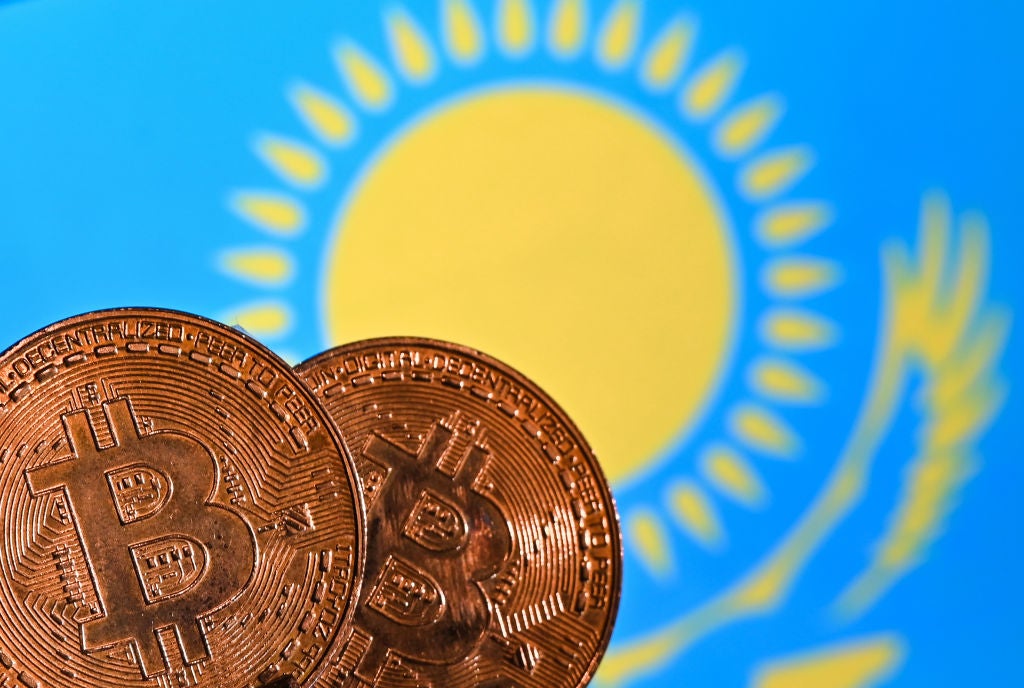
Kazakhstan’s President, Kassym-Jomart Tokayev, has called for the swift expansion of the nation’s cryptocurrency infrastructure, acknowledging its crucial role in shaping the future of the financial sector. Tokayev’s remarks, made during a government meeting on 28 January 2025, highlight the growing importance of digital currencies and assets, particularly in the face of advancements in artificial intelligence.

Addressing government officials, Tokayev pointed out that the global financial landscape is undergoing a significant transformation, with cryptocurrencies becoming a key part of economic systems worldwide. He emphasised that Kazakhstan must capitalise on these developments to stay competitive in an increasingly digital economy. The President outlined the necessity of building a robust and secure digital infrastructure that can support the growing demand for cryptocurrency transactions and services.

Kazakhstan has emerged as a critical player in the global cryptocurrency market in recent years. With a favourable regulatory environment and a relatively low cost of electricity, the country has become a hotspot for cryptocurrency mining. In fact, Kazakhstan currently ranks among the top ten countries globally in terms of Bitcoin mining hash rate, despite facing challenges such as rising energy consumption and concerns over the environmental impact of mining operations.

Tokayev’s call to action for the expansion of crypto infrastructure aligns with broader efforts to position Kazakhstan as a leader in digital finance. The government has already taken steps to strengthen the country’s position in the crypto space, including establishing regulations aimed at attracting foreign investment and enhancing market transparency. However, Tokayev stressed that the pace of development must accelerate to keep up with global trends and technological advancements.

Artificial intelligence , which Tokayev identified as a fundamental factor in the evolving financial landscape, is also seen as a major driver for the adoption of digital assets. The President pointed to the intersection of AI and blockchain technology as a pivotal area for innovation. AI’s ability to optimise blockchain processes, increase security, and enable the creation of decentralised applications is expected to drive further growth in the sector.

Kazakhstan’s proactive stance on crypto infrastructure is particularly important as the country navigates the challenges posed by global economic uncertainty and the increasing prevalence of digital assets. While digital currencies have faced volatility and regulatory hurdles in some parts of the world, Kazakhstan’s government remains committed to fostering an environment conducive to their development. Tokayev’s vision includes creating a comprehensive ecosystem that incorporates not only cryptocurrency mining and trading, but also other digital financial services such as digital banking, insurance, and payment systems.

The potential for Kazakhstan to become a regional hub for digital finance is underscored by its strategic location at the crossroads of Europe and Asia. As more businesses and individuals seek access to alternative financial systems, Kazakhstan’s crypto-friendly policies could position the country as a key player in the global digital economy.

Despite the optimistic outlook, challenges remain. One of the key concerns is ensuring the security of digital assets and protecting consumers from the risks associated with crypto investments. Tokayev acknowledged that while cryptocurrencies offer numerous opportunities, they also present risks, particularly in terms of cyber threats and fraud. As such, the President called for the development of a robust regulatory framework to safeguard the interests of investors and ensure that the benefits of digital assets are fully realised.

The government’s approach to crypto infrastructure is also focused on improving public awareness and fostering educational initiatives. As cryptocurrency adoption continues to grow, it is essential for both the public and private sectors to work together to enhance understanding and encourage responsible usage. Tokayev highlighted the need for collaboration with international experts and stakeholders to create best practices for the crypto industry and establish Kazakhstan as a trusted destination for digital asset innovation.

The push for enhanced crypto infrastructure comes at a time when global financial markets are increasingly focused on the intersection of technology and finance. Countries around the world are competing to establish themselves as leaders in the digital asset space, and Kazakhstan is determined to stake its claim. Tokayev’s remarks reflect a sense of urgency in ensuring that Kazakhstan does not fall behind in the race to capitalise on the potential of cryptocurrencies and blockchain technology.

The debate surrounding a proposed casino and entertainment complex in Tysons Corner has intensified as a key piece of legislation moved forward in the Virginia Senate. On Tuesday, the Senate approved a bill that could pave the way for Fairfax County voters to decide whether they want the sprawling complex, with the proposal now inching closer to a county-wide referendum. The development, which would be a joint venture involving major stakeholders and significant investment, is seen as a potential economic boon for the region, but it has sparked division among local lawmakers and residents.

Proponents of the Tysons casino argue that it will bring substantial economic growth to Fairfax County. Supporters highlight the potential for job creation, increased tourism, and a substantial boost to the local economy through gaming revenue and entertainment options. They also contend that the complex would be a key component in transforming Tysons Corner into a vibrant, modern urban centre, further integrating it with the broader Washington D.C. metropolitan area.

However, the proposal has not been without its critics. Several lawmakers from Fairfax County have raised concerns about the social and environmental implications of bringing a casino to the area. Opposition groups argue that such a development could exacerbate issues such as gambling addiction, crime, and traffic congestion, potentially undermining the suburban character of Tysons.

Despite these concerns, the bill moved forward in the state Senate, with lawmakers voting in favour of allowing voters to decide in a referendum. The outcome of the vote in the Senate marks a crucial step in the ongoing debate, but the ultimate decision now lies with Fairfax County residents, who will have the opportunity to weigh in on the issue later this year.

Local officials who have supported the bill have pointed to examples from other parts of the United States, where casinos have been successfully integrated into urban centres. For instance, cities such as Detroit and Pittsburgh have seen revitalisation following the introduction of gaming facilities, with job creation and revenue generation cited as key successes. Moreover, proponents argue that a casino in Tysons would complement the area’s existing infrastructure, including the newly expanded metro system, making it accessible for residents across the region.

However, critics of the plan have expressed concerns about the broader impact on local communities. They argue that casinos often attract lower-income individuals who may struggle with gambling addiction, with long-term consequences for public health and safety. Some local residents have voiced concerns about the potential for increased crime, as casinos can sometimes attract criminal activity such as money laundering and organized crime. Additionally, opponents worry that the presence of a casino could alter the character of the area, shifting it from a family-friendly suburban enclave to a more commercialised and less residential district.

In response to these criticisms, advocates of the casino project have emphasised that safeguards would be put in place to mitigate potential negative impacts. The bill includes provisions for responsible gambling programs and measures to address crime and traffic issues, such as enhanced security and improved infrastructure. Proponents also argue that the economic benefits far outweigh the potential risks, with the promise of substantial revenue for the county and the state, as well as increased tourism and entertainment options for residents and visitors alike.

El Salvador has made another significant acquisition of Bitcoin, despite the ongoing market volatility. The country’s Bitcoin holdings have now reached 6,068 BTC after a recent purchase of 12 BTC. This decision aligns with the nation’s unwavering commitment to embracing digital currencies, even as Bitcoin prices hover below the $100,000 mark.

This latest move is part of El Salvador’s broader strategy to integrate Bitcoin into its financial system. Despite facing ongoing pressure from international financial institutions, including the International Monetary Fund , the Central American country remains resolute in its belief in the potential of Bitcoin to transform its economy. El Salvador’s Bitcoin Office confirmed the purchase, citing favourable market conditions as the reason behind the acquisition.

The government of El Salvador, led by President Nayib Bukele, first made headlines in 2021 when it became the first country in the world to adopt Bitcoin as legal tender. At the time, the move was seen as a bold experiment, with critics questioning the wisdom of using a volatile digital asset in place of traditional currency. However, the government has continued to push forward with its plan to boost financial inclusion, foster innovation, and attract international investment through its Bitcoin-centric policies.

El Salvador’s Bitcoin purchases have often been timed when prices dip, allowing the government to accumulate more BTC at lower rates. The purchase of 12 additional Bitcoin came when the cryptocurrency’s value fell below $100,000 per coin, enabling the country to capitalise on a potential bargain. This strategic approach has raised both eyebrows and praise. Supporters argue that El Salvador is positioning itself to reap long-term benefits from Bitcoin’s volatility, while critics remain skeptical of the country’s reliance on an asset known for its price fluctuations.

The IMF has expressed concerns about the risks associated with El Salvador’s Bitcoin strategy. As part of its agreement for a $1.4 billion loan to El Salvador, the IMF requested adjustments to the country’s Bitcoin laws. While the government has complied with some of the IMF’s requirements, including regulatory changes, it has made it clear that it will not backtrack on its Bitcoin plans. The government views the digital asset as a tool for economic empowerment and financial independence, especially for the unbanked population, which constitutes a large portion of El Salvador’s citizens.

The IMF’s concerns are not without merit. Bitcoin’s extreme price volatility poses a significant risk to countries like El Salvador, whose economic stability is already precarious. Critics argue that Bitcoin’s erratic swings could undermine the country’s efforts to maintain fiscal discipline and attract foreign investment. Moreover, the Bitcoin market is still in its infancy, with questions about its scalability and long-term sustainability looming over the industry.

Despite these concerns, El Salvador has taken proactive steps to mitigate the risks associated with Bitcoin. The government has established a “Bitcoin Trust,” designed to safeguard the country’s Bitcoin holdings and prevent potential market crashes from impacting the nation’s finances. This trust acts as a financial buffer, enabling the government to liquidate some of its Bitcoin holdings if necessary, without triggering market panic. Additionally, El Salvador has launched Bitcoin-backed bonds, which aim to raise funds for infrastructure development and pay off existing debt. This innovative financial tool is expected to generate significant capital for the government, further solidifying its commitment to Bitcoin as a core component of its economic strategy.

While Bitcoin continues to be a cornerstone of El Salvador’s economic vision, the country has also sought to diversify its digital currency initiatives. In 2022, the government introduced a “Bitcoin City,” a special economic zone designed to attract global investors and foster blockchain innovation. The city will be powered by geothermal energy from nearby volcanoes, a feature that sets it apart from other cryptocurrency hubs worldwide. El Salvador’s efforts to promote Bitcoin as a central piece of its economic development have attracted attention from cryptocurrency enthusiasts and blockchain technology companies looking to establish a presence in the region.

The nation’s Bitcoin experiment has already had a significant impact on its financial system. According to the government, Bitcoin has provided millions of citizens with access to financial services for the first time. With a large percentage of the population lacking access to traditional banking services, Bitcoin’s digital nature offers an alternative to the conventional banking system. By using a mobile app, citizens can send and receive Bitcoin, facilitating faster and cheaper cross-border payments, and providing a sense of financial independence. This has proven to be especially important in a country where remittances from abroad account for a large portion of GDP.

However, despite the positive outcomes, the implementation of Bitcoin in everyday life has not been without its challenges. Volatility remains a significant obstacle, with many Salvadorans still wary of the risks associated with using Bitcoin for day-to-day transactions. The government has attempted to address these concerns by integrating Bitcoin with the country’s existing payment system, making it easier for businesses to accept the digital currency. The government also launched a Bitcoin wallet called “Chivo,” which allows citizens to convert Bitcoin into US dollars instantly, providing a safety net against price fluctuations.

PEPE, one of the most prominent memecoins in the cryptocurrency world, has recently experienced a significant downturn, dropping 60% from its all-time high. This dramatic fall has caught the attention of investors, who are now turning their focus to alternative memecoins with the potential to yield substantial returns. Among these, PEPETO, a new contender in the memecoin market, is emerging as a possible replacement. However, the question remains: Can PEPETO match or surpass the success of its predecessor?

The price plunge of PEPE has raised concerns about the sustainability of memecoins in a market prone to rapid fluctuations. PEPE’s meteoric rise had many believing that it could achieve mainstream success, but the latest decline signals a shift in investor sentiment. PEPE’s performance over the past few months has been a rollercoaster, with its value dipping significantly from its peak. For investors who bought in at the top, the current dip has been disheartening, leading some to question whether the memecoin phenomenon is over.

Memecoins, often driven by social media trends and online communities, can be notoriously volatile. Their value typically surges when they capture the public’s imagination, but they also experience sharp declines once the hype wanes. PEPE’s fall is no exception, but it is also a reminder of the risks associated with investing in such speculative assets. The cryptocurrency market, particularly the memecoin sector, remains a high-risk environment, where fortunes can be made or lost in a short amount of time.

Despite PEPE’s sharp decline, the broader memecoin market remains alive with speculation. Investors are now seeking the next big opportunity, and PEPETO has emerged as a promising candidate. Launched in recent months, PEPETO has garnered attention for its innovative approach to community engagement and its ambitious plans for expansion. With a strong following on social media platforms like Twitter and Discord, PEPETO is positioning itself as a viable contender in the crowded memecoin space.

The appeal of PEPETO lies not just in its potential for rapid gains but also in its ability to capture the imagination of the memecoin community. Similar to PEPE, it is largely driven by internet culture, leveraging memes and viral trends to increase its visibility. However, PEPETO’s developers have made efforts to differentiate it by focusing on long-term community involvement and utility. The token aims to integrate more features than just speculation, such as partnerships and unique use cases that could give it more staying power than traditional memecoins.

PEPETO’s emergence also highlights a shift in investor attitudes towards memecoins. While many are still driven by the possibility of quick profits, there is a growing interest in coins with a clear roadmap and utility beyond the speculative nature of the market. Investors are beginning to look for more sustainable projects that can provide long-term value. PEPETO’s development team has capitalized on this trend by emphasising its focus on creating a token that not only entertains but also offers tangible benefits for its holders.

One factor contributing to PEPETO’s rise is the increasing presence of influencers and crypto enthusiasts who see potential in the coin’s future. The backing of prominent figures in the cryptocurrency world has given PEPETO more visibility and legitimacy, positioning it as a serious contender. Its online community has been actively engaging with the token’s progress, further driving its popularity. As social media remains one of the primary drivers of memecoin success, PEPETO’s growing presence is a strong indicator that it may have staying power.

However, like all memecoins, PEPETO’s future is uncertain. The volatility of the cryptocurrency market makes it difficult to predict whether PEPETO can maintain its momentum. While some investors are optimistic, others remain cautious, noting that memecoins often experience significant price fluctuations based on shifting trends and market sentiment. The success of PEPE serves as a cautionary tale for investors, reminding them of the risks involved in trading speculative assets.

The future of PEPETO will likely depend on its ability to evolve beyond the hype. While it has gained significant traction in a short amount of time, it faces the challenge of sustaining interest over the long term. It must continue to build its community, expand its use cases, and deliver on its promises. Whether or not it can achieve this will determine if it becomes more than just another fleeting memecoin. For now, PEPETO stands as a symbol of the continued fascination with meme-driven tokens, but its true potential remains to be seen.

Matein Khalid The ideologues of MAGA assured us that Tariff Man’s threats were pure bombast and Wall Street believed them, the reason equities and crypto went ballistic after the election of POTUS-47. Yet Trump’s tariff threats were all too real and the global markets must now pay a bitter price for history’s second worst economic own goal after Brexit. The 25% tariff on Mexico will immediately send […]

In January 2025, the cryptocurrency market witnessed a significant shift as investors moved away from meme-based tokens like Pepe, Dogwifhat, Pengu, and Floki Inu, which experienced declines exceeding 35%, towards decentralized finance tokens such as Remittix. This transition underscores a growing preference for assets with practical applications over speculative investments.

Pepe saw its price drop to $1.034e-09 USD, marking a 0.16% decrease from the previous close, with an intraday high of $1.229e-09 USD and a low of $9.6939e-10 USD. Similarly, Pudgy Penguins declined by 0.15%, closing at $0.01193705 USD, fluctuating between an intraday high of $0.01408057 USD and a low of $0.01010095 USD. Floki Inu also faced a downturn, with its price decreasing by 0.24% to $0.00009045 USD, reaching an intraday high of $0.00011882 USD and a low of $0.00007839 USD.

In contrast, Remittix , a DeFi token, has garnered significant attention for its innovative PayFi solution, which integrates blockchain technology with local banking networks to enhance cross-border payments. The platform supports over 50 cryptocurrency pairs and allows conversion into more than 30 fiat currencies, offering same-day processing without hidden fees. This practical application has attracted investors seeking assets with tangible utility.

Shiba Inu , the popular meme-based cryptocurrency, has experienced a significant downturn, with its price plummeting by 20% to $0.000014 in the past 24 hours, culminating in a 25% decline over the week. This sharp decrease has raised concerns among investors and the broader crypto community.

In the midst of this decline, Shytoshi Kusama, Shiba Inu’s lead developer, has hinted at an impending major announcement. Kusama released a cryptic video, sparking widespread speculation about potential developments within the Shiba Inu ecosystem. While the content of the video remains undisclosed, it has ignited discussions about possible strategic moves or partnerships that could influence SHIB’s future trajectory.

The recent price drop is not an isolated incident for SHIB. Over the past week, the token has faced consistent downward pressure, leading to a cumulative 25% decline. This trend mirrors broader market movements, where several cryptocurrencies have encountered volatility. Analysts attribute SHIB’s decline to a combination of market corrections and profit-taking by investors following previous gains.

Despite the downturn, the Shiba Inu community remains active and engaged. The project’s decentralized nature has fostered a robust following, with members eagerly anticipating Kusama’s forthcoming announcement. The lead developer’s cryptic message has led to various theories, including potential technological upgrades, new partnerships, or initiatives aimed at enhancing SHIB’s utility and value proposition.

Historically, Shiba Inu has been characterized by its meme culture and community-driven initiatives. The token gained prominence as a “Dogecoin killer,” leveraging the popularity of dog-themed cryptocurrencies. However, the current market dynamics underscore the challenges meme-based tokens face in sustaining value amidst broader market fluctuations.

In the broader context, the cryptocurrency market has exhibited heightened volatility, with several assets experiencing significant price swings. Factors such as regulatory developments, macroeconomic indicators, and market sentiment continue to play pivotal roles in influencing crypto valuations. Investors are advised to exercise caution and conduct thorough research when navigating this unpredictable landscape.

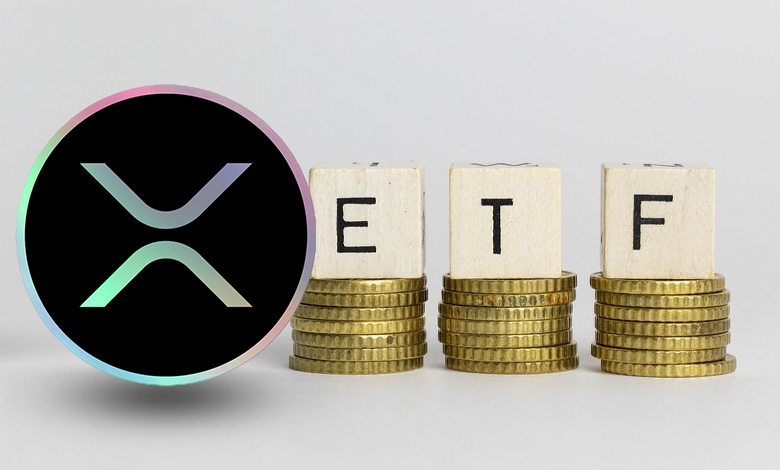
Purpose Investments, a Toronto-based fund manager overseeing over $23 billion in assets, has filed with Canadian securities regulators to launch the Purpose Ripple ETF. CEO Som Seif emphasized the growing adoption and institutional interest in XRP, stating that an ETF would provide investors with a transparent and regulated avenue for exposure.

In the United States, asset management firms REX Advisers and Osprey Funds have jointly sought regulatory approval to introduce an ETF tied to various cryptocurrencies, including Ripple’s XRP. This move comes shortly after the launch of President Donald Trump’s new crypto token and aims to test the SEC’s evolving stance on digital assets.

The recent inauguration of President Trump, known for his pro-crypto stance, has further fueled optimism in the crypto community. Analysts predict that 2025 could see the approval of more crypto ETFs, bolstered by anticipated regulatory leniency under the new administration. SEC Chair Gary Gensler’s impending departure and the potential appointment of Paul Atkins, a crypto-friendly nominee, suggest a more accommodating environment for digital asset products.

Despite the legal challenges Ripple has faced with the SEC since 2020 over allegations of XRP being an unregistered security, the cryptocurrency has experienced significant growth. XRP recently surpassed Tether to become the third most valuable cryptocurrency, with a market capitalization approaching $150 billion. This surge is attributed to various factors, including political developments and rumors of upcoming XRP-related ETFs.

Utah is on the verge of becoming the first state in the United States to officially establish a Bitcoin Reserve, marking a significant shift in the role digital currencies could play in state-backed financial strategies. The state’s legislative body has introduced a bill that would enable the state government to purchase and hold Bitcoin as part of its official reserve assets. If approved, this move could influence other states and global financial systems, potentially setting a precedent for the future of cryptocurrency integration in government reserves.

The proposed legislation reflects Utah’s growing interest in embracing cryptocurrencies as a legitimate asset class. Over the past few years, the state has fostered an environment conducive to blockchain innovation and digital currency adoption. With Utah’s reputation for being business-friendly and its tech-savvy population, this initiative has been met with considerable attention from both cryptocurrency enthusiasts and financial regulators.

The bill’s proponents argue that Bitcoin, with its decentralized nature and limited supply, could provide a hedge against inflation and currency devaluation. As the US dollar’s value fluctuates in response to domestic and global economic pressures, Bitcoin’s deflationary mechanics make it an attractive store of value. Supporters of the Bitcoin Reserve initiative believe that holding a portion of state reserves in Bitcoin could diversify Utah’s financial portfolio, safeguarding it against potential economic downturns.

Utah’s proposed Bitcoin Reserve is not a standalone development. Several other US states, including Wyoming and Texas, have also introduced bills in recent months that explore the integration of Bitcoin into state financial management. While these bills vary in scope, they share a common thread: the desire to position Bitcoin as an accepted, even integral, part of state-backed financial systems.

The move is also viewed as a response to the growing global interest in cryptocurrency as an asset class. Central banks around the world have begun exploring digital currencies, and private institutions have increasingly added Bitcoin to their balance sheets. Bitcoin’s price volatility has presented challenges, but its overall market capitalization has continued to rise, leading some analysts to predict that digital currencies could eventually play a major role in global financial systems.

For Utah, the decision to pursue a Bitcoin Reserve could also have political and economic implications. While the bill has strong support from libertarian-leaning lawmakers and blockchain advocates, it faces opposition from those who are cautious about the risks associated with Bitcoin’s volatility. Critics warn that integrating Bitcoin into the state’s reserve system could expose taxpayers to unnecessary financial risk, especially given the unpredictable nature of cryptocurrency markets.

Despite these concerns, Utah’s government is moving forward with the proposal, citing the potential benefits of Bitcoin as a long-term financial strategy. Utah’s Governor, Spencer Cox, has expressed his belief in the importance of innovation and staying ahead of technological trends, noting that the state should be open to exploring new financial systems that could provide stability and growth in an increasingly digital world.

Another important factor driving Utah’s push for a Bitcoin Reserve is its desire to remain competitive in the tech industry. Utah is home to a thriving technology sector, often referred to as the “Silicon Slopes” due to its proximity to Silicon Valley and its robust network of tech startups. By embracing cryptocurrency and blockchain technology, Utah aims to attract businesses and talent from the burgeoning digital currency industry, which could further strengthen its economy.

The Utah proposal also builds upon the state’s track record of blockchain adoption. In 2019, Utah became one of the first states to recognize blockchain-based signatures as legally valid, and it has since introduced measures to streamline the use of blockchain in state operations. This forward-thinking approach has positioned Utah as a leader in the cryptocurrency space, with the Bitcoin Reserve bill being seen as the natural next step in its ongoing efforts to innovate and modernize its financial system.

The bill’s passage would also be a milestone in the broader national debate over the regulation and integration of cryptocurrencies in government finance. While several states have taken steps toward cryptocurrency regulation, Utah’s Bitcoin Reserve initiative could set the stage for other states to follow suit. Lawmakers across the nation are closely watching the outcome of Utah’s proposal, as it could provide a blueprint for future state-level cryptocurrency legislation.

Opponents of the Bitcoin Reserve initiative argue that Bitcoin’s volatility presents a significant risk to state finances. While Bitcoin’s long-term growth prospects have been lauded by some, its short-term price fluctuations make it a risky asset for any state to hold in its reserves. Critics also point to the environmental concerns surrounding Bitcoin mining, which requires significant energy consumption and has been the subject of ongoing debate within the broader cryptocurrency community.

In response to these concerns, the Utah government has emphasized that the Bitcoin Reserve would represent only a small portion of the state’s overall financial assets. According to proponents, Bitcoin would be used primarily as a hedge against inflation, with traditional assets like gold and bonds continuing to comprise the majority of the state’s reserve holdings. This would allow Utah to take advantage of Bitcoin’s potential upside while mitigating the risks associated with its volatility.

Utah’s Bitcoin Reserve bill includes provisions for regular oversight and risk management protocols, ensuring that the state’s financial security would not be jeopardized by any potential market downturns. The bill also outlines a framework for purchasing and storing Bitcoin, with the state’s treasurer tasked with managing the asset. This added layer of oversight is designed to reassure critics and ensure that Utah’s involvement in cryptocurrency remains in line with traditional financial best practices.


VISHNU RAJA
RYO YAMADA
HITORI GOTOH
IKUYO KITA
Just in:
Ousted top Kochi cop gets IG post // Hong Kong mandates crypto transaction disclosures to tax authorities // Oil and chip shares retreat after Democratic victories // After Reaching 7 Million Users in the Philippines, Skyro Launches Transparent Cash Loans in Malaysia // Technology shares plunge as Nasdaq enters correction // Trump’s Iran War Has A Share Of Contribution To His Midterm Debacle // Emirates Group records AED 4.1 billion half-year profit // OpenAI introduces GPT-6 Cyber with restricted security access // Cloudflare unveils Zero Wire vulnerability intelligence service // Meraas showcases five residential zones at Dubai Design Week // APT29-linked campaign exploits outdated Apple and Android software // Dubai boat show confirms international shipyard line-up for November // UK air traffic outage inflicted £33m financial losses // Oil advances towards $100 as tanker attacks persist // Dubai details five-year visa benefits for returning visitors // Miss Universe Hong Kong Jen Zhou Departs for Puerto Rico to Compete in the 75th Miss Universe World Final // The “1st Greater Bay Area Health and Longevity Summit & Awards Ceremony” concludes successfully in Macao // Asia Left Behind: Ten international companies have yet to report delivering on their cage-free egg pledges across the region // Geely’s i-HEV Intelligent Hybrid Technology Offers a New Direction Vision for Gasoline-Powered Vehicles // Beyond the exhibition floor: How robots, AI and networks are moving into the real world //