News related to
crypto

Smart cities have emerged as a transformative vision for the future of urban life, integrating cutting-edge technologies to enhance living standards, boost sustainability, and improve service efficiency. However, as these cities evolve, they face growing concerns regarding cybersecurity. With vast amounts of sensitive data being collected, processed, and transmitted across networks, securing these data exchanges is paramount. The role of modern cryptographic solutions in safeguarding these environments […]

Aave, a leading decentralised finance protocol, has announced the launch of its new retail-focused crypto yield app on Apple’s App Store. The application aims to give users a simple way to earn interest on their digital assets, with Aave promising annual yields of over 5% on deposits. This rate surpasses the returns typically offered by traditional money market funds, a move that highlights Aave’s ambition to bridge the gap between DeFi and mainstream financial services.

The Aave app, available to users globally, allows retail investors to participate in DeFi in a straightforward manner, eliminating the need for complex processes typically associated with decentralised finance platforms. By leveraging the Aave protocol, users can deposit a range of crypto assets, including stablecoins, and earn interest that fluctuates with the market conditions. The app provides users with an easy-to-use interface, making the once-complex world of DeFi more accessible to the average consumer.

Aave’s new venture represents a significant step in the adoption of decentralised finance by mainstream retail investors, particularly in the wake of rising interest in cryptocurrencies and blockchain-based financial services. Traditional financial institutions are beginning to notice the growing appeal of digital assets, which offer innovative ways for consumers to engage with their money. In particular, the idea of earning a passive income from crypto deposits is proving increasingly attractive as inflation concerns and low yields in traditional finance continue to persist.

For Aave, this marks a new chapter in its journey, extending its pioneering work in DeFi beyond the domain of institutional users and sophisticated investors. As a protocol, Aave has consistently pushed the boundaries of decentralised finance, providing a platform that allows users to lend, borrow, and earn yield on their crypto assets without intermediaries. The protocol has accumulated billions in total value locked and is regarded as one of the most significant players in the DeFi space.

The app will offer more than just basic yield-generation functionality. Aave has integrated an automated risk management system, designed to help protect users’ funds by evaluating various market factors and adjusting interest rates accordingly. This feature aims to enhance user confidence in the app, particularly for those who may be unfamiliar with the intricacies of DeFi protocols.

With the app’s launch, Aave is positioning itself as a key player in the next wave of crypto adoption, focusing on ease of use and trust for the average investor. While many crypto apps on the market focus on trading or speculation, Aave’s app prioritises stability and long-term yield generation. The company believes this will resonate with a wider audience, including those seeking alternatives to low-yield savings accounts in traditional banking systems.

However, as with all crypto-based financial services, there are risks involved. The volatility of the cryptocurrency market can lead to significant fluctuations in the yield offered to users, and there are regulatory concerns that still loom over the broader DeFi space. Despite these challenges, Aave’s strategic move onto the Apple App Store provides a pathway for mainstream users to access decentralised finance solutions with minimal complexity.

The retail-focused app is expected to serve as a gateway for millions of users who have yet to experience the benefits of decentralised finance but are seeking more lucrative alternatives to traditional financial products. With the added appeal of potentially higher returns, it is likely to attract those disillusioned by low-interest bank savings accounts and money market funds.

Bitcoin, the world’s leading cryptocurrency, has seen a significant drop, dipping below the $91,000 mark, a level that had previously seemed unreachable for the digital asset. This latest decline marks a pivotal moment for the market, as Bitcoin continues to face heightened volatility amidst shifting investor sentiments and global economic factors.

The recent price adjustment follows a series of fluctuations that have seen the value of Bitcoin soar to new heights, only to experience sharp corrections in the last few weeks. The drop has left market analysts questioning whether this signals a broader trend of market uncertainty or whether it’s merely a temporary setback for Bitcoin’s long-term upward trajectory.

Several factors are believed to be contributing to the current dip. One of the most prominent drivers of market volatility is the ongoing regulatory concerns surrounding digital assets. Governments across the globe have ramped up efforts to introduce stricter regulations on cryptocurrencies, with particular focus on anti-money laundering and tax policies. These actions have raised doubts among investors, triggering a sell-off in major cryptocurrencies, including Bitcoin.

The tightening of monetary policies by central banks, particularly the U. S. Federal Reserve, is also playing a significant role in the digital asset market’s instability. With the Fed’s recent interest rate hikes and other inflation-control measures, traditional investment avenues like bonds and equities have become more attractive, pulling attention away from high-risk assets like cryptocurrencies.

Bitcoin’s price drop comes despite strong institutional support and increasing mainstream adoption of blockchain technology. Corporate giants and investment firms continue to pour billions into Bitcoin, seeing it as both a store of value and a hedge against inflation. However, the cryptocurrency market’s volatility has remained a key concern for investors, with many choosing to adopt a more cautious approach as the market grapples with uncertainty.

The recent success of Ethereum’s upgrade to Ethereum 2.0, which promises to lower energy consumption and improve transaction speeds, has sparked renewed interest in altcoins, drawing capital away from Bitcoin and diversifying the cryptocurrency market. This shift in focus has contributed to Bitcoin’s loss of market dominance, as investors explore alternatives that promise long-term growth and more sustainable blockchain solutions.

Despite the current downturn, experts remain divided on Bitcoin’s long-term potential. Some continue to see the asset as a digital gold, offering a hedge against traditional economic risks and inflationary pressures. Others argue that its speculative nature, coupled with its limited regulation, will make Bitcoin highly susceptible to sharp price swings in the future.

Technological advancements in the blockchain sector, including innovations in decentralized finance and non-fungible tokens, are also playing a crucial role in shaping the future of digital assets. These developments have the potential to further disrupt traditional financial systems, drawing more attention to the blockchain space and potentially providing new avenues for Bitcoin to recover.

The broader financial landscape is also influencing Bitcoin’s price trajectory. With traditional markets facing their own uncertainties, including geopolitical tensions and economic slowdowns in key regions like Europe and China, Bitcoin’s performance is closely tied to global economic trends. As investors continue to grapple with these uncertainties, Bitcoin’s volatility is expected to persist, with many viewing it as a barometer for the health of the cryptocurrency sector as a whole.

Canonical has taken significant steps to address the needs of security-conscious organisations by introducing new features in both its Kubernetes distribution and Ubuntu Long Term Support offerings. The company’s latest enhancements focus on improving compliance and security, which are crucial for industries requiring stringent safeguards. The addition of FIPS 140-3 validation to Canonical’s Kubernetes distribution marks a major update in the company’s commitment to security. FIPS 140-3 […]

Michael Saylor, the prominent Bitcoin advocate and co-founder of MicroStrategy, has made another significant move in his aggressive Bitcoin acquisition strategy. His company, which has been steadily amassing the cryptocurrency for years, has purchased 8,178 Bitcoin, valued at approximately $835 million. This new purchase further strengthens MicroStrategy’s position as one of the largest corporate holders of Bitcoin globally, a move that aligns with Saylor’s vision of Bitcoin as a store of value and a hedge against inflation.

The acquisition comes amid a backdrop of fluctuating Bitcoin prices, with the cryptocurrency demonstrating resilience despite market volatility. Bitcoin, which had experienced a substantial dip earlier in the year, has since shown signs of recovery. The latest move by MicroStrategy reinforces the long-term bullish outlook that Saylor has consistently expressed. For Saylor, Bitcoin represents more than just a speculative investment; it’s a cornerstone of his financial strategy. The acquisition is part of a broader trend in which institutional investors are increasingly viewing Bitcoin not merely as a speculative asset but as a vital element in their portfolios.

MicroStrategy’s ongoing purchases have led to the company’s Bitcoin holdings reaching well over 100,000 Bitcoin, which is valued at billions of dollars at current prices. This vast accumulation is not just a financial decision for Saylor but also a public statement about his belief in the future of Bitcoin. The company’s strategy has come under scrutiny at times, with critics questioning the wisdom of holding such a significant portion of corporate assets in a volatile cryptocurrency. However, Saylor has remained steadfast in his commitment, arguing that the potential upside of Bitcoin outweighs any risks associated with short-term market fluctuations.

Saylor’s position as one of the most vocal supporters of Bitcoin is well-established, and his company’s strategy of acquiring Bitcoin has become a benchmark for other institutional investors looking to follow suit. MicroStrategy’s aggressive buying strategy began in 2020, and since then, Saylor has made headlines for his unabashed enthusiasm towards the digital currency. For him, Bitcoin offers a unique opportunity to protect wealth from inflationary pressures that are exacerbated by traditional fiat currency policies.

Bitcoin’s journey over the past few years has been marked by significant institutional interest, with companies like Tesla and Square also making notable investments in the cryptocurrency. These moves have highlighted Bitcoin’s potential not just as a speculative asset but as an alternative form of money, challenging traditional financial paradigms. However, the path has not been without its challenges. Bitcoin has faced scrutiny from governments and regulators, particularly in terms of its environmental impact due to the energy-intensive mining process. This has sparked debates about the sustainability of the cryptocurrency in the long run.

Despite these concerns, Bitcoin’s role as a store of value continues to gain traction, especially among corporate players who see the cryptocurrency as a hedge against the potential devaluation of fiat currencies. The continued accumulation by MicroStrategy, with Saylor at the helm, underscores a broader trend of institutional adoption. MicroStrategy’s large Bitcoin holdings have made it a major player in the crypto space, and its moves are closely watched by analysts and investors alike.

Saylor’s strategy of leveraging Bitcoin as a treasury reserve asset has prompted discussions about the broader implications for corporate balance sheets. His bet on Bitcoin is a departure from conventional corporate finance practices, where cash and other liquid assets are typically held as reserves. Instead, Saylor has opted for a strategy that involves converting the company’s cash reserves into Bitcoin, believing that the cryptocurrency will outperform traditional assets over time.

Taiwan is set to begin a pilot program to assess the viability of Bitcoin as a strategic asset, marking a significant shift in the country’s approach to digital currencies. The decision, which was approved by both the Prime Minister and Taiwan’s central bank, aims to explore the potential of Bitcoin in the country’s financial strategy and its application in managing confiscated assets.

The initiative comes at a time when global interest in digital currencies continues to grow, with several nations beginning to integrate Bitcoin and other cryptocurrencies into their economic frameworks. Taiwan’s move signals a willingness to experiment with blockchain technology as a tool for financial innovation, despite Bitcoin’s volatility and the regulatory challenges that many countries face in adopting such assets.

The Taiwanese government intends to store Bitcoin acquired from confiscated funds within the framework of this pilot. It is part of a broader effort to establish clearer regulations surrounding cryptocurrency and its role in asset management, particularly in relation to funds seized from illegal activities. This initiative could provide insights into how digital assets might be incorporated into the national financial system, paving the way for more widespread adoption in the future.

Taiwan’s central bank, which has been cautious in its approach to cryptocurrencies, is now tasked with overseeing the implementation of the pilot program. The bank will also monitor the performance of Bitcoin in this new capacity, assessing whether it offers benefits such as enhanced liquidity and diversification for the country’s reserves.

For years, Taiwan has taken a cautious stance on cryptocurrency. While it has not outright banned digital currencies, the country’s regulatory framework has largely focused on preventing illicit activities such as money laundering and tax evasion. With this new initiative, however, Taiwan seems ready to take a more proactive role in exploring the potential benefits of blockchain technology for economic management.

The pilot program will run for an undisclosed period, during which the central bank will evaluate the practicality of Bitcoin as a stored asset, with a particular focus on security, value fluctuations, and its ability to integrate with traditional financial systems. Given Bitcoin’s known volatility, the central bank will likely take a conservative approach to its management, limiting the amount of cryptocurrency held and closely monitoring market conditions.

Taiwan’s move has already drawn attention from both the cryptocurrency industry and global financial analysts. Experts note that the experiment could provide valuable data for other governments considering similar initiatives, particularly in regions with more stable regulatory environments. If successful, it could lead to broader acceptance of Bitcoin as a legitimate financial asset, beyond its current role as a speculative investment.

Despite its growing global presence, Bitcoin remains a controversial asset. Its decentralised nature, combined with its high volatility, makes it a difficult asset for many governments and financial institutions to adopt. However, some see Bitcoin’s potential as a hedge against inflation and as an alternative asset class for diversification. Taiwan’s decision to explore its use further could have ripple effects throughout the region, especially in markets where digital currencies are seen as disruptive forces.

The pilot program is also expected to address concerns about the security of digital assets. Taiwan’s central bank has experience in managing traditional financial reserves, but Bitcoin and other cryptocurrencies present unique challenges in terms of safeguarding against hacking and ensuring secure transactions. As part of the pilot, the government will likely collaborate with blockchain security experts to implement robust safeguards.

This move also places Taiwan at the forefront of digital currency experimentation in Asia. While countries like Japan and South Korea have made significant strides in integrating cryptocurrencies into their financial systems, Taiwan’s initiative to test Bitcoin as a strategic asset is among the first in the region to explore its use as a legitimate part of a national asset portfolio.

An in‑depth probe by the International Consortium of Investigative Journalists has unveiled a sprawling network of criminal finance powered by cryptocurrencies, highlighting how digital asset platforms, cash‑to‑crypto storefronts and unregulated exchange desks have become central to laundering money for human‑trafficking rings, drug cartels and Russian organised crime groups. The investigation, under the title “The Coin Laundry”, involved more than 100 journalists across 38 news outlets and casts a harsh light on how the crypto‑space has evolved into a parallel shadow financial system.

The core finding of the ICIJ project is that thousands of transactions—ranging from hundreds of millions of dollars—have flowed through crypto platforms that either lacked robust anti‑money‑laundering safeguards or deliberately facilitated anonymity. Some of the biggest cryptocurrency exchanges are shown to have moved hundreds of millions in funds tied to illicit actors even after criminal pleas and enforcement actions. The scale and the reach of the systems uncovered suggest that the digital‑asset industry has matured from niche speculation into a global conduit for organised illicit flows.

The architecture of this criminal system reveals several layers. First, cash‑to‑crypto storefronts operating in places like Dubai, Toronto and other jurisdictions emerge as physical bridges where cash is converted into crypto away from traditional banking rails. These outlets, according to the investigation, serve entities that “have lots of cash they want to offload without using a bank”. Secondly, certain crypto exchanges and wallets have been used to take funds from traffickers, drug networks or Russian criminal gangs, convert them into digital assets, transfer those across borders, then convert back into fiat currencies—often in jurisdictions with weak enforcement. Thirdly, mixers, anonymised cryptocurrencies and opaque wallet‑chains have enabled the origin and destination of funds to be obscured, making law‑enforcement tracking significantly harder.

Criminal networks profiting from these systems include people‑trafficking racks, where victims are moved across borders and payment flows routed via crypto; drug cartels that convert illicit cash into digital tokens to hide funds and move value swiftly; and Russian organised crime groups that make use of sanctions‑evading platforms to transfer funds internationally. The investigation points out how several Russian‑linked exchanges came under scrutiny after moving billions in assets on behalf of sanctioned individuals.

For regulators and law‑enforcement agencies, the ICIJ findings pose a serious challenge. Cryptocurrency was once hailed for its transparency because of blockchain traceability, yet the system has matured into one where anonymisation tools, cross‑jurisdictional flows and cash‑on‑ramps erode that promise. One analysis notes how the boundaryless nature of crypto and cash conversions has “erased national borders” in laundering schemes. The combination of weak regulatory oversight, technological complexity and global jurisdictional gaps means that the crypto sector now offers potentials previously reserved for traditional offshore banking and shell‑company networks.

From a regulatory‑policy perspective the report surfaces key faultlines. Many exchanges either operate in regulatory grey zones or rely on lax “know your customer” checks, enabling high‑risk actors to open accounts and move funds. The ICIJ investigation underscores how crypto to cash workflows are particularly acute in jurisdictions where enforcement is weak or cash‑based storefronts operate with minimal oversight. In India for example, investigators found that 144 cases over three years involved crypto routes used to funnel stolen or illicit cyber‑crime proceeds into global syndicates. That observation underscores how burgeoning crypto markets in emerging economies may be especially vulnerable to exploitation.

Industries beyond crypto feel the fallout. Traditional banking institutions face reputational risk when their clients or connected transactions use crypto intermediaries. Law‑enforcement agencies face mounting costs tracing and investigating these flows when the end‑destination is hidden behind layers of wallets or front businesses. Victims of people‑trafficking or drug networks often find no effective path to recovery, as the digital funds vanish into complex webs. One ICIJ commentary notes that while crypto platforms have profited from these illicit flows, those harmed are “left with little hope of justice”.

The ecosystem enabling this laundering structure demonstrates a careful interplay of legitimate and illegitimate actors. On one side are mainstream crypto exchanges, sometimes guilty of compliance failures or negligent oversight; on the other are fringe services—mixers that convert one token to another to obfuscate origins, anonymous coins such as Monero, and cash‑to‑crypto kiosks possibly operating in jurisdictions with lax enforcement. In the French legal reform context, a law recognising funds passing through anonymisation tools as part of money‑laundering was introduced, acknowledging how tools once fringe are now central to criminal flows.

From the enforcement standpoint the challenge is two‑fold: tracing funds and prosecuting high‑level actors. Blockchain analytics can trace token flows, but when the end‑recipient wallet is converted into cash via shadow exchanges or laundromats, it becomes a near‑impossible task. This is compounded when jurisdictions refuse to cooperate or when the conversion happens in physical storefronts beyond bank controls. One academic note highlights that conventional AML practices struggle to detect “subgraph” laundering patterns that exploit layered wallet behaviour and network effects.

The global regulatory environment currently appears mismatched to the scale of the problem. While policy makers have begun to act—such as the French law targeting anonymisation tools—many jurisdictions lack the statutory frameworks or enforcement resources to address crypto‑laundering at scale. Regulatory gaps are further compounded when major jurisdictions focus only on tokens traded on exchanges rather than on emerging narratives involving cash‑to‑crypto desks, unregulated decentralized platforms or off‑ramp services. One commentator described the flow from cash into crypto as “after tax‑havens, dirty money finds a new home: cryptocurrency”.

From a financial‑crime perspective, the finding that major exchanges still processed illicit funds even after criminal prosecutions signifies systemic weakness. This suggests that bad‑actor networks can rely on deep pockets, jurisdiction shifting and complex intermediaries to keep funds moving. The ICIJ investigation lists two of the world’s largest exchanges moving hundreds of millions in illicit funds after pleading guilty to crimes related to money laundering. These revelations raise questions about whether enough internal controls exist in the high‑volume crypto market and whether enforcement action has produced meaningful change.

The implications for victims of organised crime and for global governance are stark. For people trafficking survivors the money flows support networks that exploit human lives yet vanish into anonymous wallets across jurisdictions, making asset recovery and restitution extremely difficult. For drug‑trafficking networks, the agility and cross‑border speed of crypto conversion process provide large scale advantage. For states dealing with sanctions enforcement, the ability of crypto platforms to host cross‑border flows undermines the effectiveness of sanctions regimes.

While the ICIJ investigation sets out a clearer map of how these systems function, it also signals that the public and private sectors face an urgent need for stronger deterrence. Some proposals include mandatory global standards for exchange KYC/AML, registration of cash‑to‑crypto on‑ramp services, enhanced international cooperation for wallet tracing, seizure frameworks for anonymised funds and real‑time monitoring of conversion windows. A related academic analysis recommends adopting subgraph‑based network detection systems to identify laundering patterns earlier.

Industry players replying to the revelations argue that the bulk of legitimate crypto transactions are untainted and that enhancements to compliance are underway. Exchanges emphasise that transparency is improving with on‑chain traceability and that many illicit flows represent a small fraction of total volume. Some operators point out that regulators themselves are still developing the controls needed for a digital‑asset environment and that over‑regulation risks stifling innovation.

In parallel, a cultural shift is emerging where law‑enforcement bodies increasingly view crypto not just as a speculative market but as a core part of the financial‑crime ecosystem. Tasks once reserved for tracking offshore shell companies or cash couriers now must include tracing smart‑contracts, wallet clusters and token flows across borders. That evolution places a premium on technological capacity, inter‑agency cooperation and jurisdiction‑bridging legal tools.


Advertisements

Solaria Energia y Medio Ambiente SA, the Spanish solar energy developer, has taken a strategic step toward expanding its portfolio by engaging Goldman Sachs Group Inc. to identify a financial partner for its newly formed European data centre platform. The move signals the company’s intent to tap into the booming data centre industry, which has seen increasing demand in Europe due to digitalisation, cloud computing, and data storage needs.

The collaboration with Goldman Sachs marks a critical phase in Solaria’s growth as it seeks to diversify its business beyond solar energy projects. The investment bank will assist in connecting Solaria with potential partners that can provide the financial backing needed to grow its data centre operations. The platform is designed to capitalise on the rapid growth of the data storage and processing sector, which is integral to supporting industries ranging from e-commerce to artificial intelligence and beyond.

The formation of this platform comes as the European Union strengthens its push toward digital transformation. As part of its long-term economic strategy, the EU has been prioritising infrastructure that supports the digital economy, such as data centres, which are essential for powering cloud services, big data analytics, and Internet of Things applications. Solaria’s move into this field is a strategic alignment with the EU’s broader goals, placing the company in a strong position to benefit from the region’s increasing investment in digital infrastructure.

Goldman Sachs’ involvement brings significant expertise in the global infrastructure and energy sectors. The bank is expected to use its extensive network and financial knowledge to attract institutional investors or corporate partners who are seeking to enter the rapidly expanding data centre market. Solaria aims to build a platform that will manage and operate data centres across multiple European countries, with a focus on sustainability and renewable energy sources.

The growing need for data processing and storage has been a major driver of the global data centre industry, and Europe is no exception. The region has seen an influx of investment into the sector, driven by increased demand from large technology companies, including cloud service providers, e-commerce giants, and financial institutions. In addition to the need for more physical infrastructure, there is an increasing demand for data centres that are energy-efficient and environmentally friendly.

Solaria’s decision to integrate its solar energy expertise into the data centre platform is a strategic move that could set it apart from competitors. By combining renewable energy sources with data centre operations, Solaria can address growing concerns about the environmental impact of traditional data centre models, which are energy-intensive and reliant on fossil fuels. This aligns with the European Green Deal, which has set ambitious goals for reducing carbon emissions across the continent.

The data centre sector itself has become a hotbed of competition, with global players such as Equinix, Digital Realty, and CyrusOne leading the market. However, regional players have a unique opportunity to capitalise on localised demand and the growing push for sustainability. Solaria’s position as a solar developer with an established track record in renewable energy could allow it to secure a competitive edge in this space, particularly if it can offer clients data centre services that are both reliable and powered by clean energy.

As Solaria works with Goldman Sachs to explore potential partnerships, the company is also positioning itself to capitalise on the increasing convergence of energy and technology sectors. By leveraging its expertise in solar energy alongside a data centre platform, Solaria could provide a comprehensive solution to meet the dual demands of growing digital infrastructure and sustainability.

Speculation around the potential launch of a BlackRock XRP Exchange Traded Fund has intensified following the impressive debut of the Canary XRPC ETF. The new fund has shattered records, achieving a staggering 58 million dollars in first-day volume and 245 million dollars in net inflows. This performance places it among the strongest ETF launches of 2025, outperforming many other offerings in the competitive market.

The Canary XRPC ETF’s exceptional launch has sparked a wave of interest in XRP-related investment products. This surge in attention comes at a time when global interest in cryptocurrency-based financial products is rising, fueled by increased institutional involvement and growing acceptance of digital assets within traditional financial markets. The success of the Canary XRPC ETF, in particular, has led analysts to revisit the possibility of BlackRock entering the space with its own XRP-focused ETF.

BlackRock’s previous filings have contributed to the ongoing speculation. The investment giant has been a major player in the ETF market, with a track record of successfully launching funds that track digital assets, including Bitcoin and Ethereum. The company has already filed for a number of crypto ETFs in the past, most notably its Bitcoin ETF, which garnered significant attention. With the positive reception of such products, the entry of a BlackRock XRP ETF seems like a natural progression for the firm, especially considering XRP’s rising prominence within the digital asset ecosystem.

XRP, the digital currency associated with Ripple Labs, has been at the centre of legal and regulatory developments. Despite challenges, including the ongoing legal battle with the U. S. Securities and Exchange Commission, XRP has maintained a strong position in the cryptocurrency market. The uncertainty surrounding XRP’s regulatory status has not deterred investor interest, as demonstrated by the overwhelming demand for the Canary XRPC ETF. Ripple’s ongoing efforts to settle its legal issues, along with its partnerships with financial institutions, have bolstered confidence in the cryptocurrency’s future prospects.

The performance of the Canary XRPC ETF is viewed as a strong indicator of the market’s appetite for XRP-linked investment products. Market analysts believe that the fund’s initial success reflects a growing demand for structured, exchange-traded products that offer exposure to digital assets without requiring investors to directly hold the underlying cryptocurrencies. ETFs provide a level of convenience and security that traditional cryptocurrency exchanges may lack, appealing to institutional investors looking for a regulated route into the digital asset market.

With the Canary XRPC ETF breaking records, the conversation around a potential BlackRock XRP ETF has gained momentum. If BlackRock were to launch its own XRP ETF, it would likely benefit from the momentum created by Canary’s success, attracting both retail and institutional investors eager to gain exposure to XRP through a trusted, established financial institution. BlackRock’s involvement would also likely enhance the legitimacy of the XRP asset class in the eyes of conservative investors and regulators alike.

Despite the strong demand for XRP-related products, market experts caution that the regulatory landscape remains a critical factor in the future of XRP-focused ETFs. The legal uncertainty surrounding Ripple’s ongoing lawsuit with the SEC could impact investor sentiment and regulatory approval. Any significant developments in this legal battle could either accelerate or delay the launch of new XRP-related financial products.

In addition to regulatory hurdles, market volatility is another risk factor that could influence the success of an XRP ETF. Cryptocurrencies are known for their price fluctuations, and the value of XRP has experienced considerable swings over the years. While this volatility presents opportunities for high returns, it also poses risks for investors who are not prepared for the rapid price movements typical in the cryptocurrency market.

The growing popularity of XRP as an investment vehicle underscores a broader trend in the digital asset market. Institutional investors are increasingly turning to cryptocurrencies as part of their diversified portfolios, seeking to capture the potential growth of blockchain-based assets. ETFs have become a popular mechanism for accessing these assets, offering exposure while avoiding the complexities of direct cryptocurrency ownership, such as wallet management and private key security.

An estimated US$300 million worth of long positions in the cryptocurrency market were wiped out within a short period, exposing vulnerabilities in high-leverage trading and sparking fresh concern among market participants. While the exact timeframe remains disputed, data aggregated from multiple analytics platforms show a sharp spike in forced liquidations as asset prices slipped.

According to the real-time liquidation monitor on one analytics service, the past 24 hours have seen unusually high volumes of closed long positions, with the tally edging near US$300 million. Other reports suggest the figure may have occurred over the span of 60 minutes, with industry social-alerts estimating that magnitude of losses among long traders.

Prices of flagship assets such as Bitcoin and Ethereum registered meaningful intra-day declines, which in turn triggered liquidation cascades. Data from the analytics platform show that the leverage unwind was heavily concentrated among long bets, meaning traders expecting prices to rise were forced out as conditions reversed. Market analysts point to a surrender of bullish momentum: the chain reaction begins when a leveraged long position is liquidated, driving asset-sales and pushing prices lower, which in turn triggers further liquidations. This creates a self-reinforcing decline until the excess leverage is cleaned out.

This manoeuvre comes at a moment when structural shifts are underway in the crypto ecosystem. On-chain research indicates that institutional players are absorbing large volumes of bitcoin—almost 300,000 BTC or around US$33 billion—since mid-year, signalling a migration of risk away from retail-leveraged positions into longer-term holdings. That migration may be insulating a lot of the market from large draw-downs, but it also leaves the leveraged short-term traders exposed.

Some analysts interpret the liquidation event as a symptom of broader fragility in the derivatives market. The platform that tracks open interest and funding rates flagged elevated levels of long-side leverage prior to the drop, suggesting that the market had been overloaded with bullish bets. Once price momentum stalled, forced liquidations acted as a trigger for a more acute correction. The effect tends to be more severe when a large proportion of leverage lies on one side of the trade.

While the spot market for major cryptos held up relatively well compared with past extreme episodes, the liquidation event raises questions about crowd positioning and risk management. The analytics firm responsible for the heat-map data emphasises that while asset prices can stay elevated, the presence of large clustered leveraged trades makes the market susceptible to sharp draw-downs. From a regulatory and risk-framework perspective, the event may amplify calls for more transparent oversight of derivatives platforms given the interconnectedness of spot-and-futures exposures.

From the retail trader’s standpoint, the message is clear: heavy use of leverage in a complex and volatile market increases the potential for rapid and large losses. Several traders active in online forums noted one recurring theme: when the dominoes fall, they fall quickly. Nonetheless, the institutional shift described in bitcoin ownership data suggests that the broader market may be entering a more mature phase, wherein spot liquidity and accumulation replace the wild speculative cycles of earlier years.

In the derivatives space, the major platforms are likely to re-evaluate margin-requirements and risk-controls. Some executives in the sector previously flagged that the previous cycle’s wild leverage growth was unsustainable. This latest liquidation incident could prompt exchanges to tighten conditions, potentially increasing costs for leveraged trading and reducing the appeal of highly-geared positions.

The cryptocurrency market experienced an abrupt surge in forced liquidations that wiped out approximately $220 million worth of long positions within a narrow timeframe, signalling heightened turbulence across the derivatives ecosystem. Data from tracking services show that the bulk of these liquidations occurred in the perpetual futures markets for major tokens, particularly Bitcoin and Ethereum.

According to aggregated figures, long positions accounted for the lion’s share of the losses, with one platform indicating about $173 million in long liquidations and around $46 million in short positions during the same window. On BTC contracts alone nearly $88.65 million was liquidated, while ETH accounted for about $39.21 million. These numbers highlight the elevated risk exposure from leveraged long positions in a volatile market environment.

Market participants described the spike as part of a broader deleveraging wave triggered by swift upside price movements and thinner liquidity conditions in derivatives markets. In this case, the cascade appears to have been initiated as liquidation auto-mechanisms triggered, driving forced unwinds that bordered on a short-squeeze scenario in some tokens. Exchanges and analytics firms reported notable deterioration in order-book depth and funding-rate dislocations amid the event.

Derivatives analysts point out that the structure of perpetual futures—where traders can hold long or short positions with leverage—makes the system vulnerable to sudden directional shocks. As one analyst put it, when margin positions begin auto-liquidating, “the waterfall becomes self-reinforcing, as each forced exit adds fuel to the next wave.” Traders holding long positions without sufficient margin buffers were disproportionately exposed.

The broader market impact is not restricted to immediate losses. Observers note that such liquidation spikes tend to raise implied volatility, disrupt funding-rate structures, and force platforms to draw on insurance funds or trigger automatic deleveraging mechanisms. For instance, one derivatives exchange reported that although no major platform collapsed, “stress tests” on margin systems and clearance flows were clearly elevated during the event.

Institutional responses to the event are already shaping up. Hedge funds and proprietary trading desks say they are trimming leverage thresholds, reducing tail-risk exposure and increasing hedge allocations in short-term options. Meanwhile retail participants are being urged to revisit risk-management protocols. One experienced derivatives strategist commented: “The lesson here is that high-leverage long bets in a regime of thin liquidity are inherently fragile—what appears as momentum can swiftly become a trap.”

Regulation and infrastructure strains also emerged as themes. Some centralised exchanges disclosed stress on their liquidation engines and the need to replenish risk-fund buffers. Decentralised platforms reported shorter circuit-breaker windows and sharper spreads in underlying tokens during the height of liquidation flows. That has fuelled discussion about whether infrastructure warranties and margin-support frameworks are keeping pace with escalating derivatives volumes.

While liquidations of this magnitude are by no means unprecedented in crypto markets, the concentration on long positions and the speed of unwind mark an important event. Previous cascades had more evenly-split long/short liquidations, but here the asymmetry suggests a sharp directional surprise for markets. Long-only leveraged players may now need to reassess their exposure vis-à-vis volatility, funding-rates, and underlying spot liquidity.

The Czech National Bank has made a groundbreaking decision by purchasing $1 million worth of Bitcoin and other cryptocurrencies. This move marks a significant shift in the institution’s approach to digital assets, as traditionally, central banks have been cautious about such volatile markets. This purchase is seen as a strategic step towards diversifying the country’s financial reserves and aligning with the growing trend of state-level engagement with cryptocurrencies.

The decision, which has raised eyebrows in financial circles, reflects a broader global trend where central banks and governmental institutions are increasingly exploring the role of digital currencies in modern economies. While the purchase is relatively modest compared to the vast reserves typically managed by central banks, it signals a new willingness to embrace the evolving digital finance landscape.

Central banks across the world have been exploring digital currencies for several years, with some even launching their own central bank digital currencies. However, direct investments in cryptocurrencies like Bitcoin are rare. Most central banks remain skeptical, often citing concerns over regulatory challenges, security risks, and the potential for instability in cryptocurrency markets.

The Czech National Bank’s move to buy Bitcoin suggests a shift in its thinking, with an increasing recognition of the role that cryptocurrencies might play in the future of the global financial system. Experts have suggested that the bank might be aiming to gain exposure to the asset class as part of a broader strategy to stay ahead of technological developments in finance.

The purchase has raised questions about how central banks will balance the use of traditional assets like gold and fiat currency with the emerging influence of digital assets. Cryptocurrency markets, especially Bitcoin, have seen significant price volatility, and its future remains uncertain. However, this new development in the Czech Republic comes amidst growing interest in digital currencies as a store of value, particularly as inflation concerns and geopolitical risks continue to influence traditional financial markets.

Bitcoin has been increasingly seen as a hedge against inflation, similar to gold, which has historically been a safe haven for investors during times of economic uncertainty. The Czech National Bank’s decision could be an acknowledgment of Bitcoin’s growing role in global finance, even as many countries still hesitate to fully embrace it. The purchase may also reflect the bank’s desire to experiment with cryptocurrencies and explore their potential as an alternative asset class, which could ultimately benefit its own strategic interests.

The Czech government and financial regulators have thus far remained cautious about cryptocurrency adoption. While the country has not implemented any major regulatory frameworks specifically for crypto assets, it has been keeping an eye on developments in the sector. The central bank’s decision could push for further discussions around the future regulatory landscape for cryptocurrencies within the Czech Republic, particularly in relation to institutional investment.

In Europe, other countries are also taking steps to integrate digital assets into their financial systems. For instance, countries like Switzerland and Germany have become more receptive to cryptocurrency investments, with some banks even offering cryptocurrency-related services to clients. However, the Czech Republic’s central bank is one of the few to make such a direct investment in Bitcoin, setting it apart from its regional counterparts.

The global narrative surrounding cryptocurrency adoption continues to evolve. Many governments and central banks have been hesitant to fully embrace these digital assets due to concerns over their speculative nature and lack of regulation. However, with financial institutions like the Czech National Bank making such investments, it’s becoming increasingly clear that there is an acknowledgment of cryptocurrencies’ growing influence on the global stage.

While there is no official statement from the Czech National Bank regarding its long-term strategy for cryptocurrencies, experts suggest that the purchase could be part of a broader effort to test the waters before making further moves in the digital asset space. Central banks are traditionally risk-averse, but as the digital economy continues to grow, institutions like the Czech National Bank may play a more active role in shaping the future of cryptocurrencies in the global financial system.

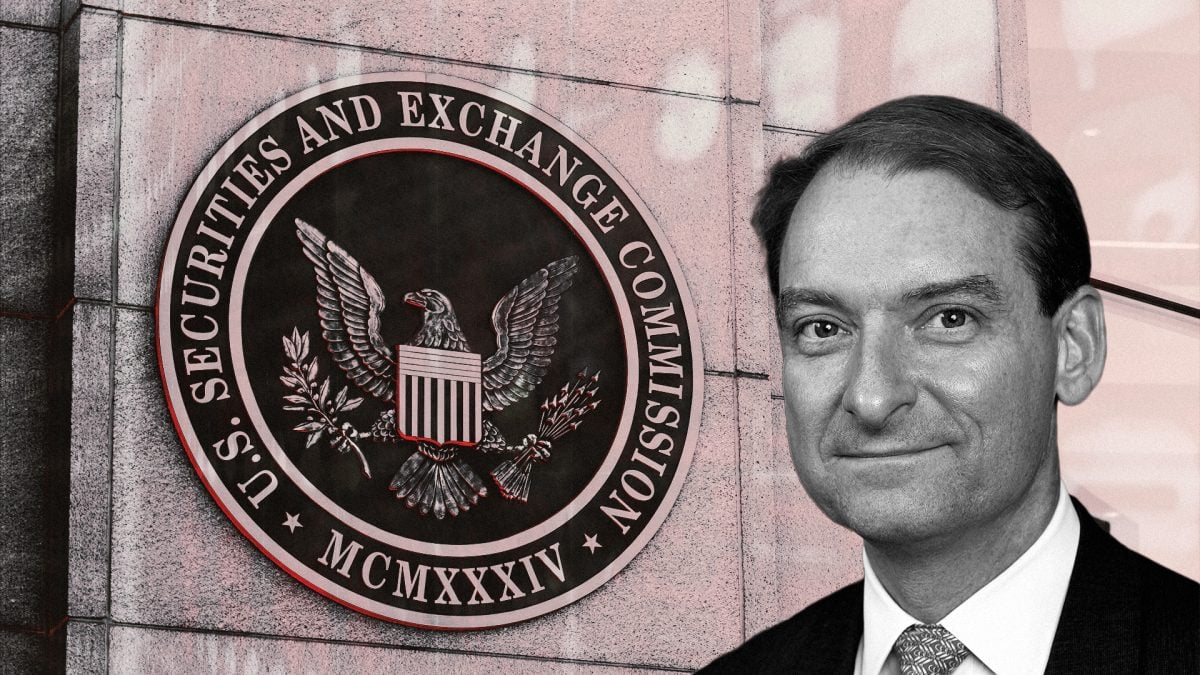
The U. S. Securities and Exchange Commission is set to modernize the landscape of cryptocurrency regulation through a groundbreaking initiative dubbed the “token taxonomy” plan. Unveiled by SEC Chair Paul Atkins, the plan aims to provide a clear framework for distinguishing between different types of digital assets, helping to clarify regulatory responsibilities and set a more structured path forward for the cryptocurrency industry. This initiative comes amid growing concerns over the lack of clarity in existing regulations and the potential for the sector to fall prey to abuses and fraud.

Atkins, who has been at the helm of the SEC since 2021, has emphasized the need for a comprehensive overhaul of the regulatory environment, particularly as the cryptocurrency market continues to evolve at a rapid pace. Under his leadership, the SEC has adopted a more proactive stance on enforcement, including cracking down on unregistered digital asset offerings and investigating prominent crypto firms. The new proposal seeks to address key issues surrounding token classification, governance, and investor protection, marking a significant step towards establishing a more predictable and transparent regulatory regime.

One of the central features of the token taxonomy plan is its attempt to clearly differentiate between utility tokens, security tokens, and commodities. Security tokens, which represent ownership in a company or project, would continue to fall under the purview of the SEC, while utility tokens, often used within decentralized networks to access specific services, may be treated differently. This distinction is crucial as it will help determine the specific regulations that apply to each category and streamline the processes for businesses looking to launch tokens in the market.

The plan proposes the creation of a digital asset registration framework that would allow crypto companies to register their tokens with the SEC, providing more transparency and accountability in the industry. By providing clear guidelines on what constitutes a security versus a non-security token, the SEC hopes to reduce confusion among developers, investors, and regulators alike, while also offering a clearer path for compliance.

The proposal also outlines provisions for enhancing consumer protection, an area of concern for both lawmakers and market participants. By ensuring that tokens classified as securities are subject to the same protections as traditional financial products, the SEC aims to reduce the risk of market manipulation and fraud that has plagued some sectors of the crypto market. The plan also calls for increased transparency regarding token offerings, including detailed disclosures about the underlying technology, token economics, and the potential risks for investors.

The unveiling of the token taxonomy plan comes at a time when the U. S. government is under increasing pressure to take action on crypto regulation. Cryptocurrencies have been at the forefront of debates over financial innovation, with proponents arguing that they could revolutionise sectors like finance and supply chain management, while critics warn of their potential to facilitate illicit activities, tax evasion, and investor exploitation. The SEC’s new proposal aims to strike a balance between fostering innovation and ensuring that the sector remains accountable and transparent.

While the announcement has been met with a generally positive response from the cryptocurrency community, some industry leaders have raised concerns over the complexity of the new framework and the potential for overregulation. There are worries that stringent rules could stifle innovation and drive crypto businesses away from U. S. markets, opting for jurisdictions with more lenient regulatory environments. On the other hand, advocates of the proposal argue that clear regulations are needed to create a safer, more stable market, which will ultimately benefit both consumers and businesses in the long run.

The token taxonomy plan is set to undergo a period of public consultation, during which industry stakeholders, legal experts, and members of the public will have the opportunity to provide feedback. This collaborative process will be crucial in refining the proposal and ensuring that it is both effective and adaptable to the rapidly changing crypto landscape.

SharpLink Gaming has reported a significant achievement, earning 492 ETH in staking rewards within a single week. This milestone reflects the company’s robust performance in the rapidly growing field of decentralized finance, where staking plays an essential role in earning passive income. With a growing presence in the gaming and blockchain sectors, SharpLink’s latest success highlights its expanding role in the emerging digital economy.

The company’s staking rewards come as part of its broader strategy to harness blockchain technology for sustained revenue generation. Through participating in Ethereum’s staking mechanism, SharpLink has effectively capitalized on the network’s transition to a proof-of-stake model. Ethereum’s shift, which replaced the energy-intensive proof-of-work system, has opened the door for institutional and individual investors alike to earn rewards by locking up ETH in the network.

SharpLink’s performance reflects broader trends in the crypto market, where institutional investors are increasingly turning to staking as a reliable source of income. By participating in Ethereum’s PoS system, investors can contribute to the network’s security and operations while earning rewards in the form of additional ETH. As the second-largest cryptocurrency by market cap, Ethereum’s transition to PoS has made staking more attractive to a wider range of investors, from retail to institutional.

The 492 ETH earned by SharpLink during the past week adds to its growing total of staking rewards, with the company steadily building its portfolio through a combination of strategic staking initiatives and its involvement in blockchain-based gaming projects. Staking rewards are particularly attractive in the context of volatile crypto markets, where traditional forms of investment might not offer comparable returns.

Beyond the immediate financial benefits, SharpLink’s participation in Ethereum staking signals the company’s commitment to long-term engagement with blockchain technology. The company has been focusing on integrating blockchain and decentralized elements into its gaming platform, positioning itself as a key player in the emerging intersection of gaming and cryptocurrency. With the broader gaming industry increasingly exploring blockchain technology, SharpLink’s moves suggest a forward-thinking approach that could give it an edge in an increasingly competitive market.

While Ethereum’s shift to PoS has been a key driver behind this surge in staking rewards, SharpLink’s ability to generate consistent returns is also attributed to its in-depth understanding of the mechanics of DeFi. The company has been leveraging its expertise to optimise its staking strategies, ensuring that it remains competitive within the ever-evolving cryptocurrency landscape. This ability to adapt and capitalise on new trends is critical in a market that is known for its rapid changes and unpredictable nature.

The success of SharpLink Gaming also comes at a time when other players in the DeFi and gaming sectors are beginning to see similar benefits from staking and other blockchain-related activities. Ethereum’s PoS model has not only created an opportunity for passive income but has also contributed to the overall stability of the Ethereum network, which has been crucial for sustaining investor confidence. As more companies like SharpLink participate in Ethereum staking, the broader ecosystem stands to benefit from increased security and scalability.

SharpLink’s earnings are a testament to the ongoing maturation of the DeFi ecosystem, which has steadily grown in influence over the last few years. The Ethereum blockchain, along with other DeFi platforms, has been instrumental in reshaping the traditional financial landscape, offering decentralized alternatives to conventional financial systems. For companies like SharpLink, this shift represents both a challenge and an opportunity to tap into a burgeoning market that continues to grow in size and sophistication.

Cross-sector collaboration drives innovation in digital assets ecosystem HONG KONG SAR – Media OutReach Newswire – 4 November 2025 – KPMG is pleased to announce the successful conclusion of the Digital Assets Forum: Policy, Market Dynamics and Institutional Adoption, held on 31 October 2025. The event convened over 200 industry leaders, regulators, and subject matter experts to explore the rapidly evolving digital assets landscape. They engaged in […]

JPMorgan has unveiled its blockchain-based deposit token, JPM Coin, aimed at enhancing the efficiency of cross-border payments for its institutional clients. This move is seen as a significant step forward in the bank’s ongoing efforts to integrate blockchain technology into mainstream finance, expanding its digital asset offerings.

The launch of JPM Coin follows years of research and development into blockchain’s potential to streamline financial transactions. JPMorgan has long been a proponent of blockchain’s transformative capabilities, initially launching the token as part of a pilot programme in 2019. Now, the bank has rolled out JPM Coin more broadly, offering institutional clients an innovative method to transfer U. S. dollar deposits securely and quickly across borders.

JPMorgan’s new service allows clients to transfer money using blockchain, reducing the friction and cost often associated with international payments. Blockchain’s real-time settlement capabilities make the process faster and more transparent, minimising the risk of human error and the complexities of traditional payment systems. JPM Coin will primarily be used by major institutional clients, including corporations, banks, and government entities, allowing them to transact more efficiently without relying on conventional financial infrastructure.

The use of JPM Coin signifies the growing interest in blockchain-based financial solutions among large-scale institutional clients. The token allows these clients to send payments instantly, avoiding the delays associated with traditional banking systems. Furthermore, the blockchain’s inherent security features help protect against fraud and reduce the need for third-party intermediaries.

JPMorgan’s blockchain offering is part of a broader trend where traditional financial institutions are gradually adopting digital currencies and distributed ledger technologies. The bank’s move also aligns with increasing regulatory scrutiny surrounding cryptocurrencies and the growing demand for digital solutions in financial markets. While JPM Coin is designed specifically for institutional clients, the wider implications for the financial sector are evident. As digital currencies gain traction, more banks are likely to explore blockchain technology’s potential to enhance financial services.

Notably, JPMorgan has been a pioneer in institutional adoption of blockchain, having previously launched its own blockchain platform, Liink, for facilitating faster, more transparent transactions. Liink, like JPM Coin, operates on a permissioned blockchain and is designed to cater to the needs of global financial institutions, offering faster payment settlements and reduced costs compared to traditional systems.

The introduction of JPM Coin follows a string of similar innovations by other global financial institutions, as banks increasingly seek ways to harness blockchain’s advantages to improve payment speed, reduce costs, and enhance security. While JPM Coin currently operates exclusively in U. S. dollars, its potential for future integration into other currencies could further expand its use cases in global financial markets.

The development and adoption of JPM Coin signal the bank’s belief in blockchain as an essential technology for modernising financial infrastructure. As a major player in global finance, JPMorgan’s embrace of this technology is expected to have a ripple effect throughout the industry, spurring further investment in blockchain projects by other financial institutions.

However, the move is not without its challenges. While JPM Coin offers substantial benefits, including cost savings and faster transactions, it also raises questions about the role of traditional banking institutions in the future of digital currencies. The launch of JPM Coin puts JPMorgan at the forefront of an evolving digital payments landscape but also invites scrutiny from regulators and policymakers concerned about the risks associated with blockchain-based financial products.

Tether Holdings SA has made a strategic move to strengthen its position in the bullion market by recruiting two of the top precious metals traders from HSBC Holdings Plc. The hiring of these senior traders marks a significant expansion for the stablecoin giant as it seeks to build a massive gold reserve, positioning itself to compete with established players in the global gold market.

Tether, which has long been a dominant player in the world of cryptocurrencies, has now set its sights on the precious metals sector. The company, best known for its cryptocurrency Tether, aims to use its considerable financial resources to develop a large gold reserve. This move is part of a broader strategy to diversify its portfolio and hedge against the volatility of cryptocurrency markets by backing its stablecoin with tangible assets like gold.

The hiring of HSBC’s former head of precious metals trading and a senior gold trader comes at a time when the intersection of traditional finance and digital assets is becoming more pronounced. These high-level hires are expected to bring their decades of experience and expertise in managing complex gold trading strategies to Tether, bolstering its efforts to create a strong foundation for its gold-backed stablecoin initiative.

Tether’s entry into the gold market reflects a growing trend of digital asset companies seeking to broaden their scope beyond cryptocurrencies and into more traditional forms of value storage. Gold, often seen as a safe-haven asset, has become an attractive option for companies looking to hedge against the fluctuations in the cryptocurrency market. Tether’s ambitious plans could significantly disrupt the bullion market, traditionally dominated by large financial institutions and central banks.

The company’s move to hire HSBC’s top traders is part of a broader effort to leverage its existing infrastructure and financial clout to compete directly with long-established players in the gold industry. Tether’s deep pockets and the growing interest in digital assets make it a formidable challenger to traditional gold trading institutions.

Industry insiders believe that Tether’s strategy could reshape the dynamics of both the gold market and the wider cryptocurrency landscape. By securing a stable and liquid gold-backed stablecoin, Tether could potentially offer greater transparency and security to investors looking for an alternative to volatile fiat currencies or digital tokens. This new direction for Tether could also open the door for other cryptocurrency firms to explore similar initiatives in the commodities space, creating a new era of hybrid financial instruments.

As Tether continues to expand its reach into the gold market, it faces challenges from both traditional financial entities and regulatory bodies. While gold-backed stablecoins are not new, Tether’s scale and financial strength could pose a serious threat to established players. The involvement of high-profile traders with extensive experience in gold markets could give Tether the upper hand in securing a prominent position in this space.

The move comes as Tether faces increasing scrutiny from regulators and critics who have questioned the company’s ability to maintain the peg of its stablecoin with the US dollar. Diversifying into gold may help Tether address some of these concerns by adding a physical asset that can serve as a store of value. Additionally, this strategic decision aligns with Tether’s ongoing efforts to build a more resilient and diversified financial ecosystem that can withstand potential disruptions in the crypto market.

AgriFi, an innovative platform harnessing blockchain technology, is aiming to transform the agriculture sector by offering more accessible financing solutions to farmers through real-world staking and profit-sharing mechanisms. This groundbreaking model seeks to revolutionise agricultural investment by enabling both small-scale farmers and institutional investors to participate in the wealth generation of the farming industry, while providing transparency, security, and increased efficiency through blockchain’s decentralised system. The platform’s […]

Bitcoin’s price surge has surpassed $104,000, prompting widespread speculation over whether it is time to short the cryptocurrency. The latest surge represents a significant milestone for the digital asset, which has witnessed a dramatic increase in value over the past several months. This rise has ignited a range of reactions from investors and analysts alike, with some seeing it as a peak and others believing it is the beginning of a new upward trend.

Bitcoin’s journey to this point has been characterised by volatility, but the rise to $104,000 has brought it to the forefront of market discussions. This latest price level is viewed by some as a sign of continued bullish momentum, especially given the strong demand from institutional investors and increasing mainstream acceptance of cryptocurrencies. However, the steep climb has also prompted concerns about the sustainability of the rally.

For those closely monitoring the cryptocurrency markets, this price point raises critical questions. Is Bitcoin’s surge a bubble, or is it the start of a long-term bullish trend? The volatility of Bitcoin is not new, but its recent surge has magnified the debate between those advocating for holding and those seeing the potential for a market correction.

The growing influence of institutional investors has undeniably shaped Bitcoin’s price trajectory. Major financial institutions, including banks and investment firms, have increasingly integrated Bitcoin and other cryptocurrencies into their portfolios. This influx of institutional capital is often cited as a key driver behind the latest surge in prices. Additionally, the broader economic environment, including inflation concerns and fears about traditional investment vehicles, has led many to view Bitcoin as a hedge against fiat currency depreciation.

However, Bitcoin’s price movements also come amid regulatory challenges, with governments around the world grappling with how to approach cryptocurrencies. In some jurisdictions, stricter regulatory measures could have an adverse effect on prices, especially if there are significant clampdowns on mining or trading activity. The regulatory landscape continues to evolve, adding an additional layer of uncertainty for investors.

The question of whether this is the time to short Bitcoin arises from the observation that the cryptocurrency market often experiences extreme price fluctuations. The potential for a significant pullback after such a rapid increase in value cannot be overlooked. Bitcoin’s past behaviour shows that it has often experienced large corrections following major rallies. This pattern has led many traders to consider shorting the cryptocurrency, betting that its value could drop in the near term.

While shorting Bitcoin can be a lucrative strategy in some market conditions, it also carries considerable risk. Short sellers who misjudge the market could face substantial losses, particularly given the unpredictable nature of cryptocurrency prices. As such, some experts caution against betting against Bitcoin, arguing that the long-term outlook for the cryptocurrency remains strong due to its growing adoption and integration into the financial system.

For those wary of shorting, the more conservative approach would be to take a wait-and-see stance, monitoring the market’s movements for signs of a correction or continuation of the bullish trend. Some investors believe that Bitcoin’s price will stabilise at this new level before embarking on another leg of growth.

Looking beyond the immediate future, the broader trends within the cryptocurrency market also provide some context for Bitcoin’s performance. Innovations in blockchain technology, the rise of decentralised finance, and increasing use cases for digital currencies in various sectors all point towards a growing role for cryptocurrencies in the global economy. This could contribute to a long-term uptrend for Bitcoin, making it a less likely candidate for a sharp price reversal.

SoFi has achieved a significant milestone in the world of financial services, becoming the first nationally chartered bank in the United States to introduce cryptocurrency trading, including Bitcoin. This development positions the company as a key player in bridging traditional banking with the expanding digital currency market.

The move allows SoFi’s customers to buy, sell, and hold cryptocurrencies directly through their existing accounts, enhancing the platform’s appeal as a one-stop-shop for financial services. This shift comes amid growing demand for crypto investments, particularly as more consumers seek alternatives to traditional investments in stocks and bonds.

With the new crypto offering, SoFi customers will have the ability to trade a variety of digital assets, starting with Bitcoin. The platform also plans to expand its range to include other major cryptocurrencies such as Ethereum in the near future. SoFi’s seamless integration of crypto trading with its other services, including personal loans, mortgages, and investing, aims to simplify the crypto experience for users who are new to the digital asset space.

This landmark move also signals a growing acceptance of digital currencies within mainstream financial institutions, traditionally hesitant about embracing the volatile market. SoFi’s decision to allow crypto trading comes at a time when other financial services companies are cautiously exploring similar offerings. Many banks and payment companies are entering the crypto space, but SoFi stands out as the first to secure national banking status and roll out a comprehensive crypto trading service.

The firm, which already holds a charter as a savings and loan institution under the supervision of the Office of the Comptroller of the Currency, secured approval from the regulatory body to add crypto trading to its list of services. This approval was seen as a crucial step in the broader trend of regulatory authorities gradually adapting to the rapid growth of the cryptocurrency sector.

SoFi’s expansion into cryptocurrency trading also aligns with the broader trend of increased institutional interest in digital currencies. Over the past few years, various asset management firms and banks have slowly begun offering crypto-related services to their customers, albeit cautiously. SoFi’s move to offer crypto trading through a fully regulated bank platform could catalyse further innovation in the sector, prompting other financial institutions to follow suit.

While this development represents a win for SoFi, it also raises questions about the future of traditional banking as the line between conventional and digital finance continues to blur. As digital currencies gain traction, banks and financial institutions will need to adopt increasingly flexible approaches to remain competitive. SoFi’s move reflects its strategy to capture the younger, tech-savvy demographic that is more inclined to explore digital currencies and alternative investments.

The introduction of crypto trading by SoFi also opens up opportunities for the firm to expand its revenue streams. With the growing popularity of cryptocurrencies, companies that offer crypto services have seen significant growth in customer acquisition and engagement. SoFi’s vast user base, which includes millennials and Generation Z, could see increased activity on the platform, potentially boosting its financial performance in the coming quarters.

However, the regulatory landscape surrounding cryptocurrencies remains a concern. Despite increasing adoption, regulators continue to grapple with how to effectively oversee the space. This includes determining the appropriate level of consumer protection, tax implications, and how to mitigate potential illegal activities associated with digital currencies. SoFi’s decision to offer crypto trading within a regulated environment could provide some reassurance to customers concerned about the risks of engaging in the volatile crypto market.

Tether, the issuer of the popular USDT stablecoin, has announced a significant investment in its advertising strategy, allocating $100 million for a major campaign on Rumble, a fast-growing social media platform. The move comes as the company looks to strengthen its brand presence and expand its influence in the digital asset space.

Rumble, known for its focus on free speech and minimal content moderation, has quickly gained traction among users who seek an alternative to more mainstream platforms like YouTube. The platform’s appeal to both content creators and viewers has made it an attractive venue for advertisers, particularly those in the cryptocurrency and tech sectors. Tether’s decision to partner with Rumble reflects a broader trend of crypto companies leveraging social media platforms to engage with their communities and promote their products in innovative ways.

This strategic advertising push is also part of Tether’s ongoing efforts to solidify its position in the competitive landscape of stablecoins. As the largest stablecoin by market capitalization, USDT has faced scrutiny from regulators and competitors alike. Tether’s transparency and commitment to providing a stable alternative to traditional fiat currencies have been focal points of its marketing efforts in the past. Now, with the global cryptocurrency market continuing to mature, Tether aims to increase its visibility through targeted advertising campaigns that speak directly to its core audience.

The $100 million spend is one of the largest investments in advertising by a cryptocurrency company in recent memory. The move underscores the increasing importance of brand recognition and public perception in the crowded crypto market. As regulatory bodies around the world tighten their scrutiny of digital currencies, Tether’s bold marketing campaign could help the company maintain its dominant market position while building a stronger relationship with both retail and institutional investors.

Rumble, for its part, has benefitted from the partnership by attracting a high-profile advertiser like Tether. The platform’s growth has been explosive, particularly among users who feel that other social media giants are overly restrictive in their content policies. With Tether’s financial backing, Rumble is expected to enhance its advertising infrastructure, offering better tools and analytics for brands looking to reach their target audiences.

This partnership between Tether and Rumble also highlights a shift in the way cryptocurrency companies approach marketing. Traditional advertising channels such as television, radio, and print media have largely been sidelined in favour of digital-first platforms that offer targeted reach. By investing in Rumble, Tether is tapping into a niche but growing market of content creators, investors, and crypto enthusiasts who are active on the platform.

The partnership signals a broader trend of crypto companies moving towards platforms that are not only focused on content but also on fostering communities. As the industry continues to evolve, the need for crypto projects to build trust and credibility with their audiences has never been more critical. By aligning with a platform that shares its ethos of freedom and open discussion, Tether is positioning itself as a leader in both the financial and digital media sectors.

Tether’s decision to allocate such a substantial budget for advertising on Rumble may also be seen as a signal of confidence in the future of both the platform and the cryptocurrency market at large. Despite recent challenges faced by some crypto firms, including regulatory pressures and market volatility, Tether has maintained a relatively stable position within the digital asset ecosystem. This advertising strategy is seen as an attempt to capitalise on the growing interest in crypto and blockchain technology, as well as to engage with a broader audience that may not yet be familiar with Tether’s offerings.

The Bank of England has announced a new policy restricting the amount of stablecoins that individuals and businesses can hold in the country, setting a cap of £20,000. The move comes as part of broader efforts to regulate the rapidly evolving digital currency market, ensuring financial stability while fostering innovation in the fintech sector.

The Bank’s decision follows months of discussions and consultations with financial experts and market participants. It aims to address the increasing popularity of stablecoins, digital currencies pegged to traditional assets such as the British pound or US dollar. While stablecoins are generally considered less volatile than other cryptocurrencies, their rapid growth has raised concerns over potential risks to the broader financial system.

This new regulation is expected to apply to both domestic and international users of stablecoins operating within the UK. It will limit the amount of stablecoins that can be held or transacted by any single entity or individual to £20,000, a figure designed to reduce the systemic risks posed by large, unregulated digital assets in the UK economy.

Stablecoins, which have been touted as a bridge between traditional finance and the world of digital currencies, have gained traction in recent years. However, central banks have been cautious about their potential to destabilise financial markets. The Bank of England’s intervention reflects a growing global trend towards regulating the digital asset space, with governments and central banks around the world striving to balance innovation with risk management.

For many, the £20,000 limit is seen as a precautionary measure rather than a significant hurdle. Advocates for digital currencies argue that such regulations may stifle innovation, particularly for businesses looking to integrate blockchain technology into their operations. However, the Bank of England has insisted that the measure is necessary to safeguard financial integrity and protect consumers from potential losses in a volatile market.

The UK government has also made strides in providing clearer guidelines for the treatment of cryptocurrencies and other digital assets. In recent months, the government has introduced draft legislation aimed at improving the transparency of crypto markets and creating a regulatory framework for their use. The UK’s proactive stance towards regulating stablecoins and other digital assets is part of a broader ambition to become a global leader in financial technology, or “fintech.”

While the Bank of England’s move is a step toward ensuring the stability of the financial sector, it is unlikely to be the last word on digital currency regulation. As the stablecoin market continues to grow and evolve, further policy adjustments may be necessary to address emerging risks and opportunities. The international nature of digital assets also presents a challenge for regulators, who must work together to ensure that these digital currencies do not undermine the stability of the global financial system.

HONG KONG SAR – Media OutReach Newswire – 10 November 2025 – DL Holdings Group Limited (Stock Code: 1709.HK) today issued a positive profit alert, announcing that based on a preliminary review of the Group’s unaudited management accounts for the six months ended September 30, 2025. It is expected to record a profit of approximately HK$180 million to HK$220 million, compared with a net profit of about […]

Hyperliquid, a prominent decentralized finance platform, is currently trialing a new feature known as the BorrowLendingProtocol on its Hypercore testnet. This marks a significant development in the platform’s broader efforts to enhance its functionality and user offerings within the DeFi ecosystem. With the test phase underway, the protocol is expected to reshape the way users interact with digital assets on Hyperliquid, particularly for those seeking to borrow and lend.

The BLP is designed to support both USDC and PURR tokens, offering a dual functionality for users who wish to either supply their assets for lending or borrow assets for liquidity purposes. This borrowing and lending mechanism could open up new opportunities for users to maximize their holdings, allowing them to earn interest on idle assets or leverage borrowed funds to enhance their trading capabilities.

As speculation grows, many industry observers believe that the BLP will eventually become the foundation of Hyperliquid’s Multi-Margin system. This system would enable users to borrow multiple assets for margin trading, potentially unlocking a more sophisticated layer of DeFi tools on the platform. However, as the feature is still in its testing phase, no official confirmation has been provided regarding this integration.

Hyperliquid’s decision to test the protocol on the Hypercore testnet is a strategic one, allowing the team to assess the feature’s performance and ensure it is operating as intended before rolling it out to the broader user base. The testnet serves as a proving ground for new developments, offering an environment where bugs and issues can be identified and rectified without risking the platform’s mainnet integrity.

The introduction of BLP into the DeFi space is significant not only for Hyperliquid but also for the broader market. Borrowing and lending protocols have become a cornerstone of DeFi ecosystems, enabling more dynamic interactions between users and assets. These protocols allow for enhanced liquidity, allowing users to access funds without needing to sell their holdings. In addition, they create new ways for investors to diversify their strategies, from borrowing to take advantage of price movements to lending assets for passive income generation.

The launch of BLP could position Hyperliquid as a more competitive player in the crowded DeFi space. As more platforms introduce borrowing and lending features, the demand for flexible, secure, and user-friendly systems grows. Hyperliquid’s focus on providing a seamless, highly functional borrowing and lending experience could attract more users looking for a comprehensive DeFi solution.

As the trial progresses, Hyperliquid will closely monitor user feedback and performance metrics to ensure the system meets the expectations of its community. Any adjustments to the protocol will be made based on this data, ensuring that the final version is robust and capable of handling the demands of an active user base.

The BLP’s potential integration into Hyperliquid’s Multi-Margin system could pave the way for new strategies within the platform. Multi-margin systems allow traders to use their collateral across various assets, enhancing their ability to take on larger positions without increasing their initial outlay. By combining BLP with Multi-Margin, Hyperliquid could offer traders a more versatile toolset for managing risk and maximizing returns.

VISHNU RAJA
RYO YAMADA
HITORI GOTOH
IKUYO KITA