News related to
crypto

Memecoin MOODENG surged by 67% after being listed on Coinbase, ending a two-week slump where the token had fallen by more than 50%. This price increase signals renewed investor confidence and marks a significant rebound for the token, which had struggled to regain its earlier momentum in the highly volatile cryptocurrency market.

The surge began almost immediately after the listing announcement, with MOODENG’s value climbing to a new high of $0.0055. The coin, which had previously traded in a narrow range of between $0.002 and $0.003, has seen a dramatic change in investor sentiment. Analysts note that such dramatic fluctuations are typical in the meme coin sector, where market sentiment can swing drastically based on social media trends and exchange listings.

Coinbase, one of the largest cryptocurrency exchanges globally, has a history of driving up the price of tokens upon their listing. The platform’s decision to add MOODENG to its roster appears to have been a key factor in the coin’s price spike. Analysts suggest that the exposure provided by Coinbase has given the token a broader reach, attracting new investors who were previously hesitant due to MOODENG’s lack of mainstream visibility.

Despite the sudden price surge, MOODENG has not been immune to the volatility characteristic of memecoins. It has already seen sharp sell-offs after reaching its high, with prices retracting slightly, though remaining higher than before the Coinbase listing. This back-and-forth is emblematic of the memecoin market, where short-term speculation often drives the prices rather than long-term utility or adoption.

For investors, MOODENG’s rapid rise serves as a reminder of the unpredictable nature of meme-based cryptocurrencies. While some market participants may look to capitalize on quick gains, others may remain cautious, wary of the frequent boom-and-bust cycles that define the space. Analysts caution that the token’s future performance will largely depend on continued exchange support and community engagement, two elements that have proven essential for the success of memecoins.

Community-driven tokens like MOODENG have long been linked to social media trends and influencer endorsements, factors that can provide short-term boosts but leave the asset vulnerable to fluctuations in public interest. The MOODENG community, which has been vocal on platforms such as Twitter and Reddit, will play a crucial role in sustaining its momentum. If the community continues to generate excitement around the token, its price may see continued upward movement, but if the interest wanes, a decline may be imminent.

The Coinbase listing, while a significant milestone, also raises questions about the long-term sustainability of MOODENG’s market performance. Many memecoins, despite initial successes, fail to maintain their price levels once the hype fades. The fact that MOODENG is still largely driven by speculation and social trends rather than real-world use cases means its long-term prospects remain uncertain.

Despite the current euphoria surrounding MOODENG, market observers note that the broader memecoin sector continues to be a high-risk investment arena. The sector, which includes tokens like Dogecoin and Shiba Inu, has seen rapid price swings and unpredictable market behavior in the past. Investors remain cautious, aware that the volatility and speculative nature of the sector make it difficult to predict future movements with any certainty.
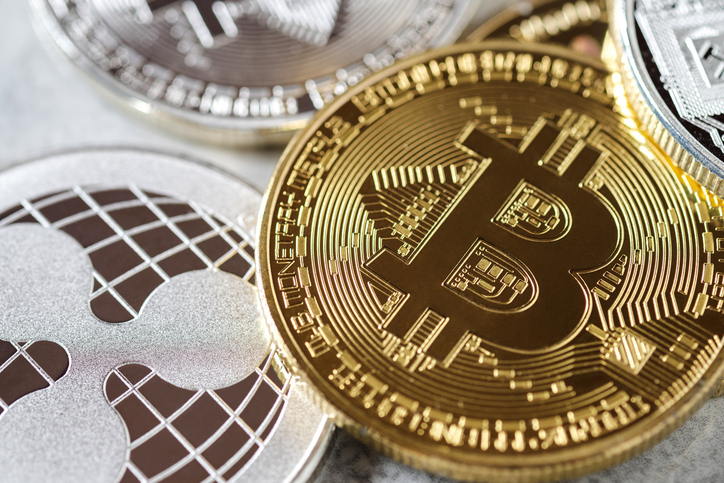
The U.S. government has transferred nearly $2 billion worth of Bitcoin, seized from the Silk Road marketplace, to Coinbase Prime, a move that has raised concerns within the cryptocurrency community. The transfer, which involved around 29,800 BTC, occurred in late July and has significant implications for the market, possibly signaling preparations for a large-scale sell-off of the government’s crypto holdings.

The Bitcoin in question had been stored in a U.S. government wallet following the 2022 seizure of assets tied to Silk Road, a dark web marketplace known for illicit transactions. Experts have warned that such a substantial movement of cryptocurrency could lead to increased market volatility, particularly if the U.S. decides to liquidate these holdings. The timing of the transfer, closely following statements from political figures like Donald Trump, who promised pro-crypto policies, has further fueled speculation about the government’s intentions. Trump had previously declared plans to make the U.S. the “crypto capital of the world” and hinted at not selling any federal Bitcoin reserves.

The U.S. government currently holds over $12 billion in Bitcoin, much of it from criminal investigations and seizures. According to blockchain analysis firm Arkham Intelligence, the Bitcoin was moved to an unknown wallet address before being sent to Coinbase Prime, which has a contract with the U.S. Marshals Service to manage government-held crypto assets. The transfer follows the signing of this deal between Coinbase and the U.S. government to “safeguard” such assets, leading some to believe that Coinbase is acting as a custodian rather than facilitating a sell-off.

While some market observers view the U.S. government’s actions as a sign of increasing institutionalization of Bitcoin, others, including high-profile crypto figures, have criticized the move as tone-deaf. Mike Novogratz, CEO of Galaxy Digital, condemned the timing, stating that it could damage the broader market sentiment, especially with the price of Bitcoin being influenced by large institutional actions.

There has been growing speculation regarding the U.S.’s stance on Bitcoin as a potential strategic reserve asset. While Senator Cynthia Lummis has championed legislation to purchase Bitcoin as a reserve asset for the U.S. Treasury, experts remain divided on the feasibility of such a policy. Some analysts see it as an optimistic, long-term vision for the U.S. to align itself more closely with cryptocurrency, while others, like BlockTower Capital’s Ari Paul, caution that the chances of this becoming a reality within the next few years are slim.

Polymarket bettors are betting that Microsoft’s shareholders will reject a proposal to purchase Bitcoin, signaling skepticism around a major pitch from MicroStrategy CEO Michael Saylor. Saylor, a vocal proponent of Bitcoin, has been advocating for Microsoft to add Bitcoin to its corporate treasury. This proposal has now reached a critical juncture, with Microsoft’s board set to vote on December 10. Despite Saylor’s persuasive presentations, including a direct appeal to Microsoft’s board, Polymarket participants believe the proposal is unlikely to gain the necessary shareholder approval.

Microsoft’s leadership has been hesitant about adopting such a volatile asset, with its focus instead on more traditional investments. The tech giant’s board has raised concerns about the risks associated with Bitcoin and its long-term suitability for Microsoft’s strategy, which heavily emphasizes artificial intelligence and other core technologies. Although a small group of shareholders, including some from large institutional investors, have shown interest in the proposal, the general sentiment is that the company should avoid high-risk investments like Bitcoin.

The proposal gained traction earlier this year when the National Center for Public Policy Research (NCPPR) pushed for the move, pointing to the success of MicroStrategy’s own Bitcoin strategy. This approach has significantly boosted MicroStrategy’s stock value, with the company’s shares surging by over 500% in 2024, far outpacing Microsoft’s modest stock gains. Despite this performance, Microsoft’s board remains firm in its stance that it is not currently focused on Bitcoin as a viable investment.

Polymarket bettors seem to agree with Microsoft’s cautious approach. As of early December, wagers on the platform overwhelmingly predict that shareholders will vote against the proposal, likely due to concerns about Bitcoin’s volatility and its potential to distract from Microsoft’s main business objectives. Even major institutional investors such as Vanguard, which hold substantial stakes in both Microsoft and Bitcoin-related assets like MicroStrategy, are not rallying behind the proposal.

The debate over Microsoft’s stance on Bitcoin underscores a broader trend within corporate finance, as companies grapple with the growing influence of cryptocurrency and digital assets. Saylor’s push for Microsoft to follow in the footsteps of companies like Tesla and Square, both of which have added Bitcoin to their balance sheets, highlights the increasing pressure on major corporations to reconsider their investment strategies. However, despite these external pressures, Microsoft’s leadership remains focused on prioritizing stability and minimizing risk.

Microsoft’s shareholders, many of whom are institutional investors with deep ties to traditional finance, have not embraced Bitcoin in the same way as other tech firms. Although there is interest in exploring blockchain technology and the broader crypto market, the company’s hesitance to diversify its treasury with Bitcoin reflects concerns about its long-term viability as an asset class. The volatility of Bitcoin, coupled with regulatory uncertainties, makes it a difficult choice for a company with such a large and diverse shareholder base.

France is contemplating a significant tax overhaul aimed at targeting “unproductive wealth,” which could include assets like Bitcoin, private jets, yachts, and luxury cars. This potential move reflects a growing trend among European countries to reshape their tax systems in response to the changing nature of wealth accumulation and its role in economic inequality.

French President Emmanuel Macron’s government is looking to implement a broader fiscal policy that addresses the concentration of wealth in certain sectors and individuals who possess assets not actively contributing to the economy. The move comes as part of a wider effort to tackle rising inequality in the country, with a particular focus on taxing luxury goods and non-productive financial assets. The goal is to redistribute resources to fund social programs and reduce the wealth gap, particularly in times of economic pressure exacerbated by the aftermath of the COVID-19 pandemic.

A key target of this new tax policy is cryptocurrency holdings, particularly Bitcoin, which has been characterized as an asset that is primarily held for speculative purposes. Bitcoin, often referred to as a store of value or “digital gold,” has garnered significant attention in recent years as a hedge against inflation and a means of diversifying portfolios. However, its volatile nature and lack of productive output have raised concerns among policymakers, who argue that such assets contribute little to the broader economy.

Supporters of the tax argue that the move would level the playing field between those who accumulate wealth through productive means and those who hold non-productive assets. They contend that luxury goods and speculative investments like Bitcoin should not be exempt from taxation, as they offer minimal societal benefit while contributing to wealth inequality.

Opponents, however, warn that such a policy could stifle investment and economic growth. They argue that taxing assets like Bitcoin could undermine investor confidence in both traditional and digital markets. There is also concern that the policy may discourage innovation in the cryptocurrency space, which has been seen as a driver of financial innovation and economic diversification.

The inclusion of Bitcoin in the potential tax bracket highlights France’s growing stance on regulating cryptocurrencies. France has long been cautious about the rise of digital currencies, having implemented stringent regulations to combat money laundering and fraud. However, this new proposed tax is a more direct approach, targeting the underlying wealth of crypto investors.

For many cryptocurrency enthusiasts, the tax represents a broader philosophical debate over the role of government in regulating digital assets. The decentralization of cryptocurrencies, which operate outside the traditional banking system, has made them an attractive option for individuals seeking financial autonomy. As the debate continues, French lawmakers are grappling with balancing the need for regulation and oversight with the potential for stifling innovation in the growing crypto economy.

Beyond cryptocurrency, the tax proposal includes traditional luxury assets, such as private jets, yachts, and high-end automobiles. These assets, often associated with the wealthiest individuals, have been a focus of criticism for their environmental impact and lack of tangible economic contribution. The government’s argument is that taxing these non-productive assets can help fund projects that would benefit a broader segment of the population, particularly in the context of green initiatives and sustainable development.

The tax would not only target French residents but also foreign nationals who own such luxury assets within France. This has raised concerns among global elites, many of whom use France as a destination for both leisure and business. While the policy is still in the proposal stage, it has sparked significant debate within both the political and business communities. Opponents argue that France could risk losing its status as a major hub for luxury goods and high-net-worth individuals if such a tax were to be implemented.

Despite these concerns, the government is moving forward with consultations to finalize the details of the tax. The proposed tax would likely be tiered, with higher rates for those who hold larger or more expensive assets, both in the realm of cryptocurrency and physical luxury goods. This progressive approach is intended to ensure that the wealthiest individuals, who are often the primary holders of such assets, contribute a fairer share to the country’s public finances.

While France has yet to release a formal timetable for the implementation of the tax, the proposal is gaining traction among certain factions of the political spectrum, particularly those advocating for stronger measures to combat inequality and climate change. However, it remains to be seen how the policy will affect investment in both luxury markets and cryptocurrencies, which have been seen as major sources of wealth for the affluent in recent years.

Crypto casinos are already popular for players seeking anonymous, fast, and secure experiences. Unlike traditional casinos, they provide unique benefits by enabling players to use cryptocurrencies for deposits and withdrawals. However, cashing out from a cryptocurrency casino might be challenging if you’re unaware of the procedure or withdrawal options. But this article helps you with just that! Here are the best withdrawal techniques, and advice on handling […]

Cambodia’s authorities have moved to block access to 16 cryptocurrency exchange websites, including global giants Binance and Coinbase, citing the lack of necessary operating licenses. This decisive measure underscores the country’s intensifying battle against unregulated cryptocurrency activities in its burgeoning digital economy. However, the mobile apps associated with these platforms remain accessible, raising concerns over the efficacy of these restrictions in curbing illicit activities.

The Securities and Exchange Regulator of Cambodia (SERC) spearheaded this initiative as part of a broader effort to regulate the rapidly expanding cryptocurrency market. Despite repeated warnings and regulatory announcements, exchanges operating without appropriate authorization have continued to flourish, presenting risks to users and the financial ecosystem.

The absence of comprehensive laws governing cryptocurrency operations in Cambodia has created a regulatory vacuum, exploited by both local and international actors. Although collaborations with established players like Binance have been announced to build regulatory frameworks and enhance operational transparency, enforcement mechanisms remain nascent. Binance, for instance, has signed agreements to assist in developing the country’s digital asset ecosystem, but its platform now faces restricted access amid this crackdown.

The move aligns with global trends where countries are tightening controls over crypto operations to mitigate risks such as money laundering and financial fraud. Nations like the United States and Japan have implemented rigorous licensing procedures, while Cambodia’s current actions reflect an early stage of regulatory enforcement aimed at similar outcomes.

As cryptocurrency adoption grows in Southeast Asia, Cambodia has emerged as a region of interest for industry leaders. Yet, challenges persist in balancing innovation with compliance. Despite SERC’s partnerships aimed at fostering legal crypto market development, illegal exchanges have capitalized on the regulatory gaps, exploiting consumer trust and creating an uneven playing field.

The broader implications of this crackdown extend to the economy’s digital transformation. Cambodia is actively seeking to harness blockchain technology to boost its financial and economic infrastructure. However, unchecked cryptocurrency activities could undermine these efforts, necessitating more robust legislation and international cooperation.

Cambodia’s struggle mirrors broader global challenges in regulating an inherently decentralized and rapidly evolving sector. As the nation ramps up its enforcement, the sustainability of these measures will depend on the development of a clear regulatory framework and the ability to enforce compliance effectively.

Bitcoin’s mining difficulty has surged to an unprecedented level, reflecting the cryptocurrency’s growing computational demands and network security enhancements. The metric, which determines the effort required to validate transactions and mine blocks, has climbed to 103.92 trillion (T), marking a new peak for the Bitcoin blockchain.

This adjustment occurs every 2,016 blocks—approximately every two weeks—to ensure a consistent block production rate despite fluctuations in the network’s mining activity. As more miners join the network with advanced equipment, the difficulty rises, demonstrating the blockchain’s resilience and robustness.

The escalation in difficulty coincides with a substantial increase in Bitcoin’s hash rate, a measure of the computational power dedicated to mining. The hash rate touched an all-time high of over 900 exahashes per second (EH/s) before settling slightly lower. These milestones highlight the growing competition among miners and the network’s ability to handle increased transactional loads effectively.

Bitcoin’s price performance, which saw significant gains earlier this year, has also played a role in encouraging miners to invest in high-performance hardware, aiming to capitalize on mining rewards. The surge in activity underscores the cryptocurrency’s appeal despite the highly competitive landscape.

Advertisements

Coinbase has launched a new feature, integrating Apple Pay into its platform through the “OneRamp” product, enabling users to make seamless fiat-to-crypto transactions. This move comes as part of Coinbase’s strategy to simplify cryptocurrency trading and expand access for everyday users. By integrating Apple Pay, Coinbase aims to offer a more efficient and user-friendly method for purchasing cryptocurrencies directly from fiat accounts.

OneRamp, designed to streamline the transaction process, allows users to connect their Apple Pay accounts with their Coinbase profiles. The feature enables the purchase of digital assets with a single click, providing an immediate, seamless bridge between traditional fiat currencies and the world of cryptocurrency. The integration comes at a time when many investors and users are seeking easier ways to participate in crypto markets without dealing with the complexities of traditional banking and crypto exchanges.

The collaboration between Coinbase and Apple Pay is expected to make crypto more accessible to mainstream audiences, particularly those who are already comfortable using Apple Pay for everyday transactions. Apple Pay is widely used for various purchases, from retail shopping to online services, and the integration into Coinbase provides a new, frictionless entry point into the cryptocurrency ecosystem. As the crypto market continues to evolve, such integrations are seen as vital for bridging the gap between traditional finance and the decentralized finance world.

For Coinbase, the introduction of OneRamp with Apple Pay represents a significant shift in how the platform approaches user experience. By eliminating barriers like cumbersome account setup processes or the need for multiple authentication steps, Coinbase hopes to attract a broader user base. One-click crypto purchases can appeal to individuals who are not well-versed in blockchain technology but are familiar with digital payment methods like Apple Pay.

This integration also positions Coinbase to compete more effectively with other crypto exchanges that are constantly working on improving ease of use and expanding payment options. Other platforms have made similar moves in recent months, integrating traditional payment systems into their crypto-buying processes. As a result, Coinbase’s new feature is part of a larger trend to democratize access to cryptocurrency, making it as easy to purchase as any other consumer good.

The broader implications of the Coinbase-Apple Pay collaboration also touch on the growing intersection of traditional finance and the evolving cryptocurrency space. Apple, with its large user base and robust payment infrastructure, brings credibility and convenience to cryptocurrency purchases, something that has long been a barrier for potential investors. Cryptocurrency still faces challenges in gaining widespread adoption, with concerns over security, volatility, and regulatory uncertainty. By partnering with a trusted name like Apple, Coinbase hopes to address some of these issues while encouraging more mainstream participation.

This development also highlights Coinbase’s ongoing efforts to improve its platform for a global audience. Apple Pay is available in multiple regions, and its integration with OneRamp is expected to facilitate crypto transactions in these markets. Expanding payment options and making crypto more accessible to users in various countries is part of Coinbase’s strategy to broaden its international presence and increase its user base beyond North America.

In addition to the technical improvements, this integration has the potential to drive increased liquidity in the crypto market. The ability to quickly convert fiat into cryptocurrency through widely recognized payment systems could boost market activity, as users will have easier access to buy and sell cryptocurrencies as they see fit. This could also lead to a more dynamic marketplace, where crypto trading becomes just as seamless as trading in other financial assets.

However, the success of this integration will depend on how well Coinbase and Apple Pay can manage issues such as fraud prevention and regulatory compliance. With governments and regulators around the world tightening their focus on cryptocurrency transactions, Coinbase will need to ensure that its platform remains compliant with both local and international regulations. The integration of Apple Pay, while simplifying the purchasing process, may also require Coinbase to maintain robust security measures to protect users from potential cyber threats.

Matein Khalid The S&P 500 Index was the ultimate Thanksgiving gift to investors in US equities though the party poopah sectors like Big Pharma were the proverbial turkey. The post-election spike was only the icing on a cake that has been a dream for investors in the SPX, now up 27% with 53 record closes. America is 4% of the world’s population and 25% of its GDP […]

BitGo, a prominent name in the digital asset sector, has unveiled a new custody platform specifically designed for retail cryptocurrency investors. The platform integrates the firm’s trusted institutional-grade security features into a user-friendly experience tailored to the needs of individual investors. This development marks a significant shift in BitGo’s strategy, traditionally focused on servicing institutional clients.

The new offering aims to bridge the gap between retail users and advanced security solutions, providing a platform that incorporates features like insured cold storage, robust compliance measures, and a seamless user interface. BitGo’s emphasis on institutional-grade security ensures that retail users can enjoy a level of asset protection previously reserved for larger entities. The platform includes multi-signature wallets, tamper-proof storage mechanisms, and regulated trust services.

MicroStrategy has solidified its position as the leading corporate holder of Bitcoin with a monumental acquisition. The company added 55,500 Bitcoin to its reserves for approximately $5.4 billion, an investment executed at an average price of $97,862 per Bitcoin. This purchase elevates the company’s total holdings to 386,700 Bitcoin, acquired at a cumulative cost of $21.9 billion, reflecting an average acquisition price of $56,761 per coin.

The acquisition follows the company’s completion of a $3 billion convertible notes offering, a strategic move that provided the financial backing for this significant investment. Over the past quarter, MicroStrategy reported a Bitcoin yield of 35.2%, underscoring the asset’s growing contribution to the company’s balance sheet. On a year-to-date basis, the yield surged to 59.3%, further cementing Bitcoin’s role as a core component of MicroStrategy’s long-term strategy.

Michael Saylor, MicroStrategy’s co-founder and executive chairman, continues to champion Bitcoin as a “digital gold” and a hedge against inflation. Since initiating Bitcoin purchases in 2020, the company has employed innovative financing methods, including equity sales and corporate cash flow, to fund acquisitions. This strategy has placed MicroStrategy at the forefront of corporate cryptocurrency adoption, influencing other companies to explore Bitcoin as a reserve asset.

Saylor stepped down as CEO in 2022 to focus exclusively on Bitcoin-related initiatives, enabling MicroStrategy to scale its crypto strategy while entrusting day-to-day operations to his successor, Phong Le. The company’s unwavering commitment to its Bitcoin strategy has inspired other corporations globally, with firms like Metaplanet in Japan and Semler Scientific in the United States adopting similar treasury practices.

MicroStrategy’s latest move has not only strengthened its financial position but also highlighted the growing acceptance of Bitcoin as a mainstream financial asset. As more corporations consider integrating Bitcoin into their strategies, MicroStrategy remains a pivotal player in shaping the narrative around cryptocurrency adoption in corporate finance.

Taiwan has implemented a stringent regulatory framework aimed at tightening the oversight of Virtual Asset Service Providers (VASPs), marking a significant shift in the country’s approach to managing the digital asset industry. Effective from November 30, new rules under the Financial Supervisory Commission (FSC) mandate rigorous anti-money laundering (AML) measures, pushing for transparency and compliance across all cryptocurrency operators.

The FSC’s framework introduces a phased regulatory process, culminating in comprehensive legislation expected by mid-2025. All VASPs, including new and existing operators, must submit initial applications by March 2025, with final registration due by September 2025. Penalties for non-compliance include fines of up to NT$5 million and potential imprisonment of up to two years, a clear indication of the government’s commitment to addressing financial misconduct within the virtual asset market.

VASPs operating overseas must establish a local presence in Taiwan, conforming to requirements under the Company Act and adhering to stringent AML compliance protocols. The measures seek to enhance consumer protection, promote financial integrity, and foster a more secure cryptocurrency ecosystem.

Bitcoin balances on cryptocurrency exchanges have reached a strikingly low level of 2.27 million BTC, the lowest since December 3, 2023. This trend underscores a clear shift among Bitcoin holders, moving assets off exchanges, signaling a preference for long-term storage over active trading.

This reduction in Bitcoin exchange reserves has been attributed to multiple factors. First, heightened regulatory scrutiny in major markets has made some investors wary of holding assets on exchanges. Events such as enforcement actions by financial authorities against prominent crypto platforms have heightened concerns over counterparty risks. Furthermore, technical vulnerabilities exposed in various exchange systems have prompted caution among users.

Another key factor influencing this behavior is the growing adoption of decentralized finance (DeFi) and self-custody solutions. Hardware wallets and other non-custodial storage options provide enhanced control and security for users, aligning with the ethos of decentralization that Bitcoin advocates champion. Institutional investors have also mirrored this trend, with significant transfers of Bitcoin to cold storage wallets indicating an alignment with long-term investment strategies.

Bitcoin’s scarcity narrative plays an essential role in this shift. By holding Bitcoin in wallets outside exchanges, investors signal confidence in its value appreciation potential. This behavior aligns with the prevailing sentiment that Bitcoin functions as a “digital gold,” a hedge against inflation and economic uncertainty.

On the trading side, lower exchange balances have introduced shifts in liquidity dynamics. Market analysts suggest that reduced availability of Bitcoin on trading platforms could increase price volatility. With fewer coins readily accessible for buying and selling, even modest market orders might cause outsized price swings. This phenomenon is compounded by increasing activity in derivatives markets, where investors speculate on price movements without immediate changes in Bitcoin spot holdings.

Meanwhile, Bitcoin’s price movement has displayed resilience. Despite fluctuations in macroeconomic conditions and interest rate policies affecting global financial markets, Bitcoin’s price has remained relatively stable compared to earlier periods of intense volatility. Industry experts believe this reflects maturing market conditions and growing participation by institutional investors who tend to adopt longer-term horizons.

The trends in Bitcoin custody and trading practices are part of a broader evolution in the cryptocurrency space. As traditional finance firms integrate blockchain-based assets into their portfolios, the convergence of decentralized principles with established financial practices is reshaping market dynamics. For Bitcoin, this means an increasingly nuanced ecosystem where retail and institutional participants redefine engagement rules.

Ripple is poised to make a significant move into the U.S. stablecoin market with its new RLUSD stablecoin, which is expected to receive approval from New York’s Department of Financial Services (NYDFS). The approval paves the way for the coin’s anticipated launch on December 4, positioning Ripple to directly compete with established U.S. stablecoin issuers, including Circle and Tether. Ripple’s decision to introduce a stablecoin marks a strategic expansion beyond its core offering of XRP, aiming to tap into the burgeoning stablecoin sector, which has seen rapid growth due to its role in reducing volatility in the cryptocurrency market and facilitating easier cross-border transactions.

The RLUSD stablecoin will be backed 1:1 by the U.S. dollar, offering a more stable and predictable alternative to XRP, which has faced significant volatility in the past. Ripple’s stablecoin will be a key player in the growing demand for stablecoins, which have become integral to decentralized finance (DeFi) and are increasingly being used for remittances, trading, and cross-border payments. The NYDFS approval is critical for Ripple as it will allow the company to offer RLUSD in the highly regulated U.S. market, enhancing its legitimacy and fostering confidence among investors and users.

As Ripple prepares for its entry into the stablecoin market, it is positioning itself against leading stablecoin issuers like Tether’s USDT and Circle’s USDC, which dominate the U.S. stablecoin market with billions in circulation. However, Ripple’s edge lies in its established infrastructure for cross-border payments and its existing partnerships with financial institutions, which could provide RLUSD with a strong foundation for adoption. Additionally, by leveraging its existing RippleNet network, Ripple aims to deliver a smoother and more efficient transaction process compared to its competitors.

Unlike XRP, which is often seen as a speculative asset, RLUSD is designed to serve as a stable digital currency pegged to the U.S. dollar. This makes RLUSD a preferred option for users seeking a low-volatility solution for everyday transactions or for businesses that require a stable digital currency for operations. Ripple’s entry into the stablecoin market could provide users with an attractive alternative for conducting international transactions, where stability and efficiency are critical. Ripple’s extensive network of financial institutions already using RippleNet could facilitate the adoption of RLUSD among these organizations, making it a highly competitive option in the space.

Ripple’s expansion into the stablecoin space also reflects broader trends in the cryptocurrency industry, where the demand for stablecoins has surged as they provide a bridge between traditional fiat currencies and the digital economy. According to data from the Center for Alternative Finance, stablecoins accounted for over $130 billion in market capitalization by mid-2024. This growth is driven by the increasing use of digital currencies in global trade, remittances, and as an on-ramp to decentralized finance platforms.

The stablecoin market has attracted attention from regulators due to its potential to disrupt traditional finance. New York has been at the forefront of regulating cryptocurrency, with the NYDFS providing a rigorous licensing process for digital assets operating in the state. Ripple’s ability to secure approval for RLUSD under these stringent conditions speaks to the company’s commitment to complying with regulatory standards, which may help it differentiate itself from other cryptocurrency projects that have faced regulatory hurdles. In addition to regulatory compliance, Ripple’s track record in the cryptocurrency space, particularly with its XRP token, positions it as a trusted entity in the eyes of many investors and stakeholders.

However, Ripple’s entry into the stablecoin market does not come without challenges. The stablecoin market is becoming increasingly crowded, with numerous players vying for dominance. USDC and USDT remain the dominant stablecoins by market share, and both have established themselves as reliable and trusted assets in the digital currency space. Additionally, these coins have already formed partnerships with major financial institutions and exchanges, making it difficult for new entrants to compete. Ripple will need to differentiate RLUSD not only through its regulatory approval and backing by the U.S. dollar but also through its ability to offer faster, cheaper, and more secure cross-border payment solutions.

While Ripple’s RLUSD aims to provide a less volatile alternative to XRP, it could also offer significant advantages in terms of liquidity and scalability. Stablecoins like USDC and USDT are already widely accepted across various platforms, and Ripple’s partnerships with financial institutions could accelerate the adoption of RLUSD. Furthermore, as more businesses and financial institutions explore the benefits of using digital currencies for cross-border payments, Ripple’s established network could enable RLUSD to scale quickly and gain traction.

Coinbase, one of the world’s largest cryptocurrency exchanges, has officially withdrawn its pre-application to enter Turkey’s highly competitive cryptocurrency market. This marks a significant shift in the company’s strategy, as it had initially expressed strong intentions to expand into the Turkish market, a region that has seen growing interest in digital assets amid economic volatility.

The decision to withdraw follows a series of regulatory hurdles and growing challenges within the Turkish crypto landscape. While Turkey has long been a fertile ground for cryptocurrency adoption, especially as citizens seek alternatives to the national currency amidst inflationary pressures, the government’s regulatory stance on digital assets has been evolving. Authorities in Turkey have yet to formalize comprehensive rules for cryptocurrency exchanges, leaving many firms cautious about fully committing to the market.

This move by Coinbase is a noteworthy development, particularly as Turkey’s cryptocurrency market continues to attract international players. While Coinbase steps back, other exchanges like Bitfinex and OKX remain in the race to establish their presence. These platforms are among the remaining applicants vying for regulatory approval to offer custody services in Turkey, signaling a competitive shift as major players navigate the evolving regulatory environment.

The regulatory framework for cryptocurrency exchanges in Turkey has been under close scrutiny for some time. The country introduced a series of measures to monitor and control the crypto sector, particularly focusing on anti-money laundering (AML) and combating the financing of terrorism (CFT). These measures have raised concerns among some international companies about the compliance and operational challenges associated with entering the Turkish market.

For Coinbase, which has faced increasing regulatory scrutiny in its home market of the United States, the decision to withdraw its pre-application could signal a shift in its global expansion strategy. While Turkey remains an attractive market due to its tech-savvy population and growing cryptocurrency adoption, the complexities surrounding compliance and local regulations might have led to Coinbase reassessing the potential risks.

On the other hand, Bitfinex and OKX are pushing ahead with their applications, signaling confidence in the Turkish market despite the regulatory uncertainties. These exchanges are known for their established presence in various global markets and have experience navigating complex regulatory landscapes. Bitfinex, for instance, has already secured regulatory approvals in several jurisdictions and is hoping to build on this momentum to gain entry into Turkey. Similarly, OKX, a major player in the crypto trading world, has been actively expanding its global footprint and sees Turkey as a strategic location to broaden its services.

Turkey’s regulatory stance has played a significant role in shaping the market’s future. The government has shown a willingness to embrace blockchain technology, but with cautious oversight. In late 2021, Turkey’s central bank launched a digital currency pilot project, signaling the country’s interest in blockchain innovation while maintaining strict control over the crypto space. This move demonstrated a desire to ensure that cryptocurrencies do not undermine the financial system but instead complement the traditional banking infrastructure.

Despite the regulatory hurdles, Turkey remains one of the largest markets for cryptocurrency in the Middle East. According to several reports, more than 20 million Turkish citizens own or trade cryptocurrencies, a significant portion of the population. The adoption of digital assets has been driven by factors such as inflation, a weakening national currency, and the search for alternative investment vehicles. Many Turkish citizens have turned to Bitcoin, Ethereum, and other digital currencies as a store of value during economic uncertainty.

While the Turkish government is still in the process of refining its stance on cryptocurrencies, the market has witnessed substantial growth in user adoption. However, concerns over security and fraud have prompted regulators to tighten oversight. The Turkish government’s approach to crypto regulation is expected to remain cautious, as officials work to balance innovation with security and financial stability.

As Coinbase retreats from the race, its competitors will have to navigate these challenges and carefully consider how to meet regulatory requirements while capitalizing on the growing demand for digital assets in Turkey. For Bitfinex, OKX, and other exchanges, the competition to dominate the Turkish market will likely intensify as they seek to establish themselves as trusted players in the region.

XRP has made an impressive leap in the cryptocurrency market, surpassing both Solana (SOL) and Tether (USDT) to become the third-largest cryptocurrency by market capitalization. This surge comes after the altcoin witnessed a significant rally of more than 25% in just 24 hours, pushing its price to approximately $2.4 as of Monday, December 2. The sudden rise in XRP’s value has caught market observers by surprise, with many speculating on the reasons behind its rapid ascension.

The rally follows a period of relative stability for XRP, which had traded in the range of $1.80 to $2.00 for several weeks. However, the momentum that has propelled XRP to its new position has been primarily driven by market sentiment, bullish trading volumes, and renewed investor interest. As a result, XRP now stands behind Bitcoin (BTC) and Ethereum (ETH) in market capitalization, making it a significant player in the evolving cryptocurrency space.

Ripple Labs, the company behind XRP, has been at the center of several legal battles, particularly with the U.S. Securities and Exchange Commission (SEC), over whether XRP should be classified as a security. While the case remains unresolved, many investors view the current rally as a signal that positive sentiment may be returning towards the digital asset. The outcome of the SEC case is closely watched by the crypto community, and a favorable ruling could further bolster XRP’s position in the market.

The significant price movement has sparked a broader conversation about the potential for altcoins to challenge the dominance of Bitcoin and Ethereum in the crypto space. While Bitcoin has long been regarded as the “gold standard” of cryptocurrencies, and Ethereum remains the leading platform for decentralized applications (dApps) and smart contracts, XRP’s rise to third place underscores the dynamic and unpredictable nature of the market.

XRP’s market surge has been further fueled by increasing adoption among financial institutions and the ongoing development of Ripple’s payment solutions. Ripple’s cross-border payment technology has gained traction, particularly in regions where traditional banking infrastructure remains underdeveloped. Ripple’s RippleNet network enables faster and cheaper cross-border transactions, a service that has drawn the attention of banks, remittance services, and financial institutions globally.

In addition to institutional interest, XRP’s price movement has been supported by a surge in retail trading activity. As more retail investors engage with the asset, liquidity in the market has increased, creating an environment where sharp price movements can occur more easily. This influx of interest, combined with positive sentiment surrounding the potential resolution of the SEC case, has resulted in XRP’s remarkable rally.

Solana, once considered one of the most promising cryptocurrencies due to its fast transaction speeds and low costs, has faced its own challenges in recent months. Despite high expectations, Solana has struggled to maintain its momentum, experiencing volatility and technical setbacks that have dampened investor confidence. This has opened the door for XRP to climb in the ranks, as Solana’s market capitalization faltered.

Similarly, Tether (USDT), the world’s leading stablecoin, has faced scrutiny in the wake of broader concerns about the stability and transparency of stablecoins. Although Tether has maintained its peg to the U.S. dollar, regulatory pressures and concerns over its backing have led some investors to seek alternatives, contributing to its relative stagnation in the rankings. The decline in Tether’s dominance in the stablecoin space has allowed other cryptocurrencies like XRP to take advantage of shifting market dynamics.

As XRP edges ahead of Solana and Tether, the cryptocurrency market continues to exhibit its volatile and unpredictable nature. While XRP’s ascent is notable, it remains to be seen whether this growth will be sustained or if other factors—such as regulatory developments or market corrections—could shift the tide. XRP’s future trajectory is closely tied to both the broader market trends and the outcome of the legal battles it faces.

For investors, the rise of XRP represents both an opportunity and a risk. Those who have been holding the asset for an extended period are likely to see substantial gains, but the volatility of the cryptocurrency market means that caution is necessary for those entering the space. As XRP’s market capitalization continues to grow, it may attract new investors, but it will also face increased scrutiny as it becomes more prominent.

The transition from traditional banking systems to cryptocurrency has marked a pivotal shift in the financial world, driven by the impact of demonetization trends and the surge in digital transactions. This evolution, explored in depth by researchers Aashi Rawal, Santosh Gopalkrishnan, Dhanashree Tharkude, and Pallavi Deshpande, highlights the challenges and opportunities that cryptocurrencies present to global financial frameworks. A comprehensive study presented at the 2024 International Seminar […]

Rigetti Computing has secured $100 million through its at-the-market (ATM) equity offering, which began in March 2024. This funding round is a significant step in the company’s push to advance its quantum computing capabilities, particularly focusing on the development of next-generation qubit systems. Rigetti aims to use the raised capital to accelerate the integration of superconducting qubits, with a target of achieving groundbreaking advancements in quantum-classical hybrid […]

Elon Musk’s net worth has reached a staggering $348 billion, driven by a surge in Tesla stock and the continued growth of his artificial intelligence venture, xAI. Musk’s wealth has seen a remarkable spike, placing him at the forefront of global billionaires, surpassing key figures in both tech and finance. This surge highlights the continued influence of Musk’s ventures, particularly Tesla, as the company’s performance remains strong […]

Fuel prices in the UAE experienced a notable rise in November, with the price of Super 98, Special 95, and E-Plus 91 all increasing by 9 fils per liter compared to October. The increase has raised concerns among consumers, particularly in light of ongoing discussions about the global energy market and its impact on local economies.

The National Petroleum Marketing Company, which oversees fuel pricing in the UAE, implemented this price change after monitoring shifts in global oil prices. The new prices reflect a global trend in energy markets where oil prices have steadily climbed in the past months due to rising demand and geopolitical uncertainties. Industry analysts suggest that such fluctuations are becoming increasingly common as global supply and demand dynamics evolve.

The change has been felt by consumers across the country, with many noting the impact on household budgets. The price for Super 98, the premium fuel grade, is now set at 3.03 AED per liter, up from 2.94 AED in October. Special 95, which is widely used by the general public, now costs 2.92 AED per liter, while E-Plus 91 has seen its price rise to 2.83 AED per liter. These increases, although seemingly modest, have a direct impact on daily life in the UAE, where gasoline-powered vehicles remain the primary mode of transport for the majority of residents.

The fuel price hike is part of a broader trend of fluctuating oil prices that began in mid-2023, driven by OPEC+ decisions, changes in U.S. production levels, and shifting demand patterns across key global markets. In particular, recent supply cuts by major oil-producing nations have tightened global crude oil supplies, contributing to the increase in fuel costs. The UAE, being a significant player in the global energy market, is not insulated from these trends, as the country relies heavily on oil exports for revenue.

The fuel price increases also come amidst discussions about the UAE’s efforts to diversify its economy away from oil dependence. Although the country has made significant strides in renewable energy development, including solar power and nuclear energy, oil remains a dominant economic driver. This creates a delicate balance for policymakers who must manage rising fuel prices while attempting to transition to more sustainable energy sources in the long term.

Consumer sentiment regarding the fuel price hike has been mixed. While some accept the increase as an inevitable result of global market trends, others express frustration with the recurring adjustments. Public transport, although available in major cities like Dubai and Abu Dhabi, remains underdeveloped in many parts of the country, making private car ownership essential for most people. This reliance on cars amplifies the impact of rising fuel prices on everyday expenses, leading to concerns about the affordability of transportation.

Economists have also weighed in on the potential long-term effects of fuel price hikes in the region. Some suggest that continued increases could put pressure on the cost of living, particularly in industries reliant on fuel-intensive activities such as transportation and construction. Businesses may face higher operating costs, which could eventually be passed on to consumers in the form of higher prices for goods and services.

On the other hand, analysts point out that the UAE government has taken steps to mitigate the impact on the most vulnerable sectors of the economy. Some subsidies remain in place for specific fuel products, particularly for those used in commercial and industrial sectors. These measures are designed to help cushion the effects of price increases and ensure that critical sectors do not experience undue strain.

The UAE’s fuel pricing system, which is reviewed monthly, has led to a degree of predictability in the market. Although prices are subject to fluctuations, the transparency of the system allows consumers to plan their expenses accordingly. This regular review process has earned praise from certain segments of the population, who appreciate the consistency in pricing, despite the periodic hikes.

Global energy market conditions remain a crucial factor in determining fuel prices. International oil price fluctuations have an immediate impact on the cost of fuel, and the UAE is particularly sensitive to these changes due to its role as a major oil exporter. With oil prices expected to remain volatile, fuel price adjustments are likely to continue being a regular feature of the economic landscape in the UAE. These changes, while impacting consumers, also serve as a reminder of the intricate connection between local economies and global energy markets.

Taiwan’s Financial Supervisory Commission (FSC) has expedited the implementation of new anti-money laundering (AML) regulations targeting Virtual Asset Service Providers (VASPs), advancing the effective date to November 30. Initially planned for December, the amendments aim to reinforce oversight in the growing cryptocurrency sector and prevent misuse of digital assets for illicit activities.

Under these rules, VASPs must comply with stringent Know Your Customer (KYC) protocols, continuous transaction monitoring, and robust reporting mechanisms to mitigate risks associated with money laundering and terrorist financing. Failure to meet these obligations could result in severe penalties, including fines exceeding $150,000 and imprisonment for up to two years. Businesses operating without registration may face criminal prosecution, signaling a departure from previous administrative penalties.

This regulatory shift underscores Taiwan’s determination to align with global AML standards, such as those outlined by the Financial Action Task Force (FATF). The FSC has highlighted a proactive enforcement approach, including financial inspections and penalties against non-compliant entities. In 2024 alone, the commission imposed substantial fines on several operators for failing to meet AML requirements.

Coinbase, a leading cryptocurrency exchange, will terminate USD Coin (USDC) rewards for users in the European Economic Area (EEA) effective December 1, marking a significant operational shift influenced by the forthcoming Markets in Crypto-Assets (MiCA) regulations. The rewards program, which allowed users to earn returns on their USDC holdings, will accrue earnings up to November 30, signaling a strategic adaptation to Europe’s evolving regulatory framework for digital assets.

The MiCA regulation, set to enforce a standardized approach to cryptocurrency operations across Europe, mandates rigorous compliance measures for crypto companies. Among its stipulations is the requirement for stablecoins like USDC to obtain e-money licenses to continue operations within the EEA. Coinbase’s decision underscores its efforts to align with these regulations while maintaining its standing in a heavily scrutinized market.

USDC, issued by Circle, has been positioned as a key asset in Coinbase’s ecosystem, celebrated for its transparency and full reserve backing. By ending its rewards program in the EEA, Coinbase is taking a precautionary step to ensure full regulatory compliance under MiCA. This regulation aims to bolster consumer protection and ensure the financial stability of stablecoin issuers, aligning them with broader financial industry norms.

While the termination of USDC rewards impacts users in Europe, Coinbase continues to promote the token as a compliant alternative to other stablecoins facing challenges under MiCA. This aligns with Coinbase’s broader strategy of encouraging transparency and compliance in its offerings. Previously, the exchange has recommended that users migrate from other stablecoins, such as Tether (USDT), to USDC, citing greater regulatory alignment and operational transparency.

Coinbase’s move to discontinue rewards reflects broader industry adaptations to MiCA. Other exchanges are also recalibrating their offerings to meet the law’s strict requirements, which include obtaining licenses and ensuring adequate reserve backing for stablecoins. For users, this shift indicates a growing prioritization of regulatory alignment over traditional incentives, reshaping the market dynamics of crypto asset trading and holding.

Solana’s decentralized finance (DeFi) ecosystem has surged in November, reaching $420.7 million in total value locked (TVL), significantly outpacing Ethereum’s $161.2 million for the month. This marks a sharp 161% increase in Solana’s DeFi earnings, largely attributed to its low transaction fees, high throughput, and a revival of its ecosystem following a challenging period.

Ethereum, long the dominant platform in the DeFi space, has faced stiff competition from Solana, whose technological upgrades and network enhancements have bolstered its position. As Ethereum continues to struggle with scaling issues and high fees, Solana’s faster and cheaper transactions have made it increasingly attractive to developers and users in the DeFi sector.

The dramatic increase in Solana’s DeFi activity is also a reflection of the broader recovery within its blockchain ecosystem, which was hit hard by a series of setbacks, including the collapse of the FTX exchange in late 2022. However, Solana’s resilience in recovering and innovating has allowed it to gain ground on Ethereum, traditionally the go-to platform for decentralized applications (dApps) and smart contract protocols.

Key factors driving Solana’s DeFi boom are its low transaction fees, which remain a major pain point for Ethereum users, especially during periods of high network congestion. While Ethereum’s gas fees can surge to hundreds of dollars for simple transactions, Solana offers an almost negligible fee structure, making it more attractive for smaller, retail investors and developers looking to build cost-efficient DeFi applications.

Solana’s speed is another competitive advantage. It boasts a transaction processing capability of more than 60,000 transactions per second (TPS), far exceeding Ethereum’s current capacity of 30 transactions per second, though Ethereum is working on scaling solutions such as sharding and layer 2 networks. Solana’s network speed allows for quicker and more scalable applications, which is crucial for DeFi protocols that require near-instant transactions to function efficiently, especially in volatile markets.

The ecosystem recovery of Solana has also been spurred by significant developments in its DeFi protocols. A growing number of decentralized exchanges (DEXs), lending platforms, and yield farming protocols have been launched or migrated to Solana’s blockchain, further boosting the platform’s TVL. Solana’s DeFi landscape has seen contributions from several key players, including Serum, Mango Markets, and Radium, all of which provide users with advanced trading options, liquidity, and competitive rewards.

Another contributing factor to Solana’s success is the strategic collaborations and partnerships it has secured with both established companies and up-and-coming startups. Solana has garnered attention from top-tier venture capitalists, along with prominent figures in the cryptocurrency space, who have supported the blockchain’s development and growth. These relationships have helped Solana gain credibility and foster an environment conducive to innovation and expansion.

The increase in DeFi activity on Solana has also been supported by growing interest in the broader Solana ecosystem. After a period of price volatility and uncertainty, Solana’s native cryptocurrency, SOL, has stabilized and regained much of its value. This recovery has sparked renewed confidence in the network and its long-term viability, which has translated into higher DeFi activity. As a result, users are increasingly willing to stake and invest in the network, propelling the overall market cap of Solana’s ecosystem.

Ethereum, on the other hand, continues to dominate the broader smart contract and dApp landscape, largely due to its first-mover advantage and large developer base. Ethereum’s switch to a proof-of-stake (PoS) consensus mechanism with the Ethereum 2.0 upgrade is expected to bring improvements in scalability and energy efficiency. However, Ethereum’s network congestion and high fees remain major hurdles for DeFi users and developers, especially in times of increased demand. These issues are likely to persist unless significant scalability solutions are implemented.

Although Ethereum has a stronghold on the DeFi sector, Solana’s rapid growth underscores the increasing diversification of the space. With its advanced technology, Solana is emerging as a serious challenger, offering viable alternatives for decentralized financial services. Furthermore, Solana’s growing TVL is not only a reflection of the platform’s technological edge but also an indication of the rising demand for alternative DeFi solutions that prioritize scalability, cost-efficiency, and innovation.

Experts suggest that the DeFi landscape is entering a new phase, where competition between smart contract platforms like Solana and Ethereum will be crucial to the long-term development of the ecosystem. As developers continue to search for faster, cheaper, and more scalable platforms, Solana’s performance in November provides a clear indication of the potential for DeFi to flourish on blockchains beyond Ethereum. The focus on speed and cost-effectiveness is expected to drive more DeFi protocols to explore alternatives to Ethereum, opening up the market to a wider range of participants.

The United States Securities and Exchange Commission (SEC) is reviewing an application for the Bitwise 10 Crypto Index ETF, a proposed exchange-traded fund (ETF) comprising ten major cryptocurrencies, including Bitcoin (BTC), Ethereum (ETH), and Solana (SOL). This fund aims to simplify cryptocurrency investment for a broader audience while addressing regulatory and market accessibility challenges.

Bitwise Asset Management, the fund’s issuer, emphasized the importance of providing a diversified cryptocurrency portfolio under the framework of an ETF. The fund, initially established as a publicly traded trust in 2017, manages over $1.3 billion in assets. It features an allocation heavily weighted toward Bitcoin (75%), with Ethereum making up 16.2%, and smaller proportions allocated to Solana, XRP, Cardano, and others. The ETF’s structure would allow for more efficient pricing through mechanisms aligning its trading value with the net asset value (NAV) of its holdings, reducing the discrepancies seen in traditional trust models.

The transition to an ETF format represents a significant milestone for Bitwise and the broader cryptocurrency industry. By achieving ETF status, the fund would likely attract a wider range of institutional and retail investors, given the inherent efficiency, liquidity, and regulatory safeguards of ETFs. Such a move comes amid a wave of enthusiasm in cryptocurrency markets following bullish trends driven by major macroeconomic developments.

VISHNU RAJA
RYO YAMADA
HITORI GOTOH
IKUYO KITA