News related to
crypto

A surge of enthusiasm from the United Arab Emirates’ retail investors is bolstering domestic stock markets, signalling growing public confidence in the country’s economic trajectory. Data from the latest edition of the UAE Retail Investor Beat, conducted between 10 and 21 July 2025, shows that 85 per cent of people taking investment decisions are now allocated to UAE-listed equities, with 39 per cent invested in Abu Dhabi shares, 28 per cent in Dubai, and 18 per cent holding positions in both platforms.

Investor confidence appears grounded. Currently, 63 per cent report being “very confident” in the UAE’s economic performance, while a further 29 per cent describe themselves as “somewhat confident.” When looking ahead, 59 per cent express strong confidence in the long-term performance of locally listed stocks, with an additional 32 per cent somewhat confident. Investors remain optimistic about the near future: 48 per cent anticipate substantial gains over the next 12 months, while 34 per cent expect steady growth. On a regional scale, 58 per cent believe the Middle East will generate the highest returns over the next five years, ahead of the United States at 50 per cent.

Sectoral preferences reveal clear priorities. Real estate leads with 55 per cent of investors expressing confidence, followed by technology at 48 per cent, and both financial services and energy at 37 per cent each.

George Naddaf, managing director of eToro MENA, framed these findings in the context of market performance: the Dubai Financial Market and Abu Dhabi Securities Exchange are among the top-performing exchanges globally, outperforming the S&P 500 by a wide margin. He credits sustained earnings, robust macroeconomic conditions, and supportive government measures for underpinning investor sentiment and reinforcing preference for local opportunities.

Despite this supportive sentiment, geopolitical risks remain front of mind. Nine‑tenths of respondents expect tariffs and trade disputes to exert meaningful pressure on their portfolios over the next six months, and 89 per cent have either adjusted or intend to adjust investment strategies in response. More than half—53 per cent—are tilting further towards UAE equities, while 51 per cent are increasing exposure to commodities. Gold and precious metals are viewed as the most resilient asset class by 49 per cent of investors; cryptocurrency ranks second at 45 per cent and is already the most held class, with 54 per cent ownership.

Naddaf described this as a “disciplined, dual-track approach,” combining reinforcement in domestic equities with defensive hedges in commodities.

Capital commitment remains strong. Sixty‑five per cent of UAE retail investors have already stepped up contributions in past months, while 76 per cent anticipate further increases in the coming three months.

Bitcoin remains anchored just above the $113,000 mark and Ethereum hovers near $4,600, as markets digest fresh signals from the Federal Reserve and institutional interest.

Bitcoin has regained footing near $113,000 following a textbook flash crash over the weekend triggered by a whale’s sell‑off of 24,000 BTC, which sparked over $800 million in forced liquidations across crypto markets. Market behaviour since suggests cautious optimism, with support holding firm at around $110,000—analysts now eye this level as a critical foundation for recovery.

On chart terms, traders are watching a breakout above the $115,000 resistance zone. A sustained move beyond $115K could see Bitcoin rally toward $120,000, buoyed by renewed ETF inflows and reduced leverage. Conversely, failure to hold above $110,000 risks a slide toward $108,000 or even $105,000.

Ethereum stands out, gaining about 4 % to trade at approximately $4,589—just shy of its all‑time high—on robust demand and ETF inflows. Meanwhile, the broader crypto market cap has rebounded, edging closer to the $4 trillion mark as 90 of the top 100 coins turn green.

Federal Reserve developments continue to underpin sentiment. A dovish tone from Federal Reserve Chair Jerome Powell at the Jackson Hole symposium earlier this week spurred a surge, lifting Bitcoin to over $124,000—even as markets reeled from that upward spike and a swift correction. Powell’s comment that rate cuts could be on the table by next month reignited risk appetite, adding tailwind to cryptocurrencies and related equity names.

Amid the tumult, technical indicators signal mixed outlooks. Bitcoin’s MACD remains below neutral—suggesting recovery would require improving sentiment —while certain charts hint at a potential bull trap, as the latest price peak was not confirmed by a rise in RSI, pointing to possible fading buying momentum.

Institutional engagement stays strong, underlined by steady ETF inflows. On a single day, Bitcoin and Ethereum ETFs recorded inflows of $88.2 million and $455 million respectively—action that reinforces the plausibility of a rally toward $120,000 should momentum endure.

However, geopolitical and policy risks are never far off. Pressure on the Federal Reserve—particularly from U. S. political manoeuvres—could destabilise markets. Some analysts warn that if Bitcoin fails to reclaim the $111K–$112K zone, further decline toward $100K cannot be ruled out.

Ozak AI’s presale is drawing significant attention, having advanced to its fifth stage at a price point of $0.01 per token. To date, the project has amassed between $2.3 million and $2.4 million in funding while selling more than 800 million $OZ tokens—figures that reflect strong investor interest in its AI-driven infrastructure.

Meanwhile, Maxi Doge has emerged as one of the standout meme coins of the year, igniting investor enthusiasm through both its branding and presale momentum. It has raised in excess of $1.5 million to date and continues to attract strong speculation.

Bitcoin Swift, trading under the ticker BTC3, is finishing its final presale stage with growing fervour. It has gathered more than $1.3 million in funding, with over 5,500 users now onboard. With an early launch slated for 30 August, the project is offering exceptionally high rewards—staging APY at a remarkable 300 per cent, alongside tiered bonus schemes—underscoring its appeal as one of the most aggressive presale opportunities in the crypto market.

Investors are captivated by the prospect of rapid returns across these offerings. Ozak AI’s token structure—with a projected listing price of $1—implies potential gains of up to 100‑fold for early buyers. Maxi Doge, riding on meme culture and social media traction, is similarly projected to deliver returns ranging from 50x up to even 200x, depending on future price performance. Bitcoin Swift stands out by blending immediate yield with a technical roadmap—the APY and bonuses are designed to reward investors even before wider market listing.

These presales differ in their value propositions. Ozak AI combines predictive analytics, decentralised physical infrastructure, and multi‑chain compatibility to deliver utility‑driven use cases. It has also secured partnerships with tech firms such as SINT, Hive, and Weblume, and is undergoing audits by Certik to reinforce smart‑contract security and investor confidence. Maxi Doge derives its momentum from meme‑coin culture: heavy speculation, viral branding, accessible staking mechanisms, and ambitious narratives related to leverage and community growth. Bitcoin Swift merges advanced technology—such as AI‑driven smart contracts, programmable Proof‑of‑Yield rewards, zk‑SNARK privacy, and decentralised identity—with transparency and a defined migration path to its own blockchain in 2026.

Despite the excitement, these investments come with inherent risks. The volatility of presale tokens, regulatory uncertainty, and the nascent nature of many projects mean outcomes could deviate sharply from projections. Analysts caution that early-stage ventures might not always deliver on lofty targets, particularly if adoption fails to materialise or broader market conditions deteriorate. Nevertheless, the blend of community hype, utility integration, and yield incentives continues to draw retail and institutional investors alike.

BingX AI has surpassed the milestone of two million active users and handled more than twenty million queries since launching in May, marking a significant leap for its AI-driven trading platform. The achievement underscores the rapid uptake of AI tools in digital asset trading and signals BingX’s growing influence in the Web3 sector.

BingX AI offers a suite of AI-powered avatars—The Analyst, Strategist, Recommender, Protector and Monitor—that support users at distinct phases of their trading journey. From decoding market charts and suggesting tokens to forecasting trends and simulating risk outcomes, the platform delivers a streamlined, real‑time trading experience. This multi‑modal intelligence relies on a combination of advanced AI engines and extensive trading data sets, designed to support traders across experience levels.

Vivien Lin, Chief Product Officer at BingX, emphasised that the platform is aimed at augmenting rather than replacing human decision‑making: “AI is redefining what’s possible in digital asset trading… offering users context, clarity and confidence in one unified platform.” Lin added that hitting two million users is just a step forward and flagged upcoming AI enhancements that promise to elevate the tool’s capabilities further.

This milestone aligns with BingX’s broader AI Evolution Strategy, a US$300 million initiative to embed AI across its trading ecosystem. The strategy aims to consolidate previously fragmented tools into a seamless, intelligent environment that empowers traders—from novices to professionals—to make better-informed decisions and trade with greater assurance.

Founded in 2018, BingX has grown into a significant player in the crypto and Web3 space, supporting over 20 million users globally across services such as derivatives, spot trading, copy trading and AI tools. Notably, the firm became the official crypto exchange partner of Chelsea Football Club in 2024, expanding its presence beyond fintech into sports sponsorship.

The rising appetite for AI-assisted trading reflects a broader trend of digital transformation within the crypto ecosystem, where users increasingly seek sophisticated yet accessible tools to navigate volatile markets. BingX’s success with AI avatars may well become a template for how AI interfaces can enrich the trading experience without sidelining user autonomy.

In the rapidly evolving world of finance, it is essential to have a partner you can trust by your side. Nexium Markets is not just a broker — it is a team of professionals who support clients at every stage of their investment journey. We work to provide traders with access to global markets while empowering them with knowledge, technology, and a reliable infrastructure. Nexium Markets is […]

Metaplanet, a rising star in the global financial landscape, has secured a spot on the FTSE Japan Index as part of the index provider’s upcoming September 2025 Semi-Annual review. This milestone marks a significant achievement for the company, reflecting its growing influence and the wider surge of interest in Bitcoin, of which Metaplanet is a notable accumulator.

The inclusion in the FTSE Japan Index is a noteworthy development for Metaplanet, a firm that has increasingly drawn attention for its strategic investments, particularly in cryptocurrency. By being added to such a prestigious index, the company solidifies its position as a key player in both the financial and digital asset sectors. This move aligns with the broader trend where digital currencies, including Bitcoin, are gradually being embraced by traditional financial markets, despite the volatility and regulatory challenges they often face.

This development also highlights the importance of cryptocurrency in the modern investment ecosystem. Bitcoin, the largest and most well-known cryptocurrency, has continued to capture the imagination of investors globally, with its price trajectory remaining a focal point of market analysts and institutional investors alike. Metaplanet, which has been accumulating Bitcoin in substantial amounts, stands to benefit significantly from this alignment with the FTSE Japan Index, as it opens up new avenues for investment and institutional partnerships.

For Metaplanet, this index inclusion is more than just a symbol of growth—it signals the company’s readiness to compete at a higher level in the global financial arena. The FTSE Japan Index is a barometer of leading Japanese stocks, and Metaplanet’s acceptance onto this index brings it into the fold of internationally recognized entities. This could potentially lead to more widespread institutional adoption of its business model, which is centred on the integration of cryptocurrency into mainstream investment strategies.

Experts suggest that this inclusion is likely to accelerate Metaplanet’s efforts to gain greater market exposure, especially within the highly competitive cryptocurrency sector. With major institutional investors showing increasing interest in Bitcoin as a store of value and a hedge against inflation, Metaplanet’s move to the FTSE Japan Index could drive its market valuation further, benefiting from an influx of both retail and institutional investors who view its role in the crypto market as promising.

While Bitcoin’s price has faced fluctuations, its long-term trajectory continues to be shaped by institutional interest. The broader cryptocurrency market, once considered a speculative investment class, is gaining momentum as a key asset class, with more traditional financial institutions moving towards crypto assets. For Metaplanet, this move is a calculated step in line with these market trends, positioning itself as a leader in the digital asset investment space.

The decision by FTSE to include Metaplanet in its Japan Index signals a shift in the broader financial market’s view of cryptocurrencies. As more companies within the cryptocurrency space are achieving mainstream recognition, it is becoming increasingly clear that digital currencies are not only a passing trend but a growing component of the future financial landscape.

While Metaplanet’s entry into the FTSE Japan Index is a significant milestone, the company’s focus remains squarely on its long-term investment strategy. With a growing portfolio of Bitcoin assets, the company is poised to leverage its inclusion in one of the world’s most prestigious indices to further its ambitions in both traditional financial markets and the digital currency world.

The inclusion could pave the way for Metaplanet to attract further attention from international investors seeking exposure to Bitcoin’s potential growth. As regulatory frameworks for cryptocurrencies continue to evolve, companies like Metaplanet are positioning themselves to navigate these challenges and capitalise on the growing integration of digital currencies into the global financial system.

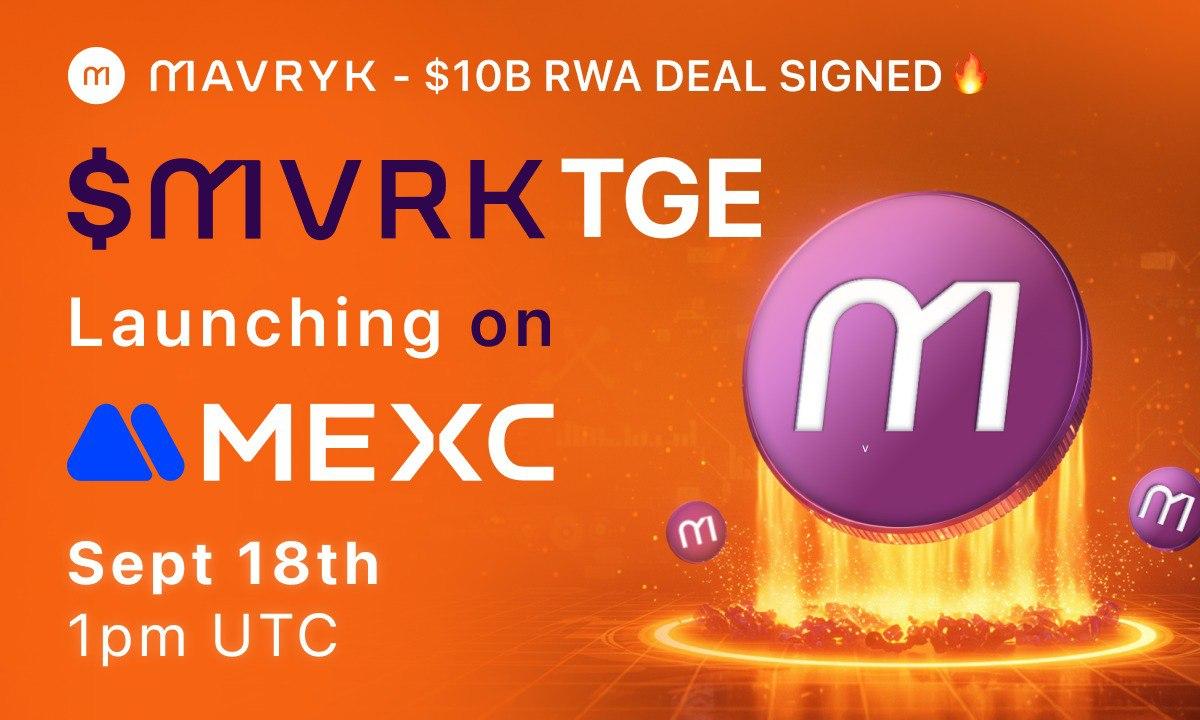
Mavryk Network, a layer-1 blockchain platform that has been pivotal in the tokenization of over $10 billion in real-world assets, is gearing up for the official launch of its mainnet token. The project’s native token, $MVRK, will soon be available for trading on MEXC, a leading global cryptocurrency exchange. This launch marks a significant milestone for the network, which aims to revolutionise the way assets are digitised and managed in the decentralized finance space.

The $MVRK token is integral to the Mavryk ecosystem, designed to support various on-chain operations, including transactions, staking, and governance. This launch will provide liquidity to the token, offering users an opportunity to engage with the network’s growing ecosystem, which has steadily gained traction in the blockchain space. By listing on MEXC, Mavryk will expand its reach, tapping into a wider pool of potential investors and developers.

The Mavryk Network focuses on creating a robust framework for tokenizing RWAs, enabling the seamless integration of assets such as real estate, commodities, and other traditional financial instruments into the blockchain. This approach aims to provide users with the ability to access a broader array of investments, offering a new avenue for both institutional and retail participants.

A key feature of Mavryk’s blockchain is its scalability and efficiency. With the ability to process high transaction volumes at a low cost, the platform addresses a significant pain point in the blockchain industry – transaction speed and cost-efficiency. The network’s architecture is designed to facilitate the fast and secure transfer of assets, making it an appealing option for businesses and individuals seeking to leverage blockchain technology for asset management.

Industry experts have expressed optimism about the potential of Mavryk, particularly in light of the increasing interest in RWAs. Tokenizing these assets could unlock liquidity in traditionally illiquid markets, such as real estate and commodities, providing more flexibility for investors. The growing trend of tokenisation is seen as a critical development in the broader blockchain space, with numerous projects exploring the possibilities of converting physical assets into digital tokens.

Mavryk’s focus on RWAs is not the only aspect drawing attention. The platform has also made significant strides in establishing partnerships and collaborations across different sectors. By building strategic alliances with major financial institutions, developers, and technology providers, Mavryk is positioning itself to become a key player in the rapidly evolving blockchain ecosystem. These partnerships are expected to enhance the adoption of the platform, further solidifying its standing in the DeFi space.

The upcoming launch on MEXC will be closely watched by investors and blockchain enthusiasts alike. MEXC’s reputation as a trusted exchange, combined with its extensive user base, could drive considerable interest in the $MVRK token. As one of the top exchanges by trading volume, MEXC provides a platform with significant exposure, which could lead to an influx of liquidity for Mavryk’s ecosystem.

Looking ahead, Mavryk is also exploring the integration of more advanced features to enhance user experience and platform functionality. Among the features in development are enhanced staking mechanisms, cross-chain interoperability, and increased decentralization. These features are expected to complement the core mission of enabling seamless, efficient, and secure blockchain-based asset management.

Advertisements

Telegram founder Pavel Durov has called his arrest in France a “mistake,” after an investigation concluded there was no wrongdoing on his part or within the messaging platform itself. A year on from the incident, Durov took to social media to address the events, reaffirming that Telegram’s moderation practices align with industry standards and that the company has consistently responded to all legally binding requests from the French authorities.

The arrest, which occurred during a high-profile legal dispute regarding Telegram’s content moderation policies, stirred considerable media attention. At the time, French authorities had raised concerns over the platform’s role in hosting extremist content and other illicit activities. Telegram, a widely-used encrypted messaging app, had previously faced scrutiny for its leniency in moderating user-generated content, especially groups promoting violence and illegal activities.

While Durov’s arrest was seen by many as a response to these concerns, the investigation into the matter has since cleared the company of any legal breaches. Durov’s statement, made through his personal social media channels, stressed that Telegram had fully complied with all applicable laws, asserting that the company had always acted in accordance with France’s legal requirements, responding promptly to government requests.

He pointed out that Telegram’s practices have been aligned with broader industry trends, especially in regard to user privacy and data protection. Telegram has consistently maintained its position as a platform committed to ensuring user security, while still balancing its legal obligations. Durov’s remarks come amid ongoing discussions about the role of social media platforms in regulating content and ensuring that they are not used to spread harmful or illegal material.

The French investigation, launched after several incidents related to extremist content being circulated via Telegram, examined whether the app’s developers were complicit in enabling such activities. The decision to clear Durov and the platform was reached following an in-depth review of Telegram’s operations and its cooperation with French authorities.

Telegram, which has gained popularity for its end-to-end encryption and resistance to governmental surveillance, continues to face a delicate balancing act in meeting demands from various governments while safeguarding user privacy. The platform has been under similar scrutiny in several countries, including the United States and Russia, where its stance on privacy and content moderation has led to clashes with regulators.

Durov’s statement serves as a reinforcement of Telegram’s commitment to compliance with local regulations while advocating for a privacy-first approach to communication. His decision to publicly address the matter also reflects the growing pressure on tech companies to openly communicate their stance on such issues in an era of heightened scrutiny over digital privacy and online content.

Pepeto has crossed the $6 million milestone in presale funding, nearing the completion of stage 10 of its ongoing token sale. The project has raised significant attention in the cryptocurrency space due to its innovative features and growing investor confidence, having sold millions of its tokens thus far. With this latest achievement, the project continues to demonstrate its appeal to investors and enthusiasts in the blockchain and decentralized finance ecosystem.

The presale has proven to be a critical element in Pepeto’s funding strategy, propelling the project forward as it works towards achieving its long-term goals. Stage 10’s closure marks a pivotal point, as the team behind Pepeto prepares for the next phase. This substantial funding amount reflects not only the interest in Pepeto’s token but also the increasing importance of such projects within the broader cryptocurrency market.

Pepeto’s rise can be attributed to its unique positioning in the blockchain space, offering a platform that integrates various DeFi solutions and catering to both retail and institutional investors. As more tokens are sold during each stage, the market is beginning to recognise the value in Pepeto’s approach to decentralisation and smart contract utilisation. The project’s transparent presale structure has encouraged early participation, with tokens being sold in increments that give investors the opportunity to buy in at various price points.

The strategy has sparked considerable interest among investors, including those seeking to capitalise on the growing adoption of blockchain-based technologies. As of the close of stage 9, the project had already surpassed $5 million in funds, with a marked increase in engagement and buzz surrounding its future potential. With stage 10 expected to conclude shortly, the focus now shifts to how Pepeto will navigate the next stages of its development, including its full-scale launch and the introduction of its core platform features.

One of the key factors contributing to Pepeto’s momentum is its roadmap, which outlines a clear vision for the project’s growth. Investors have expressed confidence in the project’s ability to deliver on its promises, largely due to the team’s track record in the cryptocurrency space. The development of Pepeto has been closely watched, with industry experts highlighting its potential to drive further innovation within the DeFi sector.

Pepeto’s presale funding figures not only underscore the enthusiasm surrounding the project but also signal a shift in the market’s focus towards platforms offering a wide array of financial services. As decentralised finance continues to disrupt traditional banking and financial institutions, Pepeto’s platform aims to bridge the gap by providing users with accessible, transparent, and secure financial tools.

For the project’s backers, the successful fundraising through presale stages provides early access to what many believe could be a highly lucrative investment opportunity. By securing substantial funds before its full-scale launch, Pepeto aims to build a robust platform that can withstand the volatility of the cryptocurrency market and offer long-term value to its users.

Despite the success of its presale, Pepeto remains focused on developing its core infrastructure. This includes ensuring that the platform is scalable, secure, and capable of supporting a wide variety of financial transactions. With cryptocurrency adoption growing at a rapid pace, platforms like Pepeto are positioning themselves as leaders in the DeFi space, seeking to offer solutions that meet the needs of an increasingly sophisticated investor base.

The project has also been building strategic partnerships to enhance its ecosystem, further increasing its potential for success. With blockchain technology and cryptocurrencies becoming more mainstream, Pepeto’s team is working on ensuring the platform’s relevance across multiple sectors. These partnerships will play a crucial role in driving the adoption of Pepeto’s token and expanding its user base.

OKB, the native token of the OKX exchange, has surpassed the $200 mark, generating significant attention in the cryptocurrency market. This surge in price comes after the platform announced the burning of 65 million OKB tokens, a move that has impacted the token’s supply and price trajectory.

The token burn, part of a broader strategy by OKX to reduce the circulating supply, was confirmed by the exchange in its latest quarterly report. The reduction in the available supply has had an immediate effect on the price of OKB, driving it higher as investors react to the scarcity of the token. The burn, valued at over $1.3 billion at current prices, has sent a signal to the market that the platform is committed to managing the long-term sustainability and value of OKB.

In addition to the burning event, several factors are influencing OKB’s upward movement. The growing adoption of the OKX platform, as well as the increasing institutional interest in the wider cryptocurrency market, is contributing to a favourable market sentiment. OKX has also gained recognition for its transparent approach to tokenomics, including regular updates on its burn schedule and token supply adjustments.

The broader context of rising interest in decentralized finance and the increasing use of exchange-native tokens is also playing a role. Many traders and investors are turning to OKB not just as a utility token for the exchange but as an asset that holds value in its own right. The token’s recent price movement has been accompanied by increased trading volumes, further driving up the price.

Experts suggest that the token burn may have created a short-term supply shock, but it is the long-term market fundamentals that will determine OKB’s price stability. While the reduction in token supply tends to lead to a price increase, the overall health of the cryptocurrency market, the strength of OKX’s platform, and the evolving regulatory environment remain key factors in sustaining the current momentum.

The OKB burn is part of OKX’s ongoing efforts to create a deflationary model for the token, which has included previous burns as well as strategic buybacks. These measures are designed to reward holders by increasing the value of the token over time. However, critics argue that while token burns can create upward price pressure in the short term, they do not guarantee long-term price appreciation if demand for the token does not remain strong.

As OKB continues to perform well, some analysts are raising questions about the sustainability of the current rally. They point to potential challenges in the global crypto market, particularly with the tightening of regulations across major jurisdictions. Despite this, OKB has shown resilience, with its strong growth being bolstered by a series of partnerships and its increasing use in DeFi protocols.

OKX has not only focused on tokenomics but also on expanding its range of products and services. The exchange has been integrating its platform with various blockchain ecosystems and is promoting its suite of DeFi tools, which has helped boost OKB’s utility beyond just trading. The introduction of new features such as staking and yield farming for OKB holders is also enhancing its appeal to long-term investors.

Looking ahead, the next steps for OKX could include additional token burns, further integrations with DeFi, and possibly the release of new products aimed at attracting more users to the platform. Investors will be keen to see whether the momentum can be sustained or whether market conditions will pose challenges to OKB’s continued growth.

A landmark onchain gaming tournament has been launched by the Moonbeam Foundation and N3MUS, with Sao Mai Games also joining the initiative. The competition, named GLMillionaiRe, is set to capture the attention of competitive gamers and blockchain enthusiasts alike. Offering a significant 1,000,000 GLMR prize pool, the event aims to promote not just high-level gaming but also to attract new users to the Moonbeam ecosystem. The entry fee for participants is set at just 10 GLMR, ensuring accessibility for a wide array of players.

Moonbeam’s innovative approach to integrating blockchain into gaming is expected to be a major driver for the platform’s expansion. As a decentralised smart contract platform, Moonbeam allows developers to easily build and scale blockchain-based applications. With this tournament, Moonbeam is not only offering financial rewards but is also positioning itself as a hub for the next wave of blockchain gaming, an increasingly popular sector within the cryptocurrency and gaming industries.

N3MUS, known for its strategic partnerships in the blockchain and gaming space, has also played a key role in the development of this tournament. The company’s involvement in GLMillionaiRe reflects its ongoing commitment to bringing innovative projects to life. Their partnership with Moonbeam aims to offer players a seamless, high-performance gaming experience underpinned by blockchain technology, offering transparency, security, and decentralisation.

The 1,000,000 GLMR prize pool, which stands as one of the largest in onchain gaming tournaments, is expected to draw participants from across the globe. This event is particularly notable due to its emphasis on accessible entry, allowing both seasoned gamers and newcomers to compete on a level playing field. The inclusion of a relatively low entry fee serves as an invitation for new users to engage with the growing Moonbeam ecosystem while also presenting them with the potential for significant rewards.

The tournament will feature multiple rounds, each designed to test the skills, strategy, and adaptability of participants. Players will face off in various gaming challenges, each incorporating elements of blockchain technology such as smart contracts and decentralized applications. By incorporating onchain features, the tournament ensures that every aspect of gameplay, from registration to rewards distribution, operates transparently and securely, an increasingly important consideration for modern gamers.

Moonbeam’s ecosystem continues to expand rapidly as more developers and projects look to harness the capabilities of its interoperable blockchain. The foundation has been making strides in attracting major players in the blockchain and gaming sectors, with GLMillionaiRe serving as a prime example of its growth. By bridging the gap between gaming and decentralised finance, Moonbeam offers an ecosystem where players, developers, and investors can all engage meaningfully.

For N3MUS, this partnership marks another significant milestone in its mission to push the boundaries of what is possible within the blockchain and gaming realms. The company’s reputation for delivering cutting-edge gaming experiences ensures that GLMillionaiRe will be closely watched by both the gaming community and blockchain investors. As the tournament progresses, it is expected that the level of competition and interest will only increase, further solidifying the event’s status as one of the most ambitious in the space.

Sao Mai Games, a key player in the gaming development space, is providing the technical expertise and gaming content that will power the tournament. The involvement of Sao Mai Games ensures that the gaming experience for participants is smooth, immersive, and enjoyable, making the competition not only lucrative but also fun for all involved. As the tournament evolves, the partnership with Sao Mai Games will likely continue to shape the future of onchain gaming events.

The cryptocurrency market is witnessing a surge of activity, as Bitcoin Swift makes its way into Stage 6 of its development cycle, and Ethereum continues to hold steady above $3,100. Meanwhile, Bitcoin Hyper, a new player in the presale market, is igniting interest with its presale price hovering just above one cent. This confluence of developments signals a dynamic phase for blockchain technology and its associated assets.

Ethereum, the second-largest blockchain by market capitalisation, has remained resilient in a volatile market. With a focus on upcoming upgrades, such as Ethereum 2.0 and its scalability initiatives, Ethereum continues to attract investors seeking a robust and versatile platform for decentralised applications. Analysts note that Ethereum’s ability to maintain a strong position despite competition from emerging networks speaks volumes about its foundational role in the broader crypto ecosystem. The anticipation surrounding its future upgrades further fuels confidence in its long-term potential.

Bitcoin Swift, which recently entered Stage 6 of its development, is generating significant attention. The coin’s rapid ascent through its various stages has been marked by rising investor confidence, and as it advances to Stage 6, more attention is now being paid to its potential. Backed by a highly ambitious roadmap, BTC3 aims to position itself as a major player in the cryptocurrency space by offering a range of technological advancements, including faster transaction times and a more scalable consensus mechanism. BTC3’s move into Stage 6 marks a crucial point in its development, drawing in investors who see it as a promising competitor in the market.

Bitcoin Hyper, a new entrant in the crypto presale market, has also made waves due to its highly affordable presale price, which currently sits just above one cent. This has led to a significant uptick in investor interest, particularly among those looking for early-stage opportunities in a rapidly expanding market. Despite being in the early stages, Bitcoin Hyper’s project has attracted attention for its innovative features, including a focus on security and privacy for its users. Its low presale price and promising roadmap have set the stage for potential rapid growth.

The rapid growth of Bitcoin Swift and Ethereum has sparked discussions about the evolving competitive landscape within the blockchain sector. Many investors and developers are keen to see how these two will perform as blockchain technology matures. Ethereum’s scalability upgrades are expected to play a pivotal role in its ability to retain its market position and further challenge other blockchain platforms.

At the same time, Bitcoin Swift is looking to carve out its niche by providing solutions that are expected to address some of the scalability issues that have long plagued the cryptocurrency market. The growing demand for faster, more secure transactions is driving interest in Bitcoin Swift, with its features expected to position it as a key player in the crypto space.

Bitcoin Hyper, despite its early presale price, has set ambitious goals to stand out in a crowded marketplace. It is targeting markets where privacy and security are critical, making it an attractive proposition for those seeking a more secure and anonymous way to conduct transactions. Its early success in the presale market demonstrates investor confidence in the potential of the platform, even as it works through its development phases.

Ethereum’s continued dominance in the space is further solidified by its diverse range of use cases, from decentralised finance to non-fungible tokens. As Ethereum prepares to unveil key updates to its network, the platform is expected to enhance its ability to handle a growing number of transactions while reducing gas fees. These upgrades, particularly the Ethereum 2.0 transition, are expected to provide the blockchain with a much-needed scalability boost, keeping it competitive with newer entrants.

Despite the competition, Ethereum’s strong brand and extensive developer community offer it a distinct advantage over some of its rivals. Many blockchain developers are continuing to build on Ethereum due to its robust infrastructure, which supports decentralised applications, smart contracts, and DeFi protocols. As the network transitions to Ethereum 2.0, the platform is poised to capture a larger share of the blockchain market.

While Ethereum looks to expand its capabilities, Bitcoin Swift and Bitcoin Hyper are positioning themselves as innovative disruptors with distinct value propositions. Bitcoin Swift’s focus on transaction speed and scalability, coupled with Bitcoin Hyper’s privacy-first approach, offers compelling alternatives to Ethereum’s more open ecosystem.

Leading players in the cryptocurrency industry, including Coinbase, Binance, Kraken, Robinhood, PayPal, Ripple, and others, have launched the Beacon Network, a collaborative effort to tackle the growing issue of stolen cryptocurrency. By working alongside law enforcement and researchers such as ZachXBT, the network aims to offer a real-time solution to prevent the illicit transfer and withdrawal of stolen crypto assets.

The Beacon Network functions by blacklisting suspicious crypto addresses and immediately freezing any funds that are attempted to be withdrawn to an exchange. This swift action is designed to prevent stolen funds from being converted into liquid assets or used for further illegal activities. It is part of a broader effort to safeguard the integrity of the crypto ecosystem and help victims recover assets that have been taken through hacks, scams, and other forms of cybercrime.

The network’s development is timely, as the scale of cryptocurrency thefts continues to escalate. Since 2023, an estimated $47 billion has been funneled into fraudulent wallets, often linked to a range of malicious activities, including hacks, scams, and illicit funding of groups such as North Korean cybercriminals. These trends have prompted both public and private sector entities to take stronger measures to address the vulnerabilities in the crypto world.

One of the key objectives of the Beacon Network is to fight against the growing threat posed by cybercriminals who exploit the anonymity of cryptocurrencies. By leveraging the collective resources of major crypto exchanges and financial platforms, the network seeks to build a collaborative system that can trace stolen assets in real-time. This is expected to disrupt the operations of hackers who often rely on the difficulty of tracking digital currency transactions to launder their ill-gotten gains.

In addition to dealing with cybercriminals, the Beacon Network is also focused on combating other high-profile security threats, such as the use of stolen funds to finance terrorism or support state-sponsored hacking activities. The collaboration between the crypto industry and law enforcement aims to create a more resilient framework for addressing these issues, preventing funds from reaching dangerous or malicious actors.

This initiative marks a significant shift in how cryptocurrency exchanges, financial institutions, and even government bodies approach the problem of stolen crypto. For years, the industry has struggled with the negative perception of cryptocurrencies being used for illicit activities. However, the Beacon Network serves as an example of how crypto giants can take a proactive role in addressing security concerns while maintaining the privacy and decentralised nature of their operations.

The development of the Beacon Network is also an indication of how the cryptocurrency sector is maturing. What was once an unregulated space largely dominated by individual actors and exchanges is now seeing a concerted effort to adopt more formalised and secure practices. The collaboration among these prominent crypto platforms is expected to encourage others in the industry to follow suit, creating a more secure environment for users and reducing the risks associated with digital currency theft.

For the victims of crypto theft, the Beacon Network offers hope for recovering stolen assets. With its automated tracking and freezing capabilities, users will be able to report and prevent further damage to their stolen funds before they can be laundered or moved across borders. While the process is still in its early stages, the network’s potential to return stolen assets to their rightful owners represents a significant step forward in the fight against crypto-related crime.

Binance has partnered with TRM Labs to unveil a groundbreaking initiative aimed at tackling cryptocurrency-related crime. The newly launched Beacon Network is designed to enhance the security and integrity of the digital assets market. This collaboration marks a significant step in addressing the increasing concerns surrounding illicit activities in the crypto space.

Beacon, powered by TRM Labs, will provide a comprehensive suite of tools to track and identify suspicious activities across the blockchain. The network’s capabilities extend beyond the identification of suspicious transactions; it will also monitor exchanges and wallet providers for potential risks associated with money laundering, fraud, and terrorist financing.

This partnership is timely, as the cryptocurrency sector continues to expand and evolve, with regulators and lawmakers increasingly focusing on how to prevent its use for illegal activities. Binance, a global leader in digital asset exchanges, has long faced scrutiny over its role in the market and its ability to ensure compliance with anti-money laundering and know-your-customer standards. By working with TRM Labs, the company seeks to bolster its efforts in this area and demonstrate its commitment to ensuring the safety and legitimacy of the platform.

TRM Labs, a firm specializing in blockchain forensics and compliance tools, brings a wealth of experience to the table. The company’s technology is already used by financial institutions, law enforcement agencies, and regulators worldwide to detect and investigate financial crimes in the cryptocurrency ecosystem. Its role in the Beacon Network will help provide real-time analysis and actionable insights that can prevent fraudulent activities before they escalate.

A key feature of the Beacon Network is its use of advanced artificial intelligence and machine learning algorithms to detect emerging patterns in financial transactions. This technology will continuously monitor the blockchain, adapting to new methods of crime as they emerge. The platform will also integrate data from numerous public and private blockchains, creating a unified view of the crypto landscape that will be accessible to stakeholders across the industry.

While the initial focus of the Beacon Network will be on detecting fraud and money laundering, the partnership with Binance also signals a broader ambition to enhance overall regulatory compliance within the crypto space. Binance’s decision to invest in this technology is part of its wider effort to improve transparency and strengthen its reputation among regulators, especially in markets like the United States and Europe, where scrutiny has been particularly intense.

The collaboration also highlights the growing recognition that the cryptocurrency industry must take a more proactive stance in preventing crime and enhancing security. As the industry continues to grow, so too does the scale and sophistication of the threats it faces. The launch of the Beacon Network is therefore seen as an important step in building trust with both regulators and users, addressing concerns over the potential for digital assets to be used for illicit purposes.

Despite these efforts, challenges remain. The decentralized and pseudonymous nature of cryptocurrencies makes it inherently difficult to track illicit transactions. However, by combining Binance’s vast resources with TRM Labs’ expertise in blockchain analytics, the Beacon Network aims to create a powerful tool that will help combat the dark side of the crypto revolution. This collaboration is expected to set a new standard for industry best practices and contribute to the broader goal of mainstream adoption of digital currencies.

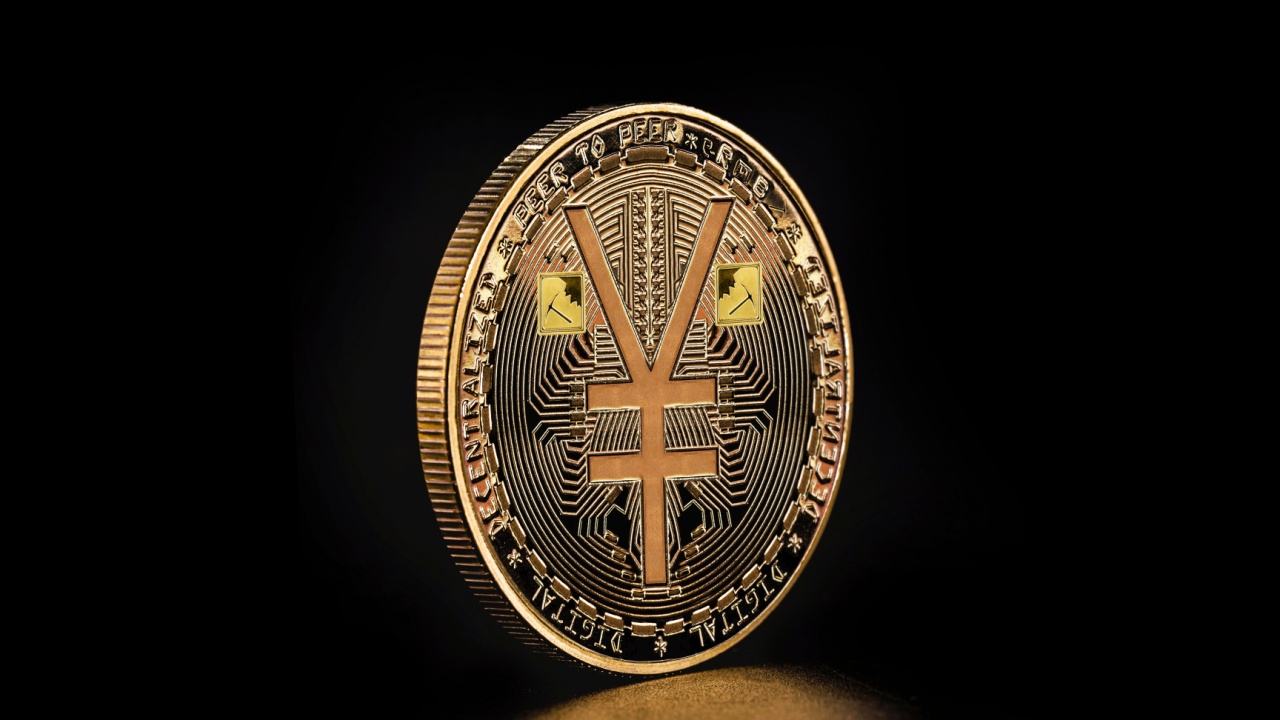
China is reportedly on the brink of a significant policy shift that may see the introduction of yuan-backed stablecoins, a move designed to bolster the international standing of its currency. With global financial markets increasingly leaning towards digital currencies, Beijing’s latest plan could mark a pivotal moment in the international adoption of the yuan.

The Chinese government is set to consider a proposal to allow the issuance of stablecoins pegged to the yuan, which would aim to challenge the dominance of the US dollar and its associated stablecoins in global markets. The proposal, expected to be reviewed by the State Council, reflects Beijing’s ongoing strategy to expand the yuan’s reach beyond its traditional borders, positioning it as a competitor to the greenback.

As part of its broader push for digital currency integration, China could allow key financial hubs such as Hong Kong and Shanghai to be the first to implement the new stablecoin systems. These cities are already at the forefront of China’s broader efforts to foster the growth of digital currencies, and the stablecoin initiative could further solidify their roles as global financial centres.

Discussions surrounding the adoption of yuan-backed stablecoins are expected to feature prominently during high-level meetings, including the upcoming Shanghai Cooperation Organisation Summit. This gathering will provide an important platform for Chinese leaders to outline their vision for the future of digital currencies, while signalling their intent to shape international policy on the use of stablecoins.

The planned move is in direct contrast to China’s earlier stance on cryptocurrency regulation. In recent years, the country has imposed strict measures on the use of private cryptocurrencies, citing concerns about financial stability and capital outflows. The proposed policy reversal regarding stablecoins marks a dramatic shift in strategy, moving from a position of stringent control to one of potential global leadership in digital currency innovation.

Stablecoins, which are digital currencies pegged to stable assets like fiat currencies or commodities, have become increasingly popular among investors seeking to minimise volatility. In particular, US dollar-backed stablecoins have grown exponentially, with major players like Tether and USD Coin dominating the market. The success of these assets has prompted China to explore ways in which the yuan can gain a similar foothold in the emerging digital economy.

By introducing a yuan-backed stablecoin, China would not only be promoting its digital currency but also attempting to influence how digital currencies are adopted globally. The move could significantly shift the dynamics of international trade and finance, particularly in Asia. As countries continue to look for alternatives to US dollar-dominated systems, China’s push for a digital yuan is increasingly seen as a strategic move to improve its influence over global financial markets.

Key stakeholders in the financial sector have already begun to take notice of China’s evolving stance on digital currencies. Financial institutions operating in Hong Kong and Shanghai are expected to play an integral role in the rollout of yuan-backed stablecoins, with implications for both domestic and cross-border transactions. Additionally, blockchain technology providers are closely monitoring developments in this space, anticipating a surge in demand for stablecoin-related infrastructure as China accelerates its digital currency ambitions.

The anticipated approval of yuan-backed stablecoins would also contribute to the development of China’s central bank digital currency, the digital yuan. While the digital yuan has already been tested in select regions, the integration of stablecoins would expand the use of digital yuan products, making it more accessible to international markets. This could significantly enhance the usability of China’s digital assets, providing a stable, digital alternative to traditional fiat currencies for global trade and investment.

At the same time, China’s global competitors, particularly the United States and the European Union, are likely to view this move with caution. While the yuan-backed stablecoin could disrupt traditional financial systems, it could also prompt a race to establish new regulatory frameworks and digital currencies to safeguard the dominance of the US dollar and the euro in global markets.

The real estate sector is undergoing a transformation as digital tools take centre stage in property sales. Simplex 3D’s REALS platform has emerged as one of the most influential technologies in this space, revolutionising how properties are marketed and sold. By leveraging virtual and augmented reality, REALS offers an immersive experience that has captivated real estate professionals and buyers alike, providing a new way of engaging with properties in the digital age.

REALS stands out by enabling prospective buyers to experience properties remotely, using virtual tours and interactive 3D models. This technology is proving especially valuable in markets where travel restrictions or geographical distance have made traditional property viewings difficult. In addition, the platform’s ability to create highly detailed, lifelike representations of properties allows users to explore every inch of a property without ever stepping foot inside, which is an unprecedented advantage in today’s competitive real estate landscape.

Real estate companies are increasingly adopting virtual tools like REALS to offer more comprehensive property showcases. The platform’s flexibility allows potential buyers to customise their viewings, focusing on specific rooms, outdoor spaces, or architectural features, thus making it easier for them to evaluate the property in detail. This level of interactivity not only enhances buyer engagement but also reduces the time spent on physical tours, streamlining the entire process.

REALS is particularly popular in high-end real estate markets, where properties often have unique features that require detailed attention. For these types of properties, virtual tours provide a way to highlight the finer details, such as intricate designs, high-quality finishes, and expansive views, without the need for an in-person visit. This makes the buying process smoother, more efficient, and less time-consuming for both buyers and sellers.

The platform’s reach is not limited to just individual buyers. Real estate agents and developers are also finding value in the tool, using it to showcase multiple properties at once, and to cater to clients who may not be in the area. Through this advanced digital medium, agents can engage with a wider range of prospects, including international buyers, and ensure that properties are marketed to their full potential.

As the property industry continues to embrace digital transformation, platforms like REALS are seen as essential tools for increasing sales and boosting the effectiveness of marketing strategies. By enhancing the buyer experience, the platform addresses common pain points in traditional property marketing, such as limited access to viewing times, geographical limitations, and the inability to capture the full scope of a property’s design.

Experts suggest that REALS and similar technologies are not just a passing trend, but the future of property marketing. As advancements in VR and AR technology continue to evolve, it is expected that these tools will become even more sophisticated, offering increasingly realistic and engaging experiences. From virtual staging to interactive floor plans, the possibilities are endless. For developers, this presents an opportunity to gain a competitive edge by offering buyers a richer, more dynamic way to explore properties.

Another key benefit of virtual platforms like REALS is their ability to integrate with other technologies. For example, they can work in tandem with AI-driven analytics to provide real-time data on viewer engagement and interest levels, helping agents refine their sales strategies. Such integrations enable sellers to make data-driven decisions, optimising their marketing efforts for maximum impact.

Two Prime, a prominent investment firm managing $1.75 billion in assets, has partnered with Figment, the leading independent staking infrastructure provider with over $15 billion staked across 1,000 clients. The collaboration brings forth an innovative offering, enabling institutional investors to access staking across more than 40 protocols, including advanced BTC yield strategies. The agreement marks a significant milestone in the evolution of blockchain-based investments, catering to the growing demand for diversified digital asset yield solutions.

The partnership between Two Prime and Figment blends institutional expertise with cutting-edge blockchain infrastructure. Investors will now be able to simultaneously participate in Proof-of-Work and Proof-of-Stake mechanisms, two foundational components of the cryptocurrency ecosystem. This dual approach allows institutions to enhance their portfolio’s earnings by leveraging the best of both worlds — the robust security of Proof-of-Work systems like Bitcoin and the scalability and yield potential of Proof-of-Stake networks.

Proof-of-Stake, a consensus mechanism used in various blockchain networks, rewards participants who lock their assets in the network, enabling them to validate transactions and secure the blockchain. It is often seen as a more energy-efficient alternative to Proof-of-Work, which relies on miners to solve complex mathematical problems. By combining these two distinct methods, the partnership offers a unique opportunity for institutional investors to diversify their strategies and maximise their returns in an increasingly volatile market.

Two Prime’s strategy is rooted in its deep understanding of institutional investment dynamics, with a focus on building yield strategies tailored for high-net-worth individuals and large-scale investors. The firm has long been a trailblazer in the institutional BTC space, offering clients a comprehensive suite of digital asset products that include structured solutions and yield-bearing strategies. The collaboration with Figment represents a step forward in Two Prime’s mission to create more opportunities for institutional clients to benefit from the growing world of digital assets.

Figment, on the other hand, has built a strong reputation as the largest independent provider of staking services. The company’s impressive track record includes $15 billion staked across multiple blockchain networks, making it a trusted player in the field. Its infrastructure supports a wide variety of clients, from individual stakers to large-scale institutions, offering tools and services that simplify the process of staking digital assets. With the new partnership, Figment expands its reach even further, providing clients with an extensive range of staking options across more than 40 different protocols.

Both firms are capitalising on the increasing institutional interest in digital assets, particularly those that offer steady returns. As traditional financial institutions and wealth managers look to diversify their portfolios, cryptocurrencies have become an attractive option, thanks to their potential for high yields. The ability to generate income through staking adds an additional layer of appeal, allowing institutions to tap into passive income streams while supporting blockchain networks.

The strategic partnership between Two Prime and Figment is poised to redefine how institutions approach digital asset investments. By offering an extensive array of yield strategies that cover both Proof-of-Work and Proof-of-Stake networks, the firms are not only creating new opportunities but are also helping to drive the adoption of blockchain technology in institutional investment circles.

This collaboration comes at a time when the broader cryptocurrency market is showing signs of maturity. With the growing institutionalisation of digital assets, platforms and services that bridge the gap between traditional finance and the world of blockchain are becoming increasingly valuable. Two Prime and Figment’s joint offering positions both firms as key players in this evolving landscape, providing investors with the tools to stay ahead of the curve.

Norway’s Sovereign Wealth Fund, managed by Norges Bank Investment Management, has achieved a new milestone in its investment portfolio with an increased exposure to Bitcoin. This exposure, reaching a record high, is now valued at the equivalent of 7,161 Bitcoin, achieved through investments in companies that hold Bitcoin on their balance sheets. This move signifies a notable shift in the fund’s diversification strategy, as it moves further into the digital asset space.

The fund’s strategy typically involves investing in a broad spectrum of assets, including global equities, bonds, and real estate. However, the rising value of cryptocurrencies and their growing acceptance in mainstream financial markets have prompted the fund to increase its indirect exposure to Bitcoin. NBIM’s current indirect holdings represent a stake in Bitcoin through companies that have embraced cryptocurrency, such as MicroStrategy and Tesla, which have allocated significant portions of their balance sheets to the digital currency.

With Bitcoin’s price having seen significant volatility over the years, the fund’s exposure to the digital asset has raised questions about the risks and benefits of investing in such a volatile commodity. As of the latest figures, the total value of these Bitcoin-linked investments stands at approximately 1,387 Norwegian kroner per Norwegian citizen, based on the current exchange rates and Bitcoin’s market price.

This development underscores the growing integration of digital currencies into traditional investment portfolios. The Norwegian Sovereign Wealth Fund, traditionally focused on more conventional assets, has now ventured into a more speculative investment arena. While the fund’s management has assured that this exposure remains minimal compared to its total assets, the move reflects broader trends within institutional investment.

NBIM’s strategy aligns with increasing interest among large-scale investors in diversifying into Bitcoin and other cryptocurrencies. Over the past few years, several prominent investment funds and financial institutions have adjusted their portfolios to include Bitcoin as a hedge against inflation or as a long-term store of value. These entities view Bitcoin’s finite supply and its potential as an alternative investment vehicle in a world of low-interest rates and global economic uncertainties as key drivers behind their investment decisions.

However, the fund’s Bitcoin exposure remains highly indirect. Instead of holding Bitcoin directly, NBIM’s stake comes from investments in companies like MicroStrategy, whose CEO, Michael Saylor, is a known advocate for Bitcoin. Tesla, another key player in the space, made headlines in 2021 when it disclosed its investment in Bitcoin, which led to an immediate surge in the digital currency’s value.

The Norwegian government, which oversees the fund’s operations, has expressed cautious optimism about its cryptocurrency exposure. While the fund is generally conservative in its investment approach, there is recognition that digital assets could play a role in long-term portfolio diversification. The Fund has made it clear that its current exposure is small and that the risk of loss is something it continues to monitor.

While Bitcoin has proven to be an incredibly volatile asset, some argue that its performance over time, including periods of significant appreciation, has made it an attractive speculative asset. Proponents believe that as Bitcoin becomes more integrated into the financial system and more institutional investors enter the market, its volatility will decrease, and its value will continue to appreciate in the long term. Conversely, critics caution that Bitcoin’s lack of intrinsic value and its exposure to regulatory scrutiny could render it a risky bet for long-term investors.

The Norwegian Sovereign Wealth Fund’s growing interest in Bitcoin is part of a wider trend that is seeing institutional investors increasingly embrace digital currencies. In addition to companies like MicroStrategy and Tesla, several other financial entities have made substantial investments in Bitcoin, such as Grayscale Investments and the publicly traded Bitcoin ETF, which tracks the price of Bitcoin directly.

As this trend continues, it raises broader questions about the role of cryptocurrencies in the global financial system. While Bitcoin and other digital assets were once viewed primarily as speculative investments or a form of digital gold, they are now starting to be considered by more traditional investors as part of a diversified investment strategy. The Norwegian Sovereign Wealth Fund’s increasing exposure to Bitcoin may serve as a bellwether for other institutional investors contemplating similar moves.

The Trump family has completed the acquisition of financial technology firm ALT5 Sigma in a move expected to reshape their investment portfolio. At a purchase price of $15 billion, the deal signals a shift towards further diversification of their business interests, marking a significant venture into the fintech space. This acquisition, which involved a combination of private equity and strategic investments, has drawn the attention of hedge funds and investment groups keen on gaining a stake in the evolving financial technology sector.

ALT5 Sigma, known for its sophisticated algorithms and artificial intelligence solutions aimed at streamlining investment strategies, has long been regarded as a key player in the fintech arena. The company provides innovative tools for hedge funds and asset managers to optimise trading operations and enhance decision-making processes. In acquiring the firm, the Trump family gains access to these advanced technologies, positioning themselves at the forefront of the increasingly competitive tech-driven investment world.

Hedge funds have been particularly keen on ALT5 Sigma’s cutting-edge trading platforms, which leverage artificial intelligence and machine learning to predict market movements and analyse large sets of data. These tools have proven invaluable in helping firms maximise returns, mitigate risks, and remain agile in an ever-evolving market. By entering the fintech industry, the Trump family secures a stake in a sector that is expected to grow exponentially in the coming years.

Financial experts suggest that the acquisition could help the Trump family tap into new revenue streams while also increasing their exposure to emerging technologies. The fintech sector has been attracting substantial investment over the past decade, with companies like ALT5 Sigma leading the charge in transforming how financial services are delivered. With this acquisition, the Trump family joins the ranks of high-profile investors looking to capitalise on the growing demand for innovative financial tools.

The involvement of hedge funds in the deal further highlights the strategic importance of ALT5 Sigma’s offerings. Several prominent hedge funds have expressed interest in supporting the Trump family’s new venture, recognising the potential for long-term returns through the use of cutting-edge trading systems. These hedge funds, which are known for their appetite for high-risk, high-reward investments, view the acquisition as a means to enhance their portfolios by gaining access to superior trading technology.

For the Trump family, the acquisition also marks a potential shift in their investment strategy. Historically known for real estate and branding ventures, this deal represents a move into the tech industry, which could position them for success in the rapidly expanding digital economy. By diversifying into fintech, they not only gain access to a lucrative sector but also strengthen their influence in the evolving financial landscape.

Industry analysts have raised questions about the potential challenges the Trump family may face as they navigate the complexities of the fintech sector. The industry is known for its regulatory challenges, technological demands, and intense competition. However, with the backing of well-established financial firms and a strong track record of business acumen, the Trump family may be well-positioned to overcome these obstacles.

As the Trump family’s acquisition of ALT5 Sigma begins to take shape, the deal is expected to attract increasing interest from other investors and stakeholders within the fintech space. Analysts will be closely monitoring how the family leverages its new acquisition, particularly in how it integrates ALT5 Sigma’s technologies into its broader investment strategies.

Elon Musk has reportedly suspended his ambitious plans to create a new political party, instead shifting his attention back to his array of business ventures. According to the Wall Street Journal, sources close to the billionaire entrepreneur have confirmed that Musk now intends to focus on his companies, including Tesla, SpaceX, and Twitter, which recently rebranded as X. The idea of a new political movement was first […]

Backpack Exchange, a leading digital asset platform, has announced the launch of daily Proof of Reserves audits, marking a significant step in promoting transparency and security within the cryptocurrency exchange space. This move, verified by cybersecurity firm OtterSec, aims to provide users with real-time assurance that the exchange maintains more than enough reserves to cover all customer deposits.

The PoR initiative is part of a broader effort by cryptocurrency platforms to rebuild trust after a series of high-profile exchange collapses. These audits will detail the reserve ratio, with Backpack Exchange’s current reserve ratio standing at 100.42%. This indicates that for every unit of cryptocurrency held in customer accounts, the exchange holds an equivalent amount and more, ensuring liquidity and solvency.

The verification process, carried out by OtterSec, involves rigorous checks on Backpack Exchange’s crypto holdings and liabilities. This third-party validation is designed to increase investor confidence by ensuring that the platform does not engage in risky lending practices or operate with insufficient backing. The daily audits will be publicly accessible, allowing users to independently verify the platform’s financial stability.

This move comes as part of a growing trend in the cryptocurrency industry, where exchanges are being pressed to adopt higher standards of transparency in the wake of the collapse of firms like FTX and Celsius. These platforms were accused of operating with insufficient reserves and failing to disclose critical financial information to users and regulators. In response, many exchanges, including Backpack Exchange, are now taking proactive steps to restore credibility and accountability.

One of the major concerns that has plagued the crypto industry is the lack of clear regulation and oversight. While governments around the world have begun to implement new laws to protect investors, many exchanges have faced criticism for not providing enough information about their financial operations. Backpack Exchange’s decision to make PoR a daily practice is an attempt to address this concern directly, giving users the tools they need to assess the health of the platform without relying solely on regulatory bodies.

While the PoR audits provide an additional layer of transparency, experts caution that these measures should be viewed as part of a broader effort to ensure that exchanges operate within a secure and well-regulated framework. “Proof of reserves is important, but it does not guarantee the absence of other risks, such as fraud or mismanagement,” says Laura Tan, a blockchain security expert. “It is crucial that exchanges continue to improve their operational practices, beyond just audits, to protect users.”

The timing of Backpack Exchange’s announcement is also noteworthy, as it comes amid increasing scrutiny from both regulators and the public. In many jurisdictions, regulators are seeking to enforce stricter compliance requirements on cryptocurrency exchanges, including mandatory audits and greater financial disclosures. This trend is part of a larger push for comprehensive regulation in the crypto space, aimed at reducing market manipulation, fraud, and investor losses.

Despite the growing regulatory pressure, the cryptocurrency industry remains largely self-regulated, with few standardized practices for exchanges to follow. As a result, platforms like Backpack Exchange that adopt self-imposed transparency measures may set the bar for others to follow. Experts believe that this trend could encourage further innovation in the space, driving exchanges to develop new methods of ensuring financial integrity and user protection.

Another key benefit of daily PoR is its potential to deter malicious actors. By making the platform’s reserve status publicly available, Backpack Exchange creates an environment where any attempt to manipulate reserves would be immediately apparent. This level of visibility can help prevent fraud and instil confidence among users, knowing that they can rely on independent verification of the platform’s solvency at any given moment.

The decision to implement daily audits reflects a growing recognition that the cryptocurrency market must evolve to attract and retain mainstream investors. Institutional investors, in particular, have been cautious about entering the market due to concerns about security and transparency. With daily PoR audits, Backpack Exchange may be positioning itself as a more secure and trustworthy platform, appealing to both retail and institutional traders.

This transparency initiative also places significant pressure on other exchanges to adopt similar measures. As the market matures and regulatory bodies continue to apply pressure, exchanges that fail to provide adequate transparency or secure user funds may struggle to compete. Backpack Exchange’s early adoption of daily PoR audits could set a new standard for transparency in the crypto industry, raising the bar for exchanges across the board.

Eric Trump and Donald Trump Jr. marked a significant moment for the Trump family in the financial sector, ringing the Nasdaq opening bell as part of a high-profile $1.5 billion deal. The transaction involved the biotech-turned-crypto payments company Alt5 Sigma Corp. and the Trump-backed World Payment Network, a crypto firm under scrutiny due to its political affiliations. The deal has sparked interest among top financial firms, with Point72 Asset Management and ExodusPoint Capital Management both securing stakes in the venture.

Point72, a prominent hedge fund with a reputation for aggressive trading strategies, has previously invested in various tech-driven industries, but its entry into the crypto space marks a strategic pivot. The firm, led by billionaire Steve Cohen, has long been a major player in hedge funds, with a focus on alternative investments. ExodusPoint, a rising star in the hedge fund world, also moved to acquire a share, further solidifying its presence in the rapidly growing digital assets market.

Alt5 Sigma, originally founded as a biotech company, has undergone a dramatic transformation into a blockchain-powered payment network. With its backing from the Trump family’s business empire, the company has aimed to bridge the gap between cryptocurrency and traditional finance, particularly in the realm of payments processing. This shift has garnered attention from institutional investors and major financial players, eager to tap into the lucrative crypto market.

Both Point72 and ExodusPoint’s moves signal growing institutional interest in crypto-based financial products, which have garnered mixed reactions across the financial world. The cryptocurrency market, often volatile and speculative, remains a space that many traditional investors tread carefully within, though firms like Point72 and ExodusPoint see long-term growth potential.

The involvement of Trump-linked entities, particularly World Payment Network, has added a layer of political intrigue to the deal. World Payment Network, founded in connection with the Trump family’s business operations, has drawn attention for its ties to former President Donald Trump. Critics of the deal have raised concerns over potential conflicts of interest, pointing to the Trump family’s history of leveraging its brand for financial gain. Some worry that the high-profile nature of the Trump name could invite unwanted scrutiny from regulatory bodies, especially in a space already under heavy regulatory pressure.

Despite the controversy, the transaction illustrates the ongoing trend of high-profile figures and firms entering the crypto space, a market known for its innovation but also fraught with risks. In recent months, several hedge funds and institutional investors have increasingly allocated capital into digital assets as they look for high-return opportunities in the wake of traditional financial market fluctuations.

Point72’s foray into crypto comes as no surprise, as Cohen’s fund has long been known for diversifying into new and potentially high-reward areas. However, its involvement with a Trump-backed company adds an interesting layer of complexity, given the family’s polarizing influence on both the financial and political landscapes. ExodusPoint, on the other hand, is still a relatively new player in the hedge fund world, but its rapid growth and aggressive strategies have made it a name to watch. Its decision to back a Trump-linked crypto firm signals its willingness to embrace unconventional investment opportunities.

The crypto payments industry itself is growing rapidly, with companies such as Alt5 Sigma Corp. and World Payment Network at the forefront of bridging the gap between blockchain technology and traditional financial systems. The potential for global expansion and seamless cross-border payments has made blockchain an appealing solution for an industry looking for greater efficiency and security. However, the path forward remains uncertain. Regulatory challenges, particularly in the US, where authorities are seeking to increase oversight on crypto firms, could hamper the growth of companies like Alt5 Sigma.

At the same time, developments in blockchain technology continue to push the envelope for how financial transactions could be conducted in the future. If World Payment Network and its partners can navigate the regulatory hurdles and maintain a level of credibility amid political controversy, they may be well-positioned to capitalize on the growing demand for crypto-based financial services.

Federal lawmakers are grappling with a surge of feedback following the Senate’s release of its discussion draft of the Responsible Financial Innovation Act, aimed at defining the regulatory framework for digital assets. With a compressed input window and wide-ranging submissions from banking associations, regulators and web3 groups, attention has quickly centred on stablecoin interest—an area of mounting concern.

Provisions introduced by the House’s CLARITY Act placed digital assets under Commodity Futures Trading Commission oversight, but the Senate’s RFI Act grants the Securities and Exchange Commission primary regulatory authority over so-called “ancillary assets” while still permitting CFTC consultation on specific rules. The RFI Act also empowers banks to engage in activities such as custody, lending, market-making and even operating blockchain nodes, alongside instructing the SEC to craft a new rule to determine what constitutes an investment contract, potentially supplanting the decades-old Howey Test.

While the SEC-centric approach aims to resolve ambiguity in digital asset regulation, banking groups are alarmed by what they describe as a critical loophole in the GENIUS Act—the stablecoin law recently enacted. Although the GENIUS Act forbade stablecoin issuers themselves from paying interest on token holdings, it does not explicitly block affiliated intermediaries from offering yield-like rewards. This is of particular relevance to Coinbase, which ends its joint issuance role in USDC but still enables clients to earn approximately 4.1 percent via “rewards” on their holdings.

Major banking associations, including the American Bankers Association and the Bank Policy Institute among others, have urged Congress to plug this gap. Their position is clear: yielding through affiliates risks siphoning deposits from traditional banks, potentially destabilising credit provision and triggering deposit outflows that could amount to trillions.

Coinbase disputes accusations of exploiting the loophole, characterising its model as a legitimate separation between issuers and intermediaries. Nonetheless, concerns endure that such practices undercut the intent of the GENIUS Act, which aimed to draw boundaries between stablecoin issuers and banking functions.

Meanwhile, the RFI Act has divided opinion in the Senate. Democratic senators, led by Senator Elizabeth Warren, warn that redefining digital assets as “ancillary” could erode critical investor protections and financial stability. They argue that the bill would weaken the SEC’s regulatory role and expose taxpayer-backed protections such as FDIC insurance to undue risk.

On the industry front, the GENIUS Act did usher in uniform rules for payment stablecoins, mandating full backing with low-risk assets, monthly reserve disclosures, and independent audits—including attestations from CEOs or CFOs. Yet critics caution that the law stops short of safeguarding against systemic threats or conflicts of interest, particularly noting exemptions that may benefit subsidiaries of large tech firms or powerful political figures.

Academic analysis underscores the broader implications: stablecoins are increasingly viewed as pivotal to a new era of banking, often referred to as “Banking 2.0,” given their potential to enhance global transaction speed, reduce fraud and integrate new financial mechanisms—yet they also carry real risks if regulatory gaps persist.

As the Senate culture shifts from discussion to legislation, the RFI Act’s comment deadline—set for 5 August—has crystallised the debate. The responses could shape whether a stablecoin interest ban via intermediaries is codified, and determine the future balance of power between the SEC and CFTC, between innovation and investor protection, and between crypto-enabled finance and the conventional banking system.

Metaplanet has acquired an additional 775 Bitcoin in a substantial move that lifts its total holdings to 18,888 BTC, worth around $1.9–2.2 billion. The purchase, executed at an average price near $120,000 per coin and valued at approximately $93 million, underscores the company’s continued commitment to a Bitcoin-centric treasury strategy at a time when markets are under pressure. The latest figures reflect a return of over 480 percent year-to-date in BTC yield, positioning the firm as a formidable force among global corporate Bitcoin holders.

Metaplanet’s CEO, Simon Gerovich, acknowledged market disappointment amid Bitcoin’s dip back toward $115,000 but emphasised confidence in the company’s strategic foundation and long-term trajectory.

The announcement arrives amid a broader pattern of aggressive accumulation. Earlier in the year, Metaplanet purchased 780 BTC for about $92.5 million, bringing its holdings to 17,132 BTC and solidifying its status as Asia’s largest corporate Bitcoin holder and the seventh-largest globally. Prior to that, it added 1,005 BTC at roughly $107,601 each, overtaking peers to climb the rankings among corporate treasury holders.

Metaplanet’s expansion is part of its ambitious “555 Million Plan,” under which it aims to amass 210,000 BTC—about 1 percent of the total Bitcoin supply—by the end of 2027. The strategy includes issuing significant equity through warrants and share offerings, enabling rapid accumulation while managing shareholder dilution.

This pivot to Bitcoin has dramatically altered Metaplanet’s trajectory. A company formerly focused on hotel operations has emerged as a pioneering corporate treasury vehicle, mirroring the playbook of the US firm Strategy. CEO Gerovich, once a banker at Goldman Sachs Tokyo, has described the company’s strategic focus as a “Bitcoin gold rush,” envisaging Bitcoin serving as collateral to acquire cash-generating businesses in the future.

The firm’s bold asset approach has delivered notable returns, with its stock market value surging hundreds of percent this year and its BTC Yield metric demonstrating impressive growth relative to share dilution.

At a time when Bitcoin is trading near $115,000 after recently testing highs above $118,000, Metaplanet’s latest acquisition exemplifies a strategic bet on long-term appreciation amid short-term volatility. Market observers view its consistent accumulation—regardless of price dips—as a factor that could both tighten liquidity and exacerbate volatility.

VISHNU RAJA
RYO YAMADA
HITORI GOTOH
IKUYO KITA