News related to
data

Arabian Post Staff -Dubai G‑SHOCK has released its GA‑V01 in the UAE, marking a significant step forward in hybrid timepiece design by blending analogue presence with digital clarity in a robust, contemporary form. The GA‑V01 introduces a distinctive spherical aesthetic, combining a full‑screen LCD display with striking analogue hands that pivot via a magnetic “Shock Release Hand” mechanism. This innovation absorbs impacts by allowing the minute hand […]

Mergers and acquisitions across the Middle East are poised to slow as escalating global trade tensions erupted following the Trump administration’s imposition of reciprocal tariffs on 2 April. A sweeping 20 percent tariff on EU goods, 10 percent on UK imports and 25 percent on automobiles rattled markets and shook corporate confidence, triggering what dealmakers describe as a “major escalation” in international trade friction. A recent global survey conducted by […]

Deyaar Development PJSC has officially launched Downtown Residences, a twin-tower residential project rising to a striking 445 metres in Dubai’s golden triangle where Sheikh Zayed Road meets Downtown Dubai and Business Bay. The development will house 522 units across one- to three-bedroom apartments, duplexes, penthouses and an exclusive Royal Palace perched at the summit, marking a new milestone in vertical luxury living.

Dubai is amid a surge of super‑tall skyscraper projects. Alongside Deyaar’s venture, Burj Azizi is planned to reach approximately 725 metres, while Burj Binghatti Jacob & Co is projected at around 557 metres. Downtown Residences, with more than 110 floors, will rank among the tallest residential towers in the emirate and is set for delivery in the fourth quarter of 2030.

Deyaar’s chief executive, Saeed Mohammed Al Qatami, described the project as a transformation of urban living, combining comfort, style and advanced amenities. He emphasised its potential to attract both residents and investors while enhancing the Dubai skyline. The company signals that the project is part of its strategy, expanding its 2025 pipeline beyond an earlier target of AED 8 billion through new launches.

Drawing inspiration from Maslow’s Hierarchy of Needs, the design concept organises the residential experience into five vertical zones, each catering to a different level of wellbeing and lifestyle aspiration. The lower zone—Dynamic Avenue—will include family areas such as children’s creative spaces, playrooms, and communal lounges, fostering social connection. The Sensory Oasis, positioned midway, will offer floating gardens, air yoga zones, AI-powered meditation pods and an “invisible spa” combined with fitness amenities.

At roughly 100 floors high, Summit Society will provide private dining venues, exclusive lounges, and a screening room. The Residents’ Club will include AI-enhanced workspaces, executive pods and networking hubs, while the Sky Pinnacle 360 zone culminating in the Sky Mansion and Royal Palace will represent the architectural pinnacle.

Architecture highlights include a dramatic central slit, vertical gardens woven through the structure, and podium-level urban oases. Outdoor terraces and community spaces such as The Collective and Serenity Haven aim to blend urban energy with serenity. Panoramic views of the Burj Khalifa, Arabian Gulf and Sheikh Zayed Road will feature prominently, underscoring the building’s centrality and visual impact. The site is also adjacent to the Business Bay metro station, emphasising convenience and connectivity.

In context, Downtown Residences forms part of a robust real estate market supported by government initiatives such as long‑term residency schemes and golden visa programmes, along with strong investor interest. Last year, Dubai recorded AED 761 billion in real estate deals, a 20 percent year-over-year increase, while unit prices rose nearly 19 percent. However, recent analysis from Fitch warns of a potential 15 percent price correction in the face of increasing supply as new units deliver in 2025 and 2026.

Within the current landscape, several super‑tall residential towers are either in planning or under construction. For instance, the 557‑metre Burj Binghatti Jacob & Co is expected to top out in 2027. Meanwhile, the 725‑metre Burj Azizi and a host of other vertical developments are progressing. Downtown Residences will complement these, contributing to a vertical growth strategy that increasingly defines Dubai’s urban identity.

Deyaar, with a 23‑year history in the UAE real estate sector, has previously completed numerous projects across Business Bay and downtown districts. The developer anticipates concluding the current series of launches with AED 4 billion in sales for 2025.

Compared with the tallest completed residential towers in Dubai, such as Marina 101 and Princess Tower, Downtown Residences will exceed these heights, adding further prestige to the skyline. In the under‑construction category, towers like Bayz 101 and Six Senses are among peers.

Dubbed a “vertical residential community”, Downtown Residences aims to offer more than luxury living; it’s intended as a lifestyle destination combining wellness, exclusivity and high‑end design. By aligning with evolving buyer preferences—especially among high‑net‑worth and remote‑worker demographics—the development emphasises contextually relevant amenities, location and architectural prominence.

As Dubai positions itself at the forefront of global luxury real estate, Deyaar’s Downtown Residences emerges as a test case in balancing scale, innovation and market demand. With units reportedly starting from AED 1.8 million, early indicators suggest strong investor interest in the lower‑priced tiers. Simultaneously, the Royal Palace and sky‑level offerings reflect ambitions to cater to ultra‑luxury buyers.

Deyaar’s vision, articulated by both Al Qatami and Patrick Bernard Rouse, frames Downtown Residences as more than just a building—it is a calibrated response to hierarchical human needs and emerging market dynamics. By integrating connectivity, wellbeing, community and status across vertical zones, the concept attempts to redefine high‑rise living.

Gulf Navigation Holding PJSC has signed a definitive agreement to acquire the assets and subsidiaries of Nasdaq‑listed Brooge Energy for AED 3.2 billion, a move set to significantly expand its midstream oil and gas capacity. The transaction spans a blend of cash, share issuance, and mandatory convertible bonds, with completion anticipated by the close of the third quarter of 2025, subject to regulatory and shareholder approvals.

The bulk of the deal involves taking over Brooge Petroleum and Gas Investment Company FZE, its Phase III FZE entity, and BPGIC Phase 3 Limited—each operating advanced crude, fuel oil, and refined petroleum storage facilities in Fujairah. These strategically located assets will double GulfNav’s existing infrastructure, reinforcing its footprint at a key UAE bunkering and storage hub.

Under the structured settlement, GulfNav will allocate 358.8 million new shares at AED 1.25 each to Brooge Energy, enforceable with a 12‑month lock‑up period. It will also issue AED 2.336 billion in mandatory convertible bonds convertible at the same share price and restricted similarly. Existing shareholders have access to AED 500 million in MCBs at AED 1.10 per share, with major investors covering any unclaimed portion. Additionally, AED 460 million will be disbursed in cash.

Chief Executive Ahmad Kilani described this acquisition as transformational, explaining that integrating Brooge’s storage infrastructure with GulfNav’s maritime services will “unlock operational synergies, enhance storage capacity and drive long‑term value for shareholders.” Incoming facilities in Fujairah are expected to enhance logistical efficiency, lower costs, and broaden GulfNav’s revenue mix.

This move aligns with GulfNav’s strategy to transition from a legacy maritime operator to a diversified energy‑logistics conglomerate. The firm’s board was authorised in March 2025 to proceed with the asset acquisition, capital increase, and issue of MCBs, all in light of its shareholders’ approval. Regulatory processes and amendments to the company’s articles of association—particularly regarding foreign ownership—are now underway.

Brooge Energy has previously attracted scrutiny. In December 2024, U.S. investors filed a fraud claim against auditor Ernst & Young, alleging that revenues were overstated by between 30% and 80% during 2018–2020. The firm reached a $5 million settlement with the U.S. Securities and Exchange Commission over irregular accounting practices. Despite these concerns, GulfNav maintains the deal offers strategic value, citing diligence and planned regulatory housekeeping prior to close.

Analysts note the landmark nature of this deal; GulfNav’s storage assets are poised to surge, positioning it as a key player in the region’s rapidly evolving energy-logistics ecosystem. Fujairah’s strategic location outside the Strait of Hormuz means its terminals are well placed to serve global crude oil logistics, with Brooge’s high-tech blending capabilities offering an edge in operational efficiency.

Transaction conditions encompass customary requirements: shareholder approvals, regulatory consents, debt settlements, and commercial registration. GulfNav expects to finalise the share and bond issuance in tandem with regulatory clearance, with the goal of closing by end‑Q3 2025. After completion, the Brooge Energy shareholders and bondholders will receive equity in GulfNav under lock‑up terms.

Post-acquisition, GulfNav’s board plan includes integrating Brooge’s board representatives to ensure continuity and operational alignment throughout the transition. Integration is expected to elevate GulfNav’s EBITDA margins and open fresh revenue streams via enhanced storage, blending, and bunkering services.

Although GulfNav navigates complexities from Brooge’s previous accounting controversies, analysts emphasise the strategic benefits—particularly the ability to offer complete maritime-to-storage and product blending services from a single platform. The expanded Fujairah facilities will allow GulfNav to capitalise on growing crude export flows, further supported by Abu Dhabi’s energy growth ambitions.

With conventional execution risk low, attention now shifts to securing regulatory and legal clearances, along with capital-raising for the MCB component. Successful completion will mark GulfNav’s transformation into a fully integrated energy logistics powerhouse, ready to meet regional demand while delivering enhanced returns to investors.

HANOI, VIETNAM – Media OutReach Newswire – 9 June 2025 – VinUniversity (VinUni) has officially unveiled its second-phase development strategy, with the ambitious vision of becoming one of the world’s top 100 universities. At the heart of this initiative is the “VinUni 500” program, which aims to attract 500 outstanding scholars from around the globe. The strategy is backed by a USD 372 million investment from Vingroup […]

Louvre Abu Dhabi and the Indian Embassy in Abu Dhabi are offering a free, open‑air yoga session under the museum’s famed dome to mark International Yoga Day on 21 June. Doors will open at 18:00, with the session scheduled from 18:45 to 19:45. Prior registration is required and participants can either bring their own mats or use those provided. Organisers emphasise the inclusivity of the event, welcoming […]

KUALA LUMPUR, MALAYSIA – Media OutReach Newswire – 11 June 2025 – Bitcoin keeps reaching new ATHs (All-Time Highs) in 2025 and fosters bullish market sentiments, yet volatility remains significant. This ramps up the risks for crypto traders, who use traditional spot trading tools. Experts at Octa Broker explain how CFDs—Contracts for Difference—allow traders to decrease risk exposure while offering more trading opportunities. The majority of crypto […]

Advertisements

Ethiopia’s finance minister has announced that the economy is projected to expand by 8.9 % in the fiscal year beginning 8 July 2025, alongside a modest increase in the budget deficit amid structural reforms. Finance Minister Ahmed Shide addressed parliament on Tuesday, outlining the forecast for the next fiscal year, citing an acceleration in real GDP growth from an estimated 8.4 % this year to 8.9 % next year. The state […]

Dog owners across Nigeria are trimming meals and turning to homemade alternatives as soaring inflation and currency devaluation drive imported pet‑food costs up to levels equivalent to the national minimum wage. A crisis in livestock staples has now reached the country’s urban pet economy. Inflation in Nigeria has surged since May 2023, when the government removed a long-standing fuel subsidy and devalued the naira. General inflation hit nearly […]

OpenAI has reported a substantial increase in annual recurring revenue, rising to $10 billion as of June 2025—nearly double the $5.5 billion recorded in December 2024. This leap underscores the robust commercial appetite for its offerings, driven by consumer subscriptions, enterprise usage, and API sales. The fuel behind this surge is ChatGPT, which now boasts over 500 million weekly active users and around 3 million paying business and education customers. Its […]

Sixty per cent of Fortune 500 companies are now engaged in blockchain initiatives, according to the second-quarter “State of Crypto” report from Coinbase. The survey, conducted among executives of America’s largest firms, reveals that blockchain is no longer peripheral but central to corporate strategy across sectors.

The survey also highlights a dynamic surge in stablecoin use, with supply growing 54 per cent year-on-year. Small and medium-sized US businesses are following suit: about one-third currently use crypto, a share that has doubled since 2024. Among SMBs not yet involved, 46 per cent plan to adopt crypto within the next three years, and 82 per cent view it as a remedy for key financial challenges.

Institutional interest remains robust, with over 80 per cent of large investors planning to expand crypto exposure this year. Furthermore, a fifth of Fortune 500 executives perceives on‑chain blockchain efforts as integral to long-term strategy.

The report underscores a notable shift in corporate attitudes: 83 per cent of Fortune 500 executives familiar with crypto or blockchain confirm their companies have launched or are planning initiatives. Of these, the lion’s share—approximately 60 per cent—have progressed from pre-launch to live status since 2022.

Tech, finance and retail dominate these efforts. Data collection and management rank as leading use cases, followed by infrastructure concerns. Experts describe blockchain as “foundational” for enhancing transparency and automating operations. Larry Fink, chair and chief executive of BlackRock, noted that blockchain could “change the whole ecosystem” of securities trading by enabling “instantaneous settlement” and complete transparency of ownership.

Stablecoins, deemed a ‘killer application’ by Jose Fernandez da Ponte, SVP of Blockchain, Crypto and Digital Currencies at PayPal, have gained traction for facilitating global payments and preserving the dollar’s reserve status. BlackRock’s tokenised Treasury fund, BUIDL, has outpaced Franklin Templeton, now standing at approximately US $382 million, and is routinely used by hedge funds as collateral.

Yet regulation remains a critical concern. According to Coinbase’s findings, 90‑plus per cent of surveyed executives insist on the need for new rules specifically tailored to crypto and blockchain technologies rather than adapting obsolete frameworks. Eighty-seven per cent assert that clearer regulation is essential for preserving US leadership in the global financial system.

This regulatory environment has significant implications. Coinbase warns the US risks losing up to one million web3 developer jobs and three million related non‑technical positions by 2030 if regulatory ambiguities persist. Its share of global crypto development has already dropped from 40 to 29 per cent over the past six years.

Executives also cite talent shortages: nearly one in three identify insufficient skilled personnel as a major barrier, surpassing concerns about regulation. Among small businesses, half intend to seek finance, legal or tech professionals with crypto expertise in their next hiring round.

Despite headwinds, many companies push ahead. JPMorgan Chase executed its first DeFi transaction on a public blockchain, while ExxonMobil piloted crypto‑mining operations powered by excess gas. Retailer Lowe’s implemented blockchain and NFTs to combat theft by tracking stolen tools, and Nike integrated apparel NFTs into video games through a collaboration with EA Sports.

On the SMB front, crypto usage has grown dramatically. One in three US small and medium enterprises is already harnessing crypto for payments, payroll or treasury functions, up from one in six last year. Among those not yet using crypto, almost half aim to adopt it within three years. Four in five believe crypto could alleviate financial pain points such as transactional delays and steep fees.

The report indicates a tipping point. On‑chain U.S. Treasury holdings have topped $1.29 billion, representing a tenfold increase since early 2023. Total assets under management in spot Bitcoin ETFs now exceed $63 billion, and the U.S. stablecoin market cleared $10 trillion in annual transaction volume last year.

With blockchain moving from pilot to scale, traditional institutions like PayPal and Stripe are making stablecoin integration simple for merchants and users. Stripe now enables USDC payments across Ethereum, Solana and Polygon, with fiat conversions handled automatically. PayPal supports cross‑border stablecoin transfers in around 160 countries, eliminating transaction charges typically levied by remittance services.

These developments coincide with a broader surge in Web3 infrastructure investment. Total value locked in tokenised real‑world assets—ranging from fixed income to environmental credits—is approaching $2.4 billion, with US tokenised Treasuries alone surpassing US $1.2 billion in Q1 2024. Global institutional adoption continues apace, and tokenised assets are projected to reach US $16 trillion by 2030—equivalent to the EU’s GDP.

U.S. law enforcement has seized approximately 145 darknet and clearnet domains, along with cryptocurrency holdings linked to BidenCash, a notorious carding marketplace that facilitated the distribution of stolen credit card data and personal information. Since its inception in March 2022, the platform served over 117,000 users and trafficked more than 15 million payment card records, reportedly generating at least $17 million in illicit revenue.

BidenCash gained traction by periodically publishing stolen data sets—for example, offering 3.3 million credit card records free of charge between October 2022 and February 2023—as a marketing tactic to lure new buyers. These leaks included full card numbers, expiry dates, CVV codes, account holder names, addresses, email IDs and phone numbers. Beyond carding, the platform also traded compromised credentials which could be used for unauthorised computer access.

By court order, U.S. authorities have seized cryptocurrency wallets used by BidenCash to collect illicit proceeds. On‑chain intelligence from Arkham Intelligence indicates that around $43,000 in USDT was transferred to wallets designated as “Seized Funds”, although the total seizure remains undisclosed.

Visitors to the seized domains are now automatically redirected to servers controlled by U.S. law enforcement and are greeted with official seizure banners bearing logos of the Department of Justice, FBI, U.S. Secret Service and involved international partners.

The dismantling of BidenCash resulted from a joint operation involving the U.S. Attorney’s Office for the Eastern District of Virginia, the Secret Service, the FBI and international partners including the Dutch National High Tech Crime Unit, the Shadowserver Foundation and Searchlight Cyber. While no arrests have been confirmed publicly, the takedown highlights expanded cooperation between U.S. and European agencies.

Cybersecurity analysts warn that some traces of BidenCash remain active. As of early June, researchers such as Vmprotect identified at least seven live domains tied to the marketplace, illustrating the inherent challenges in fully eradicating darknet infrastructure.

Experts highlight that even expired credit cards and outdated personal data can fuel phishing schemes, identity theft and account takeovers, underscoring the enduring risks for victims.

The crackdown on BidenCash forms part of a broader escalation by global law enforcement in their fight against cybercrime malign platforms. Recent operations have targeted malware-as-a-service networks, counter‑antivirus services and other darknet commerce sites. Yet analysts caution that such efforts often spark rapid migration of criminal activity to new domains and platforms.

Investigators are now focusing on tracing the individuals behind the BidenCash operation and pursuing further legal actions to freeze remaining assets. Analysts emphasise that the success of this takedown will depend on follow‑through investigations and the dismantling of successor networks.

The UAE Ministry of Finance convened an impactful awareness session in Shanghai for Emirati students pursuing studies in China, spotlighting pathways into international financial institutions and multilateral development bodies. The event, held at the Shanghai headquarters of the New Development Bank, marked a central component of the UAE’s “UAE Global Cadres” initiative aimed at preparing nationals for careers in global finance.

Attended by prominent figures including H.E. Muhannad Sulaiman Al Naqbi, Consul General in Shanghai; Thuraiya Hamid Alhashmi, Director of International Financial Relations; and Qiangwu Zhou, Vice‑President and CAO of the NDB, the session featured detailed presentations on recruitment, training mechanisms, and institutional roles in multilateral settings. Ali Abdullah Sharafi, Acting Assistant Undersecretary for International Financial Relations, highlighted the Ministry’s commitment to “creating an interactive environment that brings together young Emirati talent with influential international organisations”.

With a focus on introducing students to specific roles within institutions such as the New Development Bank, the discussion covered NDB’s core mission of financing infrastructure and sustainable development projects across member countries. Students were provided an in-depth look at the Bank’s internal functions, including strategic planning, project financing, and administrative operations—areas in which career prospects are steadily rising. Qiangwu Zhou shed light on NDB’s expansion and strengthening of its global talent pipeline, reinforcing the UAE’s active role in its leadership and operations.

The session formed part of a wider programme under the “UAE Global Cadres” framework, which seeks to empower Emirati youth with the knowledge and contacts necessary for onboarding into premier international financial institutions. The initiative offers customised introductions, tailored knowledge development, and structured partnerships with organisations like the NDB alongside other global bodies.

Ahli Emirati scholars heard how the Ministry actively forges linkages with multilateral entities, not only to open doors for internships and secondments but also to embed nationals within strategic policy and operational roles. Students were briefed on specific entry requirements, including academic credentials, language proficiency, internship prerequisites, and application timelines. The Ministry emphasised its role as a facilitator, guiding candidates from initial interest through to successful placement.

The Shanghai session aligns with similar outreach efforts previously held in London and Washington, forging a consistent global strategy. In London, Home Office-led seminars engaged Emiratis studying in the UK, while in Washington, the Ministry together with representatives from the World Bank and IMF provided insights into recruitment and professional development frameworks.

Officials confirmed that up to 100 Emirati students participated in the Shanghai event. These attendees represent a cross-section of postgraduate candidates in disciplines such as economics, finance, development studies, and public policy. The Ministry has underlined its ambition for the programme to scale further, expanding to additional locations and engaging larger cohorts.

By nurturing talent domestically and internationally, the UAE aims to enhance its representation within global financial institutions and multilateral banks. This strategy dovetails with broader national goals: positioning Emiratis as influential actors on the world stage and ensuring the nation’s contribution to international finance is both substantive and sustainable.

Strategic partnerships with institutions like the NDB are vital in this respect. Established by BRICS nations in 2014, the NDB is undergoing rapid growth, investing in global operations while seeking multilingual professionals with cross-cultural acumen. For UAE nationals, the Bank offers a rare opportunity to join a rising multilateral institution from an early stage in its trajectory. According to NDB’s Vice-President Zhou, Emirati contributions at organisational and governance levels are steadily increasing.

Students raised questions about the logistics of recruitment, including timelines, evaluation methodologies, and integration approaches. Officials emphasised the importance of early engagement, noting that securing internships during or immediately after academic studies is critical. They also recommended building competencies in project management, negotiation, and multicultural teamwork. Ministry representatives expressed that the goal extends well beyond securing roles—it is about training a generation of Emiratis capable of navigating and shaping global finance policies.

The session also included interactive elements such as Q&A panels and breakout discussions, enabling direct engagement with senior practitioners from the NDB and the Ministry. This format allowed participants to seek personalised advice on career planning, CV refinement, and interview techniques.

The broader economic context for this effort is clear: as global development finance pivots towards sustainable and inclusive projects, multilateral institutions are broadening their hiring strategies to include more diverse nationalities. Countries like the UAE are responding by investing in preparatory programmes that align local talent pipelines with evolving international demand.

This engagement echoes the Ministry’s participation in high-level forums; last August, UAE delegates attended the ninth Annual Meeting of the NDB Board of Governors in Cape Town. Thuraiya Hamid Alhashmi represented the nation on the Board alongside representatives from Egypt and Bangladesh, underscoring the UAE’s growing strategic engagement with the Bank.

Officials described the Shanghai session as “a landmark opportunity for Emirati students to learn first-hand about global finance careers” and signposted further events planned in Europe and North America. The Ministry stressed that participation is not limited to finance graduates—disciplines including law, environmental policy, and engineering are also relevant to multilateral institution operations.

The new wave of global finance, driven by sustainability goals and digital transformation, requires professionals with a hybrid skill set: technical competence, policy insight, cultural intelligence, and legal understanding. The Ministry’s programme aims to sculpt Emirati candidates who meet these multifaceted demands, thereby positioning them as competitive contenders in the international talent ecosystem.


OpenAI acknowledged an unexpected outage affecting ChatGPT and related services, leaving users across multiple regions unable to access the platform or receive responses. The disruption, which emerged late on 10 June 2025, triggered a surge in user complaints and widespread concern over the reliability of the generative‑AI tool. Disruption began unfolding as error messages such as “Hmm… something seems to have gone wrong” and “A network error […]

Miral is set to launch an interactive Ferrari-themed workshop on 21 June at Cinema Maranello in Ferrari World, Yas Island, offering young learners an immersive glimpse into automotive engineering and innovation. Open to participants aged 10 and above, the two-hour session will feature hands-on demonstrations, a quiz, and an exploration of Ferrari’s technical journey—all crafted to ignite curiosity and build skillsets in a dynamic setting.

Leading the workshop, Miral positions it as a continuation of their education and skill‑development pillar, part of the group’s broader corporate social responsibility initiatives aimed at nurturing future generations across Abu Dhabi. The session begins with an engaging overview of Ferrari’s storied past and technological breakthroughs. Participants will then transition to practical segments where they can engage with scaled-down engineering modules, deepen their understanding through interactive quizzes, and test their abilities in dynamic challenges designed to simulate real vehicle systems.

The venue, Cinema Maranello, is nestled within Ferrari World—the world’s first Ferrari-branded theme park, home to record‑breaking attractions including Formula Rossa, Flying Aces, and Mission Ferrari. Spanning over 40 rides in a climate‑controlled environment, the park is a flagship asset in Miral’s immersive entertainment portfolio.

Miral emphasises community engagement and knowledge transfer through this workshop. Registration is mandatory and limited; family attendance is encouraged, broadening the event’s appeal beyond just the learning participants. The event will run from noon to 2 pm, ensuring ample time for both instruction and hands-on involvement.

This Ferrari-themed educational initiative aligns with broader patterns in youth development programming across Yas Island. Over the last year, Miral has hosted a variety of skill‑based events, from eco‑conscious upcycling workshops to digital storytelling and STEM camps. These have targeted children aged from as young as eight through their teens, integrating creativity with sustainability and technical learning.

Ferrari World has steadily expanded its appeal as a learning hub. Family‑friendly attractions like the Junior Grand Prix, Junior Training Camp, and Made in Maranello tour blend entertainment with educational value, providing toddlers and teens alike with engaging, instructive experiences.

Miral’s broader strategy emphasises diversification of cultural, recreational, and educational offerings across Yas Island and Saadiyat Island. It continues development of projects such as the Natural History Museum Abu Dhabi, a dedicated Harry Potter land in partnership with Warner Bros. World, and integration of digital innovation through alliances like those with Microsoft and Azure OpenAI Service. Marta Zaabi, CEO of Miral, described the Yas Island learning ecosystem as “a continuously evolving platform where curiosity meets creativity,” demonstrating a focus on nurturing curiosity in diverse ways across the island.

The upcoming Ferrari workshop exemplifies Miral’s intent to merge hands-on education with its entertainment credentials. By leveraging brand prestige and technical cachet, the event speaks to a growing trend in learning-by-doing experiences, targeting youth engagement outside traditional classroom settings. The event’s orientation toward engineering aligns with regional priorities to bolster STEM education and practical skill development in alignment with the UAE’s broader educational agenda.

Although the workshop is free, spaces are limited to ensure both safety and quality of engagement. Miral has stressed the value of early registration, noting the family-friendly nature of the workshop and the likelihood of high demand given Ferrari’s iconic status and the interactivity of the experience.

The Logistics Real Estate Market on the Chinese Mainland Shows Signs of Stabilization Amid Ongoing Consumer and Industrial Demand HONG KONG SAR – Media OutReach Newswire – 10 June 2025 – Cushman & Wakefield (NYSE: CWK) has published its inaugural global logistics and industrial outlook, ‘Waypoint 2025‘, which highlights a significant shift in the sector as global supply chains are reconfigured and cost pressures evolve. Drawing on […]

ENOC Group and DP World have formalised a significant Memorandum of Understanding today in Dubai to enhance emergency response capabilities across the emirate’s energy and logistics infrastructure. The agreement mandates an annual coordinated drill and shared updates to crisis protocols, underlining a commitment to reducing response times and bolstering resilience.

The pact was signed at ENOC’s headquarters by Saif Humaid Al Falasi, Group CEO of ENOC, and Abdulla Bin Damithan, CEO and Managing Director of DP World GCC. Al Falasi commented that the MoU “marks a significant stride forward in solidifying our commitment to the highest safety standards and emergency preparedness”, while Bin Damithan emphasised that safety “underpins everything we do at DP World”.

Under the MoU, ENOC and DP World will conduct a yearly joint exercise involving both companies’ emergency teams. This drill aims to sharpen training, preparedness and coordination. Additionally, both firms will regularly revise emergency response plans and align on external engagement protocols for rapid and unified action.

The agreement builds on ENOC’s ongoing investment in emergency readiness. In 2022, the company launched an Emergency Response Centre in Jebel Ali in collaboration with Dubai Civil Defence. Its personnel have also undergone advanced HAZMAT and fire-risk assessment training at the International Fire Training Centre in the UK—equipping first responders to handle complex rescue operations in high-risk settings.

Industry observers note that this partnership addresses key vulnerabilities in energy and logistics sectors—areas crucial to Dubai’s economic stability. By synchronising emergency plans and conducting joint drills, both entities aim to strengthen institutional preparedness and minimise disruption.

From a strategic standpoint, DP World’s endorsement of this MoU underscores its broader resilience agenda. The global ports and logistics firm has in the past engaged in humanitarian logistics initiatives, such as disaster-relief coordination via its Logistics Emergency Team in crises like Ukraine and Haiti. Aligning with ENOC’s fire and hazmat capabilities provides the potential for a more comprehensive emergency response ecosystem.

Public safety experts say coordinated exercises are vital for effective crisis management, as they test systems, highlight operational shortcomings, and reinforce communication between organisations—especially in high-stakes environments like oil terminals and container ports.

Dubai continues to elevate its emergency preparedness. Government entities regularly collaborate with corporate partners to mount drills and capacity building, aiming to keep pace with the complexities of rapid urban growth and sectoral interdependence.

With this MoU, ENOC and DP World are not merely aiming to improve reactive measures; they are fostering a forward-looking culture of continuous preparedness. Regular joint drills, shared emergency planning and cross-company collaboration set a benchmark for crisis readiness across the UAE’s critical infrastructure sectors.

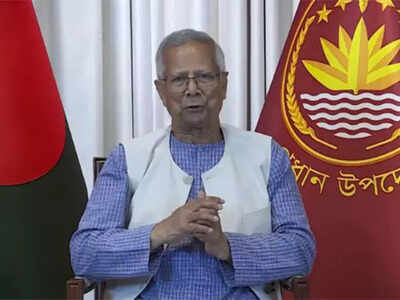
By Nitya Chakraborty The interim Chief Adviser of Bangladesh Government Dr. Muhammad Yunus has finally announced the holding of national elections in the country in the first half of April next year defying the demand of the main opposition party BNP to hold it in December this year. The final dates will be notified by […]

Business registration has officially opened for retail and food outlets wishing to participate in Season 30 of Global Village, with organisers announcing that entrepreneurs can now apply for stalls across a wide range of high-traffic zones, including the vibrant Road of Asia and the buzzing Global Bazaar. Global Village, one of Dubai’s most prominent cultural and commercial attractions, is preparing for its 30th season by calling on […]

A decisive £14.2 billion funding package has been confirmed to propel the construction of the Sizewell C nuclear power station and to seed the development of the country’s first small modular reactor fleet. The government asserts this marks a pivotal moment in reshaping the national energy landscape, targeting energy security, net‑zero goals, and economic growth through job creation and industrial benefits. Energy secretary Ed Miliband described the commitment as heralding […]

Security teams globally face mounting pressure as artificial‑intelligence‑driven “hackbots” emerge as a new front in cyber warfare. These autonomous agents, powered by advanced large language models and automation frameworks, are increasingly capable of probing systems, identifying exploits, and in some instances, launching attacks with minimal human intervention. Experts warn that if left unchecked, hackbots could rapidly outpace traditional scanning tools and elevate the scale of cyber threats. […]

Eighteen crew members have been safely evacuated from the Singapore‑flagged container vessel *Wan Hai 503* following an under‑deck explosion and ensuing fire approximately 88 nautical miles off Kerala’s Beypore coast on June 9. The Indian Navy and Coast Guard, working in tandem, led the rescue operation, while four crew—two Taiwanese, one Indonesian and one Myanmarese—remain unaccounted for.

At around 09:30 IST on June 9, the ship sent out a distress signal reporting a blast within a container hold, quickly followed by flames spreading amidships. Indian Coast Guard vessels, supported by INS Surat and reconnaissance flights including Navy Dornier aircraft, responded promptly to the alert. Within hours, 18 survivors were retrieved from lifeboats and life‑rafts, and flown back to the Indian Navy vessel bound for New Mangalore Port; firefighting units remained on standby.

Upon docking late on June 9, six of the rescued were taken to AJ Hospital and Research Centre in Kuntikana, Mangaluru. Reports indicate two suffered severe inhalation injuries and burns covering 30–40% of their bodies, while four others sustained lesser trauma. Medical teams continue treating those in critical condition, and the remaining 12 survivors were accommodated in a nearby hotel under observation.

The vessel, measuring 269 metres and carrying 890 feet of cargo, had departed from Colombo on June 7 for its scheduled arrival at Nhava Sheva, Mumbai, on June 10. It was transporting approximately 1,015 containers, of which 157 held hazardous materials including flammables, combustibles and toxins—a fact that raised immediate environmental concerns after some of the containers plunged overboard during the explosion and fire. Estimates suggest as many as 50 containers were lost to the sea.

The blaze remains active, concentrated in the forward container bay. Firefighting teams aboard Coast Guard vessels such as *Samudra Prahari* and *Sachet*, along with INS Sutlej, continue boundary cooling operations. Thick smoke still billows periodically from the damaged hold. The vessel is now listing approximately 10–15 degrees to port and drifting southeast, while Indian authorities coordinate with salvors and monitor potential pollution threats near Koshi and Kochi.

The Directorate General of Shipping has directed Wan Hai Lines to engage professional salvage operators and provide updates every two hours until the fire is contained. Singapore’s Maritime and Port Authority has also been notified and dispatched a support team to assist Indian authorities.

With the fire still raging and the cause of the initial explosion undetermined, maritime traffic in the Arabian Sea has been cautioned to steer clear of the affected zone. Indian authorities maintain focus on crew safety, containment of the blaze, and environmental protection.

The precise nature of the cargo that ignited remains under investigation. The initial explosion reportedly occurred in a container designed to store high-risk materials, which ignited multiple adjacent containers. The fallout has triggered concerns regarding chemical threats and the potential for secondary eruptions.

Under official statements, the ship is being monitored by aerial surveillance flights while salvage teams prepare to board once the fire subsides. Ailerons from INS Garuda naval air station are conducting reconnaissance missions to assess structural damage and risk of sinking.

The fate of the four missing crew remains unknown. Search-and-rescue teams from the Indian Navy and Coast Guard persist in their efforts, scouring debris and sea lanes around the incident site in the hope of locating lifeboats or survivors.

The fire on *Wan Hai 503* follows closely on the sinking of the container vessel *MSC ELSA 3* off Kerala last month. In that case, the ship sank with hazardous cargo, prompting coastal safety alerts. Authorities say lessons learned from that incident are informing current protocols, particularly regarding dangerous-goods handling and maritime emergency response.

Despite growing concern over environmental impact, the immediate focus remains on extinguishing the blaze and safeguarding crew. Local governments are on guard for possible chemical pollution and have advised coastal communities to stay vigilant, including cautioning fishers to avoid the affected maritime region until the situation stabilises.

The investigation will likely examine whether container mis‑stowage, improper hazardous‑goods declaration or structural failure precipitated the explosion. Authorities, including the Directorate General of Shipping and MPA Singapore, are expected to conduct joint inspections to understand failures and improve safety standards for container shipping.

While the *Wan Hai* vessel remains afloat, drifting with limited stability, experts say timing is critical: salvage operations must begin soon to prevent sinking and increased pollution risks. Should the vessel founder, it could spell extensive marine contamination and complicate crew‑recoveries.

The Indian Navy described the operation as a demonstration of maritime readiness. INS Surat, originally en route to Kochi, was diverted within minutes of the distress call; Indian Coast Guard vessels and aircraft deployed concurrently, illustrating a synchronised sea-air rescue mission.

Despite heavy weather and smoke obscuring sight, rescue teams managed to evacuate lifesaving supplies and medical support to survivors aboard. Statements from hospital officials emphasise that psychological trauma—as much as physical injury—will become a focus in the days ahead.

The unfolding events aboard *Wan Hai 503* have cast attention on the vulnerabilities of global container shipping routes, particularly when hazardous cargo is involved. Regulatory bodies may now face fresh calls to review risk mitigation and cargo-handling standards.

Wipro has officially transferred its Middle East regional headquarters from Al Khobar to a new, upgraded facility in Riyadh, signalling an intensified drive to anchor itself in the Kingdom’s digital economy. Mohamed Mousa has been appointed Managing Director and Regional Head for the Middle East, steering Wipro’s regional operations from the new Riyadh base.

Vinay Firake, CEO for Asia Pacific, India, Middle East and Africa, described the move as a “reaffirmation of commitment to supporting the dynamic business landscape in the Kingdom of Saudi Arabia.” He added that Mousa’s leadership will “further advance our decades-long presence in the Middle East.”

The office, inaugurated during a high-profile ceremony attended by senior Wipro executives, staff, and clients, is part of an expanding regional footprint that already includes offices in Jeddah, Jubail, and Al Khobar.

Mohammed AlRobayan, Deputy Minister for Technology at the Ministry of Communications and Information Technology, highlighted the Riyadh move as a pivotal moment for the Kingdom’s digital ambitions, saying it “accelerates the growth of the Kingdom’s digital economy” and underlines Saudi Arabia’s appeal as a tech destination.

Furthering its strategic investment in Saudi human capital, Wipro signed a Memorandum of Understanding with Prince Mohammad Bin Fahd University to create a Centre of Excellence in Riyadh. This initiative targets hands‑on training in advanced technologies for Saudi nationals, promoting workforce readiness and helping bridge the gap between academic learning and industry demand.

Financial analysts note that the relocation aligns with Saudi Vision 2030’s objective to diversify the Kingdom’s GDP beyond oil revenues, with global tech firms increasingly anchoring themselves in Riyadh. The new headquarters offers both symbolic and practical leverage: proximity to major government stakeholders, enhanced networking opportunities, and the ability to attract public–private partnerships focused on digital transformation.

Experts acknowledge, however, that this strategy is not without challenges. Wipro must navigate intense competition from both global rivals and agile regional players, maintain cost competitiveness, and ensure the newly hired Saudi talent is integrated effectively into its global delivery model. A report by an independent business intelligence provider recently flagged uncertainties such as fluctuating revenue streams and the rigours of managing a complex international footprint.

Mousa succeeds Dalveer Kaur, who transitioned to Wipro’s global capability centre practice. Mousa’s track record includes leadership roles in regional IT consulting and digital services, with a specific focus on scaling operations and aligning with government-led digital ecosystems. His appointment is a strategic fit for Wipro’s goal of deepening ties with local institutions and sovereign-backed tech initiatives.

The Riyadh office, equipped with advanced infrastructure, is expected to house regional delivery centres and client‑management teams specialising in cloud, AI, digital engineering, cybersecurity and consulting services. These capabilities align with Wipro’s broader portfolio, which spans consulting, design, engineering and operations in both the public and private sectors.

Looking ahead, Wipro is expected to pursue further partnerships with Saudi universities and training institutions, potentially expanding the Centre of Excellence model to other al‑Majlis campuses. The company will also likely collaborate with government-backed innovation hubs and sovereign wealth funds eager to foster digital lanes within finance, healthcare, logistics, and energy sectors.

While Wipro optimises its capacity to support client transformation in the region, industry observers will monitor its ability to sustain growth amid macroeconomic volatility, emergent technologies and evolving client expectations. With Mousa at the frontline, the company aims to leverage its regional assets, integrated innovation initiatives and talent development programmes to embed deeper into the Kingdom’s digital ecosystem.

Amid global tensions and shifting supply‑chain dynamics, Wipro is banking on its regional pivot and local leadership to consolidate both government and enterprise relationships. Riyadh is increasingly viewed not only as a political capital but also as a digital-tech hub. Wipro’s investments in infrastructure, talent and strategic partnerships reflect that shift, aiming to position the firm at the centre of the Kingdom’s transformation agenda.

Harrison Street, a US-headquartered real assets investment firm with over $56 billion in assets under management, has formally expanded into the Middle East by establishing an office within the Abu Dhabi Global Market, after receiving regulatory approval from the Financial Services Regulatory Authority. The move is being viewed as a strategic step to tap into the region’s institutional capital base and aligns with Abu Dhabi’s ambitions to attract global investment managers.

The firm’s new office, located at ADGM’s Al Sila Tower, is expected to anchor its regional operations and serve as a platform for growth across the Gulf and wider MENA region. Harrison Street becomes the latest in a line of global asset managers to choose Abu Dhabi as a regional headquarters, following similar moves by BlackRock, Brevan Howard, and Apollo Global Management. The announcement underscores the appeal of ADGM as a regulated environment that offers tax benefits, legal certainty, and direct access to sovereign wealth and pension funds.

Christopher Merrill, co-founder and CEO of Harrison Street, described the expansion as a natural extension of the firm’s long-term growth strategy. He emphasised that the company is aiming to offer institutional investors across the Middle East access to thematic investment opportunities in alternative real assets, including student housing, senior living, healthcare infrastructure, and digital assets. Merrill said the firm sees “substantial appetite among Gulf-based investors for exposure to long-duration, inflation-protected assets with stable yield profiles.”

While Harrison Street has traditionally focused on North America and Europe, its new ADGM base signals an intention to deepen partnerships with investors in the Gulf region. The decision is also part of a broader effort to diversify funding sources and tailor strategies that align with regional priorities such as healthcare expansion, demographic shifts, and digital infrastructure.

The ADGM licence will enable Harrison Street to carry out regulated investment activities and offer tailored asset management services to qualified investors in the UAE and beyond. According to the firm’s regional head, who is set to be announced in the coming weeks, the Abu Dhabi office will focus on both capital raising and direct investment origination, particularly in sectors aligned with government-backed development goals across the Gulf.

Industry observers say Abu Dhabi’s financial centre has matured into a viable launchpad for international firms targeting sovereign and institutional capital. With assets under management in ADGM growing to over $1 trillion this year, the financial centre is increasingly positioning itself as a global hub for private equity, venture capital, and asset management. Harrison Street’s entry follows a regulatory trend where ADGM has been accelerating approvals for asset managers, family offices, and hedge funds in a bid to rival more established global centres.

Global interest in Middle East capital pools has surged, with firms across Europe and the US actively seeking to establish an on-the-ground presence. Harrison Street’s thematic investment strategy, focused on secular trends such as ageing populations and technological adoption, is seen to resonate well with Gulf investors pursuing diversification beyond traditional energy-linked assets.

Merrill indicated that the firm will look to build co-investment partnerships and joint ventures with local institutions, leveraging its experience in structuring real estate and infrastructure funds across developed markets. He also hinted at the possibility of localised strategies that may include greenfield development and operating partnerships in sectors like education and senior care, particularly in markets undergoing demographic transition such as Saudi Arabia and the UAE.

ADGM authorities welcomed the firm’s entry as further validation of Abu Dhabi’s rising influence in the global investment ecosystem. The financial centre has actively courted global asset managers through a mixture of regulatory reforms, dual licensing frameworks, and strategic partnerships with Abu Dhabi Investment Office and Mubadala.

VISHNU RAJA
RYO YAMADA
HITORI GOTOH
IKUYO KITA