Just in:
Vingroup And Legends Global Announce Strategic Partnership For VinFast – Trong Dong Stadium // Cyberport Venture & Capital Forum 2026 Grand Opening // Emirates Group records AED 4.1 billion half-year profit // Asia Left Behind: Ten international companies have yet to report delivering on their cage-free egg pledges across the region // Arrow Electronics showcases technologies advancing intelligent robotics, mobility and digital infrastructure // DIP Holding targets Dh1.12 IPO price and $529m proceeds // Vance attributes Republican midterm defeats to Iran conflict // XRG secures agreement for $1.45bn Australian LNG stake // Govt opposes Arlekar’s PSC action // Middle East governments assess Iran war after US vote // Pinarayi faults UDF over mounting road crashes // Anthropic to prohibit persistent abuse of Claude chatbot // As AI Reshapes Education, Singapore Convenes Global Dialogue on the Future of Early Childhood Education // mamun raises US$3 million to finance cross-border trade between the Gulf and Asia // Fast Just Got Fastest: STING Energy Boost™ Celebrates Kimi Antonelli’s Formula 1® World Championship and the Fan Energy Behind It // xCube Access Welcomes Entrust Capital Limited  Expanding Access to Professional Portfolio Management // SC to examine students’ exam plea today // Cloudflare unveils Zero Wire vulnerability intelligence service // After Reaching 7 Million Users in the Philippines, Skyro Launches Transparent Cash Loans in Malaysia // ADIA and partners establish $1.4 billion aviation venture //

News related to
data

HANOI, VIETNAM – Media OutReach Newswire – 19 May 2025 – LiveSpo® NAVAX – a nasal-spray probiotic product developed by Vietnamese scientists – has recently been published in the high-ranking international scientific journal Scientific Reports-Nature, recognizing its effectiveness in supporting the treatment of rhinosinusitis and otitis media in children. This marks the third consecutive study on the product published in a prestigious international scientific platform, reinforcing a […]

Revolut has unveiled plans to invest over €1 billion in France over the next three years, establishing Paris as its Western European headquarters and applying for a French banking license. The move is set to create more than 200 new jobs in addition to its existing 300-strong workforce in the country.

The announcement was made during the “Choose France” investment summit hosted by President Emmanuel Macron, which aims to attract significant foreign investments. Revolut’s decision underscores its commitment to the French market, where it currently serves over 5 million users. The company aims to double this figure by 2026 and reach 20 million users by 2030.

Sid Jajodia, Revolut’s Chief Banking Officer, highlighted France’s dynamic banking ecosystem and robust regulatory environment as key factors in the decision. The fintech firm already offers banking services in Europe through a license granted by Lithuania in 2018, which will remain a key base for its European operations.

Revolut’s expansion in France includes plans to introduce a range of financial products tailored to the local market. These offerings encompass savings accounts, consumer credit, and mortgage loans, aiming to position Revolut as a comprehensive financial partner for its users. The company has also launched a standalone crypto trading app, Revolut X, to cater to the growing demand for digital asset services.

The decision to establish a significant presence in Paris is seen as a strategic move amid concerns about London’s competitiveness as a financial hub post-Brexit. While Revolut’s global headquarters will remain in London, the shift signifies a broader trend of financial firms expanding operations within the European Union to maintain access to the bloc’s markets.

Revolut’s growth trajectory has been notable, with the company adding nearly 15 million new users globally in 2024, bringing its total customer base to over 50 million. The firm’s revenue reached £3.1 billion last year, with a pre-tax profit of £1.1 billion, driven by its diversified offerings, including crypto trading and business banking services.

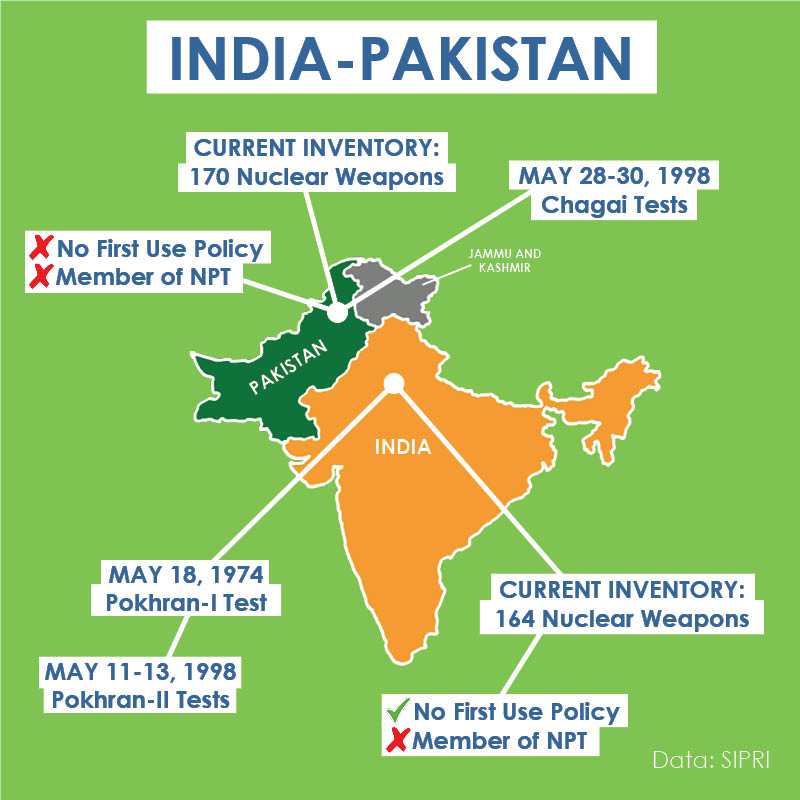
By Nantoo Banerjee It may be good that the latest armed conflict between India and Pakistan ended quickly before it could blow up into a full-scale war leading to massive destruction of life and property and economic disaster in both the countries – maybe more so in Pakistan than in India. However, the abrupt end […]

Spain has increased reliance on its more expensive gas-fired power plants as it confronts challenges in maintaining grid stability following a nationwide blackout that exposed vulnerabilities in managing a surge of renewable energy on the system. The blackout disrupted power supplies for thousands, prompting urgent measures by grid operators to strengthen electricity generation from fossil fuel sources while balancing the country’s ambitious green energy goals. The blackout […]

Thailand and Indonesia have formally upgraded their bilateral relationship to a strategic partnership, committing to enhanced cooperation in trade, investment, and regional security. The agreement was solidified during Indonesian President Prabowo Subianto’s state visit to Bangkok, marking the first such visit by an Indonesian leader in two decades and coinciding with the 75th anniversary of diplomatic relations between the two nations.

President Subianto and Thai Prime Minister Paetongtarn Shinawatra underscored their mutual intent to deepen collaboration across multiple sectors. The leaders agreed to bolster economic ties, focusing on expanding trade and investment opportunities, particularly in agriculture, fisheries, and small and medium-sized enterprises. They also signed a memorandum of understanding on health cooperation, aiming to enhance collaboration in communicable disease prevention and medical tourism.

In the realm of security, both countries pledged to intensify efforts against transnational crimes, including online scams, human trafficking, and drug trafficking. This commitment follows the rescue of Indonesian nationals from scam operations in Myanmar, highlighting the urgency of addressing such issues. The leaders emphasized the importance of joint military exercises and defense industry partnerships to strengthen their defense capabilities.

Policybazaar.ae has introduced an expanded suite of car insurance benefits aimed at enhancing customer value through its PB Advantage programme. This initiative offers policyholders a range of exclusive perks designed to reduce the cost of vehicle ownership while rewarding safe driving behaviours.

The PB Advantage package now includes 12 complimentary car washes annually, aiming to ease the routine maintenance burden for insured drivers. This tangible benefit reflects a growing trend in the insurance industry where companies seek to provide added lifestyle conveniences alongside traditional coverage. By integrating such services, insurers are shifting focus towards holistic customer engagement rather than solely risk mitigation.

A key feature of the programme is a discount of up to 30 percent on premiums for drivers who demonstrate safe driving habits. This incentive responds to rising demands from consumers who wish for their responsible behaviour behind the wheel to be financially recognised. Safe driving discounts are gaining traction globally as insurers incorporate telematics and other data-driven approaches to assess risk more accurately. Through this mechanism, Policybazaar.ae aims to encourage safer roads and reduce accident-related claims.

The PB Advantage offers an excess waiver of up to AED 1,000, which lowers the out-of-pocket expenses policyholders face when filing a claim. This waiver can significantly alleviate the financial strain after an accident, thereby improving customer satisfaction and loyalty. Excess waivers are becoming an increasingly common feature in competitive insurance markets, reflecting insurers’ efforts to deliver more customer-centric policies.

Policyholders also receive a 15 percent discount on car repair services. This partnership with certified garages is expected to streamline claims processing and reduce repair costs, which are often a major concern for vehicle owners. By negotiating discounts with trusted service centres, Policybazaar.ae is positioning itself as a facilitator of efficient and affordable post-accident care.

Further enhancing the value proposition, the programme offers a 30 percent discount on car spare parts. This benefit targets the growing demand for cost-effective vehicle maintenance amid fluctuating global supply chains and rising parts prices. By mitigating repair expenses through direct discounts, the insurer supports policyholders in maintaining their vehicles in good condition without excessive financial burden.

Policybazaar’s move aligns with broader industry shifts towards value-added insurance models that integrate lifestyle benefits and proactive risk management incentives. With increasing competition in the UAE’s insurance sector, companies are innovating beyond coverage terms to secure customer retention and attract new segments.

The PB Advantage’s combination of complimentary services, financial incentives, and post-accident support responds to evolving consumer expectations, where convenience, cost savings, and personalised rewards are paramount. The programme also reflects the insurer’s commitment to digital innovation, as Policybazaar.ae leverages technology to streamline enrolment, claims, and communication.

Analysts note that the enhanced offering could influence competitors to adopt similar strategies, potentially driving a new standard in the UAE’s car insurance market. The emphasis on safe driving discounts is particularly significant amid government initiatives aimed at reducing road accidents and promoting traffic safety.

The introduction of excess waivers and repair discounts further positions PB Advantage as a comprehensive solution addressing both preventive and corrective aspects of vehicle insurance. These features may encourage more drivers to opt for policies with Policybazaar.ae, improving risk pools and underwriting outcomes over time.

Industry experts highlight that integrating such perks requires insurers to balance the cost of added services with pricing models, ensuring profitability while maintaining competitive premiums. The scalability of these benefits depends on partnerships with service providers and accurate data analytics to tailor offerings to customer profiles.

By offering twelve free car washes annually, Policybazaar.ae taps into a convenience factor that, while modest, can foster positive customer perceptions and frequent engagement. This small yet consistent benefit can enhance brand loyalty and differentiate the insurer in a crowded marketplace.

The safe driving discount up to 30 percent marks a considerable incentive, especially for cautious drivers who can demonstrate low-risk behaviour over policy periods. This element encourages the adoption of safer driving technologies, such as telematics devices and smartphone apps, which track and report driving patterns.

The excess waiver provision up to AED 1,000 represents an immediate financial relief for many policyholders, addressing a common pain point in motor insurance claims. This benefit also potentially reduces claim hesitation, enabling quicker accident reporting and smoother claims processing.

Discounts on car repairs and spare parts complement the core insurance offering by reducing indirect costs related to vehicle ownership. These benefits may attract cost-conscious consumers, especially those owning older or high-maintenance vehicles, who face significant upkeep expenses.

Policybazaar.ae’s PB Advantage initiative exemplifies a strategic response to shifting consumer needs in the UAE’s dynamic insurance landscape. As customers increasingly seek not only protection but also tangible value and convenience, insurers are compelled to innovate their product mix.

The programme’s multi-faceted approach underscores the growing importance of customer experience in insurance, where engagement extends beyond the moment of claim. This evolution is facilitated by digital platforms that enable seamless integration of insurance, maintenance, and reward services.


A class-action lawsuit has been filed against cryptocurrency exchange Coinbase in the U.S. District Court for the Northern District of California. The suit alleges that the company violated the Illinois Biometric Information Privacy Act by collecting and storing users’ biometric data without proper consent or disclosure. The plaintiff, Michael Massel, claims that Coinbase’s Know Your Customer procedures involved the collection of facial and fingerprint data without informing users of the specific purposes, storage durations, or data destruction policies, as mandated by BIPA.

The lawsuit contends that Coinbase required users to upload selfies and government-issued identification during the account creation process, which were then used to create detailed facial geometry templates. Additionally, the company allegedly collected fingerprint data through its mobile application for user authentication. The plaintiff asserts that Coinbase failed to provide written notice or obtain explicit consent for the collection and storage of this biometric information, and did not establish publicly available policies regarding data retention and destruction.

The complaint alleges that Coinbase shared users’ biometric data with third-party vendors, including Jumio, Onfido, Au10tix, Solaris AG, and Liquid Co., Ltd., without obtaining proper consent. The plaintiff argues that this dissemination of sensitive information exposes users to significant privacy risks, particularly in the event of a data breach. The lawsuit seeks statutory damages of $5,000 for each intentional violation of BIPA, or $1,000 for each negligent violation, along with attorney fees and other legal costs.

Advertisements

A comprehensive study conducted by the American University of Ras Al Khaimah has raised alarms over the under-recognised threat posed by enteroviruses in the Arabian Gulf region, particularly among children. The research underscores the urgent need for enhanced public health surveillance and awareness to mitigate potential outbreaks.

Enteroviruses, a group of RNA viruses, primarily infect the gastrointestinal tract but can lead to severe complications, especially in infants and young children. These complications include aseptic meningitis, encephalitis, myocarditis, and acute flaccid paralysis. Despite their global prevalence, data on enterovirus infections in the Gulf Cooperation Council countries remain scarce, leading to potential underdiagnosis and mismanagement.

The AURAK study highlights that the limited reporting and research on enteroviruses in the region have resulted in a lack of comprehensive understanding of their epidemiology, transmission patterns, and clinical manifestations. This gap hampers the development of effective public health strategies to combat these infections.

One of the significant concerns raised by the study is the vulnerability of children to enterovirus infections. Factors such as crowded living conditions, inadequate hygiene practices, and limited access to healthcare contribute to the increased risk among this demographic. The study emphasizes the importance of targeted interventions to protect children, including public education campaigns and improved sanitation measures.

The research also points to the need for enhanced diagnostic capabilities in the region. Currently, the lack of specialized laboratories and trained personnel limits the ability to accurately identify and monitor enterovirus outbreaks. Investing in laboratory infrastructure and training programs is crucial to improve diagnostic accuracy and response times.

The study calls for the establishment of a regional surveillance network to monitor enterovirus activity across the GCC countries. Such a network would facilitate the sharing of data, resources, and best practices, enabling a coordinated response to potential outbreaks. Collaboration among public health authorities, academic institutions, and international organizations is essential to build this capacity.

The AURAK researchers recommend that policymakers prioritize enterovirus research and allocate funding to support studies on virus behavior, transmission dynamics, and vaccine development. Understanding the genetic diversity and evolution of enteroviruses is critical to developing effective prevention and treatment strategies.

Wild chimpanzees across Africa are drumming on tree roots with structured, region-specific rhythms, suggesting a sophisticated form of long-distance communication and offering new insights into the evolutionary roots of human musicality. A comprehensive study published in *Current Biology* analysed 371 drumming sequences from 47 chimpanzees across 11 communities in Côte d’Ivoire, Guinea, Senegal, Tanzania, and Uganda. The research revealed that chimpanzees produce rhythmic patterns that are not […]

Professor Mohamed Yakub Janabi has been nominated as the next Regional Director of the World Health Organization African Region, following a special session of the WHO Regional Committee for Africa. His nomination comes after the untimely death of Dr Faustine Ndugulile, who was elected to the position in August 2024 but passed away before assuming office. Professor Janabi, a seasoned cardiologist and healthcare administrator, currently serves as […]

Austria has secured its third Eurovision Song Contest victory, with 24-year-old countertenor JJ clinching the title in Basel, Switzerland, through his emotive performance of “Wasted Love.” This win marks Austria’s first since 2014, following Conchita Wurst’s triumph. JJ, born Johannes Pietsch, delivered a compelling blend of operatic vocals and contemporary techno elements, captivating both jury and public votes. His performance resonated deeply, earning Austria a combined score […]

NIO’s sub-brand ONVO unveiled its flagship SUV, the L90, at Auto Shanghai 2025, marking a significant stride in the electric vehicle market. Positioned as a full-size, six-seat SUV, the L90 is built on NIO’s NT3.0 platform and features a 900V high-voltage architecture, aiming to cater to families seeking spacious and efficient electric mobility.

Measuring 5,145 mm in length, 1,998 mm in width, and 1,786 mm in height, with a wheelbase of 3,110 mm, the L90 offers a substantial presence on the road. Its design incorporates a distinctive “shark nose” front, frameless doors, and hidden door handles, contributing to a sleek and modern aesthetic. The vehicle’s exterior is further enhanced by the “Star Path Illumination” pixel headlight system, which supports adaptive lighting functions and customizable light patterns.

One of the L90’s standout features is its storage capacity. The SUV boasts a 240-liter front trunk, or “frunk,” which ONVO claims is the largest among current models in China. This front compartment can accommodate two 20-inch suitcases and a smaller bag, while the rear cargo area is designed to hold seven standard 20-inch suitcases, even when all six seats are occupied.

Under the hood, the L90 offers both rear-wheel-drive and all-wheel-drive configurations. The rear-wheel-drive model is equipped with a 340 kW motor, while the all-wheel-drive variant adds a 100 kW front motor, resulting in a combined output of 440 kW . Both versions come standard with an 85 kWh battery pack, available in lithium iron phosphate and ternary lithium chemistries. The SUV also supports NIO’s battery swap technology, allowing for quick battery replacements at designated stations.

The L90’s suspension system features a double-wishbone independent front suspension and a multi-link independent rear suspension, complemented by an air suspension setup for enhanced ride comfort. Additionally, the vehicle includes electric side steps and a thick D-pillar design, contributing to its robust and commanding appearance.

Inside, while the full interior has yet to be revealed, ONVO emphasizes the L90’s focus on space efficiency and intelligent mobility systems. The SUV is designed to accommodate various travel scenarios, supporting configurations like “six passengers and ten suitcases.” The vehicle also incorporates a pure vision-based autonomous driving solution, indicated by the presence of two roof-mounted cameras.

The L90 is scheduled for official launch in the third quarter of 2025. ONVO aims to position the SUV competitively in the market, targeting middle-income families seeking a spacious and technologically advanced electric vehicle. The brand has set ambitious sales targets, with plans to achieve 20,000 monthly deliveries by March 2025.

AI security solution integrated with NVIDIA Enterprise AI Factory validated design HONG KONG SAR – Media OutReach Newswire – 19 May 2025 – Trend Micro Incorporated (TYO: 4704; TSE: 4704), a global cybersecurity leader, today announced its bringing powerful and simplified security capabilities to NVIDIA Enterprise AI Factory validated design, helping organizations worldwide safely transform their business with next-gen AI infrastructure. Eva Chen, Co-Founder and CEO at […]

Sweden has embarked on a major technological initiative to establish a National AI Cloud infrastructure, with the Nordic data centre provider atNorth selected as the host for this critical platform. The project, led by 6G AI Sweden, aims to significantly enhance the country’s capacity to develop and deploy artificial intelligence technologies by providing state-of-the-art cloud computing resources tailored for AI research and industrial applications. This National AI […]

Dubai’s booming real estate sector continues to attract global investors with promises of tax-free gains, high rental yields, and luxury living. However, behind the glossy brochures and aggressive marketing campaigns lie significant risks that could catch unprepared buyers off guard—particularly those unfamiliar with the city’s legal, financial, and regulatory landscape.

Property prices in Dubai have surged by 75% since early 2021, nearing levels last seen before the 2008 crash. This growth is fuelled by foreign capital, liberalised visa policies, and a construction spree that includes nearly 76,000 new units slated for completion in 2025. Yet, this rapid expansion raises concerns about potential oversupply, especially in mid-range and off-plan segments, which could suppress future returns.

Off-plan properties, often sold with enticing payment plans requiring just 10–20% upfront, dominate the market. These schemes, while attractive, carry risks such as construction delays, quality issues, and even project cancellations. Despite regulatory measures like escrow accounts, buyers may still face financial losses if developers fail to deliver as promised.

The legal framework in Dubai presents challenges for foreign investors. While freehold zones permit full ownership, navigating the complexities of property inheritance, dispute resolution, and contract enforcement can be daunting. The legal system, influenced by Sharia law, may not align with the expectations of buyers from other jurisdictions, making professional legal advice essential.

Financially, the costs associated with purchasing property extend beyond the advertised price. Buyers must account for a 4% Dubai Land Department transfer fee, a 2% agent commission, and additional expenses such as title deed issuance, mortgage registration, and maintenance fees. Notably, banks no longer finance these ancillary costs, requiring buyers to have substantial liquidity upfront.

Currency exchange fluctuations pose another risk for international investors. Since the UAE dirham is pegged to the US dollar, buyers dealing in other currencies may find their investments affected by exchange rate movements, potentially eroding returns when converting profits back to their home currency.

Regulatory changes can also impact the real estate landscape. Adjustments to visa policies, property ownership laws, or mortgage regulations could alter the investment climate. For instance, while long-term residency visas have bolstered investor confidence, any future policy shifts could affect property values and rental demand.

The influx of wealthy individuals into Dubai has driven up property prices, particularly in luxury segments. However, this trend has also led to increased living costs, making affordability a growing concern for middle-income residents. Rising service charges and maintenance fees in upscale communities can further strain budgets, affecting the overall return on investment.

Saudi Basic Industries Corporation is advancing plans to list its gas subsidiary, National Industrial Gases Company , potentially within the current year. The Riyadh-based industrial giant is in early-stage talks with major financial advisers, including Lazard Inc., HSBC Holdings, JPMorgan Chase & Co., and Morgan Stanley, aiming to navigate the initial public offering process. This move reflects SABIC’s strategic intent to unlock value from its non-core assets […]

Abu Dhabi National Oil Company has granted contracts totaling Dh65.7 billion to nearly 400 local suppliers, contractors, and service providers during the first half of 2025. This extensive award reflects ADNOC’s ongoing commitment to strengthening the United Arab Emirates’ economy through its In-Country Value programme, which aims to bolster domestic industries and national supply chains. The contracts cover a diverse range of sectors vital to ADNOC’s operations, […]

Land saturation and rising prices in Dubai’s central residential districts are driving developers and buyers towards peripheral areas, reshaping the city’s housing landscape, according to a detailed property analysis by consultancy Savills. The report highlights a clear trend of market activity concentrating along the Al Khail Road corridor, signalling a significant shift away from traditional urban hotspots.

Transaction volumes in emerging micro-markets such as Jumeirah Village Circle , Dubailand, Damac Hills 2, The Valley, and Damac Lagoons have surged, collectively representing 55 per cent of all residential transactions in the first quarter. These locations have also been at the forefront of new project launches, accounting for 56 per cent of all newly introduced residential units, indicating robust developer confidence in these peripheral zones.

This movement stems from limited land availability in core areas like Downtown Dubai, Dubai Marina, and Jumeirah Beach Residence, where property prices have escalated sharply, reducing affordability for many prospective homeowners and investors. The scarcity of developable plots in these prime locations has further intensified competition, pushing demand towards more affordable options outside the city centre.

Jumeirah Village Circle, in particular, has emerged as a hotspot for buyers seeking reasonably priced apartments and villas within manageable commuting distance of Dubai’s business districts. The area offers a mix of mid-rise residential complexes and low-density villa communities, appealing to families and young professionals alike. This diversity in housing stock, coupled with ongoing infrastructure improvements, has underpinned JVC’s steady growth.

Similarly, Dubailand and Damac Hills 2 continue to attract interest due to expansive master-planned communities with a focus on lifestyle amenities such as parks, golf courses, and retail centres. The Valley, another significant player in this corridor, has capitalised on affordable villa offerings with modern designs and green spaces, catering to demand for spacious family homes away from the congested urban core.

The expansion along Al Khail Road also benefits from enhanced transport links, reducing travel times to central business hubs and making these peripheral areas more accessible. Investments in road infrastructure and public transport connectivity, including upcoming metro expansions, are expected to reinforce this trend, supporting long-term growth prospects for these markets.

Developers are aligning their strategies with these shifts by prioritising projects in locations that offer a balance between affordability and lifestyle appeal. The surge in launches across these corridors underscores their belief in sustained demand, especially from end-users and investors seeking value amid a competitive Dubai property market.

The report points to a broader recalibration within Dubai’s residential property sector, reflecting changing buyer preferences influenced by affordability constraints and evolving urban dynamics. While luxury properties in central districts remain sought after by high-net-worth individuals and international investors, the broader market is witnessing a democratization of choice, with peripheral communities gaining ground.

These peripheral markets offer distinct advantages, including larger plot sizes, lower price points, and a greater emphasis on community-oriented living environments. This contrasts with the high-density, premium developments that dominate Dubai’s central districts, which cater to a more niche segment of the market.

However, challenges remain for these outer zones, particularly related to ensuring infrastructure keeps pace with rapid development. Urban planners and authorities face the task of managing growth sustainably, balancing expansion with the provision of essential services such as schools, healthcare, and retail facilities. The successful integration of these factors will be critical in maintaining the attractiveness of these locations.

The property market’s health is influenced by broader economic factors including regional geopolitical stability, visa reforms, and government incentives for property ownership, all of which shape investor sentiment. Dubai’s continued efforts to position itself as a global business and tourism hub contribute positively to residential demand, although global economic uncertainties require cautious optimism.

Analysts note that while the peripheral markets currently drive volume and new supply, established central districts are unlikely to lose their appeal entirely. Instead, a more diversified property ecosystem is emerging, with each zone serving distinct buyer profiles and investment goals.

Dubai’s real estate sector, having witnessed a remarkable 70 percent surge in property values over four years, is increasingly attracting the attention of major Wall Street investors, signalling a fresh wave of international capital flowing into the market. Among those showing strong interest is Brookfield Corp., a prominent global asset manager, which is reportedly considering a significant residential project in the Dubai Hills district. This potential move marks Brookfield’s first foray into the region’s residential property market, highlighting confidence in Dubai’s continued urban growth and economic resilience.

The Dubai Hills area, known for its integrated community developments blending residential, commercial, and leisure spaces, has become a prime target for investors aiming to capitalise on the emirate’s strategic location and expanding infrastructure. Brookfield’s plans reportedly focus on creating a mixed-use community, aligning with the city’s broader vision of enhancing livability and attracting diverse demographics including expatriates, business professionals, and families. This development would add to the already dynamic residential landscape that has benefitted from Dubai’s liberal property ownership laws and tax-friendly environment.

Singapore-based Temasek Holdings Pte., through one of its property management subsidiaries, is also actively scouting investment opportunities in Dubai, reflecting growing confidence from Asian institutional investors. Temasek’s involvement would bring considerable financial firepower and experience in managing large-scale real estate assets, further validating Dubai’s position as a regional hub for property investment. The company is reportedly assessing a range of options from commercial towers to high-end residential complexes, keen on leveraging Dubai’s status as a global financial and tourism centre.

The surge in property values has been driven by a confluence of factors including Dubai’s rapid economic diversification away from oil dependence, the government’s successful rollout of major infrastructure projects, and the city’s appeal as a safe haven for wealth amid geopolitical uncertainties. The Expo 2020 event, although delayed to 2021 due to the pandemic, had a notable impact in energising the real estate market, with sustained interest seen in areas like Dubai Marina, Downtown Dubai, and Palm Jumeirah.

Experts suggest that Dubai’s regulatory framework, which includes long-term visas for property investors and entrepreneurs, has created an inviting climate for foreign capital. This has been complemented by a steady increase in expatriate population, fostering demand for rental properties and driving rental yields. The UAE’s ongoing focus on enhancing its financial services sector and promoting innovation and technology hubs further supports long-term real estate demand.

Despite the enthusiasm, the market is not without challenges. Some analysts caution that the sharp rise in prices over a short period raises concerns about affordability and potential market overheating. The post-pandemic recovery phase has also exposed vulnerabilities such as fluctuating oil prices and shifting global economic conditions, which could affect investor sentiment. Additionally, the emergence of remote working trends may reshape residential preferences, potentially influencing demand patterns in Dubai’s real estate sector.

Brookfield’s possible entry into the residential segment is seen as a strategic bet that reflects confidence in Dubai’s ability to maintain its growth trajectory. The company’s expertise in infrastructure and real estate investment positions it well to navigate the complex regulatory and operational landscape of the region. Industry insiders point out that such high-profile involvement could encourage further inflows of private equity and institutional capital, contributing to market stability and innovation in property development.

Temasek’s active exploration in Dubai also underscores the emirate’s rising prominence on the Asian investment radar. The city’s connectivity, free-trade zones, and business-friendly policies make it an attractive gateway for investors seeking exposure to the Middle East, Africa, and South Asia markets. Temasek’s investment approach, typically characterised by long-term value creation and active asset management, may influence the development of more sustainable and diversified real estate offerings in Dubai.

Market observers note that while the residential sector is gaining momentum, commercial real estate remains a vital pillar of Dubai’s property market. The growth of co-working spaces, logistics hubs, and retail developments reflects the changing nature of work and consumption in the post-pandemic world. These trends complement residential growth by fostering integrated urban environments that cater to evolving lifestyles.

Cryptocurrency mining companies have registered a notable surge following the announcement of a strategic partnership between OpenAI and CoreWeave, a leading cloud computing provider. This alliance signals a growing intersection between artificial intelligence infrastructure and blockchain technology, propelling mining stocks higher and generating renewed investor interest in the sector.

CoreWeave, known for its specialised GPU-powered cloud services tailored to AI workloads, has struck a deal to supply critical computational capacity for OpenAI’s expanding suite of applications. This development positions CoreWeave as a vital player in supporting the back-end infrastructure of AI innovation. The company’s move has rippled through the crypto mining ecosystem, where hardware capable of efficiently processing complex algorithms is central to mining operations.

Investors responded positively to CoreWeave’s enhanced profile, with shares of prominent crypto mining firms climbing on various exchanges. The broader cryptocurrency market, however, displayed a more cautious stance, maintaining a consolidation phase despite escalating inflation expectations that often trigger volatility. This divergence highlights the nuanced market dynamics where infrastructure providers linked to AI growth are gaining momentum independent of general crypto price trends.

The launch of Galaxy Digital on the Nasdaq exchange further accentuated market activity around crypto-related firms. Galaxy Digital, a diversified financial services and investment management firm focusing on digital assets and blockchain technology, made a striking debut with its share price surging significantly on the first day of trading. The successful Nasdaq listing underscores growing institutional interest in the crypto and blockchain sectors, affirming confidence in their long-term viability despite fluctuating asset prices.

Market analysts note that the OpenAI-CoreWeave partnership exemplifies the convergence of artificial intelligence and blockchain technology, two sectors undergoing rapid expansion. This synergy offers mining companies an avenue to diversify and stabilise revenues by capitalising on increased demand for computational power beyond traditional cryptocurrency mining. As AI applications become more sophisticated and resource-intensive, providers like CoreWeave stand to benefit from expanded contracts and elevated valuations.

The partnership also sheds light on evolving mining operations, which now encompass hybrid models combining cryptocurrency validation with AI data processing tasks. This integration potentially improves profitability and operational resilience amid regulatory uncertainties and market fluctuations in the crypto domain. Mining firms that embrace such technological advancements may position themselves ahead of competitors relying solely on conventional blockchain mining.

Despite these promising developments, the crypto market continues to face challenges from macroeconomic factors, notably inflation expectations that often influence investor behaviour. Although asset prices across major markets, including cryptocurrencies, largely shrugged off these concerns, some volatility is expected as central banks adjust monetary policies. Cryptocurrency’s inherent volatility remains a consideration for both retail and institutional investors, who must weigh technological advancements against broader economic risks.

CoreWeave’s strategic positioning within this ecosystem is particularly significant given the rising demand for GPU-intensive workloads. The company’s infrastructure supports not only OpenAI’s needs but also a wide array of AI-driven enterprises, creating a robust client base and diversified revenue streams. This diversification contrasts with many mining firms whose fortunes are tightly correlated to cryptocurrency price cycles, adding an element of stability that appeals to investors.

Galaxy Digital’s Nasdaq listing is emblematic of the maturing crypto investment landscape. Founded by industry veteran Michael Novogratz, the firm has established itself as a critical bridge between traditional financial markets and the digital asset space. Its successful public offering reflects growing acceptance and integration of digital assets within mainstream finance, an important milestone for the sector.

Market watchers observe that while the immediate reaction favours companies linked to AI and cloud computing, the broader cryptocurrency market is navigating a complex environment marked by geopolitical tensions, regulatory scrutiny, and shifting monetary policies. These factors contribute to a cautious sentiment among traders, with prices consolidating rather than surging dramatically.

Nonetheless, the interplay between AI infrastructure providers and crypto mining firms represents a promising frontier. This convergence may drive innovation in both fields, fostering new business models and operational efficiencies. Companies that adapt to this trend could harness the dual momentum of AI growth and blockchain technology to sustain competitive advantages.

Open source software has received a significant injection of support from leading companies such as Canonical, Zerodha, and other major industry players, marking a pivotal moment for the global development community. This wave of generous contributions comes as open source projects continue to underpin vast segments of the digital infrastructure powering everything from cloud computing to fintech applications. Canonical, known globally as the company behind the Ubuntu […]

PepsiCo has embarked on a significant multi-year partnership with Amazon Web Services to boost its digital and cloud transformation initiatives. The agreement positions PepsiCo to harness AWS’s comprehensive infrastructure and advanced artificial intelligence tools, aiming to streamline operations, enhance data analytics, and drive innovation across its global business. This strategic collaboration reflects PepsiCo’s commitment to embedding technology deeply within its operations. By migrating critical workloads to the […]

Dogecoin has witnessed significant accumulation by large holders, with so-called whales amassing more than one billion DOGE tokens amid key technical support forming near the $0.21 price level. This activity underscores a notable resilience in the meme-inspired cryptocurrency despite volatile price swings exceeding 4%, signaling potential upward momentum within the market.

Market data reveals that addresses holding between 100,000 and 10 million DOGE have collectively increased their holdings in recent weeks. This behaviour contrasts with retail investors who have shown more erratic trading patterns, pointing to growing confidence among institutional or high-net-worth participants. These larger players typically exert considerable influence on price dynamics, and their accumulation suggests an expectation of future gains.

Dogecoin’s price has stabilised around the $0.212 mark, a level identified by technical analysts as a critical support zone. This threshold has historically acted as a buffer preventing further declines during downward market pressures. Despite the broader cryptocurrency market experiencing turbulence, DOGE’s ability to hold this support hints at underlying strength in demand and investor interest.

Volatility remains a defining feature of Dogecoin’s market movements. Price fluctuations of over 4% within short timeframes have created a challenging environment for traders but have not deterred whale investors. Their continued accumulation during such swings points to a strategic long-term outlook rather than short-term speculative trading.

Experts highlight that the unique cultural and community-driven aspects of Dogecoin contribute to its enduring popularity. Unlike many cryptocurrencies built solely for utility or investment, DOGE benefits from a robust online community and high-profile endorsements, which can act as catalysts during market dips. This social factor often translates into tangible market activity, especially among larger holders who gauge community sentiment as part of their investment calculus.

The increasing concentration of DOGE among whale addresses also raises questions about liquidity and potential price manipulation risks. When a small number of holders control a significant portion of a token’s supply, market swings can be amplified. However, analysts note that the current accumulation patterns appear more aligned with organic positioning rather than coordinated efforts to influence prices artificially.

Further, Dogecoin’s integration in various payment systems and its acceptance among select merchants contribute to its utility value. This adoption enhances the token’s attractiveness beyond speculative appeal, supporting demand from users who transact regularly with DOGE. The presence of large holders accumulating during periods of price weakness could indicate confidence in the token’s sustained relevance in payments and microtransactions.

Technological developments within the Dogecoin ecosystem remain modest compared to other projects but continue to evolve. Ongoing discussions around potential protocol upgrades and partnerships seek to enhance scalability and transaction efficiency. While these improvements are incremental, they add to the positive sentiment surrounding DOGE’s future prospects.

Market watchers are also closely monitoring the broader macroeconomic environment influencing cryptocurrencies. Factors such as regulatory scrutiny, interest rate policies, and global economic trends have a direct impact on investor behaviour across digital assets. Dogecoin’s ability to maintain a firm support level amid these conditions suggests it may be carving out a distinct niche in an increasingly crowded market.

Despite the meme coin’s history of sharp rallies and corrections, the current whale-driven accumulation phase points to a shift toward more sustained price stability. This could create a foundation for renewed upward trends if buying pressure continues to outweigh selling activity.

Eight Sleep, the US-based sleep fitness company, has launched its flagship Pod 5 system in Saudi Arabia, aiming to address the Kingdom’s widespread sleep quality issues. The move follows internal data indicating that Saudi Arabia ranks lowest among over 30 global markets in sleep quality.

The Pod 5 system features a temperature-controlled mattress cover and blanket, offering adjustable cooling and heating between 55°F to 110°F. Integrated surround-sound speakers provide soothing soundscapes and guided meditations, developed in collaboration with neuroscientist Andrew Huberman. A new Health Check feature monitors heart rate and breathing during sleep, providing overnight health insights through AI analysis. The system’s price ranges from $2,849 for the Core model to $6,099 for the full setup, with an annual subscription fee starting at $199.

Eight Sleep’s expansion into Saudi Arabia follows its entry into the UAE market, where sales within the first three months were five times higher than the average for other markets. The company plans to expand further into the GCC region, with Saudi Arabia and the UAE as key focus markets.

The launch of Pod 5 in Saudi Arabia comes amid growing awareness of sleep health in the region. A survey of 2,727 people across the GCC found that only half manage to sleep for the recommended six to eight hours per night, with 24 percent getting less than six hours. Cities such as Riyadh and Jeddah are among the worst in the world for sleep, according to data from wearable device company Whoop.

Eight Sleep’s Pod technology aims to address these issues by offering personalized sleep solutions. The system’s AI-powered features adjust bed temperature automatically, track sleep health metrics, and provide personalized sleep fitness scores. The company claims that after one month of using the Pod, members reported 32% better sleep quality scores on average, with improvements in daytime energy, sleep interruptions, and sleep onset time.

The sleep tech market in Saudi Arabia is growing, with both wearable and non-wearable technologies playing important roles in improving sleep quality and managing sleep disorders. Non-wearable sleep tech devices, such as smart mattresses and sleep-enhancing pillows, currently dominate the market. Consumers frequently want to test the comfort and functionality of these products in retail settings before making a purchase.

VISHNU RAJA
RYO YAMADA
HITORI GOTOH
IKUYO KITA
Just in:
OpenAI identifies 948 Linux privilege escalation flaws using AI // After Reaching 7 Million Users in the Philippines, Skyro Launches Transparent Cash Loans in Malaysia // SC to examine students’ exam plea today // XRG secures agreement for $1.45bn Australian LNG stake // Fast Just Got Fastest: STING Energy Boost™ Celebrates Kimi Antonelli’s Formula 1® World Championship and the Fan Energy Behind It // Cloudflare unveils Zero Wire vulnerability intelligence service // Ta’ziz finalises $1.39bn funding for Ruwais industrial facilities // Burying Head In “India Made Poverty Reduction” Data Is Dangerous // Middle East governments assess Iran war after US vote // Anthropic to prohibit persistent abuse of Claude chatbot // U.S. Mid Term Result Is A Clear Verdict Against Trump’s Authoritarianism // Govt opposes Arlekar’s PSC action // Democrats capture Senate majority with seven Republican seats // As AI Reshapes Education, Singapore Convenes Global Dialogue on the Future of Early Childhood Education // Cyberport Venture & Capital Forum 2026 Grand Opening // xCube Access Welcomes Entrust Capital Limited  Expanding Access to Professional Portfolio Management // Arrow Electronics showcases technologies advancing intelligent robotics, mobility and digital infrastructure // BJP’s Aggressive Response Exposes Anxiety Over Opposition Unity // Asia Left Behind: Ten international companies have yet to report delivering on their cage-free egg pledges across the region // DIP Holding targets Dh1.12 IPO price and $529m proceeds //