Just in:
ADIA and partners establish $1.4 billion aviation venture // Arrow Electronics showcases technologies advancing intelligent robotics, mobility and digital infrastructure // Hong Kong mandates crypto transaction disclosures to tax authorities // BJP’s Aggressive Response Exposes Anxiety Over Opposition Unity // Asia Left Behind: Ten international companies have yet to report delivering on their cage-free egg pledges across the region // Pinarayi faults UDF over mounting road crashes // Ta’ziz finalises $1.39bn funding for Ruwais industrial facilities // CR Longdation Aethereal Cybersecurity × Global Cybersecurity Alliance (GCSA) Join Hands to Establish the “AI and Cybersecurity Research Centre” // Vance attributes Republican midterm defeats to Iran conflict // After Reaching 7 Million Users in the Philippines, Skyro Launches Transparent Cash Loans in Malaysia // Dubai boat show confirms international shipyard line-up for November // Meraas showcases five residential zones at Dubai Design Week // Democrats capture Senate majority with seven Republican seats // As AI Reshapes Education, Singapore Convenes Global Dialogue on the Future of Early Childhood Education // AI trust gap reveals distinct retail priorities: Divergent paths to consumer growth in Hong Kong and the GBA // U.S. Mid Term Result Is A Clear Verdict Against Trump’s Authoritarianism // Utilities pursue ₹1,992 cr in unpaid bills // Emirates Group records AED 4.1 billion half-year profit // Cloudflare unveils Zero Wire vulnerability intelligence service // APT29-linked campaign exploits outdated Apple and Android software //

News related to
data

HONG KONG SAR – Media OutReach Newswire – 16 July 2025 – This summer, LEGO® Group teams up with popular minifigure Lok Jai to invite everyone in Hong Kong—young and old—to “Take a Brick” and enjoy a slower, more joyful summer! From July 12 to August 31, 2025, LEGO® Hong Kong presents the “Let’s Take a Brick” campaign, where Lok Jai will pop up at eight “Fun […]

Saudi Arabia has attracted SR3.2 billion in venture capital funding for startups during the first half of 2025, overtaking the Kingdom’s total VC investment for the whole of 2024. MAGNiTT data show Saudi accounted for 56 per cent of all VC inflows into the Middle East and North Africa region in that period. Investor confidence in the Kingdom is heightened by its alignment with Vision 2030 reforms and concerted government backing. […]

Greenlogue/AP Telecom operator du has secured ISO 20400 certification, becoming the first telecom provider in the UAE and the second in the Gulf Cooperation Council region to attain the globally recognised standard for sustainable procurement. The certification underscores the company’s systematic approach to integrating sustainability into procurement decisions, ensuring that its supply chain aligns with international best practices for environmental, social, and economic responsibility. By adopting the […]

The National Centre of Meteorology issued an advisory este morn for southeasterly winds gusting up to 40 km/h across the UAE, leading to heavy dust and sand lifting in internal and coastal areas. The conditions are expected to significantly reduce horizontal visibility—at times below 2,000 metres—between roughly 08:45 and 17:00. Abu Dhabi Police cautioned motorists to drive with care, maintain low speeds, and avoid distractions like using phones or filming while on the move.

Winds forecast for the day have already led to hazy skies over urban centres, with dust clouds drifting across highways and neighbourhoods. Officials warn that compromised visibility on roads will heighten accident risks, prompting emergency services to remain on alert.

Abu Dhabi Police reinforced the message, urging:

“Drivers to remain alert and reduce speed … For your safety and the safety of others on the road, please avoid using mobile phones or taking videos while driving.”

The statement formed part of a broader appeal urging residents to secure outdoor items and stay informed via official channels.

High winds sweeping the region echo seasonal patterns observed in previous years. The meteorological phenomenon known as “Shamal” brings northwesterly gusts that whip up desert dust, especially during summer’s peak between April and October. These episodes often downgrade visibility to well under 2 km. In fact, storms recorded in 2008, 2009 and 2010 show how recurrent and sudden these events can be.

An Abu Dhabi dust storm struck last Thursday, when winds triggered restricted visibility and led authorities to issue similar warnings earlier in July. The NCM had foreseen rough sea conditions in the Arabian Gulf, cautioning mariners of choppy waters and advising against unnecessary travel offshore.

Studies by geophysics experts at Khalifa University and warnings from the World Meteorological Organization indicate that shifting climate patterns may be contributing to increased dust frequency in the Gulf, with “early summer and late winter” transitions becoming more pronounced.

Commuters in Abu Dhabi, Dubai, Al Ain and Sharjah were met with drifting dust obscuring visibility, particularly on highways and arterial routes. Between 1 pm and 3 pm yesterday, multiple reports noted local visibility dropping below 1 500 metres near Dubai International Airport and adjacent roadways.

Transport authorities are urging drivers to obey reduced speed limits displayed on overhead electronic boards, as fine particles may settle on windshields, diminishing visibility further. School bus operators, logistics firms, and delivery services have been advised to take precautions or suspend outdoor activities until conditions improve.

Indoor spaces and construction sites are under advisory to ensure dust mitigation measures are in place, including sealing entrances and using air filtration systems. Medical professionals have also warned individuals with respiratory concerns to limit outdoor exposure and keep medications close at hand.

The repeated advisories align with broader international efforts to establish regional early-warning systems. During last spring, the World Meteorological Organization highlighted Saudi Arabia’s leadership in a Gulf-wide sand and dust storm monitoring initiative.

Given the projected continuation of these conditions into the evening, motorists and residents are advised to remain alert. The police statement urged community action:

“For your safety and the safety of others … please avoid using mobile phones or taking videos while driving.”

The pattern of such weather events reflects the UAE’s climate trends, where extreme heat, strong winds, and suspended dust become frequent during the summer months. These conditions contribute to regional cautionary measures and highlight the interplay between natural climate cycles and growing urban risk exposure.

Momentum across the United Arab Emirates’ equity capital markets is building as the second half of 2025 begins, while Saudi Arabian firms preparing share issuances are confronting investor concerns over lofty valuations. May’s launch of a residential real estate investment trust on the Dubai Financial Market reignited market sentiment after a lull in listing activity during the previous year. Investor interest is intensifying ahead of expected deals […]

Dubai has climbed to seventh place worldwide among the most expensive cities for high-net-worth individuals, according to Julius Baer’s Global Wealth and Lifestyle Report 2025, up from 12th last year. This marks the largest ascent within Europe, the Middle East and Africa, even though local currency prices rose by just 1 per cent.

The report evaluates the cost of living for HNWIs using a “Lifestyle Index” that covers 20 goods and services ranging from property and cars to legal services and education. In Dubai, steep increases in big-ticket sectors—13 per cent for car prices and 17 per cent for residential property—have driven the city’s rise in rankings, reinforcing its appeal to affluent migrants.

Regionally, EMEA now accounts for over half of the top ten most expensive cities for HNWIs. London, Monaco and Zurich also climbed the rankings, securing second, fourth and fifth positions globally. Dubai’s dramatic move to seventh place complements these traditional wealth centres, overtaking cities such as Shanghai and New York.

Globally, Singapore remains the costliest city for wealthy lifestyles, with London and Hong Kong following in second and third place. While overall prices in US dollar terms fell by 2 per cent—driven by a 3.4 per cent decline in the cost of goods—Dubai defied this trend with its sharp price hikes in luxury property and automotive sectors.

Dubai’s real estate sector experienced exceptional growth in 2024, with property sales value surging by 27 per cent year-on-year. Concurrently, the number of millionaires in the emirate more than doubled over the past decade, now exceeding 80,000, accompanied by a rise in centi-millionaires and billionaires.

Julius Baer attributes this shift to the emirate’s strategic appeal to mobile elites via residency schemes, minimal personal taxation and a vibrant lifestyle combining beachfront living, upscale services and robust business potential. Luxury dining, designer fashion, fine jewellery and experiential spending remain in high demand, even as global consumption for goods softens.

Beyond wealth rankings, the report highlights evolving HNWI priorities, with growing emphasis on both physical and financial longevity. Across regions, including Asia and North America, wealthy individuals are increasingly investing in wellness, advanced healthcare and long-term wealth preservation.

As Dubai solidifies its position among global wealth hubs, analysts expect its progressive trajectory to continue. Julius Baer suggests that it may soon challenge top-tier cities like Singapore or London if growth in luxury sectors and affluent residency persists.

Despite global economic headwinds—such as trade tensions, slowing consumption and geopolitical uncertainties—the emirate’s ability to attract HNWIs has remained strong, positioning it as a dominant destination for global mobility and wealth settlement.

Emirates NBD has arranged AED 3.9 billion in fully underwritten syndicated bonding facilities to support the MAPA‑LIMAK‑CRRC consortium building Dubai’s Metro Blue Line Project, advancing the emirate’s 2040 Urban Master Plan goals for a world‑class public transport network. The bond will cover part of the AED 20.5 billion contract awarded by the Roads and Transport Authority to the three‑way consortium for design and construction of the new metro line. Set to span […]

Advertisements

Abu Dhabi investment giant IHC has finalised the acquisition of eFunder, the digital invoice-financing platform, marking a decisive move into fintech for small and medium enterprises. The platform has been renamed Zelo and is targeting a $250 billion shortfall in SME credit across the Middle East and North Africa. It converts outstanding invoices into cash within 24–48 hours, and has already processed more than 9,000 transactions, deploying over $200 million in funding.

The deal enhances IHC’s strategy to diversify its portfolio into high-growth financial technologies. Zelo will now operate under IHC’s fintech and future-economy division, reinforcing Abu Dhabi’s ambitions as a leading regional hub for digital finance. According to the Abu Dhabi Global Market’s Financial Services Regulatory Authority, Zelo holds a full operating licence, enabling rapid scale across construction, logistics, healthcare, industrial services, and oil and gas industries.

Zelo’s founders, Deepak Sekar and Dhanush Arjun, launched the platform in August 2020 with a mandate to improve access to working capital for SMEs. It gained full FSRA regulatory approval after obtaining in-principle licence in early 2021. The platform achieved more than $100 million in financing across 6,000 transactions during its initial phase, before surpassing $200 million through 9,000-plus deals.

IHC chief executive Syed Basar Shueb emphasised the strategic importance of the acquisition: “SMEs are the backbone of a diversified and future‑ready economy. Through our strategic acquisition of Zelo, we are proud to support a platform that solves one of the most fundamental barriers facing SMEs, access to timely working capital.” He added the rebrand signals “a confident new chapter… aligned with IHC’s long‑term vision of building smart, scalable solutions and dynamic value networks that deliver real and lasting economic impact”.

Dhanush Arjun, CEO of Zelo, reinforced this message, stating: “Zelo exists to eliminate the wait. The wait for payments, the wait for growth, the wait for opportunity. … With IHC’s strategic backing, we’re accelerating that future.” He stressed that converting approved invoices into liquidity within 24–48 hours allows SMEs to avoid the cash flow bottlenecks that often hamper growth.

A study by the World Bank indicates that SMEs in emerging markets often wait between 60 and 120 days to receive invoice payments, inhibiting their capacity to expand or invest in new ventures. IHC’s acquisition directly addresses this challenge by offering digital-first funding with underwriting powered by AI-driven risk scoring and performance analysis.

Regional analysts observe that IHC’s move comes amid intensifying competition in the MENA fintech landscape. State-backed investors and sovereign wealth funds have been increasingly backing financial‑technology startups to accelerate digital transformation. The acquisition strengthens IHC’s position alongside peers in Abu Dhabi and Dubai, including Mubadala’s fintech interests and ADQ-backed projects.

IHC’s publicly listed status on the Abu Dhabi Securities Exchange and its recent earnings report highlighted a strategic pivot towards non‑oil sectors—spanning fintech, AI platforms, decarbonisation, and reinsurance. Zelo’s integration underscores this shift, offering synergies with IHC’s digital economy ambitions.

Within its ADGM base, Zelo plans to roll out new revenue‑based finance products, addressing future receivables in addition to existing invoice financing. The platform aims to expand its geographic footprint beyond the UAE, eyeing expansion into other MENA markets with acute SME credit gaps.

Zelo’s backers include both institutional and private-sector investors. Prior to acquisition, it closed a US$16.5 million Series A round led by IHC in September 2024, secured a multi‑year credit commitment, and earned recognition as a “Future 100 Startup” by the Ministry of Economy and a Deloitte Rising Star.

Market commentators describe this phase as a potential inflection point for fintech in the region. “Invoice finance is one of the fastest routes to unlocking SME potential, and Zelo is well‑positioned,” said a senior analyst. “With IHC’s capital and ecosystem support, rapid scaling is likely.”

Zelo’s existing performance traces a compelling upward curve—it started by funding e-commerce merchants and delivery‑aggregator vendors, then expanded to broader commercial invoices. Its AI‑based underwriting and automated platform enable pre‑approval decisions within 10 minutes and deployment in under 48 hours.

Other regional platforms, such as Dubai’s Beehive and Finvolve, have adopted peer‑to‑peer and supply‑chain financing models. Zelo’s integration through a major listed conglomerate differentiates it through access to IHC’s expansive corporate network and potential for cross‑sector collaboration across its portfolio.

IHC’s LinkedIn statement confirmed completion of the acquisition and rebrand, affirming the company’s commitment to “fintech innovation and SME enablement across the UAE”. The platform’s regulatory credentials, track record and ambition illustrate why it emerged as the firm’s fintech flagship.

Analysts expect Zelo to deepen its product scope in the coming months, potentially introducing dynamic funding and revenue finance solutions. They anticipate that further geographical rollout across GCC and North African markets could begin in early 2026, leveraging ADGM’s regulatory passporting as the platform scales beyond domestic boundaries.


South African vehicle shipments to the United States have plunged after U. S. import tariffs were escalated, posing a serious threat to jobs and industrial hubs across the country. Export volumes dropped by 73 per cent in the first quarter of 2025 and declined a further 80 per cent in April and 85 per cent in May, according to figures from the National Association of Automobile Manufacturers of South Africa. The tariffs, introduced […]

Miggo has unveiled VulnDB, a free, predictive vulnerability database designed to overhaul how organisations assess and prioritise software risks. By combining runtime context, exploit simulations and function-level tracing, VulnDB shifts the paradigm from reactive vulnerability tracking to proactive threat prediction, promising to drastically reduce noise from Common Vulnerabilities and Exposures and highlight only those flaws that truly matter in a live environment. At launch, VulnDB distinguishes itself […]

JAKARTA, INDONESIA – Media OutReach Newswire – 15 July 2025 – VinFast today announced its return to the Gaikindo Indonesia International Auto Show (GIIAS) 2025, scheduled to take place from July 24 to August 3. At the premier automotive event, the Company will introduce an entirely new right-hand drive model to Indonesian consumers, perfectly complementing its diverse EV lineup. This strategic move reaffirms VinFast’s strong commitment to […]

Uber Technologies and Baidu Inc. have confirmed a multi‑year strategic alliance to bring Baidu’s Apollo Go autonomous robotaxis to markets beyond the U. S. and mainland China, initiating the programme later this year in select cities across Asia and the Middle East. The new service, integrated into the Uber app, will offer riders the option to choose fully driver‑free vehicles powered by Apollo Go’s advanced AI systems.

Apollo Go currently operates the world’s largest driverless ride‑hailing network, with more than 1,000 fully autonomous vehicles deployed across 15 cities—including Dubai and Abu Dhabi—and over 11 million rides completed as of May 2025. The expansion, announced on 15 July 2025, marks a significant move by Uber as it intensifies its foray into autonomous vehicles, supplementing existing partnerships with other AV developers such as Waymo, Pony AI, WeRide, May Mobility, Volkswagen and Avride.

Uber CEO Dara Khosrowshahi described the venture as a decisive milestone: “This partnership brings together two of the world’s most iconic technology companies to help shape the future of mobility. As the world’s largest platform of its kind, spanning mobility, delivery, and freight, Uber is uniquely positioned to help AV leaders like Baidu bring their autonomous technology to the world.” Baidu’s co‑founder and CEO Robin Li added that integrating Baidu’s autonomous driving technology with Uber’s network represents “a major milestone in deploying our technology on a global scale,” aimed at delivering safe, efficient and cost‑effective transport to a wider audience.

Market response to the announcement has been positive: Uber’s shares rose more than 1 % in pre‑market trading in the U. S., while Baidu’s U. S.‑listed stocks surged almost 5 %, reflecting investor confidence in the deal’s potential to accelerate autonomous mobility adoption worldwide.

The initial deployment targets key cities in Asia—potentially including Singapore and Malaysia where Baidu plans to launch Apollo Go this year—and in the Gulf region, where regulatory environments are favourable and infrastructure is supportive. Recent reports highlight that Gulf countries such as the UAE and Saudi Arabia aim to have at least 25 % of transport in major cities autonomous by 2030‑2040, presenting a promising opportunity for robotaxi services.

Analysts view the Uber‑Baidu partnership as a pivotal step in global AV expansion. By entering markets outside its core regions, Baidu leverages an “asset‑light” international strategy driven by collaboration instead of proprietary platforms. Uber gains immediate access to a proven self‑driving fleet without the development time and costs associated with in‑house technology, bolstering its competitiveness in the robotaxi space, particularly against rivals like Lyft and Waymo.

Safety and regulatory scrutiny remain top concerns. Apollo Go’s record of over 11 million rides with a robust safety profile strengthens public and regulatory confidence. Still, each market’s regulatory readiness varies, requiring phased live testing and strong oversight to meet local licensing standards.

Financially, the deal promises dividend benefits. By significantly increasing supply of robotaxis through Uber’s platform, Baidu stands to accelerate revenue from its autonomous segment, potentially addressing investor concerns over its core advertising business. Uber, which has seen its stock climb 56 % this year, reinforces its diversification into autonomous and freight services ahead of its Q2 earnings report scheduled for 6 August.

Competition is heating up. The Gulf region already hosts partnerships between Uber and Chinese AV firms such as Pony AI and WeRide, both of which are conducting trials or planning roll‑outs in Dubai and Abu Dhabi. Baidu’s entry into this competitive space joins a growing group of Chinese robotaxi operators—such as Pony AI, AutoX, DiDi and WeRide—vying for global market share.

While the United States and mainland China remain outside the deal’s scope—due to complex regulatory frameworks and entrenched competition—Uber and Baidu have hinted at future expansions into Europe and Oceania, suggesting a long‑term global vision. Baidu’s ongoing engagement with European regulators, including Switzerland and Turkey, supports predictions for expanded rollout later this year.

By Dr. Gyan Pathak One day after the “locking down” of the Chief Minister of Jammu & Kashmir Omar Abdullah, his cabinet ministers, his party National Conference legislators, along with leader from the PDP, People’s Conference, and J&K Apni Party in their homes to prevent them from paying homage to Martyrs of July 13, 1931 […]

Nuveen, the $1.3 trillion global asset manager under the Teachers’ Retirement System of America, forecasts its assets under management in the Middle East to double within three years. Since establishing its first regional office in Abu Dhabi’s Global Market in September 2024, Nuveen has already grown its Middle Eastern portfolio to between $3 and $5 billion. Fadi Khoury, head of Middle East operations, identifies alternative credit as the firm’s […]

Shapoorji Pallonji has inaugurated its maiden international residential project, Imperial Avenue, in Downtown Dubai, solidifying its presence in the competitive global luxury real estate market. The completion of the 45-storey tower, a prominent addition to Dubai’s skyline, signals the formal entry of the 158-year-old construction conglomerate into the high-end overseas property development sector. With the Building Completion Certificate granted by Dubai’s Real Estate Regulatory Authority, the company […]

Abu Dhabi National Oil Company’s subsidiary ADNOC Gas Plc has signed a three‑year agreement to deliver 0.7 million tonnes of liquefied natural gas to Germany’s state‑owned SEFE Securing Energy for Europe. Valued at AED 1.5 billion, the contract begins this summer and sees LNG shipped from the Das Island facility. The arrangement builds upon a long‑term contract established last year between the two companies, offering SEFE greater flexibility to dispatch […]

China Development Bank has successfully listed two bonds on Nasdaq Dubai, raising a total of more than US $1 billion in a strategic bid to broaden its foreign‑currency funding channels and attract global investors. The issuance includes a US $500 million three‑year floating‑rate tranche tied to SOFR + 30 bps, and a €500 million three‑year fixed‑rate tranche offering a 2.25 percent coupon. Both tranches carry an A1 rating from Moody’s. Investor appetite proved robust across both offerings. […]

Successful Tokyo Roadshow Event Introduces Asia’s Unparalleled Ultra-Luxury Living to Japan STUTTGART, GERMANY / TOKYO, JAPAN – Media OutReach Newswire – 8 July 2025 – Porsche Design Tower Bangkok has partnered with List Sotheby’s International Realty as its agent representative in the Japanese real estate market, expanding its reach to one of Asia’s most sophisticated ultra-luxury markets. This strategic alliance introduces Porsche Design’s first residential tower in […]

GCC countries secured $3.4 bn from 24 initial public offerings in the first half of 2025, down 6% from $3.6 bn over 23 listings a year earlier, according to a report by Kuwaiti research firm Markaz. Saudi Arabia drove the surge, contributing $2.8 bn through 22 IPOs—an increase of 36% year‑on‑year—while the UAE and Oman saw more subdued performances.

Oil‑price volatility, US tariff threats and global trade uncertainty weighed on market sentiment, but issuance volumes rose. The number of offerings edged higher to 24 from 23 in H1 2024, illustrating issuer appetite amid wider economic headwinds.

Saudi listings captured 85% of the total proceeds, reinforcing its dominance in the regional IPO pipeline. The Kingdom raised $2.8 bn, up from $2.1 bn in the first half of 2024, with 22 issuances compared to 19 a year ago.

The UAE saw a substantial 88% drop in IPO proceeds, with just one public offering—Alpha Data—raising $163 m in Abu Dhabi. Oman followed with the debut of Asyad Shipping Company, generating $333 m on the Muscat bourse. No IPOs were recorded in Kuwait, Qatar or Bahrain during this period.

Sector analysis reveals the industrials segment led with $1.4 bn in proceeds, bolstered by Flynas and Asyad Shipping Company. Real estate followed with demand for development and construction offerings, while healthcare IPOs collected $505 m. Financial services and technology contributed $408 m and $204 m respectively.

Performance after listing was mixed. Ten of the 24 companies saw positive returns by the end of June. Asyad Shipping led the pack, with its stock surging 835% since its March 12 listing. Umm Al Qura in Saudi Arabia recorded a 51% gain. On the downside, Hedab Alkhaleej, Dkhoun National Trading and Service Equipment fell by 30%, 27% and 26% respectively. Flynas edged slightly lower by 0.2%, despite an initial dip.

Wider equity market performance across the region showed divergence. Kuwait’s bourse rose 18.1% year‑to‑date, followed by Dubai, Abu Dhabi and Qatar, while Oman, Bahrain and Saudi Arabia retreated by 1.7%, 2.1% and 7.6% respectively.

Geopolitical shocks—including renewed US tariff threats and oil price fluctuations— exerted pressure on national indices. On Monday, Saudi Arabia’s Tadawul shed 0.2%, while Dubai, Abu Dhabi and Qatar all fell in the range of 0.3–0.5%. Investors are watching US inflation signals and Fed decisions closely, given the peg of Gulf currencies to the dollar.

Despite softer proceeds overall, the strong issuance tally suggests issuers seized a narrow window before heightened uncertainty. A PwC analysis of Q1 showed GCC IPOs rose 33%, raising $1.6 bn from 11 deals, with Saudi Arabia capturing nearly 70% of that total.

Looking ahead, Saudi Arabia is expected to maintain momentum, driven by privatisation efforts and a diverse pipeline of government-linked listings led by the Public Investment Fund. The UAE is projected to ramp up activity in industrials and tech, while Kuwait is implementing regulatory reforms to stimulate listings.

Market analysts caution that global headwinds remain. PwC flagged how tariff announcements and macroeconomic instability continue to disrupt IPO sentiment globally. Within the GCC, sustained oil-price volatility and tightening monetary conditions add complexity.

Nevertheless, Gulf capital markets have demonstrated resilience. Encouraged by diversified sector participation and healthy post-listing gains, policymakers and market participants appear poised to capitalise on remaining windows of stability.

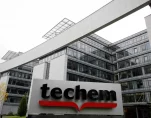
Abu Dhabi’s Mubadala Investment Company, Partners Group, GIC and TPG Rise Climate have agreed a €6.7 billion deal to acquire Techem, the Frankfurt-based energy‑efficiency firm, in a strategic move poised to reinforce digital-first submetering and sustainability in European real estate.

The transaction—set to conclude in the second half of 2025, pending regulatory approvals—will see Partners Group’s infrastructure arm retain a controlling stake, while Mubadala, GIC and TPG Rise Climate take minority positions alongside, marking a rotation in ownership strategy. The sale ends the tenure of the prior consortium including La Caisse and Ontario Teachers’ Pension Plan, which supported Techem since 2018.

Techem, founded in 1952 and based in Eschborn, operates in 18 countries and serves more than 440,000 customers with over 13 million dwellings under its care. Approximately 62 million devices are currently installed across its footprint.

Under Partners Group’s 2018 private equity-led acquisition, Techem grew its sales beyond €1 billion and increased EBITDA by nearly 50%. This expansion solidified its role as a leading provider of submetering services—a crucial component in the decarbonisation of real estate, a sector responsible for around 40% of global CO₂ emissions.

The new ownership strategy aims to deepen digital integration, expand offerings to include smart meters, and capitalise on evolving regulations, rising energy prices and corporate net-zero commitments. “Techem is at the forefront of energy services and is uniquely positioned to drive energy efficiency within the real estate sector,” noted Boon Chin Hau, CIO of GIC Infrastructure, underscoring the group’s confidence in Techem’s strategic outlook.

Abdulla Mohamed Shadid, Head of Energy and Sustainability at Mubadala’s private equity platform, emphasised the importance of helping find solutions to global challenges, reflecting the company’s ongoing shift toward purpose-driven capital deployment. Implementation will include further digitalisation of operations and service expansions tailored to improve building efficiency.

This deal, valued at €6.7 billion, ranks among the year’s largest private‑market transactions globally.

Techem’s technology deploys submetering for heating and water, enabling accurate billing and encouraging lower consumption. Their low‑investment, non‑invasive approach aligns well with landlords and property owners seeking cost-effective energy solutions. Trends in European regulation and growing pressure on emissions reduction give the firm a favourable market tailwind—a factor the new consortium appears ready to exploit.

Despite an earlier attempt by TPG to buy out Techem independently in October 2024, that bid fell through after EU antitrust scrutiny. The current agreement reflects a more collaborative structure that shares risk and maintains continuity under infrastructure stewardship.

Commenting on continuity, Techem’s CEO Matthias Hartmann stated that the company’s strategic direction would remain unchanged, emphasising a steady course under the incoming partners.

The transaction parallels broader investment patterns in smart‑energy firms. Over the past year, GIC has partnered with investors such as EQT to acquire UK smart‑meter provider Calisen—a sign of growing interest in climate‑aligned infrastructure.

With assets under management spanning global private markets, Partners Group leads the infrastructure side with over US$27 billion, while Mubadala and GIC bring sovereign-backed financial clout, and TPG Rise Climate adds dedicated impact‑investment expertise; together they form a powerful alliance geared towards scaling energy efficiency across European real estate.

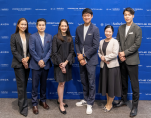
HONG KONG SAR – Media OutReach Newswire – 15 July 2025 – In July 2025, Hong Kong fintech company KN Group announced a significant strategic partnership with AlloyX, a prominent Hong Kong-based Web3 financial technology company. Leveraging AlloyX’s on-chain tokenization infrastructure technology, the two parties will jointly launch the industry’s first tokenized fund with consumer loans as its underlying assets. This collaboration marks the first tokenization of […]

Meta Platforms’ chief executive, Mark Zuckerberg, has announced a staggering commitment: the firm will dedicate hundreds of billions of dollars to construct multiple gigawatt‑scale data centres aimed at advancing superintelligent AI. The first of these massive hubs, named Prometheus, is slated to become operational in 2026, followed by Hyperion, which is expected to scale up to 5 GW in power consumption in the years ahead. These clusters are […]

China has introduced the world’s first oil tanker equipped with adjustable sails, marking a notable step in maritime decarbonisation. The 250‑metre vessel features automated sails that harness wind power, cutting diesel use by up to 14.5 tonnes per day—equivalent to around 5,000 tonnes of CO₂ emissions annually.

The ship was launched at a major Chinese port on 13 July 2025. Naval engineers report that the sails adjust in real time to wind conditions, seamlessly integrating with traditional propulsion systems. Under favourable conditions, the sails alone can provide up to 10% of the vessel’s forward thrust, reducing reliance on fossil fuels and trimming operational costs.

Industry experts describe this as a breakthrough. Dr Li Wei, a maritime technology specialist at a prominent Chinese university, observed that “this marks the first large‑scale application of intelligent sail technology in an oil tanker” and said that the design “could serve as a blueprint for future green tankers”. While alternative zero‑carbon fuels remain the focus of long‑term strategies, sail augmentation presents a practical interim solution.

The initiative aligns with global regulatory pressures. The International Maritime Organization has committed to halving greenhouse‑gas emissions from shipping by 2050. Flettner‑style rotor sails—used on vessels like the Viking Grace ferry—have shown up to 20% fuel savings on optimal routes. China’s innovation refines that concept by adding adjustable sail arrays tailored for large oil carriers, suggesting broader applicability.

Major energy and shipping firms are reportedly evaluating roll‑outs. A senior executive at a state‑affiliated shipping group noted plans to retrofit a fleet of oil and chemical tankers with adjustable sails by 2027, contingent on performance data. Initial trials aim to quantify actual fuel savings, spreadsheeting data on fuel burn, wind usage hours, and analytics from the ship’s sail‑control system.

Yet questions remain. Retrofit costs, structural modifications, and maintenance demand rigorous cost‑benefit analysis. Port infrastructure adaptation—such as clearance for sails and crew training—must also be addressed. Critics argue that, while useful, sail technology cannot fully eliminate emissions without complementary measures like low‑carbon fuels and electrification.

Nevertheless, China’s venture may shift the conversation. Shipbuilders in Europe, Japan and South Korea are racing to develop hydrogen‑ or ammonia‑powered vessels. China’s move showcases an alternative decarbonisation route by optimising existing diesel‑powered fleets. Multi‑source interviews show growing interest from global charterers, some of whom are signalling willingness to pay premium freight rates for lower‑emission vessels.

Maritime insurers are recalibrating risk models, acknowledging that adjustable sails could affect stability and route safety. The new tanker reportedly features advanced ballast‑control systems to compensate for wind forces and automated cut‑out mechanisms during storms.

Trade analysts say China’s state‑backed strategy gives it leverage in global standards talks. Should pilot data validate the 14.5‑tonne daily fuel savings estimate, Chinese shipyards could license or export the design. Such a trend could trigger wider international adoption, pressuring other nations to follow suit.

Shipowners are watching. A European tanker operator, examining images and footage, expressed interest but noted the need for “transparent data on lifecycle emission reductions and economic viability over 20‑year vessel lifetimes.”

Current trials will last six months to a year, tracking metrics like fuel consumption, sail uptime, and maintenance costs. A detailed performance report is expected by mid‑2026, after which retrofit plans may accelerate.

Globally recognized UI/UX and growth marketing agency Tenet (We Are Tenet) selected to spearhead digital growth initiatives for Yomly, two-time ‘HR Software of the Year’ winner at the Entrepreneur Middle East Tech Innovation Awards, as the company accelerates international expansion & enterprise market penetration. Dubai, UAE — July 14, 2025 — Tenet, an award-winning global growth marketing and UI/UX design agency, today announced its selection as the […]

VISHNU RAJA
RYO YAMADA
HITORI GOTOH
IKUYO KITA
Just in:
Hong Kong mandates crypto transaction disclosures to tax authorities // Emirates Group records AED 4.1 billion half-year profit // After Reaching 7 Million Users in the Philippines, Skyro Launches Transparent Cash Loans in Malaysia // Burying Head In “India Made Poverty Reduction” Data Is Dangerous // Oil and chip shares retreat after Democratic victories // Ta’ziz finalises $1.39bn funding for Ruwais industrial facilities // Middle East governments assess Iran war after US vote // APT29-linked campaign exploits outdated Apple and Android software // SC to examine students’ exam plea today // Meraas showcases five residential zones at Dubai Design Week // Arrow Electronics showcases technologies advancing intelligent robotics, mobility and digital infrastructure // Cyberport Venture & Capital Forum 2026 Grand Opening // ADIA and partners establish $1.4 billion aviation venture // Anthropic to prohibit persistent abuse of Claude chatbot // Utilities pursue ₹1,992 cr in unpaid bills // AI trust gap reveals distinct retail priorities: Divergent paths to consumer growth in Hong Kong and the GBA // Fast Just Got Fastest: STING Energy Boost™ Celebrates Kimi Antonelli’s Formula 1® World Championship and the Fan Energy Behind It // Vance attributes Republican midterm defeats to Iran conflict // CR Longdation Aethereal Cybersecurity × Global Cybersecurity Alliance (GCSA) Join Hands to Establish the “AI and Cybersecurity Research Centre” // OpenAI identifies 948 Linux privilege escalation flaws using AI //