Just in:
Oil and chip shares retreat after Democratic victories // Middle East governments assess Iran war after US vote // Hong Kong mandates crypto transaction disclosures to tax authorities // U.S. Mid Term Result Is A Clear Verdict Against Trump’s Authoritarianism // Dubai boat show confirms international shipyard line-up for November // xCube Access Welcomes Entrust Capital Limited  Expanding Access to Professional Portfolio Management // Cyberport Venture & Capital Forum 2026 Grand Opening // Asia Left Behind: Ten international companies have yet to report delivering on their cage-free egg pledges across the region // UK air traffic outage inflicted £33m financial losses // APT29-linked campaign exploits outdated Apple and Android software // ADIA and partners establish $1.4 billion aviation venture // Meraas showcases five residential zones at Dubai Design Week // Anthropic to prohibit persistent abuse of Claude chatbot // Cloudflare unveils Zero Wire vulnerability intelligence service // CR Longdation Aethereal Cybersecurity × Global Cybersecurity Alliance (GCSA) Join Hands to Establish the “AI and Cybersecurity Research Centre” // AI trust gap reveals distinct retail priorities: Divergent paths to consumer growth in Hong Kong and the GBA // Govt opposes Arlekar’s PSC action // e-Crime Bureau Signs Cybersecurity Partnership With Smart Africa, Reinforcing Its Global Expansion // Emirates Group records AED 4.1 billion half-year profit // Pinarayi faults UDF over mounting road crashes //

News related to
data

Startups across India are increasingly turning to non-dilutive funding options to secure capital while retaining full ownership and control. This shift is driven by a desire to avoid the equity dilution often associated with traditional venture capital, especially amid fluctuating valuations and heightened investor scrutiny. Non-dilutive funding encompasses various financial instruments, including venture debt, revenue-based financing, and government grants. These options provide startups with the necessary capital […]

HONG KONG SAR – Media OutReach Newswire – 5 May 2025 – As artificial intelligence (AI) and mobile technology rapidly reshape the digital landscape, the online behaviors and media consumption habits of Hong Kong consumers are evolving at an unprecedented pace. According to the latest 《Digital 2025: Hong Kong》report, local internet penetration has reached 96%, while mobile device adoption has soared to 235%. Consuming video content and […]

Institutional holdings in U.S. spot Bitcoin exchange-traded funds declined by 23% in the first quarter of 2025, falling from $27.4 billion to $21.2 billion. This marks the first quarterly decrease since the launch of these investment vehicles in January 2024.

The downturn is largely attributed to an 11% drop in Bitcoin’s price during the quarter, which significantly impacted the value of holdings. However, strategic repositioning by institutional investors also played a role, with some actively reducing their exposure to Bitcoin ETFs.

Analysis of Securities and Exchange Commission 13F filings indicates a shift in the composition of institutional investors. Financial advisors increased their share of Bitcoin ETF holdings, rising from 47% to 50%, while hedge funds reduced their stake from 41% to 32%. This suggests a move towards longer-term investment strategies by advisors, contrasted with profit-taking by hedge funds.

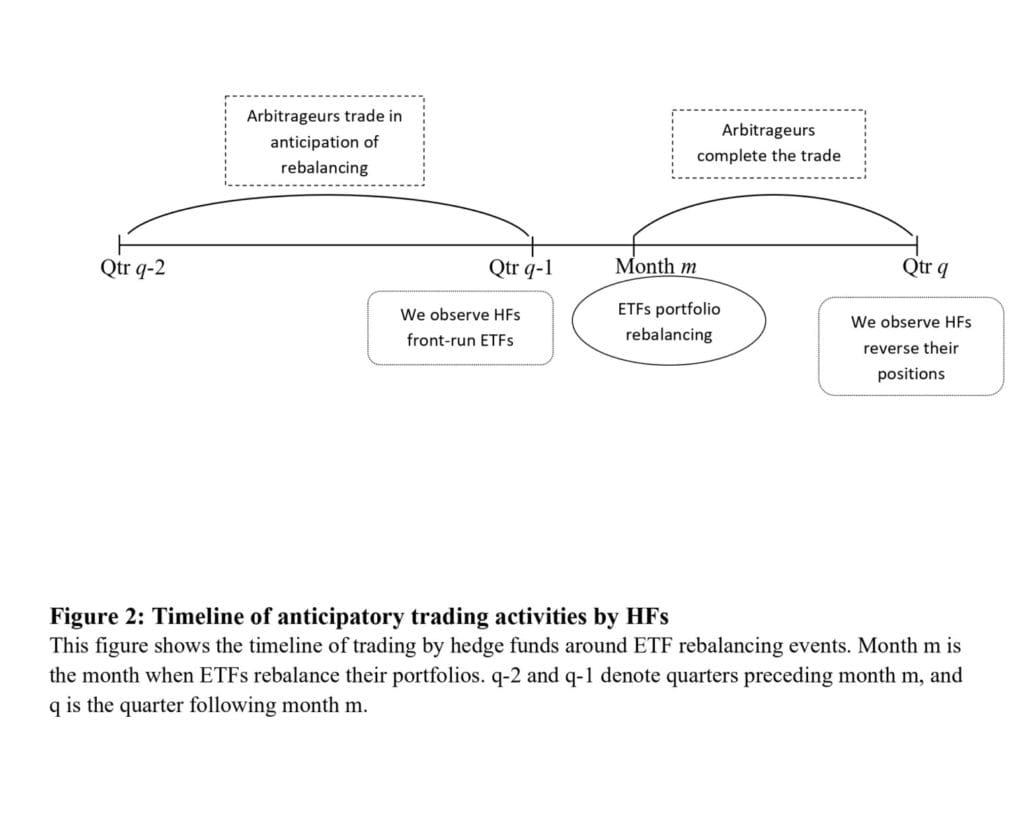
The unwinding of the basis trade—a strategy exploiting price differences between Bitcoin futures and spot markets—contributed to the reduction in hedge fund positions. As futures premiums compressed, the profitability of this arbitrage diminished, prompting firms like Millennium Management and Brevan Howard to adjust their holdings accordingly.

Despite the overall decline, corporate treasuries continued to accumulate Bitcoin. Strategy, formerly known as MicroStrategy, led public firms in Bitcoin acquisition during the quarter, adding 81,785 BTC valued at over $8 billion. This brought the company’s total holdings to 553,555 BTC, underscoring a trend of corporations viewing Bitcoin as a strategic reserve asset.

The manufacturing landscape in India is undergoing a profound transformation as nearly all major players invest heavily in artificial intelligence and machine learning technologies. This shift reflects a strategic focus on boosting operational efficiency, driving business impact, and advancing sustainability goals. An extensive survey by Rockwell Automation reveals that Indian manufacturers are rapidly adopting AI and ML to remain competitive in a global marketplace increasingly dominated by digital innovation.

Manufacturers across India are leveraging AI and ML to optimise production processes, reduce costs, and enhance product quality. The integration of these technologies into factory operations enables predictive maintenance, real-time monitoring, and automation of complex tasks. This leads to minimising downtime, improving yield, and accelerating time-to-market. Industrial leaders cite AI and ML as essential tools for unlocking value amid rising raw material prices and supply chain uncertainties.

The adoption rates in India closely mirror global trends but stand out for the intensity of focus on sustainability. AI-driven analytics allow manufacturers to significantly cut energy consumption and waste, contributing to environmental goals aligned with international standards and India’s own climate commitments. Companies are deploying smart sensors and AI algorithms to monitor emissions and optimise resource use, which is crucial as regulatory pressures tighten and consumer expectations evolve.

Executives in India report that their investment in AI and ML technologies is yielding measurable returns. Data from the Rockwell Automation survey indicates that over 90% of respondents observe improved operational performance attributable to these digital initiatives. Furthermore, nearly three-quarters affirm that their AI-driven strategies have enhanced decision-making speed and accuracy, facilitating quicker responses to market demands and disruptions.

The Indian government’s push to encourage digital adoption in manufacturing, through initiatives such as ‘Make in India’ and the National Strategy on AI, complements corporate efforts. Policy frameworks supporting Industry 4.0 advancements, including financial incentives and infrastructure development, have accelerated the uptake of AI and ML technologies. This alignment between public policy and private sector ambition has created a fertile environment for innovation in the manufacturing ecosystem.

Several sectors within Indian manufacturing stand to benefit disproportionately from AI and ML integration. Automotive, pharmaceuticals, and consumer goods producers are early adopters, capitalising on AI’s ability to optimise supply chains, enhance product customisation, and improve quality control. For example, AI algorithms can predict demand patterns more accurately, enabling just-in-time inventory management that reduces excess stock and associated costs.

While enthusiasm for AI and ML is high, manufacturers face challenges in implementation. Shortages of skilled personnel who can develop and maintain AI systems are common, necessitating investment in workforce training and collaboration with technology providers. Cybersecurity remains a critical concern, as increased digital connectivity opens potential vulnerabilities. Firms are therefore balancing rapid technology deployment with robust risk management strategies to safeguard intellectual property and operational integrity.

The evolving role of AI and ML in manufacturing also raises questions about labour dynamics. Automation driven by these technologies has the potential to displace routine manual jobs but also creates opportunities for higher-skilled employment in areas such as data science, system maintenance, and process optimisation. Industry leaders emphasise the need for reskilling initiatives to ensure the workforce adapts to the demands of a more digitally integrated manufacturing sector.

Investors and technology companies are taking notice of India’s growing appetite for AI and ML in manufacturing. Partnerships between domestic manufacturers and global tech firms are expanding, bringing access to advanced AI platforms and expertise. Indian startups specialising in industrial AI solutions are gaining traction, offering innovative products tailored to the unique challenges of Indian factories, such as managing variable power supply and legacy equipment integration.

The emphasis on sustainability powered by AI is gaining traction beyond regulatory compliance. Indian manufacturers recognise that eco-friendly operations can enhance brand value and meet the expectations of increasingly conscious consumers worldwide. Technologies that track carbon footprints, water usage, and waste generation help firms align with global environmental, social, and governance criteria, which are becoming decisive factors for international trade and investment.

As AI and ML technologies mature, their influence on Indian manufacturing’s competitive edge is expected to deepen. Automation of routine tasks frees human workers to focus on innovation and complex problem-solving, potentially accelerating product development cycles and enabling mass customisation. Real-time data analytics empower firms to respond nimbly to market fluctuations and supply chain disruptions, a critical advantage amid ongoing geopolitical and economic uncertainties.

Oil prices maintained stability following a notable rise as market participants reacted to constructive signals from high-level discussions between the United States and China. Brent crude hovered near $65 a barrel, positioning itself for a weekly advance that would mark its first since mid-May. Similarly, West Texas Intermediate settled close to $63, reflecting a cautious but optimistic outlook amid evolving geopolitical dynamics. The dialogue between President Donald […]

Hunter Marquez graduated from the U.S. Air Force Academy with honours, expecting to begin their career as a commissioned second lieutenant. Despite meeting all academic and training requirements, Marquez and two other graduates have been barred from active duty due to restrictions stemming from a policy introduced during Donald Trump’s presidency that prohibits transgender individuals from serving openly in the military. This decision has ignited renewed debate […]

The debt burden across the Middle East and North Africa has escalated markedly over the last decade, with many governments relying heavily on borrowing to sustain public spending amid economic challenges. This growing fiscal strain, combined with an increasing dependence on external donor funding, has amplified the influence of foreign actors on both domestic policies and regional geopolitics, raising concerns about the long-term economic sovereignty of these […]

Advertisements

Dubai’s real estate sector demonstrated remarkable momentum last month, with property transactions reaching a record AED 66.8 billion , reflecting a substantial 44% increase compared to the previous year. This surge highlights a growing population and robust demand across various market segments, driven by both primary and secondary sales.

The primary ready property segment emerged as a key growth area, experiencing a fourfold increase in sales value to AED 17.9 billion in May 2025. This sharp rise signals strong confidence among buyers seeking completed units, particularly in sought-after developments across Dubai’s key residential hubs. The secondary ready market also recorded significant gains, with sales amounting to AED 24 billion, up 21% year-on-year, underscoring ongoing interest in resale properties.

Combined, the value of primary ready and off-plan transactions soared by 65% to AED 37 billion, while secondary sales posted a 23% rise, reaching AED 29 billion. These figures set new benchmarks for Dubai’s real estate market, reinforcing its status as a vibrant and attractive destination for investors and end-users alike.

Market analysts point to several factors fueling this upward trajectory. Dubai’s population continues to expand rapidly, buoyed by relaxed visa policies and a growing expatriate community. This demographic shift is driving demand for residential properties across the emirate, particularly in areas offering integrated lifestyle amenities and proximity to business districts.

Infrastructure developments and government initiatives aimed at enhancing the city’s appeal remain key contributors to market confidence. Projects such as the Dubai Metro expansion, new business zones, and cultural hubs are attracting both domestic and international buyers. The real estate sector’s performance also benefits from Dubai’s position as a global trade and tourism hub, which sustains demand in the rental and resale markets.

Within the primary ready segment, the quadrupling of sales reflects a broader trend where buyers prefer completed properties over off-plan purchases, reducing exposure to construction delays and market fluctuations. This preference is particularly pronounced among end-users seeking immediate occupancy. Developers have responded by accelerating delivery schedules and introducing competitive pricing strategies to capture this demand.

Off-plan sales maintain a strong presence, contributing significantly to the overall primary market value. The willingness of buyers to commit to projects still under construction suggests continued optimism about Dubai’s long-term growth prospects. Developers are increasingly targeting affluent buyers with luxury offerings and integrated communities that blend residential, retail, and recreational spaces.

The secondary market’s 23% growth highlights the liquidity and resilience of Dubai’s property resale sector. Investors and homeowners alike are capitalising on rising property values, with many opting to upgrade or diversify their portfolios. This active resale market provides a vital avenue for market participants seeking flexible entry and exit points.

Data also reveals that demand is diversifying geographically. While prime locations such as Downtown Dubai, Dubai Marina, and Palm Jumeirah remain highly sought after, emerging areas like Dubai South and Mohammed bin Rashid City are gaining traction. These developments offer competitive pricing and extensive amenities, appealing to both investors and residents aiming for value and quality of life.

Real estate experts caution, however, that sustainability remains a crucial consideration amid rapid growth. Affordability challenges and potential oversupply in certain segments could temper future gains if not managed carefully. Nonetheless, current market dynamics suggest a healthy balance between supply and demand, supported by Dubai’s strategic economic vision.

Abu Dhabi will serve as the host for the Games of the Future 2025, a pioneering global event blending physical and digital sports. Scheduled for December 18 to 23, the competition aims to redefine the boundaries of athletic contests by merging traditional sporting disciplines with cutting-edge technology. This event marks a significant step in the evolution of international sports, as organisers position Abu Dhabi at the forefront of the phygital sports movement.

The Games of the Future will bring together elite athletes and esports competitors from across the world, competing in hybrid formats designed to test skill, strategy, and adaptability. The term “phygital” refers to the integration of physical and digital elements within the same competitive environment. This concept challenges conventional sports formats, creating new experiences for participants and audiences alike.

Organisers highlight that the Games of the Future are intended to captivate younger, tech-savvy audiences, whose preferences are shifting towards immersive and interactive entertainment. The event will showcase competitions that combine real-world physical prowess with virtual reality, augmented reality, and advanced sensor technologies. These innovations allow athletes to perform in augmented settings where physical actions influence digital gameplay in real time.

Abu Dhabi’s selection as host city follows extensive consideration of its infrastructure, innovation-driven vision, and commitment to becoming a global hub for futuristic sports and entertainment. The emirate has invested heavily in smart city technologies, sporting facilities, and digital innovation hubs, creating a conducive environment for this landmark event. Local authorities are confident that the Games will bolster Abu Dhabi’s reputation as a leader in hosting high-profile international sporting and cultural events.

The event will be staged across multiple venues, including state-of-the-art arenas equipped with immersive technologies, interactive fan zones, and digital broadcasting platforms. These setups are designed to offer spectators an unparalleled experience, allowing them to engage with the games through interactive apps, live data feeds, and virtual participation elements.

Key components of the Games will include virtual cycling races, drone racing, mixed-reality martial arts, and AI-assisted team sports. Each competition will be carefully crafted to balance physical skill with digital interaction, emphasising creativity, teamwork, and technological proficiency. Organisers have underscored the importance of fairness and integrity in the competition, with robust systems in place to ensure transparency and prevent cheating in both physical and digital realms.

Prominent figures in the world of sports technology have expressed optimism about the Games’ potential to accelerate the integration of digital tools in mainstream athletics. Experts argue that these innovations could provide new avenues for athlete training, injury prevention, and fan engagement. Furthermore, the Games of the Future could act as a testing ground for technologies that might soon become standard in traditional sports worldwide.

The event also reflects broader trends in the sports industry, where the lines between physical sports, esports, and entertainment are increasingly blurred. Sporting bodies and commercial partners are exploring hybrid formats as a way to reach diverse demographics and unlock new revenue streams. By hosting the Games, Abu Dhabi aims to position itself as a pioneer in this transformative phase.

Economic analysts project that the Games will generate significant benefits for the emirate, including increased tourism, job creation, and investment in related sectors such as technology, hospitality, and media production. The event’s timing aligns with Abu Dhabi’s broader economic diversification goals, supporting the emirate’s transition from a primarily oil-dependent economy to a knowledge-based, innovation-driven hub.

As the competition approaches, several international teams and technology companies are confirming participation, signalling robust global interest. Collaborative efforts between sporting federations, tech firms, and event organisers have been instrumental in developing the formats and rules, ensuring they are competitive, engaging, and scalable for future iterations.

The Games of the Future 2025 are expected to attract a wide media presence, with live broadcasts planned across multiple platforms to reach audiences worldwide. This extensive coverage will highlight both the athletic feats and the technological marvels on display, offering insights into how sports could evolve in the coming decades.

Organisers have committed to sustainability principles, incorporating eco-friendly practices throughout the event’s planning and execution. This includes energy-efficient venues, waste reduction initiatives, and promotion of digital engagement to minimise the carbon footprint typically associated with large-scale sports events.

The Games represent a convergence of sport, technology, and culture, reflecting the aspirations of a generation that embraces digital innovation while celebrating physical excellence. Abu Dhabi’s role as host underscores the emirate’s ambition to shape the future of global sports, setting a benchmark for how cities can adapt to and lead in the rapidly changing landscape of athletic competition.


World Liberty Financial , a cryptocurrency firm closely linked to President Donald Trump and his family, has sent a cease-and-desist letter to Fight Fight Fight LLC and NFT marketplace Magic Eden. The legal action follows the announcement of a new digital wallet branded as the “Official $TRUMP Wallet by President Trump,” which the Trump family asserts was launched without their approval.

The disputed wallet was unveiled earlier this week through the X account associated with the $TRUMP memecoin, a cryptocurrency project initiated by Fight Fight Fight LLC. The company, reportedly connected to longtime Trump associate Bill Zanker, partnered with Magic Eden to promote the wallet, inviting users to join a waitlist. However, the Trump family has publicly denied any involvement with the project.

Donald Trump Jr., Eric Trump, and Barron Trump have all issued statements distancing themselves from the wallet. Eric Trump cautioned against the unauthorized use of their family name, while Donald Trump Jr. emphasized that the Trump Organization had no connection to the project. He also revealed that the family is developing their own official wallet through World Liberty Financial.

World Liberty Financial, co-founded by the Trump family, has been actively expanding its presence in the cryptocurrency space. The firm has launched its own stablecoin, USD1, and is reportedly working on a crypto wallet focused on token yield generation. The company has attracted significant investment, including a $2 billion infusion from a firm associated with the Abu Dhabi government.

The emergence of the unauthorized $TRUMP Wallet has led to confusion and concern within the crypto community. The wallet’s website has experienced intermittent outages, and its X account has been suspended. Despite these issues, neither Fight Fight Fight LLC nor Magic Eden has commented on the dispute.

The Trump family’s foray into cryptocurrency has been marked by controversy. The $TRUMP memecoin, launched in January 2025, saw an initial surge in value before experiencing a significant decline. While the token generated substantial revenue through trading fees, it also raised ethical questions regarding the president’s dual role as a public official and a private entrepreneur.

Critics argue that the intertwining of the Trump family’s business interests with their political influence poses potential conflicts of interest. The lack of clear boundaries between governance and private enterprise has led to calls for greater transparency and regulatory oversight in the rapidly evolving crypto industry.

By Nitya Chakraborty 26 days have passed since the temporary truce in the limited four day war between India and Pakistan taking effect on May 10 this year. Prime Minister Narendra Modi has been talking of his three point doctrine since then, the most important of which is no dialogue with Pakistan unless the ruling […]

Ghana’s gold reserves have surged to 31.37 tonnes in 2025, reaffirming its position as Africa’s leading gold producer. However, this growth is shadowed by a significant rise in artisanal and small-scale mining , which now accounts for nearly 40% of national output. The proliferation of unlicensed operations is raising alarms over environmental degradation, regulatory challenges, and the long-term sustainability of the country’s mining sector. The Ghana Chamber […]

Elon Musk has launched a scathing attack on President Donald Trump’s proposed $4 trillion tax and spending bill, branding it the “Debt Slavery Bill” and urging Americans to pressure lawmakers to reject it. The Tesla and SpaceX CEO’s criticism comes as the U.S. national debt approaches $37 trillion, with the Congressional Budget Office projecting the bill would add approximately $2.4 trillion to the deficit over the next […]

Ripple’s US dollar-pegged stablecoin, RLUSD, has secured regulatory approval from the Dubai Financial Services Authority , authorising its use within the Dubai International Financial Centre . This development enables RLUSD to be integrated into Ripple’s DFSA-licensed payments platform and utilised by other DFSA-registered entities operating in the DIFC.

The approval positions RLUSD among a select group of stablecoins recognised under the DFSA’s crypto token regime, which includes Circle’s USDC and EURC. RLUSD is designed for enterprise use, offering features such as 1:1 USD backing with high-quality liquid assets, segregated reserves, third-party audits, and clear redemption rights. It is issued under a New York Department of Financial Services Trust Company Charter, subjecting it to stringent regulatory standards.

Reece Merrick, Ripple’s Managing Director for the Middle East and Africa, noted the growing interest from businesses in the UAE for cross-border payments and digital asset custody solutions. He emphasised the dynamic nature of the UAE’s digital economy and expressed optimism about RLUSD’s role in facilitating real-time, cost-effective international transactions.

Ripple is collaborating with local partners, including digital bank Zand and fintech platform Mamo, who are expected to be early adopters of RLUSD. Additionally, RLUSD will support the Dubai Land Department’s initiative to tokenize real estate title deeds on the XRP Ledger, aiming to digitize and record property ownership using blockchain technology.

The DFSA’s recognition of RLUSD follows Ripple’s earlier approval to offer blockchain-powered payment solutions within the DIFC, obtained in March. This dual approval allows Ripple to integrate RLUSD into its global payment services in Dubai and the UAE, while also enabling other DFSA-licensed firms in the region to incorporate the stablecoin into their offerings.

Jack McDonald, Ripple’s Senior Vice President of Stablecoins, stated that the DFSA’s approval validates RLUSD as a trusted and compliant stablecoin built for global business. He highlighted the stablecoin’s potential to bring value across payments, decentralised finance , and real-world asset tokenization.

India has emerged as the largest user base for ChatGPT, accounting for 13.5% of global monthly active users, surpassing the United States at 8.9% and Indonesia at 5.7%, according to the latest AI Trends Report by Mary Meeker. This milestone underscores India’s rapid adoption of AI technologies and its growing prominence in the global AI landscape.

OpenAI CEO Sam Altman has acknowledged this trend, stating that “India is outpacing the world” in AI engagement. He highlighted the country’s enthusiasm and creativity in leveraging AI tools like ChatGPT for various applications, including education and professional development.

A recent survey revealed that 60% of Indian professionals are utilizing generative AI tools such as ChatGPT and Microsoft Copilot. However, only 31% feel adequately prepared by their organizations to use these tools effectively, indicating a need for clearer policies and structured training programs to fully harness AI’s potential.

The educational sector in India has also seen significant integration of ChatGPT. Studies indicate that students and educators are increasingly adopting AI tools to enhance learning and teaching methodologies. While these technologies offer remarkable opportunities for educational innovation, they also bring forth challenges related to academic integrity and ethical use.

Despite the surge in AI adoption, Altman previously expressed skepticism about India’s ability to develop AI models comparable to ChatGPT, citing resource constraints. Nonetheless, the country’s growing engagement with AI tools suggests a strong potential for innovation and development in this field.

Inventec has partnered with Nvidia and Solomon to introduce a collaborative robotic system aimed at revolutionising server manufacturing. This initiative integrates Nvidia’s Isaac cuMotion acceleration libraries, Solomon’s AI-driven optical inspection software, and Inventec’s proprietary Manufacturing Execution System , resulting in a streamlined, intelligent production line. The collaborative robotic arm system, commonly referred to as a cobot, is designed to enhance automation in server assembly. By embedding Nvidia’s […]

Syria’s transitional government has authorised immediate access for United Nations nuclear inspectors to several long-suspected former nuclear sites, marking a significant shift in the country’s stance on nuclear transparency. Rafael Mariano Grossi, Director General of the International Atomic Energy Agency , confirmed the development following high-level meetings in Damascus with President Ahmad al-Sharaa. Grossi described the new leadership as “committed to opening up to the world” and […]

GridFree AI has secured $5 million in funding to fast-track the deployment of modular artificial intelligence data centres, signalling a significant shift in how computational infrastructure will be developed and scaled worldwide. The funding round, led by Montauk Climate alongside other strategic investors, aims to support GridFree AI’s ambition to optimise the construction, operation, and scalability of AI data centres with a modular, climate-conscious approach. Emerging from […]

Global cryptocurrency exchange BYDFi and hardware wallet manufacturer Ledger have initiated a worldwide campaign targeting digital creators and key opinion leaders within the Web3 community. The initiative centres around the distribution of a limited-edition BYDFi x Ledger Nano X hardware wallet, with only 500 units available globally.

Participants are encouraged to engage by posting on the social media platform X using the hashtag #BYDFixLedger, sharing their perspectives on the collaboration, and completing an application form via the official campaign page. Successful applicants will receive the exclusive hardware wallet along with additional benefits as part of the partnership programme.

The BYDFi x Ledger Nano X is a customised version of Ledger’s flagship cold wallet, featuring Bluetooth and USB-C connectivity, and support for over 15,000 cryptocurrencies and NFTs. It is designed with a mobile-first approach, compatible with iOS, Android, macOS, and Windows platforms. Security features include a CC EAL5+ certified secure element, ensuring private keys remain offline and protected from remote threats associated with custodial wallets or centralised platforms. Integration with Ledger Live allows for seamless asset tracking, staking, and transactions.

This collaboration underscores a shared vision between BYDFi and Ledger to promote secure, user-controlled asset management as a cornerstone of the Web3 movement. Michael, Co-founder of BYDFi, emphasised the importance of self-custody, stating, “True ownership starts with self-custody. Our collaboration with Ledger aims to equip users with secure, intuitive tools to manage their digital assets with confidence—anytime, anywhere.”

Ledger, established in 2015, has sold over 6 million devices without a single reported hack, solidifying its reputation in digital asset security. Its products, including the Nano series and Ledger Live app, enable users and enterprises to manage their cryptocurrencies, NFTs, and data securely in the Web3 era.

BYDFi, founded in 2020, serves over 1 million users across more than 190 countries and regions. Recognised by Forbes as one of the Best Crypto Exchanges & Apps for Beginners in 2025, BYDFi offers a comprehensive product suite, including spot trading, perpetual contracts, copy trading, automated bots, and on-chain tools, catering to both novice and professional traders.

The limited-edition BYDFi x Ledger Nano X made its debut at TOKEN2049 Dubai, coinciding with BYDFi’s fifth anniversary. Attendees at the event had the opportunity to receive the wallet through on-site interactive activities. The wallet retains the advanced security features of the original Ledger Nano X while incorporating custom BYDFi design elements, including visual branding and customised packaging.

In addition to the wallet launch, BYDFi showcased its on-chain trading solution, MoonX, at the event. As part of BYDFi’s “CEX + DEX” dual-engine strategy, MoonX combines the transparency of on-chain execution with the high-speed performance of centralised systems, delivering a seamless trading experience tailored to the demands of DeFi users.

A Ryanair flight from Berlin to Milan was forced to make an emergency landing at Memmingen Airport in southern Germany on Wednesday evening after encountering severe turbulence that injured nine people on board.

The Boeing 737-800 aircraft, carrying 179 passengers and six crew members, was en route to Milan Malpensa Airport when it flew into a violent storm system over Bavaria around 8:30 p.m. local time. The turbulence was so intense that passengers were thrown against the cabin ceiling, with several sustaining injuries ranging from bruises to head trauma.

Among the injured were eight passengers and one crew member. Three individuals, including a woman with a head injury and her two-year-old child who suffered bruises, were transported to a local hospital in Memmingen for further treatment. The remaining injured received medical attention on-site and were released. Emergency services evaluated all passengers and crew as a precautionary measure.

Passengers described the ordeal as terrifying, with one individual recounting that the plane tilted sharply and people were hurled into the air without warning. The sudden onset of turbulence left many in shock, and some reported that there had been no prior announcement from the cockpit about the impending rough air.

The aircraft landed safely at Memmingen Airport at 8:44 p.m., where emergency responders were on standby. Due to the severity of the storm and the condition of the aircraft, authorities did not permit the plane to continue its journey. Ryanair arranged for alternative transportation, including buses, to carry passengers the remaining 380 kilometers to Milan.

The German Weather Service indicated that the turbulence was likely caused by a supercell storm—a powerful and rotating thunderstorm capable of producing severe weather phenomena such as tornadoes and large hail. The DWD issued warnings for further storms in the region, with expectations of hail, strong winds, and heavy rain.

In related incidents, the same storm system caused significant damage in parts of southern Germany. In the Donaustetten district of Ulm, strong winds tore roofs off multiple row houses, rendering them uninhabitable. Fire officials suspect a small tornado or waterspout caused the damage. No injuries were reported in that incident. Emergency services responded to numerous calls about fallen trees and flooded basements across the region.

Ritchie Bros.’ Dubai auction on June 4–5, 2024, recorded significant international participation, with 981 bidders from 69 countries. The event saw 1,123 lots sold to 309 buyers, reflecting strong global interest in heavy equipment. The United Arab Emirates led with 416 bidders, followed by the United States , Canada , Saudi Arabia , and the United Kingdom . This diverse participation underscores the auction’s global appeal. Notable […]

A cargo ship transporting approximately 3,000 vehicles, including 800 electric models, was abandoned in the North Pacific Ocean after a fire erupted on board, compelling all 22 crew members to evacuate. The vessel, identified as the Morning Midas, was en route from Yantai, China, to Lázaro Cárdenas, Mexico, when the incident occurred about 300 miles southwest of Adak Island, Alaska. Smoke was first observed emanating from a […]

Bechtel Corporation has been appointed as the delivery partner for three new terminals at King Salman International Airport in Riyadh, marking a significant advancement in one of the world’s most ambitious aviation infrastructure projects.

The agreement, formalised during a high-profile visit by U.S. President Donald Trump to Saudi Arabia, entrusts the U.S.-based engineering firm with managing the development of a terminal for commercial airlines, Terminal 6 for low-cost carriers, and a private aviation terminal complete with hangars. This collaboration underscores the strengthening infrastructure ties between the United States and Saudi Arabia.

KSIA is poised to become the world’s largest airport upon completion, a cornerstone of Saudi Arabia’s Vision 2030 initiative aimed at diversifying the nation’s economy and enhancing global connectivity. The airport is designed to handle an anticipated capacity of 185 million passengers and 3.5 million tonnes of cargo annually by 2050. It will feature six parallel runways and encompass an area of 57 square kilometres, integrating advanced sustainable practices to achieve LEED Platinum certification across all terminals.

Darren Mort, President of Bechtel’s Infrastructure Business, expressed enthusiasm about the project, stating, “The King Salman International Airport is a landmark project that will reshape Riyadh and enhance the lives and communities it serves.” He highlighted Bechtel’s extensive experience in delivering complex airport projects globally, including Hamad International Airport in Qatar, Dubai International Airport in the UAE, and London City Airport in the UK.

Marco Mejia, Acting CEO of the King Salman International Airport Development Company, emphasized the project’s commitment to innovation and sustainability. He noted that the selection of Bechtel as the delivery partner reflects the project’s dedication to elevating aviation infrastructure standards through collaboration with a company possessing over 120 years of global experience.

The new terminals are expected to replace existing facilities at King Khalid International Airport, enhancing Riyadh’s status as a global hub for transportation, tourism, and trade. The development aligns with Saudi Arabia’s broader goals of economic diversification and infrastructure modernization.

Bechtel’s role in the KSIA project builds upon its longstanding presence in Saudi Arabia, where it has completed over 300 projects, including the recently inaugurated Riyadh Metro. The company’s involvement in KSIA signifies a continued commitment to supporting the kingdom’s transformative infrastructure initiatives.

Dubai’s Virtual Assets Regulatory Authority has entered into a strategic partnership with SuiHub MENA, the regional arm of the Sui blockchain ecosystem, to bolster the emirate’s position as a global hub for virtual assets. The collaboration aims to support emerging startups, nurture local talent, and provide regulatory guidance within the blockchain sector.

The agreement, formalised earlier this week, outlines a multifaceted approach to ecosystem development. Key initiatives include jointly hosted workshops to assist startups in navigating Dubai’s licensing regime, educational programs to cultivate local expertise in blockchain technology, and the establishment of advisory sessions to offer compliance support. These efforts are designed to streamline the path to market for new ventures and enhance the overall maturity of the virtual asset landscape in the region.

SuiHub MENA’s innovation centre in Dubai will serve as the focal point for these activities, with VARA providing strategic support through roundtables and engagements with government stakeholders. The partnership also encompasses collaborative research opportunities aimed at informing future virtual asset policies and contributing to the sustainable growth of the sector.

This alliance follows a similar memorandum of understanding signed between VARA and the Solana Foundation, reflecting Dubai’s commitment to fostering a conducive environment for blockchain innovation. By aligning regulatory clarity with technological advancement, these partnerships underscore the emirate’s proactive stance in embracing the potential of virtual assets while ensuring robust governance frameworks are in place.

VISHNU RAJA
RYO YAMADA
HITORI GOTOH
IKUYO KITA
Just in:
Utilities pursue ₹1,992 cr in unpaid bills // Democrats capture Senate majority with seven Republican seats // Ta’ziz finalises $1.39bn funding for Ruwais industrial facilities // ADIA and partners establish $1.4 billion aviation venture // AI trust gap reveals distinct retail priorities: Divergent paths to consumer growth in Hong Kong and the GBA // Govt opposes Arlekar’s PSC action // Asia Left Behind: Ten international companies have yet to report delivering on their cage-free egg pledges across the region // e-Crime Bureau Signs Cybersecurity Partnership With Smart Africa, Reinforcing Its Global Expansion // Pinarayi faults UDF over mounting road crashes // Emirates Group records AED 4.1 billion half-year profit // Dubai boat show confirms international shipyard line-up for November // Cloudflare unveils Zero Wire vulnerability intelligence service // Oil and chip shares retreat after Democratic victories // OpenAI identifies 948 Linux privilege escalation flaws using AI // SC to examine students’ exam plea today // Fast Just Got Fastest: STING Energy Boost™ Celebrates Kimi Antonelli’s Formula 1® World Championship and the Fan Energy Behind It // Vance attributes Republican midterm defeats to Iran conflict // Burying Head In “India Made Poverty Reduction” Data Is Dangerous // U.S. Mid Term Result Is A Clear Verdict Against Trump’s Authoritarianism // CR Longdation Aethereal Cybersecurity × Global Cybersecurity Alliance (GCSA) Join Hands to Establish the “AI and Cybersecurity Research Centre” //